San José del Pacífico is a hillside town high in the mountains of Oaxaca, on Highway 175 between Oaxaca City and the Pacific coast. At about 2,440 meters, it is cool and often misty, a world away from the beaches below.
AT A GLANCE
Best time
The dry months bring clearer views, while the rainy season is greener and cloudier.
How long
One night is enough for a stopover, and two nights let you hike and relax.
Getting there
Take a bus, shared van or car from Oaxaca City along Highway 175, about three hours.
Why visit San José del Pacífico
San José del Pacífico lies about 2,440 meters above sea level on the Pochutla to Oaxaca highway, Federal Highway 175. It makes a good overnight stopover between Oaxaca City and the Pacific coast, and the town is compact enough to explore on foot.
Since a new freeway between Oaxaca and Puerto Escondido opened in March 2024, many beach-bound travelers bypass the village entirely, which leaves it quieter for those who stop.
The setting rewards unhurried travel. Days here are for forest air, long meals and views toward a distant Pacific, and evenings are for a hot drink and an early night.
Mountain views and trails
The village and its views
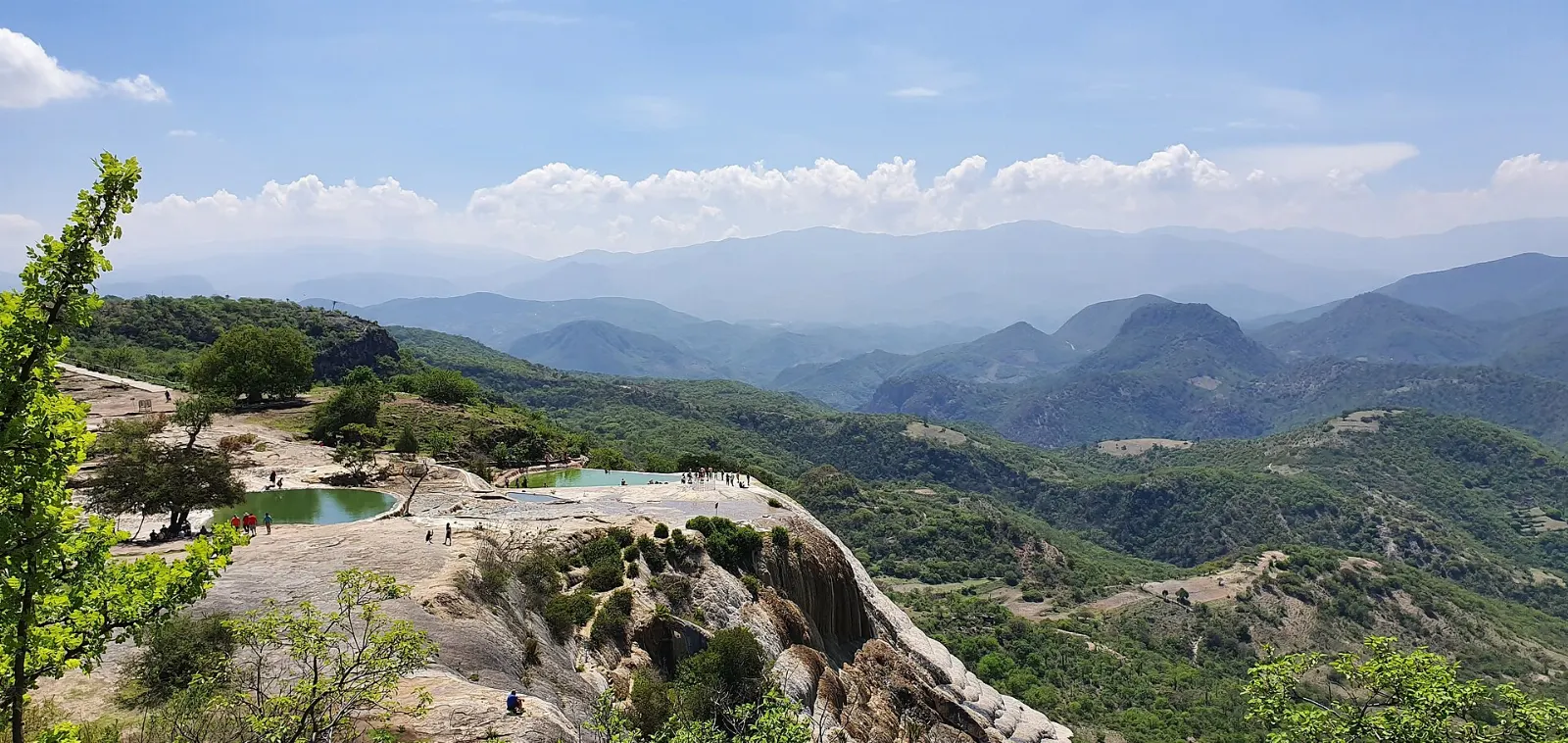
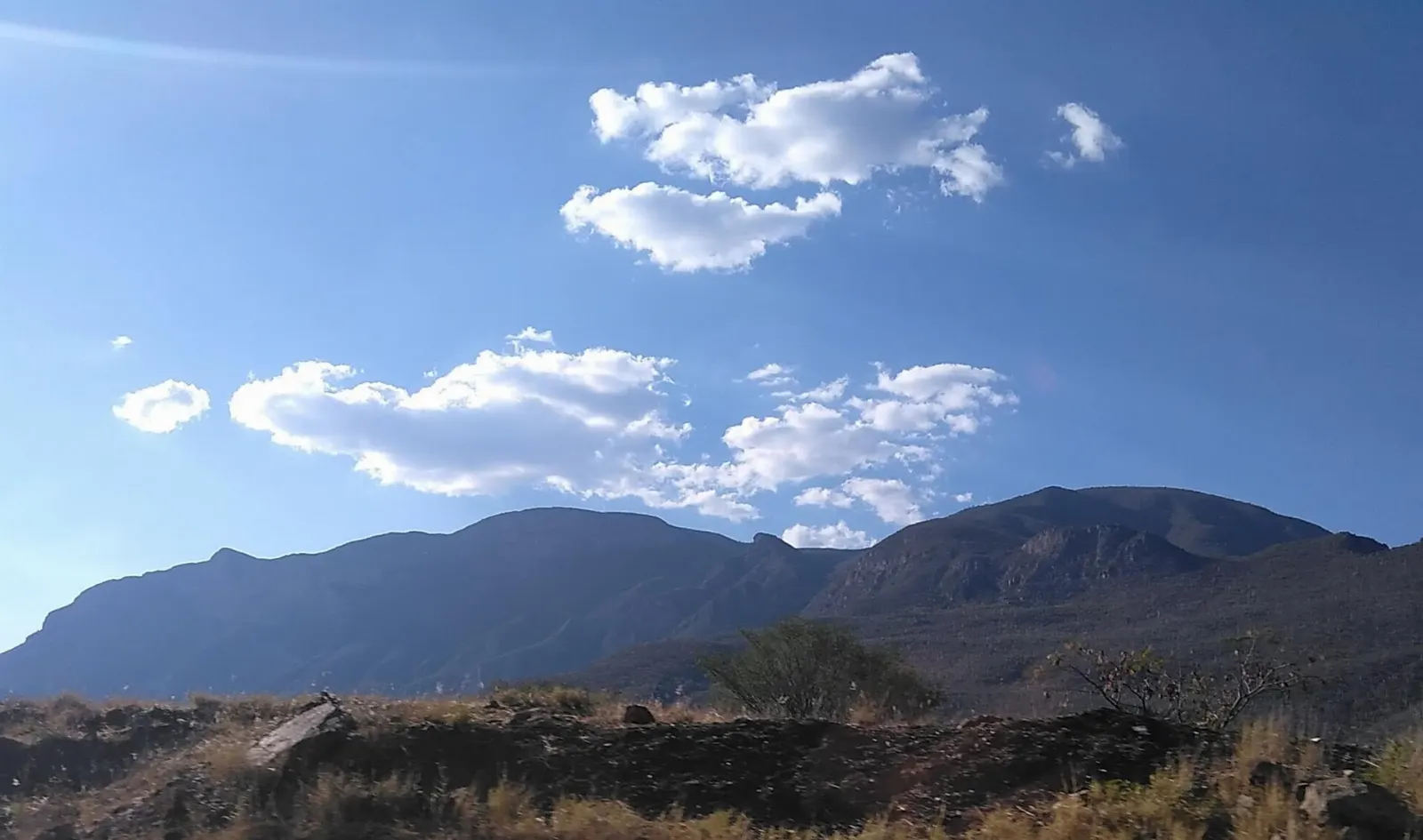
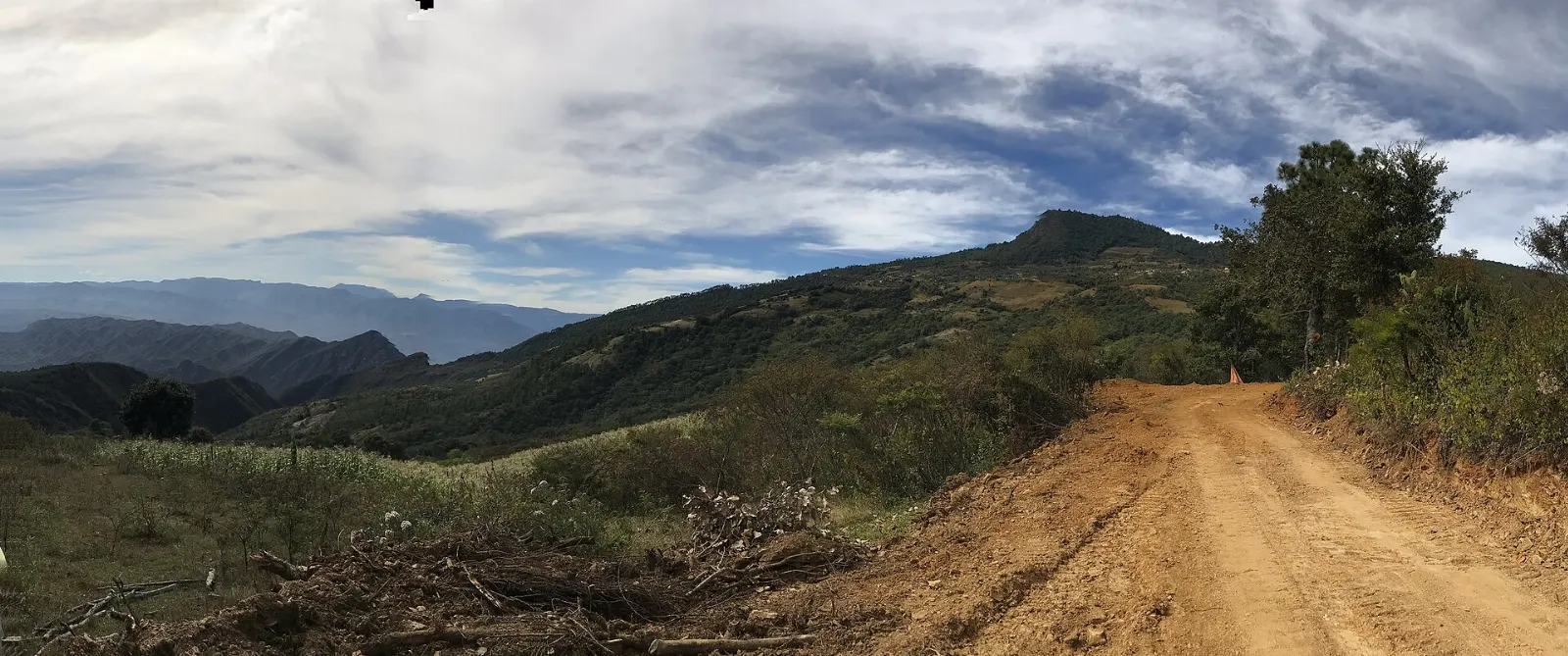
Walk around town to enjoy the village set into the mountains, with pines, fog and Pacific views on clear days. The town is very compact, so an unhurried hour covers the center.
Forest trails
Several trails climb the mountainside and into the forest. Ask your host for current route advice, since mist can roll in quickly and trails can be slippery after rain.
Crafts shops
You will find plenty of arts and crafts for sale around town. Browsing takes little time and makes a pleasant pause between walks.
Temazcal, coffee and good tables
Temazcal Yolitztli
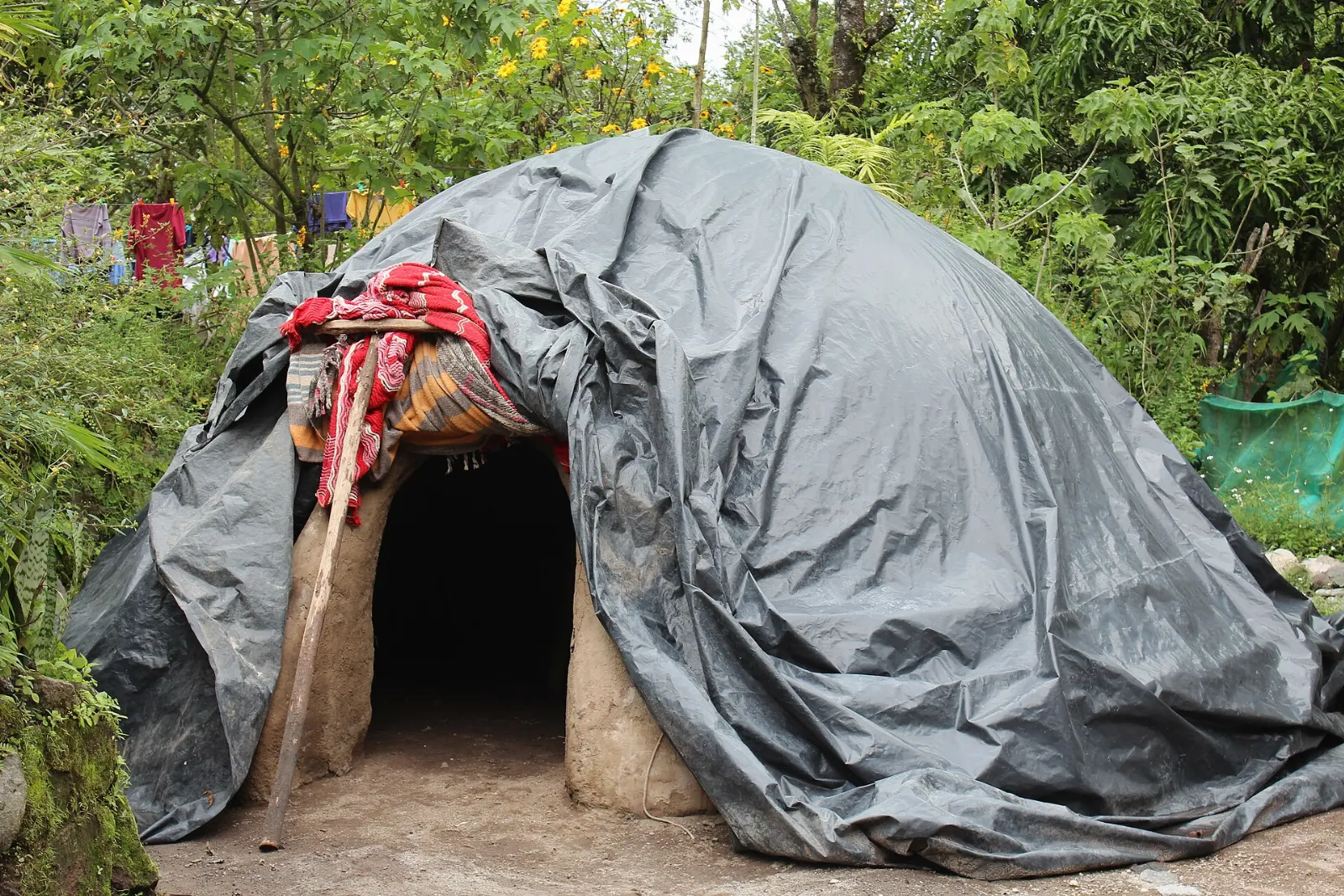
A temazcal is an indigenous style of sauna accompanied by healing rituals, and this one is run by a local family in a woodland setting.
Zaapeche Temazcalli
This temazcal, set at Rancho Primavera, offers traditional healing ceremonies and rituals. At least a dozen wellness spas around town offer temazcal sessions, so compare options and book in advance.
Teonanácatl restaurant
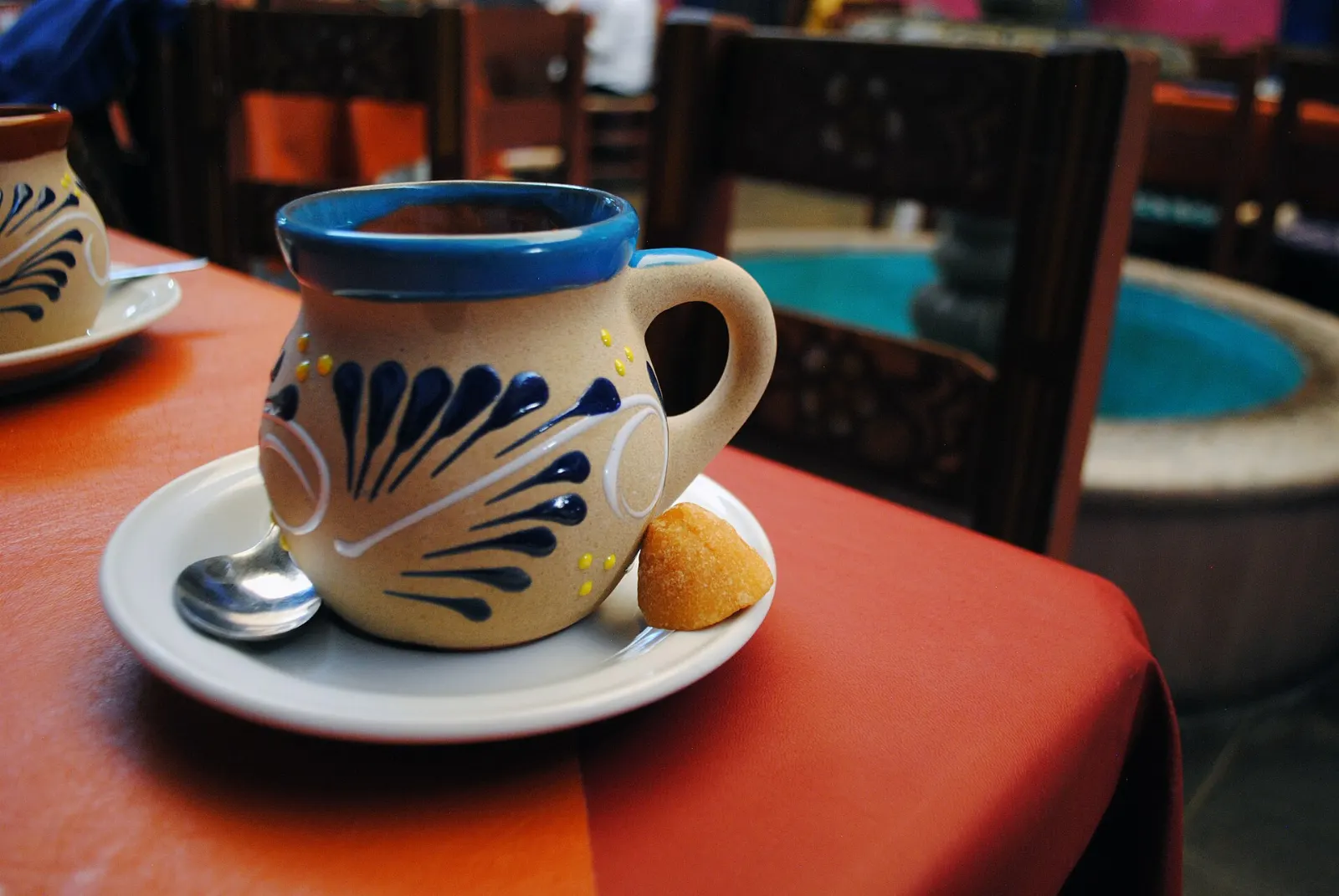
Located on the highway at about kilometer 131, this casual restaurant serves traditional Mexican food with a few Oaxacan specialties, including a popular spicy mushroom soup. Strong locally grown coffee is also served, either regular or as café de olla.
Comedor Monte Sinai
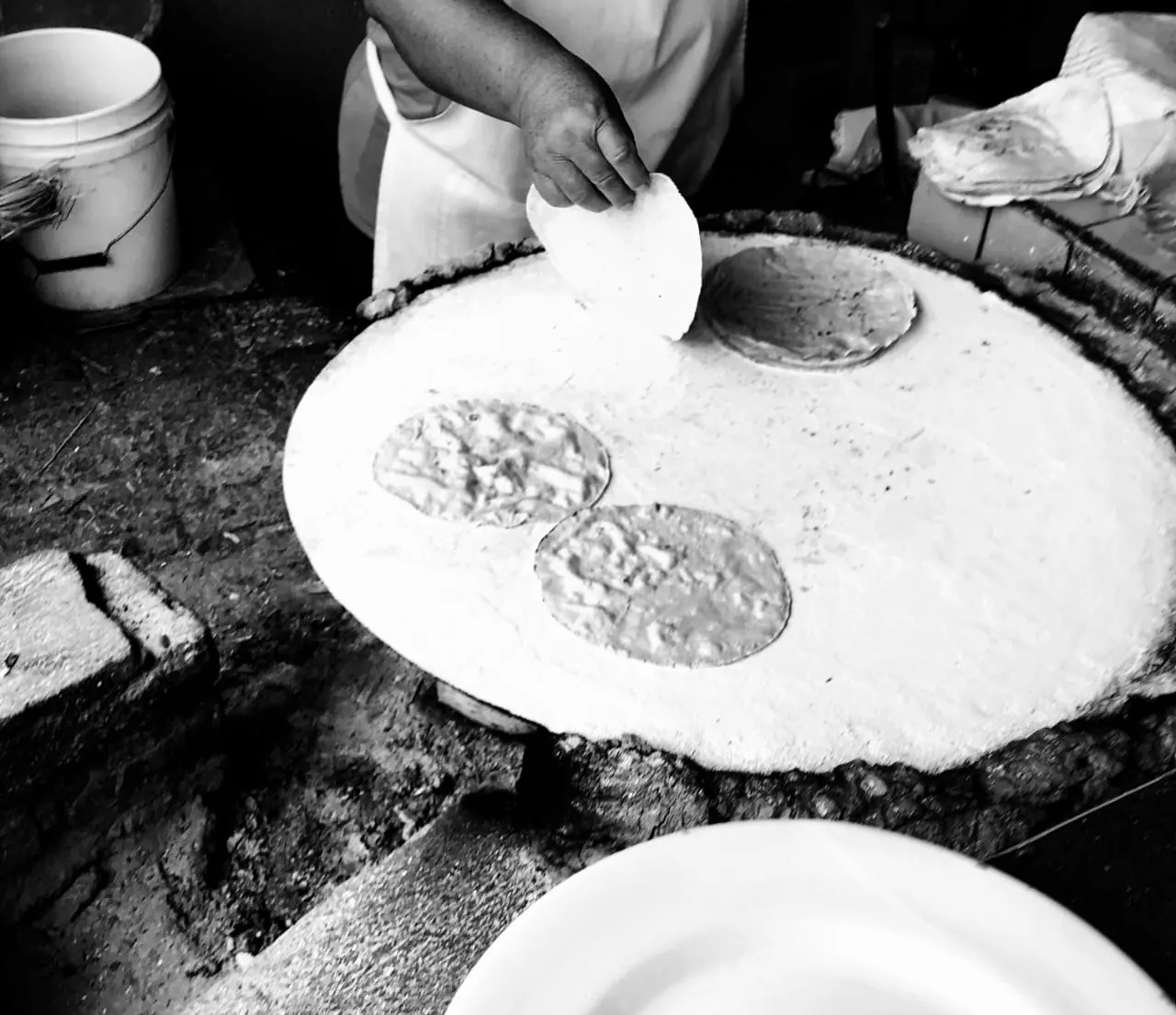
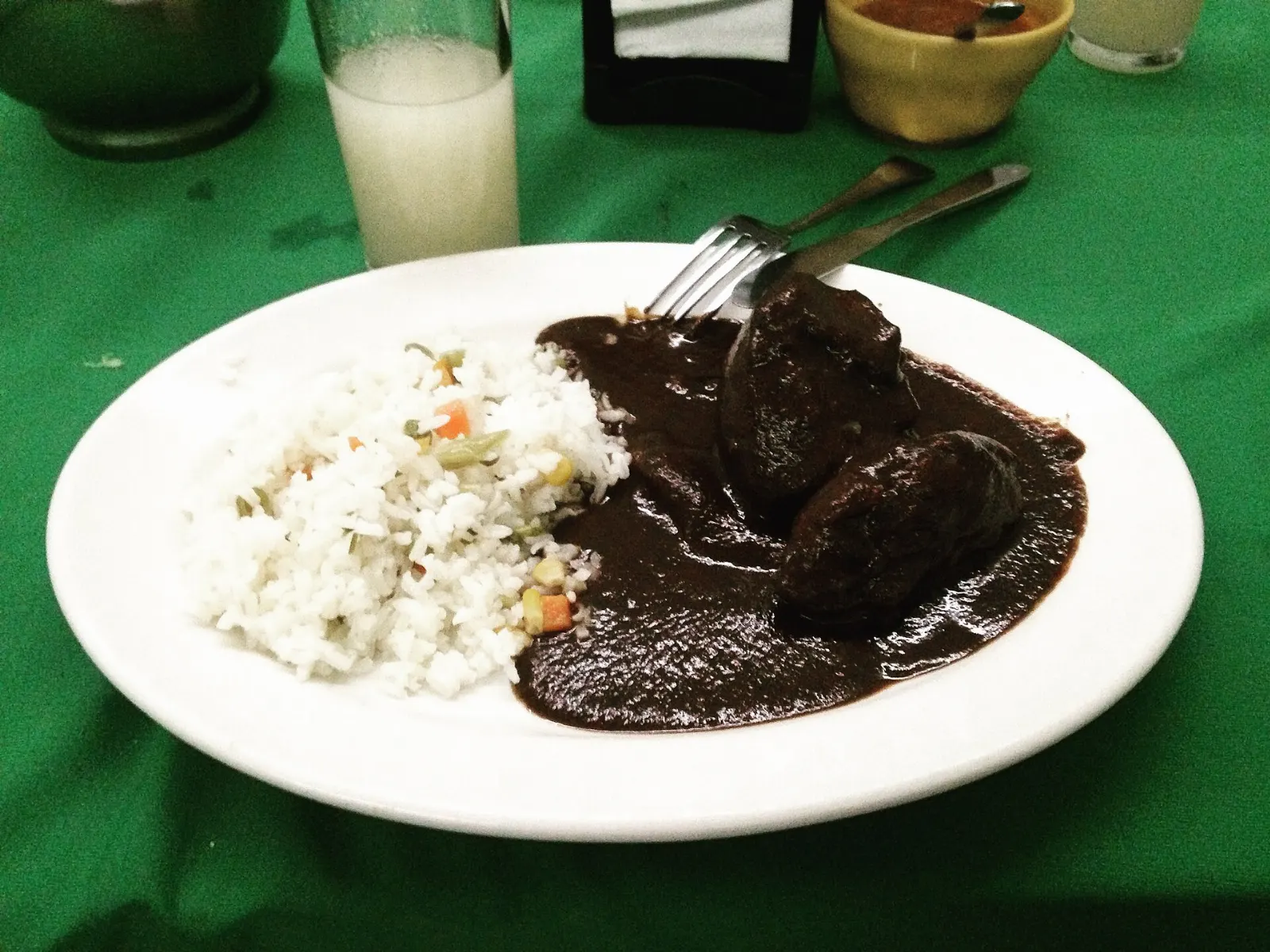
This family-run, no-frills eatery serves country cooking made from scratch, with homemade tortillas and chicken mole as a good dinner choice. The small deck has mountain views.
Tatsu
This bright, friendly restaurant serves a mix of Japanese and Chinese dishes with a sushi bar, and its outdoor deck looks toward the distant Pacific.
Taberna de los Duendes
This spot offers Italian food and a large selection of mezcal infusions. Sip slowly at altitude and pace yourself.
Down to the coast
Mazunte
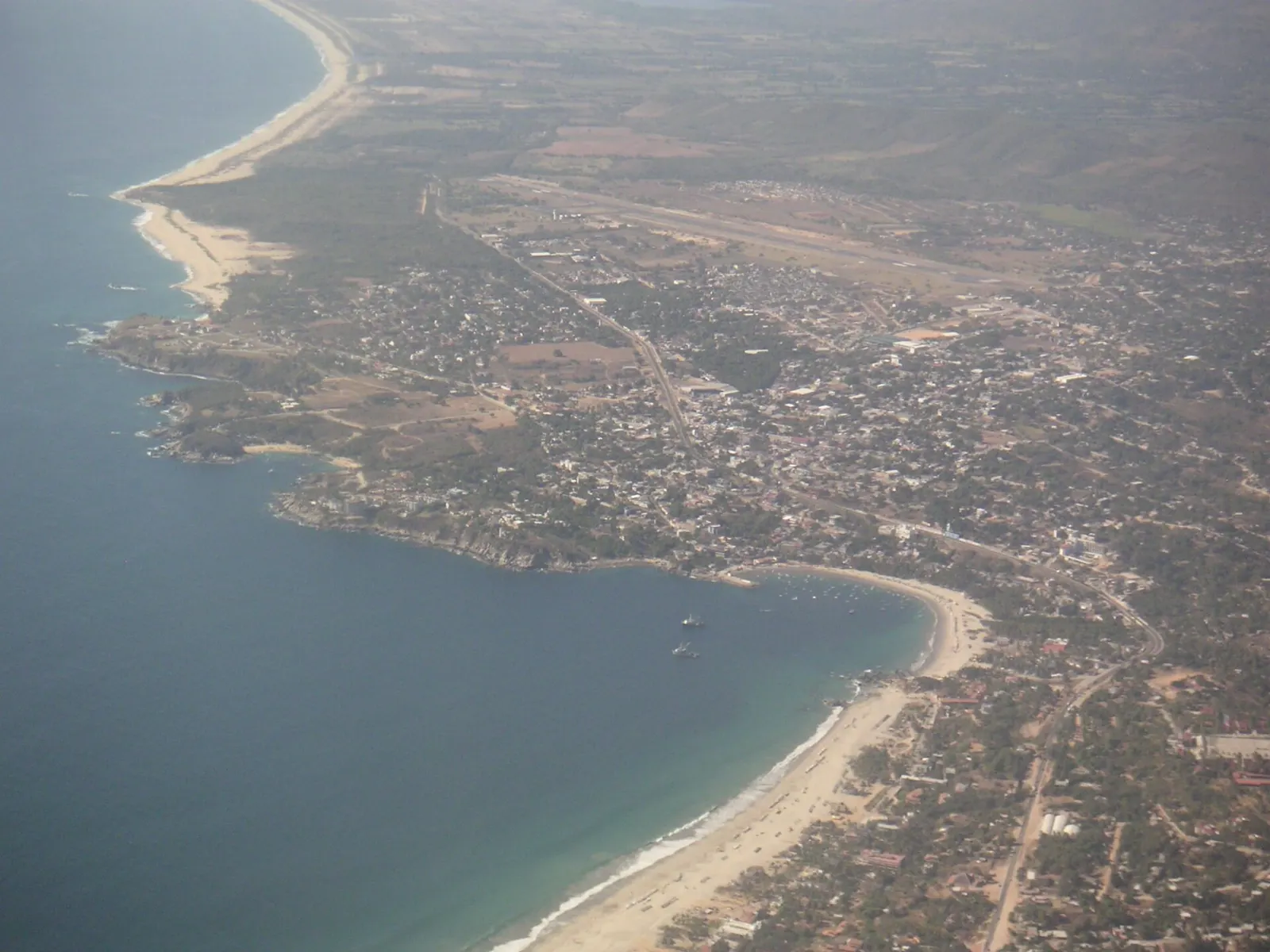
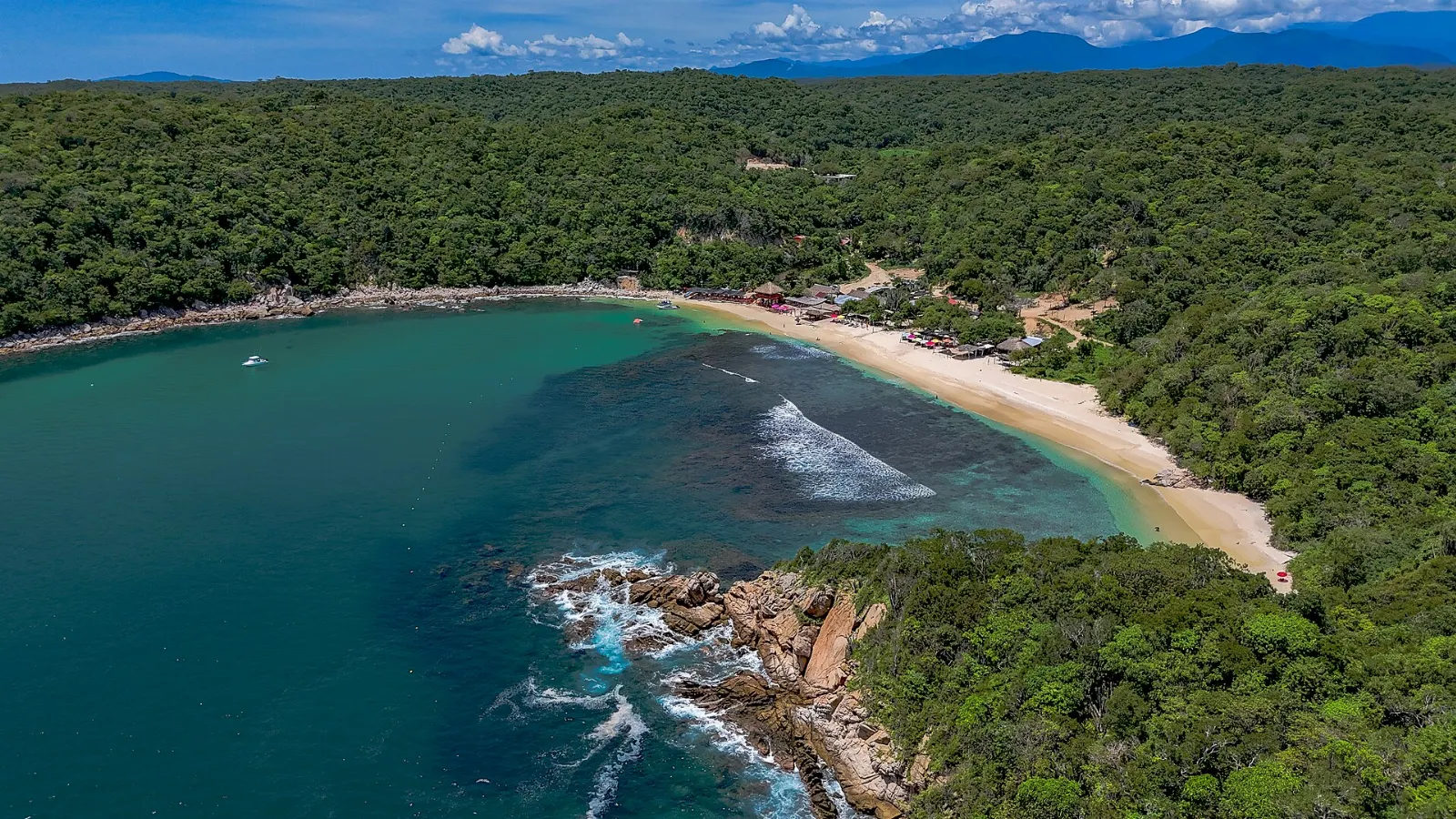
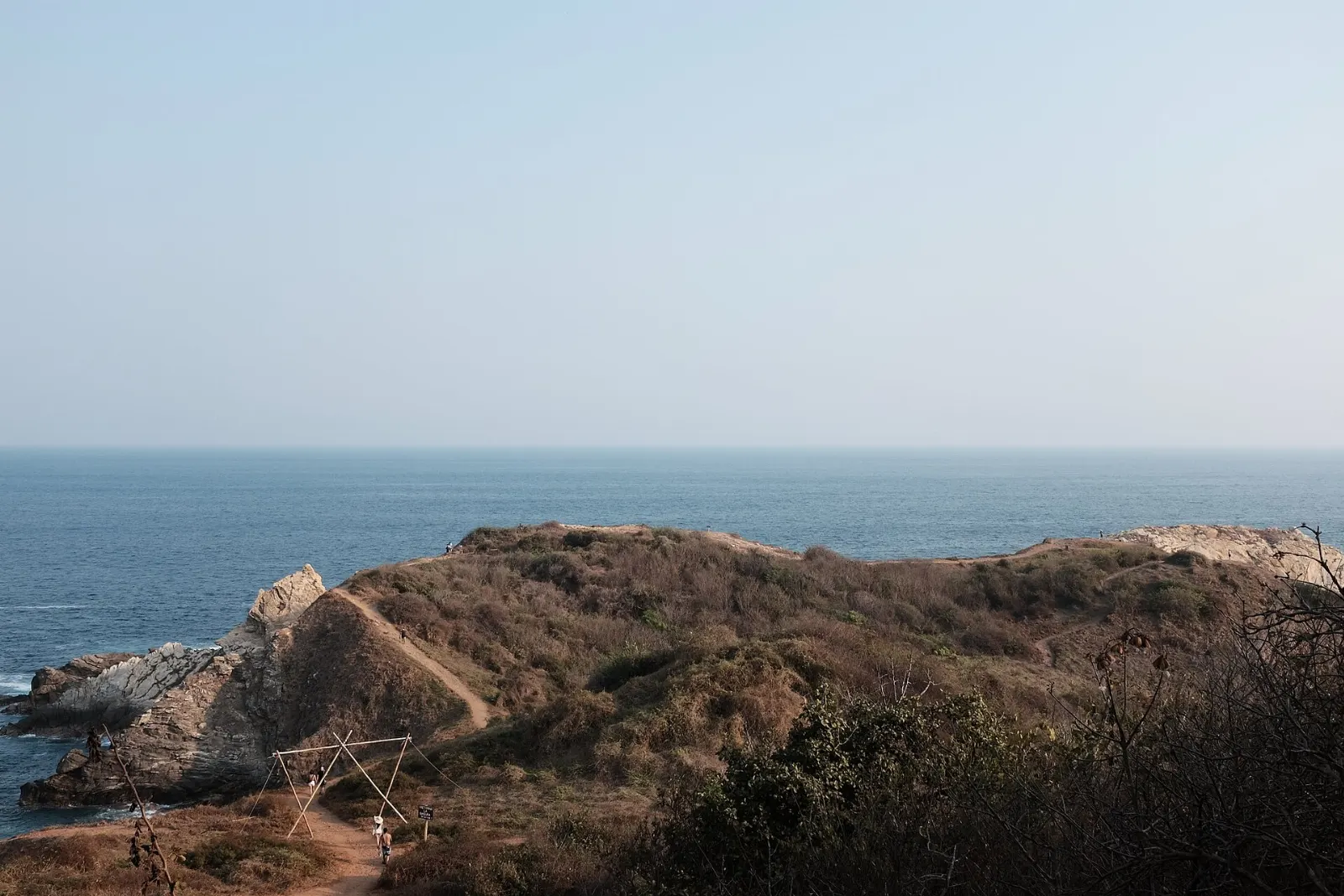
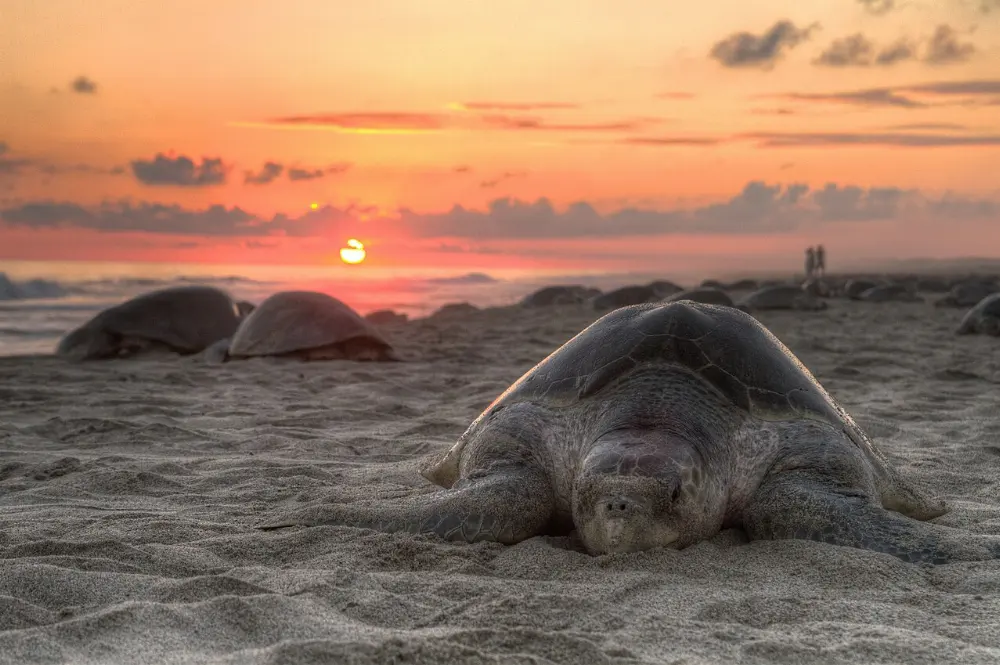
About 22 km southwest of Pochutla, Mazunte is a small beach village known for sea turtles. Punta Cometa, the rocky headland at the western end of town, lets you watch both sunrise and sunset, and the Centro Mexicano de la Tortuga displays the sea turtles of Mexico.
Pochutla
San Pedro Pochutla is a commercial and transport hub where Highway 175 meets coastal Highway 200. Its name means place of kapok trees.
 Planning a trip to San José del Pacífico?Compare hotels, flights and vacation rentals for San José del Pacífico on Expedia.Book now
Food and local flavors
Mountain cooking here is warming and simple. A spicy mushroom soup is a signature at Teonanácatl, and chicken mole, a rich sauce built from chilies, nuts and spices, is a standard order at family-run comedores.
Most Mexican mezcal comes from Oaxaca, and local bars offer infusions in different flavors. Sip it slowly, especially at high altitude.
There is no big market here, so stock up in Oaxaca City or Pochutla if you want snacks for the road. Restaurants along the highway are the main places to eat.
Popular dishes to try in San José del Pacífico


Where to stay
San José del Pacífico itself has hostels, cabins and small hotels, plus spas and temazcal sessions.
Oaxaca City suits travelers who want restaurants, markets and colonial streets before or after the mountain stop.
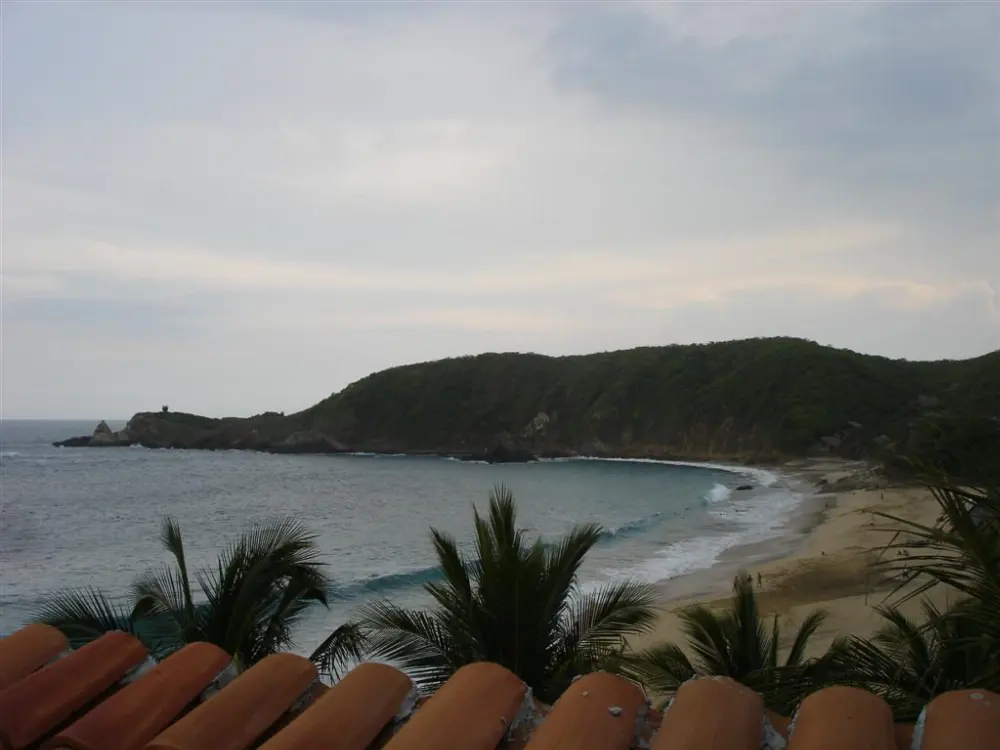
Mazunte, on the coast, suits those who prefer a warm beach after the altitude. It has a small collection of hostels, hotels and restaurants, and a relaxed backpacker atmosphere.
Reserve ahead for weekends and holidays, since the town is small.

Where to stay in San José del Pacífico

Best time to visit
The dry months, from late autumn to spring, bring clearer skies and better views across the mountains, though mornings and evenings stay cold. The rainy season turns the forest bright green, with fog and rain that can limit trail days.
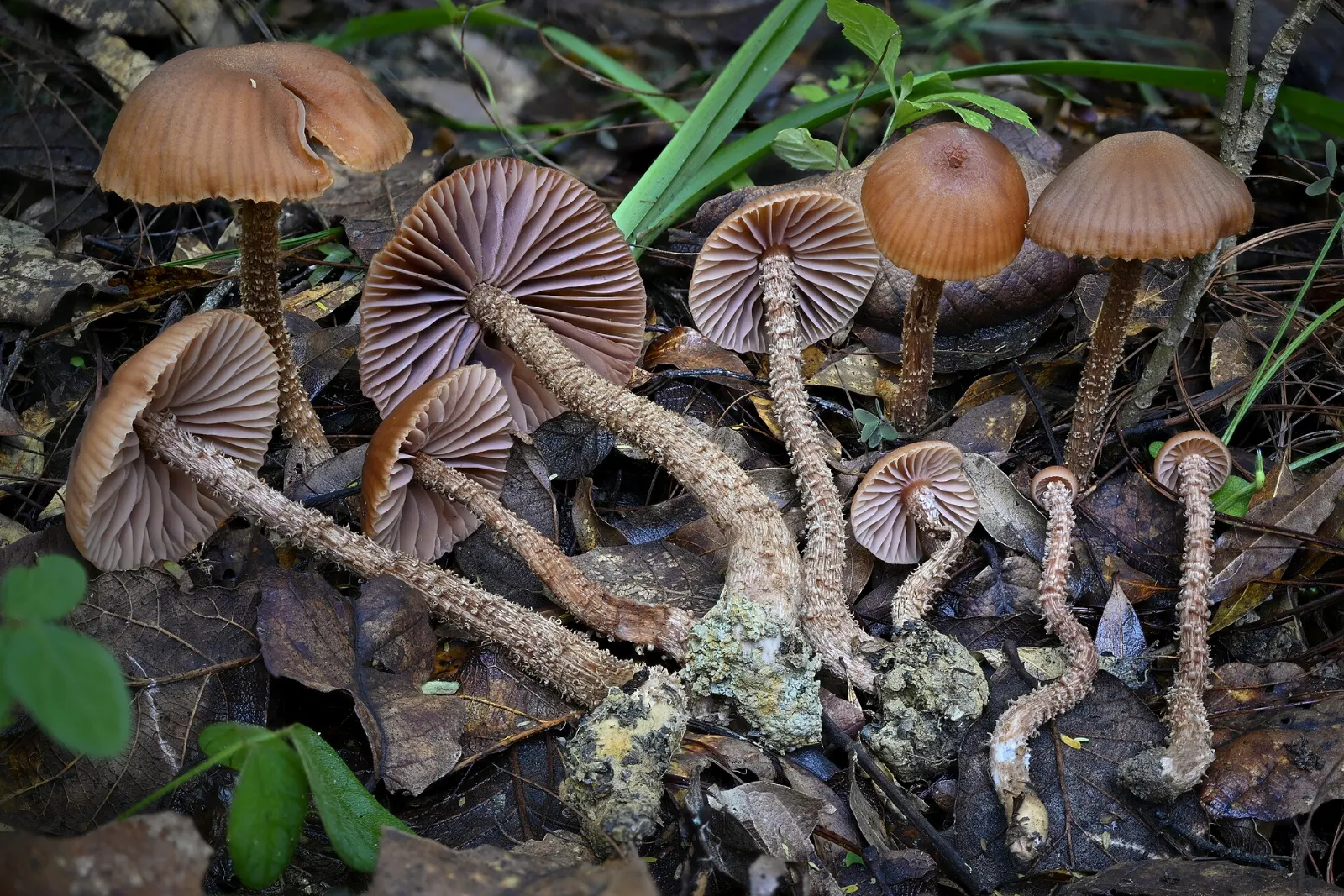
Mushroom season, according to local guides, runs from about July to October, which coincides with the rainy months. Crowds are modest outside Mexican holiday periods.
Getting there and getting around
From Oaxaca City, expect a drive of about three hours over 140 km of long, winding road. Buses run from Oaxaca, and shared vans, which locals call suburbans, leave regularly from the city's transport areas.
From the coast, the same highway climbs from Pochutla. The new freeway between Oaxaca and Puerto Escondido has cut travel time between those two points, but it bypasses San José, so confirm that your bus or van stops here.
The town is very compact and easy on foot. If you drive, take it slowly on the mountain curves, and refuel in Oaxaca City or Pochutla.
A suggested itinerary
First day
Leave Oaxaca City in the morning and arrive in San José del Pacífico by afternoon.
Second day
Take a forest walk in the morning, then book a temazcal session in the afternoon. Enjoy a coffee and a warm meal in the evening.
Third day
Continue down Highway 175 to Pochutla and on to Mazunte for Punta Cometa and the sea turtle center, or return to Oaxaca City.
Practical tips
- Check your government's current travel advisory before you go.
- Pack warm layers and rain protection, since the village is cold and often misty.
- Carry cash, because small businesses may not accept cards.
- Take it easy on the first day, since the altitude can tire you.
- Tell temazcal hosts about any health concerns before a session.
- Take motion sickness tablets if you are prone to car sickness on winding roads.