Teotitlán del Valle is a small Zapotec town at the foot of the Sierra Juárez, and it is one of the best places in Oaxaca to see traditional weaving up close. Families here still dye wool with plants and insects, and weave rugs on wooden looms in workshops that welcome visitors.
AT A GLANCE
Best time
The dry months from November to March are pleasant, and early July brings the town's main festival.
How long
A half day covers the workshops and museum, and a full day adds trails or a meal.
Getting there
About 31 kilometres from Oaxaca City by taxi, colectivo or private car.
Why visit Teotitlán del Valle
Teotitlán comes from Nahuatl and means land of the gods, while its Zapotec name, Xaguixe, means at the foot of the mountain.
Weaving is the main economic activity, and about 150 families work in it. Visiting a workshop is less like shopping and more like a lesson in craft, chemistry and family history.
Weaving and workshops
Family weaving workshops
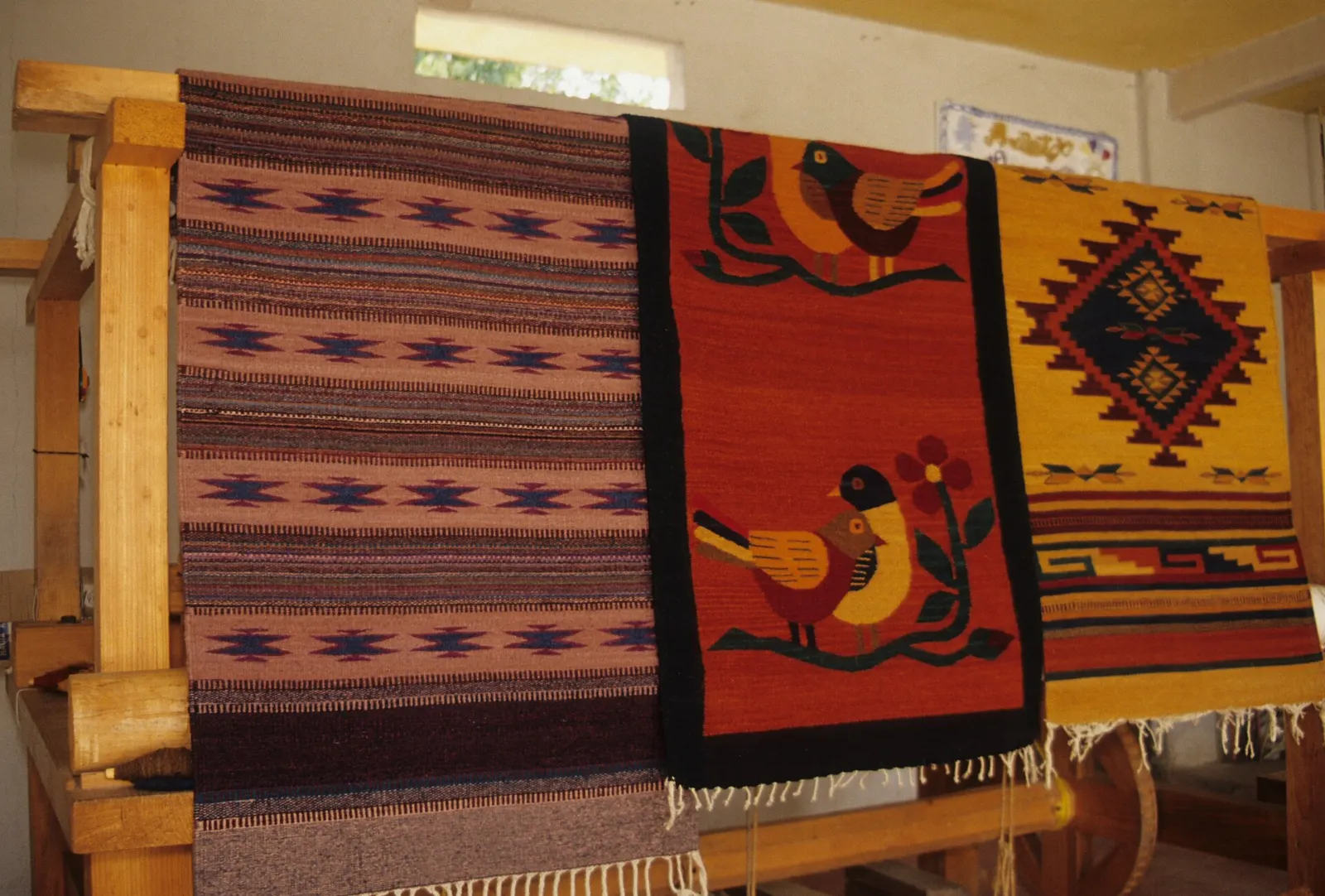
Many weavers invite visitors into their homes to see how wool is washed, carded, spun, dyed and woven. The rugs are made on hand-operated looms, often from designs held in the weaver's memory.
Natural dyes
Demonstrations show how colors come from cochineal insects, indigo, Mexican marigold, rock moss and other natural sources. Watching a pot of dye turn raw wool into a deep red is a highlight for many visitors.

Rugs and motifs
Designs combine Zapotec and Mixtec fretwork patterns with more modern images, including reproductions of famous paintings. Treadle looms and sheep were brought to the valley by a Dominican bishop around 1535, and the village later specialized in rugs.
Town and culture
Preciosa Sangre de Cristo church
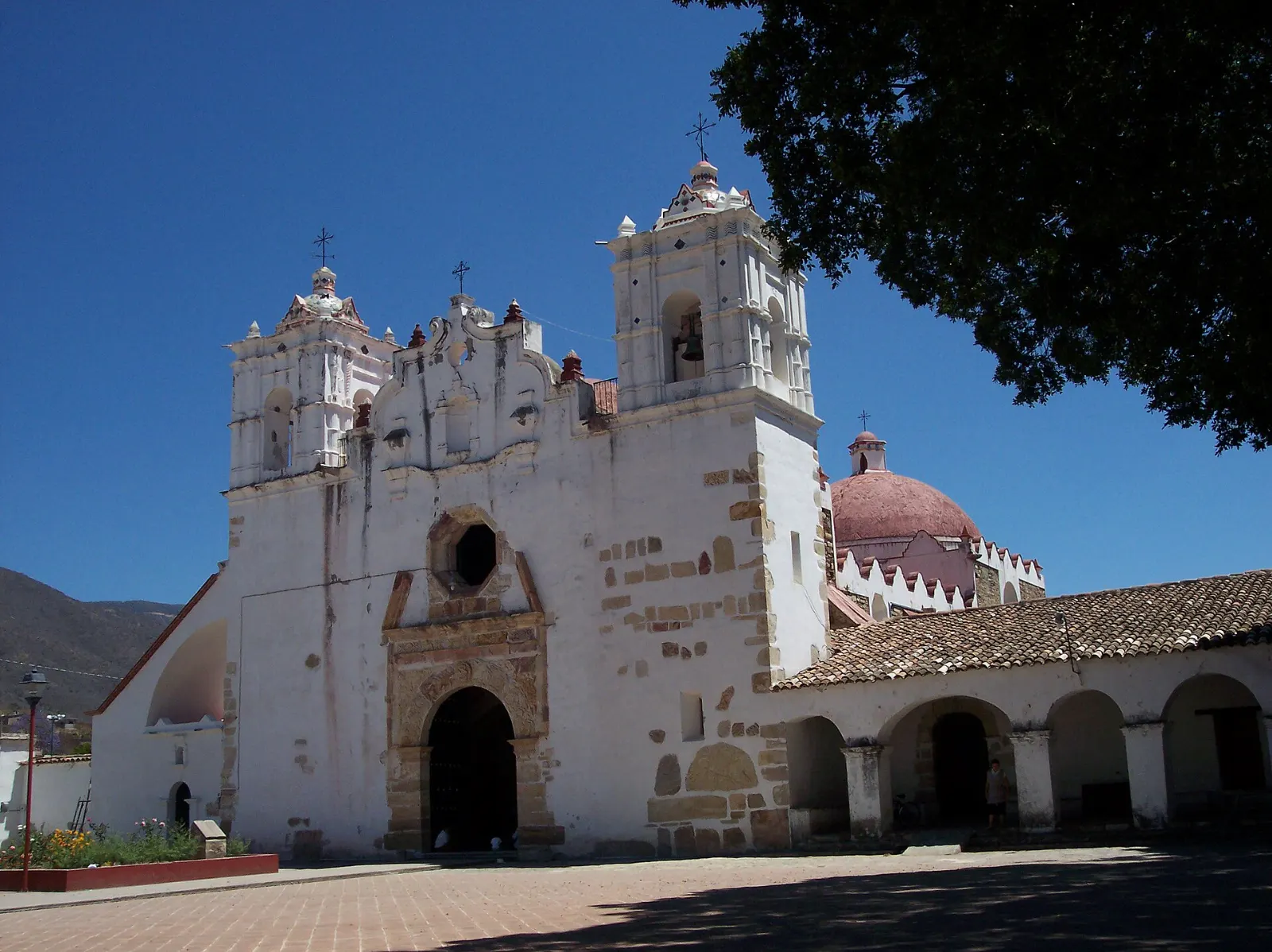
The main church was begun in 1581 and not completed until 1758. Its stone facade has carved details around the entrance and choir window, and inside you will find many colonial saints and traces of pre-Hispanic motifs.
Community museum
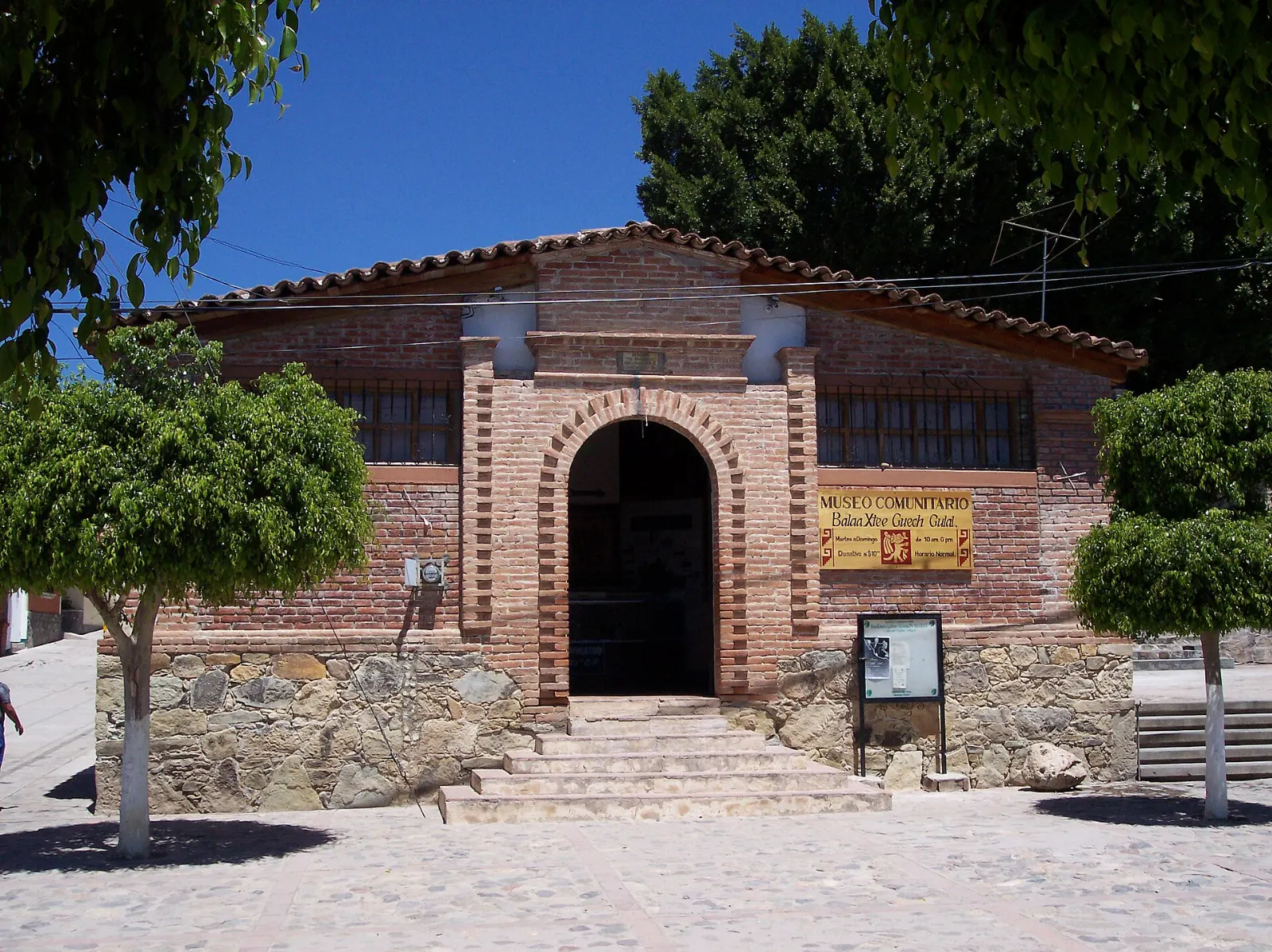
The Balaa Xtee Guech Gulal museum opened in 1995 and has three halls on archaeology, crafts and traditional weddings. Displays include old looms, dyes and etched stones, with signs in Spanish, English and Zapotec.
Danza de la Pluma and the July festival
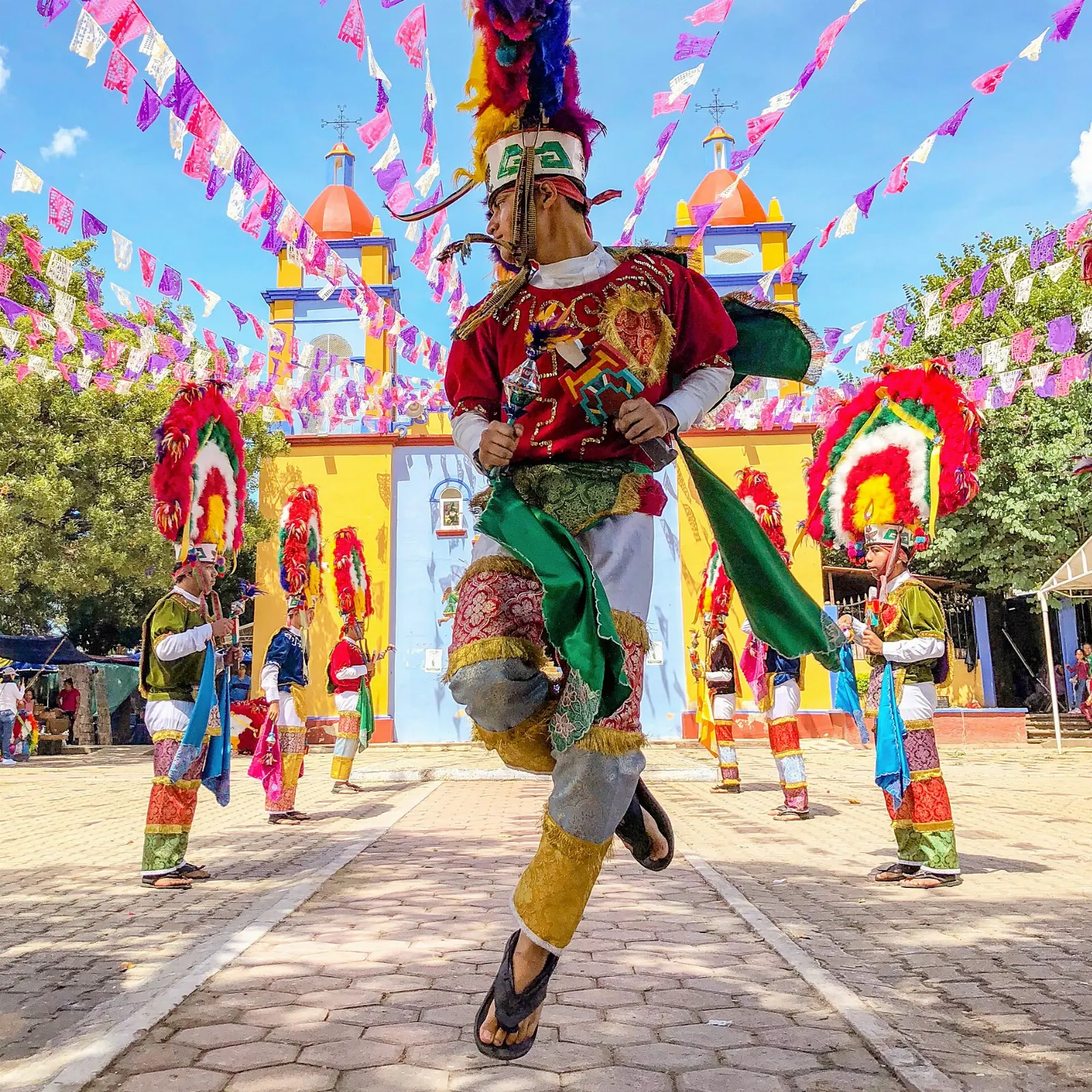
The Feast of the Precious Blood of Christ begins on the first Wednesday of July and lasts about a week.
Municipal market
The village market is busiest early in the morning, when people gather to buy food and craft supplies. It is a good place to try snacks, fruit and bread.
Mountains and nature
Piedra Azul dam and birdwatching
Above the village, the Piedra Azul dam draws birders hoping for dry-interior species such as the ocellated thrasher, bridled sparrow and Boucard's wren. Winter months from November to March are best for migratory birds.
El Picacho and Cuevita del Pedimento
El Picacho peak is considered sacred and offers wide views over the Tlacolula Valley. The Cuevita del Pedimento caves are visited at New Year to ask the Virgin for favors.
Tour service
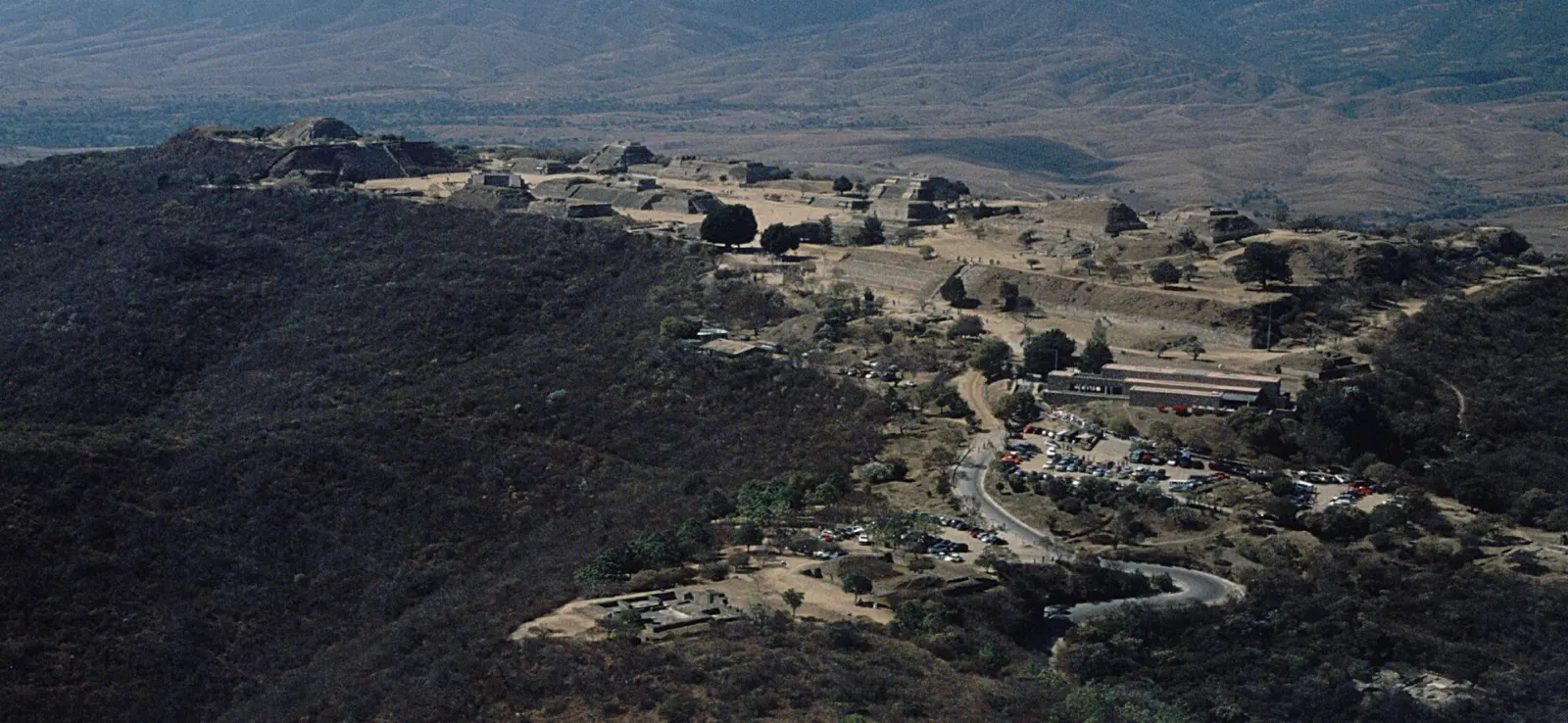
A local tour service called Tourist Yú'ù takes visitors to the museum, archaeological zone, dam and the two natural sites.
Nearby stops on the way
Santa María del Tule
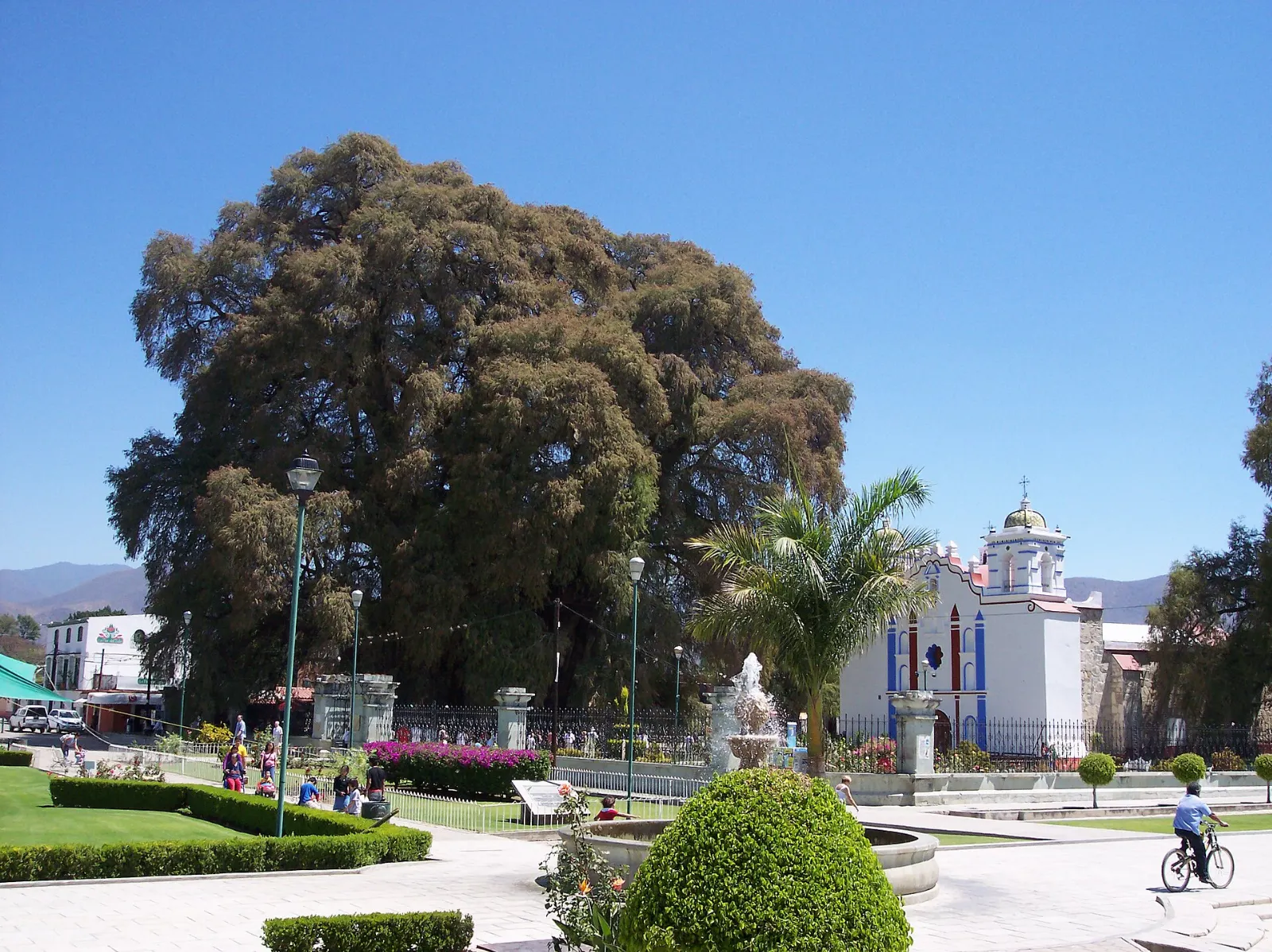
Just before the turn to Teotitlán, the town of Santa María del Tule is home to a Montezuma cypress about 2,000 years old, known as the Árbol del Tule.
Tlacolula Sunday market
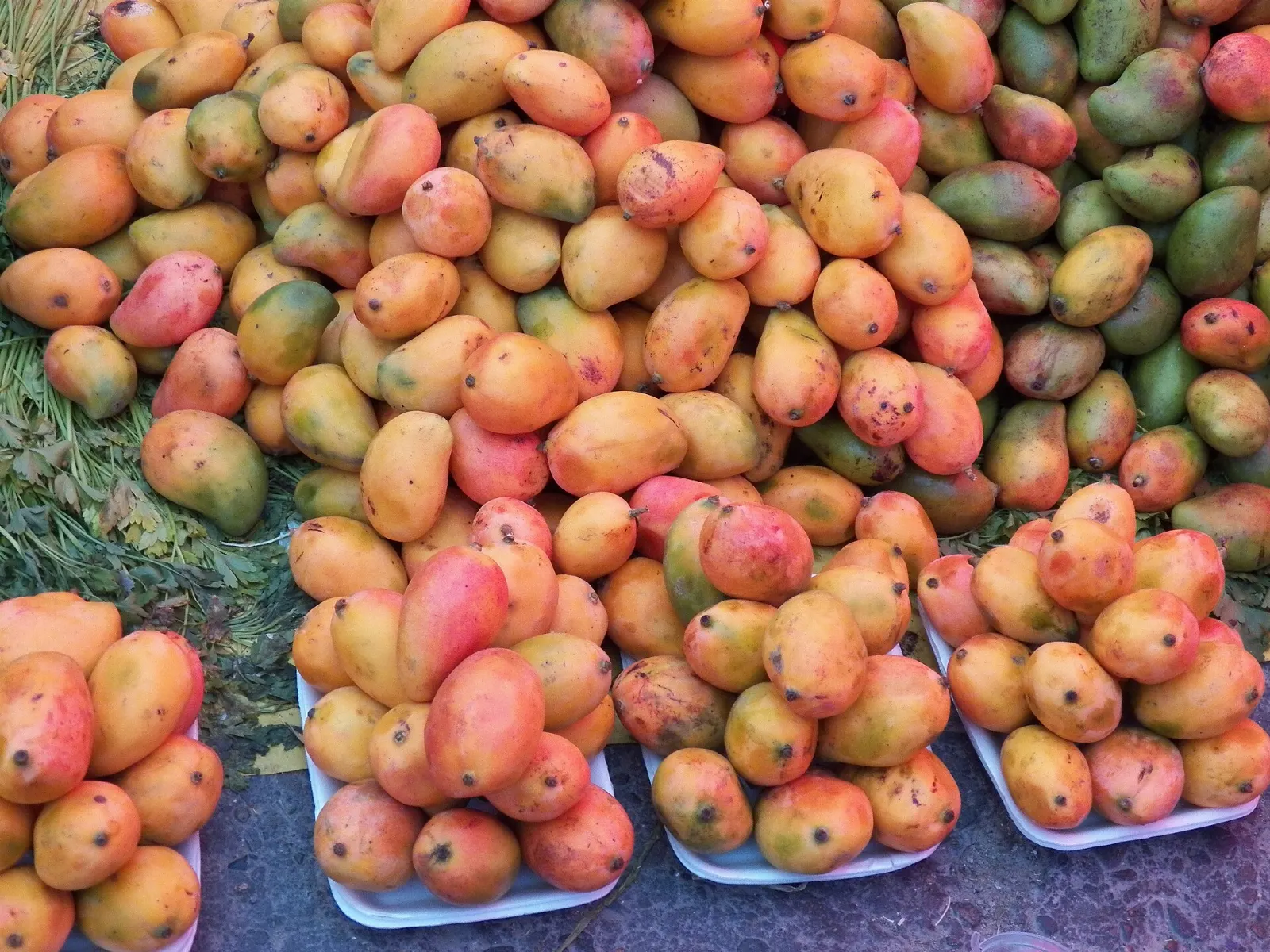
Tlacolula de Matamoros is about 30 kilometres from Oaxaca City and is known for a weekly open-air market on Sundays. It is one of the oldest and busiest in Oaxaca, selling food and everyday goods to people from surrounding villages.
Food and local flavors
Teotitlán's cooking is rooted in Zapotec tradition. The most characteristic dishes include mole negro, mole amarillo and tamales, which can be filled with mole, corn, cheese or chicken. Popular drinks include hot chocolate and atole, and mezcal is served at many gatherings. Zapotec chef Abigail Mendoza Ruiz runs the famous Tlamanalli restaurant, which draws visitors for traditional cooking.
Popular dishes to try in Teotitlán del Valle


Where to stay
Most visitors base themselves in Oaxaca City and come for the day, but staying in the valley gives you slow mornings. Teotitlán del Valle itself has small guesthouses and family rooms, and suits travelers who want to learn about weaving and eat with local families.
Santa María del Tule is a larger town close to Oaxaca City and the Árbol del Tule, a practical base for travelers who like quick access to buses and restaurants.
Where to stay in Teotitlán del Valle


Best time to visit
The climate is temperate, similar to Oaxaca City. The dry months from November to March are comfortable, and winter also brings migratory birds to the dam.
Early July is the most colorful time because of the Feast of the Precious Blood of Christ and its Danza de la Pluma. Day of the Dead at the start of November and New Year, when the caves are visited, are other meaningful times to be in town.
Getting there and getting around
Teotitlán del Valle is about 31 kilometres from Oaxaca City, reached by a short turn off Federal Highway 190 on the road toward Mitla. Taxis and shared colectivos make the trip, and your lodging can tell you the current departure point.
Oaxaca International Airport is the nearest airport, and long-distance buses arrive in Oaxaca City from Mexico City and other cities. Once in the village, the workshops and church are close enough to walk.
A suggested itinerary
First day
Leave Oaxaca City in the morning, stop to see the Árbol del Tule, then visit two or three weaving workshops.
Second day
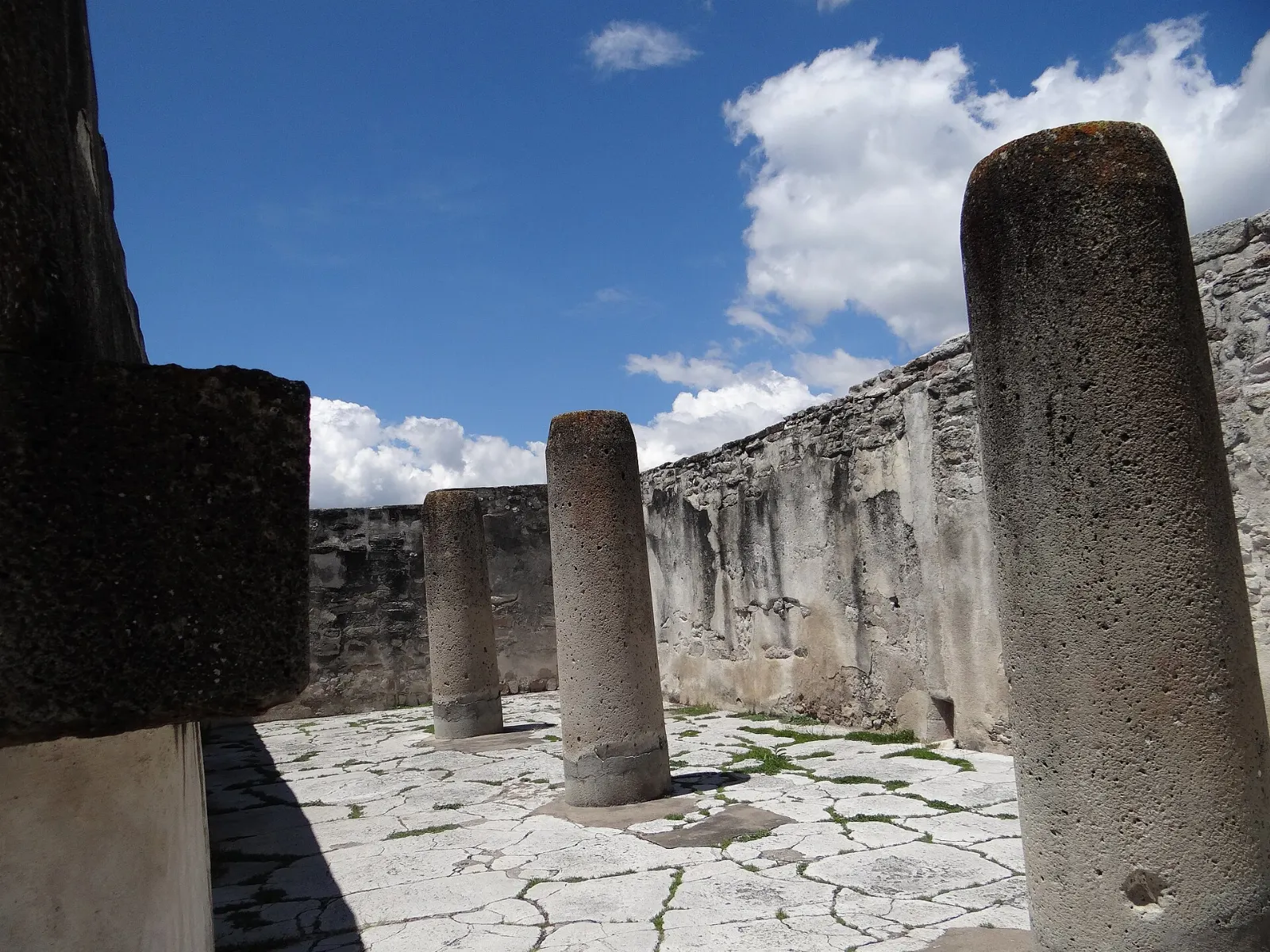
Spend the morning birdwatching at the Piedra Azul dam or hiking toward El Picacho with a guide. In the afternoon, continue to Tlacolula if it is Sunday, or on to Mitla for the ruins.
Practical tips
- Check your government's current travel advisory before you go.
- Ask about dyes and wool when buying, and compare several workshops.
- Bring cash in small notes, since many workshops do not take cards.
- Ask permission before taking photos of people or inside workshops.
- Get permission at the community museum before hiking to El Picacho or the caves.