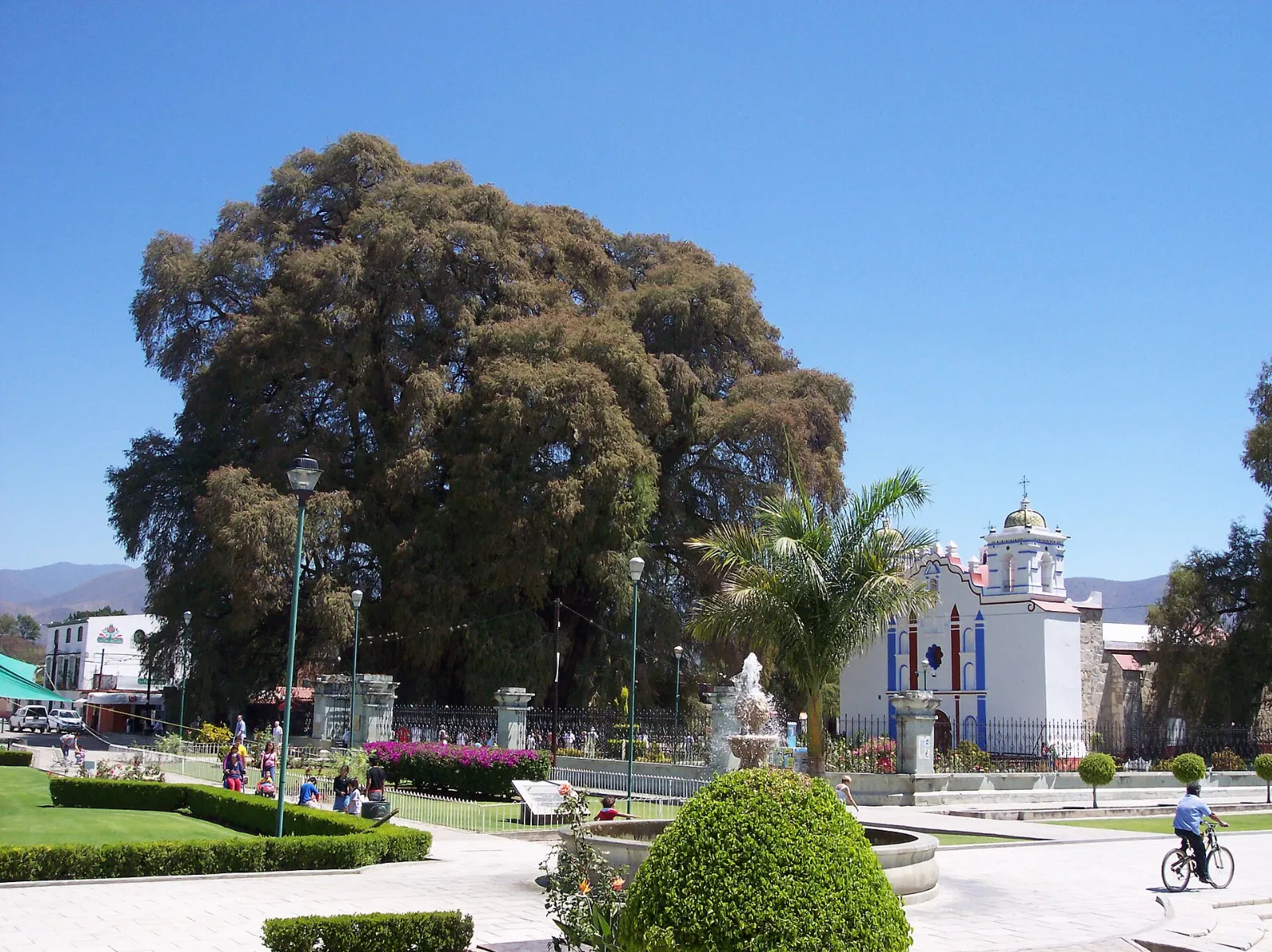
Santa María del Tule is a small town in the Central Valleys of Oaxaca, and it is built around one extraordinary tree. The Árbol del Tule has the stoutest trunk of any tree on Earth, and it grows right beside the town church and plaza.
AT A GLANCE
Best time
Dry months from November to April are the most comfortable, with a festival in October.
How long
Half a day is enough for the tree and town, or a full day with nearby stops.
Getting there
Drive or take local transport about 10 kilometres east of Oaxaca city on Highway 190.
Why visit Santa María del Tule
Tule sits in the Valles Centrales region about 10 kilometres east of Oaxaca city, on the road toward Mitla. Its name comes from the Nahuatl word for bulrush, a reminder that the area was once a marshy lake.
The visit is short, but it pairs well with other places in the valley. You can have breakfast at the market, see the tree in the morning light and continue to the weaving village of Teotitlán del Valle or the ruins of Mitla by lunchtime.
The tree, the church and the markets
Árbol del Tule
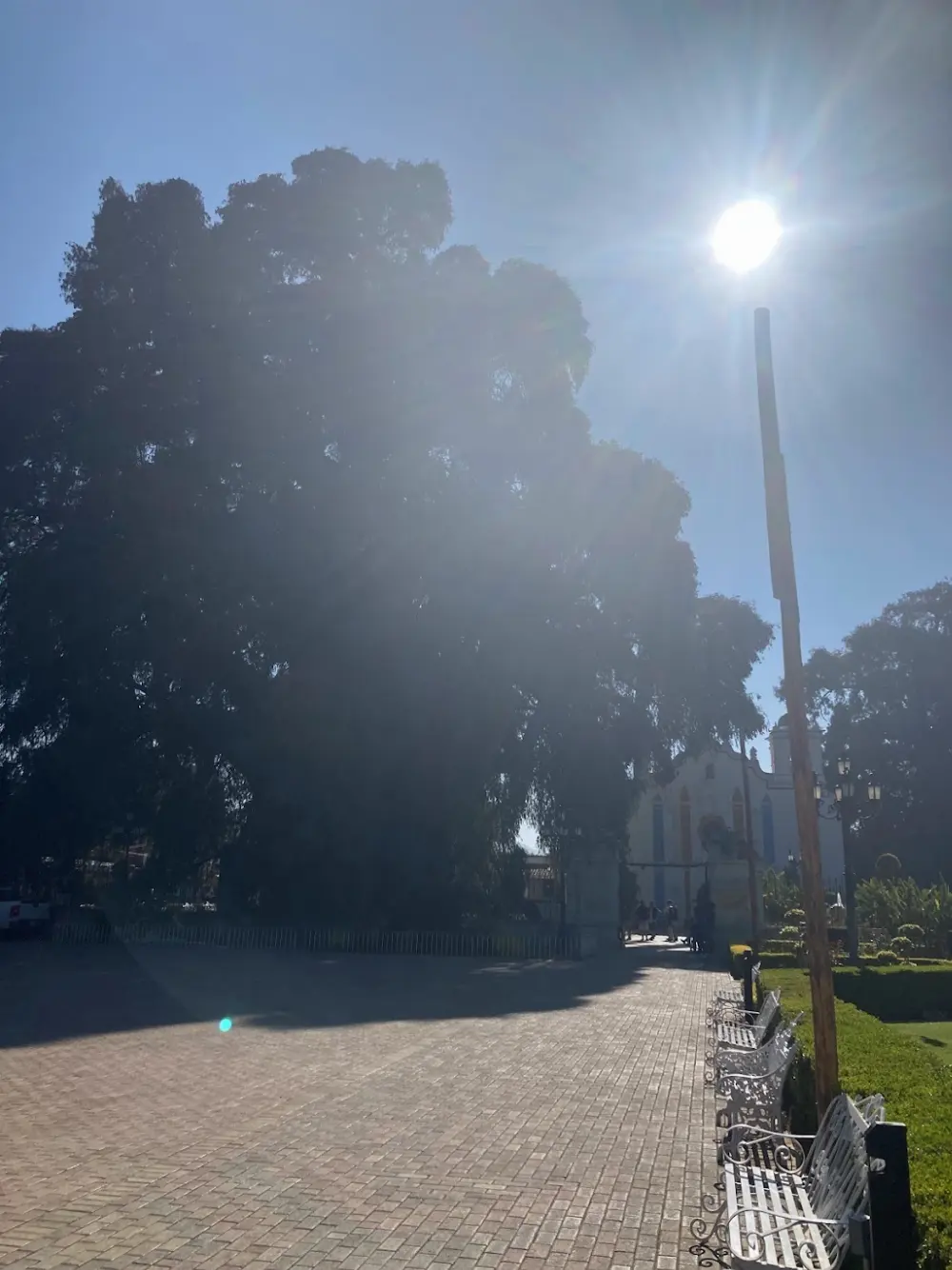
This Montezuma cypress, called an ahuehuete in Nahuatl, has a trunk circumference measured at about 42 metres in 2005, making it the stoutest in the world. Age estimates vary widely, and scientific growth-rate work points to roughly 1,400 to 1,600 years.
Templo de Santa María de la Asunción
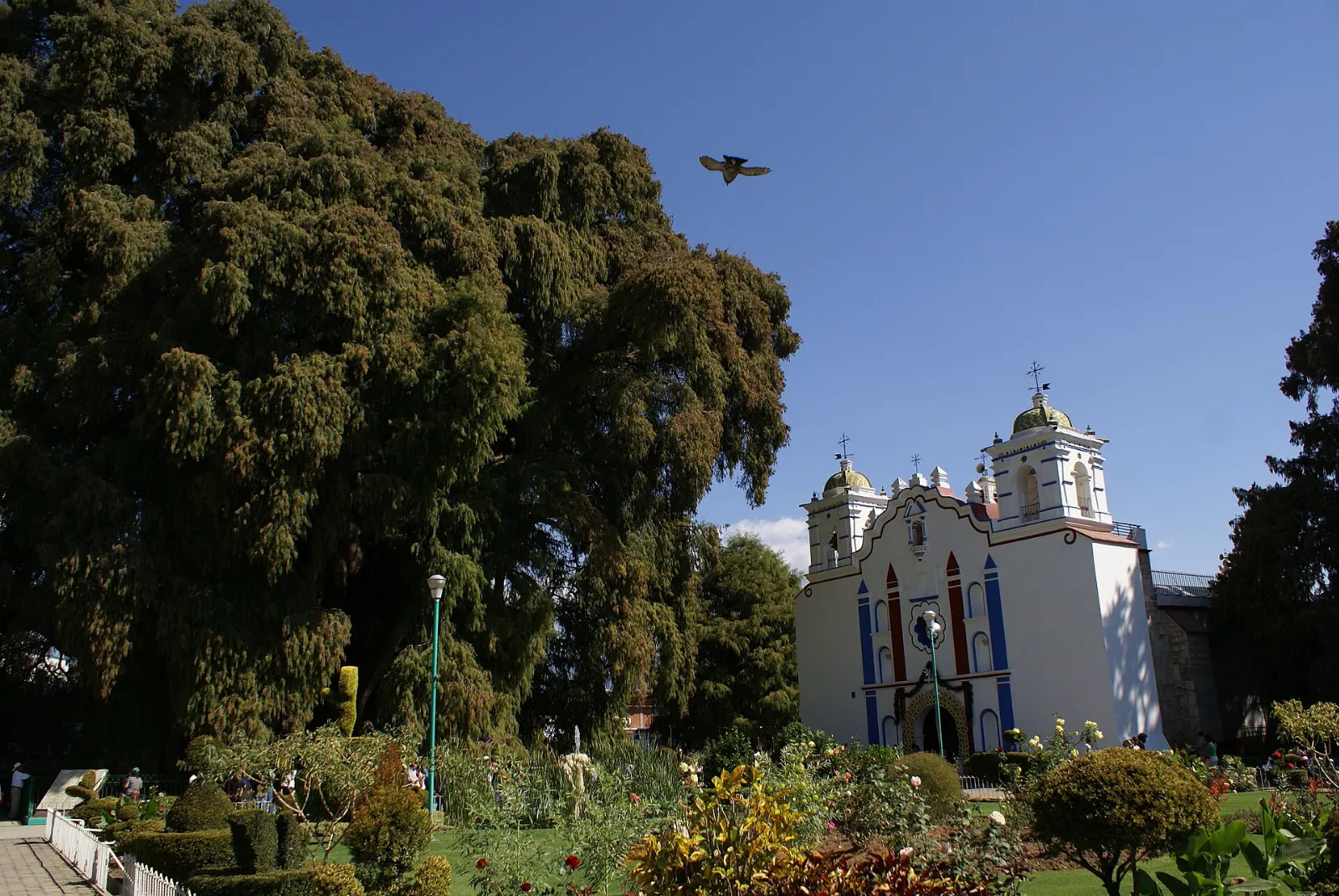
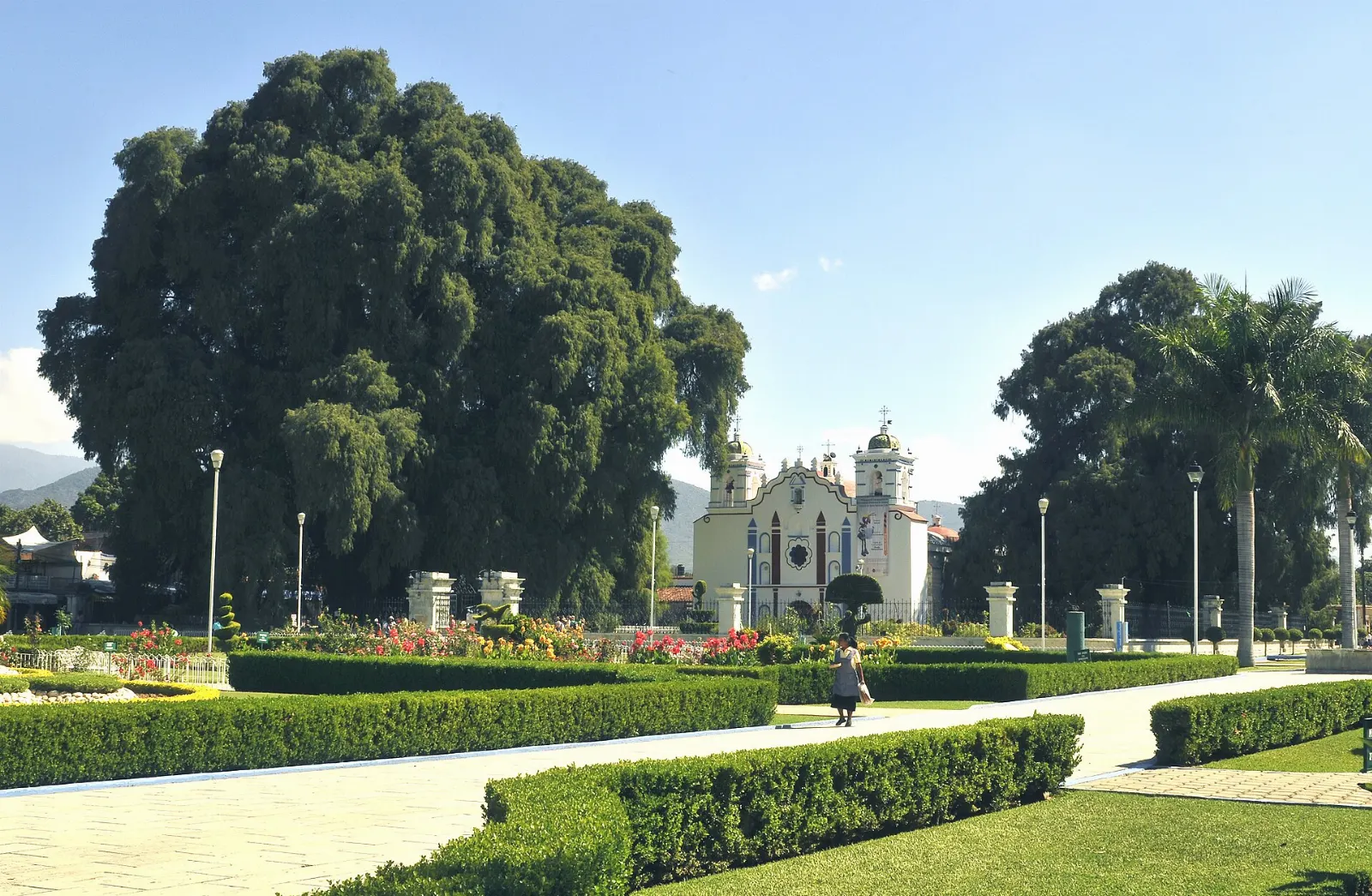
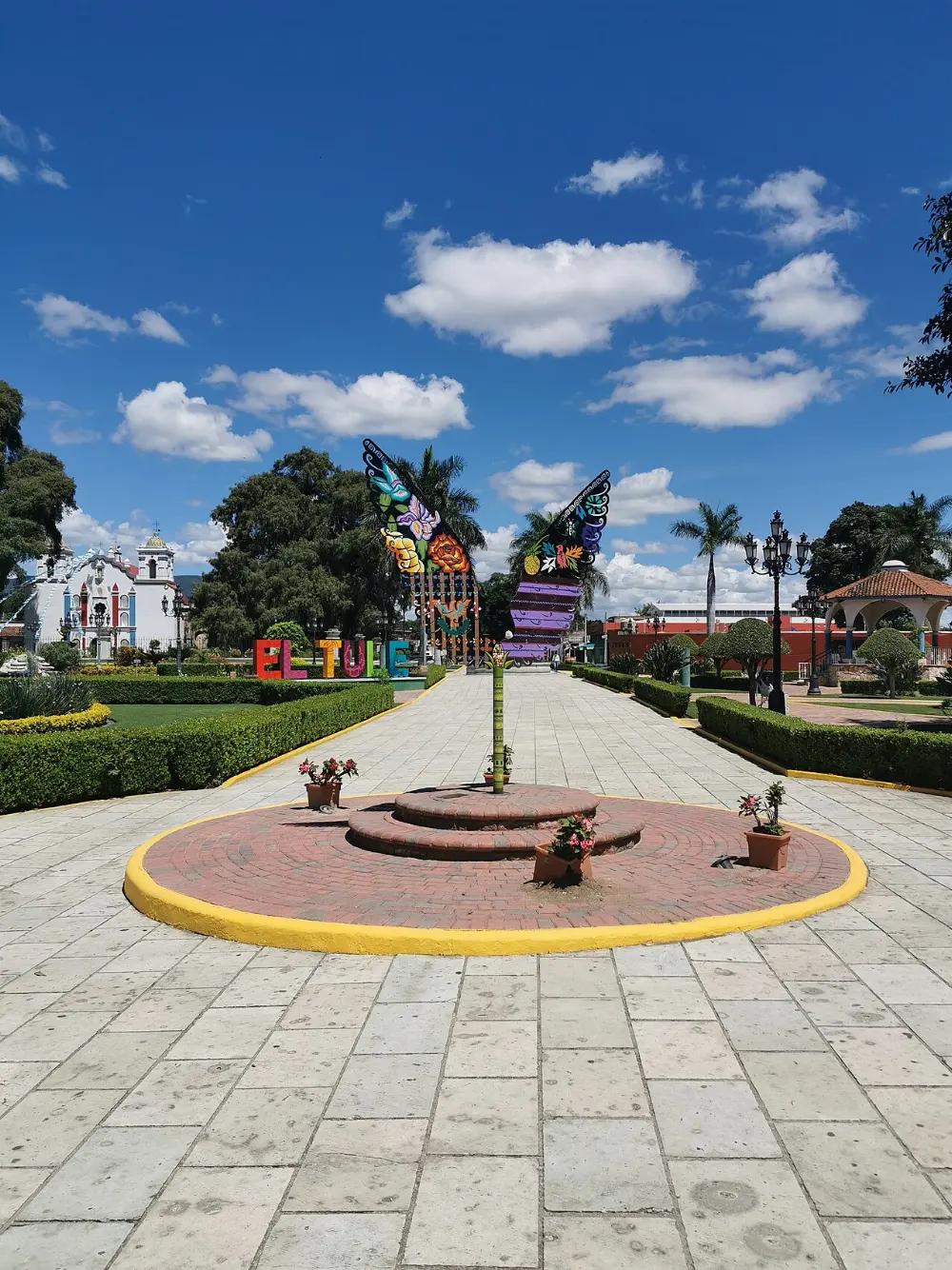
The Baroque church from the 18th century stands in the same enclosure as the tree, which is taller than its towers. Inside, look for finely painted wooden saints.
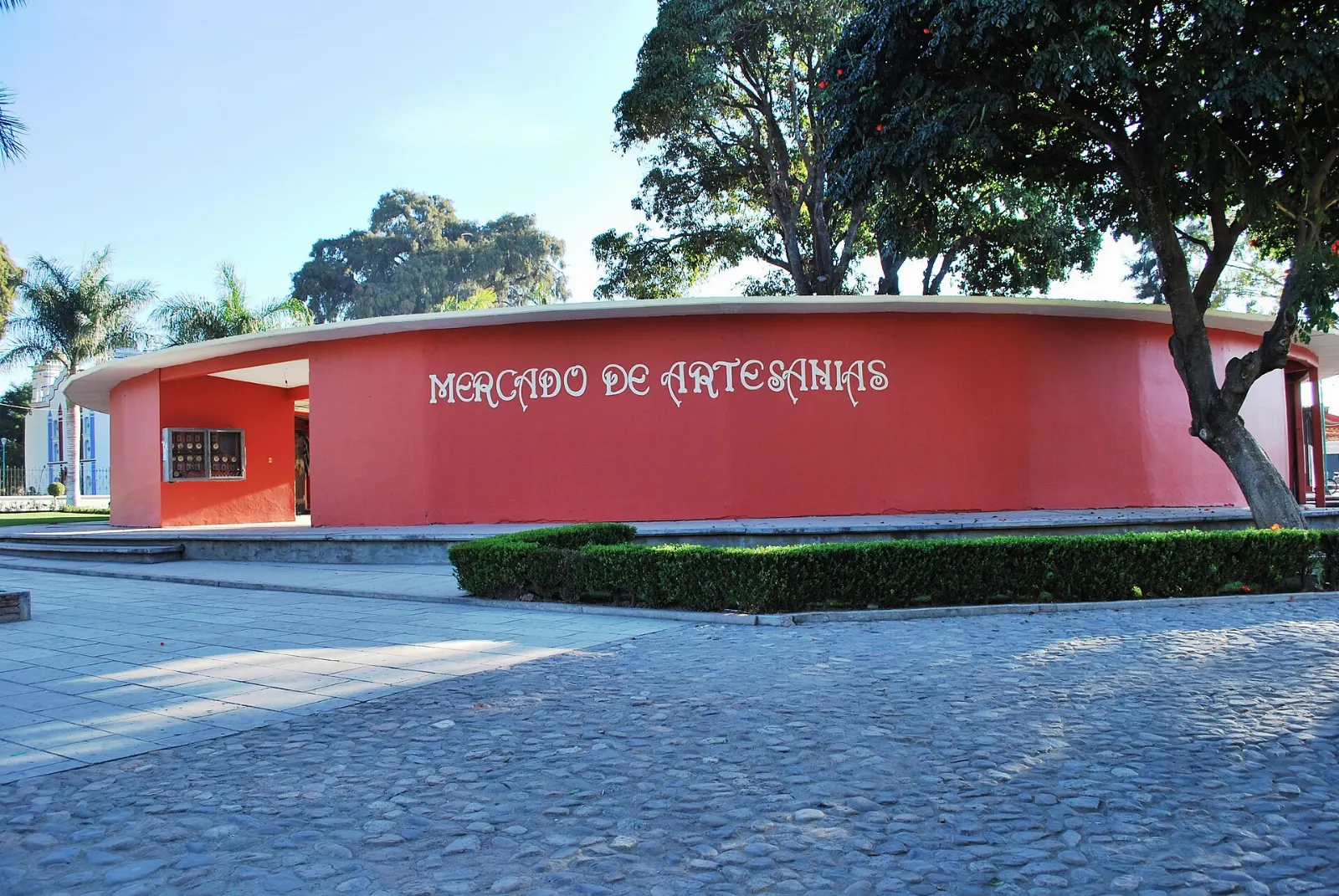
The plaza and crafts market
Crafts stalls and the plaza surround the tree, so a short loop covers everything. Look for embroidered textiles, carved wood and local sweets. Keep an eye on the tree's roots and fencing, because decades of water shortages and traffic have stressed it.
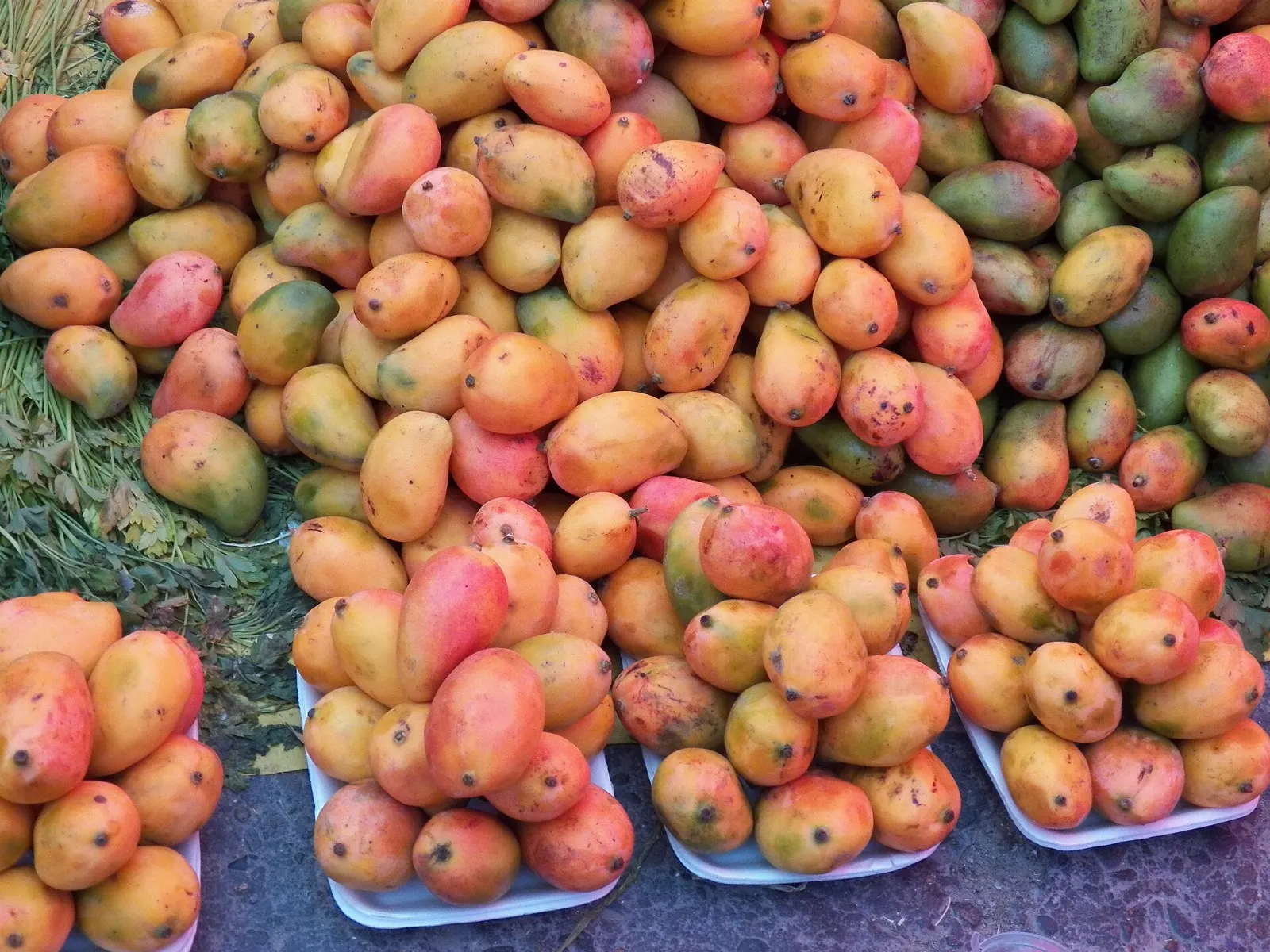
La Guadalupana Market
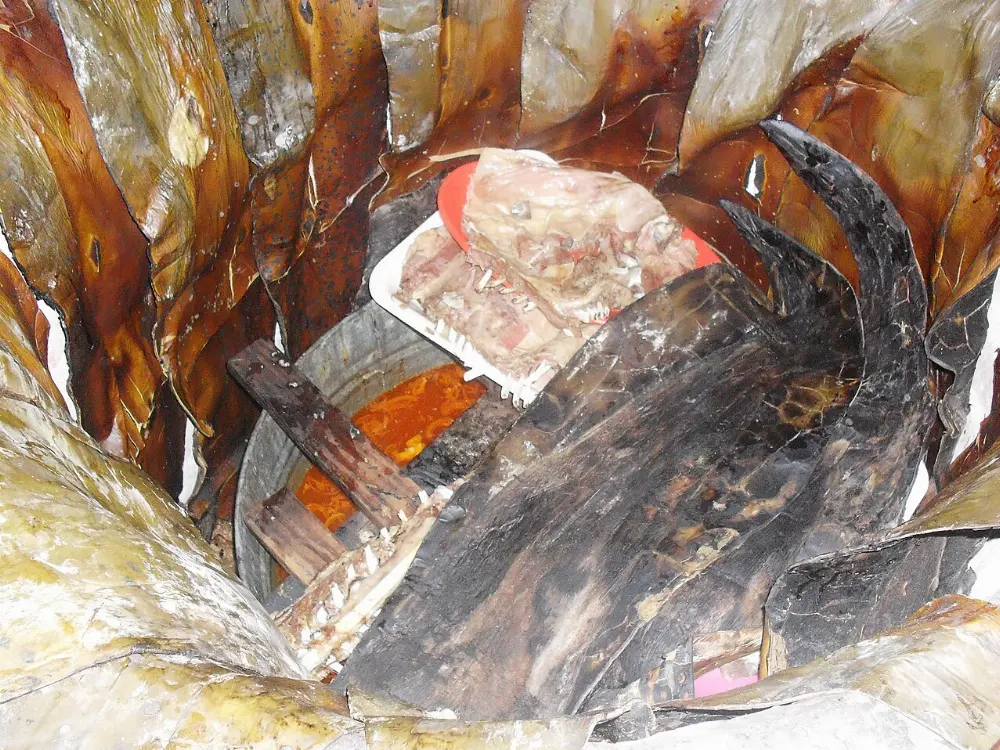
The town's food market serves traditional dishes of the area, including barbacoa and empanadas de amarillo. It is a good place for a late breakfast.
Day trips along Highway 190
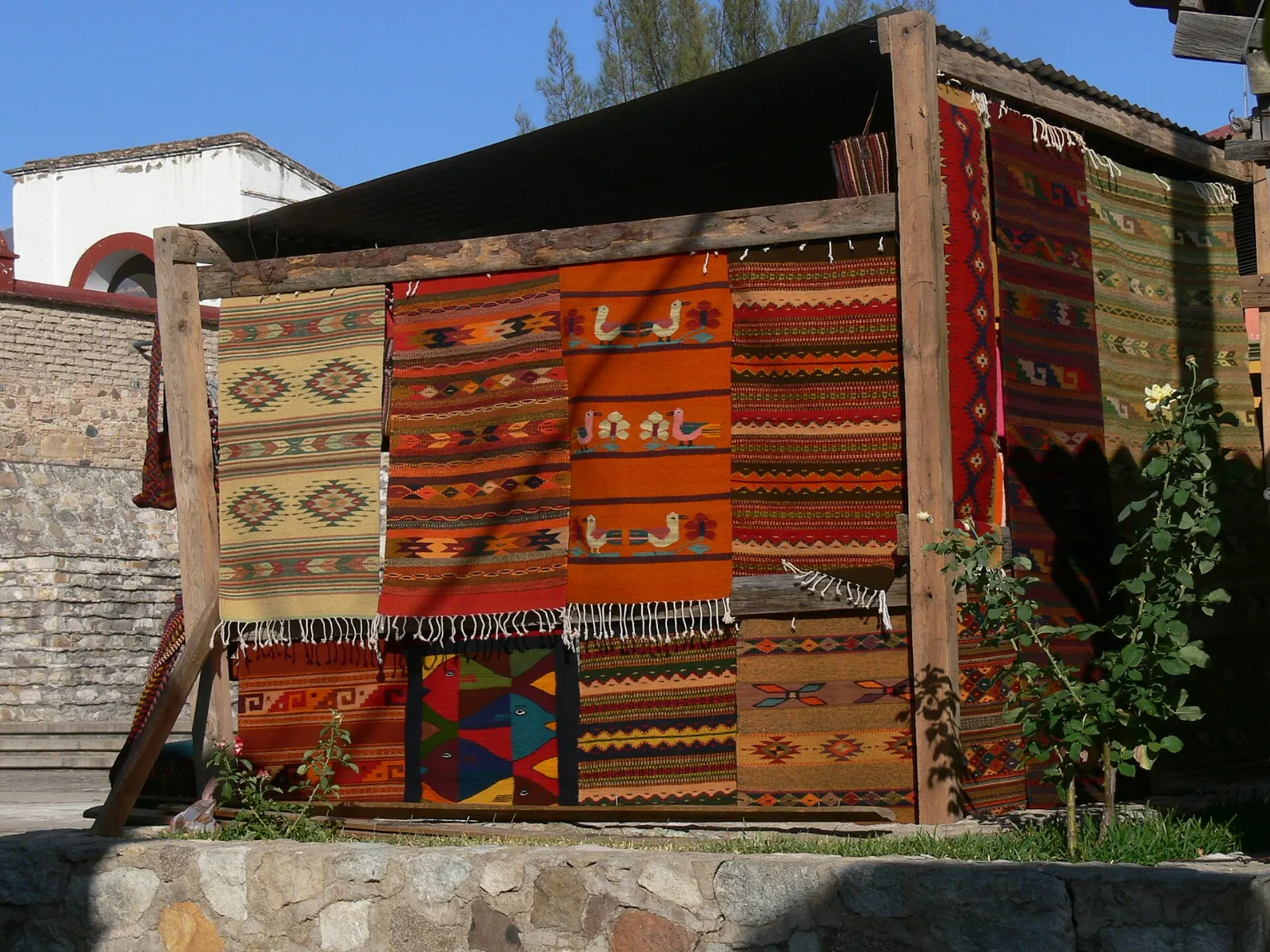
Teotitlán del Valle
About 31 kilometres from Oaxaca city, this Zapotec village at the foot of the Sierra Juárez is known for wool rugs woven on hand-operated looms and dyed mostly with natural dyes.
Tlacolula de Matamoros
Tlacolula is best known for its Sunday open-air market, one of the oldest and busiest in Oaxaca, selling food and everyday goods to people from surrounding villages.
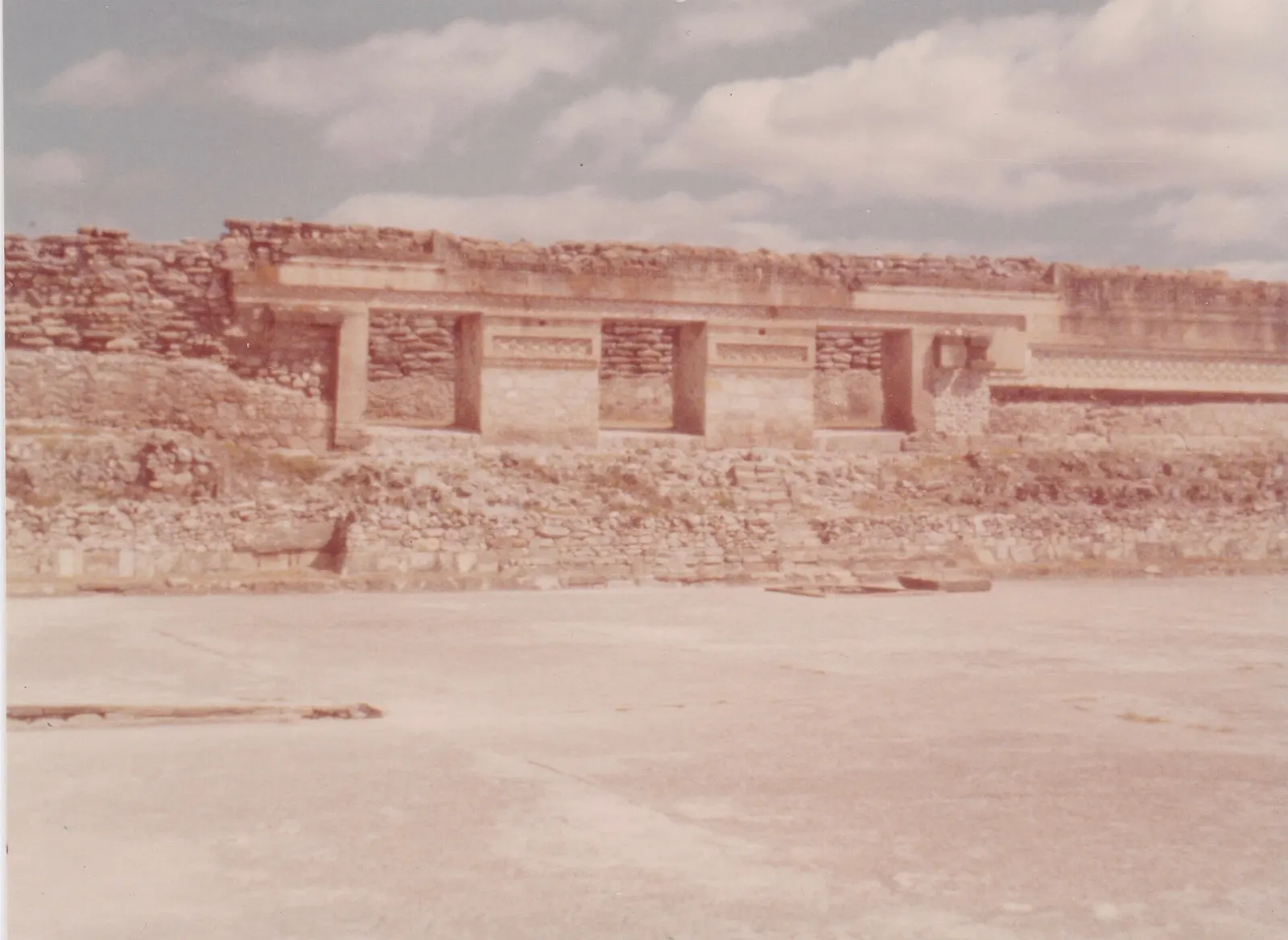
Mitla
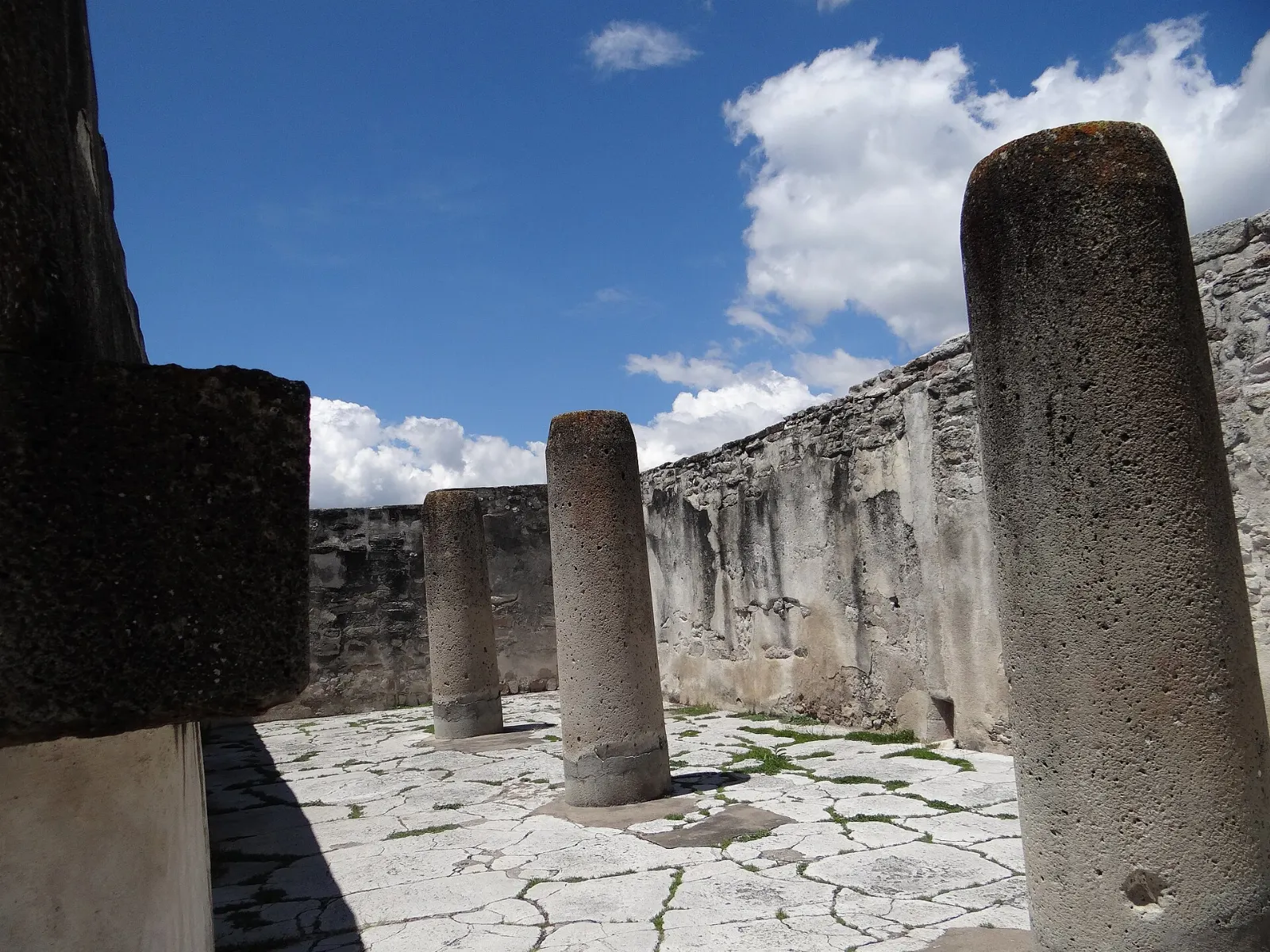
Mitla is the second most important archaeological site in Oaxaca after Monte Albán and the most important Zapotec one. Its name comes from the Nahuatl Mictlán, meaning place of the dead.
Hierve el Agua
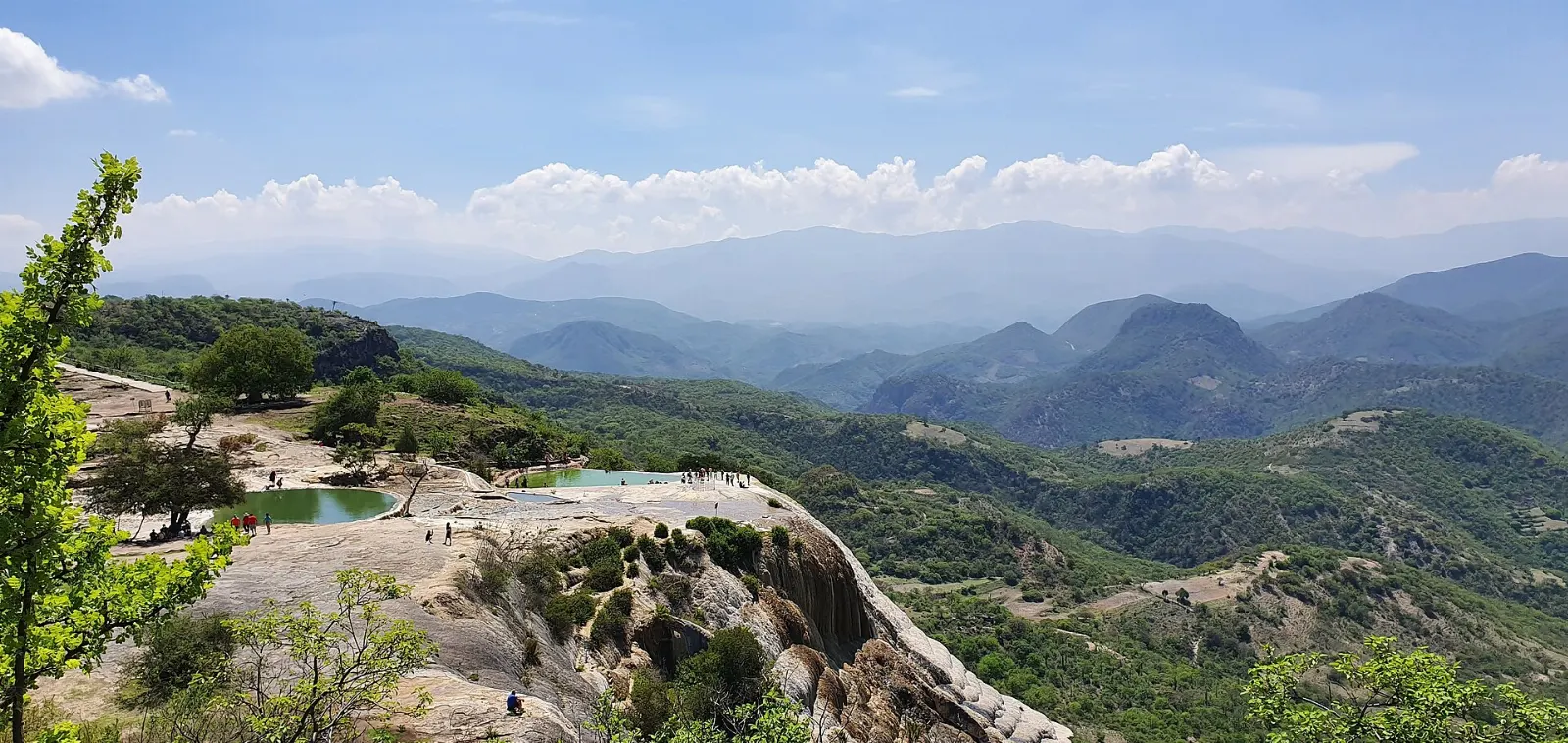
About 70 kilometres east of Oaxaca city, these travertine formations look like frozen waterfalls, formed by mineral-rich spring water running over cliffs. There are swimming pools at one of the cliffs.
Oaxaca city and Monte Albán
Monte Albán
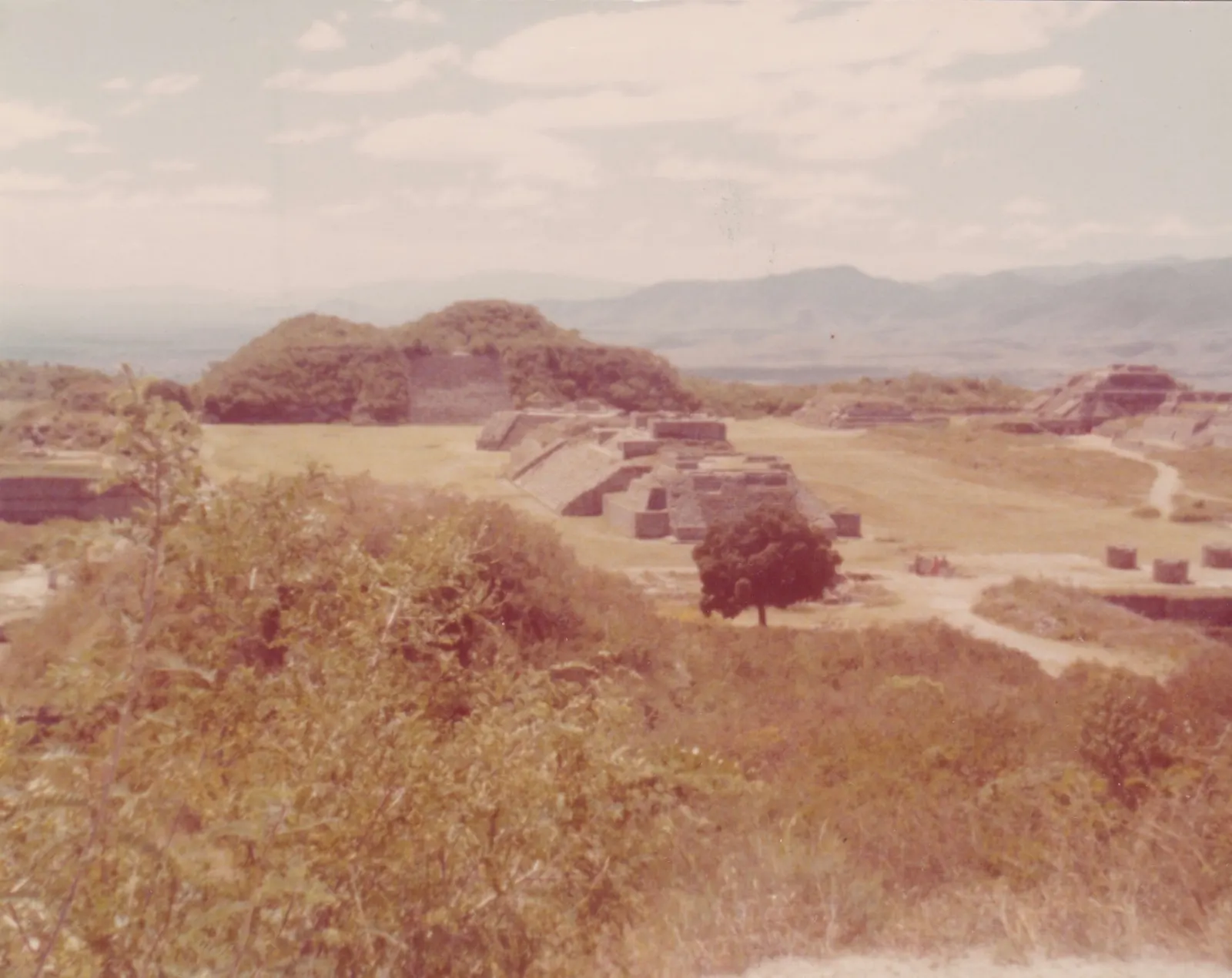
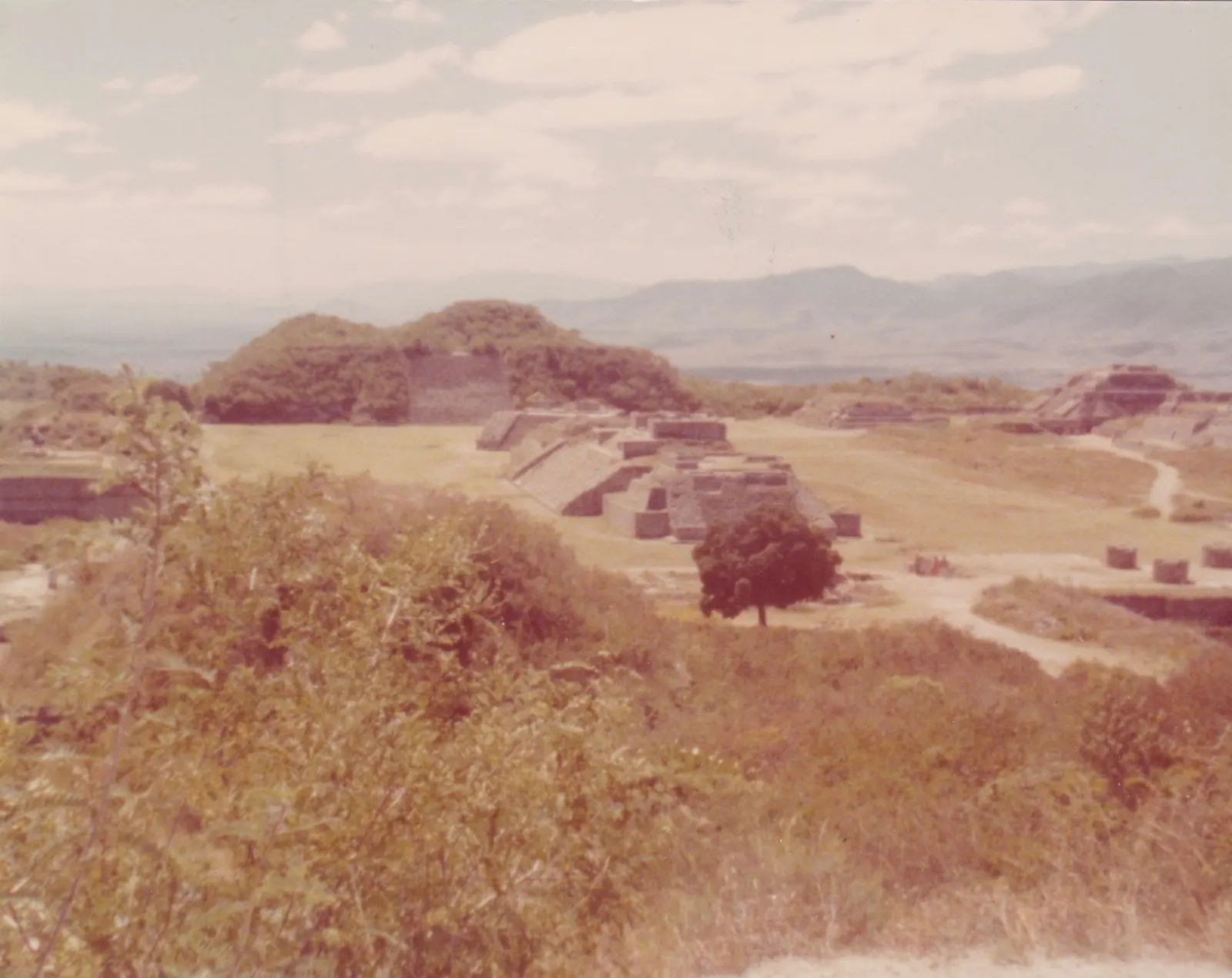
The ceremonial centre sits on an artificially leveled ridge about 400 metres above the valley floor, around 9 kilometres from Oaxaca city. Plazas, platforms and terraces cover the ridge. The city and the site were listed together as a World Heritage Site in 1987.
Oaxaca de Juárez
The colonial city is a short ride from Tule and holds churches, markets and museums. Spend an afternoon walking its stone streets and see the Baroque facade of Santo Domingo.

 Planning a trip to Santa María del Tule?Compare hotels, flights and vacation rentals for Santa María del Tule on Expedia.Book now
Food and local flavors
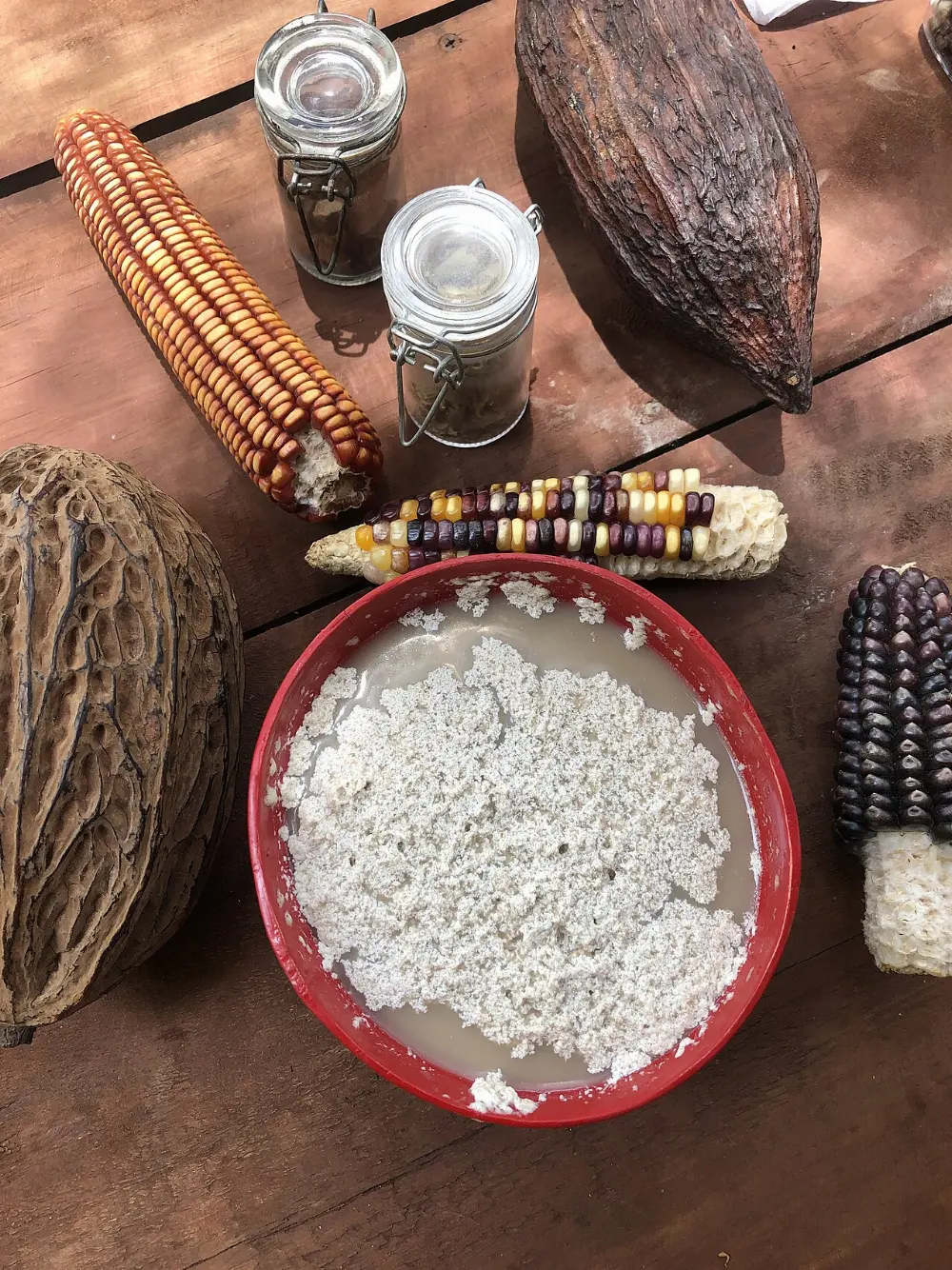
Tule's market cooks regional staples. Empanadas de amarillo are a regional corn pastry named for the yellow mole of the valleys.
For dessert, try nieve de leche quemada, an ice cream flavour made from burnt milk, or the local specialty known as Beso Oaxaqueño. The nearby Tlacolula Sunday market is a larger food street worth visiting, and the Centro Histórico of Oaxaca city adds tlayudas and more.
Popular dishes to try in Santa María del Tule


Where to stay
Santa María del Tule itself suits travellers who want to see the tree early or late, when tour groups are absent.
The Centro Histórico of Oaxaca city is the best base for most visitors. It offers the widest choice of restaurants, markets, museums and transport, and it suits first-time visitors, couples and anyone planning several day trips.
Teotitlán del Valle suits travellers who want a rural Zapotec village, family workshops and mountain views. It works well for slower trips focused on textiles, walking and food.
Where to stay in Santa María del Tule
Best time to visit
The area has a mild climate with little seasonal variation. Summer brings the rainy season, when afternoons can be wet and the farmland turns green. From November to April the weather is usually drier, which suits long days between the tree, Mitla and Hierve el Agua.
Festivals add colour. The Festival of the Tule Tree is held on the second Monday of October, Candelaria is celebrated on 2 February and the Assumption on 15 August.
Getting there and getting around
Santa María del Tule is on Highway 190, roughly 10 kilometres east of Oaxaca city, the same road that continues to Tlacolula and Mitla. Oaxaca's international airport and the city's bus stations connect to most major Mexican cities, and the town is a short ride from either.
Local buses and shared taxis run along the highway toward the eastern valleys, and a taxi from the city is a simple option for a short visit. Ask your accommodation about current stops and routes.
A suggested itinerary
First day
Reach Tule in the morning, walk around the tree and church, and eat at La Guadalupana Market.
Second day
Head east to Mitla for the Zapotec mosaics, then drive on to Hierve el Agua for the views and a swim.
Third day
Spend the morning at Monte Albán, then wander Oaxaca city and try mezcal tasting before dinner.
Practical tips
- Visit the tree early in the day, before tour buses fill the plaza.
- Keep to the paths and fences around the cypress to protect its roots.
- Carry small change for market stalls, craft sellers and the church donation box.
- Ask permission before photographing weavers, vendors and people in the market.
- Bring sun protection, a hat and water for Mitla, Monte Albán and Hierve el Agua.
- Learn a few Spanish phrases, which are appreciated in smaller towns.