Lagunas de Chacahua Mexico Mangrove Boats and Wild Beaches
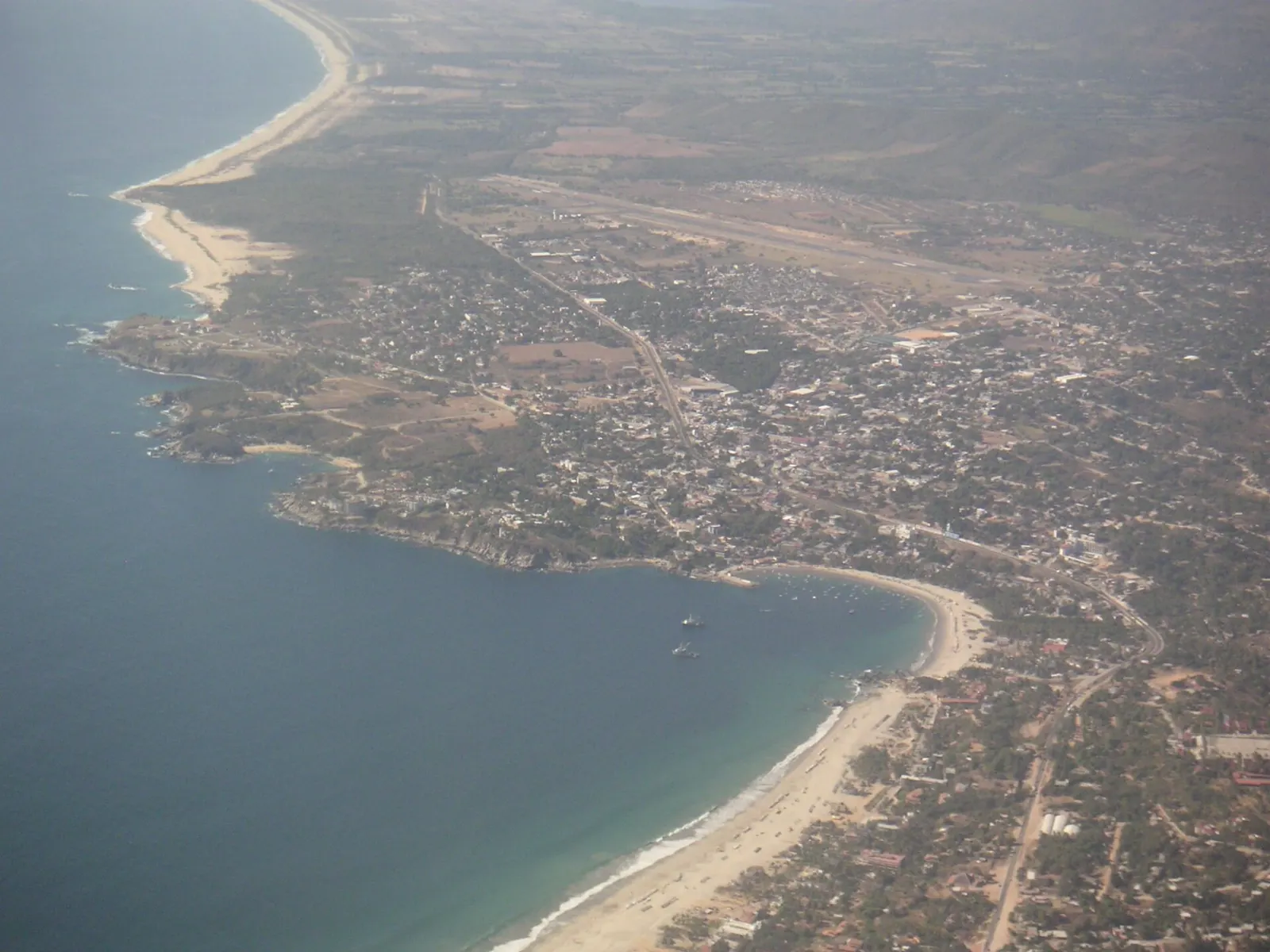
Lagunas de Chacahua National Park is a chain of lagoons, mangroves and wild Pacific beaches on the coast of Oaxaca, about 54 km west of Puerto Escondido.
By WiserMap TravelUpdated October 20264 places8 min read
Best timeChoose the drier months for easy boat days, and expect heat and humidity at any time of year.
How longOne long day works from Puerto Escondido, while an overnight stay allows a relaxed visit.
Getting thereDrive or take a colectivo along Highway 200 to Zapotalito, then continue by boat.
Ad
Why visit Lagunas de Chacahua
Created in 1937, Lagunas de Chacahua National Park covers about 132 square kilometers in the municipality of Villa de Tututepec de Melchor Ocampo. Roughly 30 of those square kilometers are water, divided among lagoons such as Laguna de Chacahua, Laguna de La Pastoria and Laguna Las Salinas, connected by narrow channels.
The park has ten types of vegetation, including mangroves, savannah, palm trees and coastal dunes, with 246 plant and 189 animal species documented so far. It is a place to slow down, travel by boat and watch wildlife, rather than to follow a checklist of sights.
Lagoons and mangroves
Zapotalito
This village near the park is the usual starting point for boat tours. From Puerto Escondido, ask the colectivo driver to let you off at El Zapotalito, then arrange a lancha at the landing.
Laguna de Chacahua
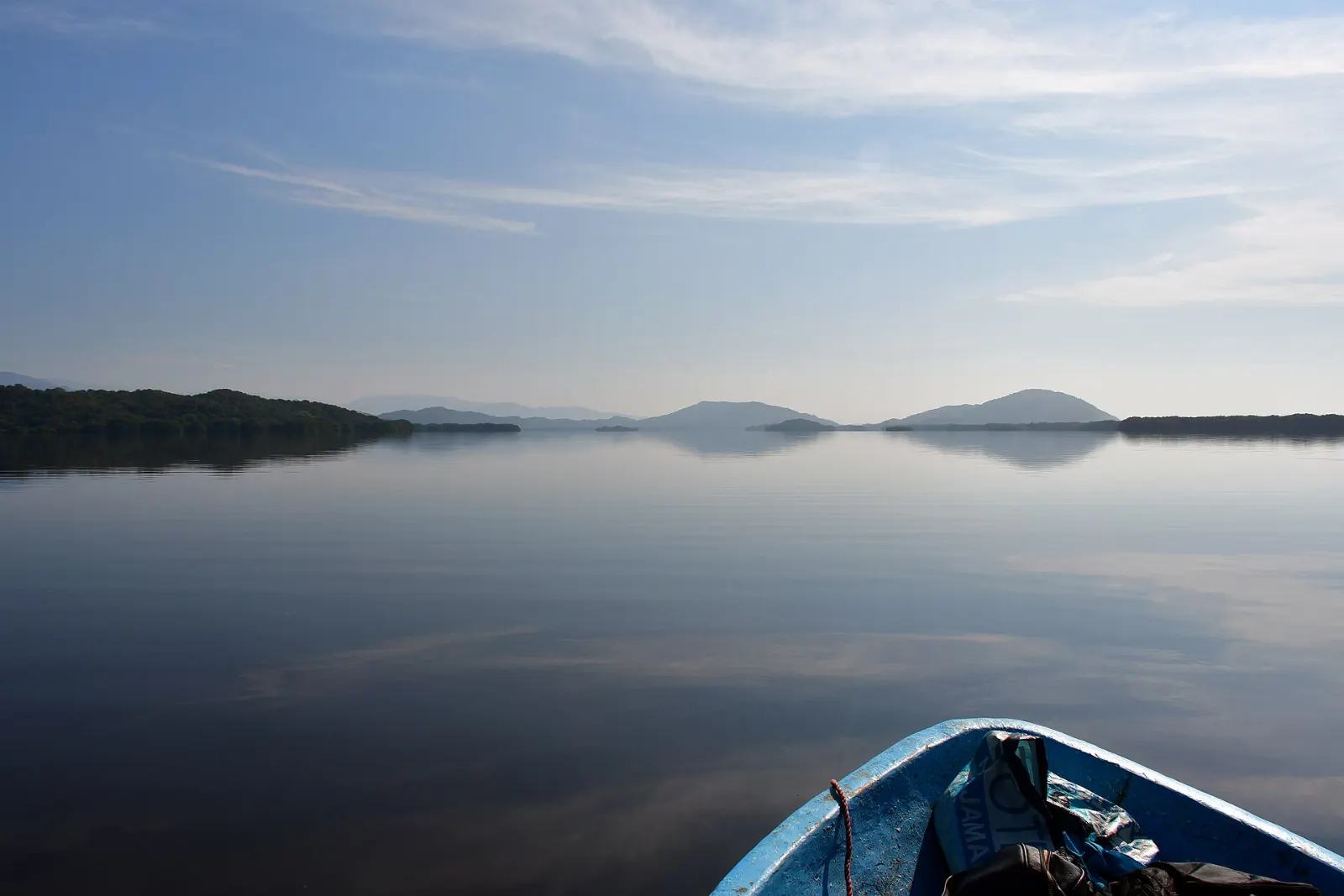
The lagoon that gives the park its name is the focus of most tours. Boats glide across open water and into channels lined with mangroves, and stops usually include a meal by the water.
Laguna de Chacahua is one of several lagoons in the national park. Photo: Gzzz, Wikimedia Commons, CC BY-SA 4.0
Laguna de La Pastoria
La Pastoria is another of the park's main lagoons and a good place to watch fishers at work. Ask your boatman whether it can be included in your route. Early morning brings the calmest water.
Laguna Las Salinas
Las Salinas is the third named lagoon in the park and is often seen from a boat while crossing the system. Smaller lagoons join the larger ones through the narrow channels.
Mangrove channels
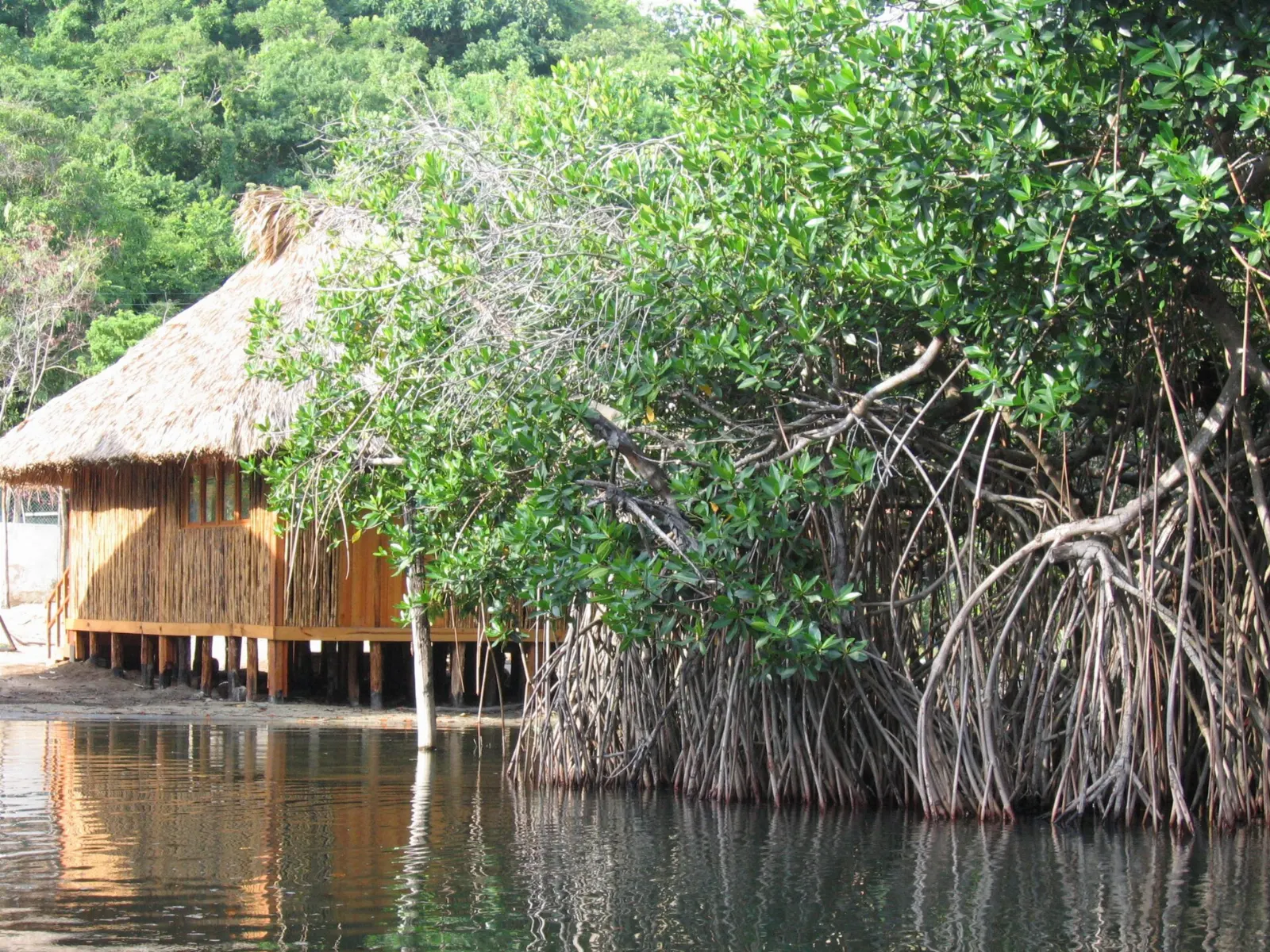
The narrow channels between lagoons are among the most atmospheric parts of the trip. The boat slows down, branches arch overhead and herons stand on roots.
Tours usually include a stop at a nursery that raises Mexican Pacific coast crocodiles, Crocodylus acutus. It is a chance to learn about the species from a safe distance.
Birdlife
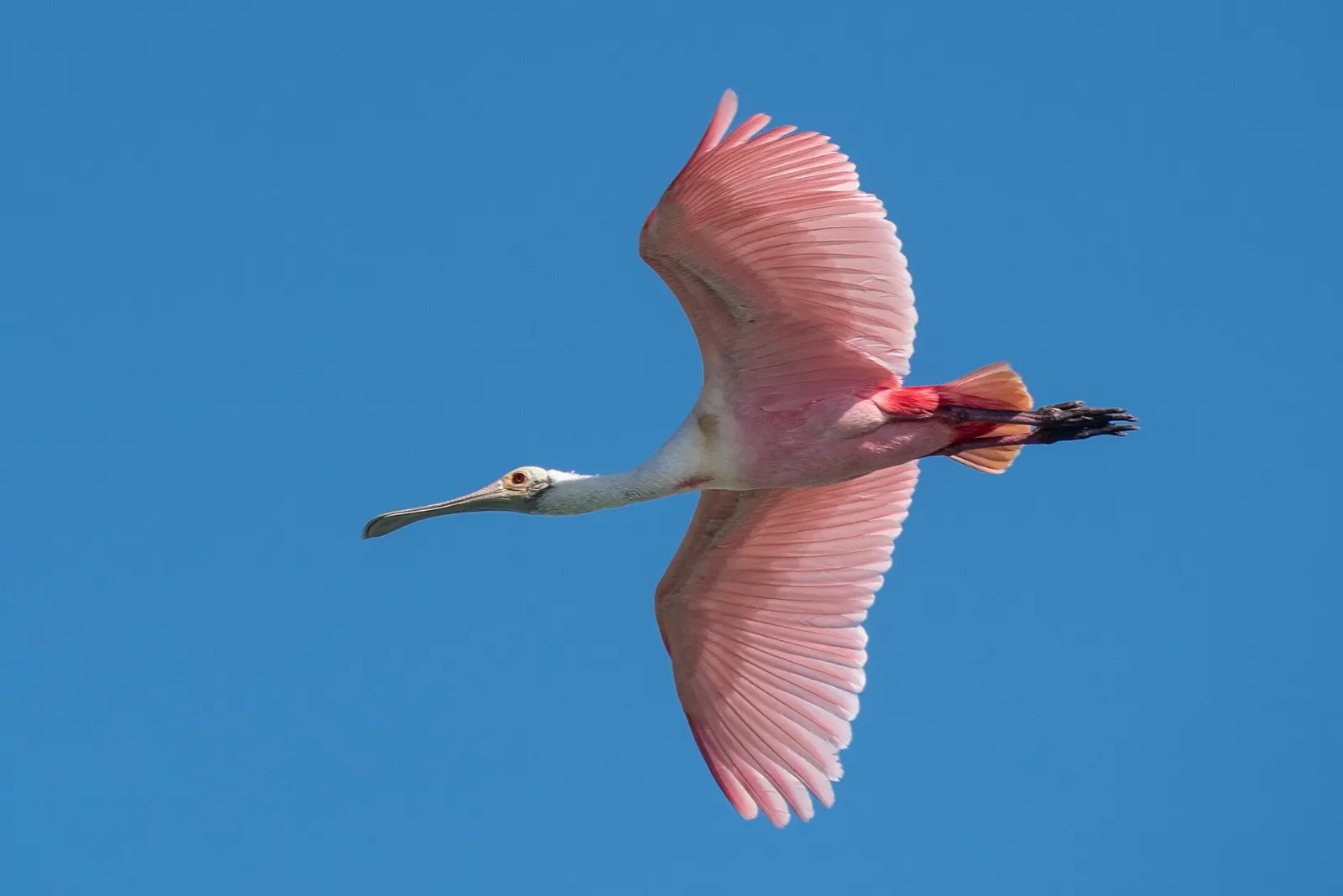
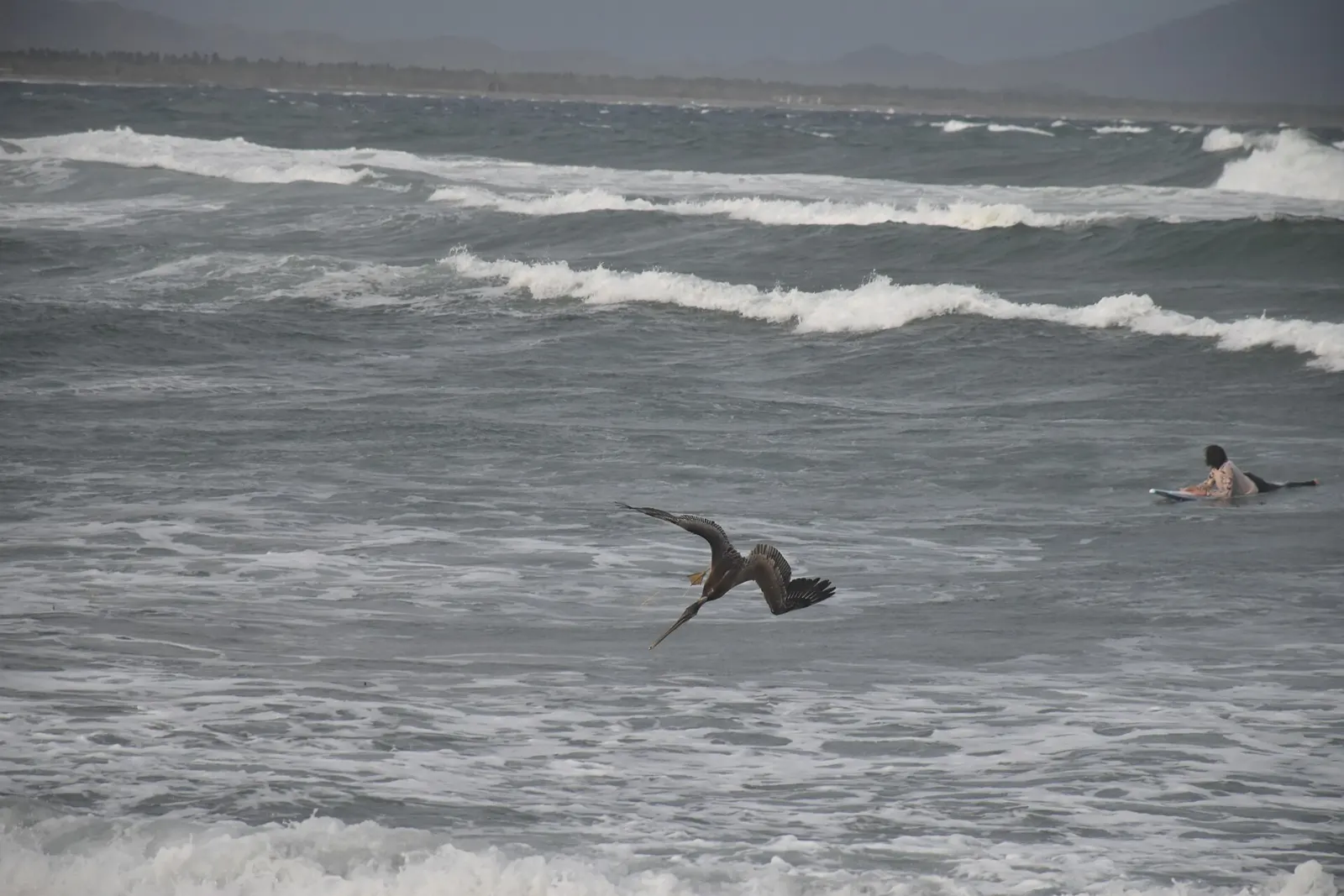
Storks, herons, wild ducks, blue-winged teal, pelicans and spoonbills fish in these waters. Go early or late, when the light is soft and the birds are most active.
Storks, herons, pelicans and spoonbills fish in the lagoons. Photo: Gordon Leggett, Wikimedia Commons, CC BY-SA 4.0
Pacific beaches and dunes
Sandy Pacific beaches and coastal dunes lie beyond the lagoons, and the area also includes a Mixteco archaeological site. Three species of sea turtle visit the park to lay their eggs. Respect nesting areas, and keep to marked paths and your guide's directions.
Sandy Pacific beaches and coastal dunes border the lagoons. Photo: Fernando Archuby, Wikimedia Commons, CC BY 4.0
Playa Escobilla
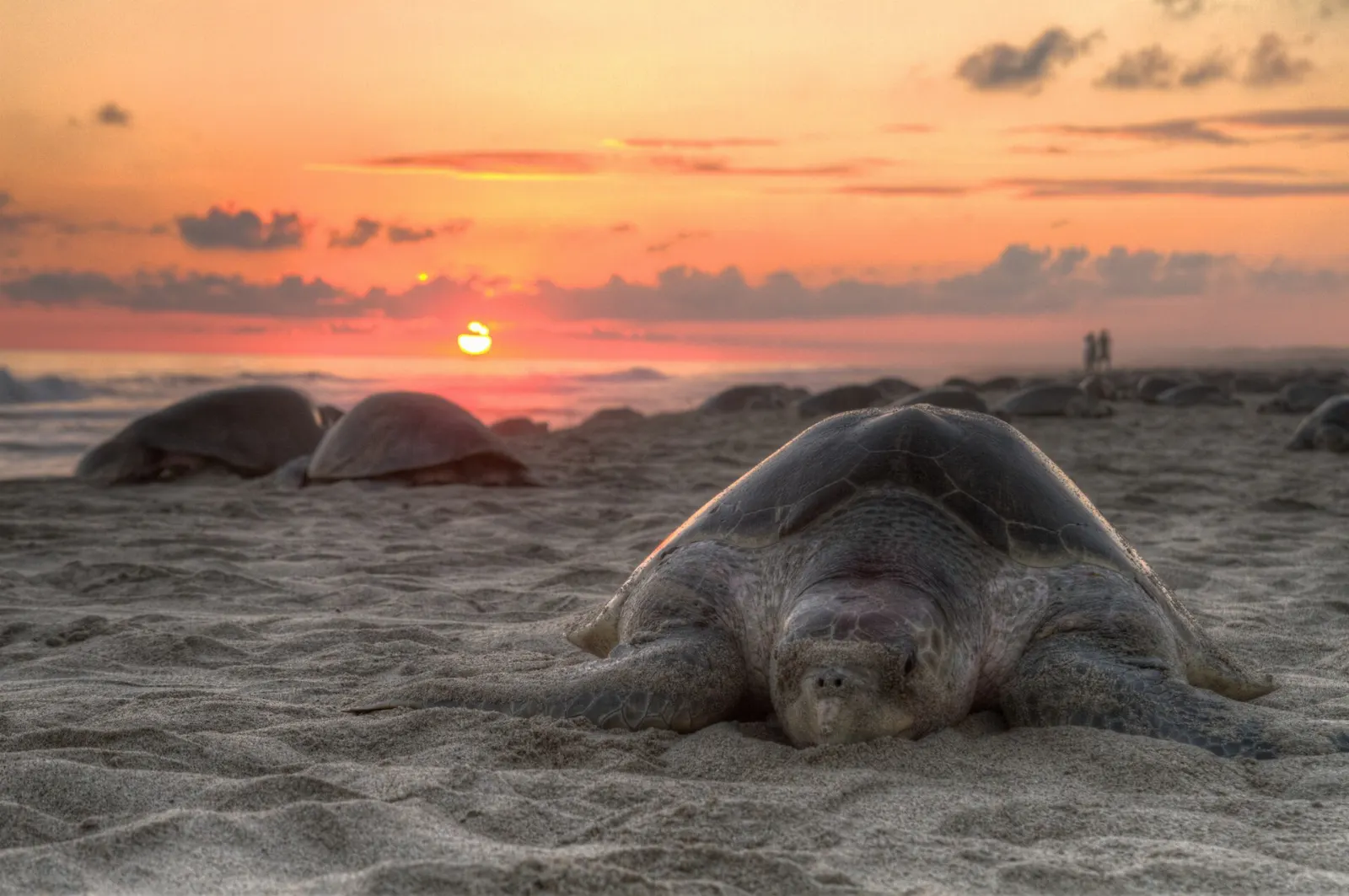
Between Puerto Escondido and Mazunte, Playa Escobilla is a nesting beach where thousands of olive ridley sea turtles come ashore from July to September. Day trips run from Puerto Escondido with a local guide, and the guide will explain how close you may stand.
Zicatela Beach
Back in Puerto Escondido, Zicatela is the area's most famous beach and hosts major surfing competitions. Even if you do not surf, it is a lively place for a sunset walk. Gentler beaches elsewhere in town suit swimmers.
Laguna de Manialtepec
Closer to Puerto Escondido, Laguna de Manialtepec is a related lagoon worth considering if you want a shorter outing. Ask locally about boat trips and the best hours for birds.
Food and local flavors
Waterfront restaurants around the lagoons serve fresh seafood, and boat tours usually stop to sample local food.
Back in Puerto Escondido, Mercado Benito Juárez sells fresh fish, produce and prepared food daily. For breakfast or a sweet treat, look for pan de yema, an egg yolk bread usually eaten with Oaxacan hot chocolate.
Ask your boatman where the family restaurants are, and always confirm the catch of the day before ordering.
The tlayuda is an iconic Oaxacan dish that is also served with seafood on the coast.Photo: Gomez.erick, Wikimedia Commons, CC BY-SA 4.0
Popular dishes to try in Lagunas de Chacahua
Tlayuda Elsewhere in the state, you will find a tlayuda, a large toasted tortilla with beans, cheese and meat or seafood.Photo: Nsaum75, Wikimedia Commons, CC BY-SA 3.0Pan de yema For breakfast or a sweet treat, look for pan de yema, an egg yolk bread usually eaten with Oaxacan hot chocolate.Photo: ProtoplasmaKid, Wikimedia Commons, CC BY-SA 4.0Mezcal Most of Mexico's mezcal comes from Oaxaca, and it is usually sipped slowly.Photo: Alejandra Mendoza Santillan, Wikimedia Commons, CC BY-SA 4.0
Ad
Where to stay
Zapotalito and the area around the lagoons offer small hotels and waterfront restaurants, which suit travelers who want sunrise on the water and a quiet evening.
Puerto Escondido is the practical base, with an airport, bus connections, markets and a wide choice of rooms and restaurants.
Zicatela is the beach quarter of Puerto Escondido, with bungalows, surf shops and a lively evening scene.
Reserve ahead in the high season, which runs from mid-December to mid-March.
Zicatela Beach at Puerto Escondido hosts major surfing competitions.Photo: Flickr contributor, Wikimedia Commons, CC BY 2.0
Where to stay in Lagunas de Chacahua
Puerto Escondido Puerto Escondido is the practical base, with an airport, bus connections, markets and a wide choice of rooms and restaurants.Photo: Carlos Miguélez Monroy, Wikimedia Commons, CC BY 2.0Zicatela Zicatela is the beach quarter of Puerto Escondido, with bungalows, surf shops and a lively evening scene.Photo: Gzzz, Wikimedia Commons, CC BY-SA 4.0
Best time to visit
The Oaxaca coast has a tropical climate, with hot days and humid air throughout the year. The drier months from late autumn to spring are usually easier for boat days, while summer brings heavy showers and thick humidity.
The main tourist season in Puerto Escondido runs from mid-December to mid-March, so expect more visitors and busier boats then.
Ad
Getting there and getting around
Puerto Escondido has its own airport, with flights from Mexico City, and Huatulco is a second option about 90 minutes away by road.
From Puerto Escondido, the park is about 54 km west on Federal Highway 200, near Zapotalito. Take a colectivo toward Río Grande and ask to get off at El Zapotalito, or drive yourself.
Boat transport is the main way around the park, and tours can be arranged at the landing. Carry cash and agree on the route before boarding.
A suggested itinerary
First day
Settle into Puerto Escondido, walk Zicatela Beach and eat at Mercado Benito Juárez. Watch the sunset from the sand and sleep early.
Second day
Travel west to Zapotalito in the morning and take a boat through Laguna de Chacahua, the mangrove channels and the crocodile nursery.
Third day
Add a quieter outing, such as Laguna de Manialtepec for birds, or join a turtle trip to Playa Escobilla in season.
Ad
Practical tips
Check your government's current travel advisory before you go.
Bring sun protection, a hat and insect repellent for long boat days.
Carry cash, because small villages and boat operators may not accept cards.
Agree on the route, the length of the trip and the stops before boarding a boat.
Wear a life jacket whenever the boat provides one.
Do not touch turtle nests, crocodiles or other wildlife.