Zipolite is a long, surf-pounded stretch of golden sand on the Pacific coast of Oaxaca, between Puerto Escondido and Huatulco. It has a relaxed, backpacker-friendly spirit and Mexico's only officially clothing-optional beach policy.
AT A GLANCE
Best time
November to April is the dry season, with the calmest skies for beach days.
How long
Plan three to five days to enjoy Zipolite plus the nearby villages.
Getting there
Fly to Huatulco airport or take the bus from Oaxaca City in about four hours.
Why visit Zipolite
Zipolite is famous for its easygoing atmosphere.
It also makes a good base. Mazunte, San Agustinillo and Puerto Ángel are all close, so you can mix lazy beach time with wildlife, viewpoints and snorkelling trips without long transfers.
The village atmosphere is part of the appeal. Evenings are for sunset drinks, bonfires on the sand and long dinners at open-air restaurants, and mornings start slowly with coffee and the sound of the waves.
On the sands of Zipolite
Playa Zipolite
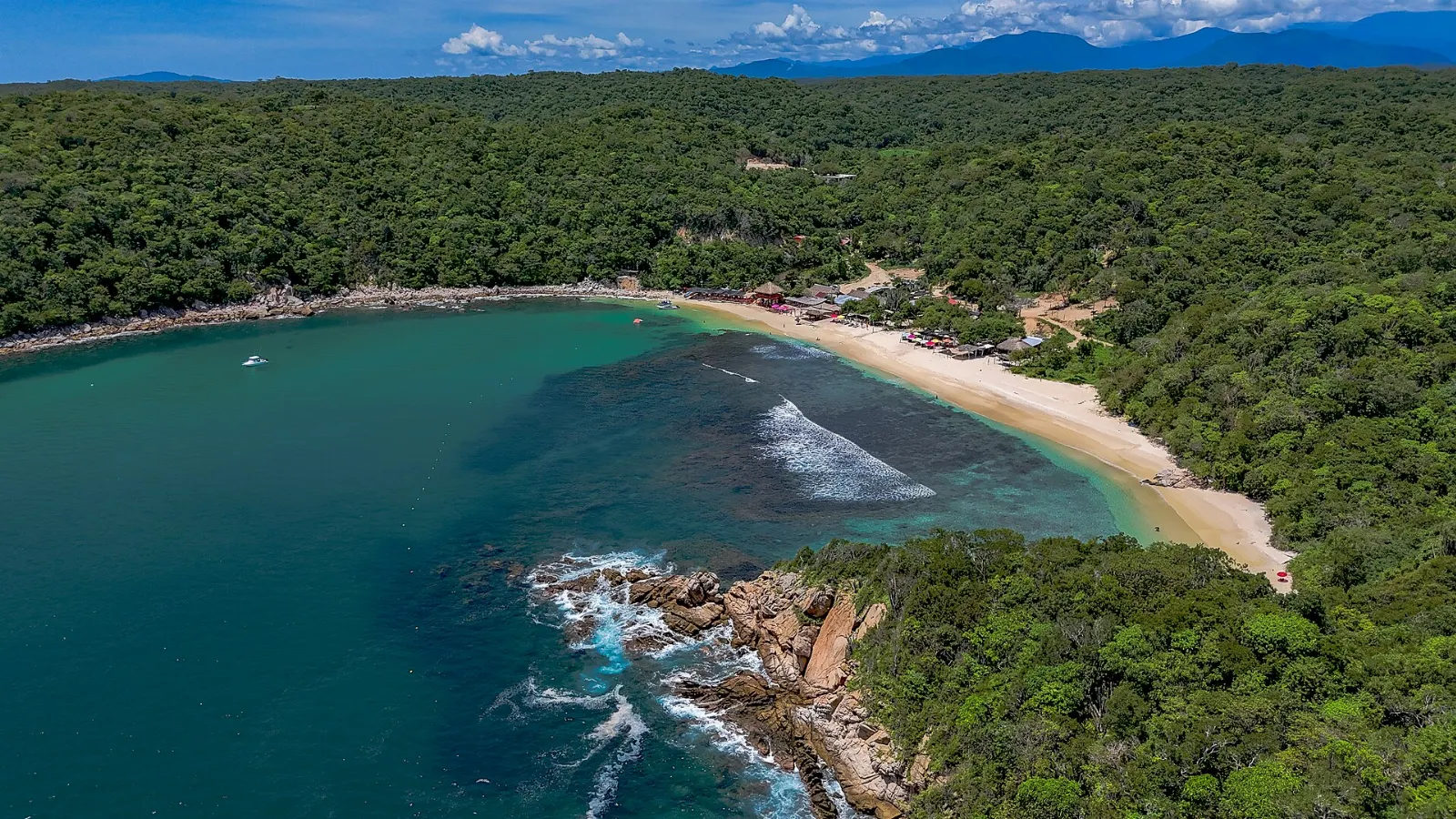
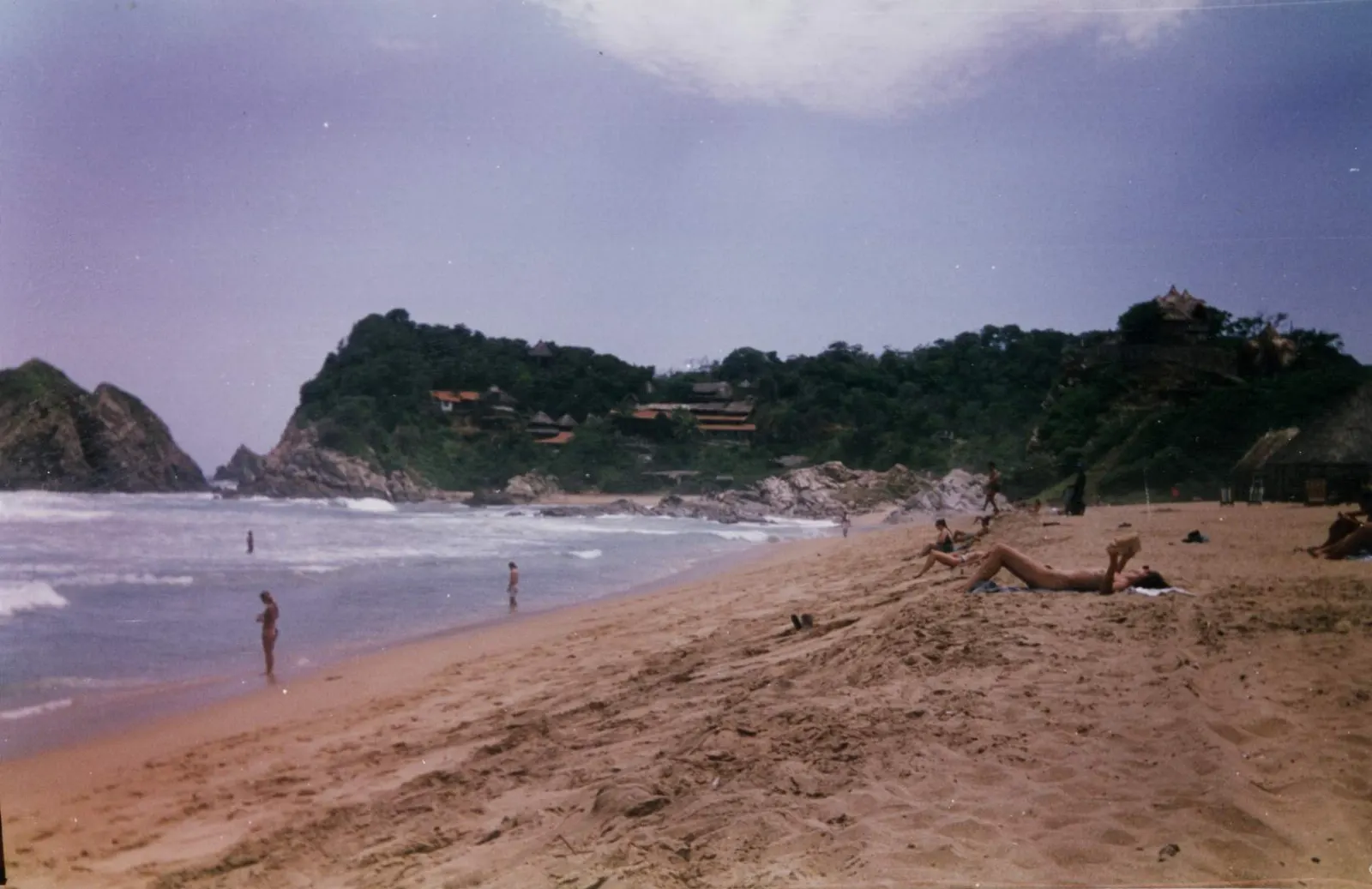
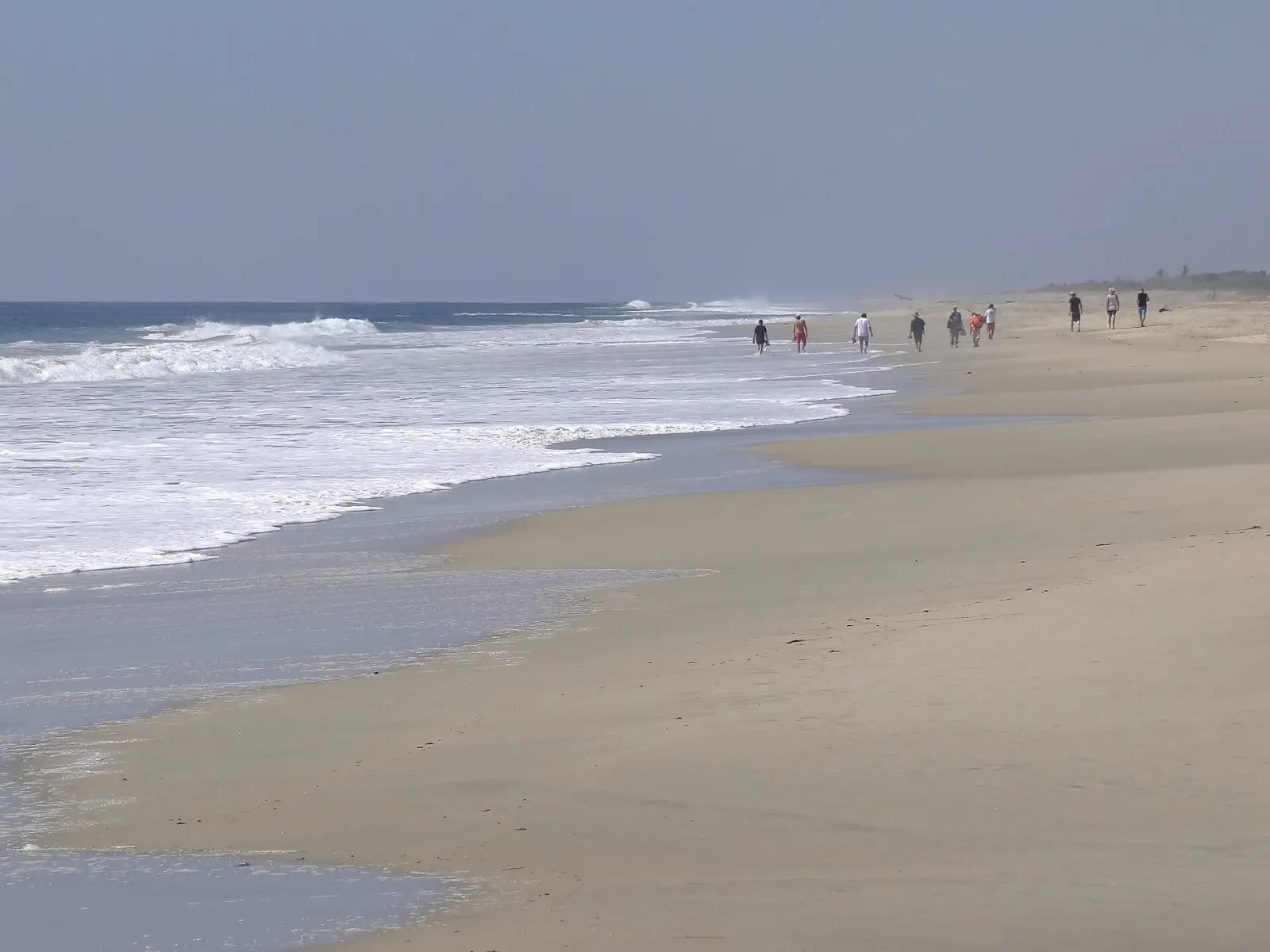
The main beach is a broad arc of sand with strong surf and a long line of palapa restaurants.
Playa del Amor
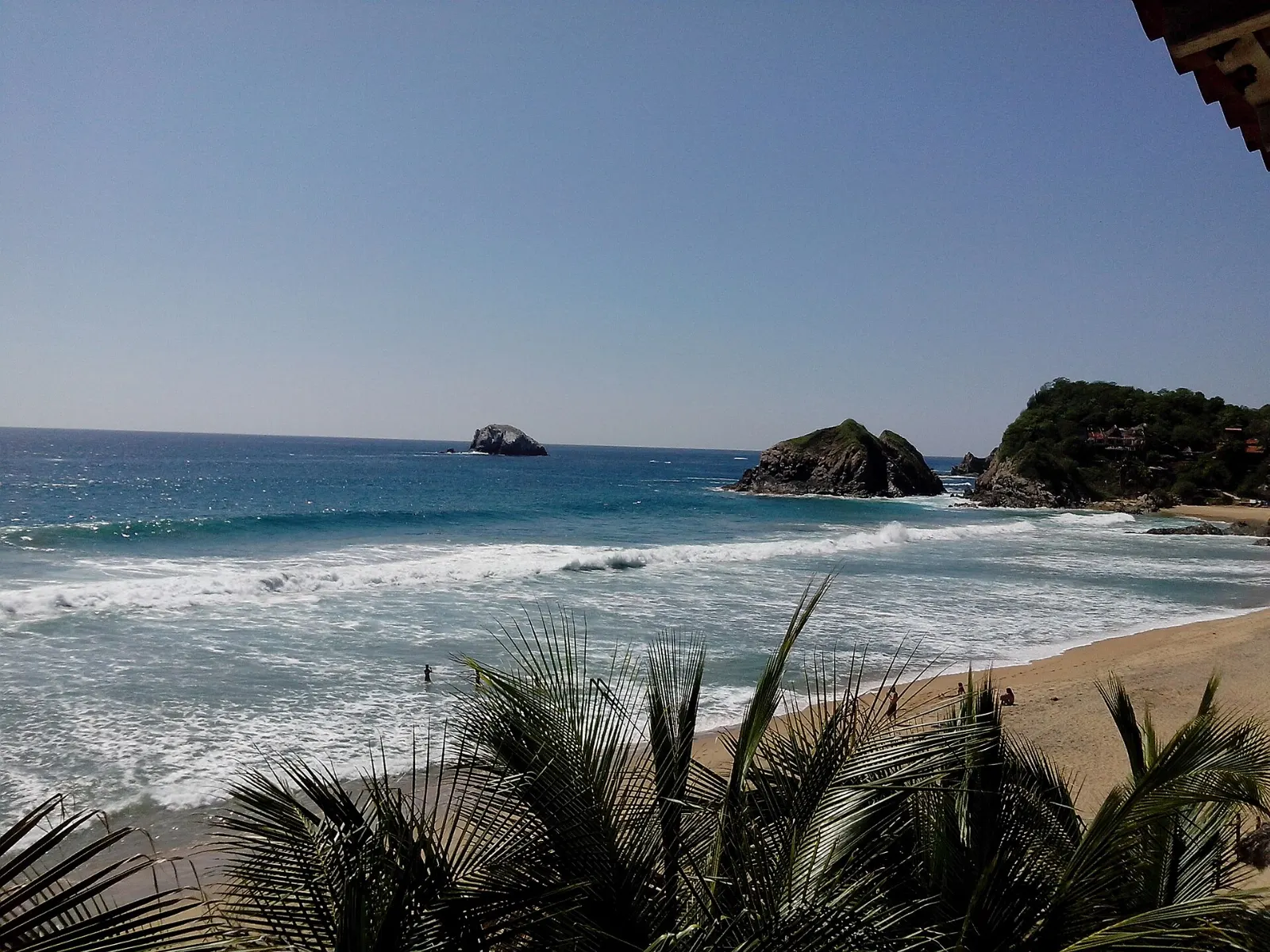
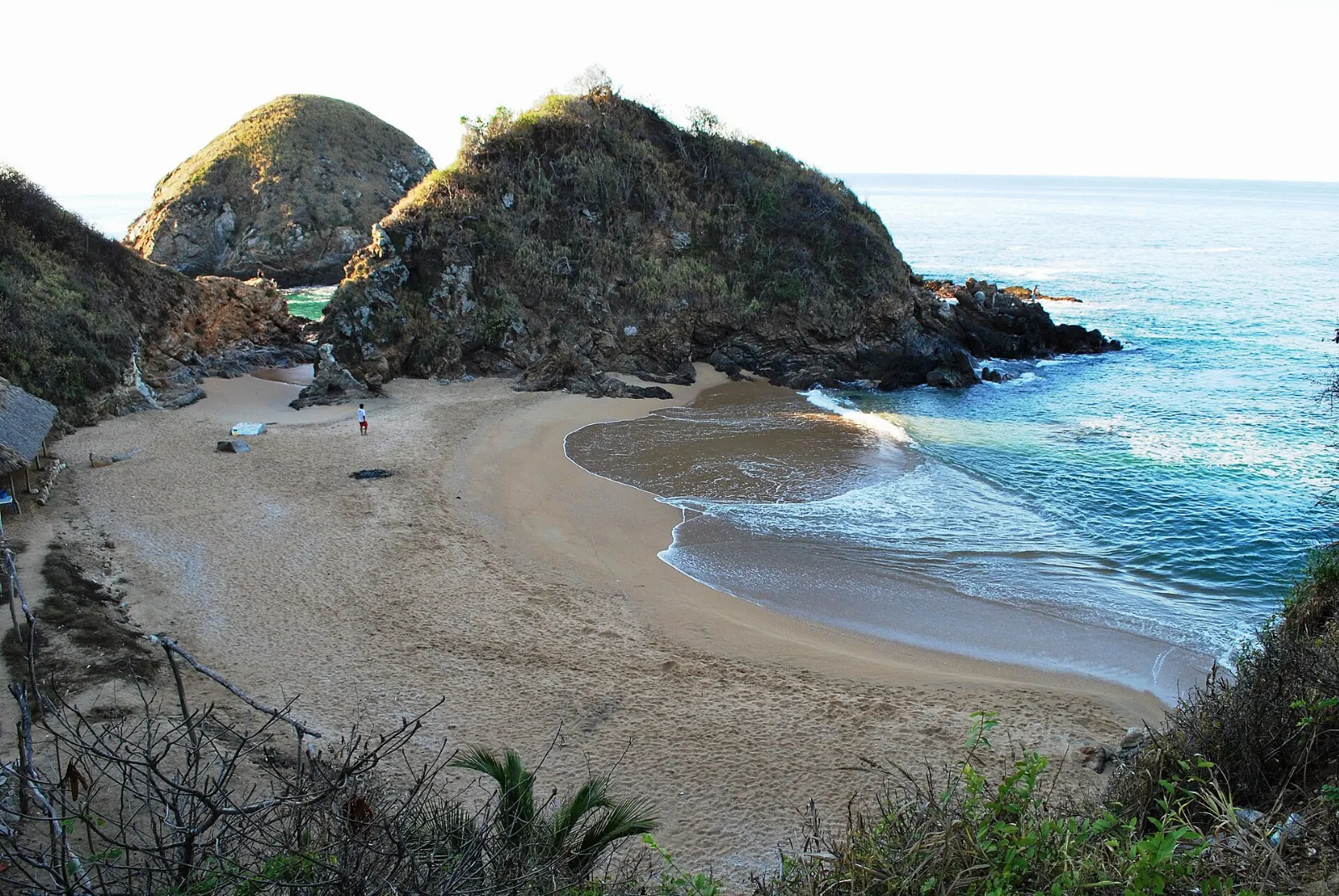
This small cove sits at the far eastern end of the beach and is reached by climbing steps from the sand. The water is calmer than on the main beach, which makes it a pleasant place for a swim.
Roca Blanca
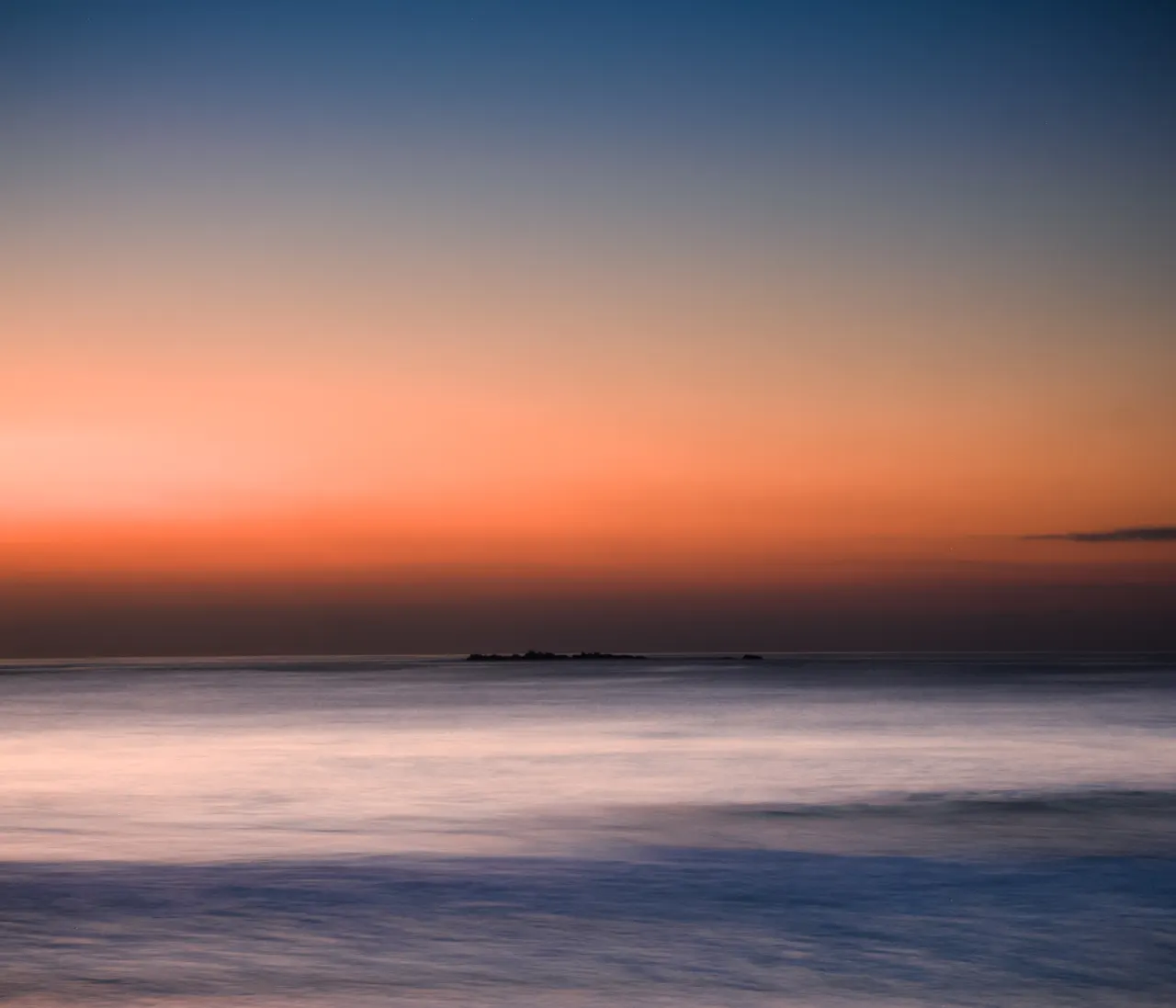
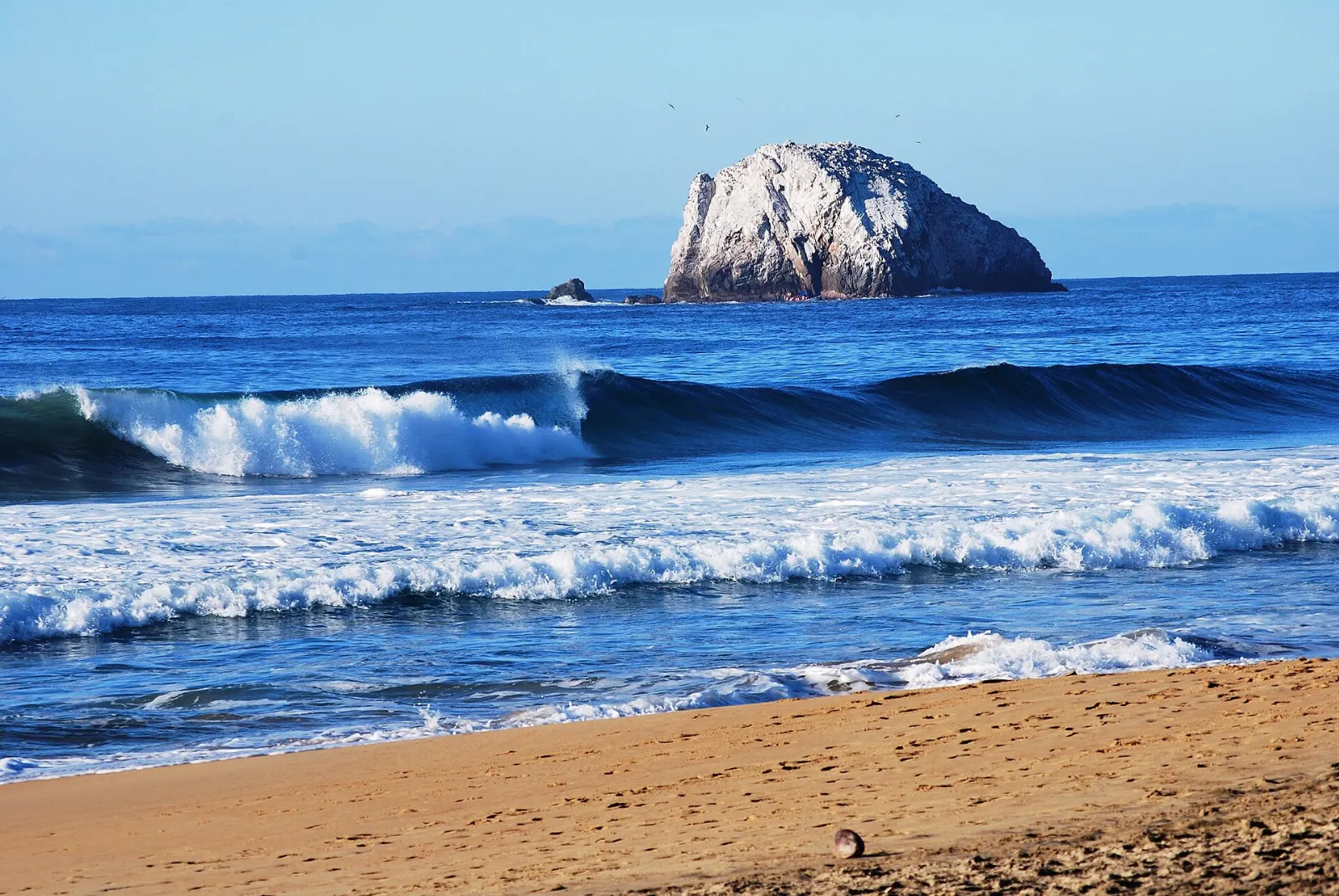
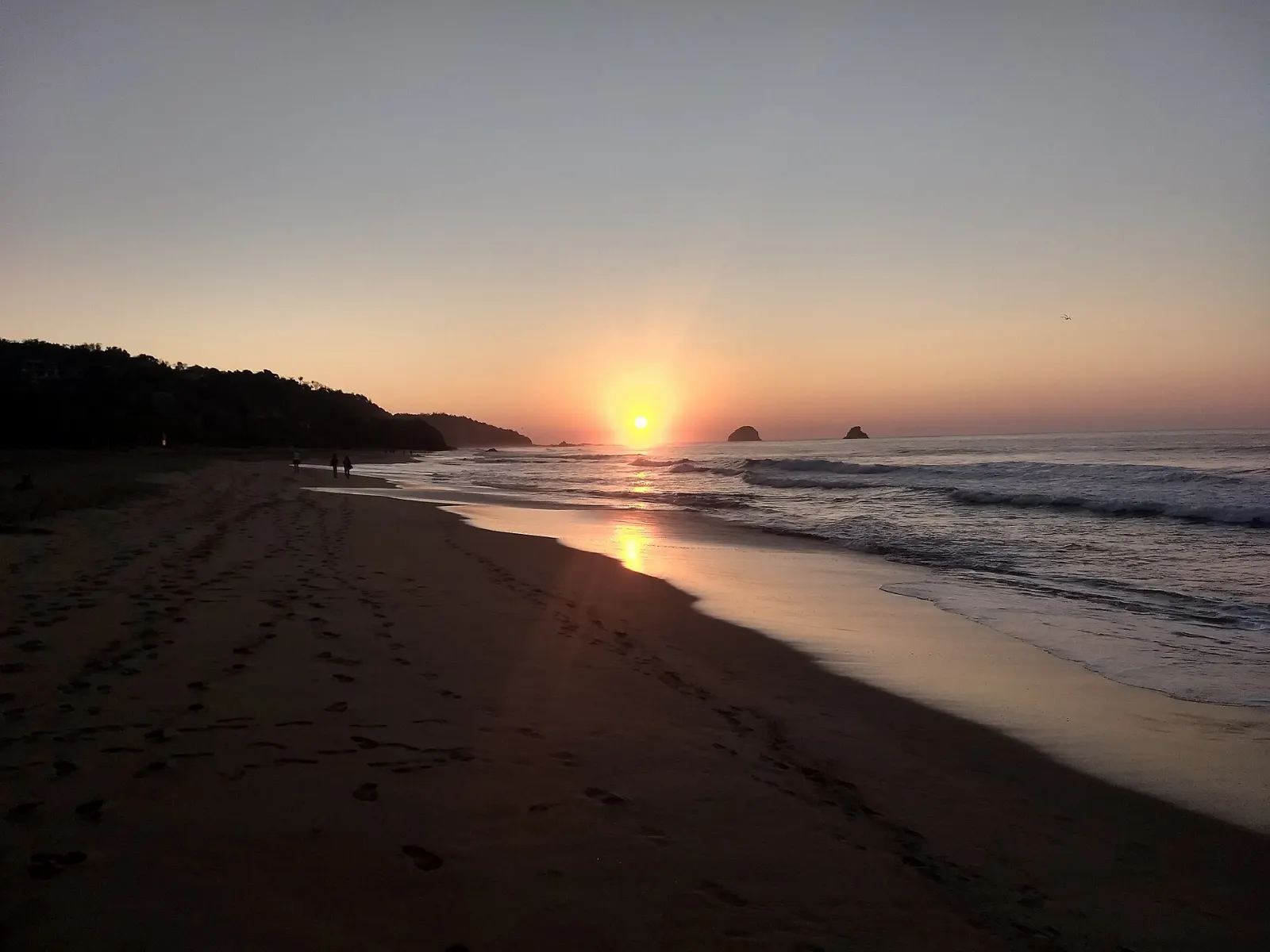
Roca Blanca is the pale, guano-covered rock just offshore on the eastern side, and the neighbourhood around it carries the same name. It is one of the best places to watch the sun drop into the Pacific.
The evening street
Each late afternoon the main street closes to through traffic and turns into a pedestrian market. Shops open, restaurants fill up and vendors sell crafts, hammocks and coconut-shell lamps.
Surfing and boogie boarding
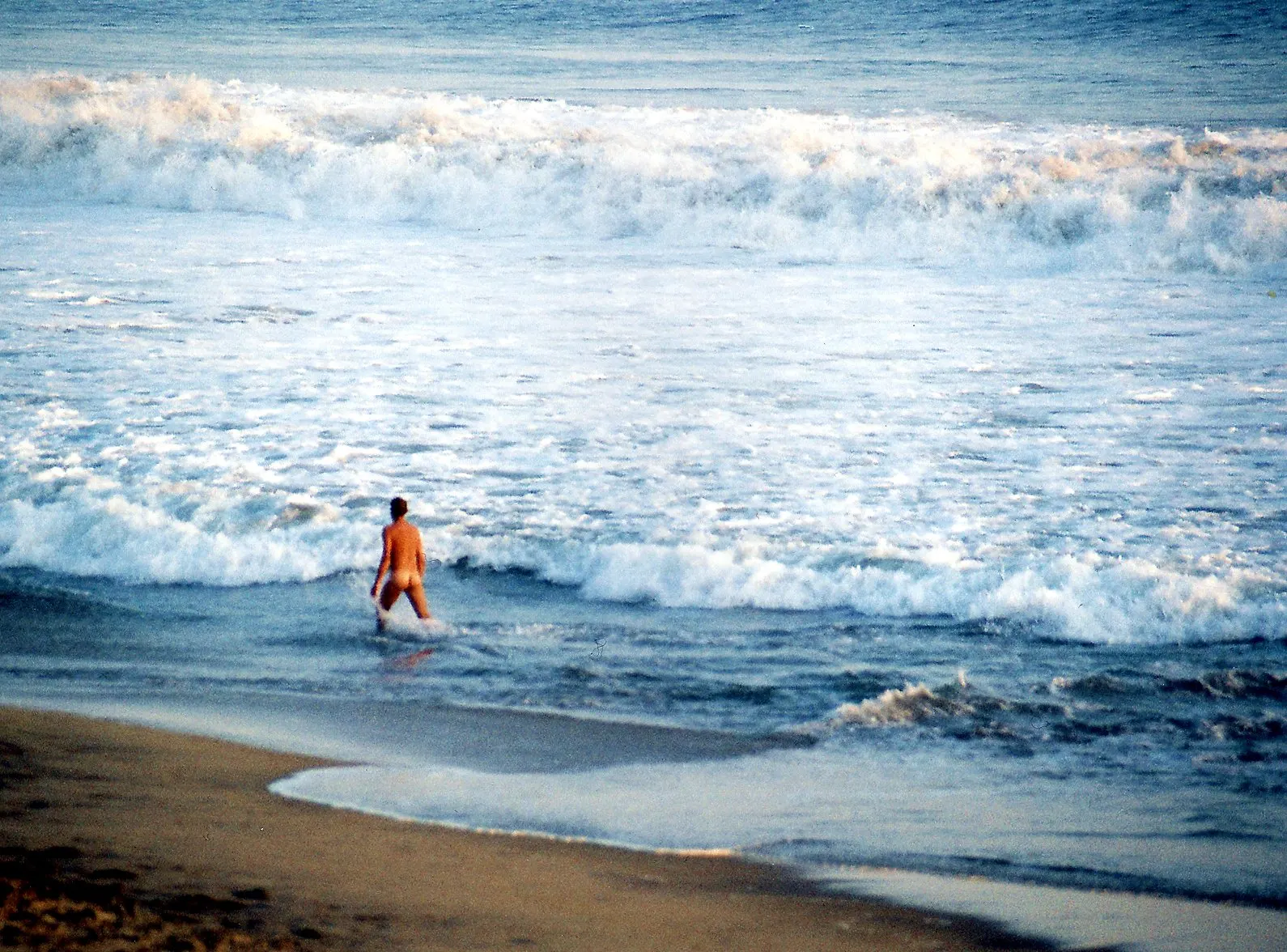
Zipolite has reliable waves and is not as crowded as other surf spots on the coast. Boards can be rented on the west side of the beach, and boogie boarders gather near the rocks on the east side in the early evening.
Along the coast near Zipolite
Centro Mexicano de la Tortuga
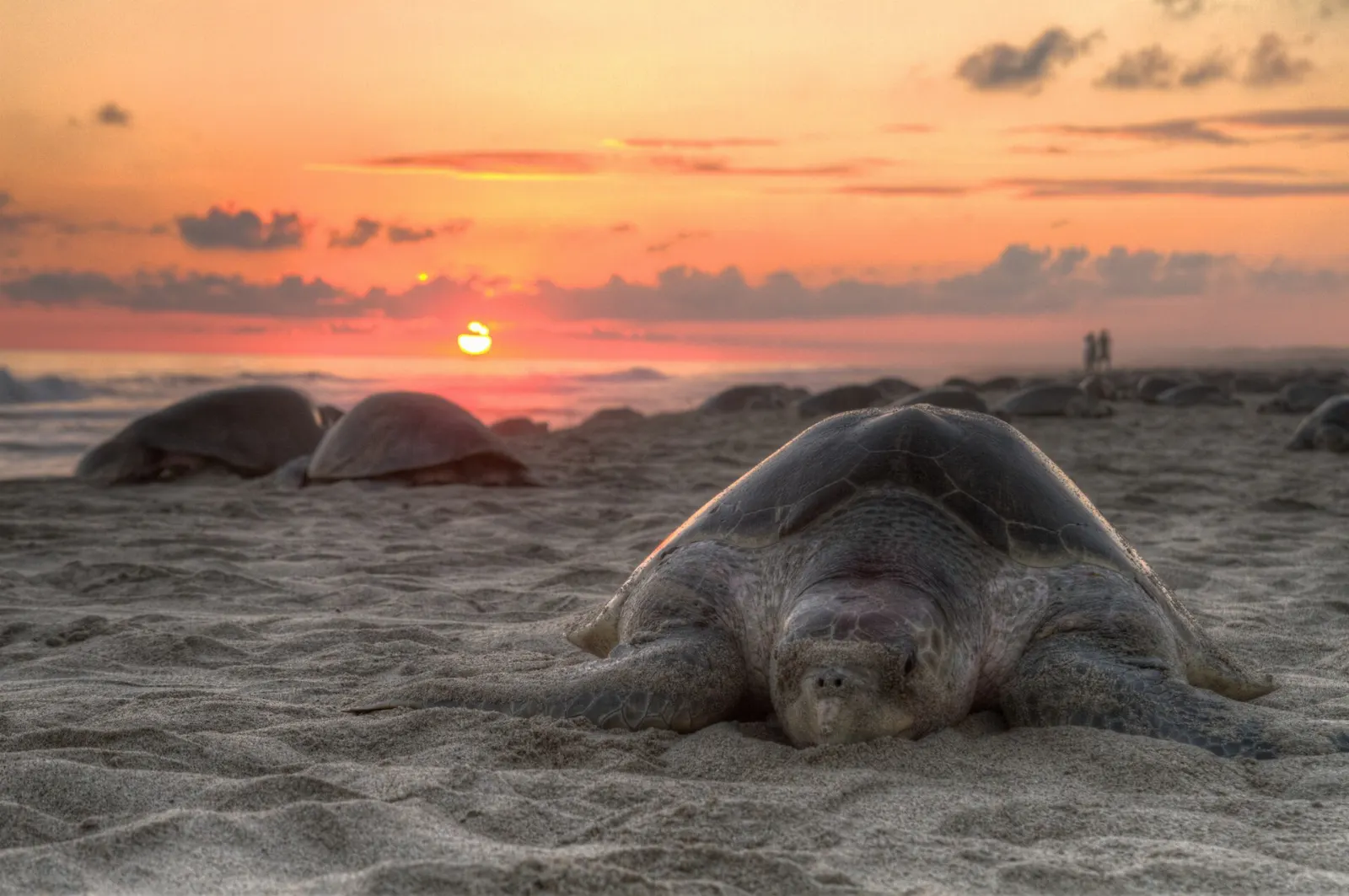
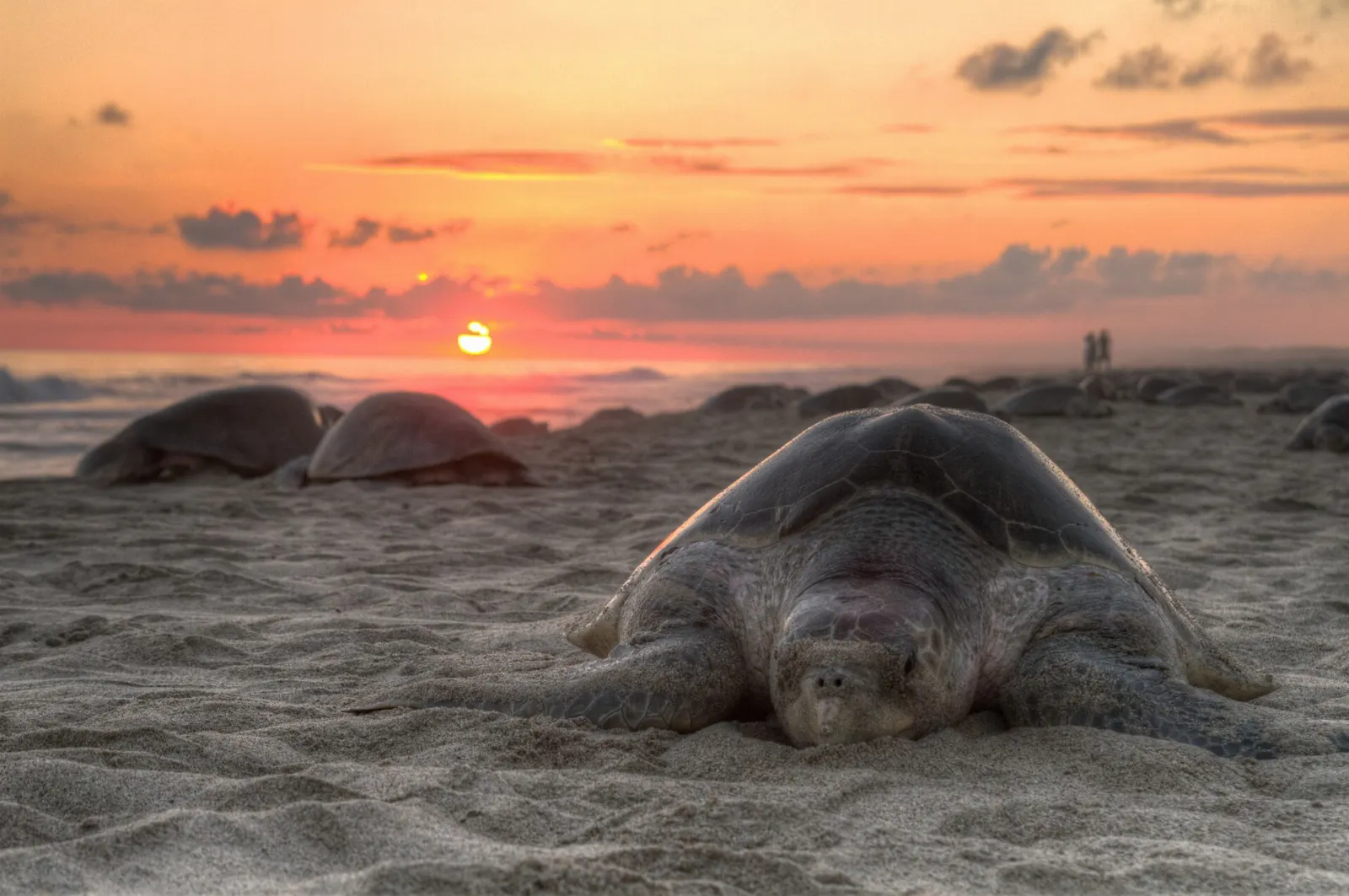
In Mazunte, this turtle centre shows the sea turtle species found in Mexican waters. Allow an hour or so for the exhibits, then walk through the village to the beach.
Punta Cometa
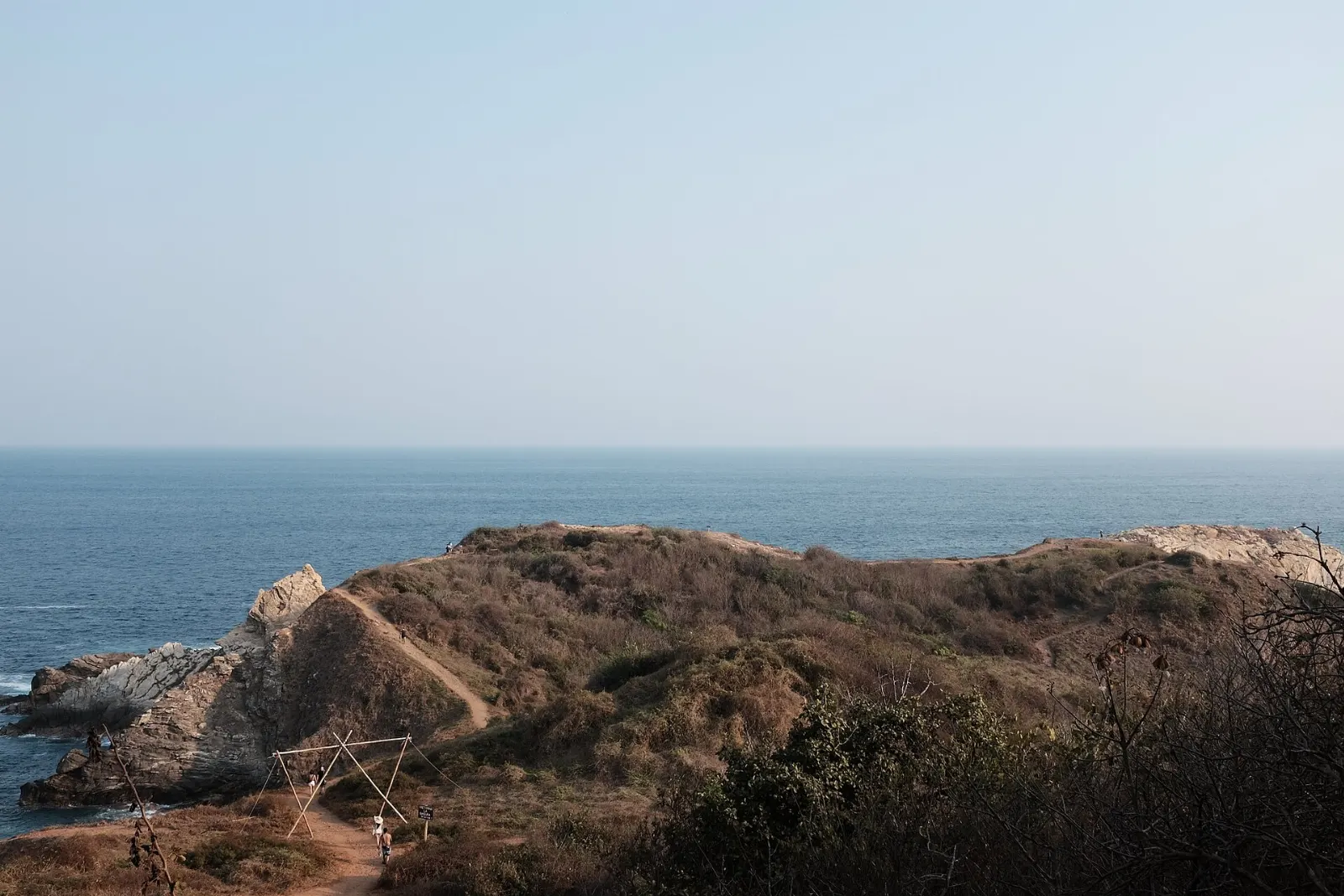
This rocky peninsula is the southernmost point of Oaxaca state and can be reached on a signed path from Mazunte. From the tip you can watch both sunrise and sunset.
Playa Ventanilla
A short ride west of Mazunte, Ventanilla is known for guided canoe trips run by local villagers who take visitors out to watch wildlife.
San Agustinillo
About five minutes on foot from Mazunte, this small village has a pleasant beach and a handful of simple cafes. It is a good stop for a long lunch after Ventanilla.
Puerto Ángel
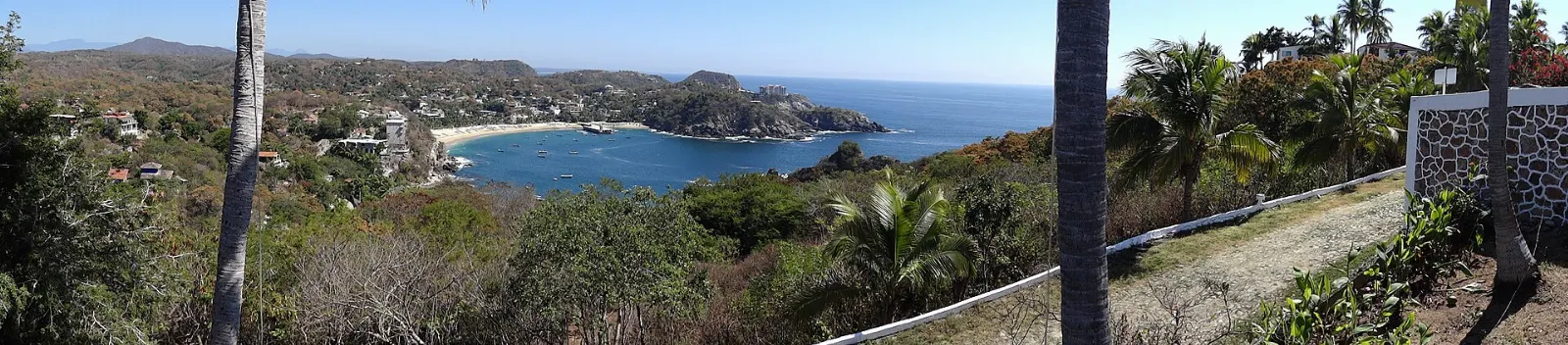
This small fishing port just east of Zipolite has beaches for snorkelling and boat trips that go in search of dolphins, sea turtles and, in season, whales. It is also where many collectivo routes pass on the way to Pochutla.
 Planning a trip to Zipolite?Compare hotels, flights and vacation rentals for Zipolite on Expedia.Book now
Food and local flavors
Oaxacan cooking reaches the coast in full force. Order a tlayuda, a large crisp tortilla topped with beans, cheese, avocado and your choice of meat, and share it at a beach palapa. Look for mole negro, the dark, complex sauce that Oaxaca is famous for, served over chicken.
To drink, try tejate, a cold, foamy Oaxacan drink made from maize and cacao, or a watermelon agua fresca on a hot afternoon. Fresh grilled fish is the coastal choice.
Popular dishes to try in Zipolite


Where to stay
Zipolite has a wide range of simple rooms along the beach, mostly small guesthouses and palapa-style cabins. Roca Blanca on the eastern side is the most popular base, with sunset views, restaurants and an easy walk to the sand.
Playa del Amor suits travellers who prefer a quieter cove and a calmer swim, though you will climb steps to reach it. Mazunte is the choice for yoga, hostels and a slower village feel, with the turtle centre and Punta Cometa on foot.
Where to stay in Zipolite


Best time to visit
The dry season runs from about November to April, with warm days, little rain and the best conditions for beach time. Rain arrives in the summer and builds toward September, when downpours are common and the surf can be heavier.
Many small businesses cut their rates from mid January through the quieter months, which can mean easier bookings and calmer beaches. In early November, Oaxaca marks the Day of the Dead with altars, markets and processions, and the coast feels the festive mood too.
Getting there and getting around
The nearest major airport is Huatulco International Airport, about 45 kilometres away, with taxis and colectivos connecting to the coast. Puerto Escondido has its own airport to the north.
Several bus companies run to Pochutla, where colectivos continue to Zipolite along the coast road. Once you arrive, you will not need a car. The beach is only about two kilometres long, taxis and colectivos are plentiful, and you can walk through the jungle to Mazunte.
A suggested itinerary
First day
Settle in on the main beach, walk east to Playa del Amor for the view, and finish with sunset at Roca Blanca.
Second day
Head to Mazunte for the turtle centre, then walk up to Punta Cometa for the afternoon light.
Third day
Visit Playa Ventanilla for a canoe trip, then stop in San Agustinillo for lunch.
Fourth day
Take a boat trip from Puerto Ángel to look for dolphins and turtles, and snorkel on the way back.
Practical tips
- Swim only where the volunteer lifeguards fly the flags, because rip currents here are strong.
- Carry enough cash for your stay, since cash machines in town can be empty or out of order.
- Bring reef-safe sunscreen, a hat and water, as shade on the beach is limited.
- Wear sturdy shoes for the headland paths and the steps up to Playa del Amor.
- Check bus and colectivo schedules in advance, and head back before the early evening.