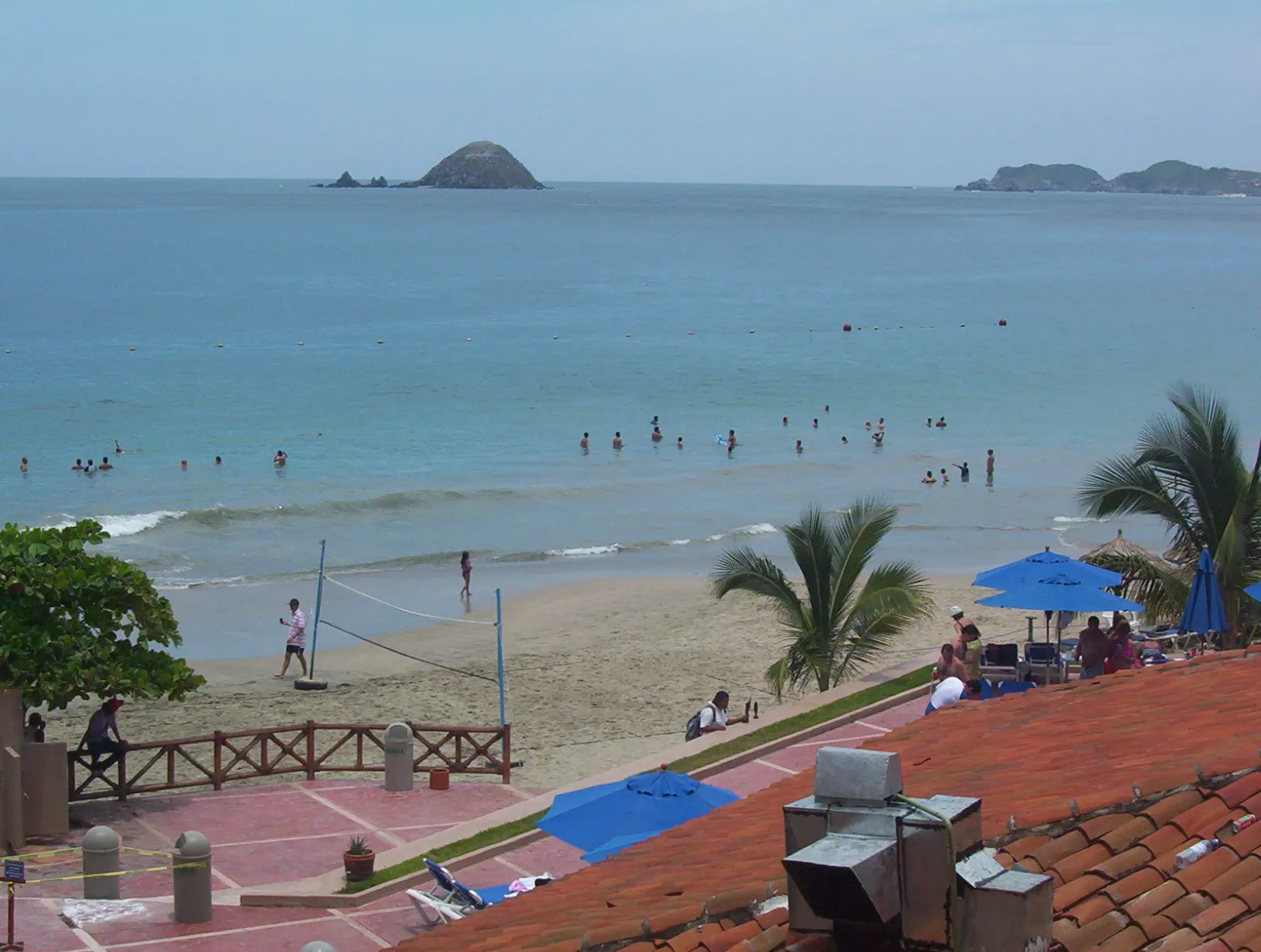
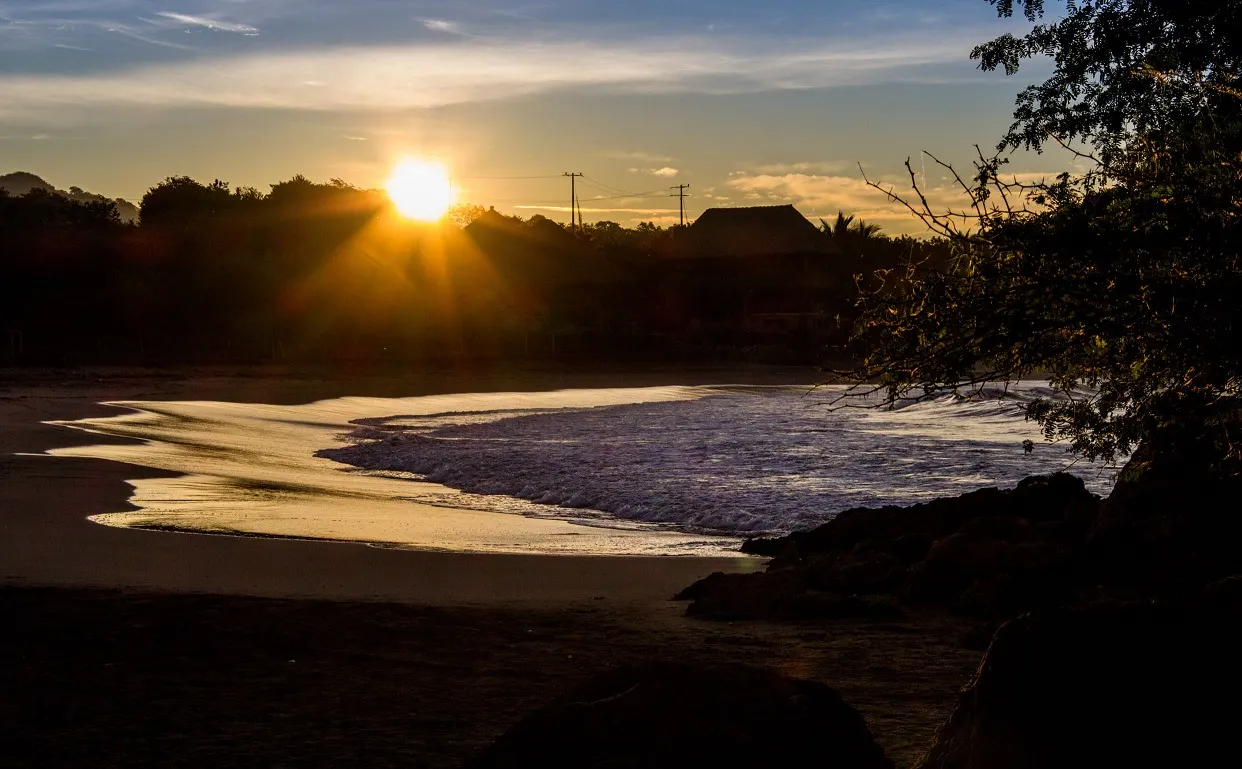
Acapulco is one of the original beach resorts of Mexico, set on a deep curved bay on the Pacific coast of Guerrero. It combines a colonial fort, a famous cliff-diving show, calm coves, island boat trips and fresh seafood.
AT A GLANCE
Best time
The dry months from November through May are the most comfortable for beaches.
How long
Three days cover the old town, the bay and the nearby coasts.
Getting there
Fly from Mexico City in about 35 minutes or take the toll road in four hours.
Why visit Acapulco
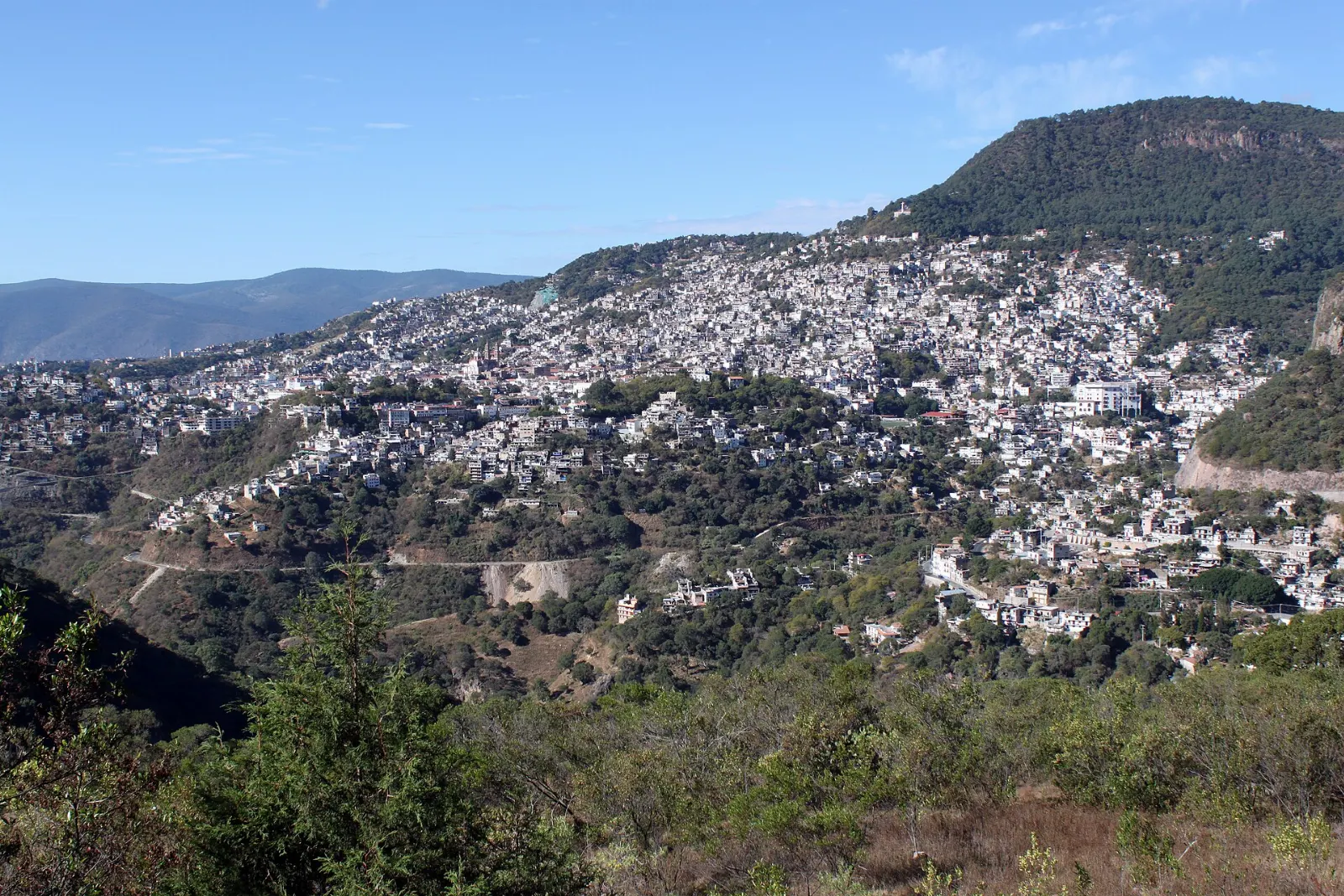
Acapulco sits on a deep, semicircular bay on the Pacific coast of Guerrero, about 380 kilometers south of Mexico City. It was a major port long before it was a resort, because the Manila galleons sailed the trans-Pacific route that ended here for more than two centuries. That history left a Spanish fort and a busy old waterfront.
In the 1950s the bay became a favorite of Hollywood stars, and the city has stayed one of the best-known beach destinations in Mexico. Today you can combine bay views, cliff divers, colonial sights, quiet coves and plenty of seafood in a few relaxed days.
Old Acapulco and the traditional bay
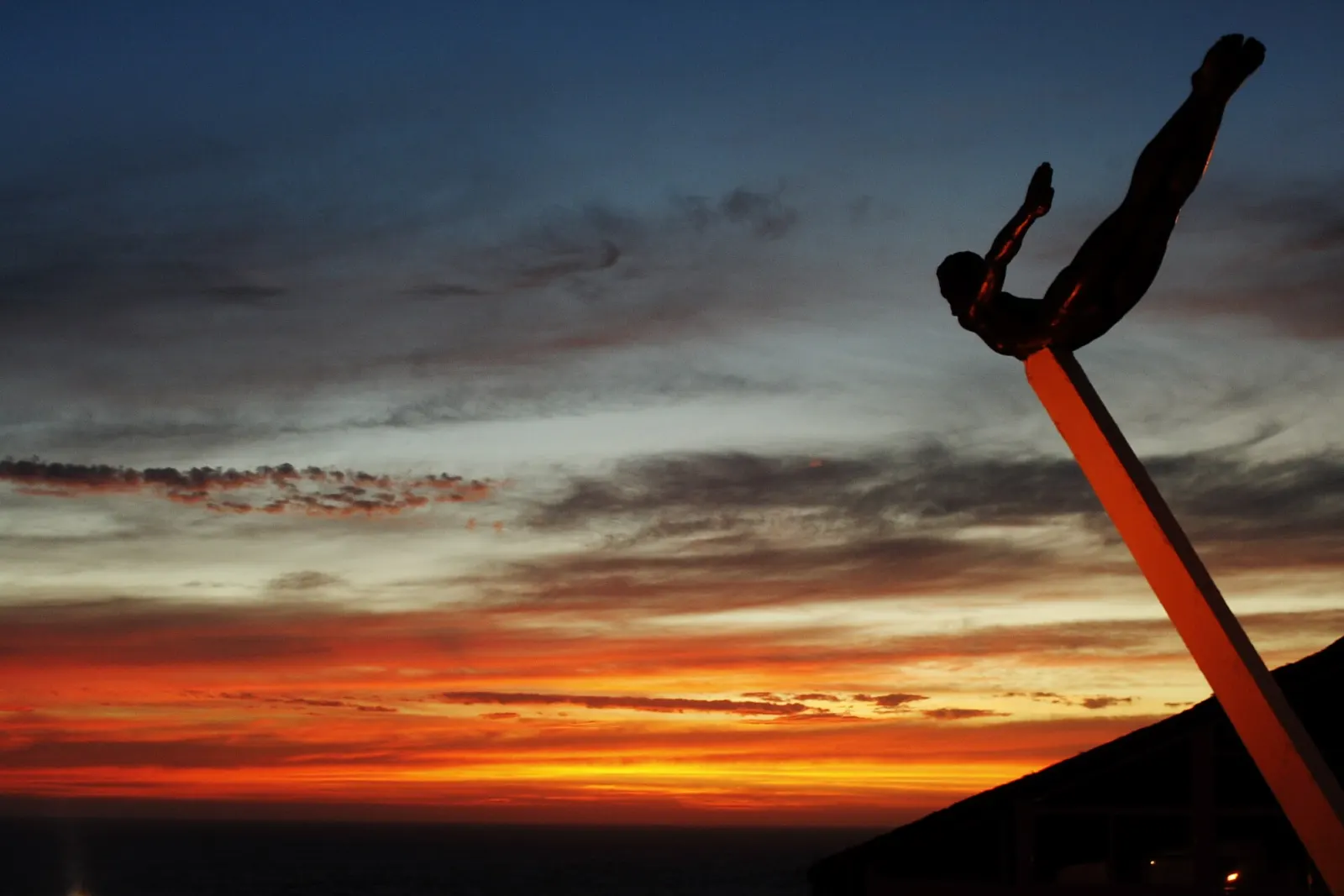
La Quebrada Cliff Divers
The cliff divers of La Quebrada have been leaping into a narrow, shallow inlet since 1934, and a visit is the classic Acapulco moment. You can watch from a small viewing platform near the cliff or from a restaurant terrace with a view of the rocks. Shows are scheduled a few times a day, including after dark, so check the current times locally. Arrive early for a good spot and allow about an hour.
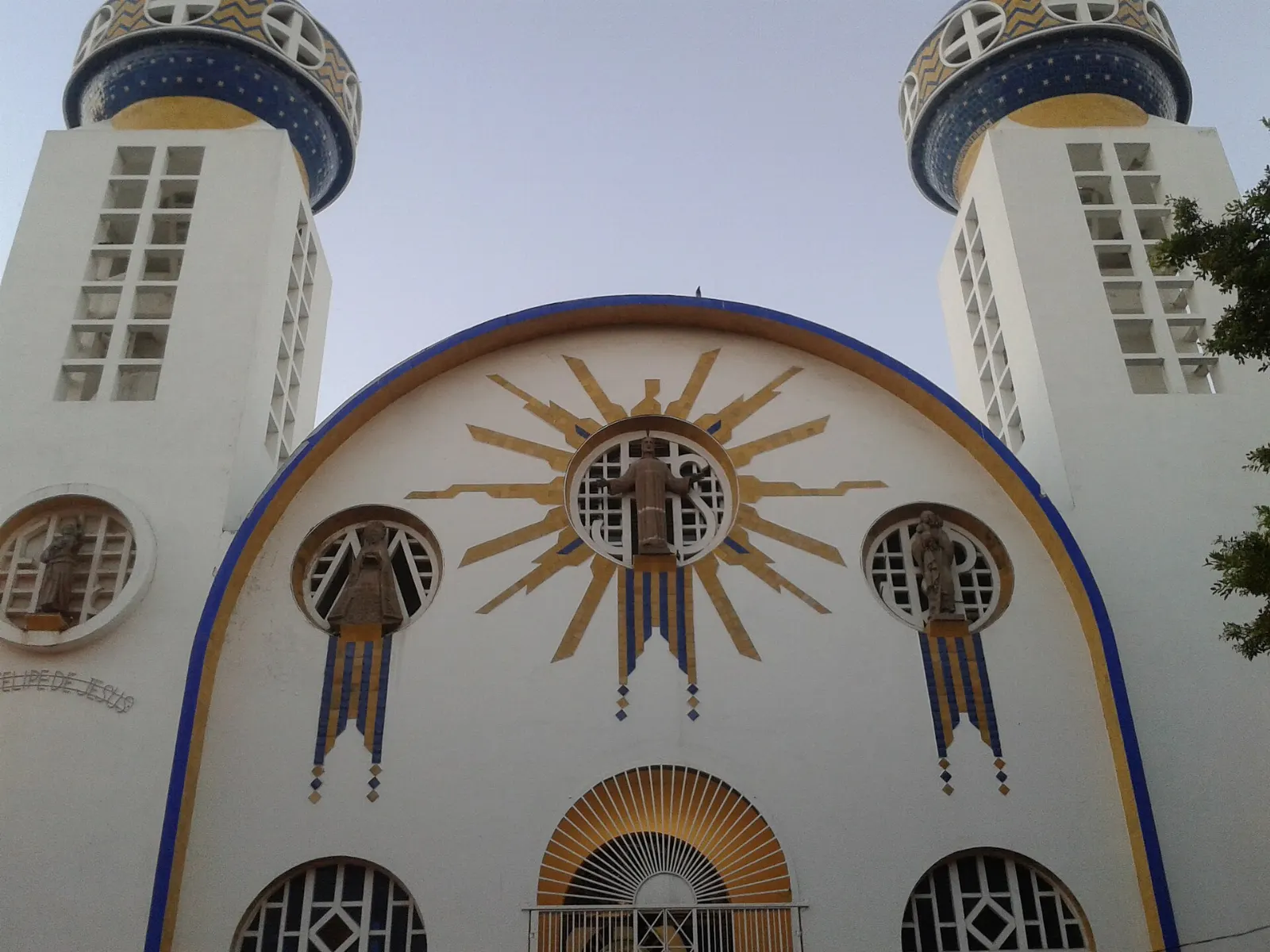
The Zócalo and the cathedral
The Zócalo is the town square on the western side of the main avenue, shaded by large old trees and surrounded by cafes and small restaurants. It shows more everyday local life than the beachfront strip, and the cathedral sits on the square. Visit in the morning for quiet or after sunset when families, musicians and street performers fill the benches. Plan about an hour including a coffee stop.
Fuerte de San Diego
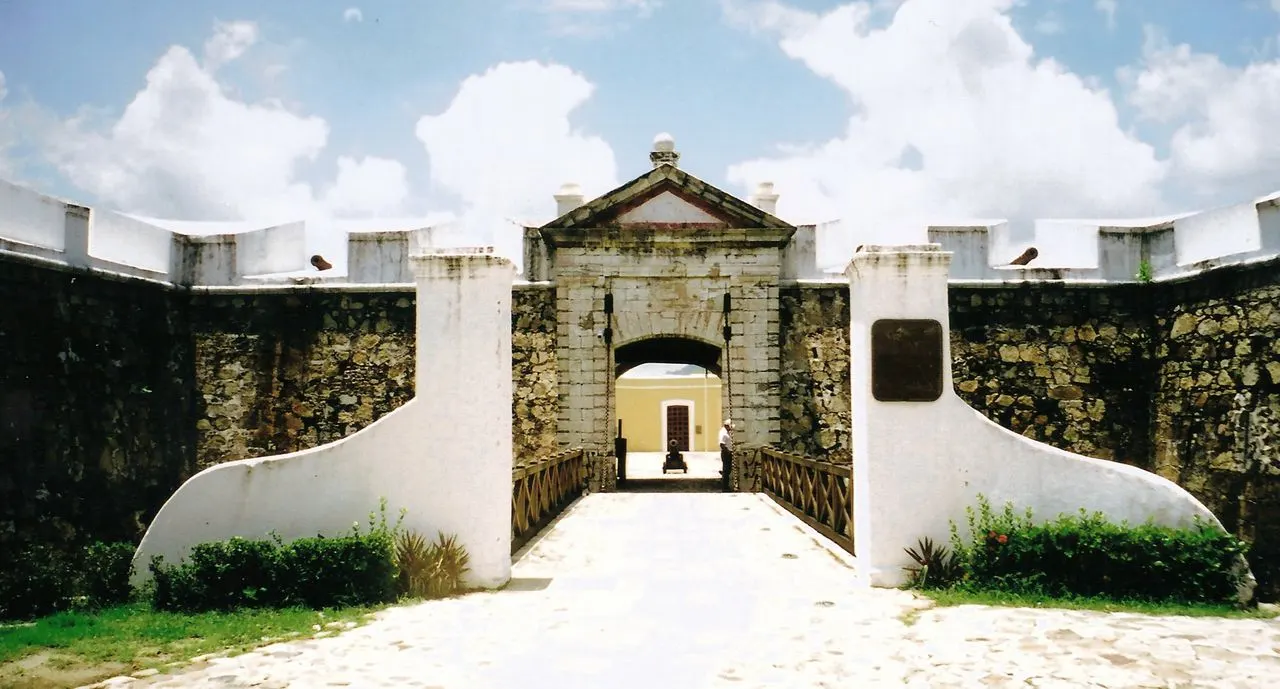
The star-shaped Fort of San Diego was built in the early seventeenth century to protect the harbor and the arriving galleons from pirates. An earthquake damaged it in 1776 and it was rebuilt between 1778 and 1783. Today it holds a history museum with exhibits on the colonial era, independence and the Revolution, plus a gallery about the Mezcala culture. Allow 90 minutes, and note that it is usually closed one day each week, so confirm opening days before you go.
Caleta and Caletilla beaches
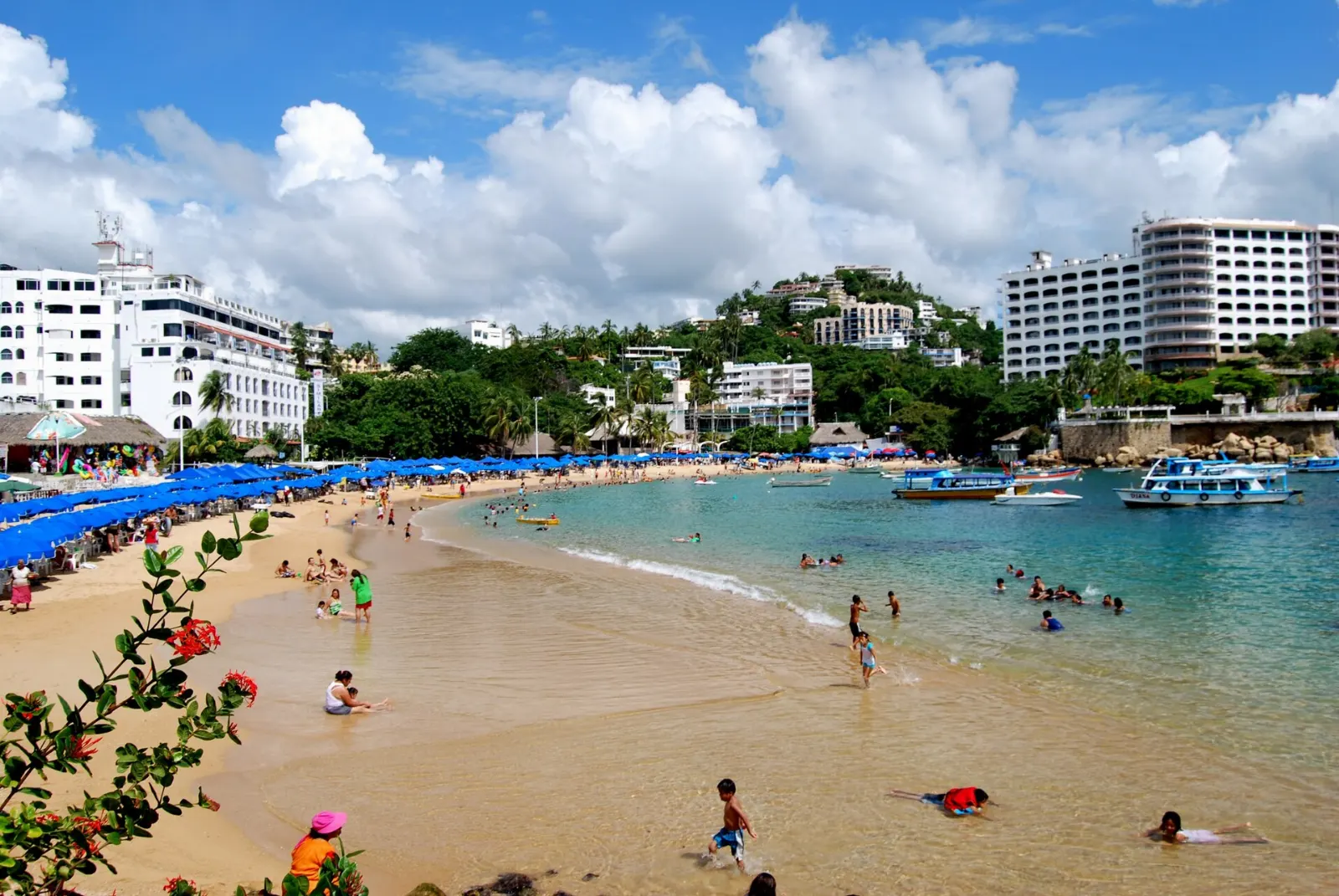
These two small beaches on the traditional side of the bay are calm, easy to reach and well suited to families. Boats leave from the shore for the island of Roqueta, and beachside stands serve fried fish and cold drinks. Go in the morning before the crowds arrive, and bring sun protection because shade is limited.
Isla de la Roqueta
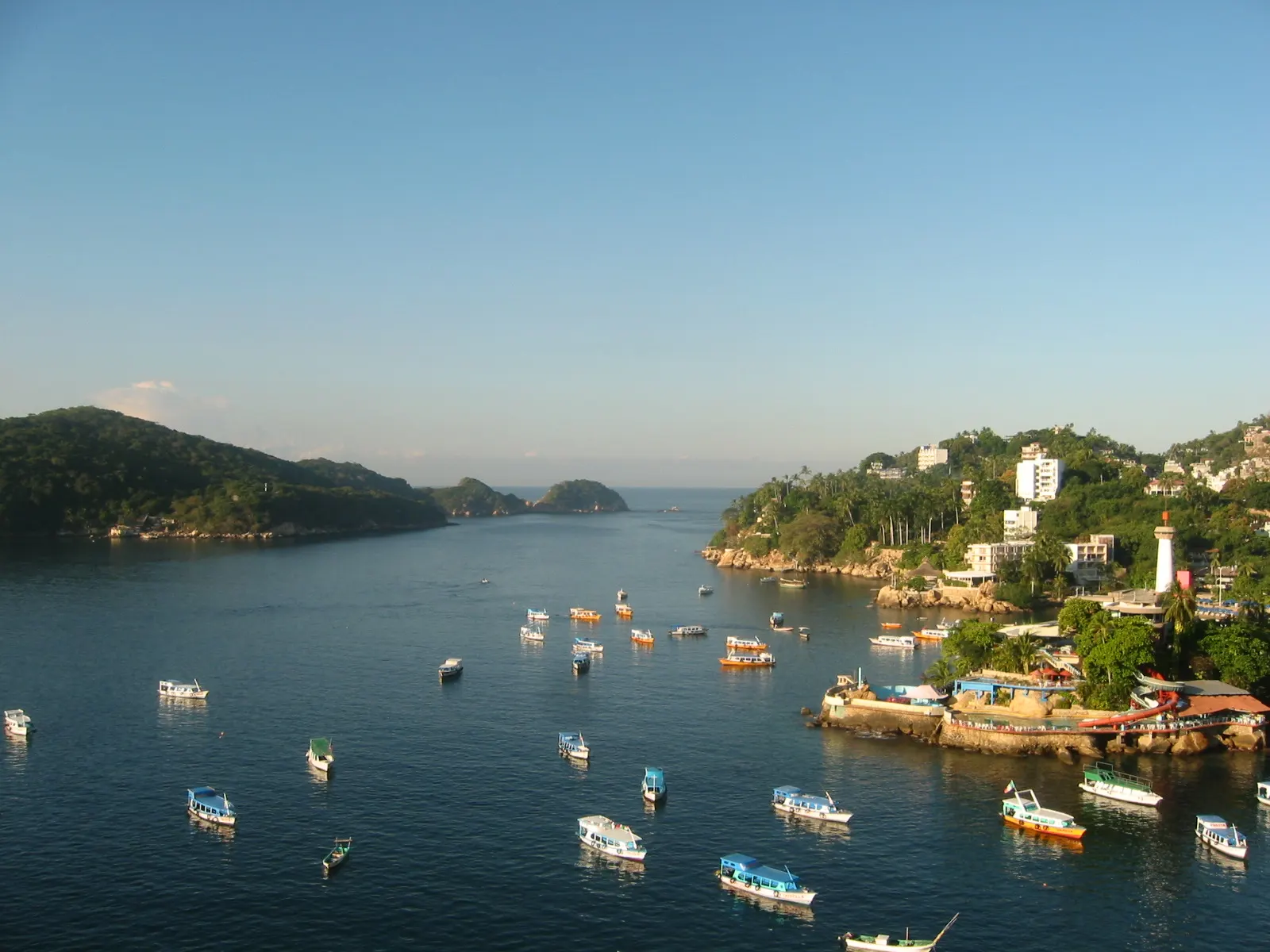
Isla de la Roqueta lies a short boat ride from Caleta Beach. You can cross by water taxi or on a glass-bottom boat tour that also circles the harbor and gives views of the coastline. The island has a pretty beach with shallow areas for children and a few simple eateries. Plan a half day and agree on the return time with the boat operator.
The main bay and nearby coasts
Costera Miguel Alemán and the Zona Dorada
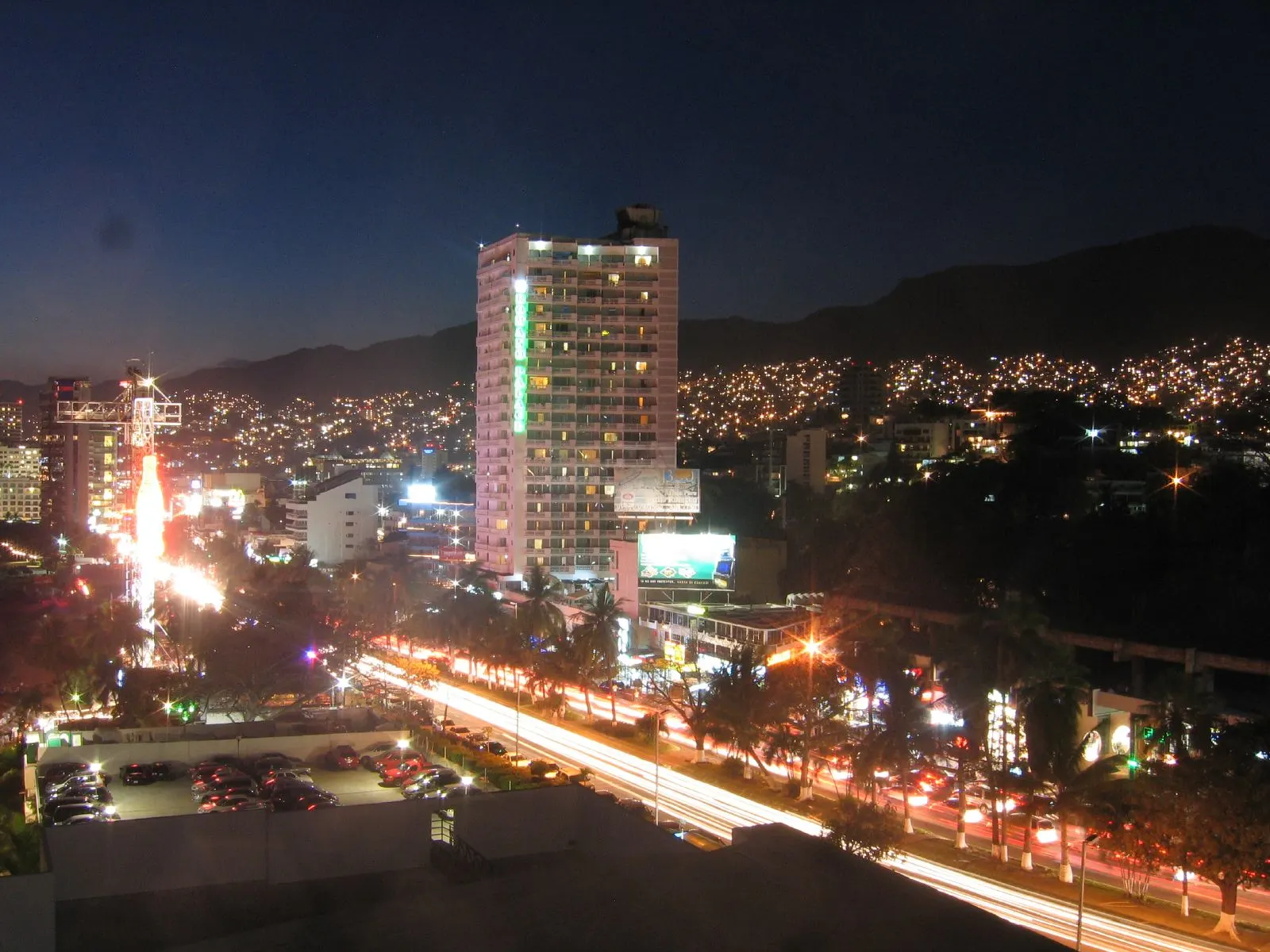
The main waterfront avenue runs along the center of the bay and is lined with hotels, restaurants and shops. The middle stretch is known as the Zona Dorada, where celebrities stayed in the mid-twentieth century. A walk or a bus ride along the avenue at dusk lets you see the whole curve of the bay lit up. Taxis are everywhere, so there is no need to walk the full length.
Parque Papagayo
Parque Papagayo is a large green park near the Costera that marks the edge of the traditional area. Locals use it for walks, picnics and weekend activities, and it makes a quiet break from the beach. Plan an hour in the morning or late afternoon when the heat is lighter.
Puerto Marqués
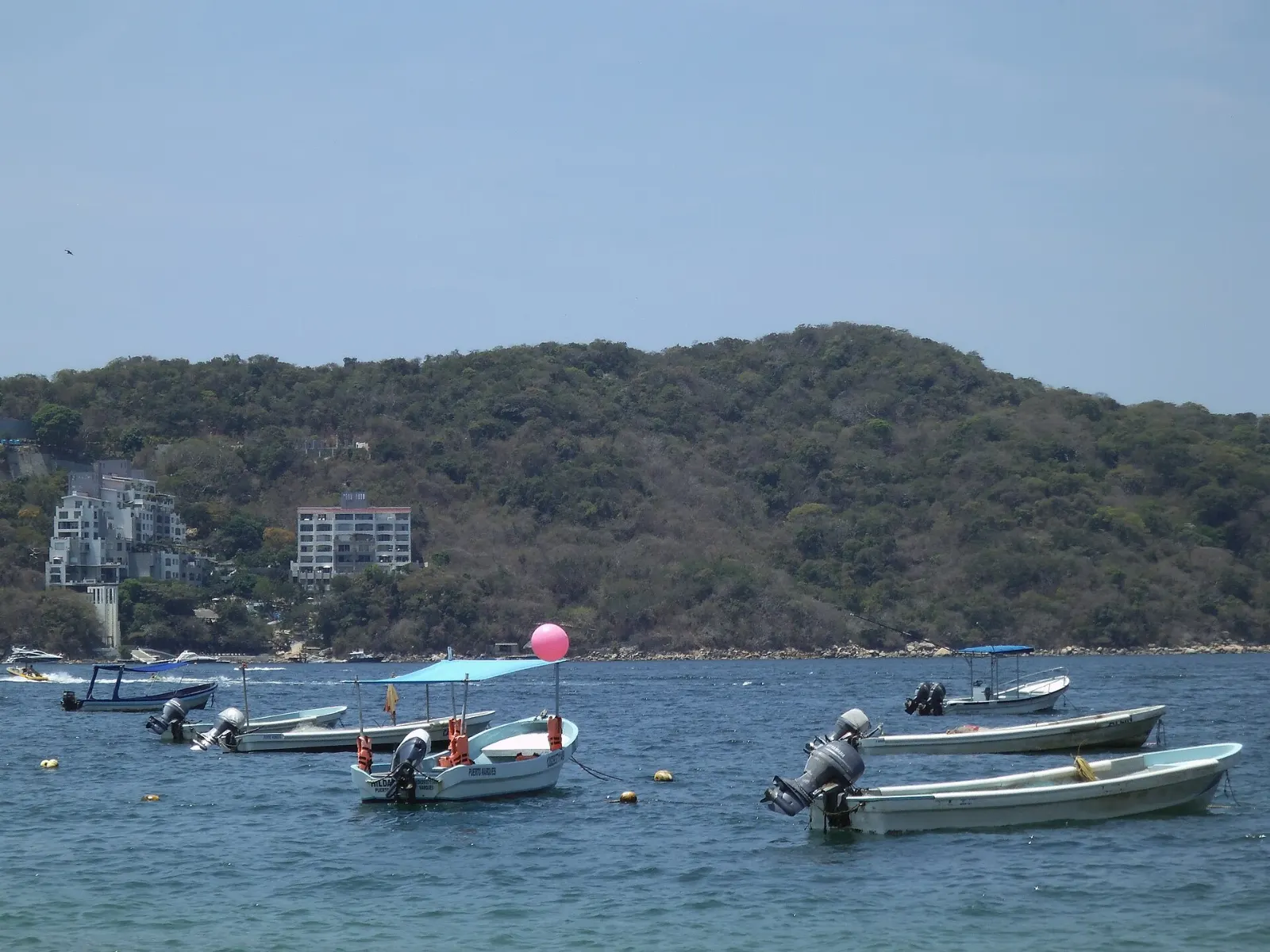
Just east of the main bay, Puerto Marqués is a smaller, sheltered bay with a row of beachfront restaurants along one side. It draws fewer foreign visitors and has a relaxed local feel, and some staff speak little English, so a few Spanish phrases help. Come for a long seafood lunch and stay for the sunset. Buses run there from the main bay.
Pie de la Cuesta
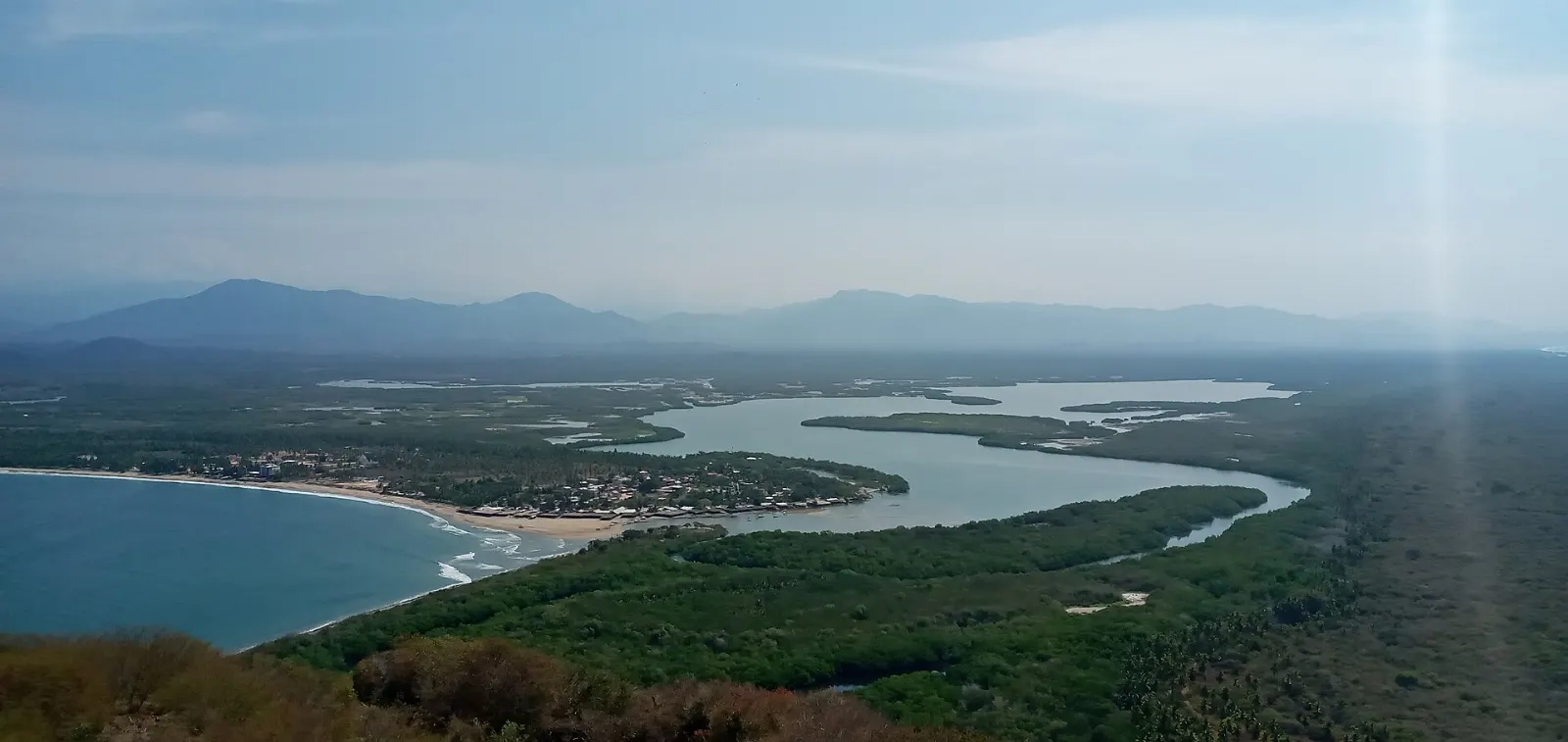
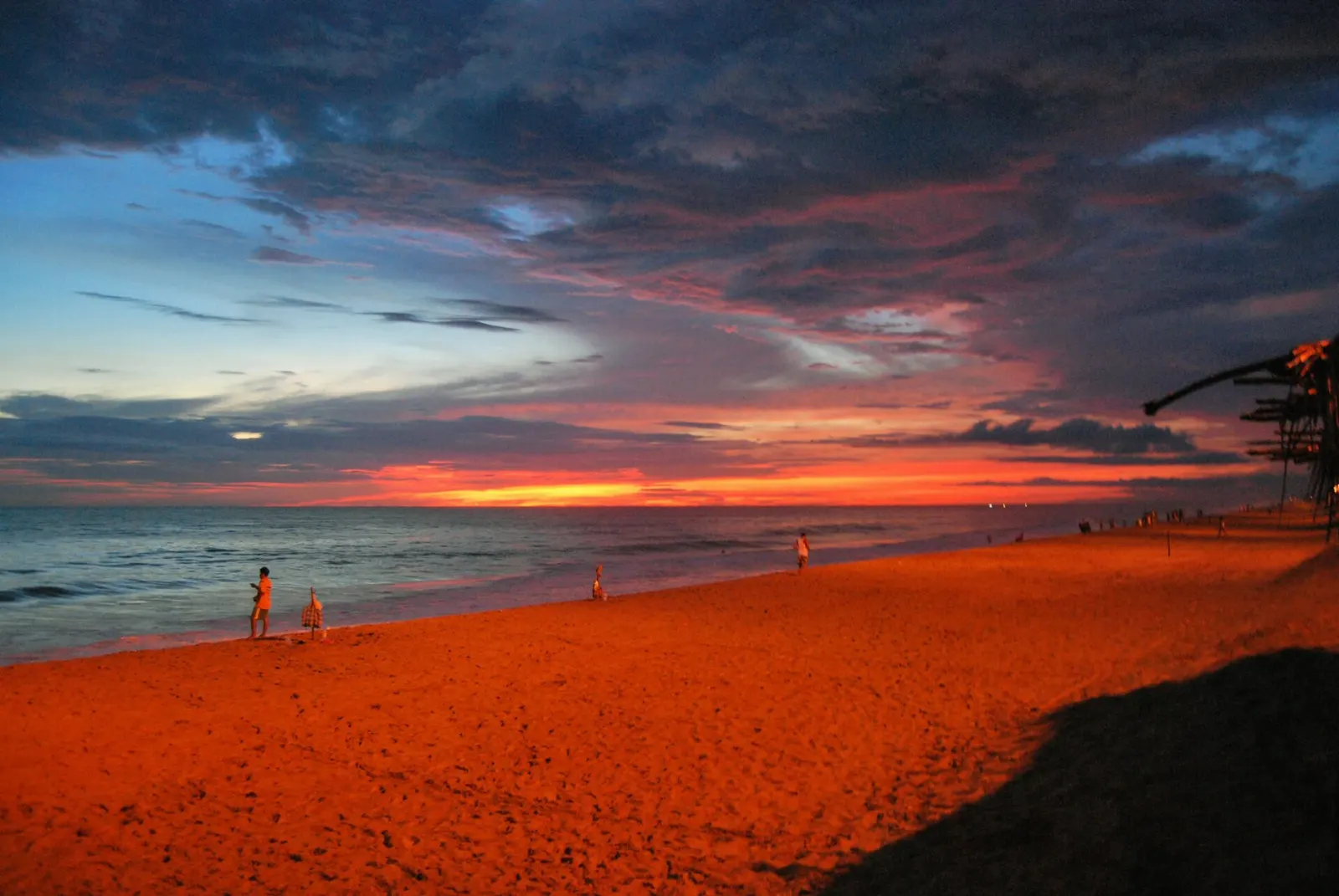
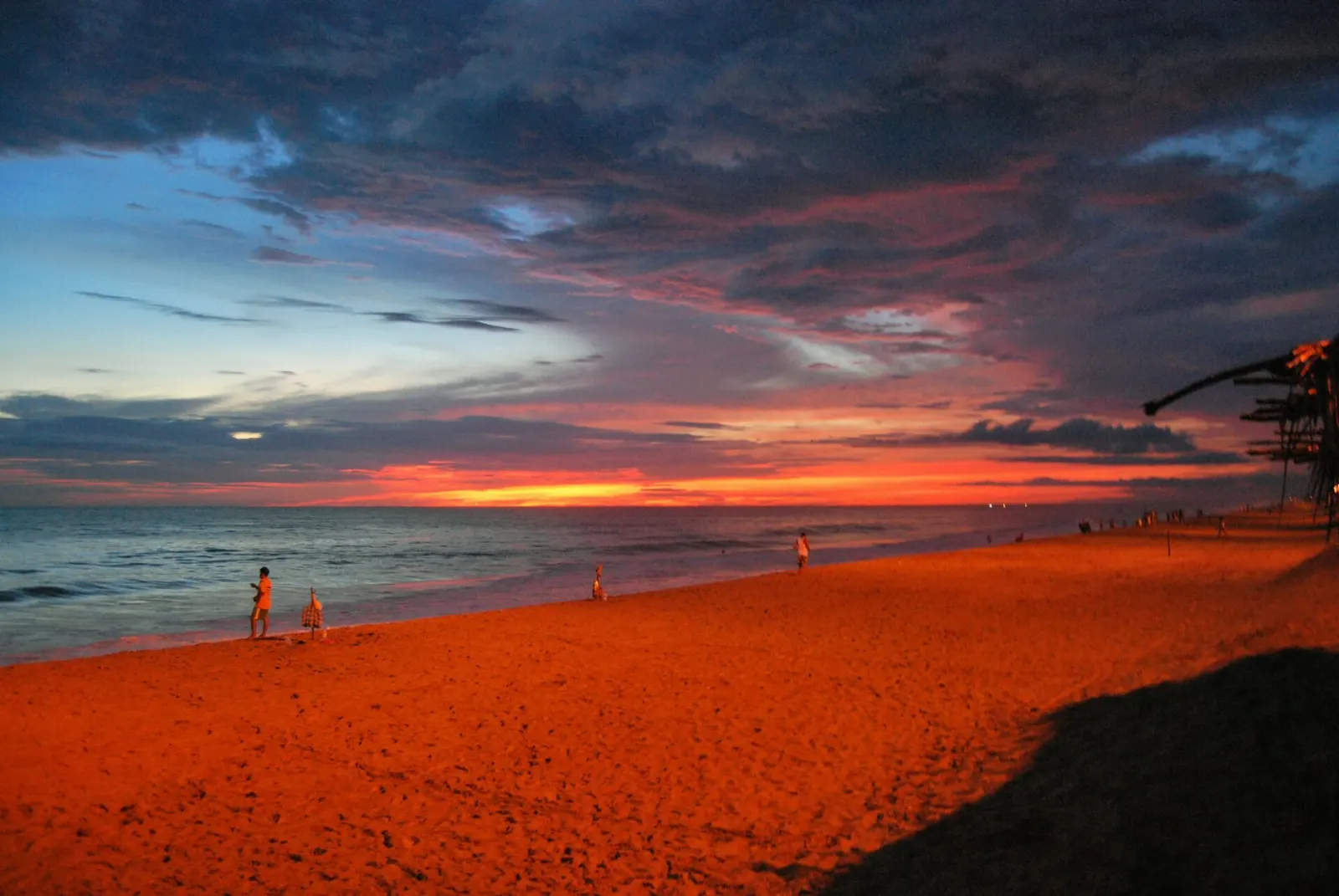
Pie de la Cuesta is a narrow strip of land northwest of the city, with the Pacific on one side and the Coyuca lagoon on the other. The lagoon is calm and good for boat rides, while the surf on the ocean side is strong, so avoid swimming there. It is also known for sunsets, so plan the visit for late afternoon.
Diamante
The southern end of the bay, called Diamante, is dominated by newer high-rise hotels and condominiums, with wide beaches and a modern feel. Visitors who want resort amenities and more space often prefer it. It is a short taxi ride from the traditional center, so you can mix both sides in one trip.
 Planning a trip to Acapulco?Compare hotels, flights and vacation rentals for Acapulco on Expedia.Book now
Food and local flavors in Acapulco
Seafood is the heart of the local table. Pescado a la talla is a whole fish marinated in a red chile paste and grilled over coals, a signature dish of the Guerrero coast and a good order at a beachside restaurant. Ceviche, with fish cured in lime juice and mixed with tomato, onion and cilantro, is another staple, and shrimp dishes are easy to find around Puerto Marqués. On Thursdays many eateries across Guerrero serve pozole verde, a green hominy stew with pork that is a traditional weekly dish.
For atmosphere, eat at the beachfront restaurants of Puerto Marqués, around the Zócalo or beside the lagoon at Pie de la Cuesta. Explore the central market for fresh fruit, juices and simple stalls, and ask about the daily catch before you order.
Popular dishes to try in Acapulco


Where to stay
The Zona Dorada is the center of the bay and suits first-time visitors who want restaurants, nightlife and beach access close together. It has the most choice and the easiest transport, although the avenue can be busy and loud.
Caleta sits on the traditional side of the bay near the old town and the Roqueta boats. It is better for families and for travelers who want calm water, history and the cliff divers within reach, and it has a more local feel than the strip.
Diamante, at the southern end, is for travelers who prefer large resort-style stays, wide beaches and quieter evenings. You will need a taxi to reach the historic center, so it works best for beach-focused trips, long weekends and groups who want facilities on site. Whichever area you pick, book ahead for holiday weeks when visitors from Mexico City fill the coast.
Where to stay in Acapulco


Best time to visit
Acapulco is warm all year, and the dry months from about November through May are the most comfortable for beaches and boat trips. The wetter months bring heavier showers, usually in the afternoon, and storm season runs through the late summer and early autumn, so check the forecast before you travel and keep your plans flexible.
Because the city is a popular weekend escape for residents of Mexico City, expect crowds around Christmas, New Year, Holy Week and long weekends. Quieter periods give you easier access to the cliff divers and the beaches. Check local listings for festivals and events during your dates.
Getting there and getting around
Acapulco International Airport has domestic and international flights, and the flight from Mexico City takes about 35 minutes. By road, the Autopista del Sol connects Mexico City with the coast in roughly four hours without stops, with several toll booths and two rougher sections, so cash and good tires help. Long-distance buses run from Mexico City in around five to six hours.
Within the city, taxis are plentiful, but fares are usually not metered, so agree on a price before getting in. Local buses are cheap, colorful and run along the Costera, with destinations written on the windshield. A ferry service called Marinabus started on the bay in September 2025, linking Puerto Marqués and the waterfront, so ask locally about routes and schedules. Driving yourself is not recommended because of traffic, scarce parking and unmarked streets.
A suggested itinerary
First day
Start in Old Acapulco with the Zócalo, the cathedral and the Fuerte de San Diego. Lunch near the square, then move to La Quebrada for the late-day cliff dive and dinner nearby.
Second day
Take a morning boat from Caleta to Isla de la Roqueta, swim and have lunch on the island, then return for a stroll in Parque Papagayo and a drive along the Costera at sunset.
Third day
Spend the day at Puerto Marqués for a seafood lunch, then finish at Pie de la Cuesta for sunset on the lagoon.
Practical tips
- Agree on a taxi fare before you start because cars are usually unmetered.
- Do not swim in the strong surf at Pie de la Cuesta, and follow lifeguard flags elsewhere.
- Check the current show times for the cliff divers before heading to La Quebrada.
- Bring sun protection, a hat and plenty of water, since shade is limited on many beaches.
- Carry some cash for buses, small restaurants and boat trips.
- Learn a few Spanish phrases for quieter spots such as Puerto Marqués.
- Check your government current travel advisory before you go.