WiserMap — Choose wisely. Connect locally.Choose wisely. Connect locally.Add your business
Mitla, Oaxaca · Travel guide

Mitla Mexico Zapotec Mosaics Mezcal and Weaving Villages

Mitla is where Oaxaca's Zapotec past meets everyday village life. Ancient palaces covered in precise stone mosaics sit beside a working town of weavers, mezcal makers and market stalls. It is an easy day trip from Oaxaca City, but the area rewards a slower visit with good meals, craft shopping and a few nearby sites.

By WiserMap TravelUpdated October 2026 8 places9 min read
FacebookXLinkedIn
At a glance Mitla
  1. Best timeThe dry season from roughly November to March is comfortable, and sunrise or late afternoon beat midday heat.
  2. How longHalf a day for the ruins and town, or a full day with a nearby site or two.
  3. Getting thereAbout 40 kilometres southeast of Oaxaca City by bus, shared taxi or private car on Highway 190.

Why visit Mitla

Mitla is the most important Zapotec site in Oaxaca after Monte Albán, and it is a very different place. Instead of pyramids on a ridge, its buildings sit on the valley floor, and the real attraction is the decoration.

History here is layered. Mitla began as a Zapotec religious centre, and Mixtec influence grew as the earlier Zapotec capital declined. After the Spanish arrived, the old temples were pulled down in 1553 and their stones were reused for churches, including San Pablo.

The modern town of San Pablo Villa de Mitla grew up around the ruins, so you pass from archaeology to markets and workshops in a few steps. The town is a designated Pueblo Mágico.

The archaeological zone

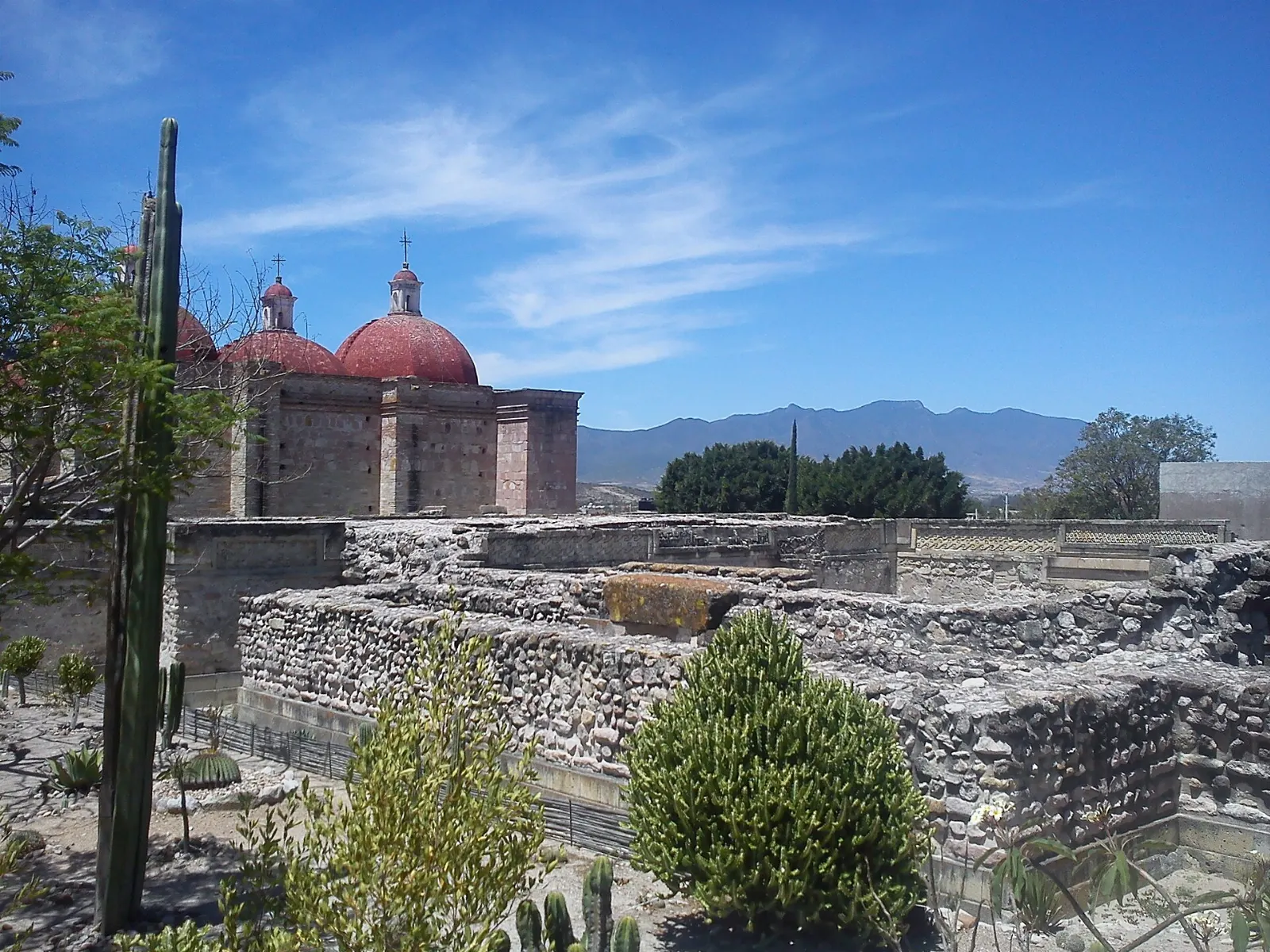
The church of San Pablo built over the Church Group platform at Mitla, Oaxaca

Church Group

The main entrance leads to the Church Group, where the Spanish built the church of San Pablo on a large pre-Hispanic platform. Inside the group, look for the main Zapotec temple and the cross-shaped tombs beneath the buildings.

The church of San Pablo was built on top of a pre-Hispanic platform at Mitla. Photo: Ihiroalfonso, Wikimedia Commons, CC BY-SA 3.0
Columns Group

The Columns Group is the best preserved and most impressive part of the site, and most of its structures date from around 1000 AD and later. Its two courtyards are lined with long, narrow rooms and walls covered in decoration.

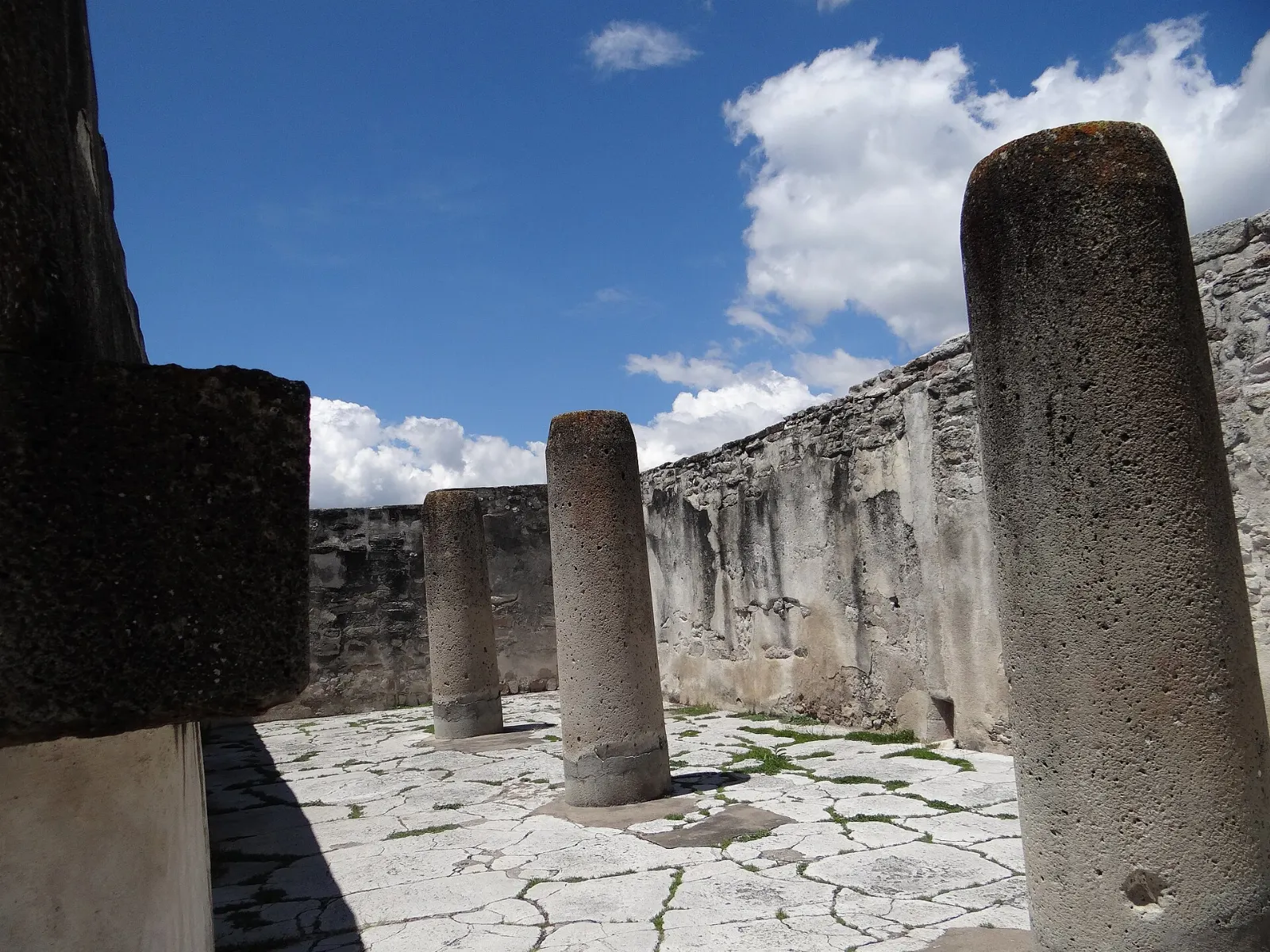
Monolithic stone columns inside the Hall of Columns at Mitla, Oaxaca

The Hall of Columns

The main building, the Palace, has an entrance hall about 36 metres long with six monolithic columns that once held up the roof. Beyond a short corridor you reach a courtyard of mosaic panels.

Six monolithic columns once supported the roof of the Hall of Columns. Photo: Arian Zwegers from Brussels, Belgium, Wikimedia Commons, CC BY 2.0

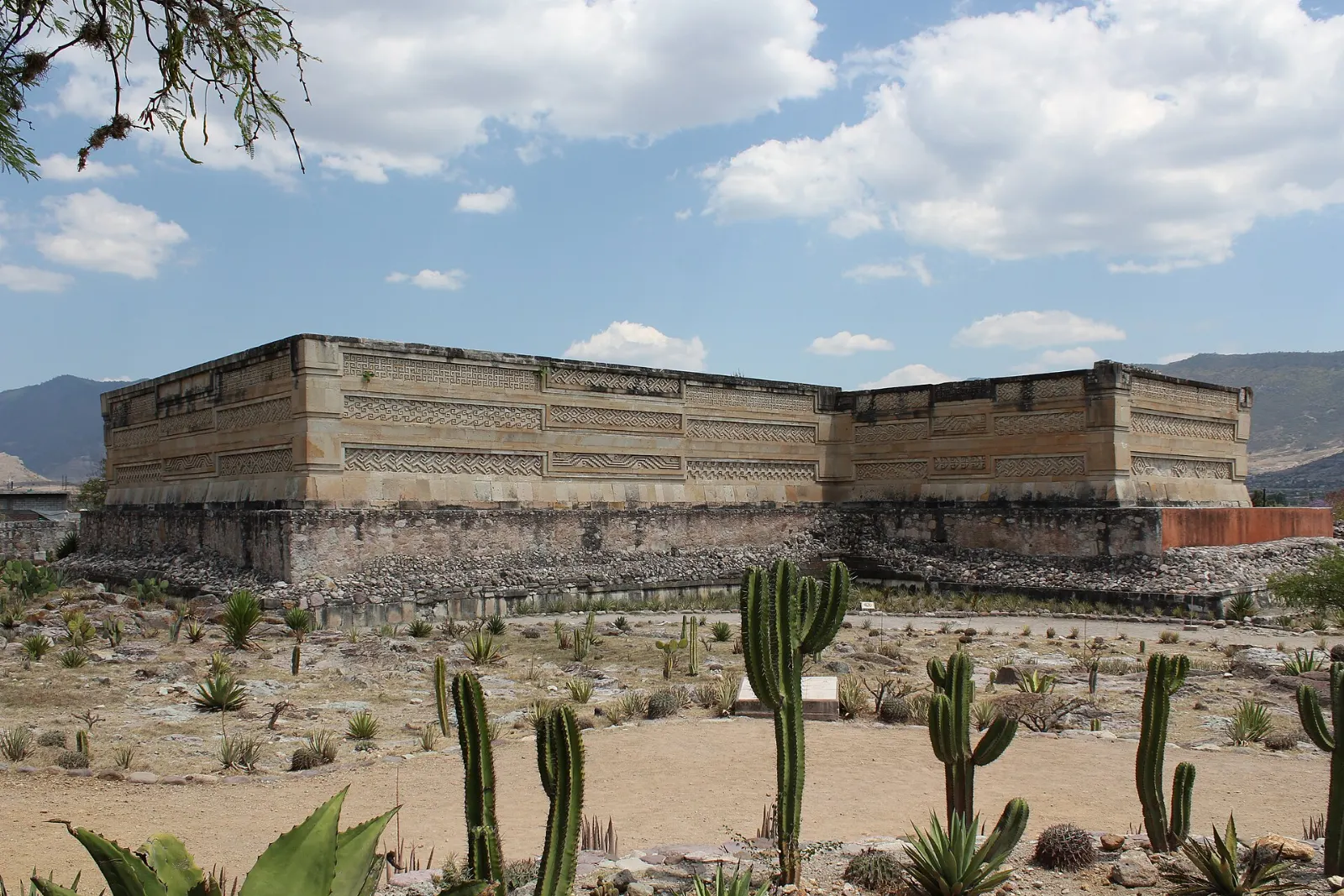
The mosaic fretwork

Mitla is famous for its grecas, geometric patterns assembled from thousands of cut and polished stones fitted together without mortar. No pattern is repeated exactly, so take time to compare the panels along the friezes.

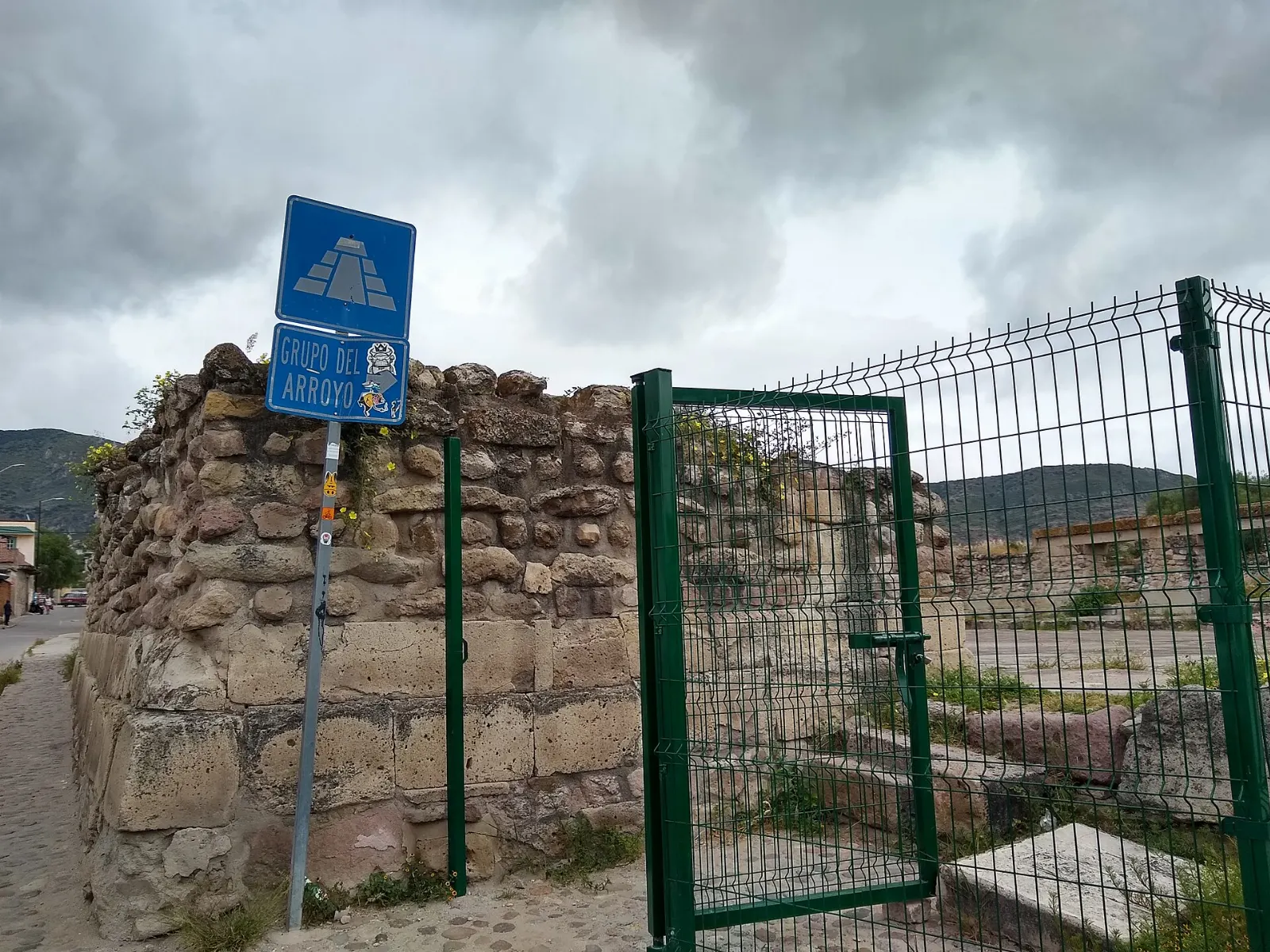
Low ancient structures in the Arroyo Group at Mitla, Oaxaca

Adobe, Arroyo and South groups

The other three groups are quieter and less restored, and the site is spread across the town rather than fenced in one block. The Adobe and Arroyo groups are among the older parts, and the South Group lies across the river.

The Arroyo and Adobe groups are among the older parts of the site. Photo: Thayne Tuason, Wikimedia Commons, CC BY 4.0

The town, crafts and mezcal

Templo de San Pablo

The church beside the archaeological zone is a single-nave building with domes, built in the colonial era over Zapotec temples. According to old accounts, it was raised to seal a legendary entrance to the underworld.

Mercado de Artesanías

The town is known for its weavers, who make table linens, garments and Zapotec rugs. The craft market has stalls with textiles, pottery, carved wooden figures and alebrijes, and many artisans welcome visitors to their workshops.

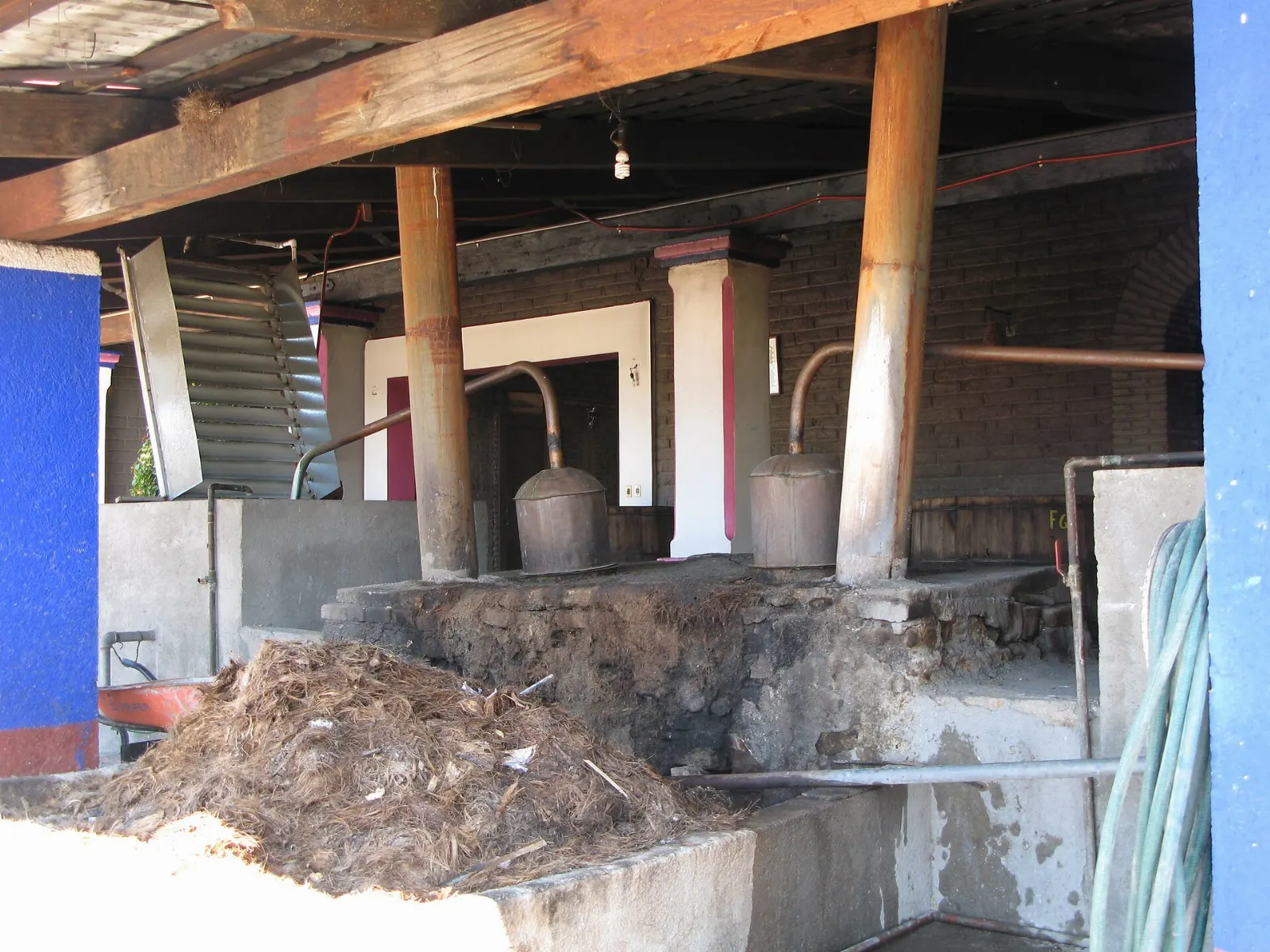
A traditional mezcal palenque near Mitla in Oaxaca

Mezcal palenques

Mitla is mezcal country. Small family palenques roast the agave hearts, crush them under a stone wheel, then ferment and distill the spirit on site.

Small family palenques around Mitla roast, crush and distill agave by hand. Photo: Ljuba brank at Slovenian Wikipedia, Wikimedia Commons, CC BY-SA 3.0

Nearby sites and day trips

Ruins and cactus on the hilltop at Yagul in Oaxaca, Mitla, Oaxaca

Yagul

About 12 kilometres west of Mitla, Yagul is a Zapotec hilltop city that was a Postclassic city-state. Most of its visible remains date from 1250 to 1521.

Yagul is a Zapotec hilltop site a short drive west of Mitla. Photo: Infrogmation of New Orleans, Wikimedia Commons, CC BY-SA 4.0

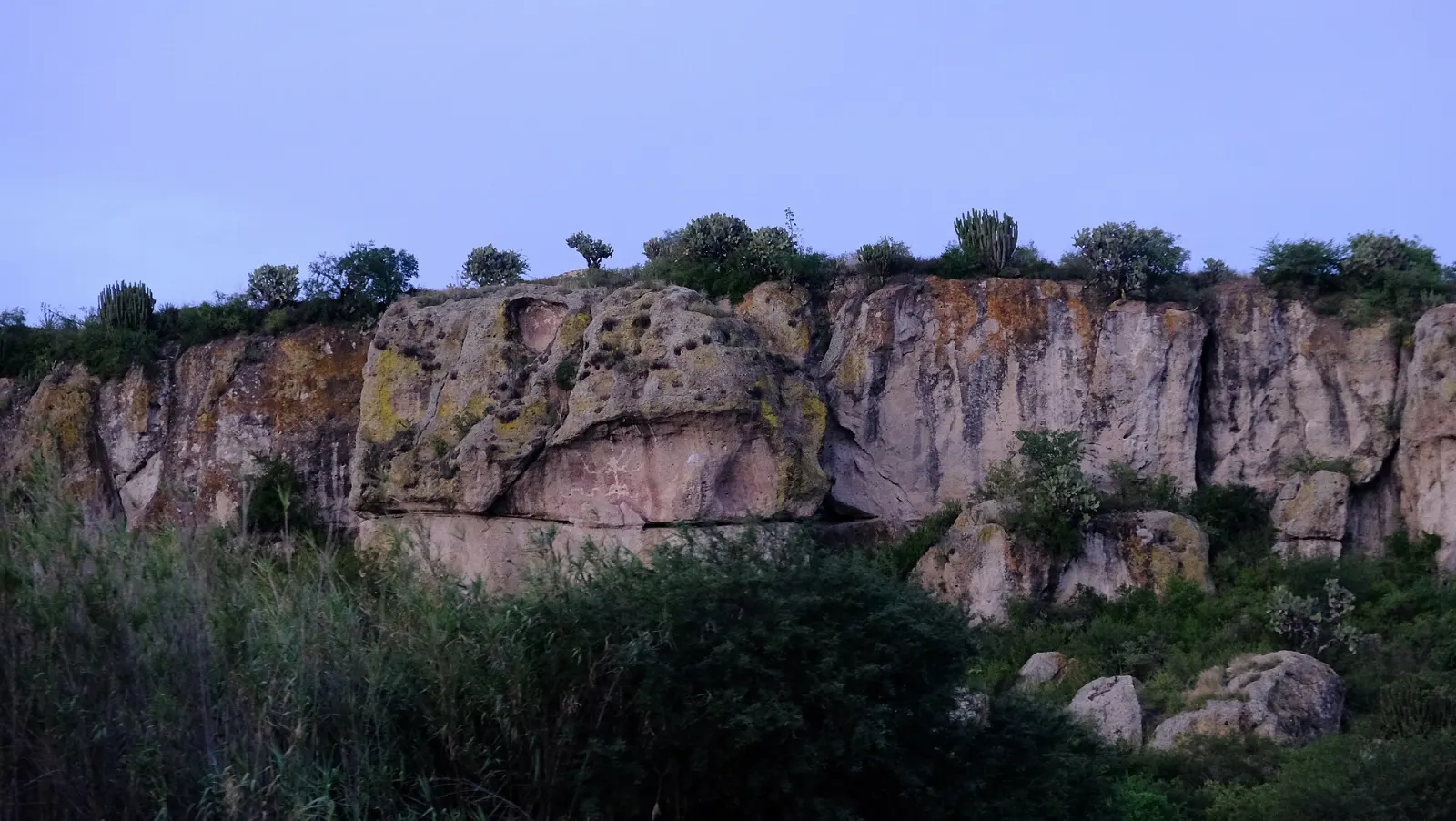
The rocky hillside near the prehistoric caves of Yagul and Mitla, Oaxaca

Prehistoric Caves of Yagul and Mitla

These caves, a UNESCO World Heritage Site, show some of the earliest evidence of plant domestication in the Americas, including squash, beans and maize. Guila Naquitz Cave is about 2 kilometres northeast of Mitla.

The prehistoric caves of Yagul and Mitla are a UNESCO World Heritage Site. Photo: Oicirbaf, Wikimedia Commons, CC BY 4.0

Stalls at the Sunday market in Tlacolula de Matamoros, Mitla, Oaxaca

Tlacolula Sunday market

Tlacolula de Matamoros lies on Highway 190 between Oaxaca City and Mitla.

The Sunday market in Tlacolula is one of the busiest in Oaxaca. Photo: Bluerasberry, Wikimedia Commons, CC BY-SA 4.0

White travertine formations that look like frozen waterfalls at Hierve el Agua, Mitla, Oaxaca

Hierve el Agua

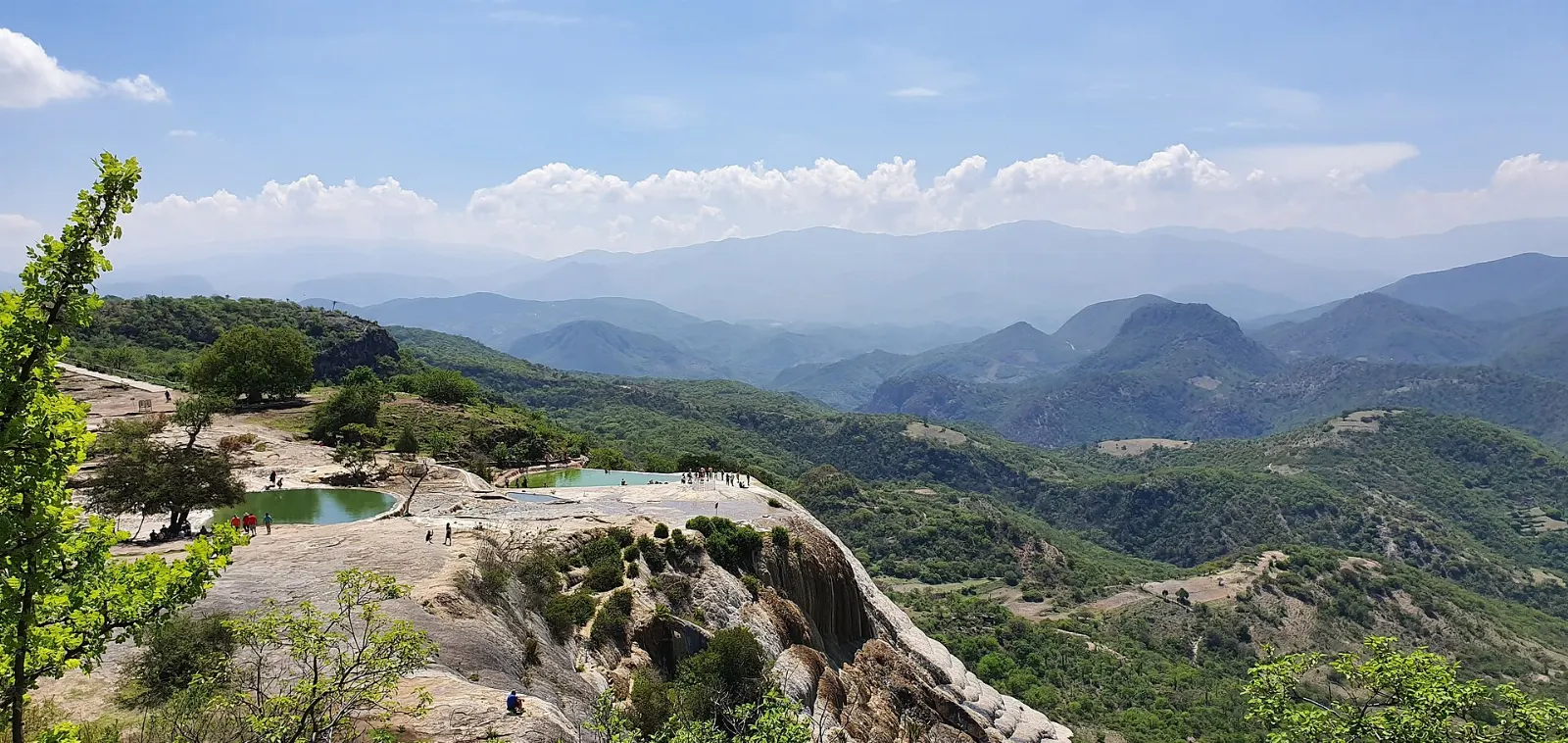
About 70 kilometres east of Oaxaca City, these travertine formations look like frozen waterfalls. Buses and shared vehicles depart from Mitla, but they often wait until they fill, so leave early in the day.

Hierve el Agua is a set of travertine formations east of Oaxaca City. Photo: Fvaldezrom, Wikimedia Commons, CC BY-SA 4.0

Food and local flavors

Mitla's kitchens serve classic Oaxacan food. Try tlayuda, a large crisp tortilla topped with beans, cheese, lettuce and grilled meat, and mole negro, the dark, complex sauce served over chicken. Tejate is a cold, frothy drink made from maize and cacao, and mezcal is the spirit of the region, poured from small family distilleries.

Popular dishes to try in Mitla

Tlayuda in Mitla, Oaxaca
Tlayuda Try tlayuda, a large crisp tortilla topped with beans, cheese, lettuce and grilled meat, and mole negro, the dark, complex sauce served over chicken.Photo: Nsaum75, Wikimedia Commons, CC BY-SA 3.0
Mole negro in Mitla, Oaxaca
Mole negro Try tlayuda, a large crisp tortilla topped with beans, cheese, lettuce and grilled meat, and mole negro, the dark, complex sauce served over chicken.Photo: ProtoplasmaKid, Wikimedia Commons, CC BY-SA 4.0
Tejate in Mitla, Oaxaca
Tejate Tejate is a cold, frothy drink made from maize and cacao, and mezcal is the spirit of the region, poured from small family distilleries.Photo: Veronica Janeth Suárez Zaragoza, Wikimedia Commons, CC BY-SA 4.0
Mezcal in Mitla, Oaxaca
Mezcal Tejate is a cold, frothy drink made from maize and cacao, and mezcal is the spirit of the region, poured from small family distilleries.Photo: Slevinr, Wikimedia Commons, CC BY 3.0

Where to stay

Most visitors stay in Oaxaca City and come for the day, but a night in the valley gives you the ruins at quiet hours.

Xaagá is a village just outside Mitla with a few boutique options and a more peaceful, rural feel, good for couples and readers who value quiet. Oaxaca City has the widest range of lodging, restaurants and tours, and works well if you plan several day trips by bus or taxi.

Where to stay in Mitla

San Pablo Villa de Mitla, Mitla, Oaxaca
San Pablo Villa de Mitla San Pablo Villa de Mitla has small guesthouses and hotels close to the archaeological zone, and suits travelers who want to walk to the sites and eat at family restaurants.Photo: Thayne Tuason, Wikimedia Commons, CC BY 4.0
Oaxaca City, Mitla
Oaxaca City Where to stayMost visitors stay in Oaxaca City and come for the day, but a night in the valley gives you the ruins at quiet hours.Photo: Nevel55, Wikimedia Commons, CC BY-SA 3.0
Mitla old town, Mitla, Oaxaca
Mitla old town One of the best areas to base yourself in Mitla.Photo: Arguellojack, Wikimedia Commons, CC BY-SA 4.0

Best time to visit

The Tlacolula Valley sits at about 1,480 metres, so days are warm and nights can be cool. The dry months from November to March are comfortable for walking the ruins, while the rainy summer brings green hills and afternoon showers.

Day of the Dead at the start of November is a lively time across the valley, and the Guelaguetza celebrations in Oaxaca City take place on two Mondays in July.

Getting there and getting around

Mitla is about 40 kilometres from Oaxaca City on a good road. Second-class buses leave about every 15 minutes from the Central de Abastos, and combis marked Mitla run along Highway 190 in Oaxaca City.

Oaxaca International Airport is the nearest airport, and Oaxaca City is connected by long-distance buses from Mexico City and other cities. In Mitla, the sites are close enough to walk, and mototaxis are available for short rides.

A suggested itinerary

First day

Leave Oaxaca City early, stop at Tlacolula if it is Sunday, and reach the archaeological zone by mid-morning.

Second day

Visit Yagul and the prehistoric caves with a hired taxi or guide. In the afternoon, continue to Hierve el Agua or the mezcal distilleries of Matatlán.

Practical tips

  • Check your government's current travel advisory before you go.
  • Bring sun protection, water and comfortable shoes for uneven stone.
  • Carry small notes and coins for tickets, mototaxis and market stalls.
  • Confirm opening days and entry arrangements with INAH, since schedules can change.
  • Hire a local guide to understand the symbolism in the fretwork.
MitlaWISERMAP PLACEMitla: photos, reviews & things to doSee traveler photos and reviews, or share your own →

More places to visit

All travel guides →