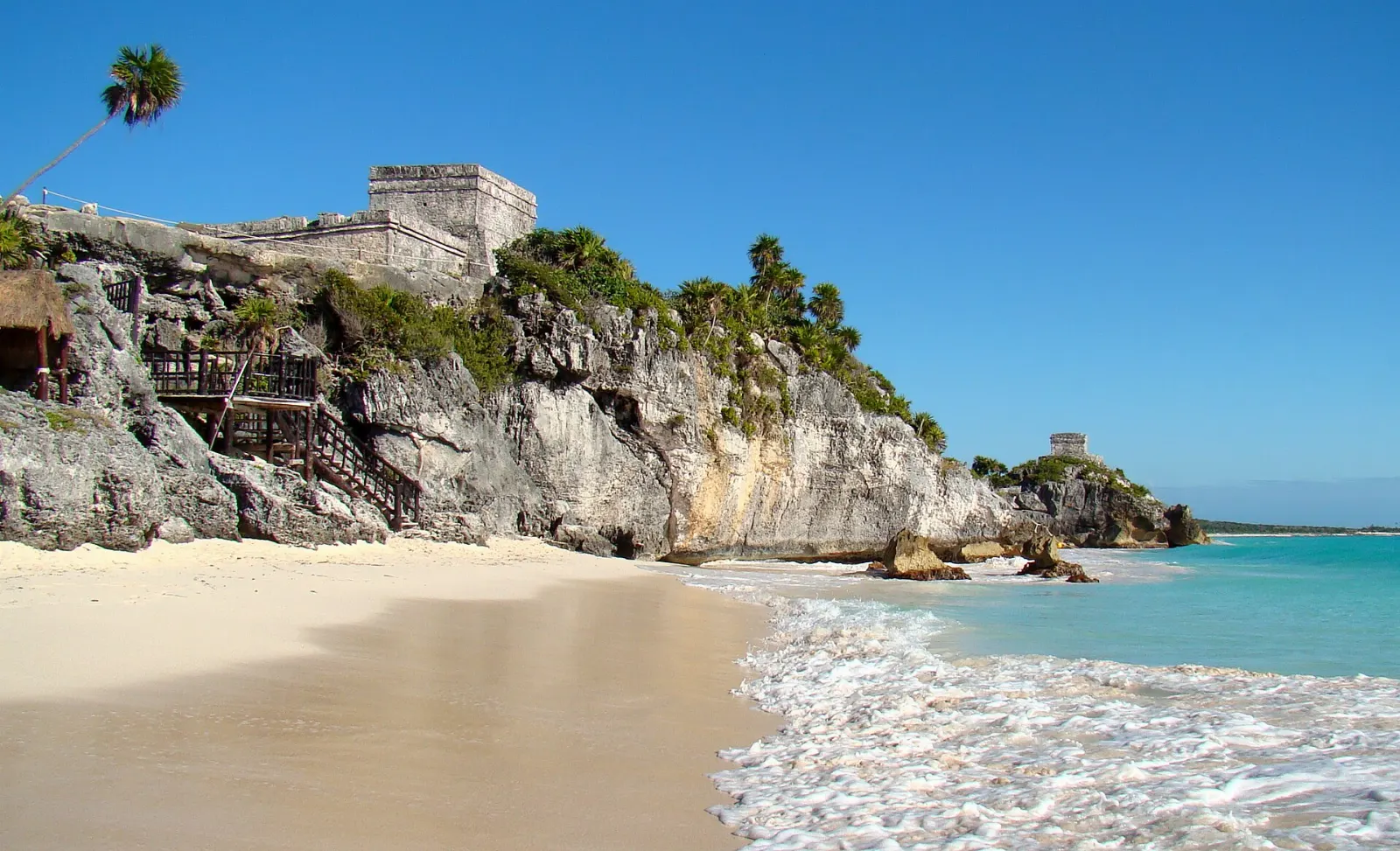
Oaxaca City, officially Oaxaca de Juárez, sits in a high valley in southern Mexico, surrounded by mountains and some of the oldest cultural landscapes in the Americas. Its colonial center, built in part from a soft green stone, is a UNESCO World Heritage Site together with the nearby ruins of Monte Albán.
AT A GLANCE
Best time
October to April is dry and sunny; late July brings the Guelaguetza and early November the Day of the Dead.
How long
Four to six days lets you see the city and take two or three valley day trips.
Getting there
Fly into Oaxaca International Airport, usually via Mexico City, or take a long-distance bus.
Why visit Oaxaca
Oaxaca packs an unusual amount of history into a compact, walkable city. The Zapotecs built Monte Albán on a mountaintop above the valley around 500 BC, and it remained a major political center for roughly a thousand years.
That layered past is not locked away in museums. You see it in the market stalls piled with chiles and chocolate, in the dance costumes of the Guelaguetza, in rugs woven on hand looms and in the black pottery of nearby villages.
The setting helps too. At roughly 1,550 meters above sea level, Oaxaca has warm, bright days and cool nights for much of the year.
The historic center
Zócalo and the Alameda de León
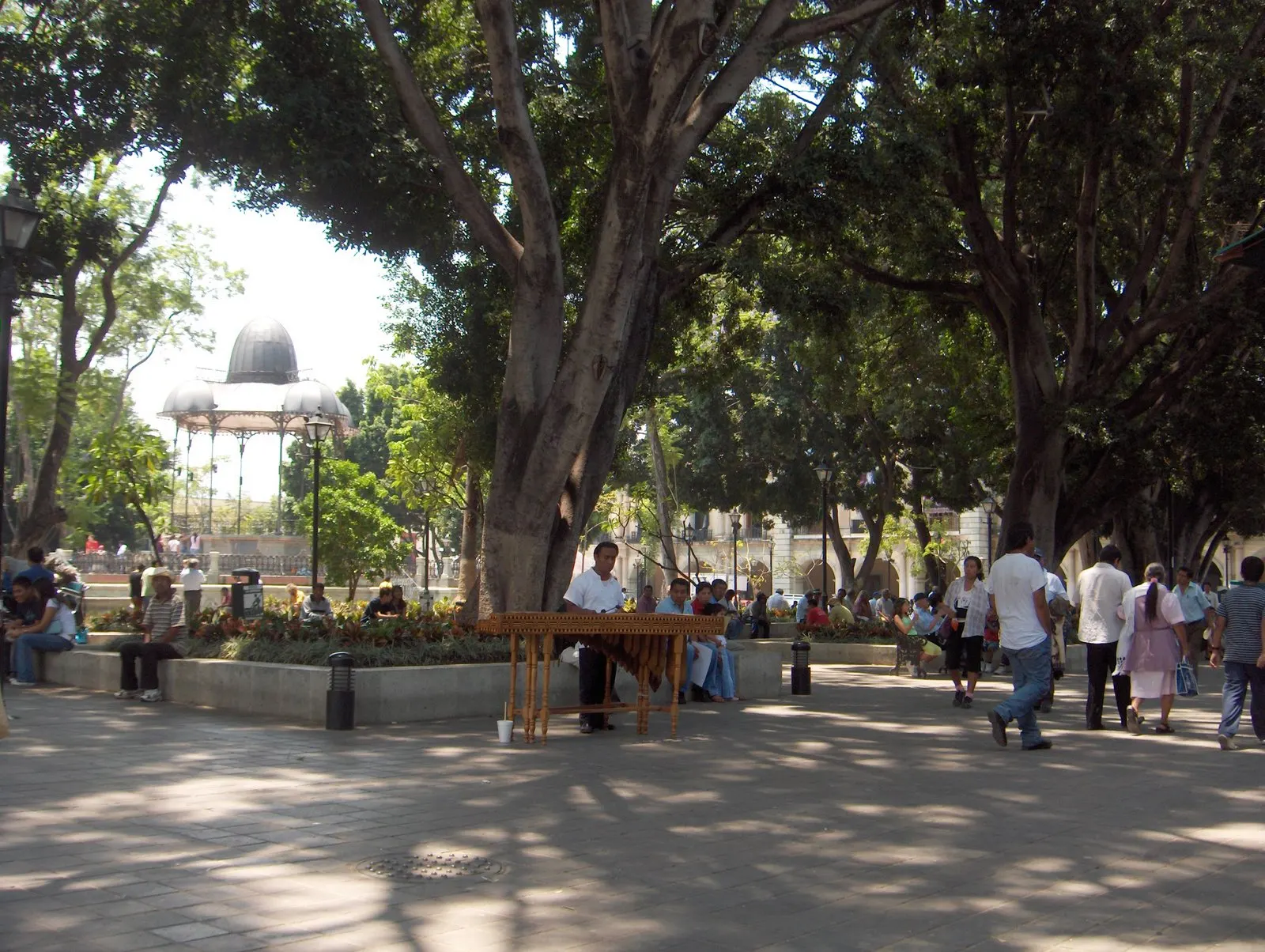
The Zócalo, or Plaza de la Constitución, is the city's living room. Laurel trees shade a bandstand, arcaded cafés line the edges, and vendors sell balloons, snacks and crafts from morning to night.
Oaxaca Cathedral
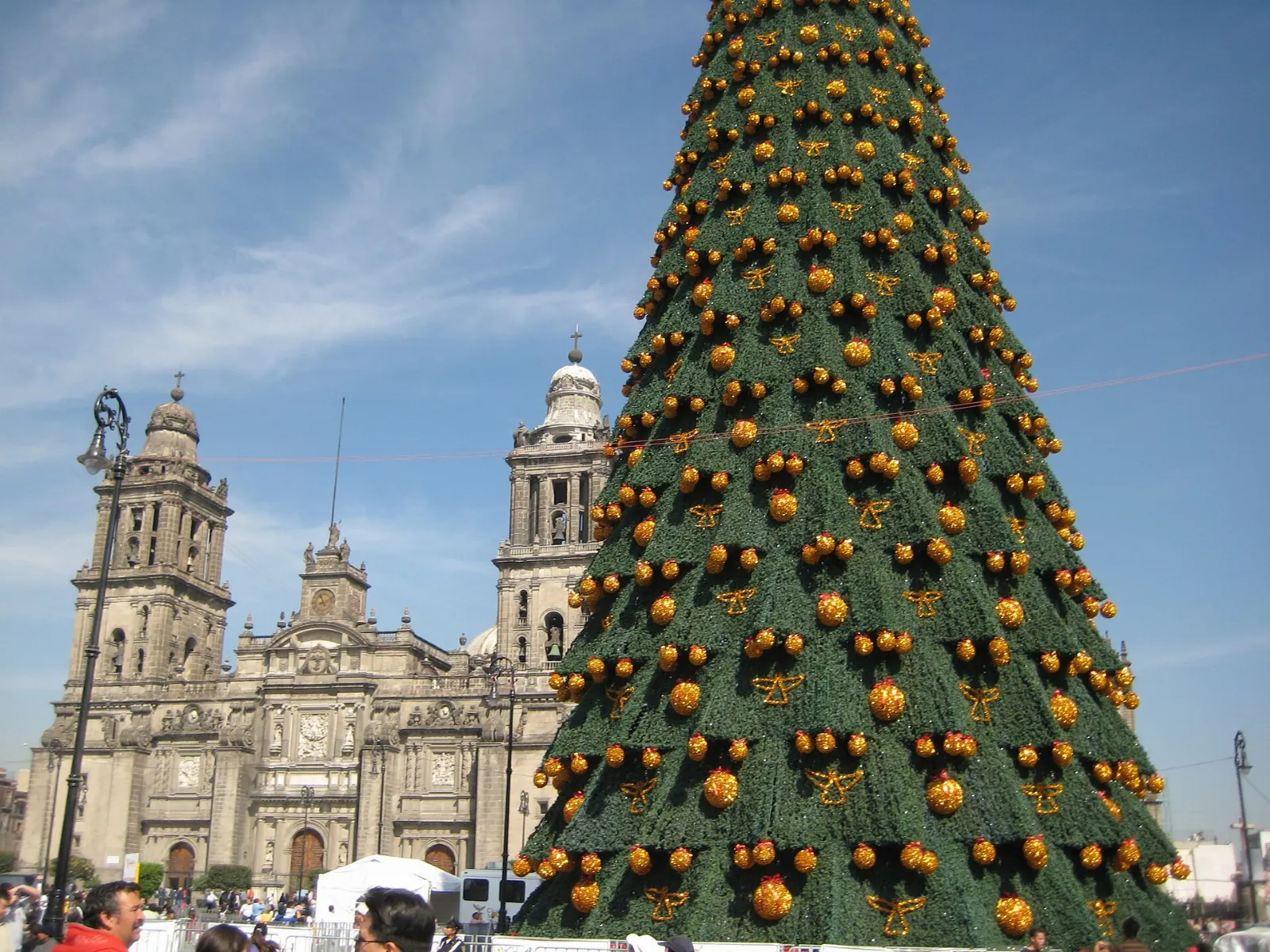
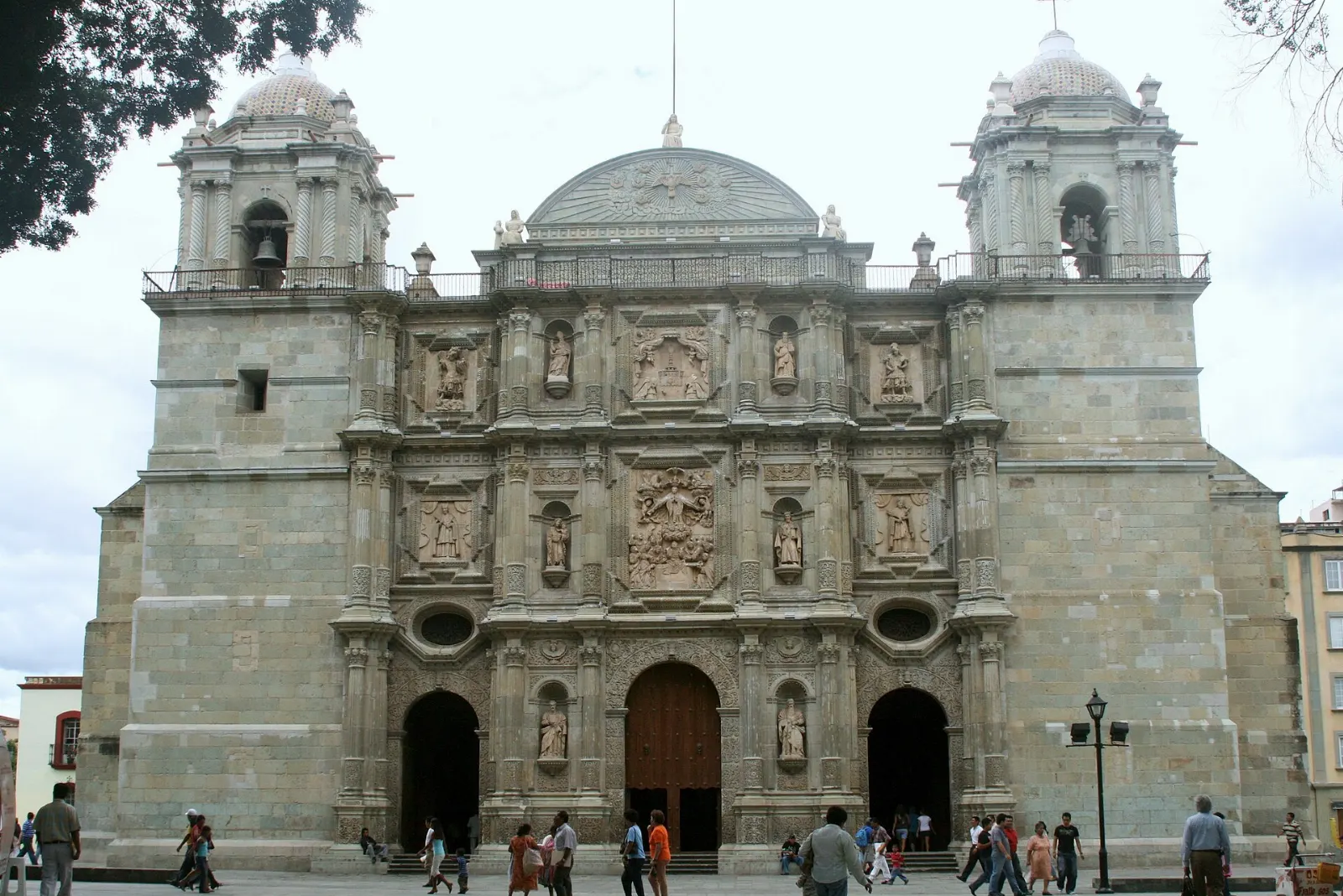
Facing the Alameda, the Catedral Metropolitana was begun in the sixteenth century and rebuilt after earthquakes, and its baroque facade shows off the city's greenish stone. Inside it is relatively simple compared with Santo Domingo, but the front is beautiful in late afternoon light. Allow thirty minutes.
Andador Macedonio Alcalá
This pedestrian street runs five blocks north from the cathedral area to Santo Domingo, lined with galleries, craft shops, cafés and mezcal bars in restored colonial buildings. It is the easiest place to get your bearings. Allow an hour, longer if you shop.
Templo de Santo Domingo and the Museo de las Culturas de Oaxaca
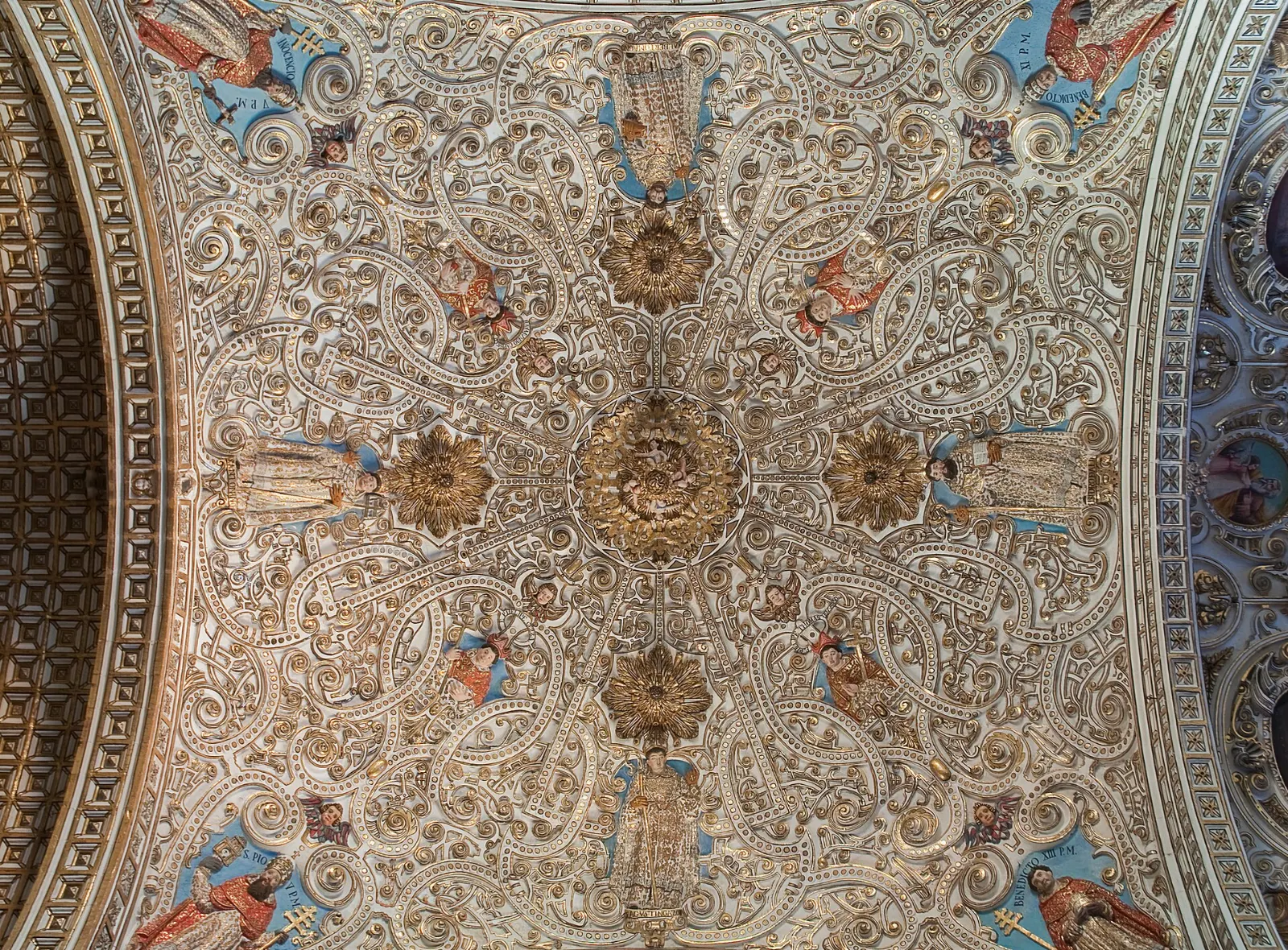
Built between 1570 and 1608, Santo Domingo is the city's most spectacular church, with an interior covered in gilded stucco and a famous family tree carved into the ceiling near the entrance. The Capilla del Rosario on the south side is even more ornate.
Jardín Etnobotánico
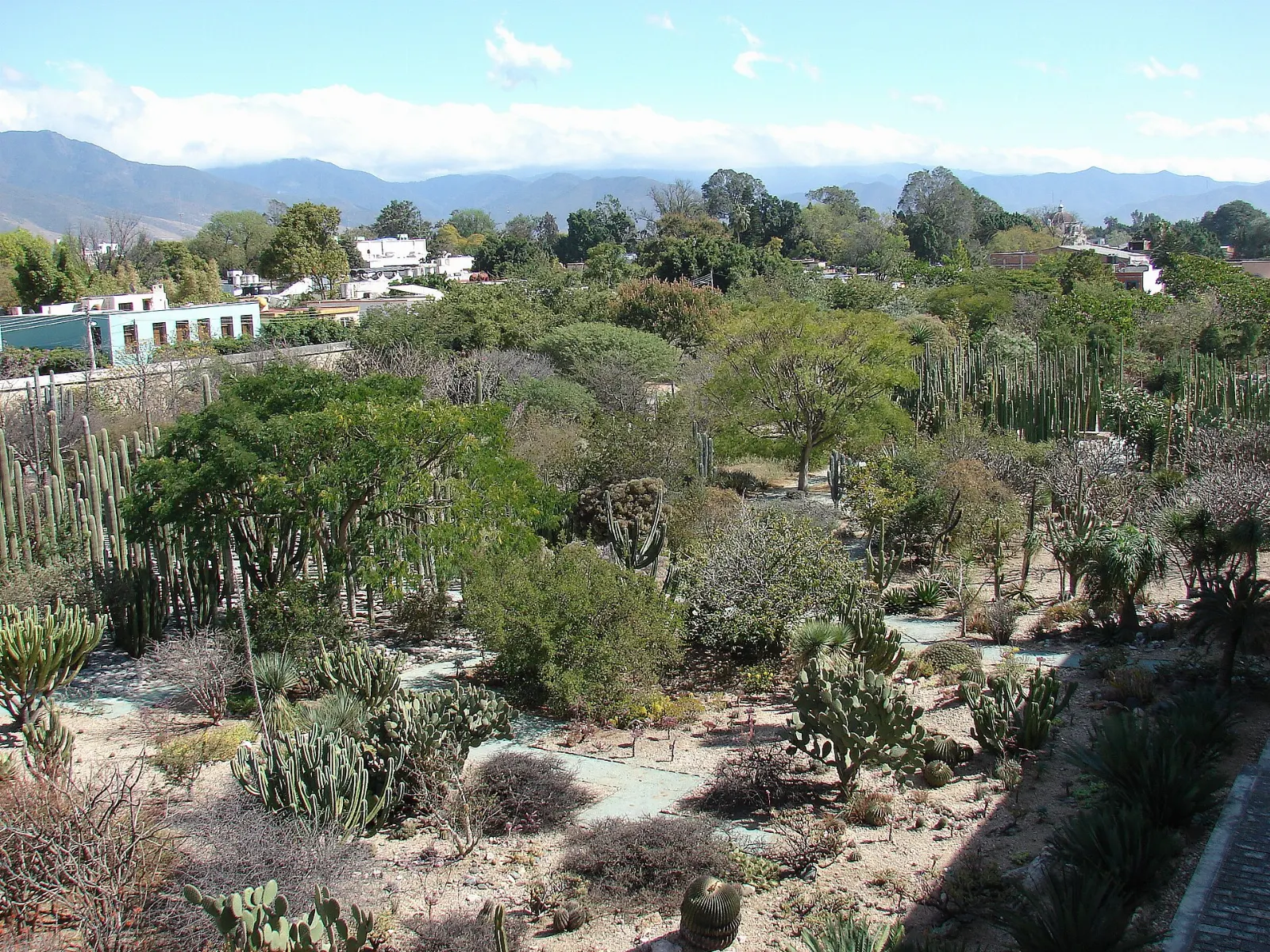
Behind the former convent, the ethnobotanical garden was created in the 1990s with the guidance of artist Francisco Toledo. It showcases cacti, agaves and other plants used by Oaxacan communities for food, medicine and ritual.
Markets, museums and neighborhoods
Mercado 20 de Noviembre and Mercado Benito Juárez
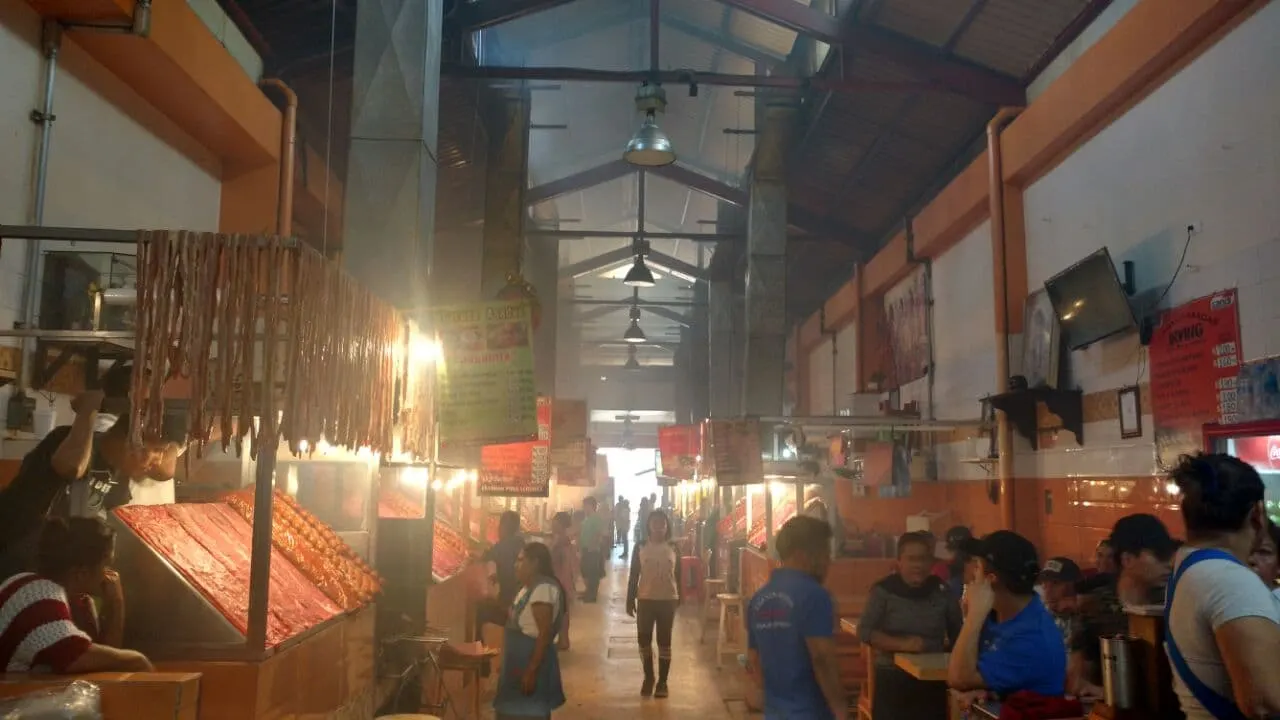
A couple of blocks south of the Zócalo, these two markets stand side by side. Benito Juárez sells everything from hats and leather to chocolate, cheese and grasshoppers, while 20 de Noviembre is devoted to food.
Museo Textil de Oaxaca
Housed in a restored eighteenth-century mansion, this museum shows the designs, techniques and natural dyes used in Oaxacan textiles, with changing exhibitions and workshops. Allow an hour.
Jalatlaco and Xochimilco
East of the center, Jalatlaco is a small barrio of cobbled streets, colorful houses, street murals and cafés, perfect for an early morning walk. North of the center, Xochimilco is one of the city's oldest residential neighborhoods, with art studios and murals near an old aqueduct.
Ruins and villages in the Central Valleys
Monte Albán
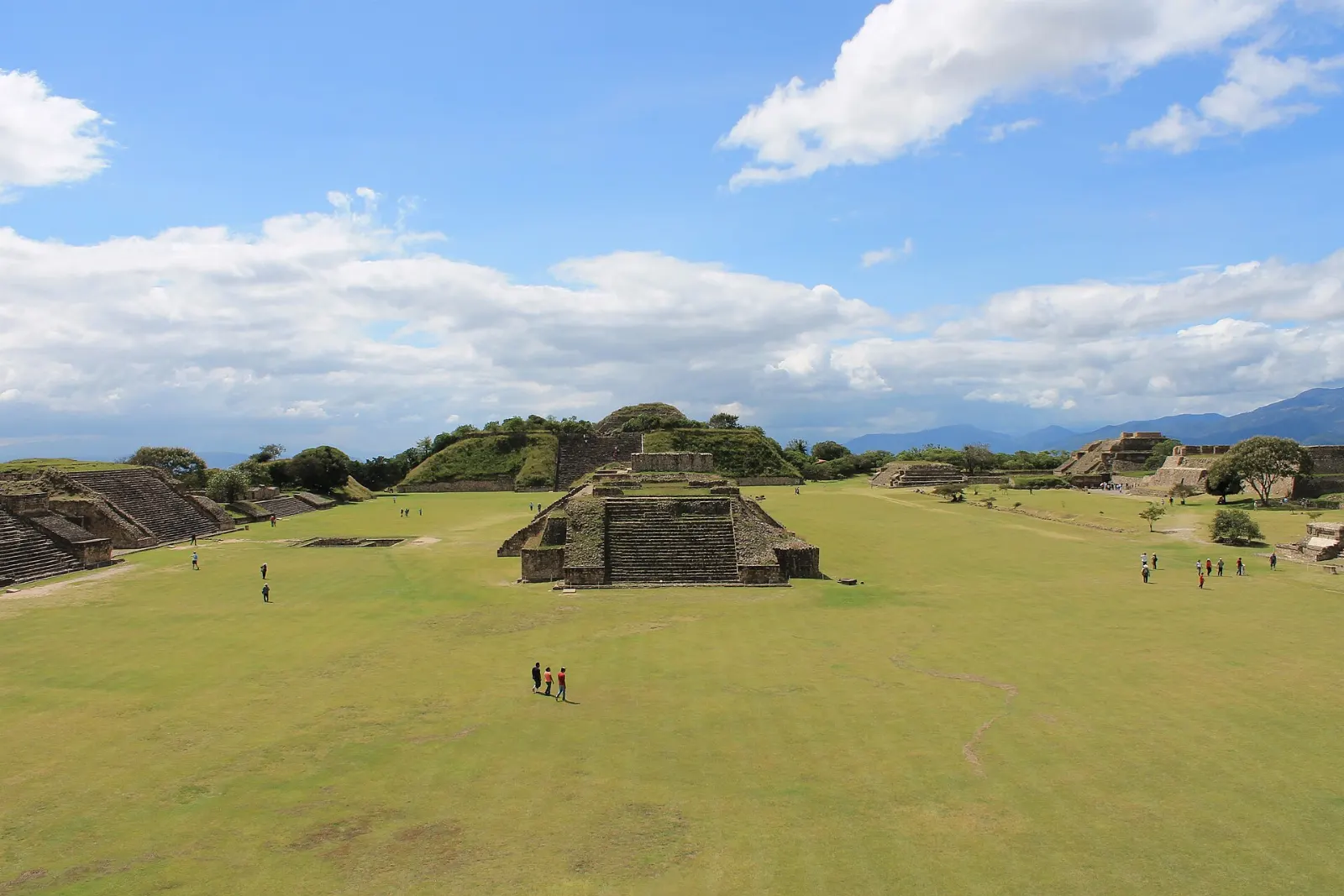
About nine kilometers west of the city, Monte Albán occupies an artificially leveled ridge roughly 400 meters above the valley floor.
Árbol del Tule
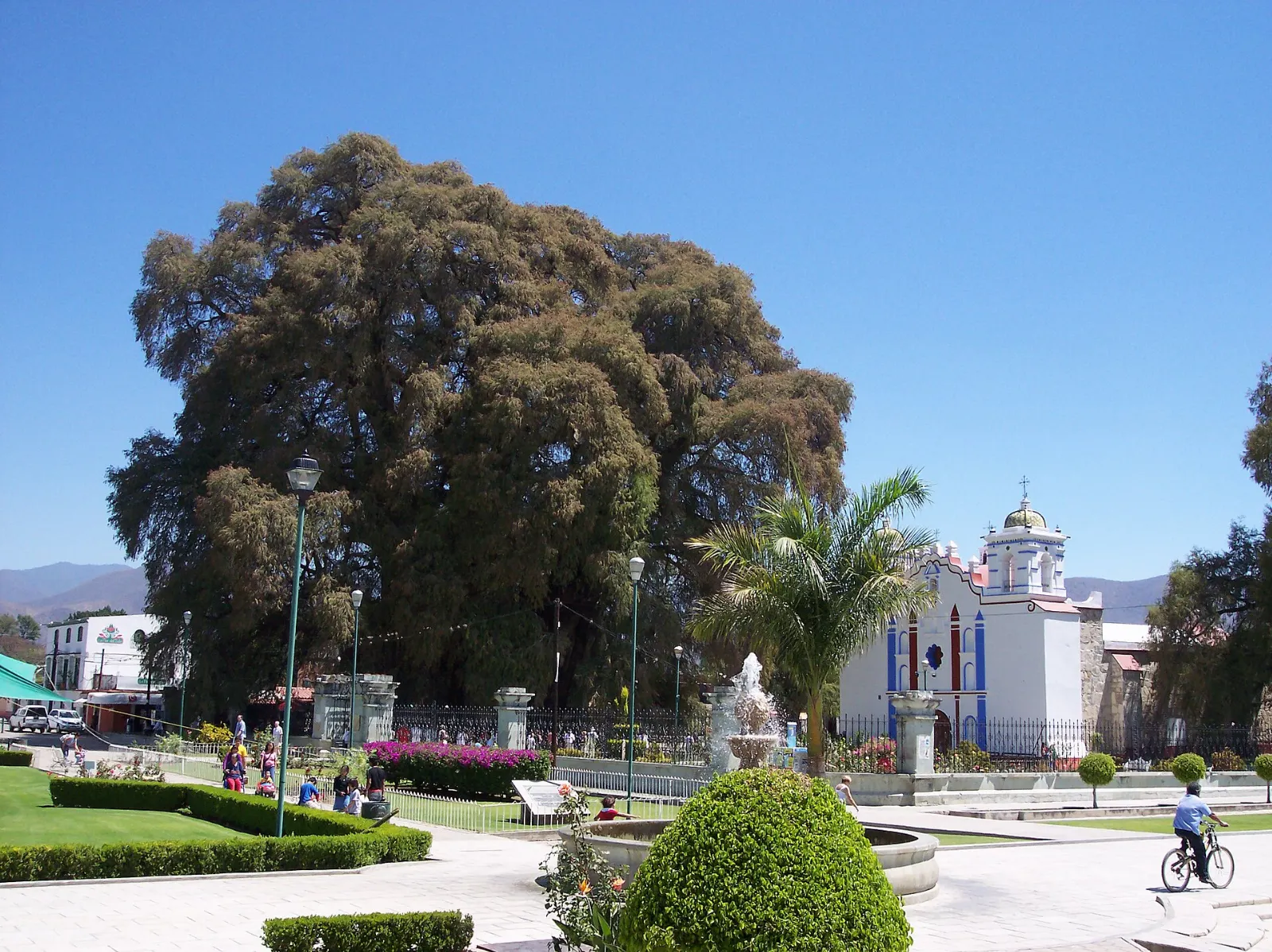
In the churchyard of Santa María del Tule, about nine kilometers east of the city on the road to Mitla, stands a Montezuma cypress with the stoutest trunk of any known tree. Its buttressed trunk measures over forty meters around, and local children often point out shapes in the bark.
Teotitlán del Valle
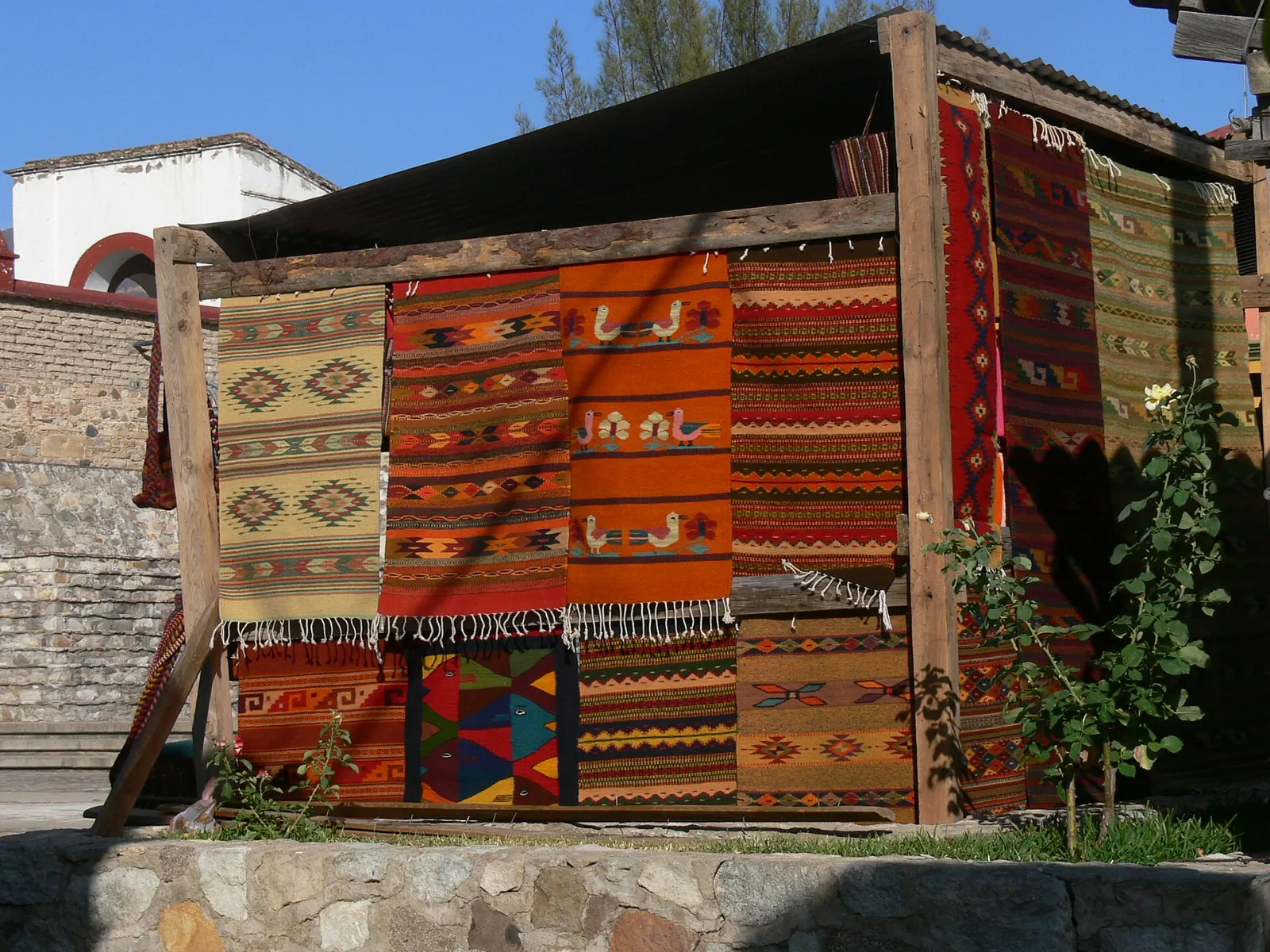
This Zapotec village in the foothills of the Sierra Juárez is famous for wool rugs woven on hand looms, many dyed with cochineal, indigo and other natural colors. Family workshops welcome visitors and often demonstrate carding, spinning and dyeing.
Mitla
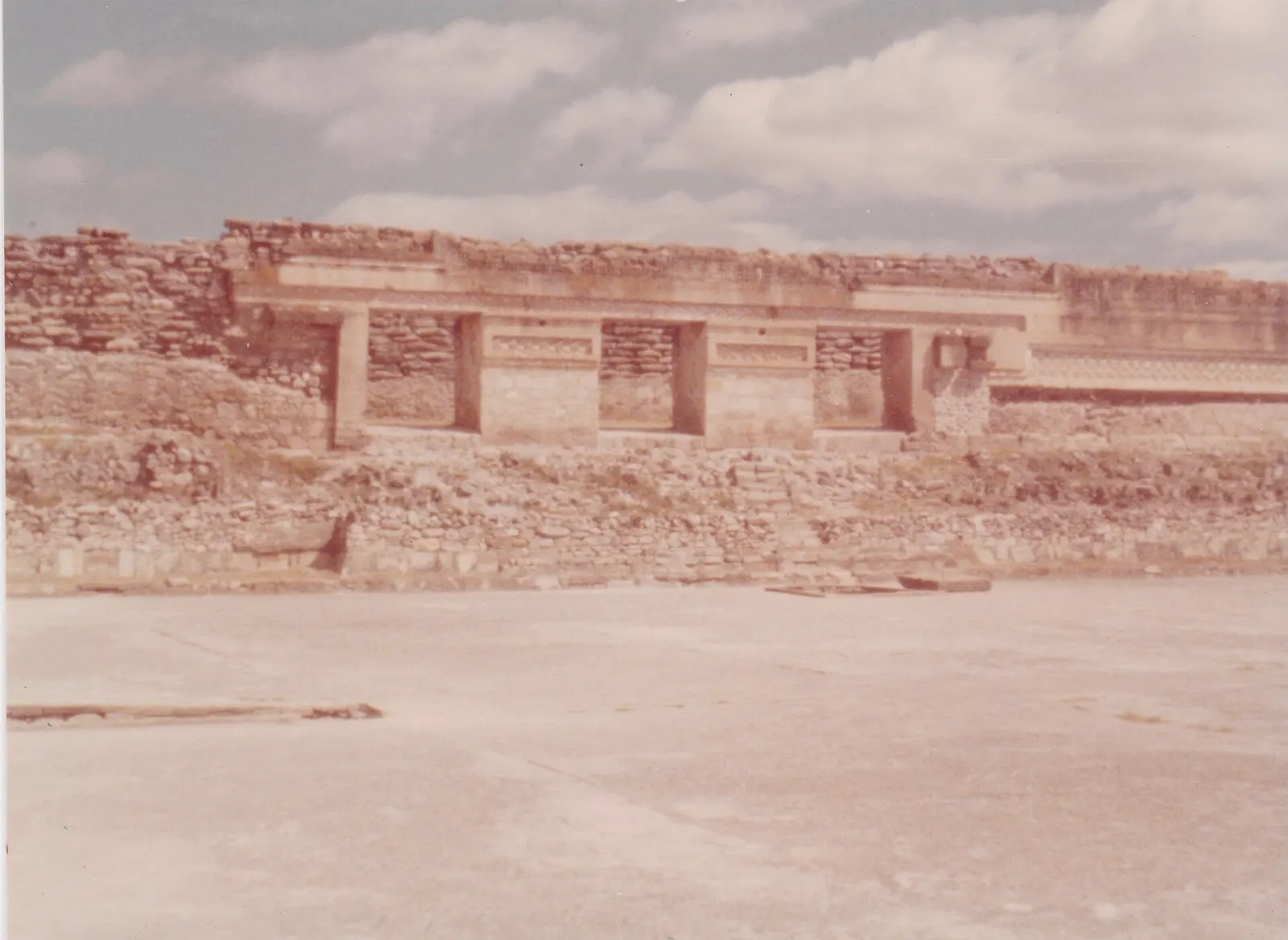
Mitla, in the upper Tlacolula Valley about forty kilometers from the city, was a major Zapotec religious center. It is famous for walls covered in geometric stone mosaics, made of small cut stones fitted together without mortar, a style seen nowhere else in Mexico on this scale.
Hierve el Agua
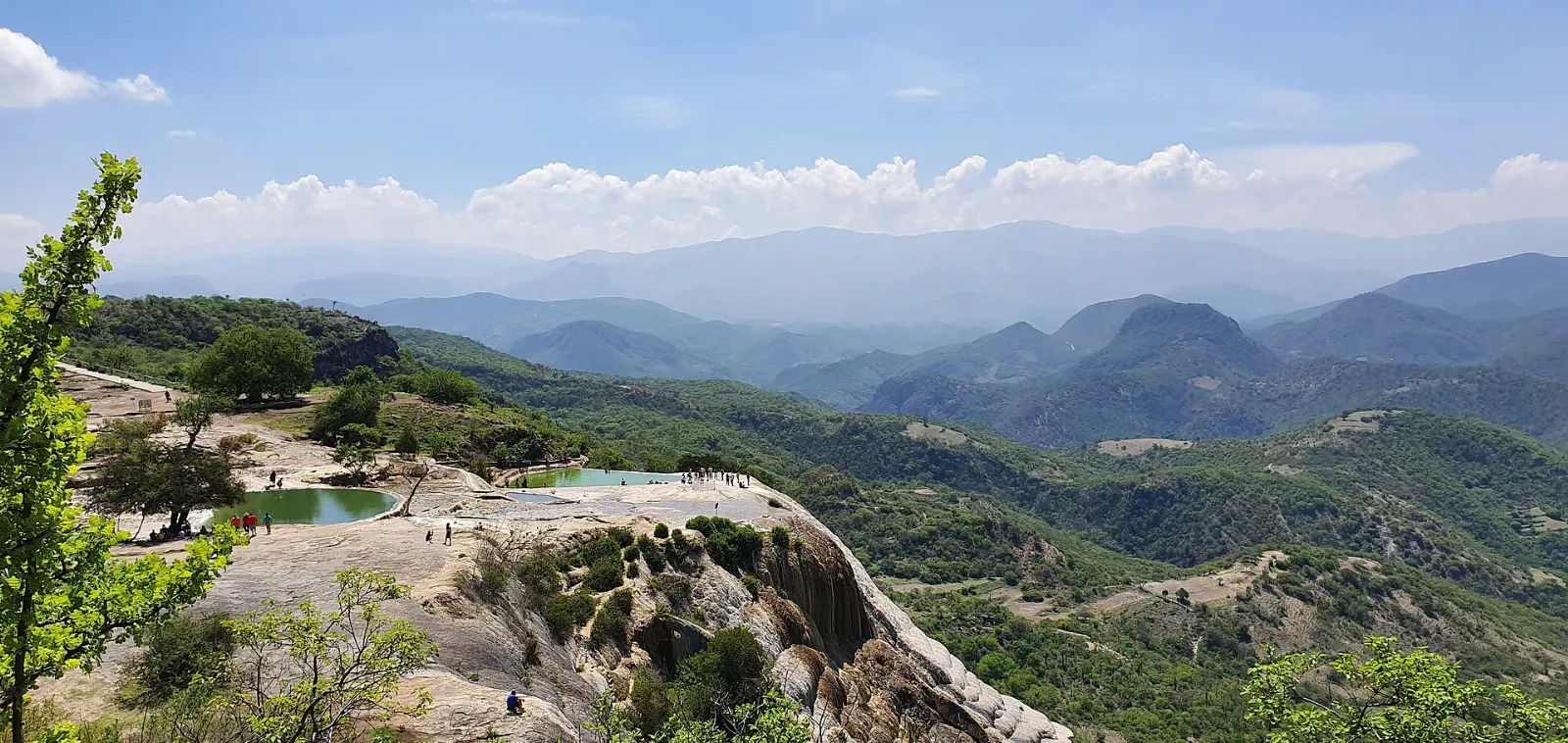
Roughly seventy kilometers east of the city, mineral springs pour over cliffs and leave white deposits that look like frozen waterfalls. Natural and man-made pools sit at the cliff edge with sweeping mountain views.
Tlacolula Sunday market
Every Sunday the town of Tlacolula hosts one of the largest traditional markets in the valley, where people from surrounding villages buy and sell produce, livestock, clothing and barbacoa. Allow two to three hours.
 Planning a trip to Oaxaca?Compare hotels, flights and vacation rentals for Oaxaca on Expedia.Book now
Food and local flavors
Oaxaca is often called the land of seven moles, and trying them is a highlight. Mole negro is dark, rich and complex, made with chiles, chocolate and dozens of other ingredients; amarillo, coloradito, verde and chichilo each have their own character.
Chocolate is ground with sugar and cinnamon and served as hot chocolate with sweet egg bread, and tejate, an ancient maize and cacao drink, is sold from big painted bowls in the markets.
Popular dishes to try in Oaxaca


Where to stay
Centro Histórico, north of Independencia. The streets around Alcalá and Santo Domingo hold most boutique guesthouses, galleries and restaurants.
Centro, south of Independencia. Closer to the markets, with a more local feel and often better value.
Jalatlaco. A small, quiet barrio a short walk east of the center, popular with couples and longer-stay visitors who want a residential atmosphere.
Where to stay in Oaxaca


Best time to visit
The dry season, roughly November to April, brings sunny days, low humidity and cool nights that can drop sharply in December and January. April and May are the hottest months before the rains arrive.
Festivals shape the calendar.
Getting there and getting around
Oaxaca International Airport lies about eight kilometers south of the center, with frequent flights from Mexico City and a few direct international routes from the United States.
The historic center is compact and best explored on foot. For the valleys, you can join a group tour, hire a driver for the day, or use the shared colectivos and second-class buses that leave from hubs near the Central de Abastos and the baseball stadium.
A suggested itinerary
First day
Start at the Zócalo with hot chocolate, then visit the cathedral and walk up Alcalá to Santo Domingo.
Second day
Leave early for Monte Albán and explore the Great Plaza before noon.
Third day
Head east along the Mitla road: stop at the Árbol del Tule, spend the late morning with a weaving family in Teotitlán del Valle, visit Mitla after lunch and end at a mezcal distillery in Matatlán.
Fourth day
Visit Hierve el Agua if access is open, or wander Jalatlaco and Xochimilco, visit the Museo Textil de Oaxaca and take a cooking class focused on mole.
Practical tips
- Carry pesos in small bills for markets, colectivos and village workshops, since many vendors do not accept cards.
- Drink bottled or filtered water and ease into street food, choosing busy stalls with high turnover.
- Use strong sunscreen and a hat; the altitude makes the sun more intense than the temperature suggests.
- Bring a light jacket for cool mornings and evenings in the dry season.
- Learn a few Spanish phrases and greet vendors with a polite buenos días before asking prices.
- Ask permission before photographing people, especially in villages and markets.
- Book accommodation well ahead for the Guelaguetza, the Day of the Dead and the December holidays.