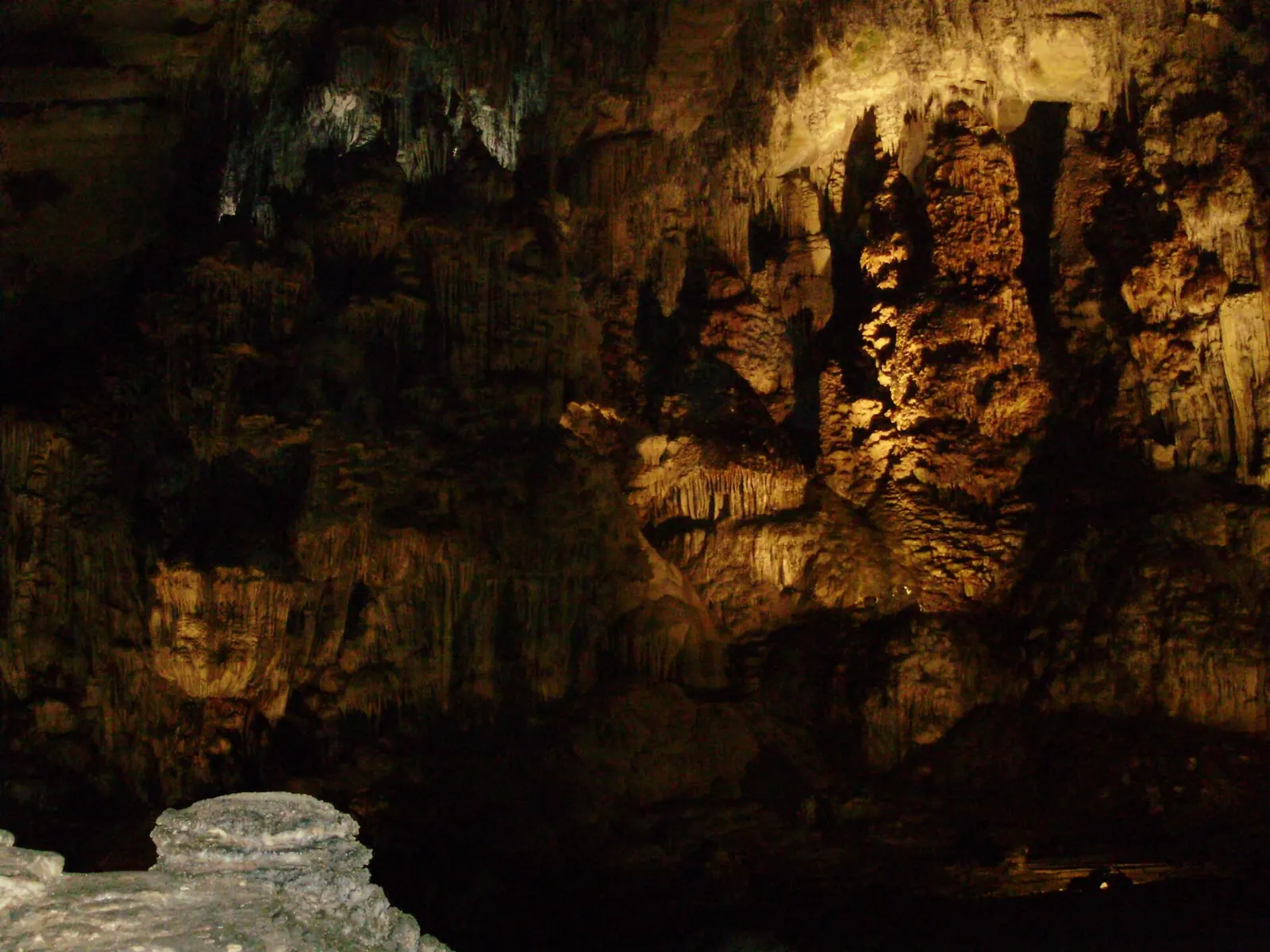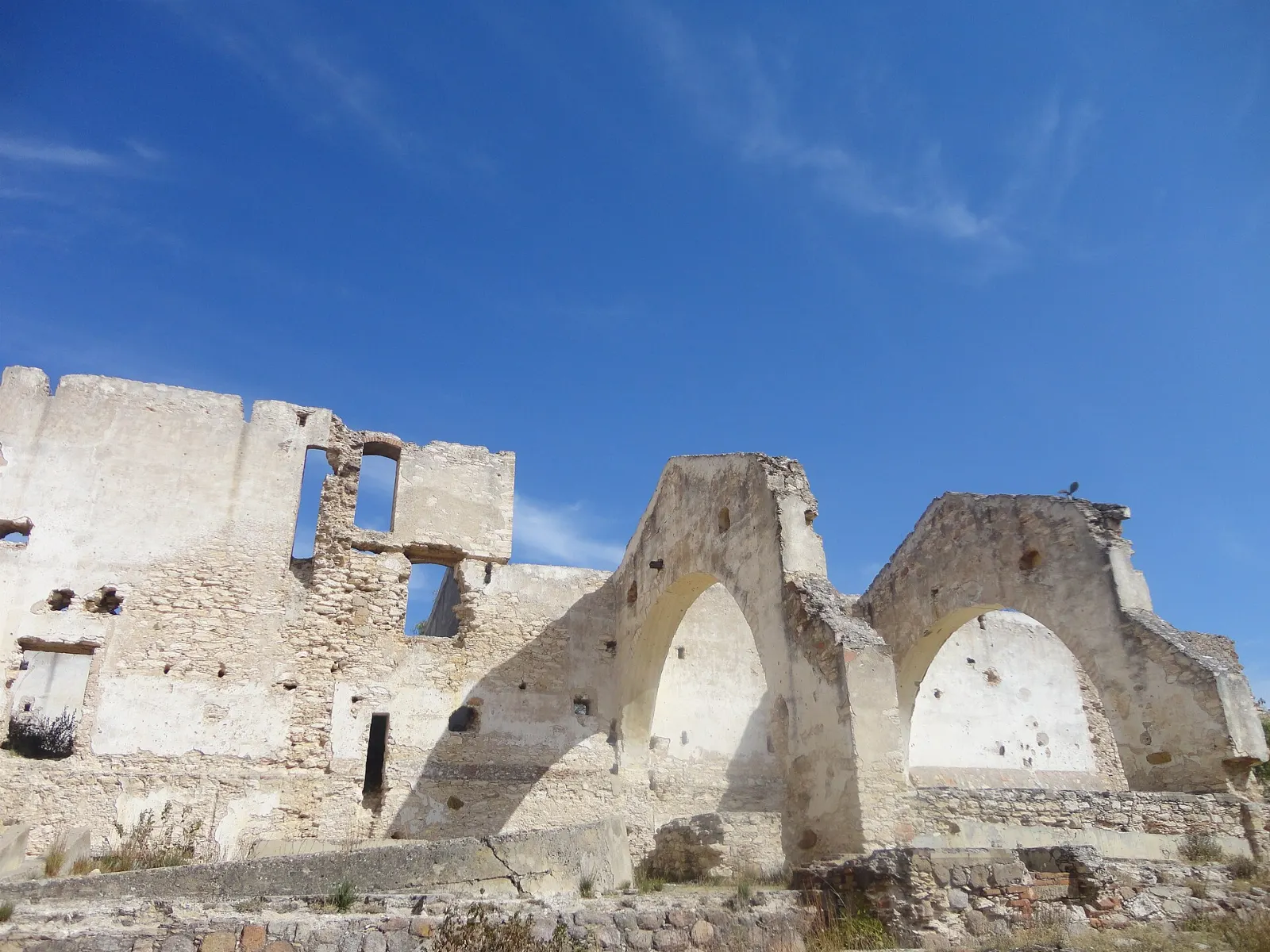
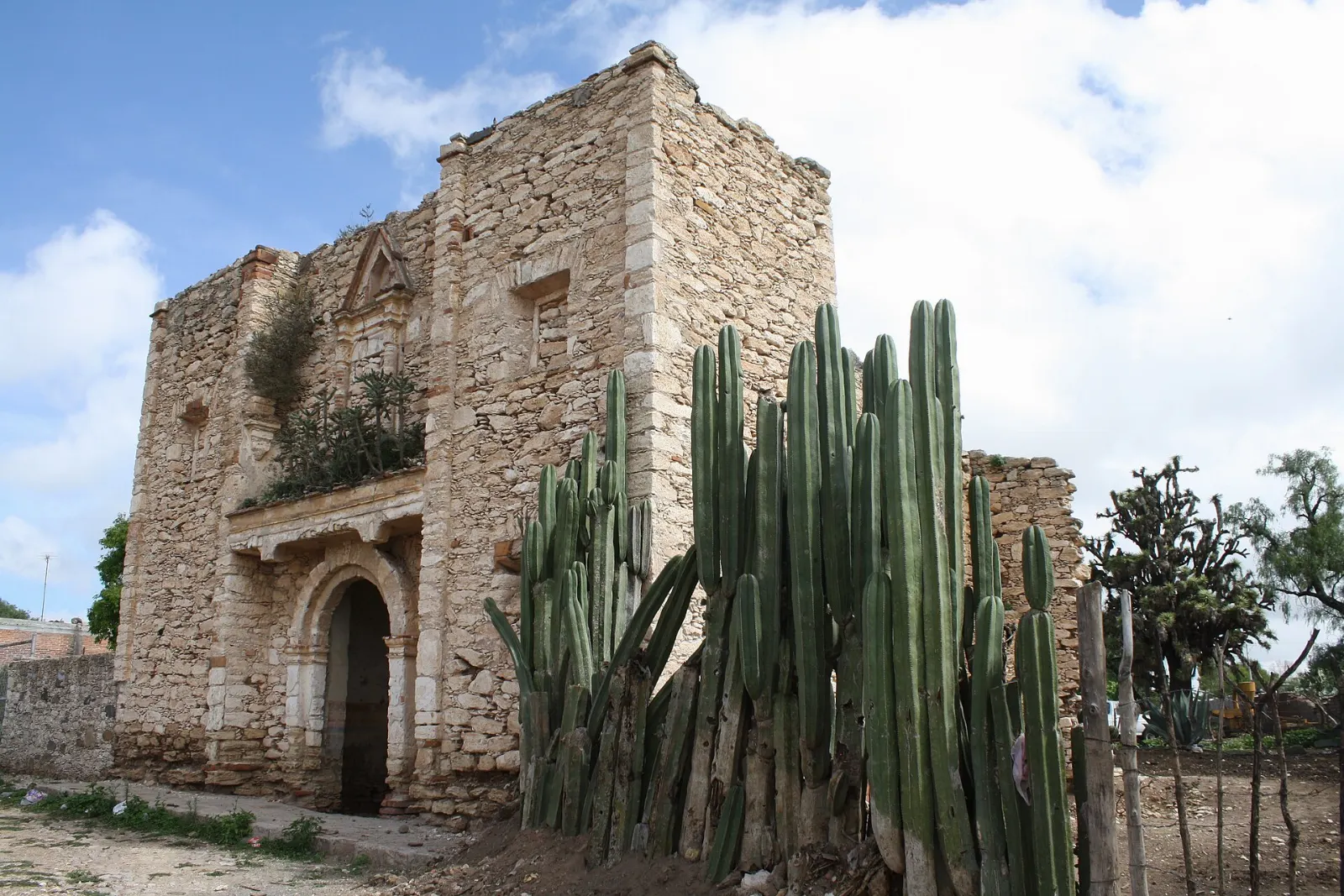
Mineral de Pozos is one of the most atmospheric places in Guanajuato, a former silver mining boom town that was reduced to a few hundred residents and is now slowly coming back to life. Roofless stone buildings, arched haciendas and a grand church cupola share the landscape with studios, boutique stays and mezcal bars.
AT A GLANCE
Best time
Spring and autumn offer mild days and clear skies for exploring on foot.
How long
A weekend gives you time for the ruins and the dining scene.
Getting there
Drive about an hour from San Miguel de Allende or Dolores Hidalgo.
Why visit Mineral de Pozos
Silver was found here in the late sixteenth century, and the town boomed, faded and boomed again as new deposits were discovered. After the Mexican Revolution and a flood in the late 1930s that filled the mine shafts, the mining company left, and by 1950 a town that once held almost thirty thousand people was down to around two hundred.
That history is what you come to see. You walk among ruins that are open to the sky, then sit down in a courtyard restaurant a few steps away.
The best places to visit in town
Parroquia de San Pedro Apóstol
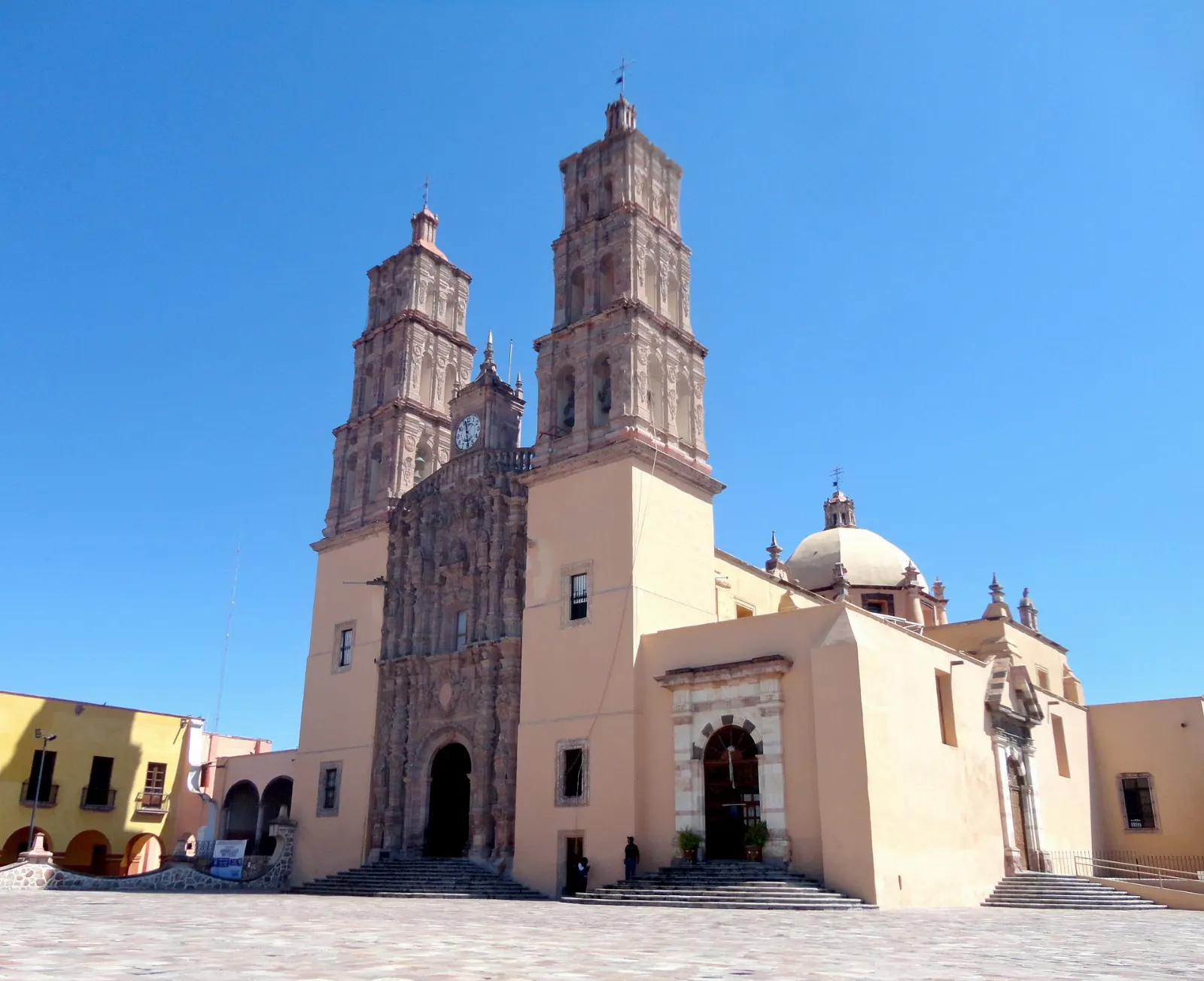
The seventeenth-century parish church has an iconic cupola that can be seen from almost anywhere in town. Inside, tilework and frescoes cover many surfaces, while peeling paint on some walls shows how long the building has stood.
Plaza del Minero
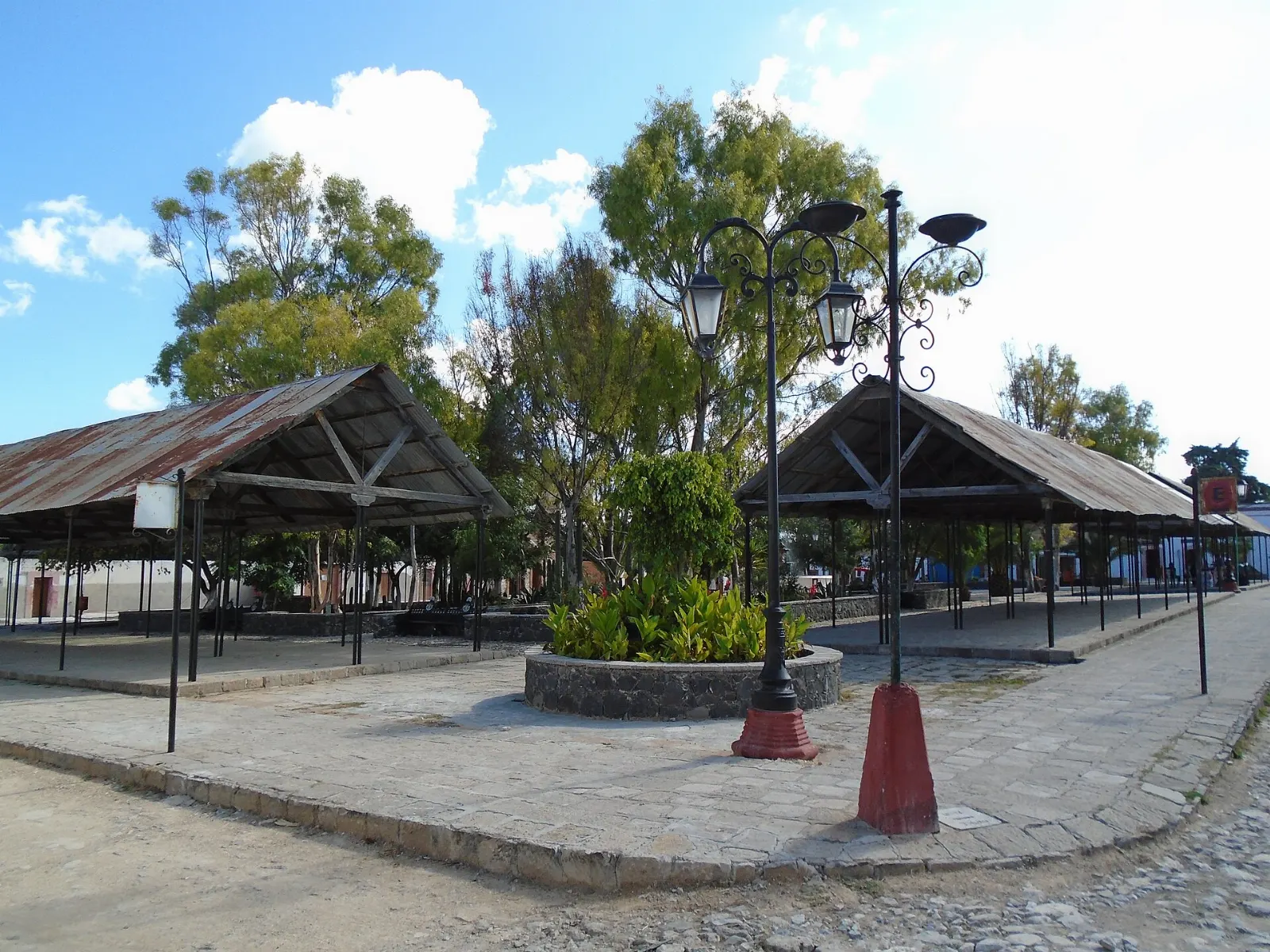
This town square, with stone walkways and an outdoor theatre area, makes a pleasant reference point as you explore. Sit for a while at the edge and watch the weekend crowds arrive.
Museo de Historia
The modern history museum uses dioramas and interactive screens to show scenes from the town past. It is friendly, easy to follow and a smart first stop if you want context before visiting the haciendas.
Escuela Modelo
The old school building is large enough to show how big Pozos was in its heyday.
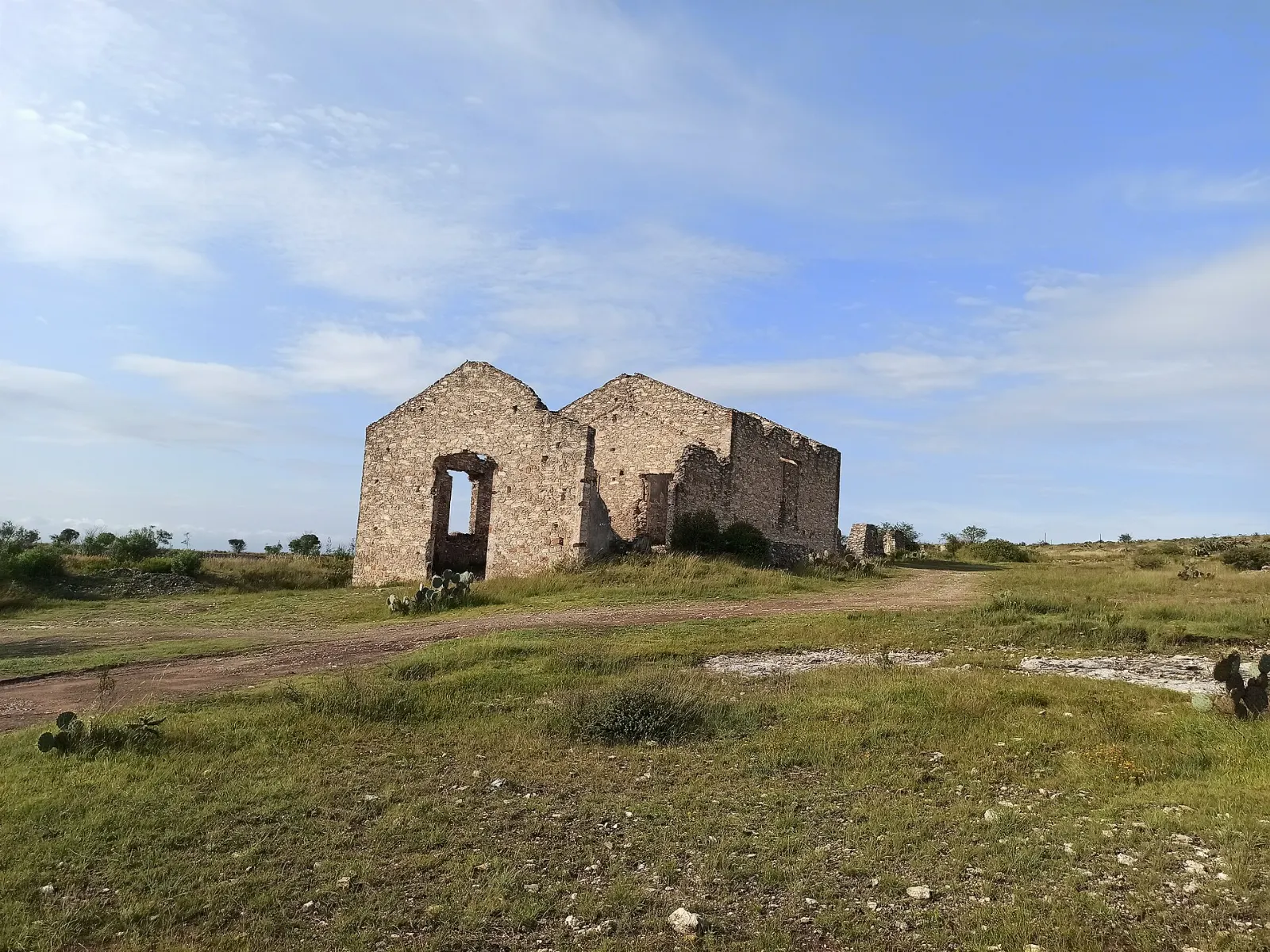
Mines and haciendas
Hacienda Mina Cinco Señores
This large mining complex was abandoned in 1888, and you can walk through many ruined industrial buildings. Guides lead groups into the mine on tours that last up to an hour, and they speak only Spanish.
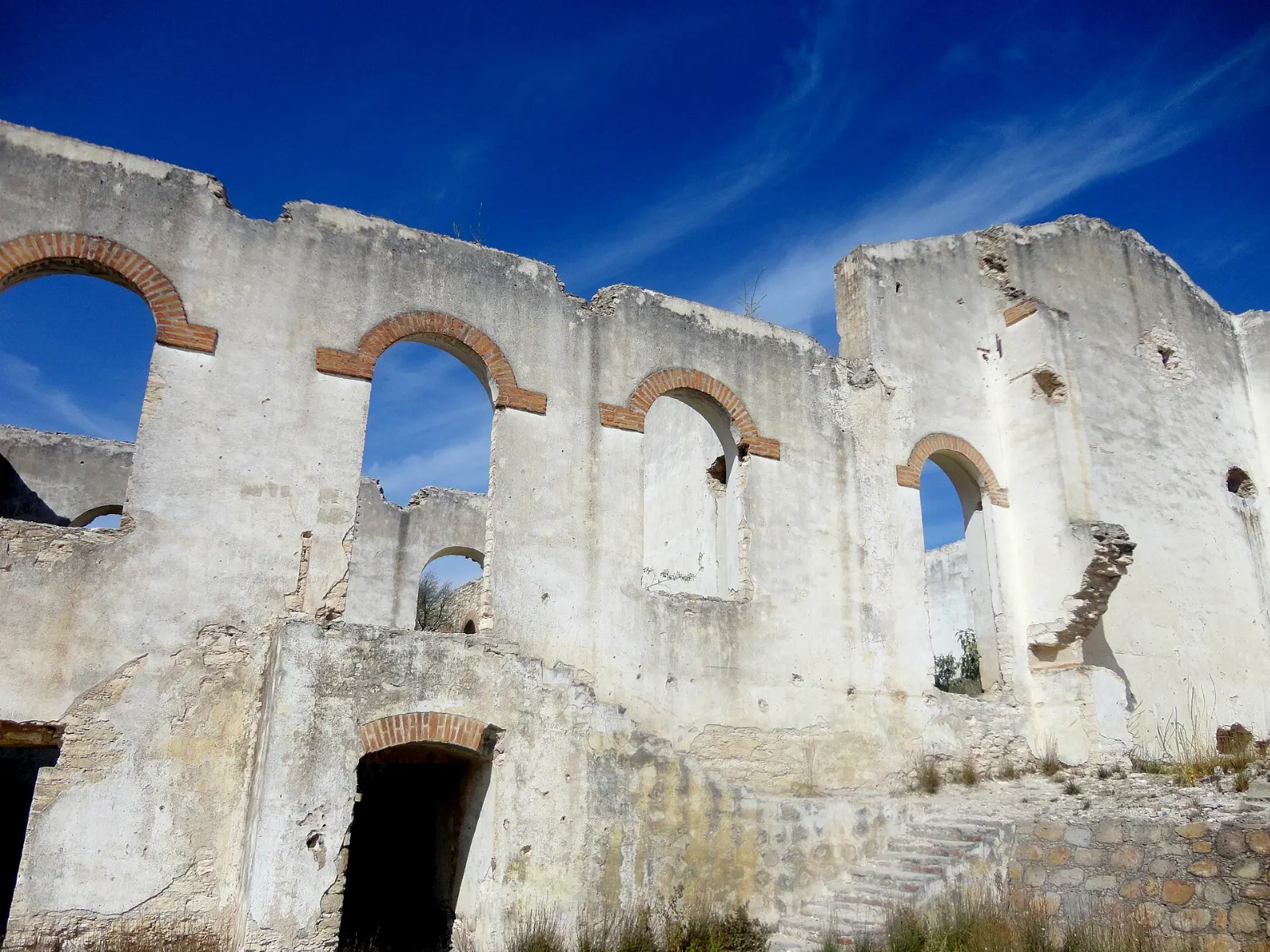
Hacienda San Baldomero
The architecture is the draw here, with intricate masonry arches, porticoes and flying buttresses left standing in the open. The mine entrance is accessible, and guided visits put hard hats on you for a short trip underground.
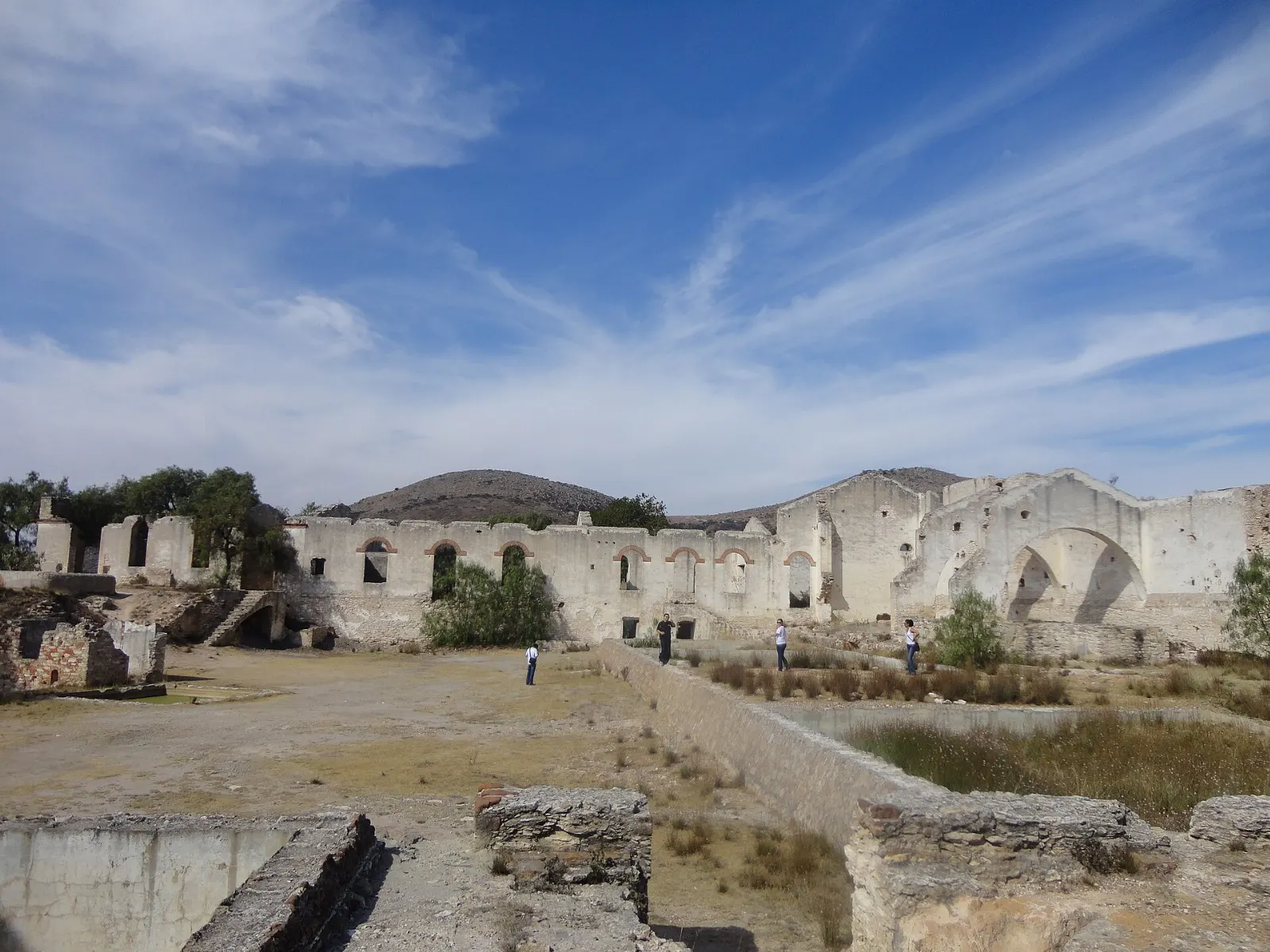
Hacienda El Triángulo
This nineteenth-century estate extracted silver, gold and iron until it was abandoned in 1923. Ruined buildings with fine architectural details stand along the old road.
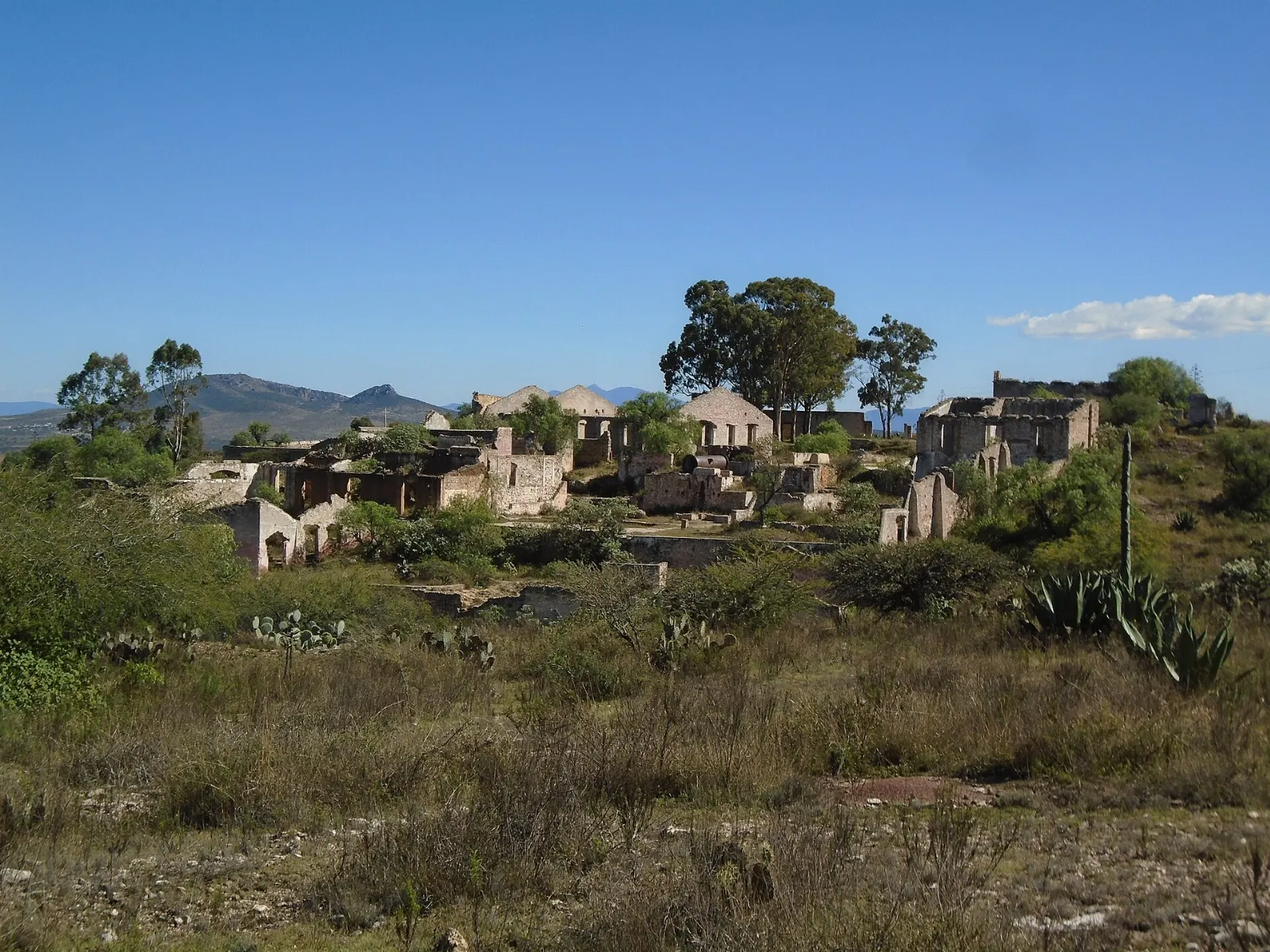
Centenario Mine
At the Centenario mine you can put on a hard hat and descend into the workings, with guides who work informally for tips. Minerals are on display above ground.
Around the town
Rancho de Lavanda
Fields of lavender lie along the road toward San Luis de la Paz, with tours, a gift shop and a restaurant that serves lavender-flavoured treats.
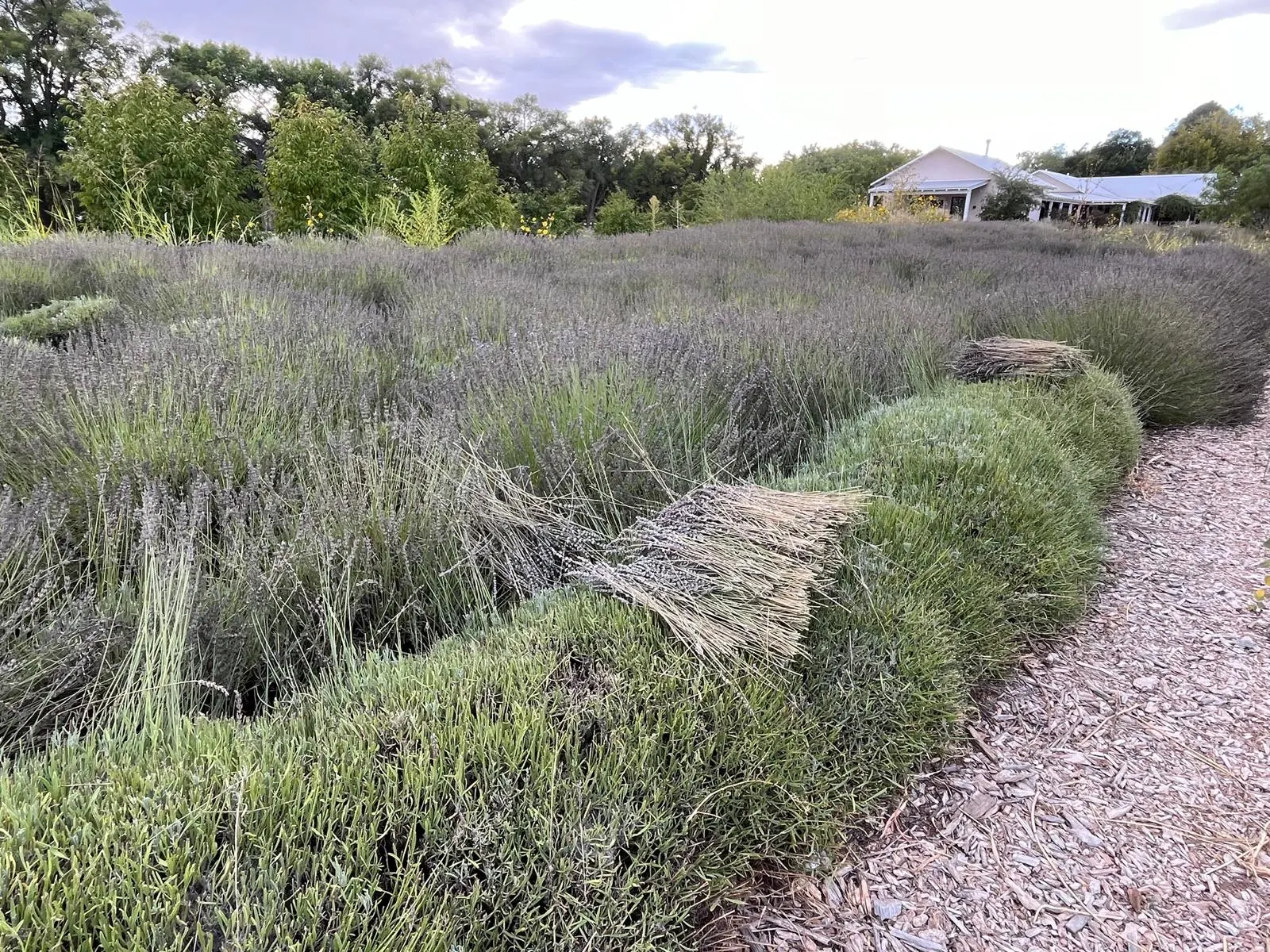
Mezcal Cuanax
This small artisanal distillery offers a tour that shows how mezcal is produced, followed by a tasting of several drinks. It is a hands-on way to learn about the range of flavours.
 Planning a trip to Mineral de Pozos?Compare hotels, flights and vacation rentals for Mineral de Pozos on Expedia.Book now
Food and local flavors
Most restaurants serve regional Bajío cooking and many are open mainly on weekends, so plan meals around that. Adventurous eaters can try escamoles, the edible ant larvae sometimes called Mexican caviar, which one local restaurant serves with bone marrow, or guacamole with dried insects at another.
At the lavender farm, lavender ice cream and lavender beer are on the menu. For a casual meal, a market-style food hall near the centre offers tacos and tortas from independent vendors.
Popular dishes to try in Mineral de Pozos


Where to stay
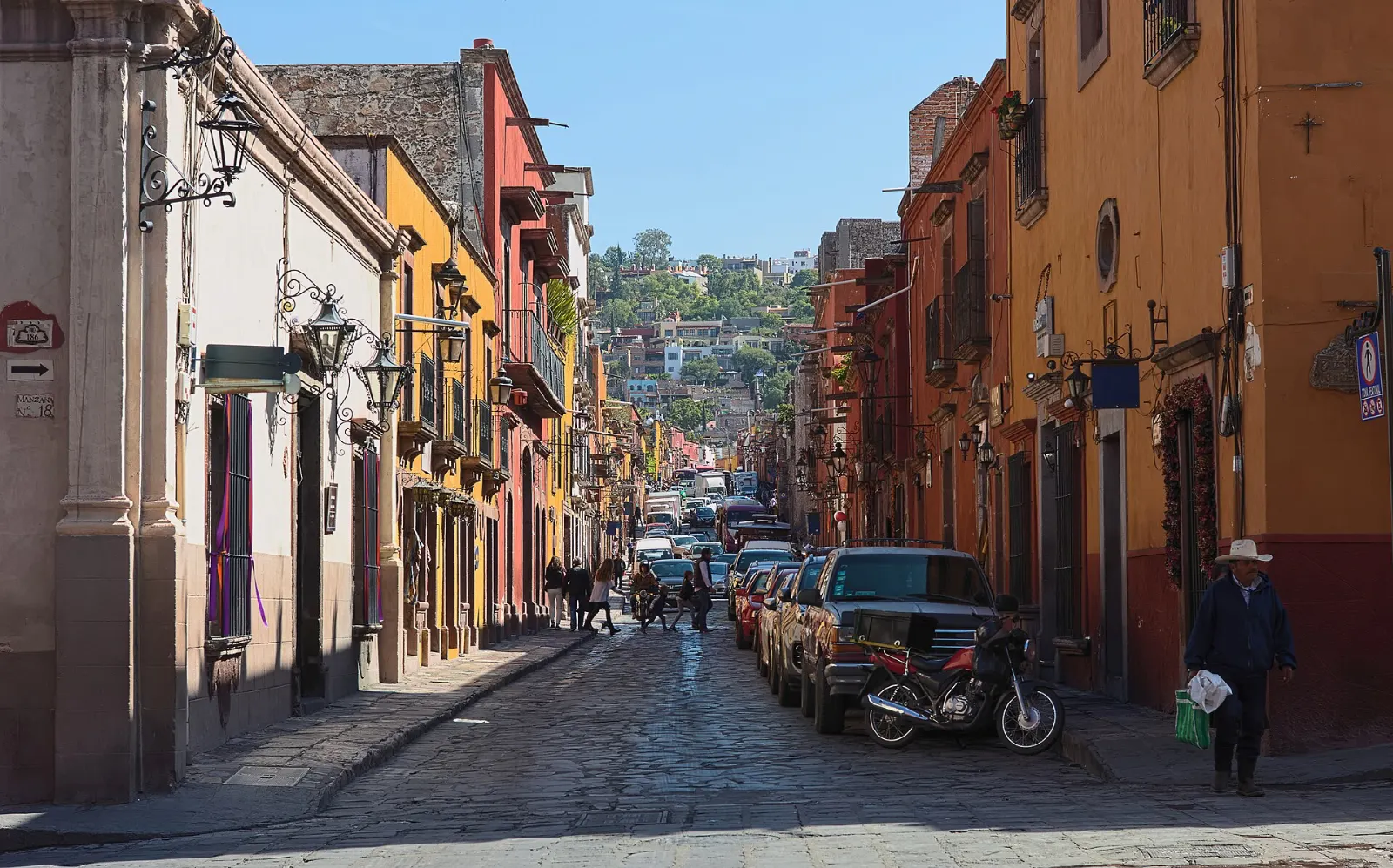
Mineral de Pozos has small boutique hotels, guesthouses and a few villas, many in restored colonial buildings. Staying near the Jardín Principal puts you within walking distance of the church, restaurants and bars, and you can stroll back at night under quiet streets.
San Miguel de Allende is about an hour away by car and offers a far larger choice of rooms and restaurants. It suits groups who want a lively base with the option of a day trip.
Book ahead for weekends, because the small inns fill quickly.
Where to stay in Mineral de Pozos


Best time to visit
Guanajuato highlands have a mostly semi-arid climate with rain in summer, so spring and autumn bring dry, comfortable days for walking the ruins. Winter nights can be cold, and summer afternoons can bring storms, so carry a layer and a rain jacket.
Weekends are busiest, as visitors come from Mexico City, and many restaurants and haciendas open only then. Weekdays are quiet and atmospheric, though some places will be closed.
Getting there and getting around
The nearest airports are Bajío International Airport near León and Querétaro Intercontinental Airport, each about two hours by taxi. Most visitors drive. From San Miguel de Allende the trip takes about one hour on Guanajuato state highway 1, and from Dolores Hidalgo it is also about one hour, using federal highway 130 east to San Luis de la Paz and turning south on the same state road.
Once in town, walking is the best way to see the sights. Bicycle rentals are available on Calle Guanajuato, and ATVs can be rented at the Centenario mine. Taxis do not wait around, there is no Uber, and hotels can call a driver for you, so arrange your return in advance.
A suggested itinerary
First day
Arrive in the morning and start at the church and the Plaza del Minero.
Second day
Hire a guide or drive to Cinco Señores and San Baldomero in the morning, then stop at the Centenario mine.
Third day
If you have time, take a final stroll and continue to San Miguel de Allende or Dolores Hidalgo.
Practical tips
- Check your government's current travel advisory before you go.
- Wear sturdy shoes, because cobbles, ruins and mine floors are uneven.
- Carry water, sun protection and cash, as small businesses may not take cards.
- Most mine guides speak only Spanish, so learn a few basic phrases or bring a translation app.
- Confirm opening days for haciendas and restaurants, because many open only on weekends.