WiserMap — Choose wisely. Connect locally.Choose wisely. Connect locally.Add your business
Córdoba, Veracruz · Travel guide

Córdoba Mexico Coffee Towns Waterfalls and Treaty History

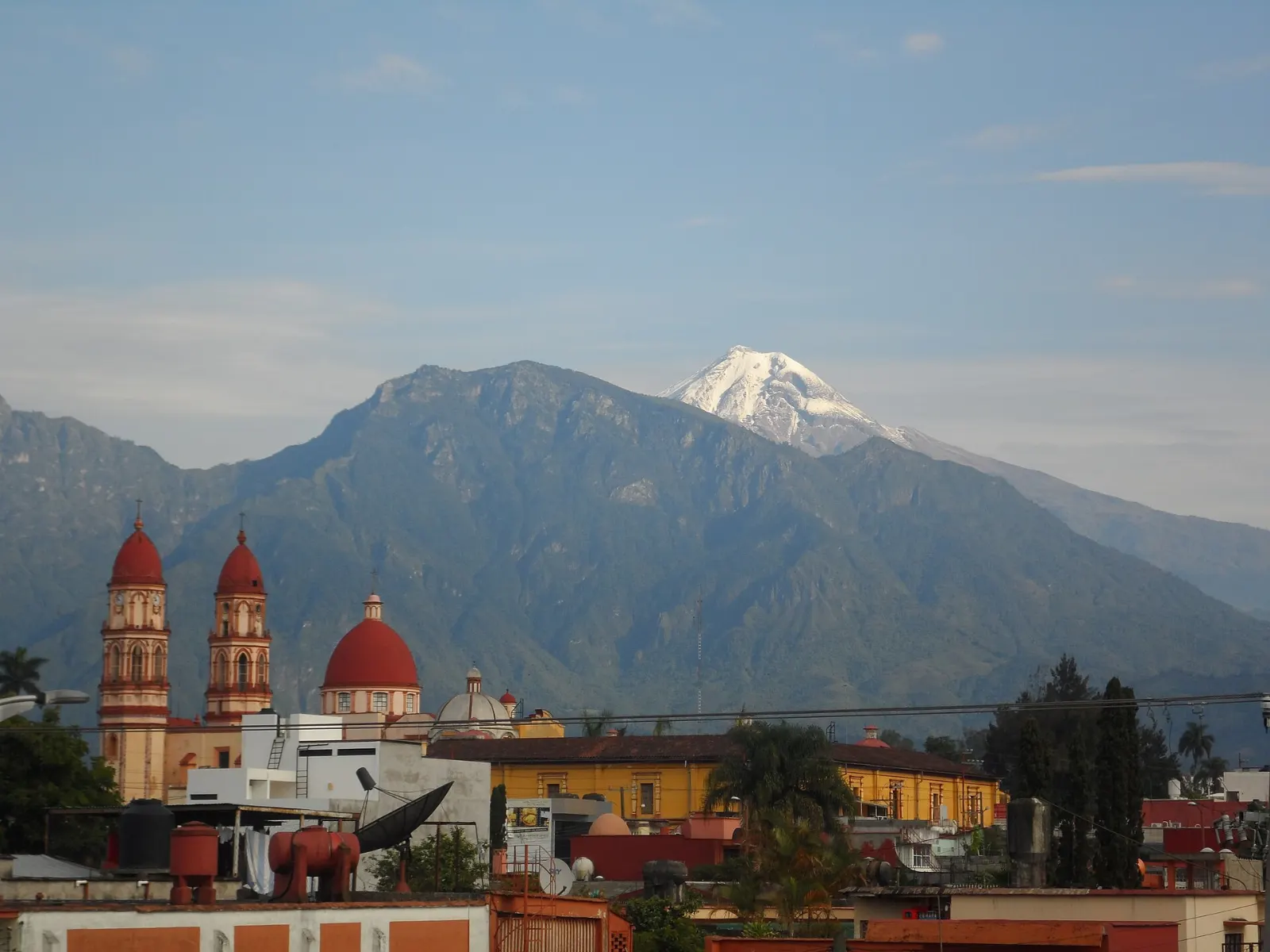
Córdoba sits at about 800 metres in the heart of Veracruz, in a warm, green valley between the Gulf coast and the volcano of Pico de Orizaba. It was founded in 1618 and in 2023 was named a Pueblo Mágico.

By WiserMap TravelUpdated October 2026 7 places10 min read
FacebookXLinkedIn
At a glance Córdoba
  1. Best timeLate autumn to early spring is drier and comfortable, while summer and early autumn bring heavy rain.
  2. How longPlan three days for Córdoba and nearby towns, or add one or two more for the coffee country.
  3. Getting thereFly to Veracruz or Mexico City, then take a bus or drive; Córdoba lies along the main route between them.

Why visit Córdoba

Córdoba is known as the city of the thirty knights, because it was founded by thirty Spanish noblemen. It was created to protect royal interests from Gaspar Yanga's maroon community, and in 1821 it hosted the signing of the Treaty of Córdoba, which confirmed Mexican independence.

That layered past is easy to explore on foot. The warm, humid climate makes the evenings relaxed, and the city is a cheerful base for Veracruz coffee, regional dishes and day trips to mountains, canyons and colonial towns.

In and around Córdoba

Parque 21 de Mayo

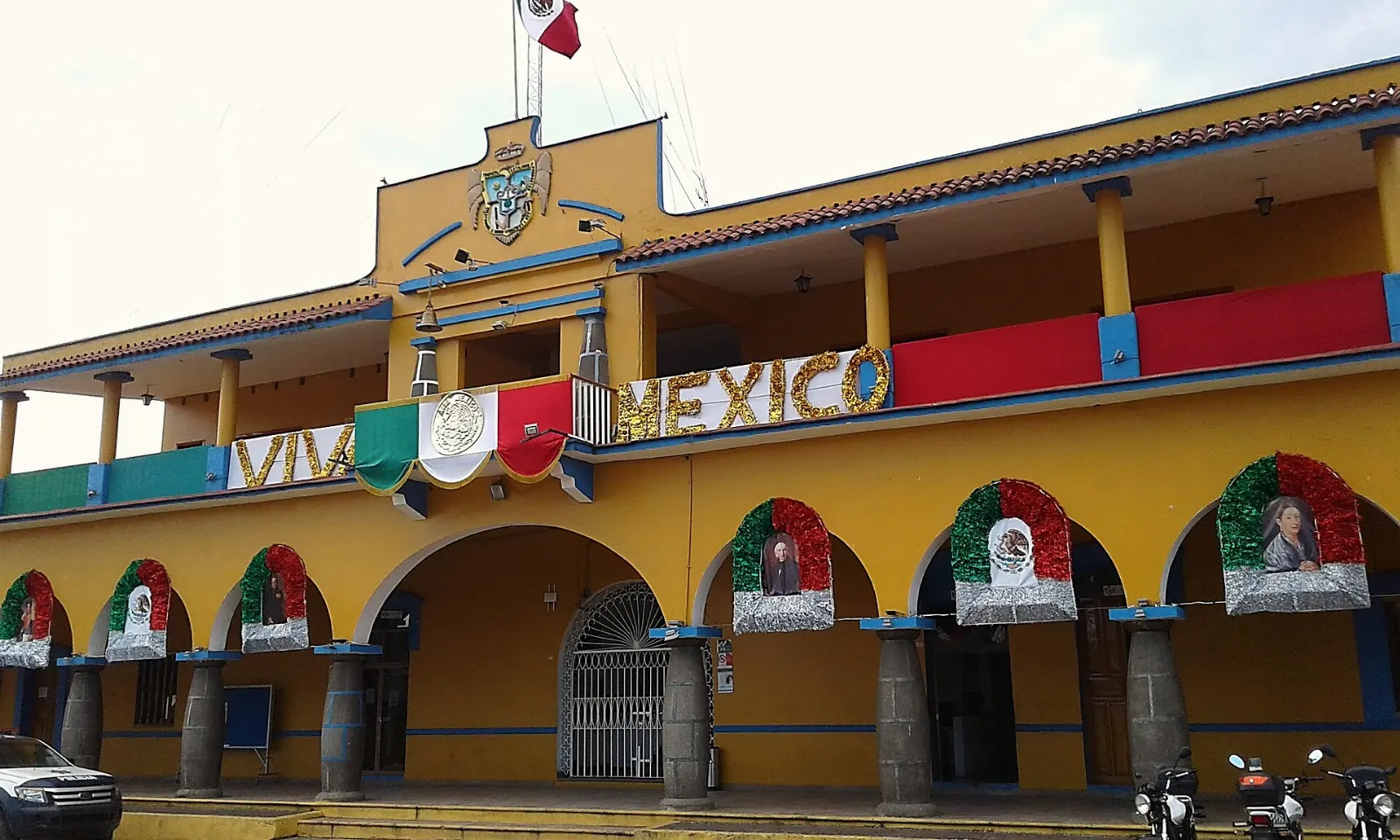
The zócalo follows the traditional Spanish layout, with a church on the east side, the Palacio Municipal on the west, and shops and cafés on the north and south sides.

Parque Ecológico Paso Coyol

This four-hectare green space was once an abandoned lot and is now a small eco-park. It is a good place for a short walk when you want shade and quiet.

Yanga

A short ride from Córdoba, this town was founded as San Lorenzo de los Negros and renamed in 1932 for Gaspar Yanga, who led a maroon community and negotiated freedom in the early seventeenth century. It is regarded as the first free town in the Americas.

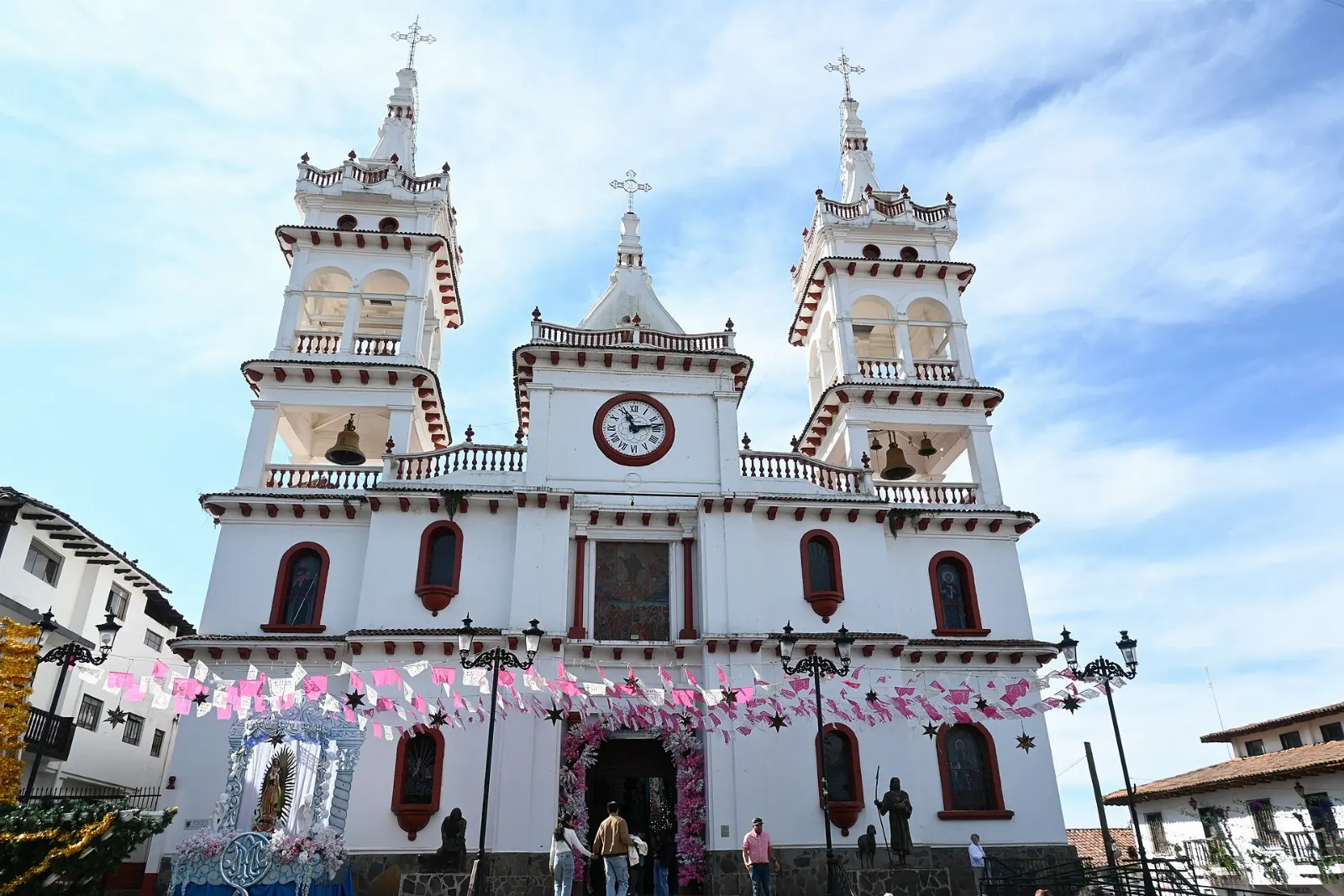
Church in Amatlán de los Reyes near Córdoba, Veracruz

Amatlán de los Reyes

This mountain town lies close to Córdoba and is worth a stop for its eighteenth-century temple of the Señor del Santuario, with decorative pilasters and floral carvings on its facade.

Amatlán de los Reyes lies in the mountains near Córdoba and has an eighteenth-century temple. Photo: Rodolfo corona ramírez, Wikimedia Commons, CC BY-SA 4.0
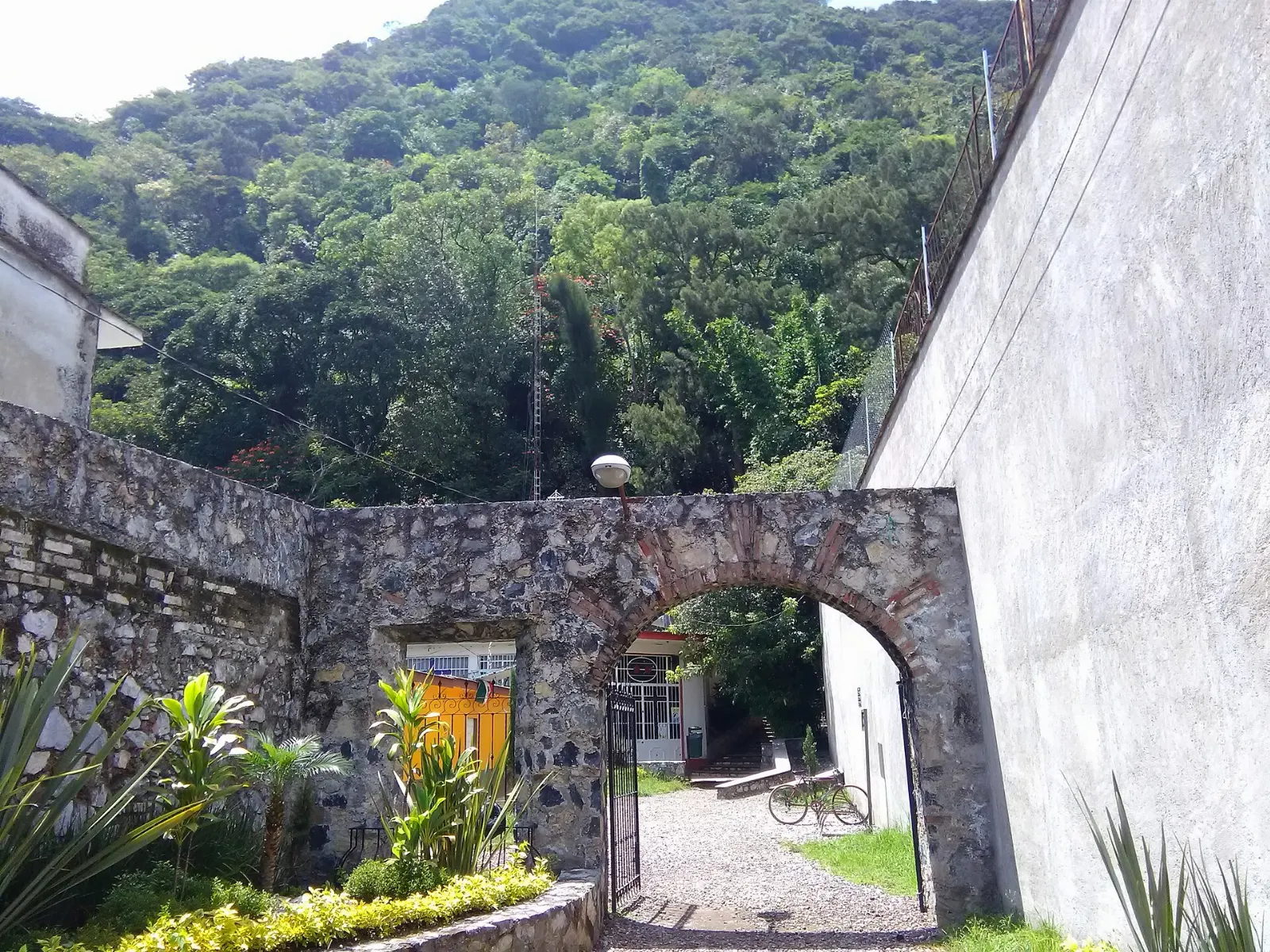
Fortín de las Flores and Orizaba

Garden and street scene in Fortín de las Flores, Córdoba, Veracruz

Fortín de las Flores

Just west of Córdoba, Fortín de las Flores enjoys a mild climate with daily temperatures that rarely change much through the year.

Fortín de las Flores is known for its mild climate and its flowers. Photo: Marco Cano Exp, Wikimedia Commons, CC BY-SA 4.0

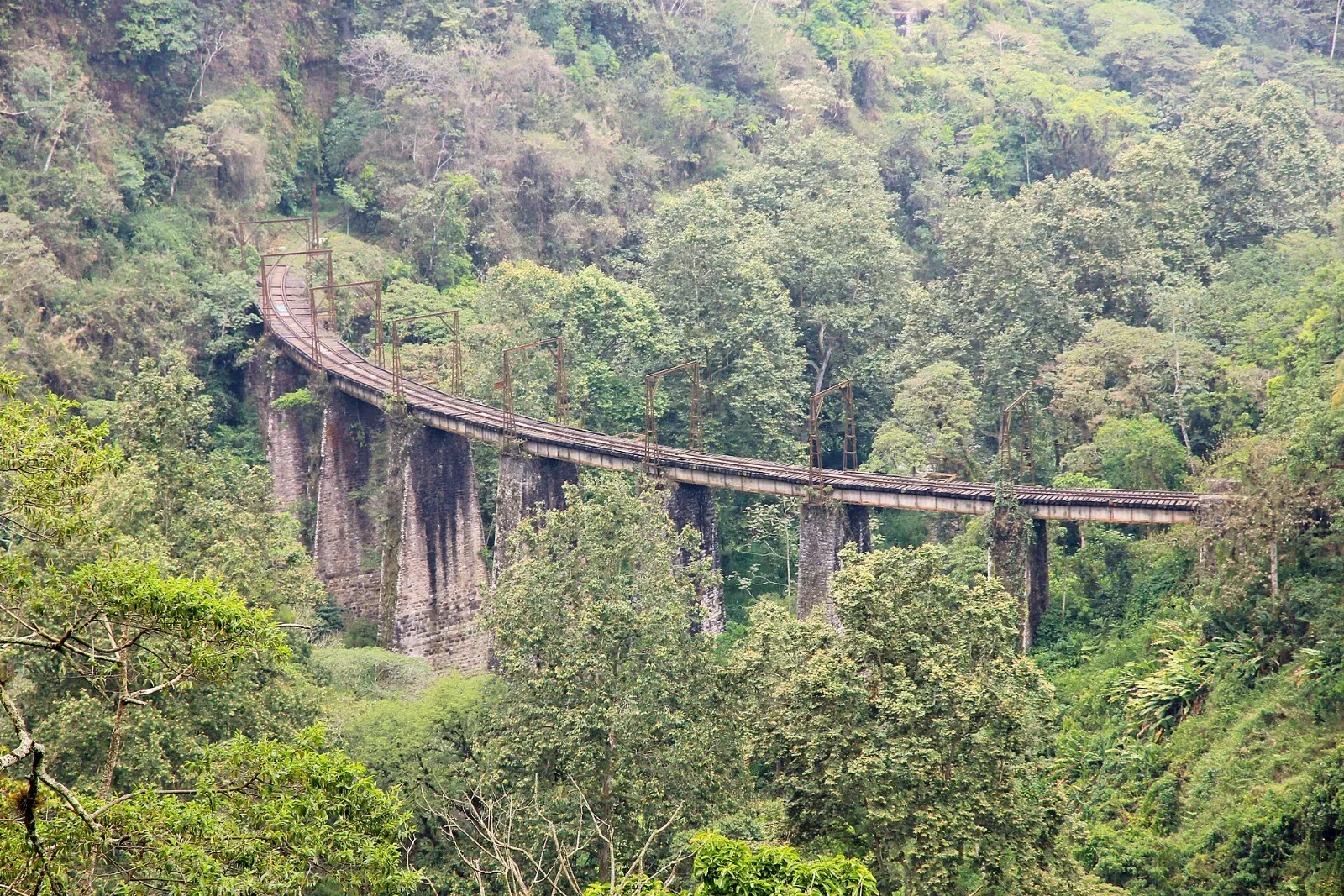
Highway bridge crossing the Metlac ravine in Veracruz, Córdoba, Veracruz

Puente de Metlac

The highway between Córdoba and Orizaba crosses the Metlac canyon on a high bridge, and the views down the gorge are impressive. Pull over only at safe viewpoints, and consider seeing it from the town side instead of the road.

The Metlac bridge carries the highway across the Metlac canyon between Orizaba and Córdoba. Photo: Enrique Carpio Fotógrafo, Wikimedia Commons, CC BY-SA 3.0

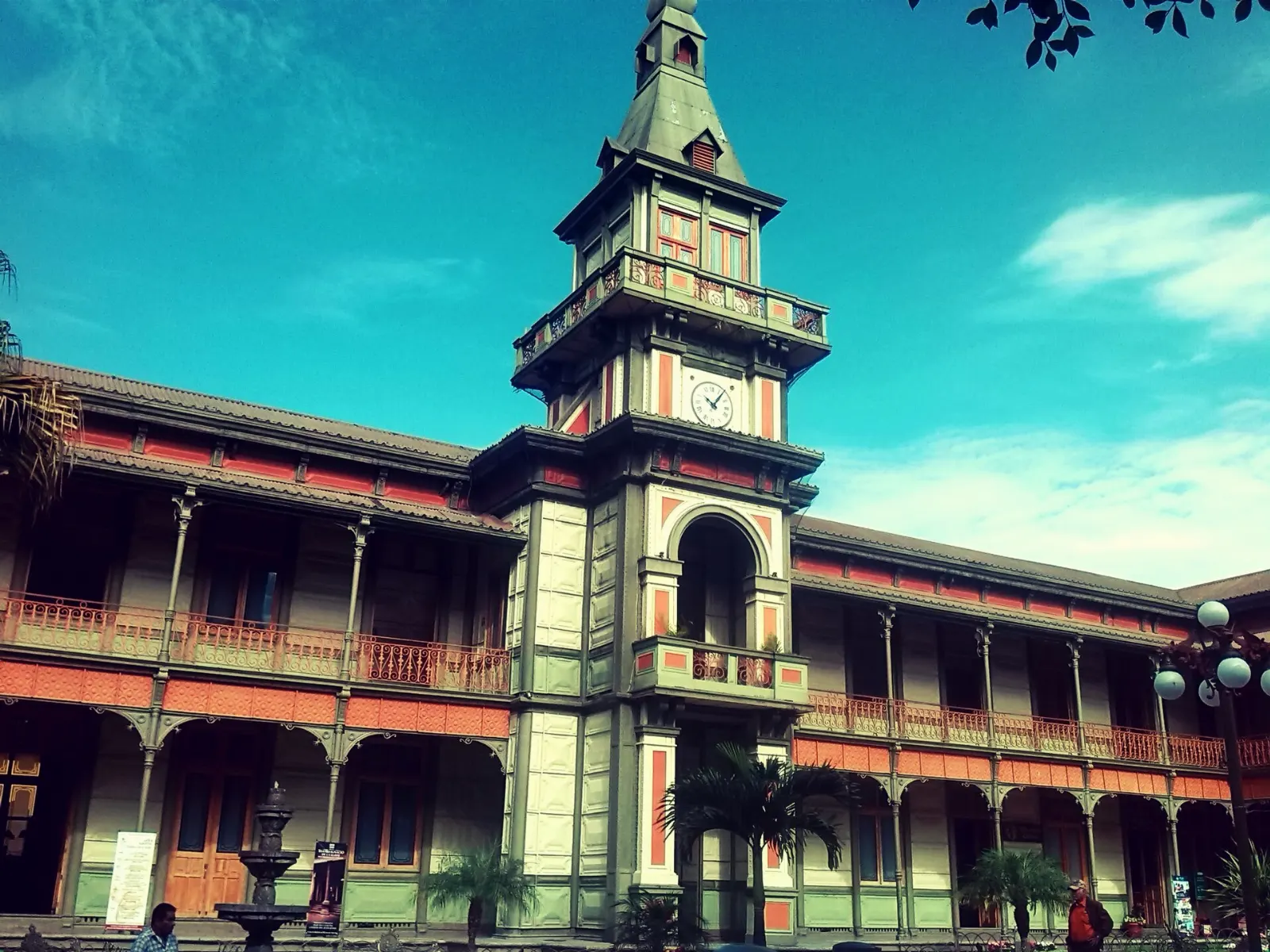
The Iron Palace in the centre of Orizaba, Córdoba, Veracruz

Palacio de Hierro, Orizaba

About 20 km west of Córdoba, Orizaba has an Iron Palace designed by Gustave Eiffel that holds the tourism office and several free exhibitions. It is a good first stop to pick up a map.

The Iron Palace in Orizaba was designed by Gustave Eiffel and built from 1891 to 1894. Photo: Isaacvp, Wikimedia Commons, CC BY-SA 4.0

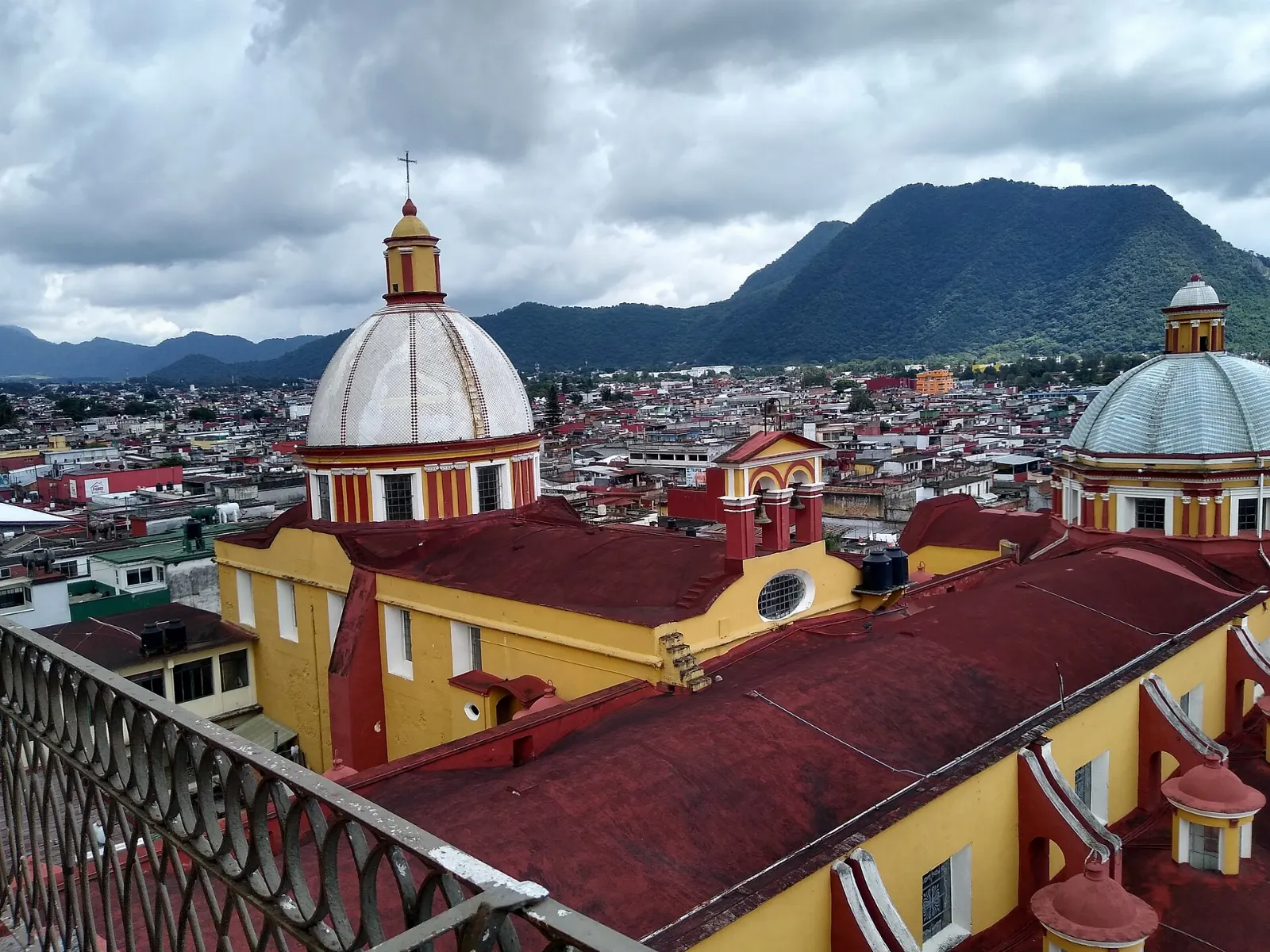
Cathedral of San Miguel Arcángel in Orizaba with its clock tower, Córdoba, Veracruz

Catedral de San Miguel Arcángel

Next to Parque Castillo, this neoclassical cathedral dates from the seventeenth century, with chapels and tower added over time and a Swiss clock on the tower.

The cathedral of Orizaba is a neoclassical monument with a tower clock from Switzerland. Photo: Isaacvp, Wikimedia Commons, CC BY-SA 4.0

View from Cerro del Borrego above Orizaba, Córdoba, Veracruz

Cerro del Borrego

A cable car climbs this hill, or you can hike the trail in about an hour. Go in the morning, when the volcano is clearest, and stay at the top for photos before walking down or riding back.

Cerro del Borrego can be reached by cable car or by a trail from the city. Photo: Isaacvp, Wikimedia Commons, CC BY-SA 4.0

Waterfalls and coffee country

Cascada del Elefante

Near Orizaba, a long staircase of almost 500 steps leads toward this waterfall, a favorite local outing. Wear sturdy shoes, bring water and expect to climb back up.

Colourful street in the coffee town of Coatepec, Córdoba, Veracruz

Coatepec

Often called the coffee capital of Mexico, Coatepec became a Pueblo Mágico in 2006. It lies farther north toward Xalapa, so make it a full-day trip.

Coatepec is often called the coffee capital of Mexico and became a Pueblo Mágico in 2006. Photo: Pequeño mar, Wikimedia Commons, CC BY-SA 4.0

Food and local flavors

Córdoba lies in the middle of Veracruz, so both coastal and mountain cooking appear on its tables. Look for huachinango a la veracruzana, red snapper baked in a tomato sauce with olives and capers, and arroz a la tumbada, a soupy rice with seafood cooked in a clay pot.

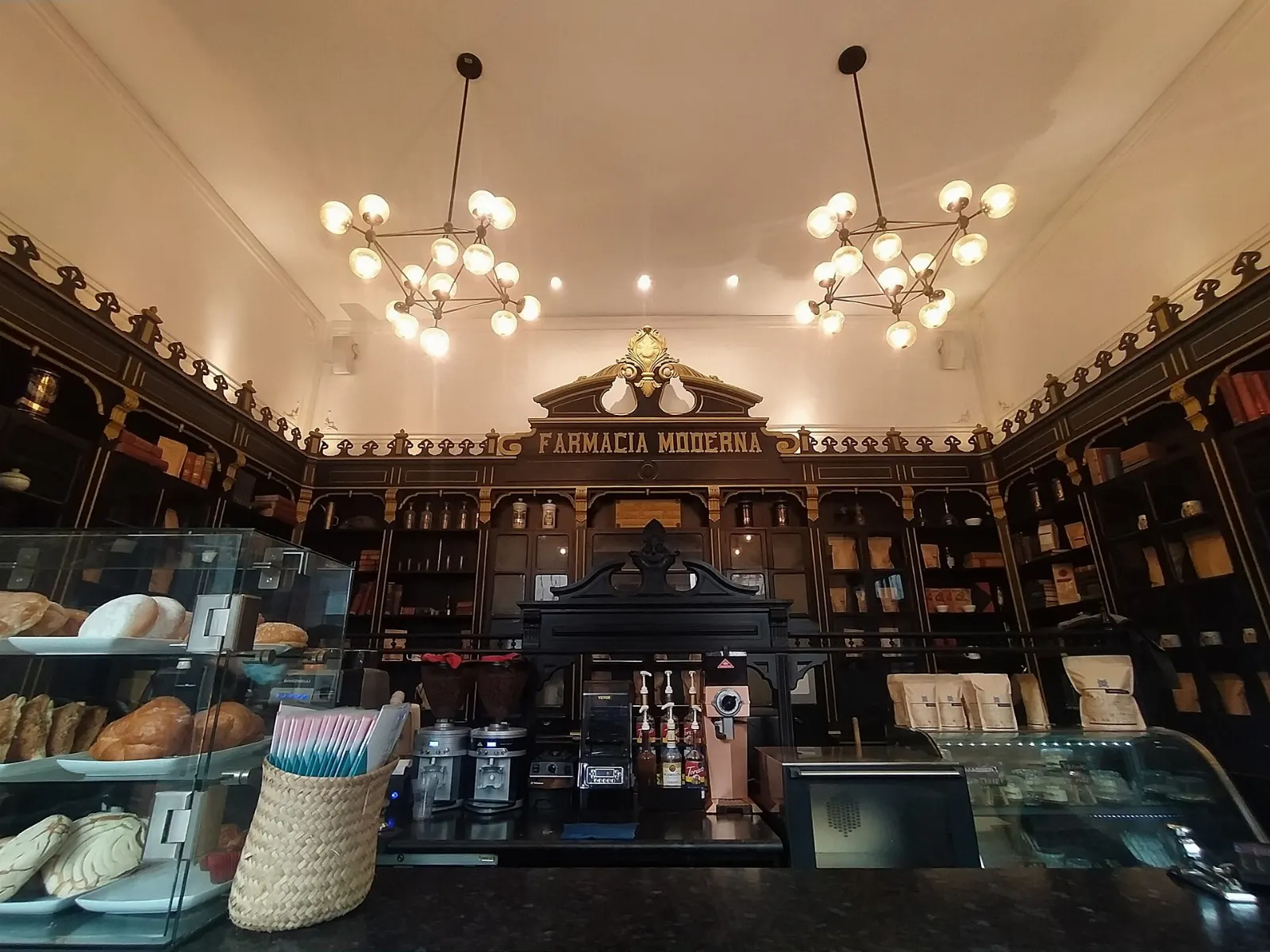
Coffee is the local drink, and a cup of Veracruz coffee is a ritual in the plazas of Córdoba. Add a plate of mole xiqueño, a mulato and ancho chili sauce from the town of Xico, for something richer.

Popular dishes to try in Córdoba

Huachinango a la veracruzana in Córdoba
Huachinango a la veracruzana Look for huachinango a la veracruzana, red snapper baked in a tomato sauce with olives and capers, and arroz a la tumbada, a soupy rice with seafood cooked in a clay pot.Photo: Thelmadatter, Wikimedia Commons, CC BY-SA 3.0
Arroz a la tumbada in Córdoba, Veracruz
Arroz a la tumbada Look for huachinango a la veracruzana, red snapper baked in a tomato sauce with olives and capers, and arroz a la tumbada, a soupy rice with seafood cooked in a clay pot.Photo: Isaacvp, Wikimedia Commons, CC BY-SA 4.0
Veracruz coffee in Córdoba
Veracruz coffee Coffee is the local drink, and a cup of Veracruz coffee is a ritual in the plazas of Córdoba.Photo: Rodolfo corona ramírez, Wikimedia Commons, CC BY-SA 4.0
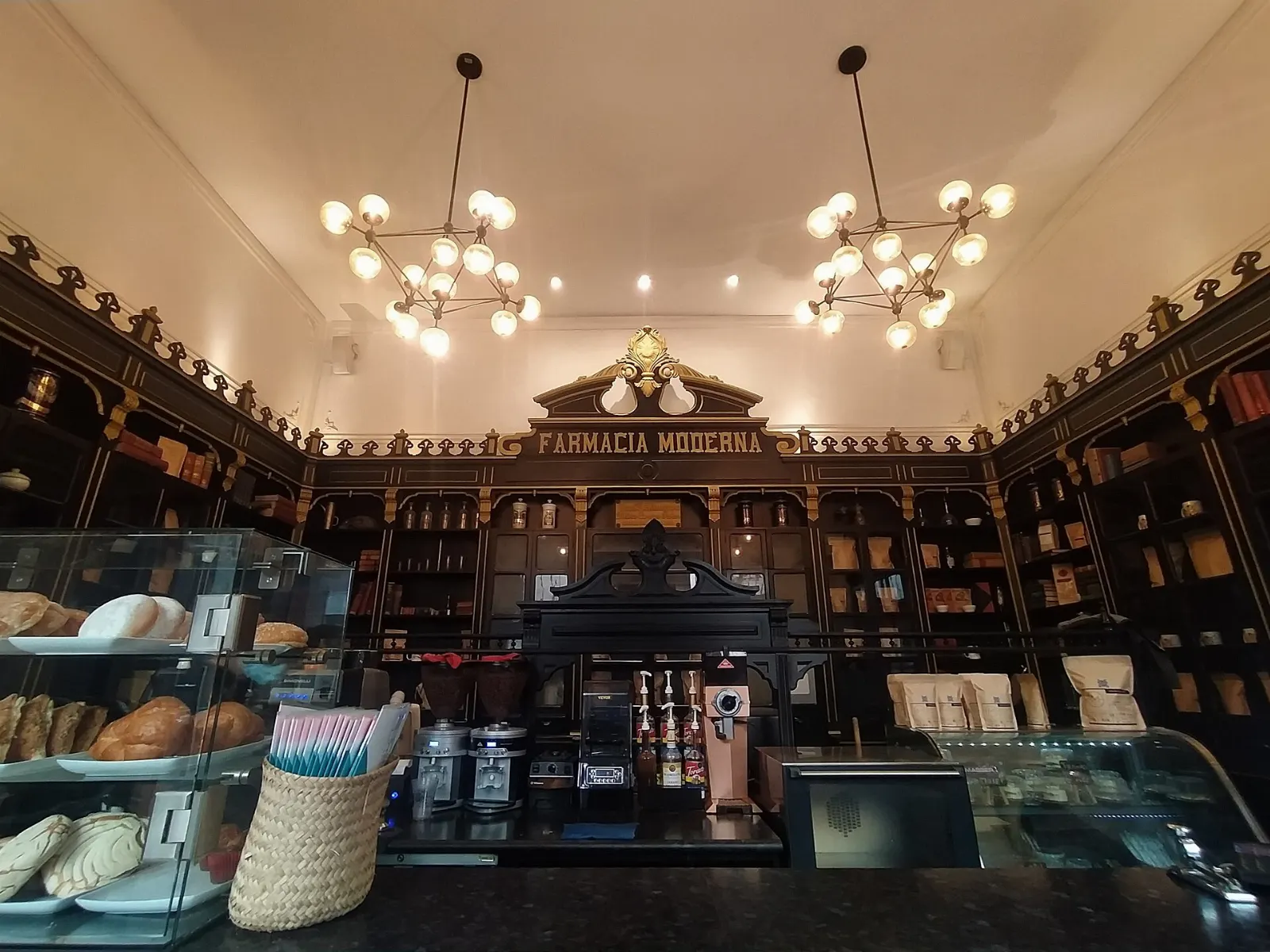
Where to stay

Downtown Córdoba is the best choice for most visitors, with restaurants and the main square close at hand and easy bus links to the surrounding towns.

Fortín de las Flores is smaller, greener and calmer, and suits couples or anyone who prefers gardens and a slower pace to city life.

Orizaba, about 20 km west, works well if your priority is the volcano views, the Iron Palace and the cable car, and you want a city with a historic center and many parks.

Where to stay in Córdoba

Downtown Córdoba, Córdoba, Veracruz
Downtown Córdoba Where to stayDowntown Córdoba is the best choice for most visitors, with restaurants and the main square close at hand and easy bus links to the surrounding towns.Photo: Christian Córdova Temuco, Chile, Wikimedia Commons, CC BY 2.0
Fortín de las Flores, Córdoba, Veracruz
Fortín de las Flores Fortín de las Flores is smaller, greener and calmer, and suits couples or anyone who prefers gardens and a slower pace to city life.Photo: Catedrales e Iglesias/Cathedrals and Churches, Wikimedia Commons, CC BY 2.0
Orizaba, Córdoba, Veracruz
Orizaba Orizaba, about 20 km west, works well if your priority is the volcano views, the Iron Palace and the cable car, and you want a city with a historic center and many parks.Photo: Isaacvp, Wikimedia Commons, CC BY-SA 4.0
Amatlán de los Reyes, Córdoba, Veracruz
Amatlán de los Reyes Amatlán de los Reyes is the quiet mountain option, suitable for travelers with a car who like small-town evenings, early starts and a base that is close to Córdoba without the…Photo: Rodolfo corona ramírez, Wikimedia Commons, CC BY-SA 4.0

Best time to visit

Córdoba has a warm, humid climate with an average annual temperature close to 20 degrees Celsius.

Mornings are usually clearer than afternoons, so schedule viewpoints early. Independence celebrations in September are the best-known civic event, so check the municipal calendar for festival dates before you plan around any of them.

Getting there and getting around

The easiest airports are Veracruz and Mexico City. From Veracruz the drive to the Orizaba area takes roughly three hours on well maintained roads, and from Mexico City it is about four hours.

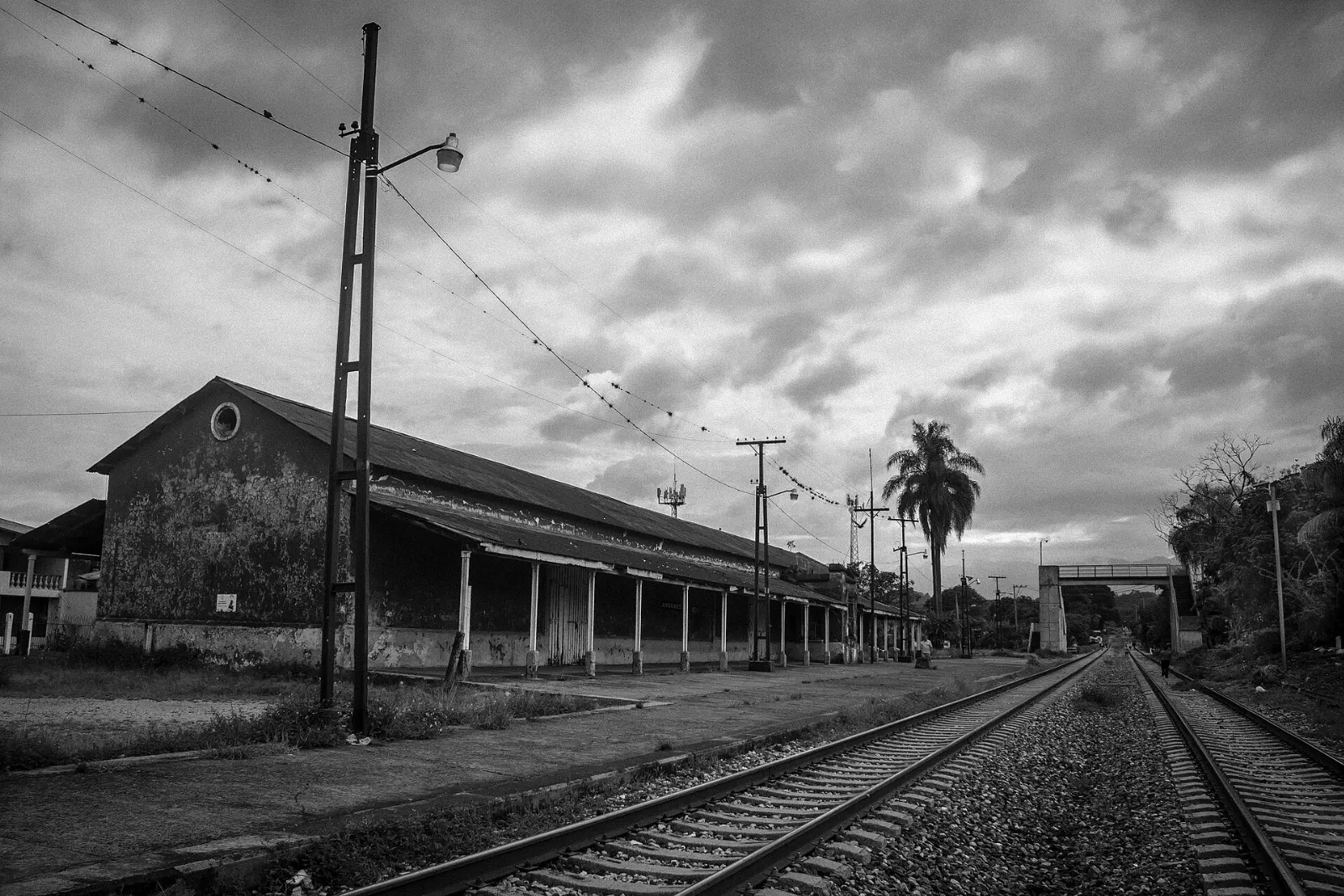
Córdoba sits on the highway between Veracruz and Mexico City, and the old railway line also passes through the area. Local buses and taxis connect Córdoba with Fortín de las Flores and Orizaba, and a rental car is handy for Yanga, Amatlán de los Reyes and Coatepec.

A suggested itinerary

First day

Explore Córdoba on foot, starting at Parque 21 de Mayo and Paso Coyol, then drink coffee in the plaza and have dinner at a regional restaurant.

Second day

Visit Yanga in the morning and Amatlán de los Reyes in the afternoon, returning to Córdoba for the evening.

Third day

Go to Fortín de las Flores for the ravine, continue to Orizaba for the Iron Palace and cathedral, and finish with the cable car up Cerro del Borrego for the evening light on the valley.

Fourth day

Take a longer trip to the Cascada del Elefante or to Coatepec for coffee before heading back to Veracruz or Mexico City.

Practical tips

  • Check your government's current travel advisory before you go.
  • Pack light layers and a rain jacket, because showers are common in summer and autumn.
  • Start sightseeing early, as mornings are cooler and clearer.
  • Carry small cash for markets, buses and small-town cafés.
  • Wear comfortable shoes for stairs, cobblestones and trails.
CórdobaWISERMAP PLACECórdoba: photos, reviews & things to doSee traveler photos and reviews, or share your own →

More places to visit

All travel guides →