Puerto Morelos Mexico Reef Snorkeling and Leaning Lighthouse
Puerto Morelos is a small coastal town on the Caribbean side of Quintana Roo, roughly halfway between Cancún and Playa del Carmen. It is a quieter alternative to the big resort strips, with a leaning lighthouse, a plaza, a protected reef offshore and jungle cenotes inland.
By WiserMap TravelUpdated October 20268 places9 min read
Best timeThe drier months are usually easiest for the sea and the cenotes.
How longTwo to four days suits the reef, the garden and a cenote day.
Getting thereFly into Cancún, then use a shuttle, colectivo or the Tren Maya.
Ad
Why visit Puerto Morelos
Puerto Morelos is a fishing village that grew into a diving and beach destination without losing its small-town feel. Local bylaws limit buildings to three stories, and the town has just two principal streets, so you can walk from one end to the other in about fifteen minutes.
The reef is the biggest draw. In 1998, the reef in front of the town became a protected national marine park, which helps keep it one of the better-preserved parts of the Great Mesoamerican Reef.
The town is also a practical base. It is close to Cancún airport, it has a Tren Maya station nearby, and the Ruta de los Cenotes begins here, which opens up the jungle for day trips.
The town and the waterfront
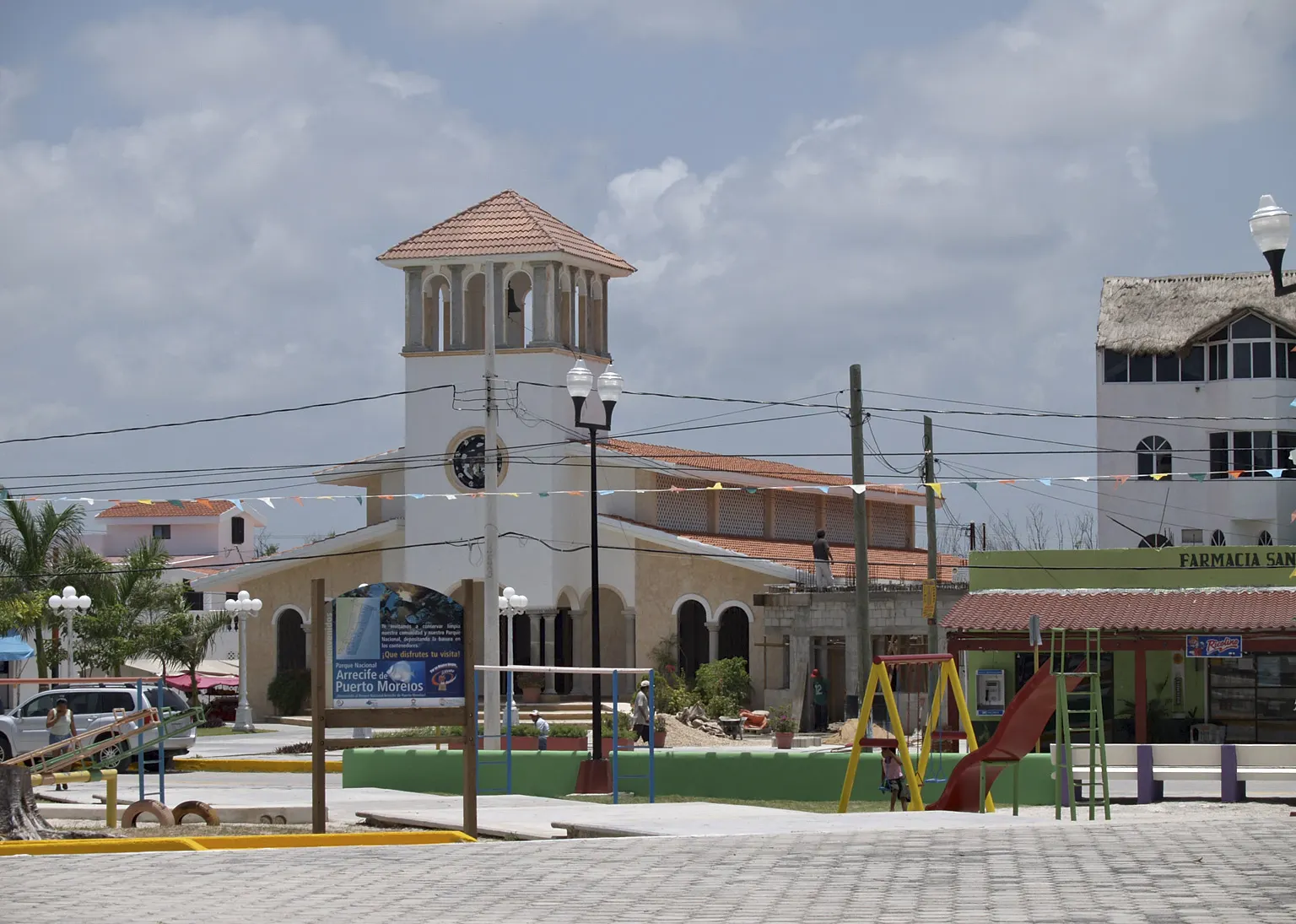
Jardín Principal
The central plaza fills a full block in the middle of town and is a popular gathering place. On Saturdays it becomes an informal market as vendors set up tables.
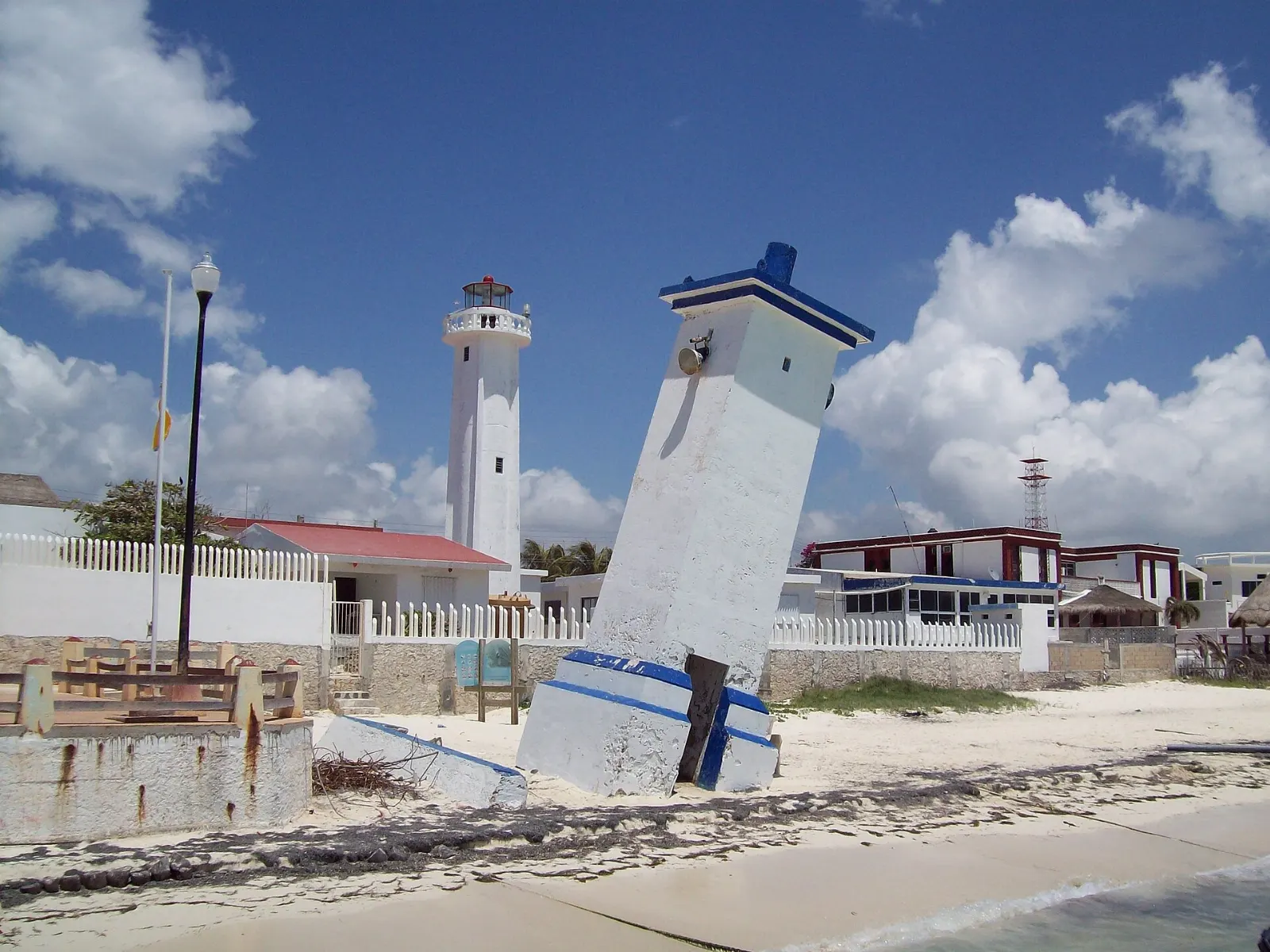
The old lighthouse stands at the end of Calle Morelos by the sea. Hurricane Beulah knocked it askew in 1967, and it has since become the town icon.
The Faro Inclinado leans after Hurricane Beulah struck in 1967 and is now the town icon. Photo: Jaontiveros, Wikimedia Commons, CC BY-SA 3.0
The pier and beach
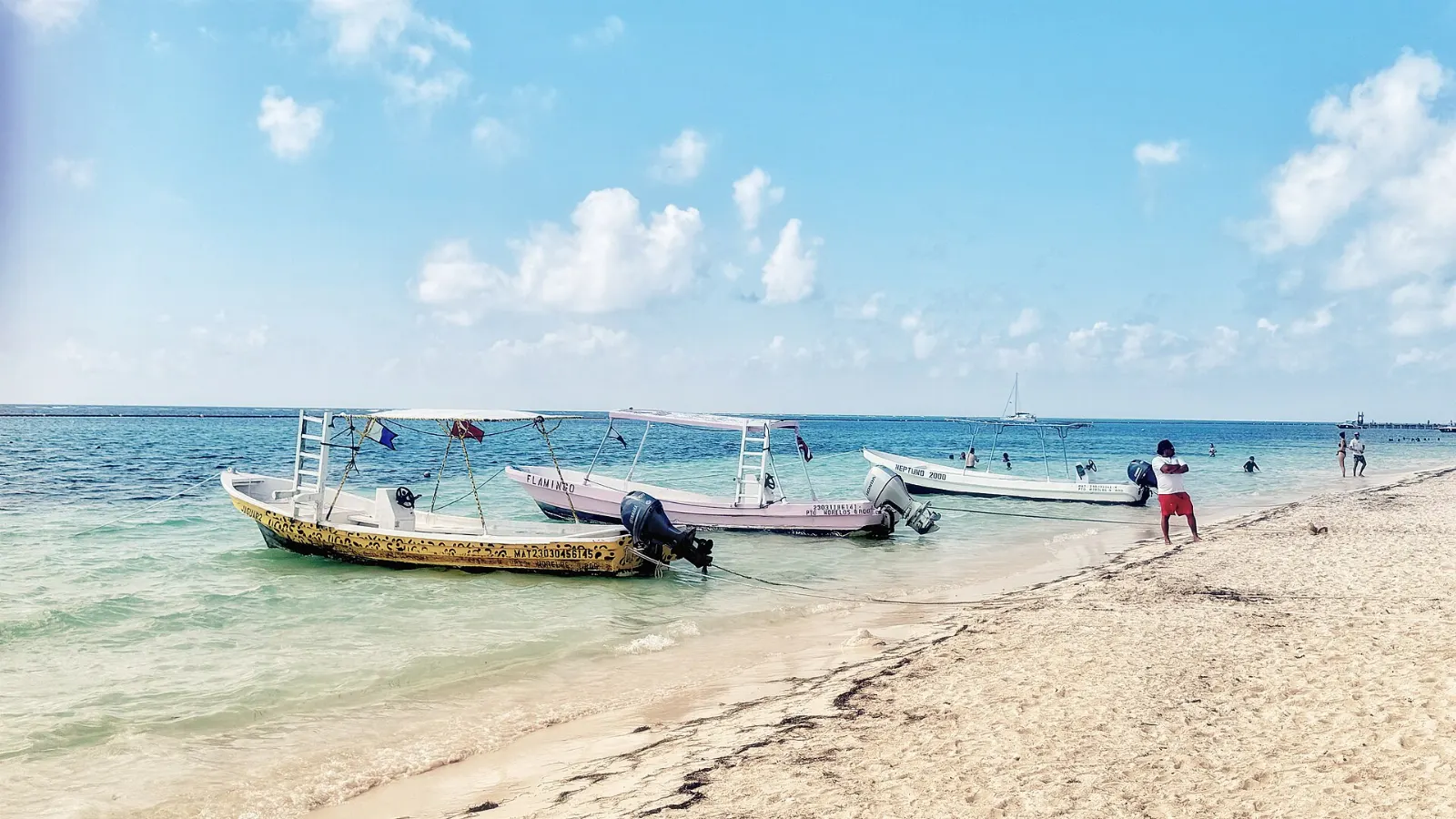
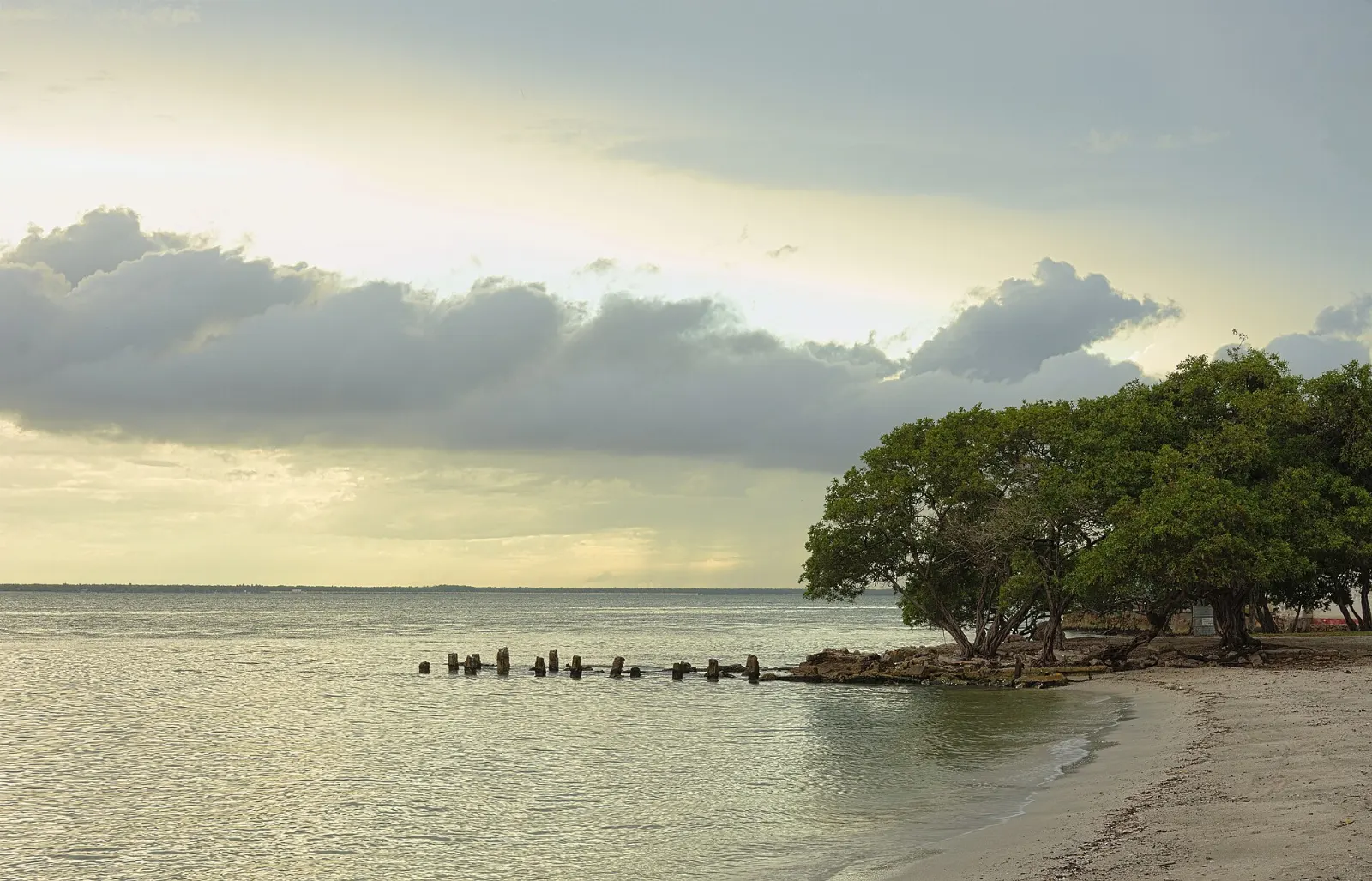
The pier in the centre of town is where snorkel and sport fishing boats come and go. Beaches here are soft and white, with palapas that serve cold drinks and snacks.
Across Highway 307 lies La Colonia, the inland community where many local people live. It has small food stores, pharmacies and casual restaurants that serve simple meals.
Ad
The reef and the sea
Ojo de Agua
Just off the beach lies a small underwater cenote called Ojo de Agua, which is popular with snorkelers and has plenty of fish. It is within the zone marked by yellow floats, so it is easy to visit without a boat.
Guided reef snorkeling
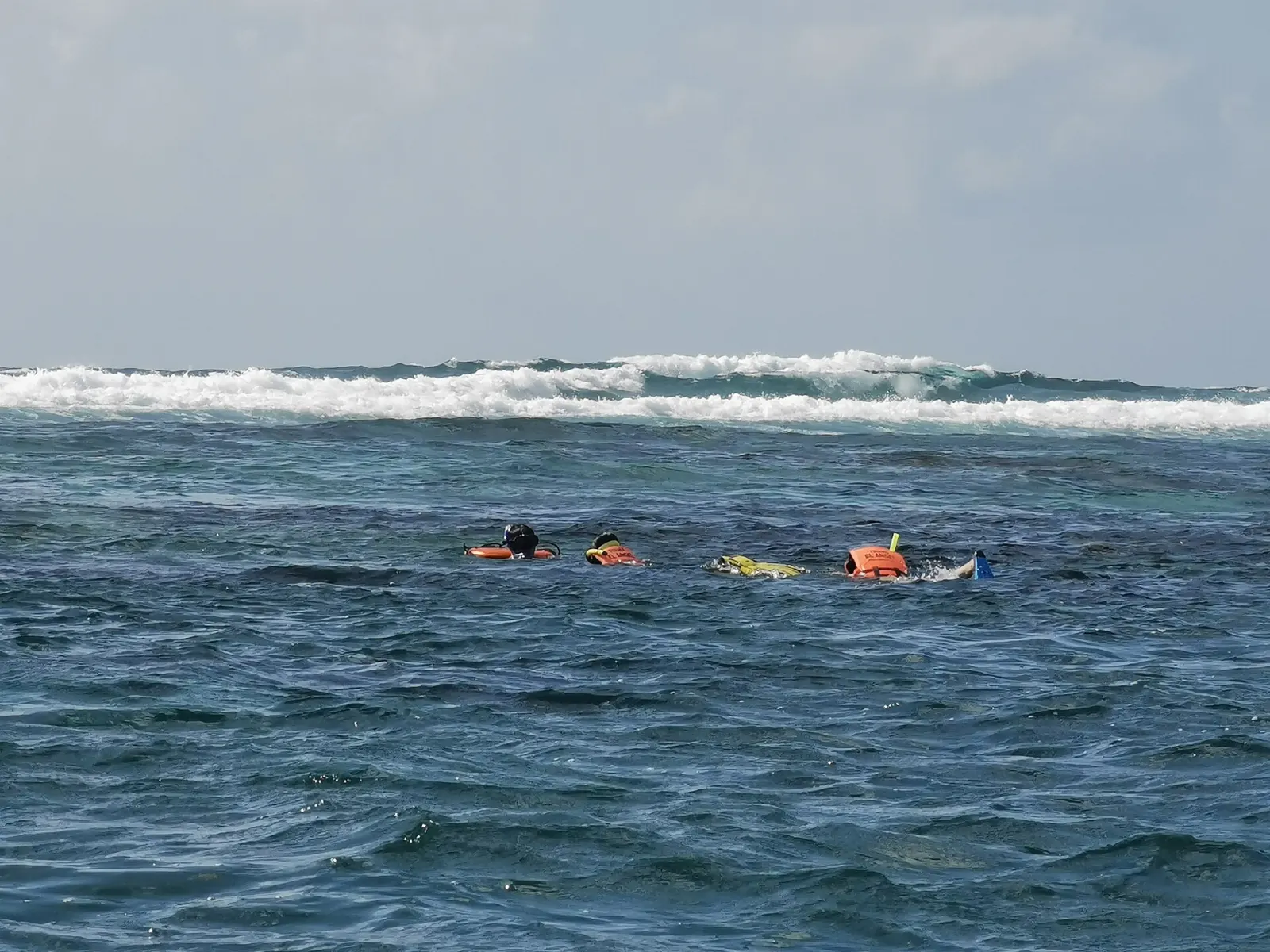
The best snorkeling is at the park reef, reached only by guided boat trips from the public dock. Visitors must go with an accredited guide and wear a life jacket and a park wristband, and swimming out alone from the beach is not allowed.
The reef off Puerto Morelos is part of the Mesoamerican Barrier Reef and a protected marine park. Photo: ProtoplasmaKid, Wikimedia Commons, CC BY-SA 4.0
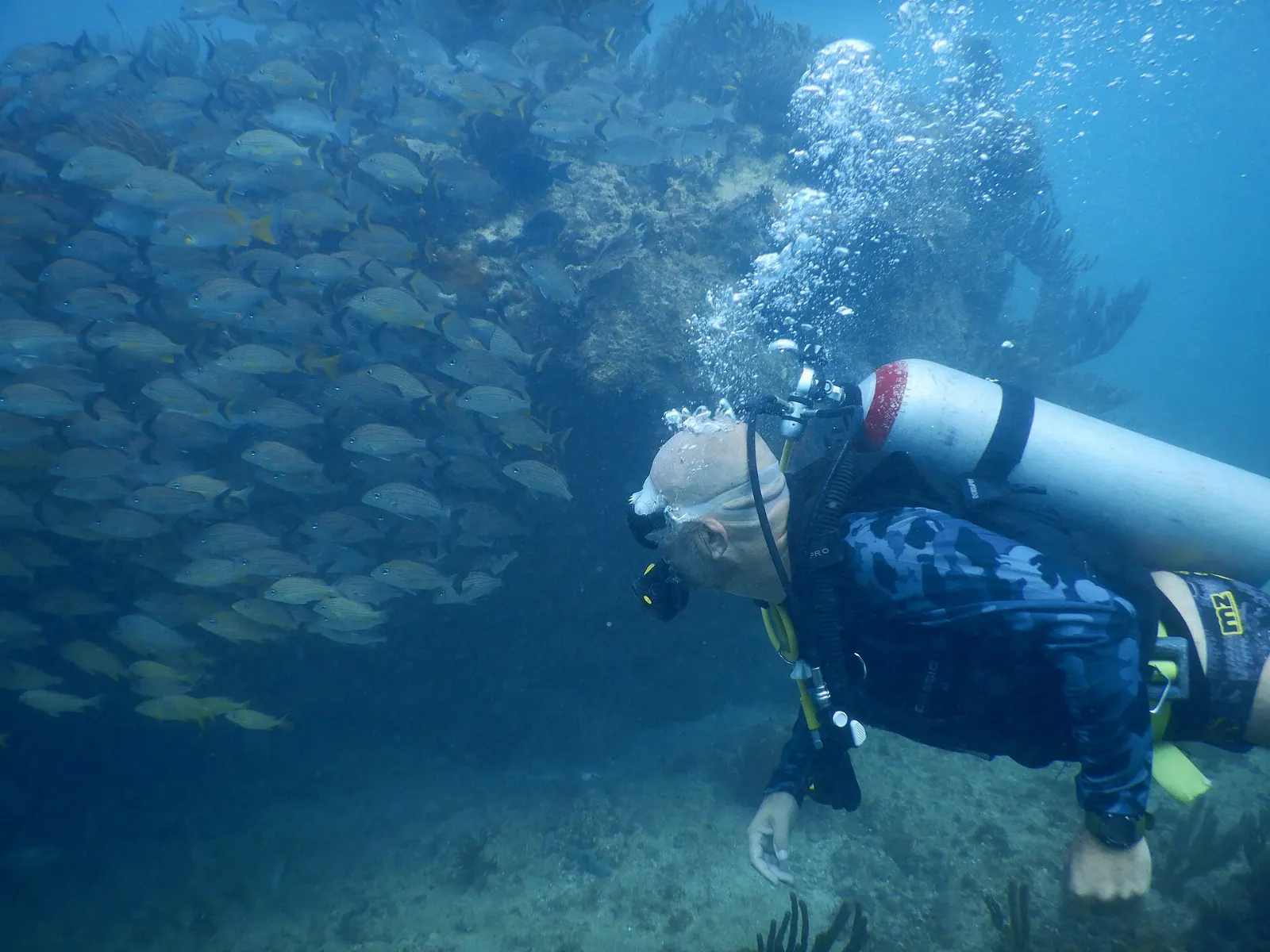
Diving the reef and wrecks
Dive shops in town offer reef dives from shallow to deep, as well as wreck dives for experienced divers, including a former navy boat called the C-56.
Dive shops in town visit reef sites and wrecks off the coast. Photo: PNAPM, Wikimedia Commons, CC BY-SA 4.0
Gardens, mangroves and cenotes
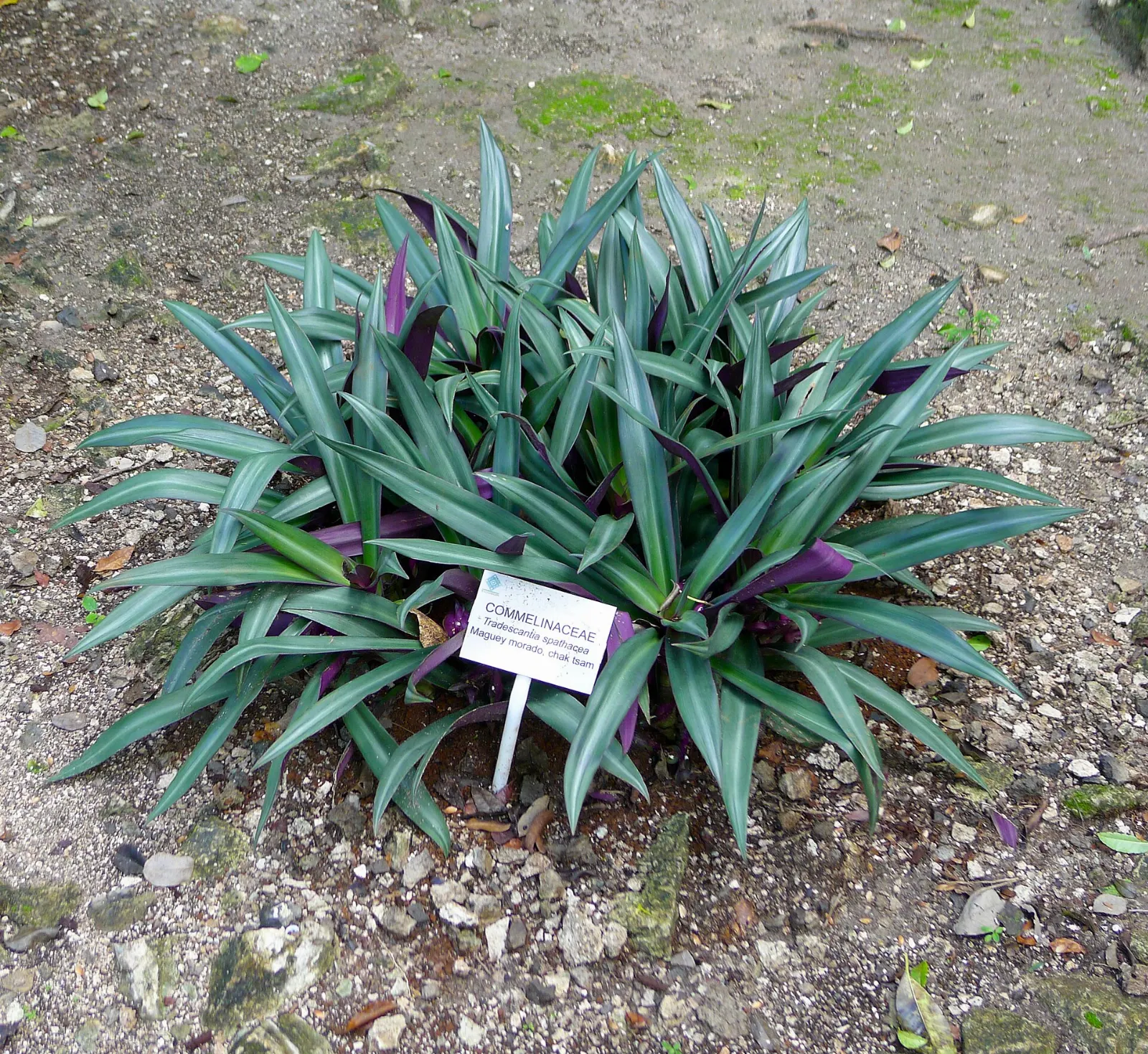
Jardín Botánico Dr. Alfredo Barrera Marín
This botanical garden on the highway south of town shows plants of the Yucatán Peninsula along shaded trails. Monkeys may watch from the trees and iguanas are common.
The botanical garden near Puerto Morelos shows plants of the Yucatán Peninsula. Photo: William Avery Hudson, Wikimedia Commons, CC BY-SA 4.0
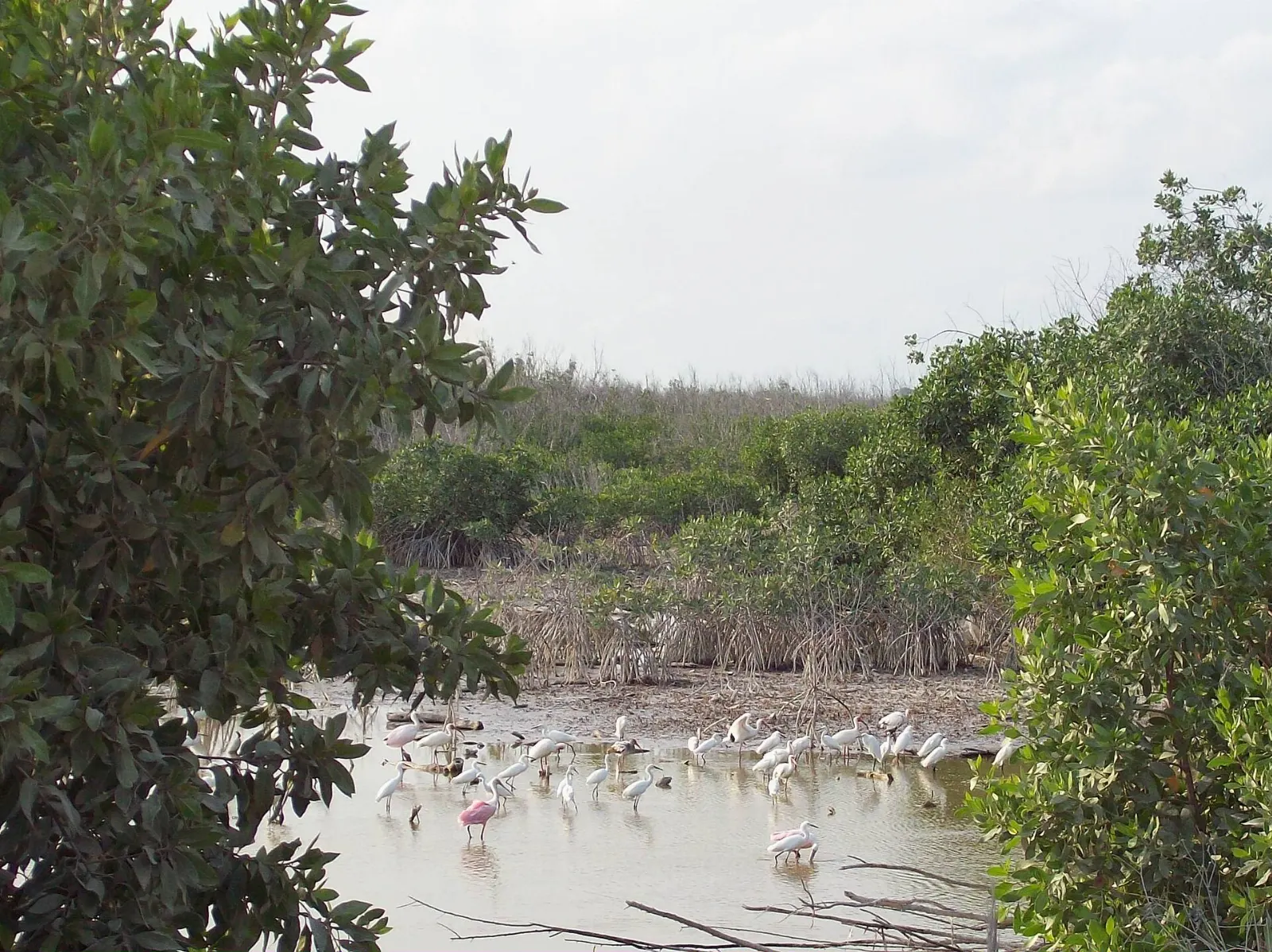
Mangrove boardwalk
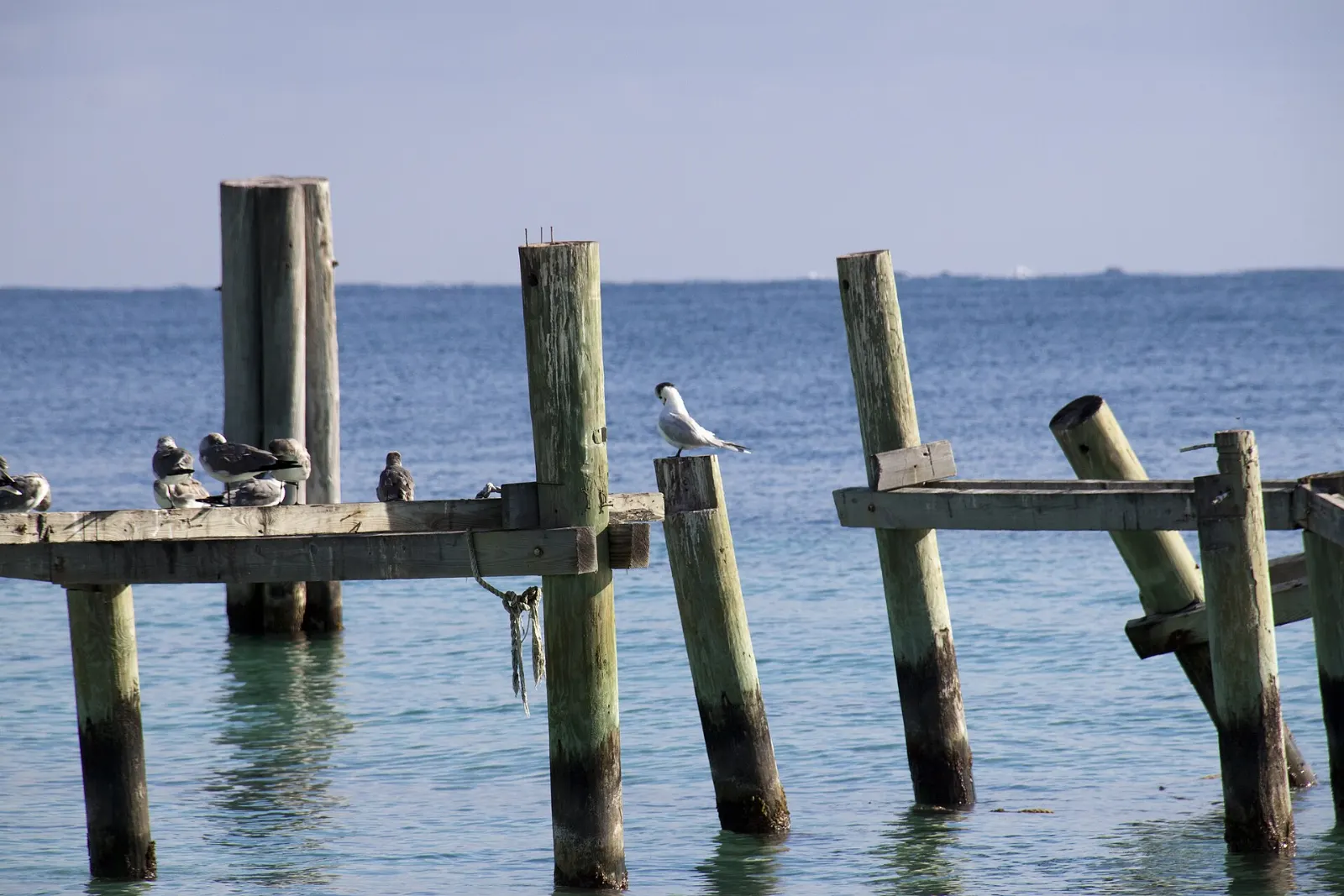
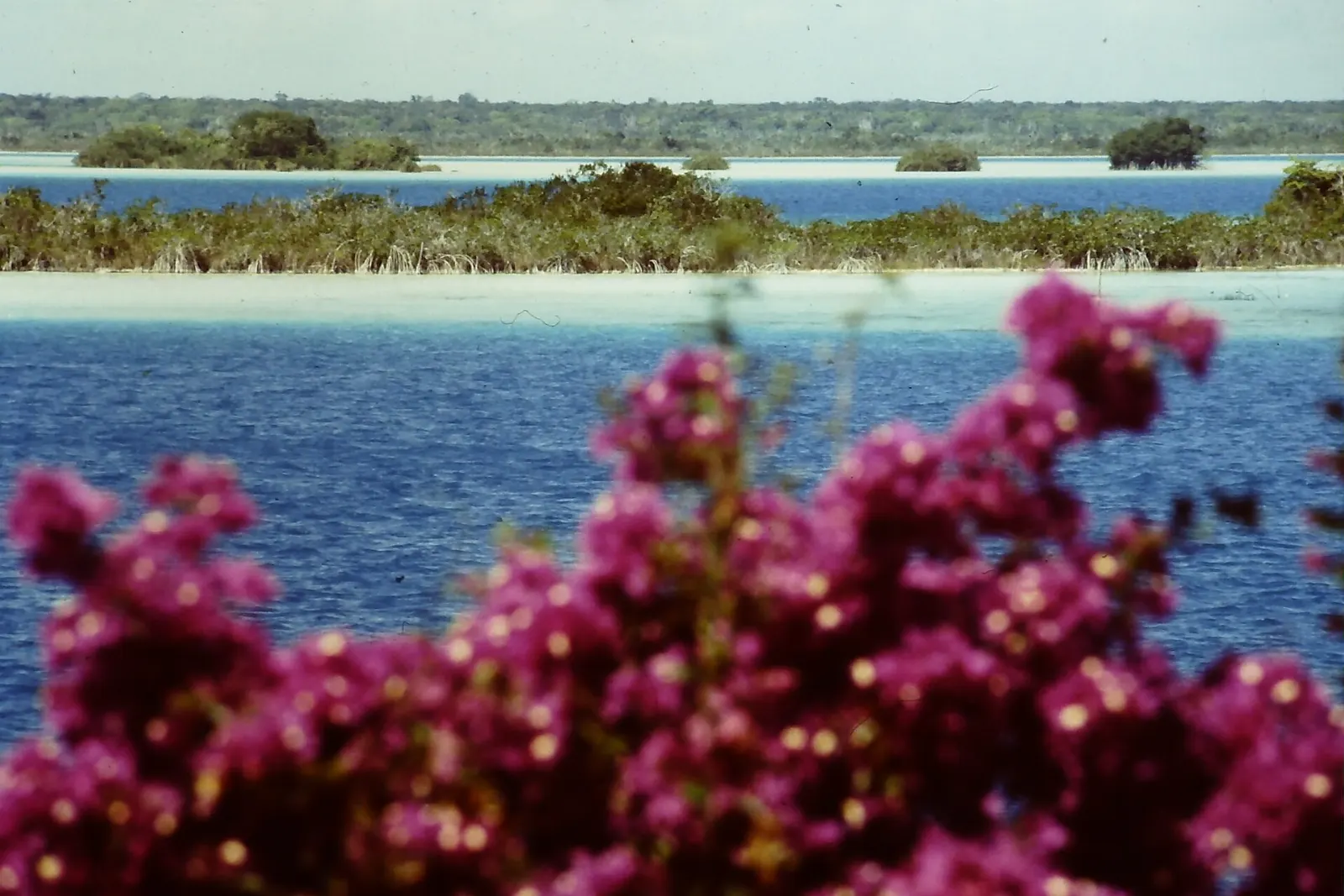
Birdwatchers can walk a boardwalk through the mangroves behind the shoreline. Go early in the morning, when birds are most active, and wear repellent.
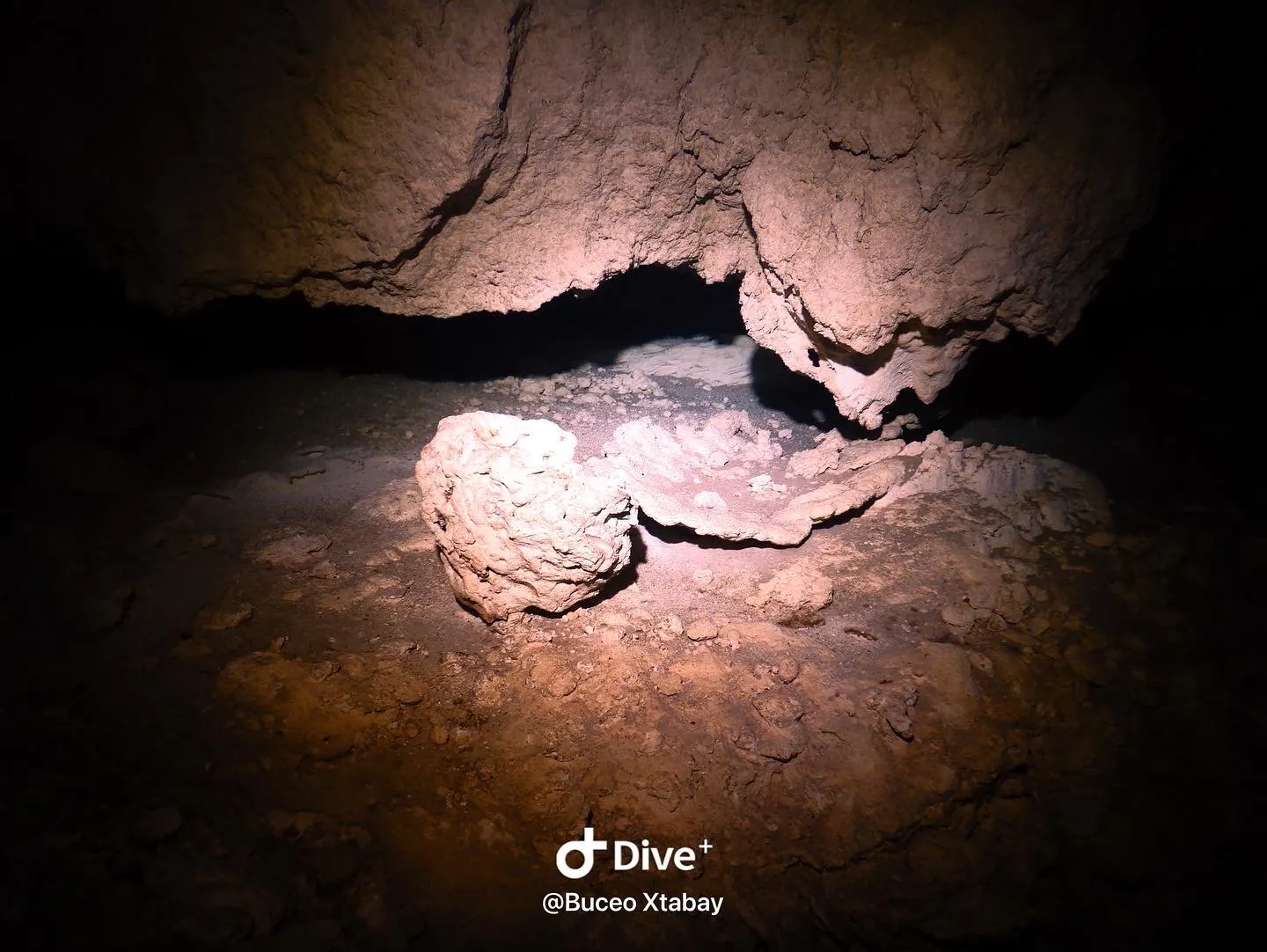
The road from town toward Leona Vicario is the eastern end of the Ruta de los Cenotes, marked by an archway. Many sinkholes along the route have clear water for swimming.
The Ruta de los Cenotes begins at Puerto Morelos and leads to swimming sinkholes inland. Photo: Buceo Xtabay, Wikimedia Commons, CC BY-SA 4.0
Ad
Food and local flavors
Puerto Morelos has a relaxed food scene, with small restaurants around the plaza, the pier and along the beach. Seafood is the obvious choice, so try ceviche, which is raw fish or shellfish marinated in citrus with onion, chili and cilantro, and tacos de pescado, soft tortillas filled with grilled or fried fish.
For Yucatecan flavors, look for cochinita pibil, slow-roasted pork marinated in citrus and annatto, usually served with pickled red onions and tortillas. Casual taquerias in La Colonia are good for simple meals, and the plaza has food stalls on market days.
Popular dishes to try in Puerto Morelos
Ceviche Seafood is the obvious choice, so try ceviche, which is raw fish or shellfish marinated in citrus with onion, chili and cilantro, and tacos de pescado, soft tortillas filled…Photo: Wotancito, Wikimedia Commons, CC BY-SA 4.0Cochinita pibil For Yucatecan flavors, look for cochinita pibil, slow-roasted pork marinated in citrus and annatto, usually served with pickled red onions and tortillas.Photo: El Nuevo Doge, Wikimedia Commons, CC0Tacos de pescado Seafood is the obvious choice, so try ceviche, which is raw fish or shellfish marinated in citrus with onion, chili and cilantro, and tacos de pescado, soft tortillas filled…Photo: Wotancito, Wikimedia Commons, CC BY-SA 4.0
Where to stay
The town is small, and each area has a different feel.
The Puerto is the original coastal village, with boutique hotels, apartments and walkable restaurants. It suits couples and divers who want the sea at their doorstep.
Colonia Pescadores lies east of the highway and offers a more residential setting with good value, which suits longer stays and families. La Colonia, on the western side of the highway, is where locals live, with simple and affordable lodging that fits budget travelers who do not mind a short taxi or bus ride to the beach.
Where to stay in Puerto Morelos
The Puerto The Puerto is the original coastal village, with boutique hotels, apartments and walkable restaurants.Photo: Luis Fernández García, Wikimedia Commons, CC BY-SA 2.5 esThe waterfront near the pier The waterfront near the pier is the most convenient base for boat trips, the plaza and the lighthouse.Photo: Julia, Wikimedia Commons, CC BY-SA 3.0Colonia Pescadores Colonia Pescadores lies east of the highway and offers a more residential setting with good value, which suits longer stays and families.Photo: Andrevruas, Wikimedia Commons, CC BY-SA 4.0La Colonia La Colonia, on the western side of the highway, is where locals live, with simple and affordable lodging that fits budget travelers who do not mind a short taxi or bus ride to…Photo: Gordon Leggett, Wikimedia Commons, CC BY 4.0
Ad
Best time to visit
Puerto Morelos has a tropical climate with a drier season and a wetter season. The drier months are usually the most comfortable for snorkeling, diving and cenote visits, while the wetter months bring heat, humidity and afternoon storms.
Hurricane season affects the whole Caribbean coast, so check forecasts if you travel in late summer or autumn. Saturdays bring a small market to the plaza, and weekday mornings are quiet at the pier.
Getting there and getting around
Cancún International Airport is the nearest major airport. Many travelers take a private transfer or a colectivo to town, and the colectivo vans labelled Cancún and Playa stop on Highway 307 about two kilometres from the center.
The Tren Maya has a station just outside town, and Puerto Morelos is the first stop after Cancún.
By car, the waterfront lies about two kilometres east of the highway along Calle José María Morelos. Taxis gather by the plaza, and bicycles are an excellent way to get around town.
Ad
A suggested itinerary
First day
Stroll the plaza and the pier, photograph the Faro Inclinado, then snorkel at Ojo de Agua.
Second day
Join a guided reef snorkeling trip in the morning.
Third day
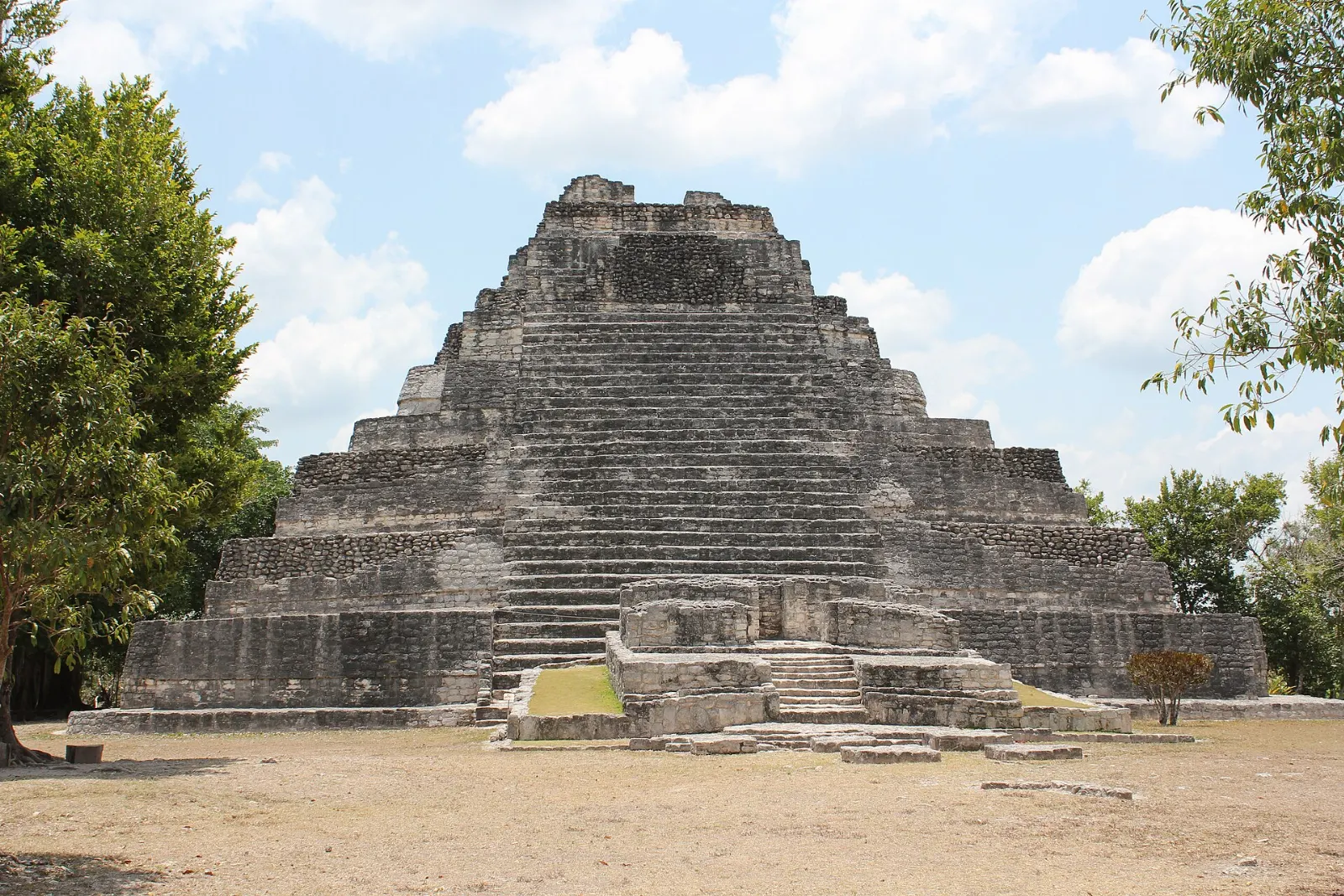
Drive the Ruta de los Cenotes and swim in a sinkhole, then stop at Boca del Puma for a forest walk.
Fourth day
Try a dive or a Saturday market morning, then take the train or a bus onward.
Practical tips
Check your government's current travel advisory before you go.
Only snorkel the reef with an accredited guide, as swimming out alone is not permitted.
Use reef-safe sunscreen and a non-inflatable life jacket when required.
Carry cash, because small places may not accept cards.
Bring insect repellent for the garden, the mangroves and the cenotes.