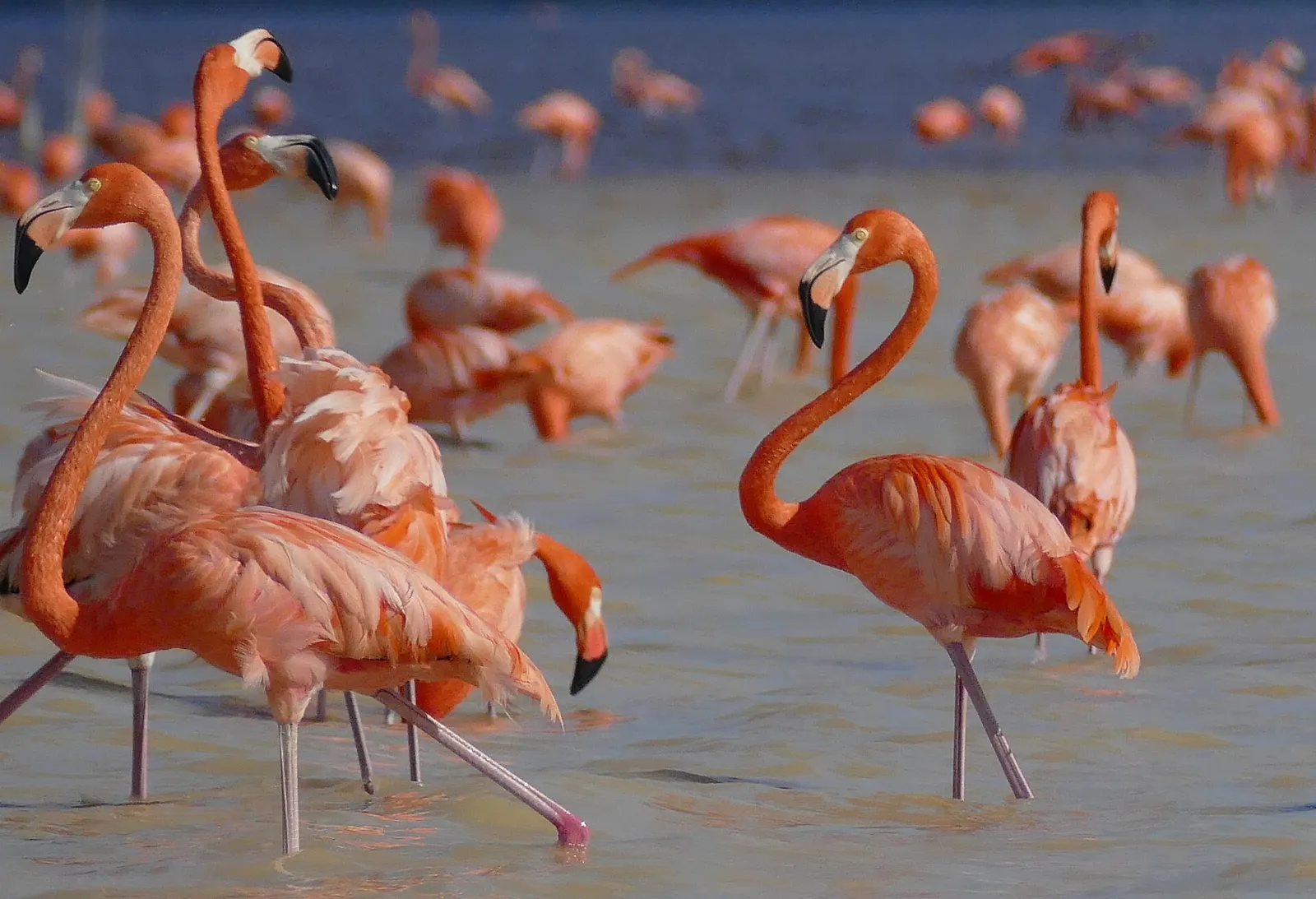
Río Lagartos is a small fishing town on the northern coast of Yucatán, set beside a lagoon that is home to tens of thousands of pink flamingos.
AT A GLANCE
Best time
Go early in the day for cooler boat trips, and ask your operator about the flamingos.
How long
One full day covers the lagoon and Las Coloradas, and two days leave time for San Felipe.
Getting there
Drive about 90 minutes north from Valladolid on MEX 295 or fly into Cancún or Mérida.
Why visit Río Lagartos
The town sits inside the Ría Lagartos Biosphere Reserve, a UNESCO site of mangroves, lagoons, marshes and beaches that supports more than 300 bird species.
The name goes back to 1517, when the explorer Francisco Hernández entered the lagoon and saw crocodiles everywhere, calling the place Lagartos. Today the town exists mainly to welcome visitors, so it is easy to arrange a boat and spend a slow day outdoors.
The best places to visit in the reserve
Ría Lagartos Biosphere Reserve
The reserve covers a vast area of wetland along the Gulf of Mexico, from mangrove swamps and small estuaries to coastal lagoons, marshes and savanna.
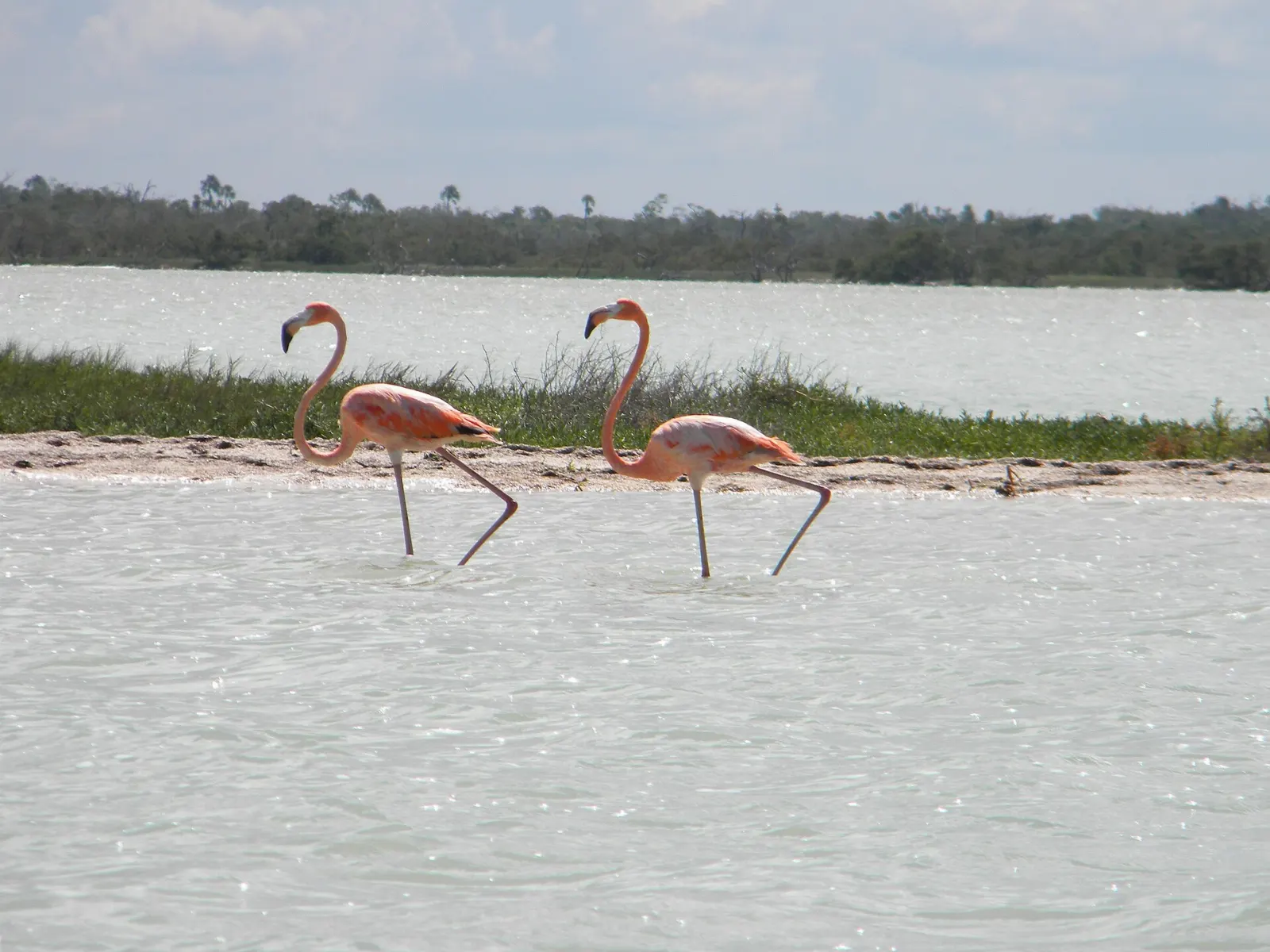
The flamingo feeding grounds
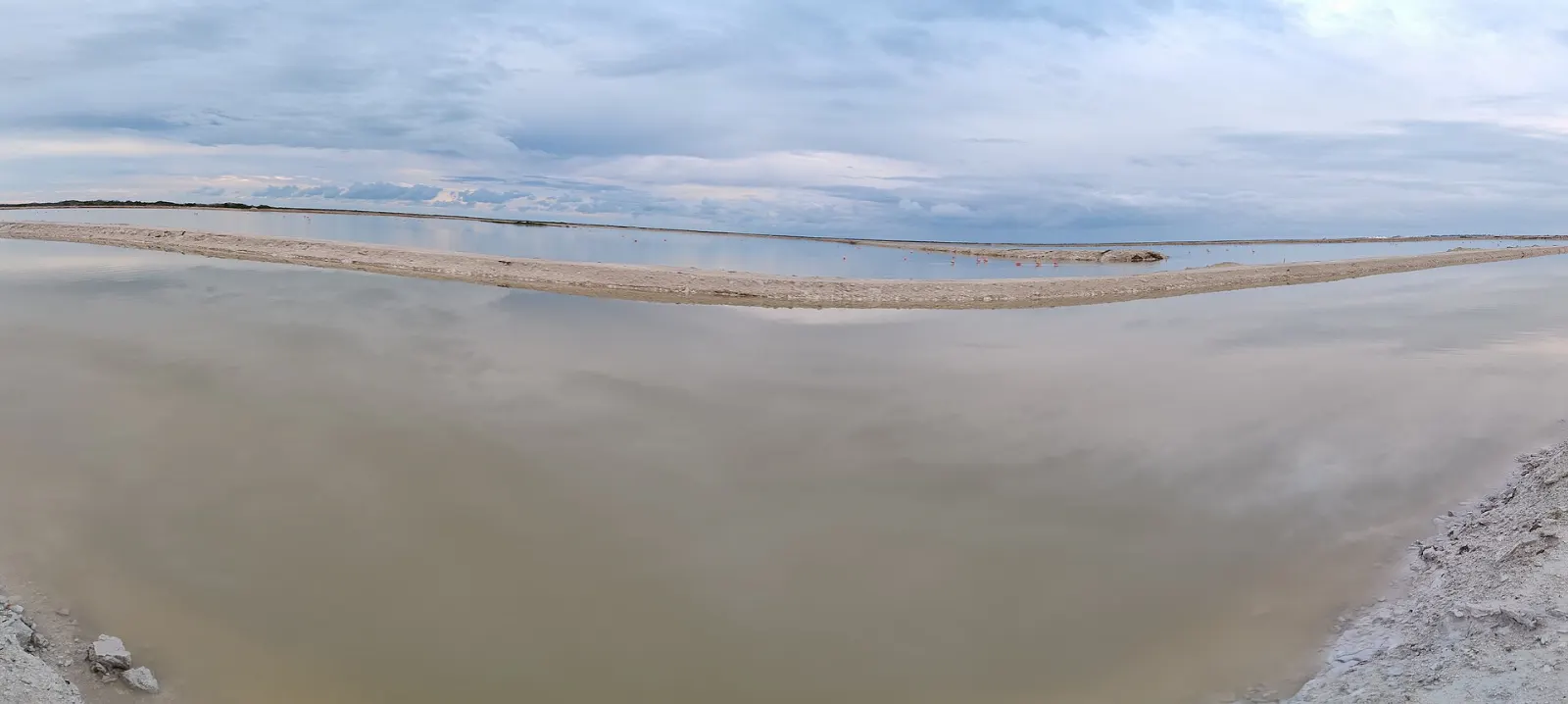
Flamingos feed on brine shrimp in the shallow salt marshes, and a boat trip is the main way to see them up close.

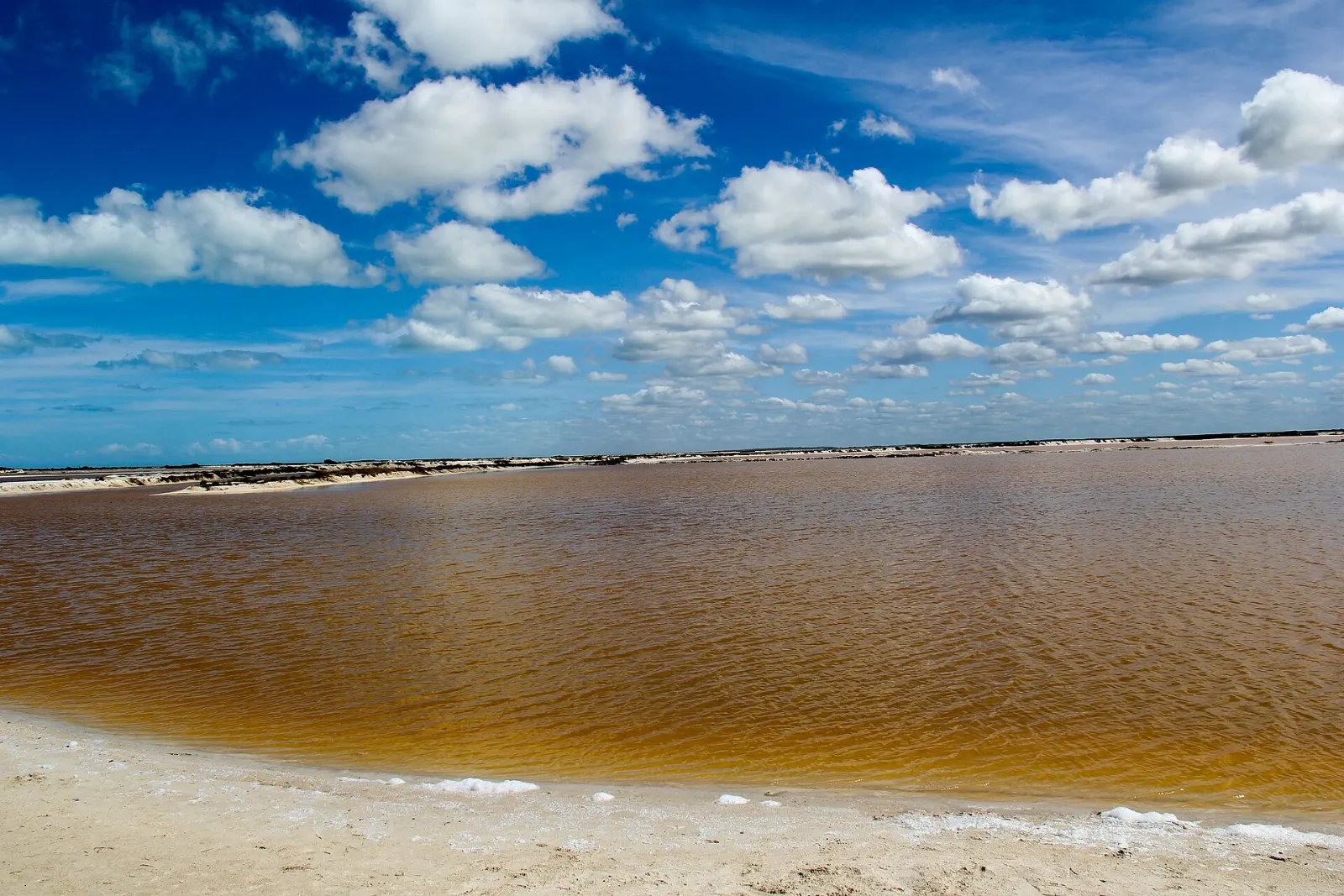
Las Coloradas
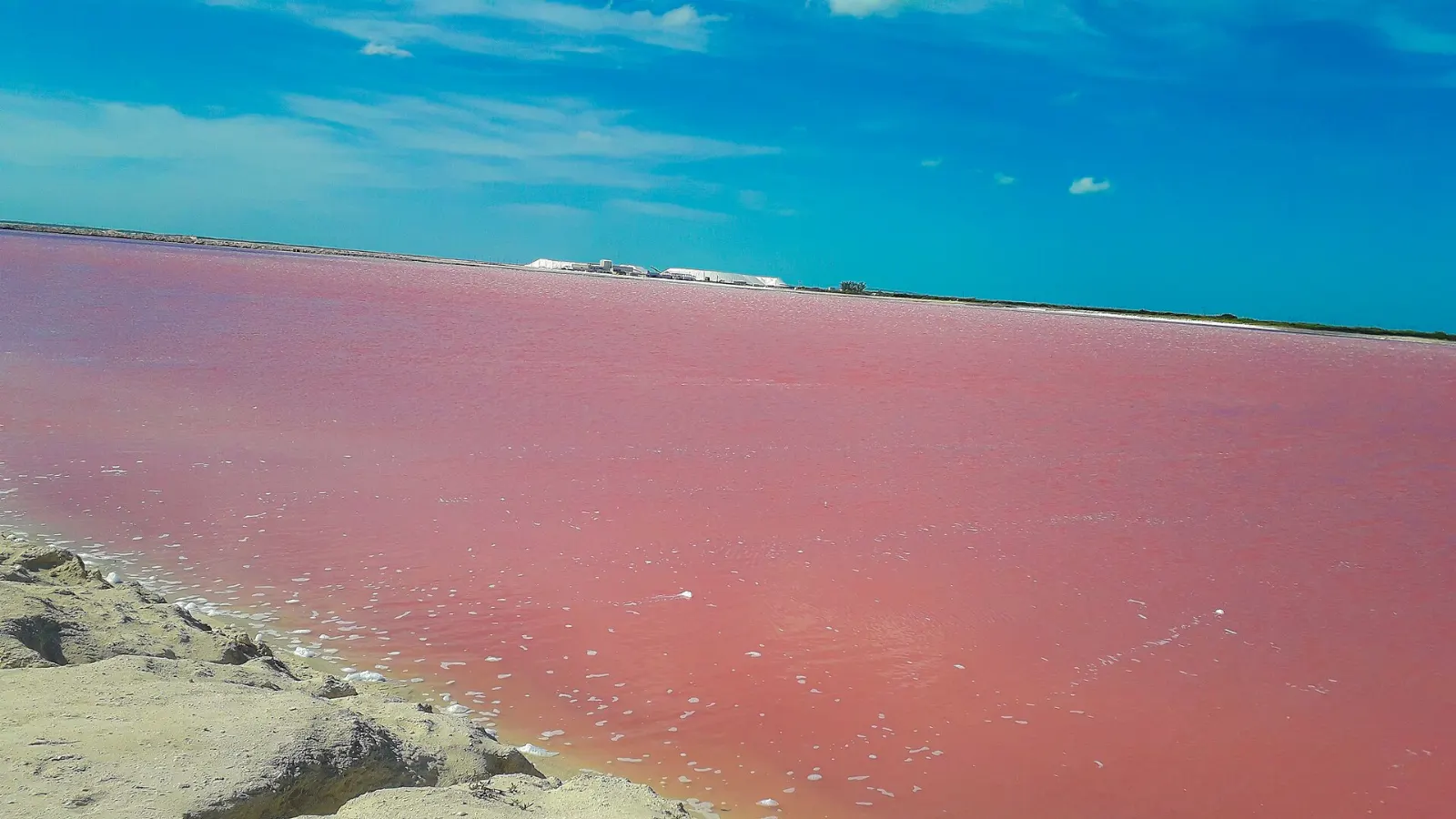
On a strip of barrier sand beside the lagoon, Las Coloradas has shallow pools colored bright pink. They are not natural but a by-product of a nearby sea salt facility.
Mangrove channels
The mangroves around the town are a good place to look for waterbirds, and the shaded channels make a pleasant change from the open lagoon. Your guide can slow the boat or stop altogether for photography.
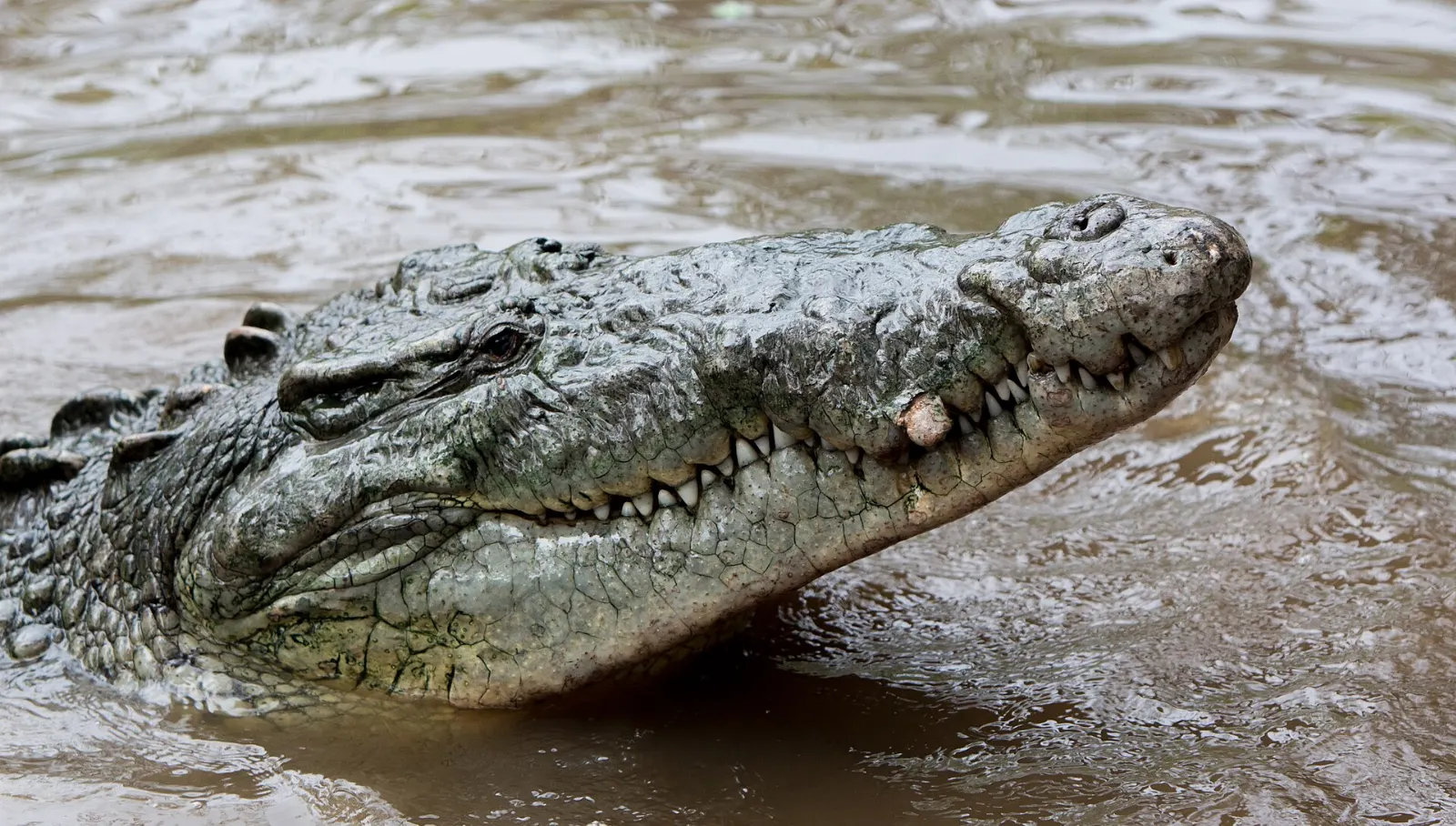
Crocodiles on the shoreline
Crocodiles are frequently seen sunning themselves along the shoreline. Boat tours often point them out from a safe distance, so keep your hands inside the boat and never try to feed or approach them.
Turtle beaches
The reserve's beaches are critical nesting areas for hawksbill and green sea turtles. If you visit the beaches, keep to paths, avoid lights at night and stay clear of any nest markings.
The best places to visit in and around town
The waterfront
The town is tiny, with a few streets arranged in a cone, and nothing is more than a few blocks away.
The beaches
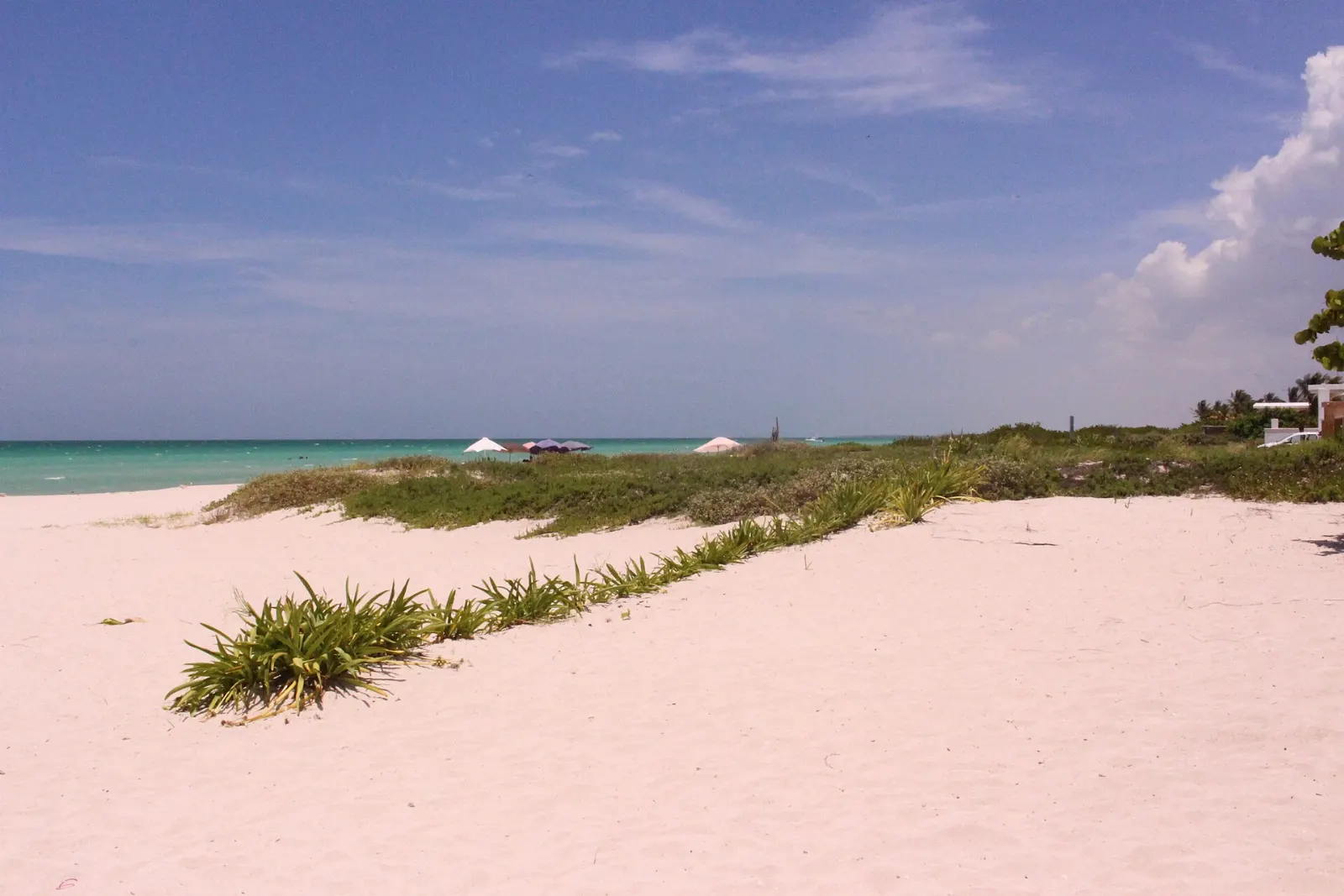
The beaches around the reserve are good for beachcombing, and the sand is quiet and uncrowded. Bring water and shade, since there is little shelter and few vendors on the more remote stretches.
Canoe, kayak and fishing trips
For a quieter way to see the lagoon, ask your guide about canoe, kayak or fishing outings. Birdwatching is a highlight at any time of day, especially in the early morning.
Mercado Municipal
The small municipal market on Calle 9 has about ten vendors selling fruit, vegetables and pork, along with stands serving prepared regional dishes.
San Felipe
West of Río Lagartos, San Felipe is another community inside the biosphere reserve.
Fiesta de Santiago Apóstol
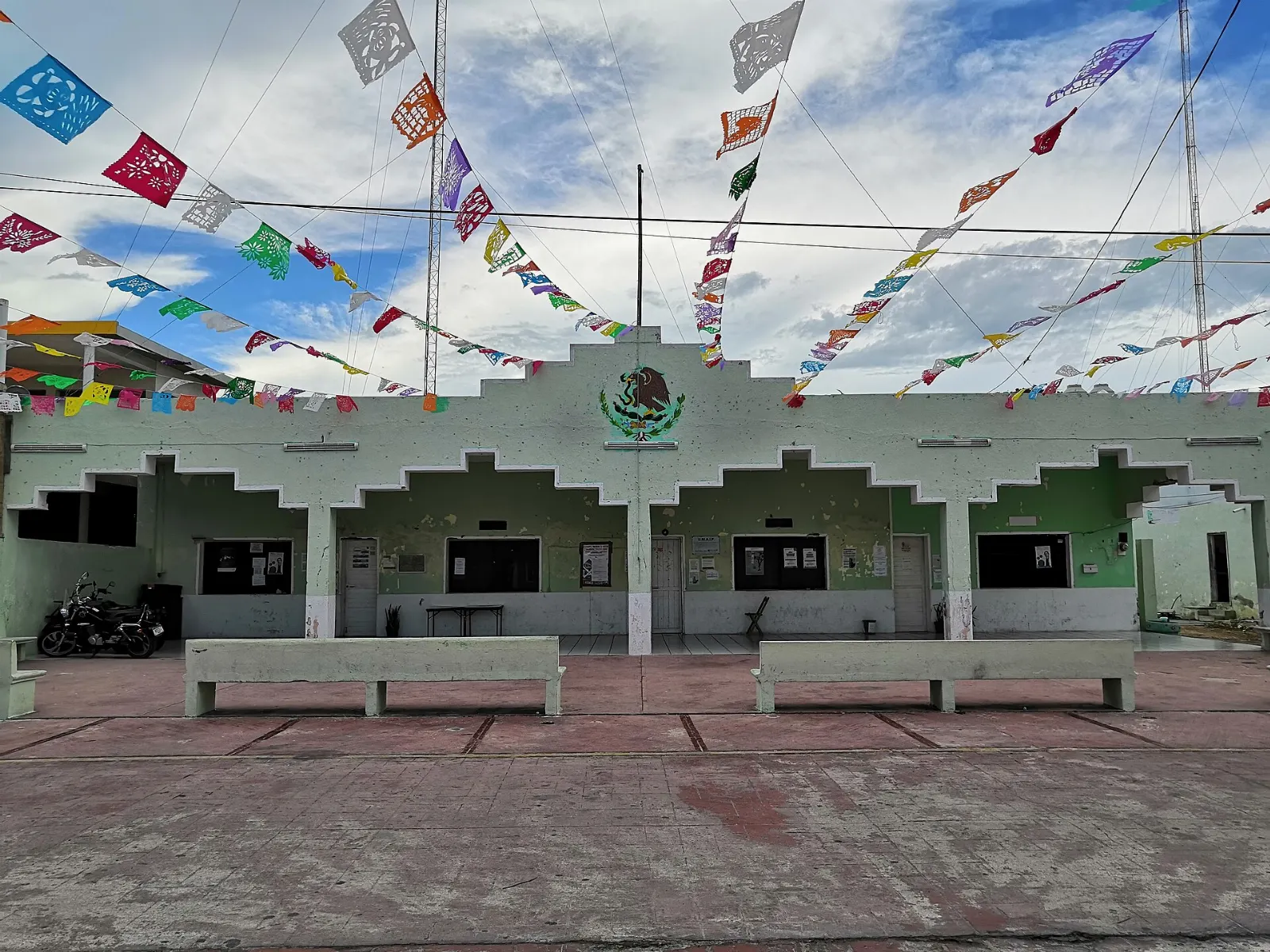
Around July 25 the town honors its patron saint with regional music and dance, bullfights, a carnival midway and regional food and drink.
Food and local flavors
Seafood is the main event. Many restaurants serve fresh fish dishes, including cazón, which is dogfish, along with shrimp and ceviche, a cold raw seafood dish served with lime.
For a Yucatecan breakfast, look for salbutes, small crisp tortillas with shredded meat on top, and panuchos, which are fried tortillas stuffed with black beans and topped with meat, cabbage and avocado.
Popular dishes to try in Río Lagartos


Where to stay
Río Lagartos is the obvious base.
San Felipe, to the west, is a smaller fishing community that suits visitors who want a quiet stay away from the tour boats.
Tizimín is the halfway point on the road from Valladolid and has places to eat and buy fuel. It suits travelers who prefer a larger town with more services.
Valladolid is about 100 kilometres south and 90 minutes by road, and it works well as a base if you want to combine the coast with other regional sights.
Where to stay in Río Lagartos


Best time to visit
Ría Lagartos is a good destination at many times of year, but the weather is hot and humid for much of it, so morning boat trips are the most comfortable.
The town's biggest event is the Fiesta de Santiago Apóstol around July 25.
Many visitors reach Las Coloradas on day trips by bus from Cancún, so ask your operator which hours are calmest.
Getting there and getting around
The nearest airport with commercial service is Cancún, about three hours away by car.
By car from Valladolid, drive north on federal highway MEX 295. It is about 100 kilometres to Río Lagartos on a good road and takes around 90 minutes.
By bus, take an ADO bus from Valladolid north to Tizimín, then change to an Autobuses Noreste de Yucatán bus to Río Lagartos.
In town, walking is the best way to get around, and bikes work too.
A suggested itinerary
First day
Arrive in the morning and walk the waterfront, then take a boat tour of the lagoon, with stops for flamingos, mangroves and crocodiles.
Second day
Take an early boat or drive to Las Coloradas for the pink pools. Return to town for a breakfast of salbutes at the market, then visit San Felipe before heading back toward Tizimín or Valladolid.
Practical tips
- Check your government's current travel advisory before you go.
- Agree on the route, the time and the number of people before you board any boat.
- Bring a hat, sun protection and insect repellent for the mangroves.
- Keep your distance from flamingos, crocodiles and nesting turtles.
- Carry cash and water, since the town is small and services are limited.