The Grutas de Cacahuamilpa are one of the best-known cave systems in Mexico, set inside a national park in the Sierra Madre del Sur in northern Guerrero, not far from the silver town of Taxco. A level passage runs for about two kilometres through enormous underground salons filled with stone formations, and the park also protects underground rivers, a botanical garden and climbing walls.
AT A GLANCE
Best time
The caves are open year round, and the rainy season from June to October makes the park greener.
How long
Allow a full day for the caves, or two days if you add Taxco.
Getting there
Reach the park from Taxco, which is about 30 kilometres away, or from Mexico City or Cuernavaca.
Why visit the Grutas de Cacahuamilpa
Cacahuamilpa is described as a live cave system, which means groundwater still filters down into it and the formations are still growing. Around ninety large salons lie inside, though only about twenty are fully explored and open to visitors. The name comes from a place near the entrance and means peanut field.
People have used the caves since pre-Hispanic times, and the Olmec and later the Chontal peoples used them for ceremonies. The national park was established in 1936, and guided tours began in 1969. Today the park covers about 2,700 hectares and receives hundreds of thousands of visitors a year.
Inside the caverns
The main caverns and salons
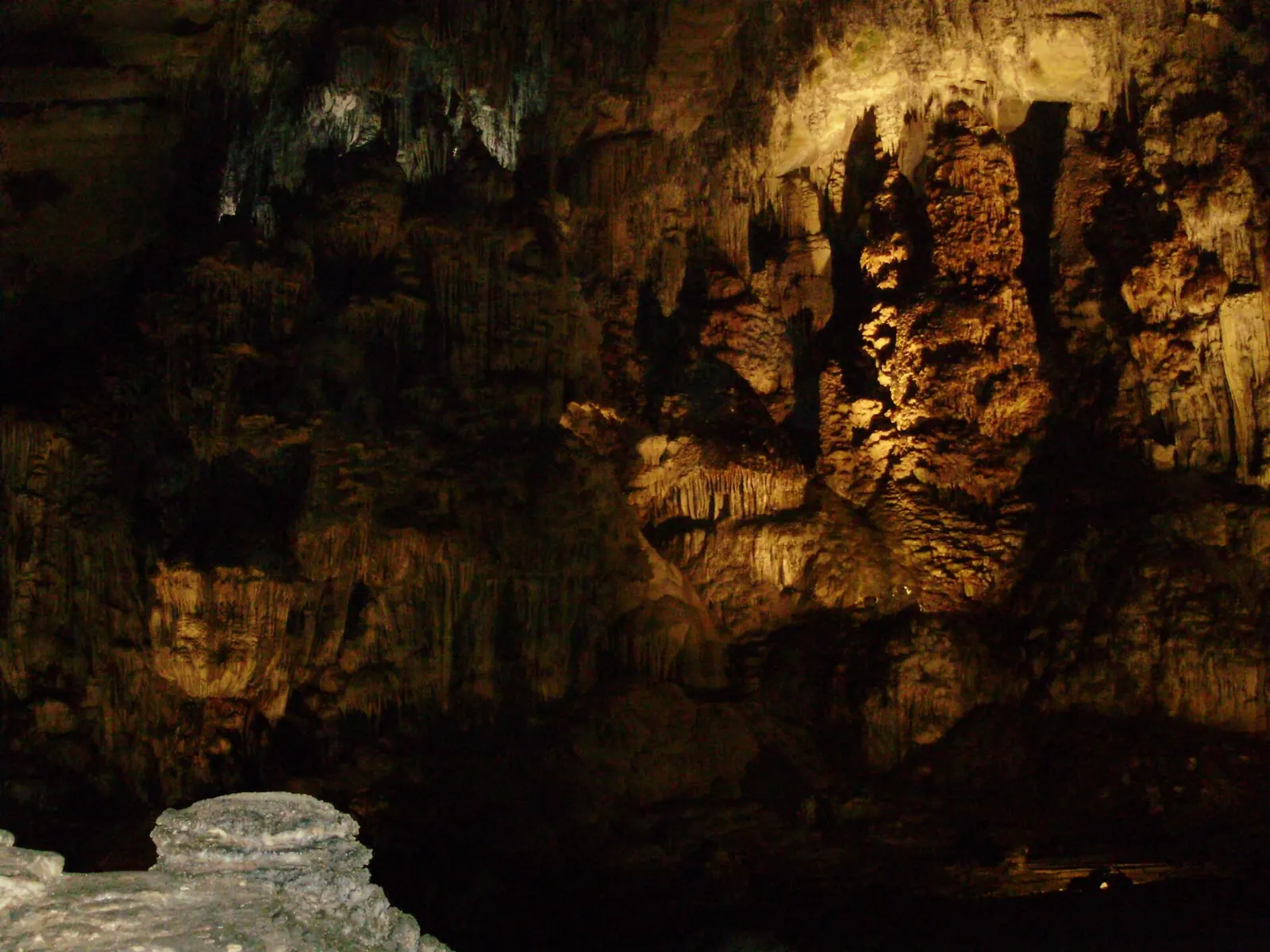
The public route is a level passage of about two kilometres through linked salons, averaging about forty metres wide and ranging from twenty to more than eighty metres high. Many are named after their formations, such as the Goat Salon, the Throne Salon and the Cathedral Salon. Guided tours last about two hours, so allow half a day and check the current tour schedule with the park.
The entrance and Limontitla Canyon
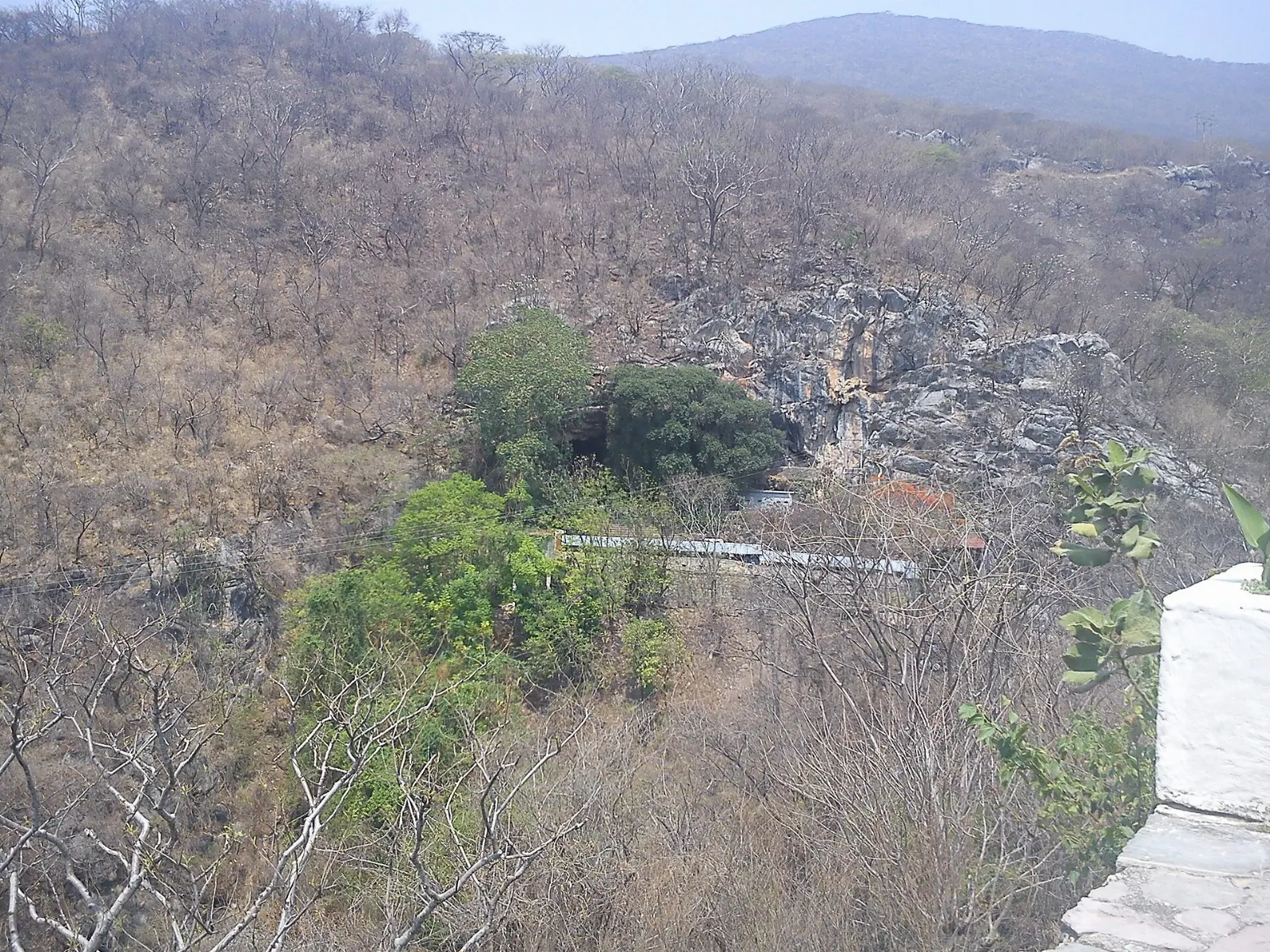
The walk to the entrance passes amate trees with roots wound around the walls of Limontitla Canyon. The entrance is a large arch about forty metres wide, and you descend about twenty metres to the level of the caverns. The path is mostly level concrete with artificial lighting, but humidity can make the walk uncomfortable. Wear shoes with good grip.
The Auditorium salon
One of the drier salons has been named the Auditorium, with a large flat floor and seats. It has hosted concerts, including one by the Acapulco Philharmonic Orchestra in 2009. It is a reminder of the scale of these chambers. You will only see it if it falls on your tour route, so ask your guide.
Rivers, caves and gardens
Grutas de Carlos Pacheco
The Grutas de Carlos Pacheco lie about 400 metres south of the main caverns and are named for a Mexican general. This system is a fossilized cave, with minimal water infiltration, and its stalactites and stalagmites stopped growing hundreds of years ago. Some of the formations are unusual and seem to defy gravity. Visit it on a separate tour, which you arrange in advance.
The San Jerónimo River
The park has two underground rivers. The San Jerónimo is about twelve kilometres long, with tunnel walls up to eighty metres high. Visitors can explore it, but the trip takes about seven hours. It is the easier of the two to explore because it is more level. Go with a guide and check the season, since river trips are usually offered from February to April.
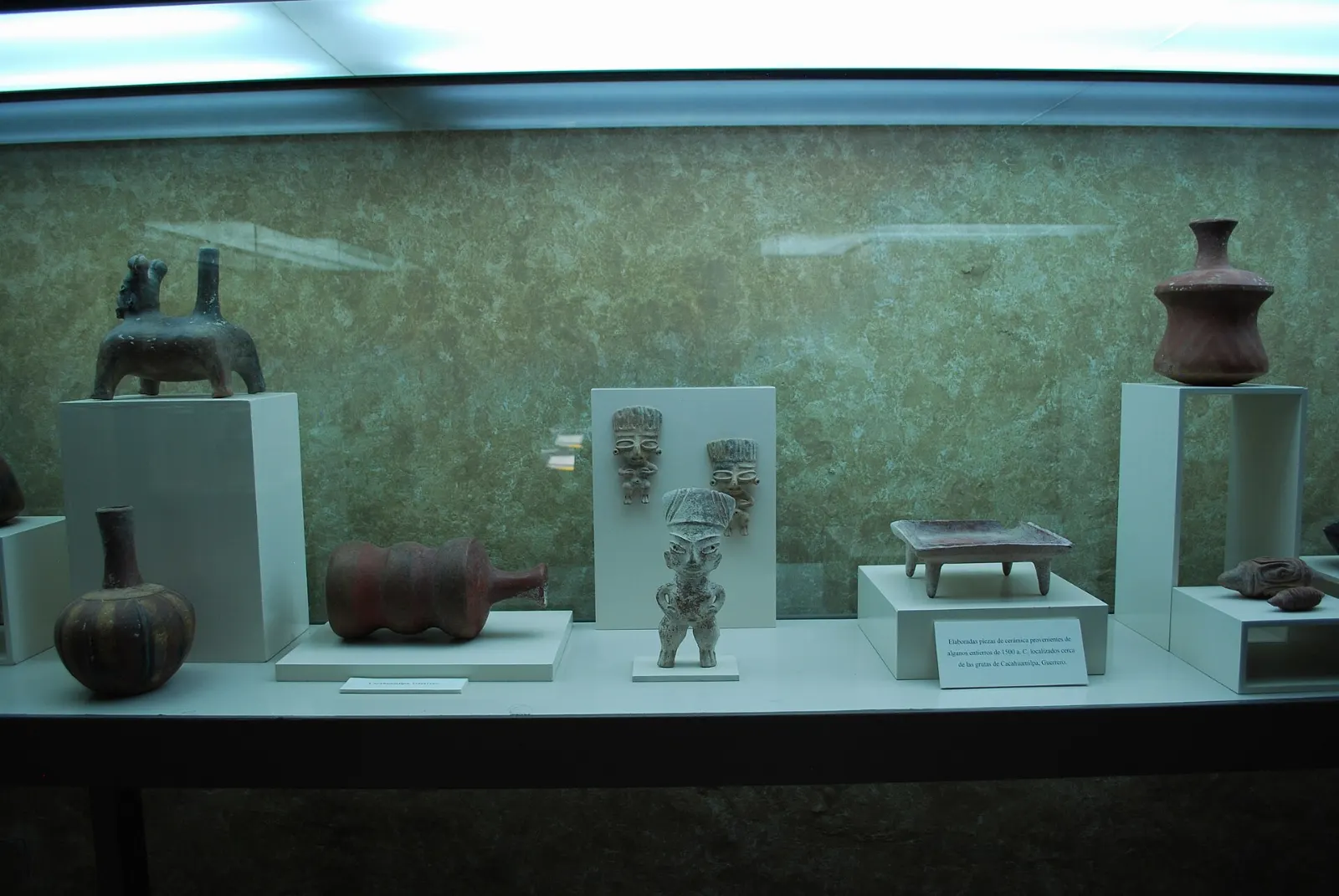
The Chontalcoatlán River
The Chontalcoatlán River is about eight kilometres long and comes from the Nevado de Toluca. Its underground entrance is about fifty metres high, and visitors need a vehicle to reach it. Beyond a point known as La Ventana the river descends steeply, so only fit visitors with a guide should continue.
Limontitla Botanical Garden
The garden shows native plants from the subtropical, mostly deciduous forest. You can tour it alone or with a guide who explains the species. It is at its best in the rainy season, from about June to October, when everything is green and in bloom. Allow an hour or two.
Taxco and the silver route
Santa Prisca Church
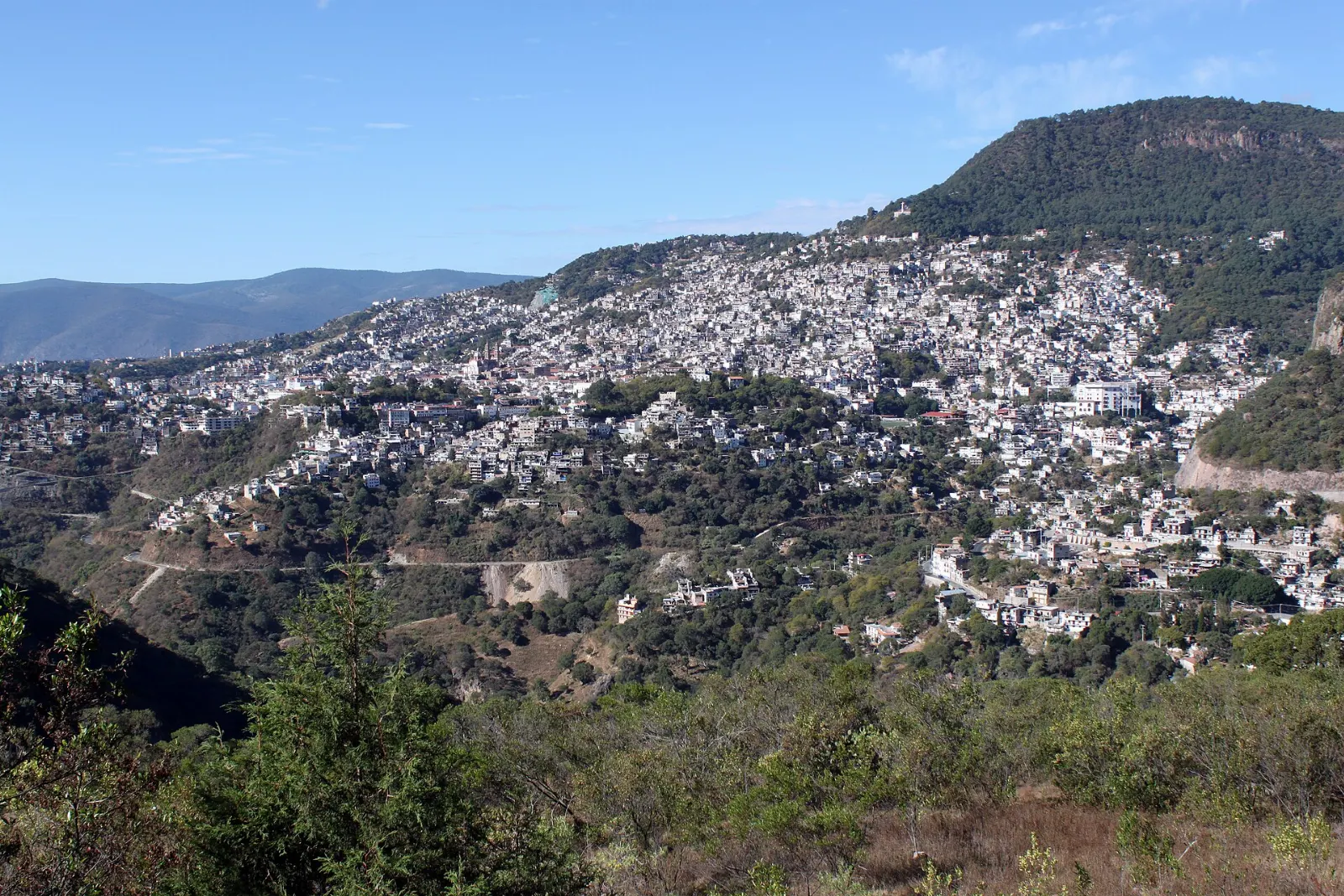
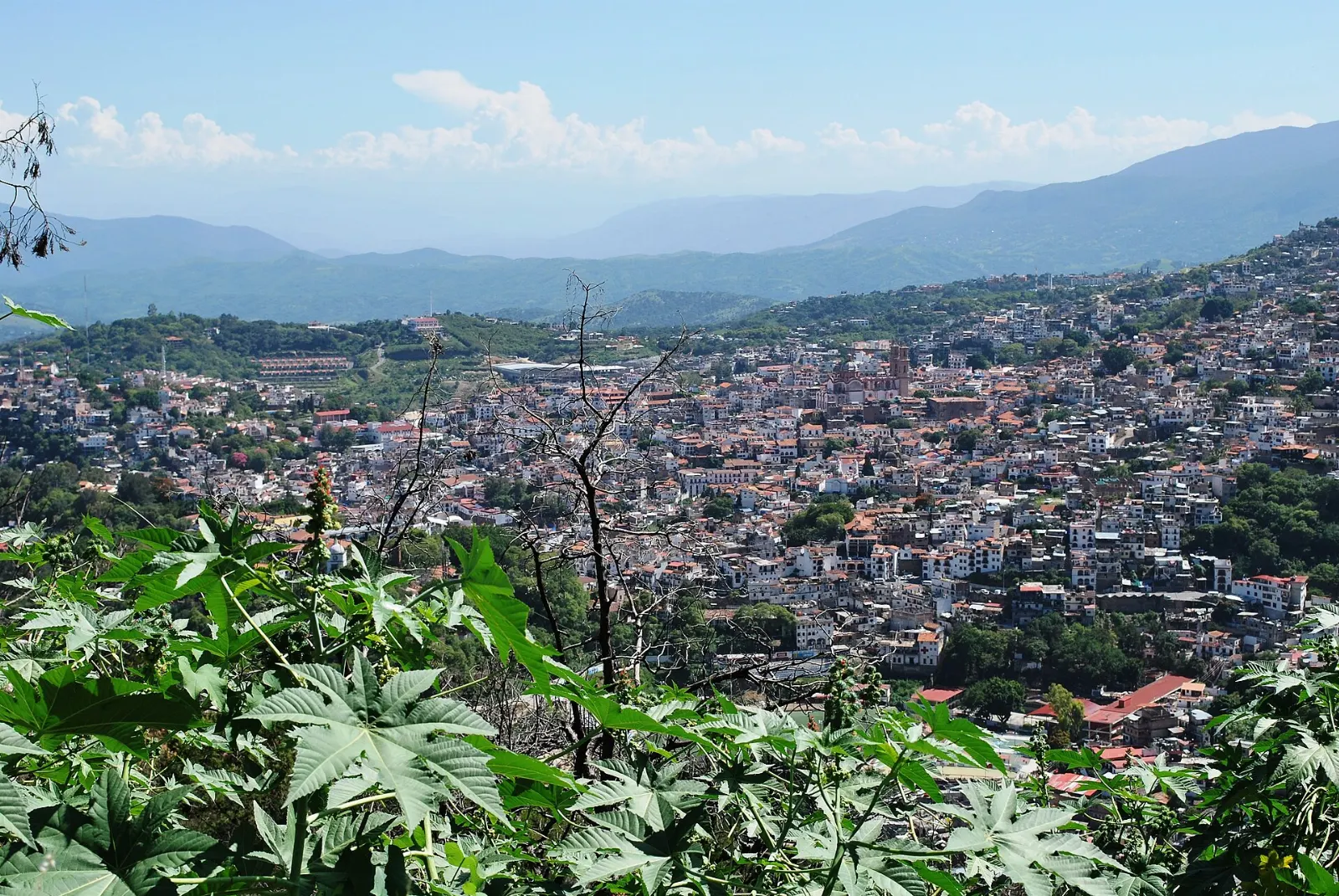
Taxco is built on a hill and is famous for silver. Its landmark is the Parroquia de Santa Prisca y San Sebastián, a baroque church completed in 1758 and one of the most striking in the New World. Allow an hour for the church and the surrounding square, and expect steep streets.
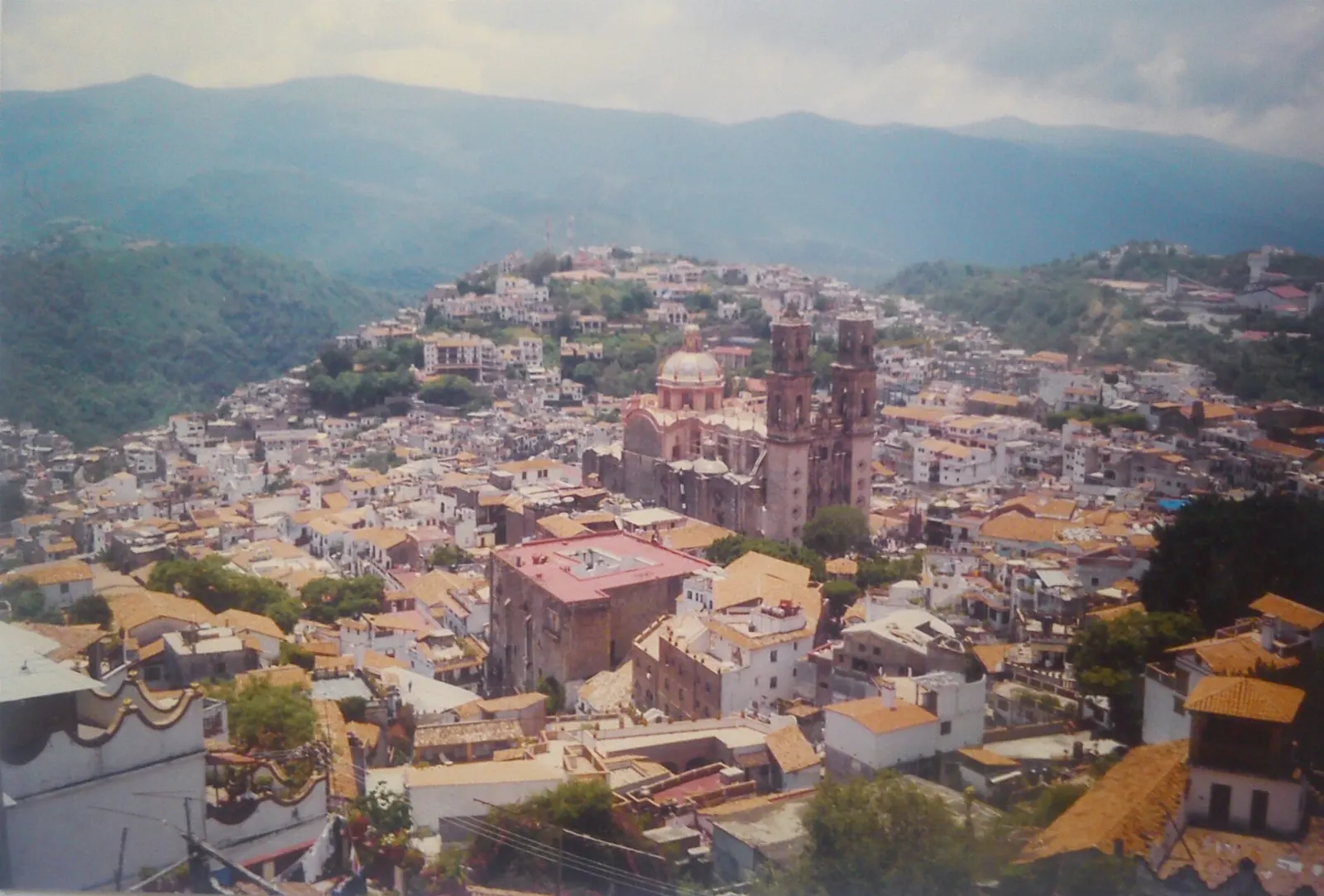
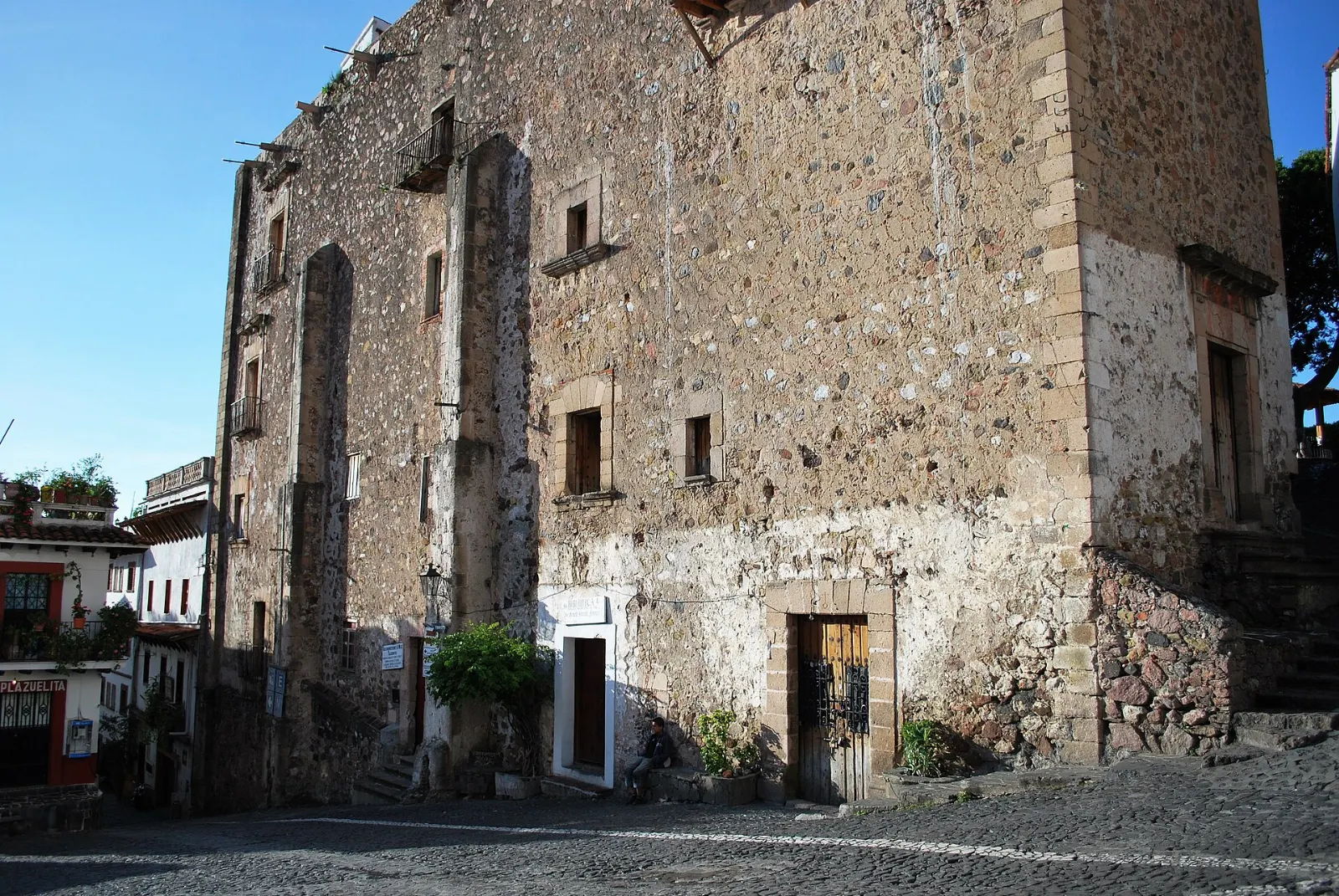
Casa Borda and Museo Guillermo Spratling
Casa Borda, built by José de la Borda in 1759, is now a cultural centre with exhibits by artists from Guerrero. Behind Santa Prisca, the Museo Guillermo Spratling holds pre-Hispanic artifacts collected by the American sculptor and silversmith William Spratling, along with some of his work. Allow an hour for each.
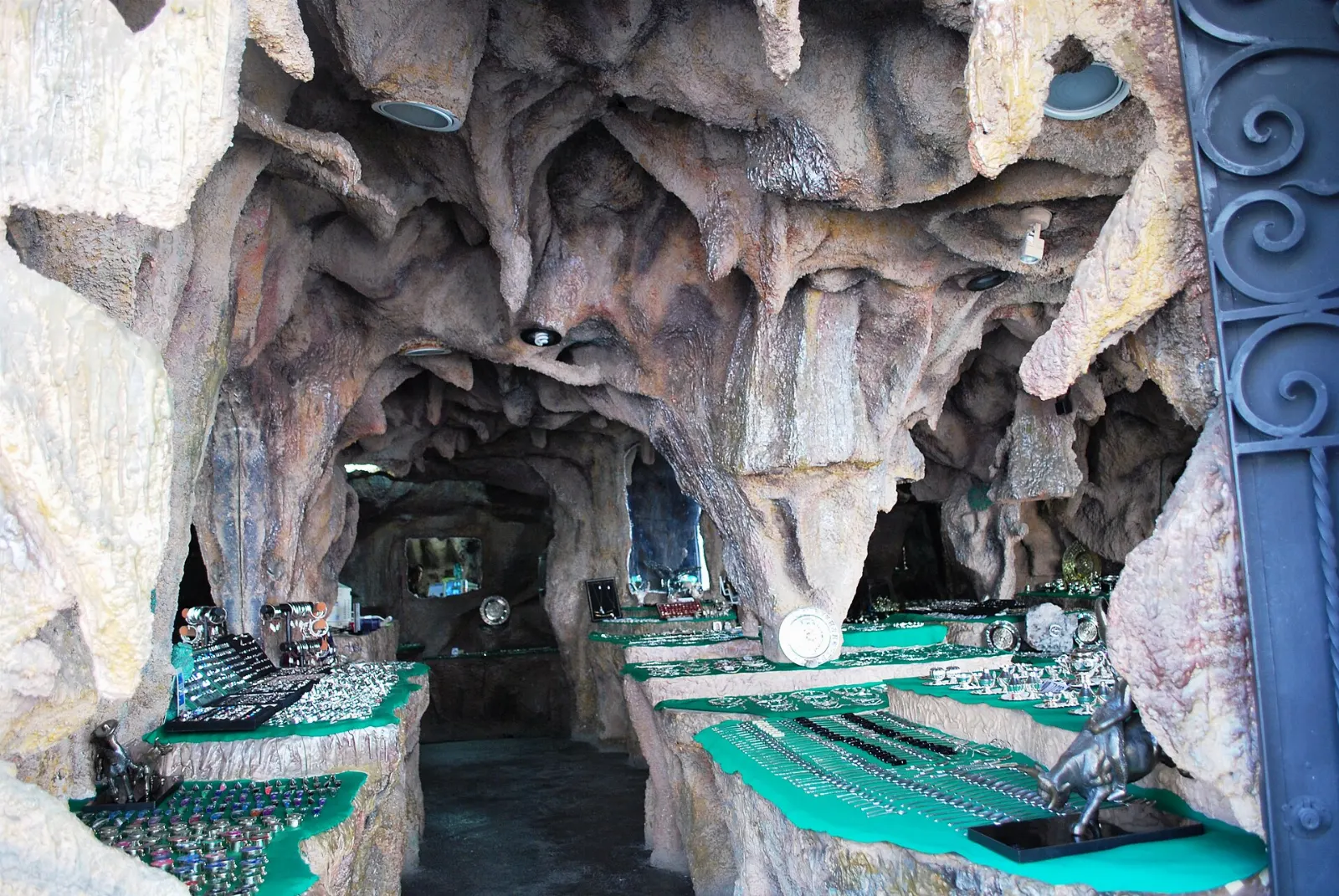
Silver shops
Taxco has hundreds of silver shops, and silver is usually stamped with a mark such as 925. Browse the centre, but expect to be approached by vendors in the main square.
The Monte Taxco cable car
A cable car climbs from town to a hilltop hotel with panoramic views and a bar and restaurant. There is little else to do at the top, so allow about an hour. The town also has a pre-Hispanic mine, found beneath a hotel during renovations, which can be toured with a guide.
Food and local flavors
Guerrero food is hearty and regional. Pozole, a hominy stew, is the dish to try, and Thursday is the traditional pozole day in Taxco, when red and green versions are served and white pozole on other days. Look for pozole verde, flavored with ground pumpkin seeds. For adventurous eaters, tacos de jumiles are made with small edible stink bugs native to the Taxco region, harvested from November to February, with a fiesta on the first of November. To drink, chilate is a cold drink made with cocoa, rice, cinnamon and sugar, a specialty of Guerrero that is often served with buñuelos. In Taxco, try pozole at the small covered market near the plaza, and cafés on the main avenue for lighter meals.
Popular dishes to try in Grutas de Cacahuamilpa


Where to stay
The Taxco historic centre is the best base, about 30 kilometres from the caves. The streets near the main square and Santa Prisca have small hotels in historic buildings, many with terraces over the rooftops, and everything worth seeing in town is within walking distance, though steep.
Cuernavaca, in the state of Morelos, is a good alternative if you want to combine the caves with other attractions, such as the ruins at Xochicalco and old haciendas. Buses link Cuernavaca and Taxco, and the highway between them passes the Zoofari safari park.
Mexico City works for a very long day trip, but most visitors prefer to overnight in Taxco instead and see the caves the following morning. Whichever base you choose, leave time for the steep streets of Taxco.
Where to stay in Grutas de Cacahuamilpa


Best time to visit
The caves are open daily throughout the year, so you can visit in any season. The rainy season, from about June to October, turns the botanical garden green and in bloom, though humidity is high inside the caverns all year. Arrive early in the day for a calmer visit, and do not assume the weather outside matches the cool, damp air in the caverns.
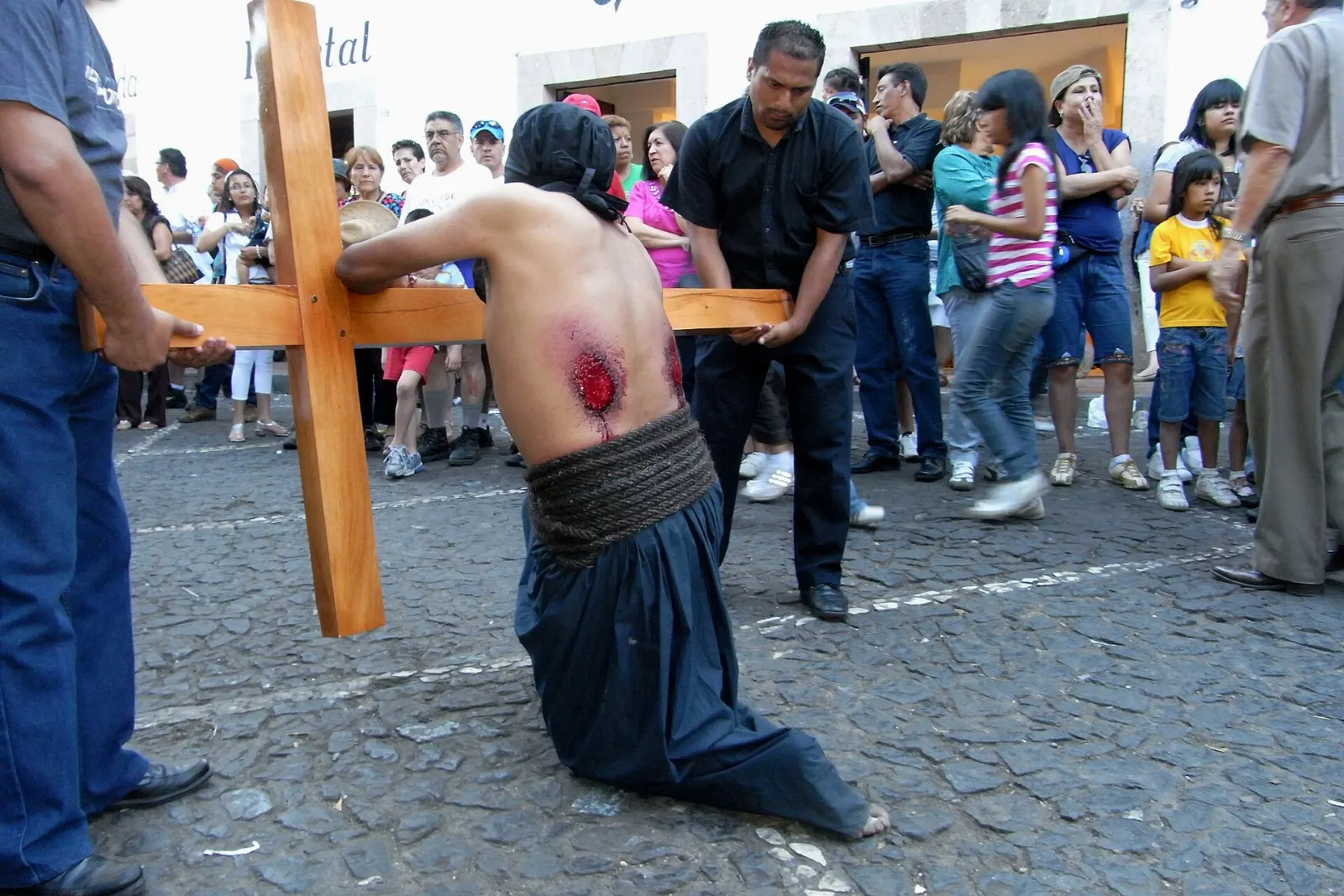
Underground river trips are generally offered from February through April. Taxco is known for its Holy Week celebrations in spring, when the town fills with visitors, so book ahead if you plan to be there. November to February is jumil season.
Getting there and getting around
Taxco lies off the toll road between Mexico City and Acapulco, and the caves are about 30 kilometres from town. Buses to Taxco run from the Terminal Central del Sur in Mexico City, and from Cuernavaca. Ask at your lodging or the Taxco bus station about current transport to the caves, or arrange a taxi for the day.
In Taxco, walking is the best way to get around, though the hills are steep. Volkswagen Beetle taxis are common, and shared vans called combis run through the main square. A rental car gives you the most flexibility if you are driving from Mexico City.
Check the park's current rules for tours, reservations and any restrictions before you travel.
A suggested itinerary
First day
Travel to Taxco in the morning, visit Santa Prisca and Casa Borda, then browse the silver shops and ride the cable car for the evening view.
Second day
Go to the Grutas de Cacahuamilpa for the main guided tour, a walk through the entrance canyon and the botanical garden.
Third day
Add the Carlos Pacheco caves, or in the right season an underground river trip, before returning to Cuernavaca or Mexico City.
Practical tips
- Check your government's current travel advisory before you go.
- Wear shoes with good grip, since cave walkways can be damp.
- Bring a light layer, since temperatures inside the cave differ from the outside.
- Confirm tour times and reservations with the park before you travel.
- Join a guide for the Carlos Pacheco caves and the underground rivers.
- Carry water and sun protection for the walk to the entrance.
- Allow extra time for steep streets in Taxco.