
Mexico City Mexico Templo Mayor Xochimilco and Street Tacos
Mexico City, known locally as CDMX, is one of the largest cities in the Americas and one of the most rewarding to explore.
- Best timeOctober to April for dry, sunny days; late October and early November for Day of the Dead.
- How longFour to five days for the centre, museums, Coyoacán, Xochimilco and Teotihuacan.
- Getting thereFly into Mexico City International Airport (MEX); some flights use Felipe Ángeles (NLU), further north.
Why visit Mexico City
Few cities pack in so much culture.
Food is a reason in itself. From tacos al pastor carved from a vertical spit to rich moles and fresh tamales sold from street carts at breakfast, eating here is a daily adventure, whether at a market counter or a celebrated restaurant.
The historic centre
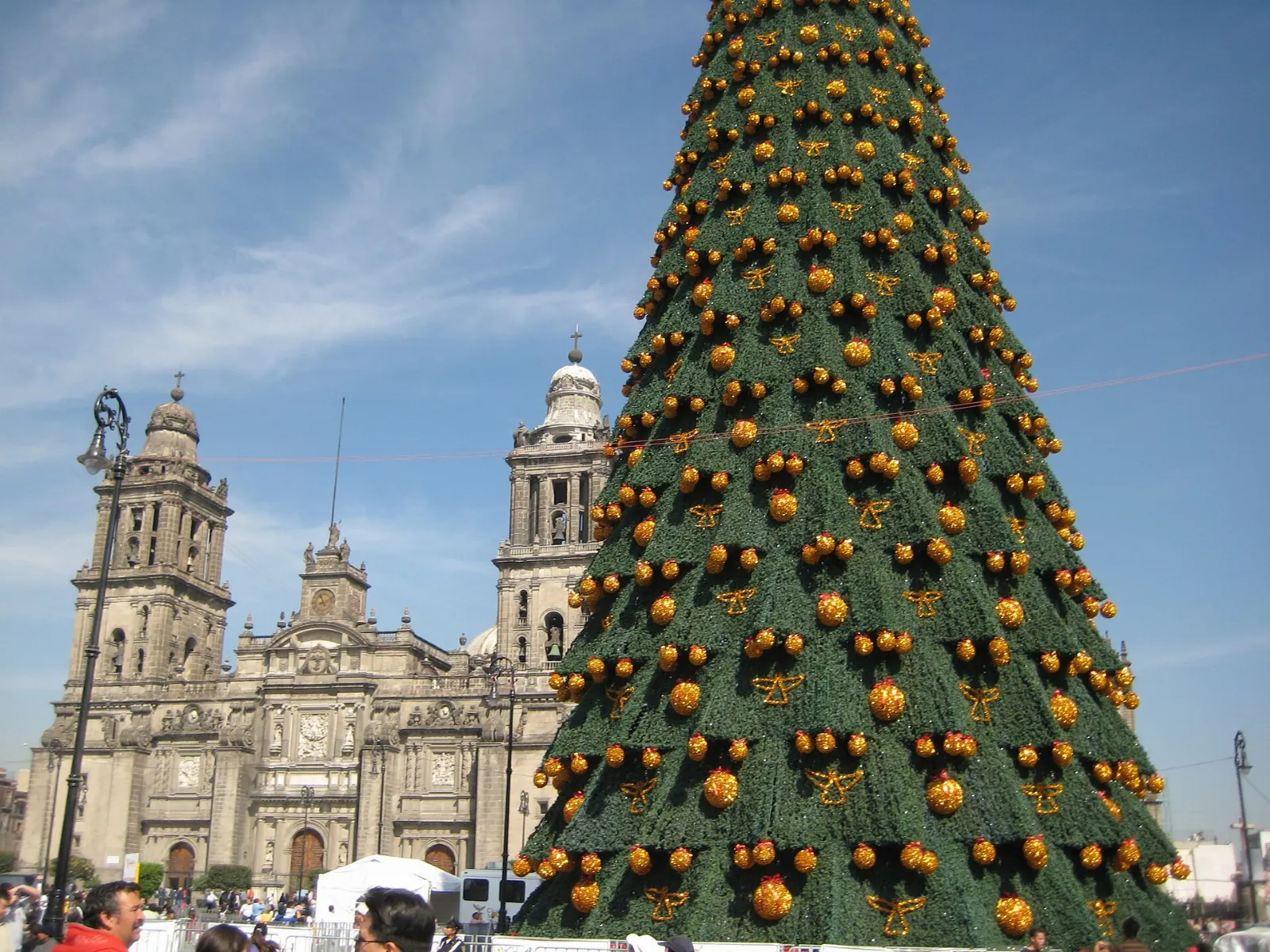
The Zócalo, Metropolitan Cathedral and National Palace
The Zócalo, formally the Plaza de la Constitución, is one of the largest public squares in the world and the stage for national celebrations and protests.
Templo Mayor
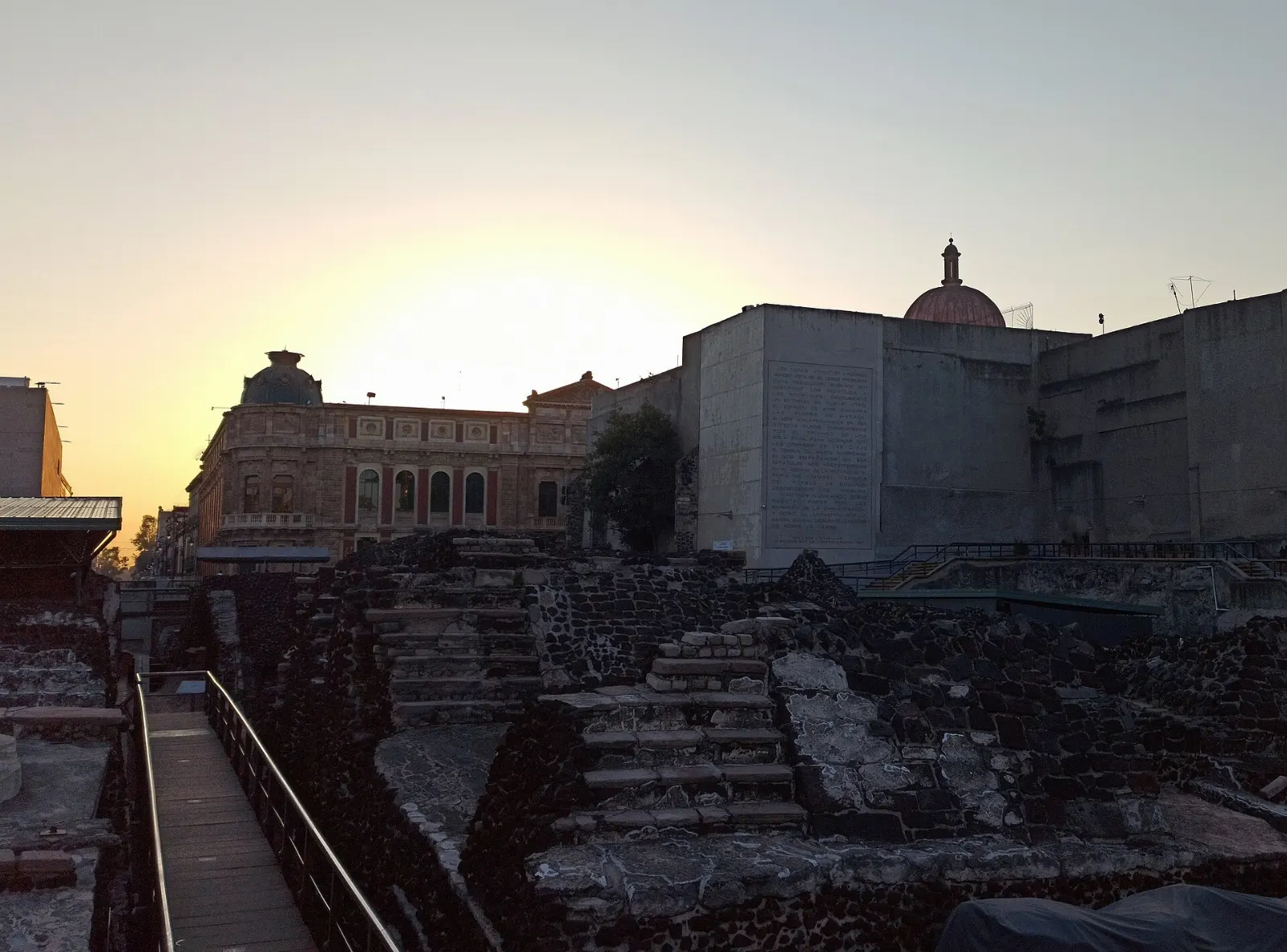
Just off the Zócalo, the excavated remains of the main temple of Tenochtitlan reveal several construction phases of the pyramid that was dedicated to Huitzilopochtli, god of war, and Tlaloc, god of rain. Walkways lead over the ruins, and the adjoining museum displays finds including a huge carved stone disc of the moon goddess Coyolxauhqui.
Palacio de Bellas Artes and the Alameda
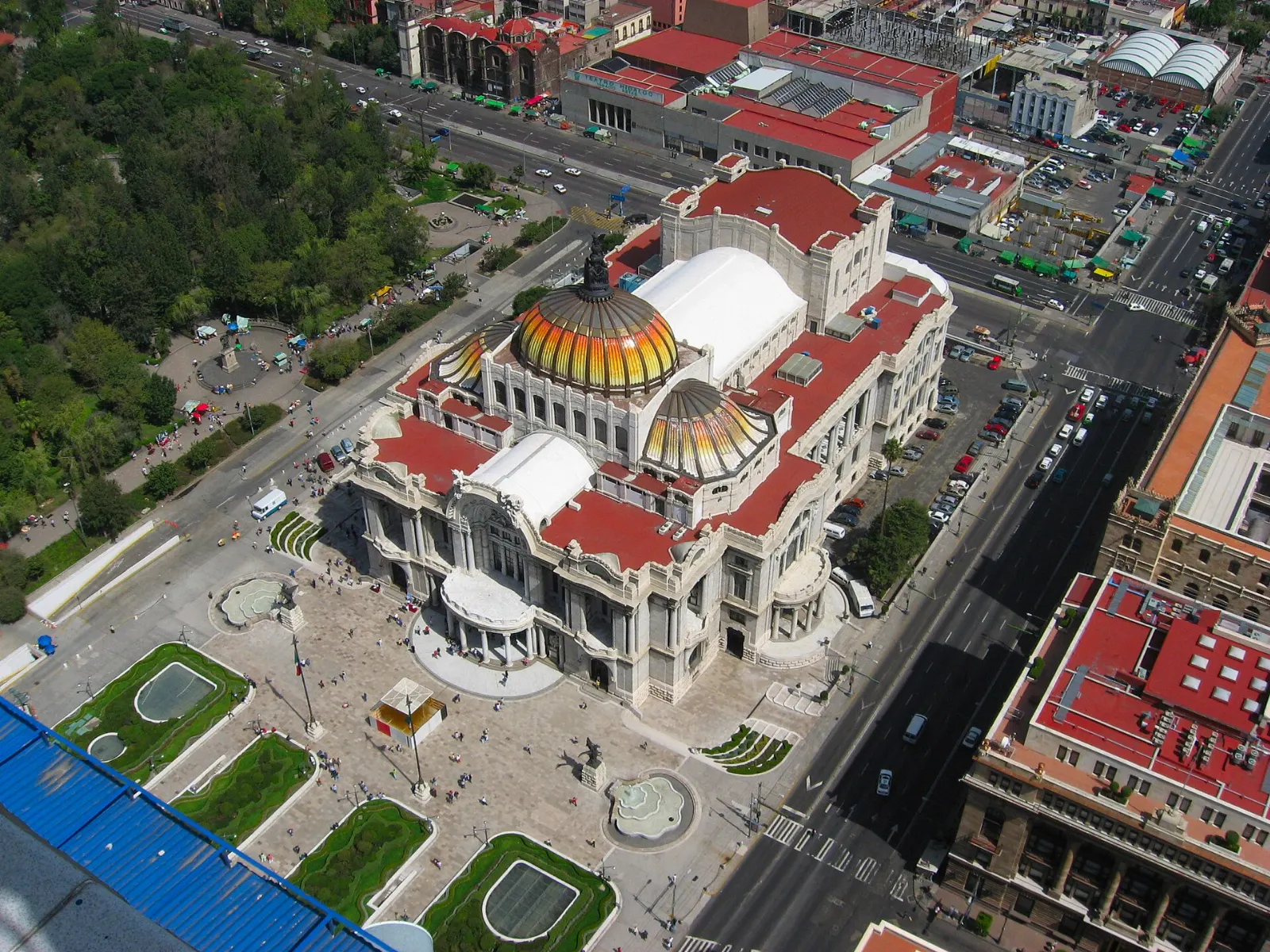
At the western edge of the centre, this white marble palace was begun in 1904 and completed in 1934, with an Art Nouveau exterior and an Art Deco interior. Inside are major murals by Rivera, Orozco, Siqueiros and Rufino Tamayo, and the theatre hosts the Ballet Folklórico de México.
Torre Latinoamericana
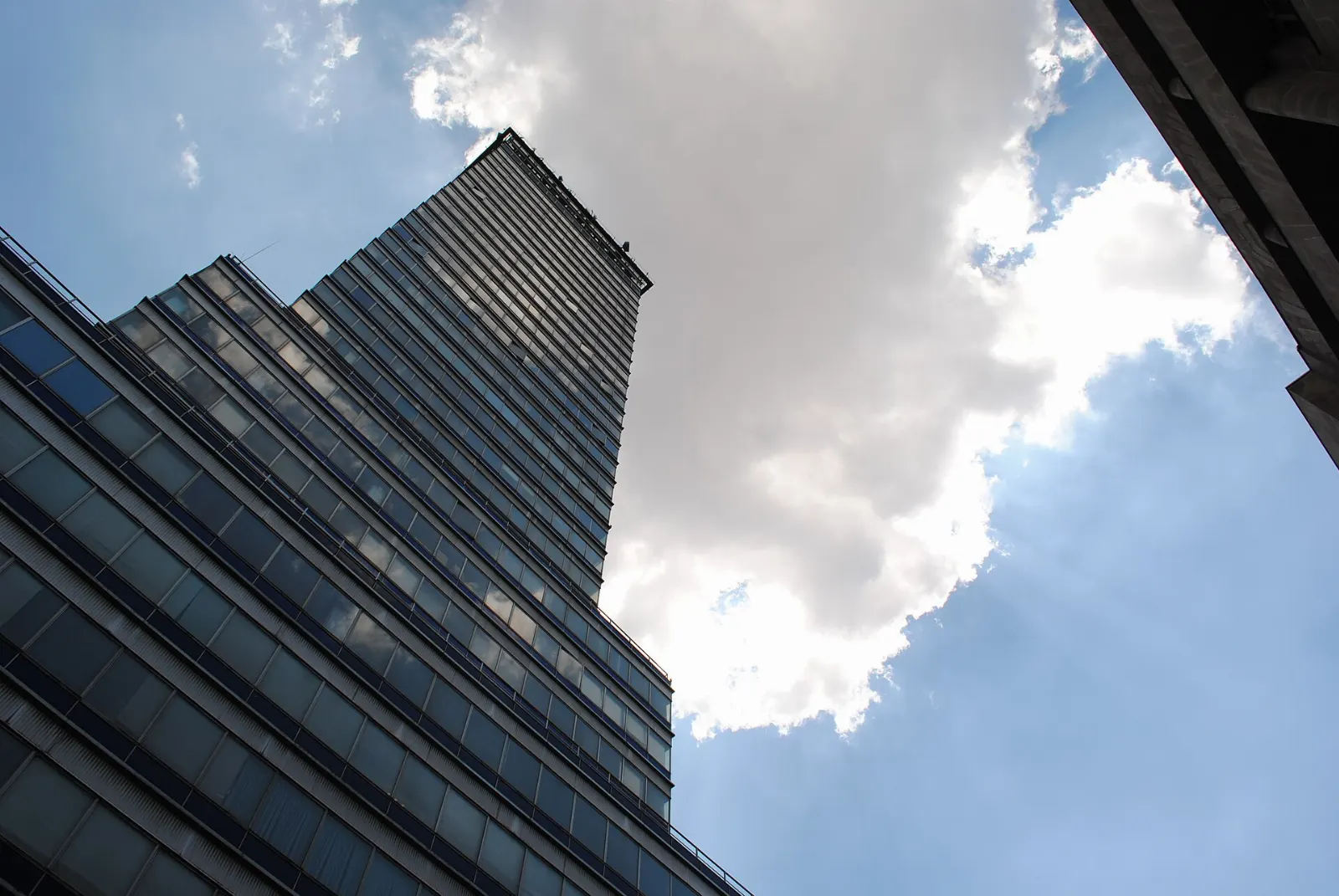
Across the street from Bellas Artes, this mid century skyscraper has an observation deck near the top with views across the historic centre to the mountains on clear days. Allow one hour.
Chapultepec and the great museums
Chapultepec Castle
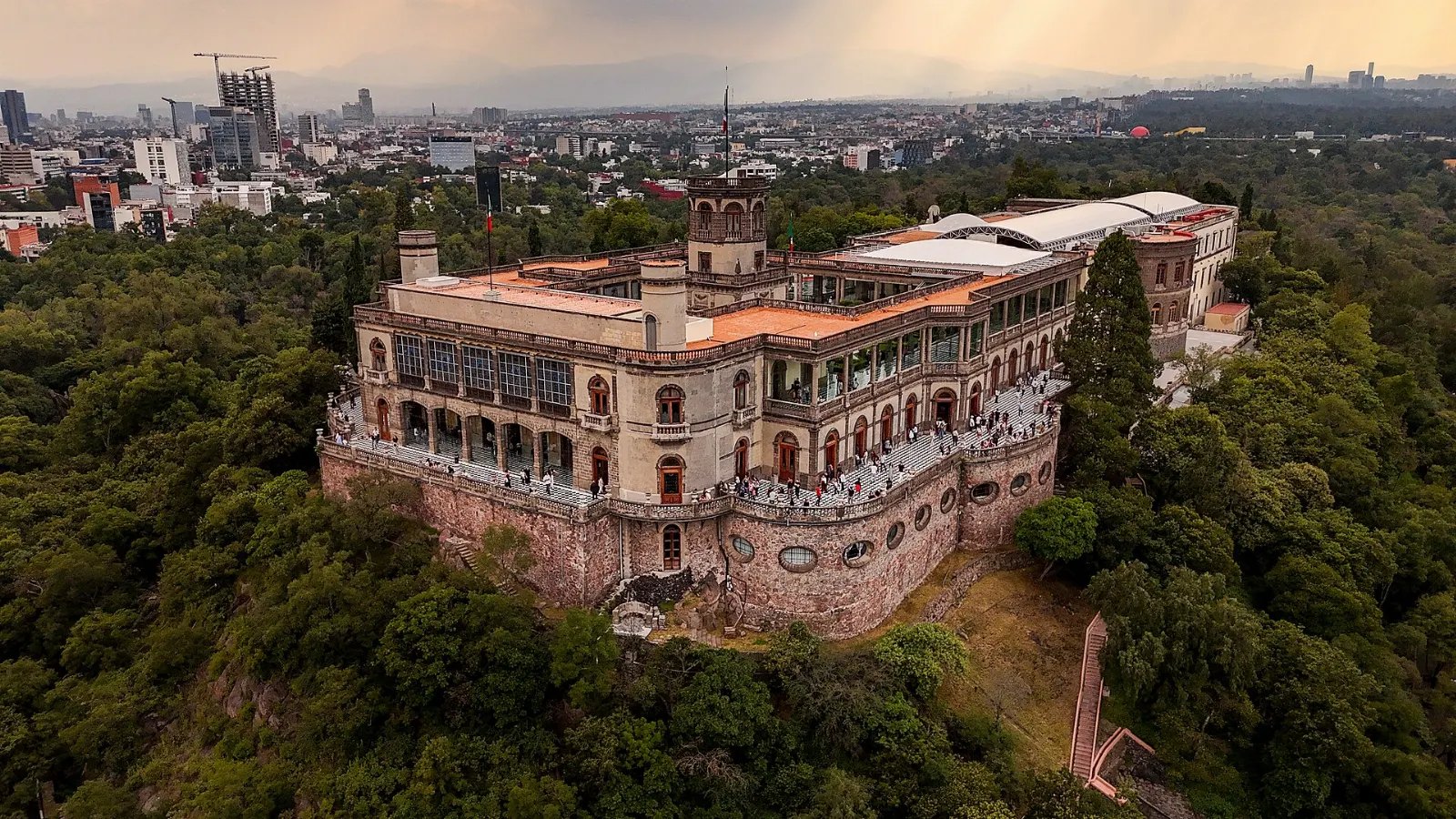
Chapultepec Park is one of the largest urban parks in the Americas, and at its eastern entrance a hill is crowned by Chapultepec Castle.
National Museum of Anthropology
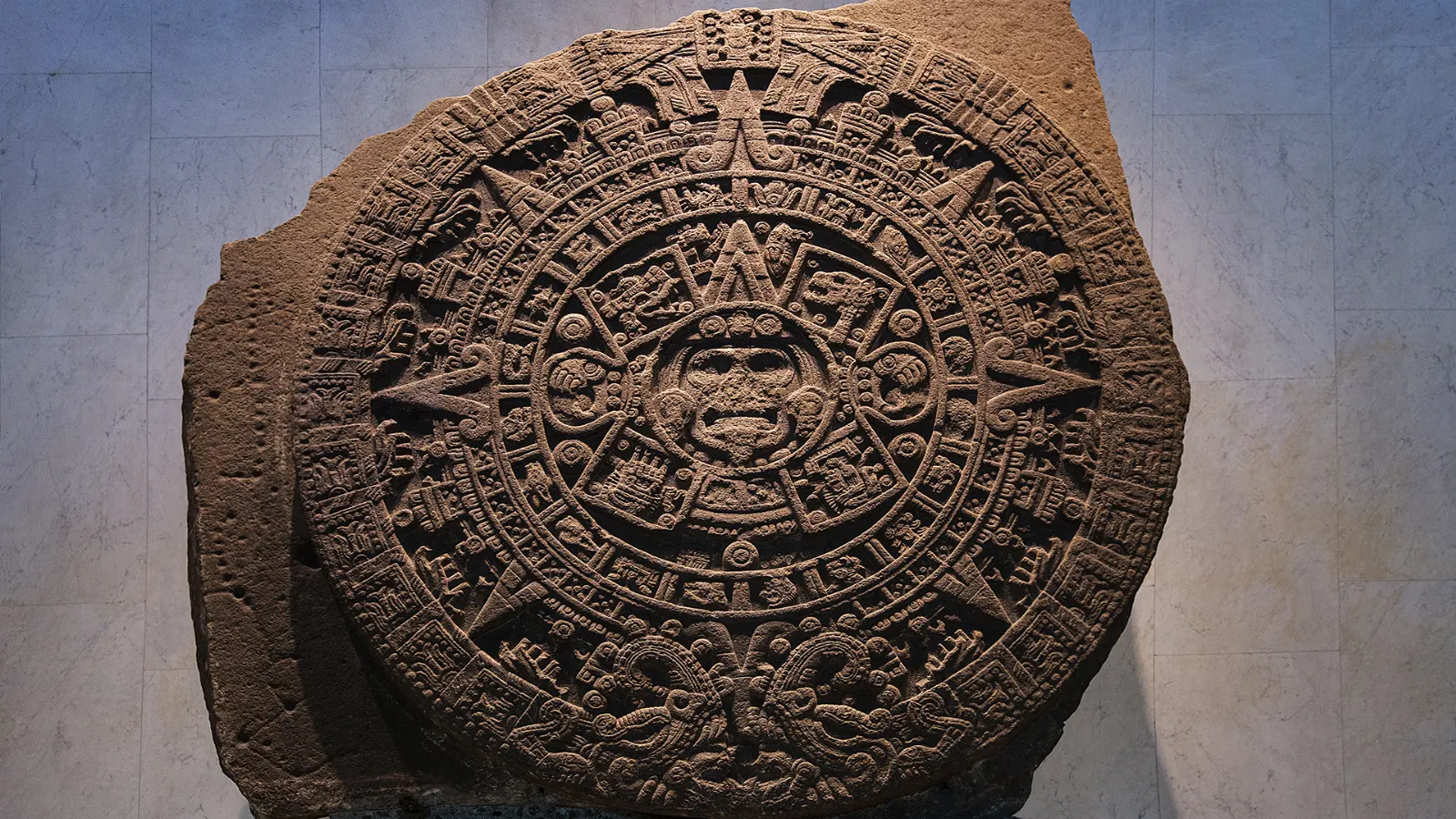
The most visited museum in Mexico occupies a modernist building opened in 1964, arranged around a courtyard with a vast umbrella shaped fountain. Halls cover the cultures of Mesoamerica, from the Olmec colossal head to Maya treasures, and the Mexica hall holds the famous Sun Stone, often called the Aztec calendar.
Roma and Condesa
South of Chapultepec, these two neighbourhoods are the city's favourite places to stroll. Condesa wraps around Parque México and the oval Avenida Amsterdam, lined with Art Deco buildings, while Roma has elegant early twentieth century mansions, galleries, bookshops and some of the city's most talked about restaurants.
The south, the north and a day trip
Coyoacán and the Frida Kahlo Museum
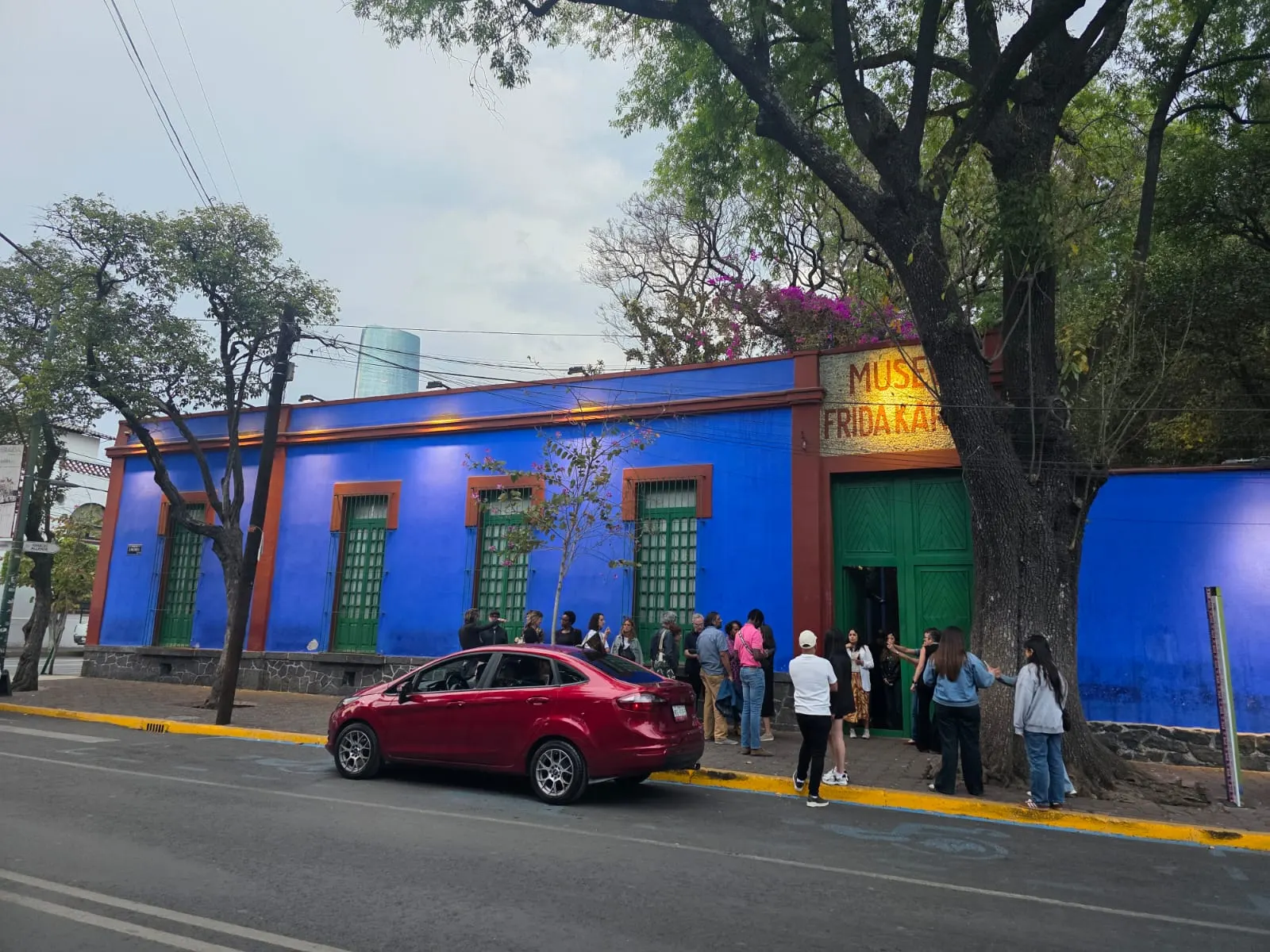
Coyoacán, once a separate town, keeps its cobbled streets, colonial churches and two lively central plazas.
Xochimilco
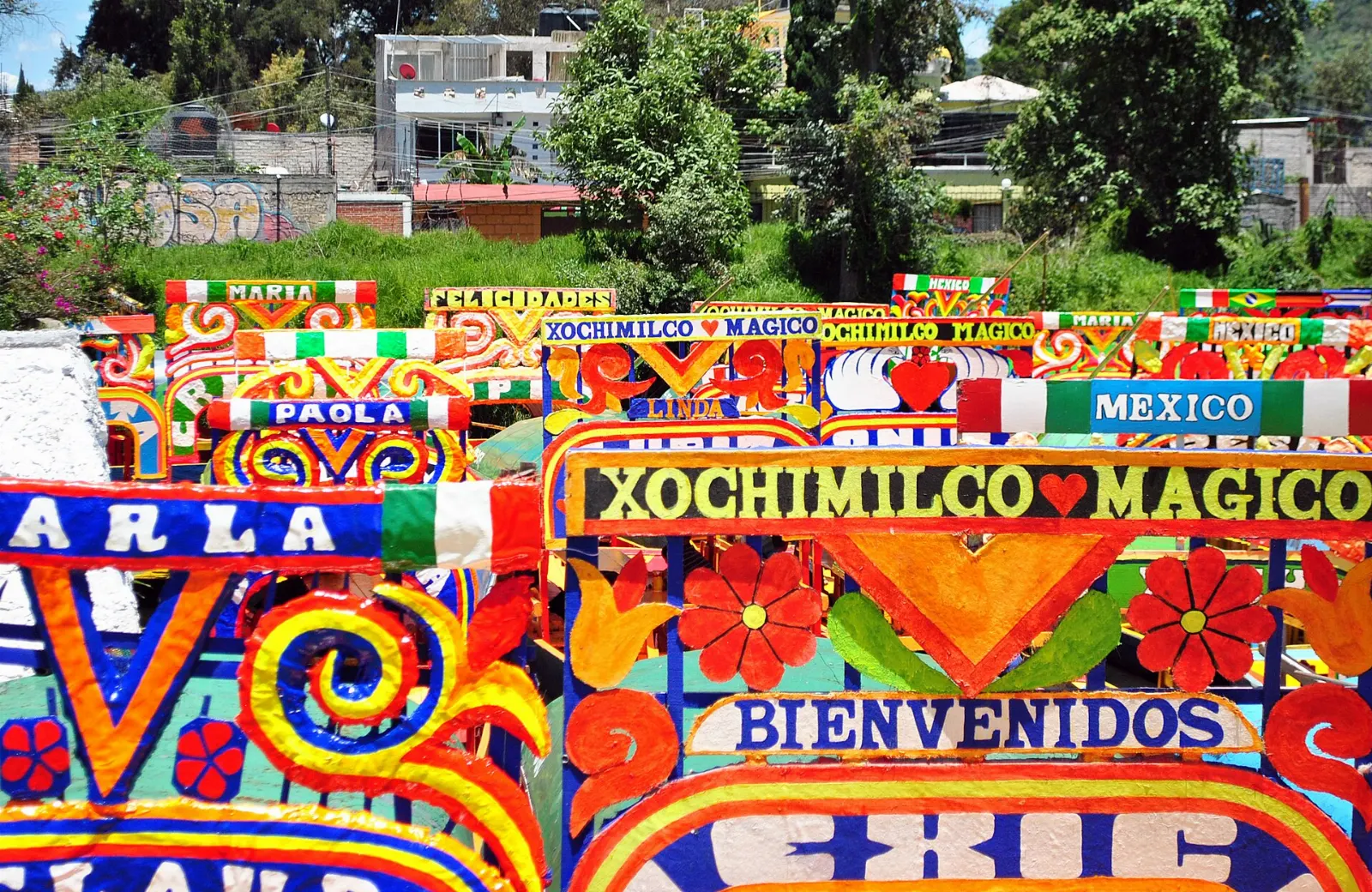
In the far south of the city, Xochimilco preserves canals and chinampas, the farming islands of the old lake system. You hire a colourful flat boat called a trajinera at one of the embarcaderos and float past gardens while other boats sell food, drinks and mariachi songs.
Basilica of Our Lady of Guadalupe
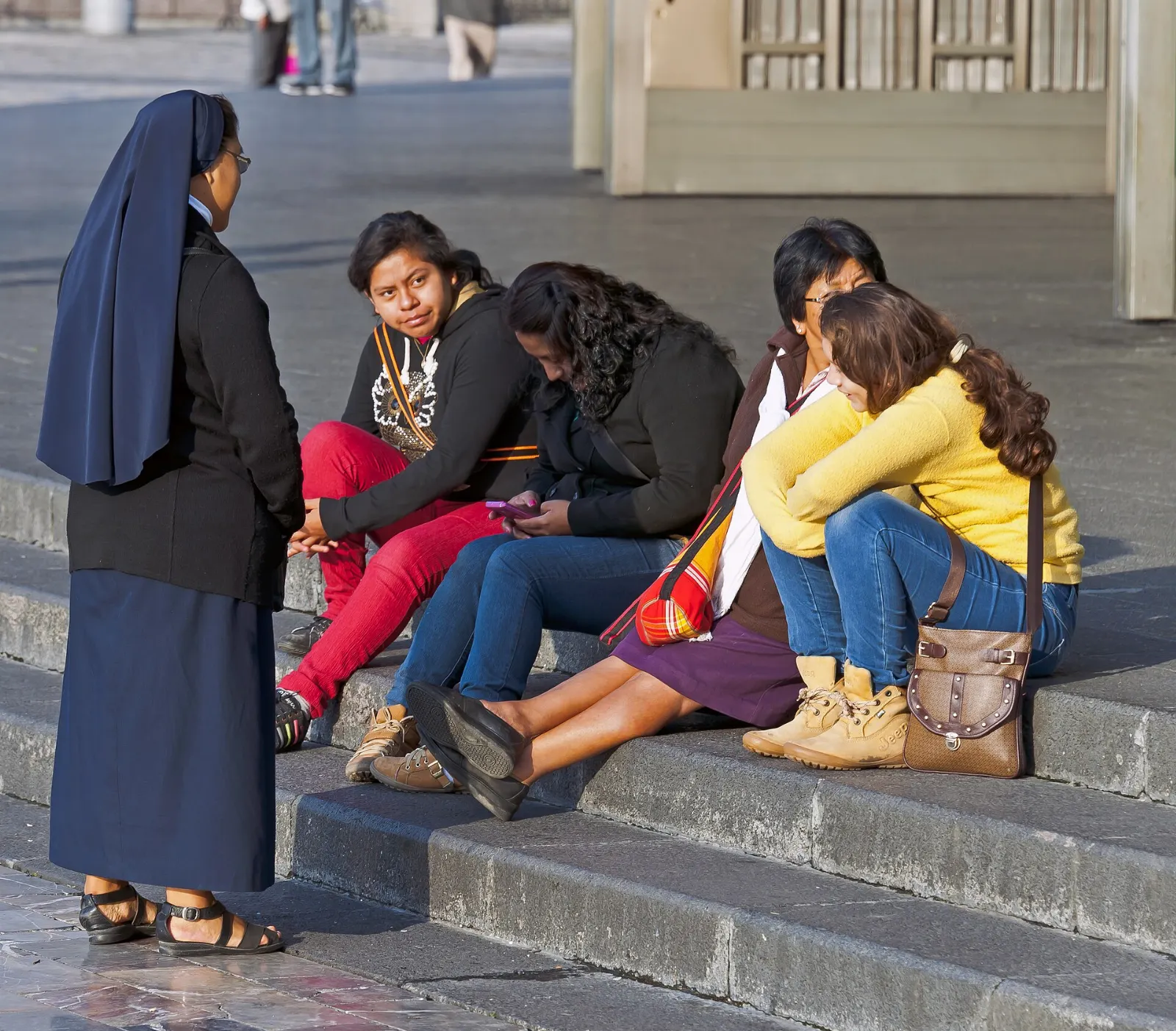
In the north of the city, this shrine is one of the most visited Catholic pilgrimage sites in the world. The modern circular basilica holds the image of the Virgin of Guadalupe, viewed from a moving walkway beneath it, while the older colonial basilica and chapels climb Tepeyac hill behind.
Teotihuacan
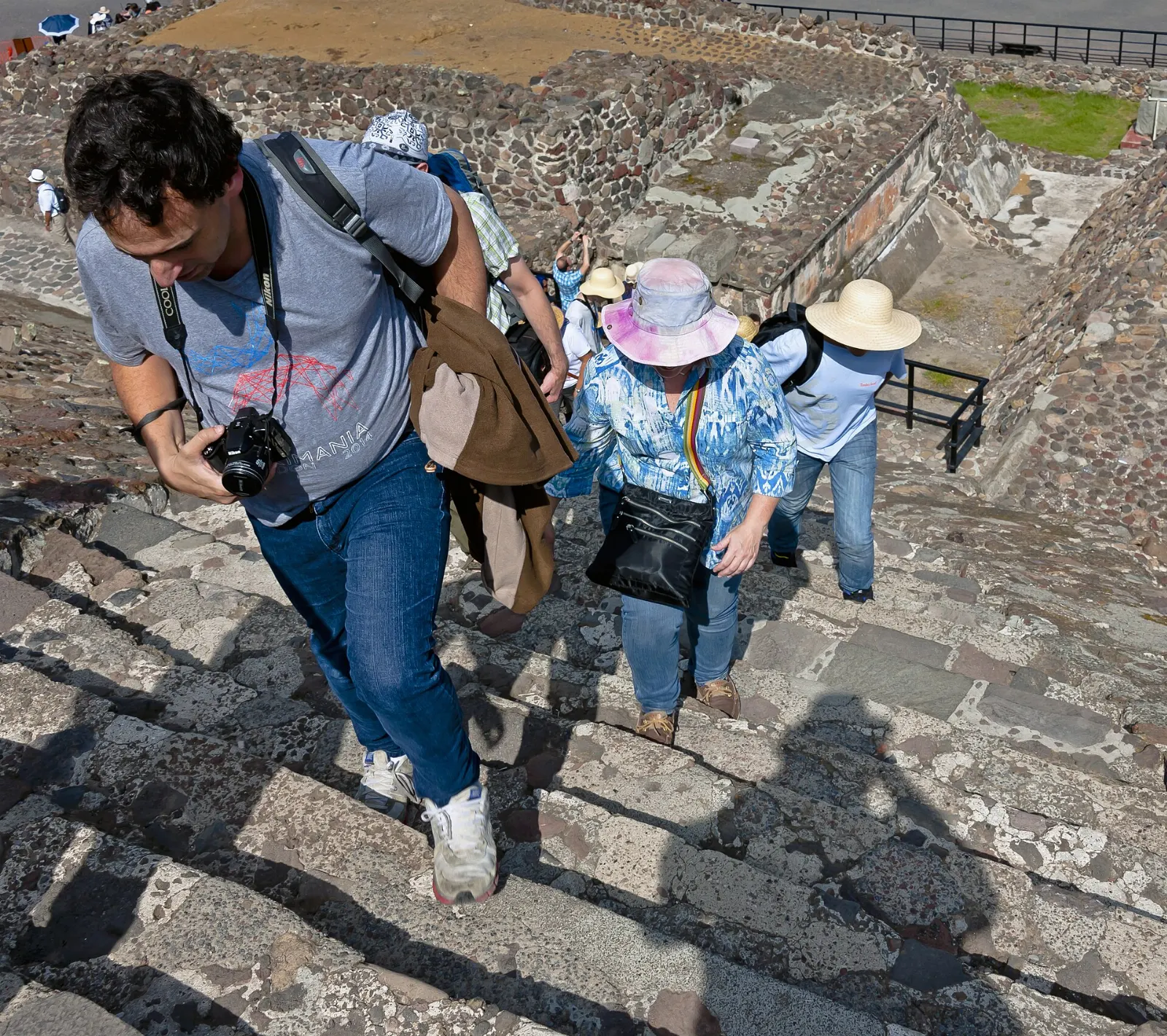
About an hour northeast of the city, the ancient city of Teotihuacan was one of the largest in the world in its heyday. Walk the Avenue of the Dead between the Pyramid of the Sun and the Pyramid of the Moon, and visit the carved Temple of the Feathered Serpent.
Food and local flavors
Start with tacos: al pastor, marinated pork shaved from a spit with pineapple; suadero and tripa from street griddles; and barbacoa on weekend mornings.
Markets are the best introduction. Mercado de San Juan in the centre is known for gourmet produce and unusual ingredients, Mercado de Coyoacán for tostadas, and Mercado de Medellín in Roma for regional products.
Popular dishes to try in Mexico City


Where to stay
Roma Norte and Condesa are the most popular bases for first time visitors, with walkable tree lined streets, parks, cafes and restaurants, and good transport links to the centre and Chapultepec.
Polanco, north of Chapultepec Park, is upscale and polished, with luxury shopping, fine dining and easy access to the museums. The Centro Histórico puts you beside the main monuments and is full of character, though some streets empty out late at night.
Where to stay in Mexico City


Best time to visit
Thanks to its altitude, Mexico City has mild weather all year.
The rainy season runs roughly from June to September, with sunny mornings followed by afternoon or evening downpours, so plan outdoor sightseeing early in the day.
Getting there and getting around
Most international flights land at Mexico City International Airport (MEX), close to the centre. Felipe Ángeles International Airport (NLU), about 35 kilometres to the north, handles a growing number of domestic and some international flights, so check which airport your ticket uses.
The Metro is extensive and inexpensive, though crowded at rush hour; several lines have women and children only carriages at busy times. Metrobús rapid buses run along major avenues such as Insurgentes and Reforma.
A suggested itinerary
First day
Start at the Zócalo, visit the Metropolitan Cathedral and the Templo Mayor, then walk Madero Street to Bellas Artes.
Second day
Spend the morning at the National Museum of Anthropology and the afternoon at Chapultepec Castle.
Third day
Visit the Frida Kahlo Museum with a pre booked ticket and explore Coyoacán's plazas and market.
Fourth day
Take an early trip to Teotihuacan, stopping at the Basilica of Our Lady of Guadalupe on the way back, and end with tacos and mezcal in Roma.
Practical tips
- Take it easy on your first day; the altitude can leave you short of breath, and alcohol hits harder.
- Drink bottled or filtered water rather than tap water, and choose busy food stalls with high turnover.
- Many museums close on Mondays; check official websites for current hours and fees.
- Book the Frida Kahlo Museum, Ballet Folklórico and popular restaurants well in advance.
- Use authorised airport taxis or ride hailing apps rather than hailing cabs on the street at night.
- Keep phones and wallets secure on the Metro and in crowded markets, and carry only what you need.
WISERMAP PLACEMexico City: photos, reviews & things to doSee traveler photos and reviews, or share your own →
More places to visit
All travel guides →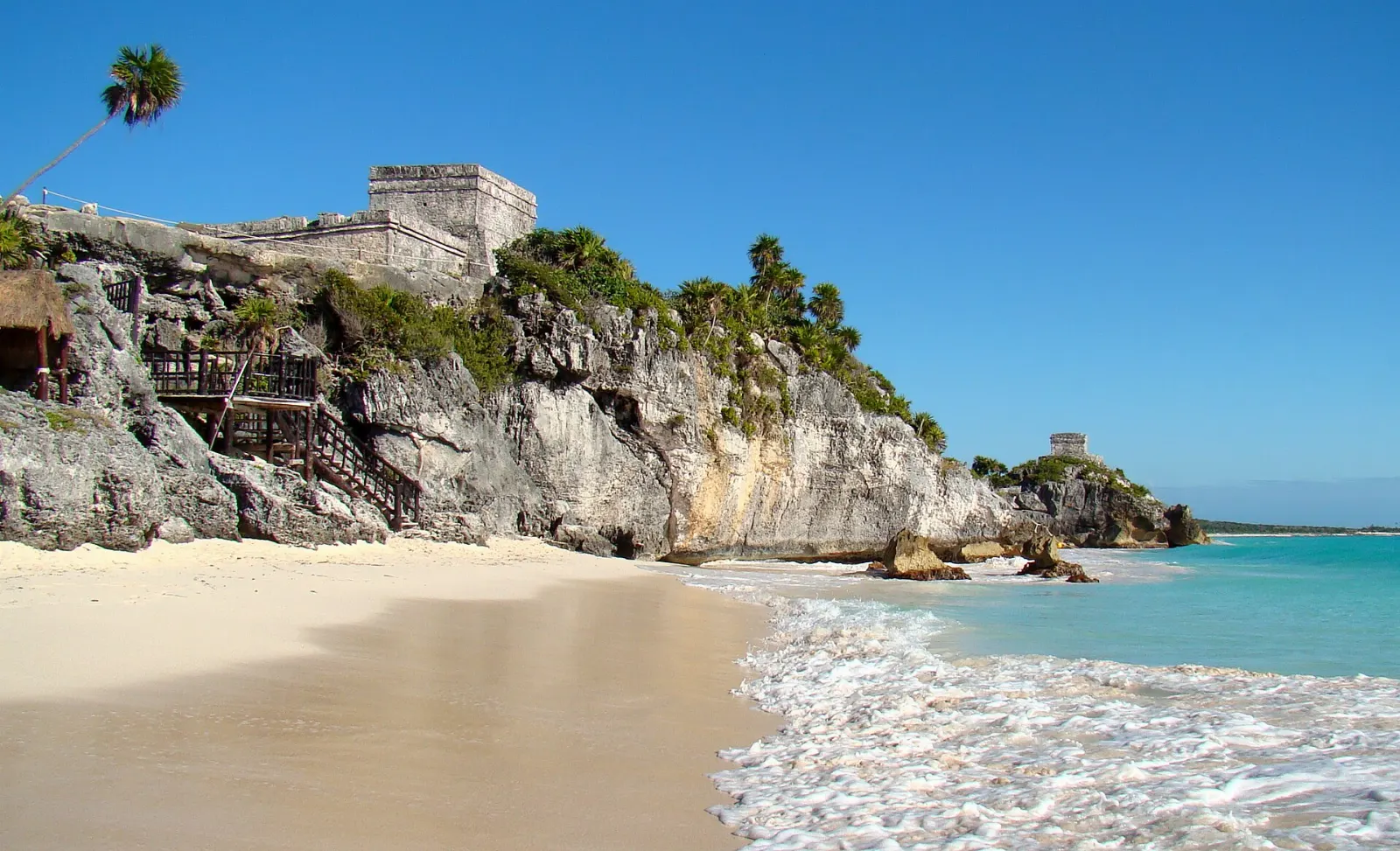
Tulum, Mexico
Tulum Mexico Clifftop Maya Ruins and Cenote Swims
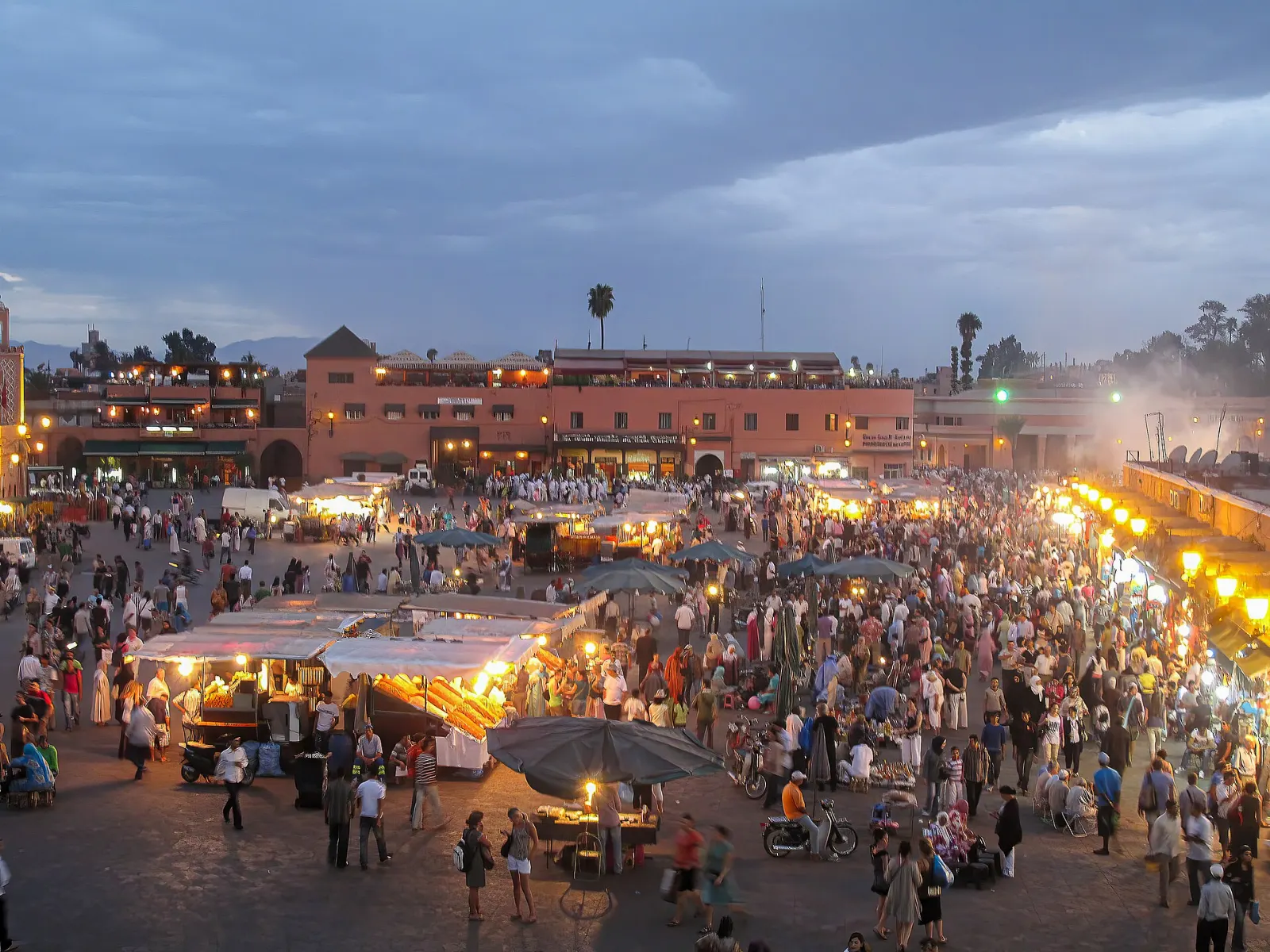
Marrakech, Morocco
Marrakech Morocco Souks Riads and Jemaa el-Fnaa
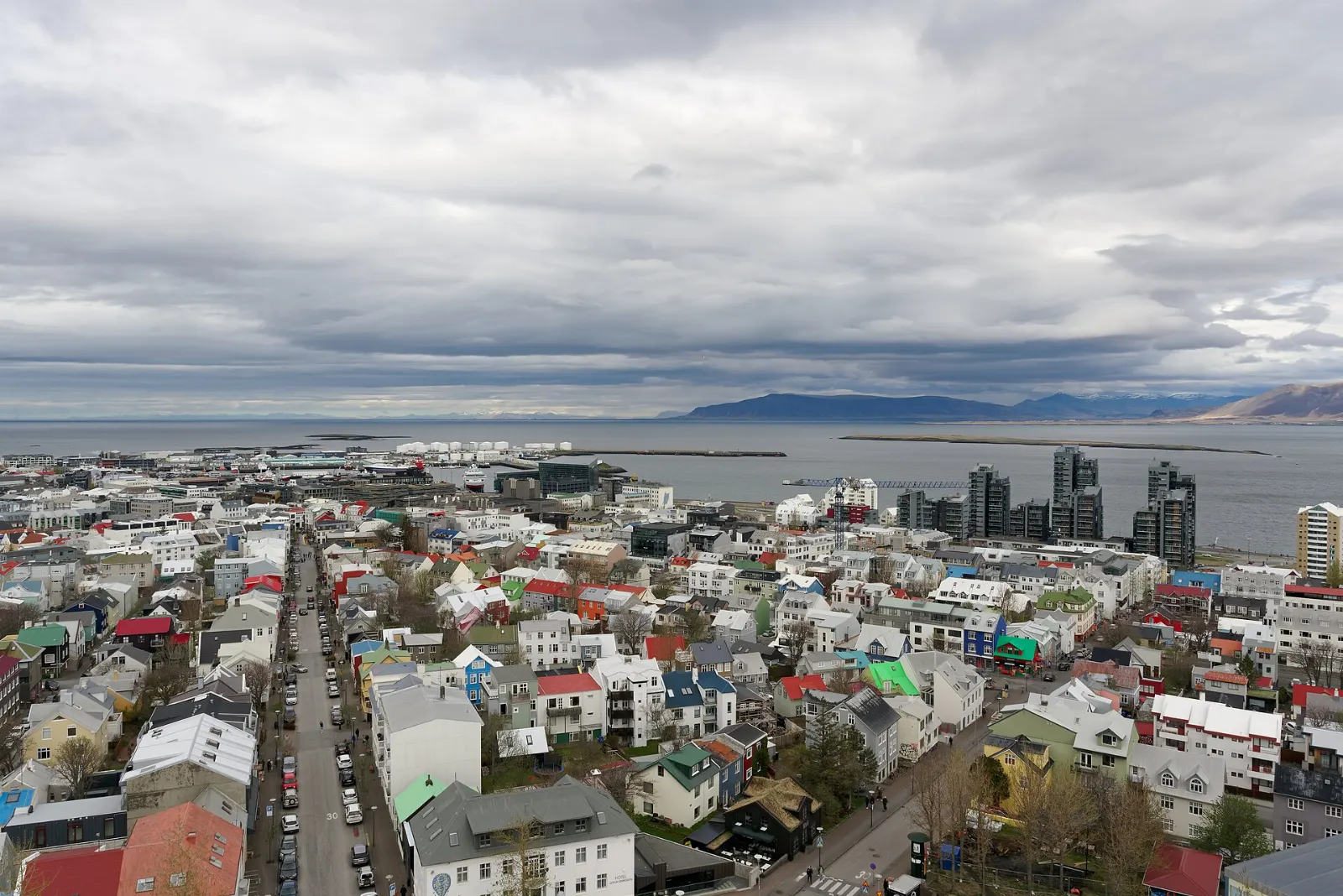
Reykjavik, Iceland
Reykjavik Iceland Geothermal Pools and Northern Lights
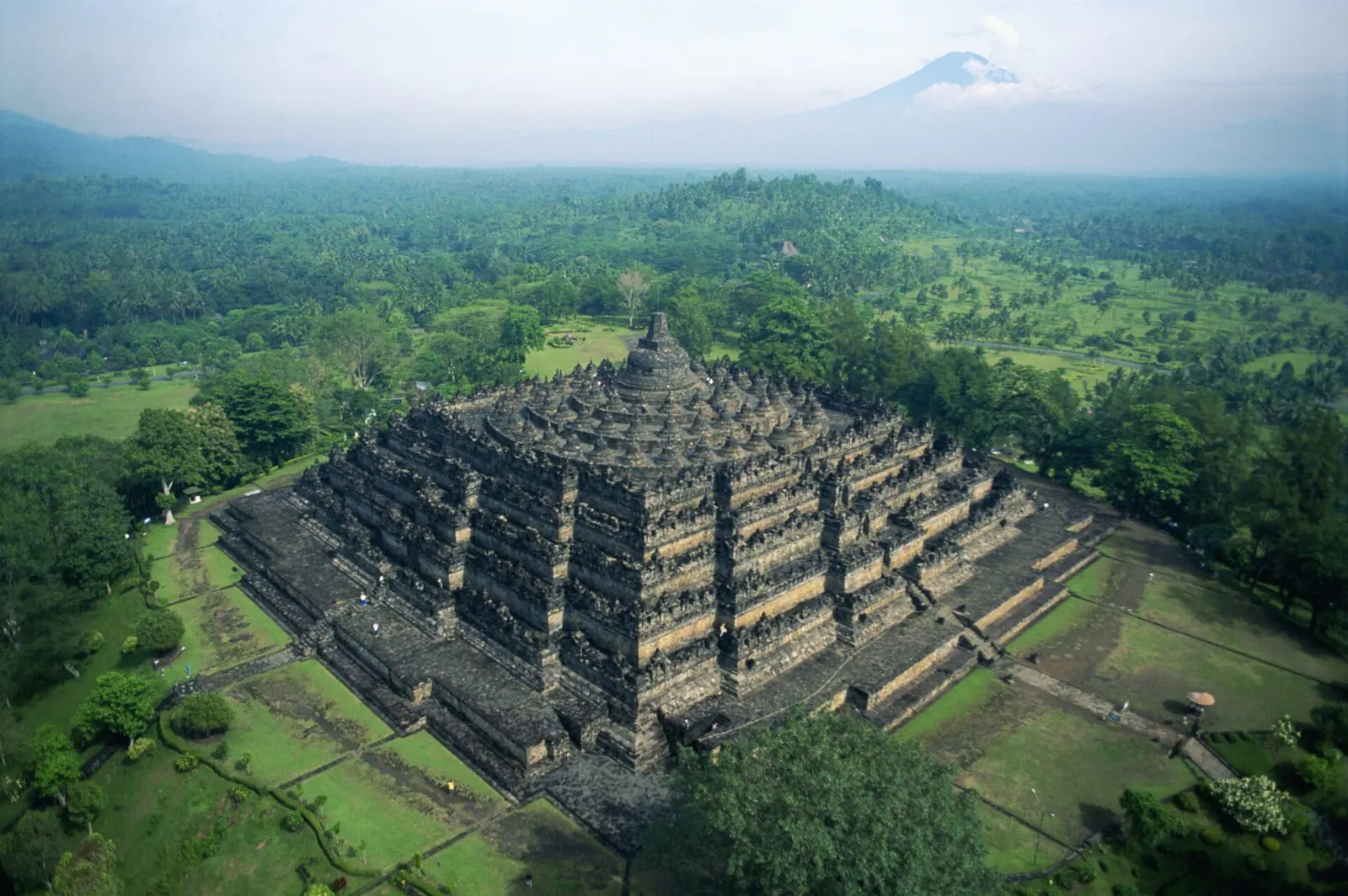
Yogyakarta, Indonesia
Yogyakarta Indonesia Borobudur Prambanan and the Kraton
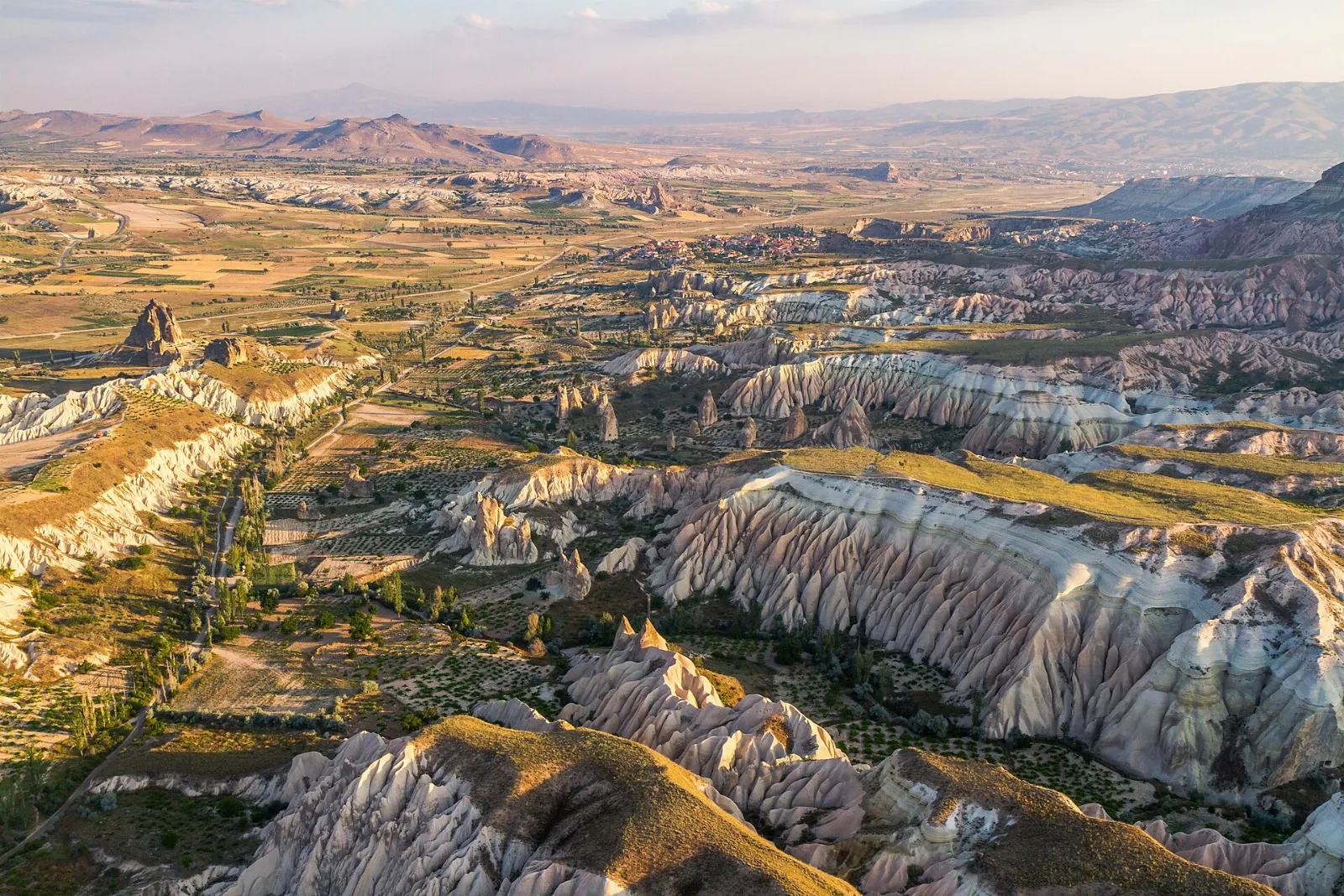
Cappadocia, Türkiye
Cappadocia Türkiye Balloon Flights and Fairy Chimneys
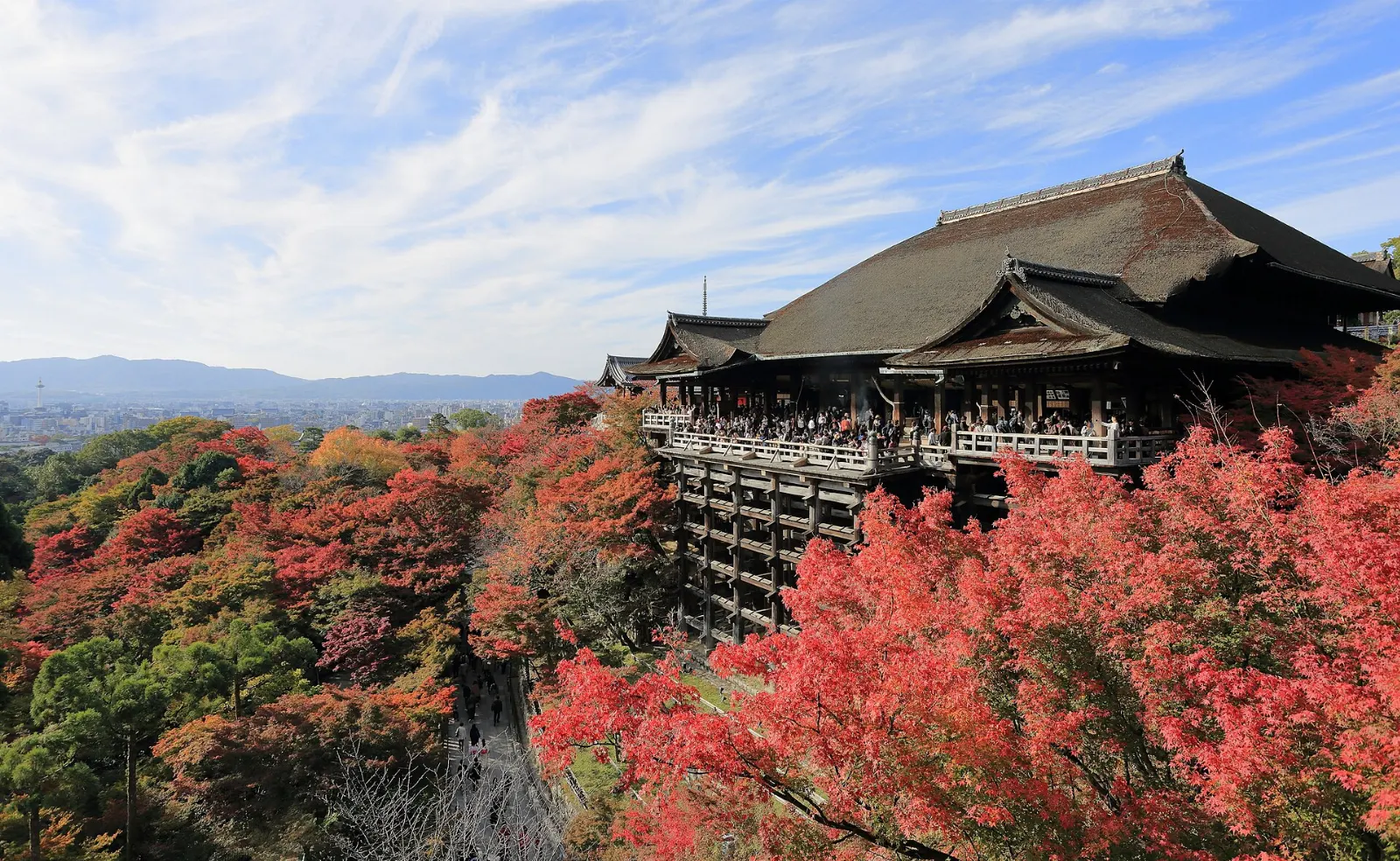
Kyoto, Japan