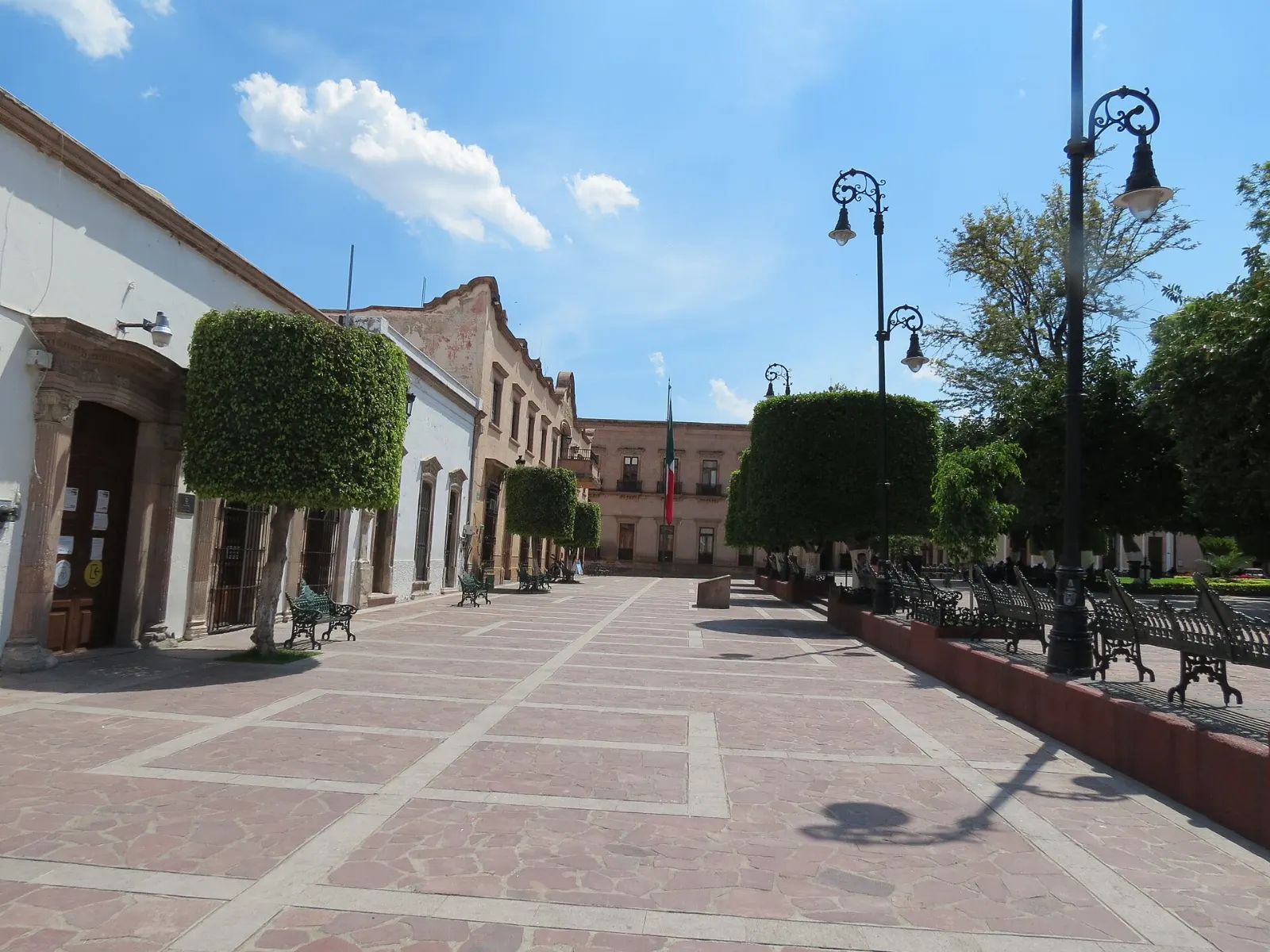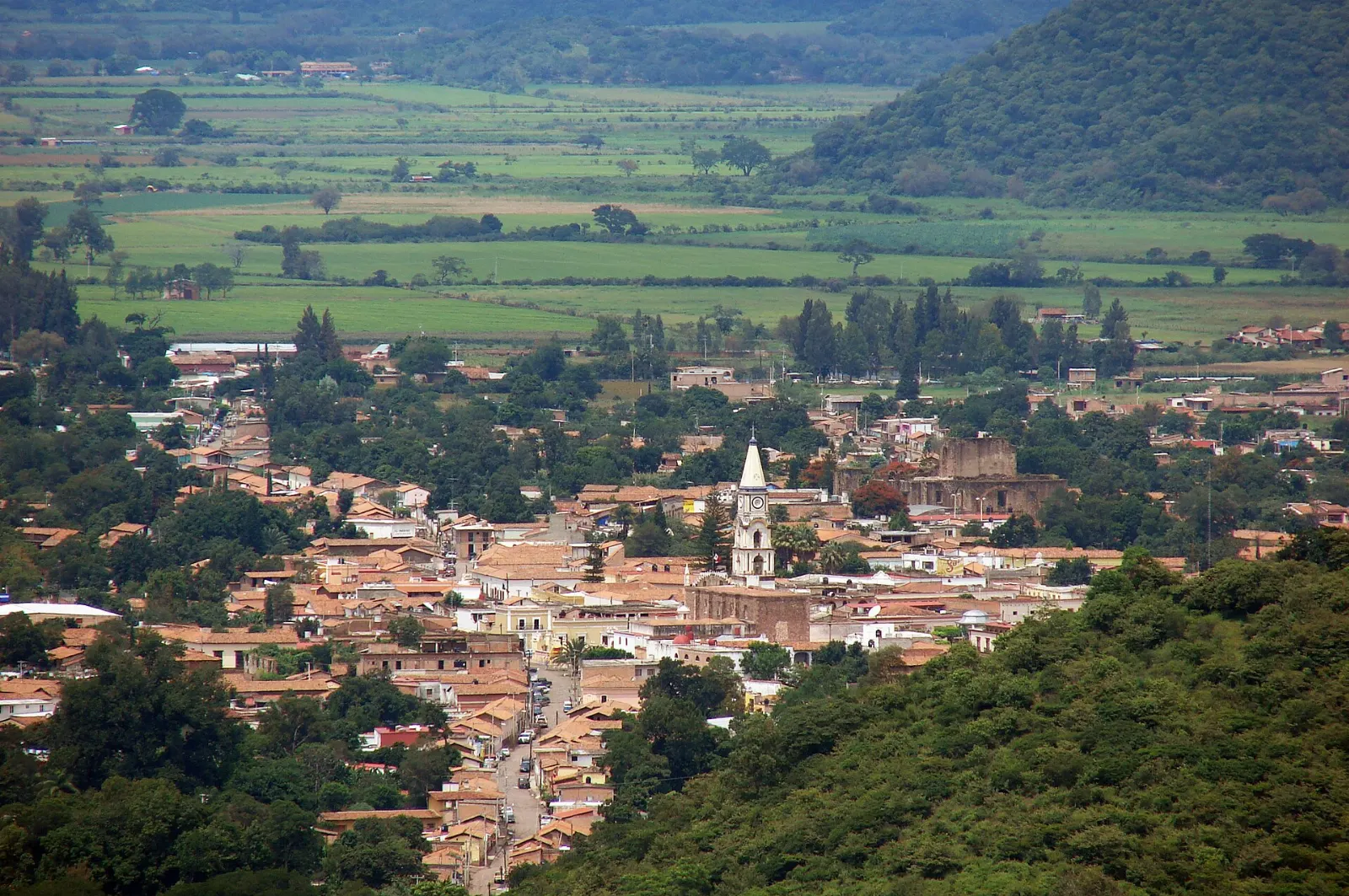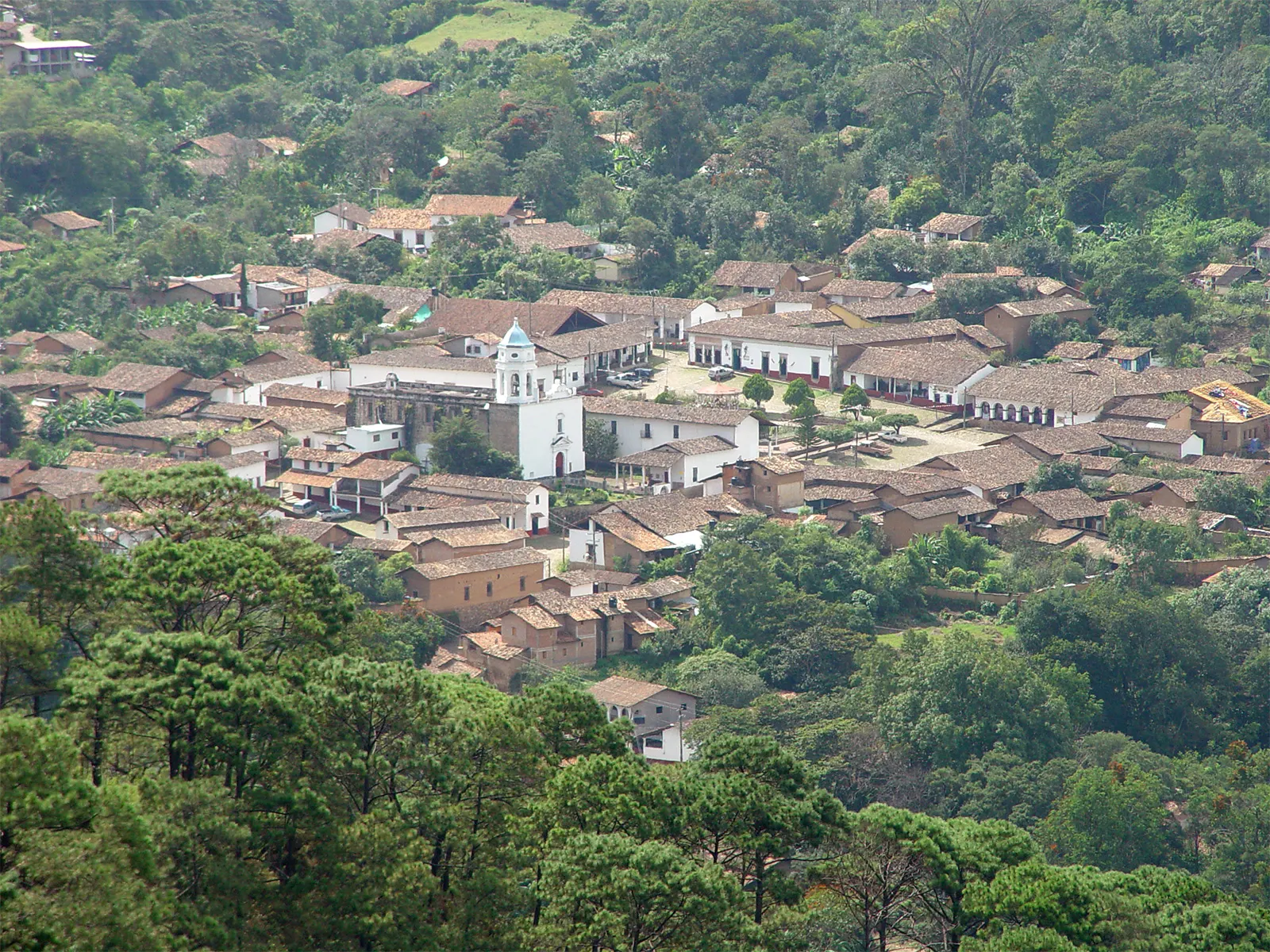
Tapalpa is a mountain town in southern Jalisco, set among pine, oak and ash forest in the Sierra Madre Occidental. Its name comes from the Nahuatl word tlapalpan, often translated as land of colors, and its whitewashed buildings with red tile roofs make that easy to believe.
AT A GLANCE
Best time
November to May for dry weather, though summer rain turns the hills green.
How long
Two or three nights lets you see the town and the outlying sights.
Getting there
A few hours south of Guadalajara by car or second-class bus.
Why visit Tapalpa
The centre keeps its traditional look, with white facades, red roofs and old public fountains where residents once collected water.
That mix suits several travel styles. You can spend a slow afternoon in the plaza, join a horseback ride, try paragliding or settle into a countryside cabin with a fireplace.
Churches, plazas and the market
Templo La Merced
This neoclassical church is easy to spot from anywhere in the centre because its bright white exterior and oversized bell tower stand above the rooftops. Inside, gray granite columns, a large dome, stained glass and colorful murals of biblical scenes make it brighter than you might expect.
Templo de San Antonio
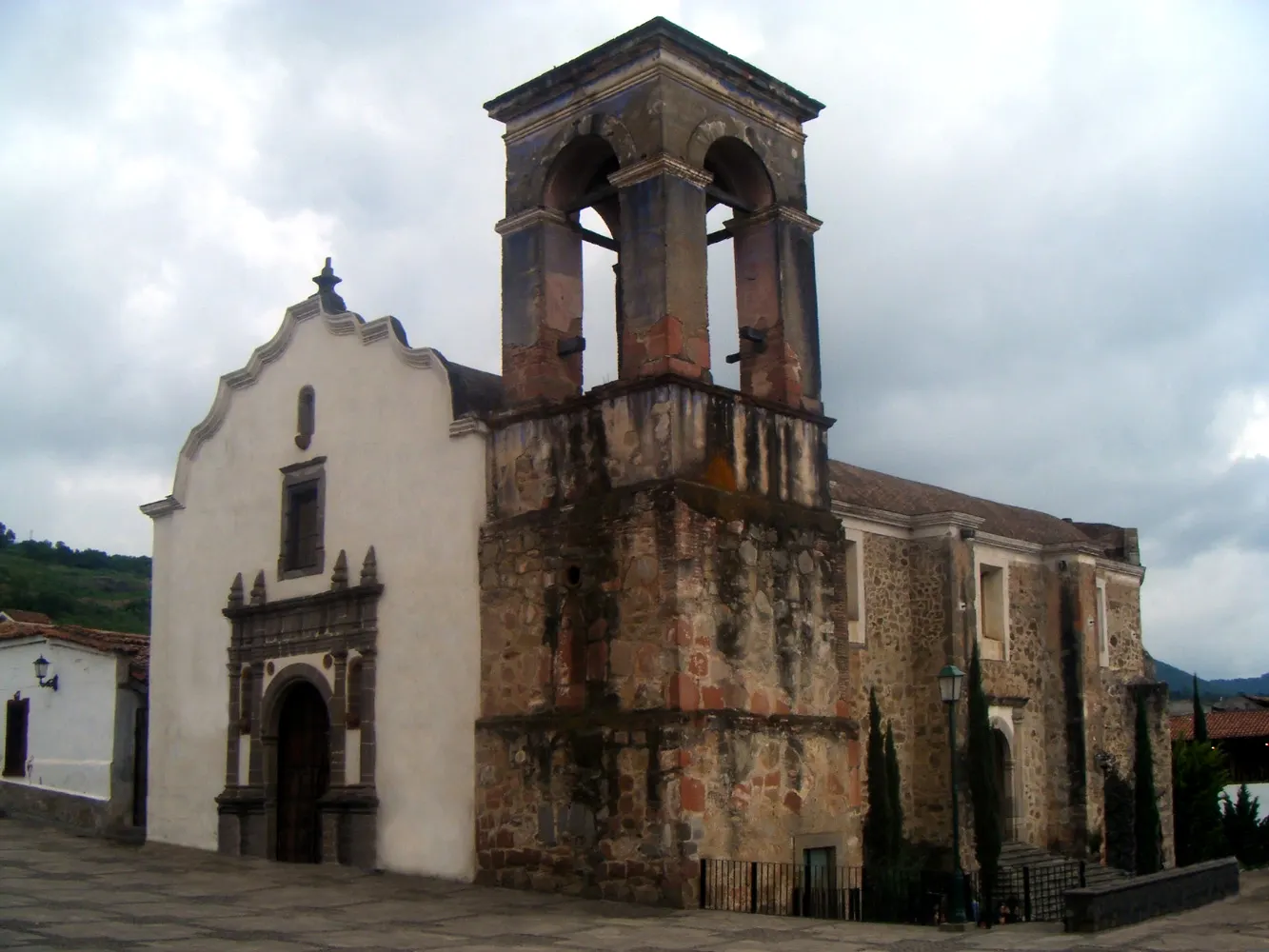
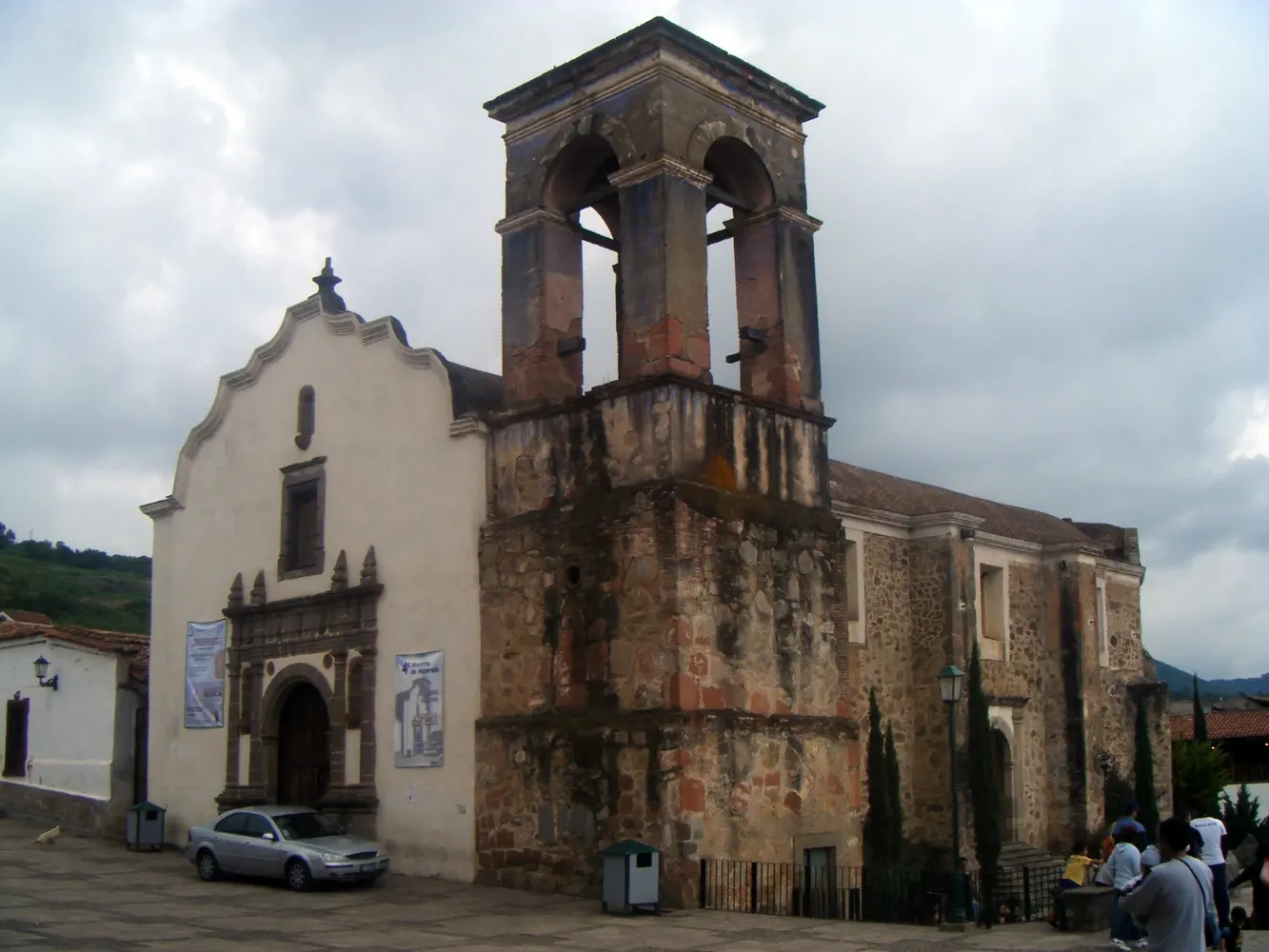
The Franciscans built this temple in 1650, and it is known for its large vaulted ceiling.
Nuestra Señora de Guadalupe
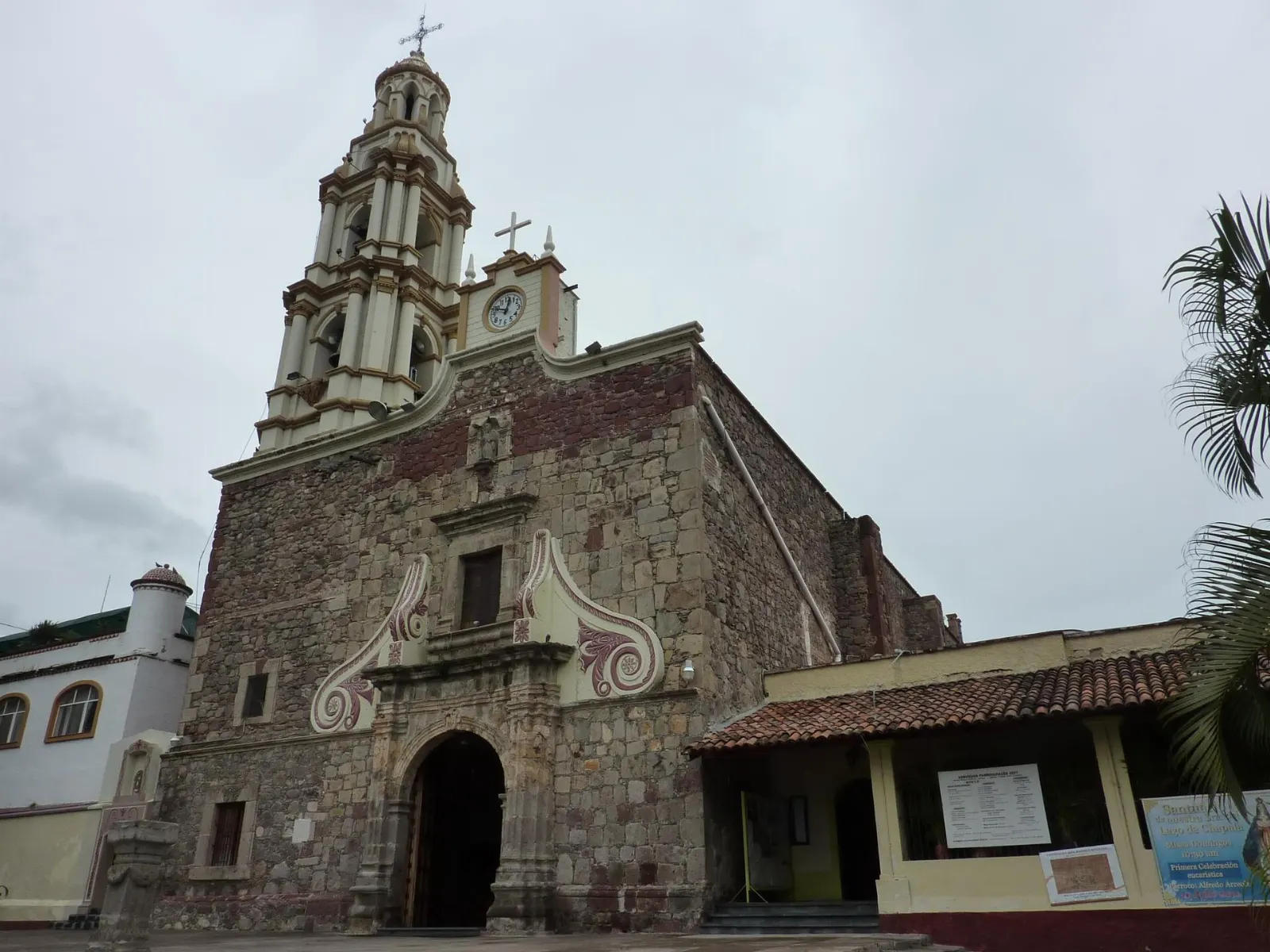
Damage to the older temple led locals to build this newer church, begun in 1950 and paid for by community contributions. It is made almost entirely of red brick, which makes a striking contrast with the white churches nearby.
Pila de las Culebras
This small plaza has a fountain and a wall of relief sculptures telling a historic Otomi tale. According to the story, four women gossiping at the town well were turned into a pile of snakes by an Otomi priest who sprinkled them with water.
Parque de las Esculturas
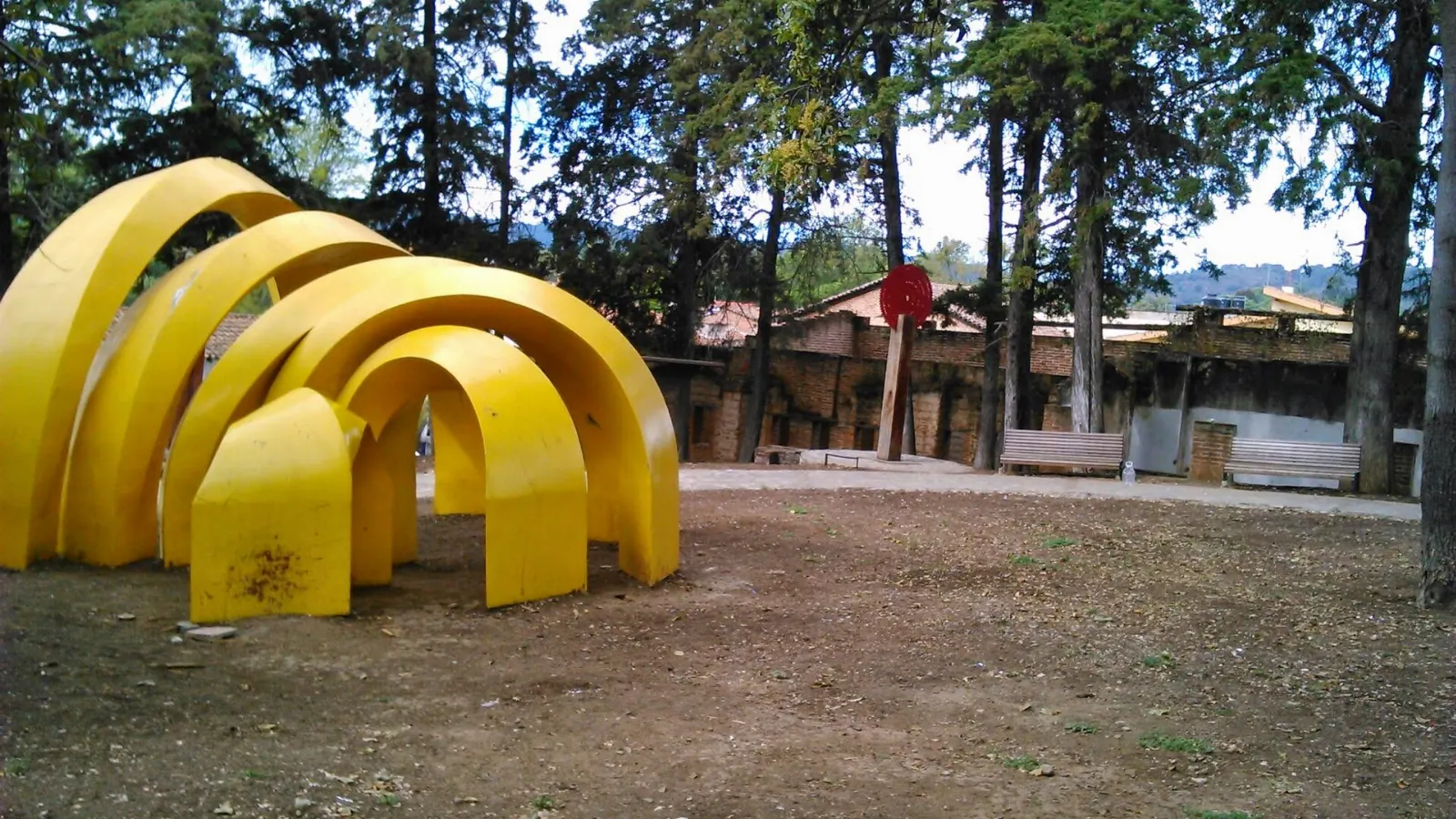
A small park with several works of contemporary art and open space where children can play. It is a pleasant break between churches and market stalls, and it takes only a few minutes to walk through.
Mercado Municipal
This small traditional market sells fresh farm produce, plus several stalls serving regional dishes. It is the best place to try local food without a long sit-down meal, and a good spot for a mid-morning snack.
Rocks, waterfalls and the hills
Las Piedrotas
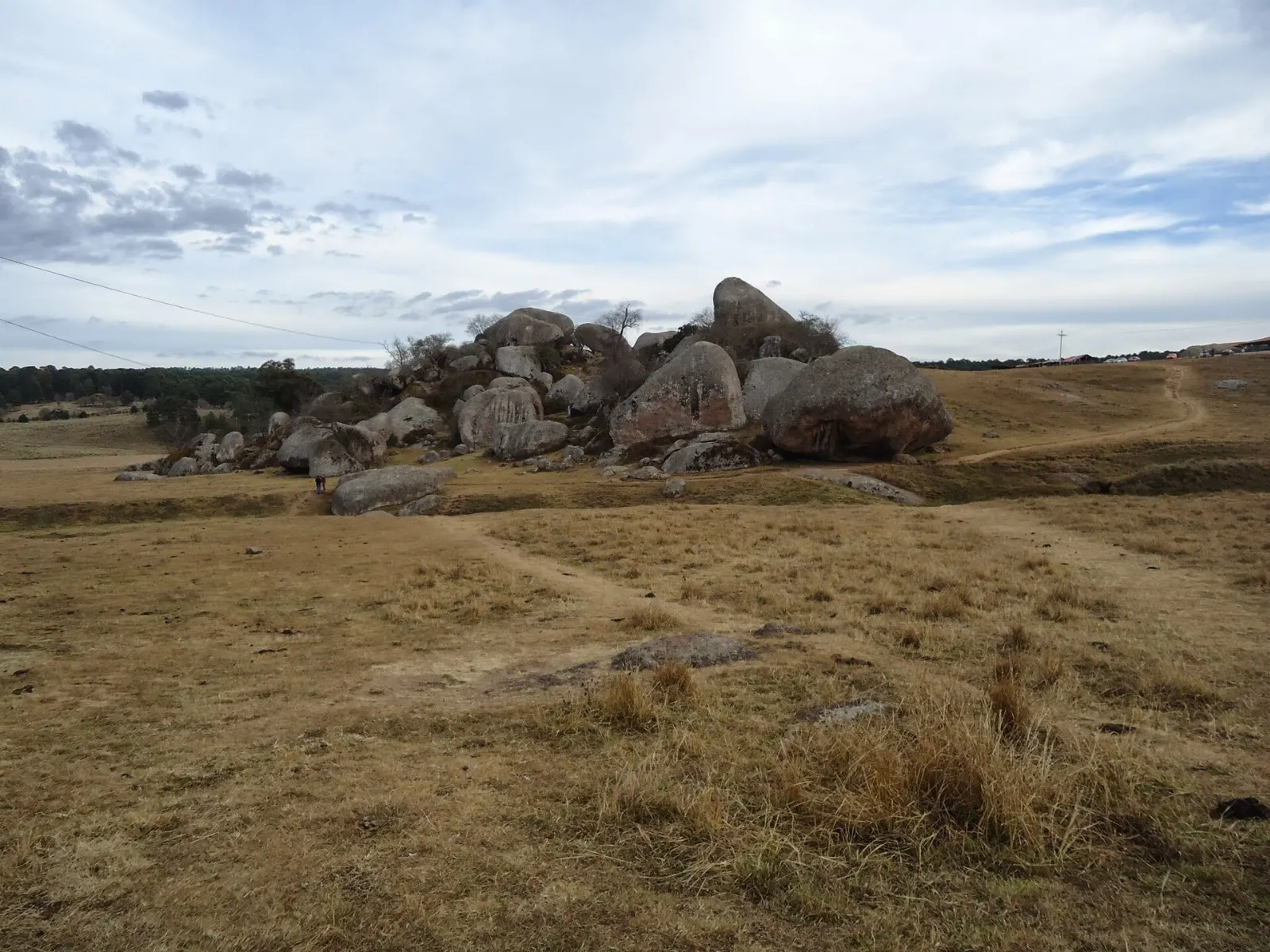
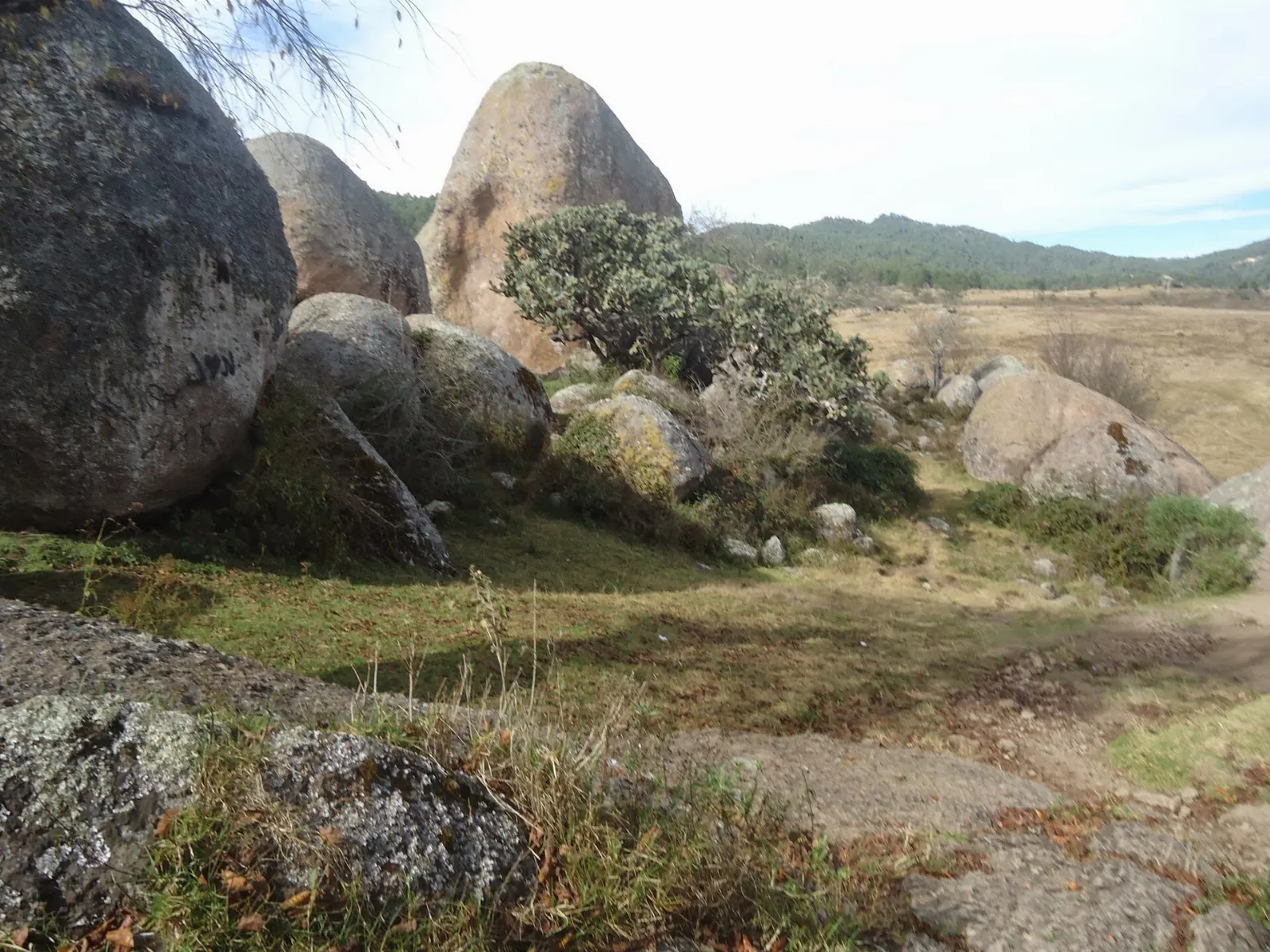
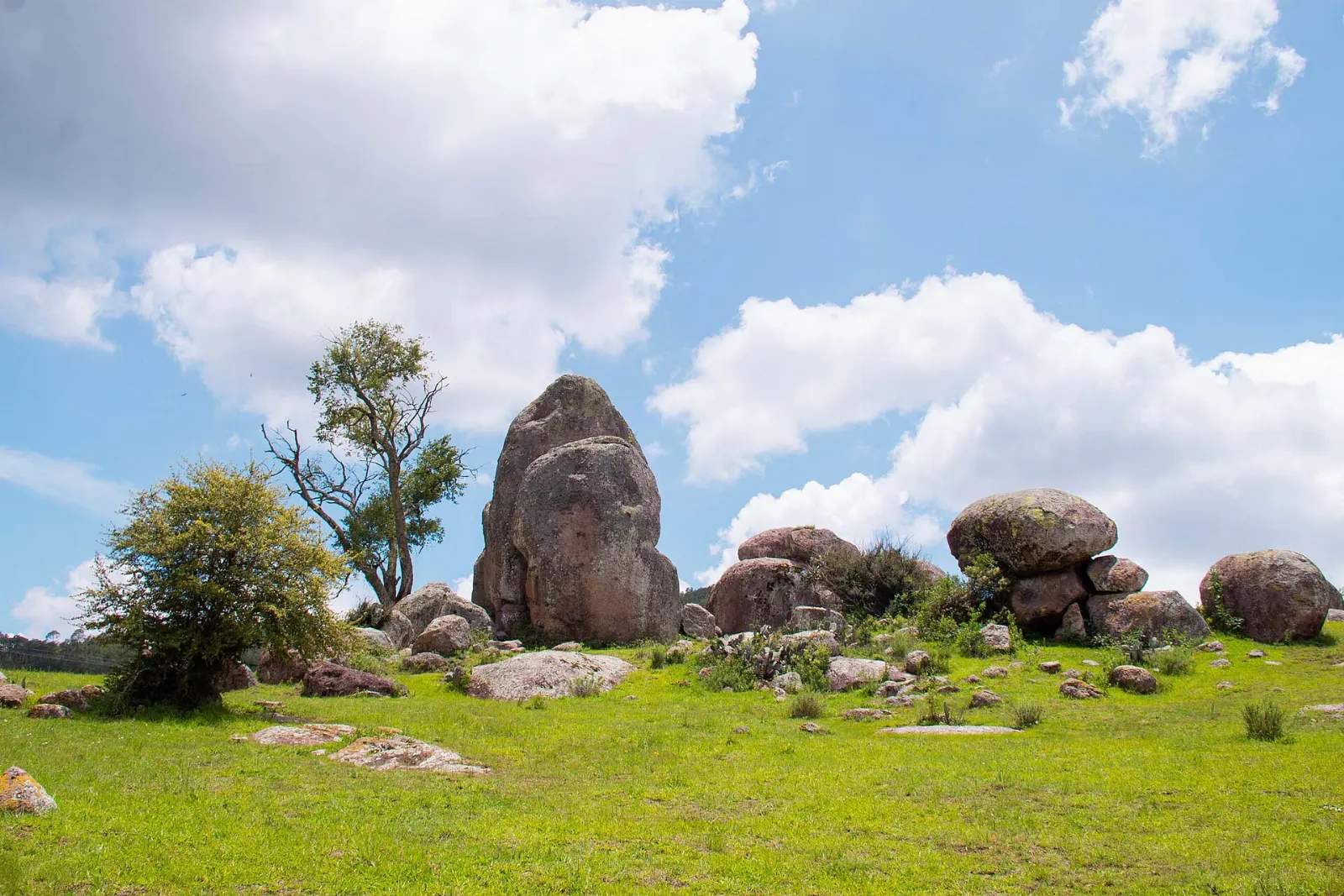
Also called the Valle de los Enigmas, this hiking area is notable for its large natural monoliths scattered across open ground a few kilometres north of town. You can walk, drive or rent a motorbike to get there, and zip-lining and horseback riding are popular.
Salto del Nogal
At 105 metres, this is the tallest waterfall in Jalisco, about ten kilometres from Tapalpa. The Presa Salto del Nogal lake lies within the municipality, so you can combine the falls with a lakeside pause.
Parque Aventuras La Ceja
This hilltop has a paragliding academy where you can strap on a wing and ride the air currents before gliding down toward the valley. It operates mainly on weekends in winter, so check ahead. Even if you do not fly, the view from the top is worth the trip.
The old paper factory ruins
Latin America's first paper factory opened in Tapalpa in 1840 and was abandoned in 1923 after the Mexican Revolution. Its ruins are now a local attraction, with weathered stone walls and a quiet setting. Ask at your lodging for the best way to reach them and allow an hour.
 Planning a trip to Tapalpa?Compare hotels, flights and vacation rentals for Tapalpa on Expedia.Book now
Food and local flavors
Tapalpa is known for outdoor restaurants that specialise in grilled meats, so carne asada is the safe order for a first dinner. Birria, the slow-cooked goat or beef stew from Jalisco, appears on many menus, and torta ahogada, the crusty sandwich drowned in chile sauce, is a Jalisco classic you will find in the region.
Popular dishes to try in Tapalpa


Where to stay
Centro is the easiest base, with small hotels around the main plaza, restaurants and the market within walking distance, so it suits first-time visitors and those without a car. El Parque, around Templo La Merced, is a good fit for travellers who want to be close to the church and the sculpture park. El Fresnito, near the Pila de las Culebras plaza, tends to be quieter and suits couples.
Where to stay in Tapalpa


Best time to visit
Tapalpa receives roughly 880 millimetres of rain a year, mostly between June and October, so the hills are lush then but paths can be muddy. November to May is better for hiking, horseback riding and paragliding, with cooler nights when a fireplace is welcome. Weekends are busiest because Guadalajara residents arrive in numbers, so midweek visits are calmer.
Getting there and getting around
Tapalpa lies in southern Jalisco, south of Guadalajara. Most visitors drive, which also makes the outlying sights easy to reach. Second-class buses run from Guadalajara with the company Sur de Jalisco, which has a small terminal in the Cruz Verde area, and a smaller company called Autotransportes Tapalpa operates local routes. Buses also link the town with Zacoalco, Sayula and other places in the region. The centre is walkable, but Las Piedrotas, Salto del Nogal and the paper factory are easier with a car or a taxi.
A suggested itinerary
First day
Arrive and walk the centre, visiting Templo La Merced, Templo de San Antonio and the Pila de las Culebras.
Second day
Go to Las Piedrotas in the morning for hiking or a horseback ride, then drive to Salto del Nogal in the afternoon.
Third day
Try paragliding at La Ceja or visit the old paper factory ruins, then browse the market for crafts before heading home.
Practical tips
- Check your government's current travel advisory before you go.
- Bring warm layers, because the highlands cool quickly after sunset.
- Carry cash for markets, small restaurants and park entry points.
- Wear sturdy shoes for Las Piedrotas and the waterfall.
- Confirm opening days for La Ceja and restaurants, since many keep reduced weekday hours.