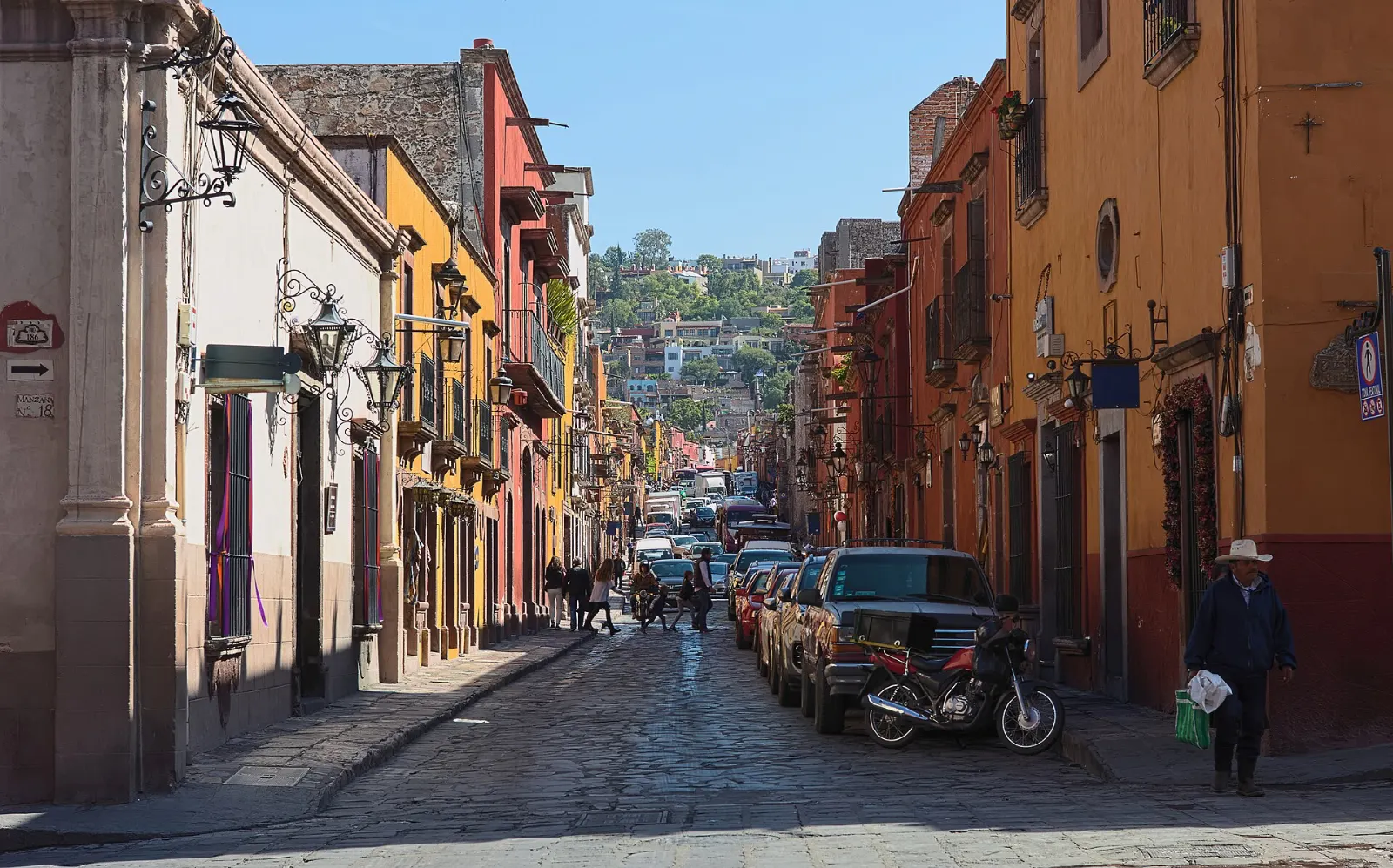
San Miguel de Allende is a colonial city in the Bajío region of Guanajuato, known for its pink stone churches, steep cobbled streets and artists' studios. The historic center and the nearby Sanctuary of Atotonilco became a UNESCO World Heritage Site in 2008.
AT A GLANCE
Best time
November to April for cool, dry days, or September for Independence and patron saint celebrations.
How long
Three days covers the center and a day trip, and five lets you slow down.
Getting there
Fly into León or Querétaro, then take a shuttle, taxi or bus of about an hour.
Why visit San Miguel de Allende
The town was founded in the 16th century, and in the 1700s it grew rich as a stop on the roads between the silver mines and Mexico City.
Since the 1930s, artists and students have kept it a creative town, and schools such as Bellas Artes and the Instituto Allende still shape daily life. The result is a place that is part Mexican colonial town, part art colony, and easy to explore on foot.
The historic center
Parroquia de San Miguel Arcángel
The pink stone parish church dominates the skyline and looks like an ornate candy sculpture.
El Jardín
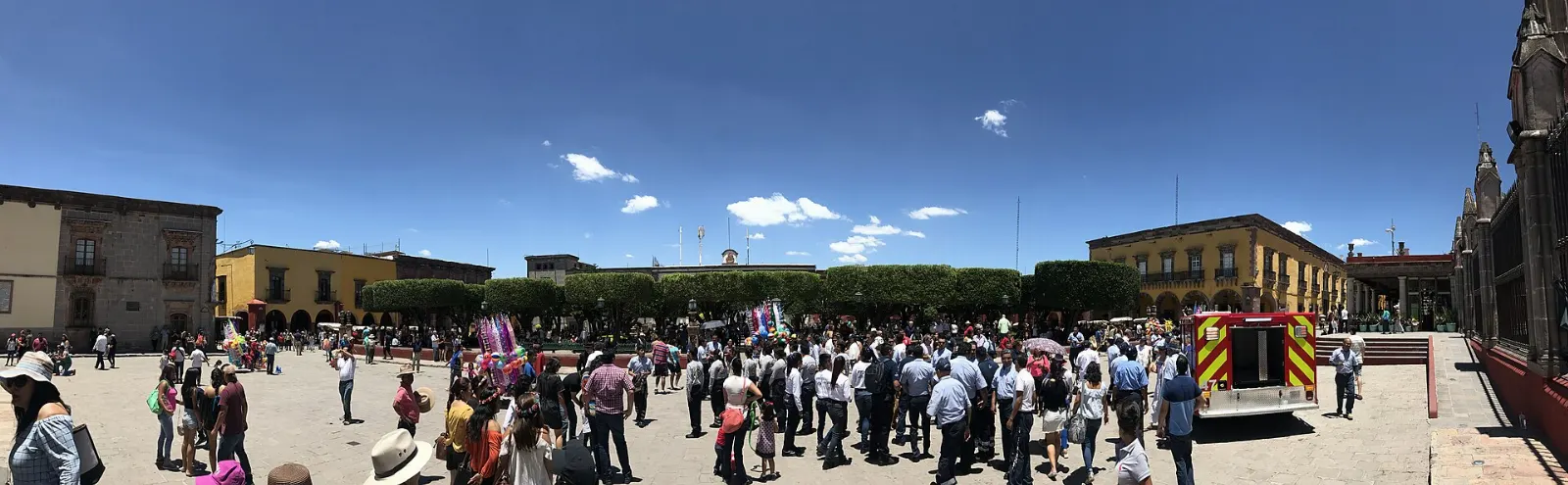
The Jardín, also called the Plaza Principal, sits right beside the church with trimmed trees and benches, and it is always busy. It is the best place to watch the town pass by, with musicians, families and vendors moving through.
Oratorio de San Felipe Neri
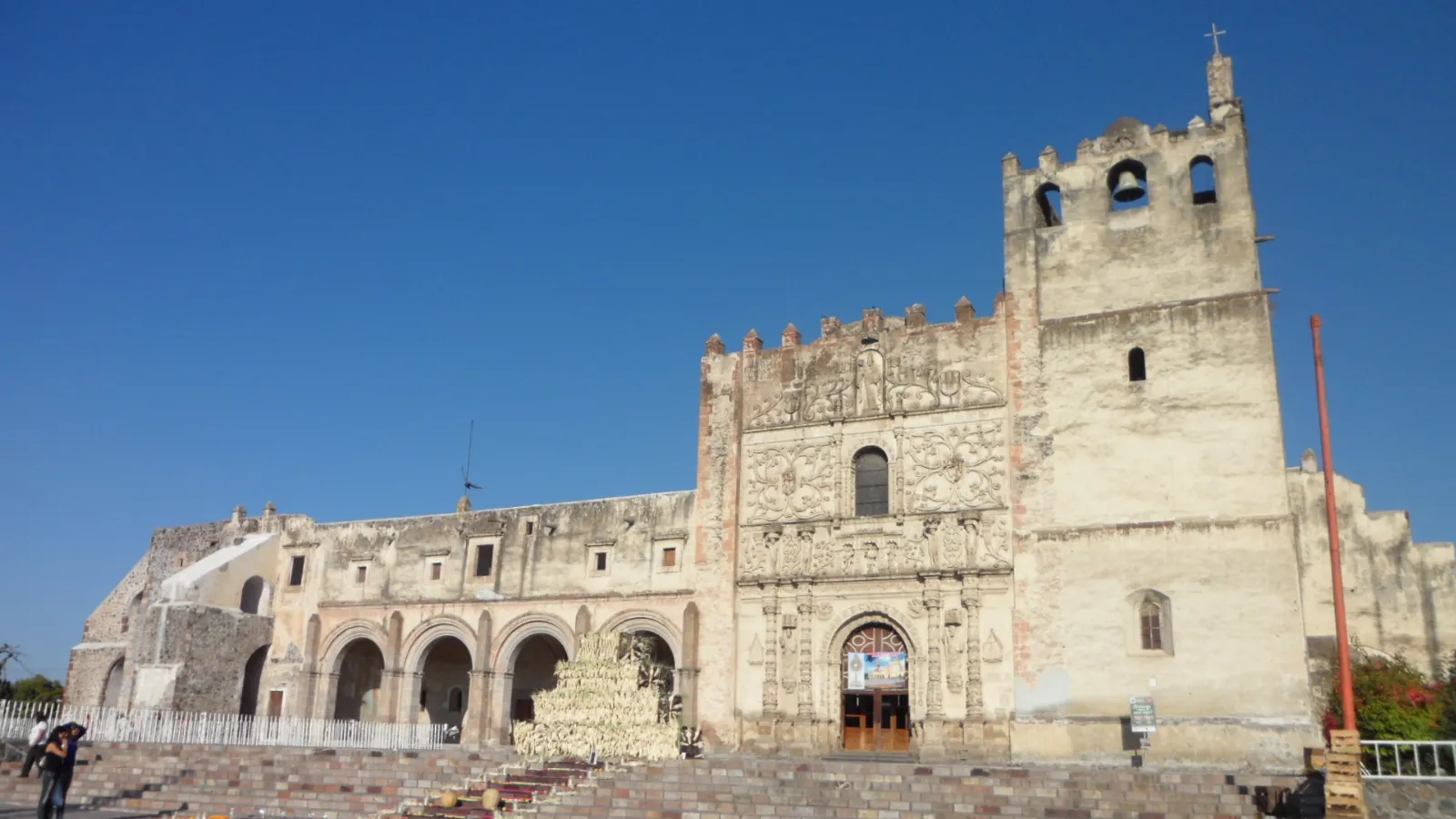
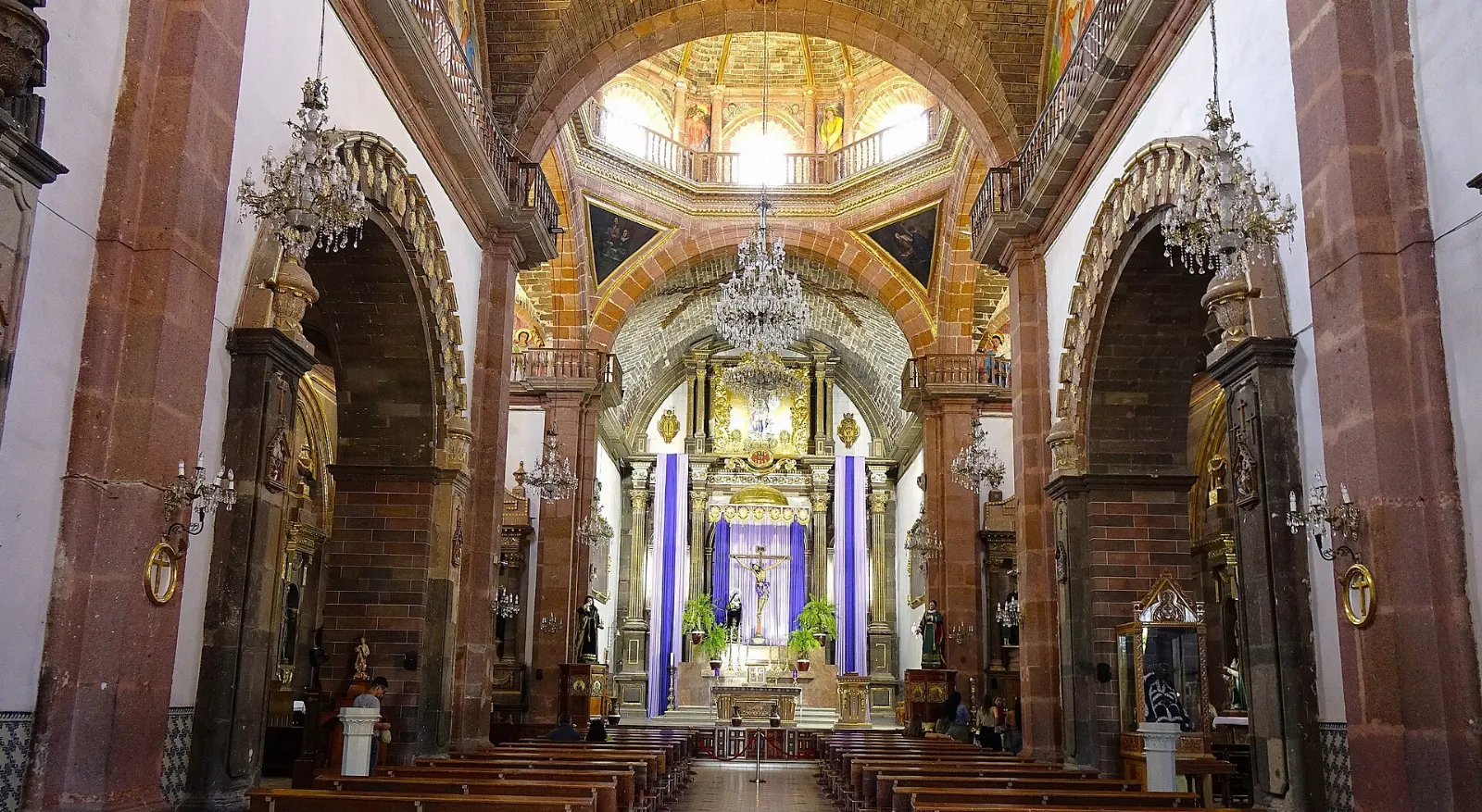
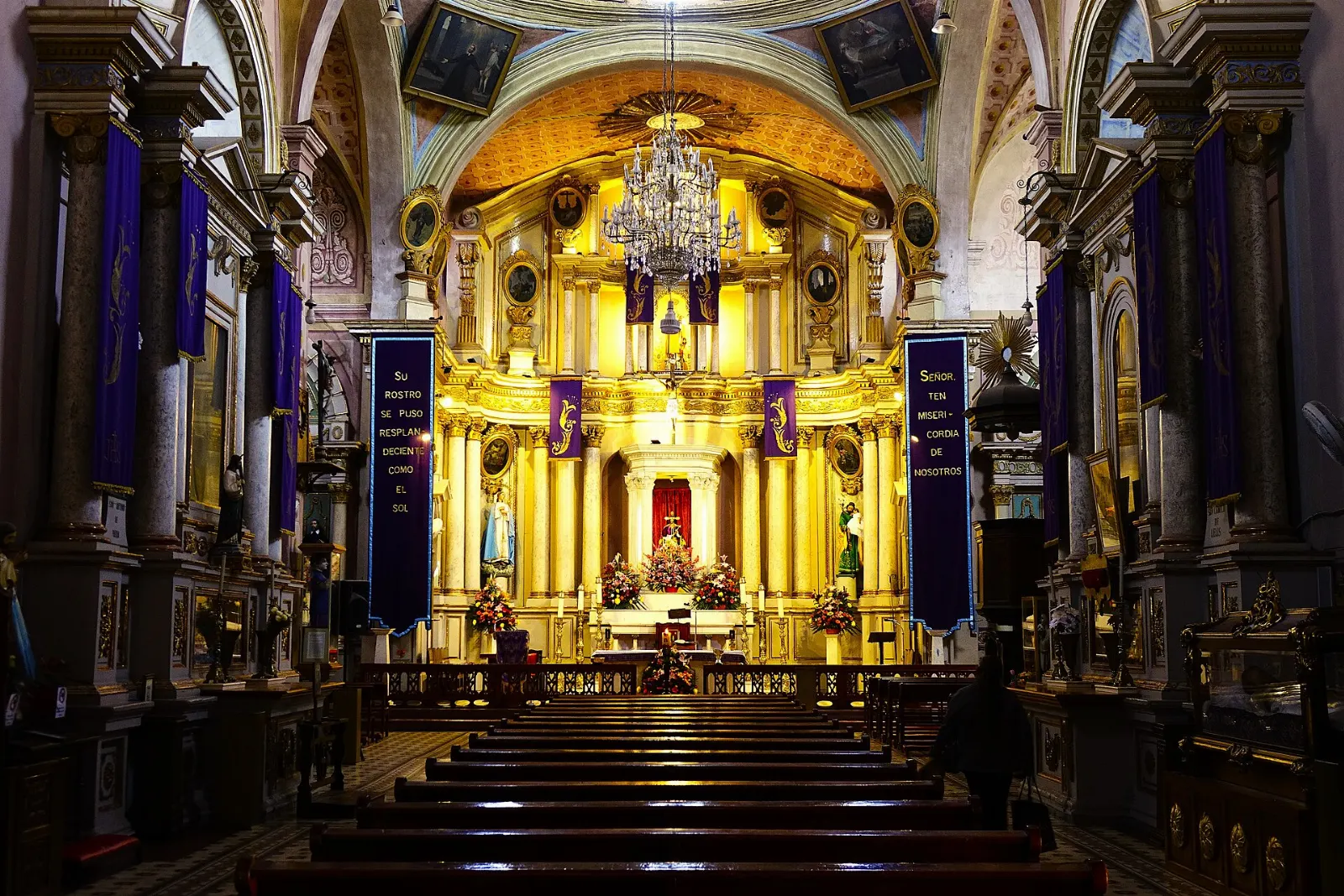
Completed in 1714, this church has a delicately carved pink sandstone facade and a quieter interior than the main parish. It is a short walk from the plaza and rewards a slow look at the stonework.
Templo de San Francisco
Built toward the end of the 18th century, the Templo de San Francisco is a good example of Mexican Baroque architecture. It sits a few blocks from the plaza, close to shops and cafés.
Casa de Allende
The Museo Histórico de San Miguel de Allende occupies the home of Ignacio Allende, one of the heroes of independence. The exhibits trace regional history from the 16th century and show how a wealthy family lived.
Bellas Artes
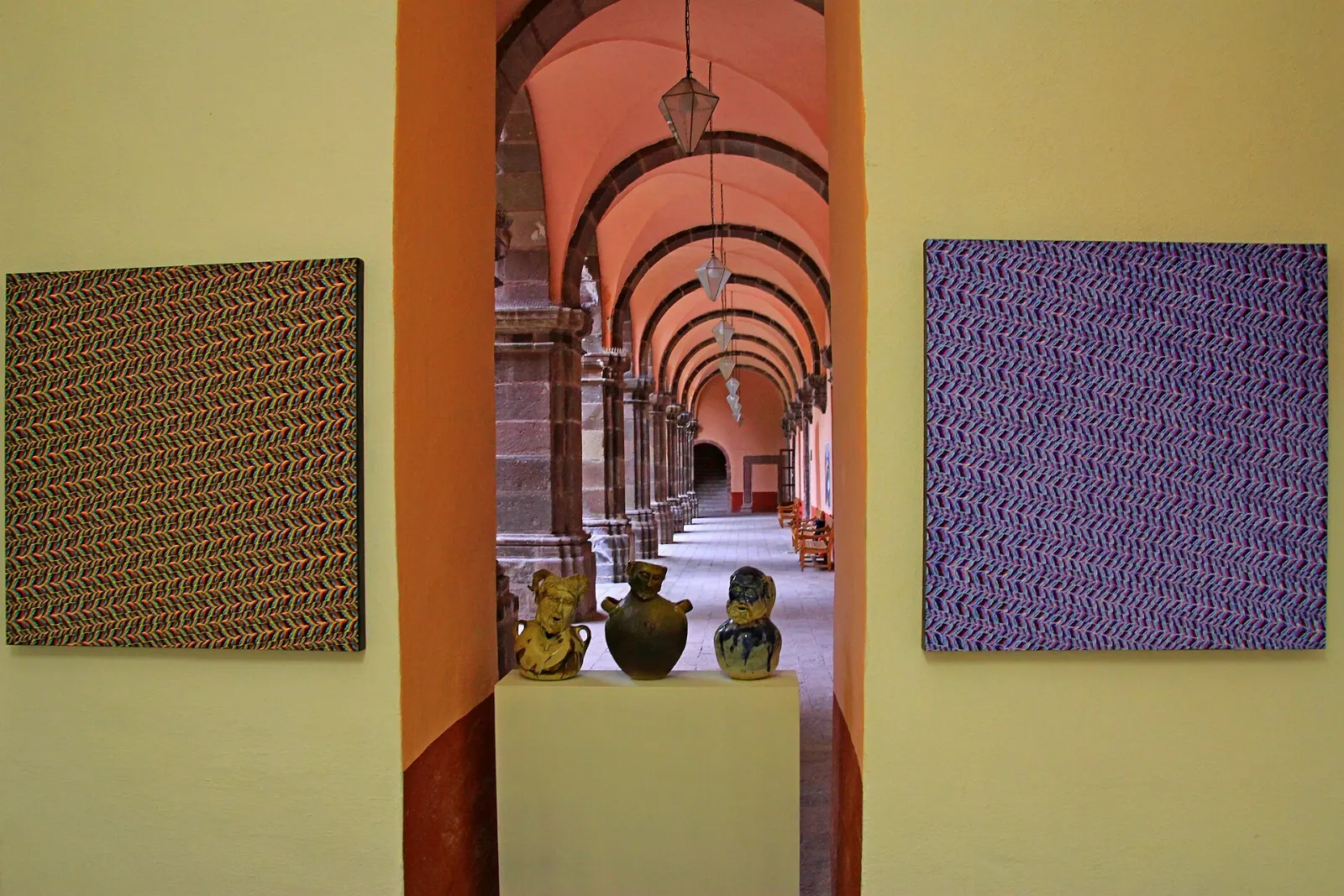
The Centro Cultural Ignacio Ramírez occupies a former convent beside the Templo de la Inmaculada Concepción, known as Las Monjas, whose large dome is said to copy that of Les Invalides in Paris.
Art, gardens and quiet corners
Fábrica La Aurora
This old textile factory, a short walk from the Jardín, now houses artists, galleries, design shops and restaurants. It is the best place to see local studios and buy quality art, and artists are often in residence on Thursdays.
El Charco del Ingenio
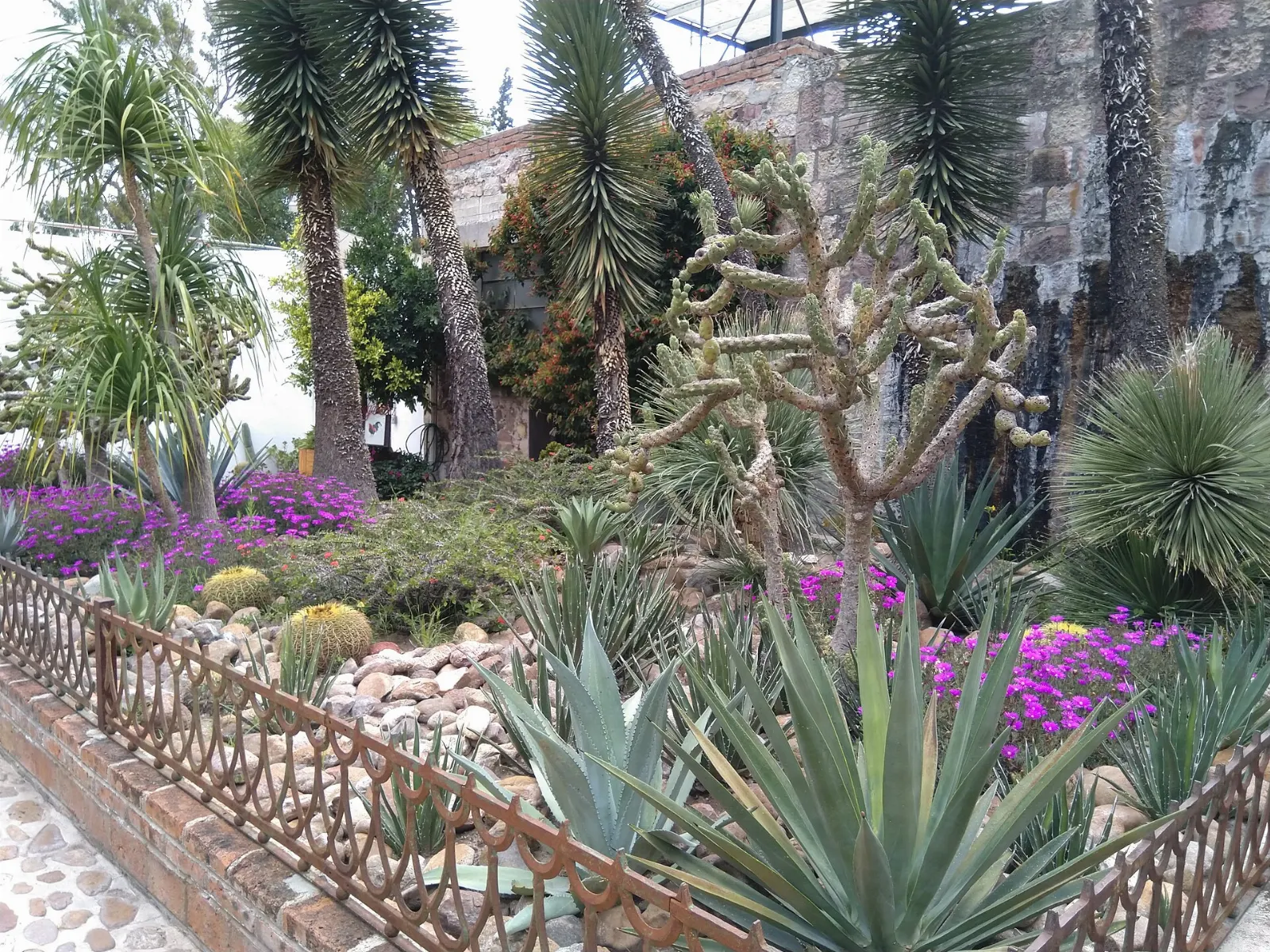
The botanical garden sits above town and holds an enormous collection of cacti, along with old mill structures, canyons and a reservoir that attracts migratory birds. Go early to avoid the heat, and bring water.
Day trips from San Miguel
Sanctuary of Atotonilco
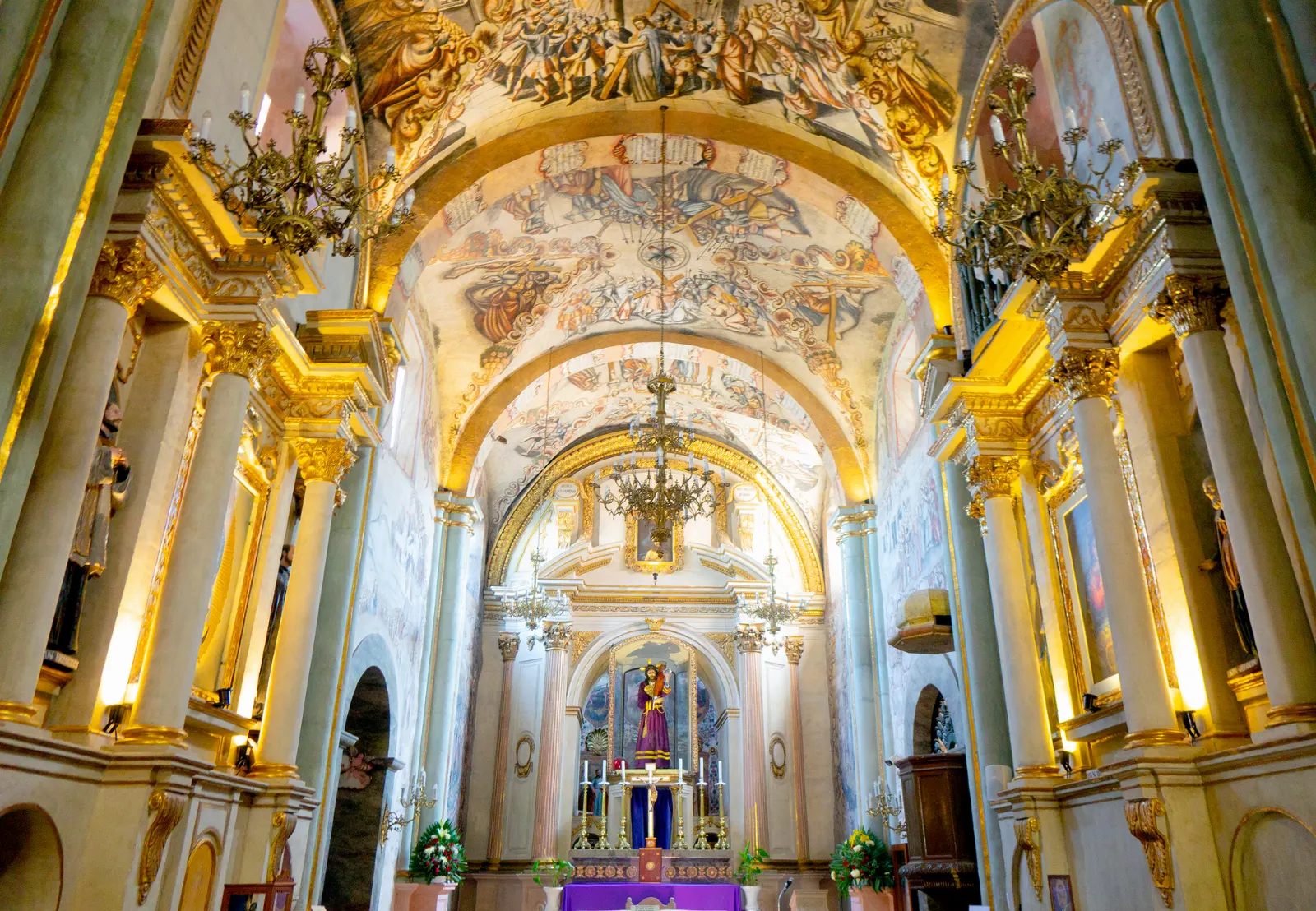
About 12 to 14 kilometres from town, this 18th-century pilgrimage church is covered inside with folk Baroque murals that led to its nickname, the Sistine Chapel of Mexico.
Dolores Hidalgo
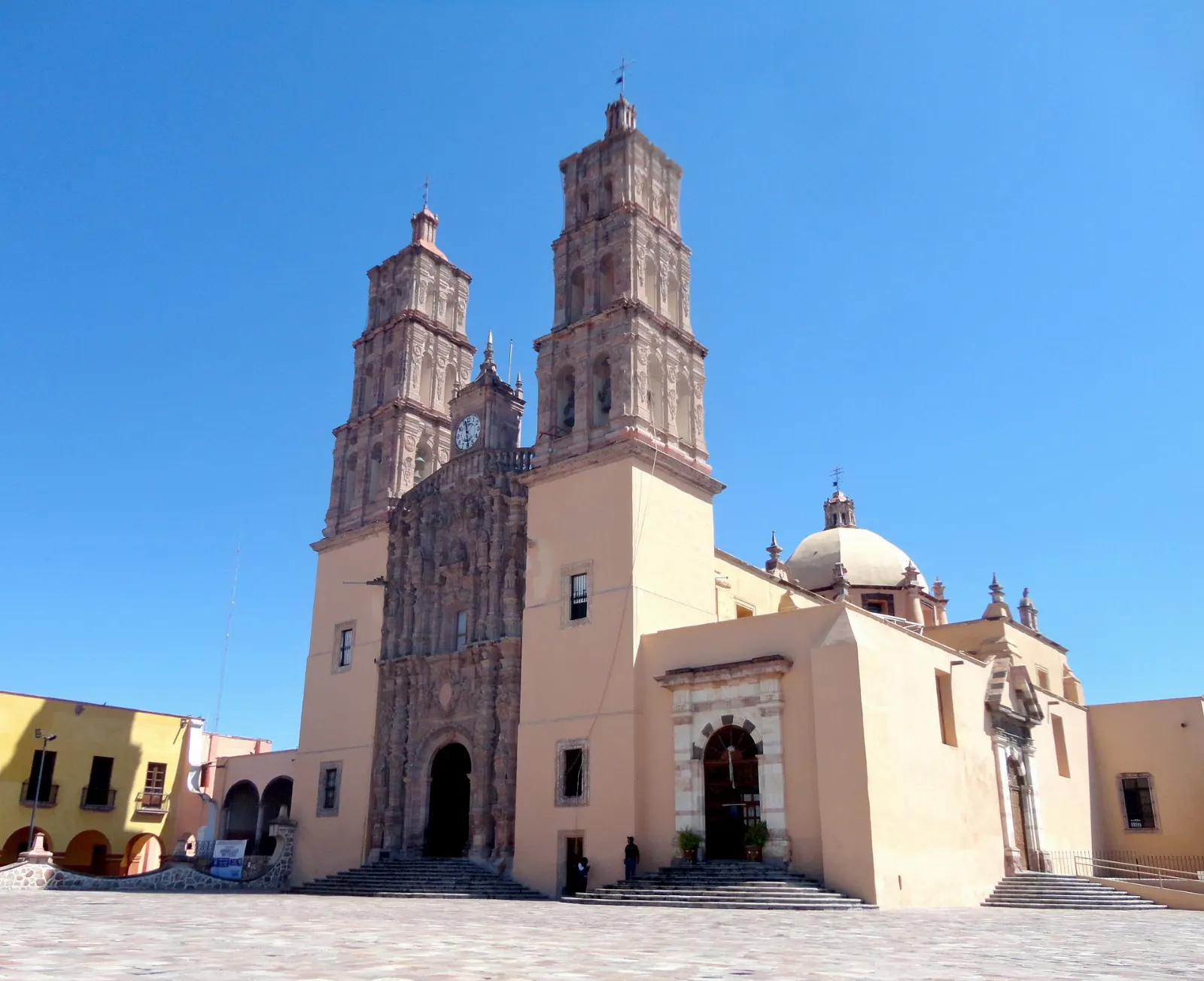
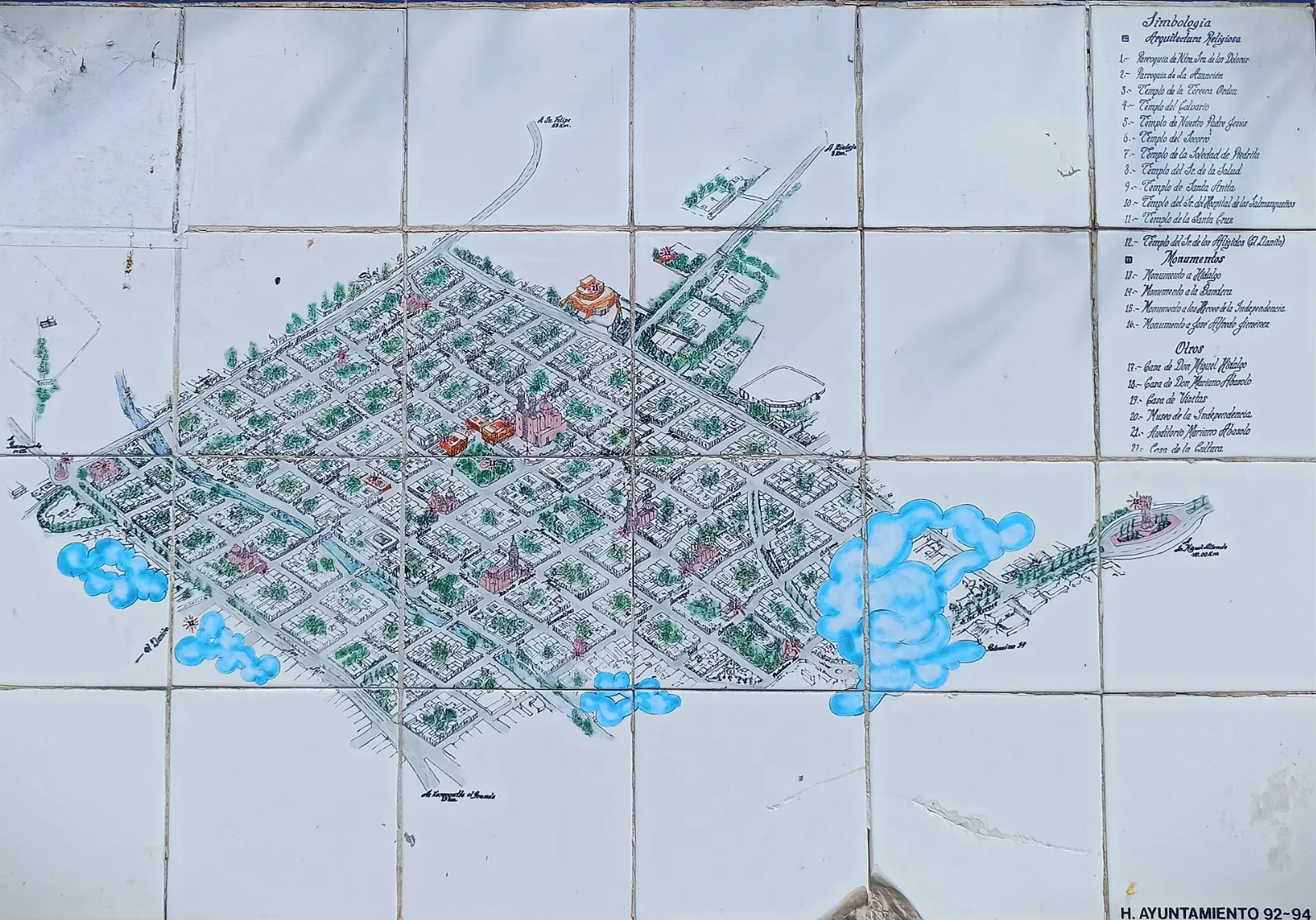
Around 40 kilometres away, Dolores Hidalgo is celebrated as the birthplace of Mexican independence. It is also a fun place to try unusual ice cream flavors, such as avocado.
Guanajuato
The state capital, about an hour away by bus, is famous for its underground tunnels and colorful hillside houses. It deserves a full day, so treat it as a separate trip rather than a quick add-on.
 Planning a trip to San Miguel de Allende?Compare hotels, flights and vacation rentals for San Miguel de Allende on Expedia.Book now
Food and local flavors
Guanajuato has its own flavors, and the Tuesday market is the best way to taste them, with street food ranging from tacos to gorditas, stuffed corn pockets cooked fresh. Nearby, cajeta, a caramel made from goat's milk, is a famous sweet from Celaya in the state.
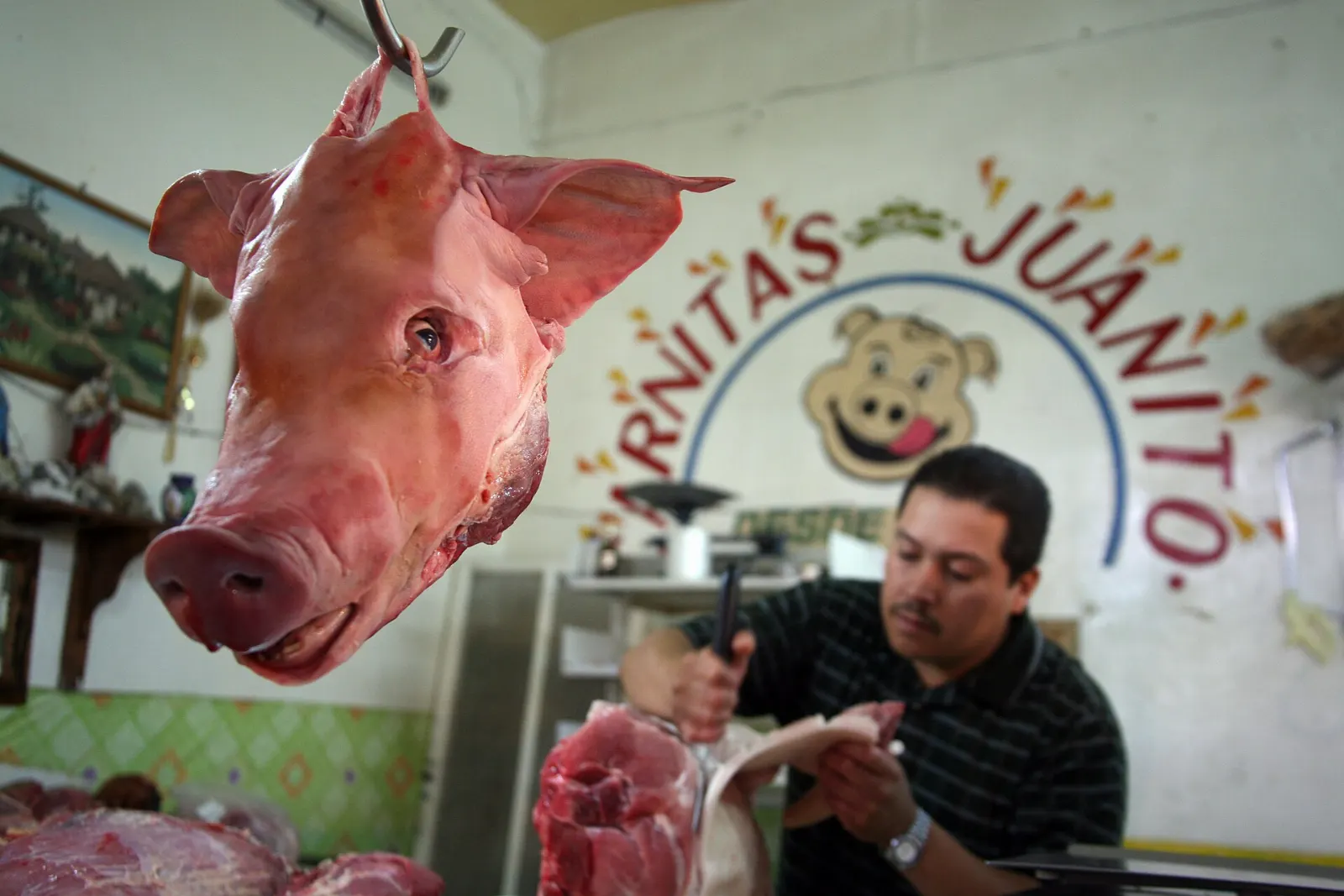
In Dolores Hidalgo, nieves de Dolores Hidalgo are the draw, with flavors such as avocado that surprise first-time visitors. Inside town, the Mercado Ignacio Ramírez is a good place to eat traditional dishes at family stalls, and the Mercado San Juan de Dios is where locals shop.
Popular dishes to try in San Miguel de Allende


Where to stay
Centro is the historic core, with the Parroquia and the Jardín at its heart. It is the best choice for first-time visitors who want to walk everywhere, though nights can be lively and the cobbled streets are steep.
Colonia Aurora sits around the old factory, with studios, galleries and restaurants, and it suits art lovers and longer visits. Colonia San Antonio is a residential area near the Instituto Allende, calmer and convenient for classes.
Where to stay in San Miguel de Allende


Best time to visit
San Miguel has a mild climate, and its weather changes little through the year. May and June are the hottest months, with daytime highs that can reach 35 degrees Celsius, though the dry air makes it tolerable.
The rainy season runs from June to September, with afternoon downpours that clear the air. Festivals are a strong reason to plan: Semana Santa, the Fiesta de los Locos after June 13, Independence Day on September 16, the Feast of San Miguel Arcángel in late September and Día de Muertos in early November.
Getting there and getting around
The closest airports are Bajío near León, about 95 kilometres west, and Querétaro, about 90 kilometres southeast. From either, an hour-long shuttle or taxi takes you into town.
Once there, walk. About ninety percent of the sights are within walking distance, though streets are cobbled and steep, so wear comfortable shoes. Uber and Didi cover the city, local urbano buses are frequent, and taxis do not use meters, so agree on the fare.
A suggested itinerary
First day
Start at the Parroquia and the Jardín, then visit Casa de Allende and the Oratorio de San Felipe Neri.
Second day
Visit Fábrica La Aurora in the morning, then head to El Charco del Ingenio for views and birdlife.
Third day
Take a day trip to the Sanctuary of Atotonilco and Dolores Hidalgo, or go to Guanajuato if you prefer a bigger city.
Practical tips
- Wear comfortable shoes with grip, because the cobblestones are steep and uneven.
- Book rooms early for Semana Santa, September and Día de Muertos.
- Agree on taxi fares before you set off, since taxis have no meters.
- Dress modestly in churches and keep voices low during services.
- Carry water and sun protection, because the high-altitude sun is strong.