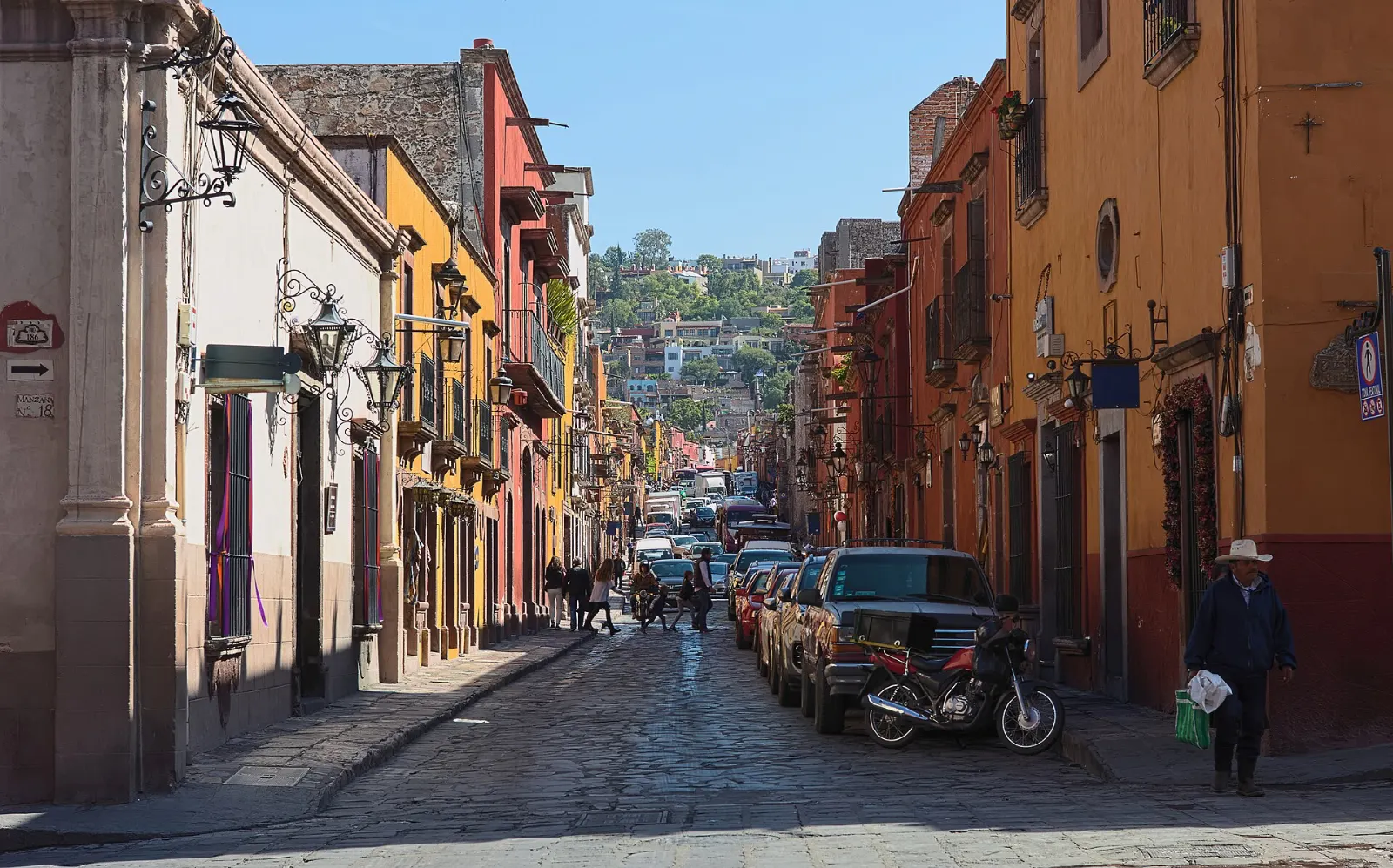
Guanajuato City is built into a steep valley in central Mexico, with rainbow-colored houses stacked up both hillsides and lanes so narrow they become staircases. Silver made the city rich from the sixteenth century, and the wealth left behind churches, theaters and mansions that earned the old town and nearby mines UNESCO World Heritage status.
AT A GLANCE
Best time
March to May for mild weather and October for the Cervantino festival.
How long
Two full days for the center, three with Valenciana and a day trip.
Getting there
Fly to León/Bajío airport, then take a bus or taxi about an hour to the city.
Why visit Guanajuato City
Guanajuato rewards slow wandering. Every few steps a plaza, church or hidden callejón opens up, and student musicians known for callejoneadas often fill the evening alleys with song.
History is everywhere. The first battle of the Mexican War of Independence was fought here in 1810, and the old silver mines of Valenciana and Rayas are still part of the landscape.
The historic center
Plaza de la Paz and the Basilica
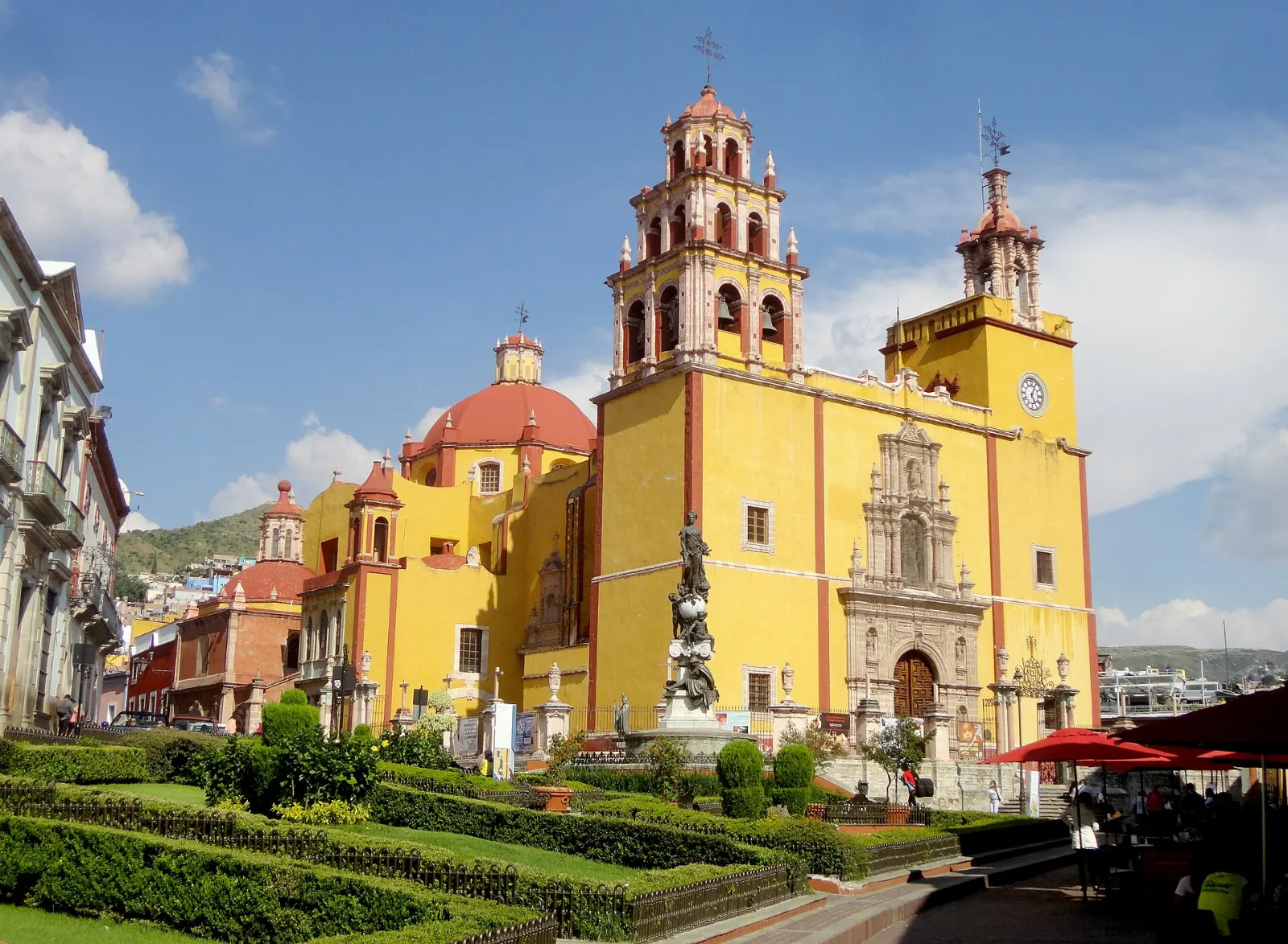
Plaza de la Paz is the heart of the old city, ringed by the yellow Basilica of Our Lady of Guanajuato and the former mansions of mining families.
Jardín de la Unión
Jardín de la Unión is the city's living room, a triangular garden of clipped Indian laurel trees beside the Templo de San Diego. Cafes and restaurants ring the garden, and a kiosk hosts music in the afternoons and evenings.
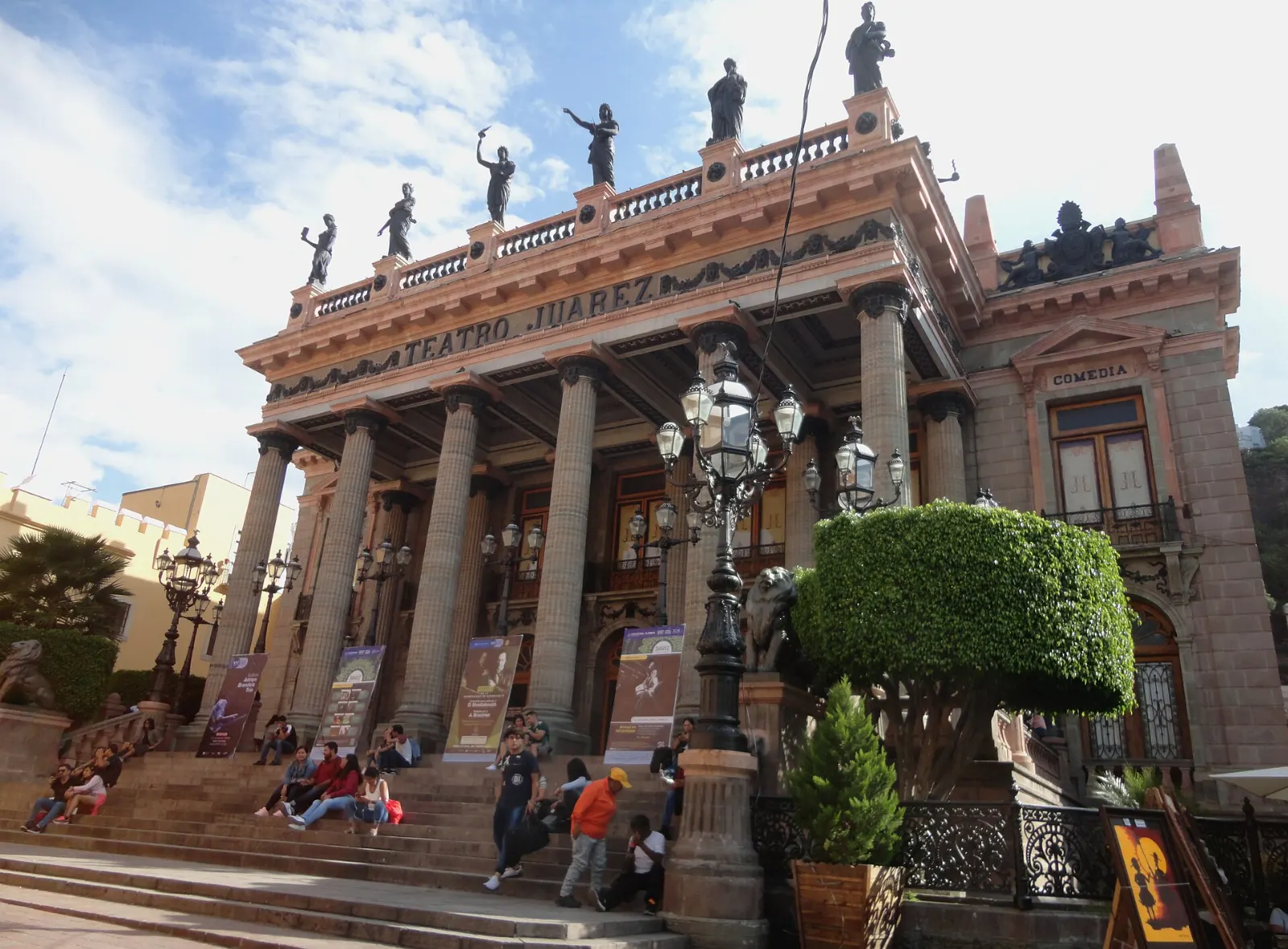
Teatro Juárez
Teatro Juárez, inaugurated in 1903 by President Porfirio Díaz, mixes neoclassical and Moorish elements in one of Mexico's most admired theaters. The facade is famously ornate, and performances run through the year, particularly during the Cervantino festival.
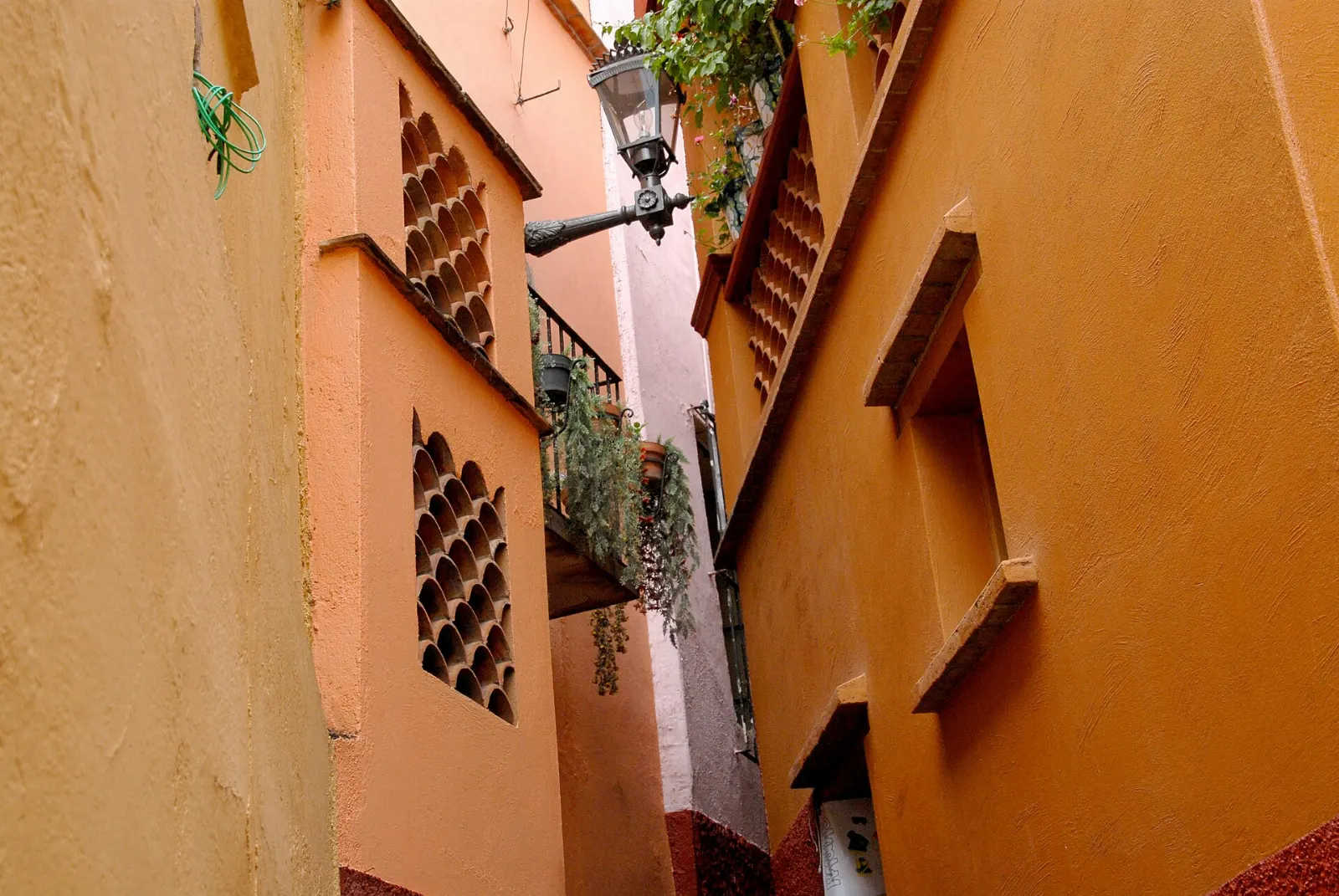
Callejón del Beso
The Callejón del Beso is a narrow alley where two balconies stand only 69 centimetres apart, the setting of a local love legend. It takes five minutes to visit, but it is one of the city's most photographed spots.
Independence, learning and views
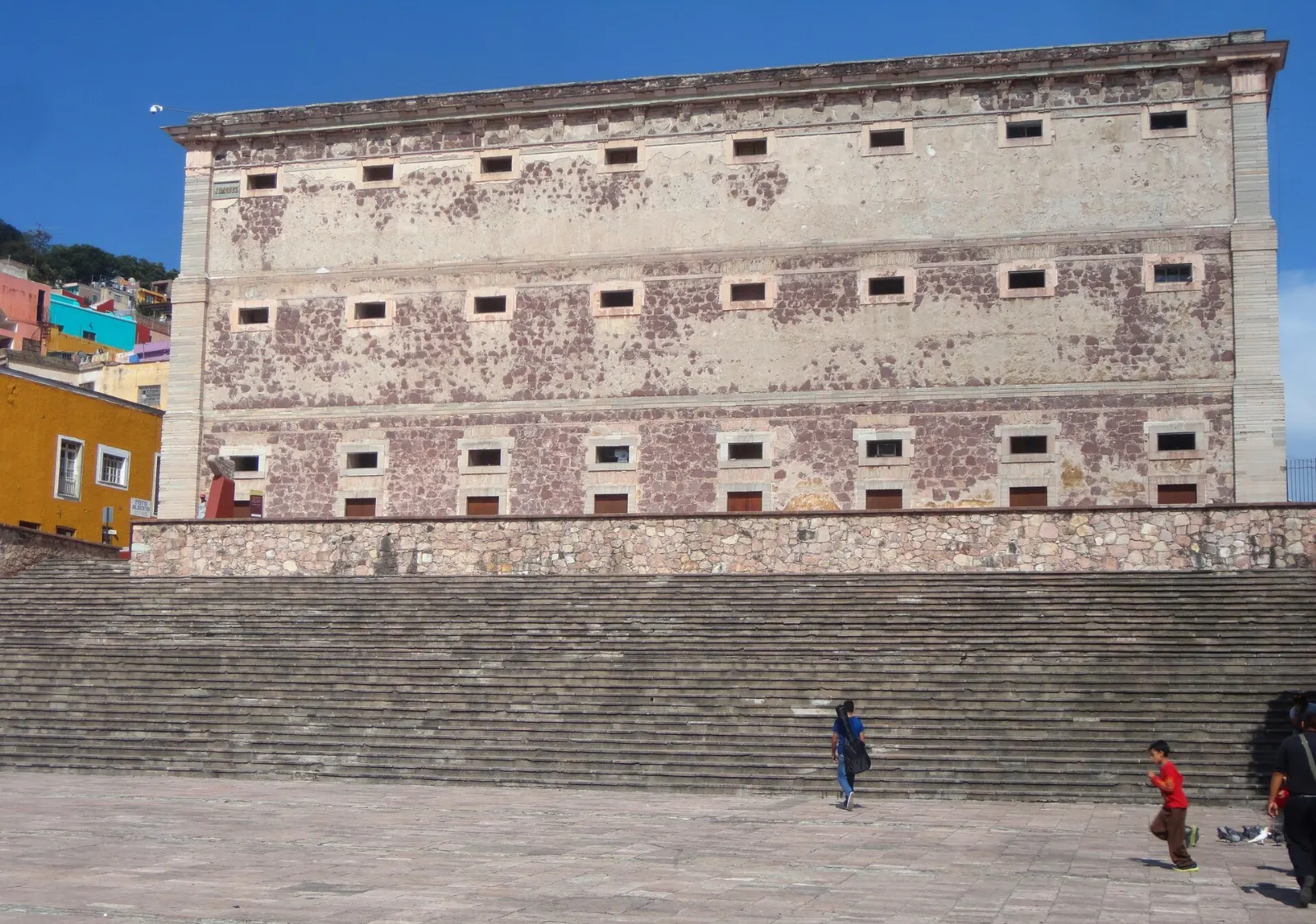
Alhóndiga de Granaditas
The Alhóndiga de Granaditas, a former grain storehouse, was the site of the first major battle of the Mexican War of Independence on September 28, 1810. The miner El Pípila is said to have crawled to its door with a stone slab on his back and set it alight.
El Pípila monument and funicular
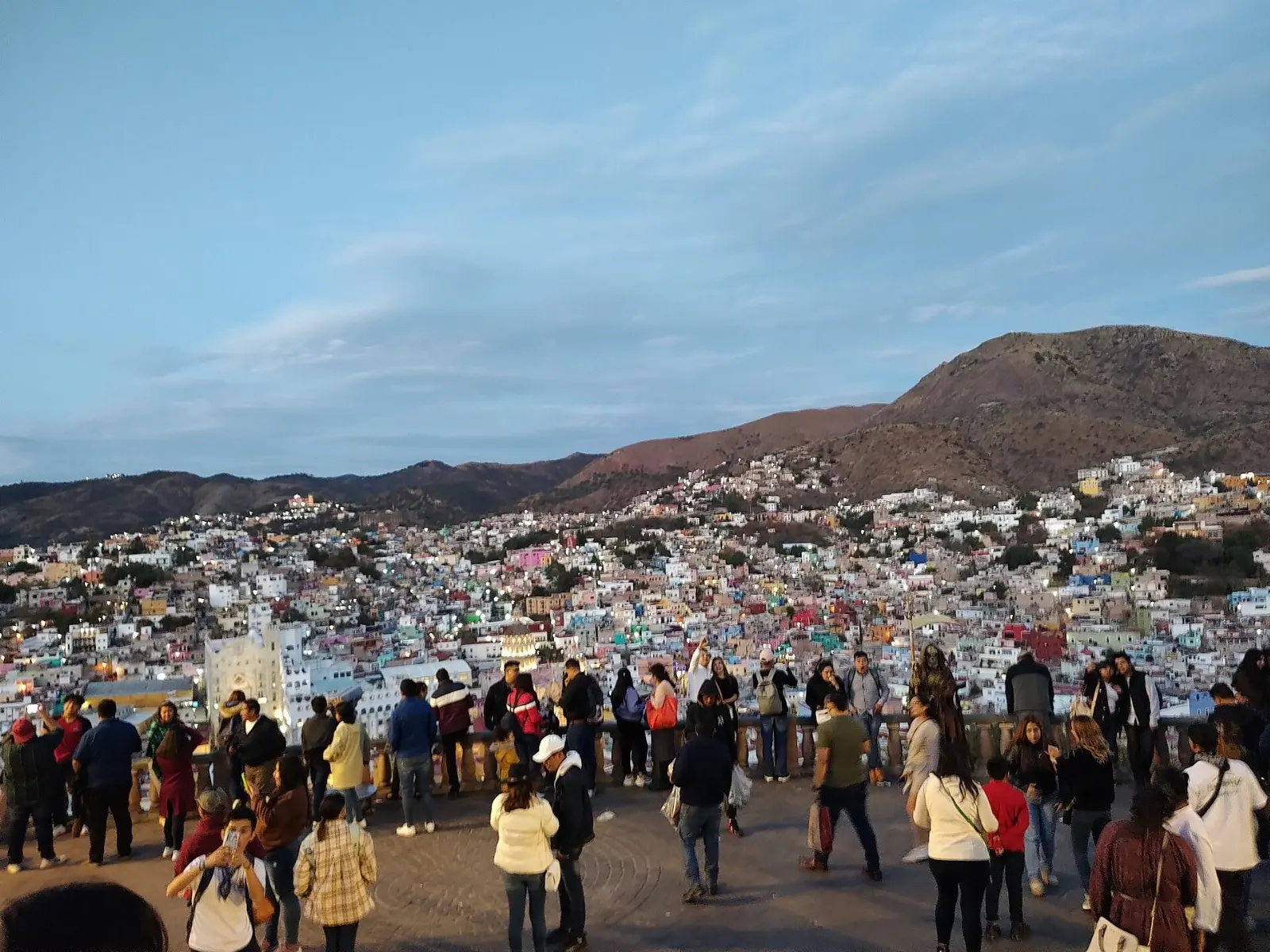
The El Pípila monument stands about twenty-eight metres tall on San Miguel hill and offers the classic view across the rooftops. A funicular runs from behind Teatro Juárez to the top, or you can climb on foot if you want a workout.
University of Guanajuato
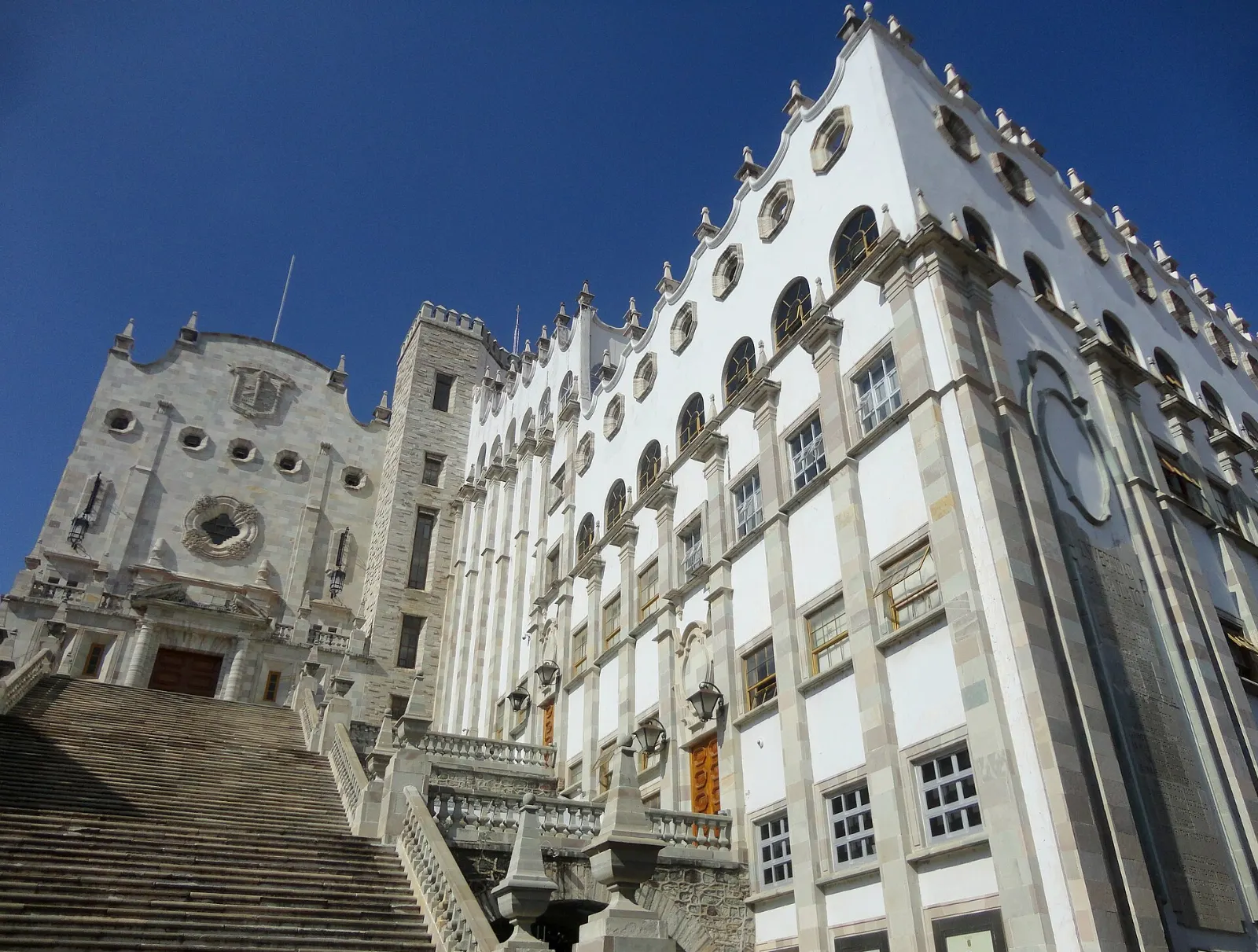
The main building of the University of Guanajuato is a neoclassical landmark in green stone, known for its staircase of 113 steps leading to the Callejón del Estudiante. The stairs serve as seating for some Cervantino events.
Museums, markets and mines
Museo Casa Diego Rivera
The Museo Casa Diego Rivera is the house where the muralist Diego Rivera was born, restored as a traditional home with a collection of his works. It makes a good stop between the center and the university.
La Valenciana
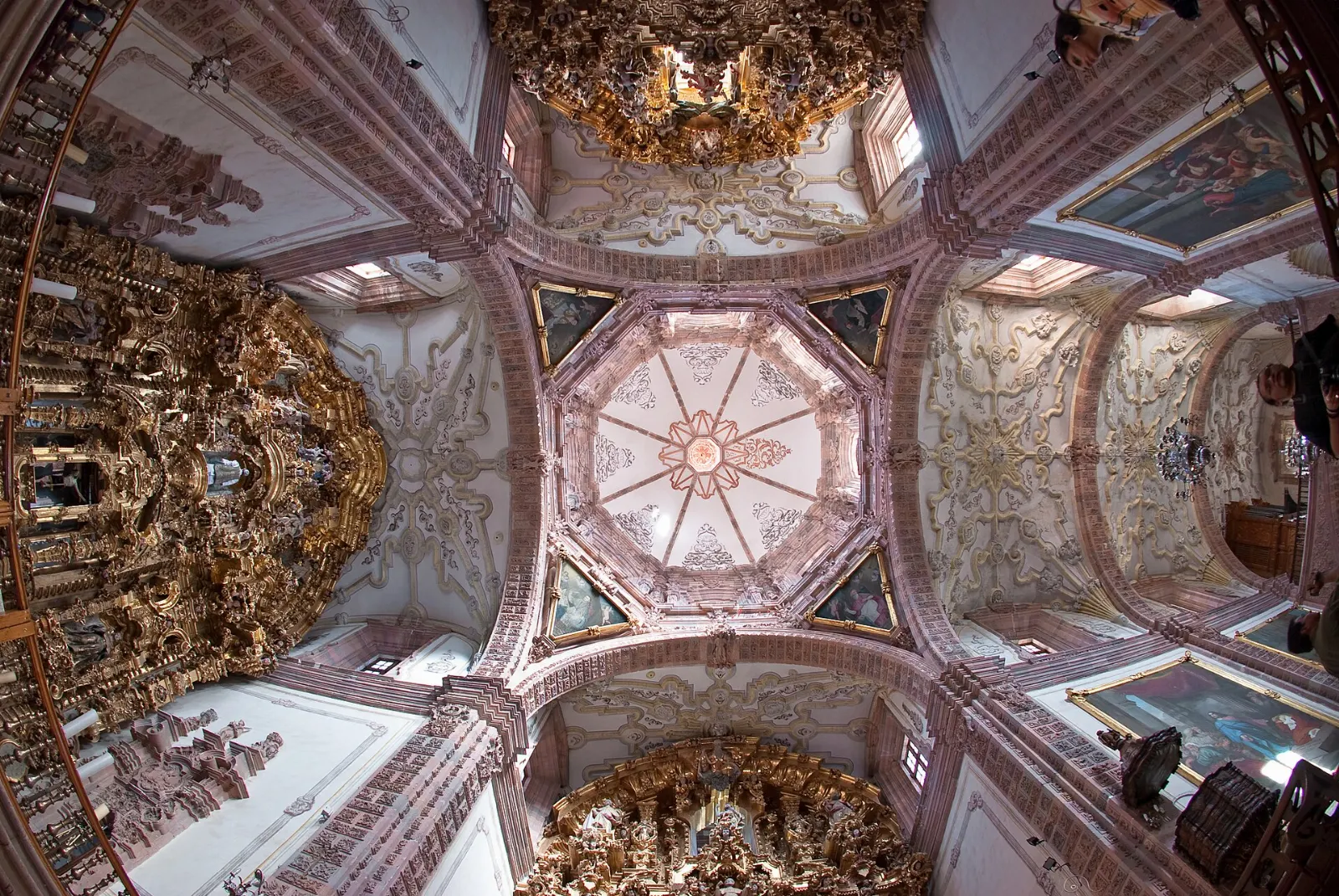
La Valenciana, about five kilometres north of the center, is a mine that began operating in 1774 and once produced about two thirds of the world's silver at its peak.
Museo de las Momias
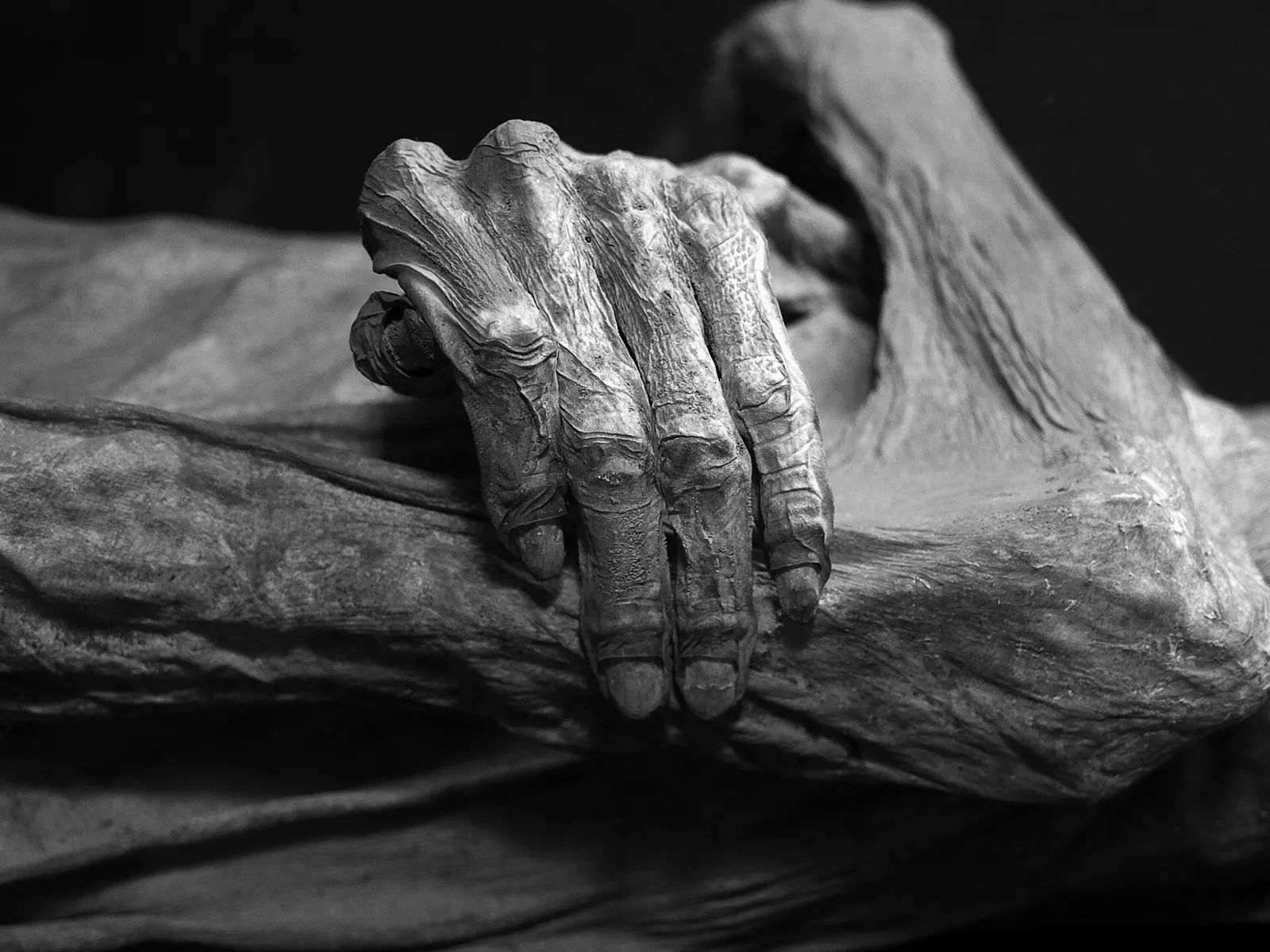
The Museo de las Momias displays naturally mummified bodies found in the municipal cemetery in the nineteenth and twentieth centuries, reportedly the largest such collection in the Western Hemisphere.
Mercado Hidalgo
The Mercado Hidalgo, finished in 1910 with a pink-stone facade and tower, sells crafts, sweets, produce and prepared food. Come hungry, and wander the upper floor for regional dishes.
 Planning a trip to Guanajuato City?Compare hotels, flights and vacation rentals for Guanajuato City on Expedia.Book now
Food and local flavors
The signature dish of Guanajuato is enchiladas mineras, or miner's enchiladas, served almost everywhere in the center. The Mercado Hidalgo is the best place to try them alongside other regional plates such as huaraches and pambazo.
For something sweet, visit El Cubilete, a confectionery shop established in 1955, to buy charamuscas, caramel figures that mimic the mummies, and cajeta, a caramel spread made from goat's milk. Guanajuato state is also known for cajeta from Celaya.
Popular dishes to try in Guanajuato City


Where to stay
Centro Histórico is the best base for most visitors. You can walk to Plaza de la Paz, Jardín de la Unión, Teatro Juárez and the main museums, and many boutique lodgings occupy restored colonial houses.
Pastita is a neighborhood within a short walk of the center, known for language schools, small guesthouses and local cafes. It suits longer stays and budget travelers. Paseo de la Presa, on the eastern side of the city near the Presa de la Olla, offers a quieter, greener setting with larger historic properties.
Where to stay in Guanajuato City


Best time to visit Guanajuato City
The city has a temperate climate, and spring and autumn bring comfortable walking weather.
Semana Santa, the week before Easter, brings altars, processions and large crowds. The Festival Medieval in late April and the International Organ Festival in May offer quieter cultural events.
Getting there and getting around
The nearest major airport is the Guanajuato International Airport, known to airlines as León/Bajío, about 48 kilometres northwest of the city. Search for flights to León or Bajío, because Guanajuato does not appear under its own name.
The intercity bus station is in the southwest of town, with local buses to the center. Primera Plus, ETN and Omnibus de Mexico connect Guanajuato with San Miguel de Allende, Guadalajara, León and Querétaro.
Once there, walk. Local buses run through the underground tunnels, so ask the driver where to get off, and taxis are easy to find.
A suggested itinerary
First day
Start at Plaza de la Paz and the basilica, then walk to the Jardín de la Unión and Teatro Juárez.
Second day
Visit the university steps and the Museo Casa Diego Rivera in the morning.
Third day
Take a day trip to Dolores Hidalgo, about an hour away, or to San Miguel de Allende.
Practical tips
- Check your government's current travel advisory before you go.
- Wear comfortable shoes with grip, since streets and stairs are steep and cobbled.
- Ask locals about tunnel exits before you walk in a tunnel for the first time.
- Carry small change for local buses and market stalls.
- Confirm opening days and hours for museums, which vary by site.