Coyoacan Mexico Frida Kahlo Museum and Plaza Hidalgo
Coyoacán is the corner of Mexico City where cobbled lanes, leafy plazas and old churches survive among the capital's tower blocks. Frida Kahlo and Diego Rivera lived nearby, Leon Trotsky found refuge here, and a huge university campus sits on its southern edge. This guide covers the best places to visit, what to eat and how to avoid the weekend crowds.
By WiserMap TravelUpdated October 20269 places11 min read
Best timeWeekday mornings are the calmest, and the dry months from November to April are the most comfortable.
How longTwo days cover the plazas, the main museums and the university.
Getting thereTake Metro Line 3 or Line 2, then walk, ride a pesero or hail a taxi.
Ad
Why visit Coyoacán
The name comes from Nahuatl and is usually translated as place of coyotes. Coyoacán was a settlement on the shore of Lake Texcoco, and it served as the Spanish headquarters after the conquest and briefly as the first capital of New Spain. Many of its oldest buildings still stand.
Today the district feels like a village inside the city. Artists and writers made their homes here in the 20th century, students from the nearby university fill its cafés, and the plazas are lively on weekends.
The historic center
Plaza Hidalgo and Jardín Centenario
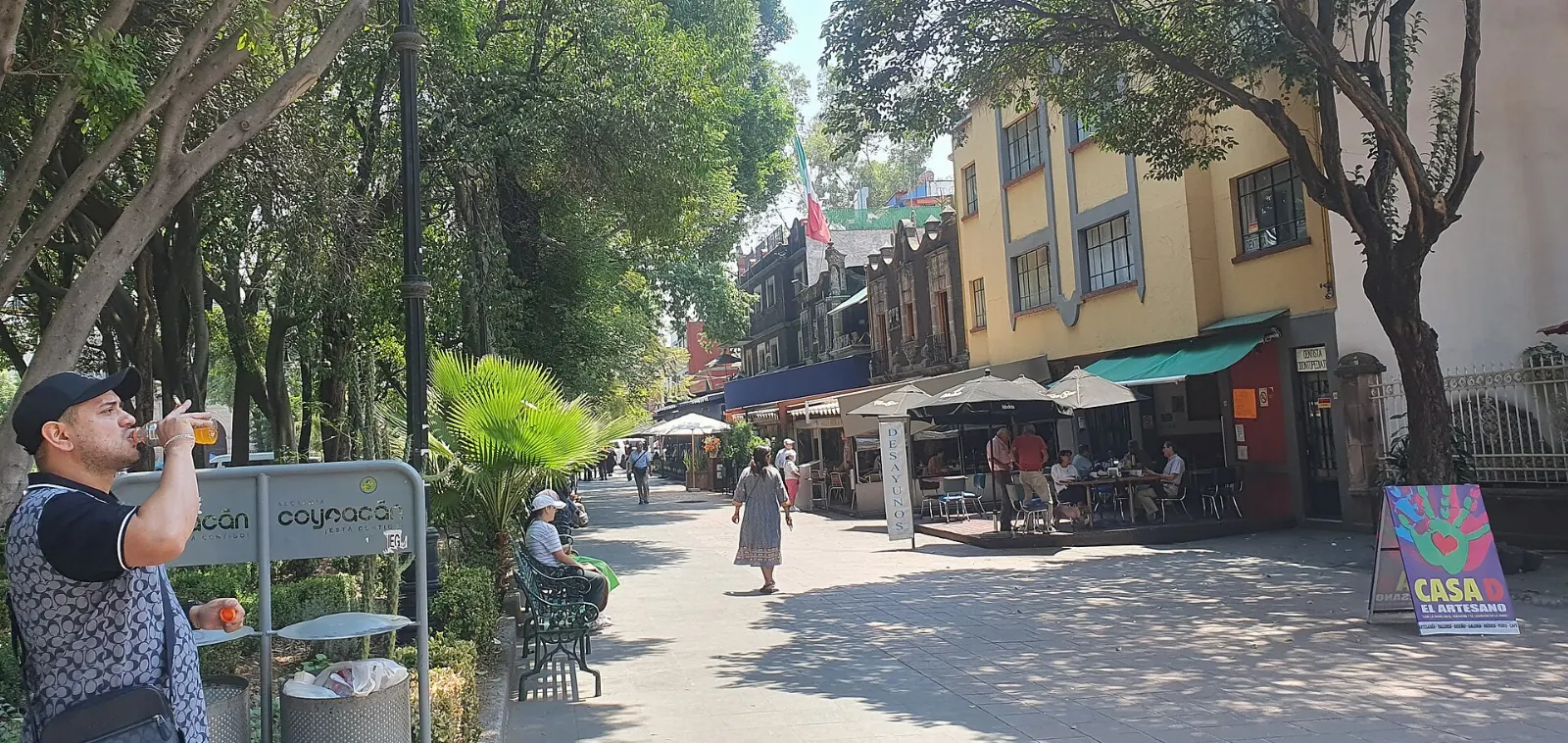
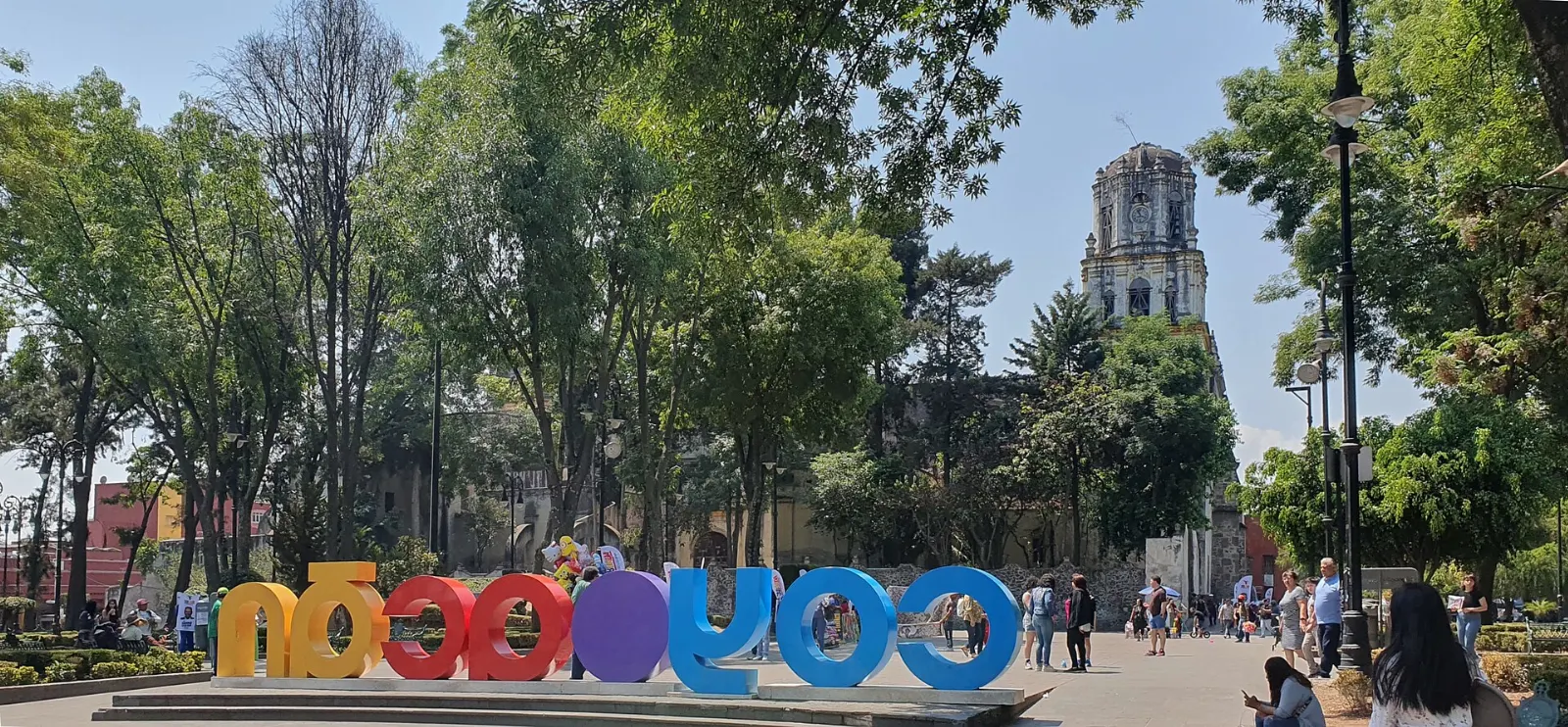
The old center of Coyoacán is built around two linked plazas shaded by Indian laurel trees. They are peaceful during the week and crowded on weekends, when an open-air market sets up with crafts and clothing, and street performers work the crowds. Sit on a bench, watch the scene and use the surrounding cafés as a base. Allow an hour or two.
Plaza Hidalgo is the main square of the Coyoacán borough. Photo: José Luiz, Wikimedia Commons, CC BY-SA 4.0
Parroquia de San Juan Bautista
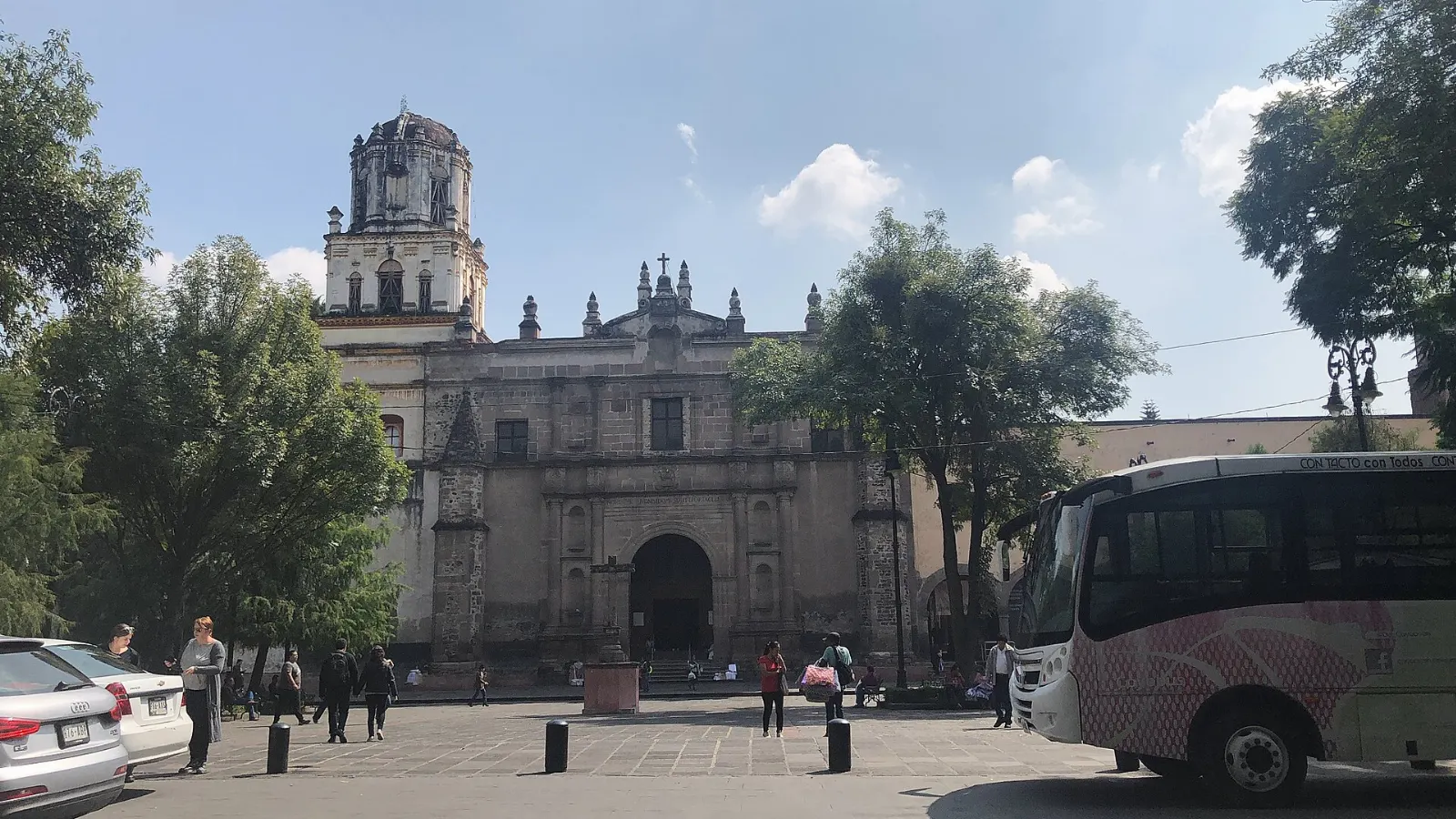
This church was built by Franciscan missionaries between 1522 and 1552 and is one of the oldest in Mexico. Its baroque interior includes paintings, sculpture and a quiet courtyard with small side chapels. It stands beside Jardín Centenario, so it is easy to add to a stroll. Allow thirty minutes and dress respectfully.
The church of San Juan Bautista was built by Franciscan missionaries in the 16th century. Photo: Manuel Ortiz Hernández, Wikimedia Commons, CC BY-SA 4.0
Capilla de la Concepción, La Conchita
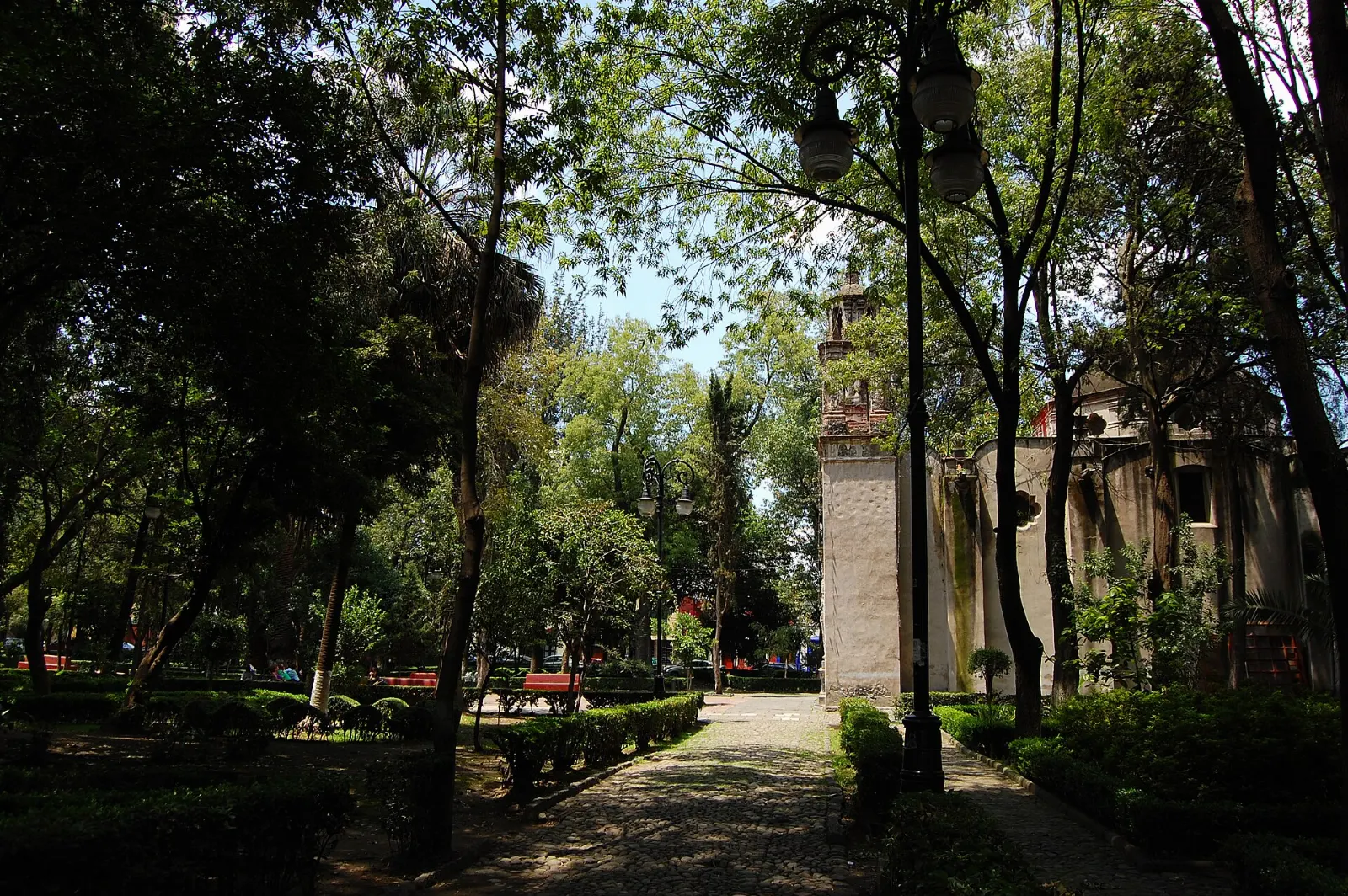
La Conchita is a small chapel on its own plaza, built in the 1520s under Cortés and widely believed to be the earliest Christian building in Mexico City. Its feast day on December 8 brings flower decorations and music. The chapel is small, so a short visit is enough, and it makes a pleasant detour along quiet lanes.
La Conchita is a small chapel believed to be among the earliest Christian buildings in the city. Photo: Percisco, Wikimedia Commons, CC BY-SA 4.0
Ad
Museums and artists' homes
Museo Frida Kahlo
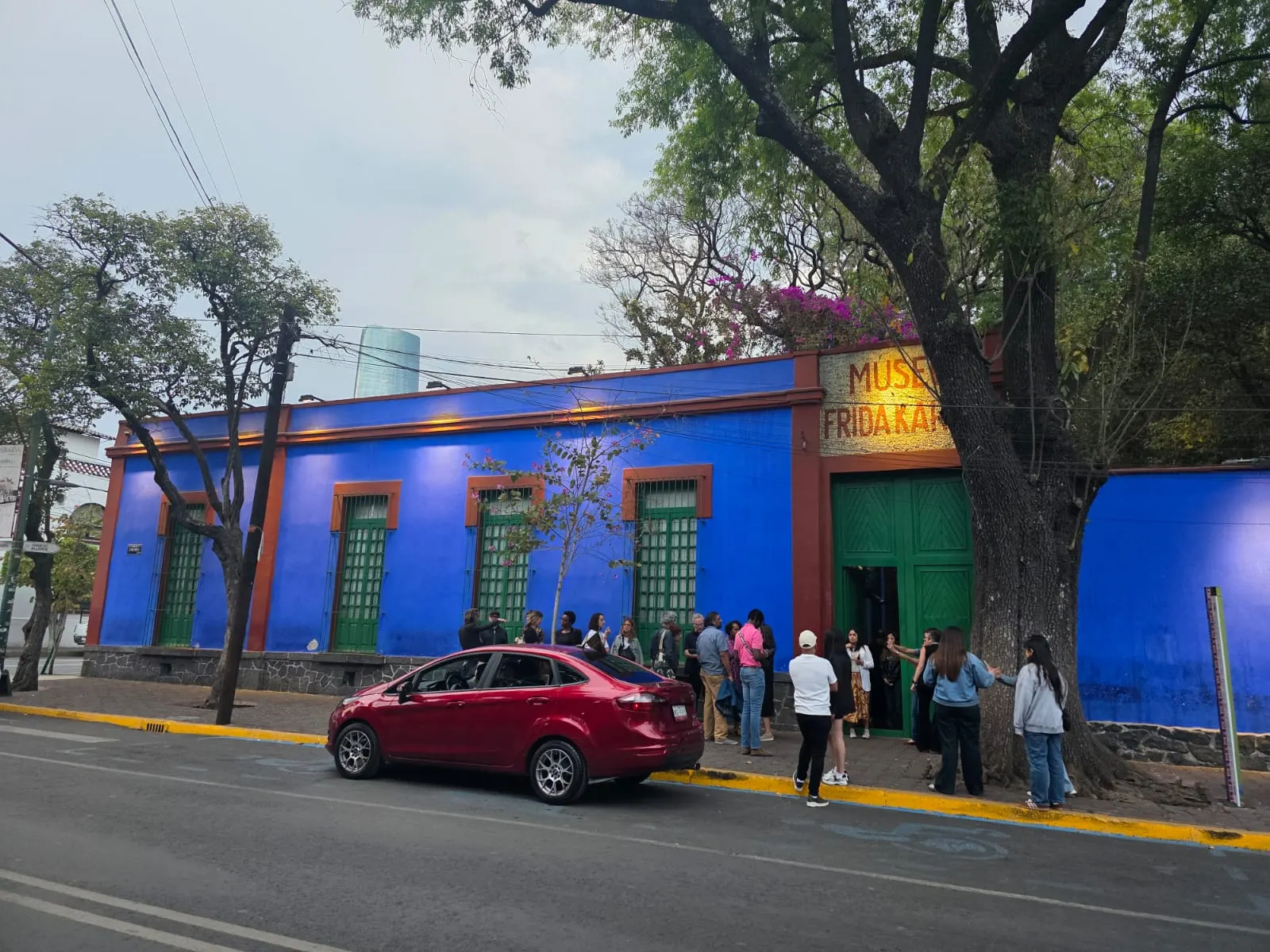
Known as La Casa Azul, this cobalt-blue house in Colonia del Carmen is where Frida Kahlo was born in 1907 and where she spent her last years. It is the most visited site in Coyoacán, and tickets sell out far in advance, so reserve online as early as you can. Allow ninety minutes for the courtyard, galleries and the preserved rooms.
The Casa Azul is the cobalt-blue house where Frida Kahlo was born and lived. Photo: Rebeccananonof, Wikimedia Commons, CC0
Museo Casa de León Trotsky
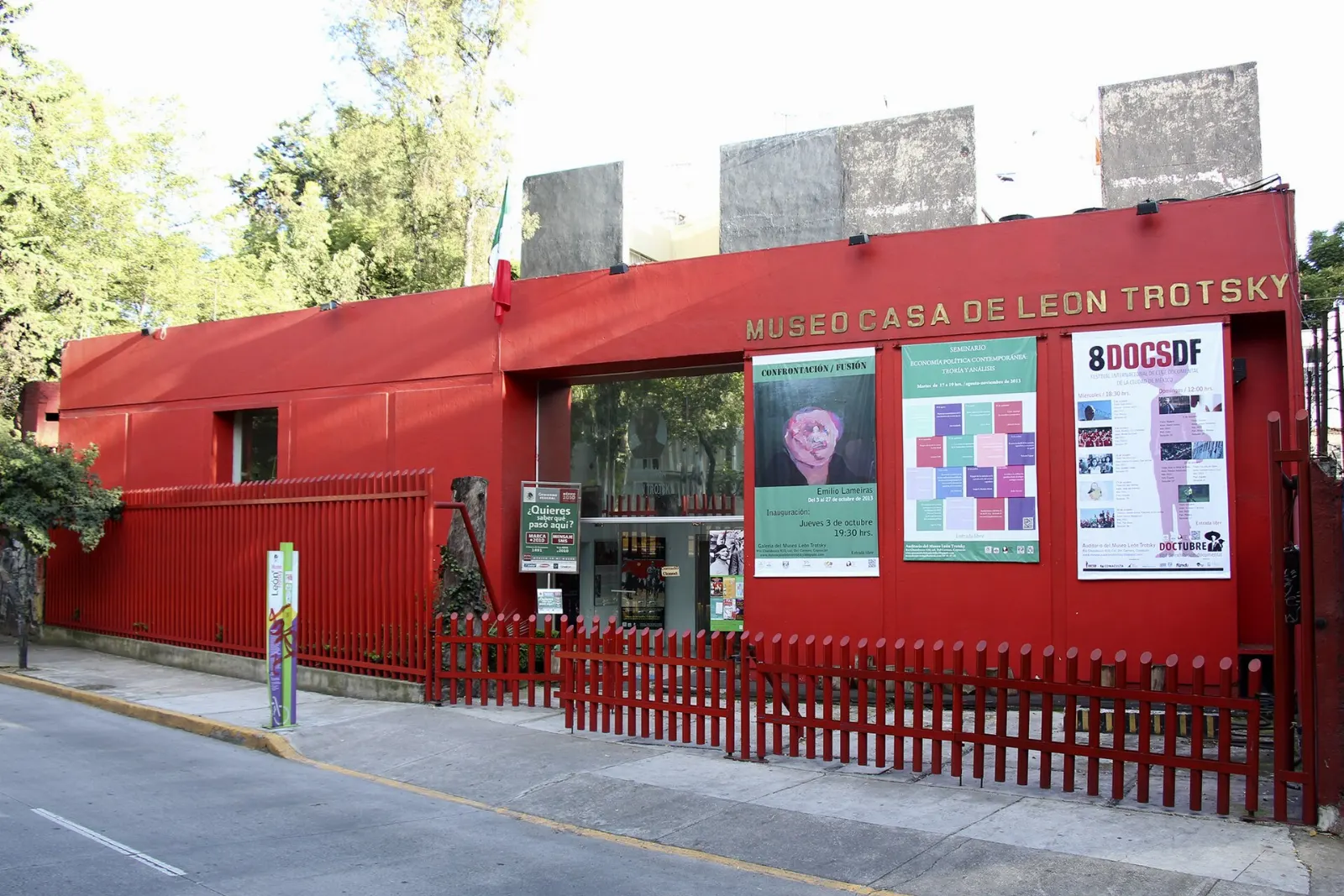
A short walk away, the house where Leon Trotsky lived from 1939 until he was murdered in 1940 has been kept much as it was, with a garden and high walls. Trotsky first arrived in Mexico in 1937 after exile from the Soviet Union and stayed for a time at the Casa Azul. Plan about an hour.
Leon Trotsky lived and died in this walled house in Coyoacán. Photo: Tonatiuh101, Wikimedia Commons, CC BY-SA 3.0
Museo Anahuacalli
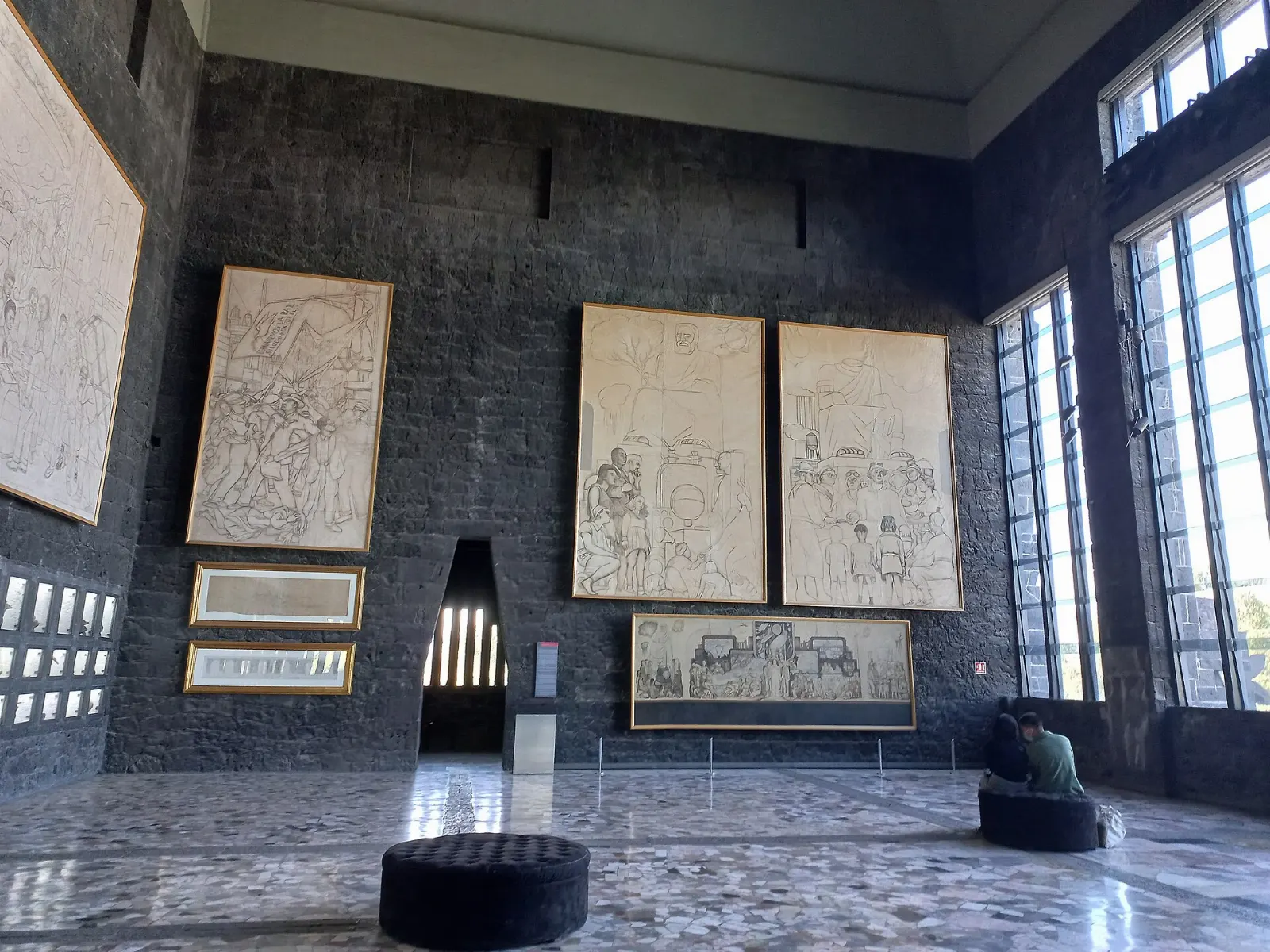
Diego Rivera designed this museum to hold his large collection of pre-Hispanic art. The building is made of volcanic stone and inspired by Mesoamerican temples, and it sits in a garden that shelters native plants and animals. It is a short drive from the Casa Azul and tends to be quieter. Ask about combined tickets when you reserve the Frida Kahlo Museum.
Diego Rivera designed the Anahuacalli as a home for his pre-Hispanic art collection. Photo: B.jars, Wikimedia Commons, CC BY-SA 4.0
Museo Nacional de Culturas Populares
This museum on Avenida Hidalgo celebrates Mexico's folk art, music and cooking, with a good bookshop selling work by artisans from across the country. It is a relaxed stop between the plazas and the Casa Azul, and about an hour is plenty.
Markets, parks and the university
Mercado de Coyoacán
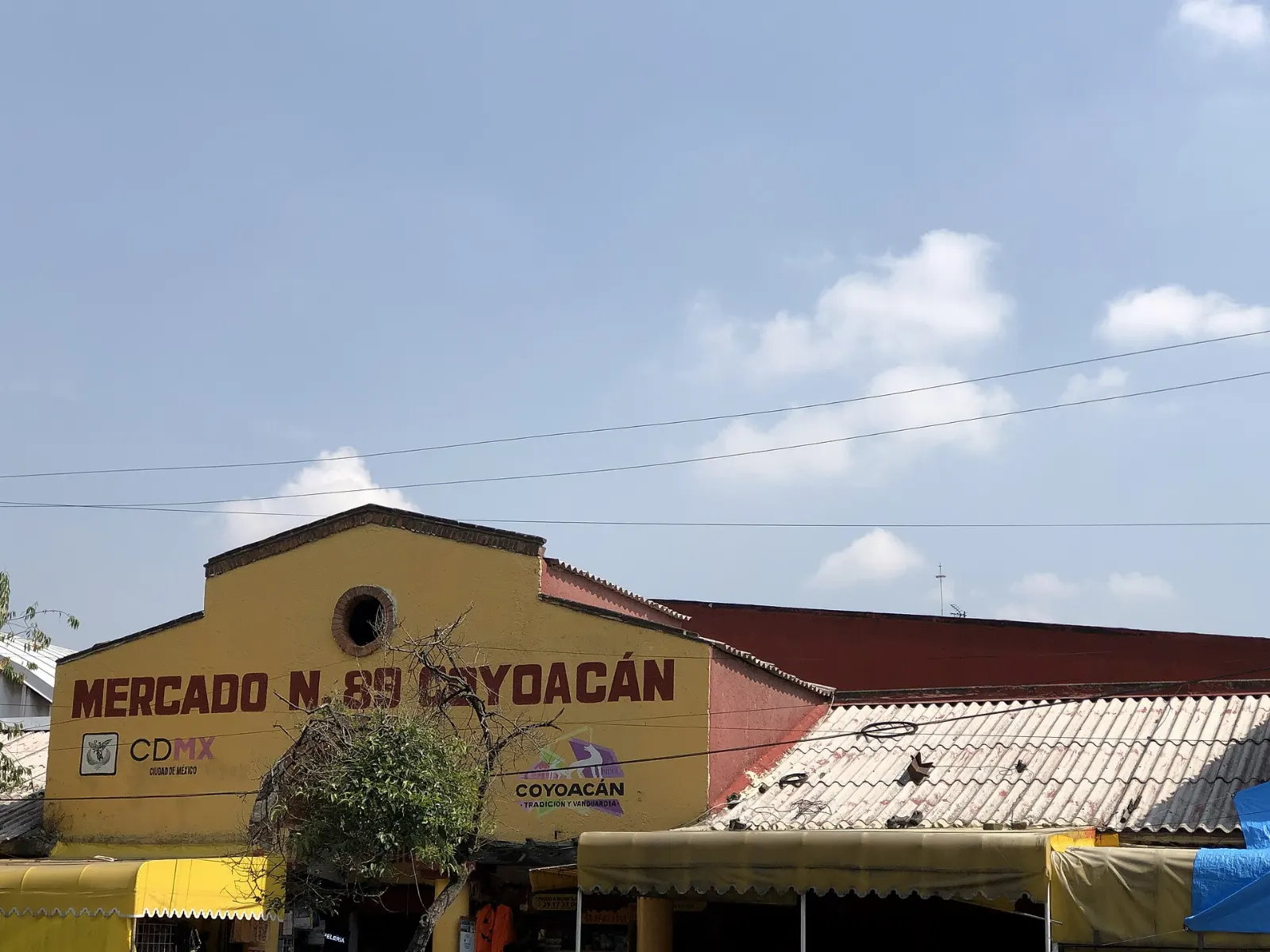
The covered market was built in 1956, and Frida Kahlo is said to have shopped here. Walk the aisles for produce, flowers, crafts and dozens of food stalls, then eat lunch at one of the counters. Come before the lunch rush and carry small change.
The Coyoacán market was built in 1956 and sells produce, crafts and prepared food. Photo: A01655306, Wikimedia Commons, CC BY-SA 4.0
Viveros de Coyoacán
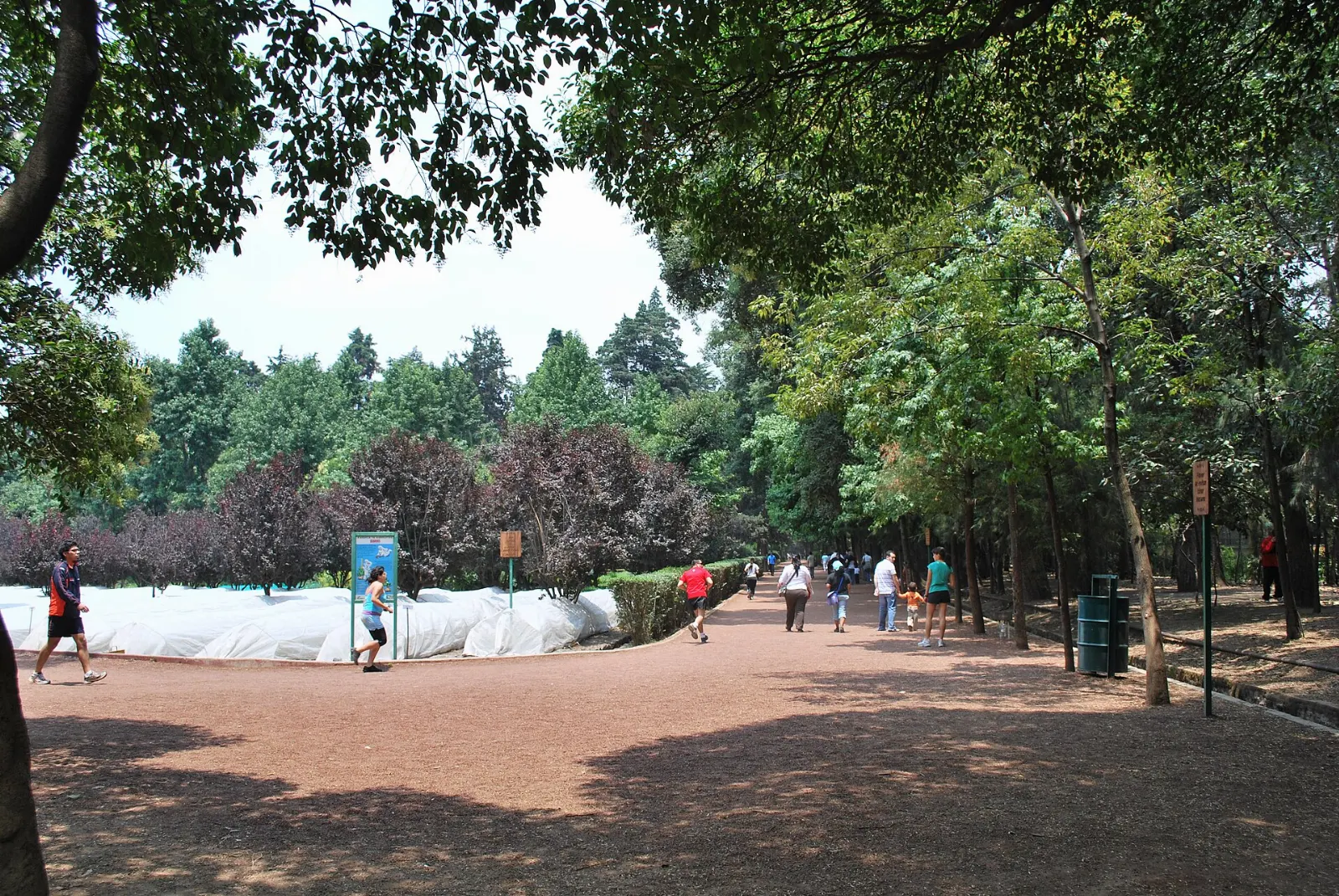
Viveros is a tree nursery and public park of nearly forty hectares founded by Miguel Ángel de Quevedo in the early 20th century, and it grows about one million seedlings a year. Locals jog its shaded paths and feed the tame squirrels. Take Metro Line 3 to Viveros station, and allow an hour.
Viveros de Coyoacán is a tree nursery and public park. Photo: Thelmadatter, Wikimedia Commons, CC BY-SA 3.0
Ciudad Universitaria (UNAM)
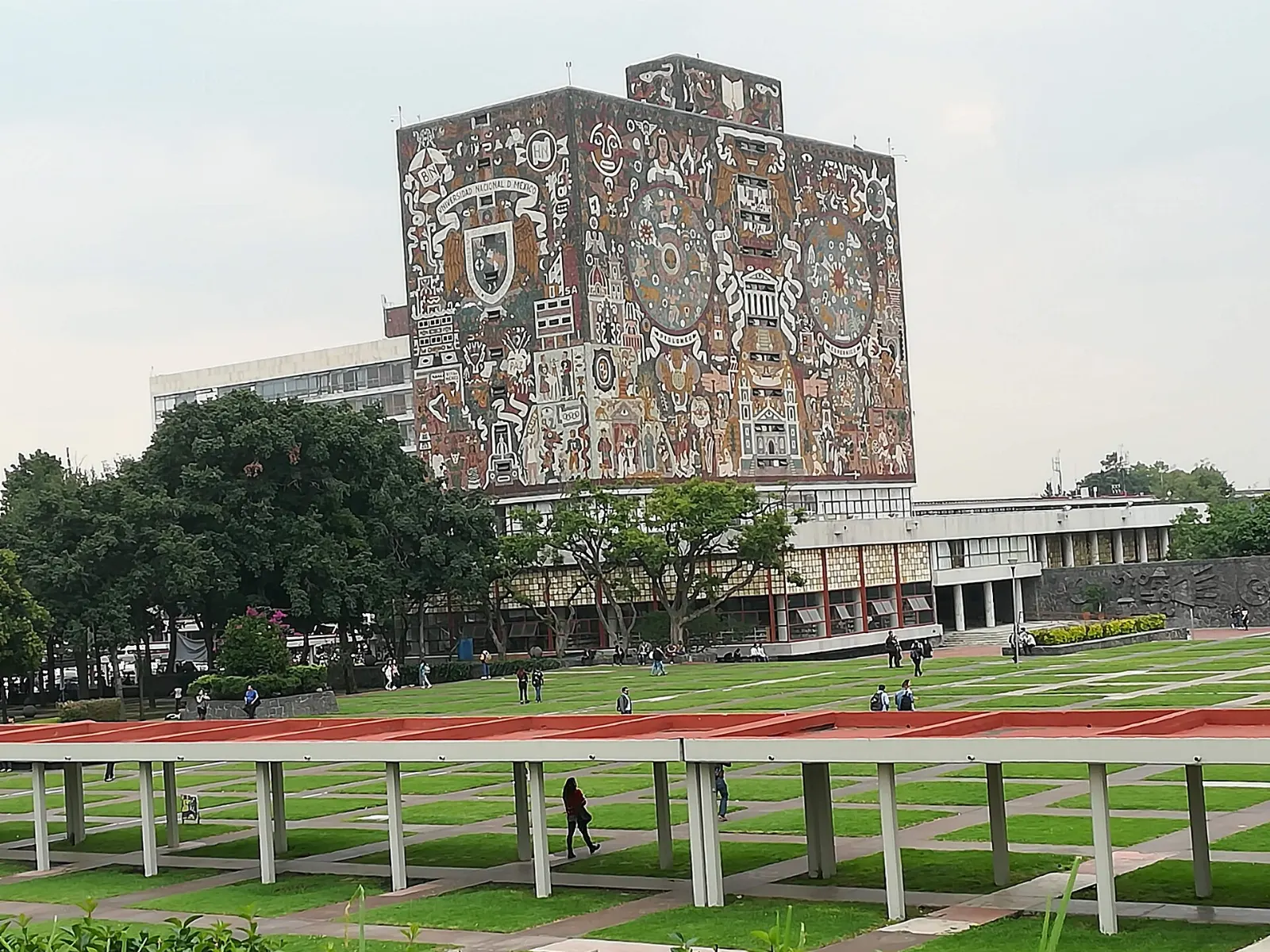
The main campus of the National Autonomous University of Mexico lies in the borough and is a UNESCO World Heritage Site. Look for Juan O'Gorman's mosaic mural on the Central Library, the Siqueiros mural on the Rectorate and the Olympic Stadium with its Diego Rivera mural. A free Pumabus service links the main stops, so allow half a day.
Juan O'Gorman's mosaic mural covers the Central Library at UNAM. Photo: Andrea Juárez, Wikimedia Commons, CC BY-SA 4.0
Ad
Food and local flavors
Coyoacán is a place for long lunches. Around the plazas, restaurants serve regional Mexican cooking, including chiles en nogada, poblano chiles stuffed with a fruit and meat filling and topped with walnut sauce and pomegranate seeds. They appear in late summer, around Independence Day. Mole, the rich sauce built on chiles and spices, is another classic.
For a sweet stop, buy churros and a coffee and stroll the plaza the way locals do. Some menus also offer escamoles, the ant larvae that are a traditional central Mexican delicacy. The Mercado de Coyoacán is the place for casual stalls, including seafood counters. Order from the stalls with the longest lines of locals.
Popular dishes to try in Coyoacán
Chiles en nogada Around the plazas, restaurants serve regional Mexican cooking, including chiles en nogada, poblano chiles stuffed with a fruit and meat filling and topped with walnut sauce and…Photo: Reginarodes, Wikimedia Commons, CC BY-SA 4.0Mole Mole, the rich sauce built on chiles and spices, is another classic.Photo: Marianahdzm, Wikimedia Commons, CC BY-SA 4.0Churros For a sweet stop, buy churros and a coffee and stroll the plaza the way locals do.Photo: Dulcecamposh, Wikimedia Commons, CC BY-SA 4.0Escamoles Some menus also offer escamoles, the ant larvae that are a traditional central Mexican delicacy.Photo: Cvmontuy, Wikimedia Commons, Public domain
Where to stay
Book ahead for weekends and holidays, when the whole district fills with visitors.
Villa Coyoacán, the historic center, suits visitors who want to walk to the plazas, cafés and restaurants and do not mind weekend crowds. Del Carmen is the museum quarter around the Casa Azul and the Trotsky house, and it suits art lovers who want to start early before the lines build. The Barrio de Santa Catarina is quiet and residential, with a calm village mood, and it suits travelers who want slower evenings.
If rooms are full, nearby neighborhoods along Metro Line 3 or Line 2 are an easy alternative.
Where to stay in Coyoacán
Villa Coyoacán Villa Coyoacán, the historic center, suits visitors who want to walk to the plazas, cafés and restaurants and do not mind weekend crowds.Photo: Gobierno CDMX, Wikimedia Commons, CC0Del Carmen Del Carmen is the museum quarter around the Casa Azul and the Trotsky house, and it suits art lovers who want to start early before the lines build.Photo: Calypso9X, Wikimedia Commons, CC0Barrio de Santa Catarina The Barrio de Santa Catarina is quiet and residential, with a calm village mood, and it suits travelers who want slower evenings.Photo: ProtoplasmaKid, Wikimedia Commons, CC BY-SA 4.0
Ad
Best time to visit
Weekday mornings are the most relaxed time to see Coyoacán. The historic center receives about seventy thousand visitors on a typical weekend, so Saturday and Sunday feel lively but busy. The dry months from November to April have the most reliable weather, while summer often brings afternoon showers.
Festivals add color. The feast of La Conchita on December 8 fills the chapel's plaza with flowers and music, and in the Pueblo de los Reyes on January 6 the main square is decorated with flower portals and sawdust carpets. Day of the Dead in early November is another busy time, so book rooms early.
Getting there and getting around
Most visitors fly into Mexico City and continue by Metro, taxi or ride-hailing. The Metro Line 3 stations of Coyoacán, Viveros, Miguel Ángel de Quevedo and Copilco serve the borough, but each one is at least a twenty-minute walk from Plaza Hidalgo. From the Coyoacán station you can catch a pesero marked Plaza Hidalgo.
General Anaya, on Line 2, is the best stop for the Frida Kahlo and Trotsky museums, with a pleasant walk along Calle 20 de Agosto. Intercity buses arrive at the Taxqueña terminal, also called Central del Sur, about ten to fifteen minutes away by taxi.
Once you arrive, the old center is very walkable, and the district is friendly to cyclists. Taxis wait at stands near Plaza Hidalgo for longer trips.
Ad
A suggested itinerary
First day
Start with your reserved slot at the Casa Azul, then walk to the Trotsky house. Have lunch at the market, wander through the plazas and church, and end with coffee beside Jardín Centenario.
Second day
Visit the Anahuacalli in the morning, spend an hour in Viveros and use the afternoon for the university campus and its murals.
Third day
Return on a weekday to see La Conchita and the Museo Nacional de Culturas Populares, or continue by Metro and light rail to Xochimilco.
Practical tips
Reserve Frida Kahlo Museum tickets online well ahead, since they often sell out.
Wear comfortable shoes for the cobbled streets.
Visit on weekdays if you want quiet plazas and shorter lines.
Check opening days for small museums, as many close on Mondays or Tuesdays.
Ask about photography permits before taking pictures inside museums.
Carry small change for market stalls and churro vendors.
Check your government's current travel advisory before you go.