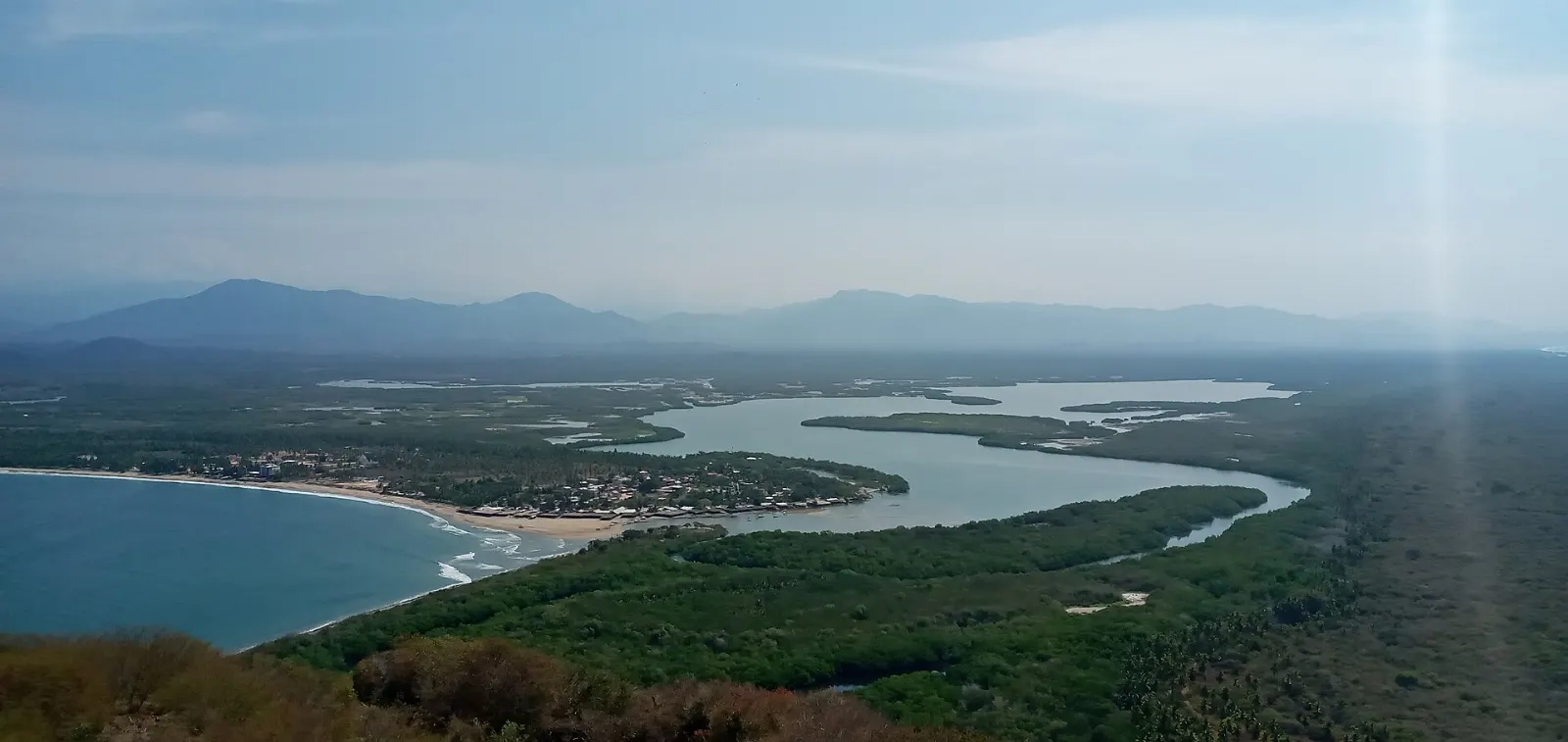
Pie de la Cuesta is a narrow strip of land northwest of Acapulco, with the Pacific Ocean on one side and a calm freshwater lagoon on the other. It feels a world away from the busy bay, yet it sits only a short ride from the city.
AT A GLANCE
Best time
The drier winter months, though the coast is warm all year.
How long
Two to three days, combining the lagoon with Acapulco.
Getting there
Fly or drive to Acapulco, then take a local bus northwest.
Why visit Pie de la Cuesta
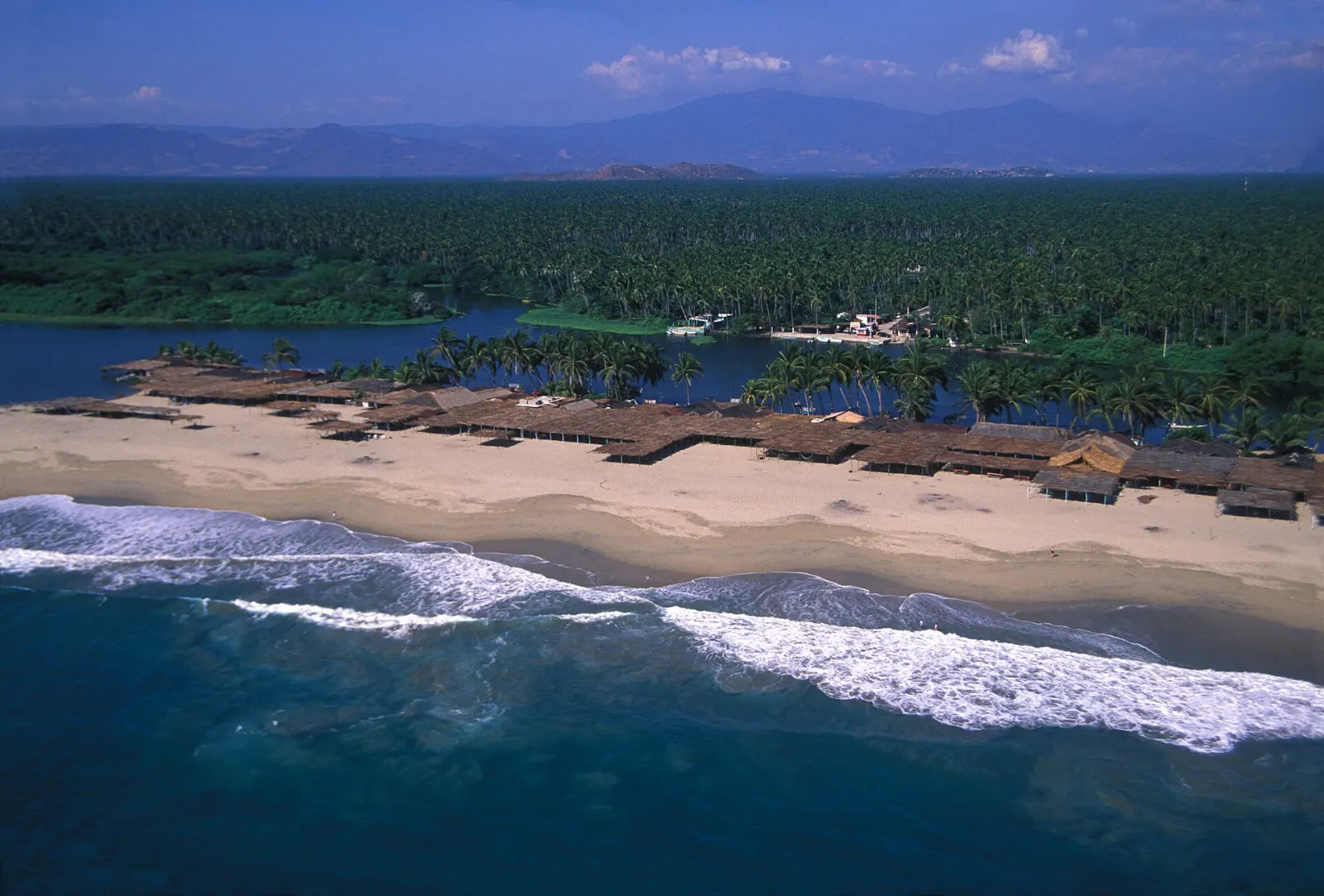
The name means foot of the hill in Spanish, and the strip lies about ten kilometers northwest of Acapulco. On one side is the Pacific, with big surf and open horizons. On the other is the Laguna de Coyuca, an extremely tranquil lagoon that looks nothing like the ocean it sits beside.
That contrast is the charm. You can spend a slow afternoon beside the lagoon, watch the sun set over the open water, then return to Acapulco for its cliff divers, colonial fort and long bay. Acapulco is one of the oldest and best known beach resorts in Mexico, and it also has a deep history as the terminus of the trade route to Manila.
The best places to visit on the strip
The Pie de la Cuesta strip
The strip is a quiet stretch of land between the ocean and the lagoon, and you can walk across it in minutes. Local buses run along it, and the town square sits a couple of blocks from the beach side. Plan on half a day for the beach and lagoon together.
Laguna de Coyuca
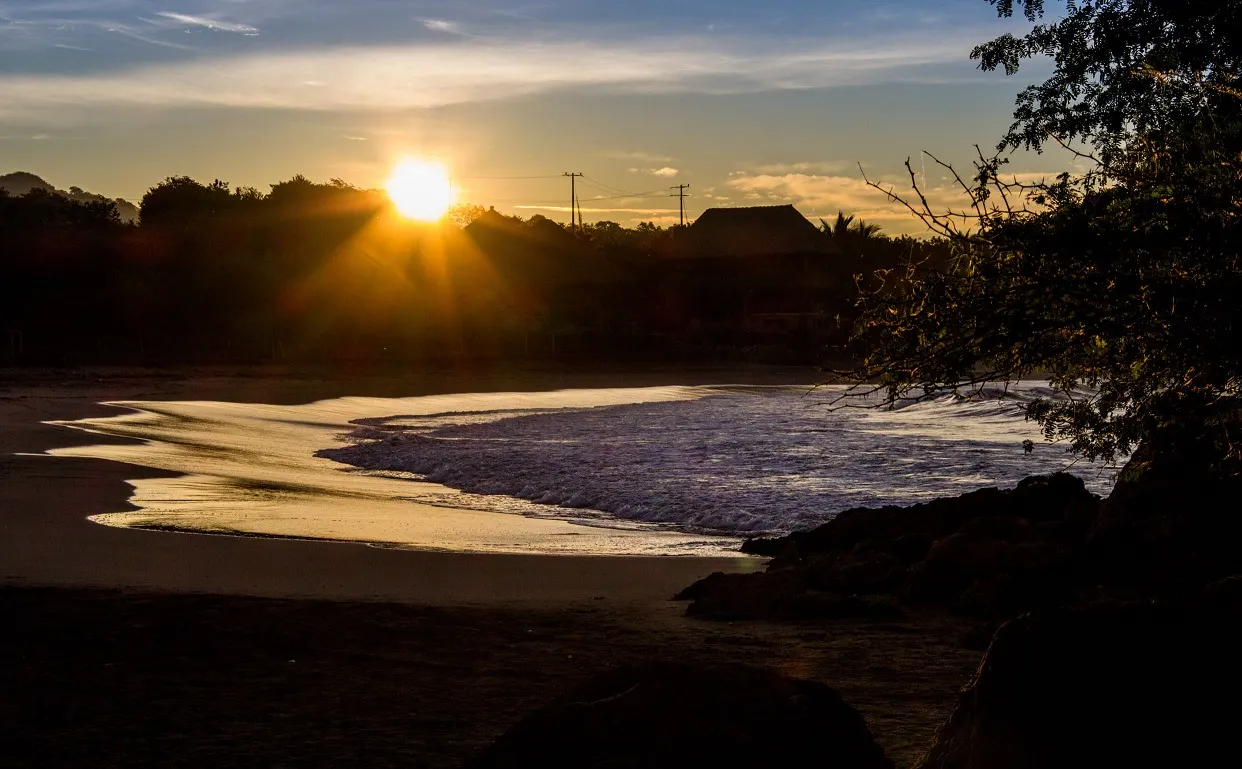
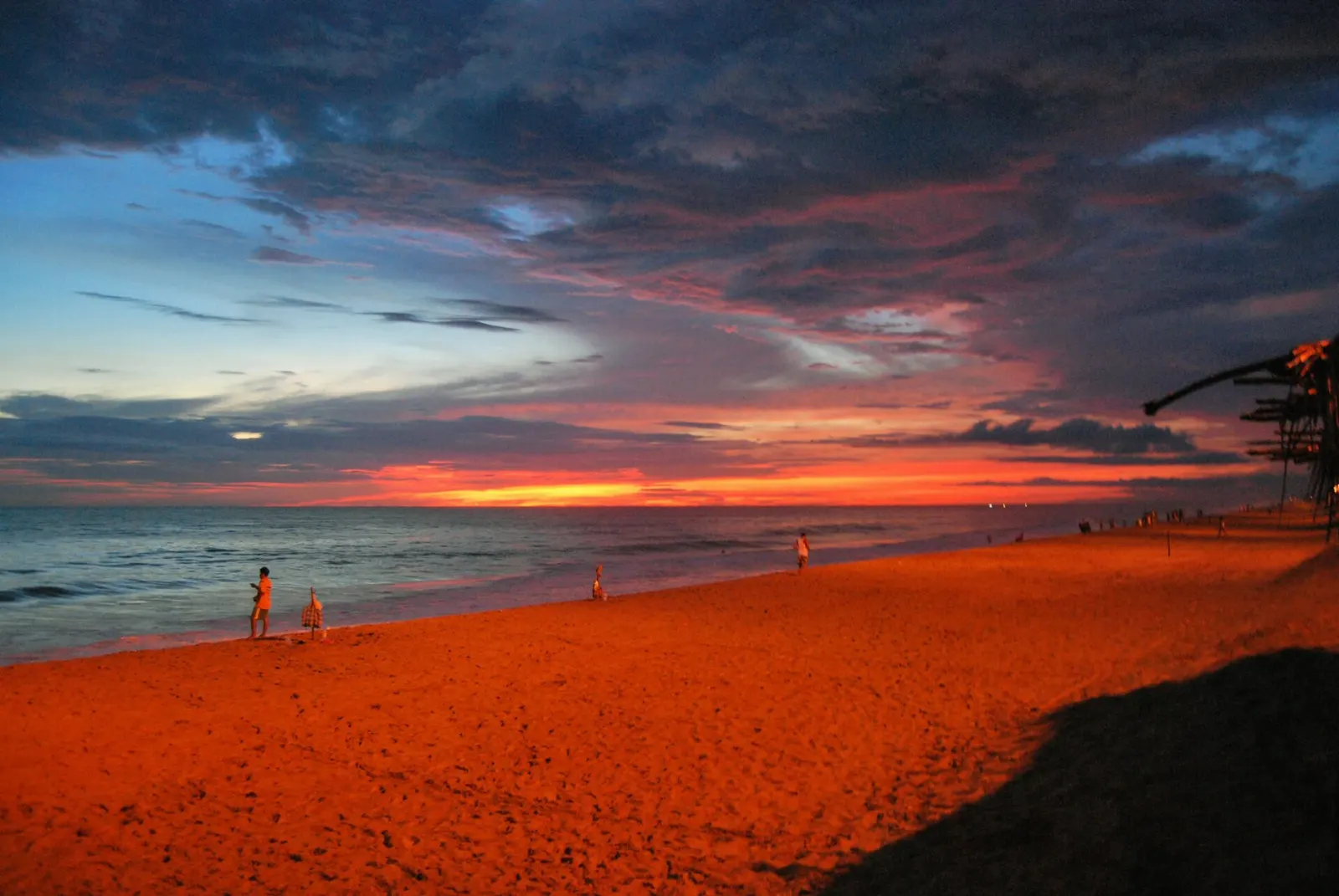
The lagoon is the calm side of the strip and the better place for a relaxed afternoon. Walk the shore, look for birds and ask local operators about boat rides on the water. Stay for the late light, when the sky turns orange over the water.
The Pacific beach
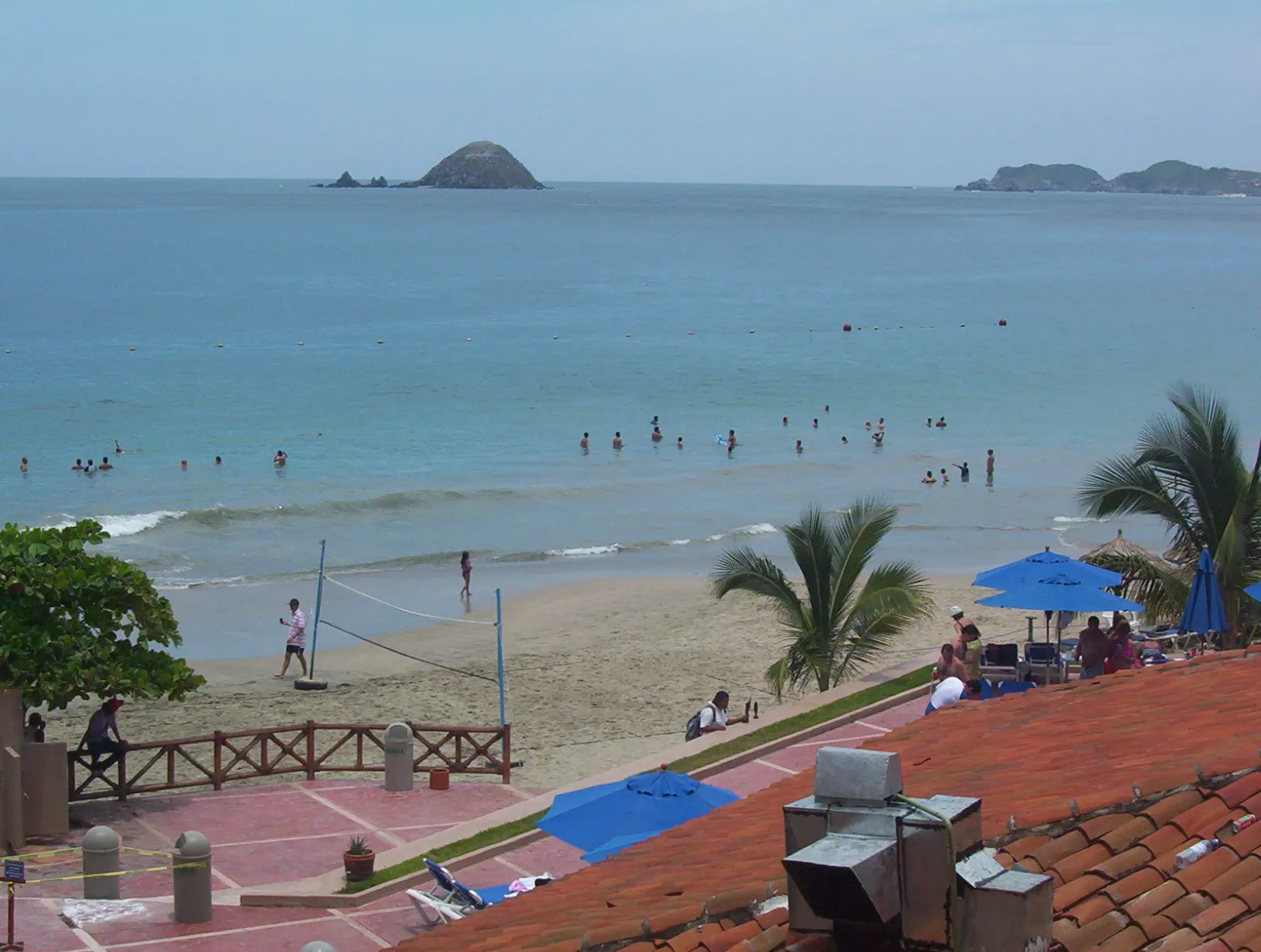
The ocean side is for watching rather than swimming. Visitors are advised not to enter the Pacific at Pie de la Cuesta because the surf is very dangerous. Walk the sand at sunset, take photographs and keep your feet out of the waves.
The best places to visit in old Acapulco
La Quebrada cliff divers
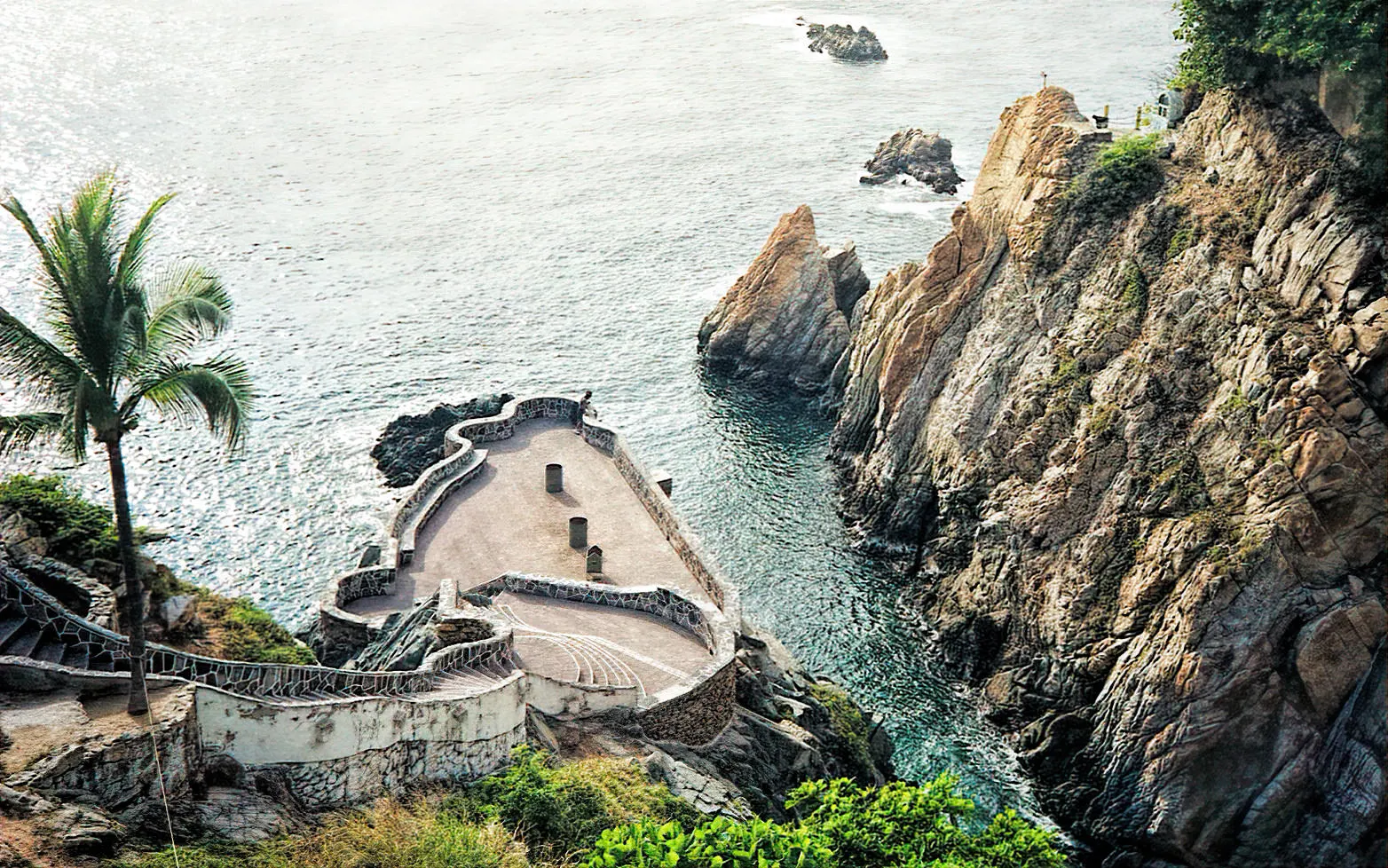
The divers of La Quebrada have been leaping into a narrow channel of tidal water since 1934. You can watch from a small platform by the cliff or from a restaurant with a view, and shows are held several times a day. Arrive early for a good spot and check the schedule locally.
Fort San Diego
This sixteenth century Spanish fortress was built to defend the harbor against pirates. It has the classic shape of a five-pointed star, and it houses a museum that covers the colonial era, independence and the revolution. Allow about two hours, and check the opening days before you go.
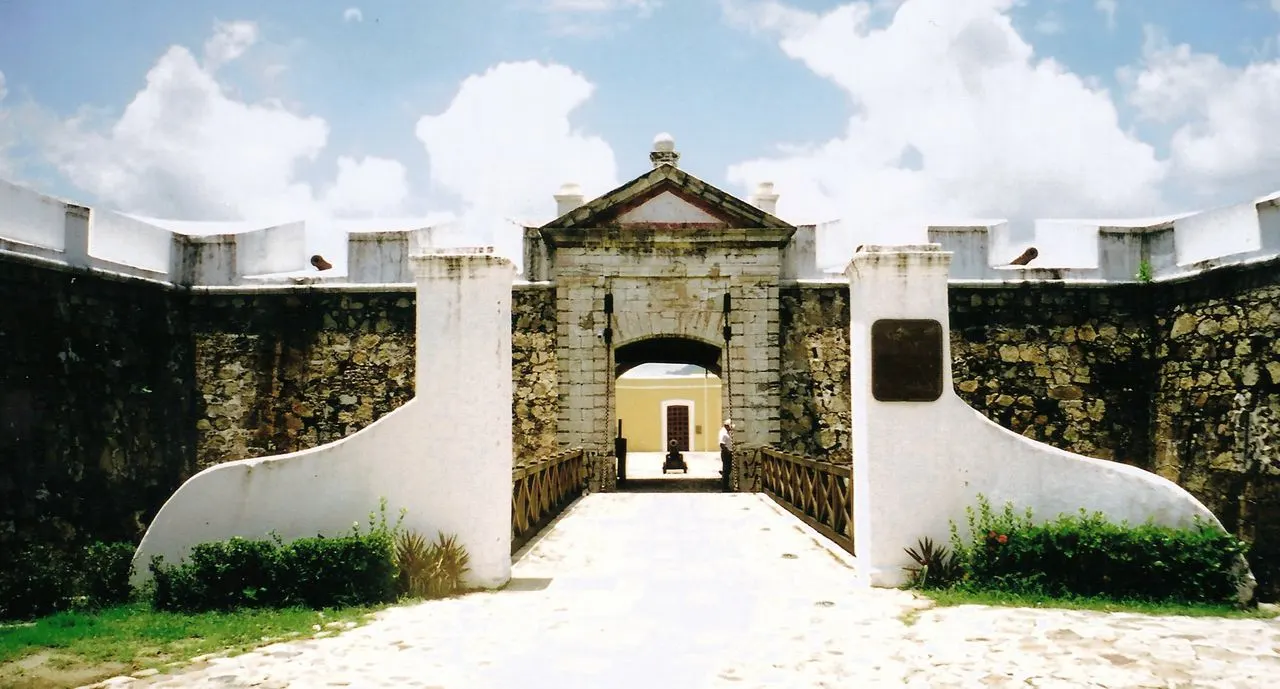
The Zócalo and cathedral
Acapulco's town square lies on the western side of La Costera, with shady trees and two fountains. By day it is peaceful, and in the evening it fills with local families, street performers and cafes. Come at dusk to see everyday Acapulco rather than the tourist strip.
Beaches and nature around Acapulco
Isla de la Roqueta
Water taxis and glass-bottom boats leave from Caleta beach for this island. It has a beach with shallow areas for families, walking trails, a lighthouse and snorkeling spots. Allow half a day and take your own water and sun protection.
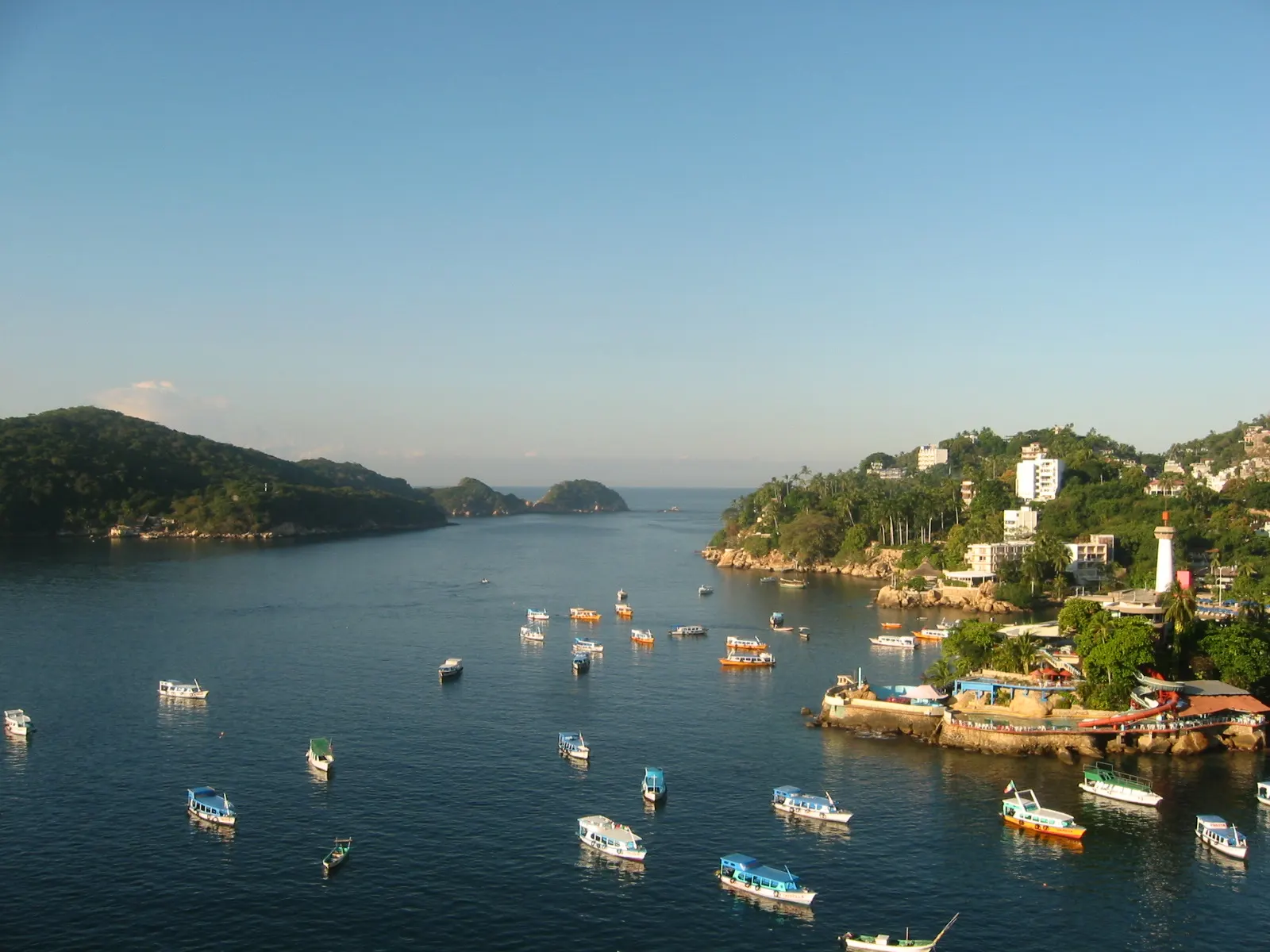
Puerto Marqués
This smaller bay east of the main bay is lined on one side with beachside restaurants. It sees fewer visitors than central Acapulco, and fewer people speak English, so a little Spanish helps. It is a good place for a long lunch and a sunset.
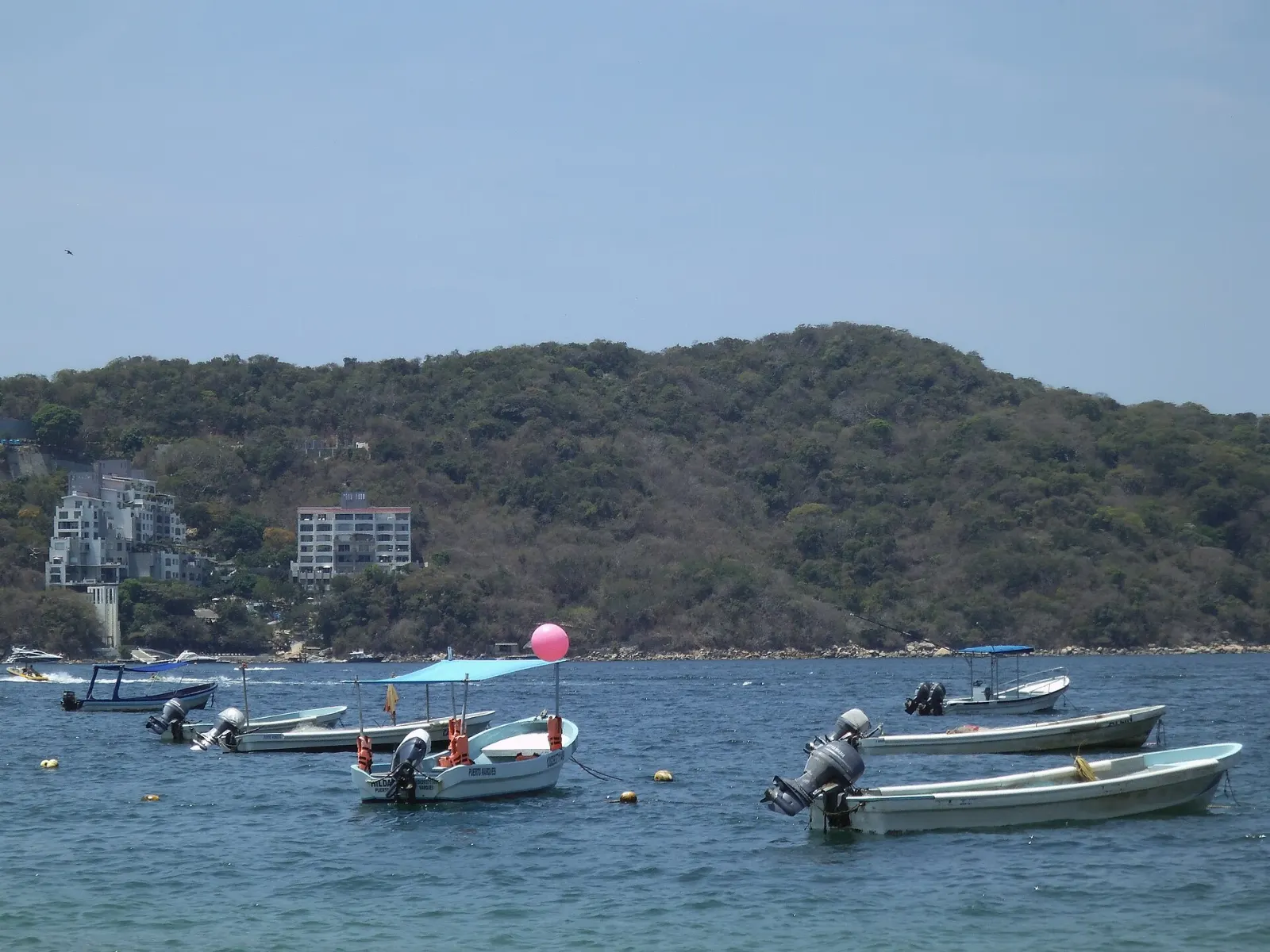
Playa Revolcadero and Barra Vieja
East of the city, Playa Revolcadero is an open water beach that suits surfers and walkers more than swimmers. Barra Vieja, further on past the airport, is a quieter stretch of sand. Both are best for a day away from the bay.
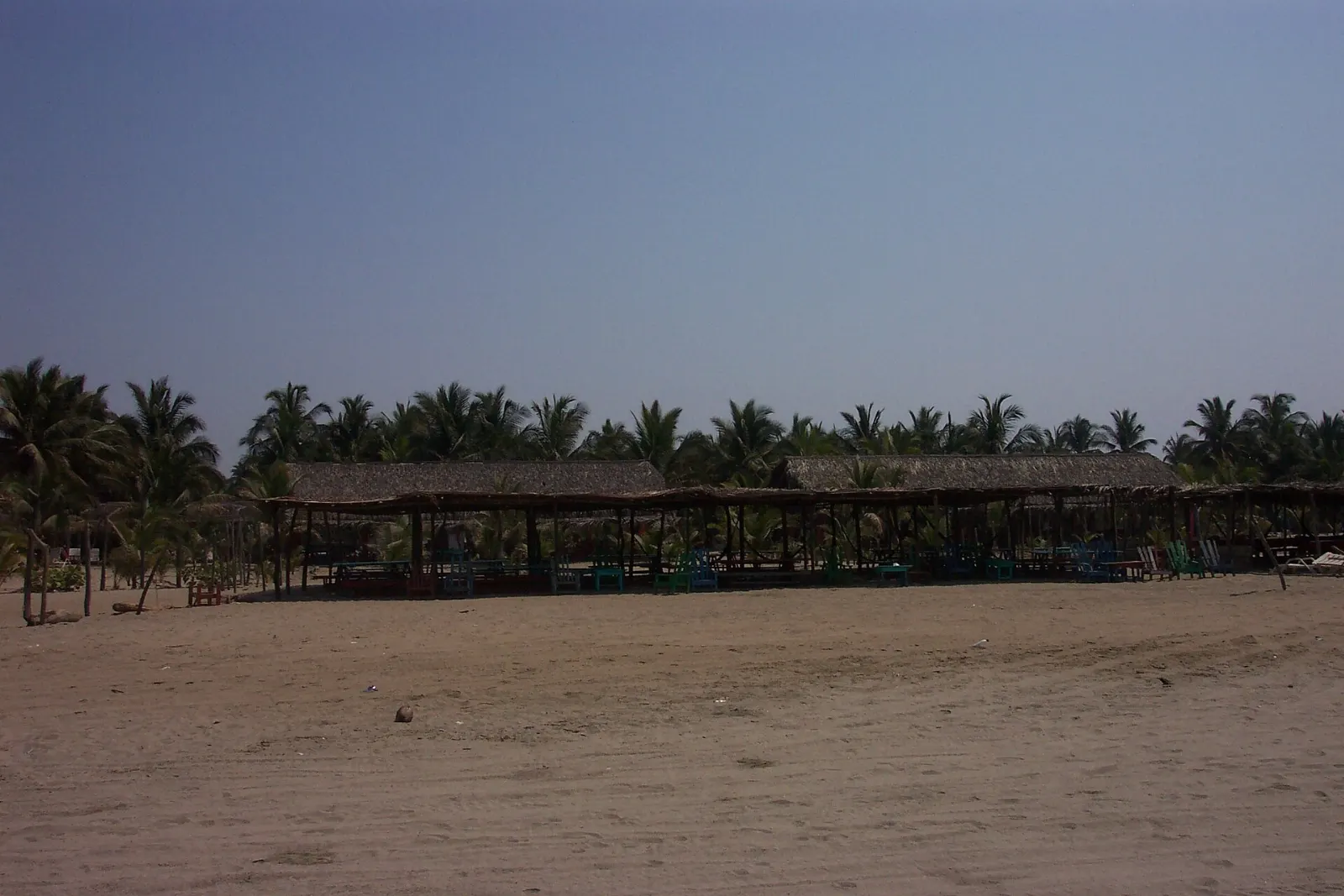
El Veladero National Park
The park protects the wild hill known as Cerro El Veladero above the city. Near the Palma Sola area, archaeologists have recorded petroglyphs carved on 18 granite boulders, showing faces, animals and geometric figures. Go with a guide or arrange a taxi, and bring water for the climb.
 Planning a trip to Pie de la Cuesta?Compare hotels, flights and vacation rentals for Pie de la Cuesta on Expedia.Book now
Food and local flavors
Seafood is the star on this coast. Try pescado a la talla, a whole fish rubbed with chile paste and grilled over coals, and ceviche made with fresh catch and lime. Pozole verde, a hominy stew colored with ground pumpkin seeds and green chiles, is a Guerrero favorite, often served on Thursdays. In Puerto Marqués, beachside restaurants serve shrimp dishes with a cold drink and a sunset. Around the Acapulco Zócalo, small family kitchens serve homemade tortillas and regional plates at modest prices, and they are a good way to eat where residents eat.
Popular dishes to try in Pie de la Cuesta


Where to stay
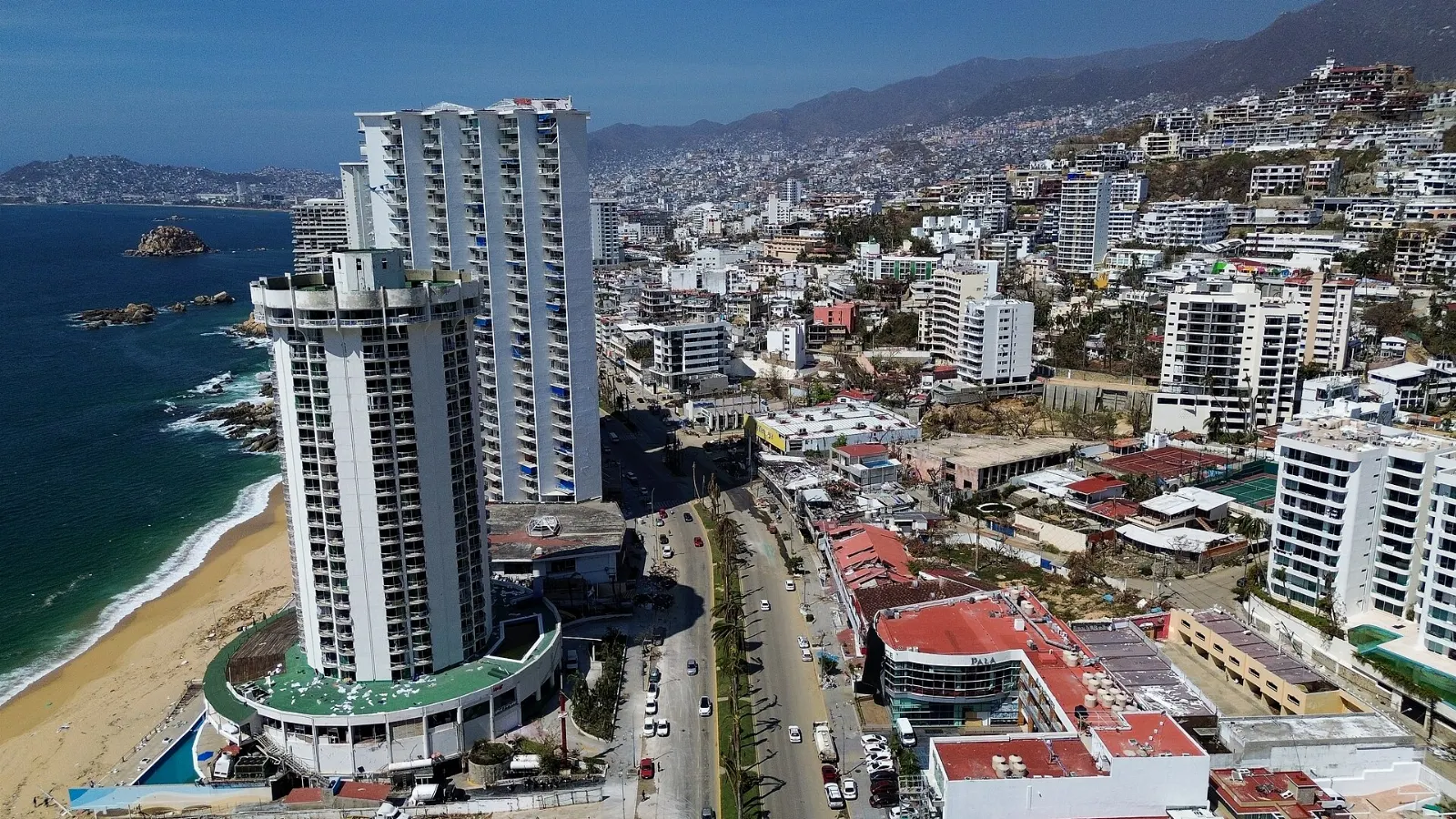
Pie de la Cuesta suits travelers who want quiet nights, lagoon views and a slower pace, and it works well for a short beach stay. La Costera is the main boulevard around the bay, where most hotels stand, and it suits first time visitors who want restaurants, nightlife and easy transport. Caleta, near the old town beaches and the boats to the island, suits families and travelers who want to be near Isla de la Roqueta and the cliff divers. Puerto Marqués, on its smaller bay east of the city, is a good choice for travelers who prefer a calmer beach town and a short ride to the airport side of Acapulco. Book early for holidays.
Where to stay in Pie de la Cuesta


Best time to visit
The coast is warm all year, and the winter months are usually the most comfortable and the driest. Summer and early autumn bring heat, humidity and rain, and the Pacific storm season runs through autumn, so follow forecasts closely. Holy Week and the year end holidays draw large crowds of Mexican visitors, so book early for those weeks. Weekday mornings are calmest at the lagoon. Evenings in the Zócalo in Acapulco are lively, especially on weekends.
Getting there and getting around
Acapulco International Airport is well connected domestically and internationally, and flights from Mexico City take roughly 35 minutes. By road, the Autopista del Sol from Mexico City takes about three and a half hours without stops, and long distance buses take around five hours. Pie de la Cuesta is roughly ten kilometers northwest of the city. From the Costera, look for a bus marked Pie de la Cuesta Playa Luces, which runs up the strip, or one marked San Isidro, which drops you at the village square, a short walk from the beach. Taxis in Acapulco are unmetered, so agree on the fare before you get in. Driving in Acapulco is difficult because of heavy traffic and scarce parking, so many visitors rely on buses and taxis.
A suggested itinerary
First day
Take a morning bus to Pie de la Cuesta and walk along the lagoon. Eat lunch by the water, then watch the sunset from the Pacific side without entering the surf.
Second day
Visit Fort San Diego in the morning and walk to the Zócalo and cathedral. Watch the cliff divers at La Quebrada in the afternoon or evening.
Third day
Take a boat to Isla de la Roqueta for snorkeling and a quiet beach. Finish with a late lunch and sunset at Puerto Marqués.
Practical tips
- Check your government's current travel advisory before you go.
- Do not swim on the Pacific side of Pie de la Cuesta, because the surf is dangerous.
- Agree on a taxi fare before you get in, since cabs have no meters.
- Carry sun protection, a hat and water for the beaches and the island.
- Arrive early for the cliff divers and check show times locally.
- Bring cash for buses, water taxis and small family restaurants.
- Learn a few Spanish phrases, since English is less common outside the main tourist zone.
- Check the weather before booking boat trips.