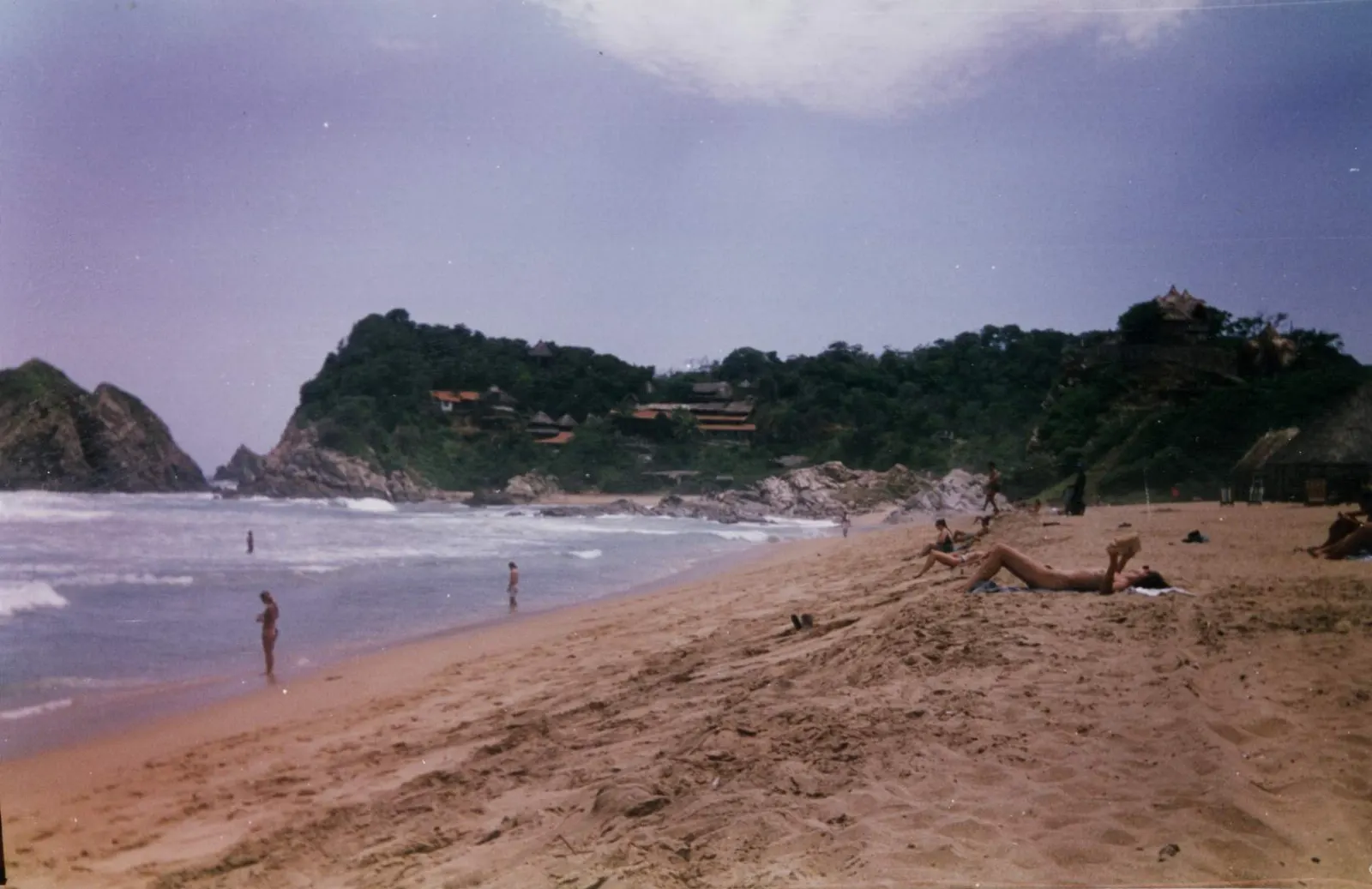
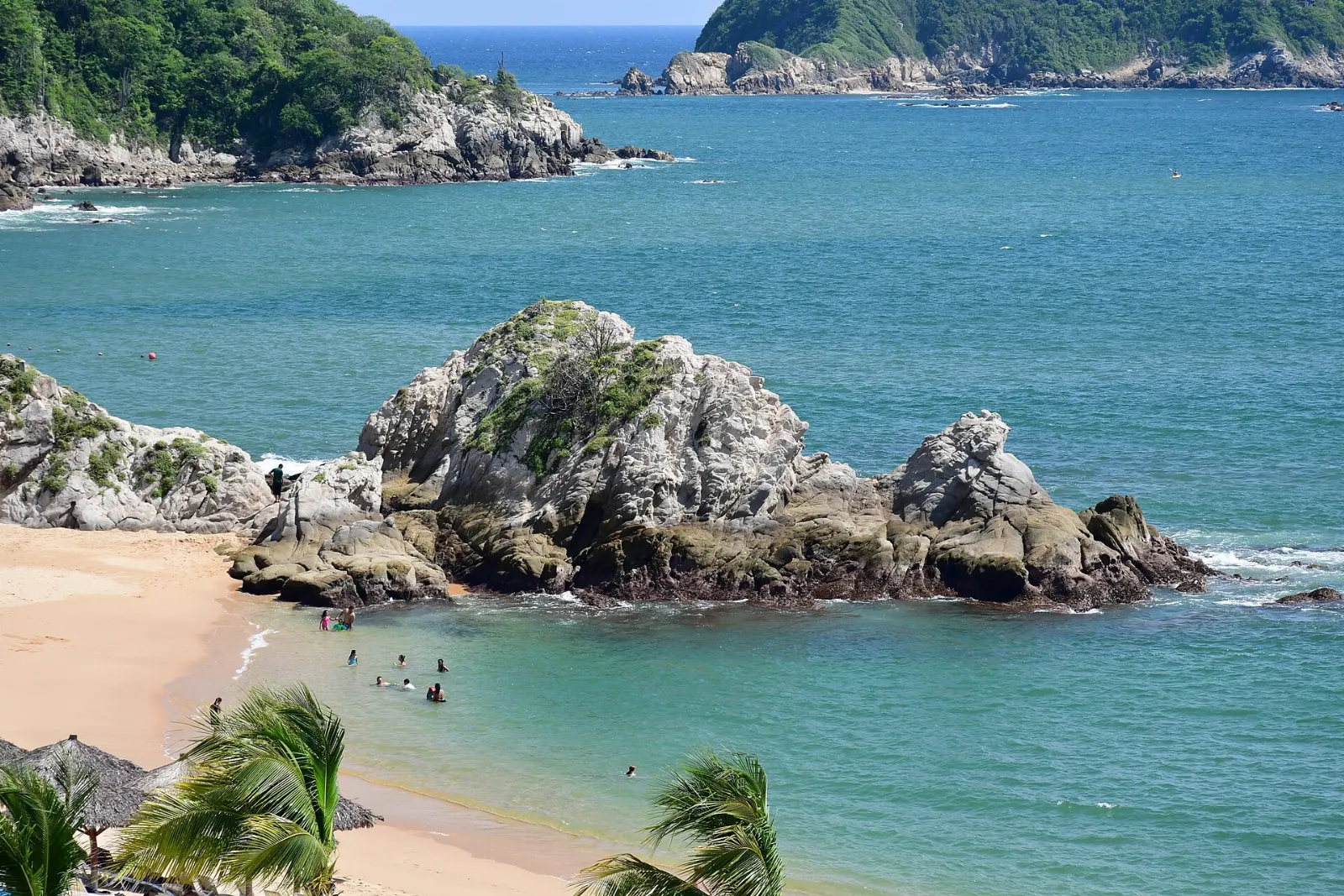
Huatulco is a string of nine sheltered bays on the Pacific coast of Oaxaca, backed by tropical dry forest and the Sierra Madre del Sur. Calm water, white sand and a relaxed pace make it a favourite with Mexican families, while foreign visitors come mostly in the dry winter months.
AT A GLANCE
Best time
December to April is the dry peak season, while the green rainy months from June to November are quieter.
How long
Allow three or four days to explore the bays, the town and one inland excursion.
Getting there
Fly into Bahías de Huatulco airport, or take a long scenic road trip from Oaxaca City.
Why visit Huatulco
Huatulco was planned as a resort area, and it shows in a good way. Large parts of the coast are protected, so beaches sit beside forest instead of high-rise blocks.
It is also a very easy place to relax. The water in most bays is calm, boat trips are simple to arrange, and the town of La Crucecita feels like a real Mexican community rather than a resort enclave.
The bays and beaches
Santa Cruz Bay
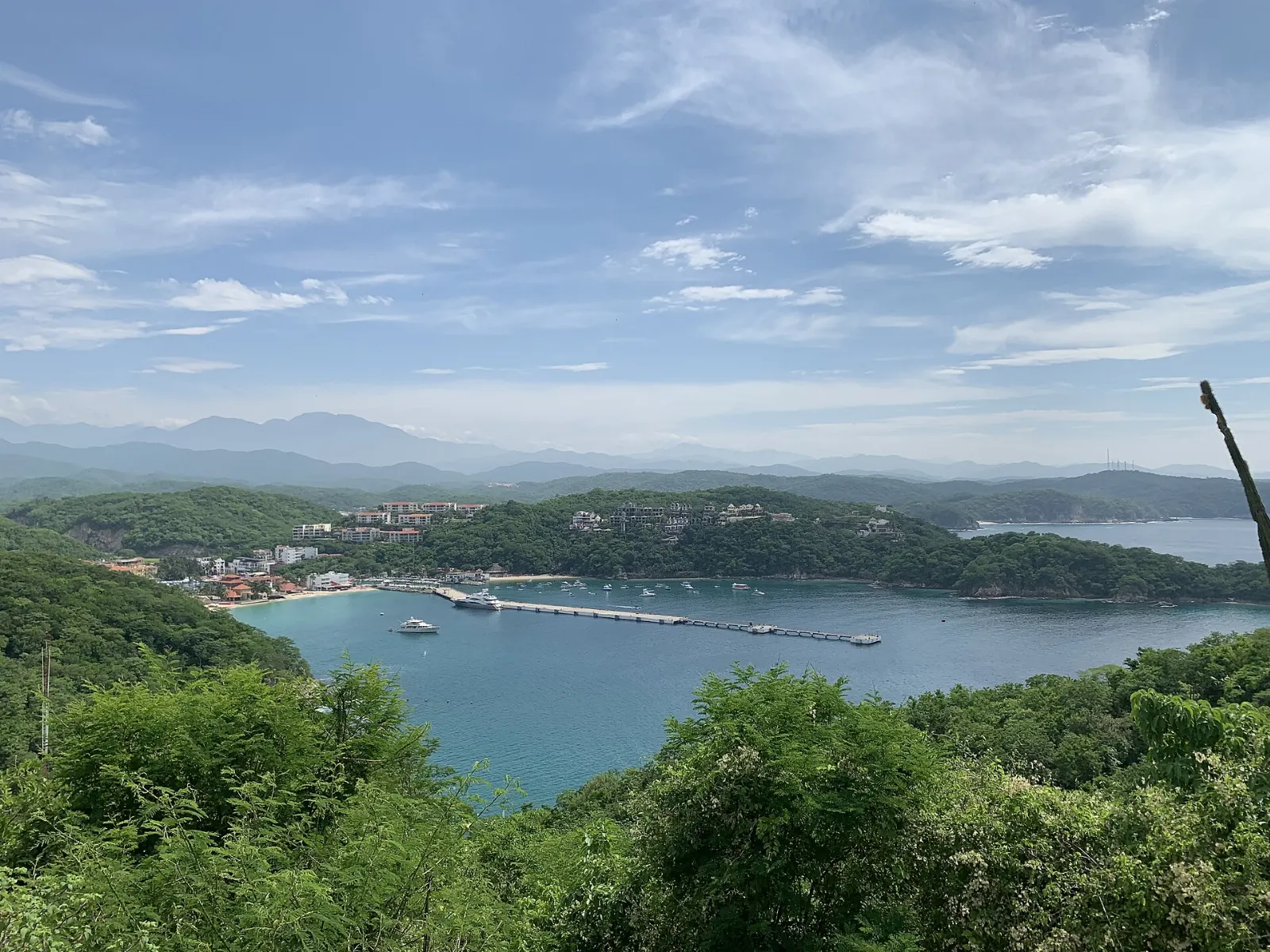
The most central bay holds the marina, the cruise pier, a small beach and the departure point for most boat tours.
Playa La Entrega
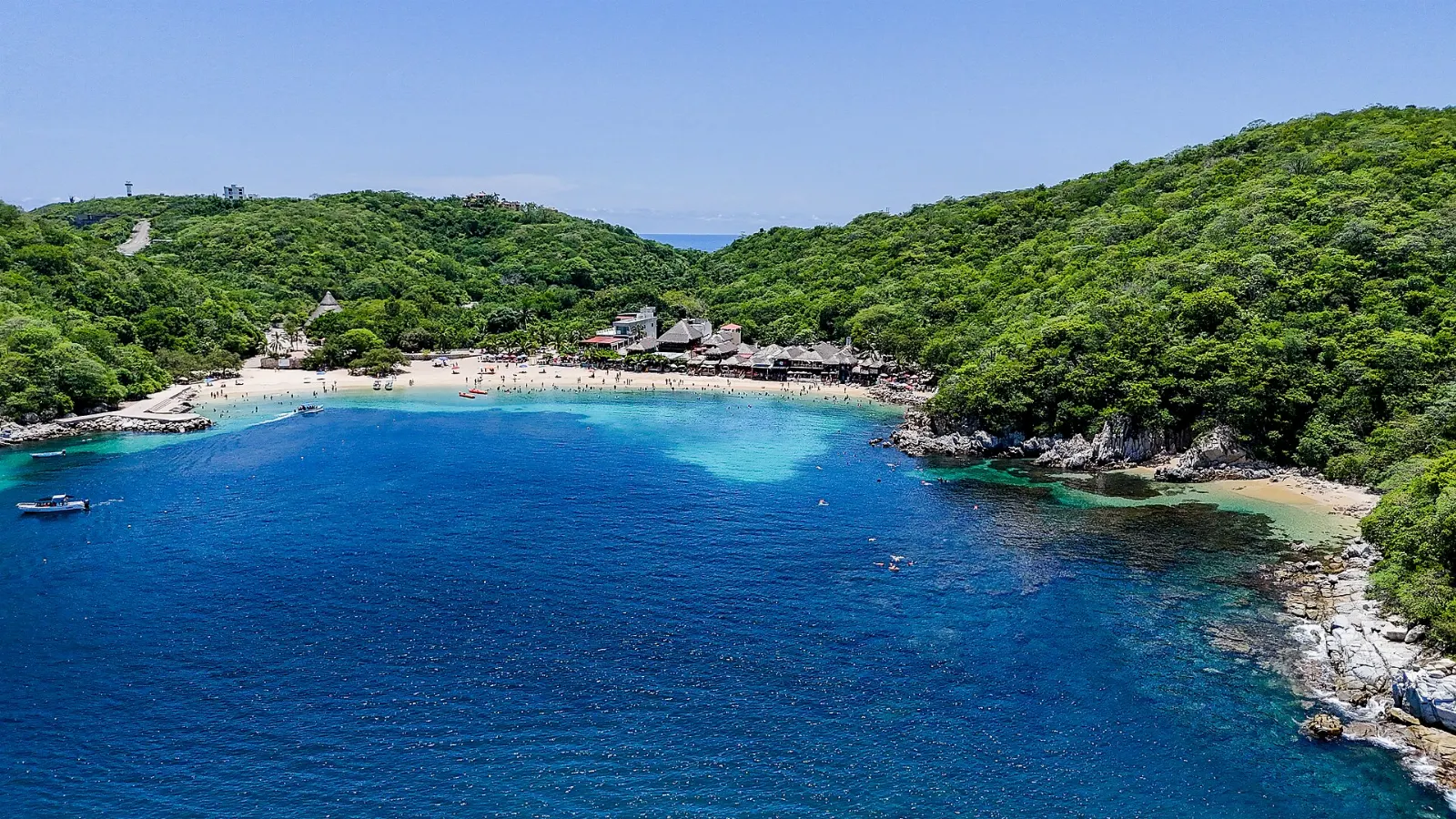
This small beach is one of the most popular spots for swimming and snorkelling, with beach palapas serving fresh seafood. It can be reached by road or boat.
Bahía Maguey
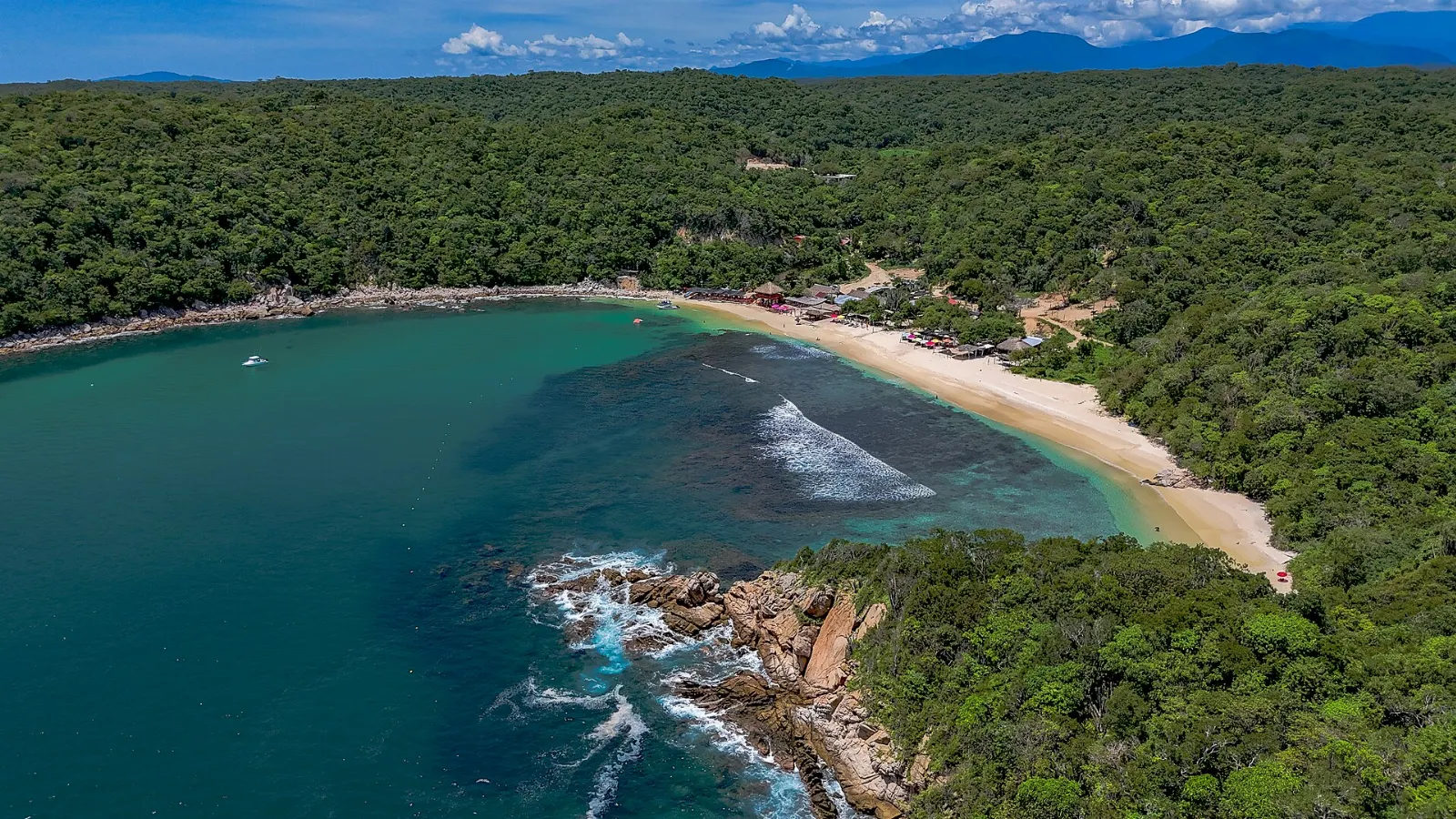
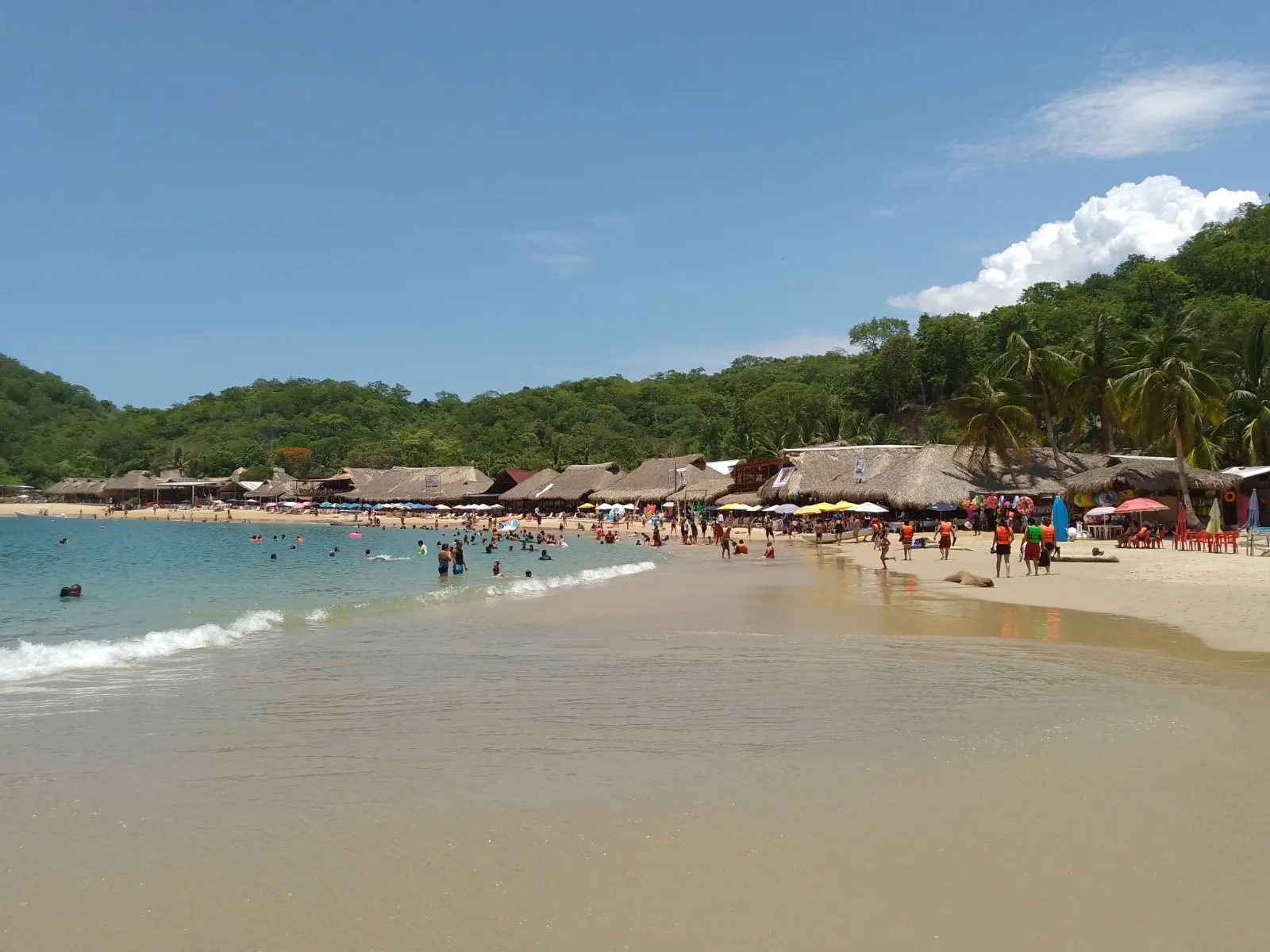
Maguey is a gentle, curved bay inside the national park that is accessible by car, making it an easy family beach. Restaurants line the sand, and the water is usually calm.
Bahía Órgano and Cacaluta
These quiet bays are reached by boat or hiking trail and have almost no buildings. Bahía Órgano is named after the organ pipe cacti growing nearby, and Cacaluta has no human construction at all.

San Agustín
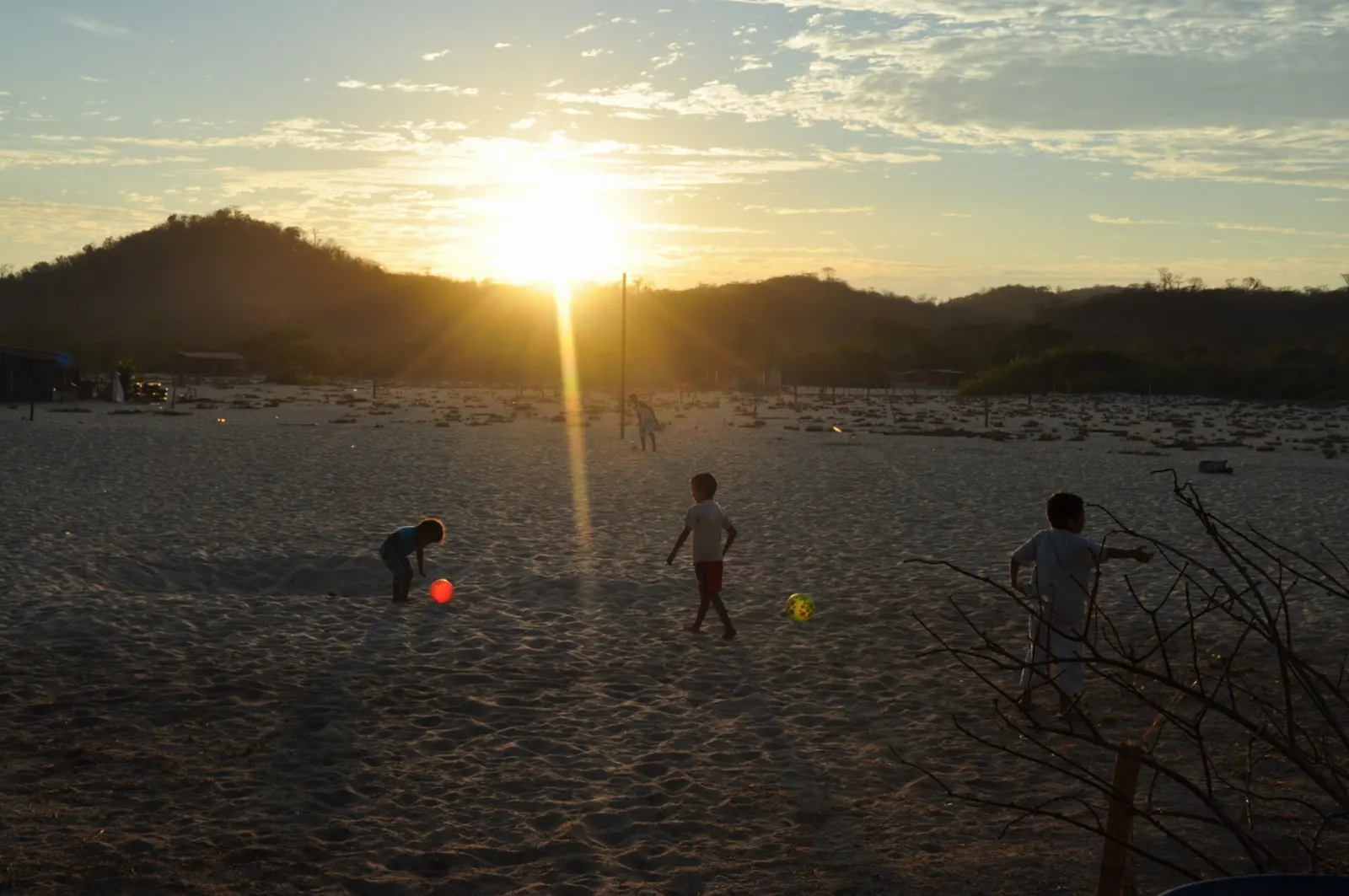
The westernmost and largest bay has a long beach, small islets and a laid-back village feel. You can arrive by boat or take the road from the junction near the airport.
Boat trip through the national park
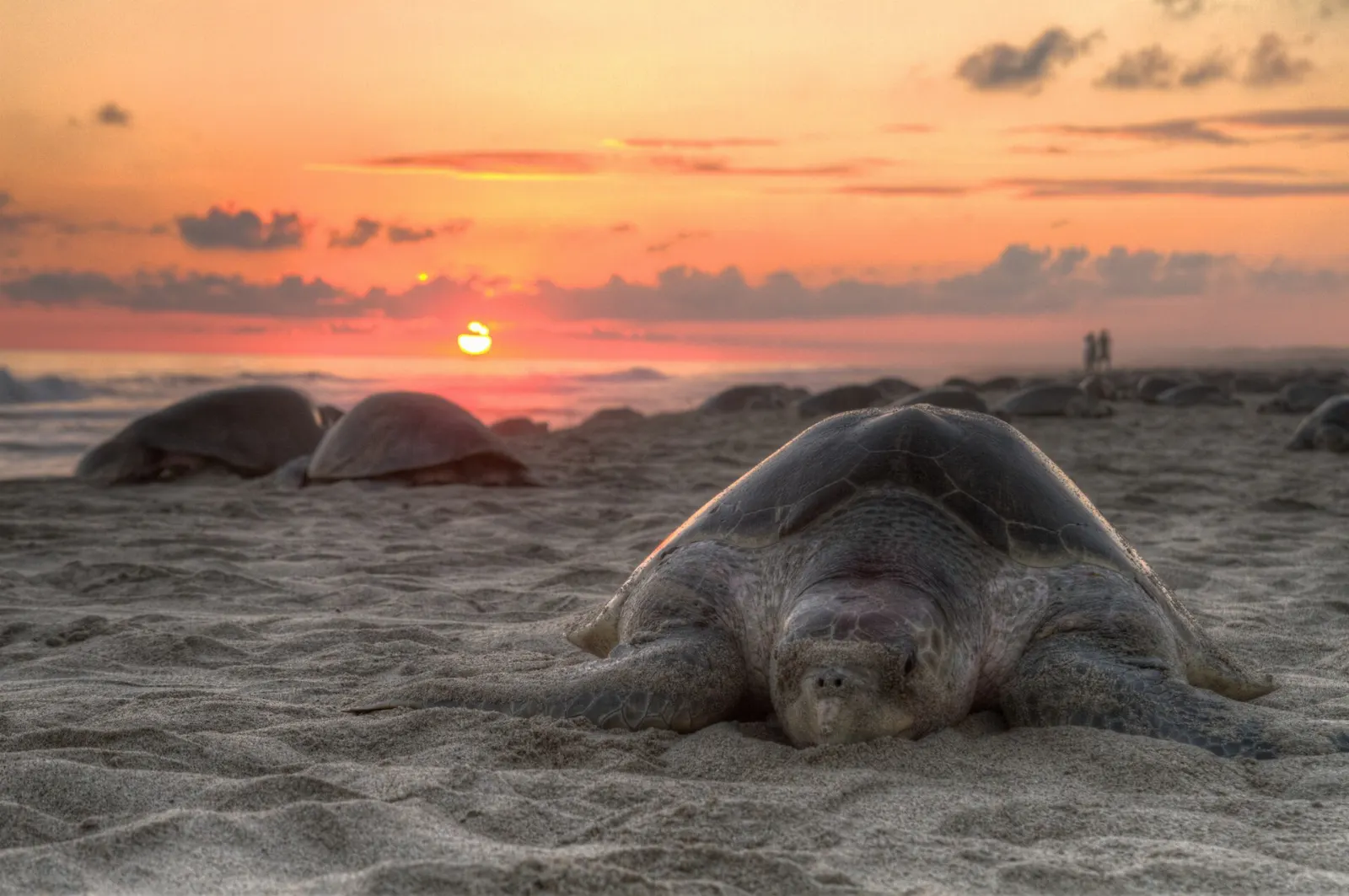
Shared boats leave Santa Cruz for day trips that stop at several bays, giving you time to swim and snorkel. Wildlife such as dolphins and turtles is sometimes seen, though sightings are never guaranteed.
Towns and culture
La Crucecita
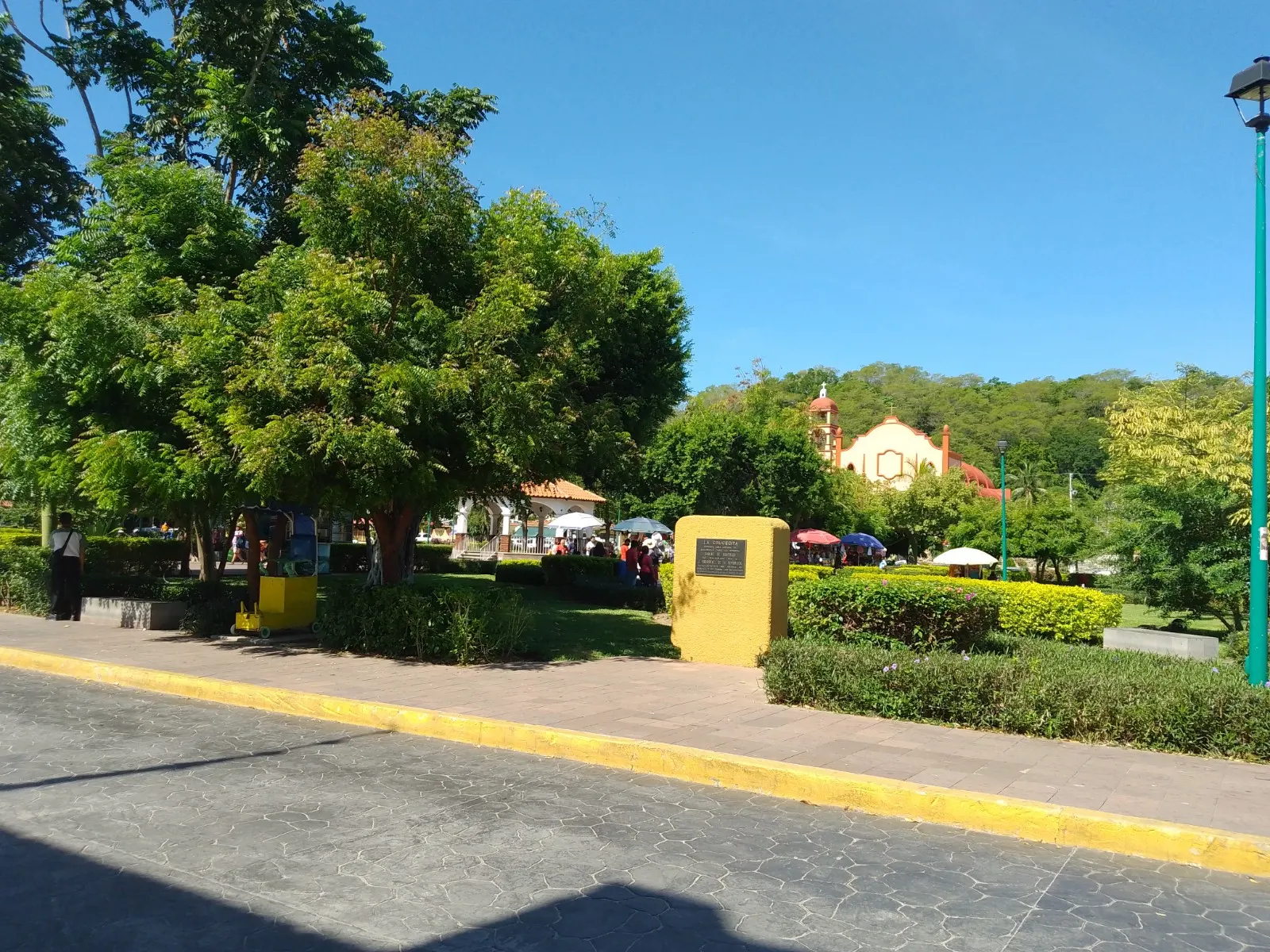
The main town centres on a shady zócalo ringed by restaurants, bars and souvenir shops. In the evening families gather, and the atmosphere becomes lively.
Tangolunda Bay
This is the main resort area, with the larger hotels and several quiet beaches such as Manzanillo and Rincón Sabroso.
Chahué marina
East of Santa Cruz, Chahué has a marina and wide beaches with moderate surf, so they are less crowded than the central bays. It makes a good quiet alternative on busy holiday weekends.
Bocana del Río Copalita
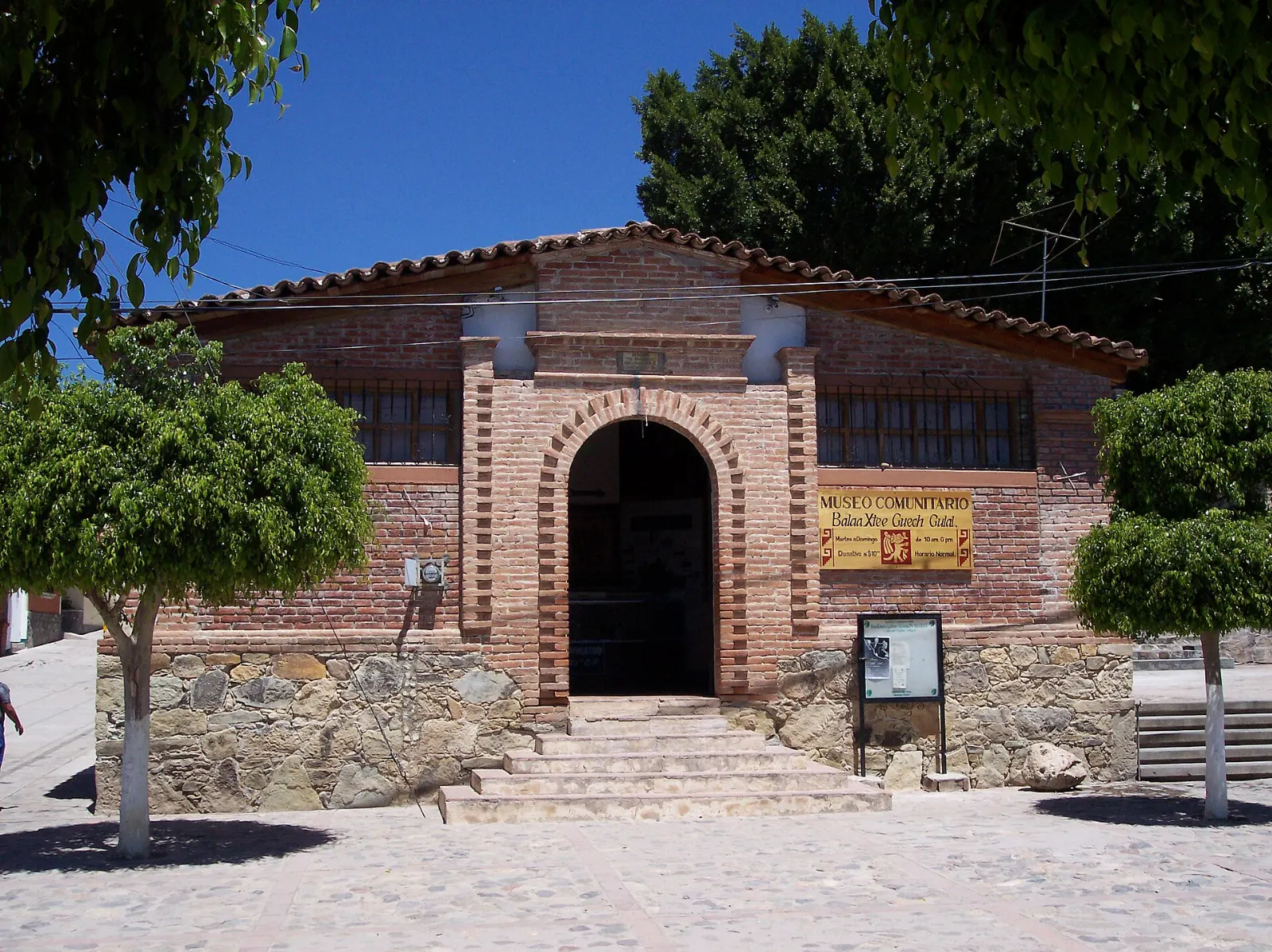
About ten kilometres from the bays, this 2,500-year-old archaeological site stands near the border of old Zapotec and Mixtec lands.
Coffee country inland
Coffee fincas
Before the resorts arrived, Huatulco was known mostly as a coffee-growing area. Several fincas in the foothills still offer tours, including Finca La Gloria, which has a butterfly sanctuary and a waterfall, and Finca El Pacífico, known for organic Pluma Hidalgo coffee.
Santa María Huatulco
The original inland town is the municipal seat and feels far from the beach scene. It is a calm place to see everyday life and have a simple meal before returning to the coast.
Food and local flavors
Huatulco combines Pacific seafood with the classic dishes of Oaxaca. Try a tlayuda, a large crisp tortilla layered with beans, cheese and toppings, or order mole negro, the dark, complex sauce that is the state's most famous dish.
For seafood, head to the beach palapas at La Entrega and Maguey, where fish, shrimp and octopus come straight from the grill. In La Crucecita, the streets around the zócalo have many restaurants, and local coffee is worth buying to take home.
Popular dishes to try in Huatulco


Where to stay
La Crucecita suits independent travellers who want restaurants, shops and a real town atmosphere.
Santa Cruz suits first-time visitors who want a short walk to the marina, the beach and boat tours.
Tangolunda suits families and couples who prefer larger resorts with direct beach access and a quieter, planned setting. Most all-inclusive properties are found here.
Chahué suits travellers who want a relaxed middle ground, with a marina, wider beaches and easy access to both the town and the resort bays.
Where to stay in Huatulco


Best time to visit
The dry season runs from December to May, with sunshine on most days and an average temperature near 28 degrees Celsius. December to April is the peak season for foreign visitors, and prices and crowds rise around Christmas and Semana Santa, the Easter holiday week.
From June to November the rains turn the forest brilliantly green and the beaches are quiet, though showers are common and boat conditions can change.
Getting there and getting around
Bahías de Huatulco International Airport is small and open-air, roughly 10 to 20 minutes from La Crucecita and the resort areas. It receives flights from Mexico City and Oaxaca, and seasonal charter flights arrive from the United States and Canada in winter.
Once you arrive, a car is not essential. Taxis are plentiful and color-coded by home base, blue and white local buses connect La Crucecita with Santa Cruz and Santa María Huatulco, and shared taxis run on set routes. Boats take you to remote beaches.
A suggested itinerary
First day
Settle into La Crucecita, walk through the zócalo and then take the short trip to Santa Cruz Bay for sunset by the marina and dinner on the waterfront.
Second day
Join a shared boat trip through the national park, with stops at several bays for swimming and snorkelling.
Third day
Visit the Copalita archaeological site in the morning, then travel inland to a coffee finca.
Fourth day
Keep the last day for Maguey or San Agustín, or take a bus east along the coast to Mazunte and Zipolite if you want more of the coast.
Practical tips
- Check your government's current travel advisory before you go.
- Carry some cash, as small beach restaurants and local transport often do not take cards.
- Bring reef-safe sunscreen and a hat, since shade is limited on some beaches.
- Confirm taxi fares before you set off and ask your hotel which stands are trusted.
- Book boat trips in Santa Cruz in the morning, when the water is calmest.
- Pack light rain gear if you travel between June and November.