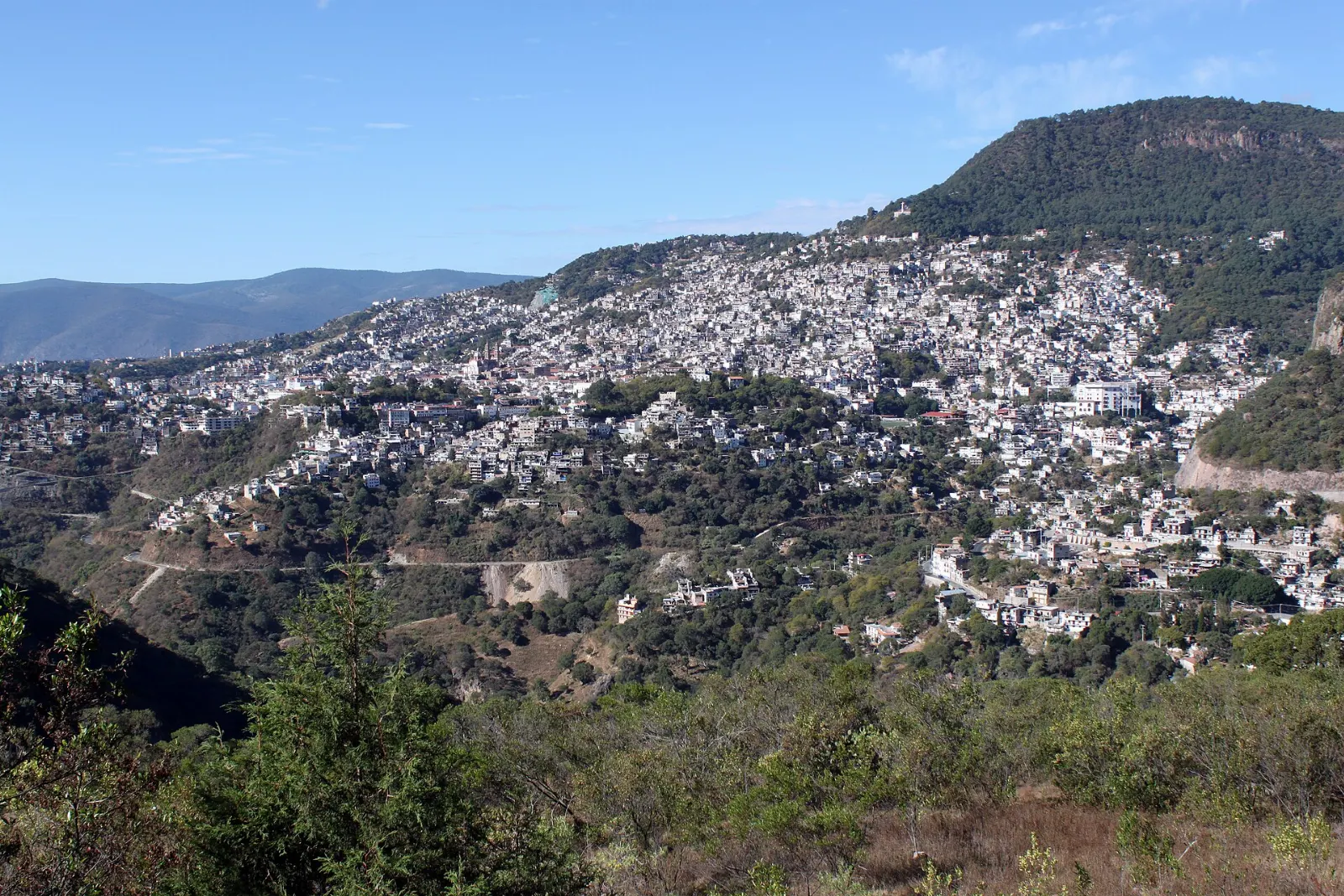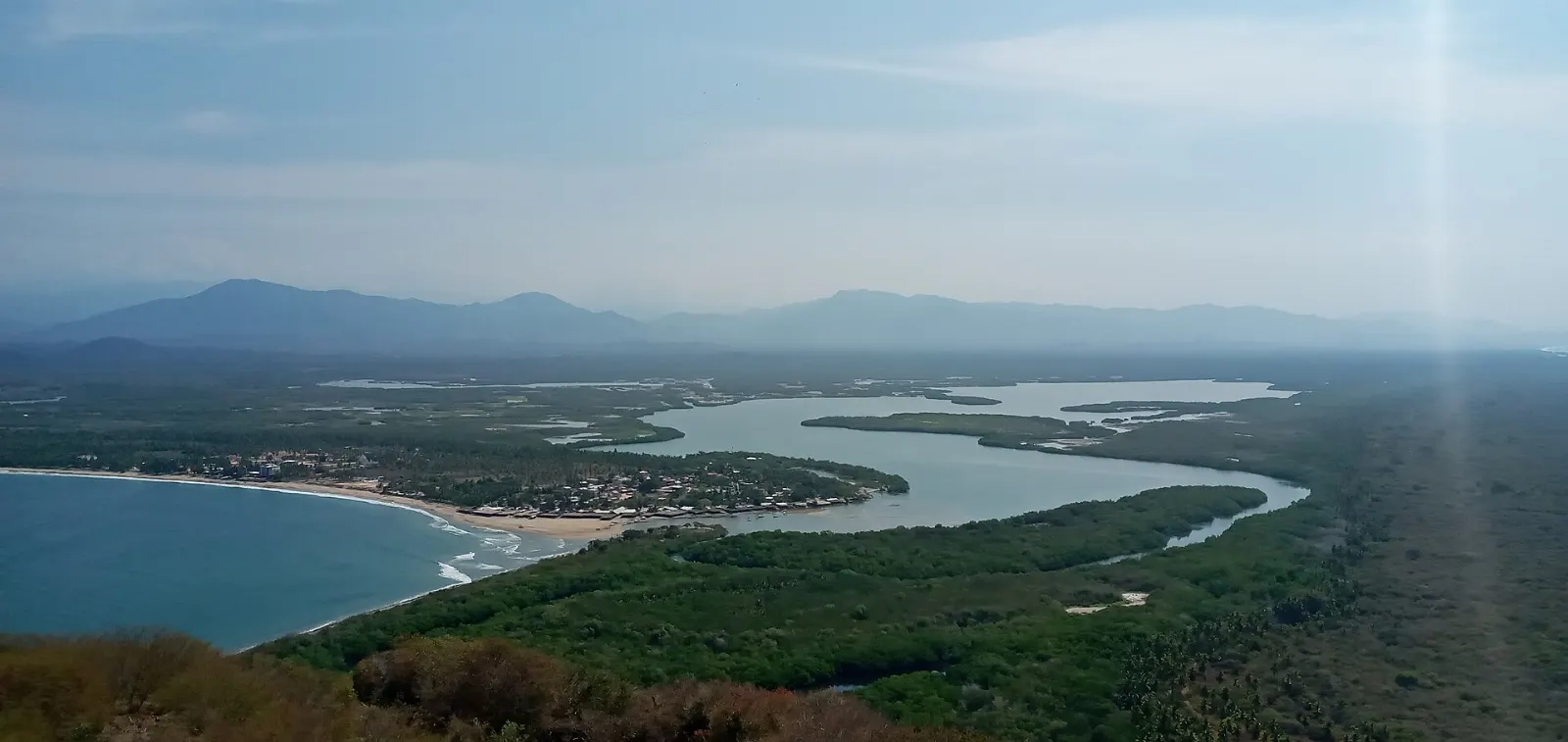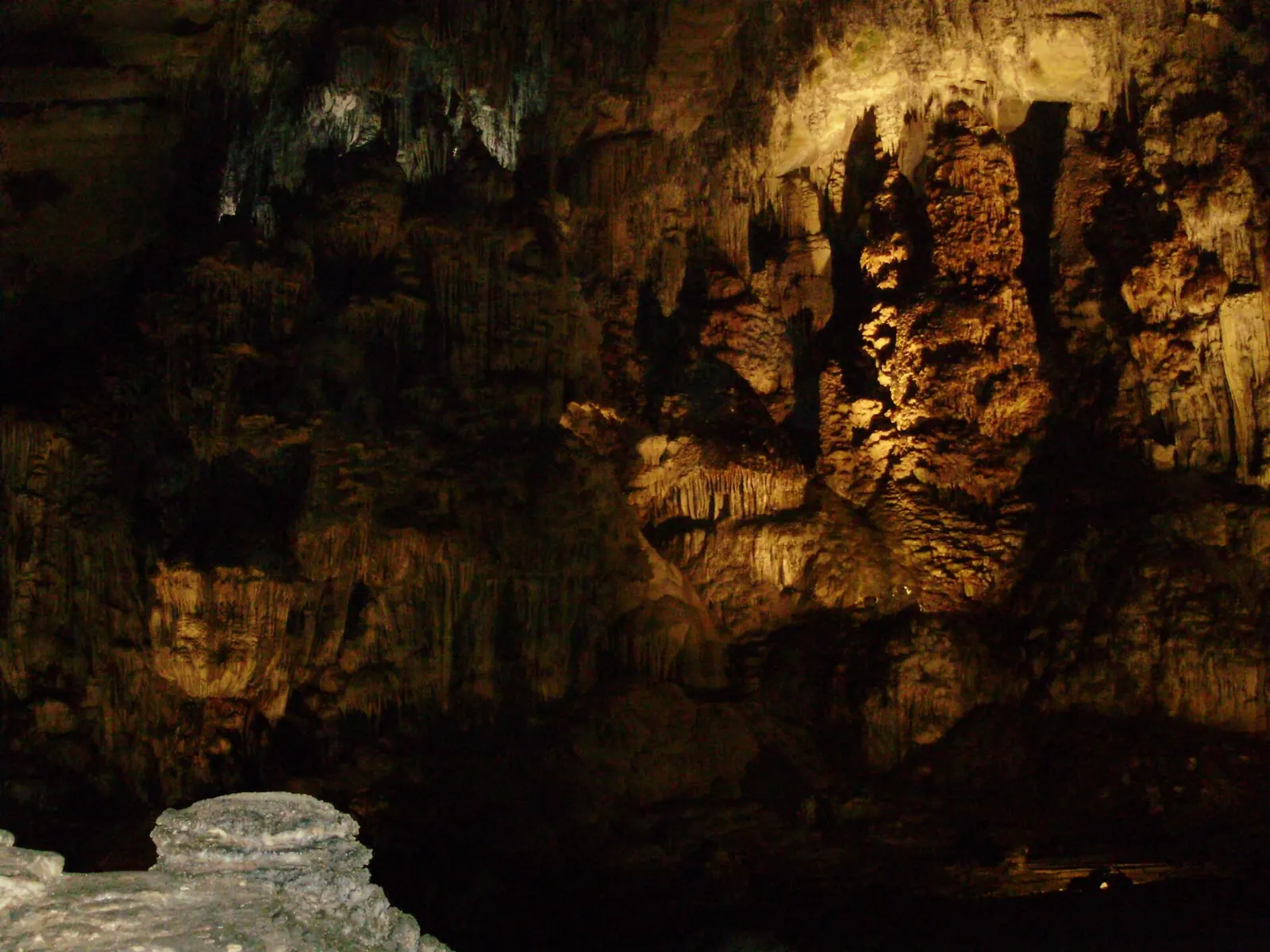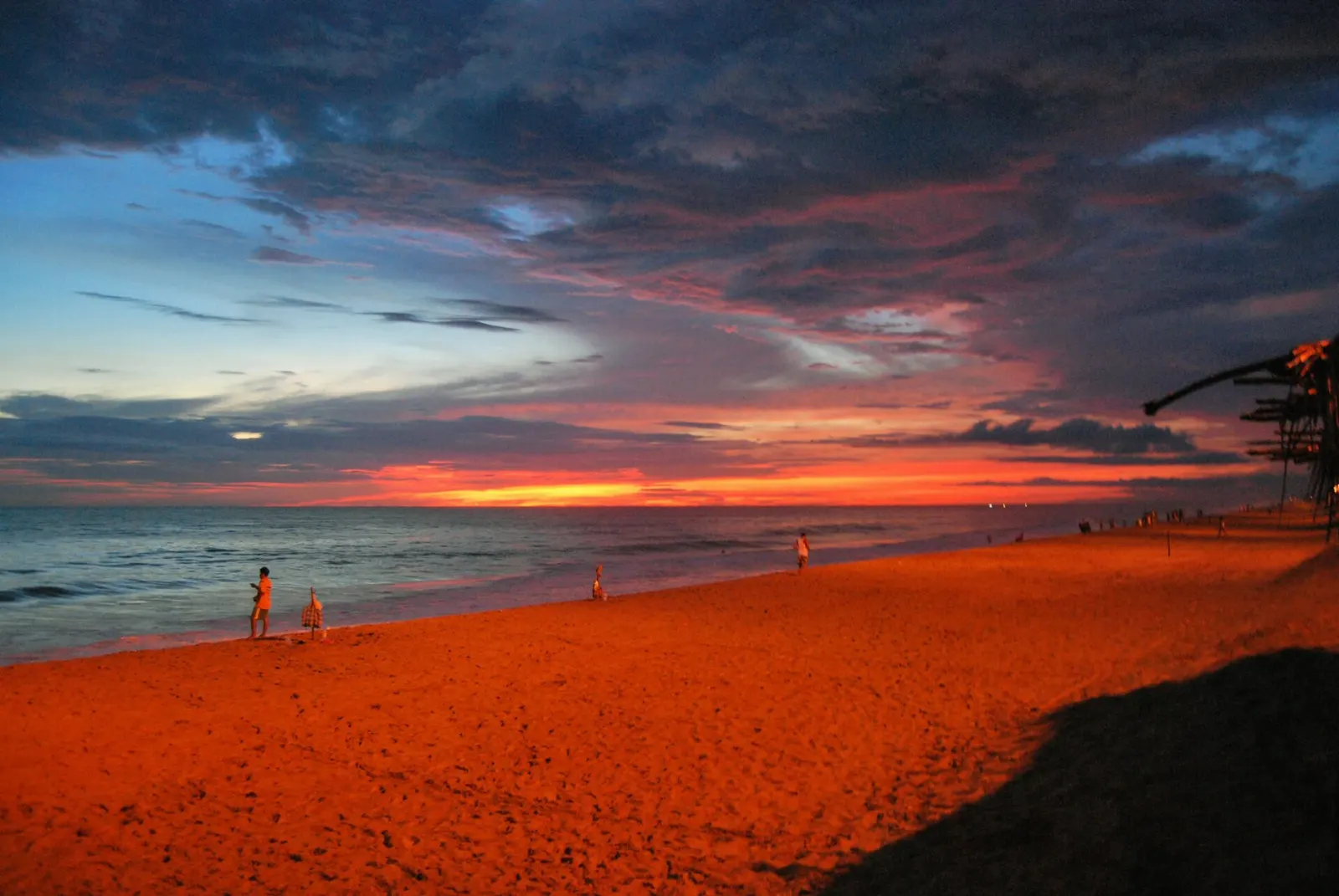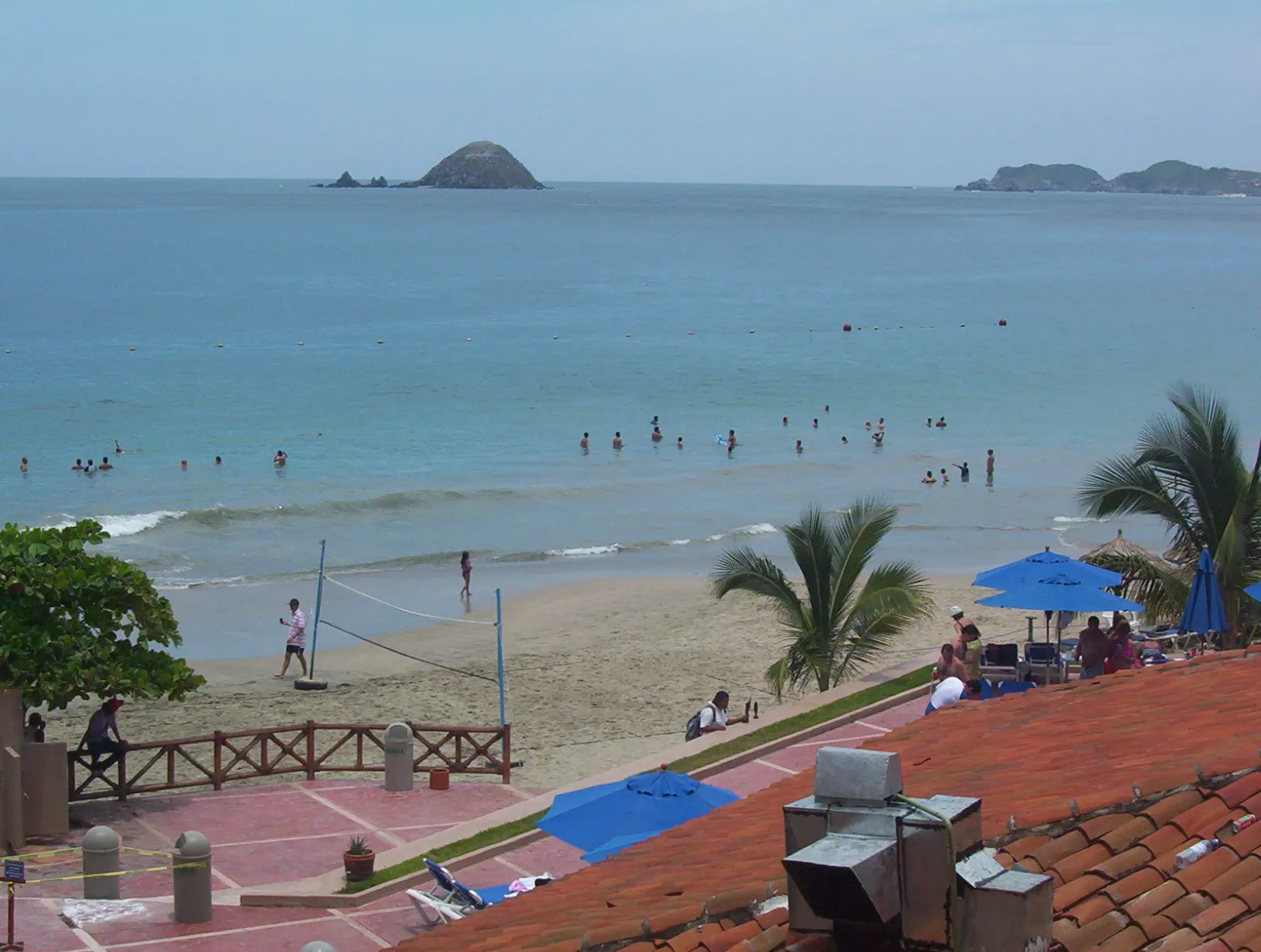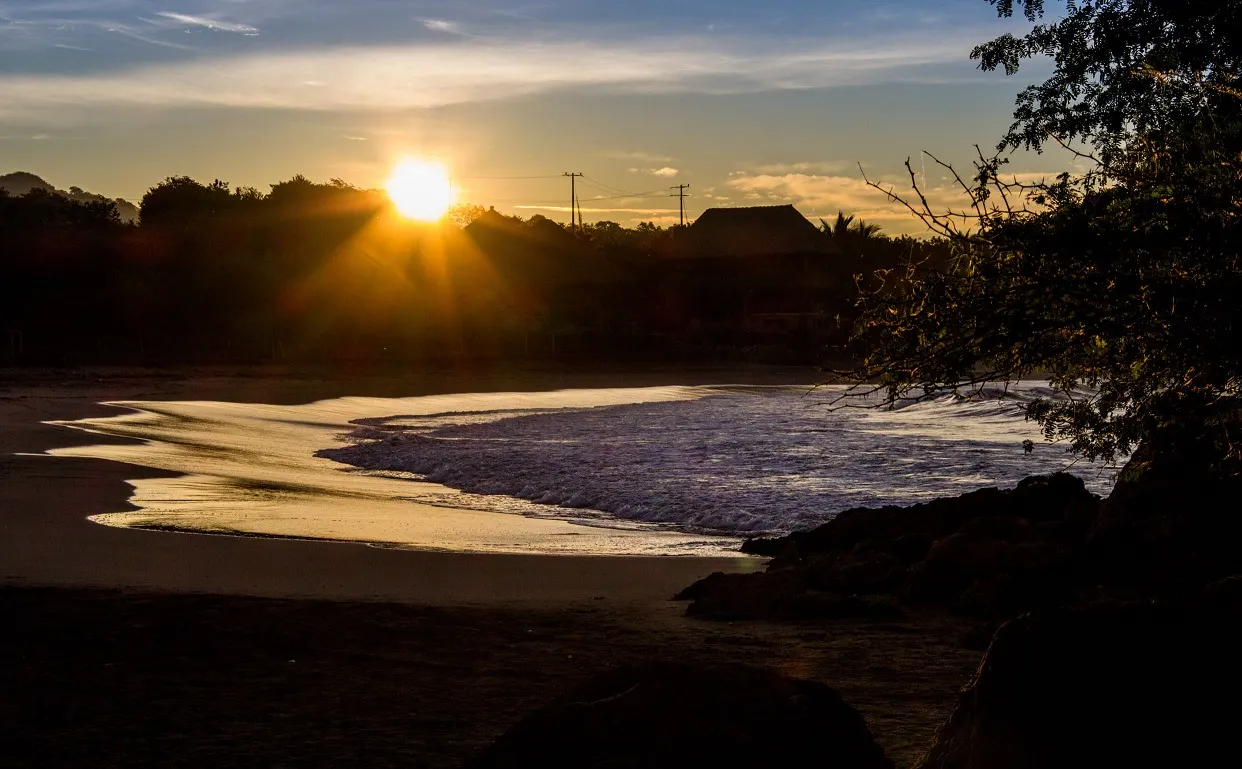
Zihuatanejo is a small Pacific town in Guerrero that has kept its fishing-village feel, with a sheltered bay, a lively waterfront and some of the region best beaches nearby. Add the neighboring resort of Ixtapa, an island, a wildlife refuge and a new national park, and you have a relaxed trip with plenty of variety.
AT A GLANCE
Best time
November through April is the driest and busiest period.
How long
Three days cover the town, the beaches and Ixtapa.
Getting there
Fly into the local airport or take highway 200 along the coast.
Why visit Zihuatanejo
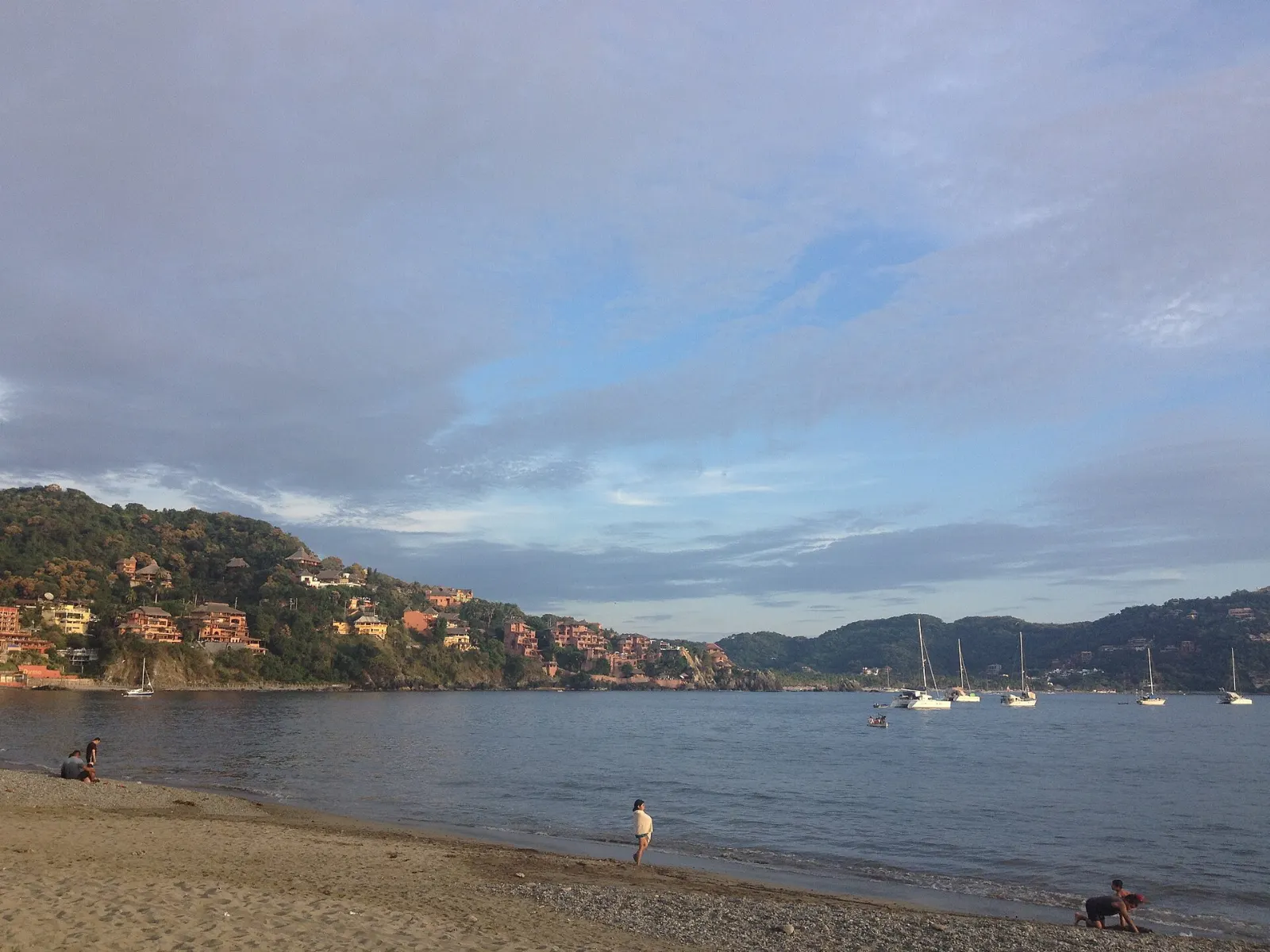
Zihuatanejo grew from a fishing village on a sheltered bay on the Pacific coast of Guerrero, and the town still has a small-scale, easygoing feel. Streets in the center are paved with stone or brick, boats pull up to the pier and the waterfront walkway fills with families in the evening. In 2023 the town was named a Pueblo Mágico.
Five kilometers away is Ixtapa, a resort built in the 1970s on a former coconut plantation. Together the two make an easy pairing. You can spend mornings on calm beaches, afternoons on island or wildlife outings and evenings eating fresh fish by the sea.
The town and its waterfront
Paseo del Pescador
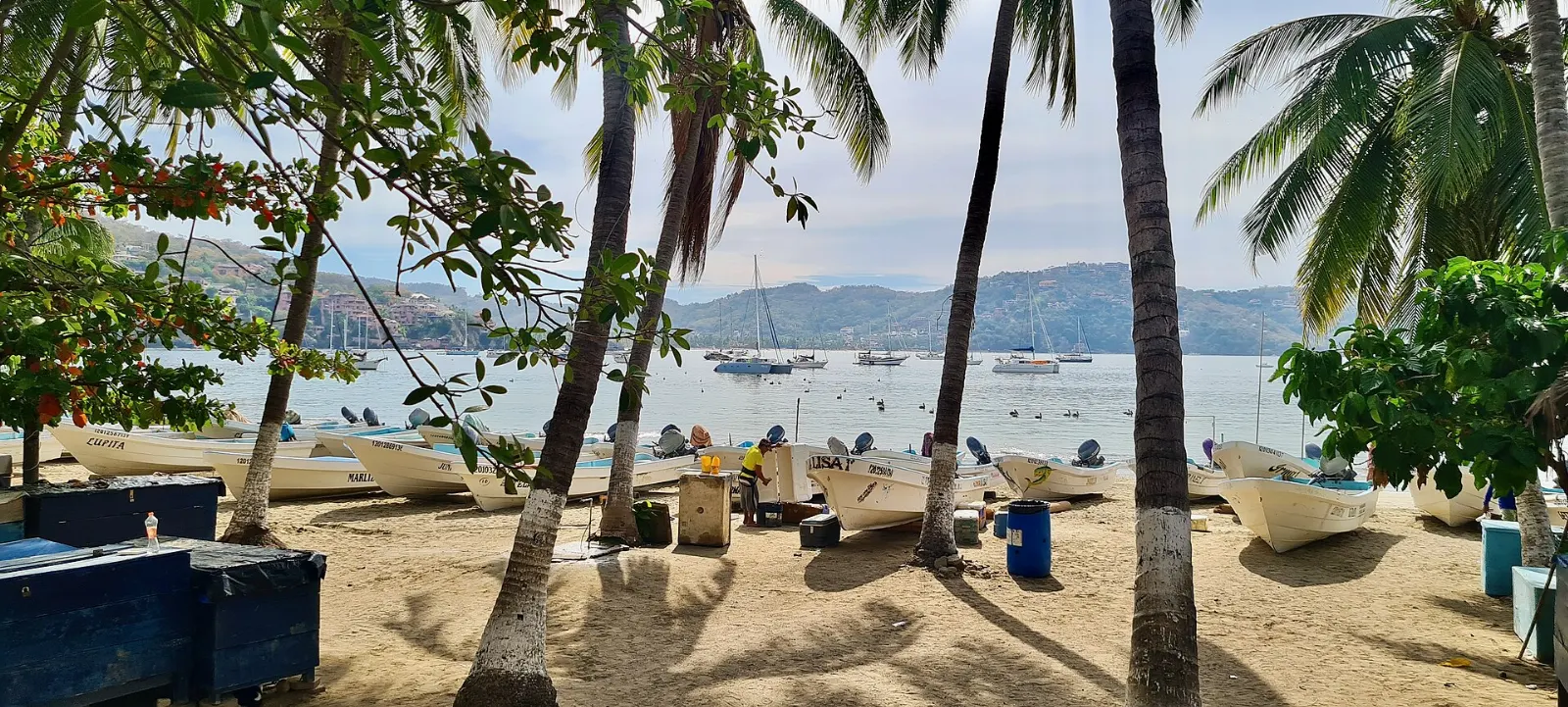
The heart of Zihuatanejo is the tree-lined waterfront walkway known as the Paseo del Pescador, or the malecón. It runs along the municipal beach between the archaeology museum and the fishing pier and is lined with seafood restaurants and small shops. In the evening it fills with people strolling and chatting, and the center has a basketball court instead of a traditional plaza, with a gazebo and the Casa de la Cultura next to it that host concerts and shows. Walk it at sunset and allow an hour.
Museo Arqueológico de la Costa Grande
This small museum stands on the Paseo del Pescador and shows pottery and stone objects from the Costa Grande, the coastal region of Guerrero. It gives useful context on the area before the Spanish arrived, when Aztec tribute lists already named the place. Plan about 45 minutes and check the opening days locally, since museums can close on Mondays.

Mercado de Artesanías
The crafts market has around 250 stalls and shops selling items made with shells, coral and snail shells, along with silver from Taxco, lacquered pieces from Olinalá and ceramics from Oaxaca. It is a pleasant place to compare prices and look for a souvenir with a link to Guerrero. Go in the morning for cooler weather, and take your time before you buy.
Beaches around the bay
Playa Las Gatas
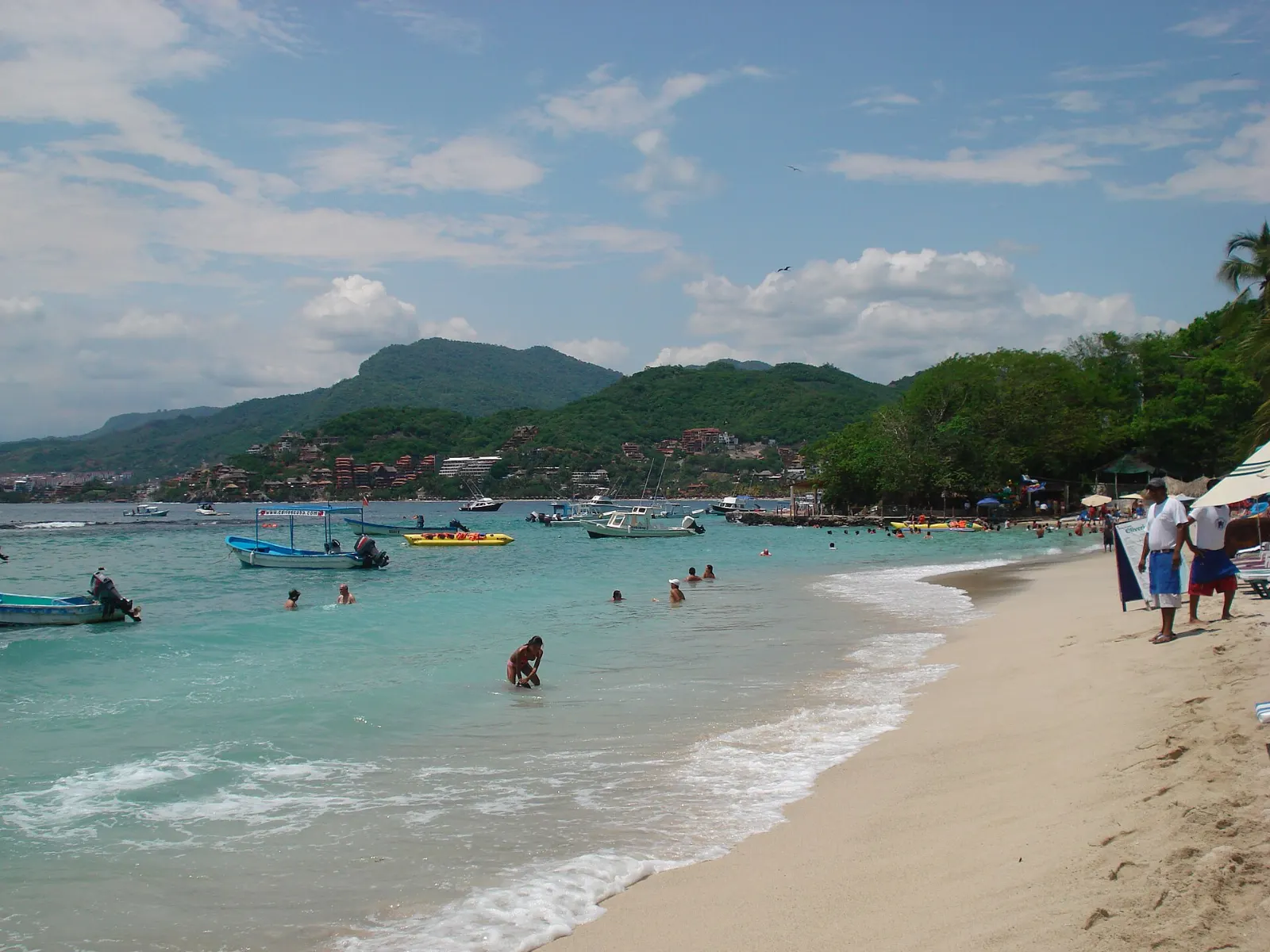
Across the bay from town, Playa Las Gatas has white sand, palapa restaurants and calm water that is good for swimming and snorkeling. Small open boats called lanchas run from the town pier, and the ride takes only 10 to 15 minutes. The beach is named for the small harmless sharks nicknamed she-cats because of their whiskers, and a reef here was built in pre-Columbian times. Bring a mask or rent one near the dock, and plan a full morning.
Playa La Ropa
Playa La Ropa is one of the largest beaches in the area, with gentle waves, palm trees and a long line of restaurants. Its name, "beach of the clothes", comes from a shipwreck carrying Chinese silk. It is a short taxi ride from town, and it is best for a lazy day with lunch on the sand. Check the wave and current conditions before you swim, and follow any flags on the day.
Ixtapa and the nearby wild coast
Playa Linda
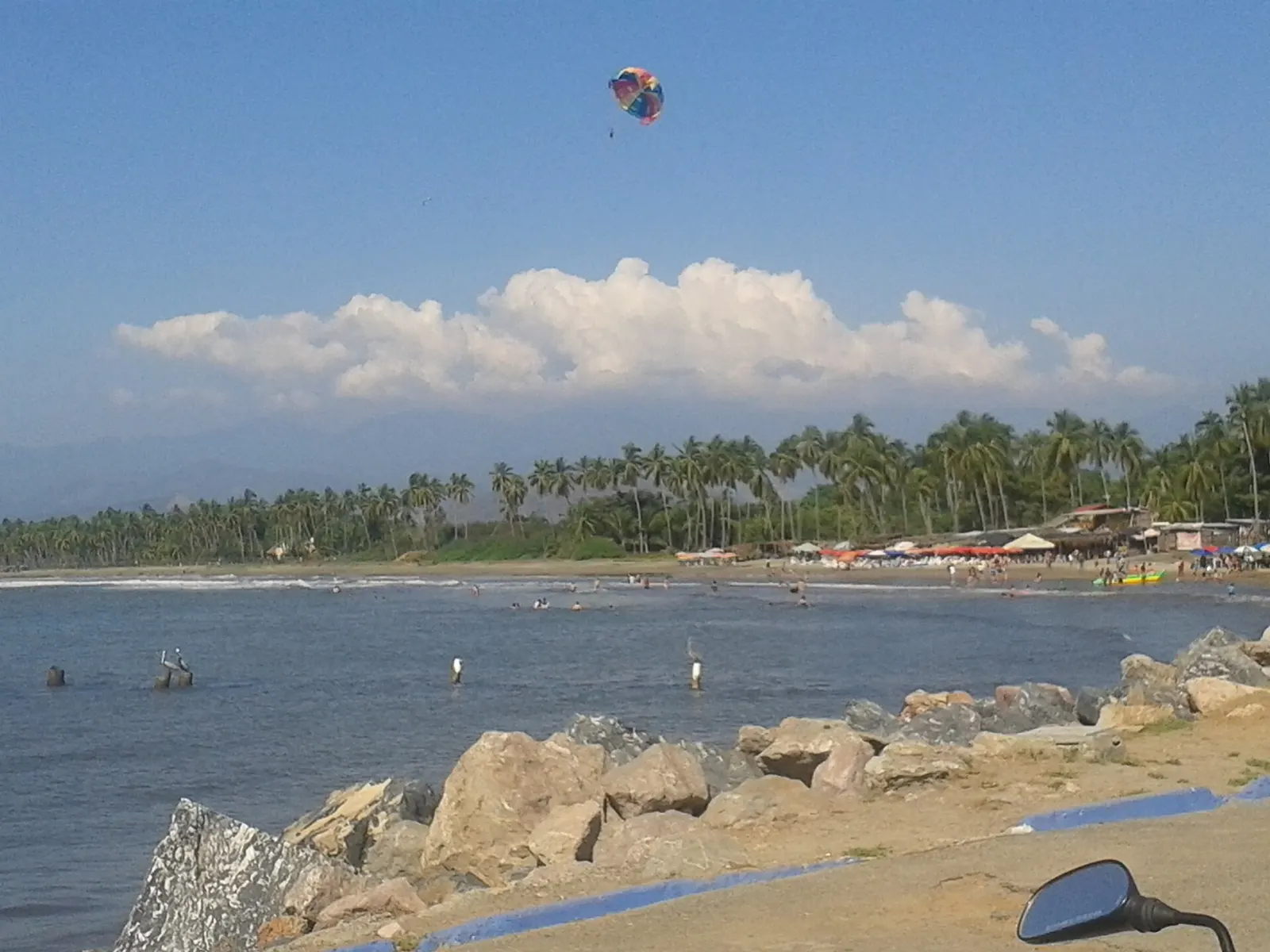
At the northern end of Ixtapa, Playa Linda is a long beach with steady waves that attract surfers. It is also the departure point for boats to Isla Ixtapa, so many people pair a short beach walk with an island trip. The surf can be strong, so swimming is better on the calmer bays.
Isla Ixtapa
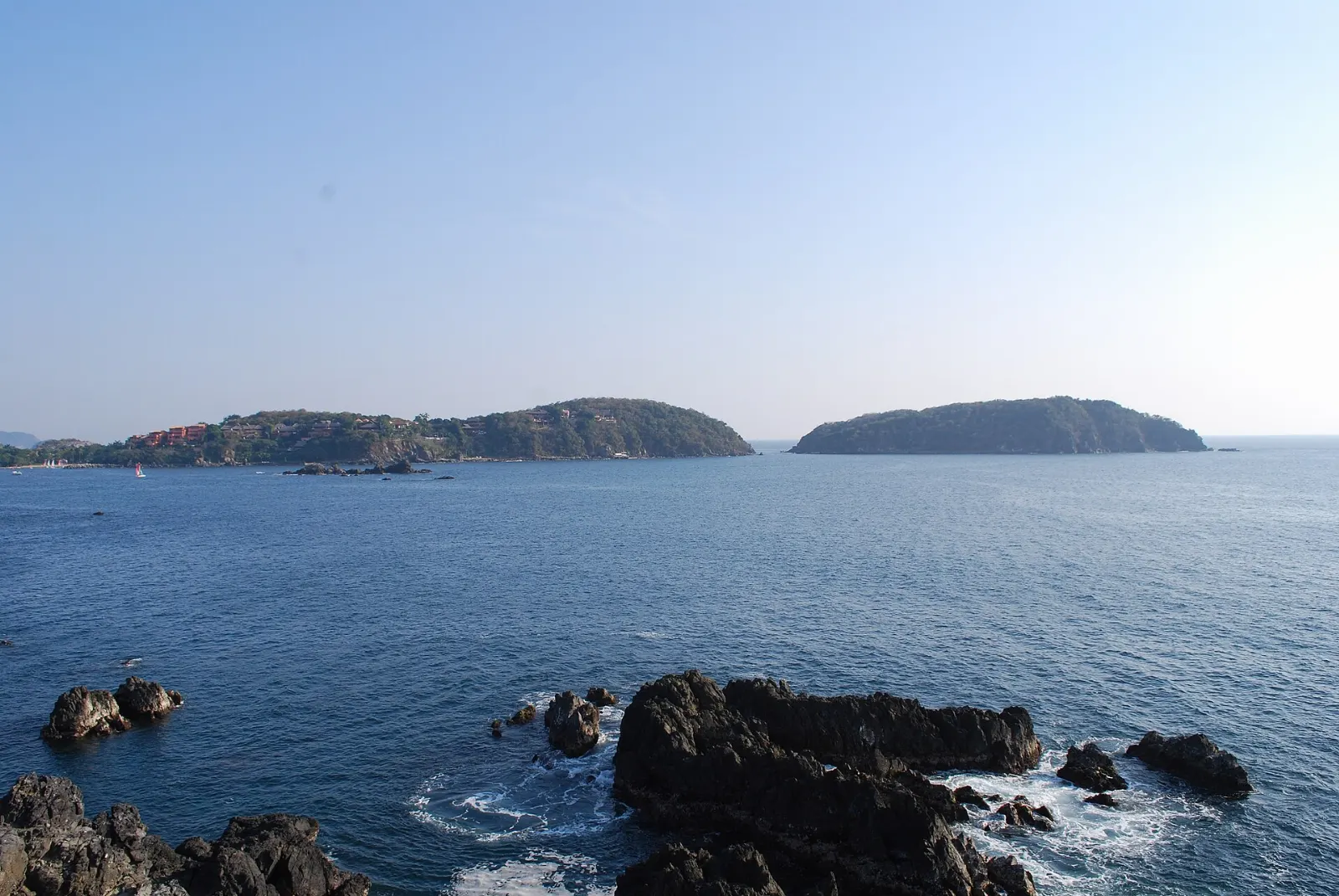
A short boat trip from the embarcadero at Playa Linda reaches Isla Ixtapa, a wooded island with trails and three beaches. Playa Varadero is the main beach, with restaurants and calmer water, Playa Cuachalalate is smaller and quieter and Playa Coral faces the open Pacific and suits snorkelers. Boats operate during the day, so plan a half day and agree on a return time.
Cocodrilario Tamakun
Near Playa Linda, this locally run wildlife refuge shelters crocodiles, iguanas and many colorful birds. It is a simple, family-friendly stop that takes about an hour. Wear a hat and bring water, because the paths are open and sunny.
Vicente Guerrero National Park
Created in 2023, this park protects 724 hectares between Ixtapa and Zihuatanejo, including dry jungle, mangroves and coastal plains. It is home to hundreds of bird species and reptiles such as iguanas and crocodiles in the swamps. Entry is free, and the park lies east and north of Boulevard Playa Linda. Go early in the day for the best chance to see birds.
Playa Quieta
Playa Quieta in Ixtapa is known for calm water and a mellow atmosphere, so it works well for families and for anyone who wants an easy swim. Combine it with a bike ride on the nearby paths and a late lunch.
Food and local flavors in Zihuatanejo
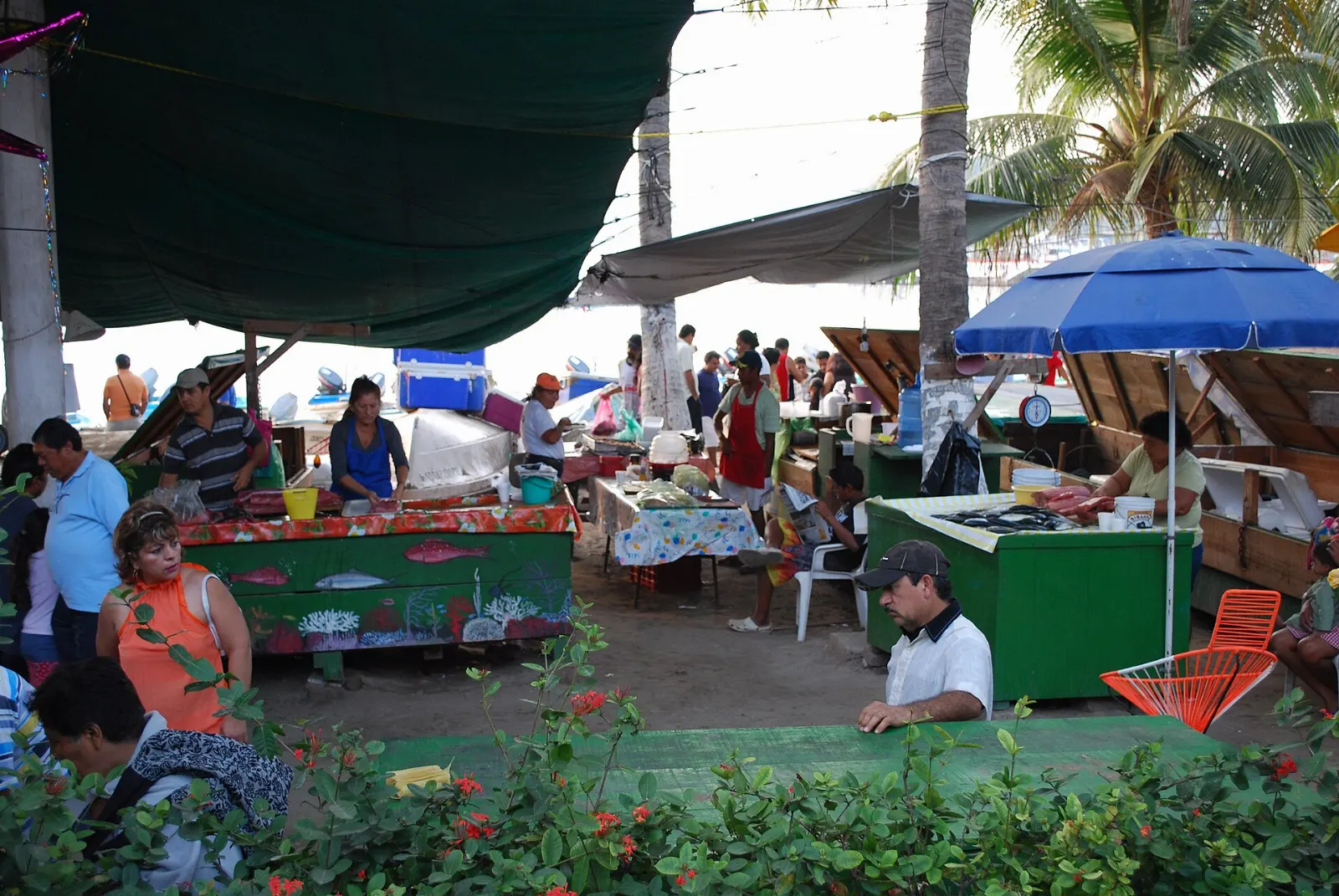
Fish comes straight off the boats at the pier, and local cooking keeps it simple. Pescado a la talla is a whole fish coated in chile paste and grilled, a signature dish of this coast. Tiritas de pescado are thin strips of raw fish cured in lime juice with chile and onion, usually served as a cool snack. Pozole verde, a green hominy stew with pork, is a Guerrero tradition that regional guides single out as a highlight of the area, often served on Thursdays.
Seafood restaurants line the Paseo del Pescador and the beaches of La Ropa and Las Gatas, and the best of the town traditional pozole houses are a short walk from the center. Visit the fish market near the pier in the morning to see the catch arrive.
Popular dishes to try in Zihuatanejo


Where to stay
El Centro is the most convenient base for a first visit. The waterfront, restaurants, the crafts market and the pier for boats to Las Gatas are all within walking distance, and prices usually stay gentler than in the resort strip. It suits independent travelers, couples and anyone who likes to eat out on foot, though evenings can be lively near the Paseo.
Playa La Ropa is a short taxi ride from town and puts you right on the sand. It is a good choice for families and beach-focused trips, with restaurants along the shore, but you will want a taxi for dinners in the center.
Ixtapa is the planned resort five kilometers away, with larger hotels, a marina and flat, bike-friendly paths. It suits travelers who want pools, golf nearby and wide beaches, and it is a short bus or taxi ride to Zihuatanejo. Choose it if you want comfort and services over small-town atmosphere.
Where to stay in Zihuatanejo


Best time to visit
The coast is warm all year, and the drier months from roughly November to April are the most comfortable for beaches and boat trips. Winter is also when seasonal flights arrive from Canada and the United States, so the area is busiest from November through March. Summer and early autumn are wetter and hotter, with fewer visitors and lower demand.
The Zihua Sail Fest takes place each February, a five-day event that raises funds for local children and brings more than a hundred boats into the bay. Book early if you plan to travel then, and check the official site for current dates and details before you go.
Getting there and getting around
Ixtapa-Zihuatanejo International Airport lies about 12 kilometers southeast of town and receives flights from Mexico City and other Mexican cities, plus year-round and seasonal services from the United States and Canada. Check the current airline schedule for your dates.
By road, Highway 200 runs along the coast, about 253 kilometers from Acapulco, and the Autopista Siglo XXI links Zihuatanejo with Morelia, which brings the drive from Mexico City to around six hours. Long-distance buses arrive at the main terminal on the Acapulco highway.
Taxis are the easiest way to get around Zihuatanejo and Ixtapa, and a couple of rides per day cost less than a rental car. Lanchas link the beaches, and a dedicated bike path of about ten kilometers connects Ixtapa with Zihuatanejo. Taxis arriving from town can only drop off at the airport, so plan your pickup in advance.
A suggested itinerary
First day
Explore the center on foot, starting with the museum, the Paseo del Pescador and the crafts market. Have a lunch of pescado a la talla and finish with sunset on the malecón.
Second day
Take a boat from the pier to Playa Las Gatas for snorkeling, then taxi to Playa La Ropa for the afternoon.
Third day
Head to Ixtapa for a morning at Playa Linda, a boat trip to Isla Ixtapa and a stop at the crocodile refuge before returning for dinner in town.
Practical tips
- Agree on the fare with taxi drivers before you start, and ask the price of lancha rides at the ticket counter.
- Do not rely on the municipal beach in town for swimming because of boat traffic.
- Bring reef-safe sunscreen, a hat and water for island and wildlife outings.
- Carry cash for small restaurants, markets and boat tickets.
- Follow lifeguard flags and local advice at beaches with surf.
- Book winter travel early when seasonal flights bring more visitors.
- Check your government current travel advisory before you go.