Xochicalco Mexico Feathered Serpent Temple and Observatory
Xochicalco is a fortified hilltop city in western Morelos, abandoned more than a thousand years ago but still strikingly well preserved. Carved temples, a cave built to catch the sun and sweeping views make it one of the best places to visit near Cuernavaca and Mexico City. This guide covers what to see, how to get there and what to combine with it.
By WiserMap TravelUpdated October 20269 places10 min read
Best timeDecember to April is dry and good for walking the site.
How longHalf a day is enough, and a full day allows time for Cuernavaca.
Getting thereTake a bus from Cuernavaca, or drive south from Mexico City.
Ad
Why visit Xochicalco
Xochicalco is a UNESCO World Heritage Site, and its name in Nahuatl is often translated as in the house of flowers. The city was founded around 650 AD and thrived during the Epiclassic period, after the decline of Teotihuacan. It was burned and abandoned around 900. Later, around 1200, Nahuatl-speaking people resettled the hill. Restoration has continued for more than a century, with major excavation programs in the 1940s to 1960s and again in 1988.
Unlike many Mesoamerican centers, it was heavily fortified and built on a defensible hill. The architecture shows links with Teotihuacan, the Maya area and other cultures, which makes it a good place to understand the era's trade and ideas.
Inside the archaeological site
The hilltop ceremonial center
The main ceremonial center sits on an artificially leveled hilltop, with residential terraces on the slopes that remain mostly unexcavated. Walk the paved paths to see how plazas, temples and palaces were arranged for defense and ritual. Allow a couple of hours for a full visit. At its height the city may have held up to twenty thousand people, though estimates vary.
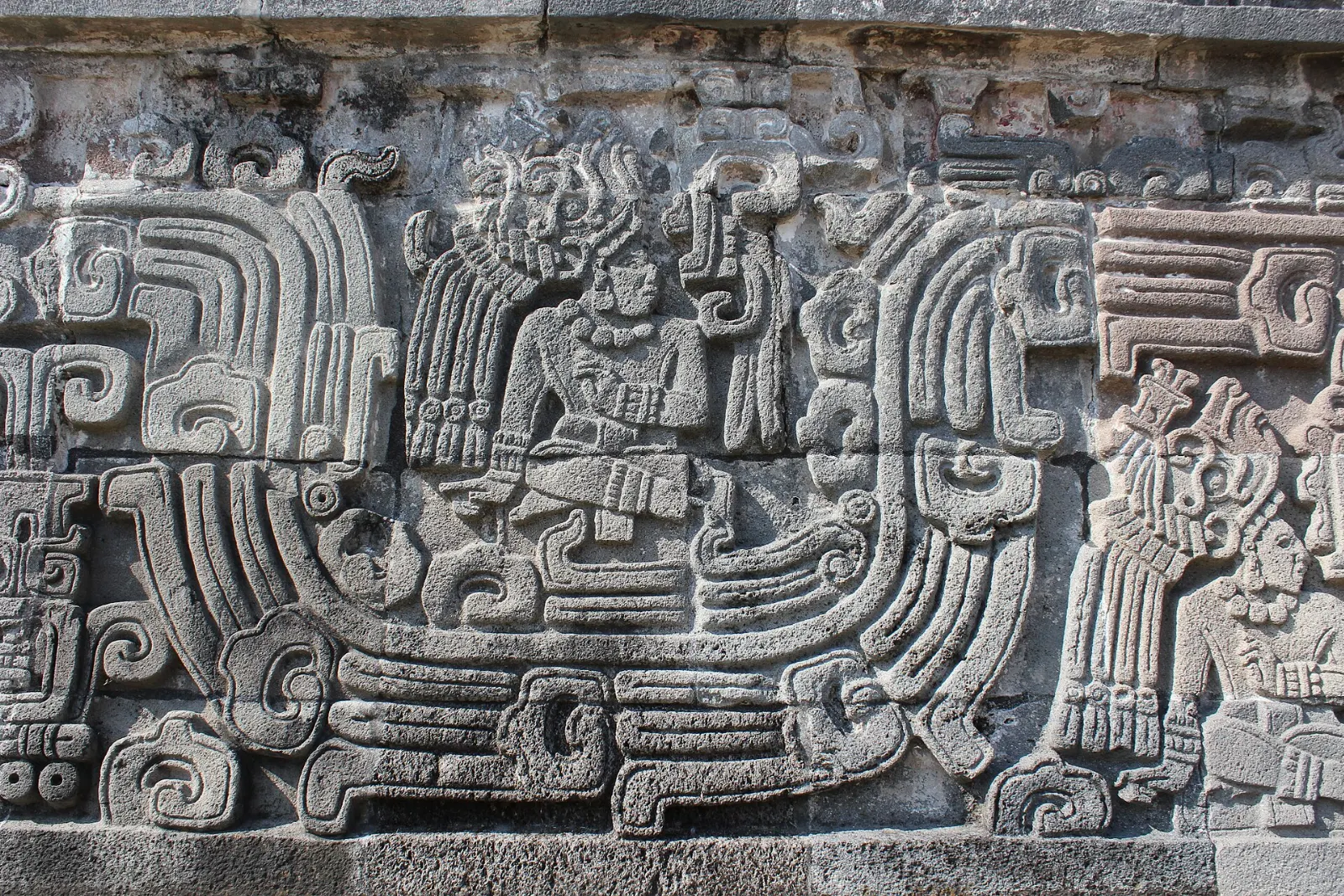
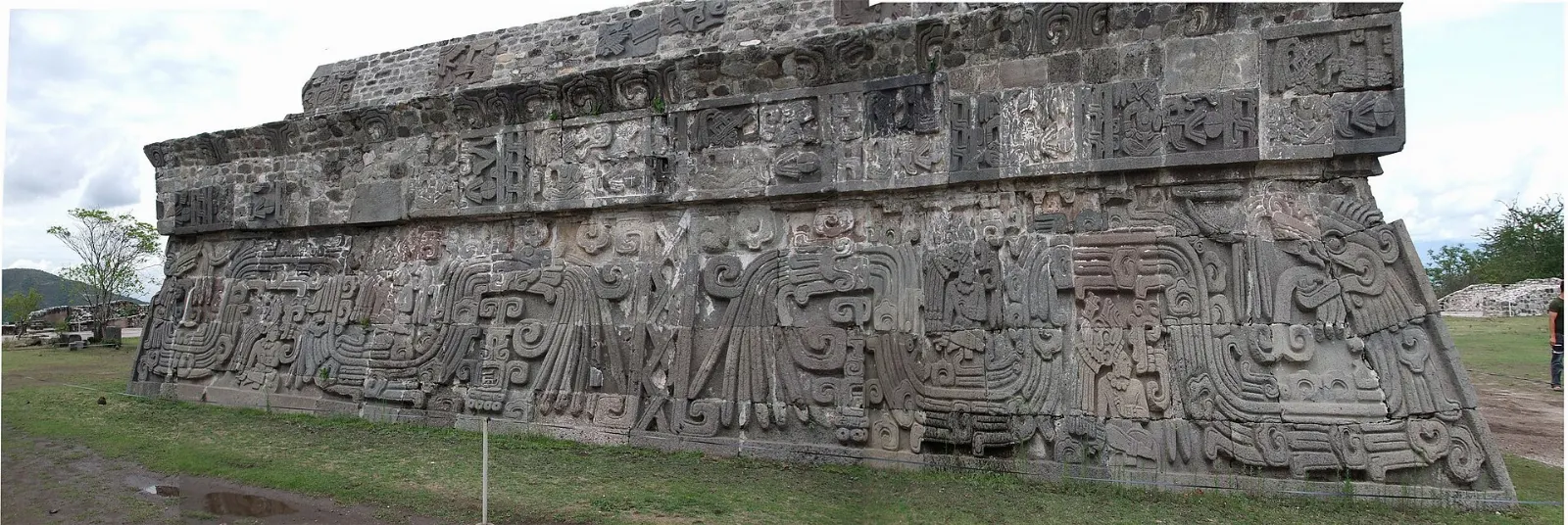
The Temple of the Feathered Serpent is decorated with stylized serpent reliefs. Photo: Giovani V, Wikimedia Commons, CC BY-SA 3.0
Temple of the Feathered Serpent
This is the site's most famous building. Its high sloping walls carry carved reliefs of the feathered serpent, along with seated figures that look Maya and panels that show towns paying tribute. It was restored in 1910 by archaeologist Leopoldo Batres, and the carving is sharp and detailed enough to reward a slow look.
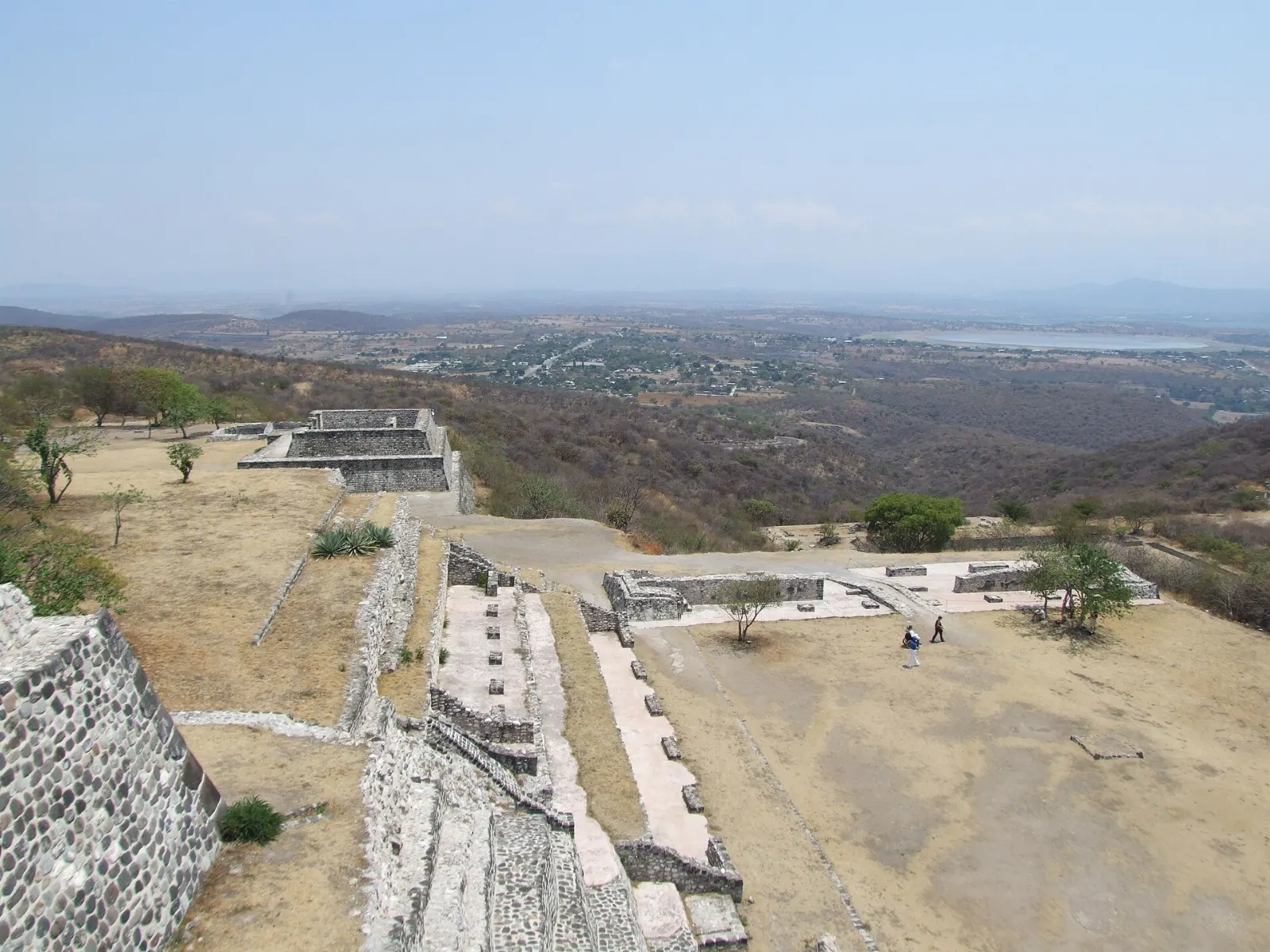
The main plaza is surrounded by temples and palaces built during the Epiclassic period. Photo: Andrew McMillan, Wikimedia Commons, Public domain
The main plaza and pyramids
Several step-pyramid temples and a large palace surround the plaza. Wander the platforms for different angles on the architecture, Read the information panels where available to follow how the spaces were used, and note the monumental scale compared with the modest surrounding farmland.
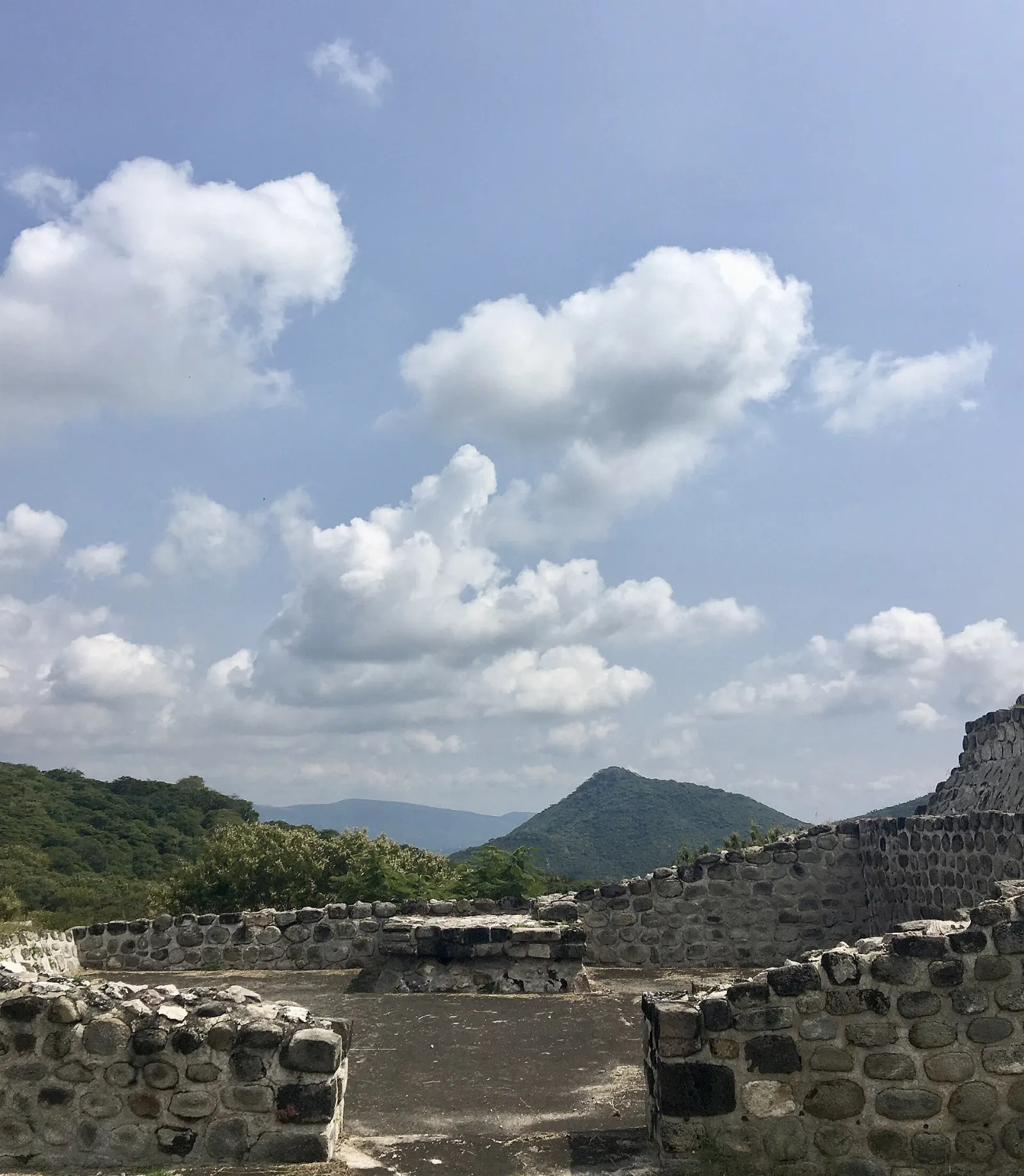
A chimney in the observatory cave lets the sun's rays shine onto the floor at certain dates. Photo: 12hannuchis, Wikimedia Commons, CC BY-SA 4.0
The observatory cave
This cave was modified to track the sun. Unlike observatories elsewhere, it was built to watch the sun rather than the night sky. A hexagonal chimney of about 8.7 metres lets a beam of light fall on the floor, and around 14 to 15 May and 28 to 29 July the sun is directly overhead and its image appears in the cave. Access can be limited, so ask at the entrance about visiting times.
The site has three ballcourts, a row of circular altars and sweat baths, along with a cave with carved steps. These smaller features show everyday and ritual life and are quick to see between the larger monuments. Together they suggest a city that mixed ceremony, sport, bathing and astronomy within a single defended compound.
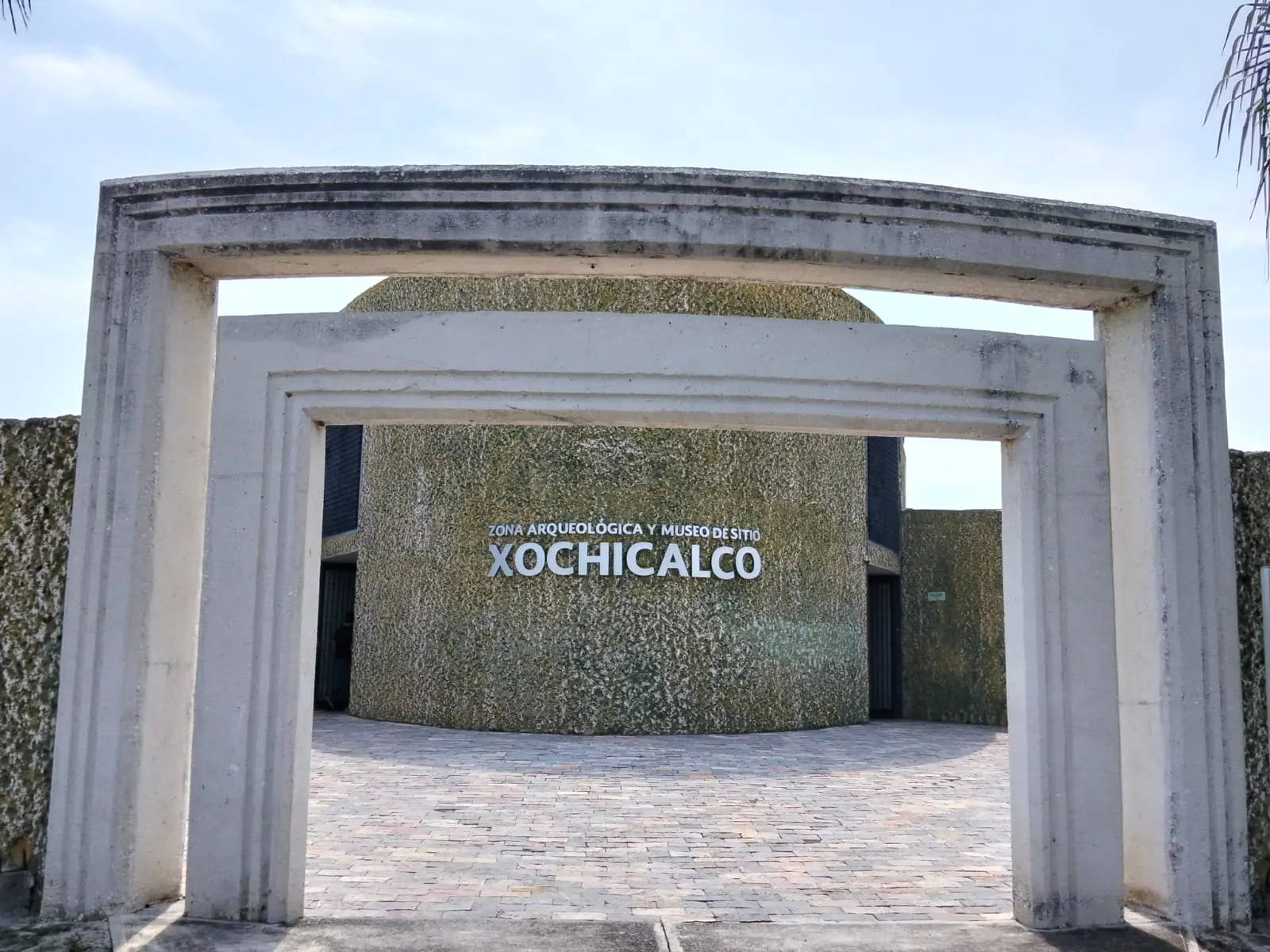
The site museum opened in 1996 and displays stelae and sculptures found at the ruins. Photo: Logue 0019, Wikimedia Commons, CC BY-SA 4.0
The site museum
The museum opened in 1996 and displays sculptures and stelae recovered from the ruins, with exhibits on the people who lived here. Many other finds are held at the National Anthropology Museum in Mexico City. Mondays may be closed, so confirm on the official website.
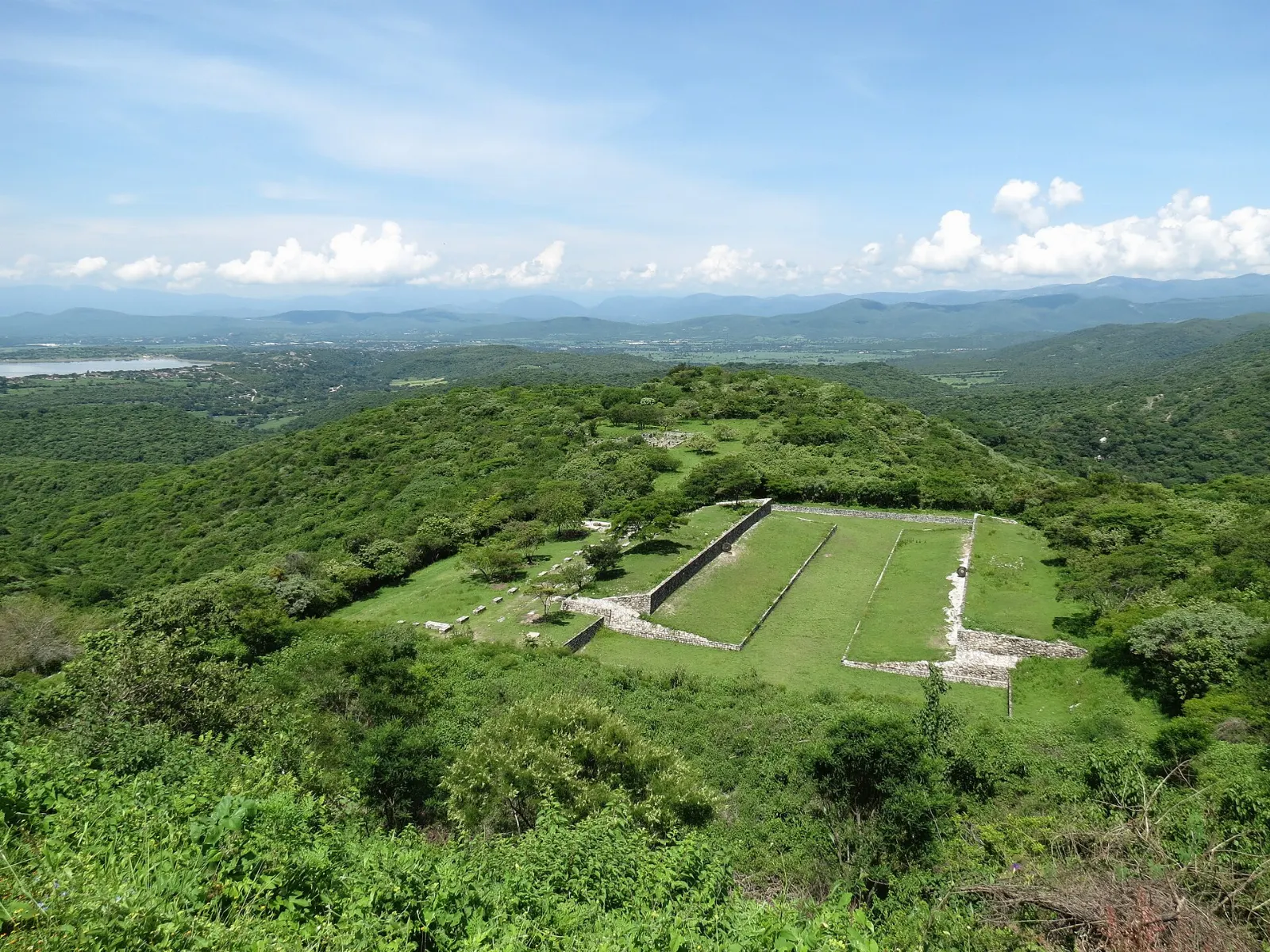
The hilltop gives wide views over the surrounding countryside. Photo: Logue 0019, Wikimedia Commons, CC BY-SA 4.0
The view from the top
Pause at a high platform for views across the Morelos countryside. On clear mornings you can look over farmland and distant ridges and understand why the hill was chosen for defense. Sunshine here can be intense, so bring a hat. Early in the day the light is soft, the heat is manageable and the hillside feels calm, which suits photography and slow exploring.
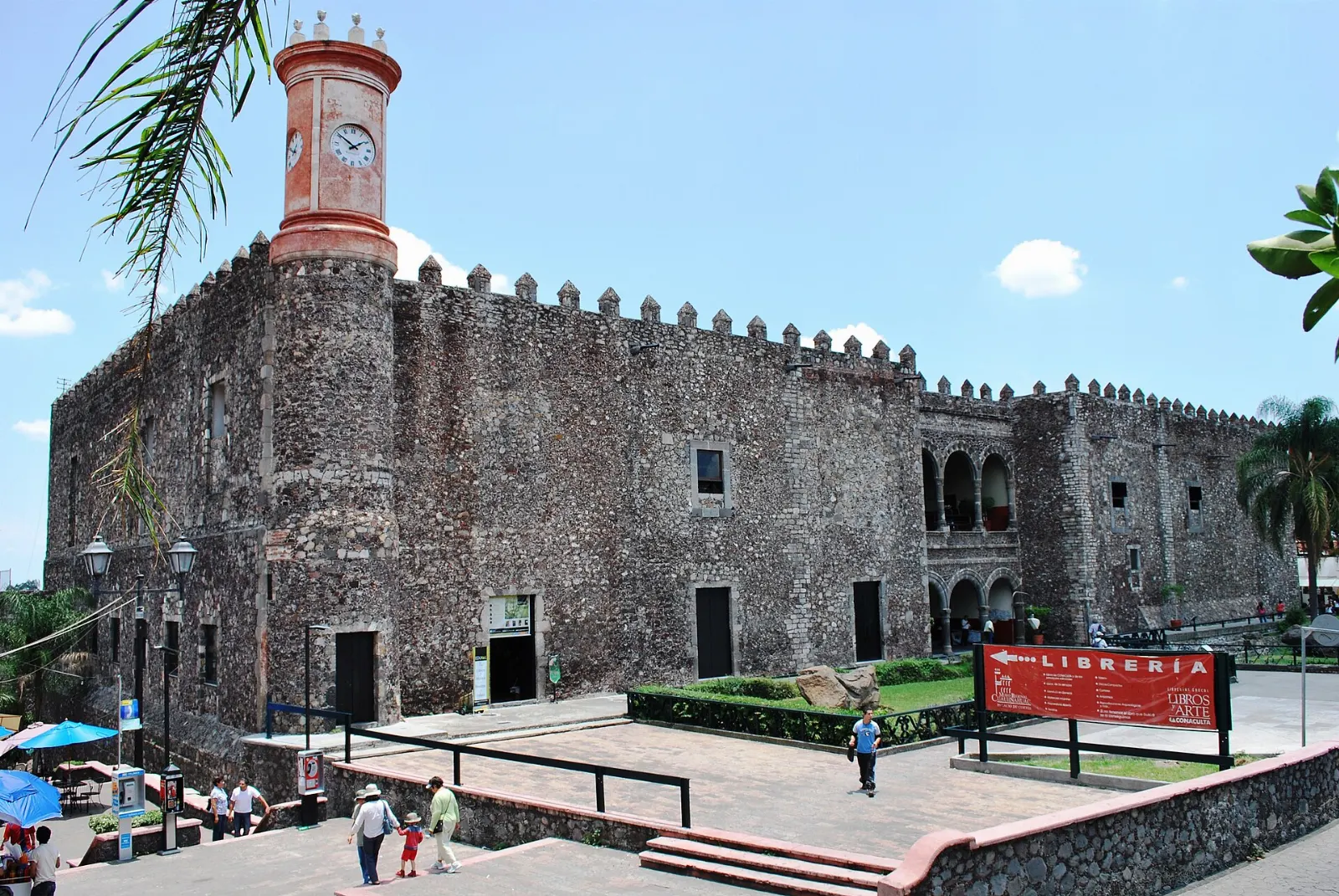
Cuernavaca, the state capital, lies about 38 kilometres from Xochicalco. Photo: Zoran Lazic, Wikimedia Commons, CC BY-SA 3.0
Ad
Places to combine with Xochicalco
Cuernavaca
The state capital, known as the City of Eternal Spring, lies about 38 kilometres away. It has a central plaza, parks and the Palace of Cortés. Plan a half day here after the ruins. It sits about 84 kilometres south of Mexico City, and the microclimates vary, so evenings in the hills can be cooler.
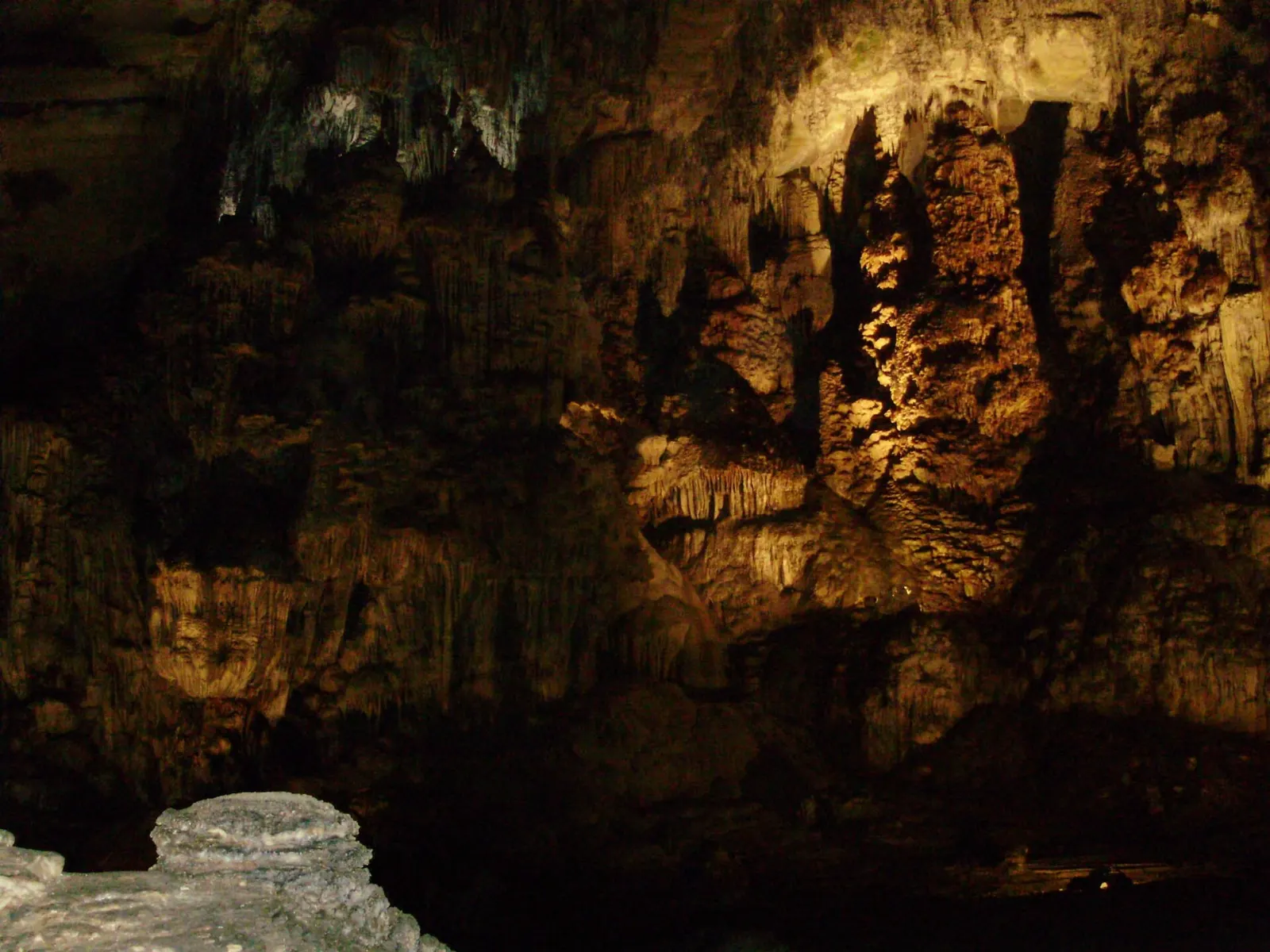
Grutas de Cacahuamilpa is one of the largest cave systems in Mexico. Photo: Mexicah, Wikimedia Commons, CC BY-SA 4.0
Grutas de Cacahuamilpa
One of the largest cave systems in Mexico, it lies across the border in Guerrero and runs to many large salons with limestone formations. Guided tours last about two hours, and the humidity can be strong. The public section is a level passage of roughly two kilometres, and although the system has around ninety salons, only about twenty are open to visitors.
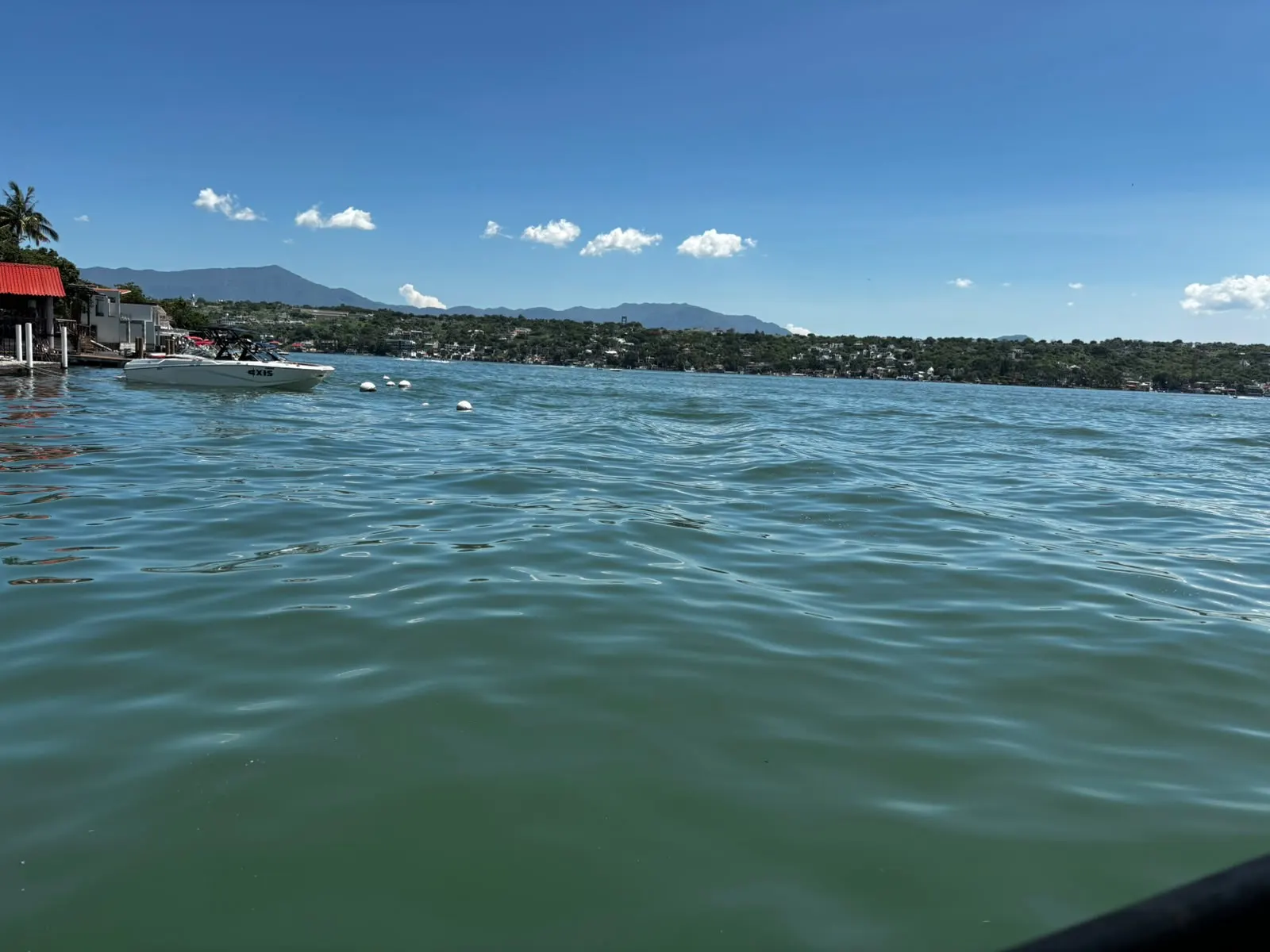
The small lake of El Rodeo is near the turnoff for the ruins, and Lake Tequesquitengo near Jojutla is a larger water-sports area for a warm afternoon.
Tepoztlán and Yecapixtla
Tepoztlán has a mountain pyramid and market, while Yecapixtla is known for its large sixteenth-century monastery and its cecina. The town holds a cecina fair on the last Thursday of October, alongside a large regional market and chinelo dances.
Food and local flavors
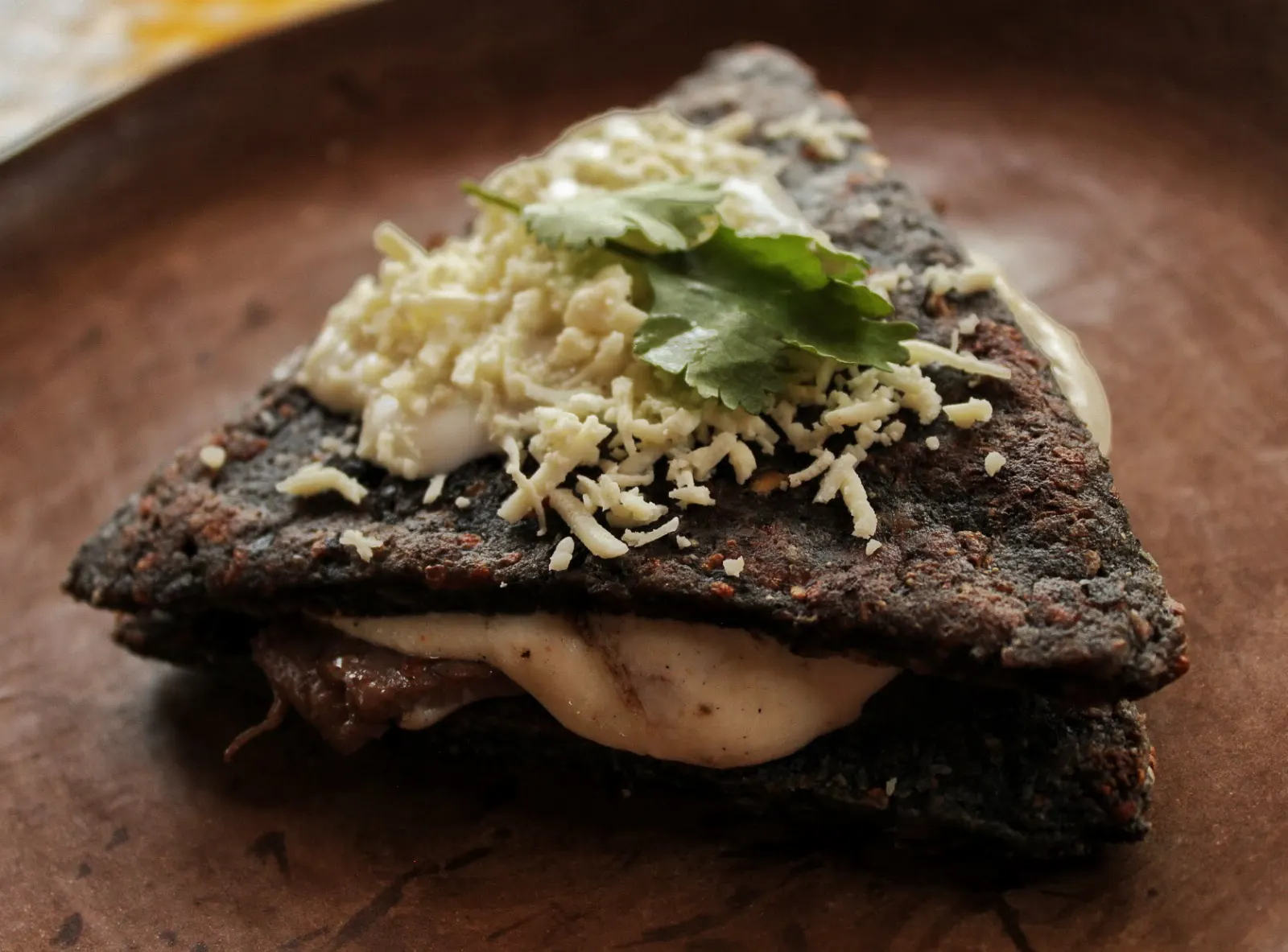
There are no restaurants at the site itself, so plan meals on the main road or in Cuernavaca. Morelos is known for cecina de Yecapixtla, a cured beef from the town of Yecapixtla, which hosts a cecina fair each October. Mole verde, built on pumpkin seeds and green chiles, is another regional favorite.
Roadside open-air restaurants near the turnoff serve buffet lunches, and some offer fresh fish prepared as pescado al mojo de ajo, with garlic. In Cuernavaca, the central plaza has street vendors with corn on a stick and tacos.
Popular dishes to try in Xochicalco
Cecina de Yecapixtla Morelos is known for cecina de Yecapixtla, a cured beef from the town of Yecapixtla, which hosts a cecina fair each October.Photo: GABIEGUIN, Wikimedia Commons, CC BY-SA 3.0Mole verde Mole verde, built on pumpkin seeds and green chiles, is another regional favorite.Photo: Vegan Feast Catering, Wikimedia Commons, CC BY 2.0
Ad
Where to stay
Cuernavaca offers the widest choice of lodging and restaurants, and suits travelers who want evening life, gardens and an easy bus connection to the ruins and to Mexico City.
Miacatlán is the small town closest to the site. Small family-run inns and posadas along the road to Xochicalco suit visitors who want a quiet start before the ruins open and a rural stay.
Tepoztlán is farther but attractive for spa visits, hiking and an evening meal. It makes a good base if you combine Xochicalco with the mountain pyramid there. Book ahead for weekends, when visitors from Mexico City fill the region.
Where to stay in Xochicalco
Cuernavaca Where to stayCuernavaca offers the widest choice of lodging and restaurants, and suits travelers who want evening life, gardens and an easy bus connection to the ruins and to…Photo: Valeriaserranom, Wikimedia Commons, CC BY-SA 4.0Miacatlán Miacatlán is the small town closest to the site.Photo: H. Ayuntamiento de Miacatlán 2019-2021, Wikimedia Commons, CC BY-SA 4.0Tepoztlán Tepoztlán is farther but attractive for spa visits, hiking and an evening meal.Photo: Silvia Andrea González Linarte, Wikimedia Commons, CC BY-SA 4.0
Best time to visit
The weather is generally sunny and hot with cool evenings. April is the hottest month, and December is the coolest. Typical highs range from about 28 degrees Celsius in December to about 35 in April. Summer is the rainy season, with heavy rain from June through October.
December through April are the best months because rain is rare, though midday sun is strong year-round. Visit in the morning and bring a hat, sunscreen and plenty of water. The observatory beam events in May and July draw interest from astronomy fans.
Ad
Getting there and getting around
The site is about 38 kilometres southwest of Cuernavaca and roughly 122 kilometres by road from Mexico City. Direct buses run from Cuernavaca and pass in front of the entrance, with a ride of around ninety minutes, so ask for Las Ruinas. A thorough visit takes slightly under two hours, so you can time a morning visit and an easy return bus.
From Mexico City, take a bus from the Taxqueña terminal to Cuernavaca or Xochitepec, then continue by bus or taxi.
By car, take highway 95D toward Acapulco, exit at Alpuyeca and follow signs onto the road toward Miacatlán, then signs for the archaeological zone. The parking lot is a few kilometres from the turnoff. Nearest airport is Mexico City, and the site is walkable once inside.
A suggested itinerary
First day
Arrive in Cuernavaca, visit the central plaza and the Palace of Cortés, and have dinner there. Stroll the plaza in the evening, when dancers, musicians and street food vendors gather.
Second day
Take an early bus to Xochicalco, explore the temples, the observatory and the museum, and return for a late lunch. Bring a snack and water, since the site has no food service.
Third day
Visit Tepoztlán or Grutas de Cacahuamilpa before heading back. Leave time for a last meal of cecina or mole verde.
Ad
Practical tips
Check your government's current travel advisory before you go.
Carry at least two liters of water per person.
Wear sturdy shoes, as the terrain is rocky with steps and climbs.
Use sun protection and a hat.
Confirm opening days, museum hours and observatory access on the official INAH website.
Bring snacks because there are no restaurants at the site.
Carry cash for small purchases.
Allow about two hours for a thorough visit and extra time for the museum.