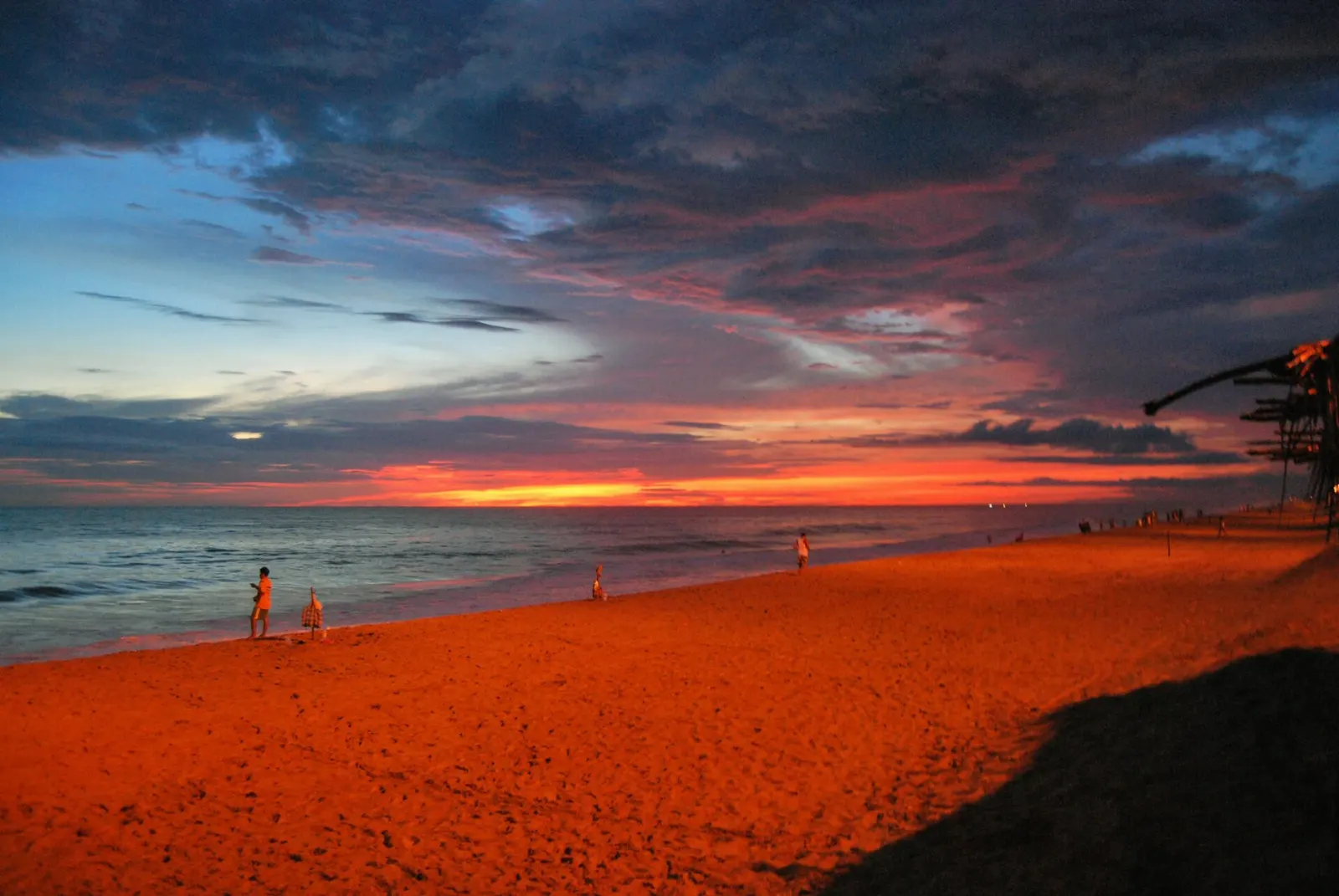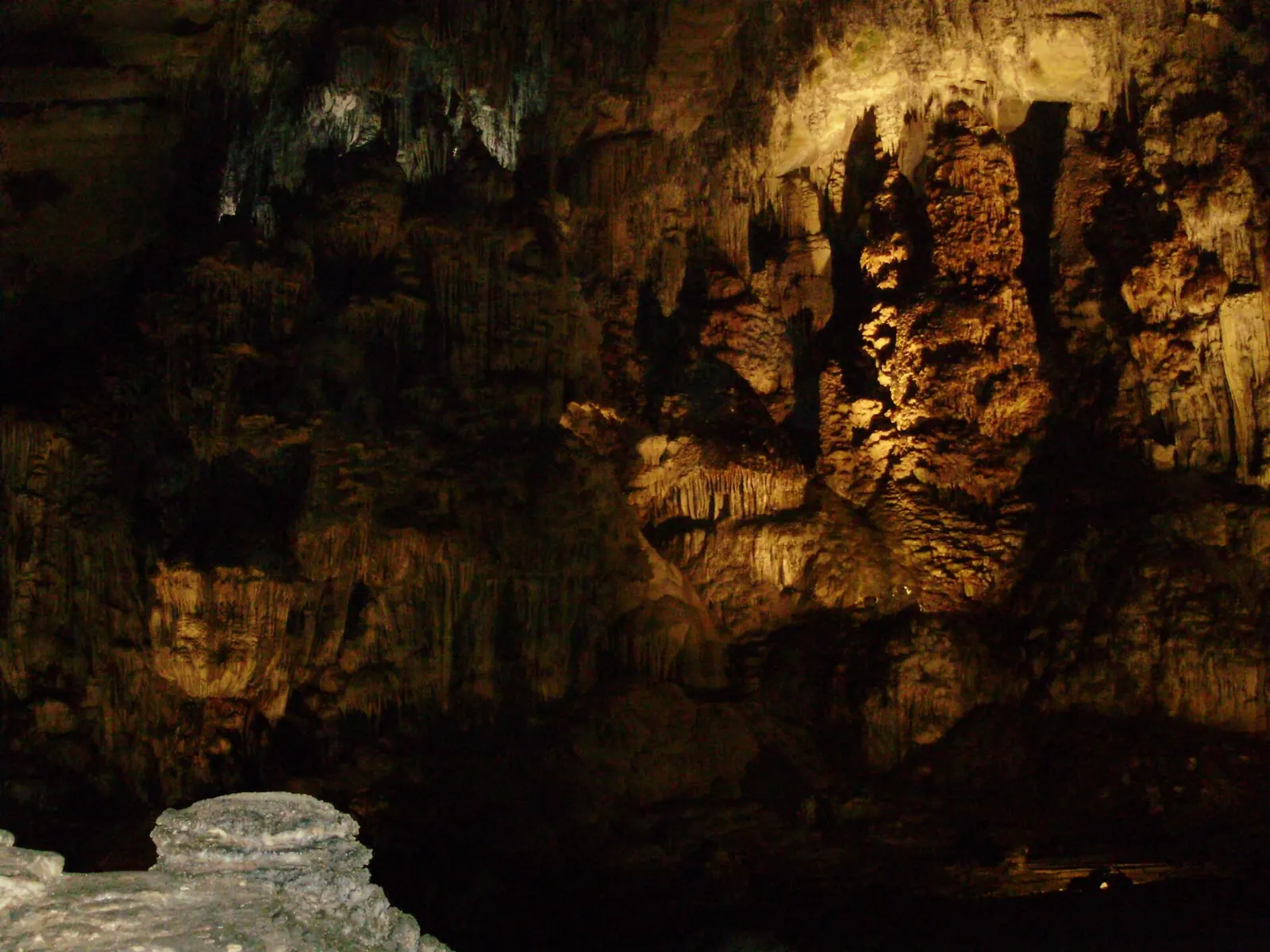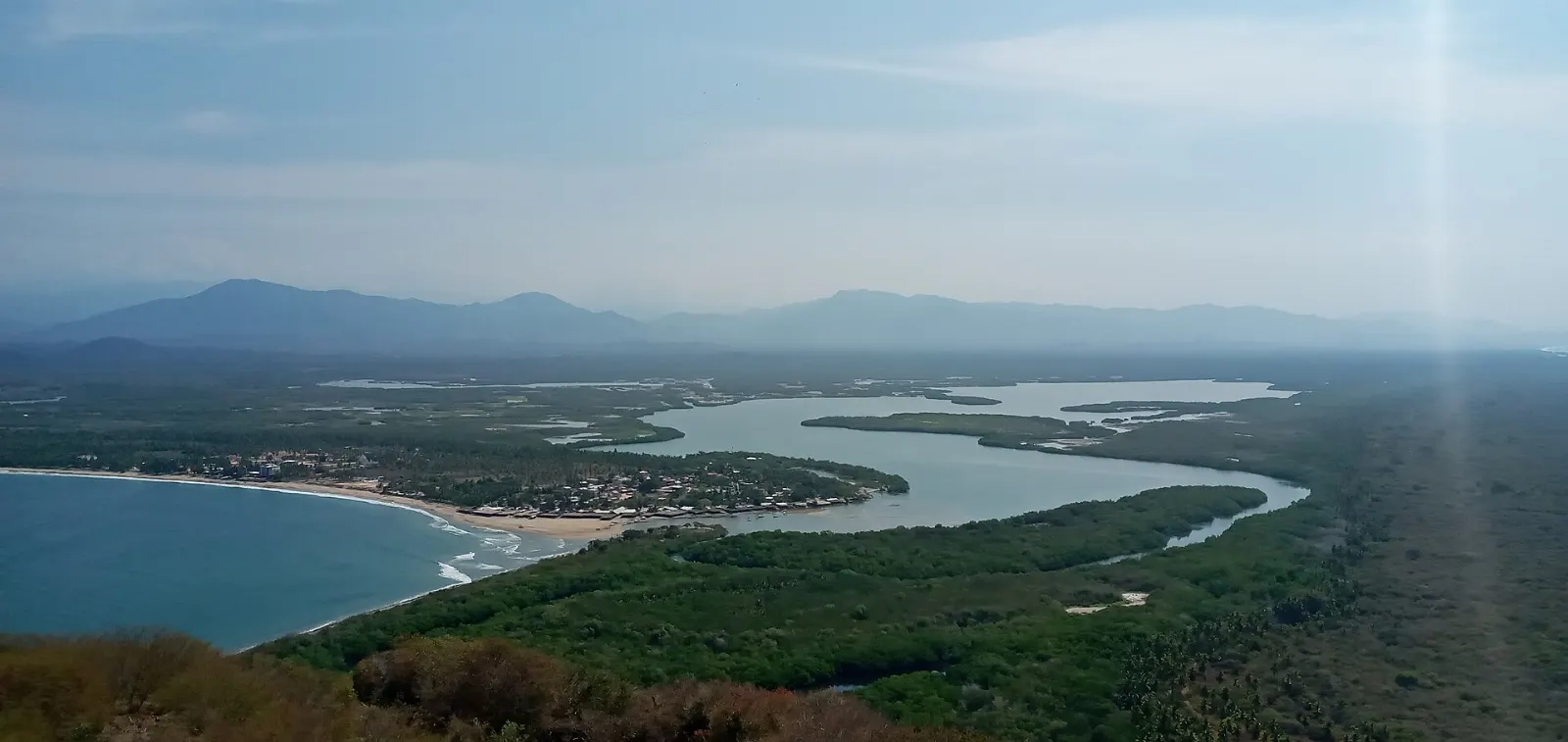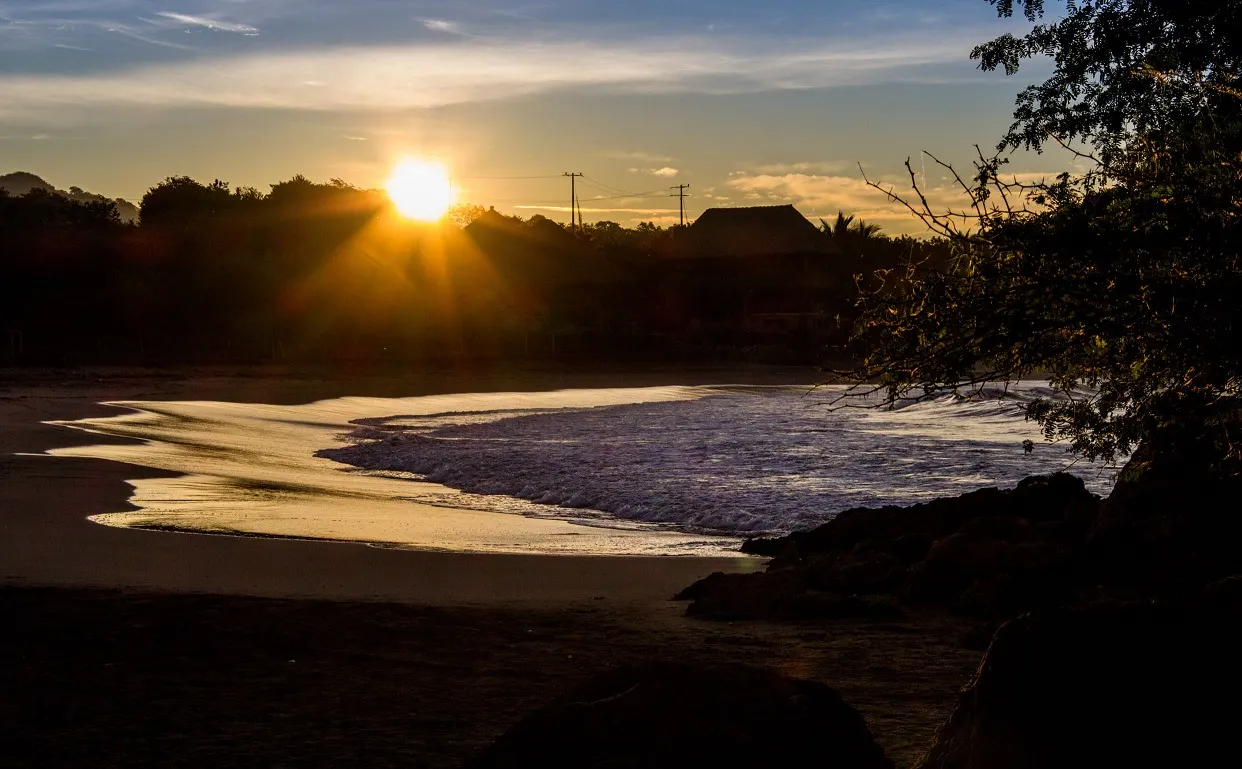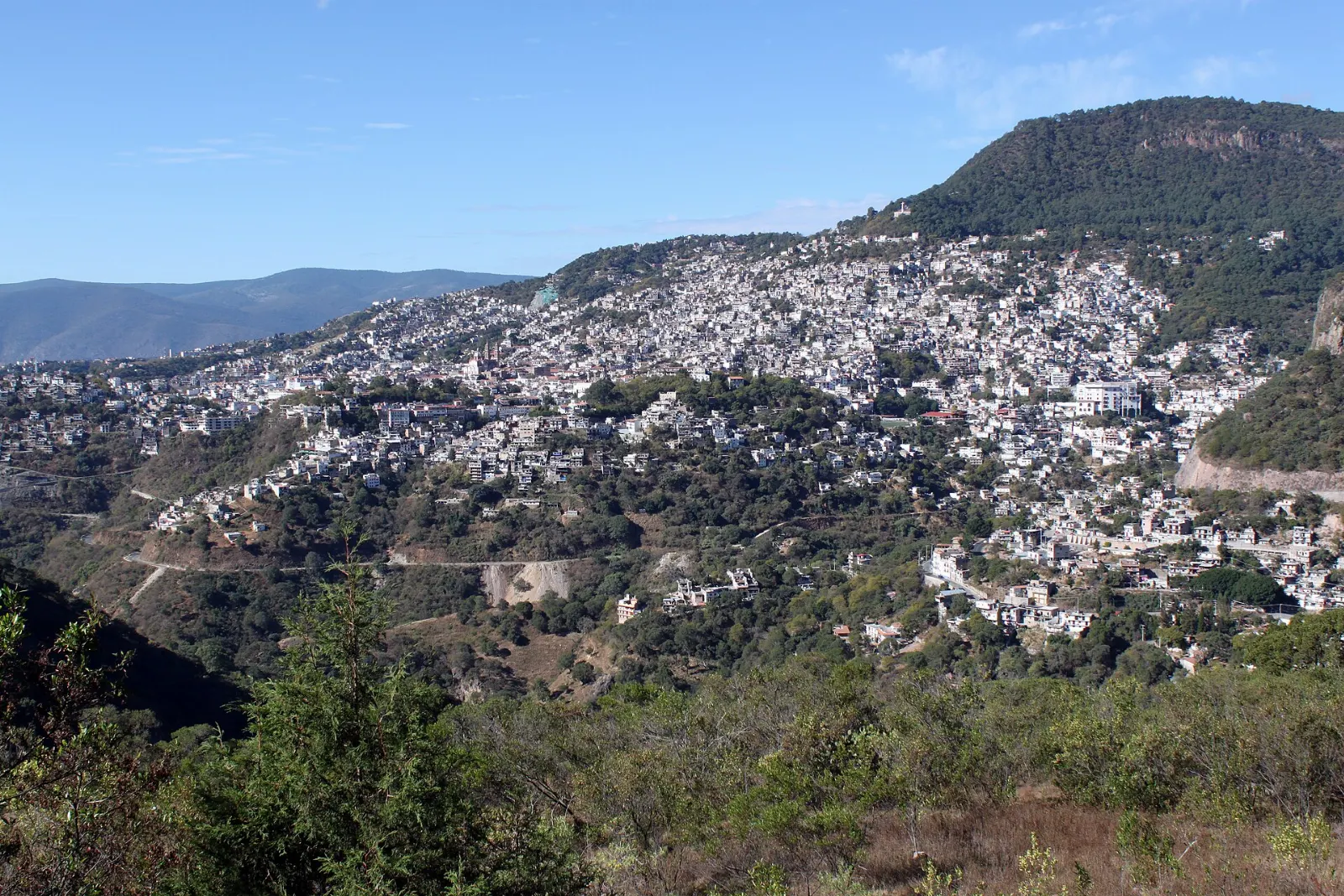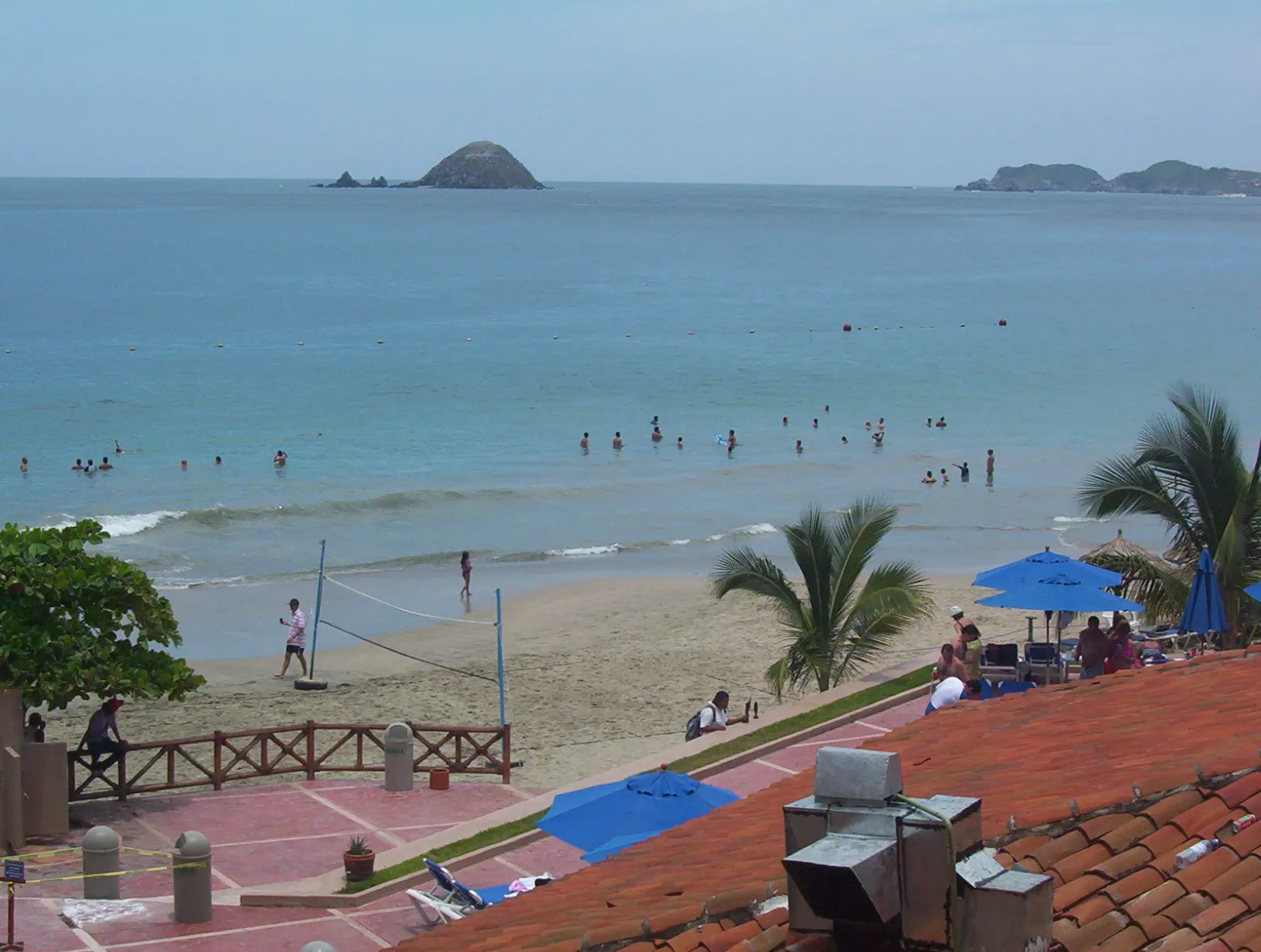
Ixtapa is a planned beach resort on the Pacific coast of Guerrero, built in the early 1970s on a former coconut plantation and mangrove estuary just north of the fishing town of Zihuatanejo. Golden beaches, a small skyline set against the Sierra Madre del Sur, bike paths, a crocodile reserve and an island a short boat ride away make it an easy, relaxed trip.
AT A GLANCE
Best time
October to May is high season, with warm dry weather and seasonal flights from Canada.
How long
Three to five days covers the beaches, the island and a day in Zihuatanejo.
Getting there
Fly into Ixtapa-Zihuatanejo International Airport, then use taxis, buses or boats.
Why visit Ixtapa
Ixtapa was created by the Mexican government's tourism development agency, the same body that developed Cancun at about the same time. Growth here was quieter and slower, which is part of the appeal. The resort is small and easy to navigate, with wide streets, flat terrain and a handful of large hotels facing a long beach.
The mood is relaxed and distinctly Mexican, and it tends to attract Mexican families and Canadians who come for the winter months. Beyond the sand you will find lagoons, mangroves, golf courses, a new national park and a historic fishing town only five kilometres away.
Beaches and the island
Playa Linda
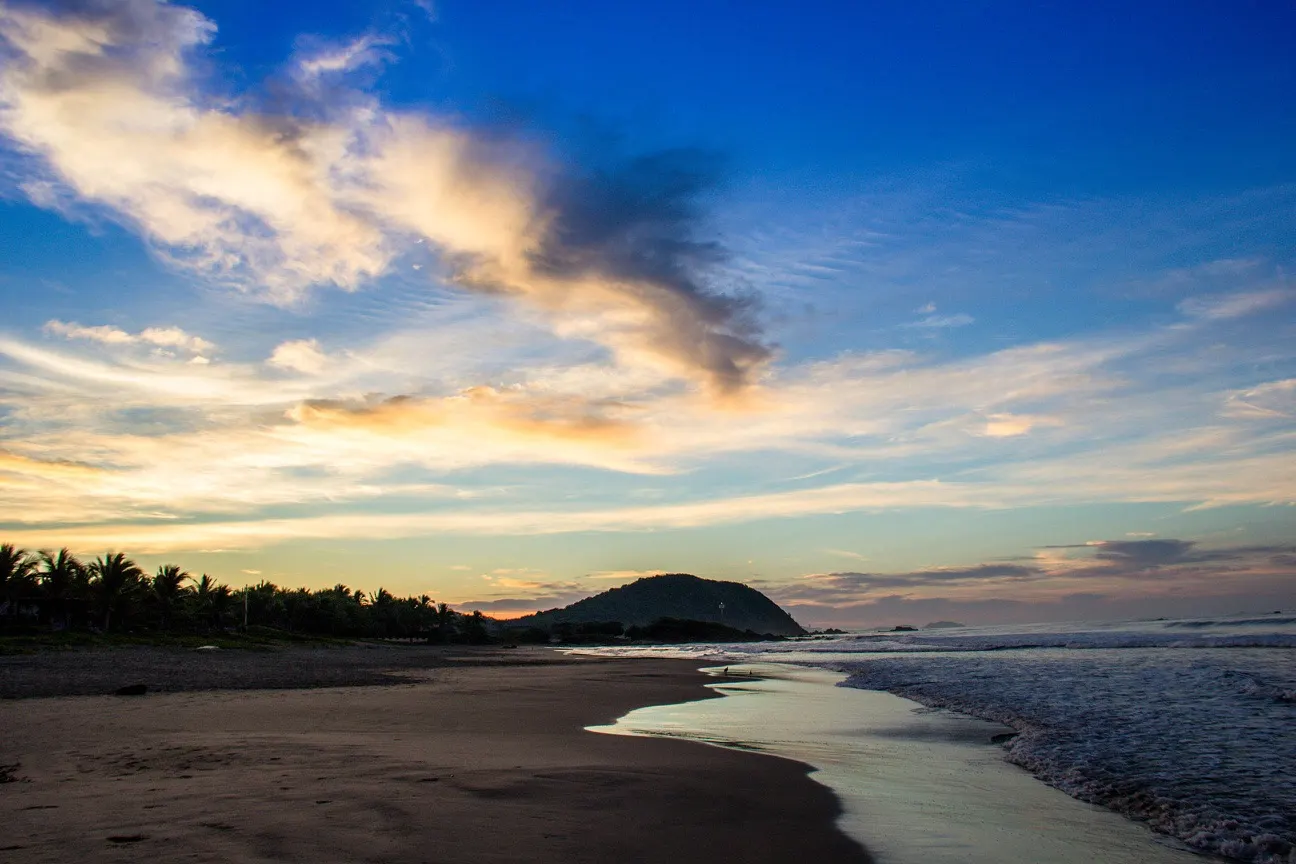
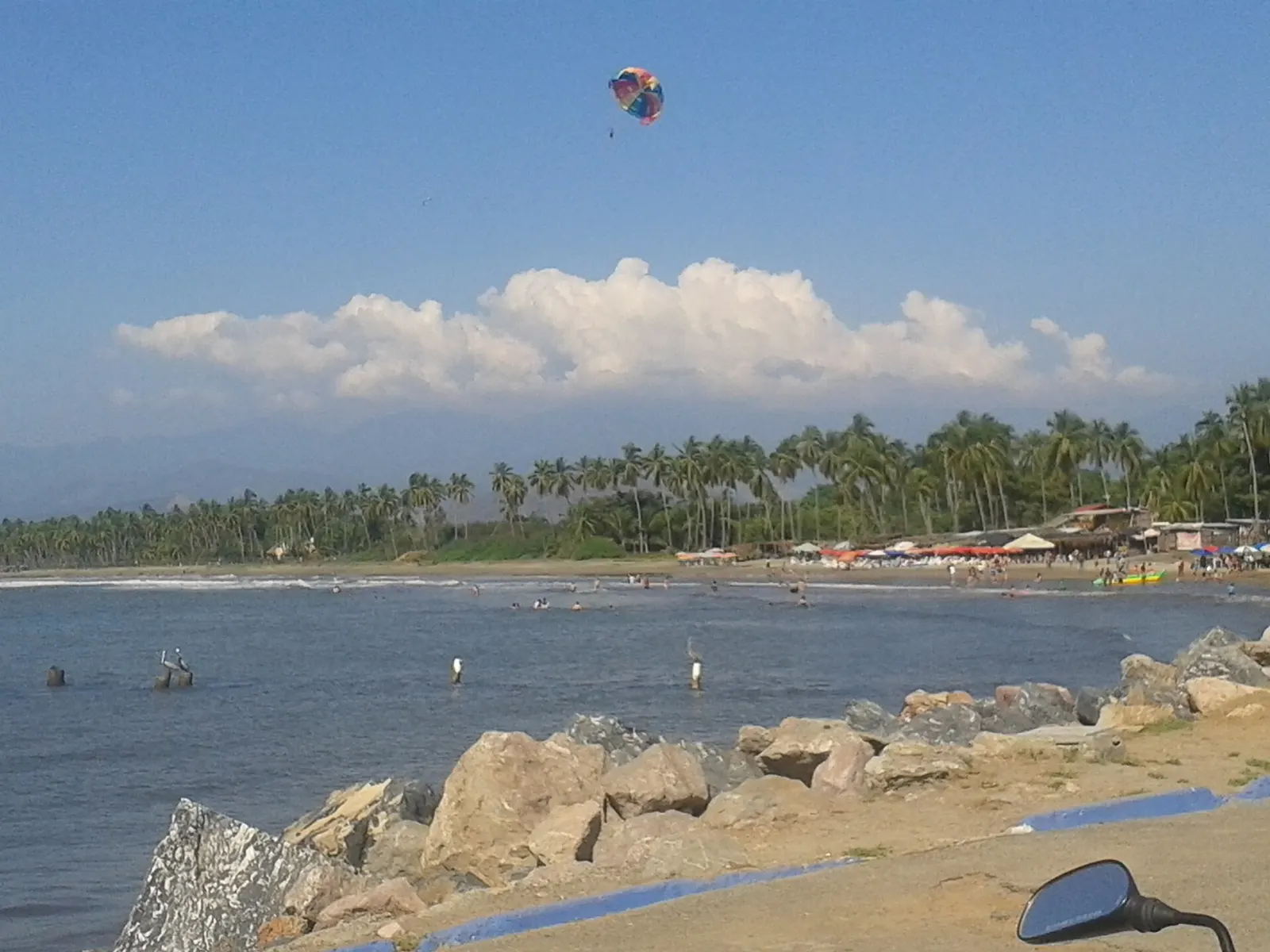
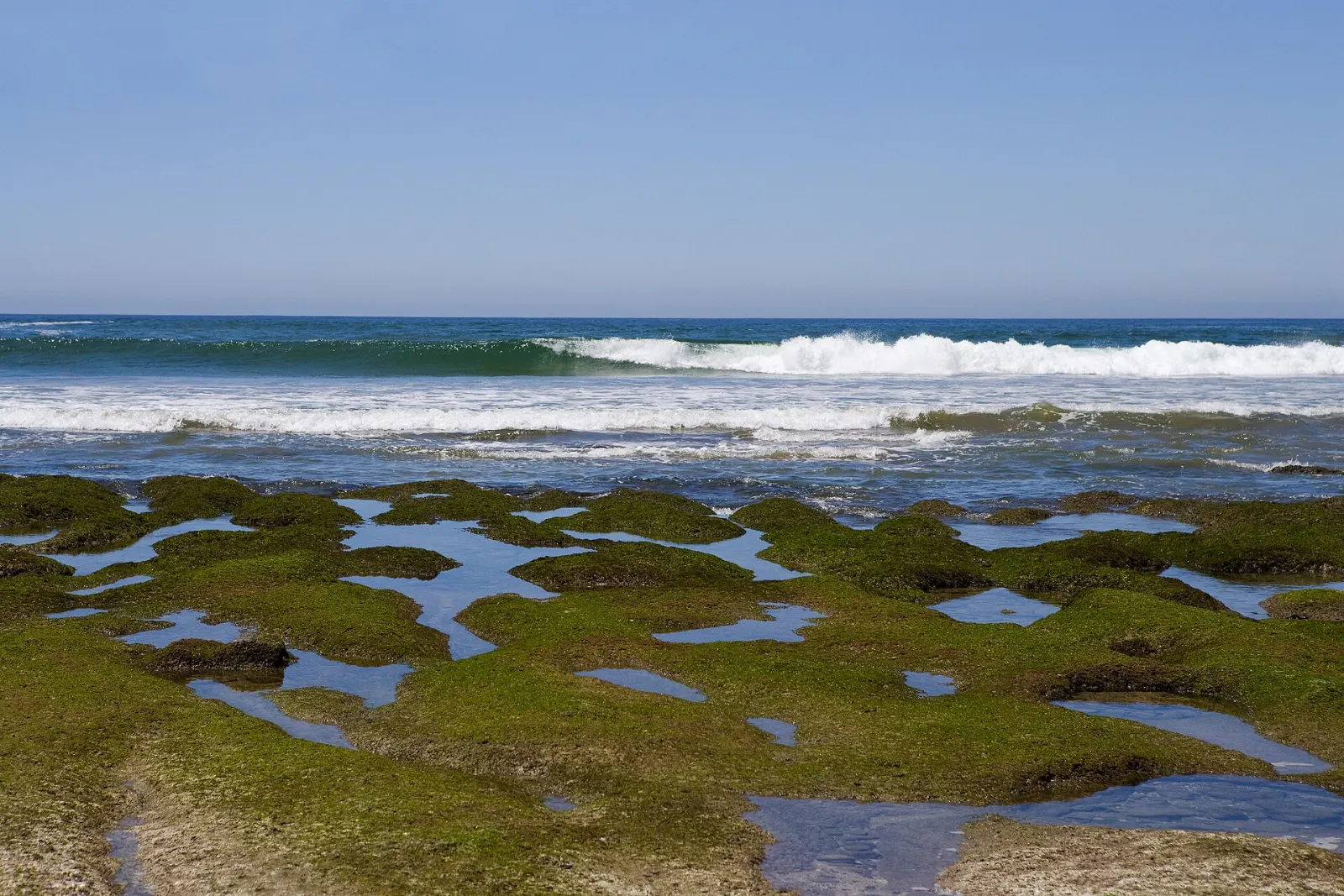
Playa Linda sits at the north end of Ixtapa and lives up to its name, though the waves are rougher than elsewhere, which draws surfers. It is also where boats leave for Isla Ixtapa from the embarcadero. Allow a half day, and swim only where conditions look calm.
Isla Ixtapa
Isla Ixtapa has three main beaches. Playa Varadero has the most restaurants and calmer water, Playa Cuachalalate is smaller and quieter, and Playa Coral faces the open ocean and is popular with snorkelers. Boats run in daylight from Playa Linda, and palapa restaurants on the island serve seafood and cold drinks. Plan a full day and bring sun protection.
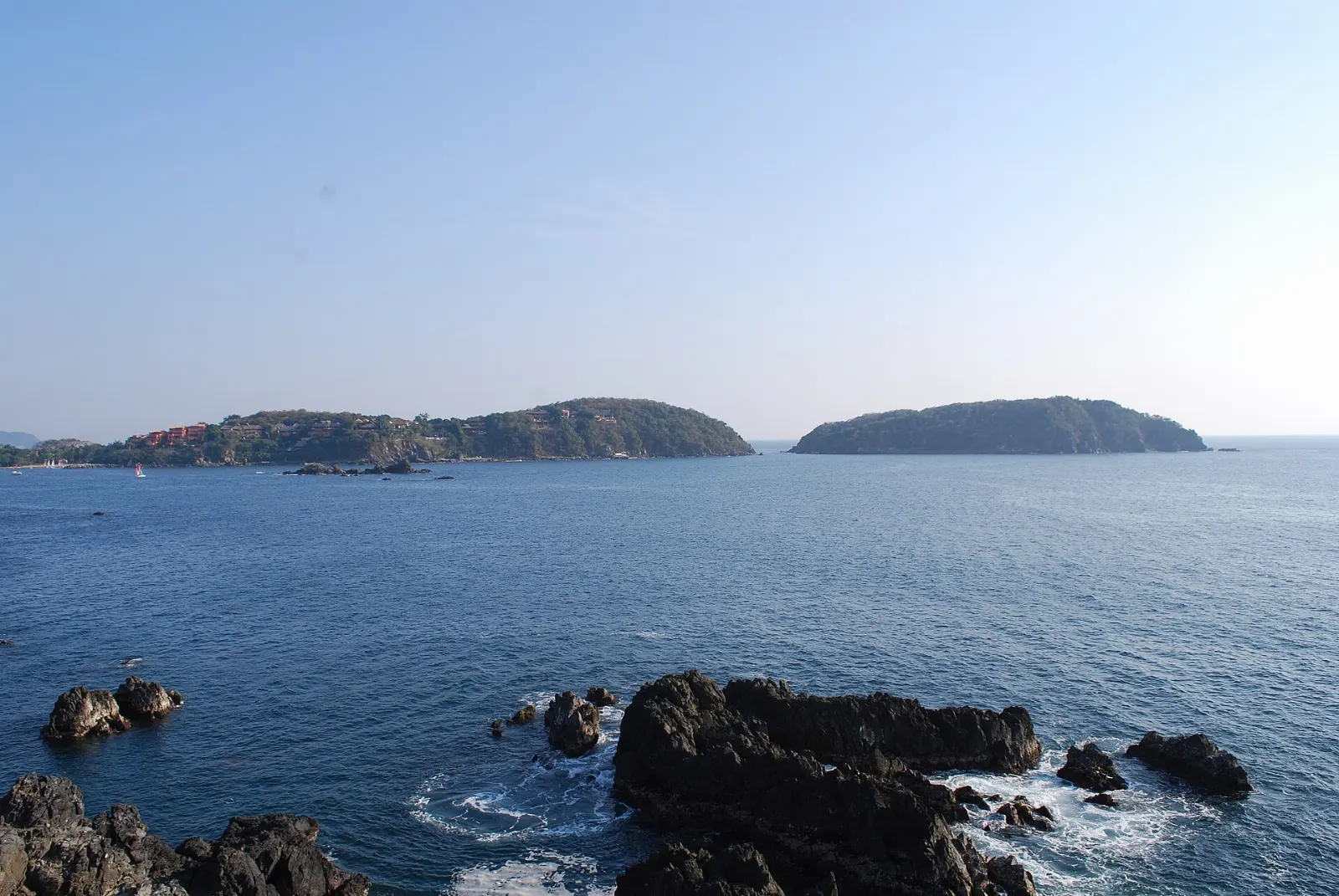
Playa Quieta
Playa Quieta is known for calm water and a mellow atmosphere, which suits families and anyone who prefers a gentle swim. For a different mood, Playa Los Escalleros is rocky and better for walking and admiring the arc of golden sand along the coast. Either works as a short beach stop along the hotel zone.
Nature and outdoors
Cocodrilario Tamakun
Near Playa Linda, Cocodrilario Tamakun is a wildlife refuge with crocodiles, iguanas and tropical birds such as parrots and toucans. It is easy to combine with a beach morning, and an hour is enough. Keep a safe distance from the animals and follow the signs.
The Ixtapa bike route
Ixtapa is bike friendly, with dedicated paths on flat ground. The most popular route, known locally as the ciclopista, runs from the hotel zone to Playa Linda, just under ten kilometres each way, through a shady wildlife reserve where crocodiles sometimes sun themselves beside the ponds. Another path links Ixtapa to Zihuatanejo, and several shops rent bikes.
Vicente Guerrero National Park
Created in 2023, Vicente Guerrero National Park protects about 724 hectares of dry jungle, mangrove, hills and coastal plain between Ixtapa and Zihuatanejo. It is home to almost three hundred bird species recorded in Guerrero, along with reptiles and amphibians. Entrances lie along the Playa Linda boulevard, so ask locally about current access and trails.
Zihuatanejo and beyond
Zihuatanejo town
Zihuatanejo is a fishing town with a relaxed historic centre and a Pueblo Mágico designation. Walk the Paseo del Pescador beside the bay, browse the shops and market near the municipal beach, and visit the Museo Arqueológico de la Costa Grande to see local pottery and stone pieces. Allow half a day and check museum days before you go.
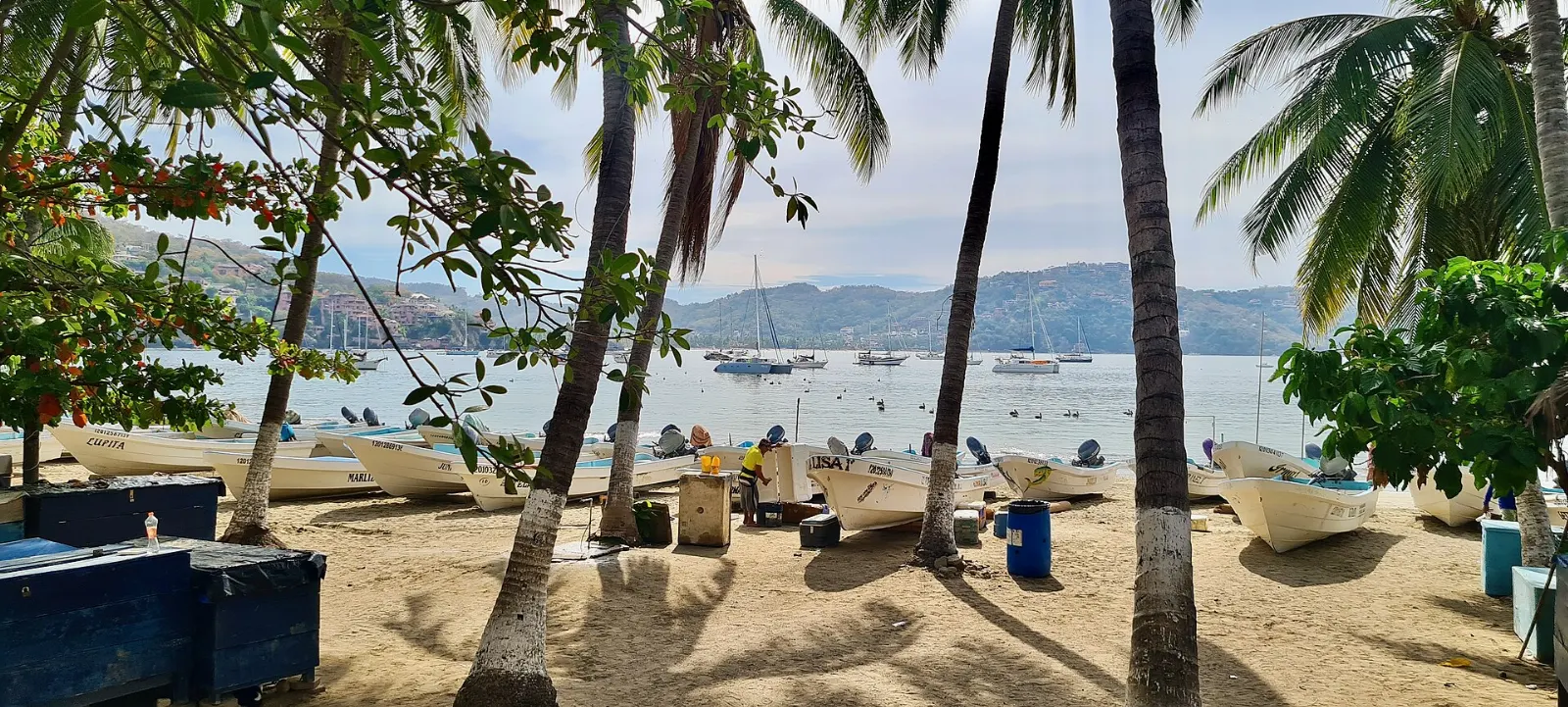
Playa La Ropa
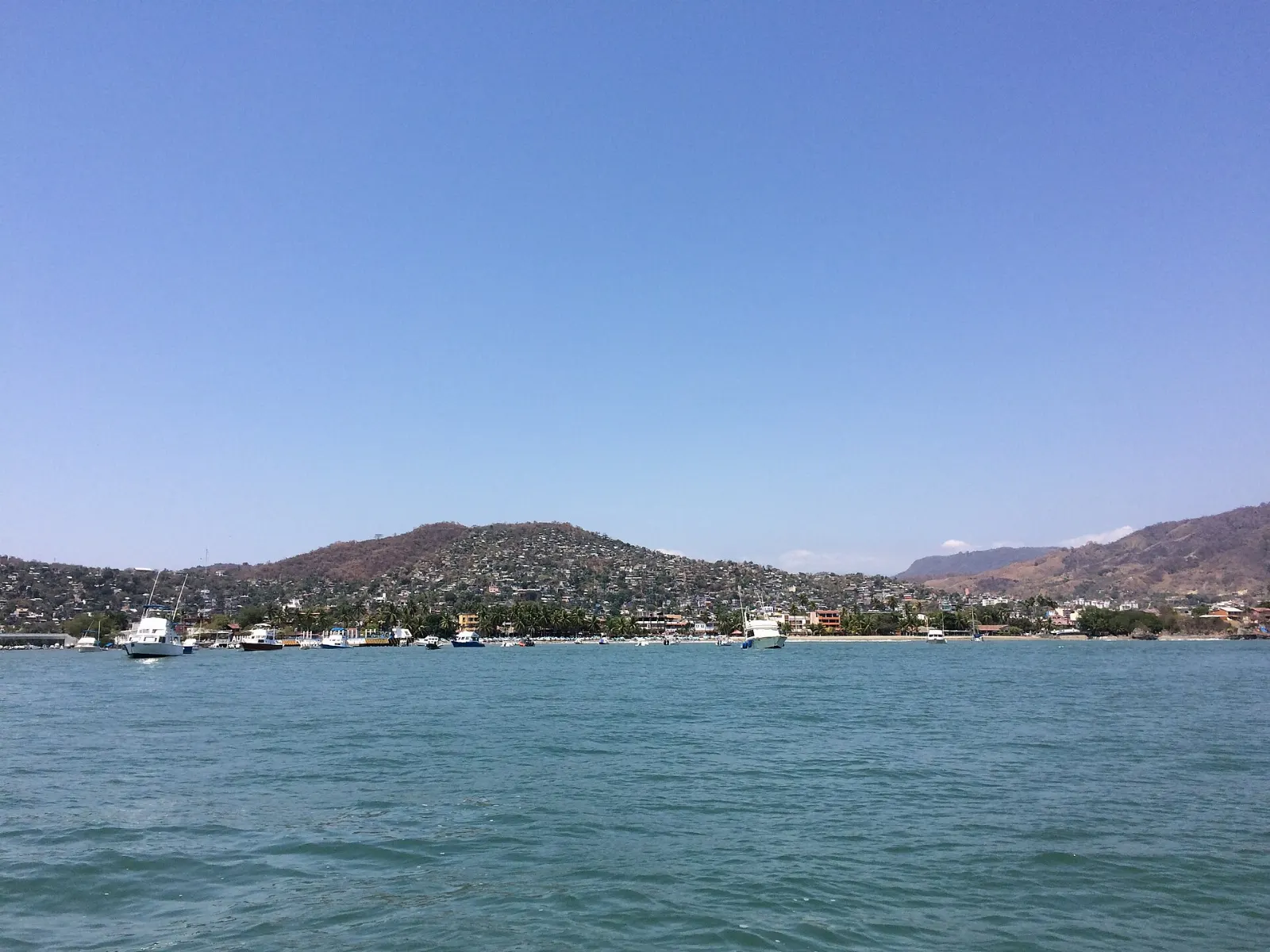
Playa La Ropa is one of the largest beaches on Zihuatanejo Bay, lined with restaurants and palm trees and known for gentle waves. Its name, which means beach of the clothes, is said to come from a shipwreck carrying Chinese silk. A taxi from the town is the easiest way to reach it.
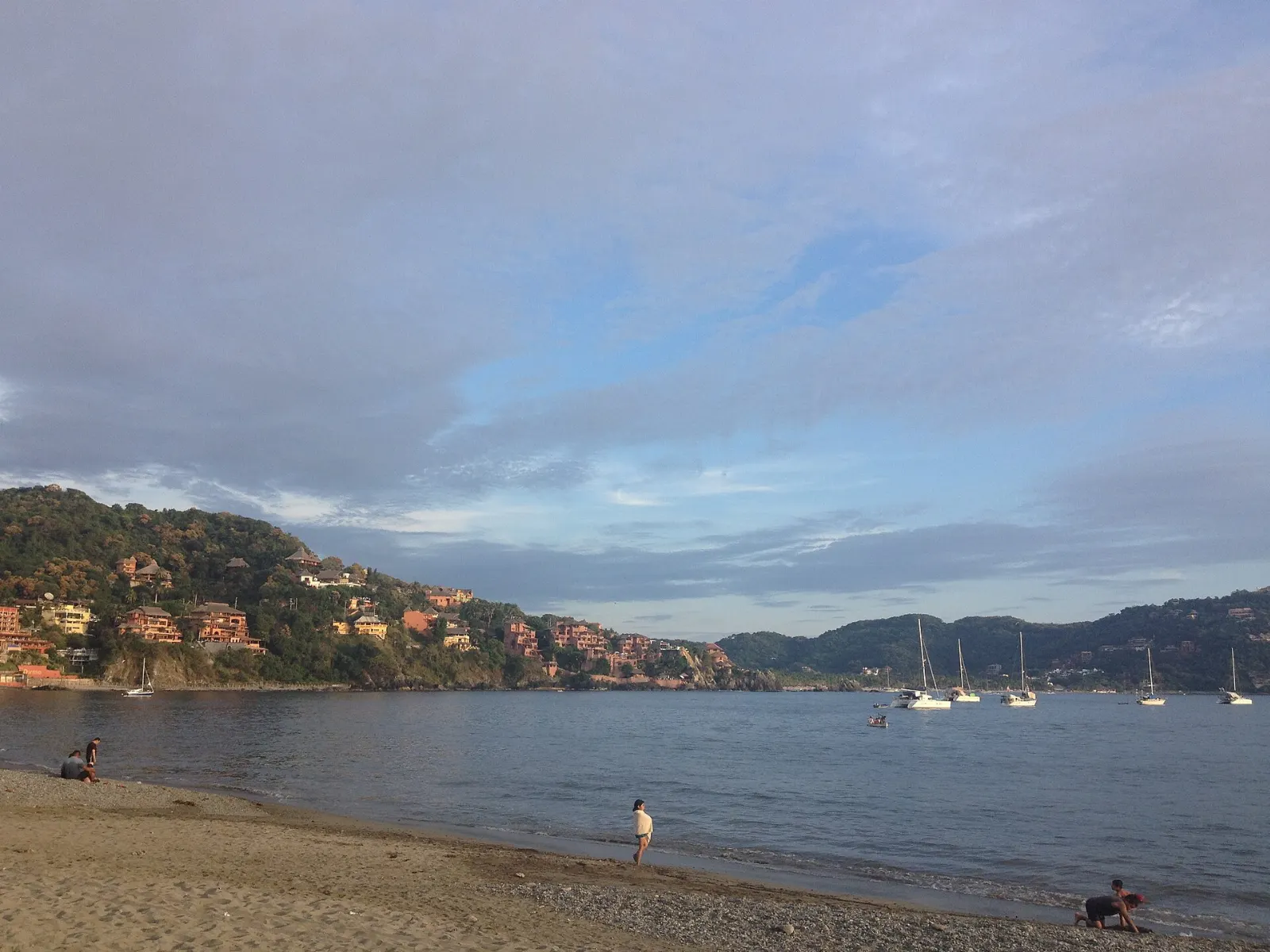
Playa Las Gatas
Playa Las Gatas lies across the bay and is reached by small boats from the town pier in about ten to fifteen minutes. The water is calm and clear, with good snorkelling and diving, and a reef said to date from pre-Hispanic times. You can sit under a palapa for free as long as you order food and drinks there.
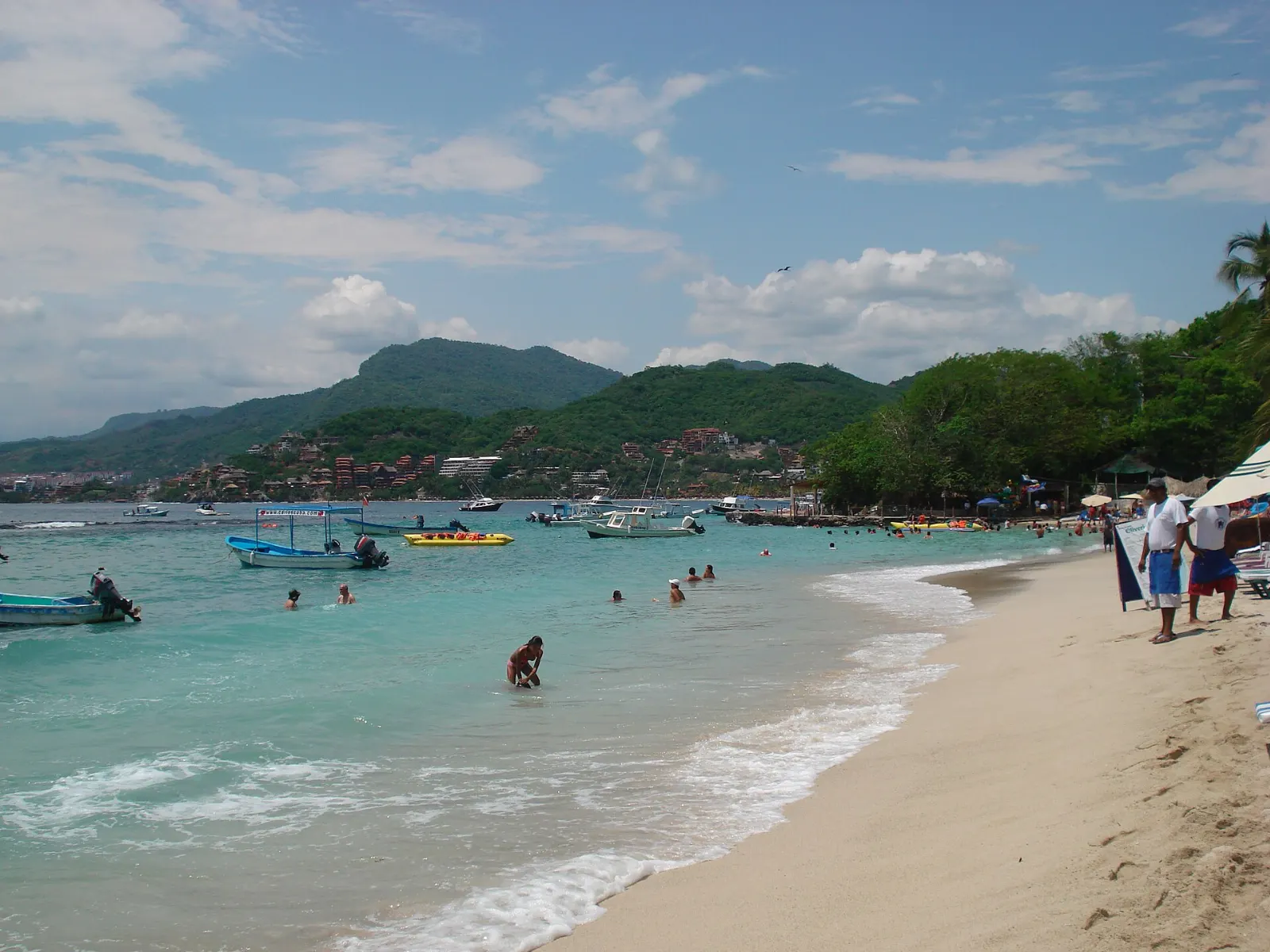
Troncones
Troncones is a quiet beach village roughly 32 kilometres north-west of Zihuatanejo, with a long beach, small guesthouses and a few restaurants. It is known for surfing at Troncones Point, which suits confident surfers, and for sea caves nearby. A taxi day trip is the simplest way to see it.
 Planning a trip to Ixtapa?Compare hotels, flights and vacation rentals for Ixtapa on Expedia.Book now
Food and local flavors
Some of the best food in the area is at the traditional pozole and seafood restaurants in Zihuatanejo. Pozole, a hominy stew, comes white, red or green, and pozole verde, flavored with ground pumpkin seeds and green chiles, is the Guerrero favorite. Thursday is the traditional pozole day, when street vendors set up along Avenida Benito Juárez. Seafood is everywhere, from ceviche and aguachile, raw fish or shrimp cured in lime, to tacos de jaiba, filled with crab. Ixtapa restaurants serve fresh shrimp and fish in the hotel zone and at the marina, and homestyle fondas near the municipal market are a good lunch choice. Palapa restaurants on the island and beaches serve cold drinks and light meals.
Popular dishes to try in Ixtapa


Where to stay
The Ixtapa hotel zone has the large beachfront resorts, the marina, golf courses and the bike path, so it suits families and travellers who want everything close. Zihuatanejo is the better choice if you prefer a walkable town with restaurants, small hotels and a working waterfront.
Playa La Ropa sits between the two, with a long beach, restaurants and a relaxed feel, and works well for couples and travellers who want a quieter beach base. Troncones is the pick for surfers and anyone who wants a laid-back village with small guesthouses and few crowds.
Book early for the winter months and holiday weeks, and choose the hotel zone or Zihuatanejo if you do not plan to rent a car.
Where to stay in Ixtapa


Best time to visit
October through May is the high season, with warm, dry weather, calm seas and seasonal flights from Canada, many of them from November to March. This is also when the area is busiest, especially around Christmas, New Year and Holy Week.
June to October is the low season, with heat, humidity and rain. Crowds thin and the hills turn green, but swell from the south can make some beaches rougher, so pick calm bays for swimming. Pack light clothing, sunscreen and a rain layer, whatever the month.
Getting there and getting around
Ixtapa-Zihuatanejo International Airport lies about twelve kilometres south-east of Zihuatanejo, with direct flights from Mexico City and from some US and Canadian cities. Buses reach the main station on Highway 200 from Acapulco, Lázaro Cárdenas and Mexico City, with a trip from the capital taking roughly nine to ten hours.
Taxis are the easiest way to get around Ixtapa and Zihuatanejo, and city buses connect the two. Small boats called lanchas run between beaches and from the embarcadero at Playa Linda and the Zihuatanejo pier. Cyclists can use the dedicated paths. A rental car is rarely necessary unless you plan longer day trips.
A suggested itinerary
First day
Spend the morning on the hotel zone beach, then ride the bike path to Playa Linda and see the crocodiles at Cocodrilario Tamakun in the afternoon.
Second day
Take a boat from Playa Linda to Isla Ixtapa for snorkelling, a long seafood lunch and a swim at Playa Varadero.
Third day
Head to Zihuatanejo for the waterfront, the museum and the market, then cross the bay to Playa Las Gatas or relax at Playa La Ropa. Add Troncones on a spare day if you want surf and a quiet beach.
Practical tips
- Check your government's current travel advisory before you go.
- Wear sun protection and carry water, since shade is limited on the beaches.
- Swim only where the water looks calm, and avoid lagoons and mangroves where crocodiles live.
- Ask your hotel about boat schedules, since lanchas run in daylight only.
- Try pozole on a Thursday in Zihuatanejo, when it is served everywhere.
- Bring a hat, reef-friendly sunscreen and snorkel gear if you plan to spend time on Isla Ixtapa.
- A few Spanish phrases help, especially in markets and small restaurants.