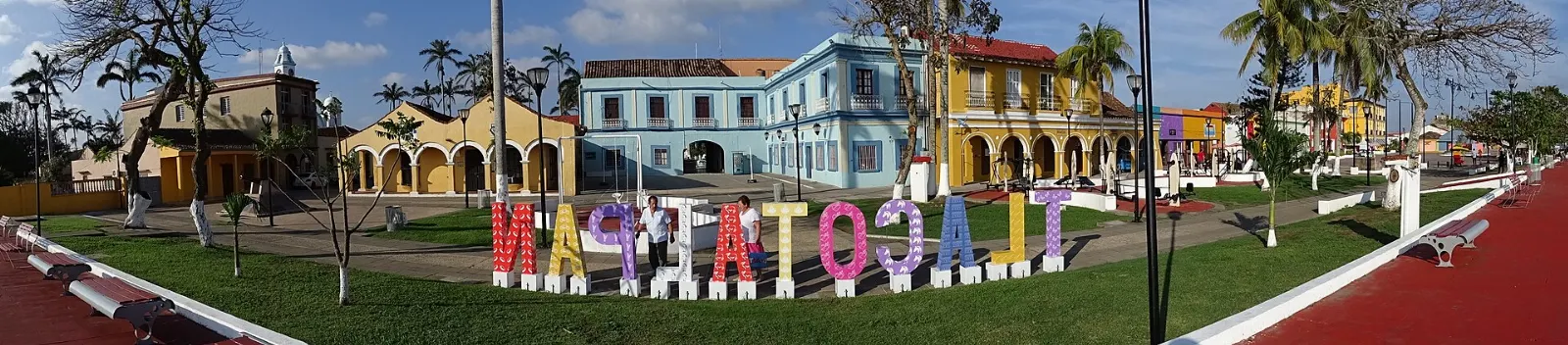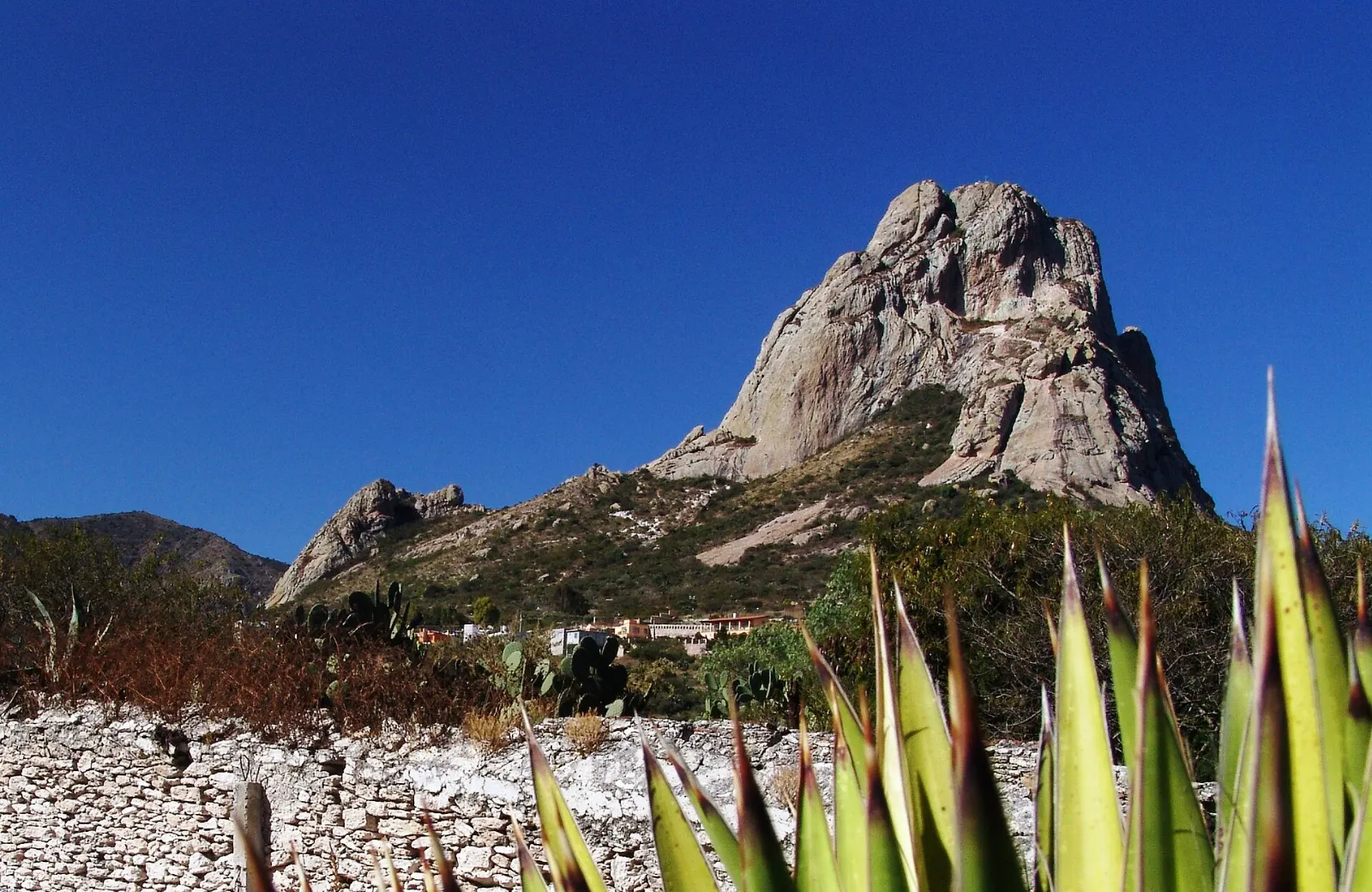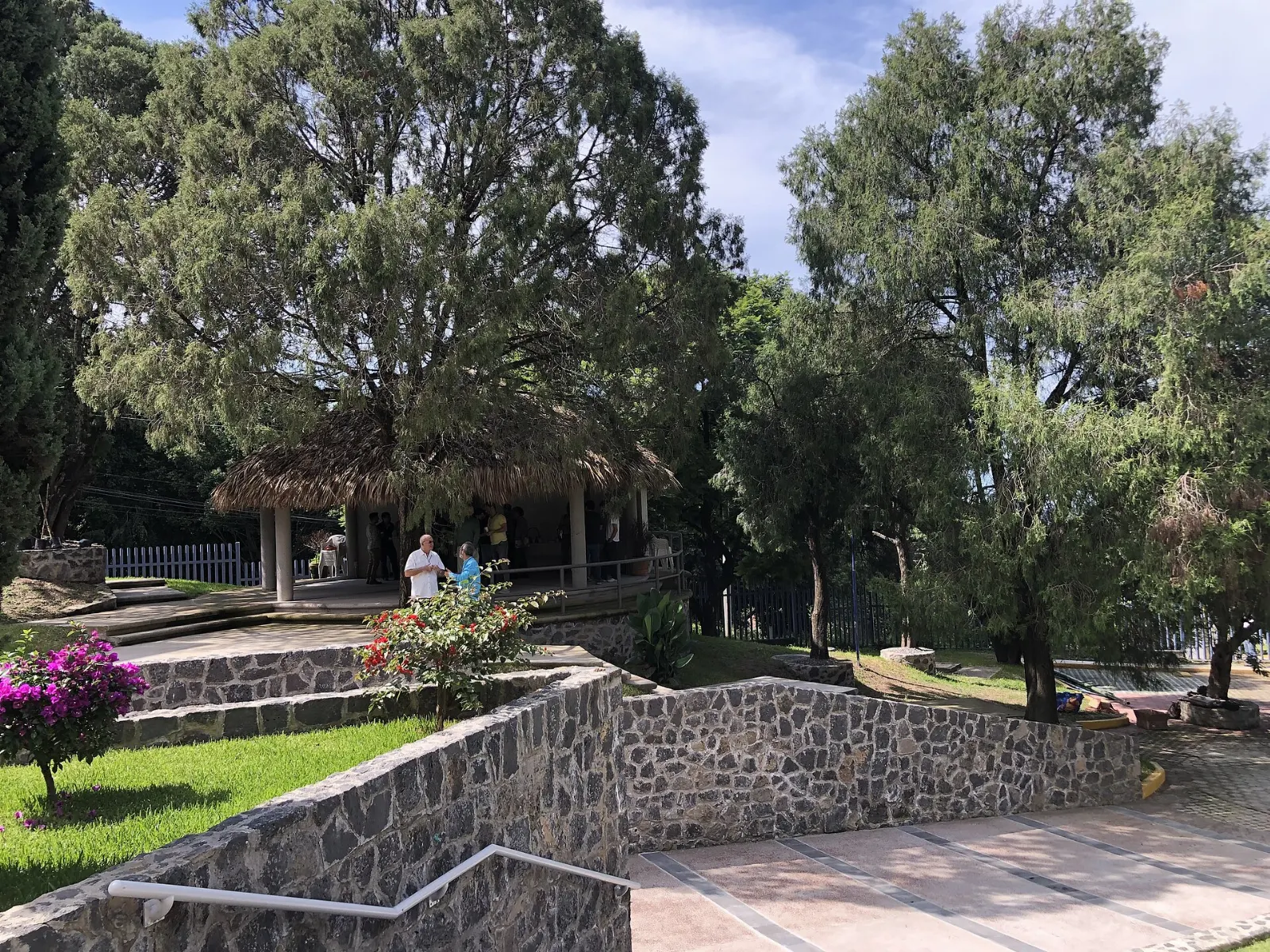
Cuernavaca is the capital of Morelos, a green and gently warm city about an hour and a half south of Mexico City. For centuries it has been a retreat for emperors, nobles, artists and weekenders from the capital.
AT A GLANCE
Best time
Any time of year, with weekdays calmer than weekends.
How long
Two to three days, with day trips to Xochicalco and Tepoztlán.
Getting there
A short bus or car ride south from Mexico City.
Why visit Cuernavaca
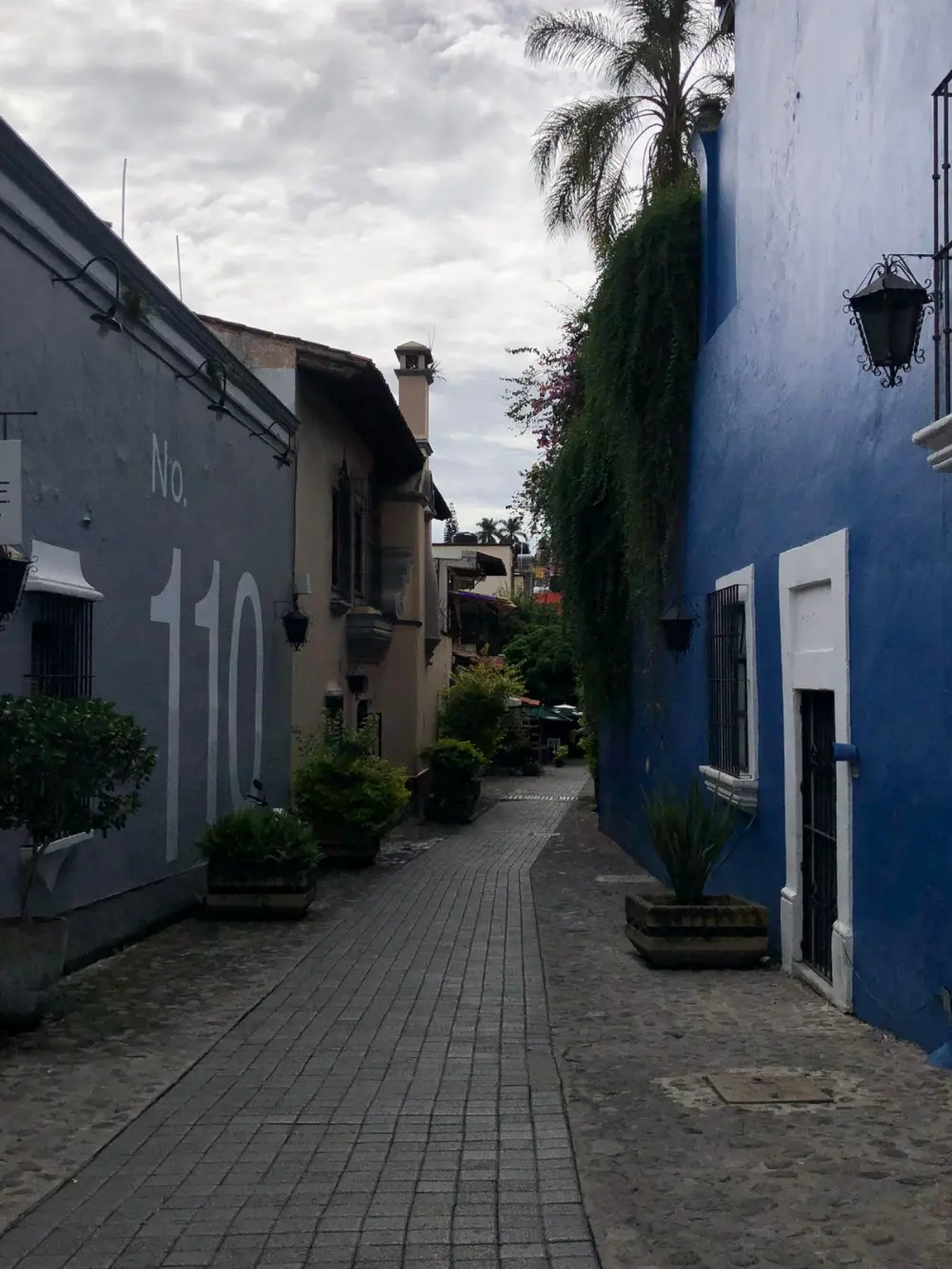
The city is nicknamed the City of Eternal Spring, a phrase linked to the naturalist Alexander von Humboldt. Temperatures stay fairly constant through the year, and flowers such as bougainvillea bloom across the city. Its name comes from the Nahuatl Cuauhnahuac, meaning near the trees.
The history is just as rich. The Tlahuica people lived here before the Aztecs, Hernán Cortés built a palace in the 1530s, and Emperor Maximilian later chose a garden here as his summer home. Add parks, museums, spas and Spanish language schools, and Cuernavaca makes an easy and varied escape from the capital.
The best places to visit around the center
The Zócalo
The central plaza is the heart of the city, where locals gather by day and night. Dancers, musicians and street performers appear on most evenings, and danzón is danced on certain nights of the week. Grab a snack from a vendor and sit under the trees.
The Palace of Cortés
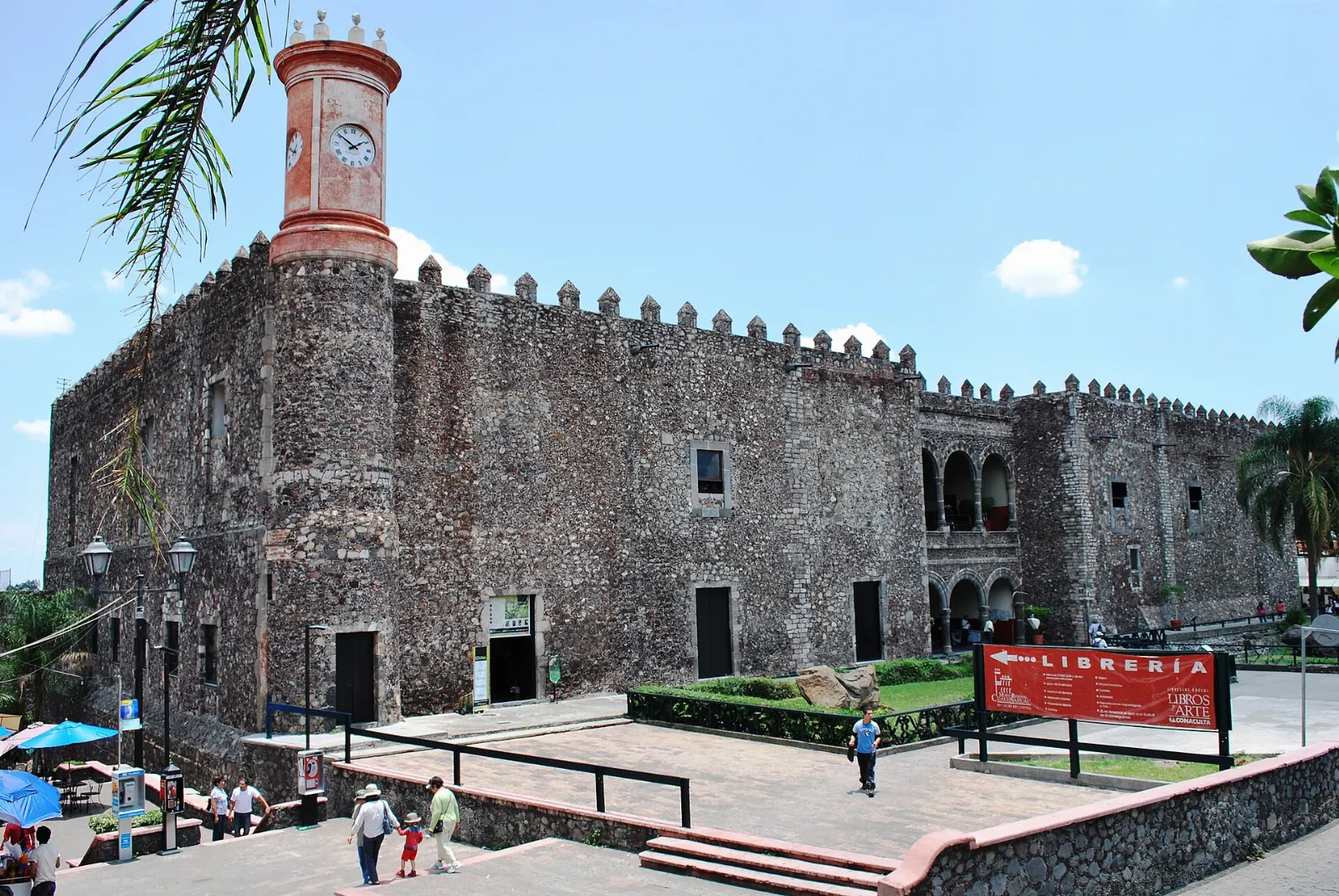
Built between 1531 and 1535, this is the oldest surviving colonial civil structure in the continental Americas. It is now the Regional Museum of the Peoples of Morelos, which reopened in March 2023 after repairs following the 2017 earthquake. Look for the terrace mural painted by Diego Rivera in 1929 and 1930, and allow about two hours.
Cuernavaca Cathedral
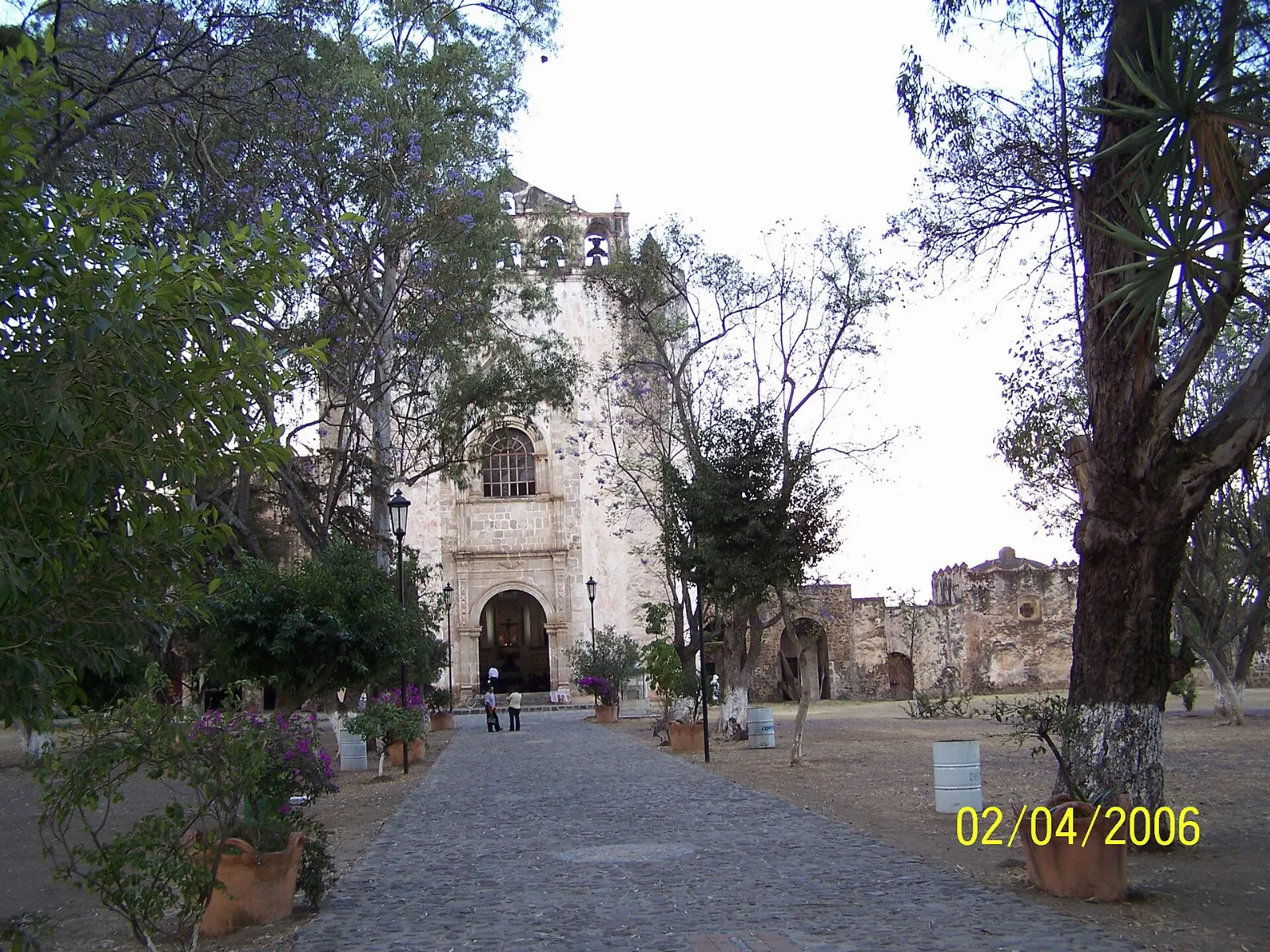
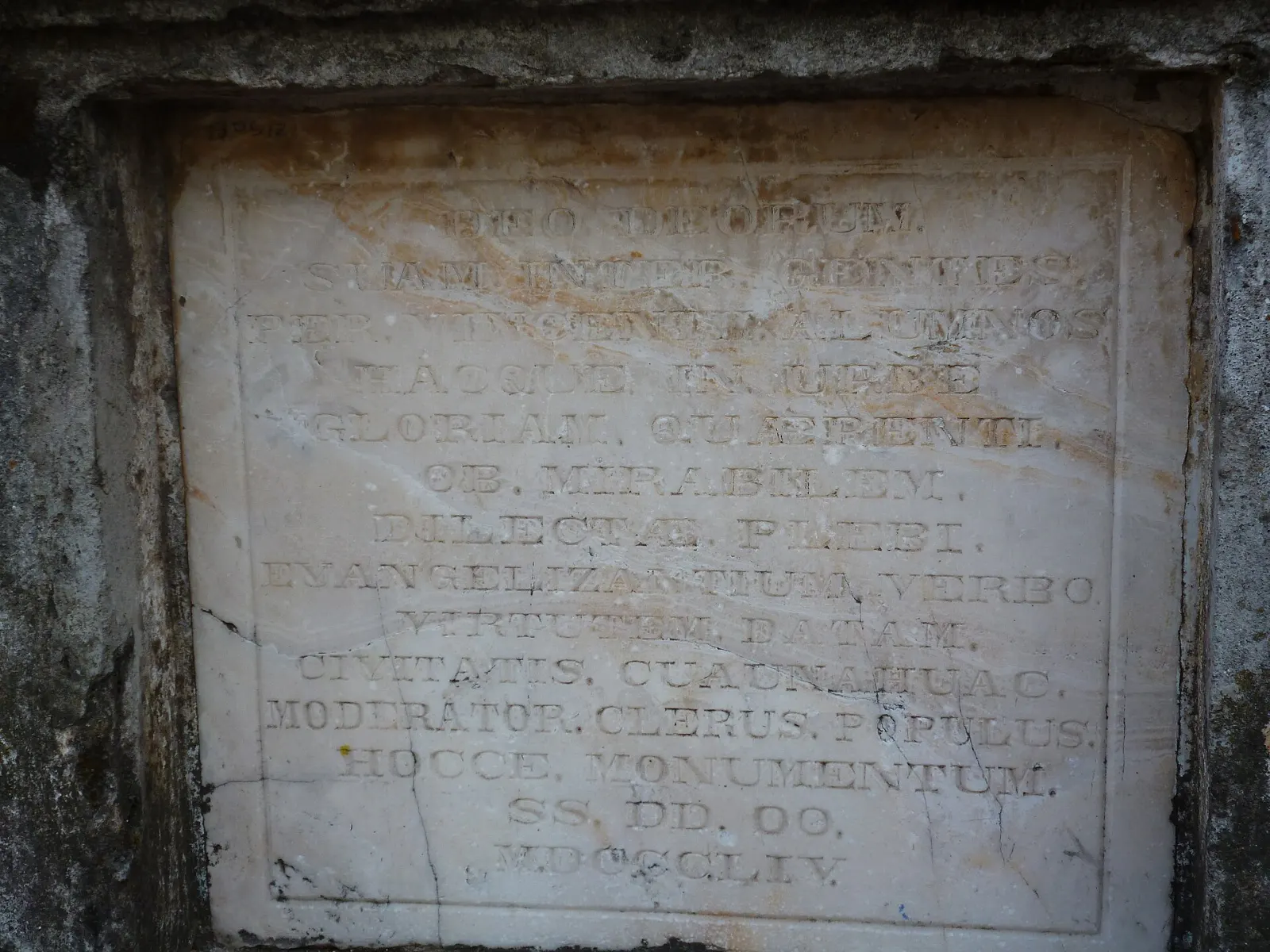
The cathedral stands in its own walled compound just south of the main square, rather than facing it. It began as a Franciscan monastery and is part of a UNESCO World Heritage group of early monasteries near Popocatépetl. Inside, a large 17th century mural tells the story of Philip of Jesus and other missionaries who died in Japan.
Jardín Borda
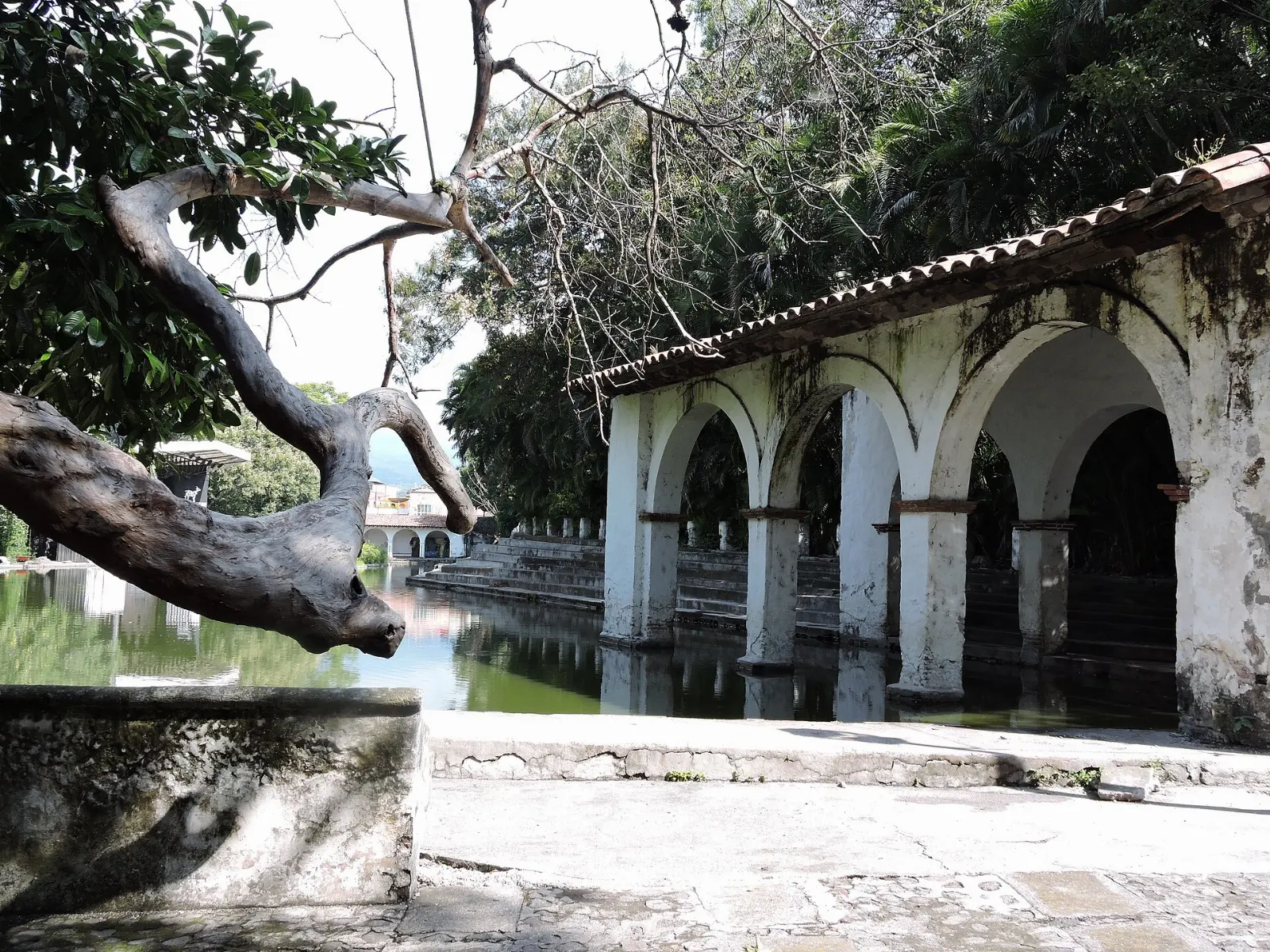
This 18th century mansion and garden sits across from the cathedral and is now a cultural center and botanical garden. Emperor Maximilian made it his summer residence, and it hosts art exhibits, concerts and folk dances. Plan an hour or two for a slow walk past the fountains and shaded paths.
Museums, ruins and parks
Robert Brady Museum
This private museum occupies a former bishop's residence and holds a large collection of folk and decorative art. It is a quiet, rewarding stop for travelers who enjoy objects and interiors. Check opening days before you go, since it is closed on some days.
Juan Soriano Museum of Contemporary Art
Near the main market in the Amatlán area, this museum is dedicated to the artist Juan Soriano. It pairs well with a market visit in the morning. Allow an hour for the galleries.
Teopanzolco
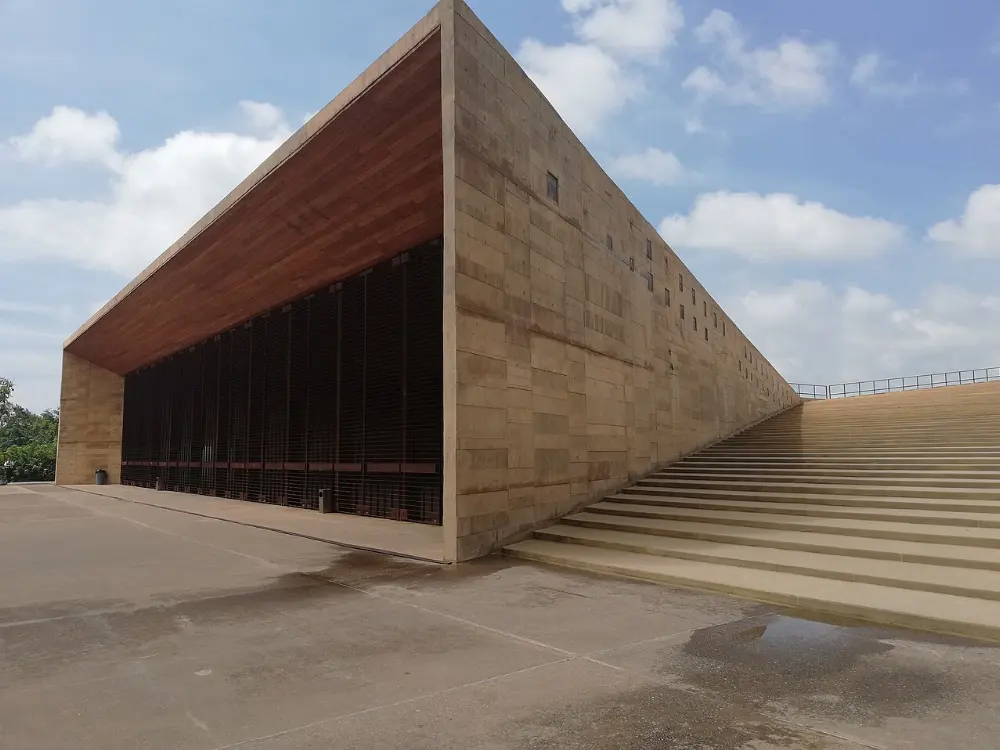
The Teopanzolco archaeological site is a Tlahuica and Aztec pyramid complex dating to about AD 1300 or earlier. A pyramid stands on top of an older one, and the site was abandoned after the Spanish conquest and rediscovered in 1914. Allow an hour and carry water and a hat.
Chapultepec Park
This park in eastern Cuernavaca has clear streams, a small lake with paddle boats, a butterfly sanctuary and a planetarium. It is popular with joggers in the morning and families in the afternoon. It suits a relaxed stop with children.
Salto de San Antón
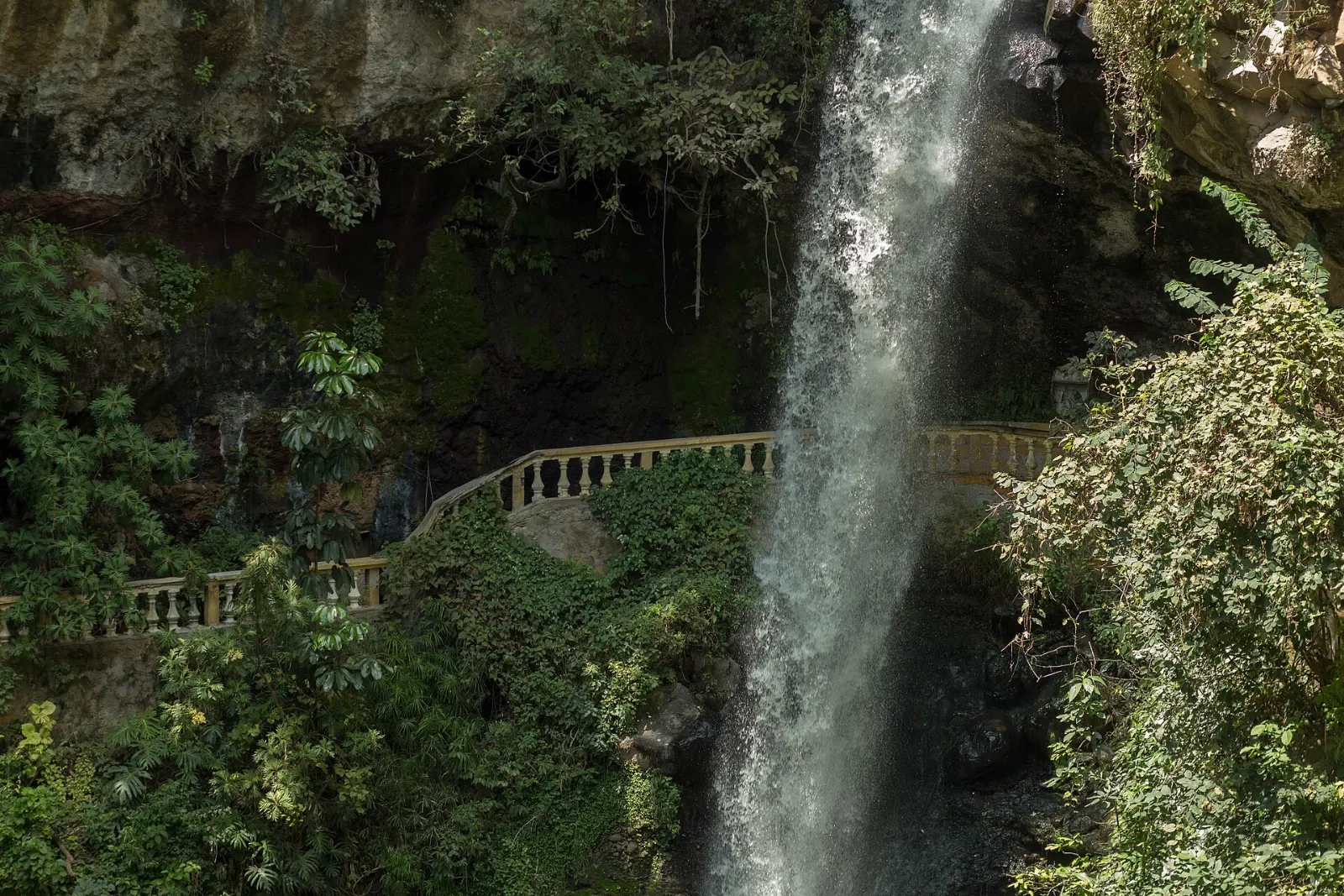
This waterfall lies within the city and is easy to reach by taxi or car. Allow about an hour, and ask locally about the best way to reach it.
Day trips from Cuernavaca
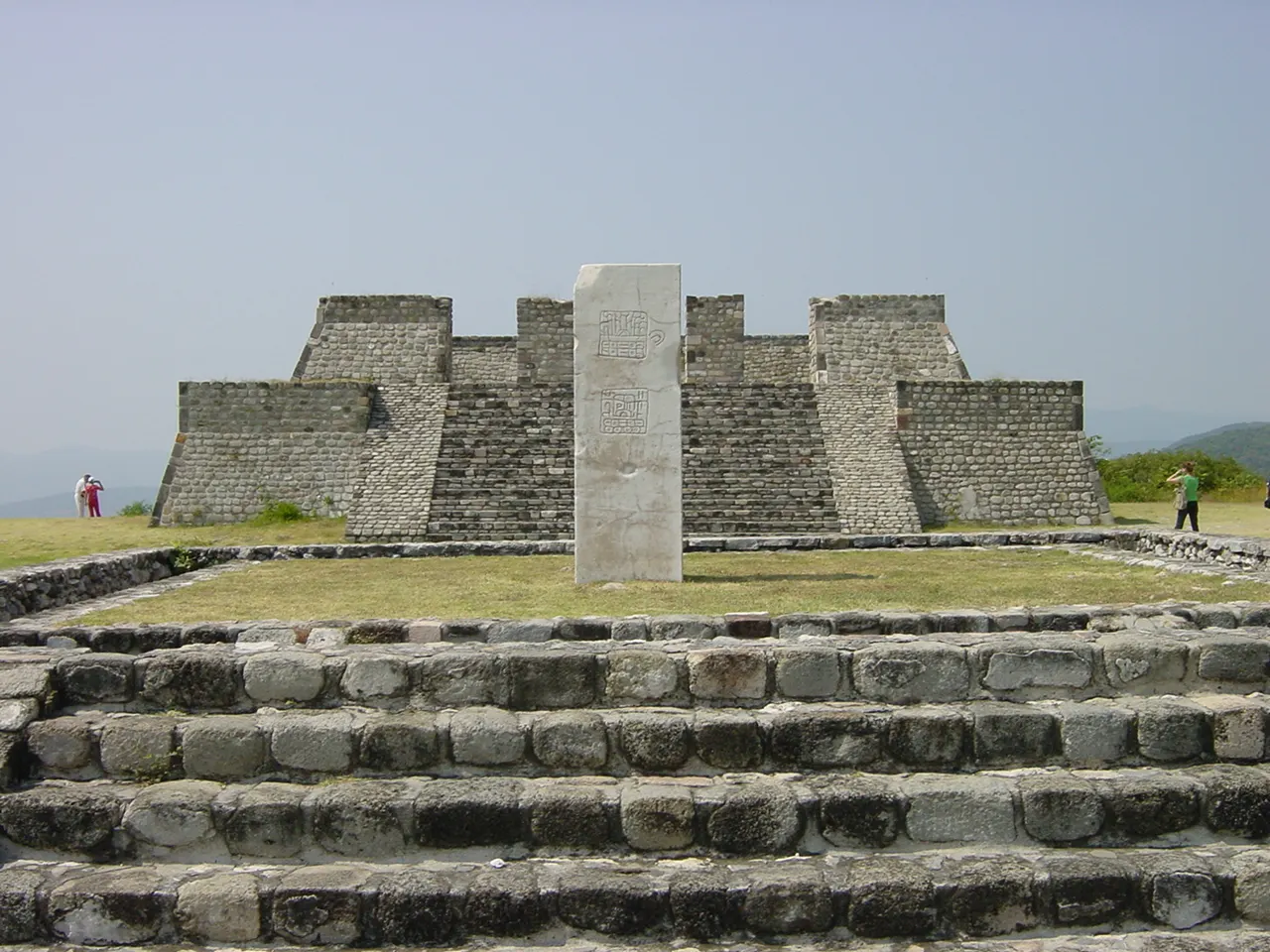
Xochicalco
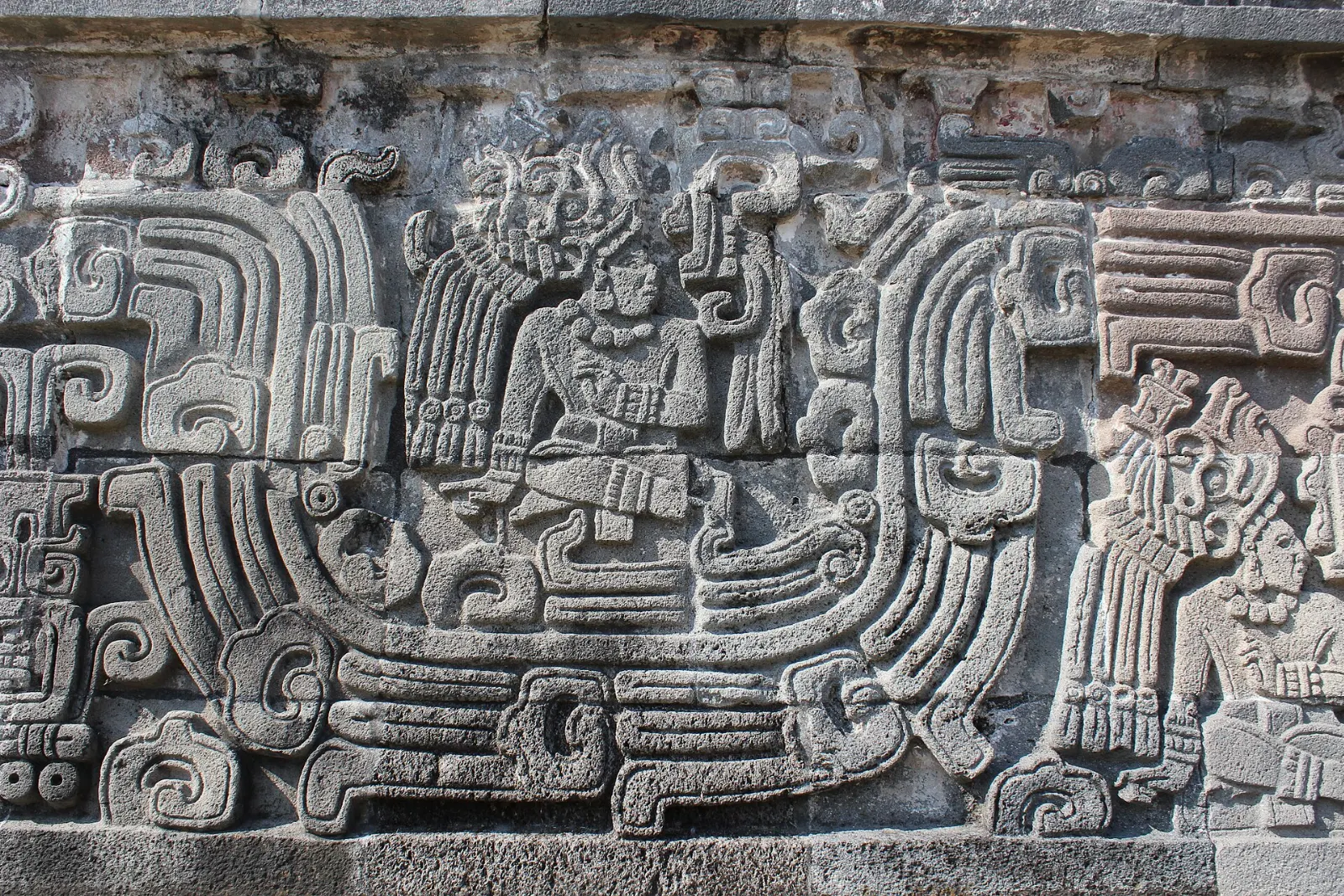
This hilltop archaeological site southwest of the city is a World Heritage listed pre-Columbian city. It shows links with Teotihuacan, the Maya area and the Toluca valley, and most of the standing architecture dates to the Epiclassic period between about AD 700 and 900. Allow half a day, and bring sun protection since shade is scarce.
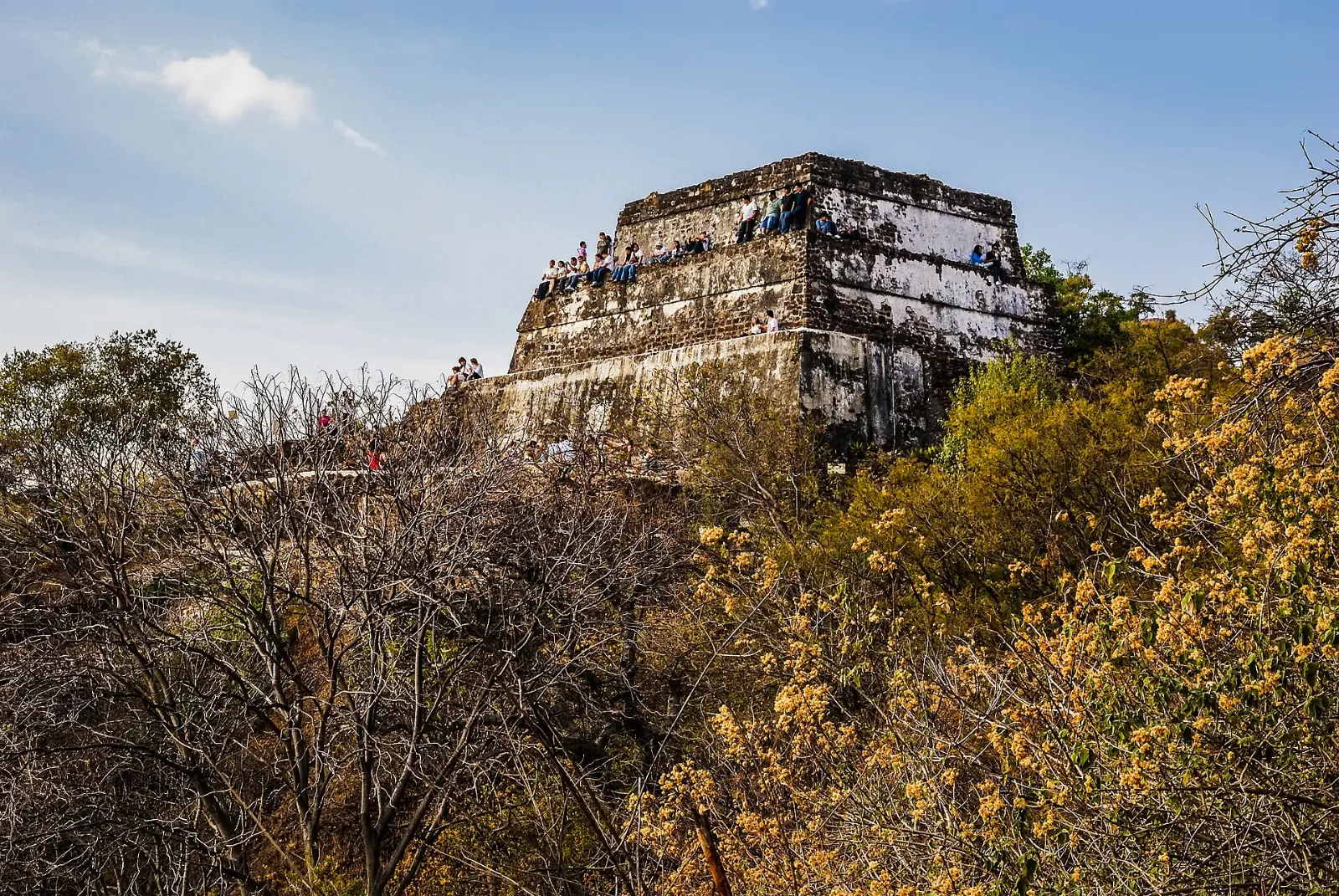
Tepoztlán
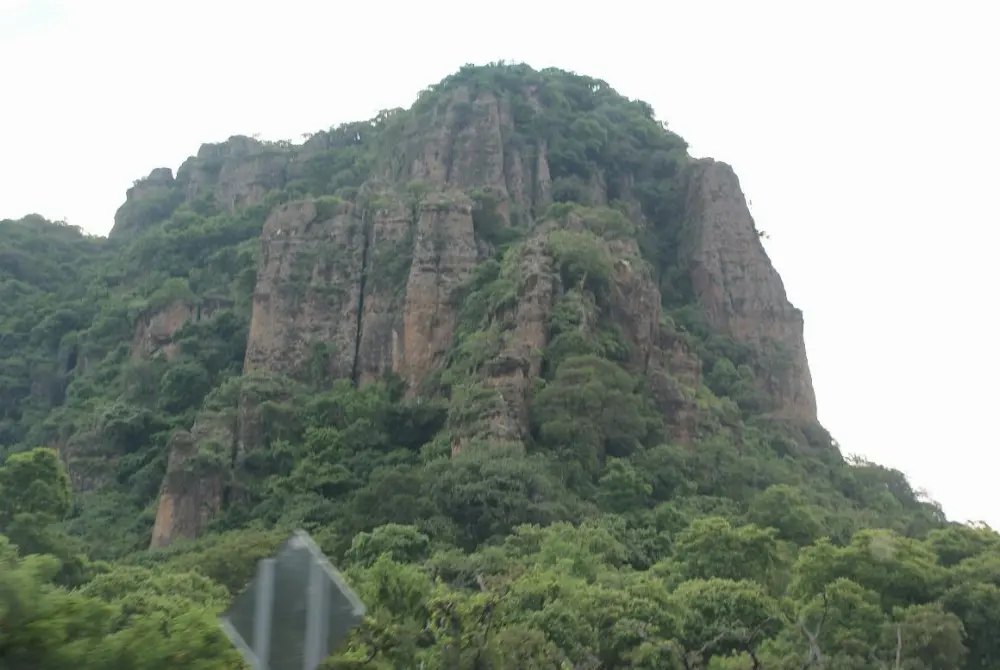
The small town of Tepoztlán lies beneath the cliffs of El Tepozteco, where the ruins of a temple crown the mountain. It is a Pueblo Mágico with a 16th century Dominican convent, a museum, crafts and a lively weekend market. The town is also known for its unusual ice cream flavors. Allow a full day if you plan to hike to the temple.
Food and local flavors
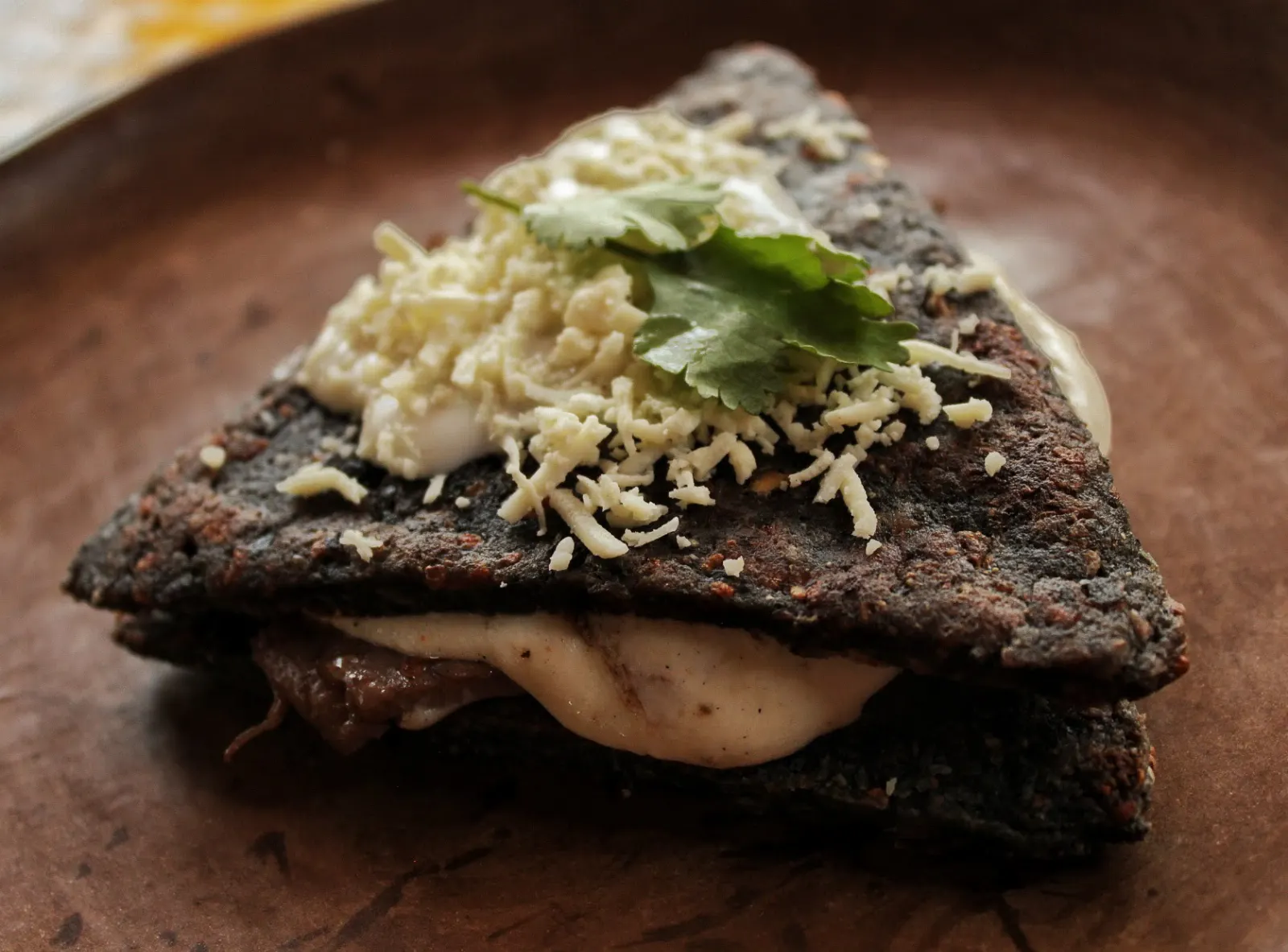
The city's food mixes central Mexican favorites with local specialties. In Yecapixtla, a historic town in Morelos, cecina de Yecapixtla is the local specialty, a thin sheet of salted beef that is grilled and served in tacos or on a plate. Pozole, a hominy stew served white, green or red, is a typical dish of Morelos and a comfort meal after a day of sightseeing. In Tepoztlán, the nieves, ice creams and sorbets, come in exotic flavors, so try a few. For snacks, the plaza vendors sell tacos and corn on the cob, and the main market near Amatlán is a good place to browse.
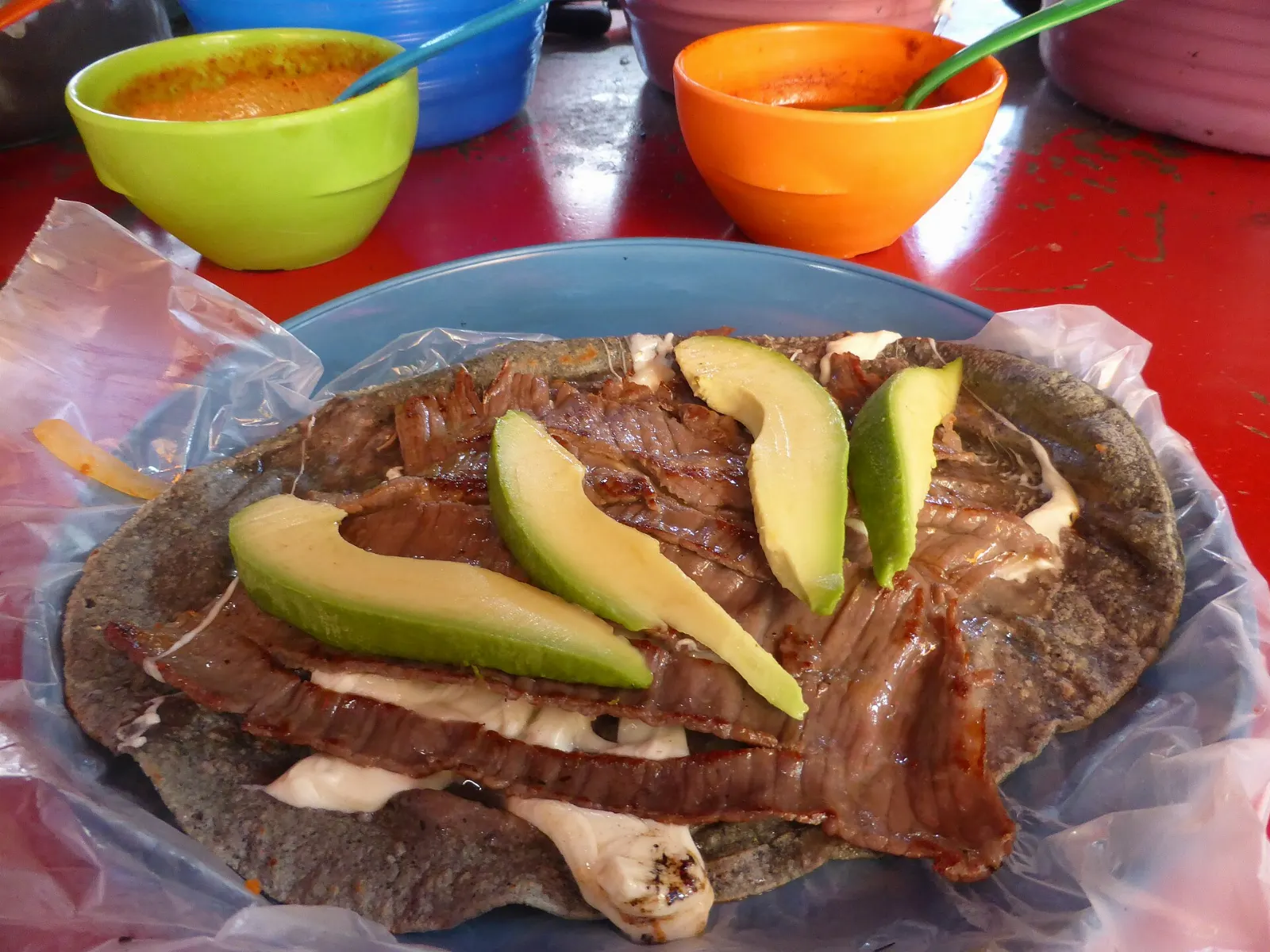
Popular dishes to try in Cuernavaca


Where to stay
Centro puts you within walking distance of the Zócalo, the cathedral, the Borda Garden and the Palace of Cortés, and it suits first time visitors who prefer to explore on foot. Vista Hermosa is a residential neighborhood close to Teopanzolco, with restaurants and a calmer feel, and it suits travelers who want quieter evenings. Acapantzingo, southeast of the center, has parks and a local character, and it appeals to those who enjoy a less touristy base. Tepoztlán, in the nearby mountains, is a small Pueblo Mágico with crafts and cooler air, and it suits couples and hikers who want a village atmosphere. Many former haciendas around the city have also been turned into hotels and restaurants.
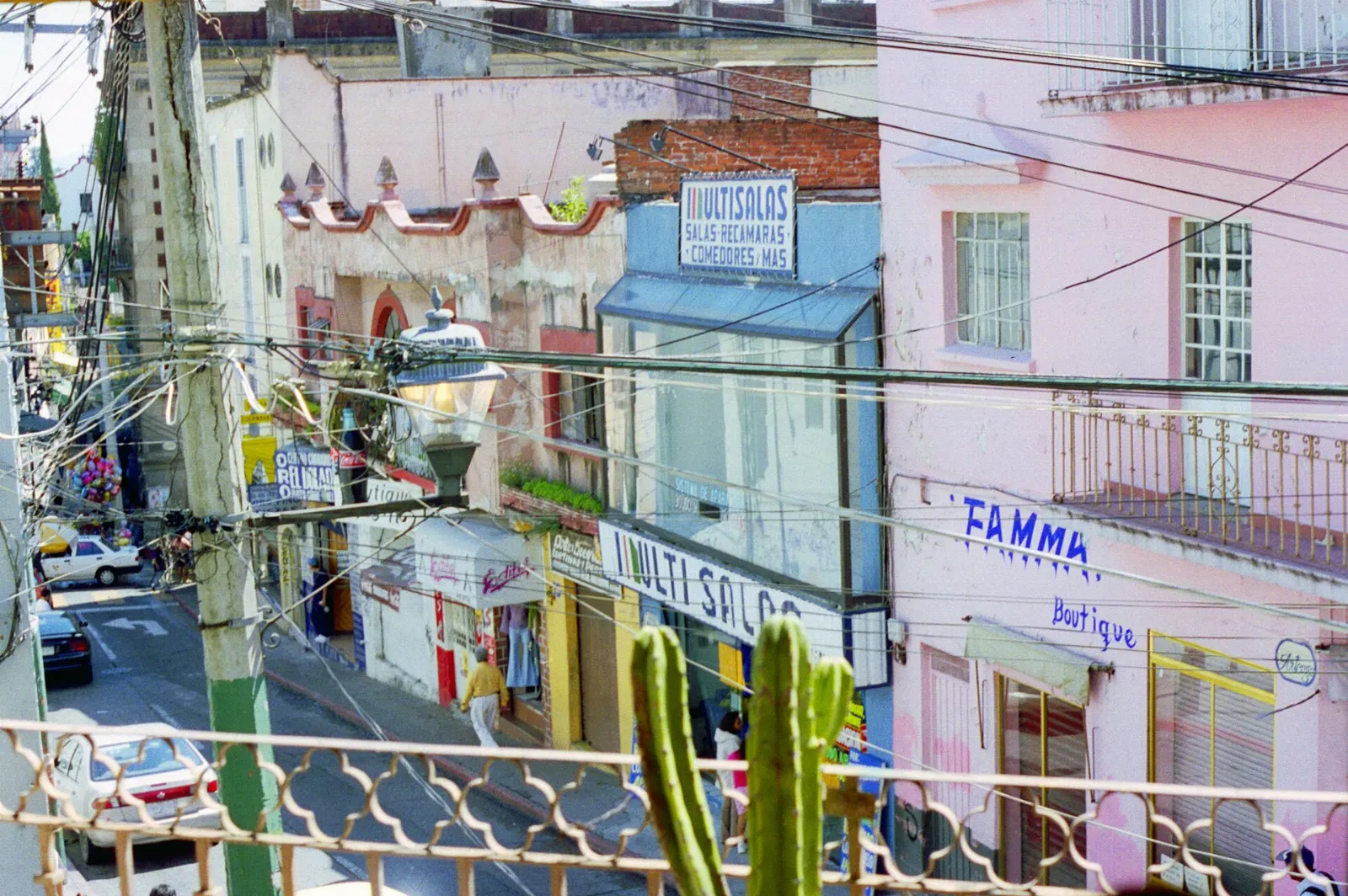
Where to stay in Cuernavaca
Best time to visit
Cuernavaca's mild climate suits any season, with temperatures that stay fairly steady between roughly 21 and 26 degrees Celsius. Expect microclimates, with lower areas more humid and the northern forest cool at night, so pack a light jacket. Weekends are busiest because many visitors come from Mexico City, and the plaza is liveliest then. A fair is held in September at the Tlaltenango parish church, and nearby Tetela del Volcán is known for its Day of the Dead and Easter celebrations. Weekdays are best for museums and quiet walks.
Getting there and getting around
Cuernavaca is about 84 kilometers south of Mexico City. Buses leave frequently from the Terminal de Autobuses del Sur near Taxqueña metro station, and the ride takes about 75 minutes without traffic. By car, take the Mexico City to Acapulco toll road, which takes roughly an hour and a half, though traffic can be heavy on Friday and on Sunday afternoon. A small airport serves the city, but most visitors fly into Mexico City. Within Cuernavaca, local buses cover most areas and taxis are available, though fares are not metered, so agree on the price before you get in. The central sights are close together, so walking is the best way to see them.
A suggested itinerary
First day
Start at the Zócalo, then tour the Palace of Cortés and the cathedral. Spend the afternoon in the Borda Garden, and return to the plaza in the evening.
Second day
Visit the Teopanzolco archaeological site in the morning, then see the Robert Brady Museum or the Juan Soriano Museum. Finish with a relaxed walk in Chapultepec Park.
Third day
Take a day trip to Xochicalco or Tepoztlán, depending on your interests. Return in time for dinner and an evening in the plaza.
Practical tips
- Check your government's current travel advisory before you go.
- Avoid the Friday and Sunday afternoon traffic on the toll road to and from Mexico City if you can.
- Check opening days for museums and archaeological sites, since some close on certain days.
- Carry water, sun protection and a light jacket for changing temperatures.
- Wear sturdy shoes for archaeological sites and hillside walks.
- Agree on a taxi fare before you get in, because cabs have no meters.
- Bring small cash for markets, buses and street food.
- Learn a few Spanish phrases, which are appreciated in a city full of language students.