About Carrboro
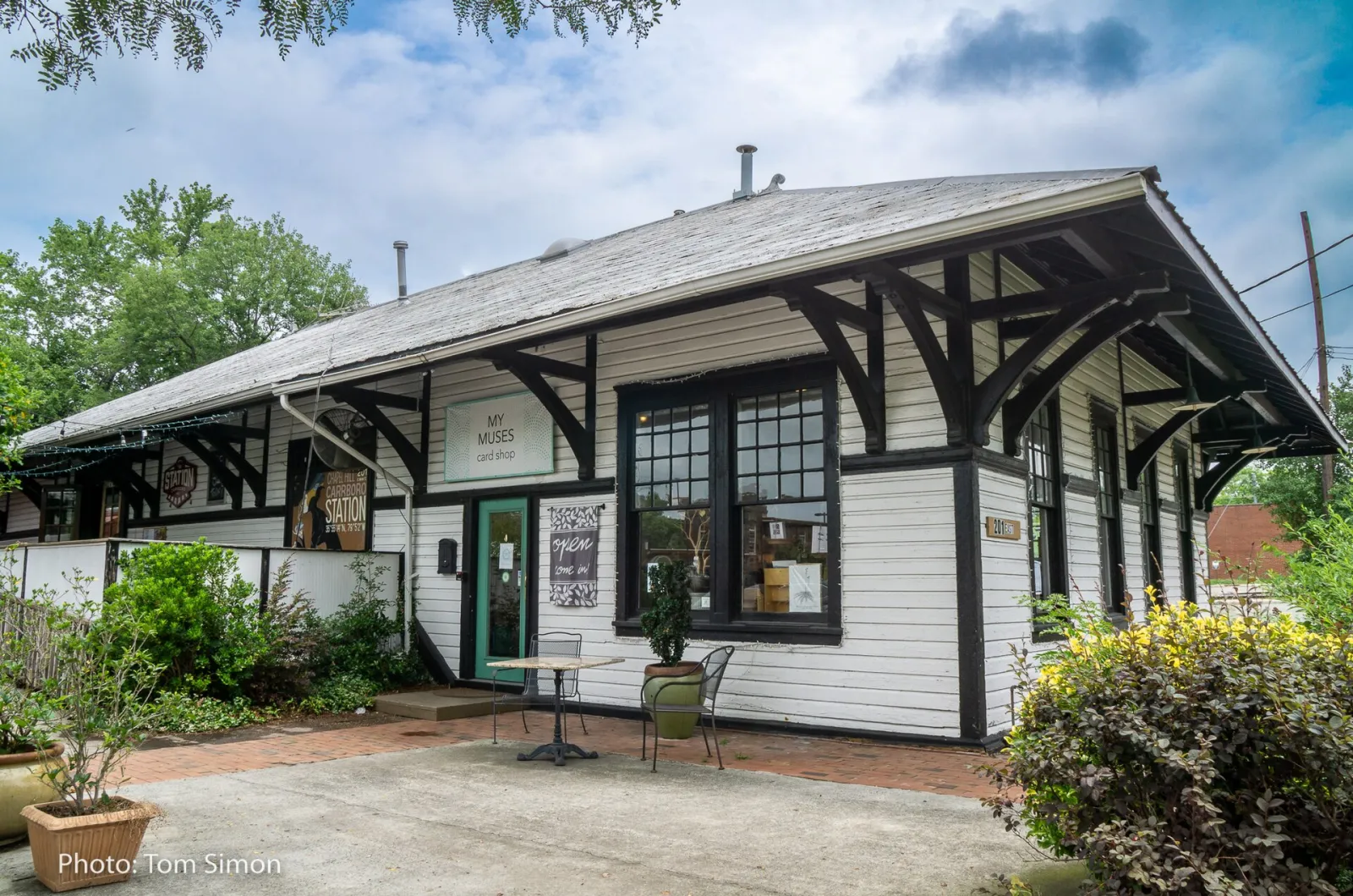
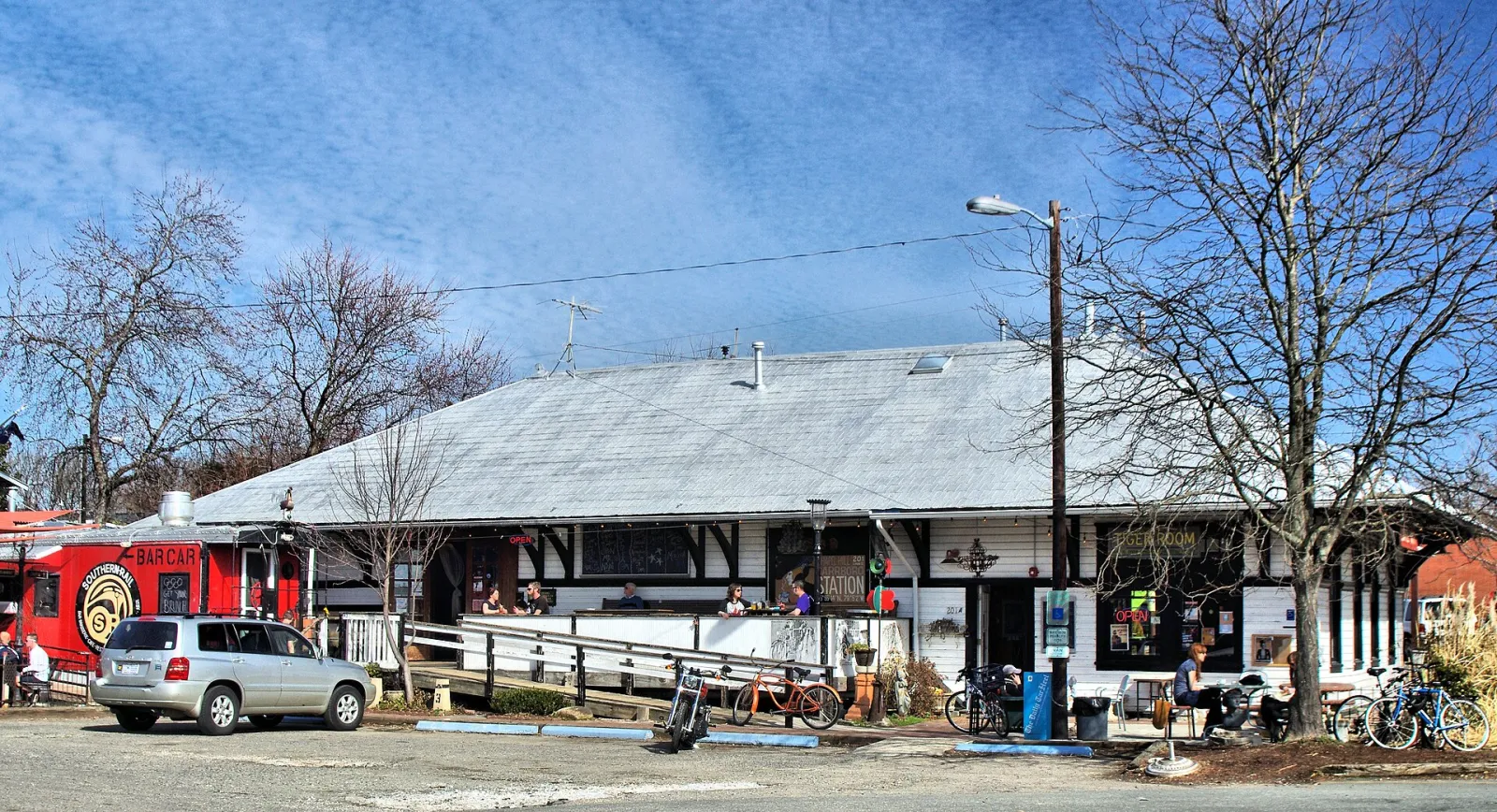
Carrboro grew up in the 1880s as West End, a settlement at the end of a railroad spur built to serve the University of North Carolina; state law kept the tracks at least a mile from campus. A grist mill opened by the depot in 1898 became the Alberta Cotton Mill, and in 1909 Durham industrialist Julian S. Carr bought it and expanded it. The town, incorporated in 1911, was renamed Carrboro in his honor two years later after he brought electric power to the community.
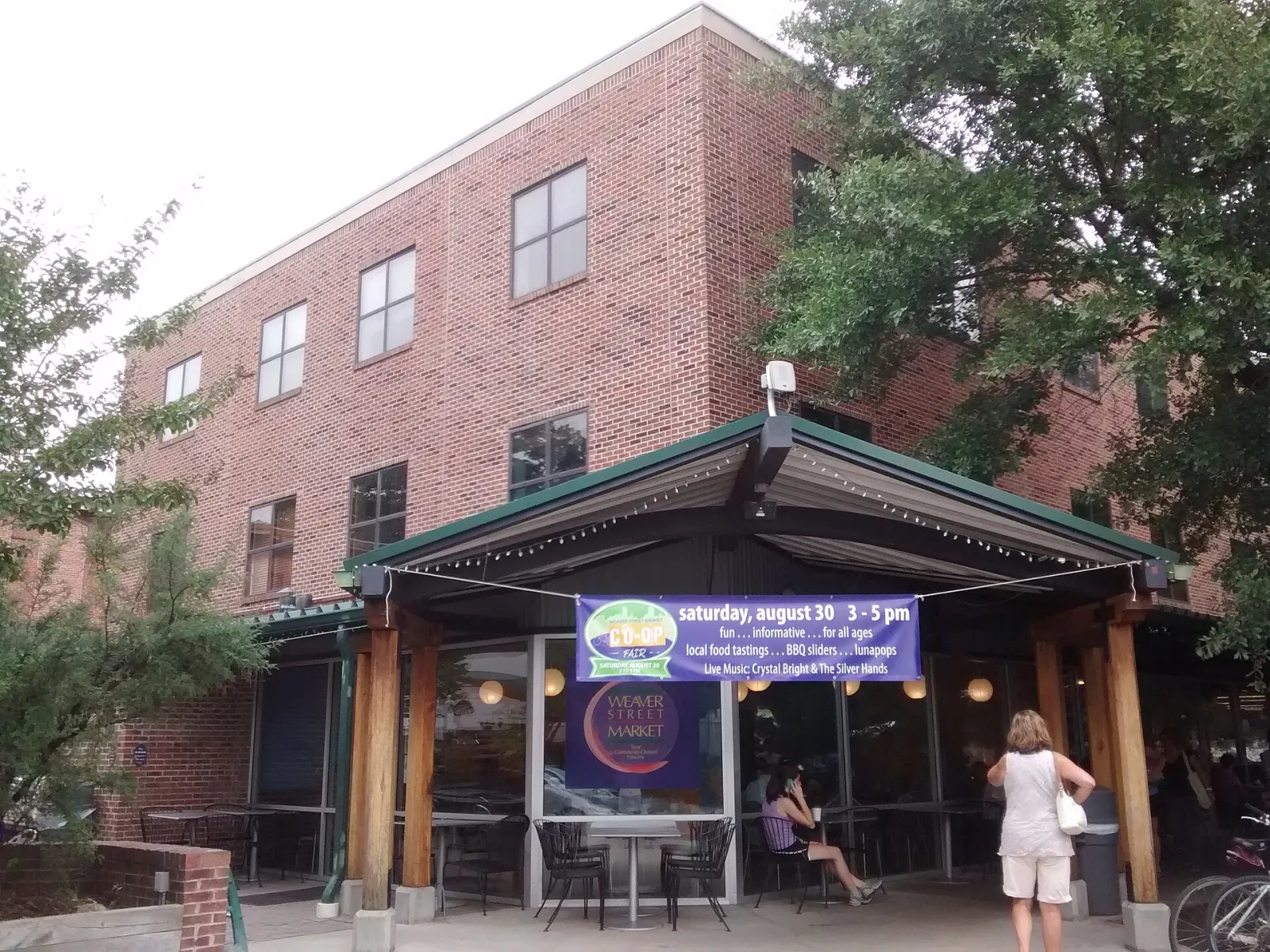
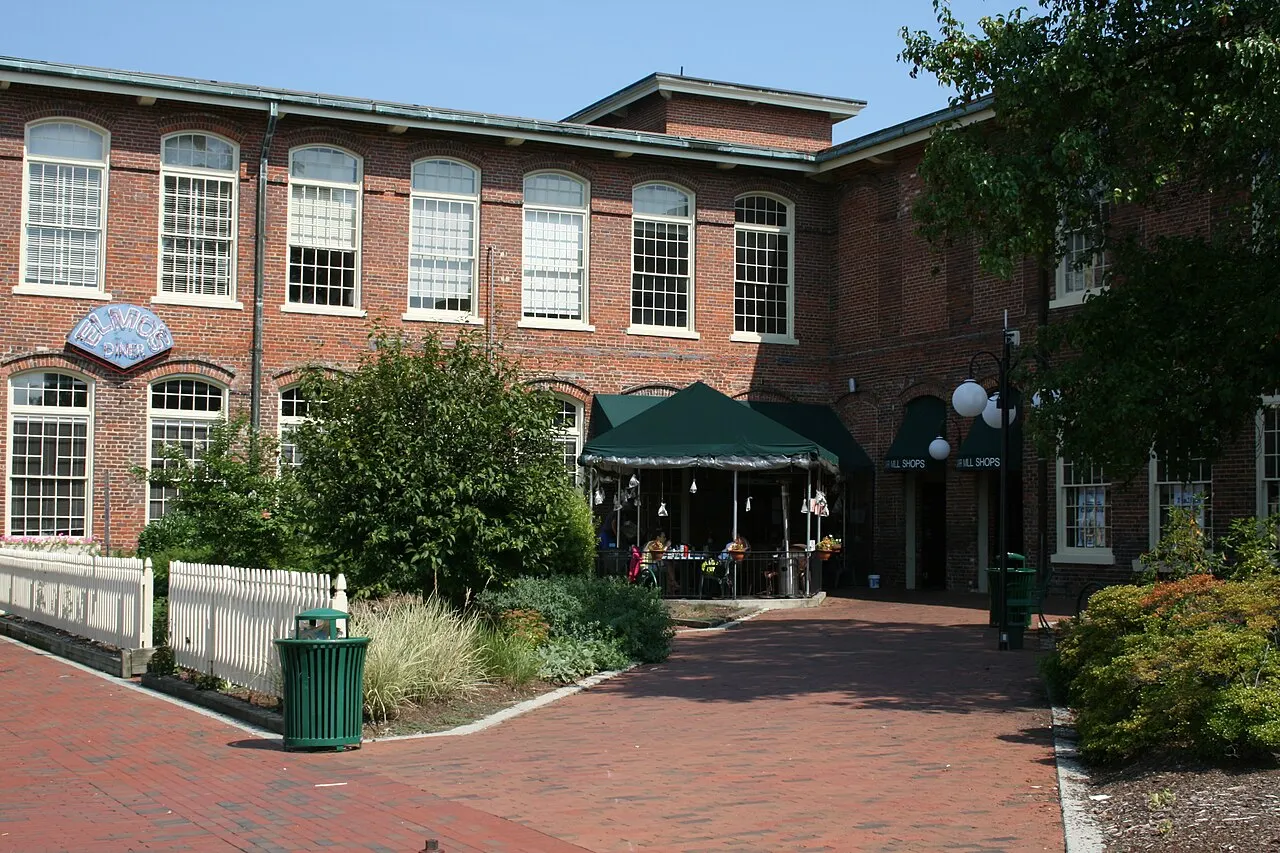
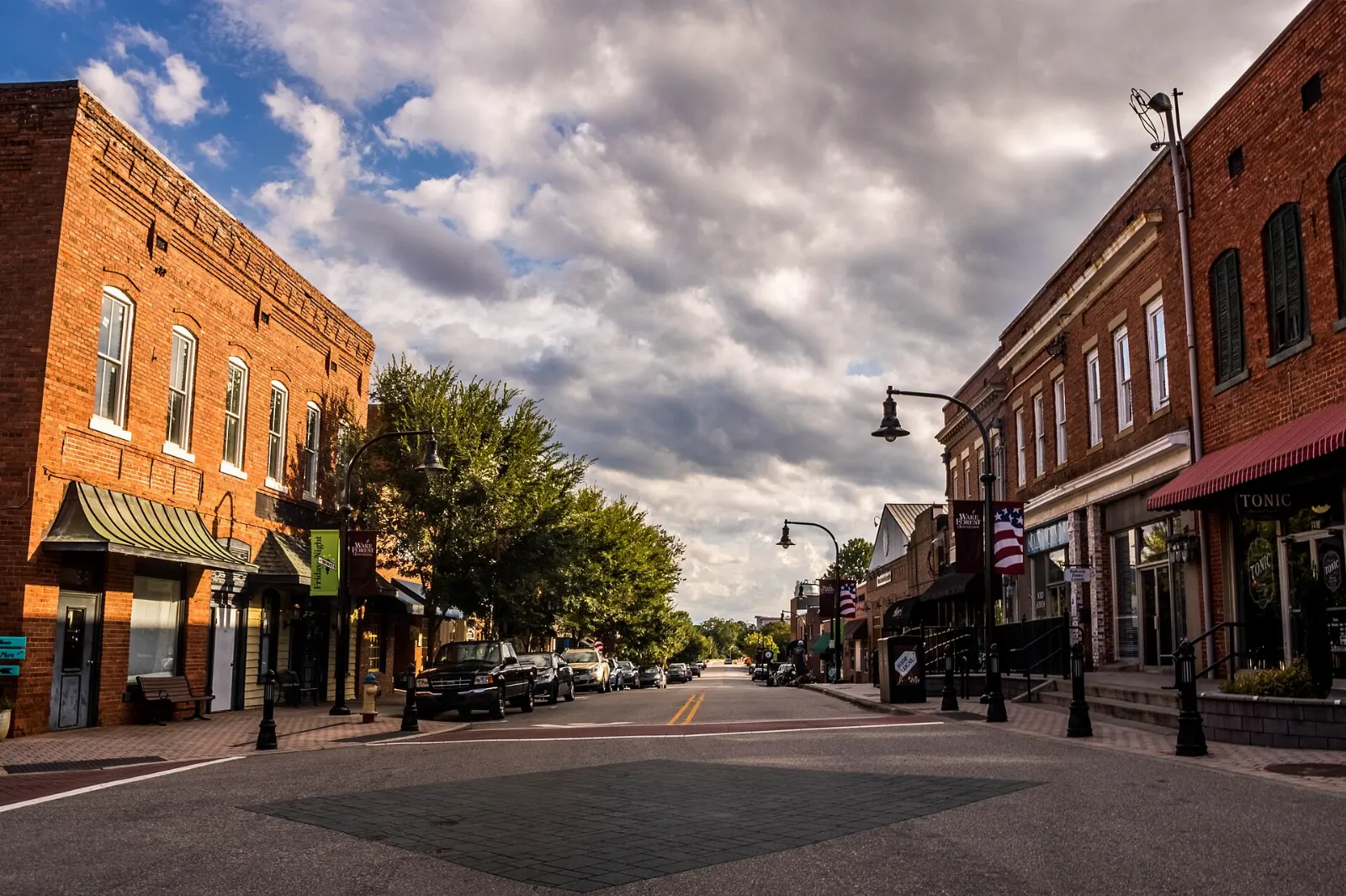
When the mills closed, the town reinvented itself. In the 1970s residents saved the old Alberta mill from demolition, and it reopened as Carr Mill Mall, now home to shops and the Weaver Street Market co-op, whose lawn is the town's favorite gathering spot. Carrboro became known as one of the most progressive and creative small towns in the South.
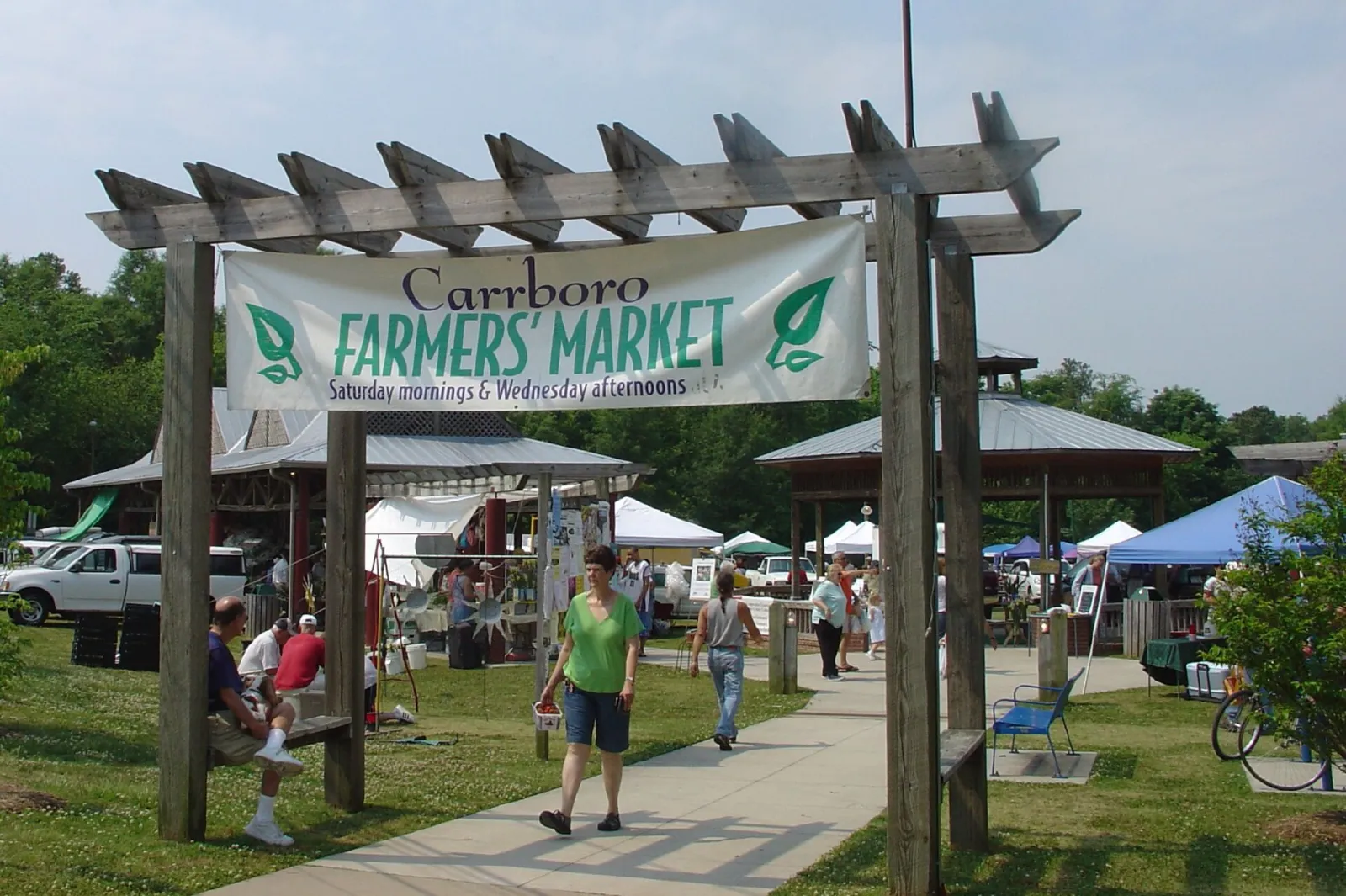
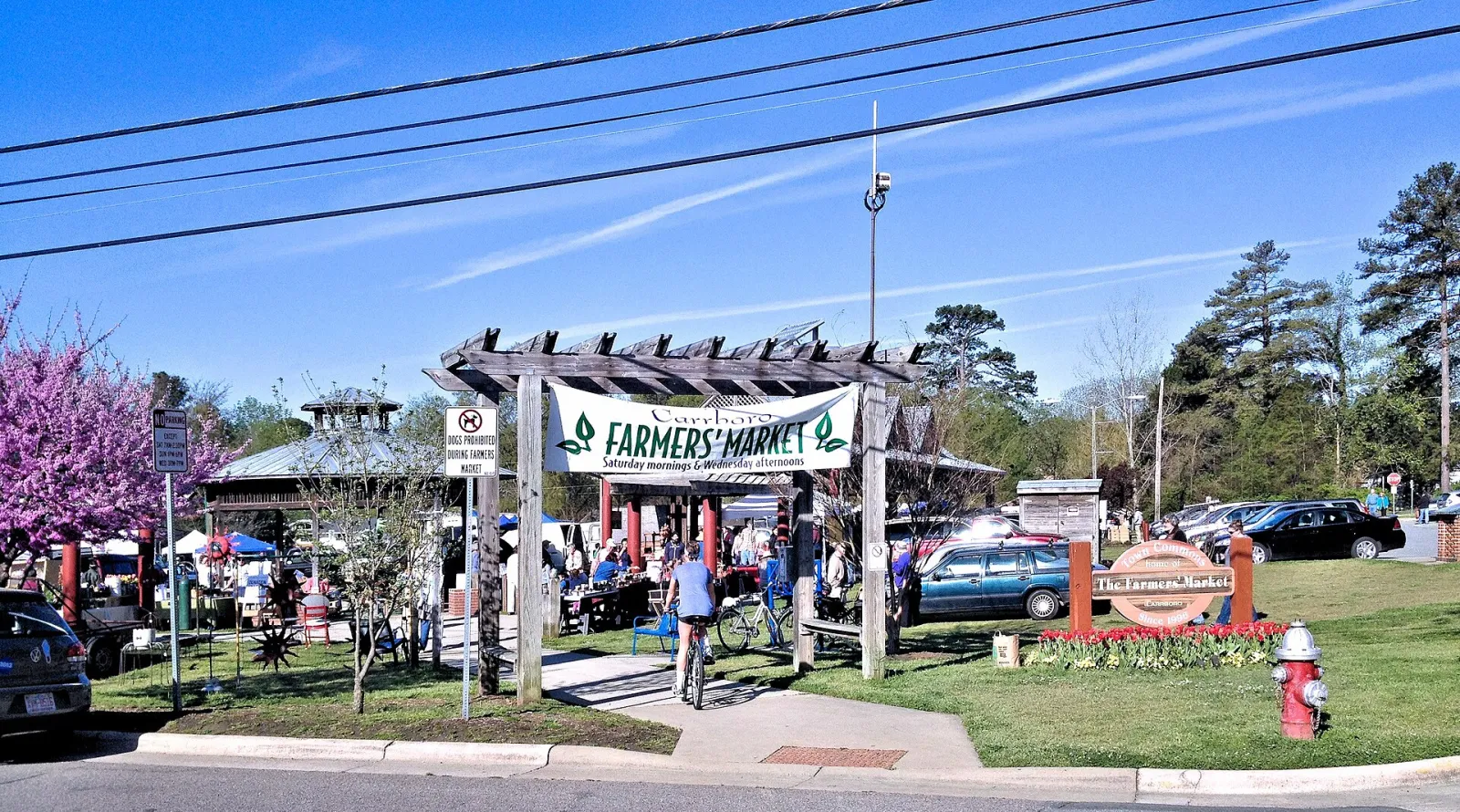
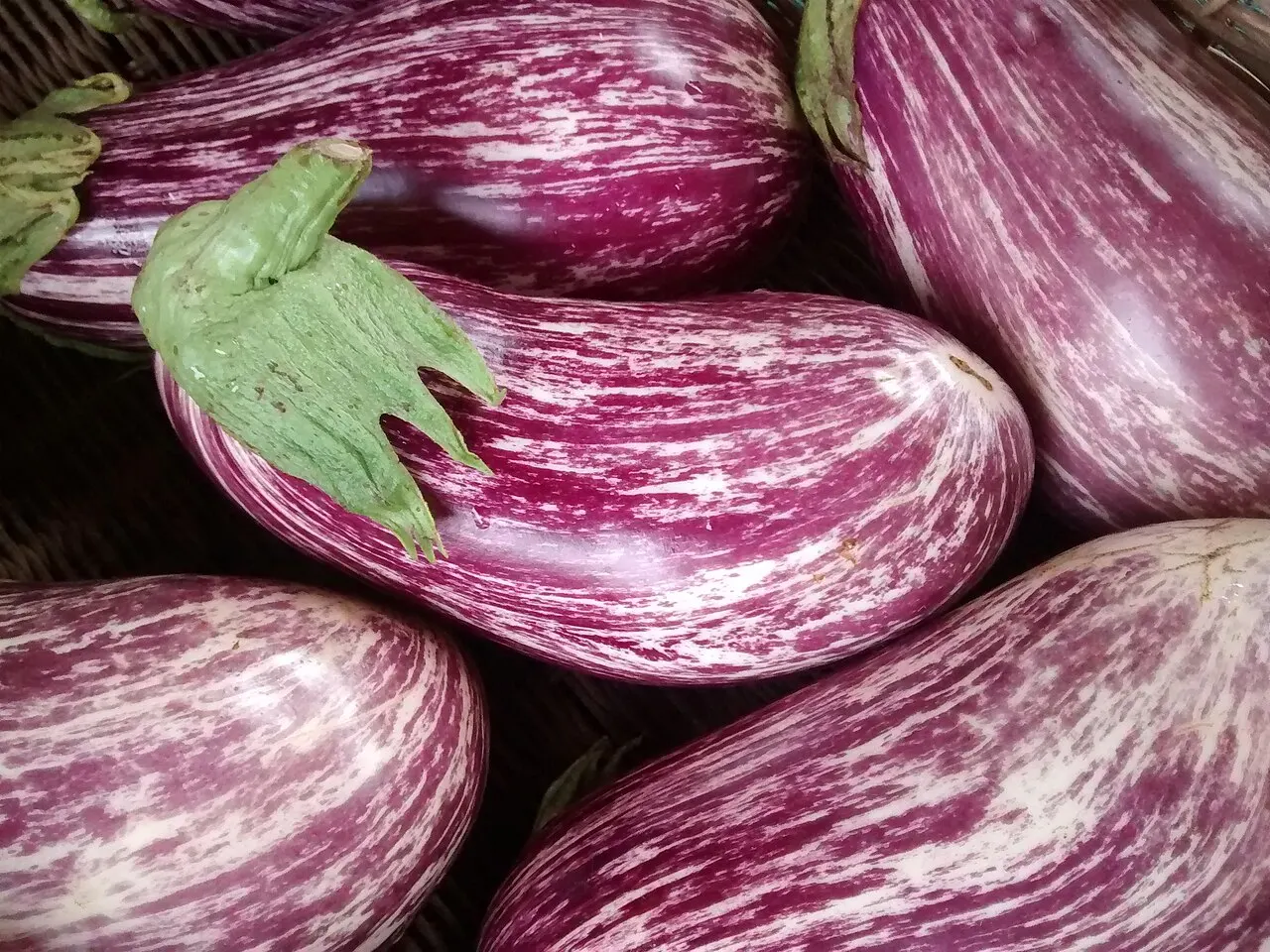
Today it is famous for its music and food scene: the Cat's Cradle has hosted touring bands for decades, the Carrboro Farmers' Market draws crowds every Saturday, and the free Carrboro Music Festival fills the streets each fall. Chapel Hill and the UNC campus are right next door.
Best seasonSpring and fall are best for the farmers market and outdoor events; late September brings the free Carrboro Music Festival.
Ideal stayA day covers the Saturday market, Weaver Street, Carr Mill and an evening show; pair it with Chapel Hill.
ArrivingRaleigh-Durham International Airport is about 30 minutes east, and free Chapel Hill Transit buses connect Carrboro with Chapel Hill and UNC.