Valle de Bravo Mexico Lakeside Paragliding and Monarchs
Valle de Bravo is a lively lakeside town in the State of Mexico, about 150 kilometers west of Mexico City. It sits on Lake Avándaro among forested hills, with a sailing scene, colonial churches and a long list of outdoor activities. The town became a Pueblo Mágico in 2005. Weekend visitors from the capital fill its dock, plazas and restaurants, while winter brings travelers who come to see the monarch butterflies on nearby mountains.
By WiserMap TravelUpdated October 20268 places11 min read
Best timeWeekdays are calmer, and the monarch butterfly season from late December to February is a special draw.
How longA weekend works well, and three days let you add the butterflies and waterfall.
Getting thereBuses from Mexico City and Toluca arrive hourly, or drive about two hours from the capital.
Ad
Why visit Valle de Bravo
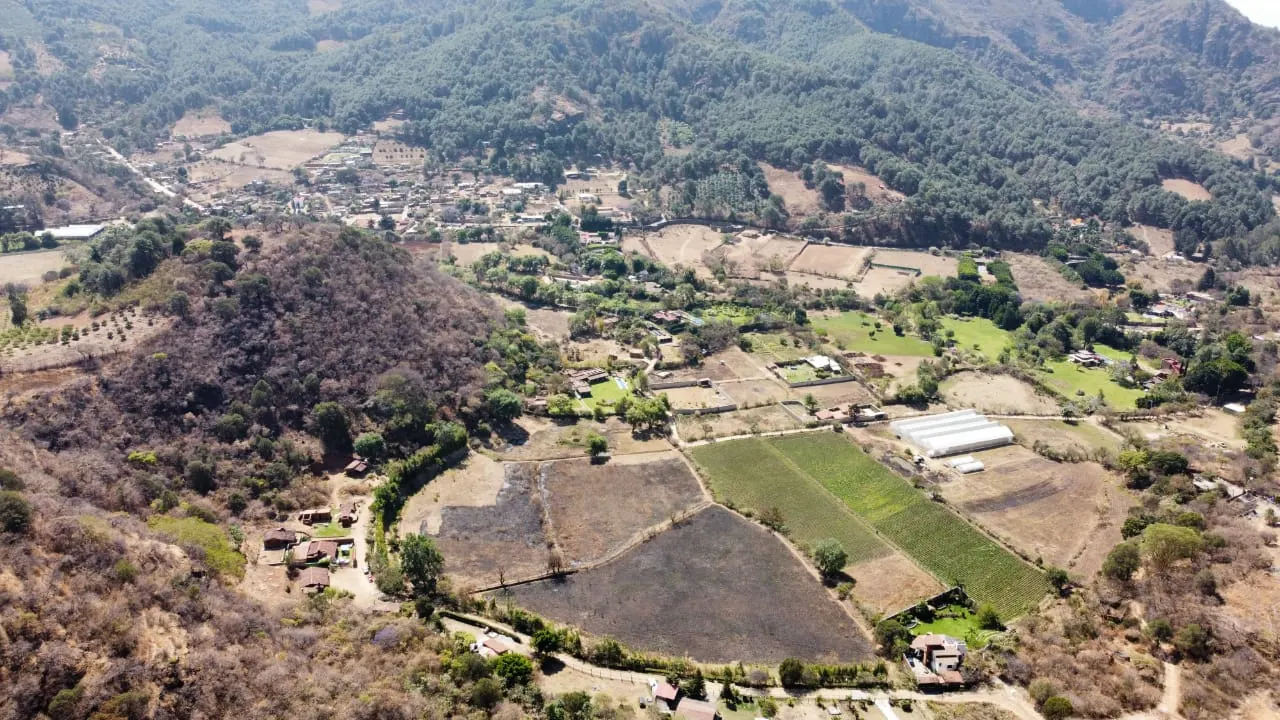
Valle de Bravo combines a small colonial center with a big working lake. The lake was formed by a dam built for hydroelectric power between 1938 and 1947, and it now draws up to a million visitors a year. Tourism is the main economic activity, so restaurants, boat rentals and activity guides are easy to find.
The town has a famous past too. In 1971, a rock festival known as Rock y Ruedas drew huge crowds and is often compared to Woodstock. Today the area is better known for paragliding, sailing and gentle walks than for loud music.
The town lies on a small plateau at the foot of several hills, and the lake spreads out toward Michoacán. That setting gives you easy variety: a morning on the water, an afternoon among colonial churches, and an evening in a plaza with live music. It is also close enough to Mexico City and Toluca that a short weekend trip feels worthwhile.
The lakefront and town centre
Embarcadero Municipal
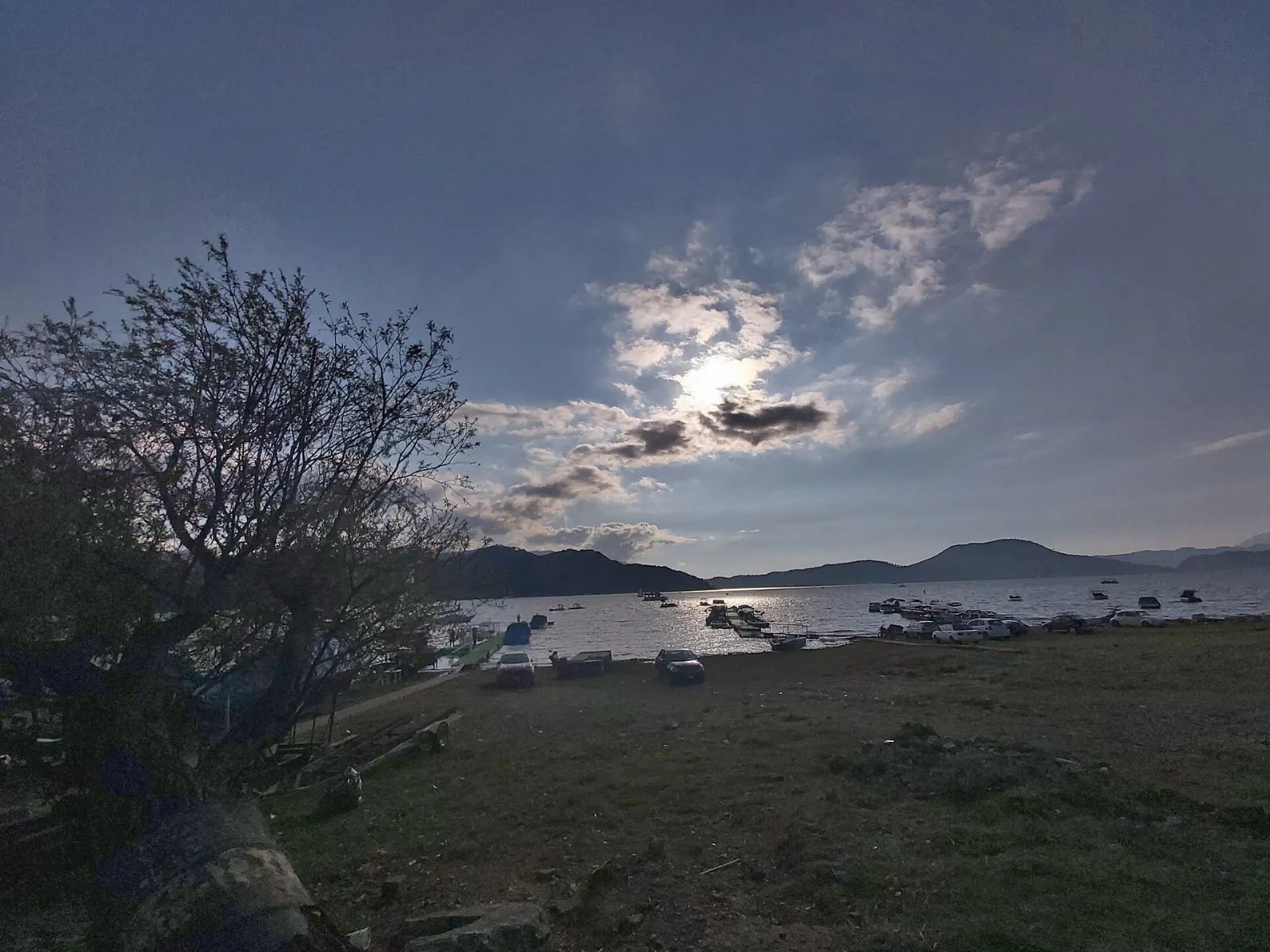
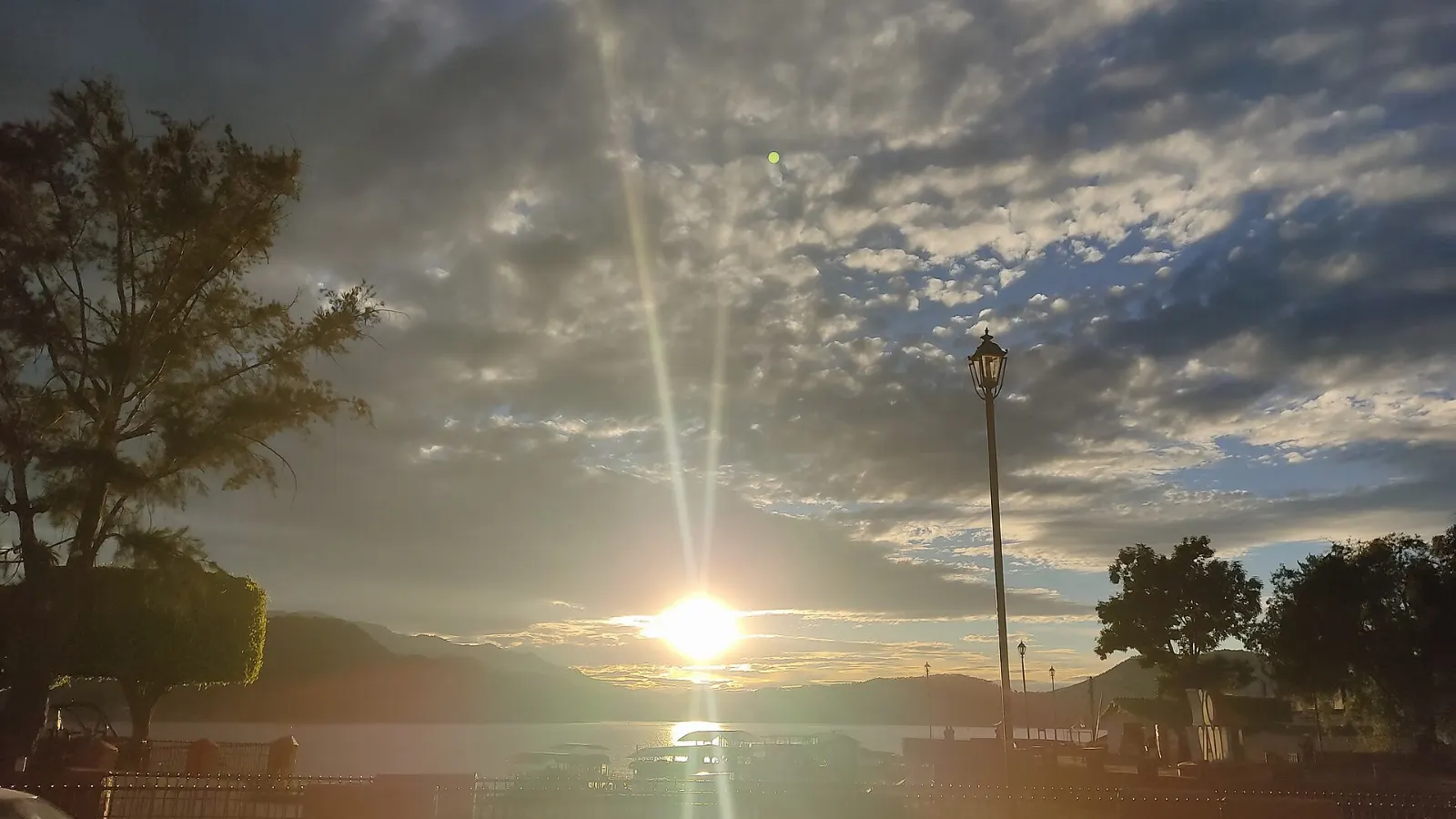
The municipal dock is the center of town life, with tour boats, souvenir stalls and waterfront restaurants. Walk the boardwalk, take a short lake cruise, or simply watch the boats. Allow an hour, and come in the late afternoon for the softest light.
The municipal dock is the center of town life, with lake cruises and waterfront restaurants. Photo: Freesia canela, Wikimedia Commons, CC BY-SA 4.0
Parroquia de San Francisco de Asís
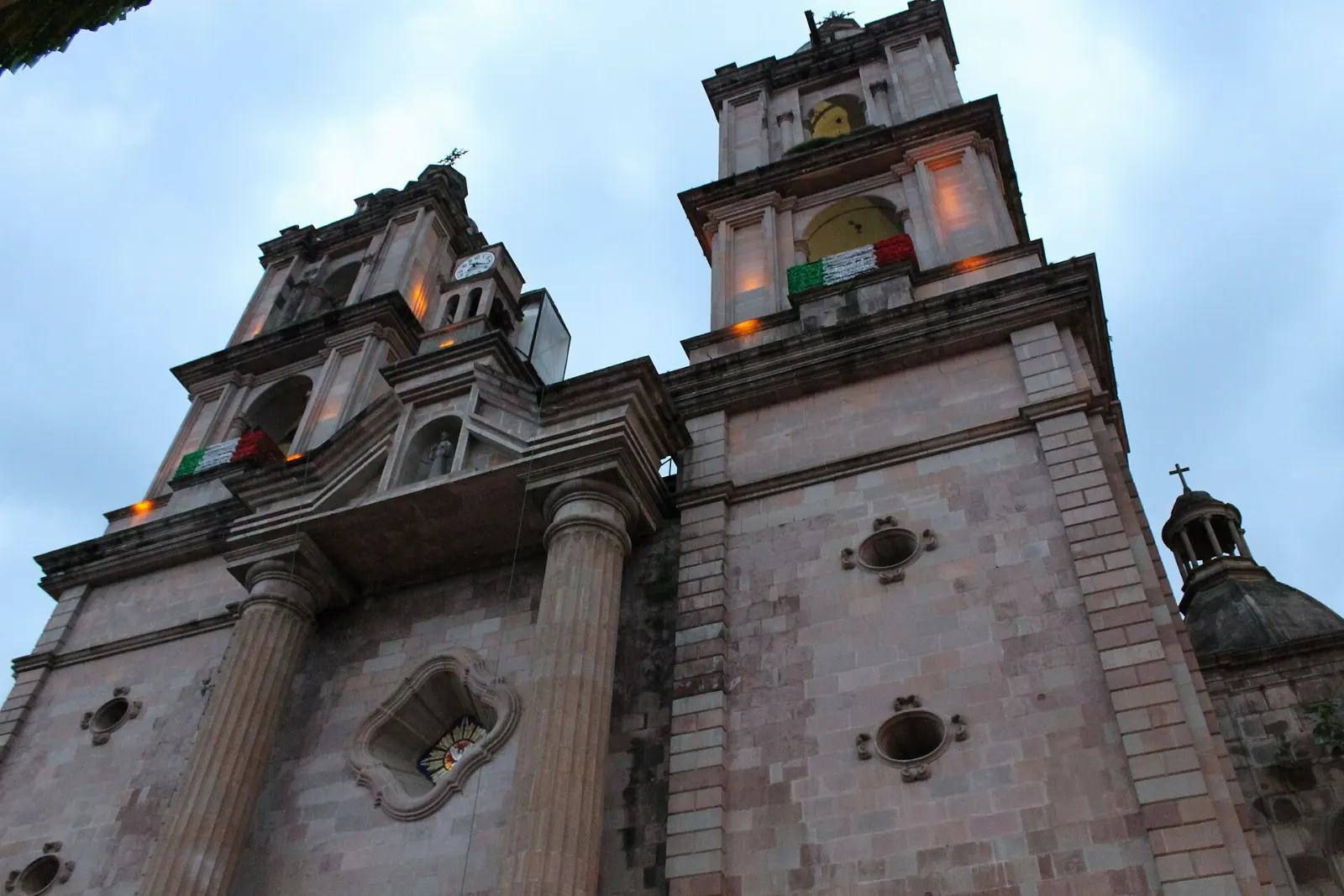
This church dates to the 17th century, when it was built with separate naves for Indigenous and Spanish worshippers. A third main nave was added in the twentieth century, and the building holds Italian oil paintings. It stands beside the central garden, so it is an easy stop on a walk through town.
The parish church beside the Jardín Central has roots in the 17th century and later received a third nave. Photo: Ligartijo, Wikimedia Commons, CC BY-SA 3.0
Jardín Central
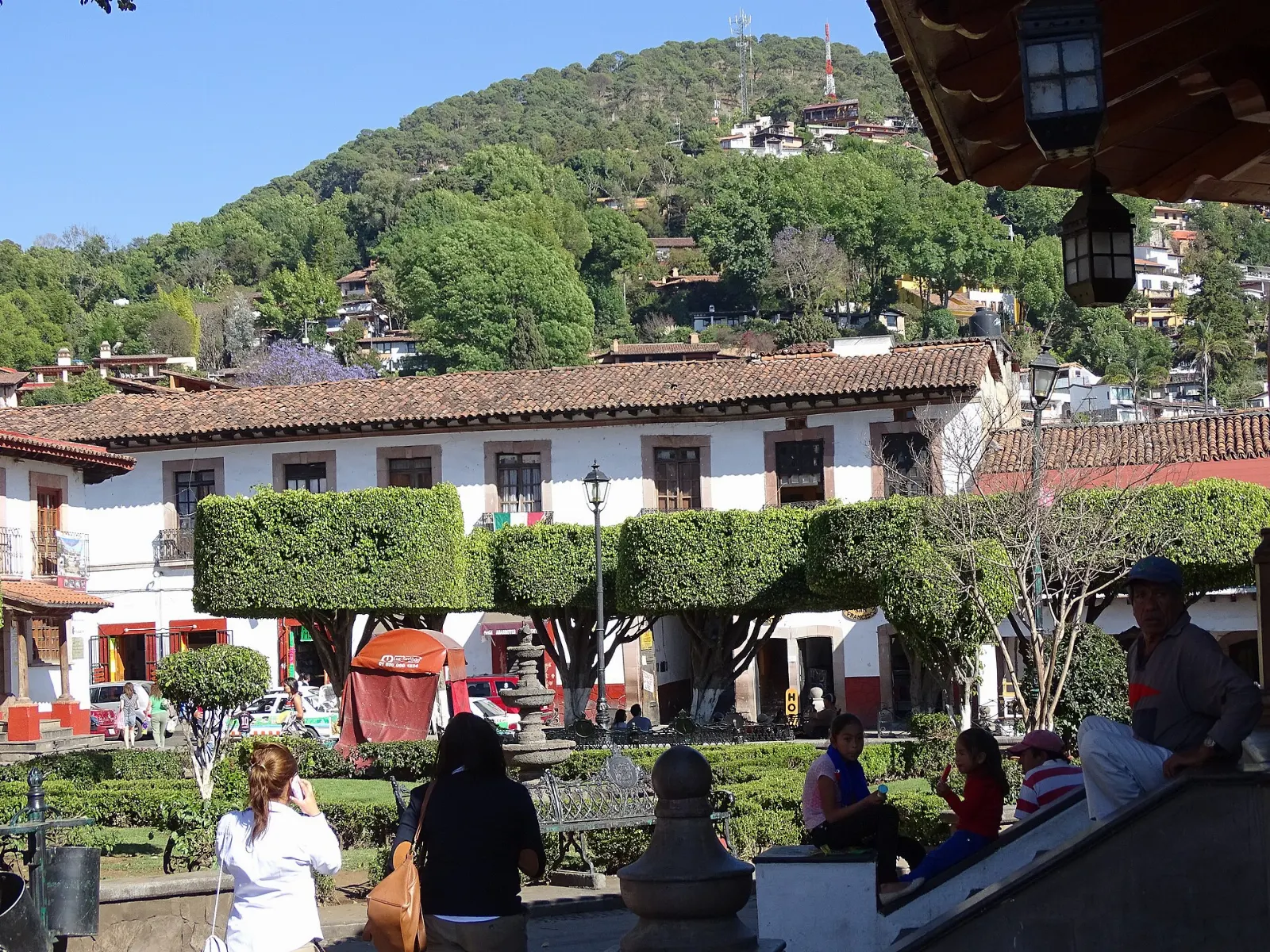
The central garden is the social heart of the town, with a bandstand where live music plays on Sunday afternoons. Street vendors sell corn, tacos, pambazos and ice cream, and a bust of Nicolás Bravo stands here. It is the best place to people-watch over a snack.
Near the dock, the Casa de la Cultura offers workshops and exhibitions, with a library and café. The Joaquín Arcadio Pagaza Museum covers the regional history and shows work by local and visiting artists. Both are short stops that suit a rainy afternoon.
Ad
Sanctuaries and waterfalls
Santuario de Santa María Ahuacatlán
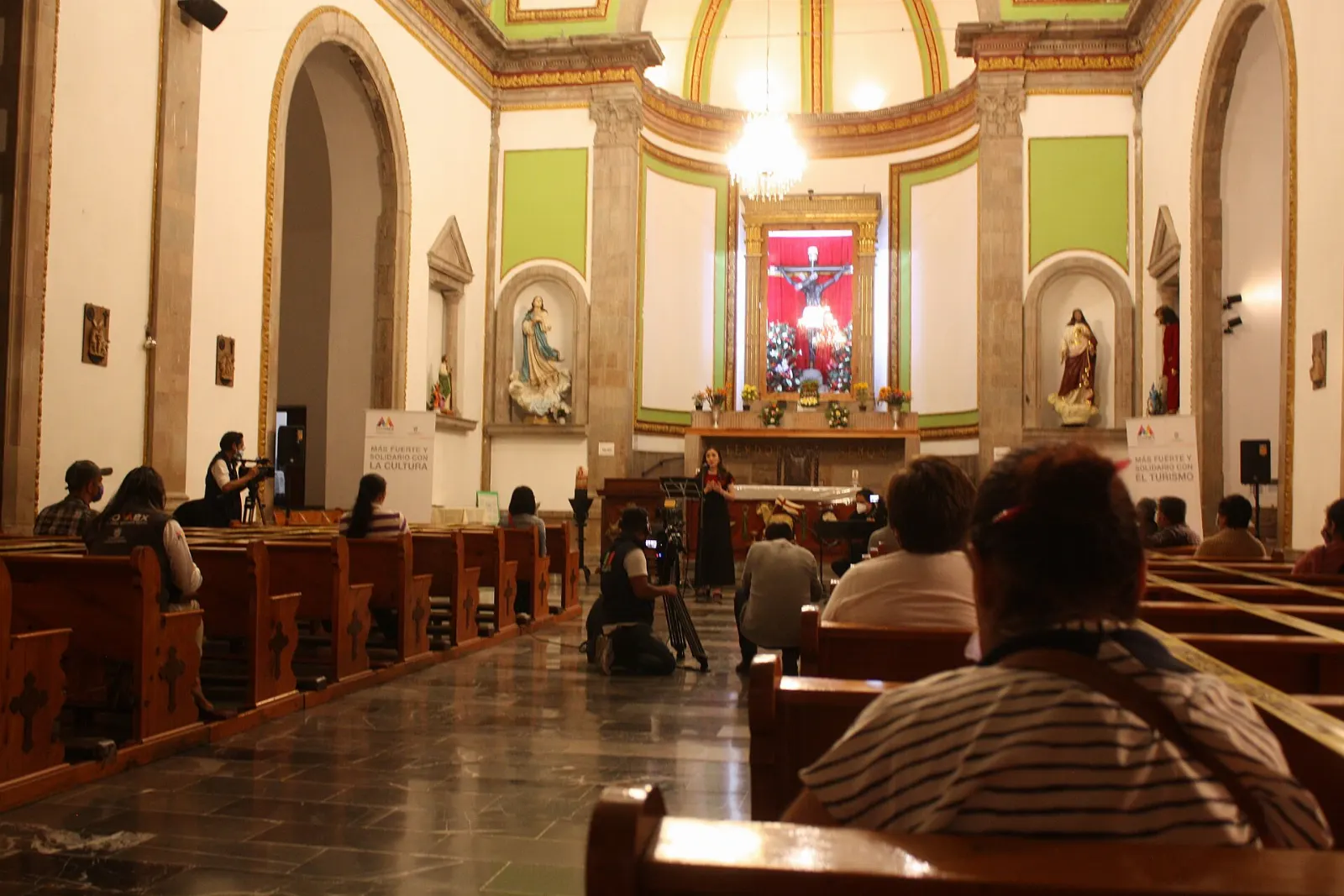
This church is famous for its Cristo Negro, or Black Christ, which pilgrims travel far to visit. A side chapel holds notes of thanks from worshippers whose prayers were answered. Be quiet and respectful inside, since people come here to pray.
The church is known for its Black Christ image, which draws pilgrims from across the region. Photo: CaballeroEscarlata0, Wikimedia Commons, CC BY-SA 4.0
Cascada Velo de Novia
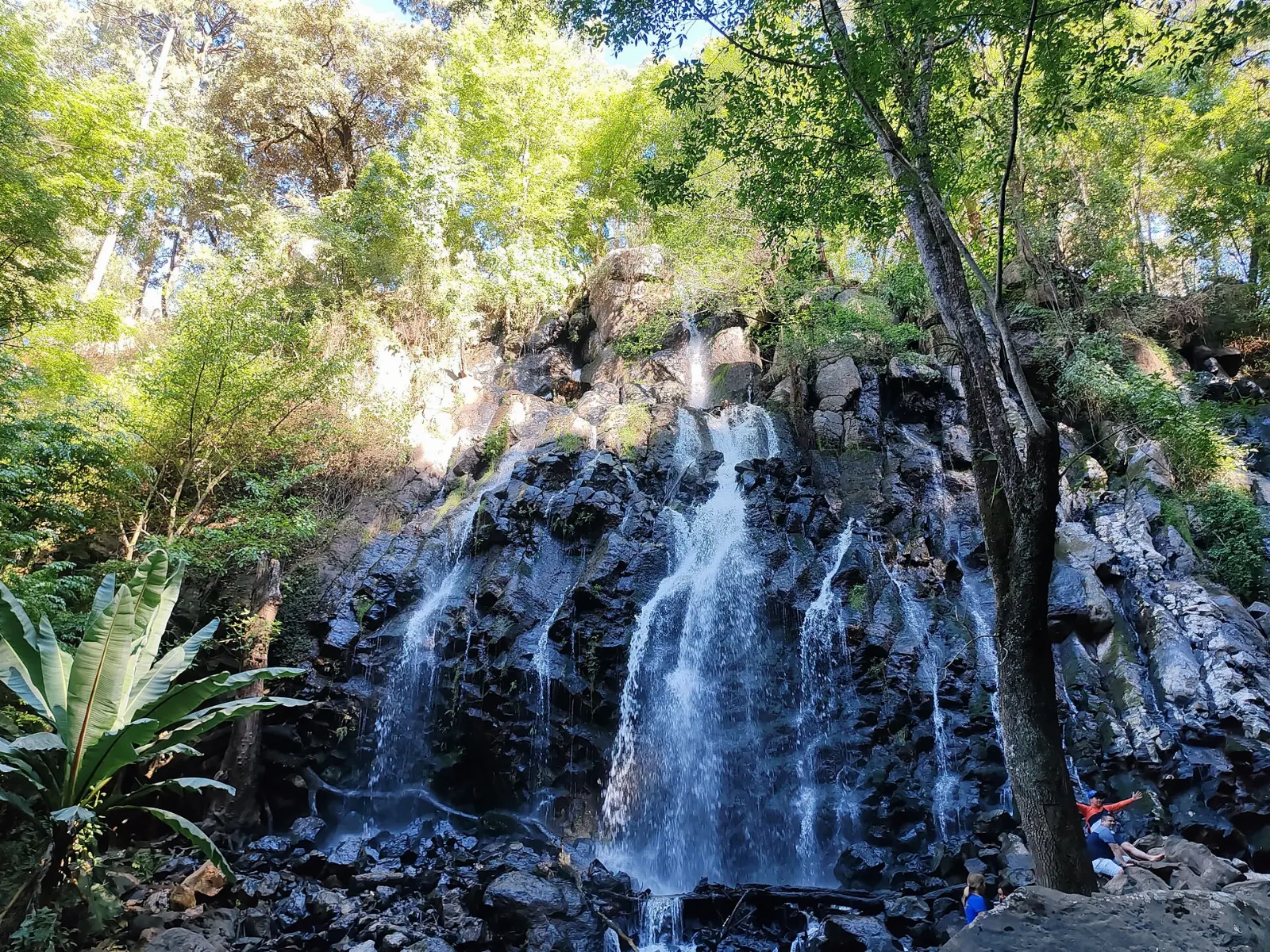
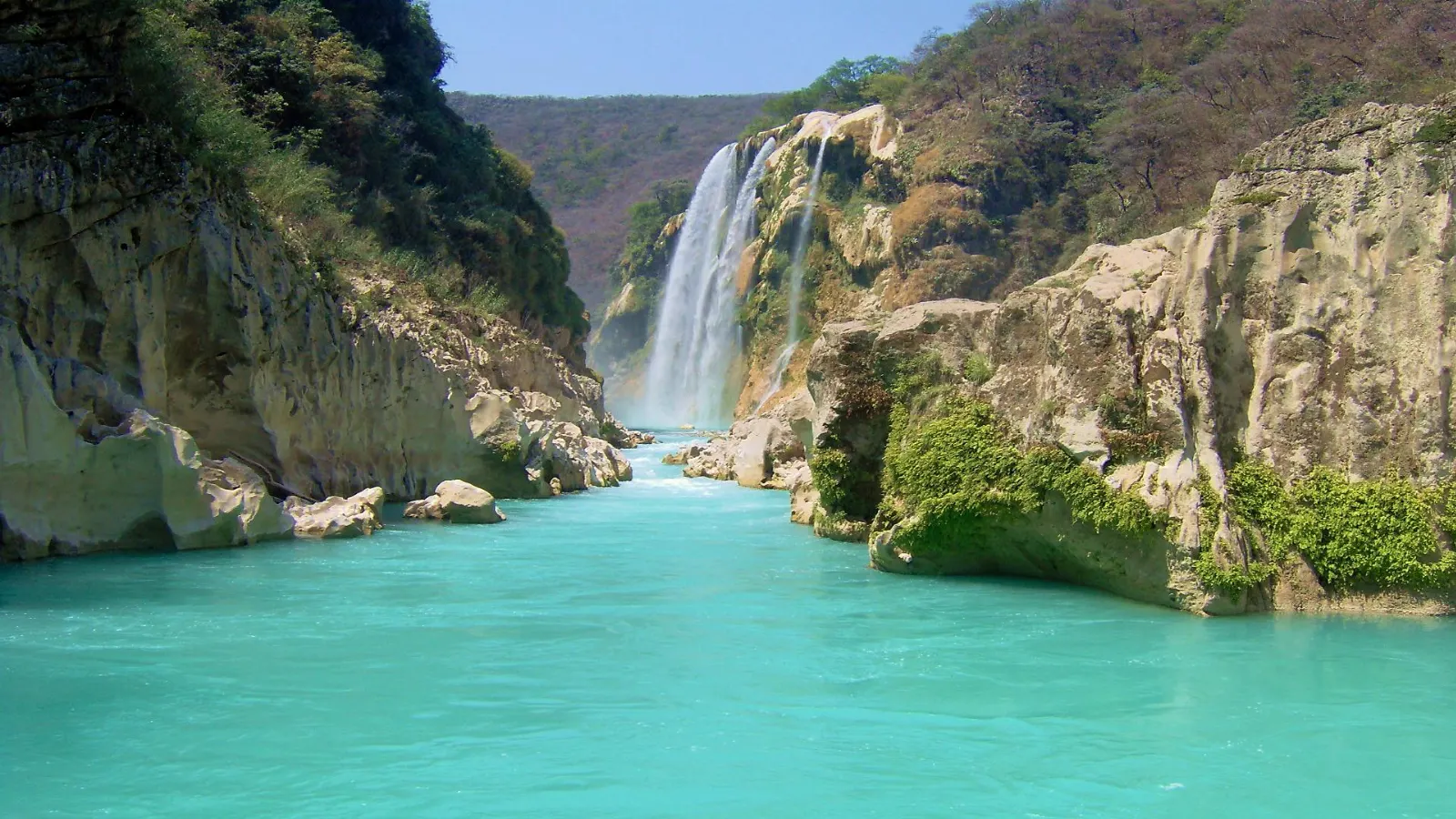
Bridal Veil Falls drops about 35 meters in a forested park in Avándaro, just before San Juan Creek reaches the lake. Allow an hour to walk in, enjoy the view and cool off in the spray. Wear shoes with grip, because paths can be wet.
Velo de Novia falls about 35 meters before San Juan Creek reaches Lake Avándaro. Photo: Contribucion, Wikimedia Commons, CC BY 4.0
Adventure and nature
Paragliding at El Peñón
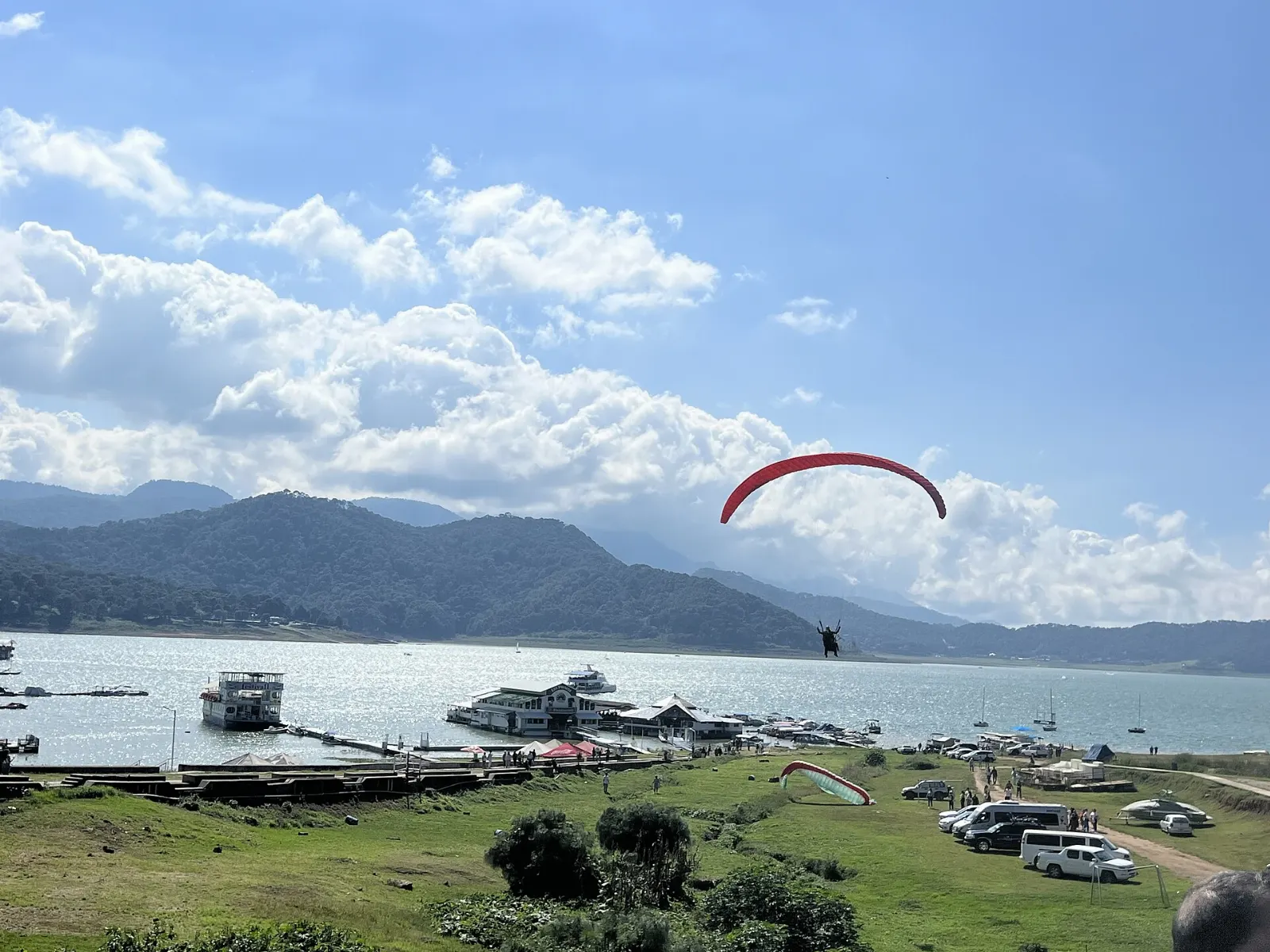
Valle de Bravo is known for paragliding and hang gliding, and it hosted the Paragliding World Championship in 2009. El Peñón, several kilometers south of town, is the main launch site, and La Torre, closer in, is used for tandem demonstration flights. Local clubs run tandem flights for beginners.
Valle de Bravo hosted the Paragliding World Championship in 2009. Photo: WendyAvilesR, Wikimedia Commons, CC BY 4.0
Piedra Herrada monarch sanctuary
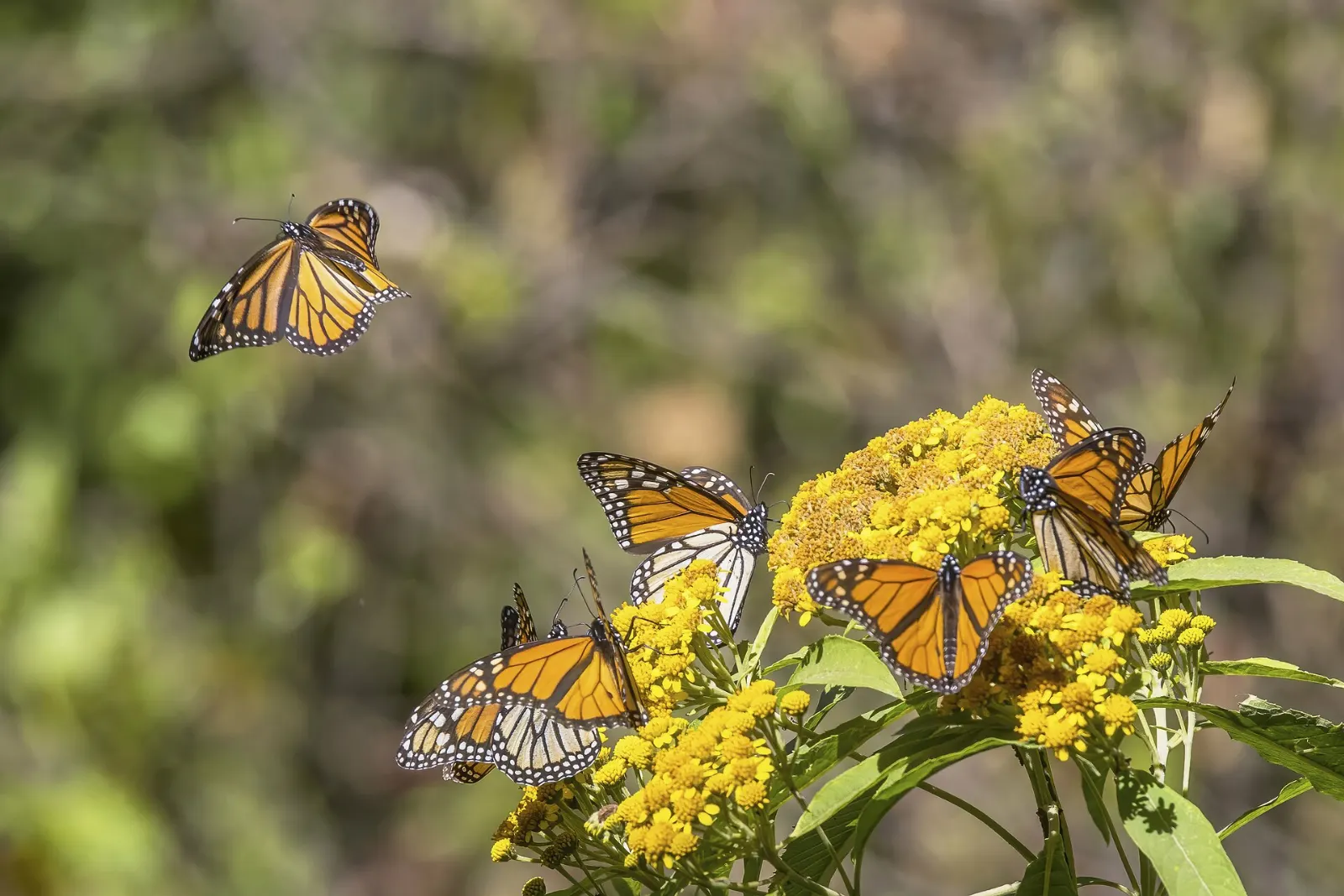
About 30 kilometers east of town, the Piedra Herrada sanctuary lets you see monarch butterflies that spend the winter in the mountains. A guide is obligatory, and the hike takes about an hour. The butterflies are most likely to fly on sunny days when it is warm enough, so choose your day with care.
Monarch butterflies spend the winter in forests near Valle de Bravo. Photo: Charles J. Sharp, Wikimedia Commons, CC BY-SA 4.0
Sailing and water sports
The lake supports more than forty nautical clubs for sailing, water skiing and wakeboarding, and kayaks and paddleboards are available. Water taxis cross the lake as well. Book a lesson or a day of sailing through a local operator, and ask for safety gear.
Monday market and the craft market
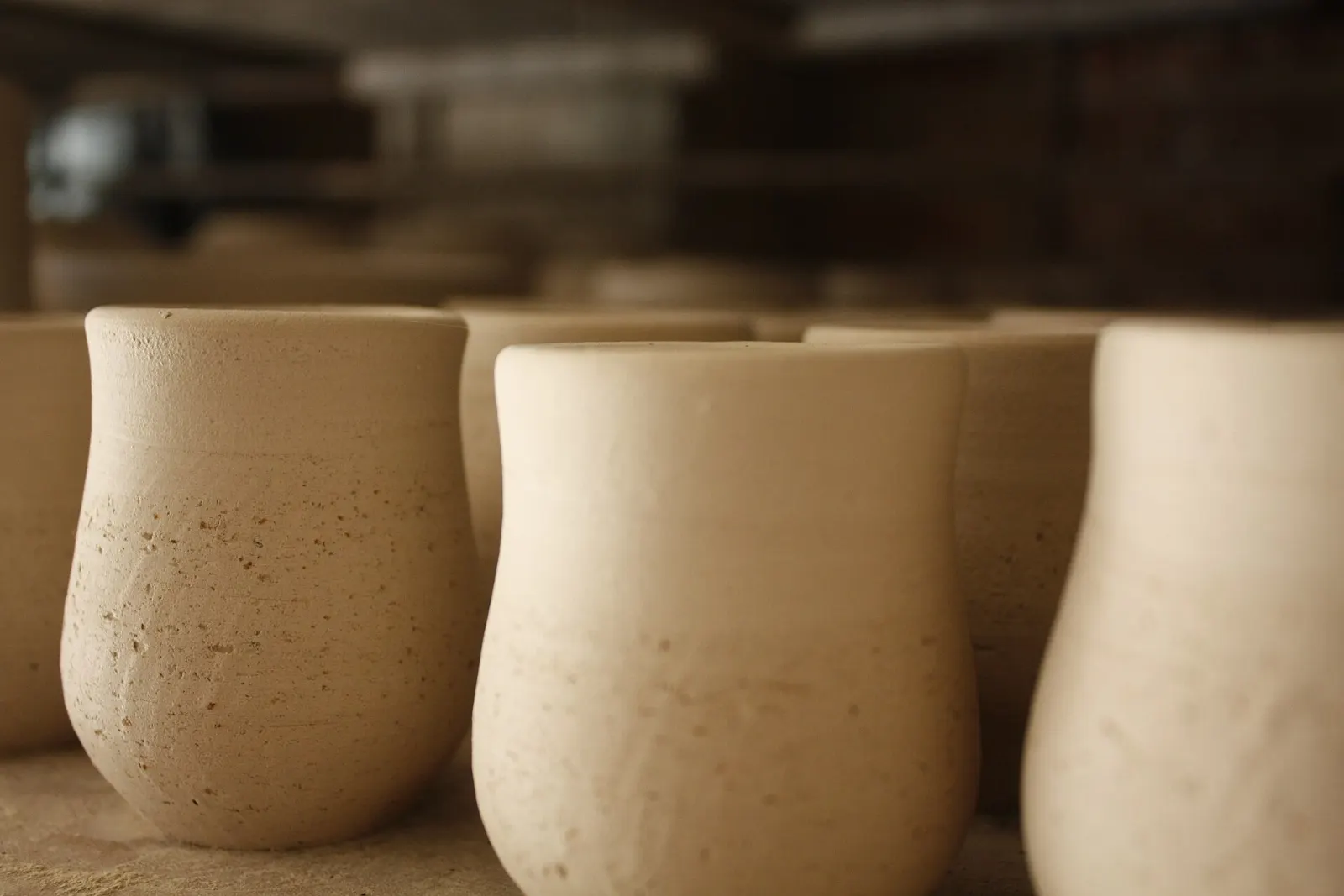
A large tianguis, or open-air market, sets up on Mondays with produce, tortillas and hot food. The Mercado de Artesanías offers pottery, woven goods and decorative crafts from central Mexico around a courtyard with a fountain. Arrive early at the tianguis for a seat at the food stalls.
The craft market gathers shops selling pottery, woven goods and other crafts from central Mexico. Photo: CaballeroEscarlata0, Wikimedia Commons, CC BY-SA 4.0
Ad
Food and local flavors
Valle de Bravo's food is simple central Mexican fare. Pambazos, bread dipped in red guajillo sauce and filled with potatoes and chorizo, are sold from street carts around the main plaza. Carnitas, pork braised until tender and served with tortillas, onion and cilantro, are a market favorite, especially at the Monday tianguis.
For dessert, try mamey ice cream. The fruit is a brown-skinned tropical fruit with a sweet, almond-like flavor, and many ice cream shops and carts sell it. Waterfront restaurants offer a wider menu with lake views.
Popular dishes to try in Valle de Bravo
Pambazos Pambazos, bread dipped in red guajillo sauce and filled with potatoes and chorizo, are sold from street carts around the main plaza.Photo: Calipso03, Wikimedia Commons, CC BY-SA 4.0Carnitas Carnitas, pork braised until tender and served with tortillas, onion and cilantro, are a market favorite, especially at the Monday tianguis.Photo: Tomascastelazo, Wikimedia Commons, CC BY-SA 4.0Mamey ice cream For dessert, try mamey ice cream.Photo: Alexisromeromar, Wikimedia Commons, CC BY-SA 4.0
Where to stay
Centro puts you near the Jardín Central, the dock, the parish church and many restaurants, and it suits first-time visitors who prefer to walk. Rooms here fill early on weekends and holidays.
Avándaro is the neighborhood around the waterfall and several lakeside hotels. It suits travelers who want a resort feel, with pools, spas and quick access to the water.
Santa María Ahuacatlán suits visitors who want a quieter village setting near the Black Christ church and adventure operators. It works well for outdoor travelers who plan to paraglide or ride. Book well ahead for New Year and Holy Week.
Where to stay in Valle de Bravo
Centro Where to stayCentro puts you near the Jardín Central, the dock, the parish church and many restaurants, and it suits first-time visitors who prefer to walk.Photo: E.dronism, Wikimedia Commons, CC BY-SA 4.0Avándaro Avándaro is the neighborhood around the waterfall and several lakeside hotels.Photo: Brisa del mar 13, Wikimedia Commons, CC BY-SA 4.0Santa María Ahuacatlán Santa María Ahuacatlán suits visitors who want a quieter village setting near the Black Christ church and adventure operators.Photo: WendyAvilesR, Wikimedia Commons, CC BY 4.0
Ad
Best time to visit
The monarch butterflies arrive in late December and stay through about February, which makes winter popular. The Monarca Paragliding Open and the El Peñón Classic hang gliding contest also take place in winter, bringing visiting pilots.
Spring brings the Festival Vallesano in March, with sports, art, music and food. A larger cultural festival, the Festival de las Almas, has been held in late September or early October with Day of the Dead altars. Holy Week and New Year bring the biggest crowds, so book early or visit midweek.
Getting there and getting around
From Mexico City, take Metro Line 1 to Observatorio, the western bus terminal, where several companies run hourly service to Valle de Bravo. By road, the trip takes about two hours. From Toluca, buses run hourly and the drive follows Highway 55 and then the Valle de Bravo road for about 60 kilometers. Toluca International Airport is the nearest airport, and a taxi from there takes a little over an hour.
Taxis are the main way to get around town and reach outlying parks and villages. Water taxis cross the lake, and the center is compact enough to explore on foot. A car helps for the butterfly sanctuary and El Peñón.
Ad
A suggested itinerary
First day
Start at the Embarcadero for a lake cruise, then walk to the Jardín Central and the parish church. Have a late lunch of carnitas or pambazos, then watch the sunset from the dock.
Second day
Visit Cascada Velo de Novia in the morning, then the Santa María Ahuacatlán church. In the afternoon, book a sailing lesson or a tandem paraglide at El Peñón.
Third day
In winter, hike up to the Piedra Herrada monarch sanctuary. At other times of year, browse the craft market or the Monday tianguis before heading home.
Practical tips
Book rooms early for weekends, Holy Week and New Year.
Check your government's current travel advisory before you go.
Bring layers, since mornings and evenings by the lake can be cool.
Arrange a guide for the monarch butterfly hike, as it is required.
Choose licensed paragliding and watersports operators, and ask about safety gear.
Come on a weekday for quieter streets and cheaper rooms.
Wear shoes with grip for the waterfall and trails.