El Tajín is the most important archaeological site in Veracruz and a UNESCO World Heritage Site since 1992. Set among low green hills near the Gulf coast, it was a major city of the Classic era, famous for pyramids covered with square niches, seventeen ballcourts and carved reliefs.
AT A GLANCE
Best time
Visit in the morning to avoid the heat and humidity, and note that March brings the Cumbre Tajín festival.
How long
Allow half a day at the site and one more day for Papantla and the coast.
Getting there
Take a bus to Papantla or Poza Rica, then a local bus or taxi to the ruins.
Why visit El Tajín
El Tajín began around the first century and grew into a prosperous city between about AD 600 and 1200. It controlled trade routes for goods such as vanilla and cacao, and its builders created a style found nowhere else in Mesoamerica, with niches, stepped frets and poured cement roofs.
The ruins make most sense alongside the living culture of the Totonac people. Combine the site with Papantla, the voladores ceremony and the region's food, and you get a trip that connects past and present.
Inside the archaeological zone
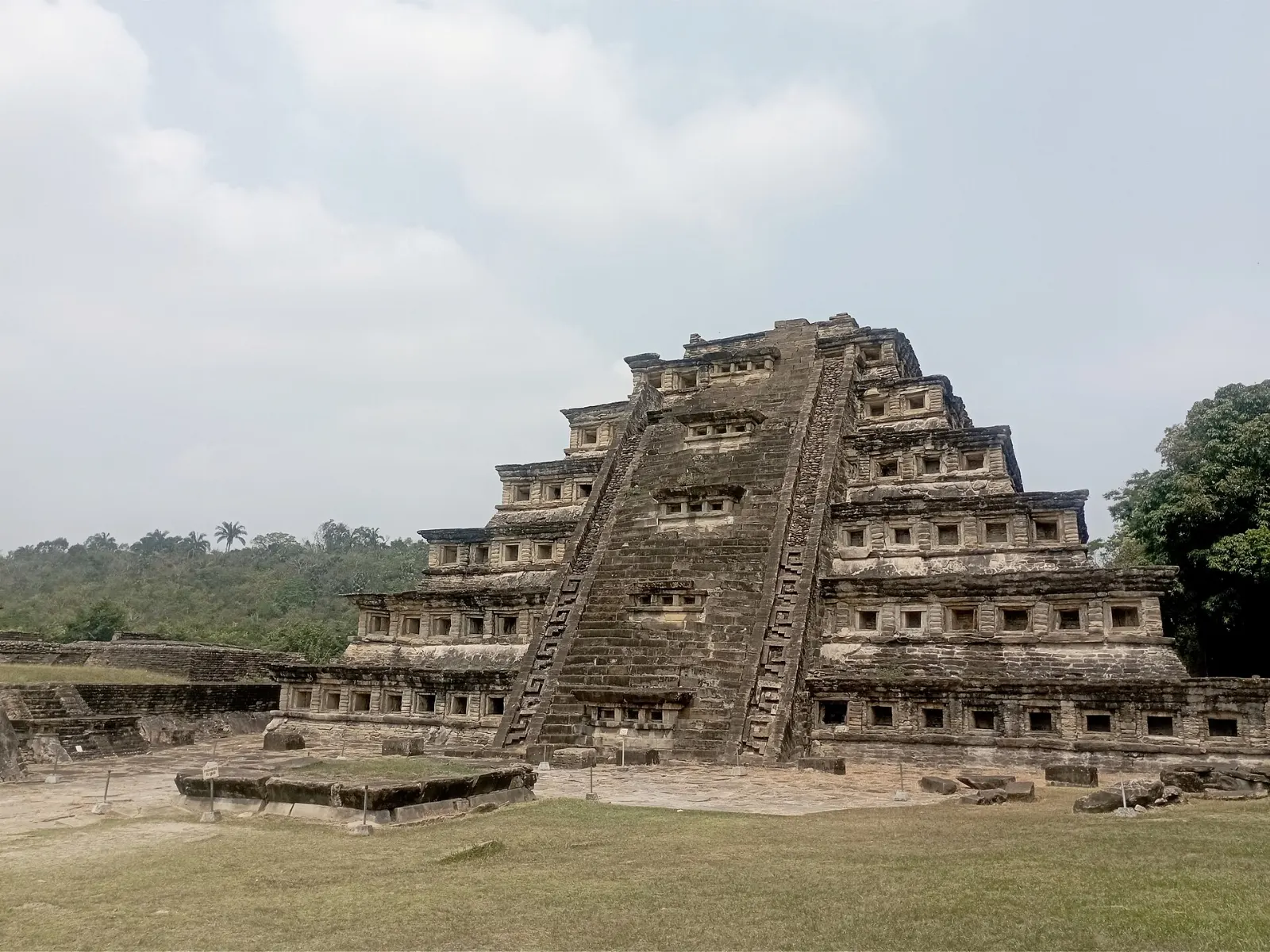
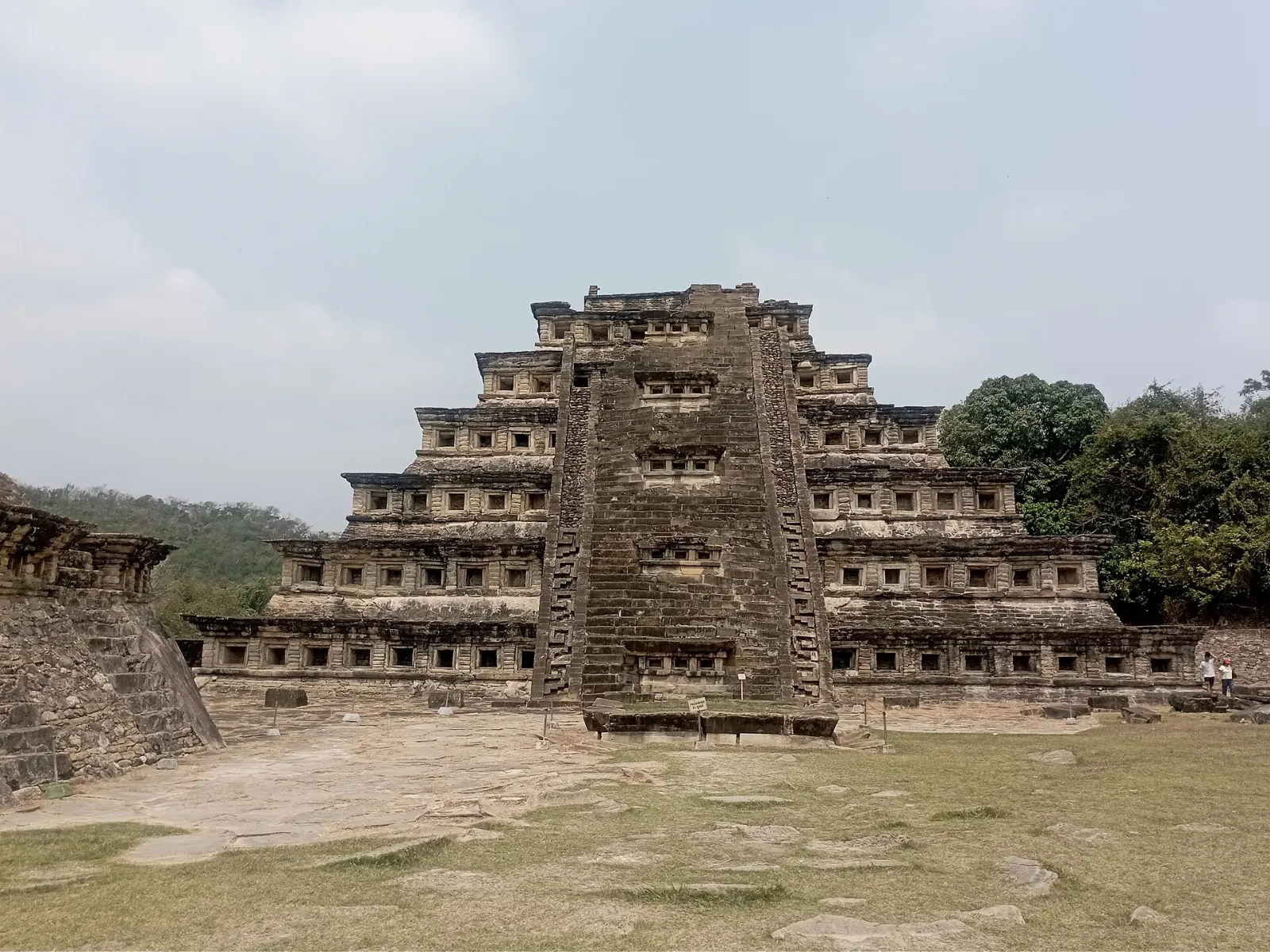
Pyramid of the Niches
This is the icon of El Tajín, a stepped pyramid whose walls are covered with rows of square niches. It was the first building cleared of jungle, and its rediscovery in 1785 by a Spanish official looking for illegal tobacco fields brought the site to the attention of scholars.
South Ballcourt
El Tajín has more ballcourts than any other Mesoamerican site, and the South Ballcourt is the most famous. Its carved panels show scenes of the ritual ballgame, including underworld deities and a player being sacrificed.
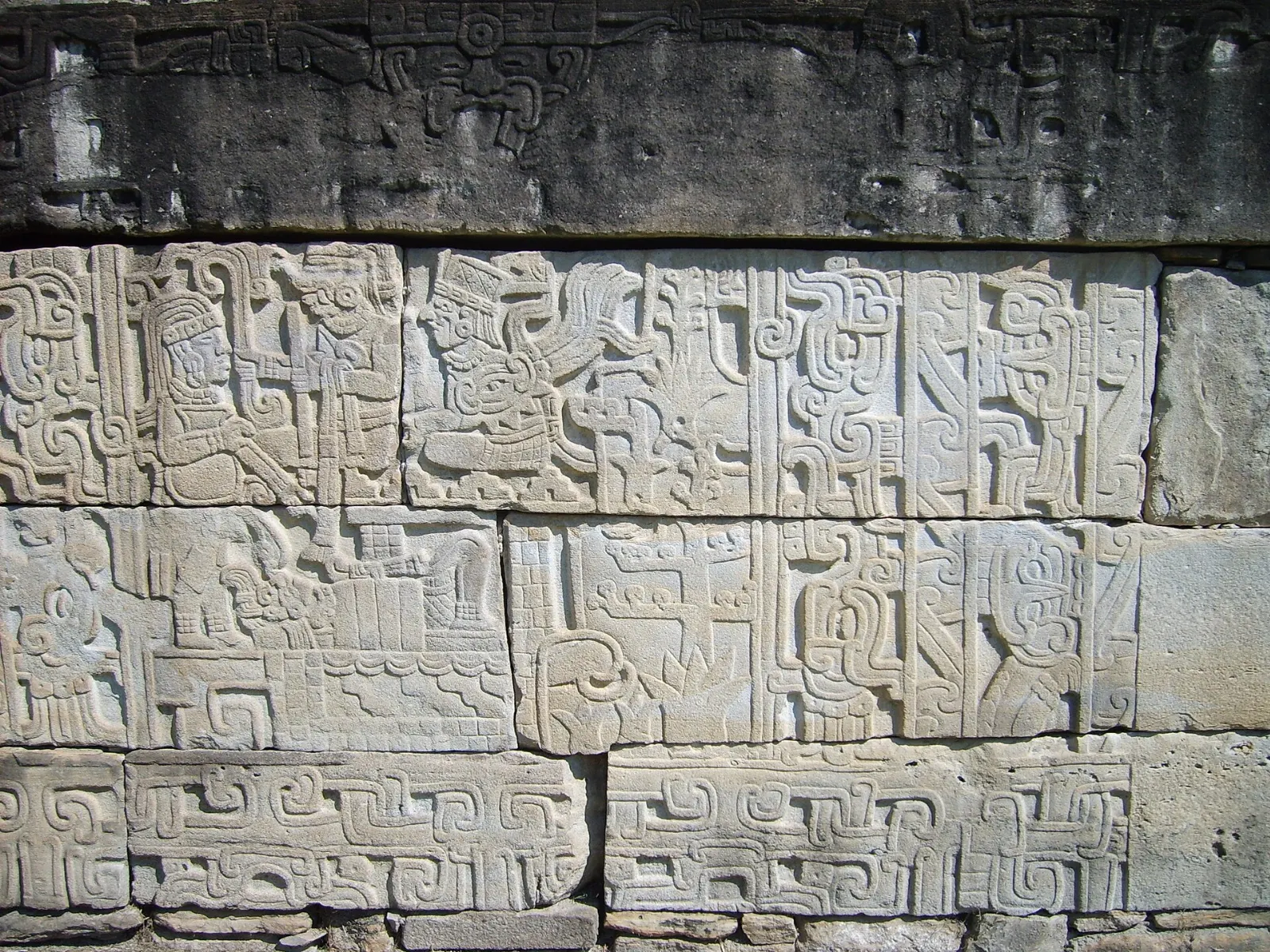
Tajín Chico
On the terraces to the northwest, Tajín Chico was the home of the city's elite and contains palaces and administrative buildings.
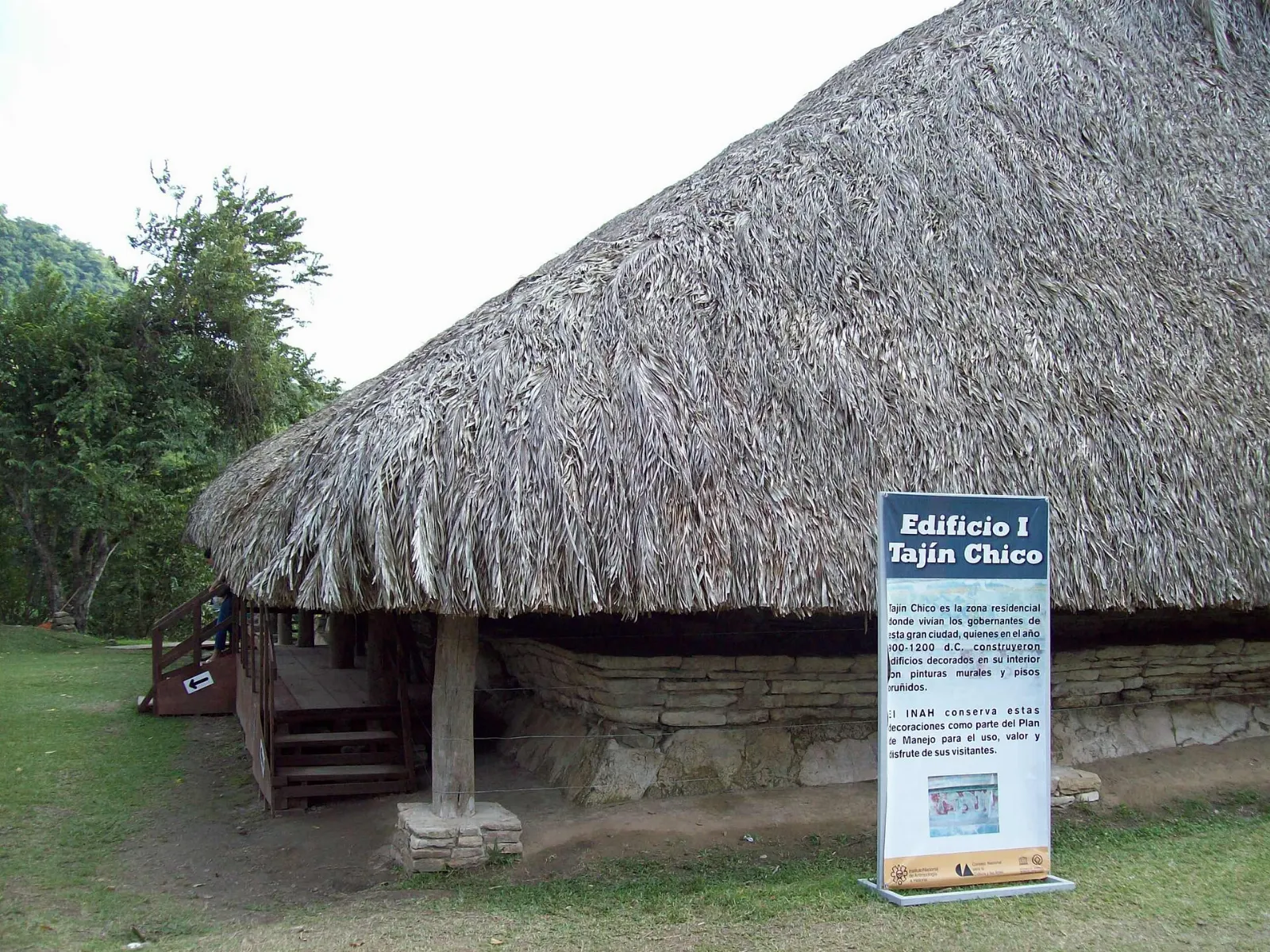
Arroyo Group and Gran Xicalcoliuhqui
Beyond the main plaza lie the Arroyo Group and the Gran Xicalcoliuhqui, the farthest building from the ticket office at about 800 metres. Stepped frets decorate this part of the site, and the walk gives a sense of its scale.
Voladores outside the site
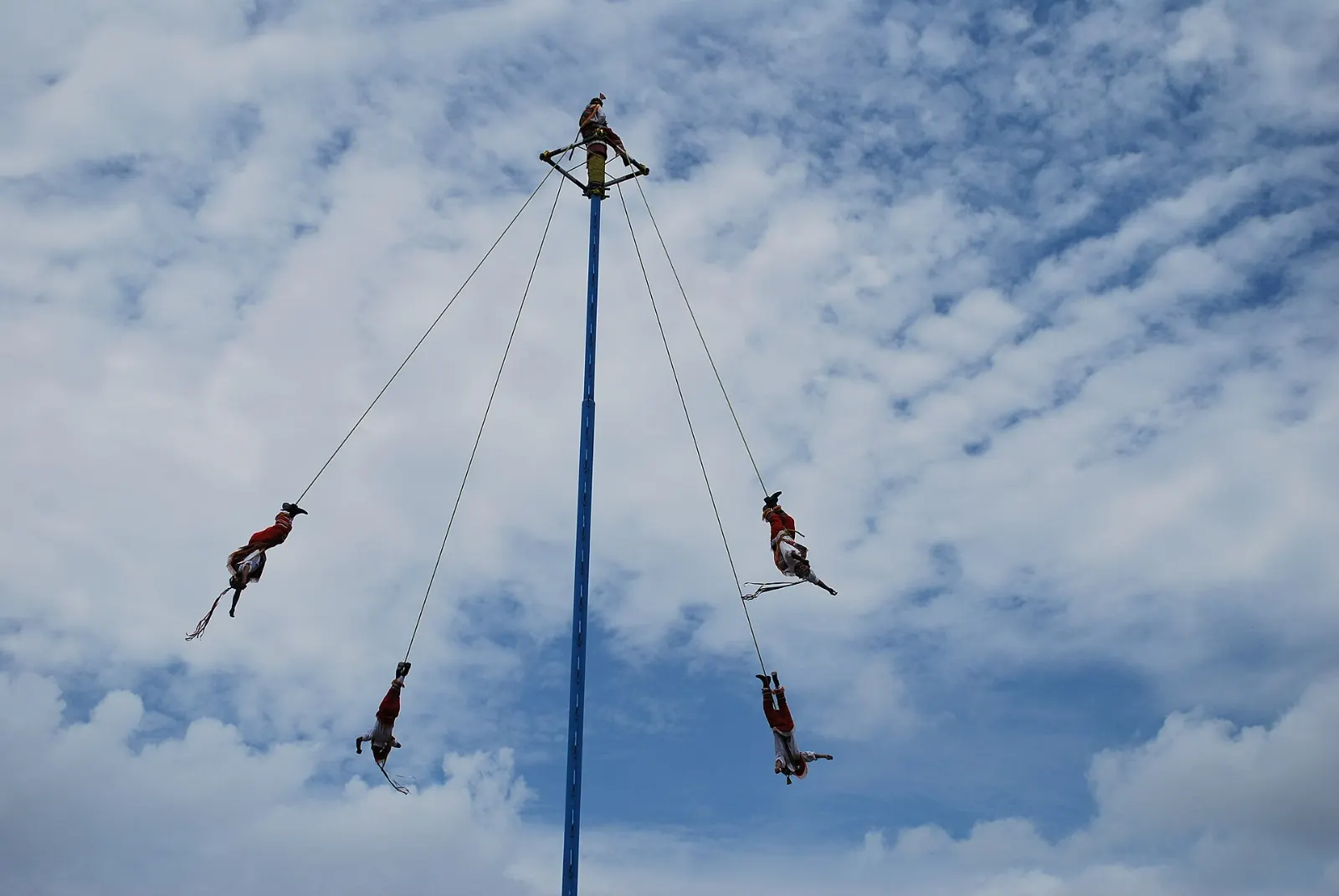
Near the entrance, Totonac voladores climb a tall pole and descend slowly on ropes while a fifth performer plays a flute and drum at the top. The ceremony is recognised by UNESCO as intangible cultural heritage, and performances are free to watch, though donations support the performers.
Papantla and the coast
Papantla zócalo and church
Papantla is the closest sizeable town to the ruins and is a pleasant place to spend an afternoon.
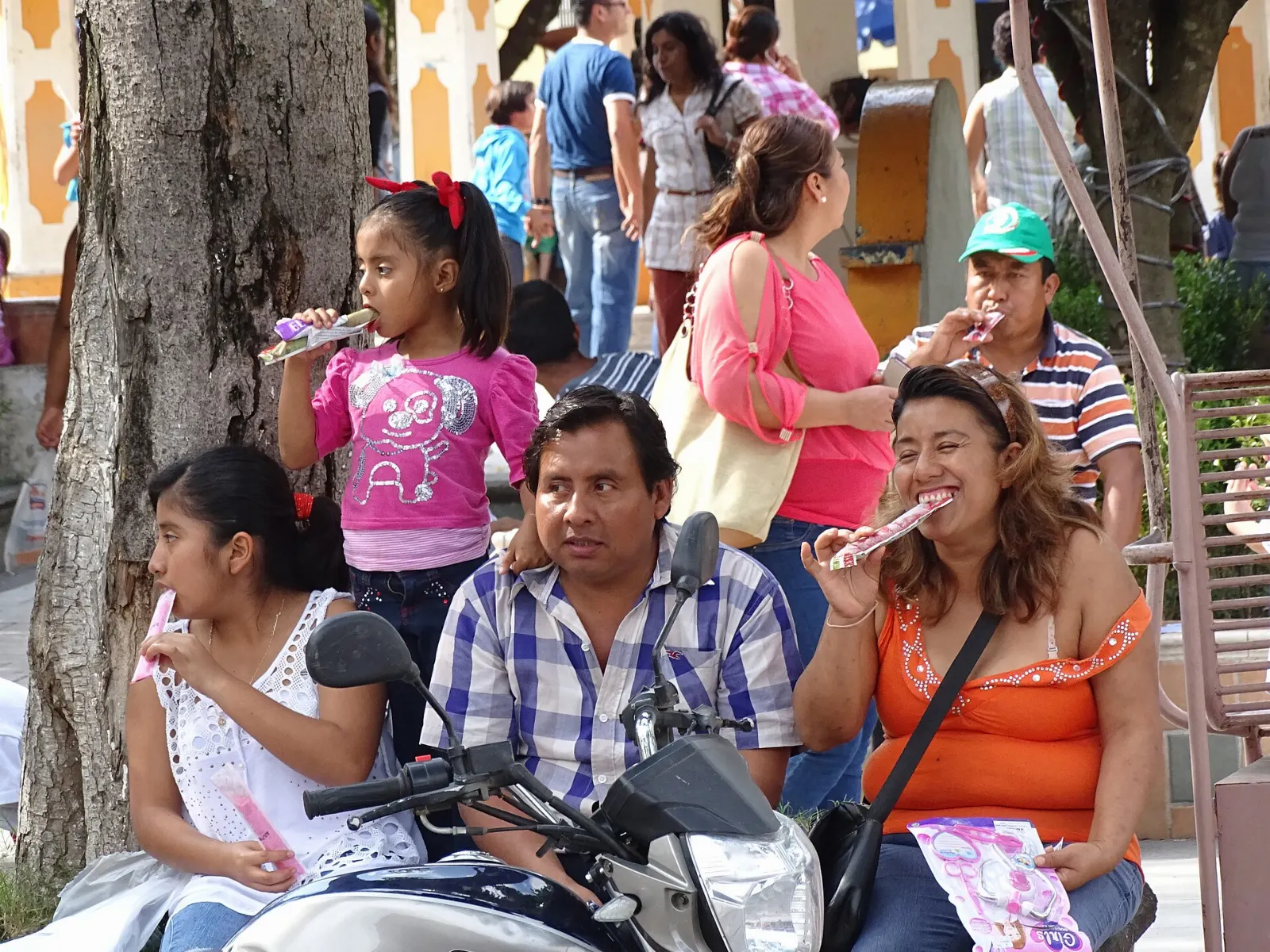
Monument to the Voladores
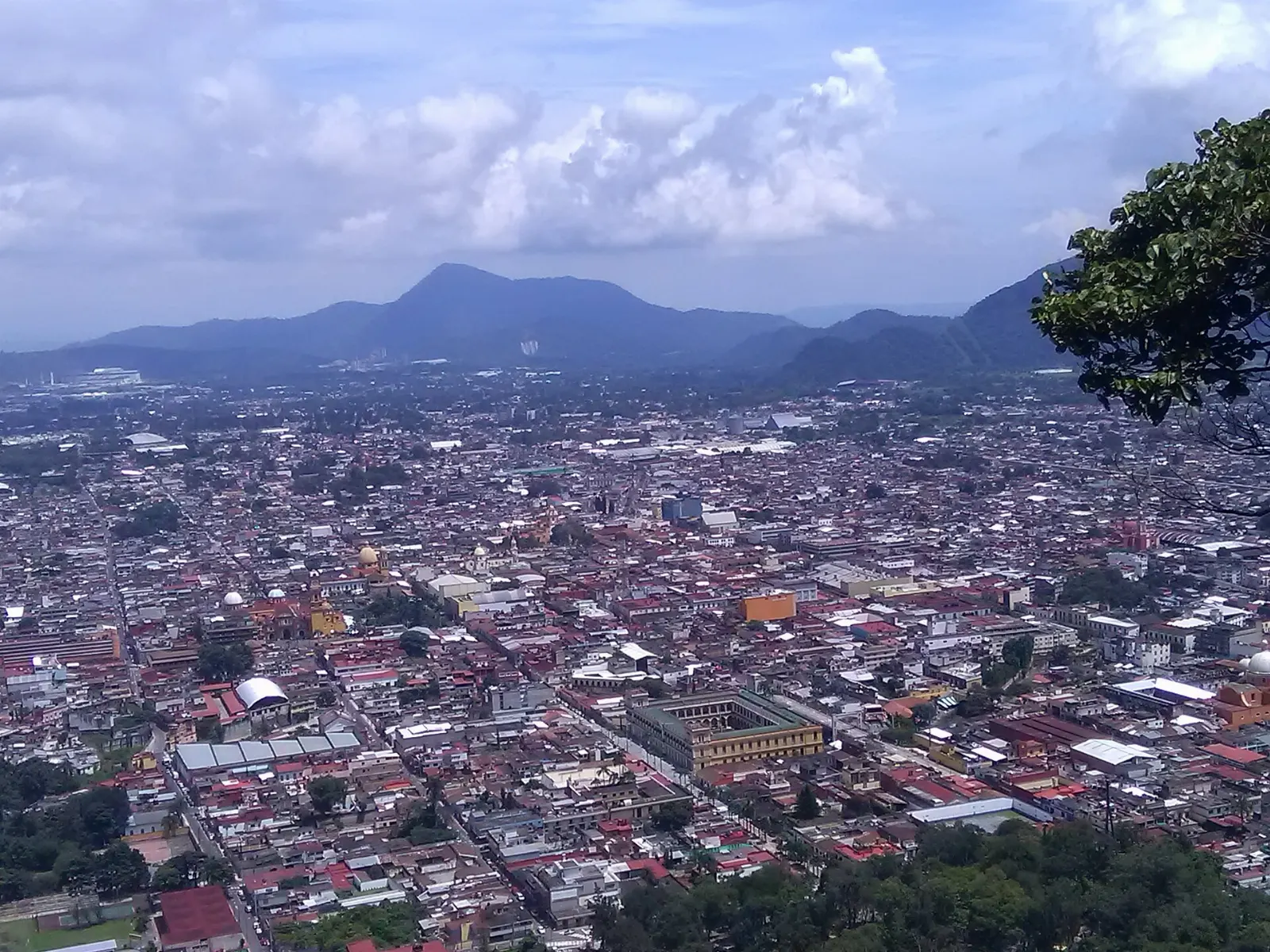
A large monument to the voladores stands on a hill in the centre of Papantla, and the hill doubles as a scenic lookout. A mural there narrates the ceremony from the cutting of the tree to the descent.

Papantla museums
The Museo de la Ciudad on Pino Suárez street covers the pre-Hispanic, colonial and post-Independence periods. The Museo de las Máscaras holds more than 300 masks and ceremonial costumes from Totonacapan and elsewhere.
Hidalgo and Juárez markets
The principal markets, Hidalgo and Juárez, sit across from the church. Wander through for local snacks, vanilla products and everyday life in Papantla.
Tecolutla
If you want sea air after the ruins, Tecolutla is a small beach resort on the Gulf coast. It makes a relaxed contrast to the archaeological zone and works for a half-day or an overnight stay.

Food and local flavors
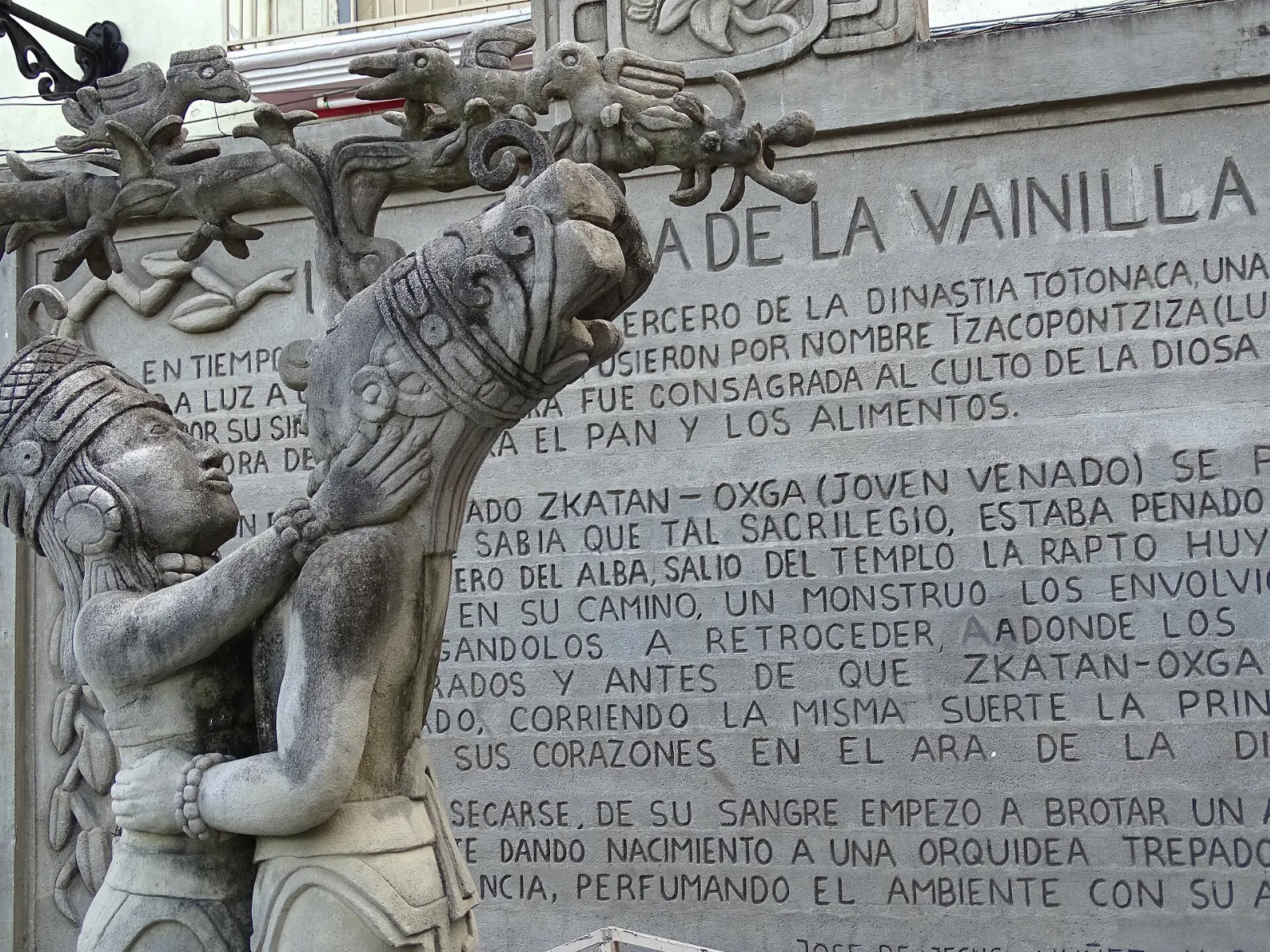
The Totonac region is the original home of vanilla, and Papantla is known for its homegrown vanilla liqueur, which makes a good souvenir. Wander the Hidalgo and Juárez markets in Papantla for vanilla beans, snacks and fresh produce.
Zacahuil, a very large tamale, is one of the best-known regional specialties, and smaller tamales appear at festivals and on Day of the Dead altars.
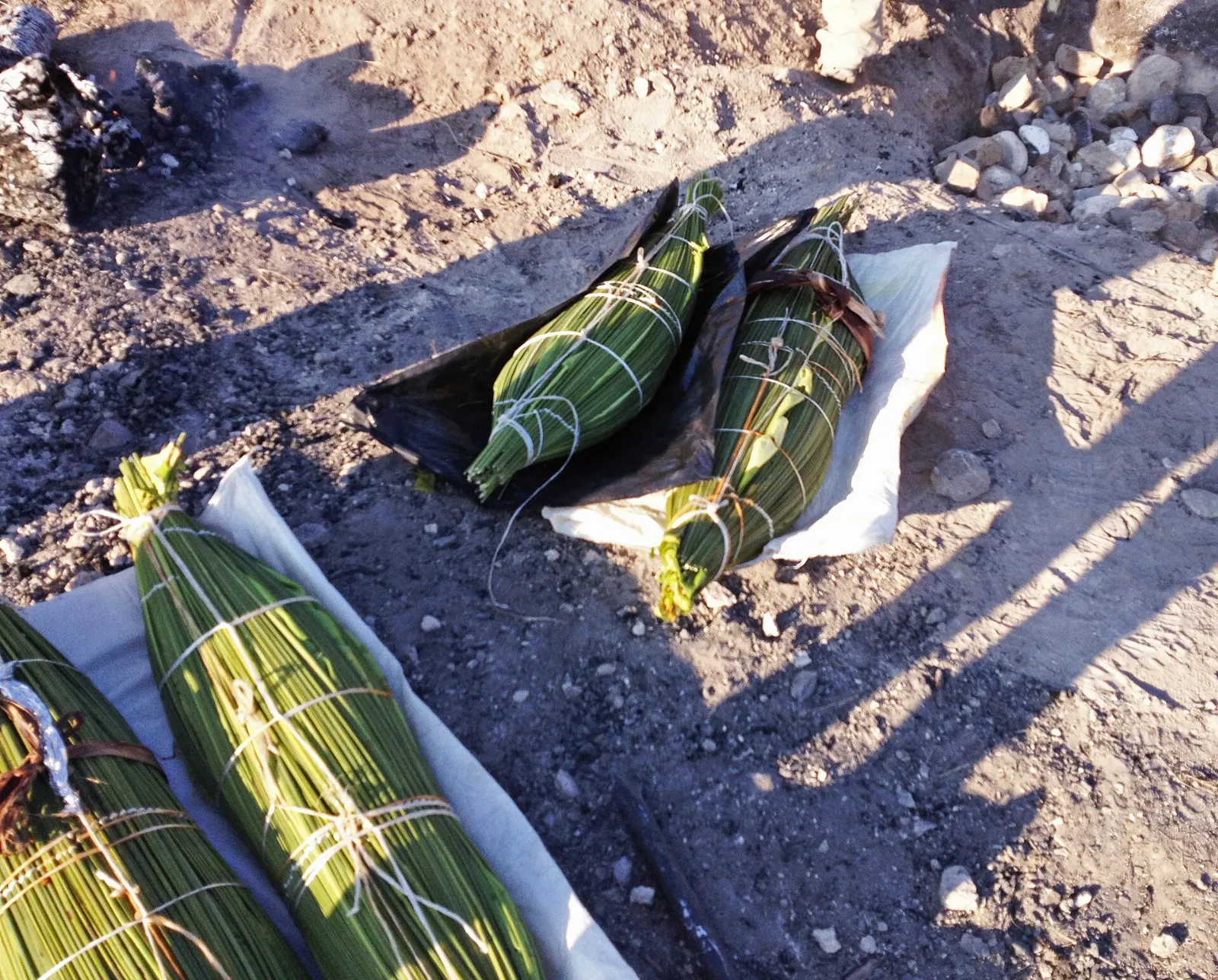
Popular dishes to try in El Tajín


Where to stay
There are no hotels at the archaeological site, so most visitors stay in nearby towns. Papantla is the most atmospheric base, with a walkable centre, a hilltop monument and a Totonac cultural scene, and it is close to the ruins by local bus or taxi.
Poza Rica is a larger interchange city and works well if you arrive by bus or need onward connections. Tecolutla, a small beach resort, suits travelers who want a coastal stay and are happy with a longer ride to the ruins.
Where to stay in El Tajín


Best time to visit
The area has a hot, wet climate, and hurricanes are possible from June to October. Cooler fronts called nortes can bring wind and cooler air.
The Cumbre Tajín festival takes place each March at the ruins, with Indigenous cultural events and concerts. May brings the Kani Tajín celebration of Totonac culture in Papantla, and Corpus Christi is the town's major festival.
Getting there and getting around
The site lies a short ride from Papantla and is also near Poza Rica. Buses run frequently to both. From the city of Veracruz, buses to Papantla take roughly four hours, and from Poza Rica the ride takes about 45 minutes.
The ADO bus station in Papantla is a few blocks below the zócalo. Local buses to El Tajín leave from the corner of 16 de Septiembre and Curato, and local taxis are easy to find.
A suggested itinerary
First day
Arrive in Papantla, check in and walk to the zócalo and church. Climb the hill with the Monument to the Voladores for sunset, then try zacahuil for dinner.
Second day
Take a morning bus or taxi to El Tajín and begin at the Pyramid of the Niches.
Third day
Spend a slow day at Tecolutla on the coast, or return to the markets in Papantla for vanilla to take home.
Practical tips
- Check your government's current travel advisory before you go.
- Carry insect repellent, a hat and water, because the site is humid and mosquitoes are common.
- Wear comfortable shoes, as the site involves walking on uneven ground for several hours.
- Visit early to avoid crowds, particularly on weekends.
- Tip the voladores performers if you take photographs or watch the show.
- Check the official INAH website for current site hours and entry rules.