Pachuca is the capital of the state of Hidalgo, a hill city north of Mexico City with a colonial center, a mining past and an unexpected English accent. Cornish miners arrived here in the 1820s and left behind pastes, football and Methodist chapels.
AT A GLANCE
Best time
The dry months from November to April are the most comfortable, though the city is windy year round.
How long
Two days cover the city, and a third adds the mountain towns.
Getting there
Ride a first class bus from Mexico City, about ninety kilometres south.
Why visit Pachuca
Pachuca has been a mining center since Aztec times, and silver built much of its colonial core. After 1824 Cornish miners brought steam engines and new techniques, and their influence shows in the food, the football and some of the architecture.
Locals call the city La Bella Airosa, the beautiful windy city, for the gusts that sweep through its valley. It is a relaxed, affordable place to explore, with museums, murals and a good base for mountain towns and forests.
In and around the city center
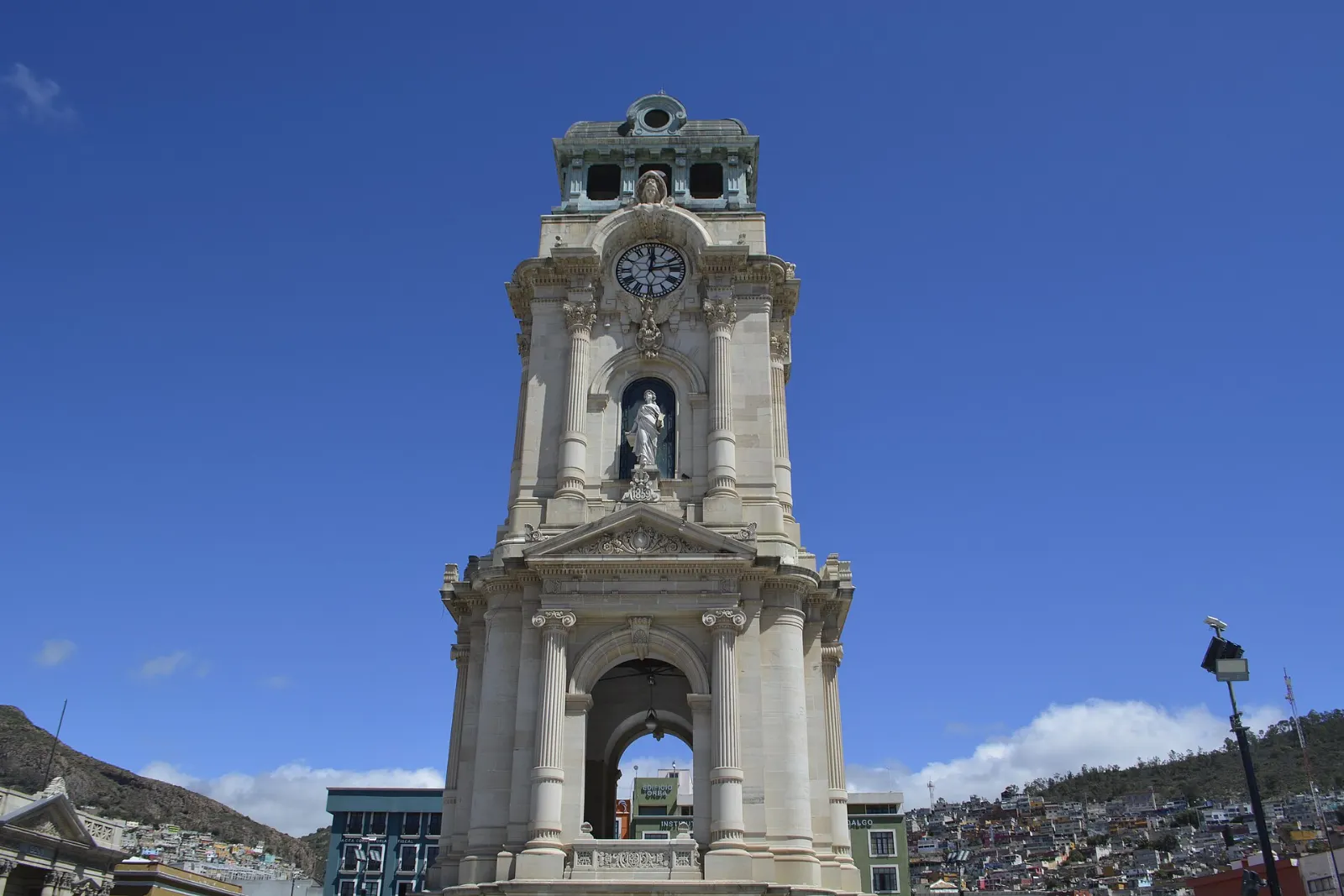
Reloj Monumental
The Monumental Clock is the symbol of Pachuca. It was donated by Cornishman Francis Rule and inaugurated on September 15, 1910 to mark the centennial of Mexican independence. It stands in Plaza Independencia, in the heart of the center. Stop for photos and then grab a paste from a nearby bakery.
Parroquia de la Asunción
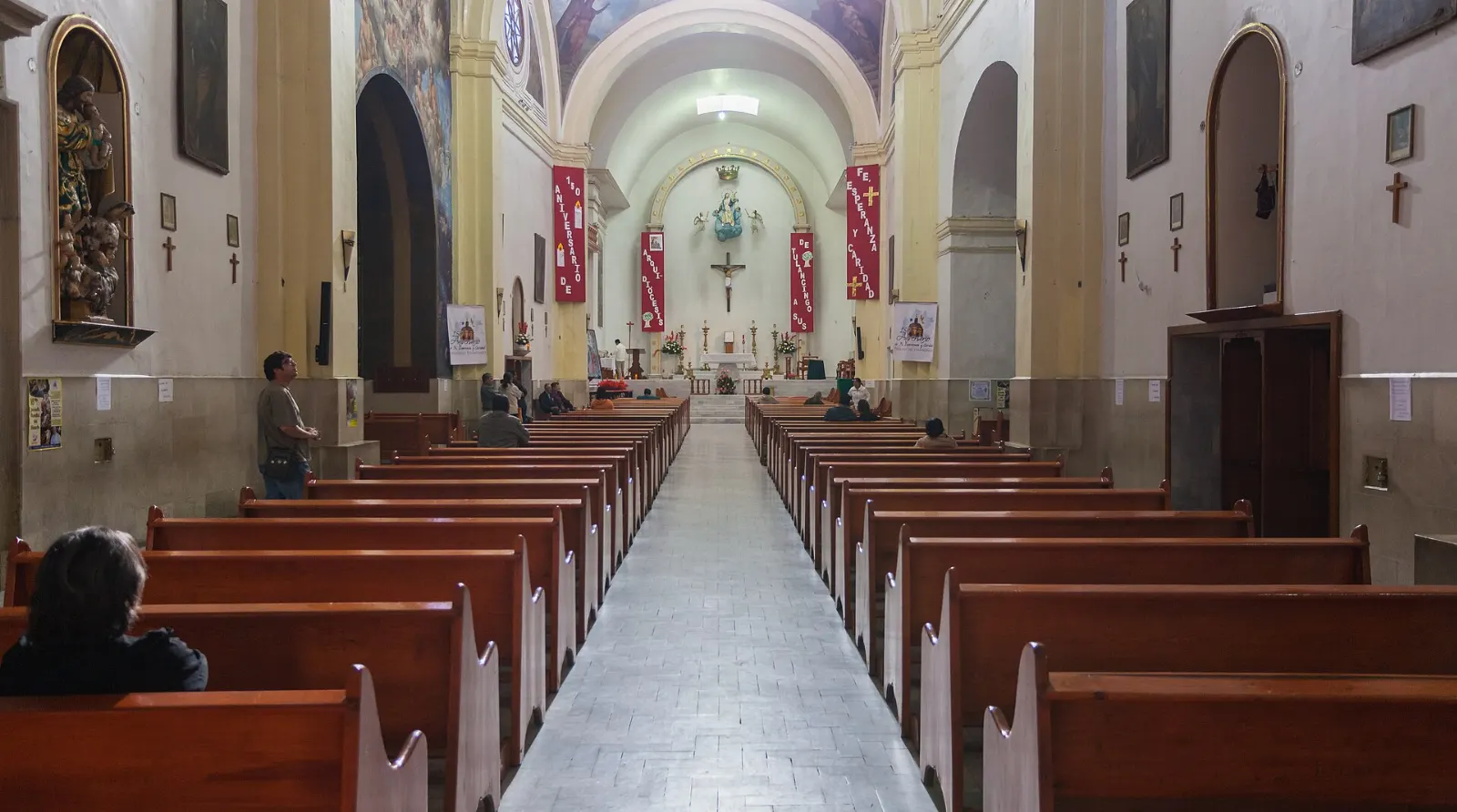
This 16th century parish church on the Plaza de la Constitución is known for the painted heavens and stars on its ceiling and for its link to the independence insurgent Father Mariano Matamoros. Allow thirty minutes and keep voices low during services. The streets around the plaza are good for a short walk.
Ex-convento de San Francisco and the photography museum
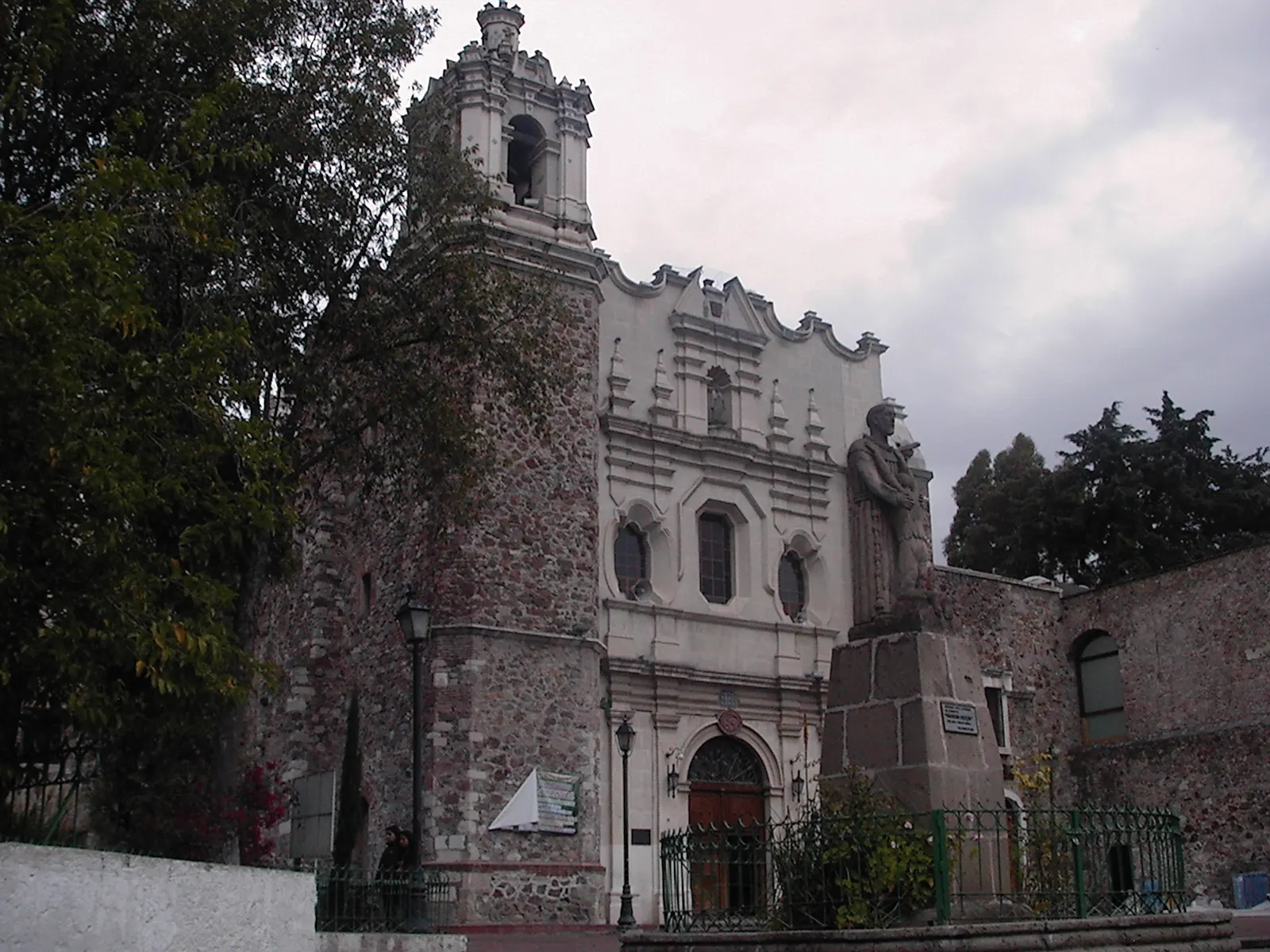
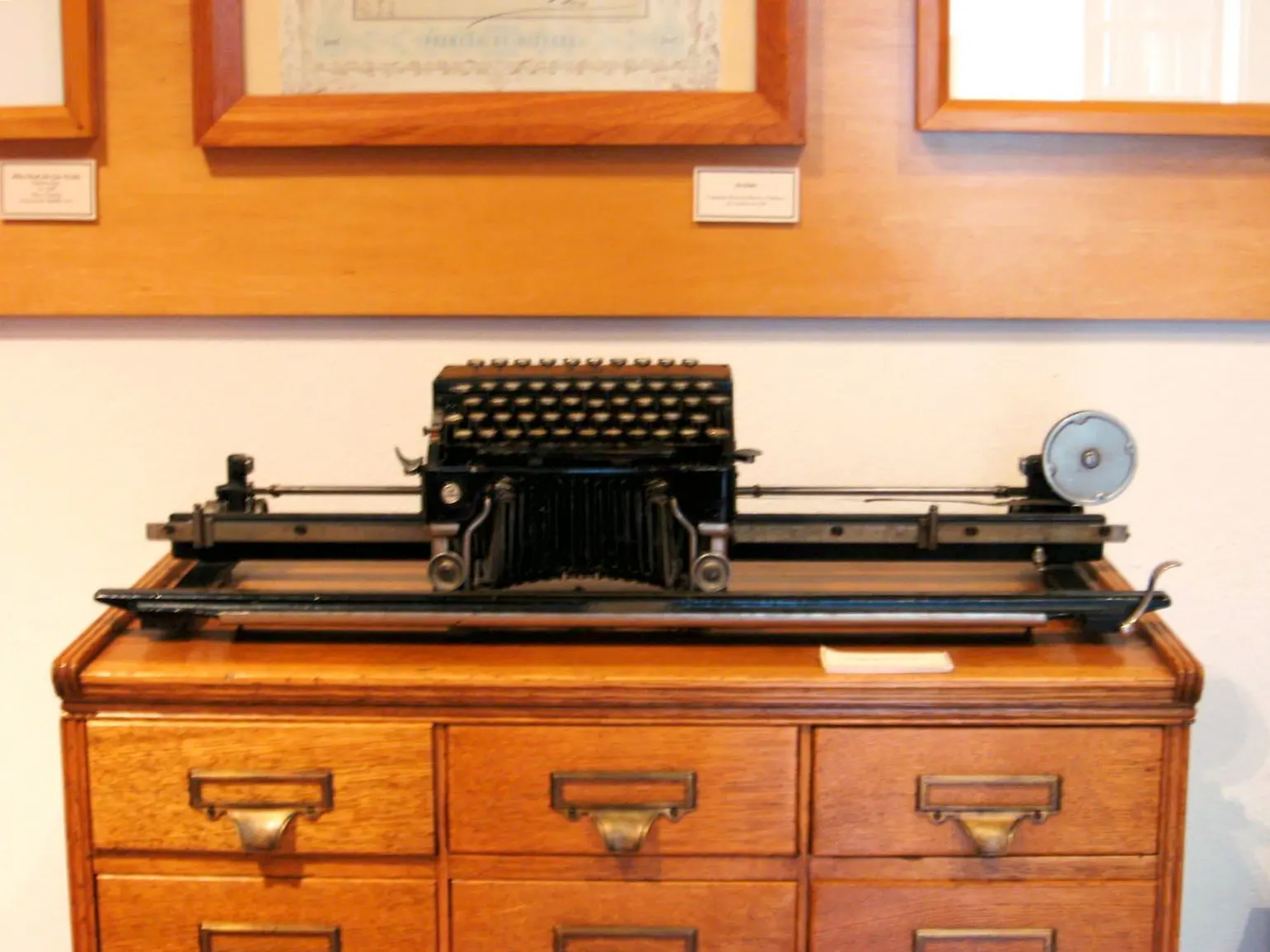
The San Francisco church has a baroque facade with a single bell tower and a convent that once housed Franciscan missionaries. Part of the complex now holds the National Photo Library museum, where you can see antique cameras and work by photographers including Guillermo Kahlo and Tina Modotti. Allow an hour and check opening days.
Cristo Rey
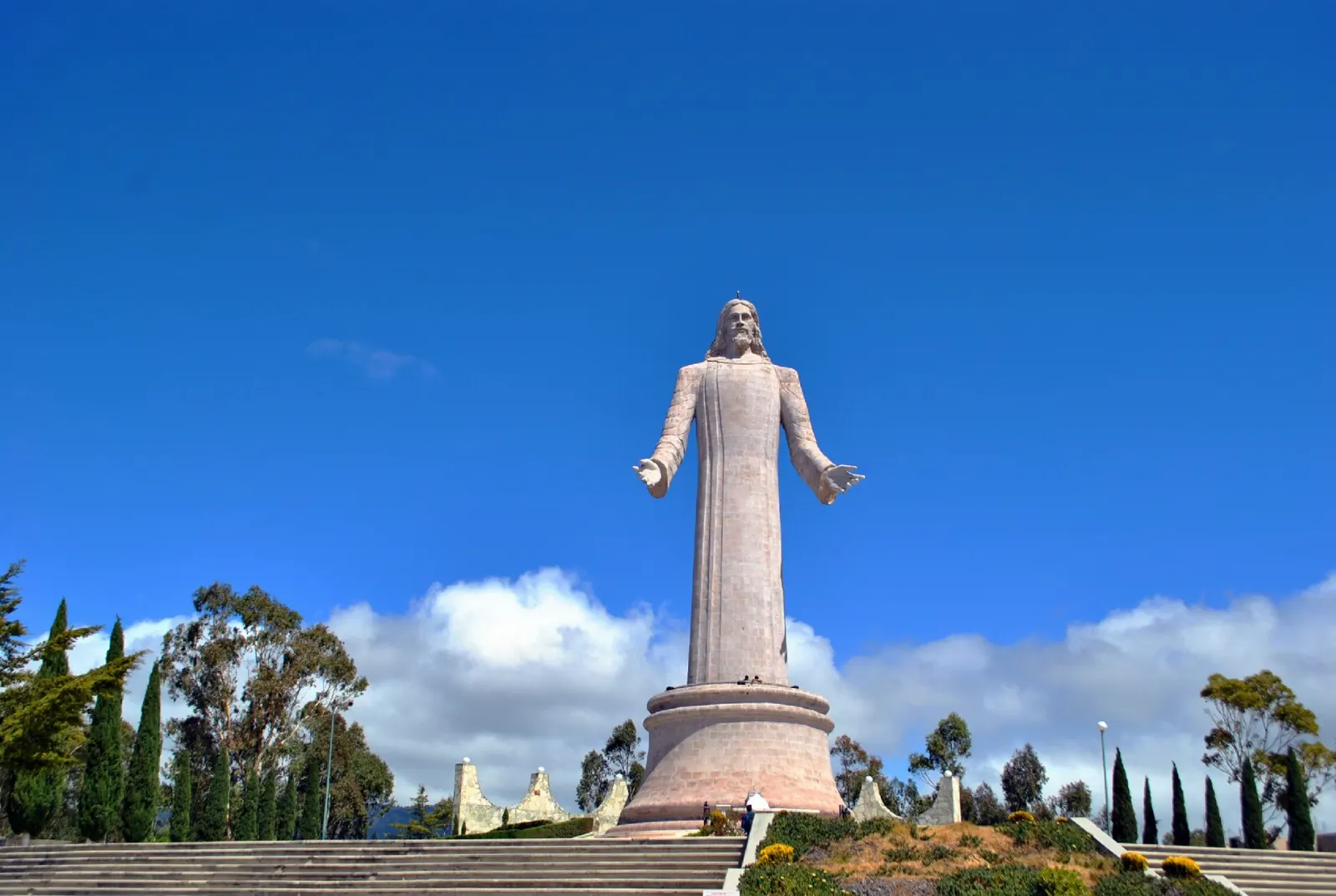
The Cristo Rey statue stands on a hilltop above the city, and the terrace and stairs give some of the best views over Pachuca's rooftops. Go in clear weather and bring a windbreaker. A taxi or ride-hailing car is the simplest way to reach it.
Macromural de Palmitas
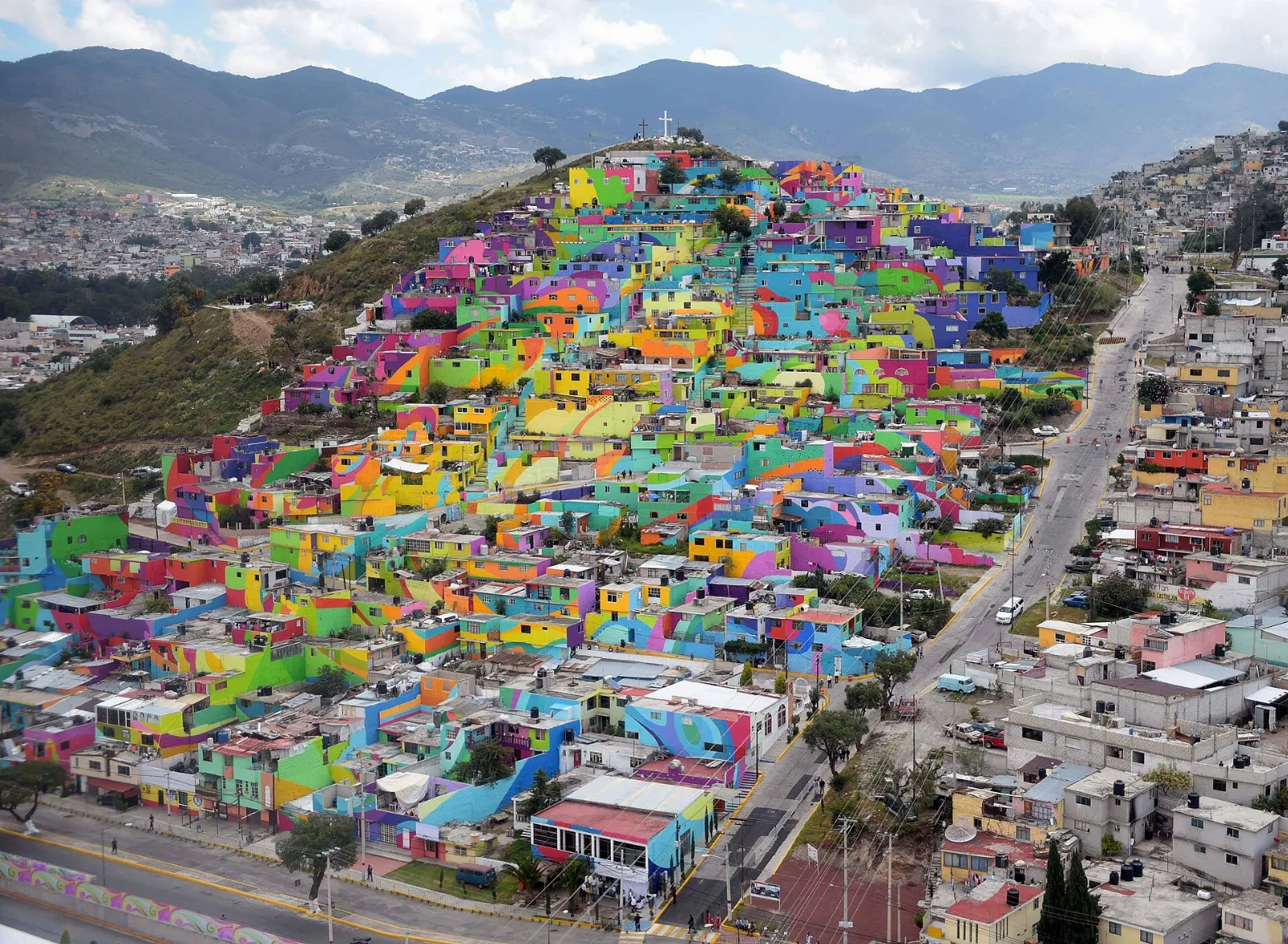
In the Las Palmitas neighborhood, a whole hillside has been painted in pastel colors, creating a patchwork that looks like a giant mural. It is a pleasant place for photographs and a short stroll, best in morning light. Take a taxi or ride-hailing car and stay on the main streets.
Mining heritage and football
Mina de Acosta
The Acosta mine produced silver, gold and lead from 1717 to 1985, and today it is a museum. Visitors put on hard hats and boots and descend into the old workings, and the tour covers the superintendent's house, the elevators and other mine buildings. Hours vary by season and the site is closed on Tuesdays, so confirm before you go. Allow two hours.
Museo del Paste
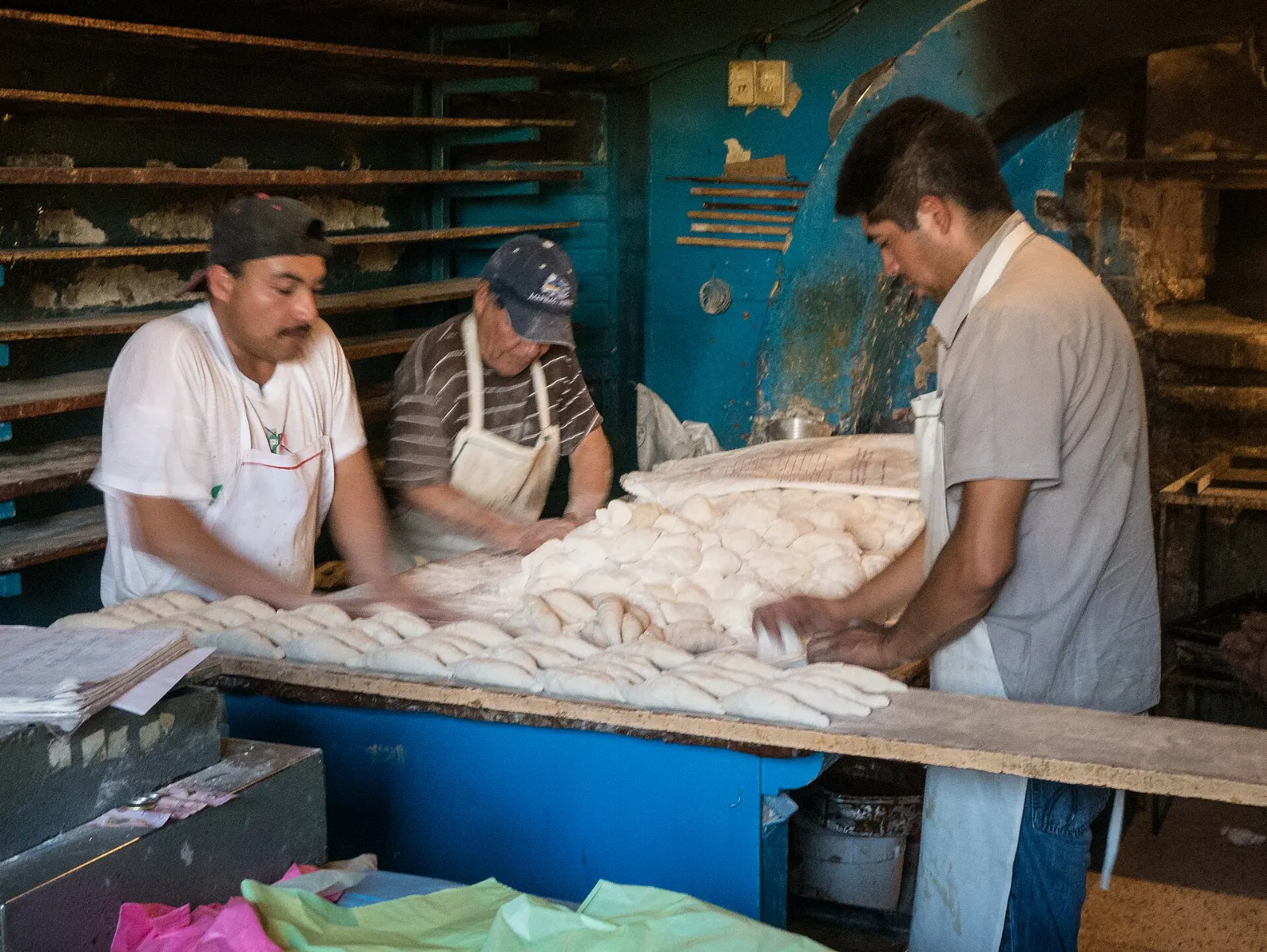
This museum is devoted to the Cornish pasty and its Mexican descendant, the paste. You can learn about its origins, see the Paste Wall of Fame and even make one yourself. It sits outside the center, so combine it with other stops on the same route. Hours vary, so check ahead.
Estadio Hidalgo and the Tuzos
Pachuca is a football city, home to Club de Fútbol Pachuca, known as Los Tuzos, which plays in the Liga MX. The Cornish miners are credited with bringing football to Mexico. The Estadio Hidalgo opened in 1993 and is nicknamed El Huracán. Check the fixture list and buy tickets in advance if you want an evening match.
Mountain towns and forests nearby
Real del Monte
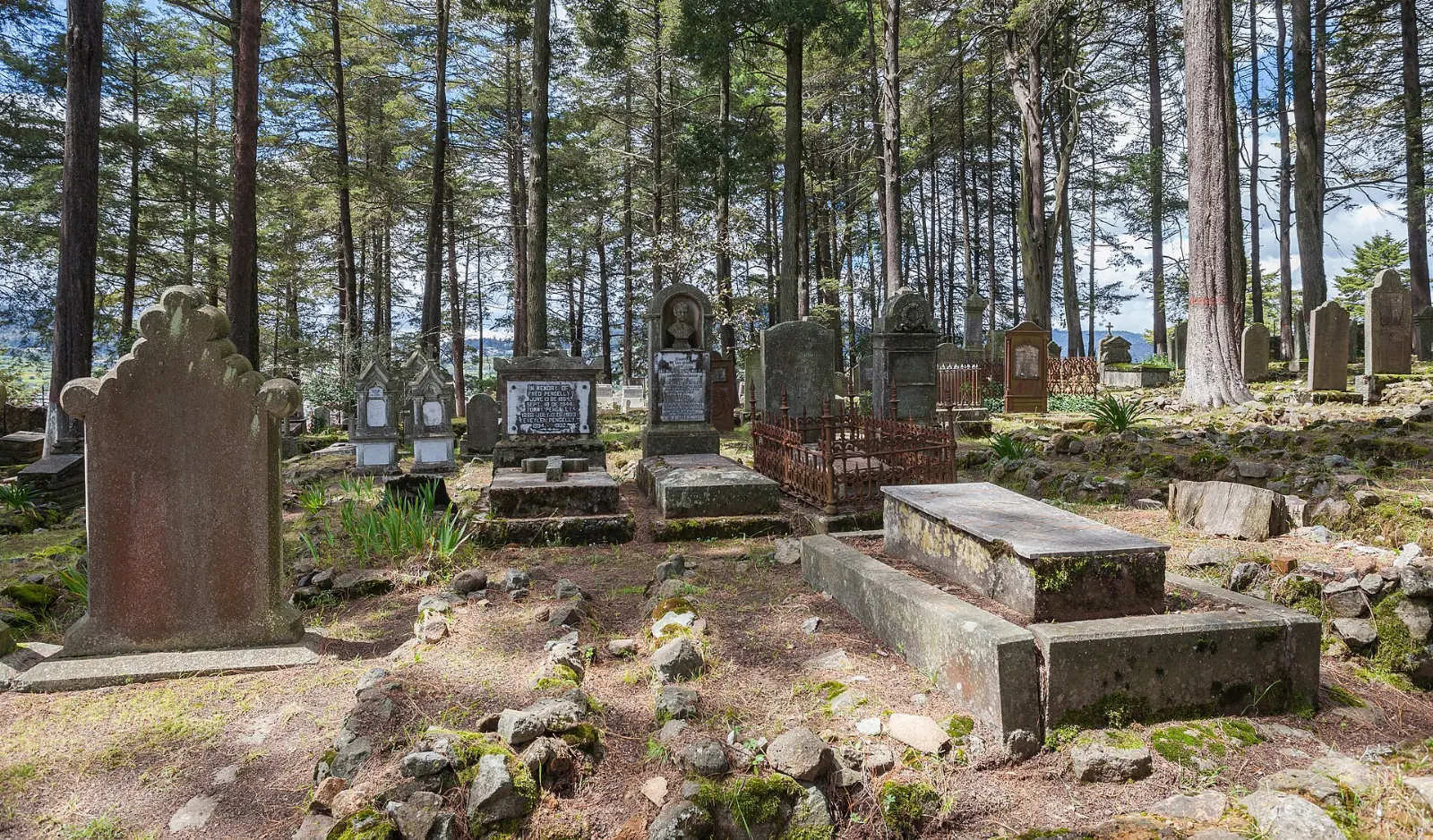
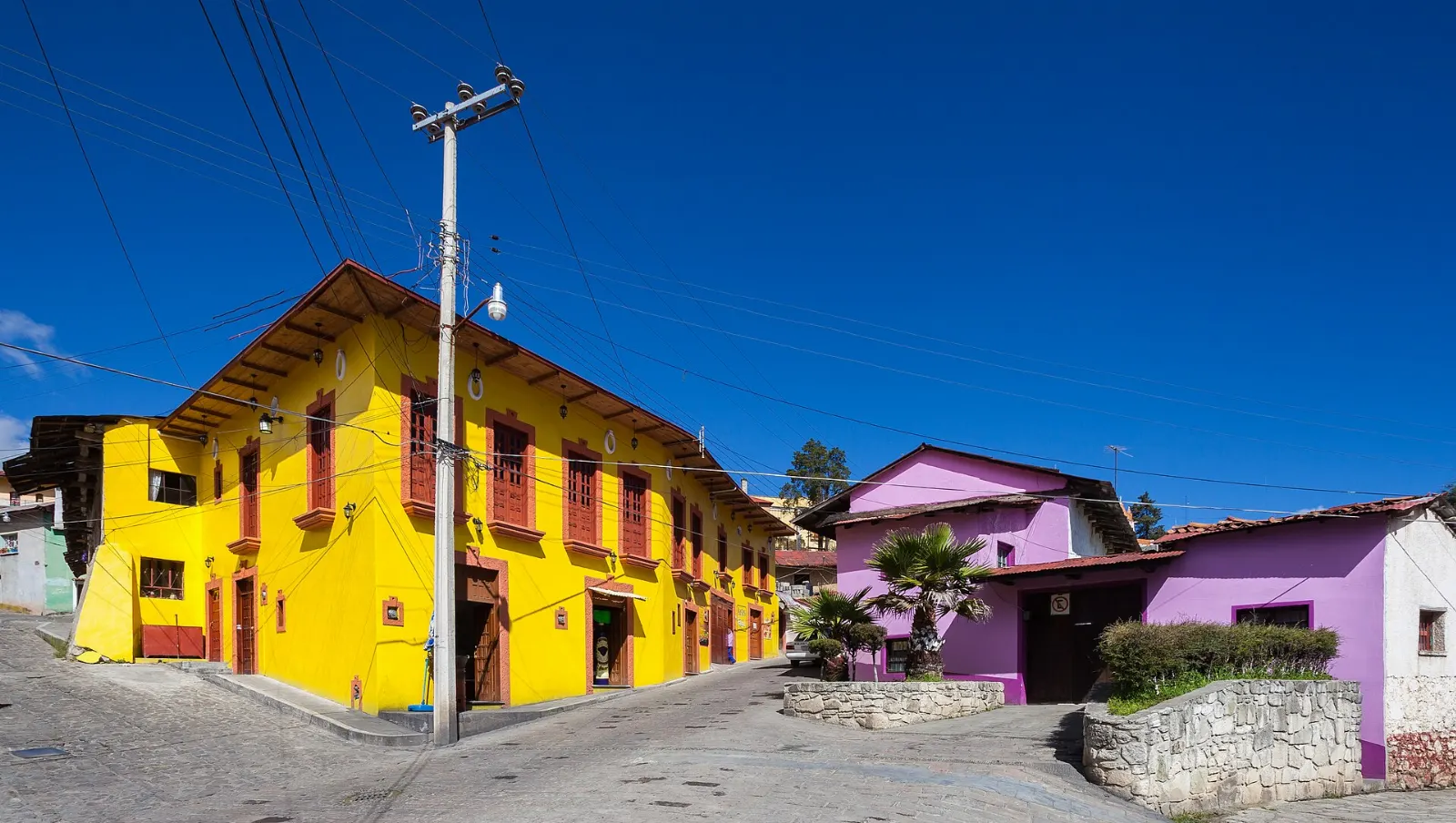
Real del Monte, also called Mineral del Monte, is a small mining town at 2,700 metres above sea level, the highest town in Hidalgo. Steep streets and old houses with sloping roofs and chimneys reflect Cornish influence, and the English cemetery holds the graves of Cornish miners. Dress warmly, because it is cool even in summer.
El Chico National Park
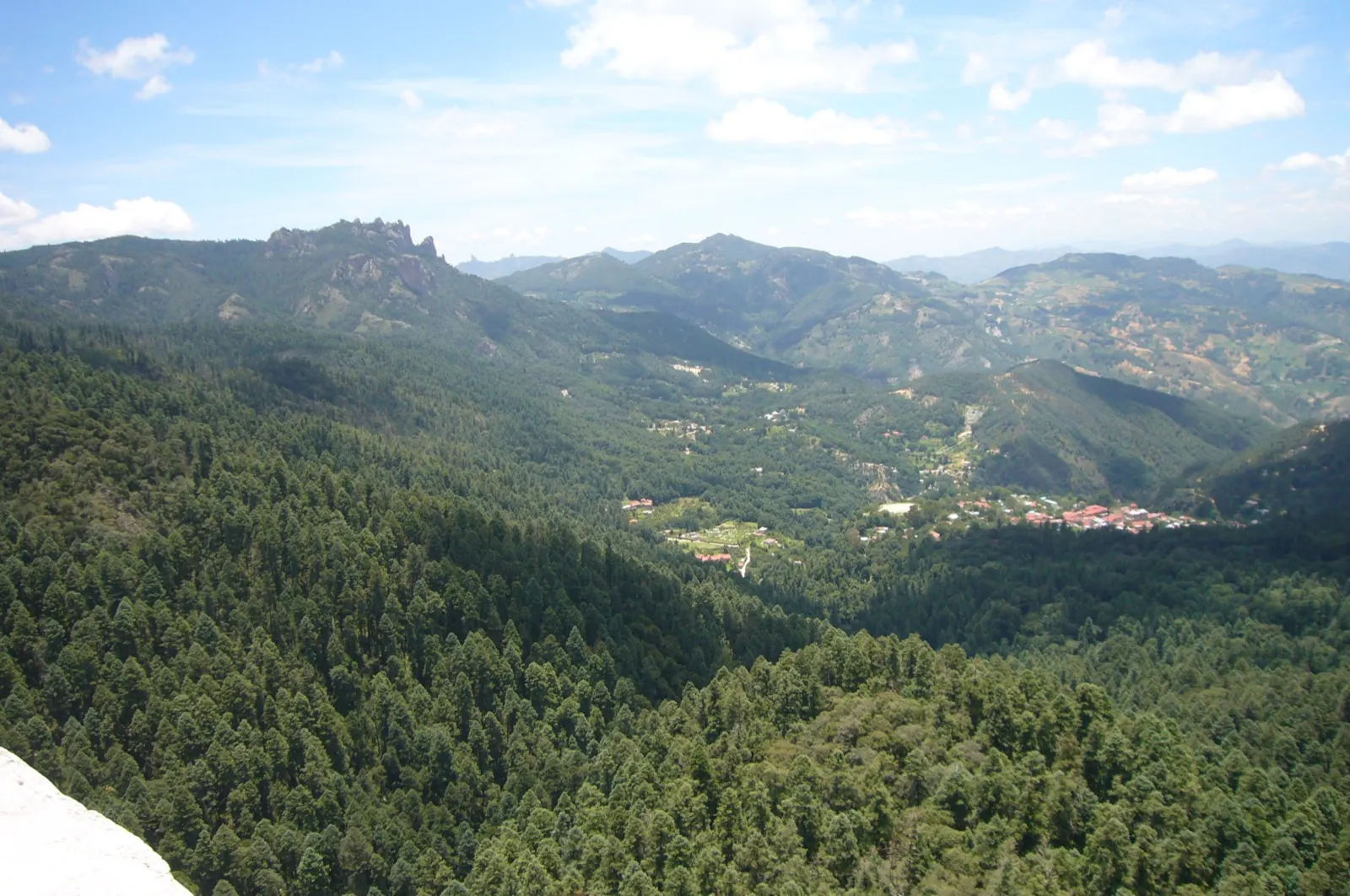
About ten kilometres north of Pachuca, El Chico National Park protects pine and fir forest and rocky crags such as Las Ventanas. It is one of the oldest protected areas in Mexico, with forest protection dating to 1898, and it offers hiking, camping, mountain biking and horseback riding. The nearby town of Mineral del Chico is a Pueblo Mágico.
Prismas Basálticos de Santa María Regla
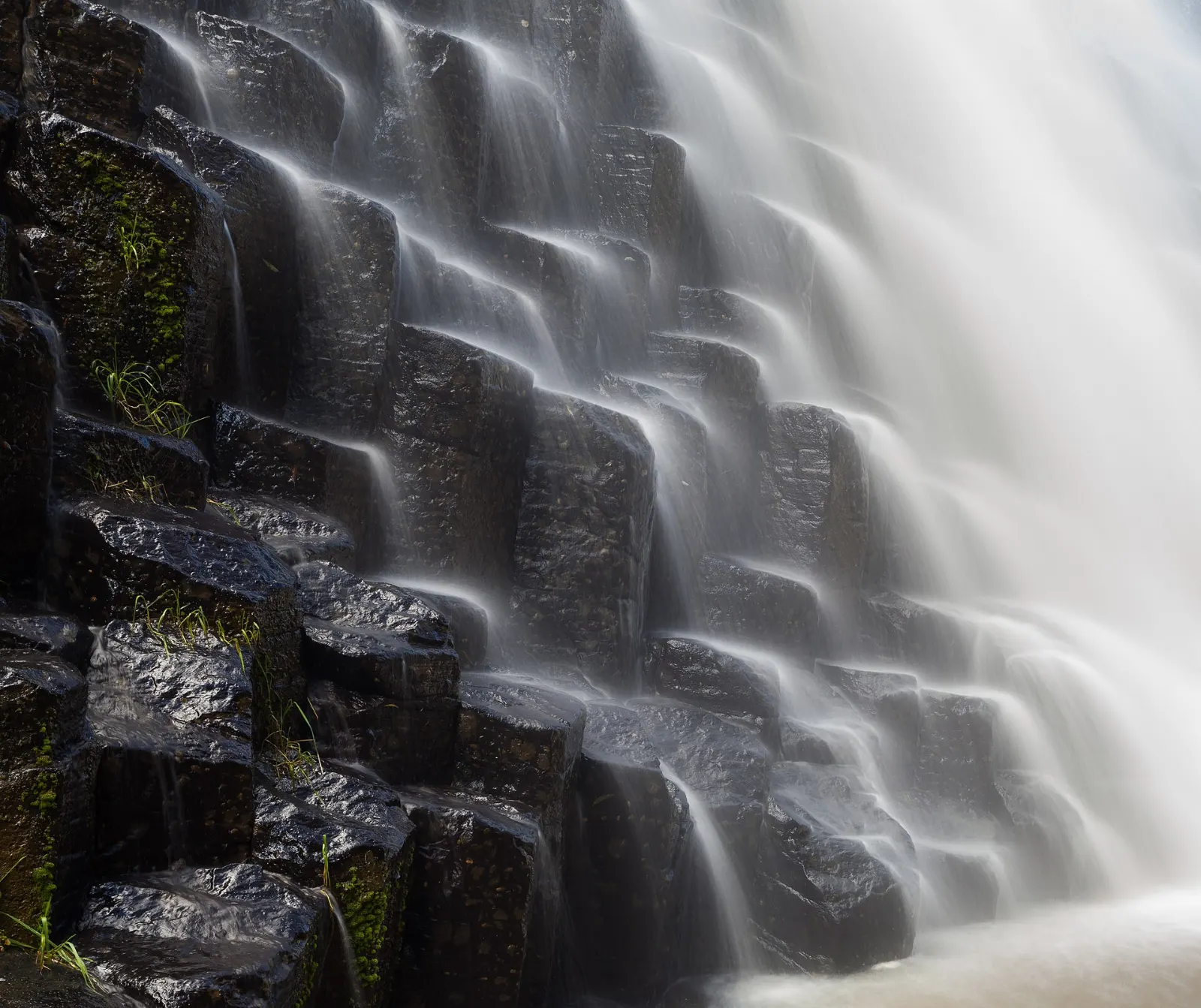
Near Huasca de Ocampo, about thirty-four kilometres from Pachuca, these basalt columns line a ravine with waterfalls. The columns are thirty to fifty metres high, with five or six sides, and the canyon has stairs, walkways and hanging bridges for easier access. Allow half a day and wear shoes with grip.
 Planning a trip to Pachuca?Compare hotels, flights and vacation rentals for Pachuca on Expedia.Book now
Food and local flavors
Pastes are the signature food. Descended from the Cornish pasty, they are baked pastry pockets once filled with leek, potatoes and ground meat, and now found with many fillings, including chorizo. Ask about the chile heat before biting. Bakeries and stalls near the clock sell them hot.
Hidalgo also keeps older traditions. Mixiote is meat steamed in a wrapper of maguey or paper, a central Mexican specialty. Escamoles, the ant eggs eaten in the Mezquital Valley, appear on some menus. Pulque, the fermented agave drink, was once made on the state's haciendas and can still be sampled. The Mercado Primero de Mayo is the main market for local snacks.
Popular dishes to try in Pachuca


Where to stay
Pachuca is compact, and the old center is the easiest place to sleep if you want to walk to sights, plazas and restaurants.
The Centro suits first-time visitors, museum lovers and anyone arriving by bus, because the colonial streets, the clock and the cafés are close together. Real del Monte suits travelers who like cool mountain air, steep streets and a historic mining town atmosphere, and it is a short drive from Pachuca. Mineral del Chico suits hikers, couples and families who want to stay close to forest trails and viewpoints.
Book ahead for holiday weekends, when the mountain towns are busiest.
Where to stay in Pachuca


Best time to visit
Pachuca has a cool, semi-arid climate. Summer brings rain and occasional hail, while winter is dry with cold nights, and January is the coldest month. The best sightseeing weather is usually from late autumn to spring, and the wind is a constant, so bring a jacket year round.
Football fans can catch matches almost any time of year, since Liga MX runs two seasons annually. Hidalgo celebrates Xantolo, its Day of the Dead tradition, from October 31 to November 2, with altars, offerings and music in cemeteries. September 15 is a good moment to see the Reloj Monumental, which was inaugurated on that date in 1910.
Getting there and getting around
Pachuca lies about ninety kilometres north of Mexico City on a toll highway that is generally in good condition. Direct buses leave from Mexico City International Airport's Terminal 1, and Futura and ADO buses run from Felipe Ángeles International Airport, the closest major airport, in about ninety minutes.
First class buses also run from Mexico City's North bus station and from Puebla. The Central de Autobuses is a large regional hub, and you can take a taxi or combi to the old center from there.
Within the city, Tuzobús is a bus rapid transit line that serves the center and runs on a prepaid card, and peseros and combis fill the gaps. Taxis are dependable and ride-hailing has good coverage. For Real del Monte, El Chico and Huasca, a rental car or tour is easiest.
A suggested itinerary
First day
Arrive early and walk to the Reloj Monumental and the Parroquia de la Asunción. Visit the photography museum, eat a paste for lunch and finish at Cristo Rey for sunset views.
Second day
Spend the morning at the Mina de Acosta and the Museo del Paste. Add the Macromural in the afternoon, or catch a Tuzos match if one is scheduled.
Third day
Head into the mountains for Real del Monte and El Chico National Park, and continue to Huasca de Ocampo for the basalt prisms if you have the energy.
Practical tips
- Bring a windbreaker and warm layers, since the city is windy and cool.
- Confirm museum hours and days before you go, because they vary by season.
- Ask about chile heat when ordering pastes and other snacks.
- Use taxis or ride-hailing for hilltop sights such as Cristo Rey and Las Palmitas.
- Carry cash for small bakeries, market stalls and bus fares.
- Leave early if you plan to combine Real del Monte, El Chico and Huasca in one day.
- Check your government's current travel advisory before you go.