Tepotzotlán Mexico Baroque Treasures and Aqueduct Arches
Tepotzotlán is a colonial town about 40 kilometres from Mexico City, set among rounded hills at about 2,300 metres above sea level. It is one of Mexico's Pueblos Mágicos, and its centre keeps cobblestone alleys, arcades and plazas around a famous baroque church and a major museum of the colonial era. It is a favourite weekend escape for people from the capital, and an easy day trip for visitors who want history, markets and traditional food.
By WiserMap TravelUpdated October 20268 places11 min read
Best timeVisit on a weekend for markets or on a weekday for quiet streets, outside the rainy summer afternoons.
How longOne full day is enough, and an overnight stay gives time for the evening atmosphere.
Getting thereDrive about an hour on the Mexico City to Querétaro highway or take a bus from northern Mexico City terminals.
Ad
Why visit Tepotzotlán
The name comes from Nahuatl and means among humpbacks, a reference to the shape of the surrounding hills. People have lived here since the Otomi settled the area, and the town later became part of an alliance with the Aztec Empire. After 1525 it became a religious centre for the Spanish, and in 1580 the Jesuits founded a college that made it one of the main educational centres of New Spain.
Today the old town is a designated Pueblo Mágico and part of the Camino Real de Tierra Adentro, which has UNESCO World Heritage status. You come for the museum and church, but the lasting memories are often the small things: a walk through the arcades, a glass of pulque and a table in a courtyard.
The town also balances old and new. Its centre has kept the look of the colonial period, with arcades, plazas and cobblestone alleys, even though the highway to Querétaro has made it part of the fast-growing Mexico City region. Weekdays feel calm, while weekends bring music, markets and families, so choose the mood that suits you.
The best places to visit in the historic core
Museo del Virreinato
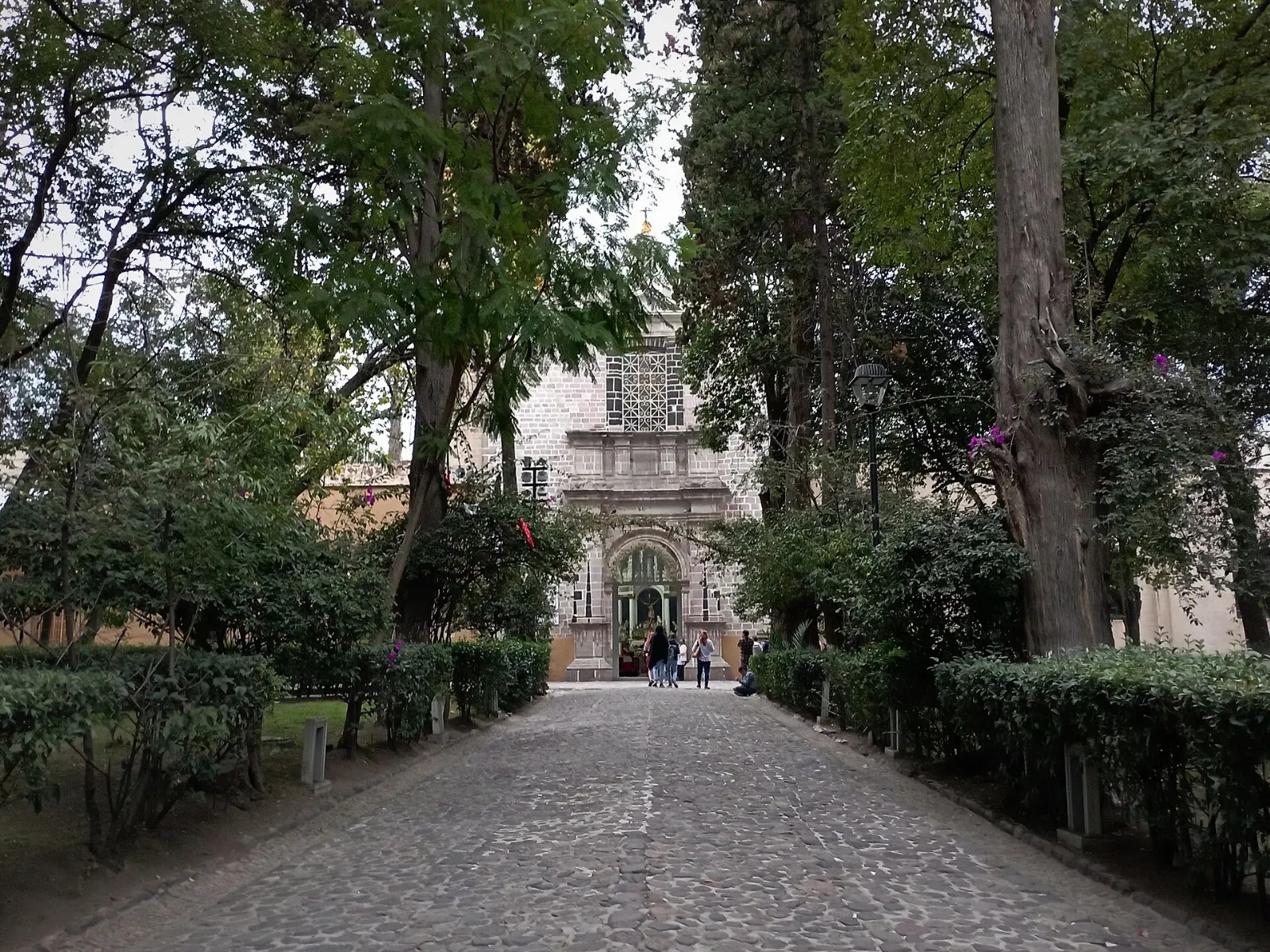
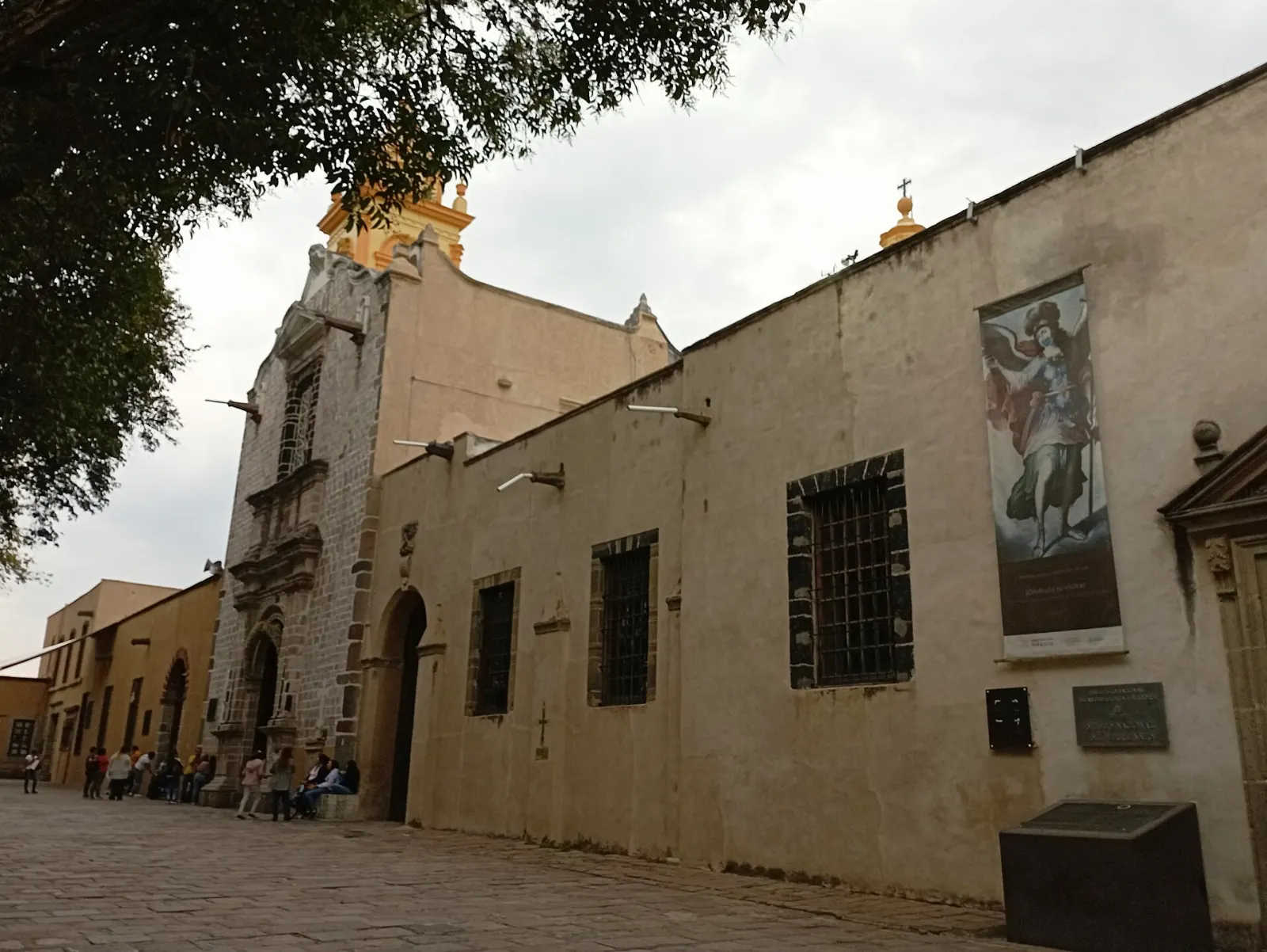
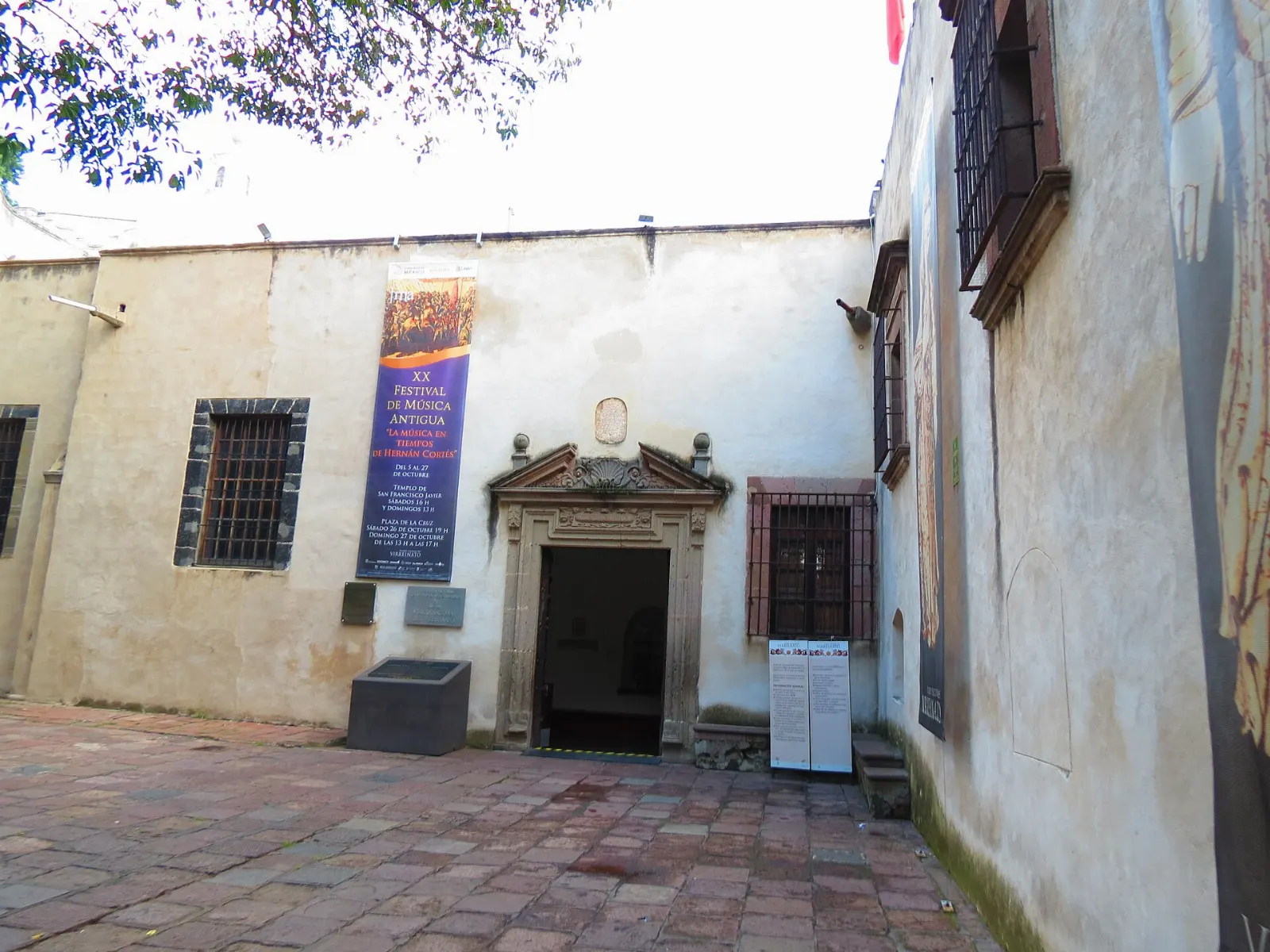
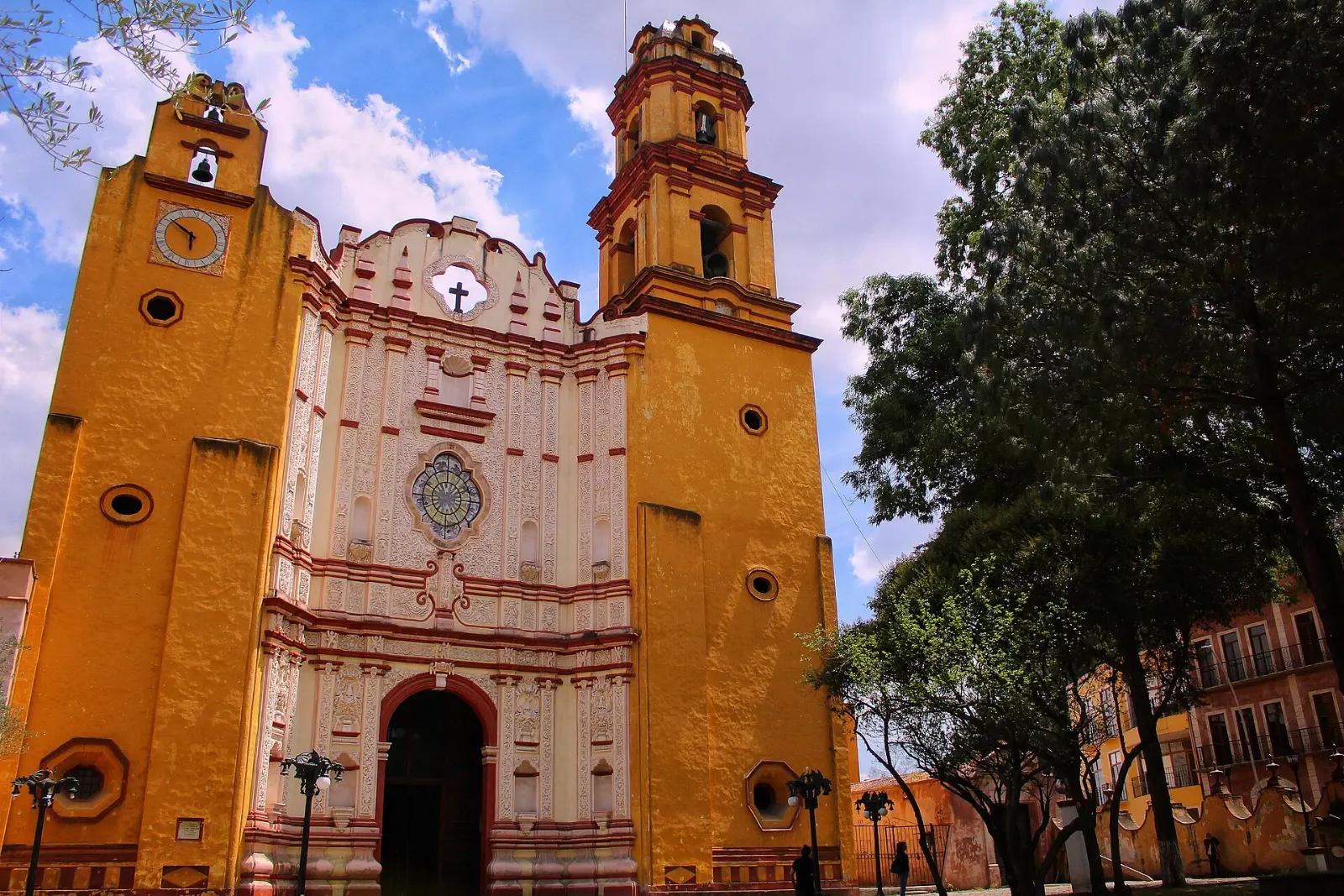
The Museo Nacional del Virreinato is one of the most important history museums in the country. It fills the former Jesuit College of San Francisco Javier and tells the story of religious life in colonial Mexico through liturgical art, silver, textiles and tools. The complex has interior courtyards, a chapel, a library, dormitories, a dining hall and a kitchen. Allow at least half a day, and more if you enjoy reading the displays. Plan the visit for the morning, when the rooms are quieter, and leave time for the gardens at the back afterwards.
The Museo del Virreinato occupies the former Jesuit College of San Francisco Javier. Photo: Luis Alvaz, Wikimedia Commons, CC BY-SA 4.0
Church of San Francisco Javier
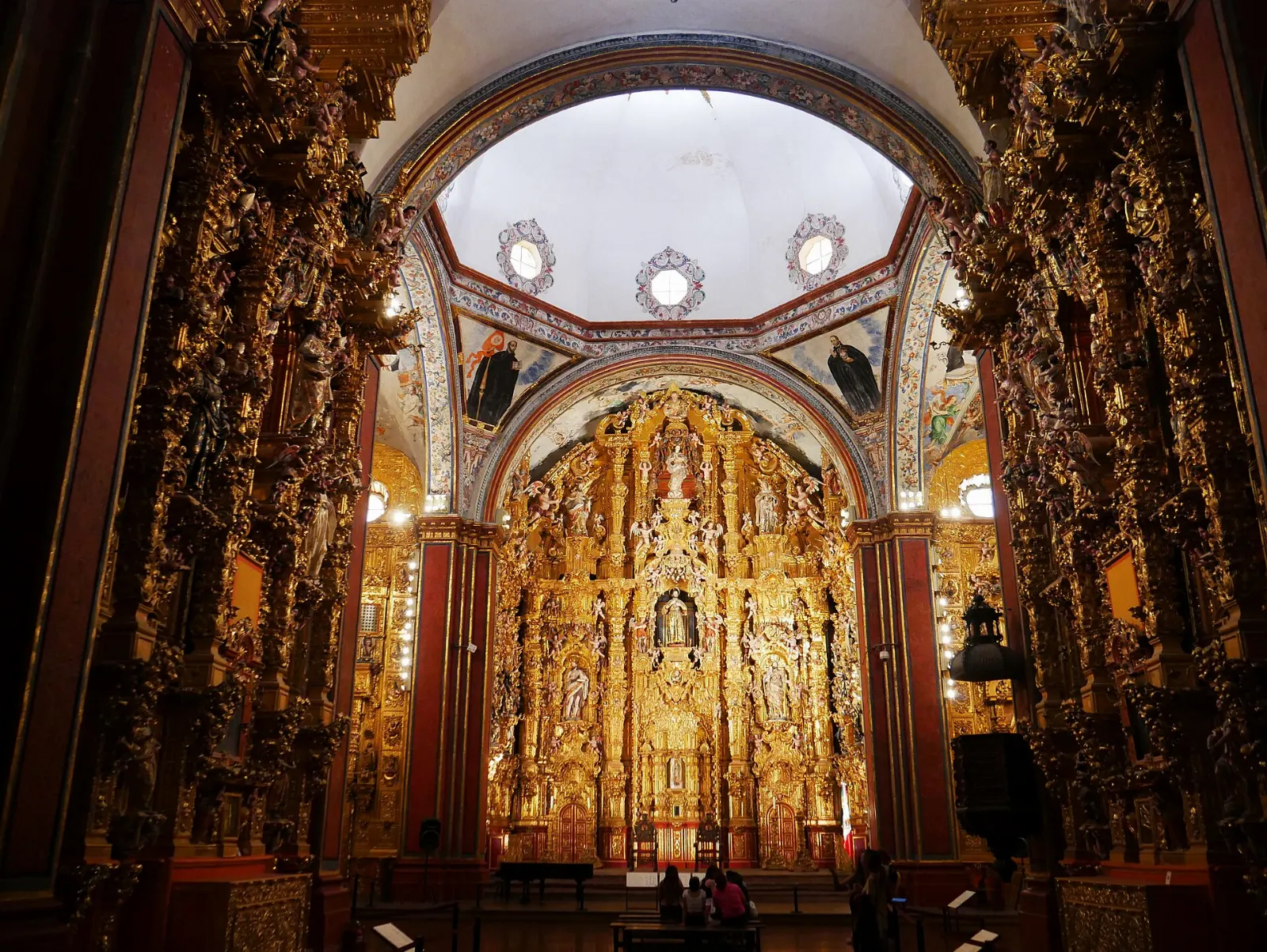
The church attached to the college is no longer used for services and is part of the museum. It holds some of the most important Churrigueresque altarpieces in Mexico, with gilded carving that covers the walls. Take your time and look up at the details.
The church of San Francisco Javier holds Churrigueresque altarpieces and now belongs to the museum. Photo: Luisalvaz, Wikimedia Commons, CC BY-SA 4.0
Museum gardens
Behind the museum, a wide arched passage leads to gardens of more than three hectares filled with sculptures. Here you find the original Salto de Agua fountain, which marked the end of an old aqueduct that ran to Mexico City. The gardens are a relaxing place to rest after the galleries.
The museum gardens cover more than three hectares and include the Salto de Agua fountain. Photo: José de Ibarra, Wikimedia Commons, Public domain
Parroquia de San Pedro Apóstol
The parish church is known for its tranquil interior and ornate doorway. It stands where friars built a small hermitage in 1525, soon after the Spanish arrived. A short visit is enough, but it pairs well with a pause on the plaza outside.
The parish church of San Pedro Apóstol stands on the site of a hermitage founded in 1525. Photo: Juan Carlos Fonseca Mata, Wikimedia Commons, CC BY-SA 4.0
Plaza Virreinal
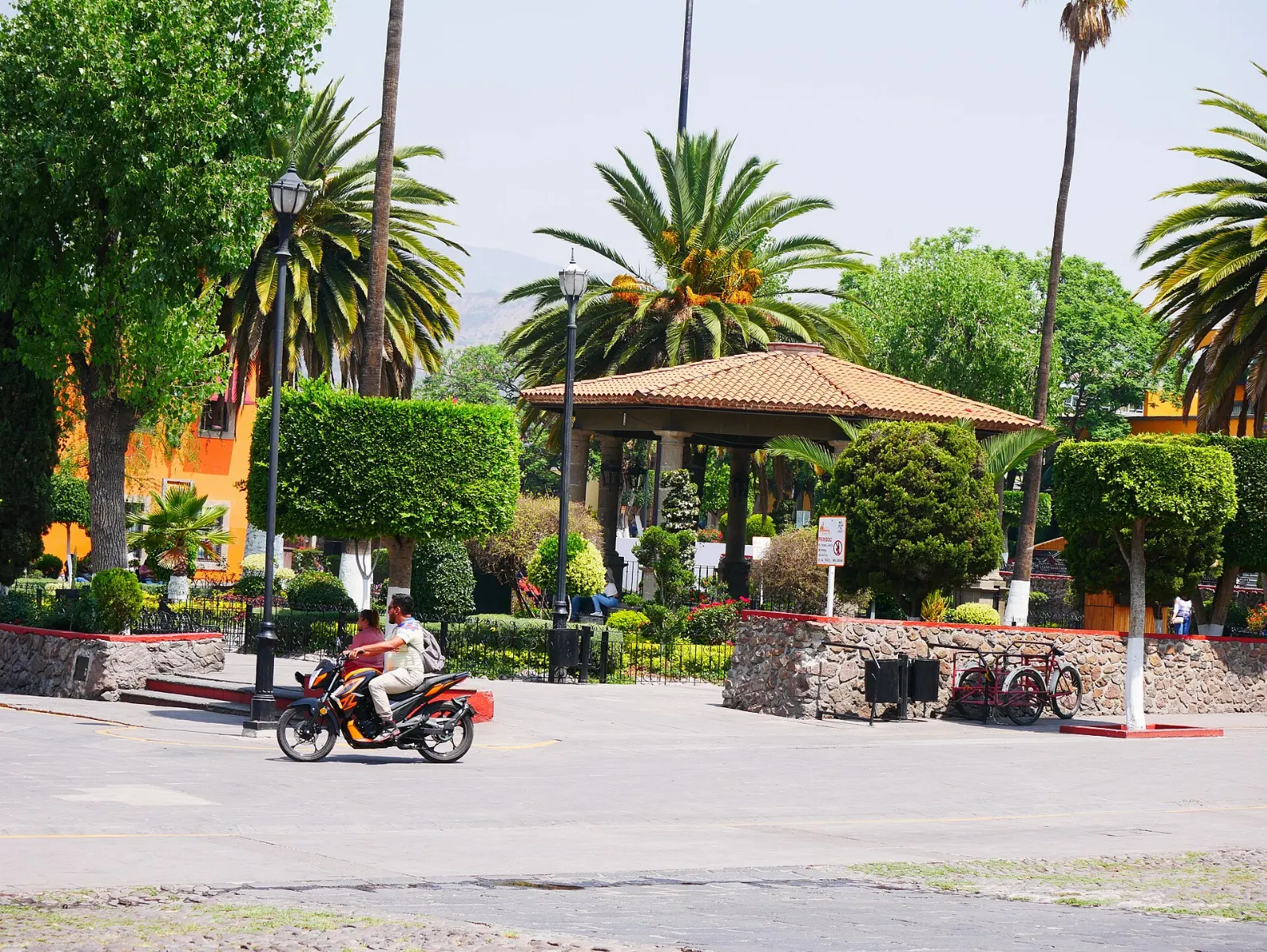
The Plaza Virreinal is the heart of town, with a kiosk where cultural events are held. Around it you find restaurants in old mansions, small shops and a calm, unhurried feeling during the week. On weekends the plaza fills with visitors and street stalls.
The Plaza Virreinal is the social centre of Tepotzotlán. Photo: Luisalvaz, Wikimedia Commons, CC BY-SA 4.0
Ad
The best places to visit around town
Arcos del Sitio
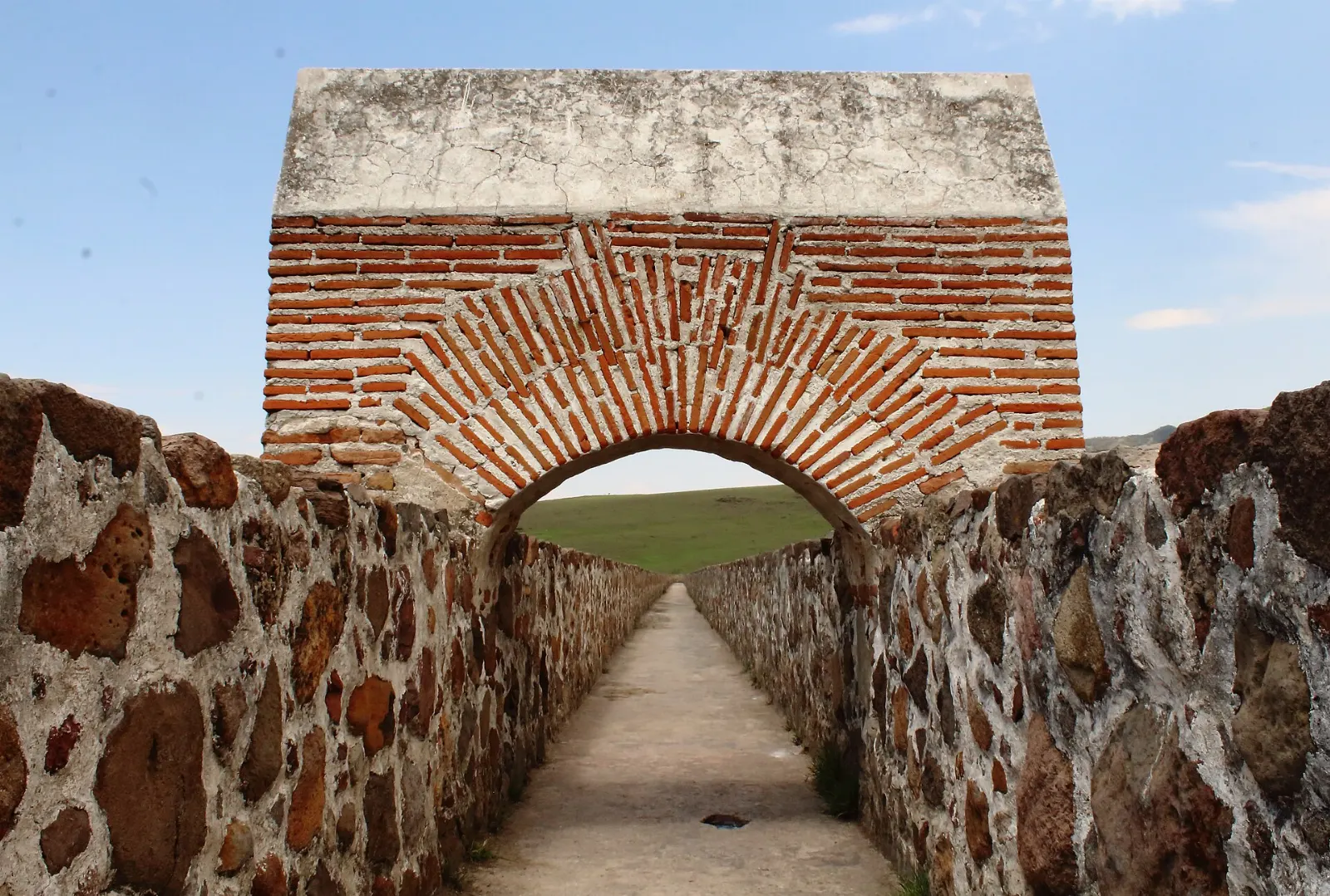
The Arcos del Sitio are the arches of an 18th century aqueduct built to bring drinking water to the area. The surrounding park is a pleasant spot for a picnic, and families spend most of a day there. It also has zip lines, so it suits visitors who want something active.
The Arcos del Sitio are the arches of an 18th century aqueduct. Photo: Adrián Cerón, Wikimedia Commons, CC BY-SA 4.0
Weekend tianguises
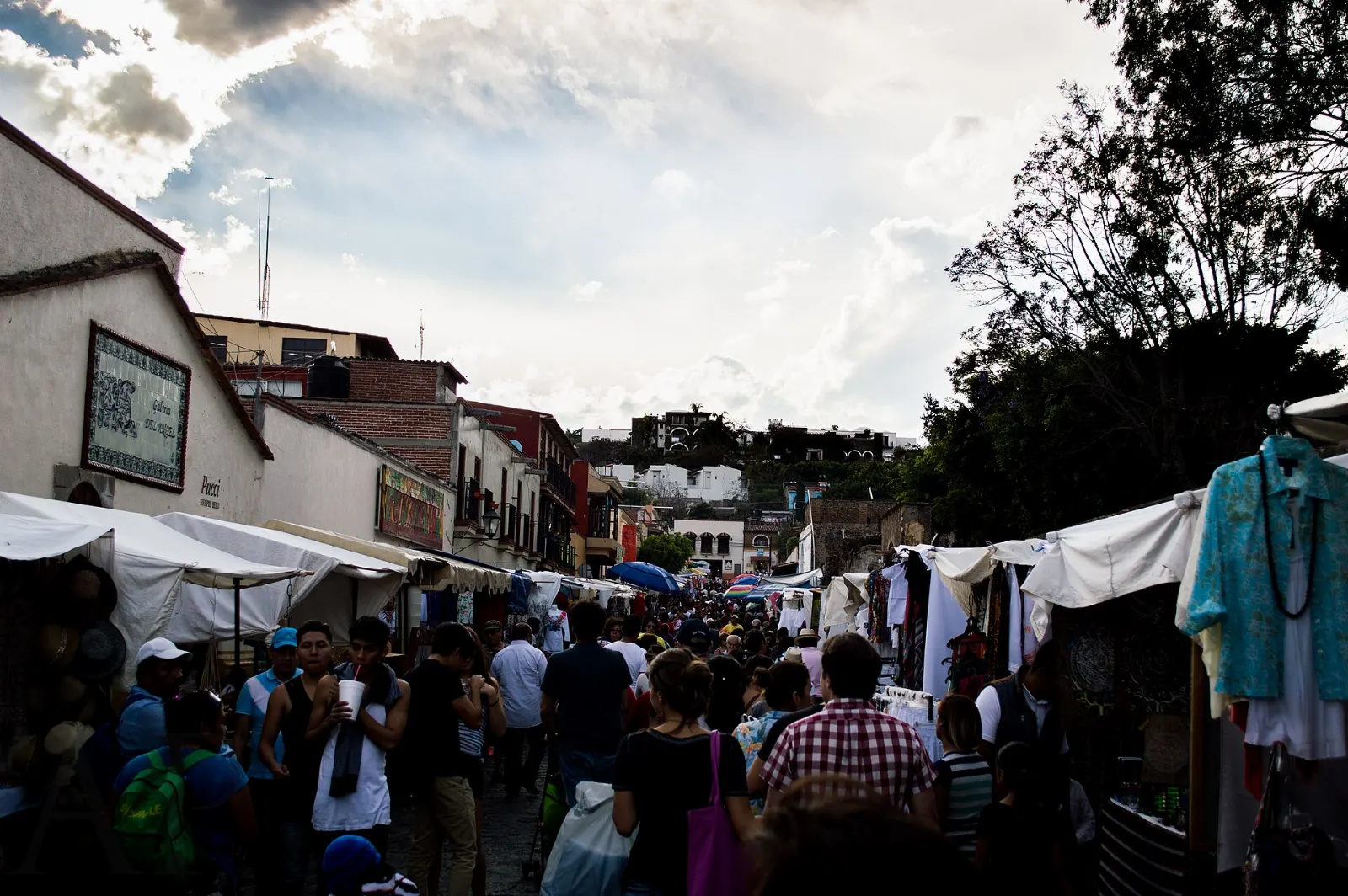
On weekends, informal street markets called tianguises appear on several streets in the centre. Vendors sell handicrafts, homemade food, furniture, antiques, baskets and leather goods. Arrive early for the best choice, and bargain politely.
The municipal market is known for stands selling traditional dishes such as quesadillas, sopes, pambazos and tacos, as well as barbacoa and carnitas. It is a good place to eat a casual lunch among local shoppers.
Pulquería El Mirador
This popular drinking spot, also known as La Cobacha, serves natural and flavoured fresh pulques, along with several beers. It is a fun place to try the traditional drink of central Mexico. Start with a small glass and ask for a natural flavour first.
Tepotzotlán's food is that of central Mexico. Pulque is the fermented agave drink, best tasted fresh in a pulquería. Pambazos are sandwiches made with bread dipped in chile sauce and fried. Barbacoa and carnitas are weekend favourites at the municipal market.
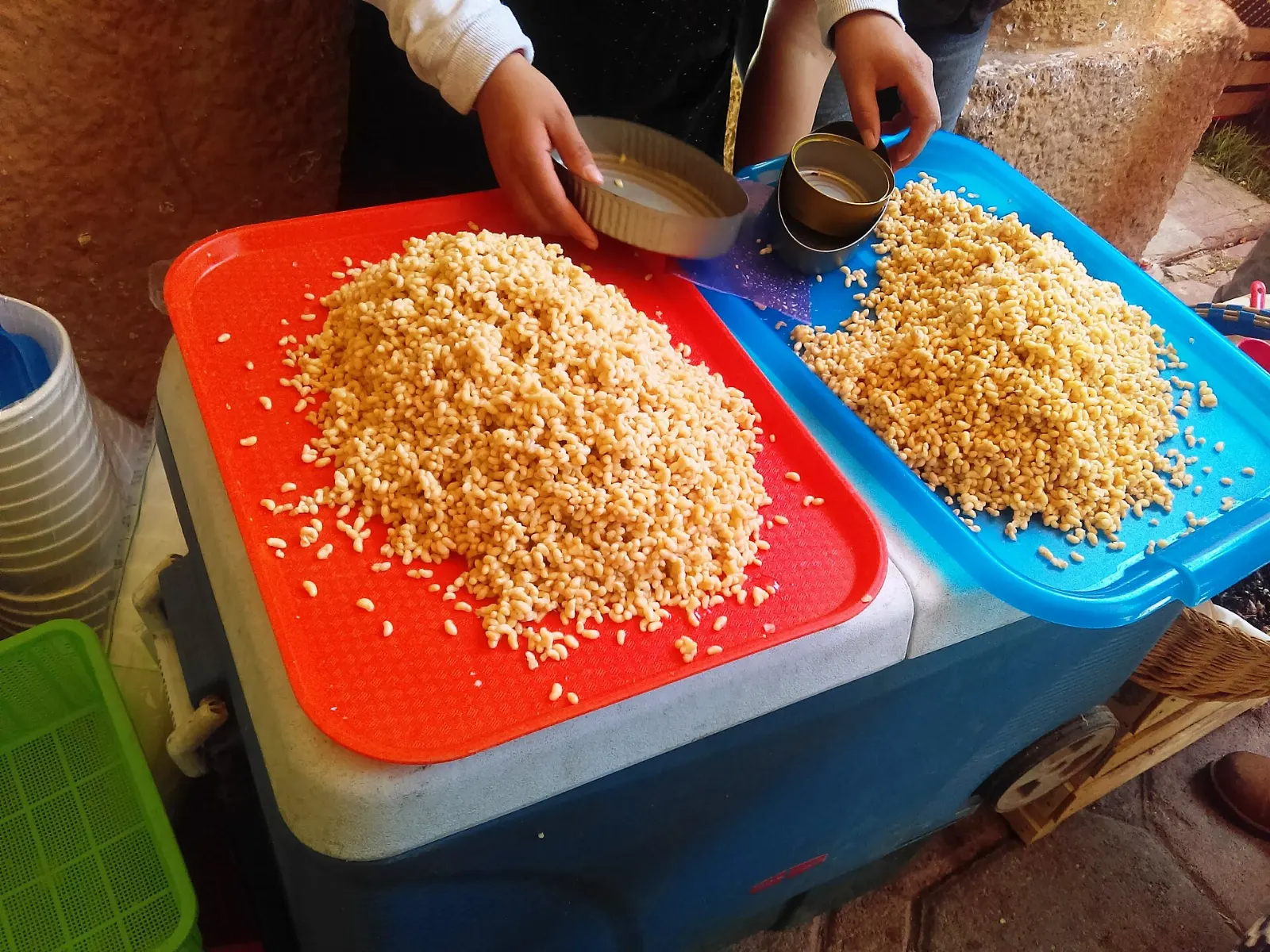
More adventurous restaurants serve escamoles, the larvae of ants, which are buttery and nutty in taste and have been eaten since Aztec times. You can also find chapulines and cabrito in some restaurants. Many restaurants cluster around the plaza.
Escamoles are the edible larvae of ants and a traditional food of central Mexico.Photo: RubeHM, Wikimedia Commons, CC BY-SA 4.0
Popular dishes to try in Tepotzotlán
Pulque Pulque is the fermented agave drink, best tasted fresh in a pulquería.Photo: Proyecto Hunab Ku, Wikimedia Commons, CC BY-SA 4.0Escamoles More adventurous restaurants serve escamoles, the larvae of ants, which are buttery and nutty in taste and have been eaten since Aztec times.Photo: Cvmontuy, Wikimedia Commons, Public domainPambazos Pambazos are sandwiches made with bread dipped in chile sauce and fried.Photo: Calipso03, Wikimedia Commons, CC BY-SA 4.0Barbacoa Barbacoa and carnitas are weekend favourites at the municipal market.Photo: Equipo 9mkt, Wikimedia Commons, CC BY-SA 3.0
Ad
Where to stay
The town is small, and lodging is concentrated in the centre.
Tepotzotlán centro is the best place for most visitors. The museum, the plaza and restaurants are within walking distance, and you can see the town quietly after day trippers leave.
Barrio de Texcacoa and Barrio de San Martín are neighbourhoods of the town that suit travellers who want a more local atmosphere away from the plaza. Check availability and distance to the centre before you book.
Arcos del Sitio is the green area near the aqueduct and suits families and active travellers who want parkland close by. Many people also base themselves in Mexico City and visit for the day, since the drive is only about an hour.
Where to stay in Tepotzotlán
Tepotzotlán centro Tepotzotlán centro is the best place for most visitors.Photo: Juan Carlos Fonseca Mata, Wikimedia Commons, CC BY-SA 4.0Barrio de San Martín Barrio de Texcacoa and Barrio de San Martín are neighbourhoods of the town that suit travellers who want a more local atmosphere away from the plaza.Photo: Zarateman, Wikimedia Commons, CC0Arcos del Sitio Arcos del Sitio is the green area near the aqueduct and suits families and active travellers who want parkland close by.Photo: Adrián Cerón, Wikimedia Commons, CC BY-SA 4.0
Best time to visit
Tepotzotlán has a mostly temperate climate. Most rain falls in the summer, and freezing temperatures are common in winter, so bring a jacket for evenings. Weekdays are quiet, while weekends bring many families from Mexico City and the tianguises are busiest.
Three big festivals mark the year. The Festival of Flowers takes place in mid-March, the Feast of San Pedro, the patron saint, is celebrated in June, and the festival of the Señor del Nicho is held in September. An international music festival also happens in September. Expect crowds and plan accommodation early for these dates.
Ad
Getting there and getting around
Tepotzotlán is about 40 kilometres from Mexico City. By car, take the Mexico City to Querétaro highway, MEX 53D, and exit at kilometre 41. The drive takes about an hour, depending on traffic, and taxis or rideshares are another comfortable way to go.
By bus, services run from the Tasqueña terminal and from Terminal del Norte in Mexico City, and several lines serving Querétaro and central Mexico stop at the Tepotzotlán bus station on the highway. Ask about the connection into the town centre when you arrive.
Once there, walking and taxis are the best ways to get around. The historic centre is compact, with cobblestones, so wear comfortable shoes. Cell coverage is good in town and along the highway.
A suggested itinerary
First day
Arrive in the morning and spend the first half of the day at the Museo del Virreinato, the church and the gardens. Have lunch near the plaza, then visit the Parroquia de San Pedro Apóstol.
Second day
Walk or take a taxi to the Arcos del Sitio for a picnic and a stroll. Return for the tianguis if it is a weekend, and end with pulque at El Mirador before heading home. If you are staying only one day, choose the museum and the plaza, and keep the aqueduct for another visit.
Ad
Practical tips
Arrive early on weekends to avoid the biggest crowds at the museum and markets.
Check the museum's current opening days and hours on its official website before you go.
Wear comfortable shoes for the cobblestone streets.
Take a jacket, as evenings can be cold at this altitude.
Carry some cash for market stalls, since small vendors may not take cards.
Try pulque in small amounts first if you have not had it before.
Check your government's current travel advisory before you go.