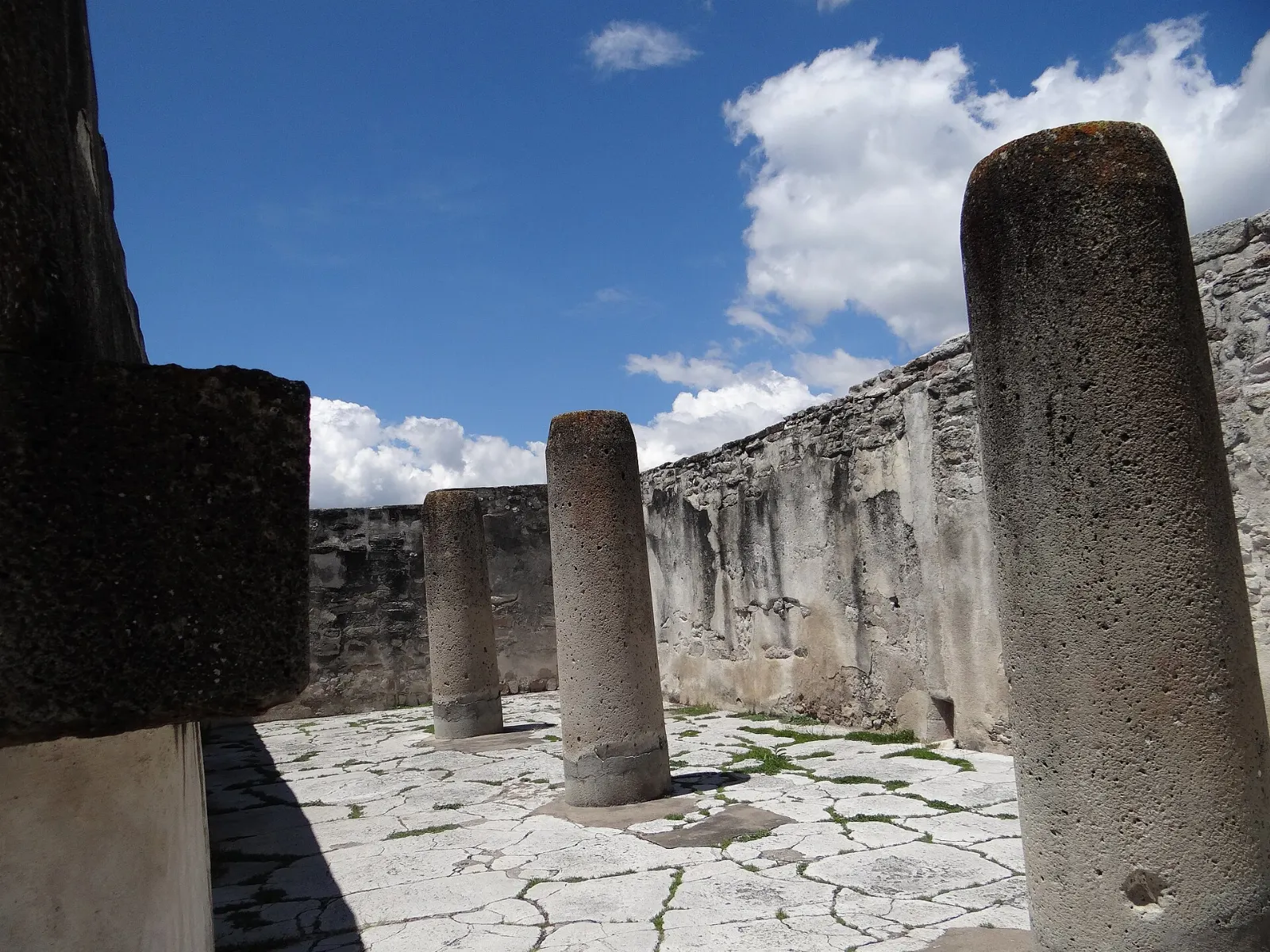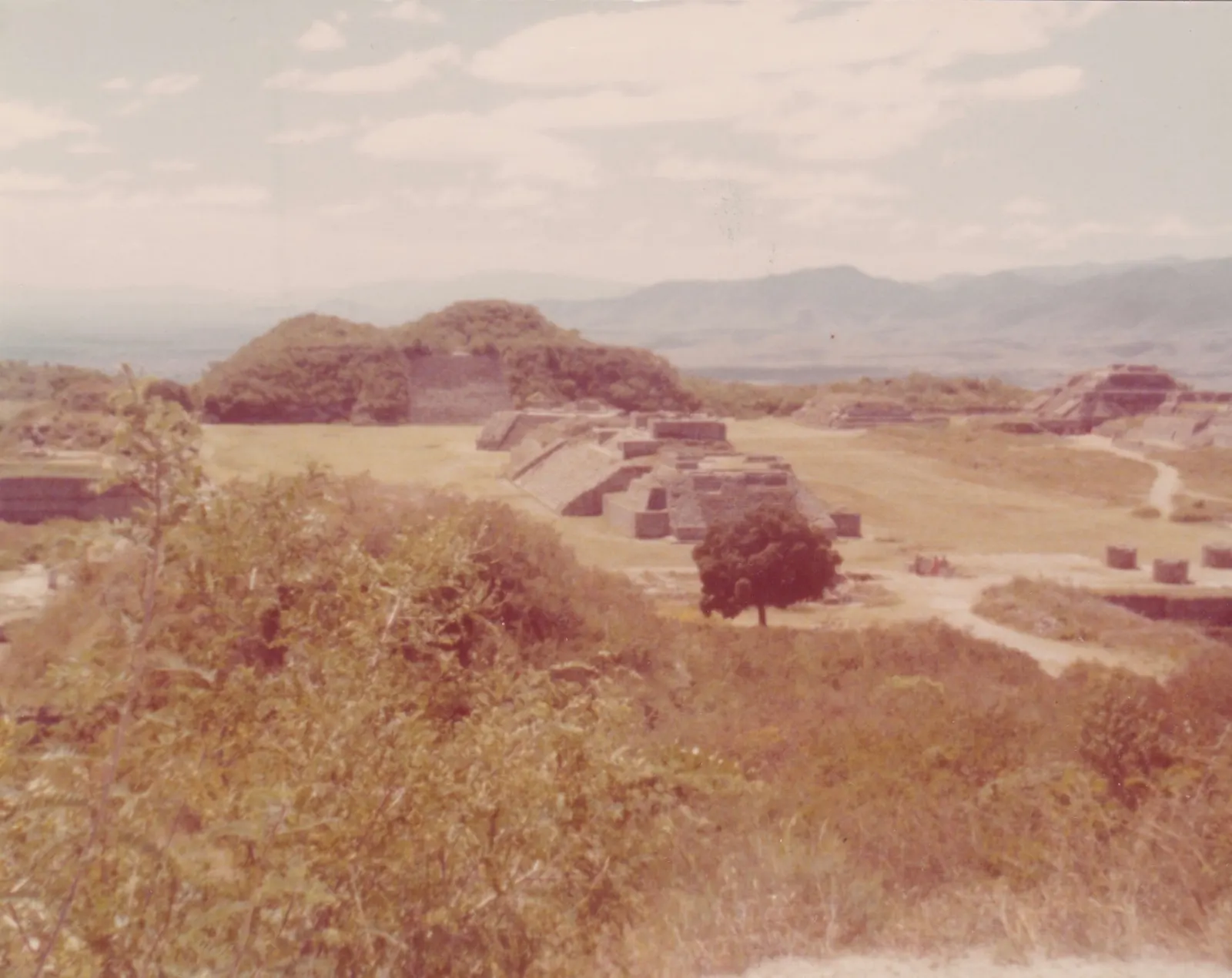
Monte Albán is a Zapotec and Mixtec archaeological site on a levelled hilltop about ten kilometres west of Oaxaca City. For nearly a thousand years this was the political and economic centre of the Zapotecs, a contemporary of Teotihuacán in central Mexico.
AT A GLANCE
Best time
November to April is dry, and mornings are cooler and less crowded.
How long
Allow two to three hours at the site, or half a day with the museum.
Getting there
Take a taxi or shuttle bus from central Oaxaca City in about thirty minutes.
Why visit Monte Albán
Around 500 BCE the Zapotecs began levelling this mountaintop, some 400 metres above the floor of the Oaxaca Valley.
Visiting today means walking among platforms, a ball court, tombs and carved stones that are more than a thousand years old. Large-scale excavation began in 1931 under Alfonso Caso, and much of what you see was reconstructed then.
By its second major phase the city housed some seventeen thousand people. It lost its pre-eminence in later centuries and was abandoned by the Zapotecs by about 1200, after which a much smaller Mixtec population reused existing structures until the Spanish conquest.
The Great Plaza and its monuments
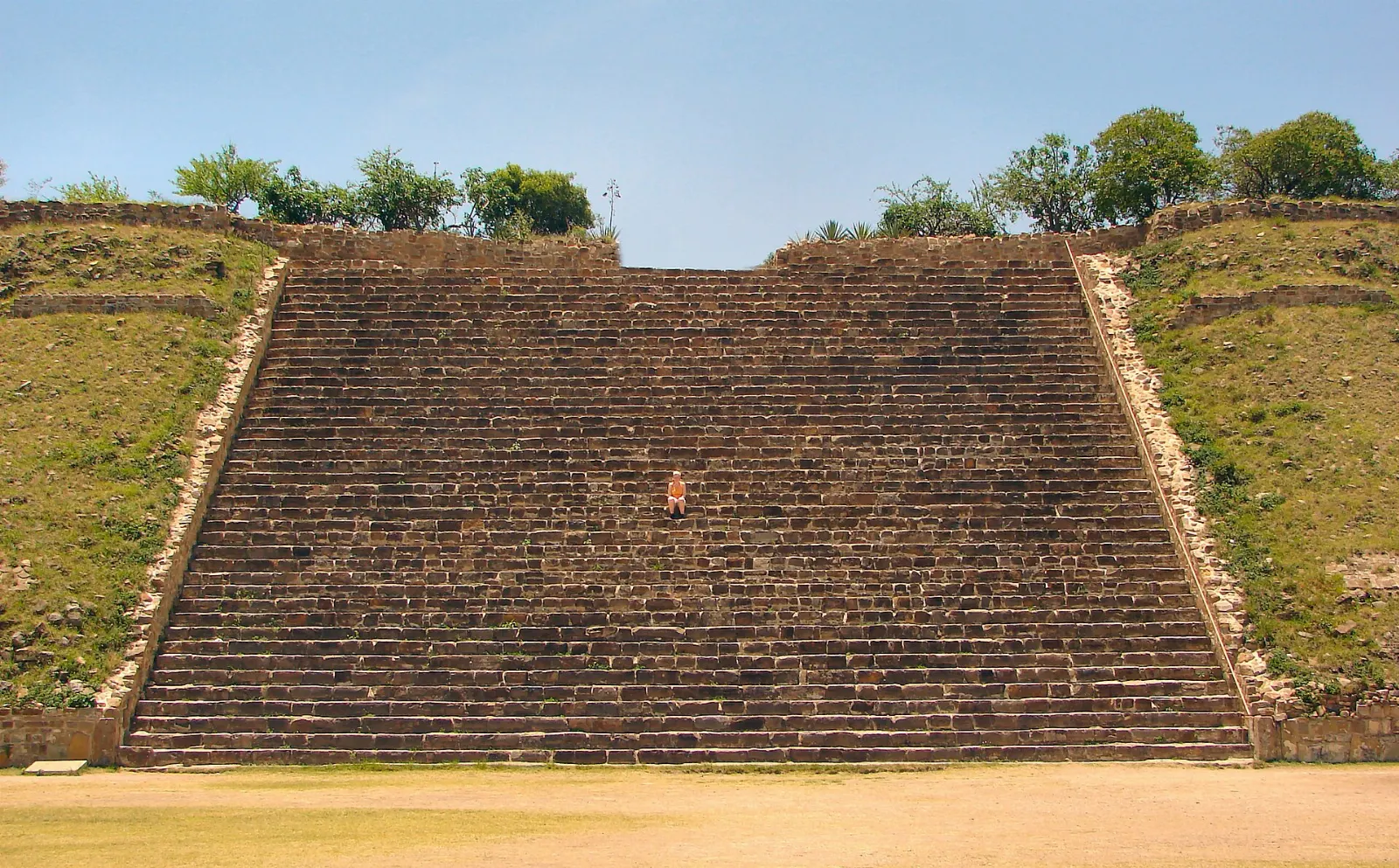
North Platform
This large, high platform holds several structures, possibly temples, at the top. If you are short on time, you can go straight to it and back for a great view over the whole site.
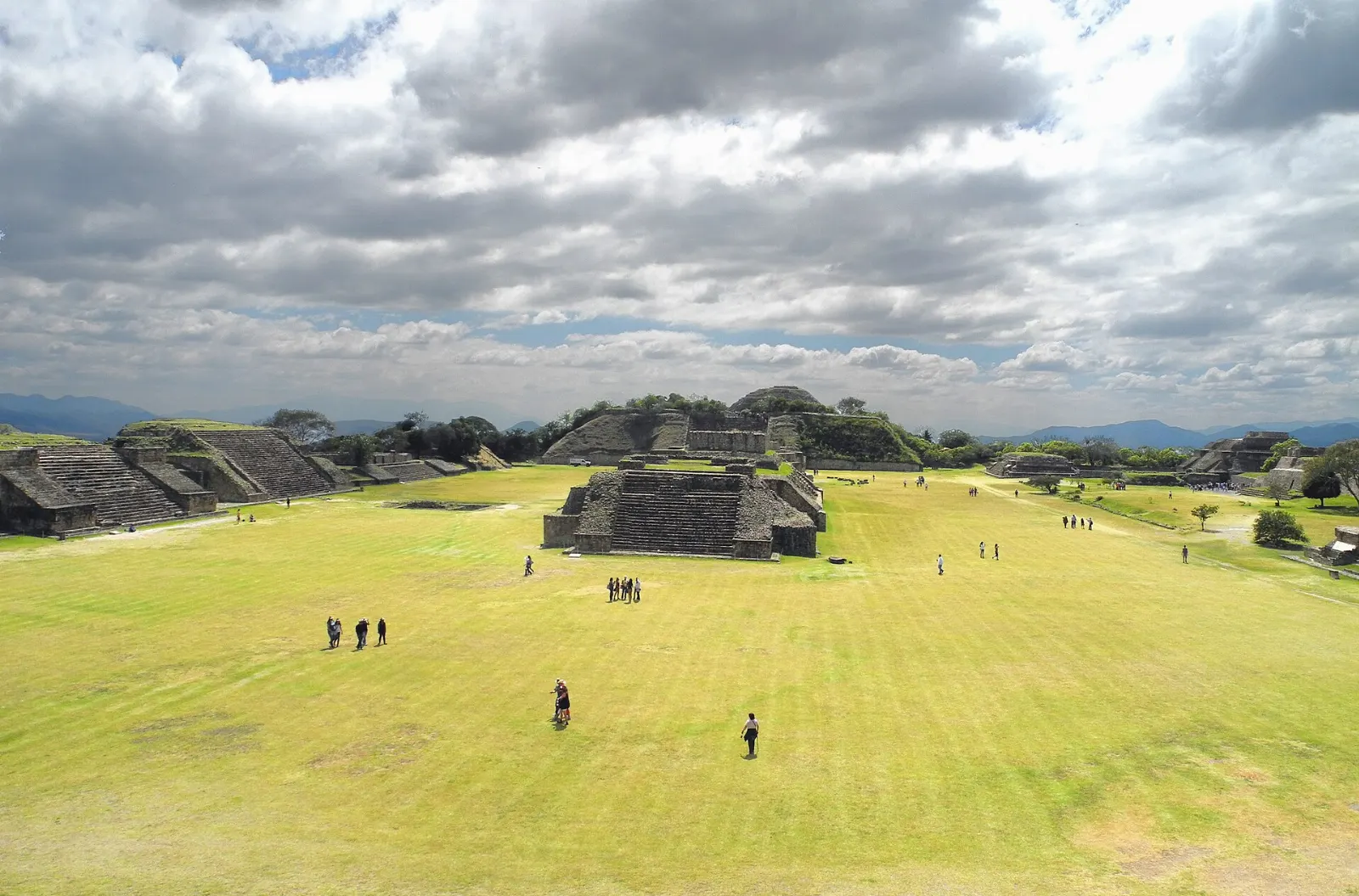
South Platform
The South Platform is a very large pyramid with an open plaza at its top, and it is one of the best viewpoints in the ancient city.
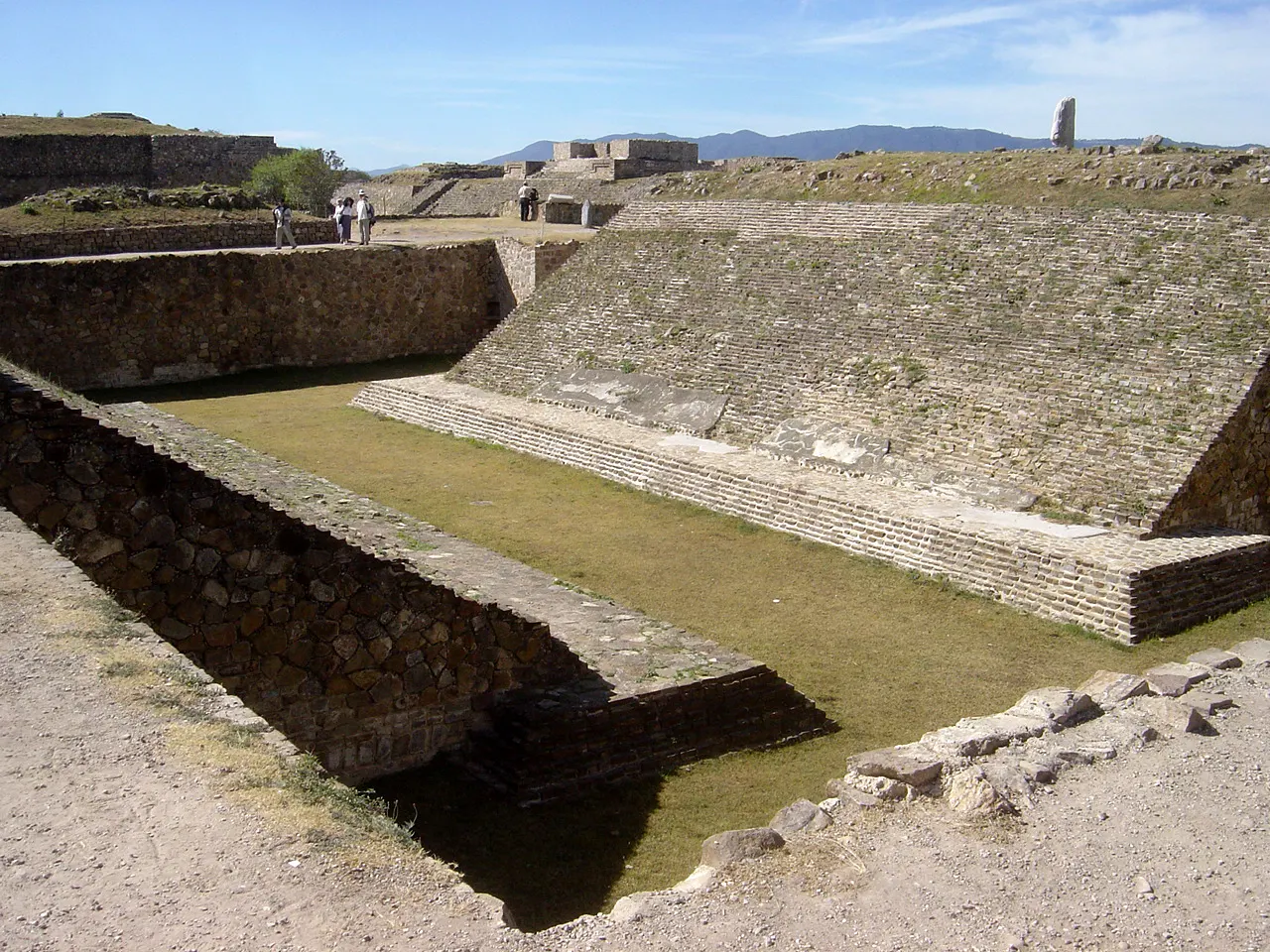
The ball court
The Great Ball Court shows how the Zapotecs laid out their game space very differently from the Maya sites at Cobá or Chichén Itzá.
Los Danzantes
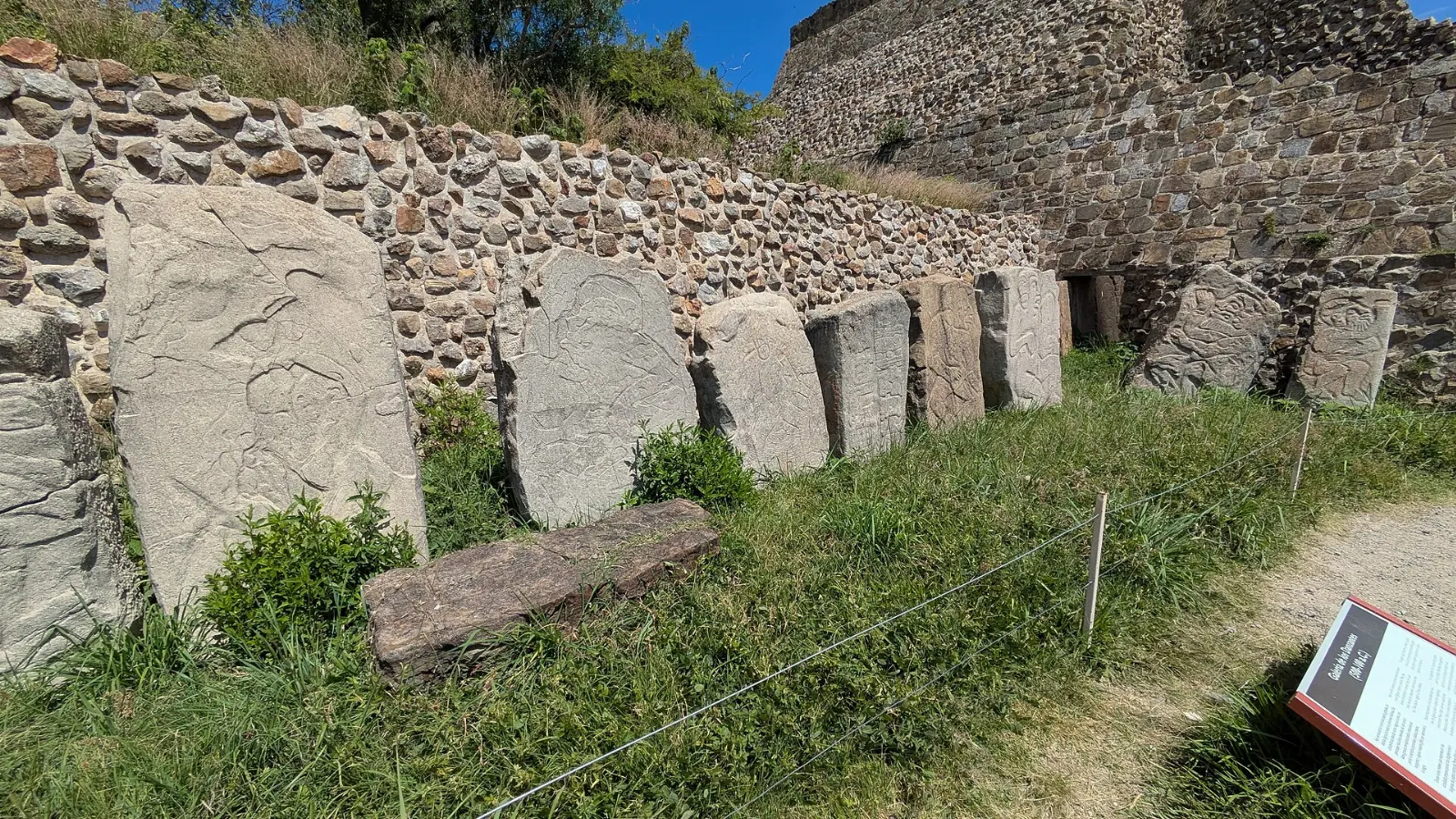
The Plaza de los Danzantes displays replicas of carved stones found near Building L, showing figures in twisted poses. Early archaeologists called them dancers, but a more recent reading is that they are mutilated captives.
Building J
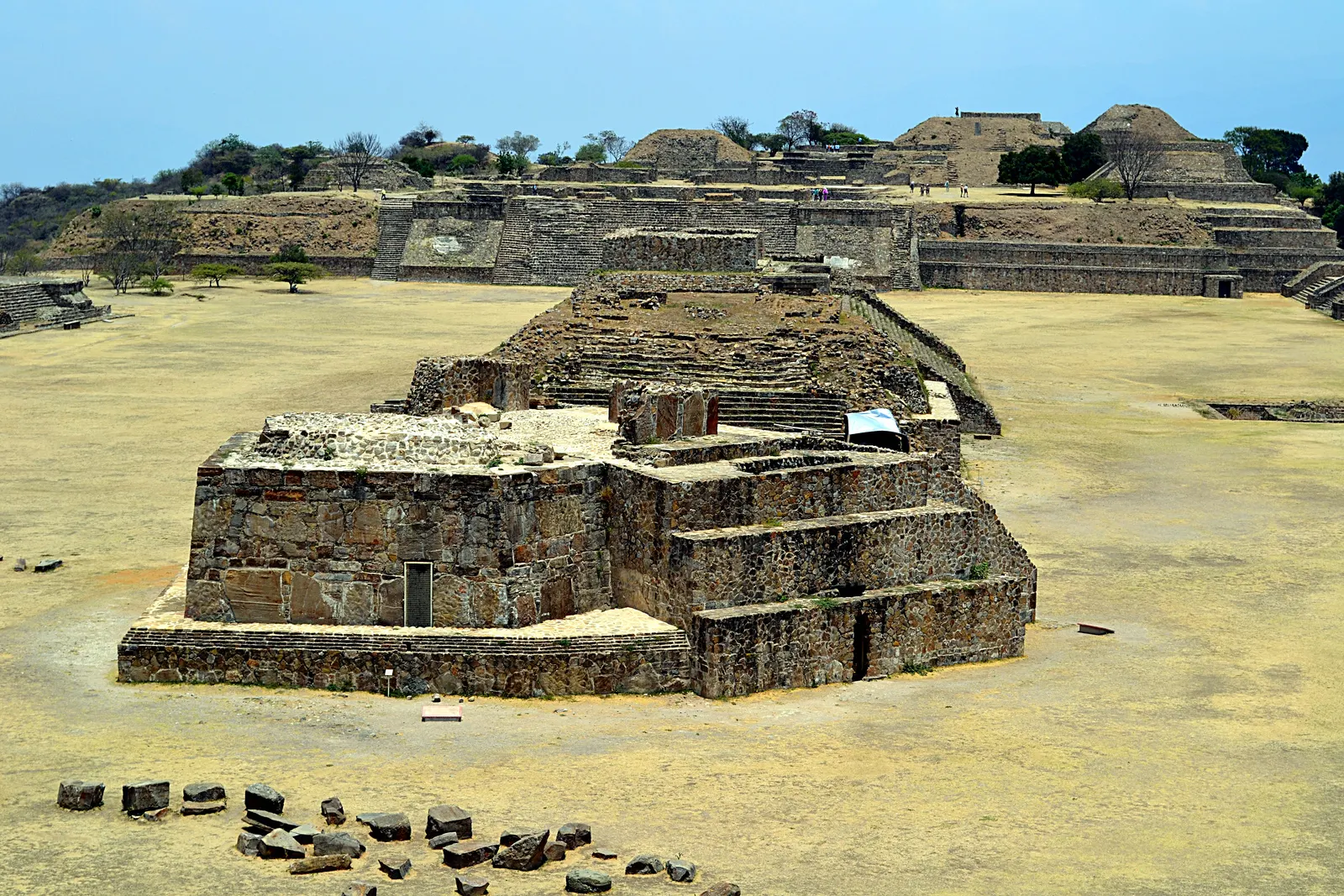
Building J has an unusual alignment and design that suggests it served as an astronomical observatory. It is easy to spot because it does not line up with the rest of the plaza.
Viewpoints, tombs and museums
The banknote viewpoint
The artwork on the back of a Mexican banknote shows the view from this small, unexcavated ruin.
Museo del Sitio de Monte Albán
The small site museum offers interpretive displays and relics excavated in the early twentieth century. Its highlights are the collection of stelae and the original Danzantes carvings.
Tomb 7
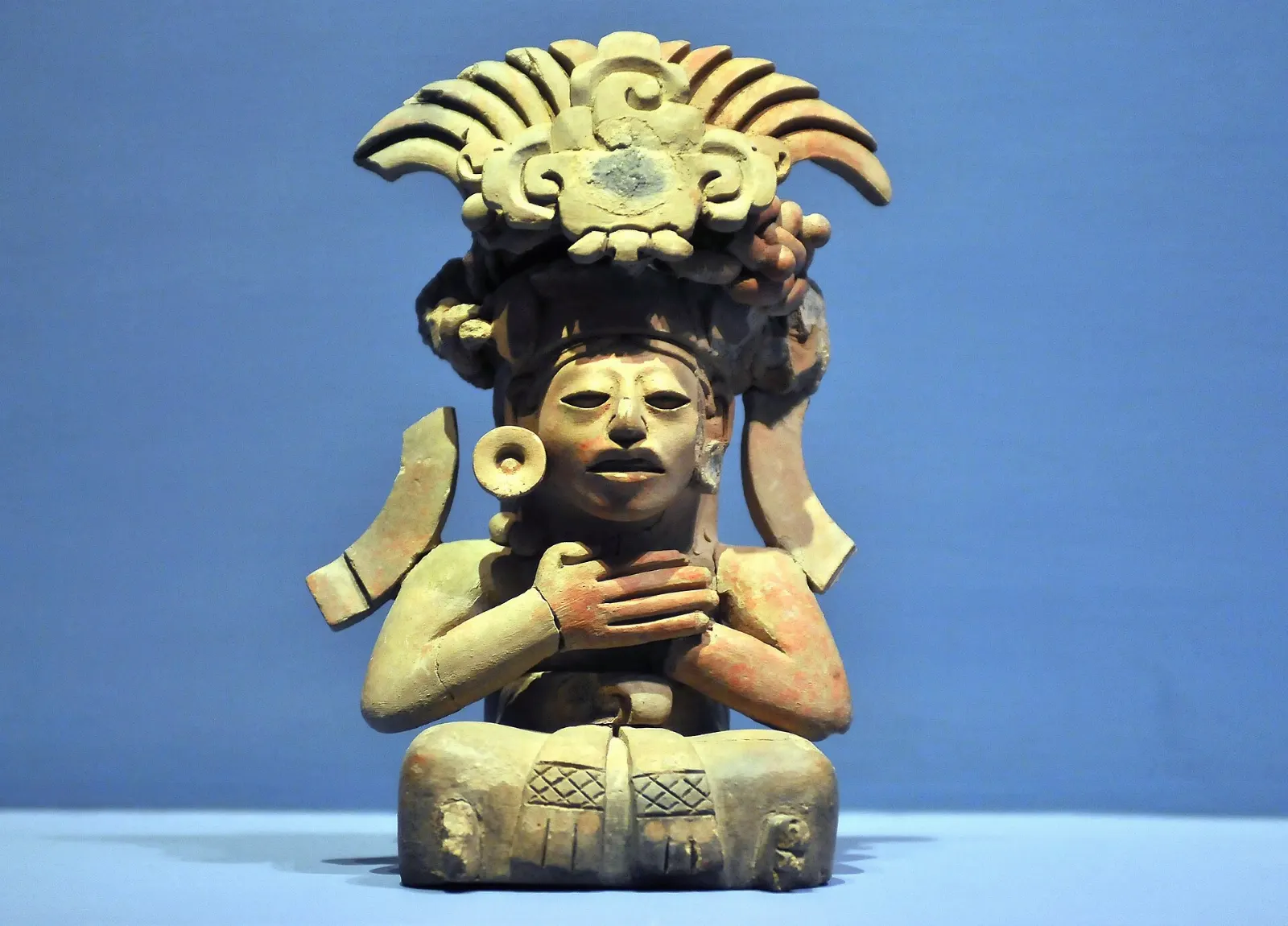
Mexican archaeologists uncovered this treasure-filled tomb in the early 1930s. The tomb itself is closed to visitors, but you can learn about it at the site.
Museo de las Culturas de Oaxaca
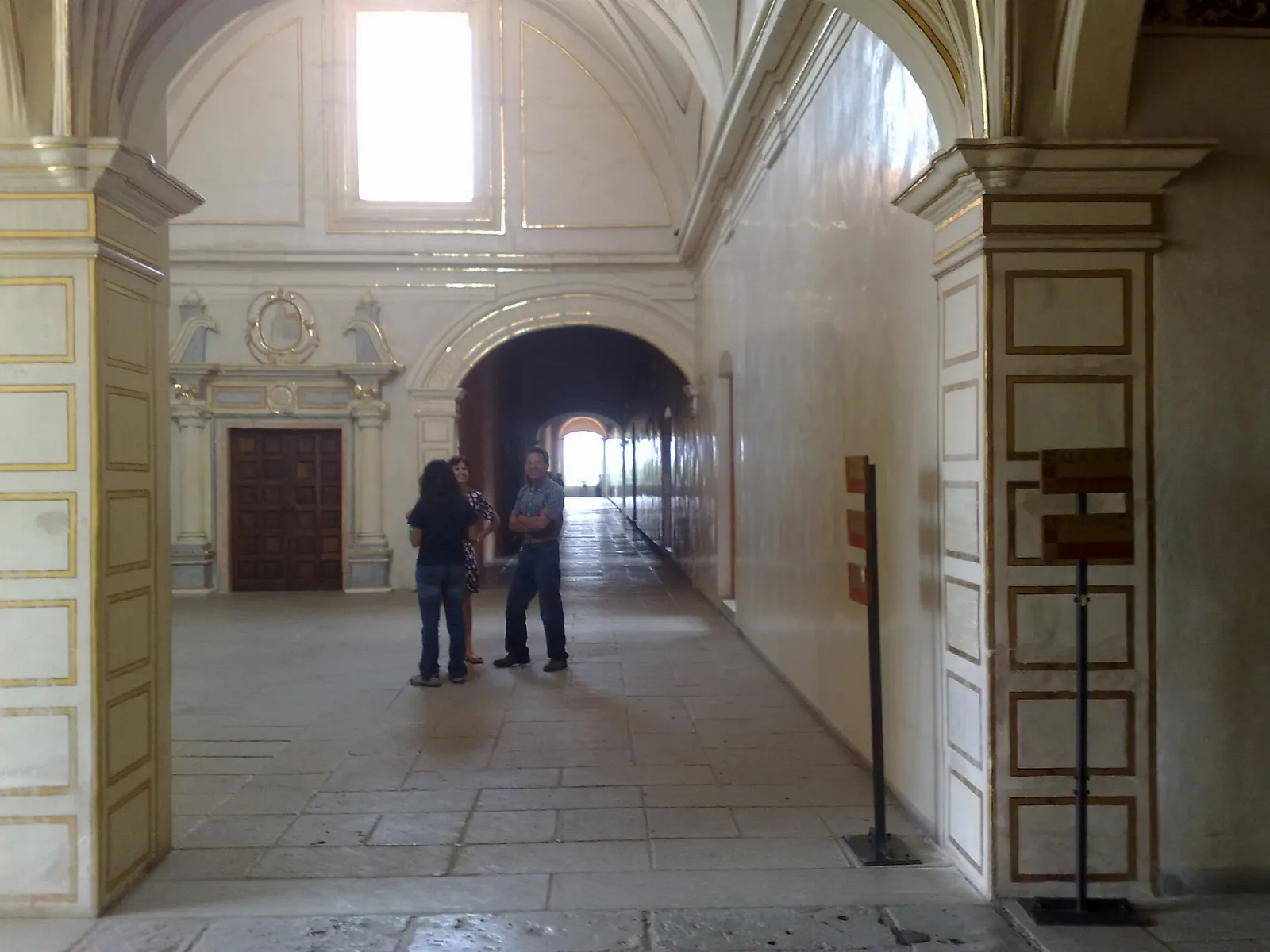
Back in the city, this museum shows the treasures of Tomb 7 and is the natural companion to a Monte Albán visit. Give it a couple of hours.
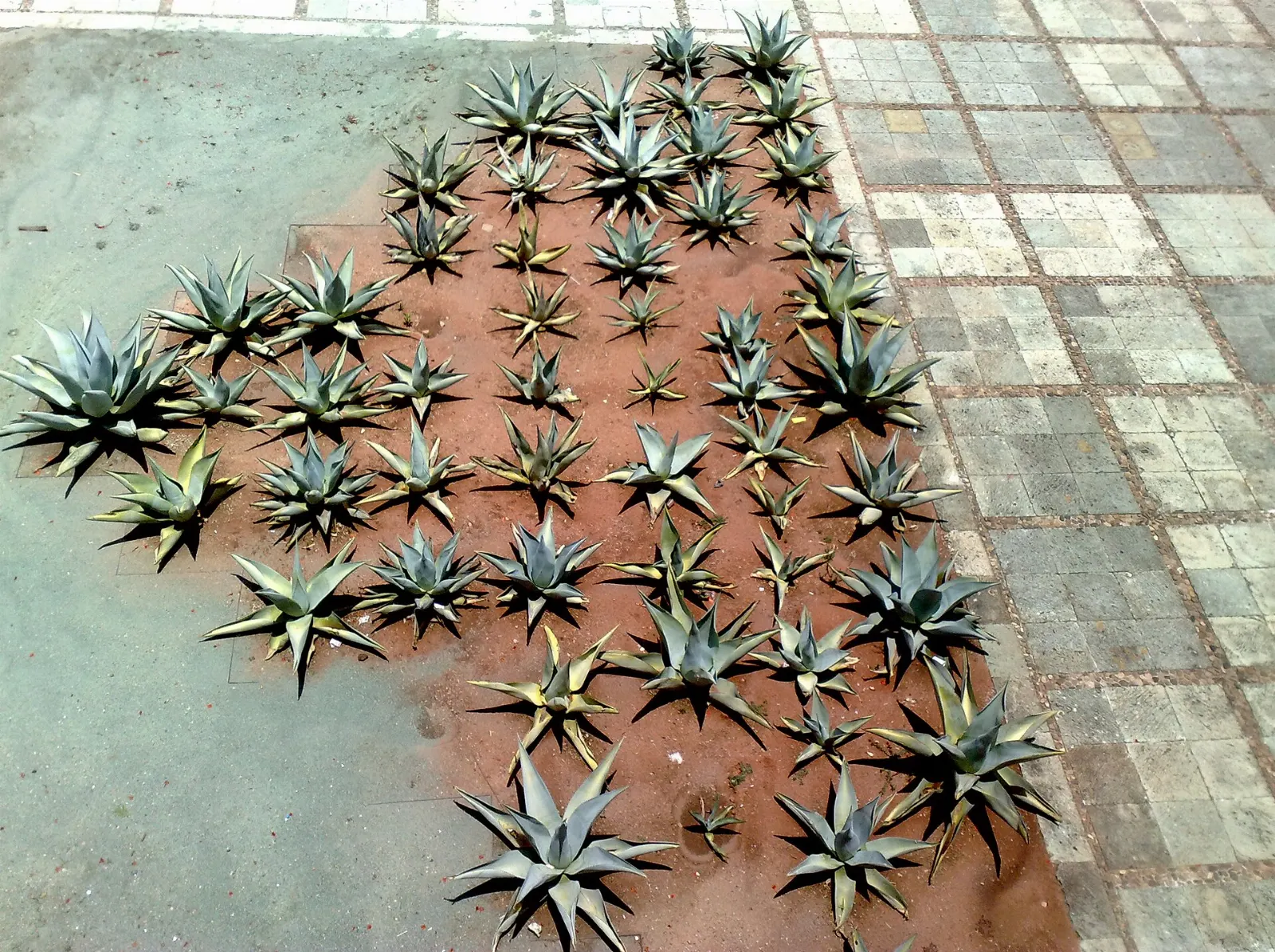
Further afield, Mitla was a Zapotec and Mixtec spiritual centre and is an easy next stop for anyone wanting more ruins.
Food and local flavors
Food at the site is limited to a snack window by the turnstiles and a cafe in the museum, so save your appetite for Oaxaca City. Order a tlayuda, a large crisp tortilla with beans, cheese and meat.
To drink, ask for tejate, a cold, foamy blend of maize and cacao with pre-Hispanic roots, or sip mezcal, the smoky spirit most of which comes from Oaxaca. Browse the city's central markets, including Mercado 20 de Noviembre near the shuttle departures, for local flavours.
Popular dishes to try in Monte Albán


Where to stay
There is no lodging at Monte Albán, so you stay in Oaxaca City and travel up for the day. The city has plenty of choice, from simple guesthouses to restored colonial buildings, and food, markets and museums are all close at hand.
The Zócalo is the lively centre of the historic city and suits visitors who want cafes, churches and nightlife nearby. The area around Mercado 20 de Noviembre is also central, close to shuttle departures and the food stalls, and works well for early starts.
Where to stay in Monte Albán


Best time to visit
November through April is the dry season, with warm days and cool nights. March through May are the hottest months, with highs often above 30 degrees, though Monte Albán tends to be breezier than the city.
Go early to beat the heat and the tour groups, and bring a hat.
The site is open daily, but the museum may be closed on Sundays. Hours and fees change, so check the official site before you go.
Getting there and getting around
Oaxaca's airport has daily flights from Mexico City and several other cities, including some in the United States and Guatemala. Monte Albán is about ten kilometres west of central Oaxaca.
Shuttles leave from the centre, near Francisco Mina street, and return through the afternoon. Taxis are the most flexible option. A 2 kilometre trail from the western edge of the city climbs to the lower parking lot, and it is much easier to walk back down.
The ticket counter and entrance gate are in the plaza outside the museum, uphill from the two parking lots. Signs in Spanish and English explain the main structures, and a wide pathway winds near most of the major attractions.
A suggested itinerary
First day
Take an early shuttle up, walk the Great Plaza and climb the North and South Platforms. See Los Danzantes, Building J and the ball court, then finish at the site museum.
Second day
Visit the Museo de las Culturas de Oaxaca to see the Tomb 7 treasures, then eat a tlayuda and drink tejate at a market.
Third day
Head out to Mitla to see another Zapotec and Mixtec centre, then return to Oaxaca City for a slow dinner.
Practical tips
- Bring water, a hat, sunglasses and sunscreen because shade is limited.
- Hire a local guide at the entrance for context on the carvings and structures.
- Wear shoes with good grip, since stairs and hillside paths are steep.
- Check the museum schedule if you visit on a Sunday, when it may be closed.
- Carry some cash for entry, shuttle tickets and souvenirs.