WiserMap — Choose wisely. Connect locally.Choose wisely. Connect locally.Add your business
Pátzcuaro, Michoacán · Travel guide

Pátzcuaro Mexico Janitzio Island and Lakeside Villages

Pátzcuaro sits high in the mountains of Michoacán beside a lake of the same name, and it still feels like a working colonial and Purépecha town rather than a stage set. Cobblestone streets run down toward the water, adobe houses wear tiled roofs, and crafts arrive from villages all around the basin.

By WiserMap TravelUpdated October 2026 6 places9 min read
FacebookXLinkedIn
At a glance Pátzcuaro
  1. Best timeEarly November for Day of the Dead, or July to September when the begonias bloom.
  2. How longTwo full days for the center and Janitzio, three or four with the lakeside villages.
  3. Getting thereBy bus or car from Morelia or Uruapan, then explore the center on foot.

Why visit Pátzcuaro

The town was founded around the 1320s and served first as the capital and later as the ceremonial center of the Purépecha.

What keeps visitors here is how much happens within a few blocks: two plazas, a basilica, a former convent full of craft workshops and a market that still serves the surrounding villages. It is not a town for nightlife, so plan your days around sightseeing, long lunches and quiet evenings.

The historic center

Plaza Vasco de Quiroga with trees and colonial buildings in Pátzcuaro, Michoacán

Plaza Vasco de Quiroga

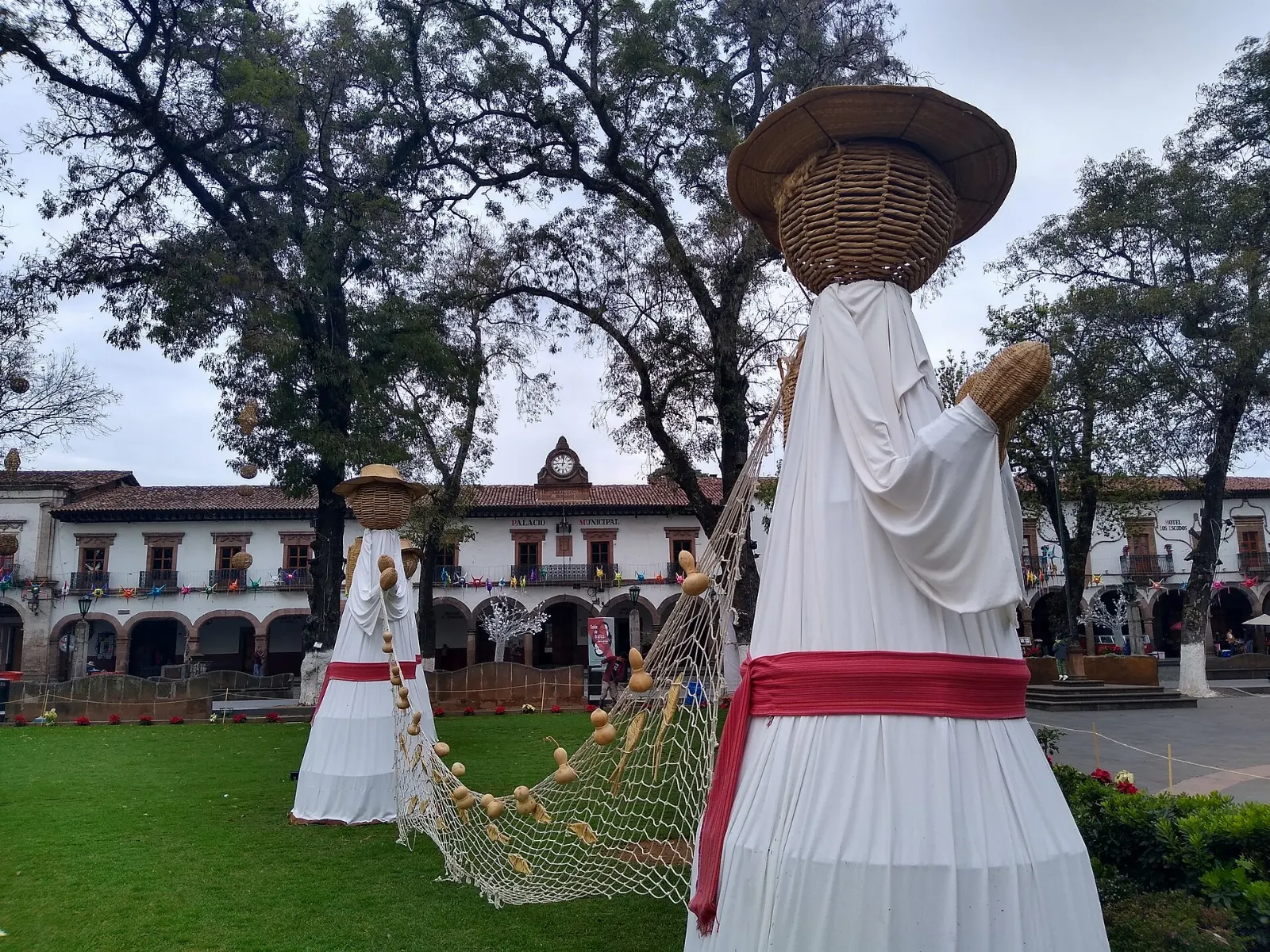
The Plaza Grande is large for a town this size, shaded by old ash trees and ringed by colonial mansions, with a fountain topped by a bronze statue of Bishop Quiroga. Shops under the arcades sell woven textiles, lacquered boxes, copper and guitars.

The Plaza Vasco de Quiroga, also called the Plaza Grande, is the center of Pátzcuaro. Photo: Isaacvp, Wikimedia Commons, CC BY-SA 4.0
Plaza Gertrudis Bocanegra

One block north, the smaller Plaza Chica is the town's market hub. The stalls here specialize in wool, pottery, kitchen goods, copper and straw items, and Friday is the main market day, when vendors arrive from nearby villages.

Facade of the Basílica de Nuestra Señora de la Salud in Pátzcuaro, Michoacán

Basílica de Nuestra Señora de la Salud

Two blocks east of the Plaza Chica, Quiroga built this church over a pre-Hispanic ceremonial site as his cathedral. His five-nave plan was rejected by the Spanish crown, so only one nave was built. The bishop's remains rest inside, and the venerated Virgin figure is made of corn-stalk paste and honey.

The basilica holds the tomb of Bishop Vasco de Quiroga. Photo: Isaacvp, Wikimedia Commons, CC BY-SA 4.0

Biblioteca Gertrudis Bocanegra

The public library occupies the former Temple of San Agustín, founded in the 16th century. Its main draw is the mural by Juan O'Gorman, commissioned by President Lázaro Cárdenas, which tells the history of Michoacán.

Crafts, convents and museums

Courtyard of the Casa de los Once Patios craft workshops in Pátzcuaro, Michoacán

Casa de los Once Patios

This complex was built in 1742 for Dominican nuns, who kept buying neighboring houses until it had eleven courtyards. Today five remain, filled with workshops and shops selling lacquerware, shawls, copper and other Lake Pátzcuaro crafts.

The Casa de los Once Patios was built in 1742 for Dominican nuns and now houses craft shops. Photo: LBM1948, Wikimedia Commons, CC BY-SA 4.0

Museo de Artes e Industrias Populares

Just south of the basilica, this museum fills the old College of San Nicolás that Quiroga founded to train priests and teach Indigenous youth.

Templo de la Compañía

The Church of San Ignacio de Loyola, known as the Temple of the Company of Jesus, has a sober Baroque facade split into panels. Inside you will find religious paintings and carved wooden works, and the tower holds a clock locals call the punished clock.

Around the lake

Hillside town on the island of Janitzio in Lake Pátzcuaro, Michoacán

Janitzio

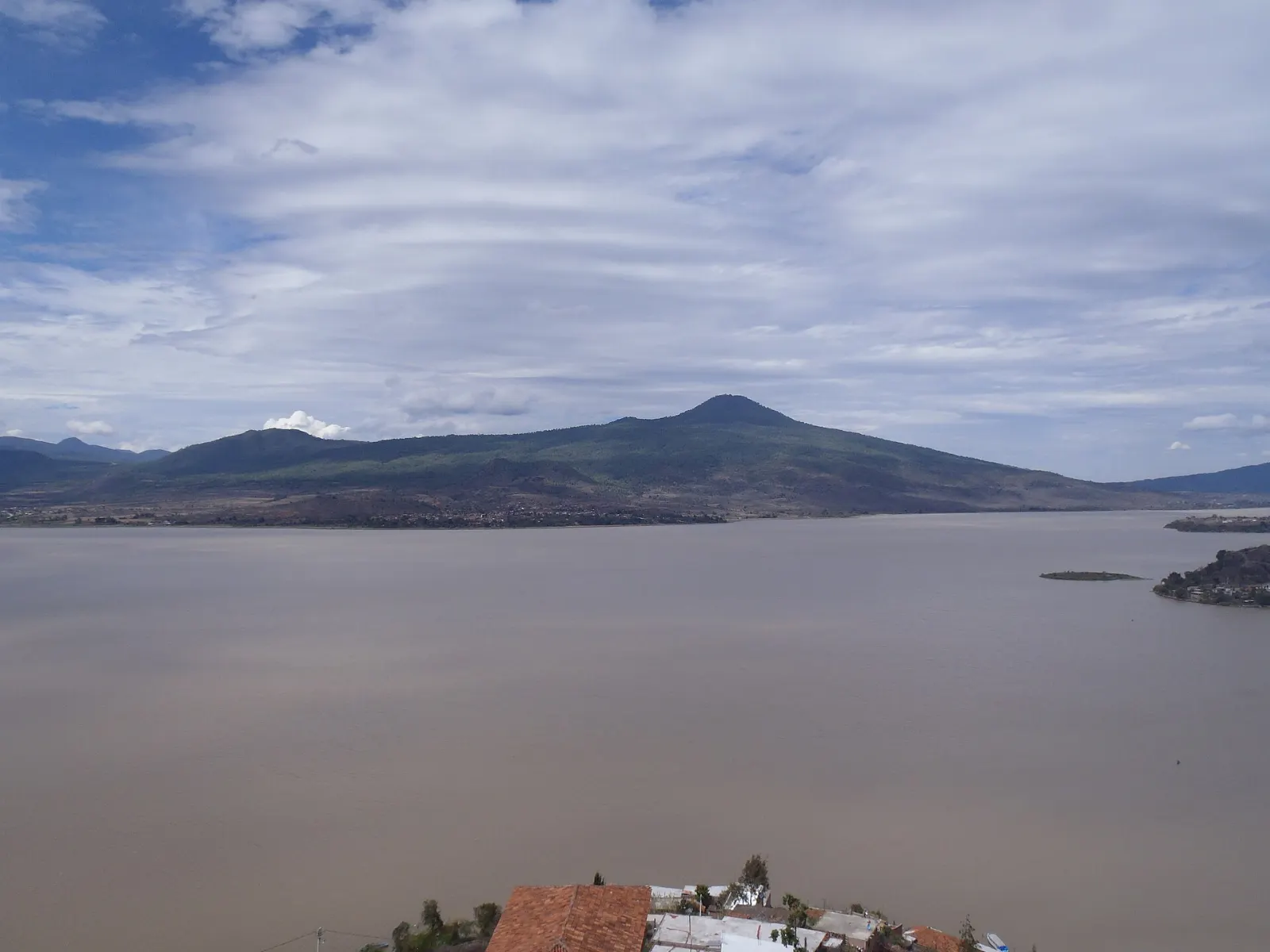
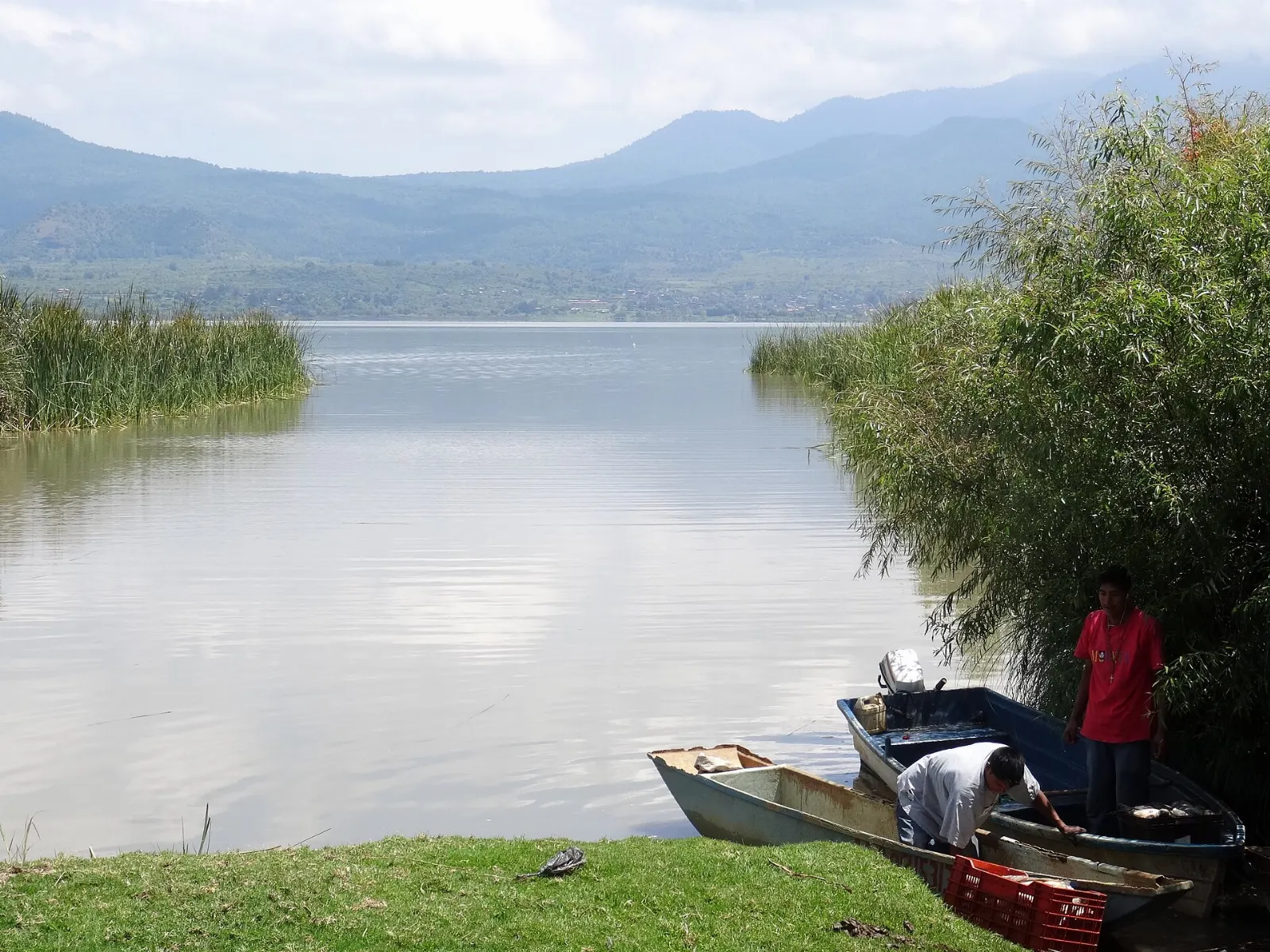
Janitzio is the largest of five islands in Lake Pátzcuaro, and its name means maize flower in Purépecha. Boats leave from the Pátzcuaro pier and take about 25 minutes.

Janitzio is the largest of five islands in Lake Pátzcuaro. Photo: Sunfishtommy, Wikimedia Commons, CC BY-SA 3.0

Round and rectangular stone platforms at the Tzintzuntzan archaeological site, Pátzcuaro, Michoacán

Tzintzuntzan

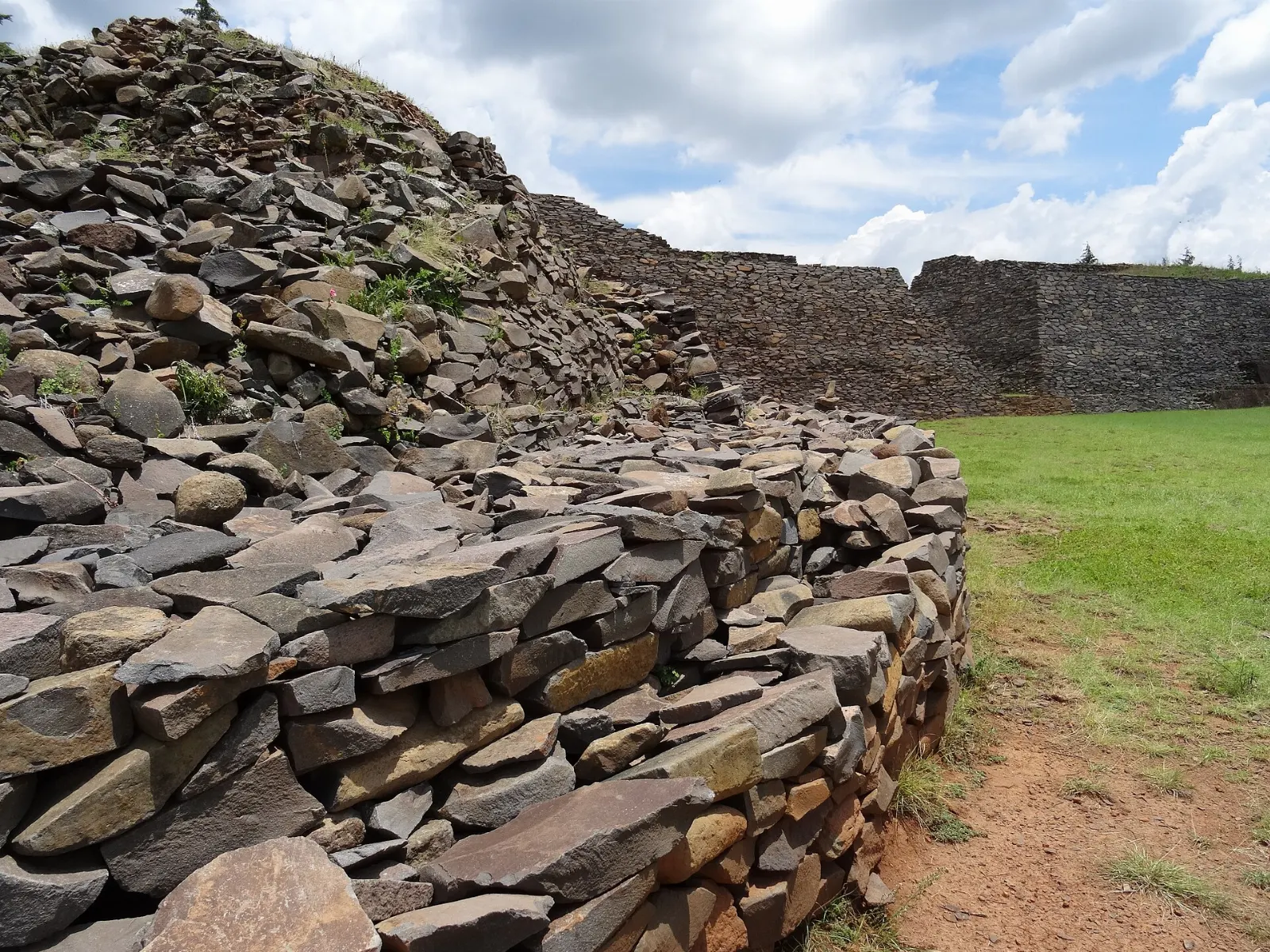
North of Pátzcuaro on the lake road via Quiroga, Tzintzuntzan was the capital of the Tarascan state before the Spanish arrived. Visit the pre-Columbian archaeological site and then the town itself.

Tzintzuntzan was the capital of the Tarascan state before the Spanish arrived. Photo: Adam Jones from Kelowna, BC, Canada, Wikimedia Commons, CC BY-SA 2.0

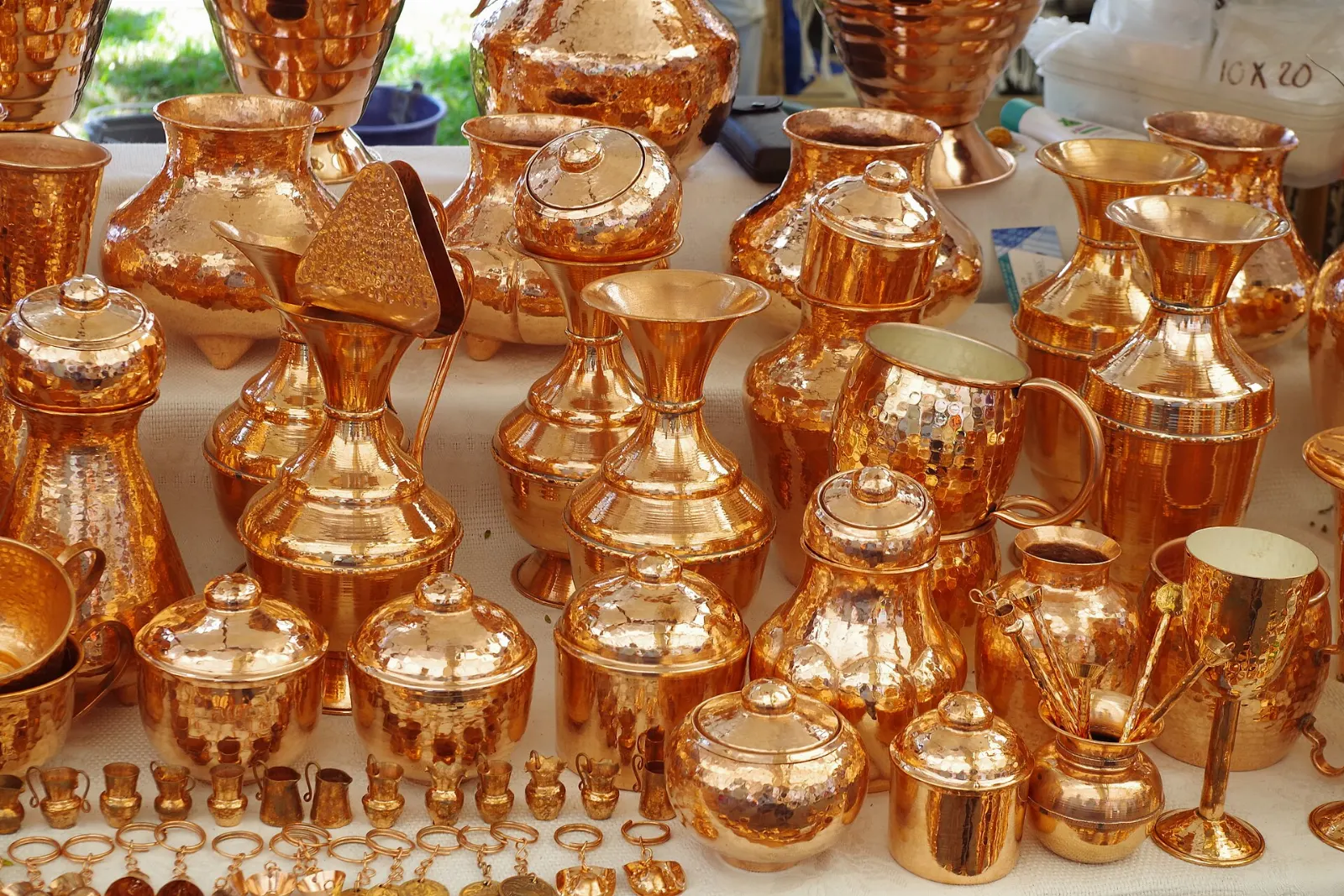
Hammered copper pots displayed in Santa Clara del Cobre, Pátzcuaro, Michoacán

Santa Clara del Cobre

About 18 kilometers from Pátzcuaro, this Pueblo Mágico has worked copper since before the Spanish arrived. Workshops hammer pots, vases and platters by hand, and shops line the center.

Santa Clara del Cobre has been known for copper crafts since the colonial period. Photo: Fernando Hernández Ramírez, Wikimedia Commons, CC BY-SA 4.0

Erongarícuaro

Around 17 kilometers around the lake, Erongarícuaro is a lively, pleasant town where visitors thin out. Share a collectivo from the Plaza Chica, wander the plaza and have lunch. It is a good choice if the center feels crowded.

Food and local flavors

The lake and the cornfields shape the table. Pescado blanco, a silverside found only in Lake Pátzcuaro, is the signature fish and is cooked to order. Charalitos, small fried lake fish with salt, chili and lime, make a good snack.

For a casual meal, walk to the Mercado de Antojitos at the Plaza Chica end of the market, where tamales, corundas and birria are the usual orders. Finish with nieve de pasta, a milk-based ice cream.

Popular dishes to try in Pátzcuaro

Pescado blanco in Pátzcuaro, Michoacán
Pescado blanco Pescado blanco, a silverside found only in Lake Pátzcuaro, is the signature fish and is cooked to order.Photo: Isaacvp, Wikimedia Commons, CC BY-SA 4.0
Sopa tarasca in Pátzcuaro, Michoacán
Sopa tarasca Sopa tarasca is a bean and tortilla soup, spiced with chili and topped with crema.Photo: Radiodreamer, Wikimedia Commons, CC BY-SA 4.0
Corundas in Pátzcuaro, Michoacán
Corundas Corundas are triangular tamales wrapped in corn leaves, eaten with crema and salsa, while uchepos are softer tamales made with tender corn.Photo: Gabriel Flores Romero, Wikimedia Commons, CC BY 2.0

Where to stay

The Centro Histórico is the natural base. Colonial buildings around the two plazas have been turned into inns, you can walk to the basilica, the library and the restaurants, and the bus and boat connections are a short taxi ride away.

Erongarícuaro, around the lake, is quieter and suits travelers who want village life, lake views and an easy pace. Plan on collectivos or a taxi for day trips. Santa Clara del Cobre suits craft lovers and slow travelers who would rather wake up among copper workshops and visit Pátzcuaro by day.

Where to stay in Pátzcuaro

Centro Histórico, Pátzcuaro, Michoacán
Centro Histórico Where to stay The Centro Histórico is the natural base.Photo: Luis Manuel Cardens M, Wikimedia Commons, CC BY-SA 4.0
Erongarícuaro, Pátzcuaro, Michoacán
Erongarícuaro Erongarícuaro, around the lake, is quieter and suits travelers who want village life, lake views and an easy pace.Photo: LBM1948, Wikimedia Commons, CC BY-SA 4.0
Santa Clara del Cobre, Pátzcuaro, Michoacán
Santa Clara del Cobre Santa Clara del Cobre suits craft lovers and slow travelers who would rather wake up among copper workshops and visit Pátzcuaro by day.Photo: el semental ingles, Wikimedia Commons, CC BY-SA 3.0

Best time to visit

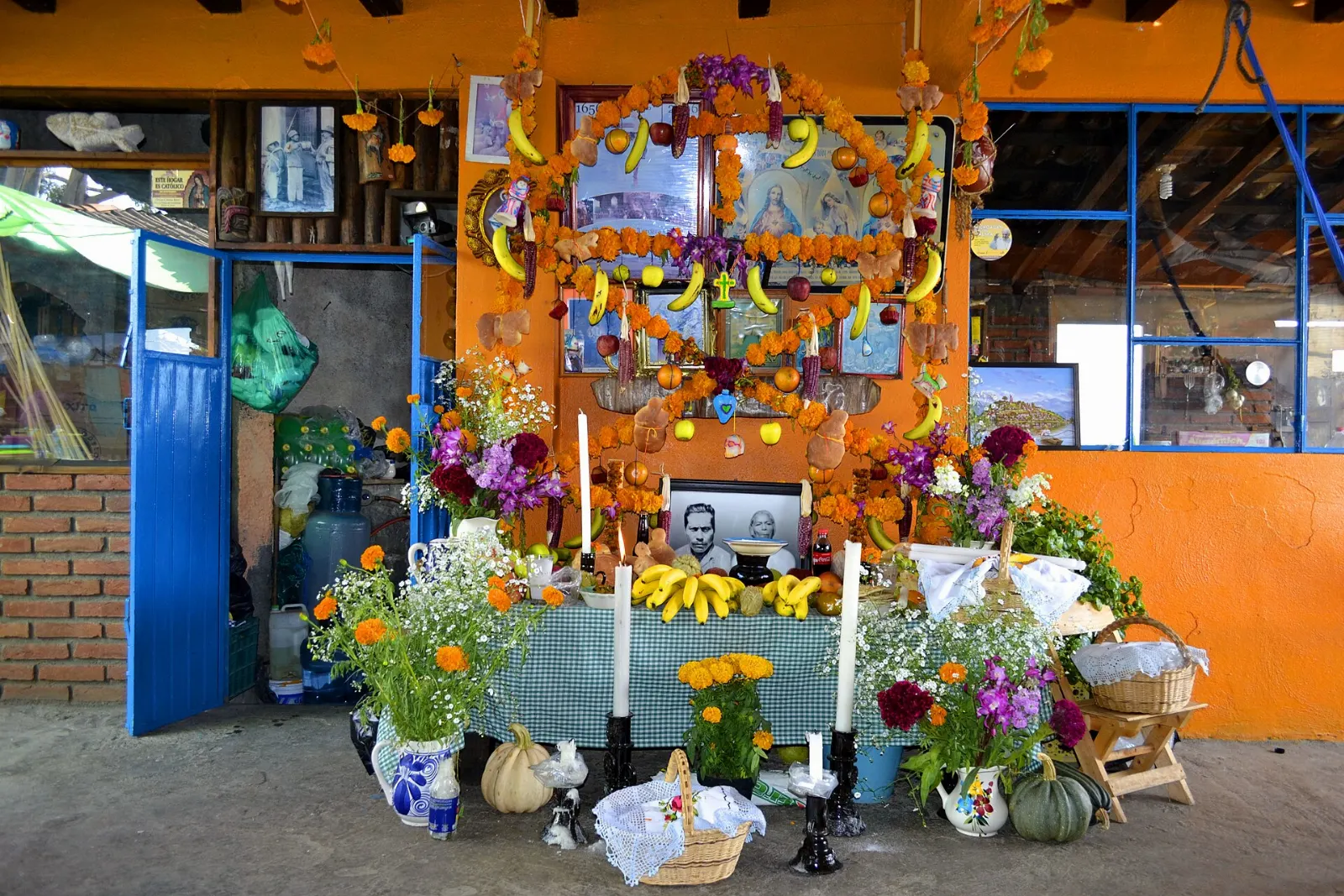
Pátzcuaro is best known for Day of the Dead, celebrated around November 1 across the lake region, with Janitzio drawing the largest crowds, a folk dance and music festival and long queues for the boats.

Candlelit graves during Day of the Dead on Lake Pátzcuaro, Michoacán
Day of the Dead celebrations are especially important around Lake Pátzcuaro.Photo: Gustavo Valdes R., Wikimedia Commons, CC BY-SA 4.0
Outside those dates, the begonias in courtyards and balconies bloom best between July and September. At about 2,200 meters above sea level, mornings and evenings are cool, so pack layers whatever the month.

Getting there and getting around

Pátzcuaro is easiest to reach by bus or car. Morelia's airport is about an hour away, and from Morelia and Uruapan the Purhepecha bus line runs frequent services to town. There are two small bus stations, one near the docks and one closer to the center.

The center is easy to explore on foot. Taxis are readily available for the bus station and the docks, and collectivos from the Plaza Chica connect the surrounding villages. Boats to Janitzio leave from the pier.

Passenger boats tied up at the Pátzcuaro pier, Michoacán
Boats to Janitzio leave from the Pátzcuaro pier.Photo: Adam Jones from Kelowna, BC, Canada, Wikimedia Commons, CC BY-SA 2.0

A suggested itinerary

First day

Start on the Plaza Grande, then visit the Plaza Chica market, the basilica and the library mural.

Second day

Take an early boat to Janitzio, spend the morning on the island and return for lunch.

Third day

Travel to Tzintzuntzan for the archaeological site, then continue to Santa Clara del Cobre for the copper workshops. If you have a fourth day, spend it in Erongarícuaro.

Practical tips

  • Check your government's current travel advisory before you go.
  • Carry small bills for markets, boats and snack stalls.
  • Pack layers, since the altitude makes mornings and evenings cool.
  • Book lodging several weeks ahead for Day of the Dead and leave the car parked on festival nights.
  • Use Friday mornings for the best market selection.
PátzcuaroWISERMAP PLACEPátzcuaro: photos, reviews & things to doSee traveler photos and reviews, or share your own →

More places to visit

All travel guides →