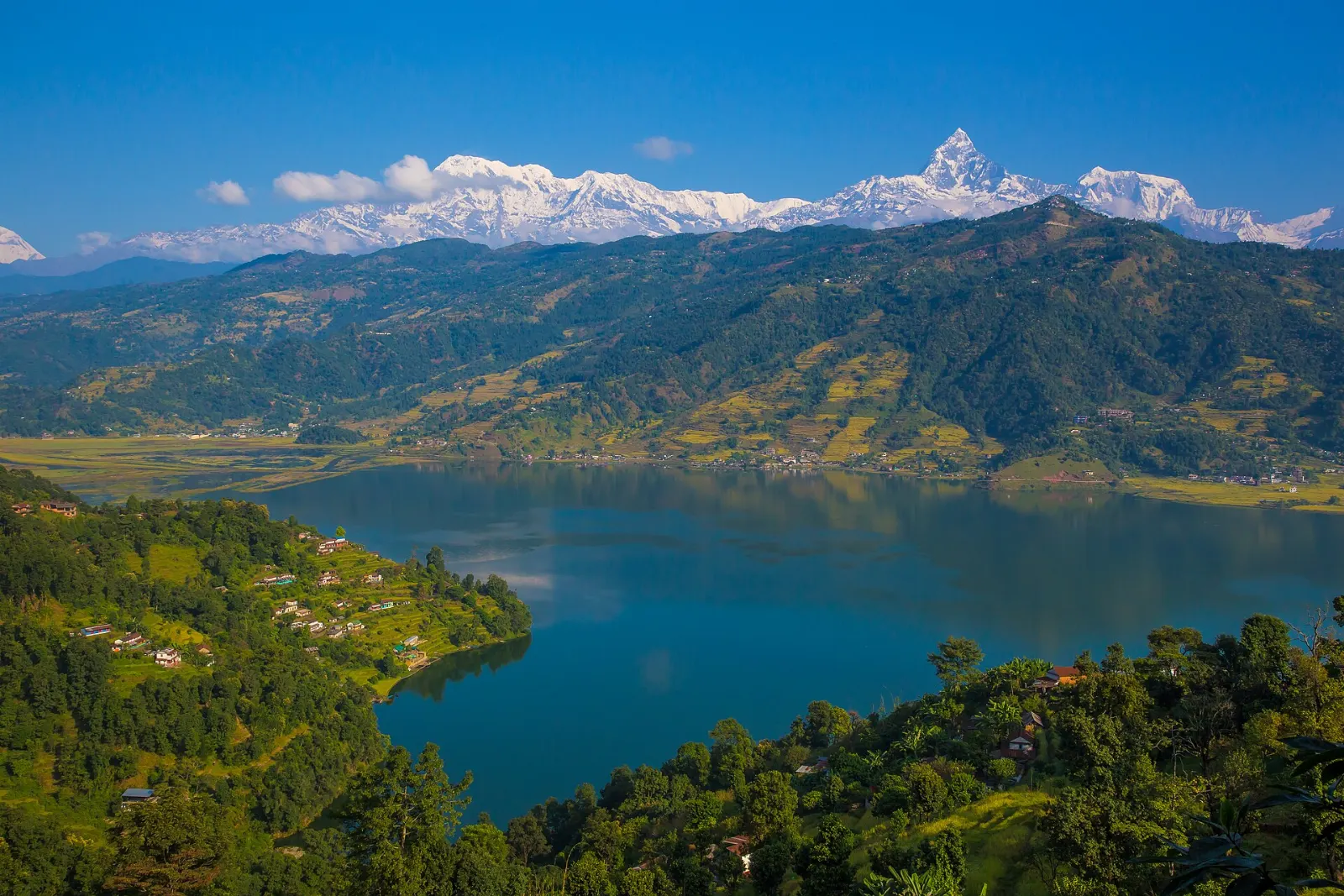
Kathmandu sits in a wide bowl of a valley at about 1,400 meters, ringed by green hills with the high Himalaya visible on clear days. It is Nepal's capital and largest city, and for most travelers the gateway to the country's trekking regions.
AT A GLANCE
Best time
October and November for clear skies and festivals; March and April for mild spring days.
How long
Three to four days for the city, the great stupas, Patan and Bhaktapur.
Getting there
Fly into Tribhuvan International Airport, a short drive from the center.
Why visit Kathmandu
Few cities place so much living heritage within such a small area. The Newar people, the valley's original urban culture, built three royal cities here, each with its own palace square, and their craftsmanship in wood, brick, stone and metal shows up on almost every street corner.
Kathmandu is also a city of great pilgrimage sites. Swayambhunath and Boudhanath draw Buddhist pilgrims from across the Himalaya, and Pashupatinath is one of the holiest Hindu temples in South Asia.
The old city and Durbar Square
Kathmandu Durbar Square and Hanuman Dhoka
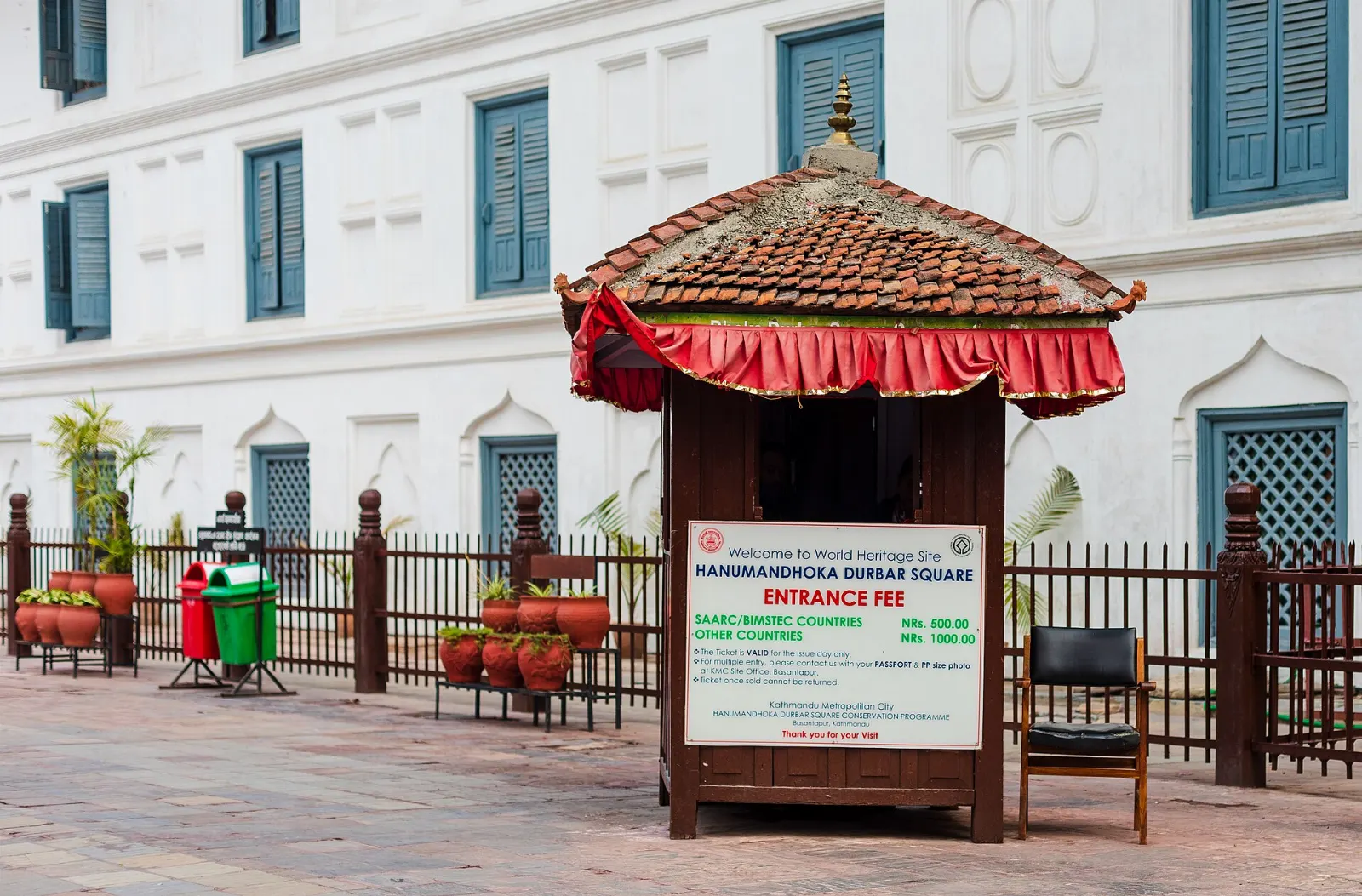
Kathmandu Durbar Square, also called Basantapur Durbar Square, was the seat of the city's kings for centuries. The palace complex, Hanuman Dhoka, takes its name from a statue of the monkey god Hanuman beside the entrance, and its courtyards hold museum displays.
Kasthamandap
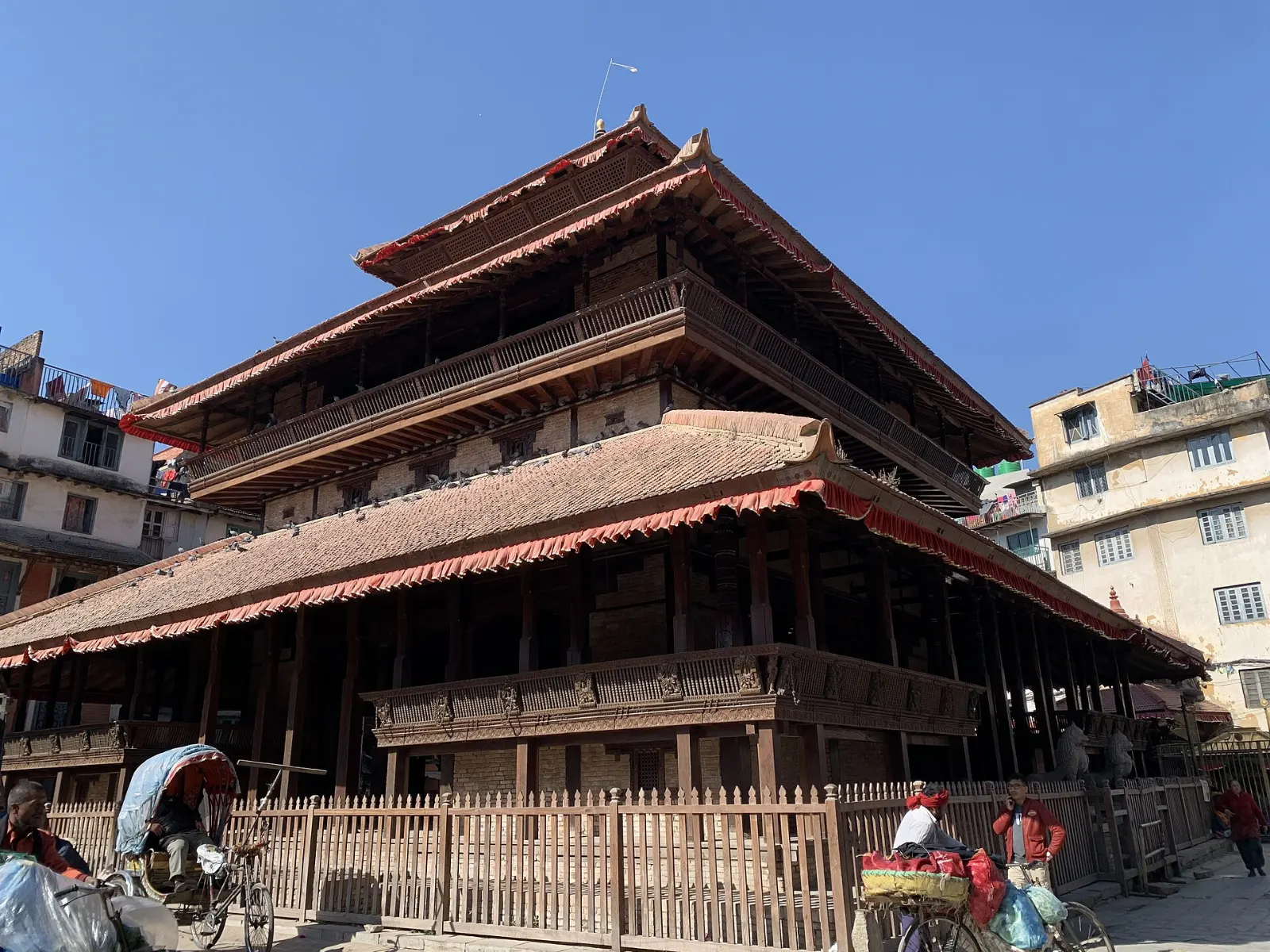
At the southwest corner of the square stands Kasthamandap, a large wooden pavilion traditionally said to have been built from the timber of a single tree and often linked to the origin of the name Kathmandu.
Kumari Ghar
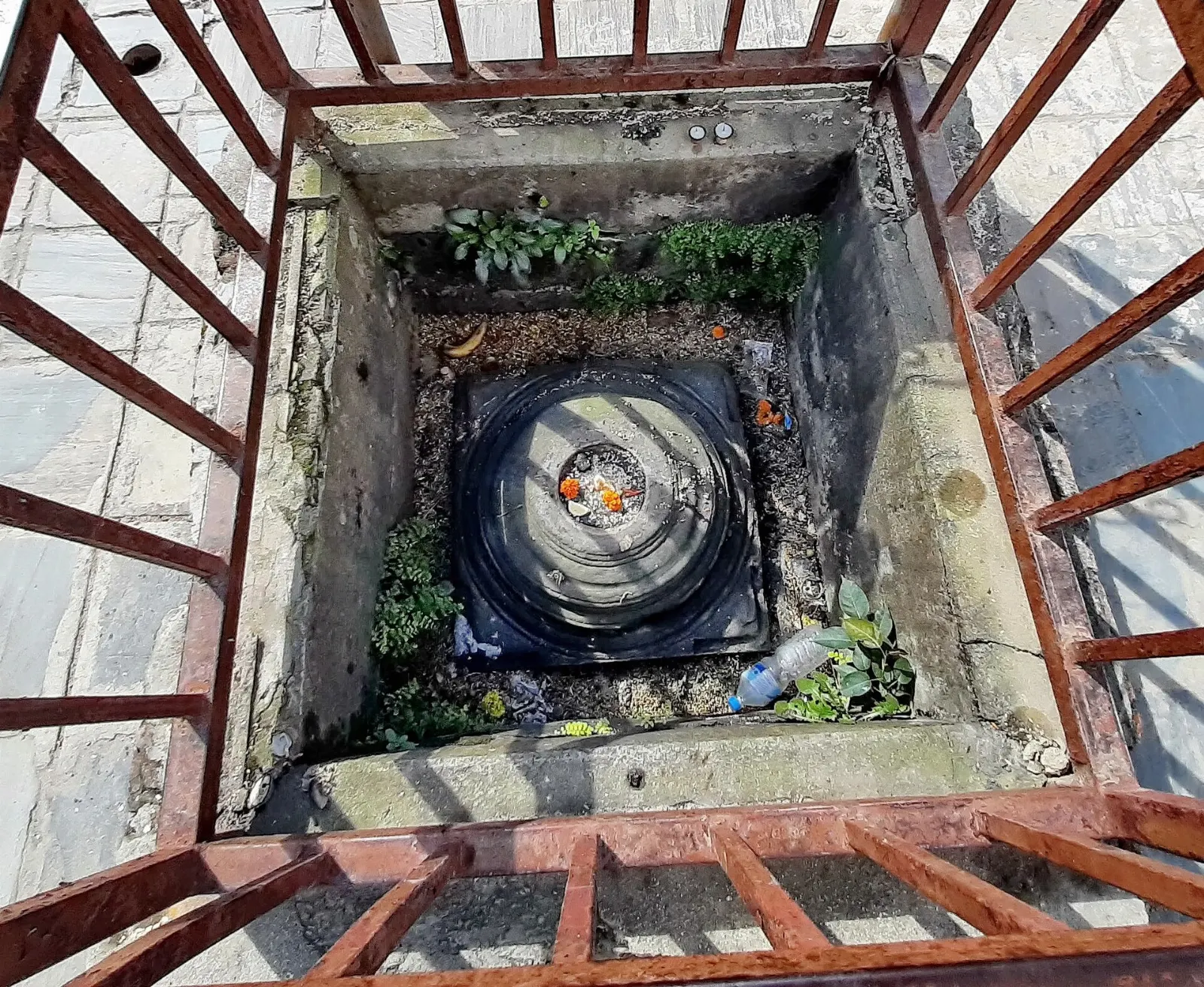
Kumari Ghar, an eighteenth-century building with elaborate carved windows, is the home of the Royal Kumari, a young girl venerated as a living goddess. Visitors may enter the courtyard, and the Kumari sometimes appears briefly at an upper window.
Asan and Indra Chowk
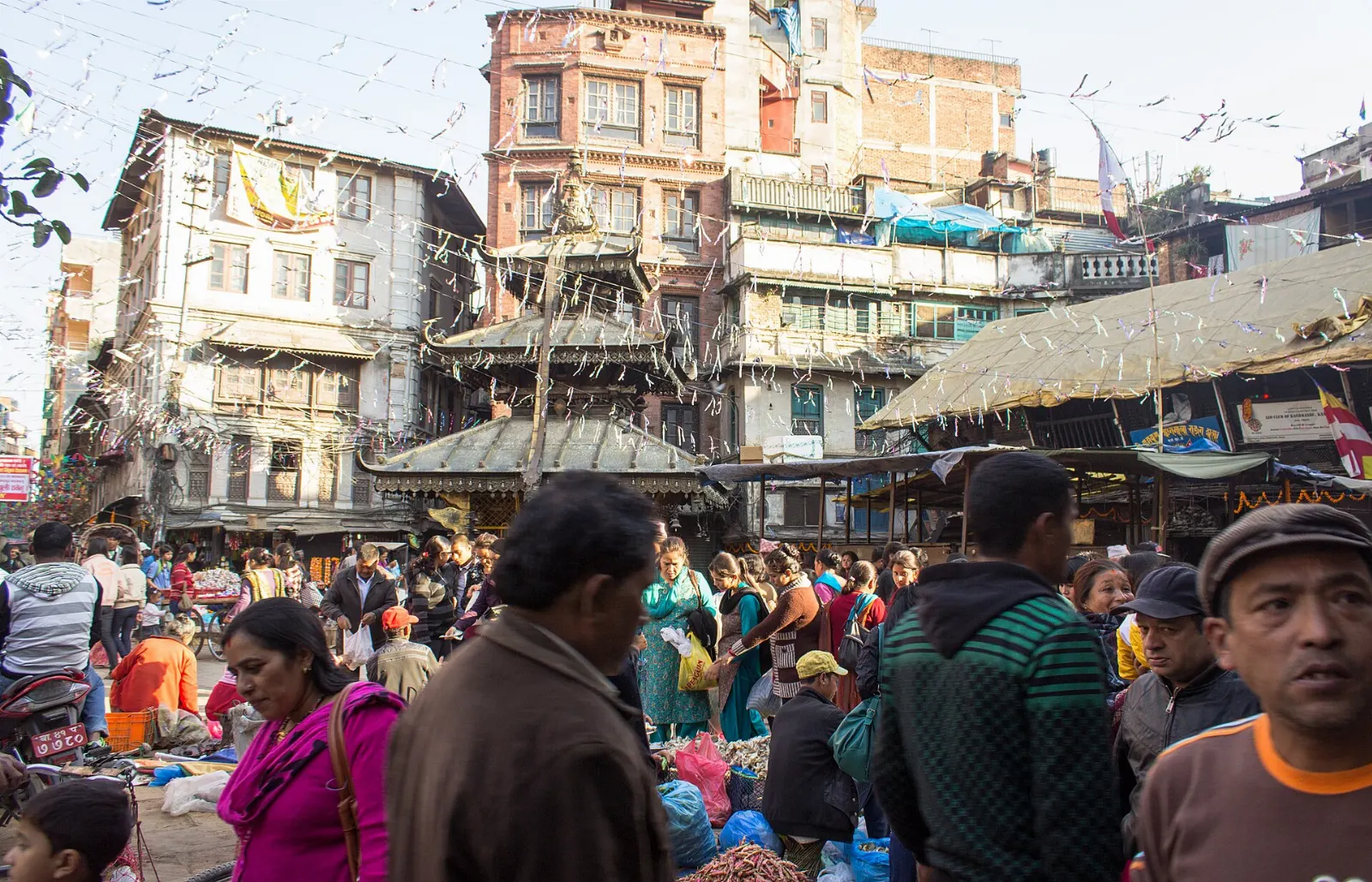
North of Durbar Square, a diagonal lane leads through Indra Chowk to Asan Tole, a historic market crossroads. Stalls sell spices, grains, brass pots, textiles and beads, and small temples sit in the middle of the bustle.
Thamel and the Garden of Dreams
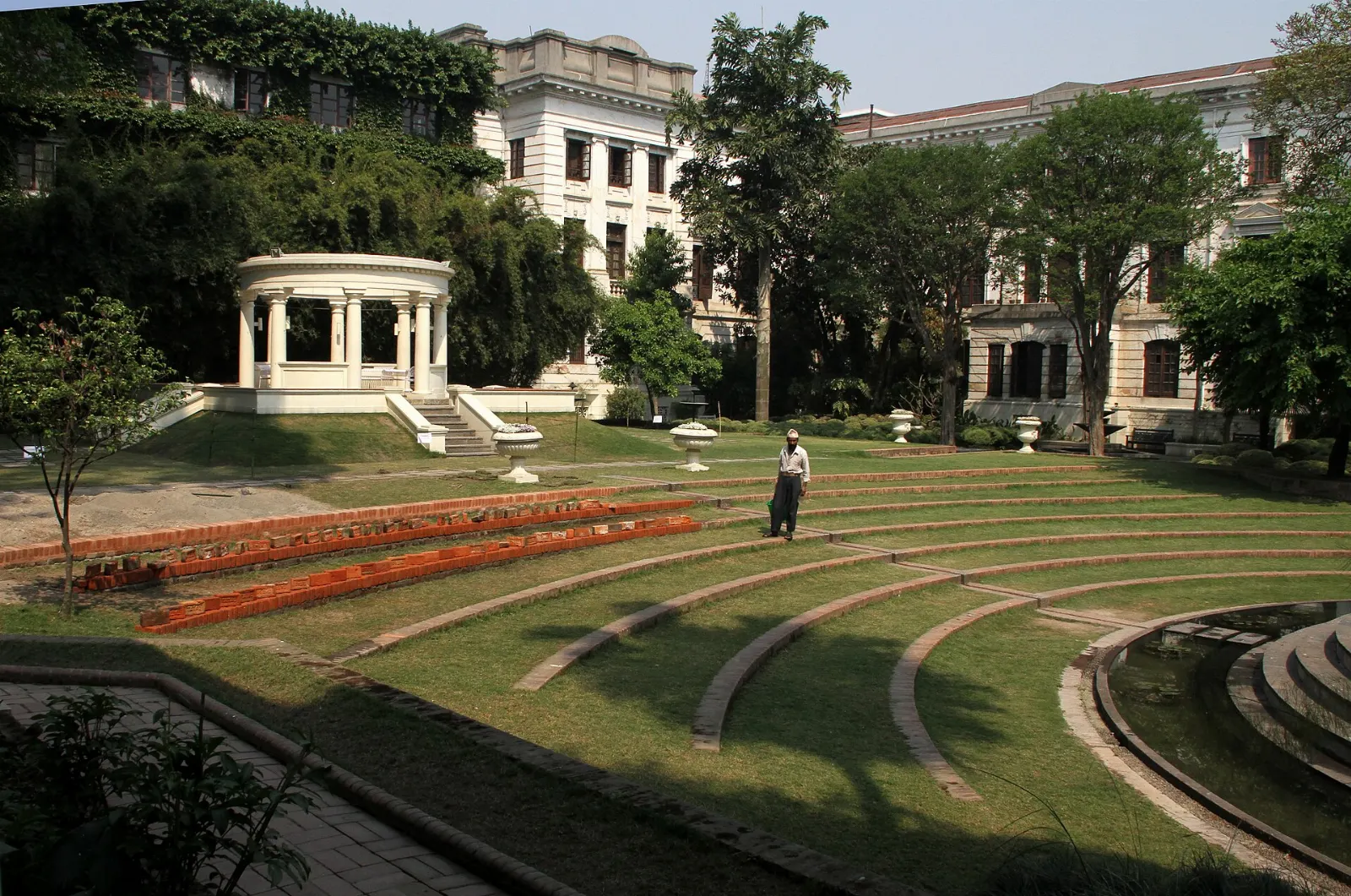
Thamel is the busy traveler district, packed with guesthouses, trekking agencies, gear shops, bookstores and restaurants. On its edge, the Garden of Dreams is a quiet neoclassical garden created in the 1920s for a Rana-era palace and later restored, with pavilions, fountains and lawns.
Great stupas and temples
Swayambhunath
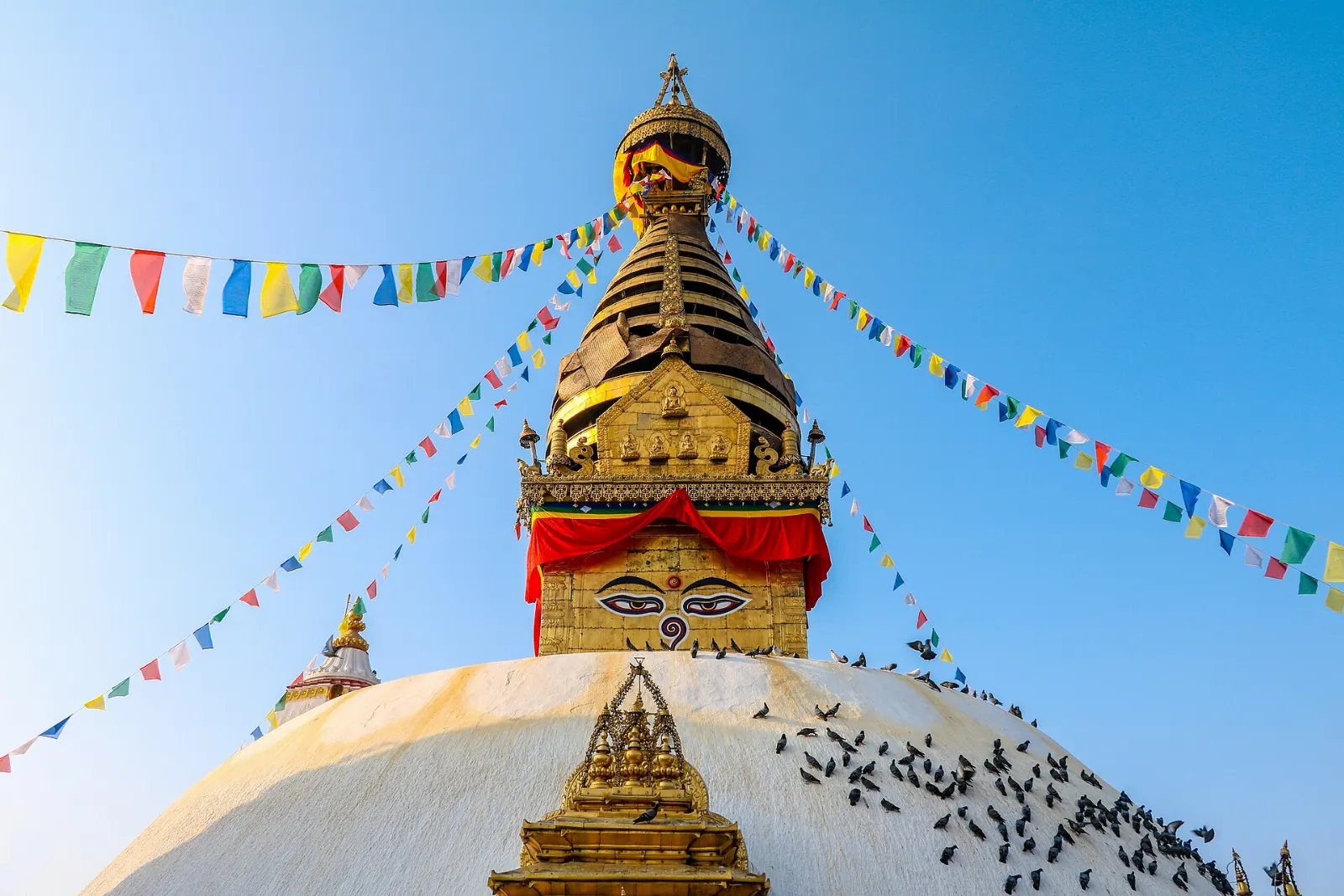
Swayambhunath crowns a hill west of the center, its white dome and gilded spire painted with the watchful eyes of the Buddha. Monkeys roam the grounds, earning it the nickname Monkey Temple.
Boudhanath
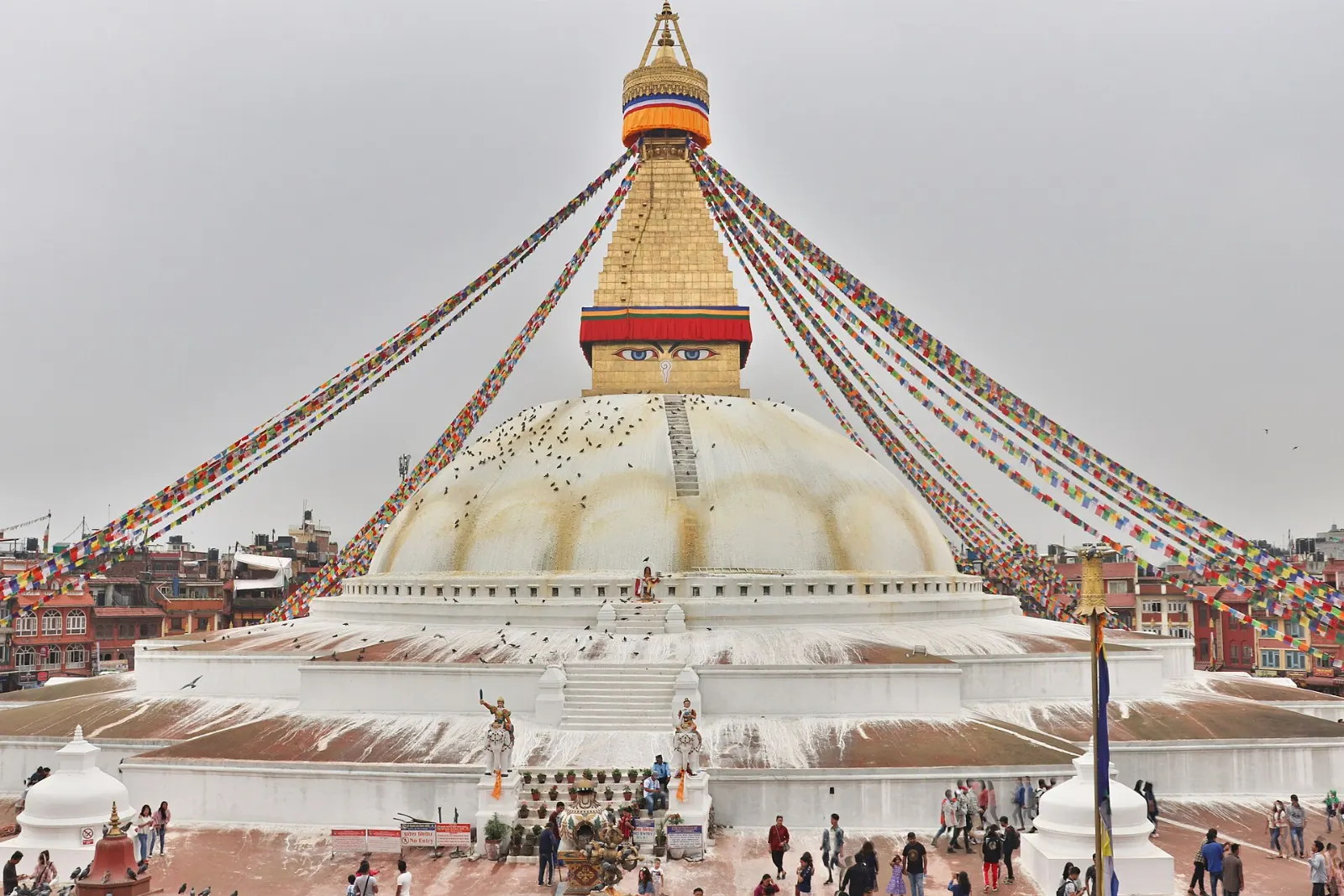
Boudhanath, on the eastern side of the city, is one of the largest stupas in the world and the heart of Nepal's Tibetan Buddhist community. Prayer flags stream from the spire, and monasteries, shops and rooftop cafes ring the plaza.
Pashupatinath
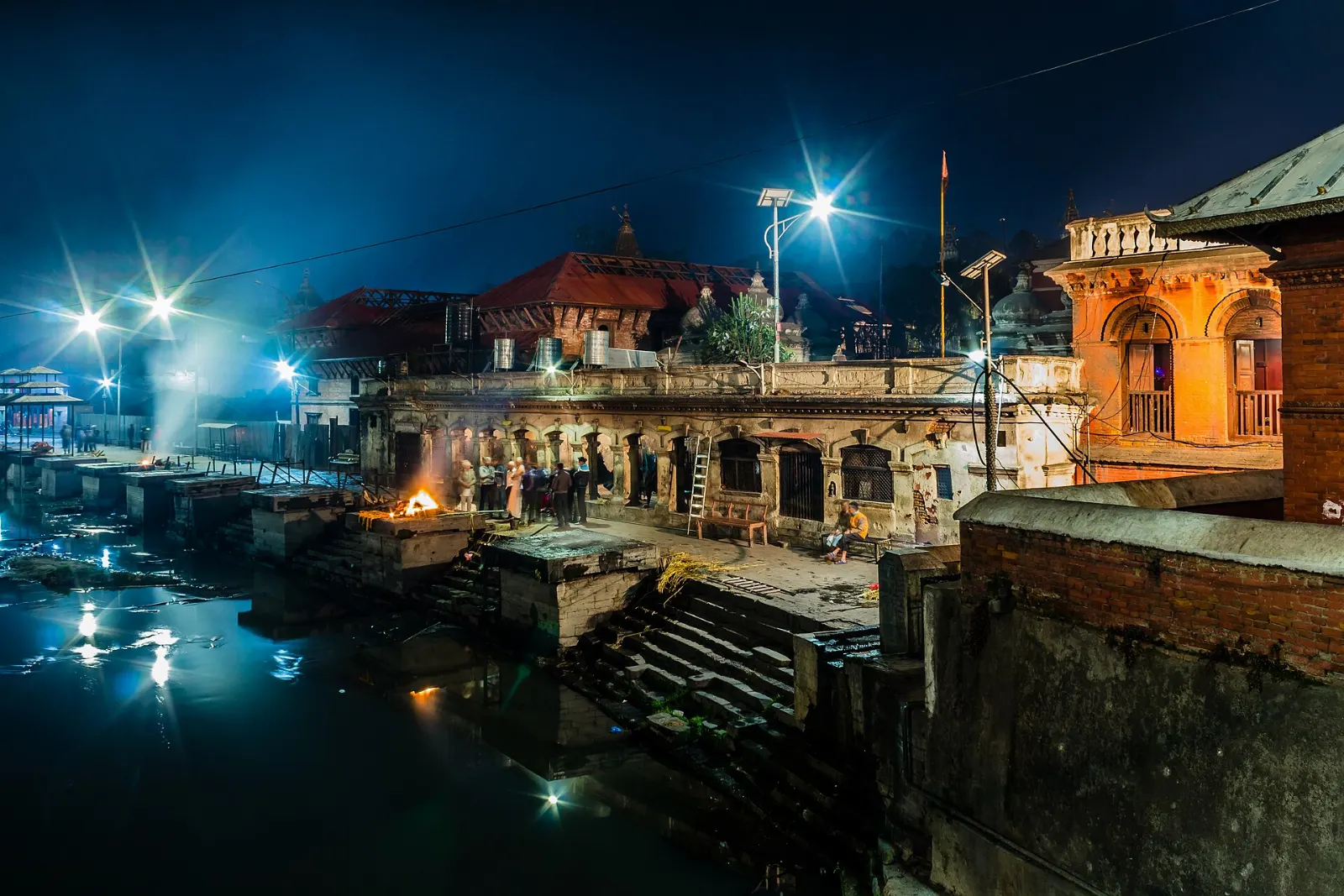
Pashupatinath, dedicated to Shiva, lies on the banks of the sacred Bagmati River. The main temple is open only to Hindus, but visitors can explore the surrounding complex, watch rituals from the opposite bank and see the many shrines and sadhus.
Patan, Bhaktapur and the valley rim
Patan Durbar Square
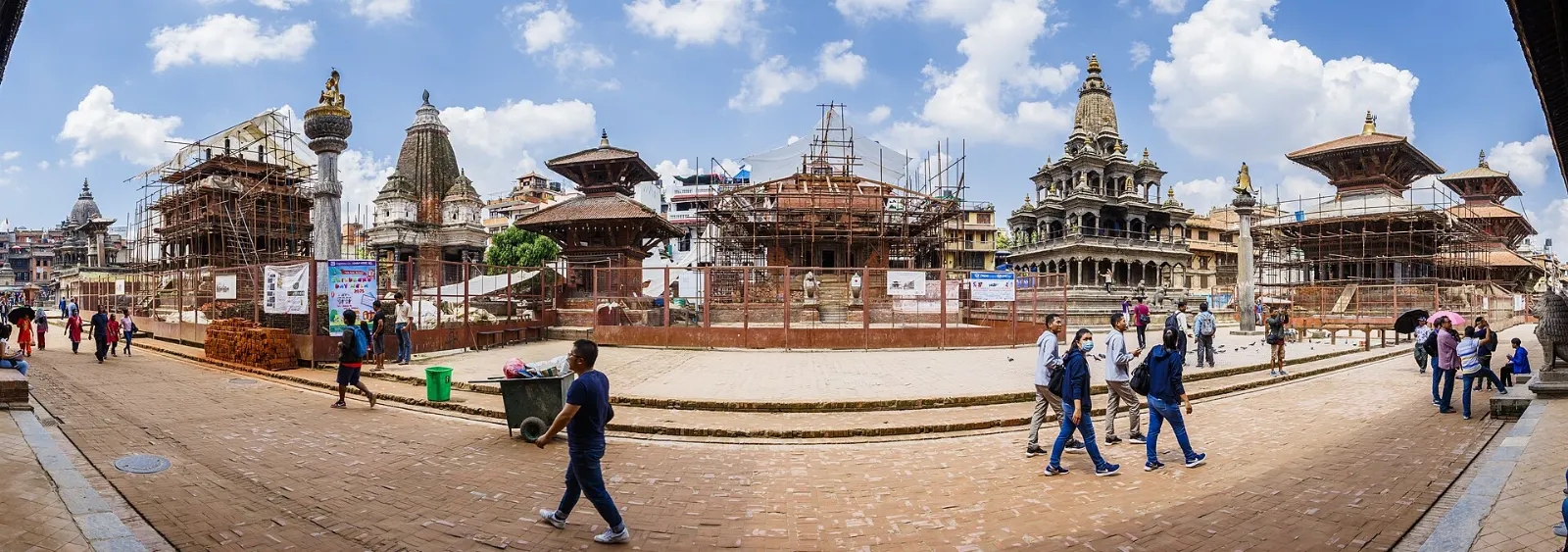
Patan, also called Lalitpur, lies just south of the Bagmati River and is known for its metalworkers and woodcarvers. Its Durbar Square is perhaps the most harmonious in the valley, with the stone Krishna Mandir, completed in the seventeenth century, standing among tiered temples and the old palace.
Bhaktapur
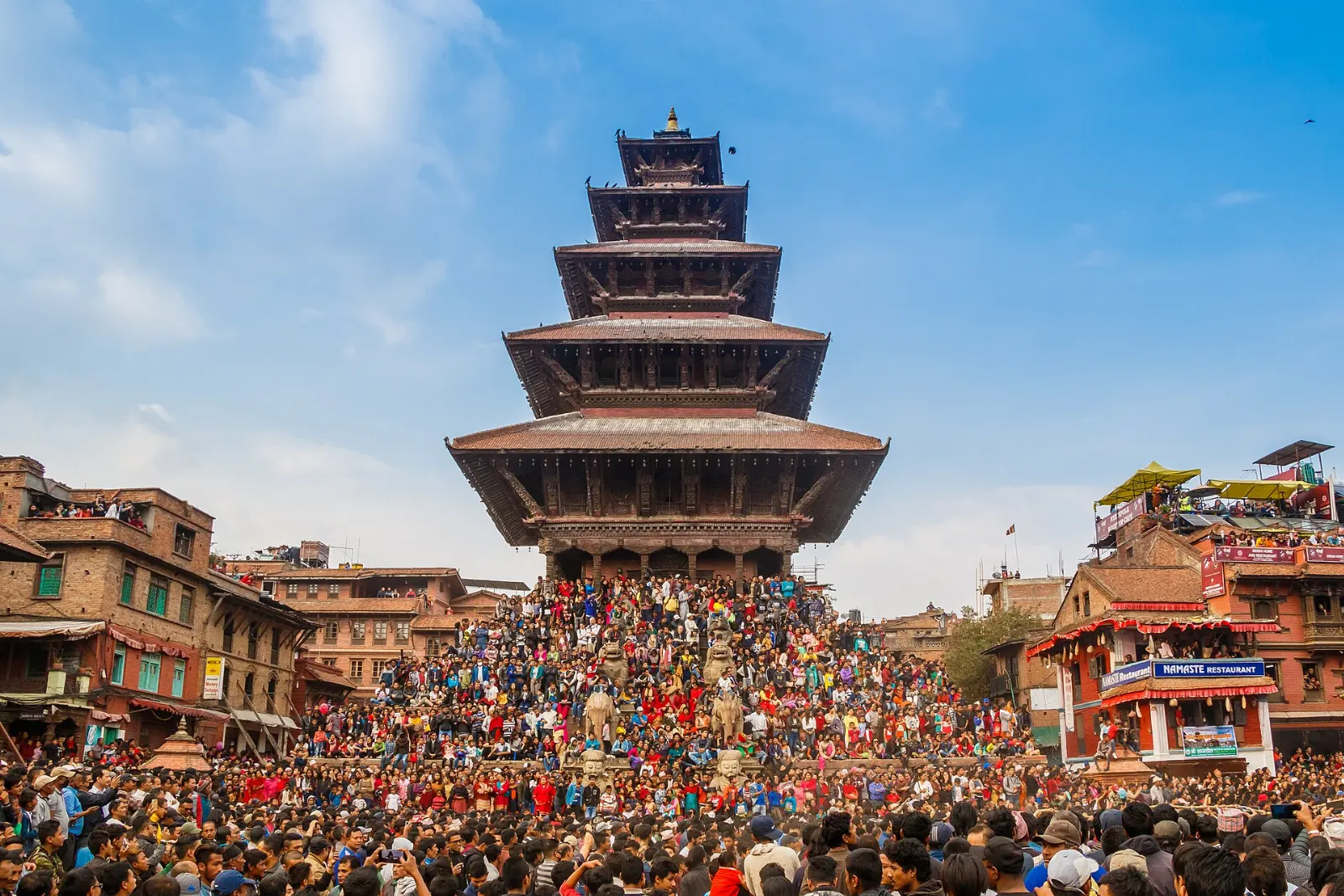
About an hour east of central Kathmandu by road, Bhaktapur is the best preserved of the three royal cities. Its brick lanes link Durbar Square, Taumadhi Square with the five-tiered Nyatapola Temple, Pottery Square, where clay pots dry in the sun, and Dattatreya Square with its old monasteries.
Nagarkot and Chandragiri
For mountain views, head to the valley rim. Nagarkot, east of Bhaktapur, is known for sunrise views of the Himalaya on clear days.
 Planning a trip to Kathmandu?Compare hotels, flights and vacation rentals for Kathmandu on Expedia.Book now
Food and local flavors
Dal bhat, lentil soup with rice, vegetable curry, greens and pickles, is Nepal's everyday meal, often served with free refills.
Newari cuisine is the valley's own. Look for samay baji, a platter of beaten rice with spiced meat, black soybeans, egg and pickles served at festivals; bara, savory lentil patties; choila, spiced grilled meat; and yomari, steamed dumplings filled with molasses and sesame.
Popular dishes to try in Kathmandu


Where to stay
Thamel is the most convenient base for first-time visitors and trekkers, with a huge range of lodging, restaurants and travel agencies, and it is within walking distance of Durbar Square.
Patan, especially around its Durbar Square, suits travelers who want a calmer, more local atmosphere with heritage guesthouses and good cafes.
Where to stay in Kathmandu


Best time to visit
October and November are the most popular months.
March and April bring warm days and rhododendrons blooming in the hills, though haze increases as the season goes on. December to February is cool and dry, with chilly mornings and evenings but sunny afternoons.
Getting there and getting around
Tribhuvan International Airport is Nepal's main international gateway, a short drive east of Thamel, with connections across Asia and the Middle East.
Within the city, taxis are plentiful; agree on a fare before you set off, as meters are rarely used. Ride-hailing apps such as Pathao and inDrive are widely used and help avoid haggling.
A suggested itinerary
First day
Start at Kathmandu Durbar Square and Kasthamandap, visit the courtyard of Kumari Ghar, then walk through Indra Chowk and Asan.
Second day
Visit Pashupatinath in the morning, then continue to Boudhanath.
Third day
Spend the day in Patan, exploring Durbar Square, the Patan Museum and the Golden Temple, then try a Newari meal in the old quarter.
Fourth day
Head to Bhaktapur for the full day, or rise early for a sunrise trip to Nagarkot and continue to Bhaktapur afterwards.
Practical tips
- Walk clockwise around stupas and Buddhist shrines, and spin prayer wheels with your right hand.
- Remove shoes before entering temples and homes, and dress modestly at religious sites.
- Ask permission before photographing people, especially sadhus, worshippers and mourners.
- Drink only bottled, filtered or boiled water, and be cautious with raw salads.
- Carry cash in small notes for entry tickets, taxis and small shops; ATMs are common in Thamel.
- Check heritage site fees on official sources, since Durbar Squares and Bhaktapur charge foreign visitors.