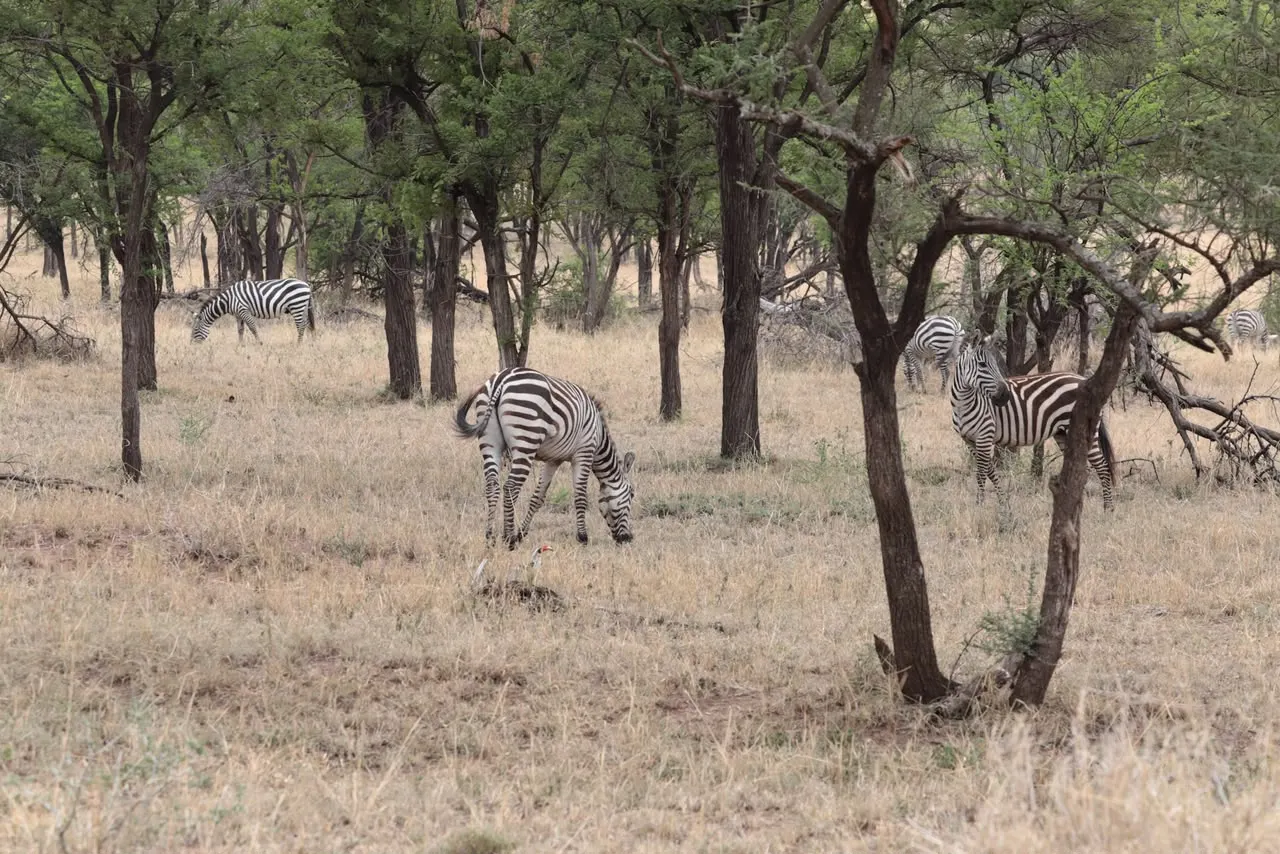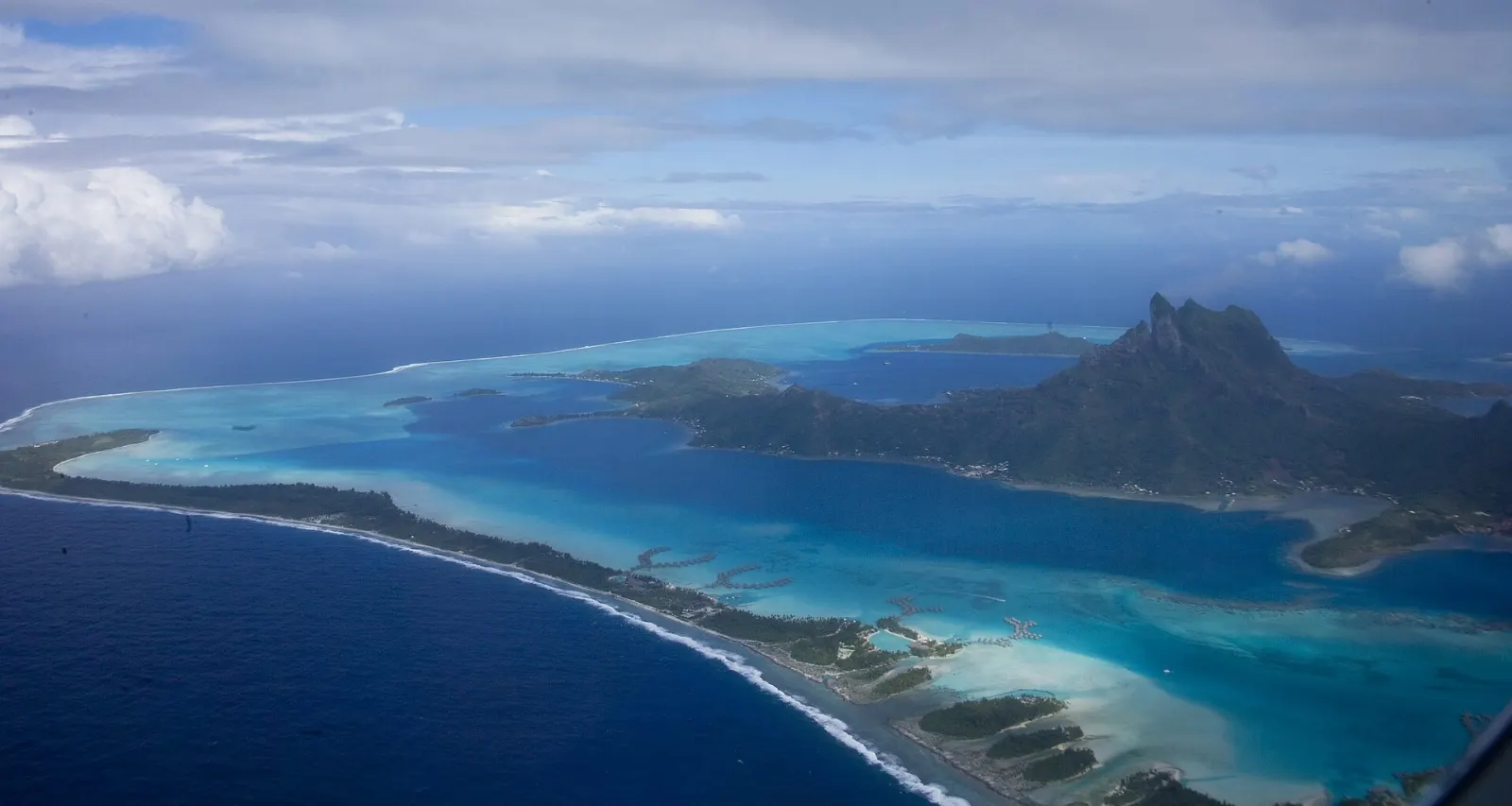
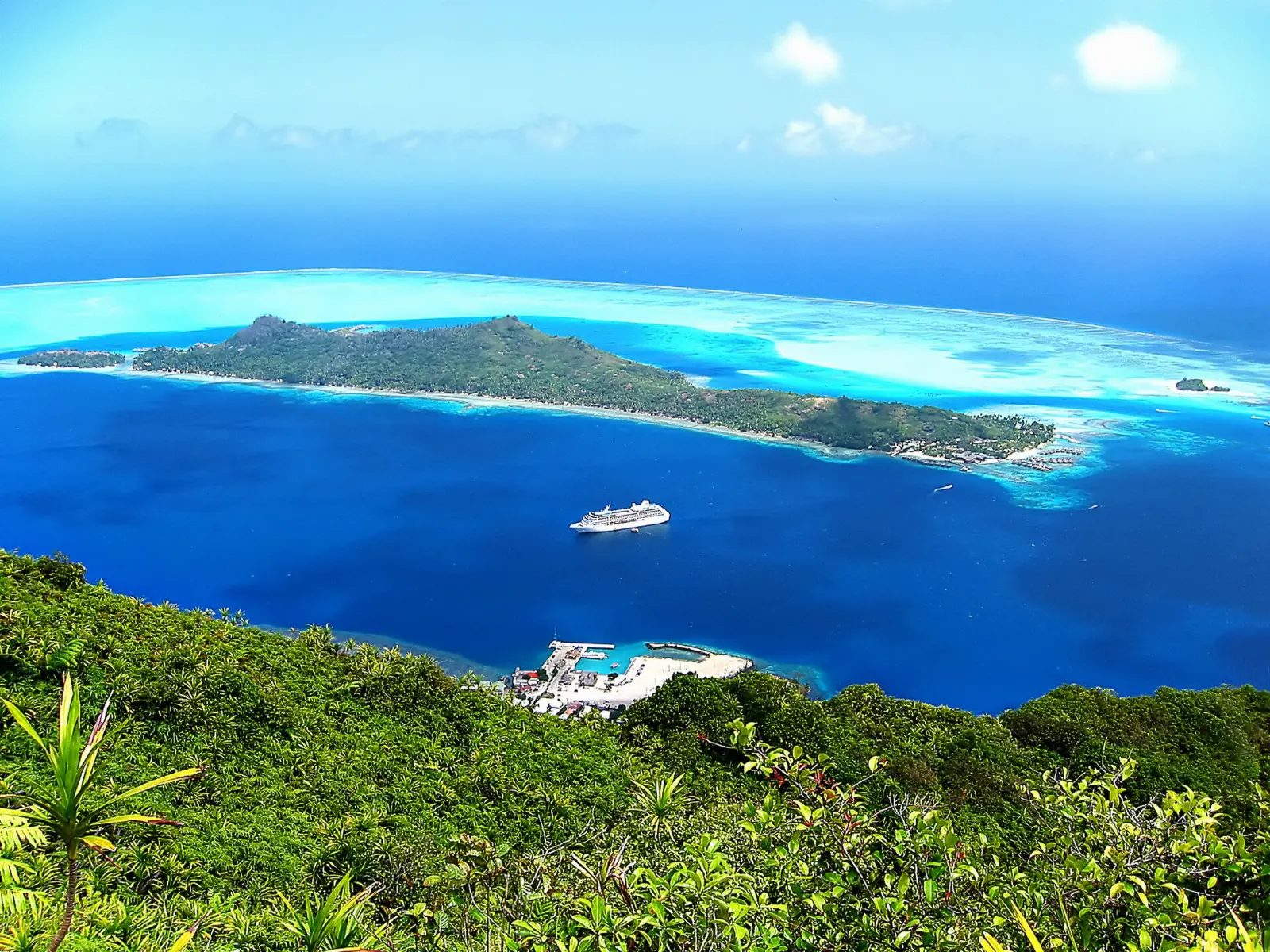
Bora Bora is a small island with an outsized reputation, and the first view from the plane explains why. A dark volcanic peak rises from the middle of a lagoon that shifts from deep indigo to milky turquoise, ringed by a reef and a chain of low sandy islets called motu.
AT A GLANCE
Best time
May to October, the drier and slightly cooler season with steady trade winds.
How long
Four to six nights lets you mix lagoon tours, beach time and an island drive.
Getting there
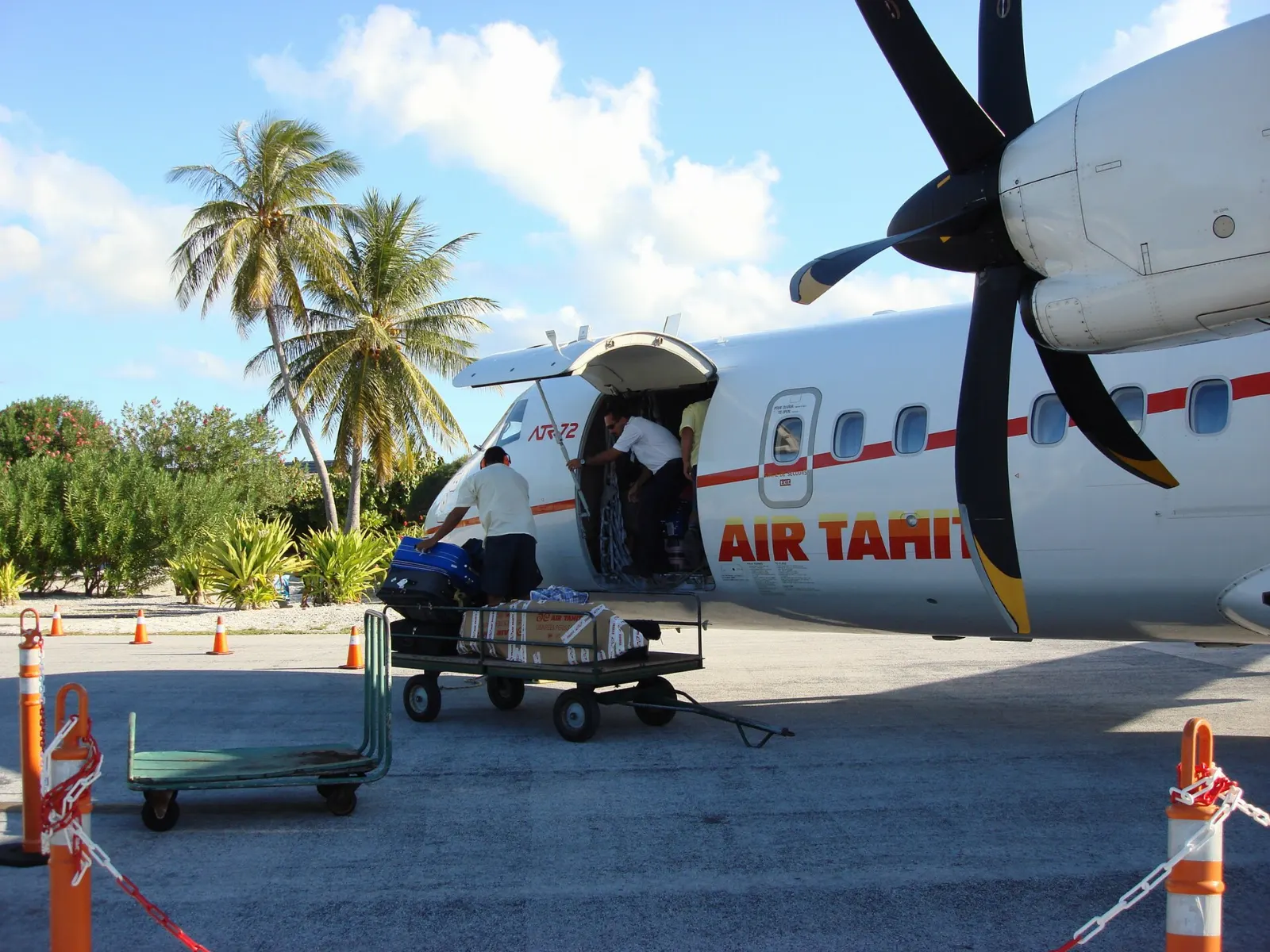
Fly to Tahiti, then take a domestic flight of under an hour to the airport on Motu Mute.
Why visit Bora Bora
Bora Bora sits in the Leeward Islands of the Society archipelago, roughly 230 kilometers northwest of Papeete. It is the eroded remains of a volcano that was active more than three million years ago.
That geography is what makes the island special. The lagoon is shallow, sheltered and warm year round, so snorkeling, paddling and swimming are easy even for beginners, while the mountains provide a dramatic backdrop from almost every angle. Beyond the scenery, you will find a living Polynesian culture where Tahitian and French are spoken, traditional dance and music are celebrated, and a relaxed pace of life sets the tone.
The main island: beaches, village and peaks
Matira Beach
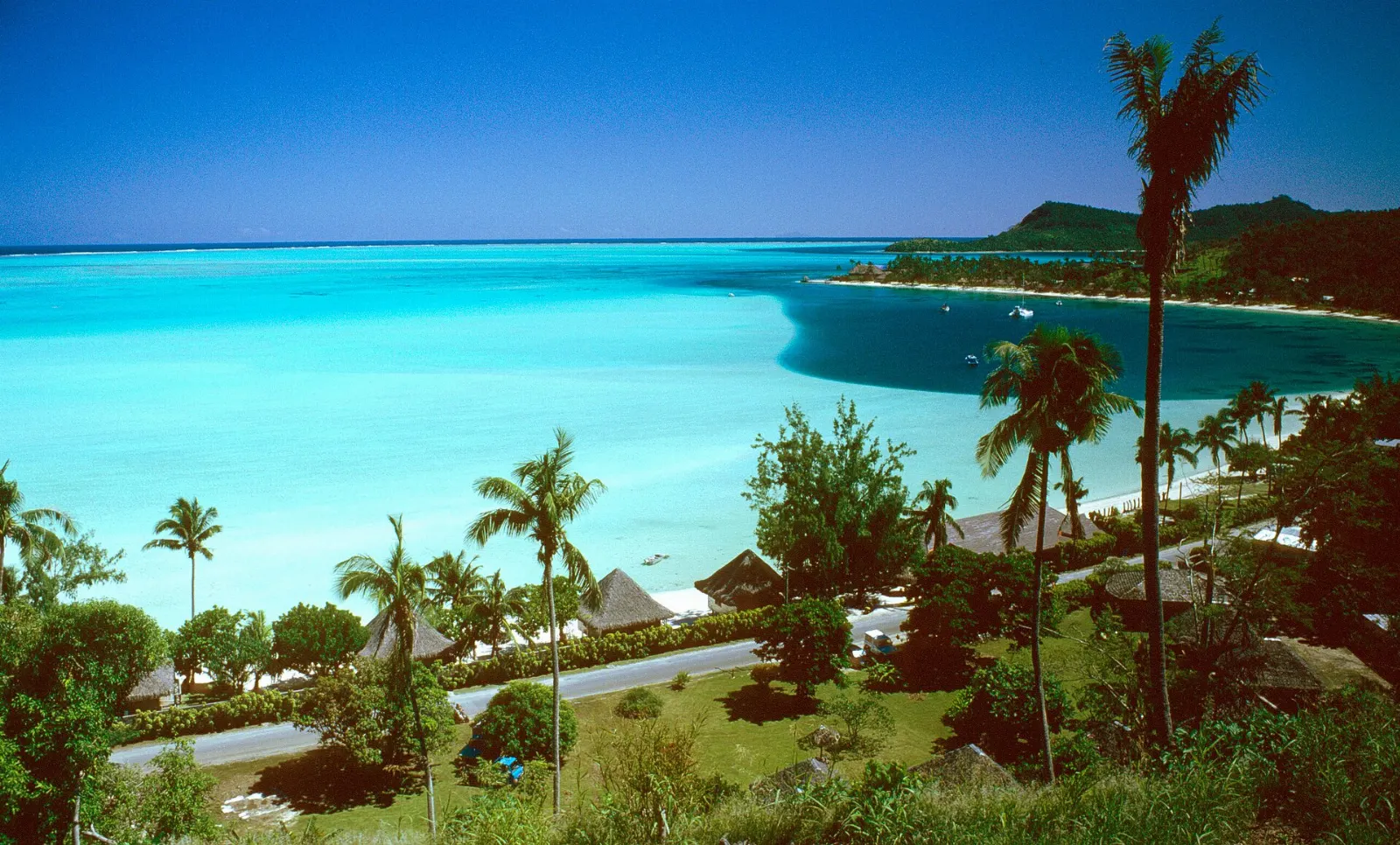
At the southern tip of the main island, Matira Beach is the largest and most famous public beach on Bora Bora. Soft white sand slopes gently into clear, shallow water, and you can wade a long way out while small tropical fish swim around your ankles.
Vaitape
Vaitape, on the west coast facing the Teavanui Pass, is the island's main village and where the free shuttle boat from the airport docks. It is small and walkable, with a waterfront craft market, black pearl shops, a Protestant church, grocery stores and a few cafes.
Mount Otemanu and Mount Pahia
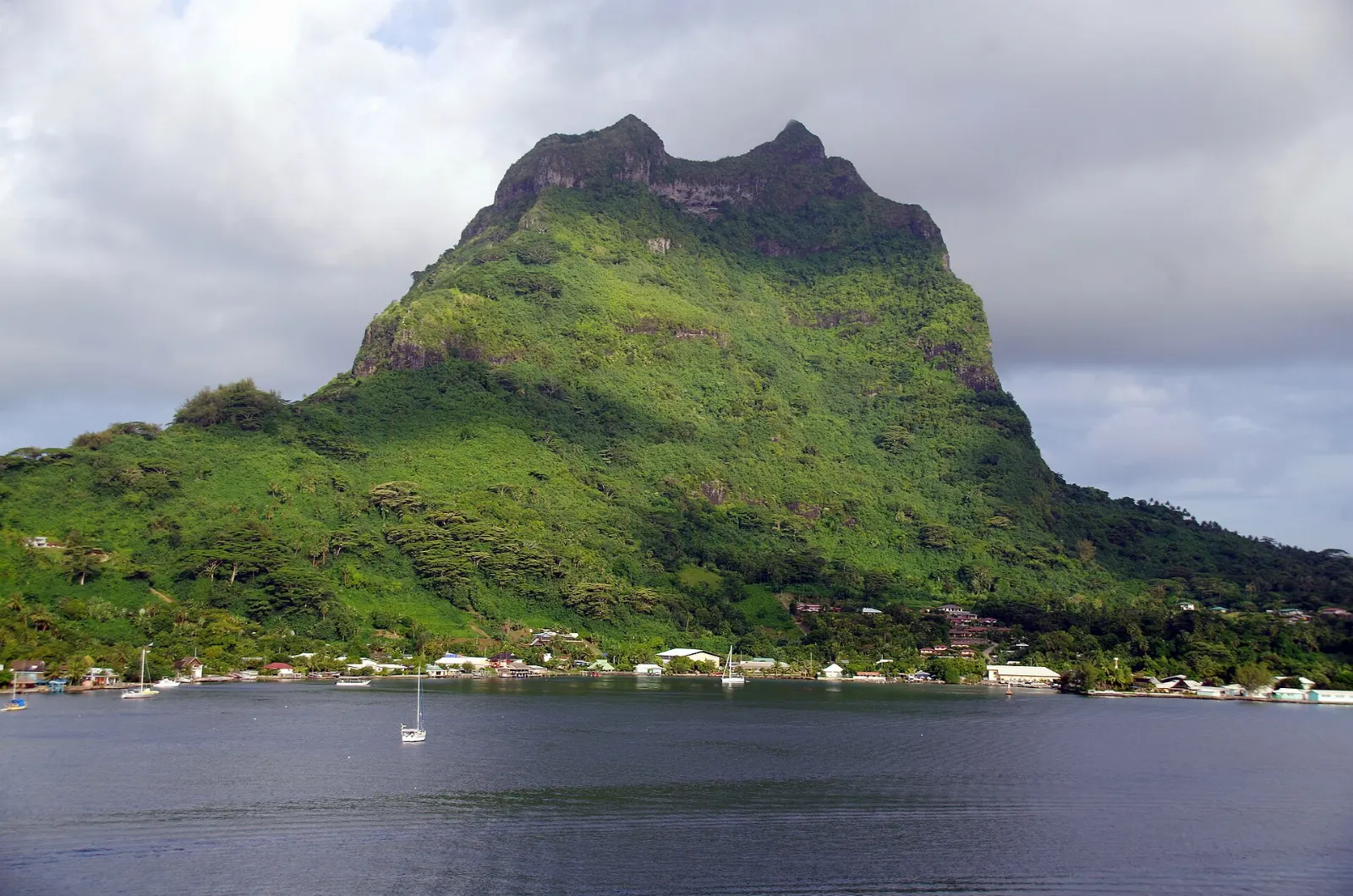
Mount Otemanu, at 727 meters, is the island's highest point and its defining landmark, a sheer basalt tower that changes character with every cloud. Its summit is not considered safe to climb, and the steep interior of the island has no roads. Neighboring Mount Pahia is lower, and local guides lead hikes on its slopes and on ridge trails with sweeping lagoon views.
The coastal road
A single paved road of about 31 kilometers circles the main island, and you can drive it in an hour or spend half a day stopping at viewpoints, beaches and villages. Rent a bicycle, scooter, small car or electric buggy in Vaitape and travel at your own pace.
The lagoon and the motu
Coral gardens
The best snorkeling on Bora Bora is found in shallow coral gardens near the outer motu, especially on the southern and eastern sides of the lagoon where the water flows in over the reef. Here you can drift above coral heads with parrotfish, butterflyfish and giant clams just a few meters below.
Rays and reef sharks
A highlight of most lagoon tours is a stop in sandy shallows where stingrays and blacktip reef sharks gather. You stand in waist-deep water as the rays glide past, while small sharks circle at a distance.
Motu Tapu and the outer islets
The ring of motu around the lagoon is where many resorts are built, but some islets are also visited on picnic tours. Motu Tapu, to the west of the main island, is one of the most photographed islets in French Polynesia, a slim curve of sand and palms surrounded by pale water.
Diving outside the reef
Scuba divers can join trips through the Teavanui Pass to dive sites on the outer reef, where larger sharks, eagle rays and turtles are more common, and to sites inside the lagoon known for manta rays. The water is warm, and visibility is generally excellent. Allow a half day per outing.
History and culture
World War II cannons
During the Second World War, the United States built a supply base on Bora Bora, with an airstrip, a fuel depot, a seaplane base and coastal defenses. The island never saw combat, and the base closed in 1946, but several large American coastal guns still stand on the hillsides.
Ancient marae
Long before Europeans arrived, Polynesians settled the island and built marae, open-air sacred platforms of stone used for ceremonies. Several sites survive in fragments around the island, particularly along the west coast bays.
Overwater bungalows
The overwater bungalow is now the symbol of Bora Bora. The island's first resort opened in 1961, and the first bungalows on stilts above the lagoon followed about a decade later.

 Planning a trip to Bora Bora?Compare hotels, flights and vacation rentals for Bora Bora on Expedia.Book now
Food and local flavors
The dish to try first is poisson cru, raw tuna marinated in lime juice and tossed with coconut milk, cucumber, tomato and onion.
For a deeper taste of tradition, look for a ma'a Tahiti feast, where meats, fish and vegetables are cooked for hours in an underground oven.
Popular dishes to try in Bora Bora


Where to stay
The motu resorts on the outer reef deliver the classic Bora Bora experience: overwater bungalows, direct lagoon access and views back to Mount Otemanu. They suit honeymooners and anyone planning to relax on site, but every trip to the main island requires a boat, so check how often the resort's shuttle runs.
The Matira area on the southern tip of the main island has resorts, guesthouses and rentals within walking distance of the beach, shops and restaurants. It suits travelers who want flexibility and easy access to the public beach.
Where to stay in Bora Bora


Best time to visit
The dry season, roughly May to October, brings lower humidity, less rain and steady trade winds.
If you want culture with your beach time, aim for July, when the Heiva festival fills French Polynesia with traditional dance, music, canoe races and sports competitions; Bora Bora holds its own celebrations in Vaitape.
Getting there and getting around
International flights land at Faa'a International Airport near Papeete on Tahiti. From there, domestic flights to Bora Bora take under an hour, with additional connections from Moorea, Huahine and Raiatea.
On the main island, public transport is very limited, so most visitors rent a bicycle, scooter, car or electric buggy, or rely on taxis. If you stay on a motu, you will depend on your resort's boat schedule to reach Vaitape and the main island.
A suggested itinerary
First day
Arrive by boat from the airport, settle in and spend the afternoon on the water or the beach.
Second day
Join a half-day or full-day lagoon tour that includes the coral gardens, the ray and shark stop and a motu picnic.
Third day
Rent bikes or a small car and circle the main island, stopping at the western bays for views of Mount Otemanu, at Vaitape for the craft market and at a roadside snack for lunch.
Fourth day
Take a guided four-wheel-drive tour to the wartime cannons and hillside lookouts, or set out early on a guided hike on Mount Pahia.
Practical tips
- Book domestic flights, resorts and popular lagoon tours well in advance for the dry season.
- Use reef-safe sunscreen, wear a rash guard and never stand on or touch coral.
- Learn a few greetings: ia ora na for hello and mauruuru for thank you go a long way.
- The local currency is the CFP franc; cards are widely accepted at resorts, but carry some cash for roulottes and small shops.
- Pack reef shoes, a dry bag, a light rain jacket and insect repellent for evenings.
- Check your resort's boat shuttle schedule before booking dinners or tours on the main island.