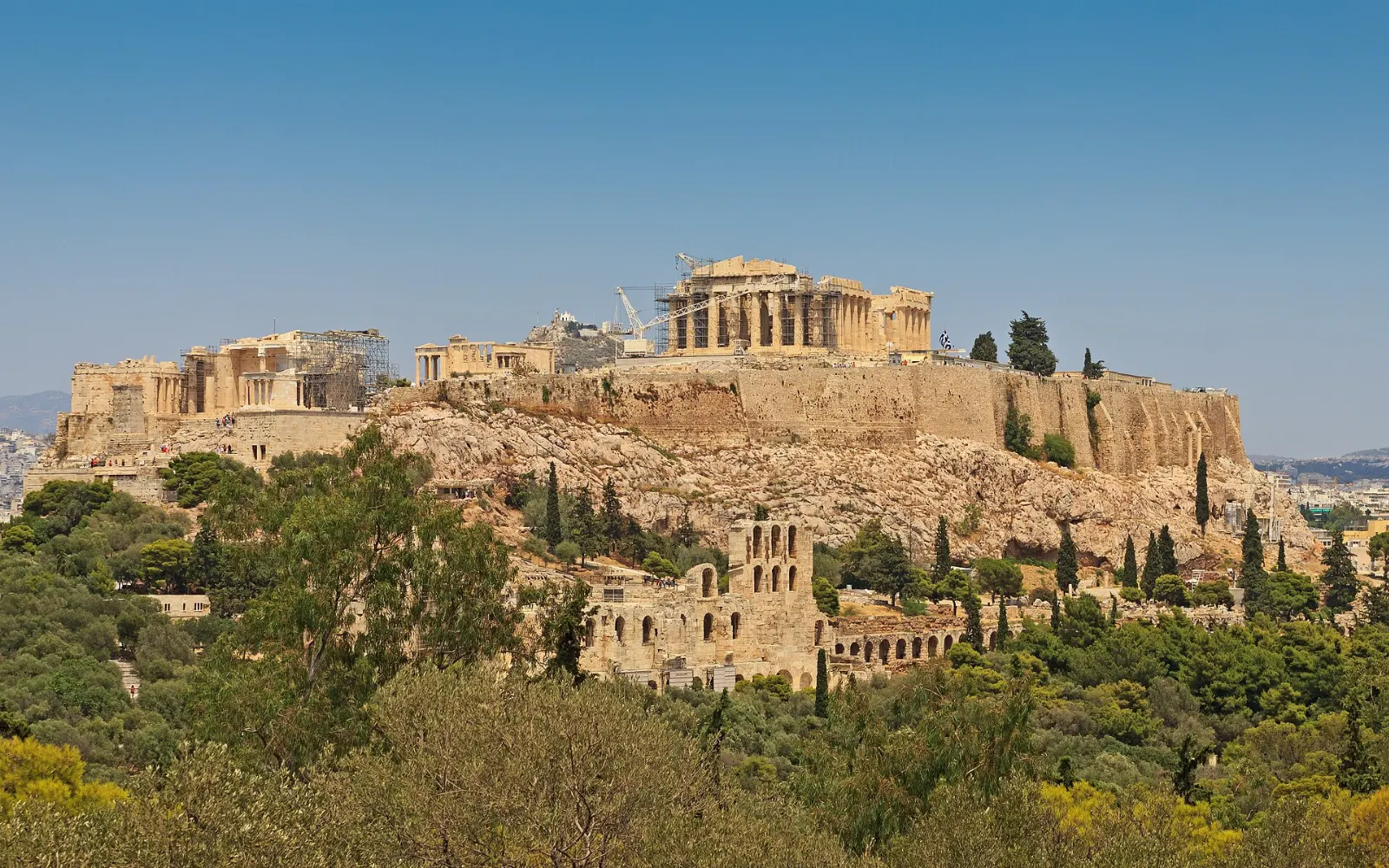
Athens is a big, energetic modern capital built around some of the most famous ruins on earth.
AT A GLANCE
Best time
April to early June and mid-September to October for warm, comfortable days.
How long
Three days covers the major sites; add a fourth for Cape Sounion.
Getting there
Fly into Athens International Airport and take the metro or bus into the center.
Why visit Athens
In the fifth century BCE, Athens was the most powerful and creative city in the Greek world. Democracy took shape here, along with theater, philosophy and architecture that still shape Western culture. The monuments of that golden age, led by the Parthenon, remain the city's centerpiece, and an excellent network of museums brings the period vividly to life.
But Athens is far more than a museum. It became the capital of modern Greece in the 1830s, and the center mixes neoclassical mansions, Byzantine churches and Ottoman-era lanes with lively modern districts.
The Acropolis and its neighbors
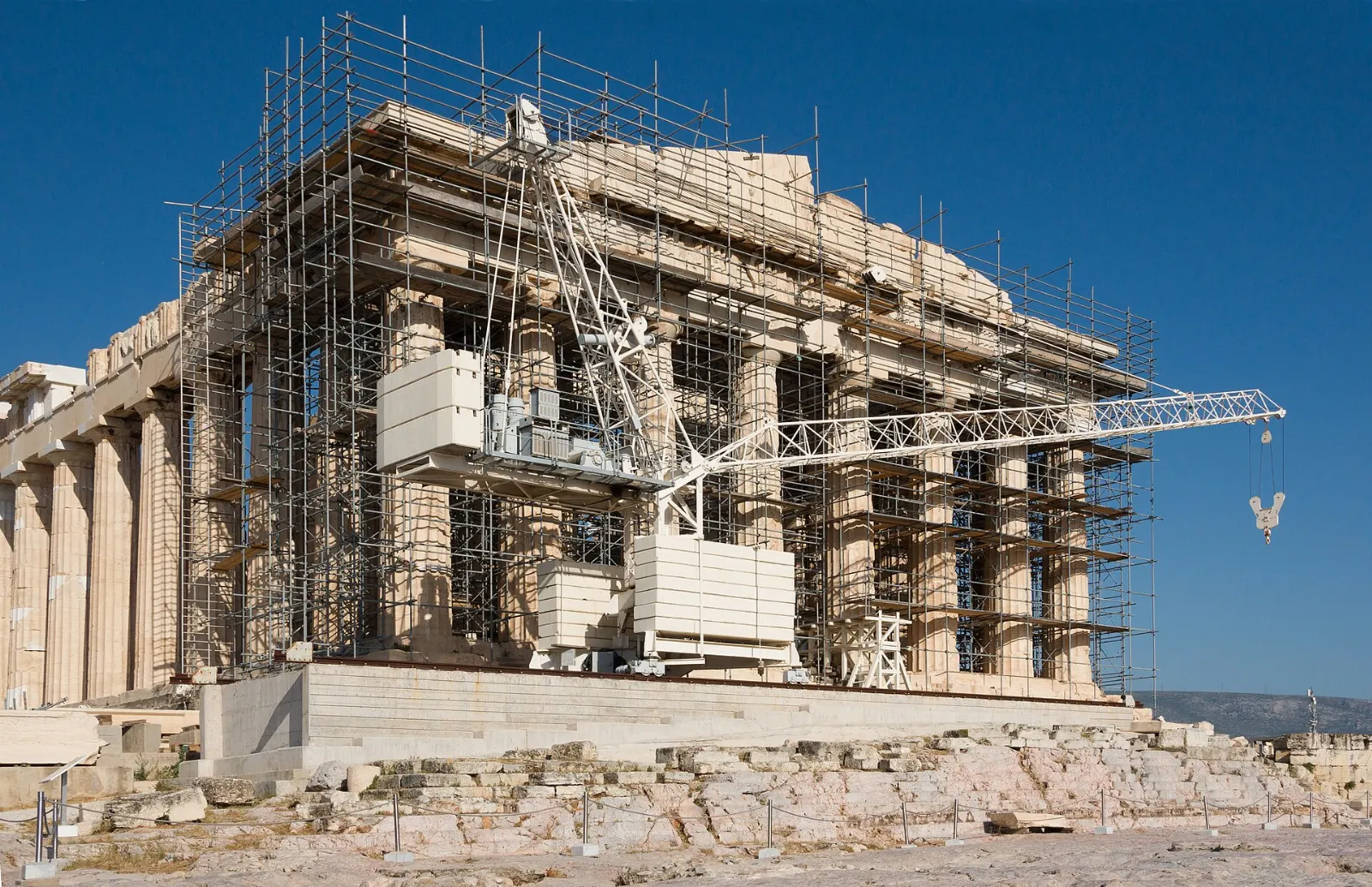
The Acropolis
The rocky citadel at the heart of the city holds the most important monuments of ancient Athens. You enter through the Propylaia, the monumental gateway, with the small Temple of Athena Nike perched on a bastion to one side.
The Acropolis Museum
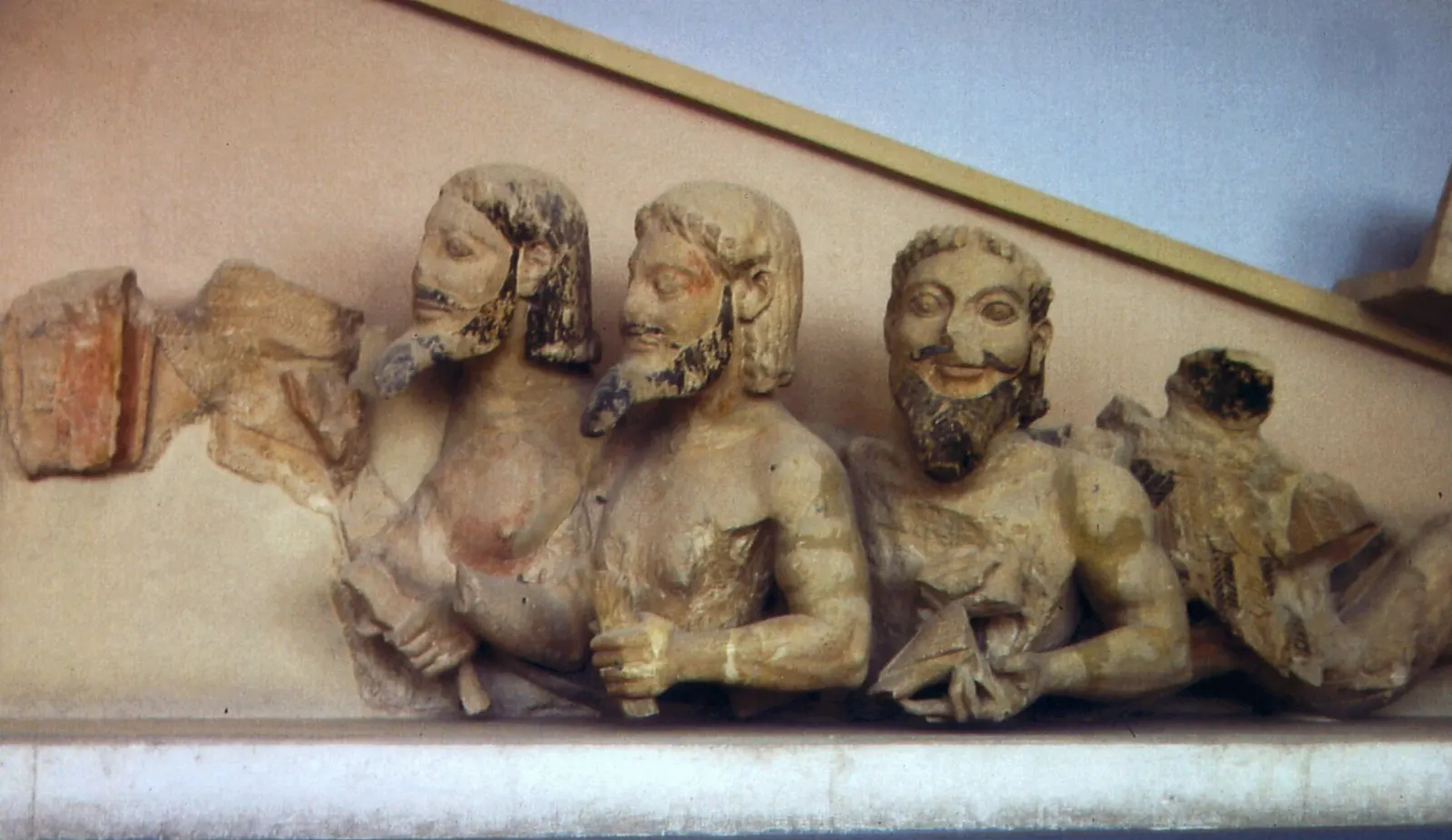
Opened in 2009 at the foot of the hill, this museum is the perfect companion to the site. Glass floors reveal excavated ancient streets beneath your feet, the galleries display sculpture and offerings from the Acropolis, and five of the original Caryatids stand together on the first floor. The top-floor Parthenon Gallery is aligned with the temple itself and lays out its sculpted frieze in its original sequence, with surviving marbles alongside casts of pieces held abroad.
Areopagus and Filopappou Hill
Just below the Acropolis entrance, the bare rock of the Areopagus, where an ancient council once met, gives a fine free view of the citadel and the Agora. Across the road, the pine-covered slopes of Filopappou Hill rise to a Roman-era monument and some of the best views of the Parthenon, with the sea in the distance. Allow one to two hours.
Ancient markets and the old town
The Ancient Agora
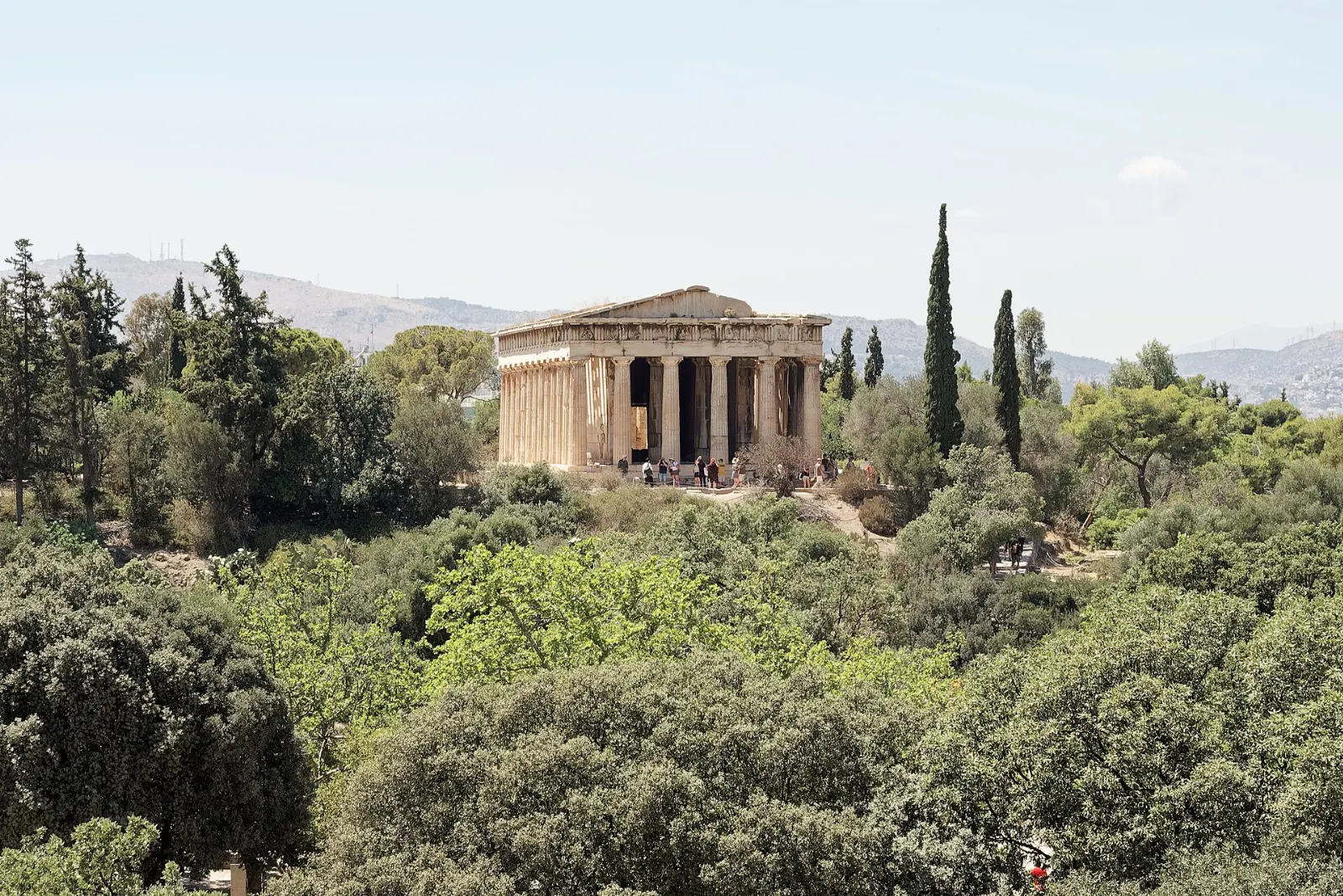
The Agora was the civic heart of the ancient city, a public square where Athenians traded, debated and voted, and where Socrates questioned passersby. Overlooking it is the Temple of Hephaestus, one of the best-preserved ancient Greek temples anywhere.
The Roman Agora and Hadrian's Library
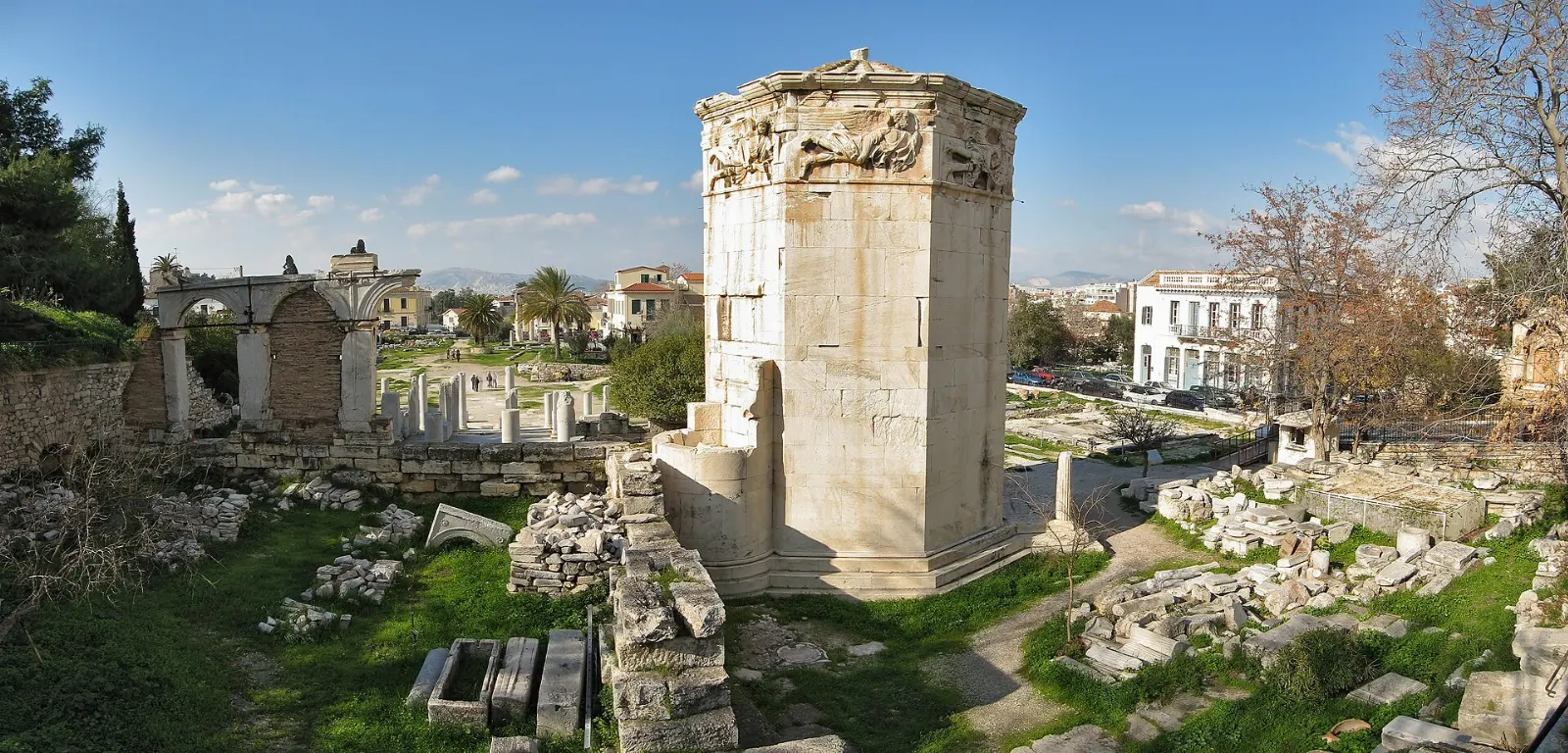
A short walk east, the Roman Agora preserves a marketplace built under Roman rule, along with the octagonal Tower of the Winds, an ancient timepiece decorated with reliefs of the wind gods. Nearby, the walls and columns of Hadrian's Library mark a vast complex built by the emperor in the second century CE.
Plaka and Anafiotika
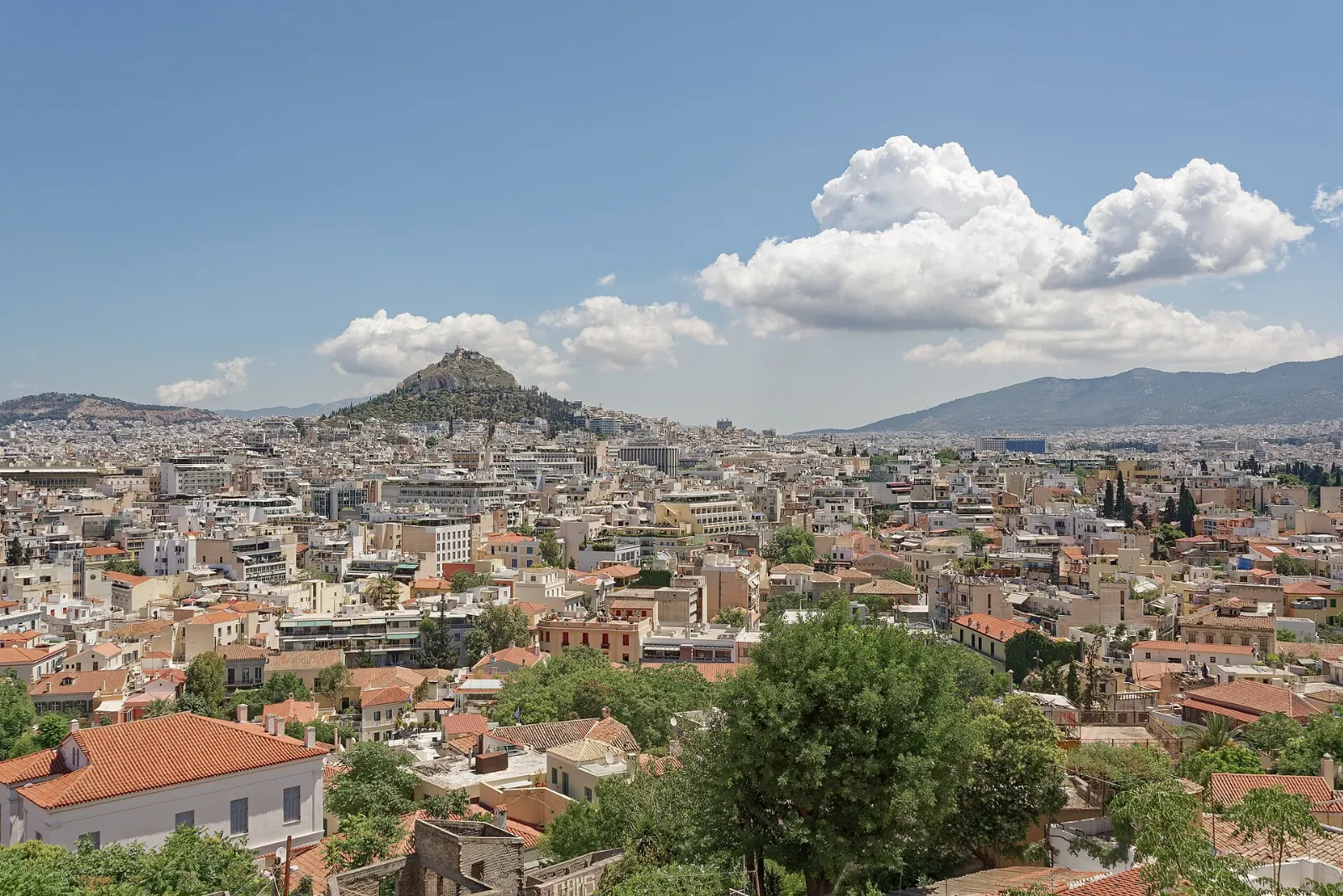
Plaka, the old neighborhood wrapped around the northern and eastern slopes of the Acropolis, is a tangle of pedestrian lanes, restored neoclassical houses, small churches, shops and tavernas.
Monastiraki and Psyrri
Monastiraki Square, with its small Byzantine church and views up to the Acropolis, opens onto a lively flea market district selling antiques, vintage clothing, leather sandals and souvenirs, busiest on Sundays. Next door, Psyrri is full of street art, bars and late-night restaurants.
Monuments, museums and views beyond the center
Temple of Olympian Zeus and Hadrian's Arch
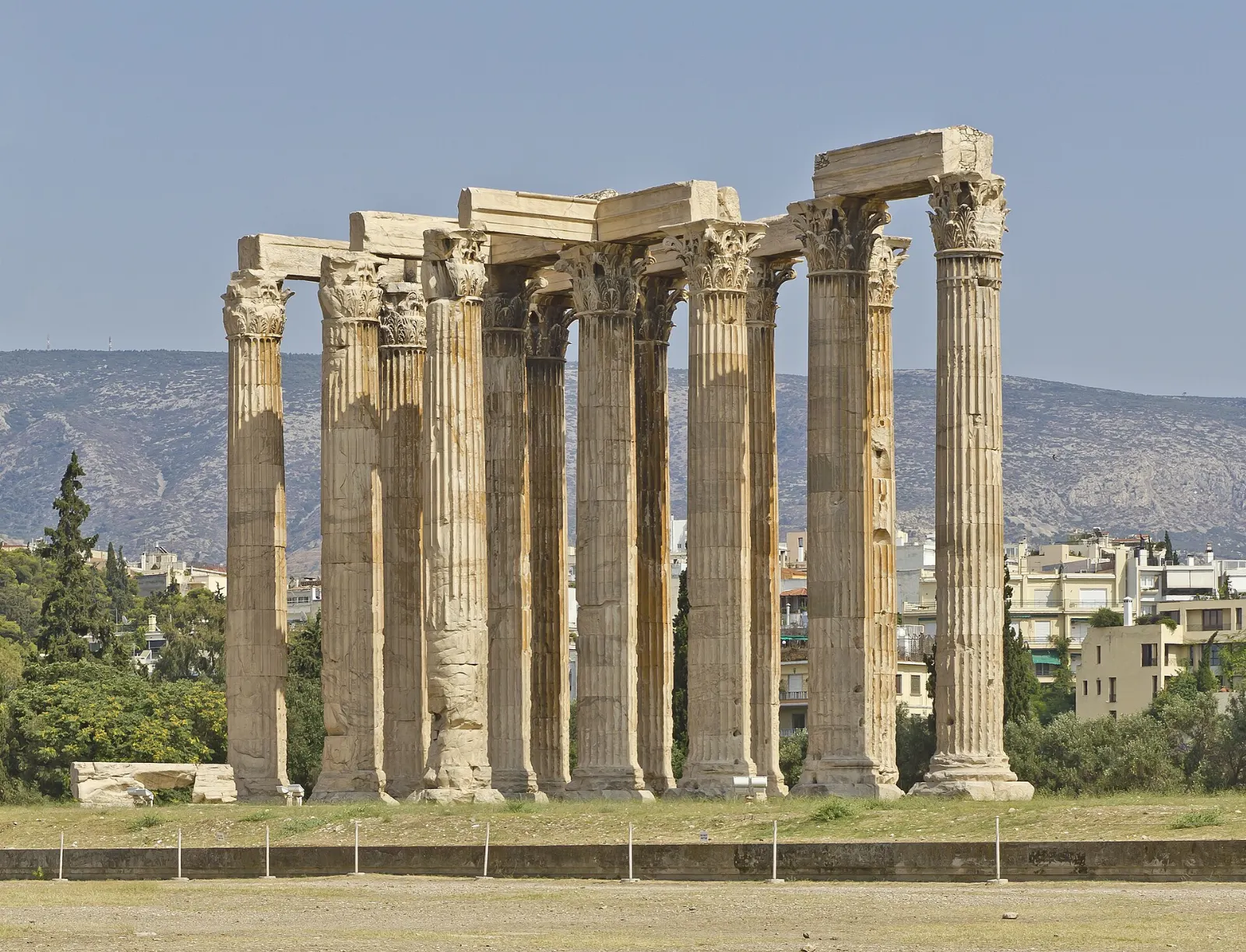
Southeast of Plaka, a handful of gigantic Corinthian columns are all that remain standing of what was once one of the largest temples in the ancient world, begun centuries before and finally completed under the emperor Hadrian.
The Panathenaic Stadium
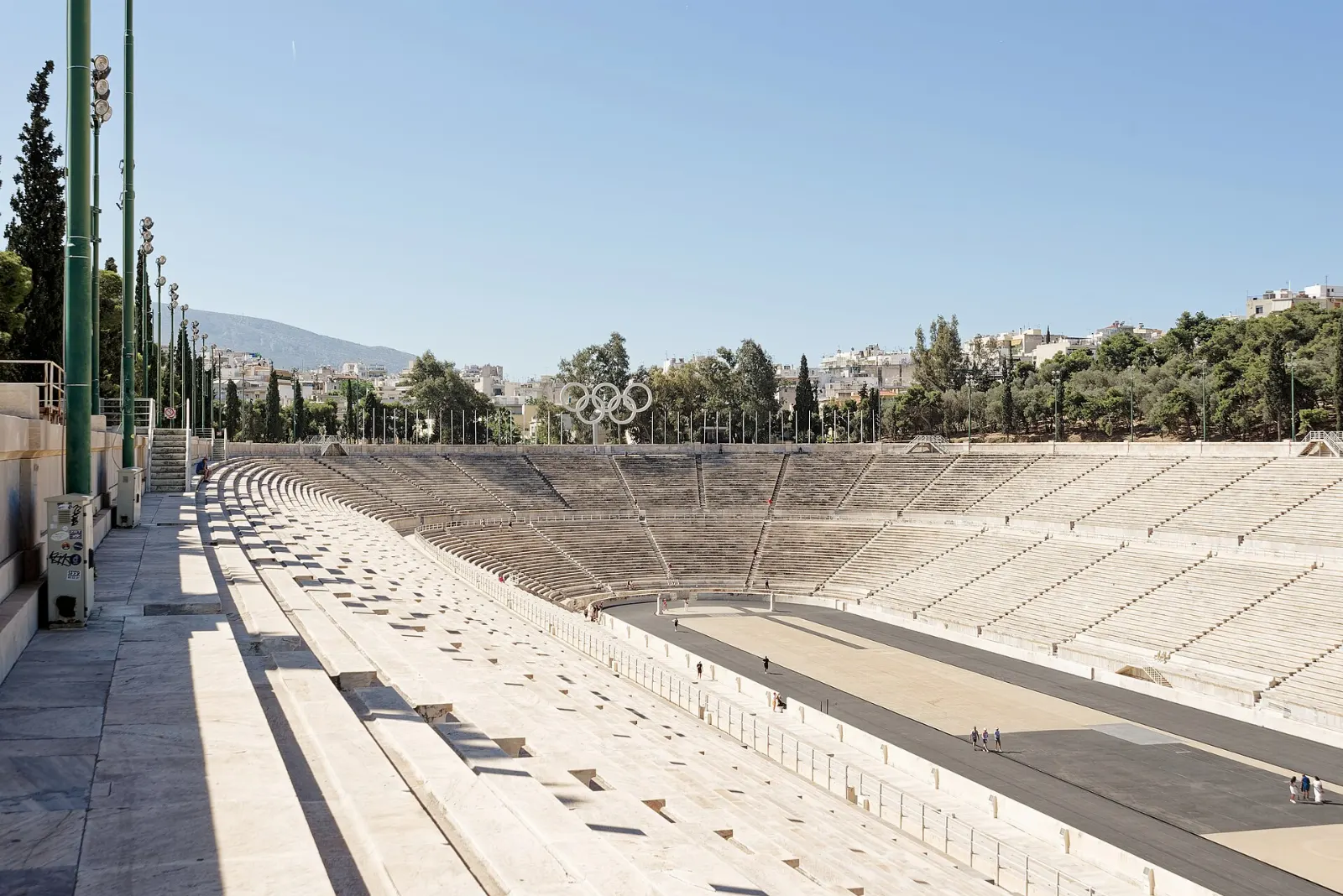
Built entirely of white marble on the site of an ancient stadium, the Panathenaic Stadium hosted events of the first modern Olympic Games in 1896. You can walk the track, climb the tiers and see a display of Olympic torches and posters.
Syntagma Square and the National Garden
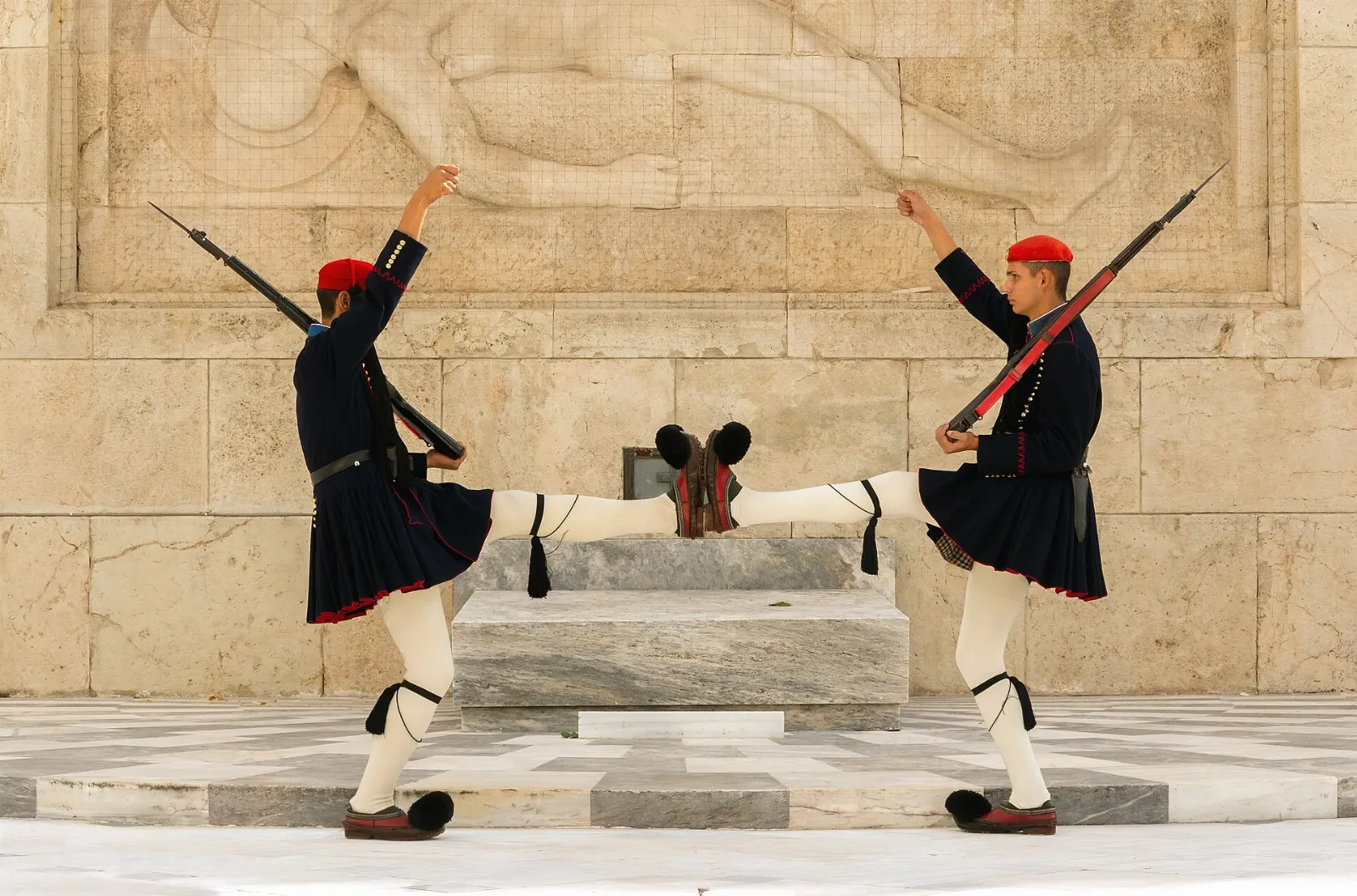
Syntagma Square faces the Hellenic Parliament, where the Evzones, ceremonial guards in kilts and pom-pom shoes, stand watch over the Tomb of the Unknown Soldier. The changing of the guard takes place on the hour, with a larger ceremony on Sunday mornings.
The National Archaeological Museum
North of the center, Greece's largest archaeological museum holds an extraordinary range of treasures, from the gold Mask of Agamemnon from Mycenae to the bronze god from Cape Artemision and the fragments of the Antikythera mechanism, an ancient astronomical calculator.
Lycabettus Hill
The highest hill in central Athens rises above the upscale Kolonaki district, topped by the small chapel of Agios Georgios and a sweeping view across the city to the sea. You can walk up through pine woods or ride the funicular from Kolonaki.
Cape Sounion
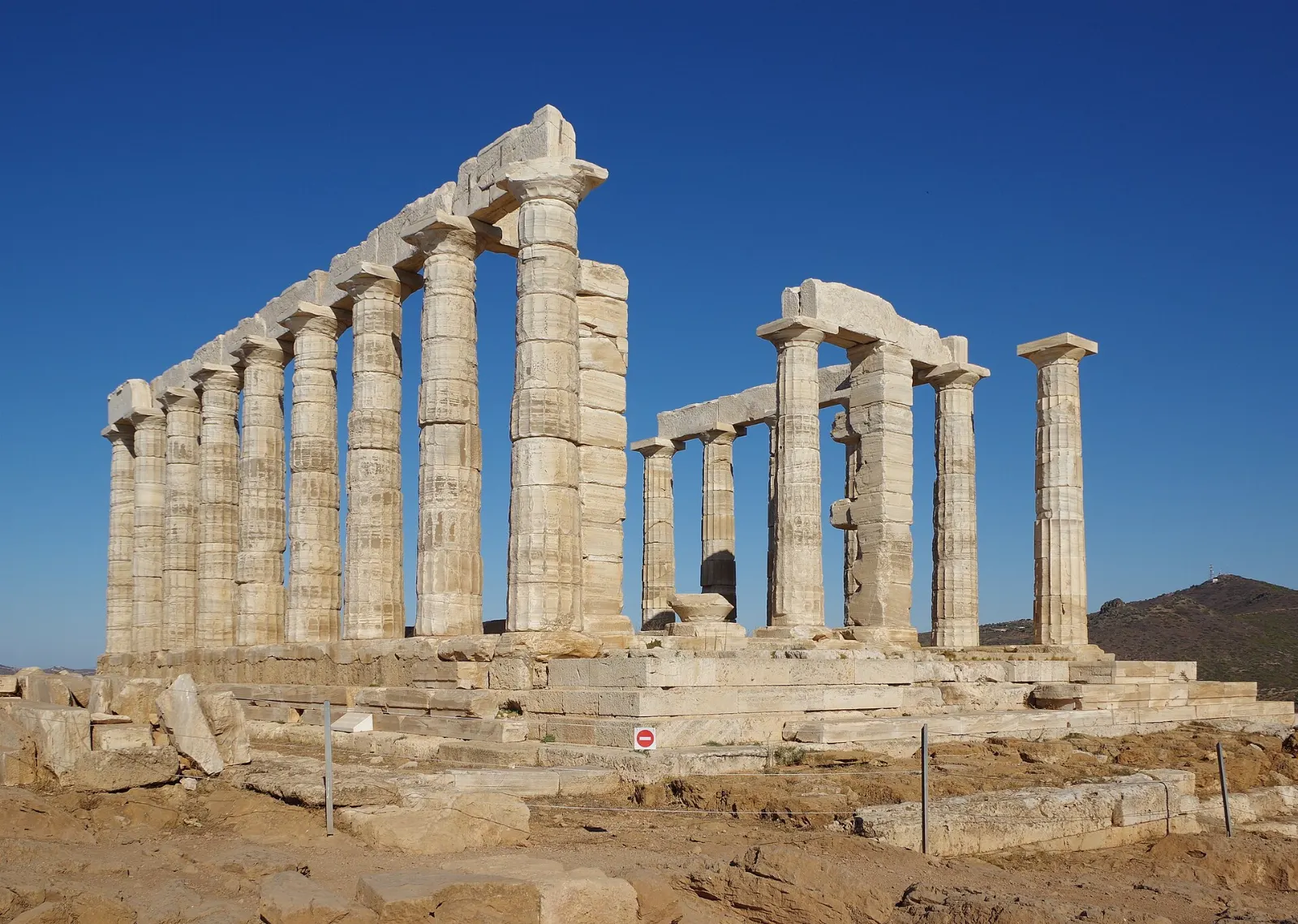
About seventy kilometers southeast of the city, the marble columns of the Temple of Poseidon stand on a cliff above the Aegean at the tip of Attica.
 Planning a trip to Athens?Compare hotels, flights and vacation rentals for Athens on Expedia.Book now
Food and local flavors
Athenian eating is relaxed, social and good value. Start the day with a koulouri, a sesame bread ring sold from street carts, or a flaky spanakopita or tiropita from a bakery.
The Varvakios Central Market on Athinas Street is a vivid, noisy hall of butchers and fishmongers surrounded by shops selling olives, cheese, spices and nuts, and nearby tavernas feed market workers.
Popular dishes to try in Athens


Where to stay
Plaka puts you steps from the Acropolis in pedestrian lanes, ideal for first-timers who want to walk everywhere, though prices are higher and it gets busy.
Syntagma is the transport hub, with direct metro to the airport, and suits short stays and early departures.
Kolonaki is the elegant district below Lycabettus, with boutiques and cafes, suited to travelers who want a quieter, upscale base.
Where to stay in Athens


Best time to visit
Spring, from April to early June, and autumn, from mid-September through October, offer warm days, comfortable sightseeing and long evenings outdoors.
Winter is mild and rainy at times, with far fewer visitors and the chance to see the major sites in peace.
Getting there and getting around
Athens International Airport, about twenty-seven kilometers east of the center, has flights from across Europe and beyond.
The historic center is compact and best explored on foot. The metro is clean and efficient, and its three lines meet at key stations including Syntagma and Monastiraki; several stations display ancient objects found during construction.
A suggested itinerary
First day
Enter the Acropolis at the first time slot, then walk down to the Acropolis Museum.
Second day
Explore the Ancient Agora and the Temple of Hephaestus in the morning, then the Roman Agora, the Tower of the Winds and Hadrian's Library.
Third day
See the changing of the guard at Syntagma, stroll through the National Garden to the Temple of Olympian Zeus and the Panathenaic Stadium, and spend the hot afternoon at the National Archaeological Museum.
Fourth day
Visit the Central Market in the morning, then head south along the coast to Cape Sounion for a swim and sunset at the Temple of Poseidon.
Practical tips
- Book Acropolis tickets online for a specific time slot, and consider a combined ticket if you plan to see several ancient sites.
- Wear shoes with good grip; ancient marble and stone paths are worn smooth and slippery.
- Carry water, a hat and sunscreen, since there is little shade on the Acropolis.
- Watch for pickpockets on metro line one and in crowded market streets.
- Dress modestly when entering churches, with shoulders and knees covered.
- Expect dinner to start late; many Athenians eat at nine or later.