Mauritius Lagoons Le Morne and Chamarel Colored Earth
Mauritius is a volcanic island in the Indian Ocean, roughly east of Madagascar, almost completely ringed by a coral reef. Inside that reef you get calm, clear lagoons; above them rise jagged green peaks, waterfalls and the plateau forests of the interior.
By WiserMap TravelUpdated October 20268 places11 min read
This guide walks you through the places that make a trip here memorable, from the UNESCO-listed sites of Port Louis and Le Morne to the crater lake at Grand Bassin and the coloured dunes of Chamarel.
At a glance Mauritius
Best timeMay to December for dry, sunny days and calmer conditions; avoid the peak cyclone months of January to March if you can.
How longSeven to ten days lets you explore the north, west, south and east coasts without rushing.
Getting thereFly into Sir Seewoosagur Ramgoolam International Airport near Mahebourg in the southeast.
Ad
Why visit Mauritius
Few islands pack this much variety into such a small area. In one day you can swim in a lagoon in the morning, hike through native forest at midday and eat street food in a bustling capital by evening.
Mauritius also has real history to explore. It was uninhabited until European sailors arrived, and the dodo, the island's famous extinct bird, became a symbol of what can be lost.
Conservation is another draw. Local organizations have brought species such as the pink pigeon, the Mauritius kestrel and the echo parakeet back from the edge, and you can see some of that work on Ile aux Aigrettes and in the national park.
Port Louis and the north
The capital sits on the northwest coast, backed by a ring of mountains, and is the best place to understand the island's people and past. The north beyond it holds the botanical garden at Pamplemousses and the busy resort strip of Grand Baie.
Aapravasi Ghat
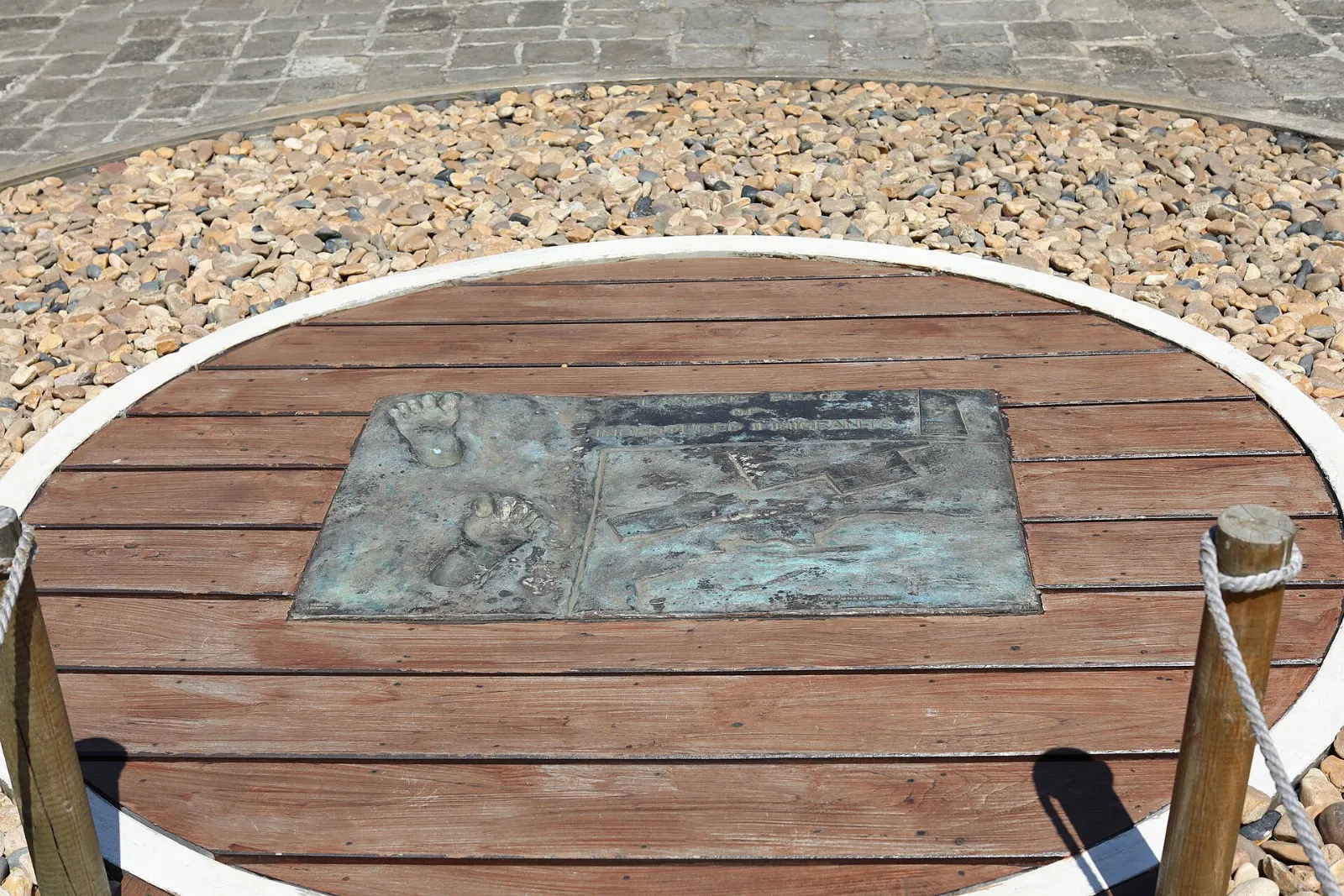
This modest set of stone ruins beside the harbour was the immigration depot where indentured workers, most of them from India, landed from the 1830s onward. Many Mauritians today descend from those arrivals.
Aapravasi Ghat in Port Louis is the former immigration depot where indentured labourers arrived in the nineteenth century. Photo: Suyash Dwivedi, Wikimedia Commons, CC BY-SA 4.0
Central Market and the Caudan Waterfront
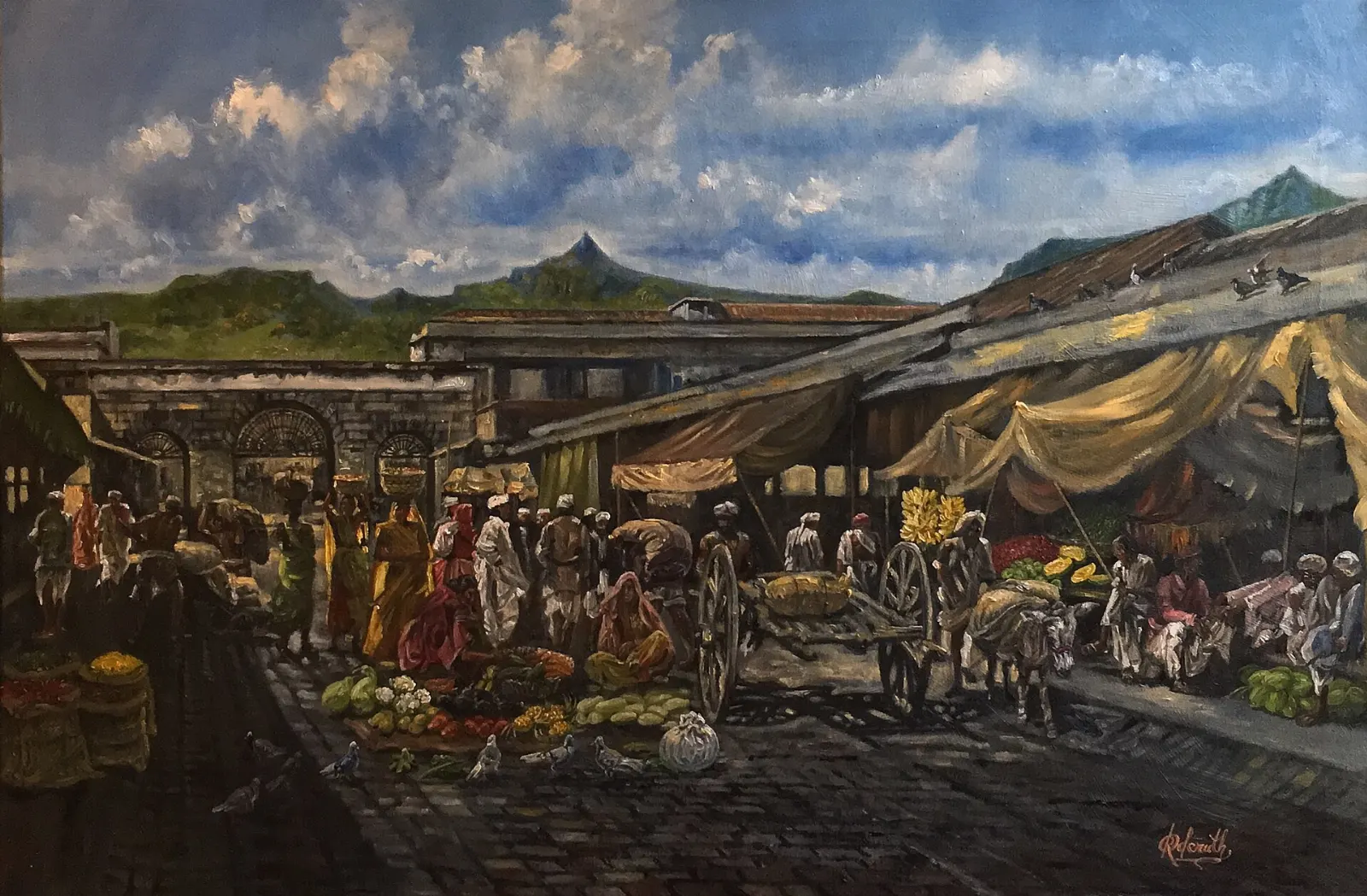
The Central Market is where Port Louis feels most alive. Under its roofs you find stacks of tropical fruit, piles of chillies and spices, herbal remedies, textiles and stalls selling dholl puri and other snacks.
The Central Market in Port Louis sells produce, spices and street snacks in the heart of the capital. Photo: Oderuth, Wikimedia Commons, CC BY-SA 4.0
Sir Seewoosagur Ramgoolam Botanical Garden
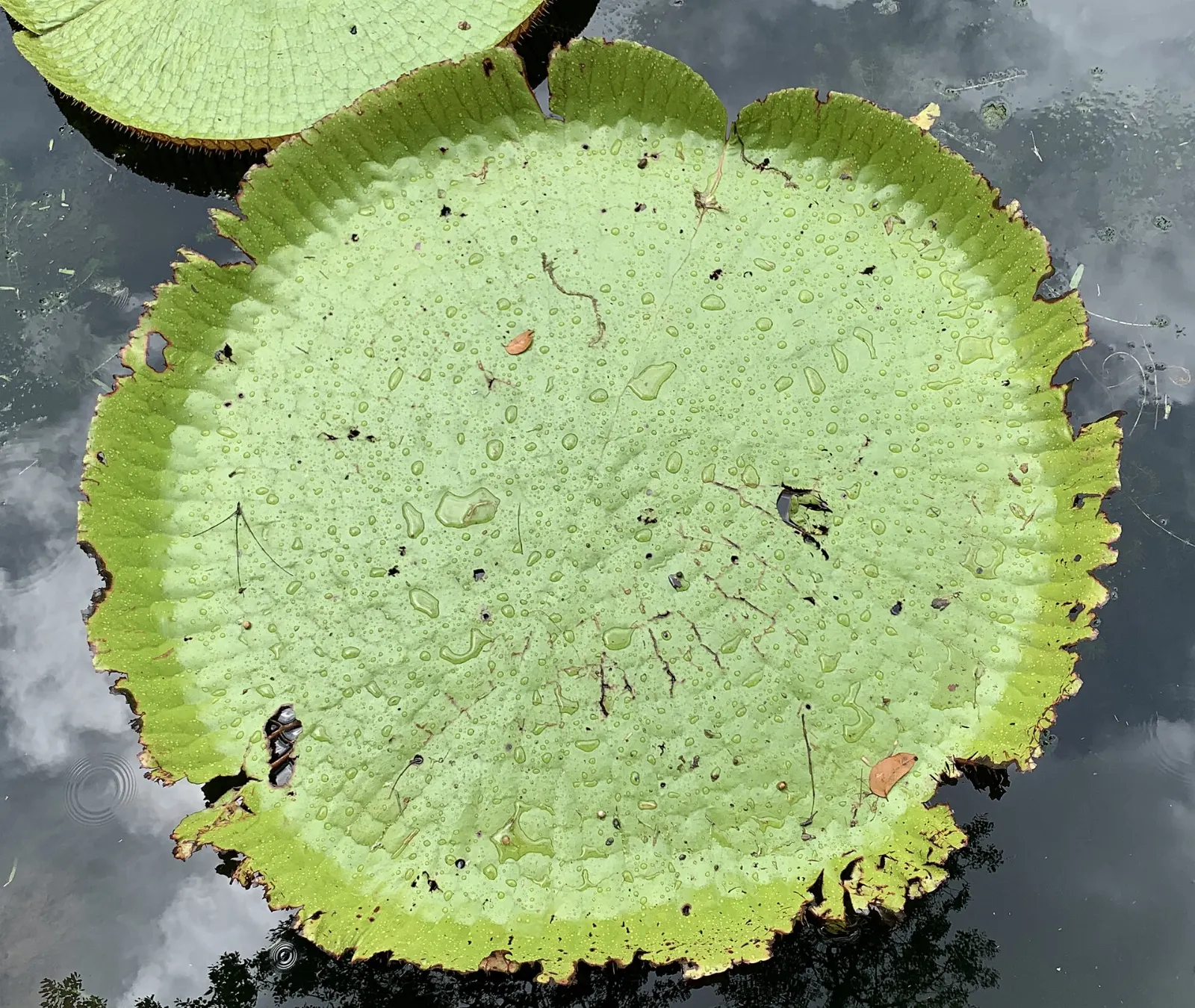
Known simply as Pamplemousses after the village around it, this is one of the oldest botanical gardens in the Southern Hemisphere.
The giant water lilies are one of the best-known sights in the Sir Seewoosagur Ramgoolam Botanical Garden at Pamplemousses. Photo: Benoît Prieur, Wikimedia Commons, CC0
Grand Baie and the northern islets
Grand Baie is the north's busiest town, with a sheltered bay, plenty of places to eat and the departure point for catamaran trips to the islets off the coast, such as Coin de Mire, with its sheer cliffs.
Ad
The east and southeast coasts
The east coast catches the trade winds, which keeps it fresh in summer, and its lagoons are among the widest on the island.
Ile aux Cerfs
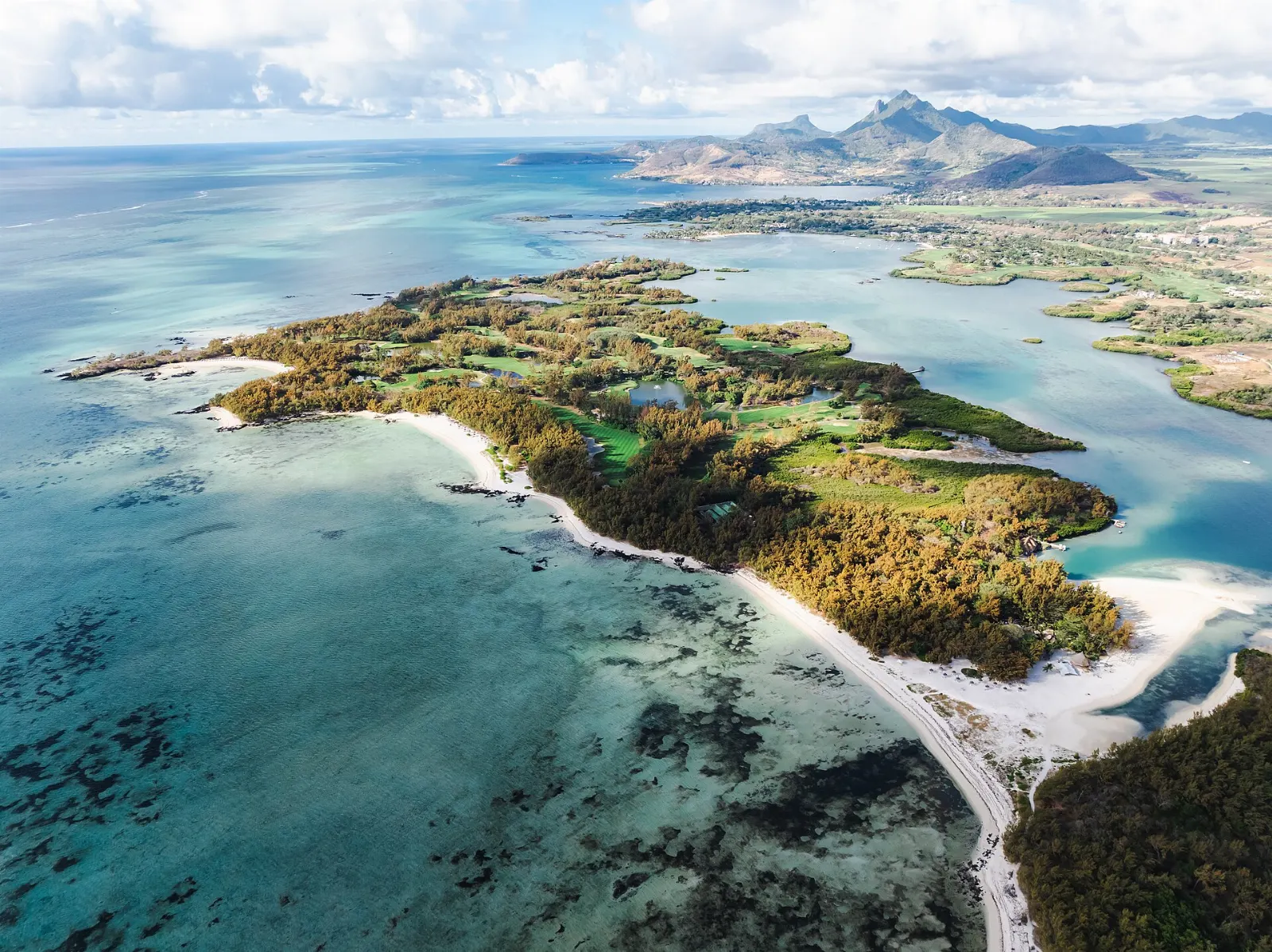
This small island in the lagoon off Trou d'Eau Douce has long sandy beaches and shallow water that glows turquoise on sunny days.
Ile aux Cerfs sits in the lagoon off the east coast near Trou d'Eau Douce. Photo: Arne Müseler, Wikimedia Commons, CC BY-SA 3.0 de
Blue Bay Marine Park and Mahebourg
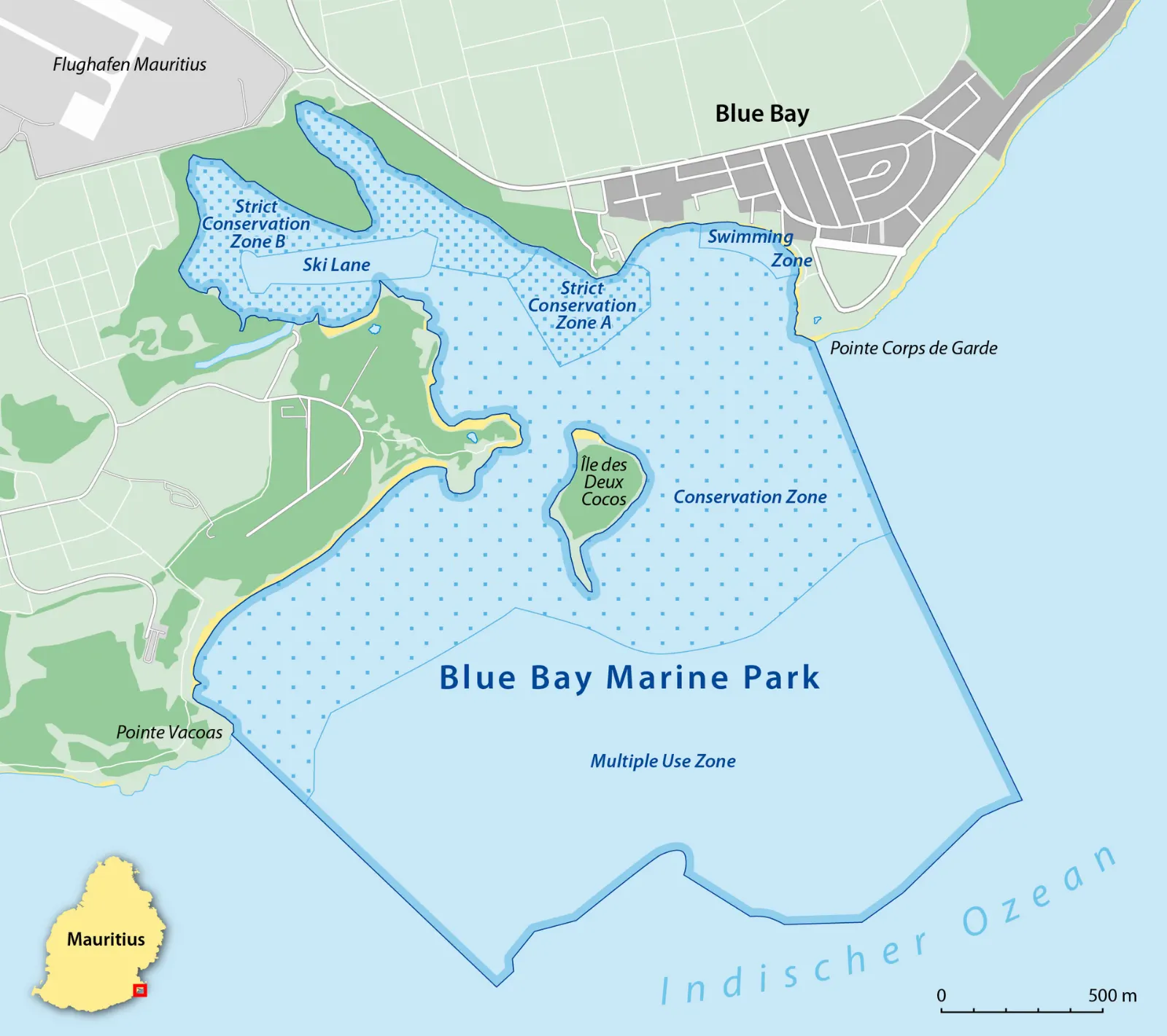
Blue Bay is a protected lagoon with coral gardens close to shore, which makes it one of the easiest places on the island to snorkel. Glass-bottom boats run from the public beach for people who prefer to stay dry.
Blue Bay Marine Park protects coral and fish life near Mahebourg on the southeast coast. Photo: NordNordWest, Wikimedia Commons, CC BY-SA 3.0 de
Ile aux Aigrettes
This coral island off Mahebourg is a nature reserve run by the Mauritian Wildlife Foundation. Guided walks take you through restored coastal forest where you may see pink pigeons, giant Aldabra tortoises and the endemic Telfair's skink.
The southwest and the green interior
The most dramatic scenery on Mauritius lies in the southwest and on the central plateau, where forests, gorges and volcanic landforms replace the beach strips.
Black River Gorges National Park
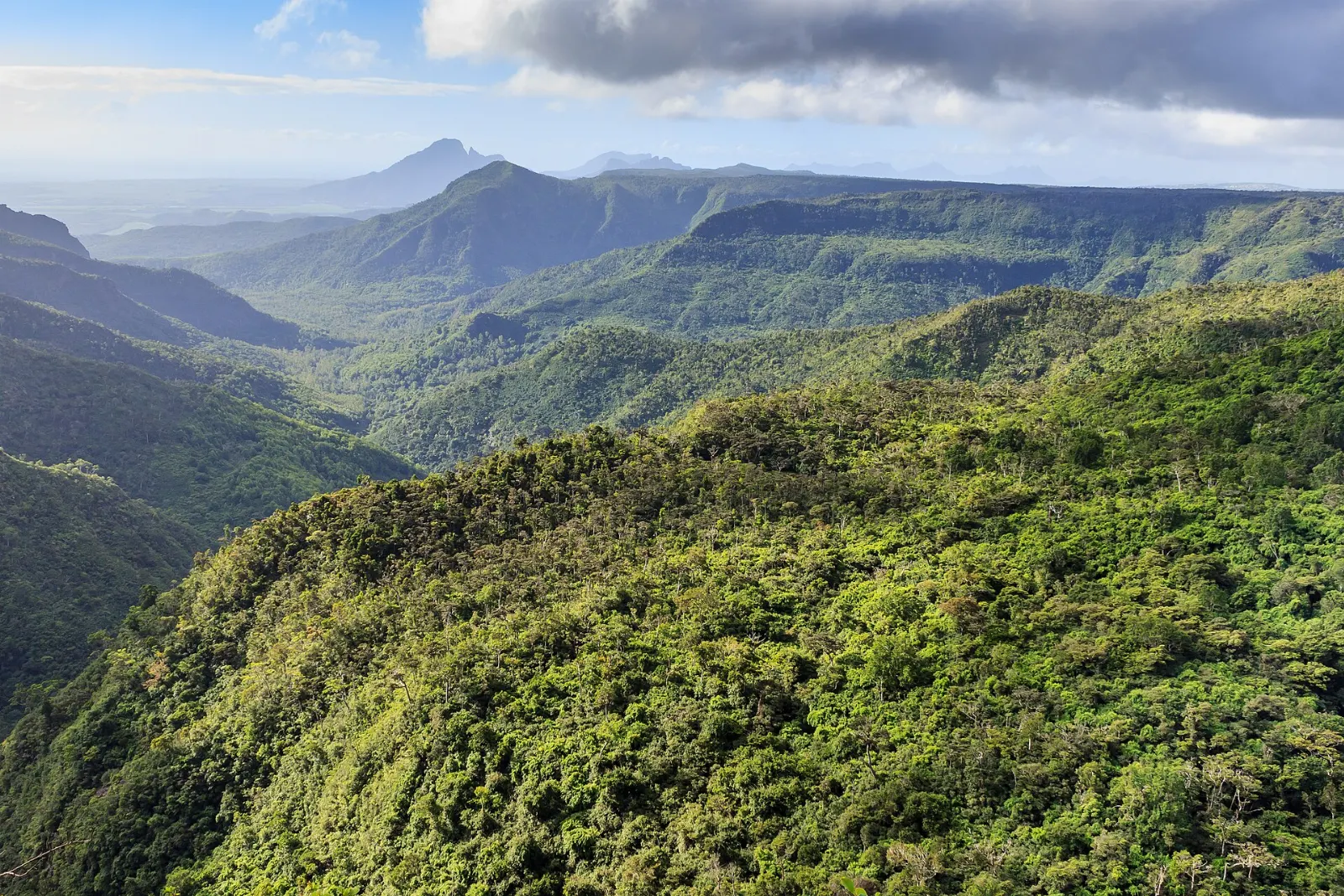
The national park protects much of the native forest that survives on the island. Viewpoints along the road between Chamarel and the plateau look down into deep green gorges, and trails such as the Macchabee Forest walk suit different fitness levels.
Black River Gorges National Park protects much of the native forest left on Mauritius. Photo: CEphoto, Uwe Aranas, Wikimedia Commons, CC BY-SA 3.0
Chamarel Seven Coloured Earth and Chamarel Falls
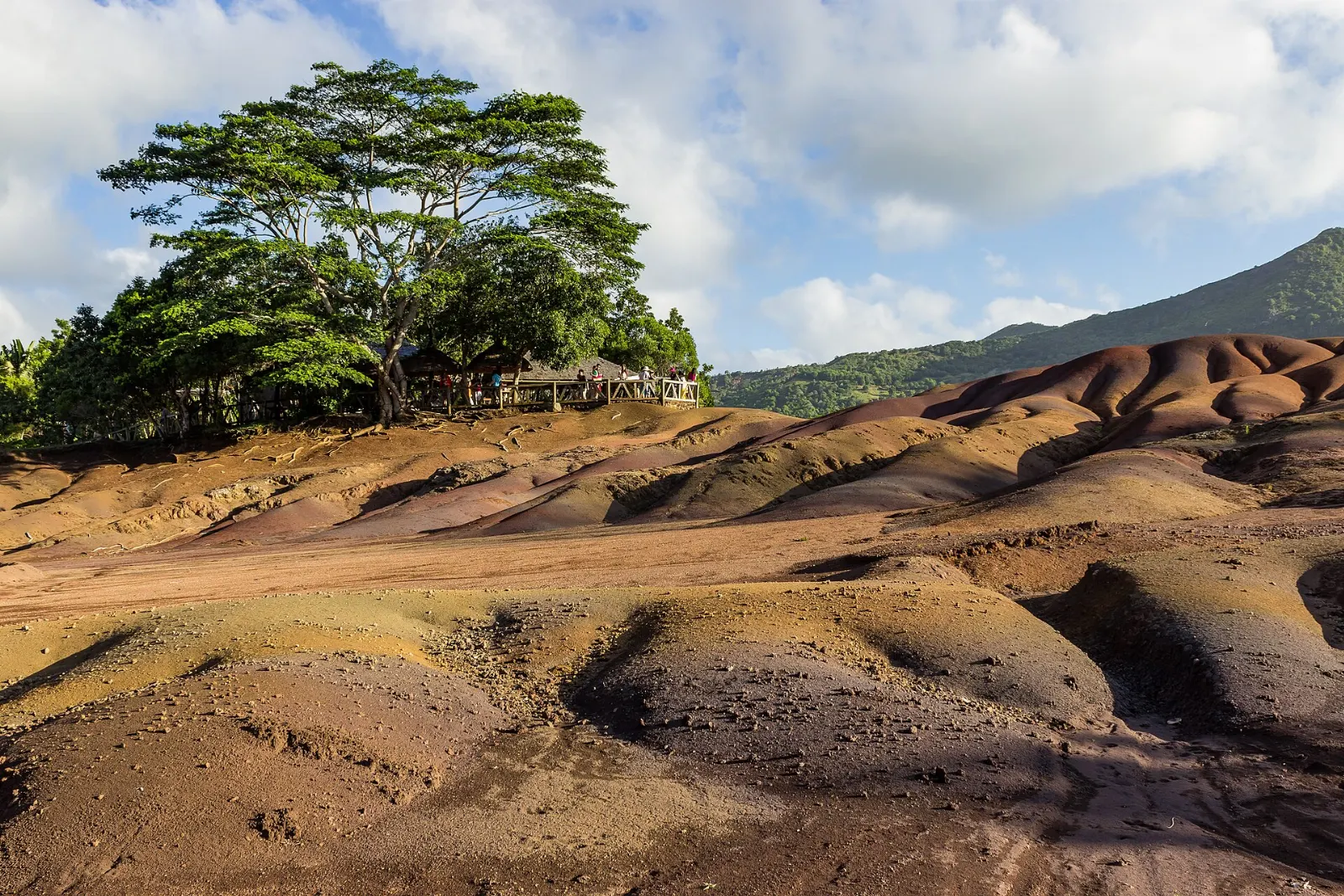
Near the village of Chamarel, a small area of rolling dunes shows bands of red, brown, violet and ochre sand formed as volcanic rock weathered. The same park includes a viewpoint over Chamarel Falls, a long single drop from the edge of the plateau, and a tortoise enclosure.
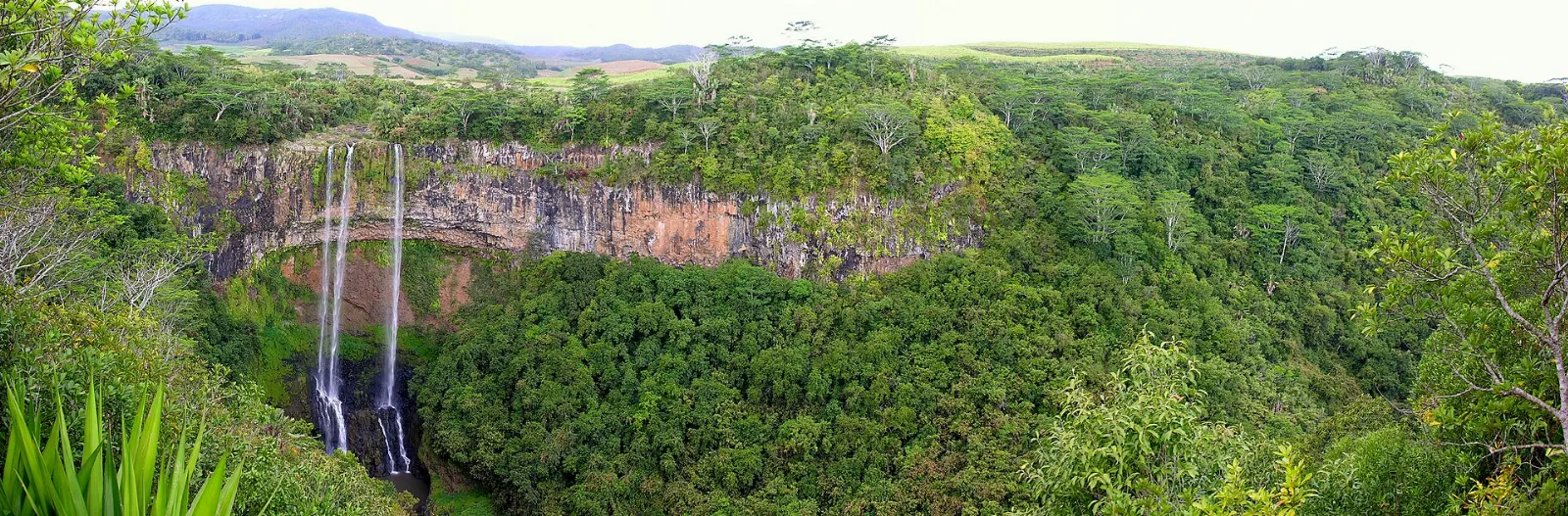
Chamarel Falls is the tallest single-drop waterfall on the island, and the platform inside the park gives a clear view down into the gorge. Come before midday, when cloud often drifts over the plateau and hides the top of the falls.
Nearby, the Alexandra Falls viewpoint and the Gorges viewpoint on the road through the park are worth a stop on the same drive.
The Seven Coloured Earth at Chamarel is a small area of multicolored dunes formed from weathered volcanic rock. Photo: CEphoto, Uwe Aranas, Wikimedia Commons, CC BY-SA 3.0
Chamarel Falls drops in a single long plunge from the edge of the central plateau.Photo: Hansueli Krapf, Wikimedia Commons, CC BY-SA 3.0
Grand Bassin (Ganga Talao)
This crater lake on the plateau is the most sacred Hindu site in Mauritius. Temples line its edge, and two giant statues, of Shiva and the goddess Durga, stand near the entrance road.
Grand Bassin, also called Ganga Talao, is a sacred crater lake and the main Hindu pilgrimage site in Mauritius. Photo: Moonik, Wikimedia Commons, CC BY-SA 3.0
Le Morne Brabant
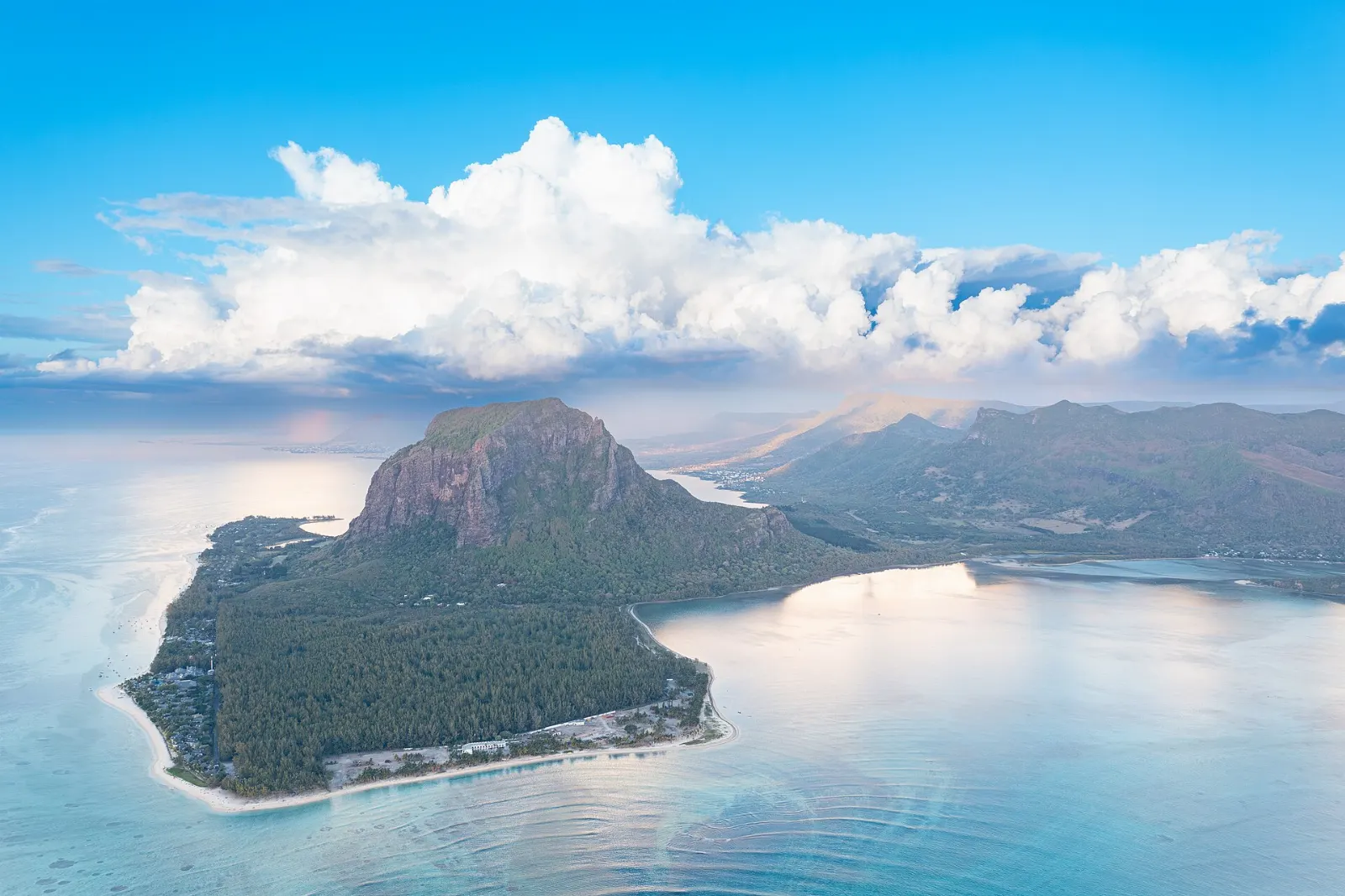
Le Morne is the basalt mountain that rises from the southwest peninsula, surrounded by one of the island's finest lagoons and beaches. Escaped enslaved people once sheltered on its cliffs, and the Slave Route Monument at its foot honours them.
Ad
Food and local flavors
Mauritian food blends Indian, Creole, Chinese and French cooking, and the best of it is sold from roadside stalls and markets.
For main dishes, look for rougaille, a Creole tomato, onion and thyme sauce cooked with fish, sausage or salted fish; vindaye, fish or octopus pickled in mustard, garlic and turmeric; and briyani, served at weddings and festivals.
Wash it down with alouda, a sweet milk drink with basil seeds and agar jelly, sold at the Port Louis market.
Popular dishes to try in Mauritius
Dholl puri Start with dholl puri, a thin flatbread made with ground yellow split peas, wrapped around bean curry, pickles and chutney.Photo: S.M.Chalon, Wikimedia Commons, CC BY-SA 4.0Gateaux piments Gateaux piment are small fried chilli and split-pea fritters sold by the bagful, and boulettes are dumplings served in a light broth, a favourite at Chinese-influenced stalls.Photo: Anoha, Wikimedia Commons, CC BY-SA 3.0Octopus curry Seafood is excellent along the coast, especially octopus curry.Photo: Jubair1985, Wikimedia Commons, CC BY-SA 4.0Rougaille For main dishes, look for rougaille, a Creole tomato, onion and thyme sauce cooked with fish, sausage or salted fish; vindaye, fish or octopus pickled in mustard, garlic and…Photo: Suyash Dwivedi, Wikimedia Commons, CC BY-SA 4.0
Where to stay
The north, around Grand Baie, Pereybere and Trou aux Biches, suits travelers who want restaurants, nightlife and easy access to boat trips. Beaches here are calm and the area is the most developed on the island.
The west coast, including Flic en Flac and Tamarin, is drier and sunnier, with the best sunsets and quick access to the national park and Chamarel.
Le Morne and the southwest suit couples and kitesurfers who want spectacular scenery and a slower pace.
Where to stay in Mauritius
Grand Baie Where to stayThe north, around Grand Baie, Pereybere and Trou aux Biches, suits travelers who want restaurants, nightlife and easy access to boat trips.Photo: EceMuratoglu, Wikimedia Commons, CC BY-SA 4.0Tamarin The west coast, including Flic en Flac and Tamarin, is drier and sunnier, with the best sunsets and quick access to the national park and Chamarel.Photo: Luis Correia, Wikimedia Commons, CC BY-SA 3.0Chamarel The west coast, including Flic en Flac and Tamarin, is drier and sunnier, with the best sunsets and quick access to the national park and Chamarel.Photo: Martin Falbisoner, Wikimedia Commons, CC BY-SA 4.0Belle Mare The east coast, from Belle Mare to Trou d'Eau Douce, has long beaches and larger resorts and is breezy in the hot months.Photo: Arne Müseler, Wikimedia Commons, CC BY-SA 3.0 de
Ad
Best time to visit
Mauritius is warm all year.
Summer, from November to April, is hot and humid, with more rain and the risk of tropical cyclones, mainly from January to March. Sea temperatures are at their warmest and diving visibility is often good.
Festivals follow several calendars.
Getting there and getting around
Sir Seewoosagur Ramgoolam International Airport, near Plaine Magnien in the southeast, receives flights from Europe, the Gulf, Africa and Asia.
Renting a car gives you the most freedom. Traffic drives on the left, roads are generally good but narrow in villages, and traffic around Port Louis is heavy at rush hour.
Public buses reach almost every village and are cheap, though slow and less frequent in the evening.
Ad
A suggested itinerary
First day
Arrive, settle in and spend the afternoon on your nearest beach to recover from the flight.
Second day
Head to Port Louis for Aapravasi Ghat, the Central Market and lunch from the street stalls, then drive north to the Pamplemousses garden in the afternoon.
Third day
Take a boat day in the north, sailing to the northern islets from Grand Baie, and end with sunset at Cap Malheureux.
Fourth day
Drive into the interior for Grand Bassin early, then the viewpoints of Black River Gorges, the Seven Coloured Earth and Chamarel Falls, with a late lunch in Chamarel.
Fifth day
Hike Le Morne at dawn, then rest on the beach at its foot for the afternoon.
Sixth day
Go southeast to Mahebourg, take the guided tour of Ile aux Aigrettes and snorkel at Blue Bay.
Seventh day
Spend your last full day on Ile aux Cerfs and the Grand River South East waterfall, then enjoy a final seafood dinner on the east coast.
Practical tips
Check entry requirements for your nationality before you travel, and make sure your passport is valid well beyond your stay.
Book Ile aux Aigrettes tours, catamaran trips and dolphin cruises a few days ahead in high season.
Use reef-safe sunscreen and never stand on or touch coral; much of the lagoon is protected.
Dress modestly away from the beach, and remove your shoes before entering temples and some mosques.
Carry cash for markets and street food, though cards work in most hotels, supermarkets and larger restaurants.
Pack a light rain jacket and a warm layer for the plateau, which is noticeably cooler and wetter than the coast.
Ask before photographing people, especially during religious festivals.