WiserMap — Choose wisely. Connect locally.Choose wisely. Connect locally.Add your business
Munich, Germany · Travel guide

Munich Germany Beer Gardens Palaces and Oktoberfest

Munich is Bavaria's capital and Germany's third largest city, yet it often feels more like a large, comfortable town.

By WiserMap TravelUpdated October 2026 8 places10 min read
FacebookXLinkedIn

This guide covers the best places to visit in Munich, from Marienplatz and the Residenz to the English Garden, Nymphenburg Palace and the Olympiapark, along with what to eat, where to stay, when to go, how to get around and a few easy day trips into the Bavarian countryside.

At a glance Munich
  1. Best timeMay to early October for beer gardens; late November and December for Christmas markets.
  2. How longThree days for the city, four or five with a day trip to the Alps or Dachau.
  3. Getting thereMunich Airport is linked to the center by the S1 and S8 suburban trains; fast trains reach the Hauptbahnhof from across Europe.

Why visit Munich

Munich has been the seat of the Wittelsbach dynasty for most of its history, and the family's taste still shapes the city. Its kings filled Munich with palaces, galleries and grand avenues, and King Ludwig I in particular turned the Maxvorstadt district into a showcase of museums.

The city is also deeply connected to its surroundings. On a clear day, especially when the warm Föhn wind blows, the Alps look close enough to touch, and lakes and mountain villages are an easy train ride away.

The old town around Marienplatz

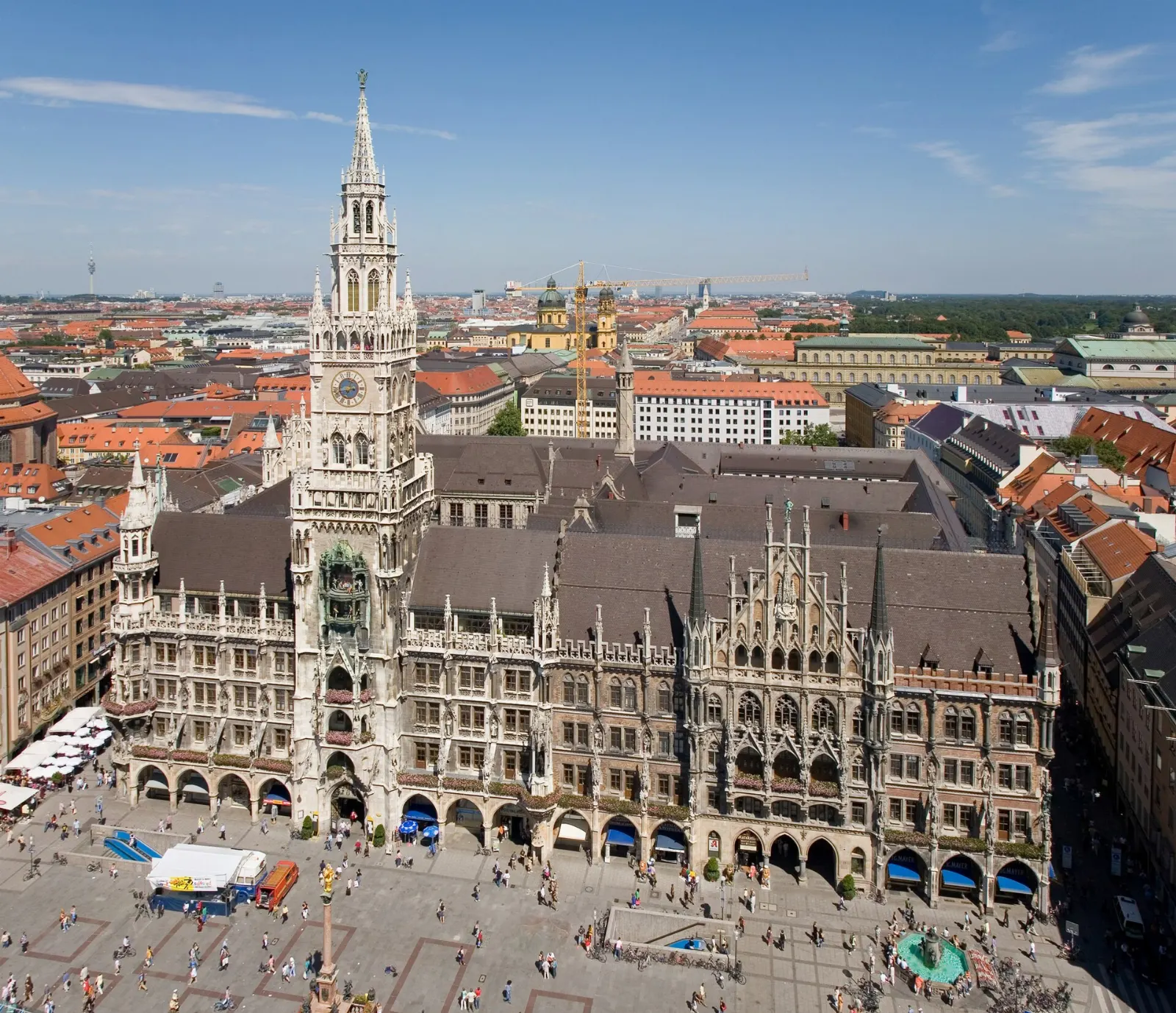
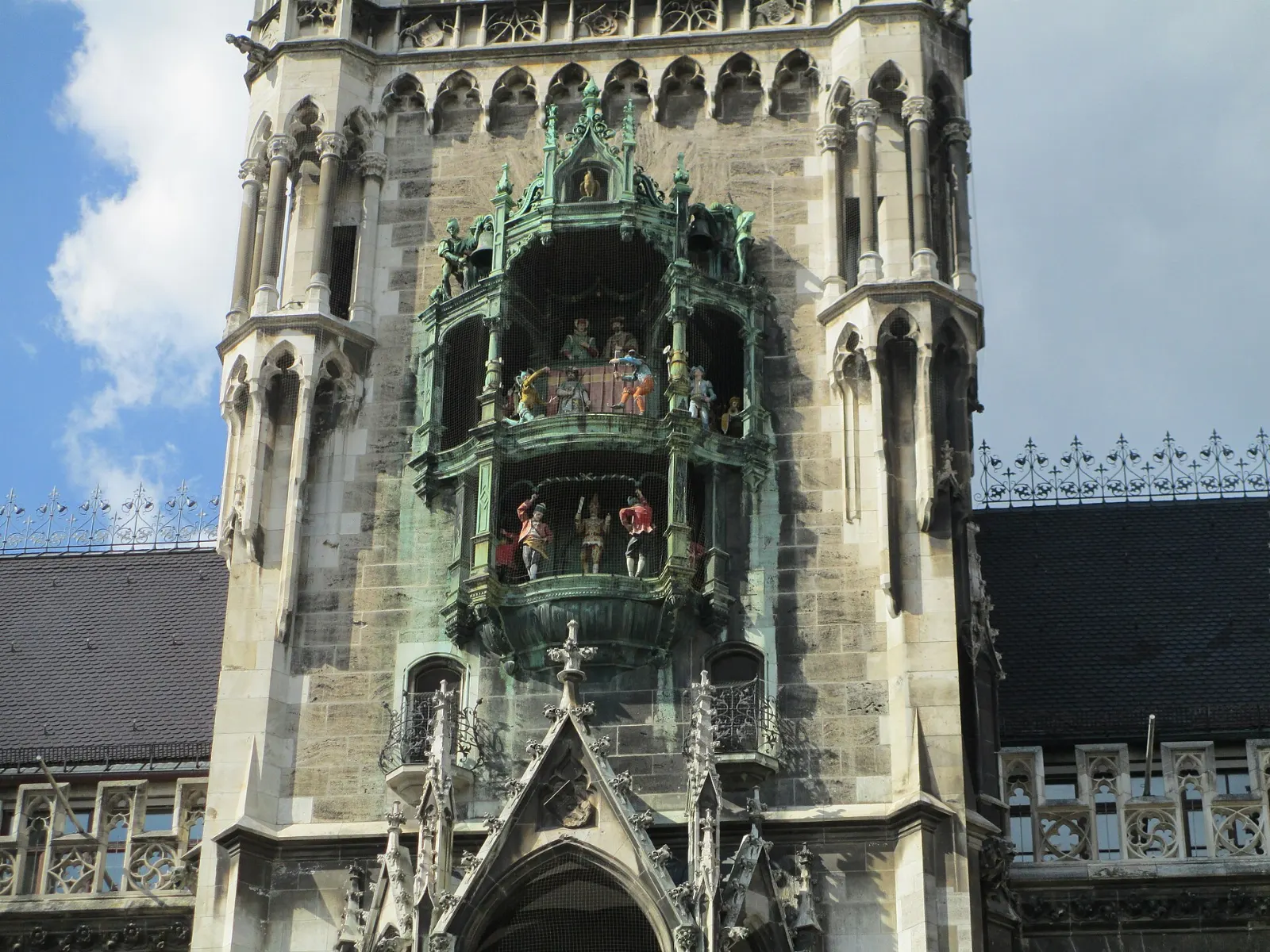
Colorful life-size figures of the Glockenspiel set in the tower of Munich's New Town Hall, Germany

Marienplatz and the New Town Hall

Marienplatz has been the heart of Munich since the city's earliest days. The square is framed by the Gothic Revival New Town Hall, with its ornate facade and tall tower, and the much older Old Town Hall at its eastern end.

Plan your visit around the Glockenspiel in the tower, whose life-size figures act out a ducal wedding joust and the coopers' dance. It plays every day at 11 a.m. and noon, with an extra show at 5 p.m. from March to October, and lasts around fifteen minutes.

The Rathaus-Glockenspiel re-enacts a sixteenth century royal wedding and the coopers' dance. Photo: Avi1111 dr. avishai teicher, Wikimedia Commons, CC BY-SA 4.0
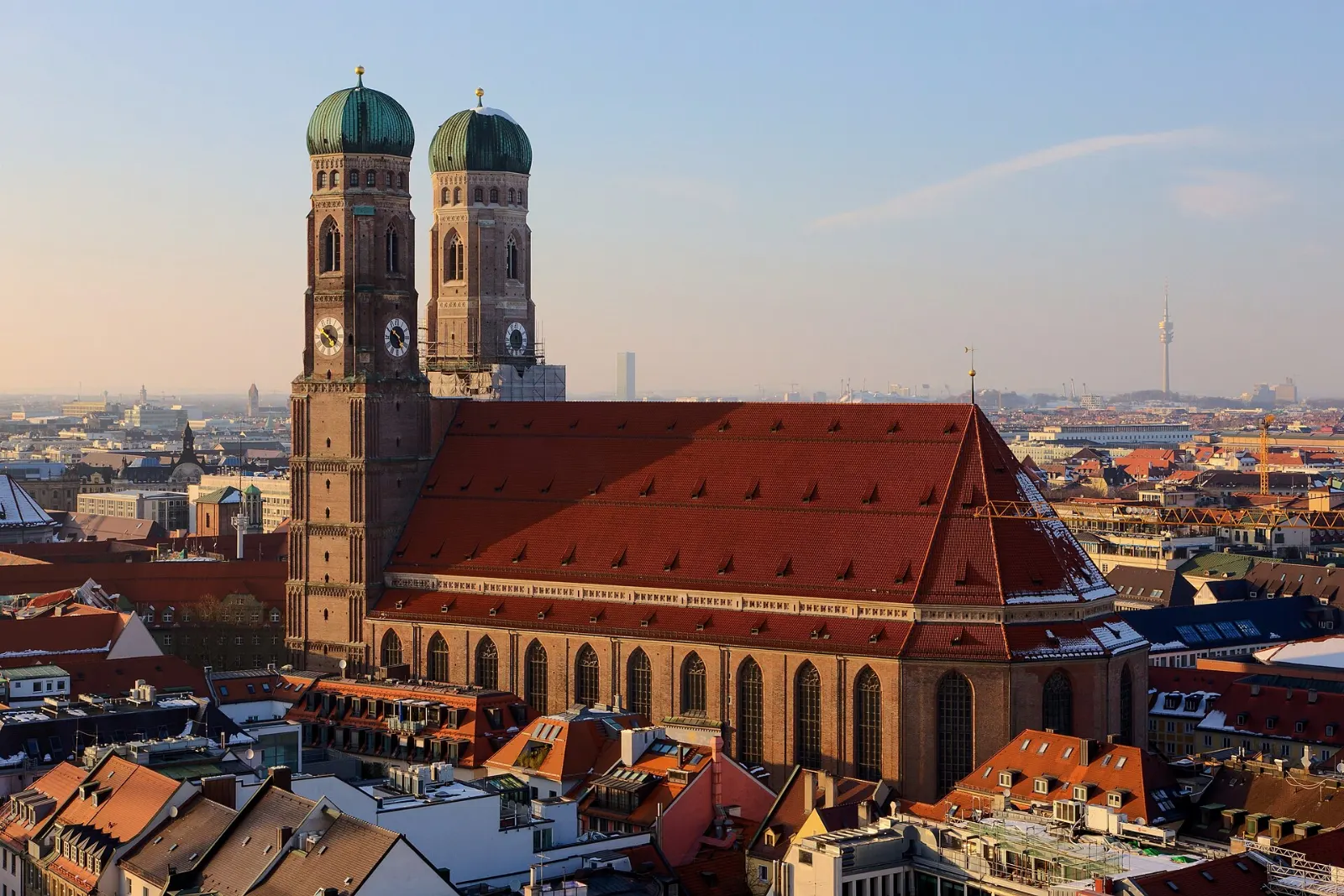
The twin brick towers of the Frauenkirche with their green onion domes above Munich's old town, Germany

Frauenkirche and St. Peter's Church

The Frauenkirche, Munich's cathedral, is the brick church whose twin towers with rounded green domes appear on almost every postcard of the city. Inside, look for the black footprint near the entrance, linked to a local legend about the devil.

The twin towers of the Frauenkirche, Munich's cathedral, are the city's best-known landmark. Photo: Martin Falbisoner, Wikimedia Commons, CC BY-SA 3.0

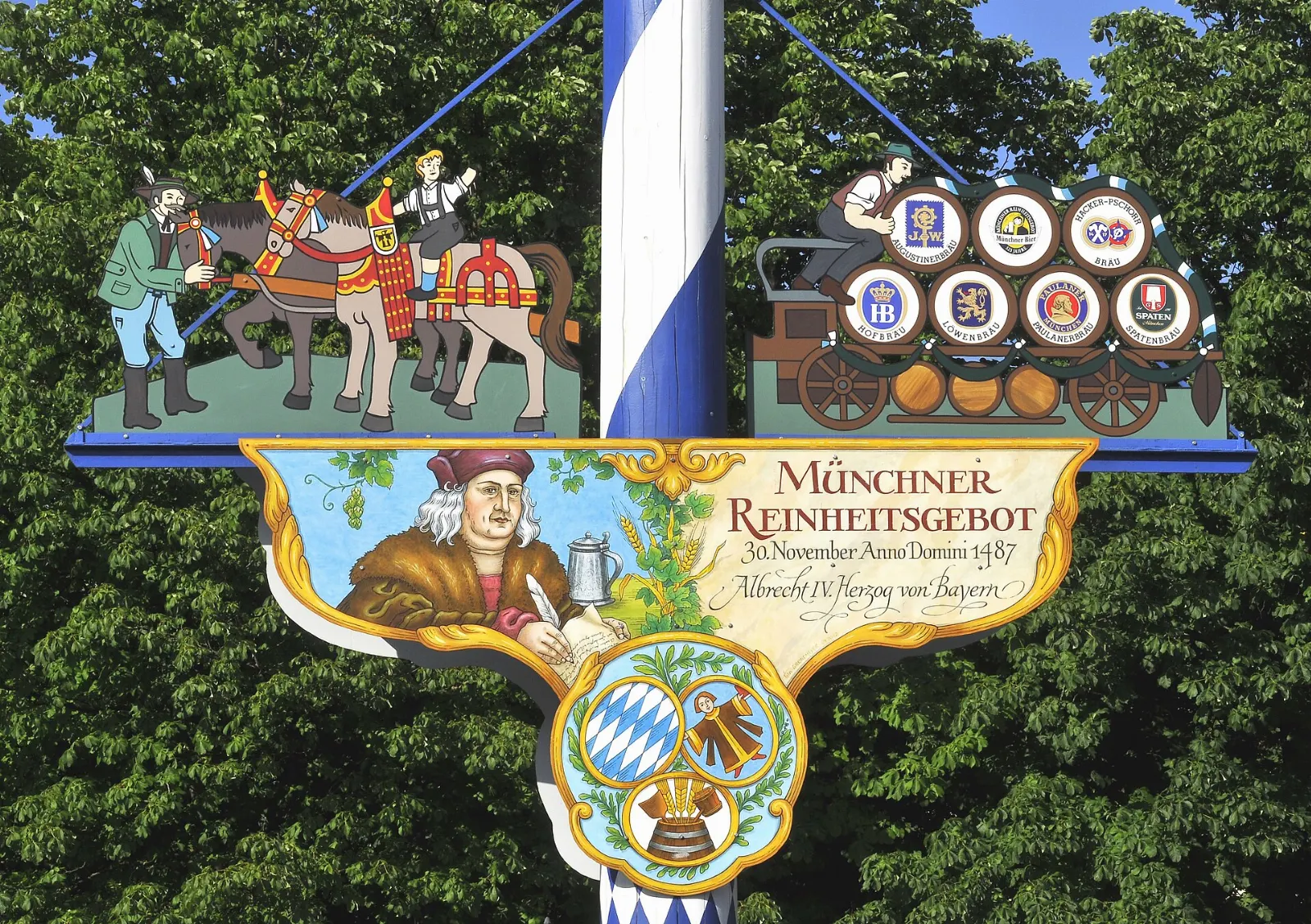
Market stalls and the painted maypole at Viktualienmarkt in central Munich, Germany

Viktualienmarkt

Just south of Marienplatz, Viktualienmarkt is the city's best-loved open-air market, with stalls selling fruit, cheese, sausages, fish, flowers, honey and spices, and a painted maypole standing in the middle.

Viktualienmarkt has been Munich's main open-air food market since the early nineteenth century. Photo: LBM1948, Wikimedia Commons, CC BY-SA 4.0

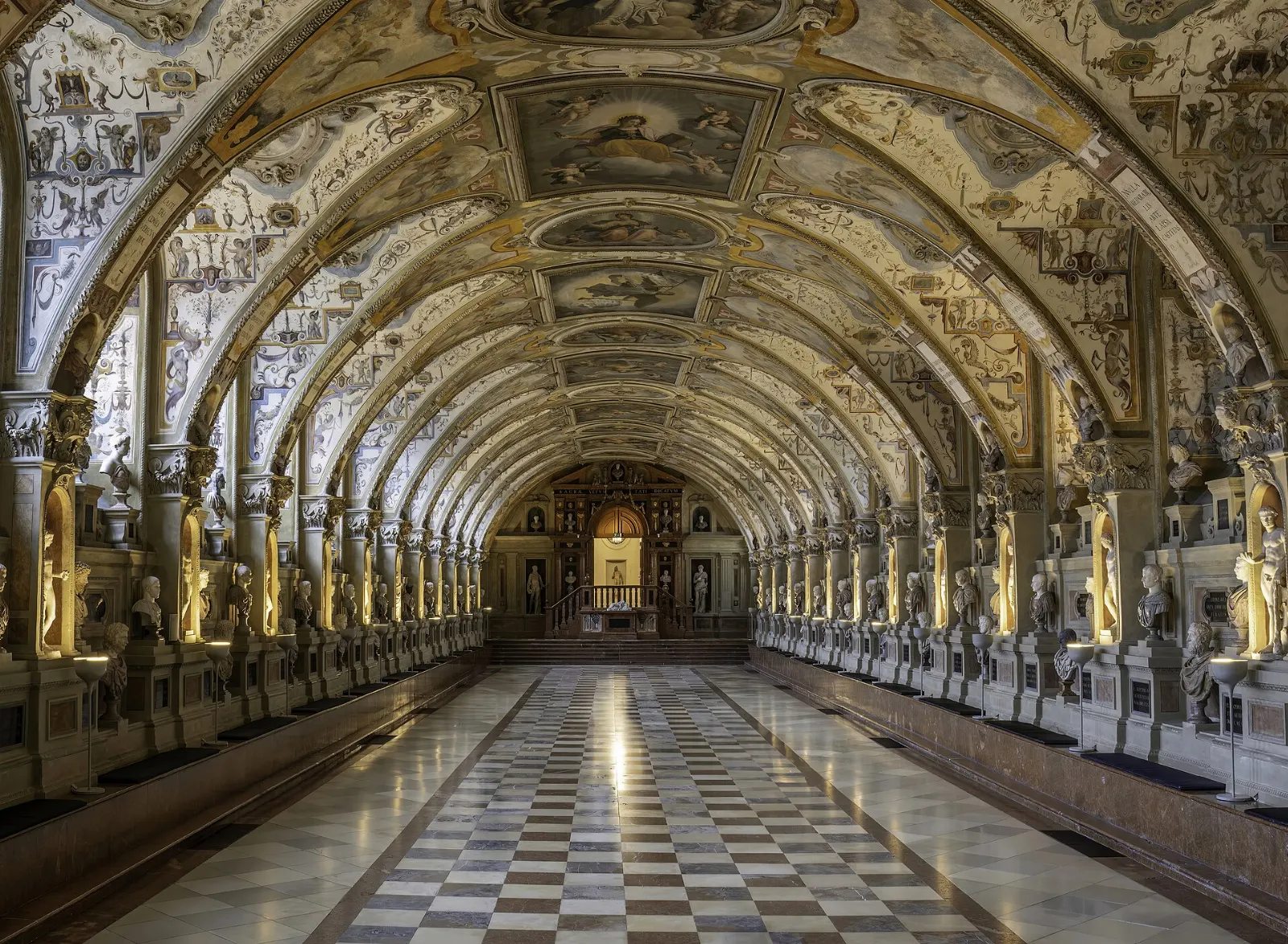
The long vaulted Antiquarium hall in the Munich Residenz lined with Renaissance busts, Germany

The Residenz

For centuries the Residenz was the city palace of Bavaria's rulers, and today its museum leads you through around a hundred and thirty rooms of royal apartments, chapels and courtyards. Highlights include the Antiquarium, a long Renaissance hall lined with busts, and the Treasury with crowns and jeweled objects.

The Antiquarium, a vaulted Renaissance hall, is one of the highlights of the Munich Residenz. Photo: Wilfredor, Wikimedia Commons, CC0

Parks, palaces and the English Garden

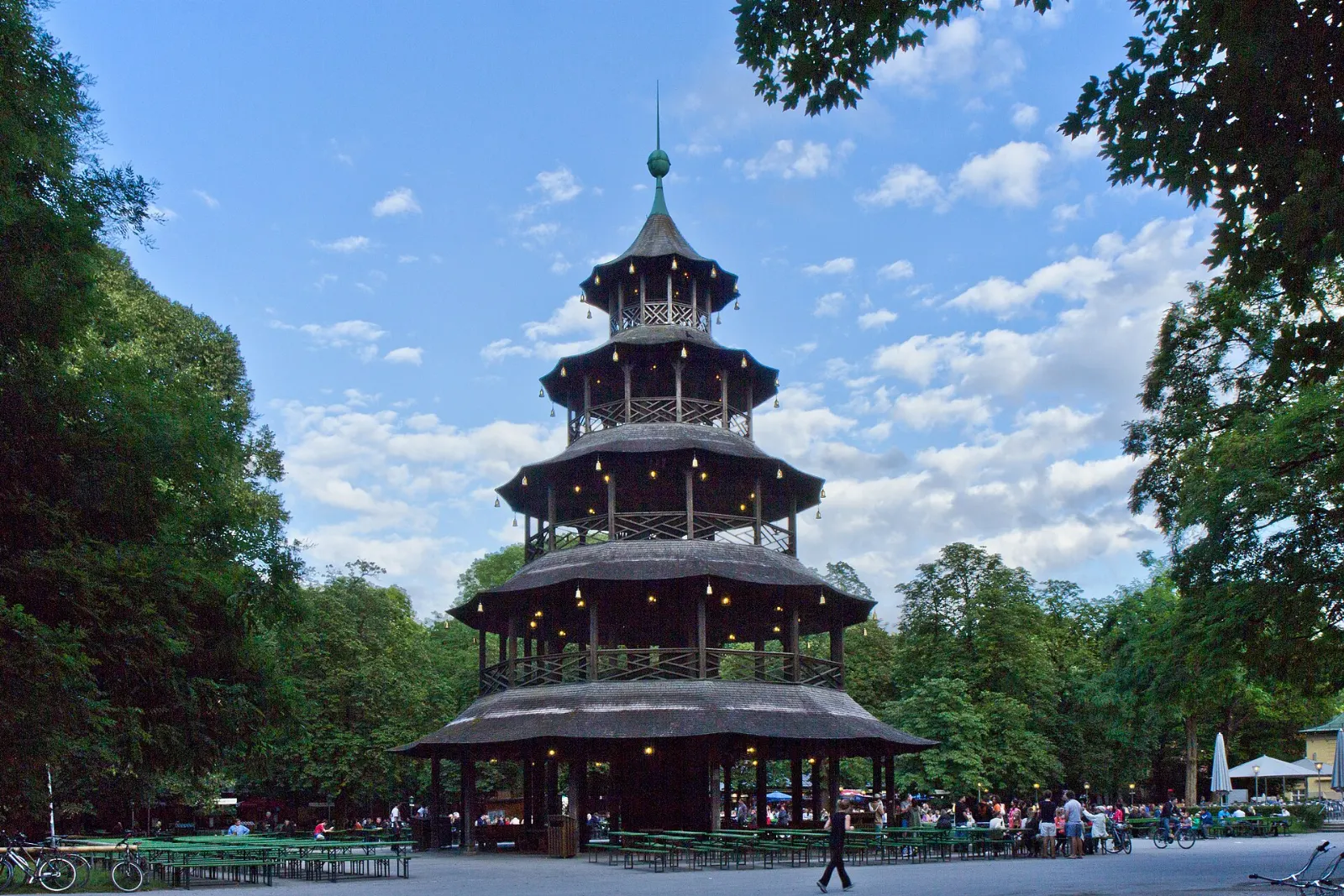
The wooden Chinese Tower surrounded by beer garden tables in the English Garden, Munich, Germany

Englischer Garten

The English Garden stretches north from the edge of the old town and is one of the largest city parks in the world, with meadows, streams and woods. Walk up to the Monopteros, a small round temple on a hill with a view of the city's towers, and then on to the Chinese Tower, a wooden pagoda surrounded by a large beer garden.

The Chinese Tower in the English Garden stands at the center of one of Munich's largest beer gardens. Photo: Sven Teschke, Wikimedia Commons, CC BY-SA 3.0 de

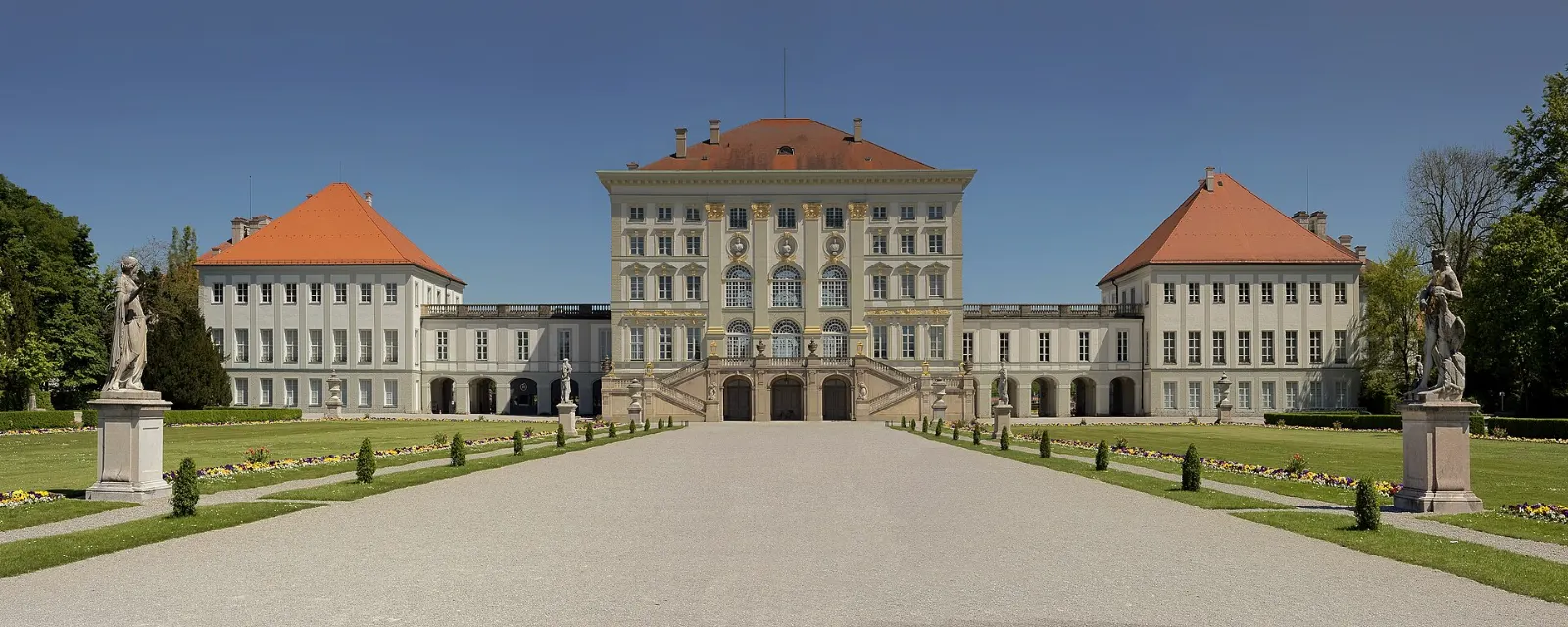
The long Baroque facade of Nymphenburg Palace reflected in its canal, Munich, Germany

Nymphenburg Palace

West of the center, Nymphenburg Palace was the Wittelsbachs' summer home, a long Baroque building set in formal gardens and a landscaped park crossed by canals. Inside, look for the Gallery of Beauties commissioned by King Ludwig I, and in the park visit the Amalienburg hunting lodge with its mirrored Rococo hall.

Nymphenburg Palace was the summer residence of the Wittelsbach rulers of Bavaria. Photo: Richard Bartz, Munich aka Makro Freak, Wikimedia Commons, CC BY-SA 2.5

Museums, science and the Olympic legacy

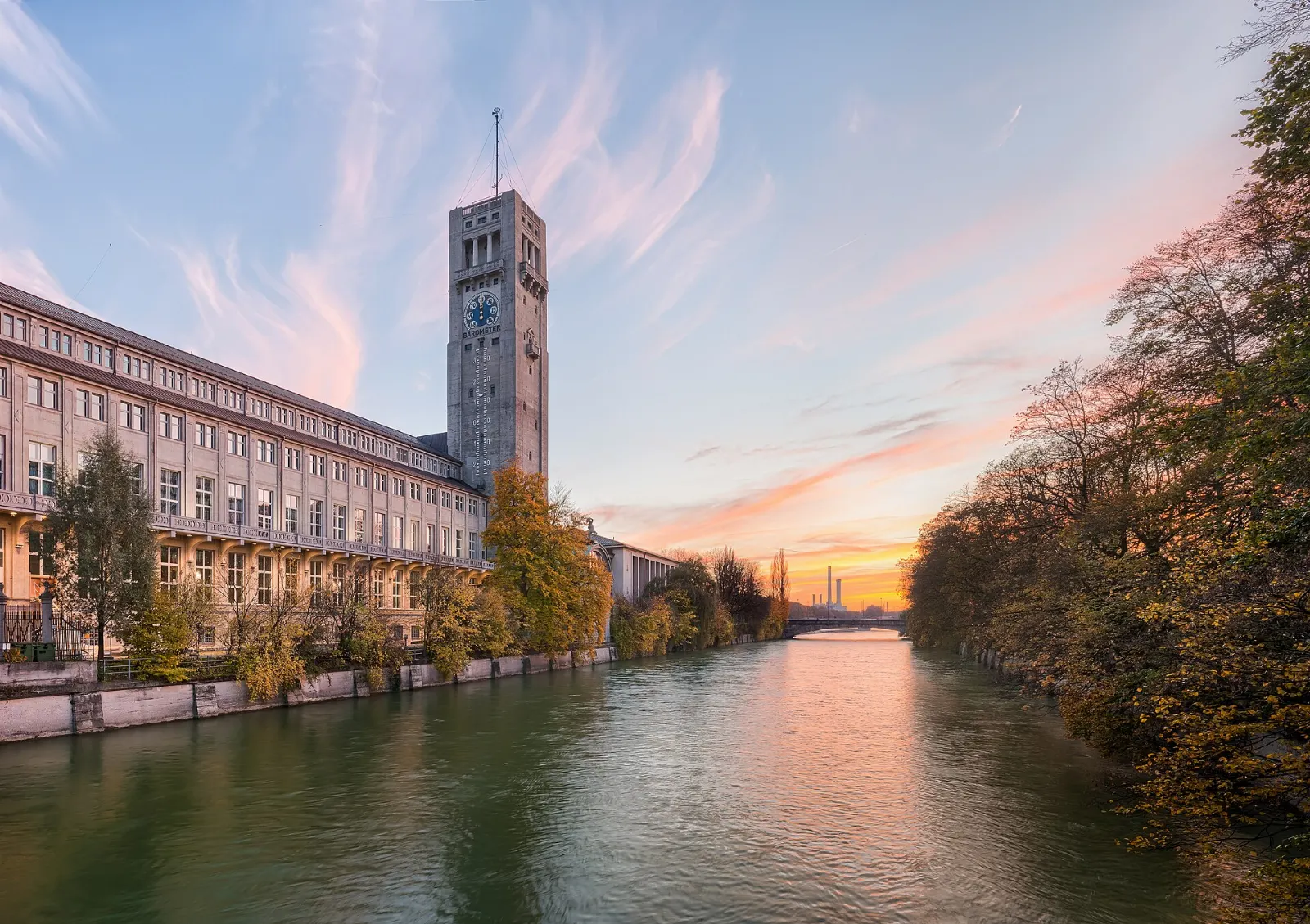
The Deutsches Museum building and tower on its island in the Isar River, Munich, Germany

Deutsches Museum

On an island in the Isar, the Deutsches Museum is one of the largest museums of science and technology in the world, with aircraft, ships, mining tunnels, musical instruments and hands-on physics. The building has been undergoing a long modernization, so some sections may be closed when you visit.

The Deutsches Museum occupies an island in the Isar and is one of the world's largest science and technology museums. Photo: Julian Herzog (Website), Wikimedia Commons, CC BY 4.0

The Kunstareal and the Pinakotheks

In Maxvorstadt, the Kunstareal brings together art museums within walking distance of each other. The Alte Pinakothek holds Old Master paintings by artists such as Dürer, Rubens and Rembrandt, while the Pinakothek der Moderne covers modern art, design and architecture.

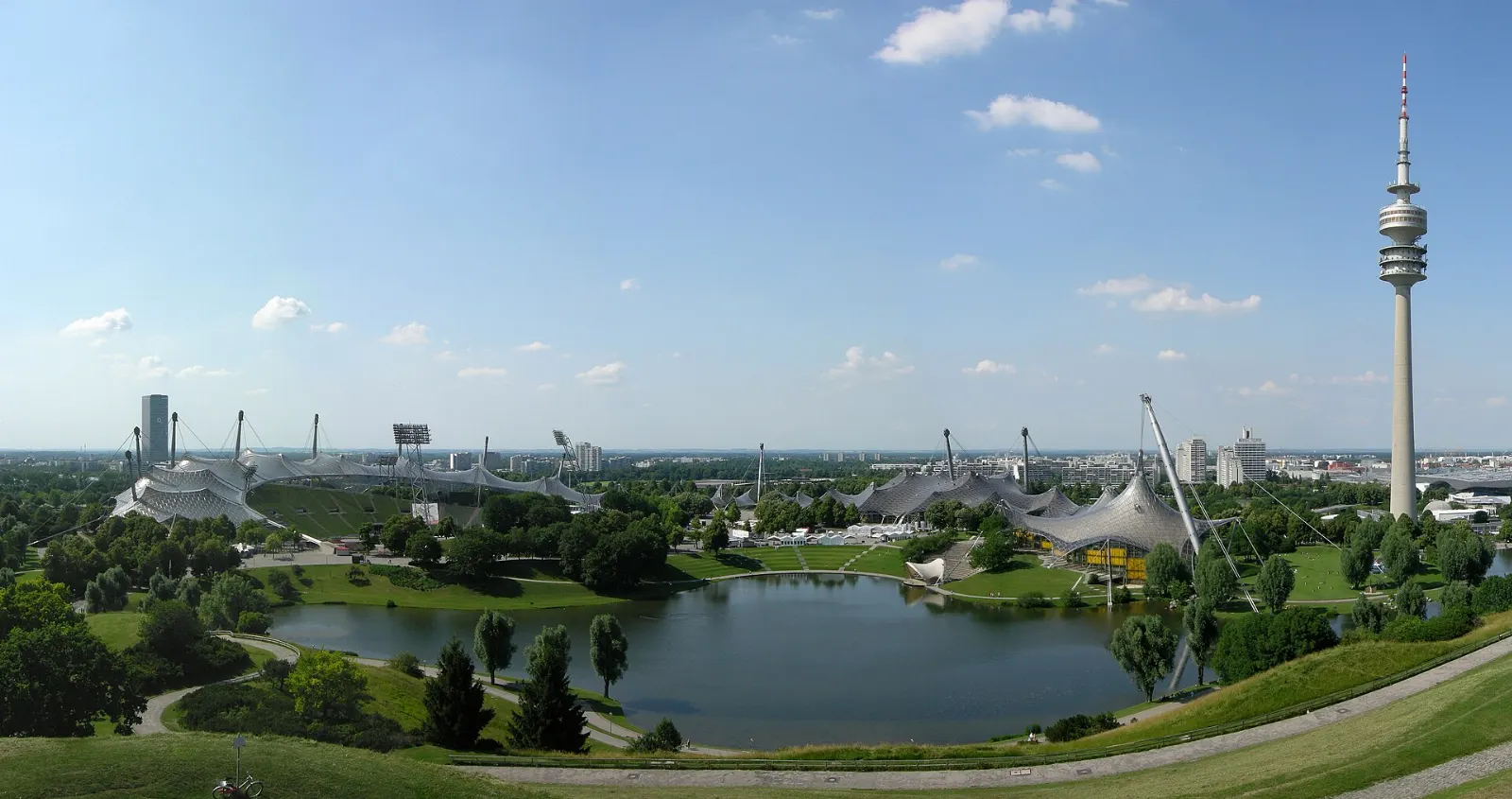
The Olympic Tower rising behind the tent-like roofs and lake of Munich's Olympiapark, Germany

Olympiapark and BMW Welt

Built for the 1972 Summer Olympics, the Olympiapark is known for its sweeping tent-like roofs, its lake and the grassy hill made from wartime rubble. Ride up the Olympic Tower for a wide view of the city and, on clear days, the Alps, or walk the park paths and watch a concert or event at the stadium.

The Olympiapark was built for the 1972 Summer Olympics and is known for its tent-like roofs. Photo: Tobi 87, Wikimedia Commons, CC BY-SA 4.0

Dachau Concentration Camp Memorial Site

About fifteen kilometers northwest of the city, the memorial at Dachau marks the first concentration camp set up by the Nazi regime in 1933. The reconstructed barracks, the roll-call square, the museum and the memorials of several faiths form a sobering but essential visit.

Food and local flavors

Bavarian food is hearty and pairs naturally with beer. Try Weisswurst, delicate white veal sausages traditionally eaten before noon with sweet mustard and a soft pretzel, and Schweinshaxe, a roasted pork knuckle with crackling.

Beer gardens are a Munich institution. Many traditional ones allow you to bring your own food as long as you buy drinks there, so pick up bread, cheese and radish at a market first.

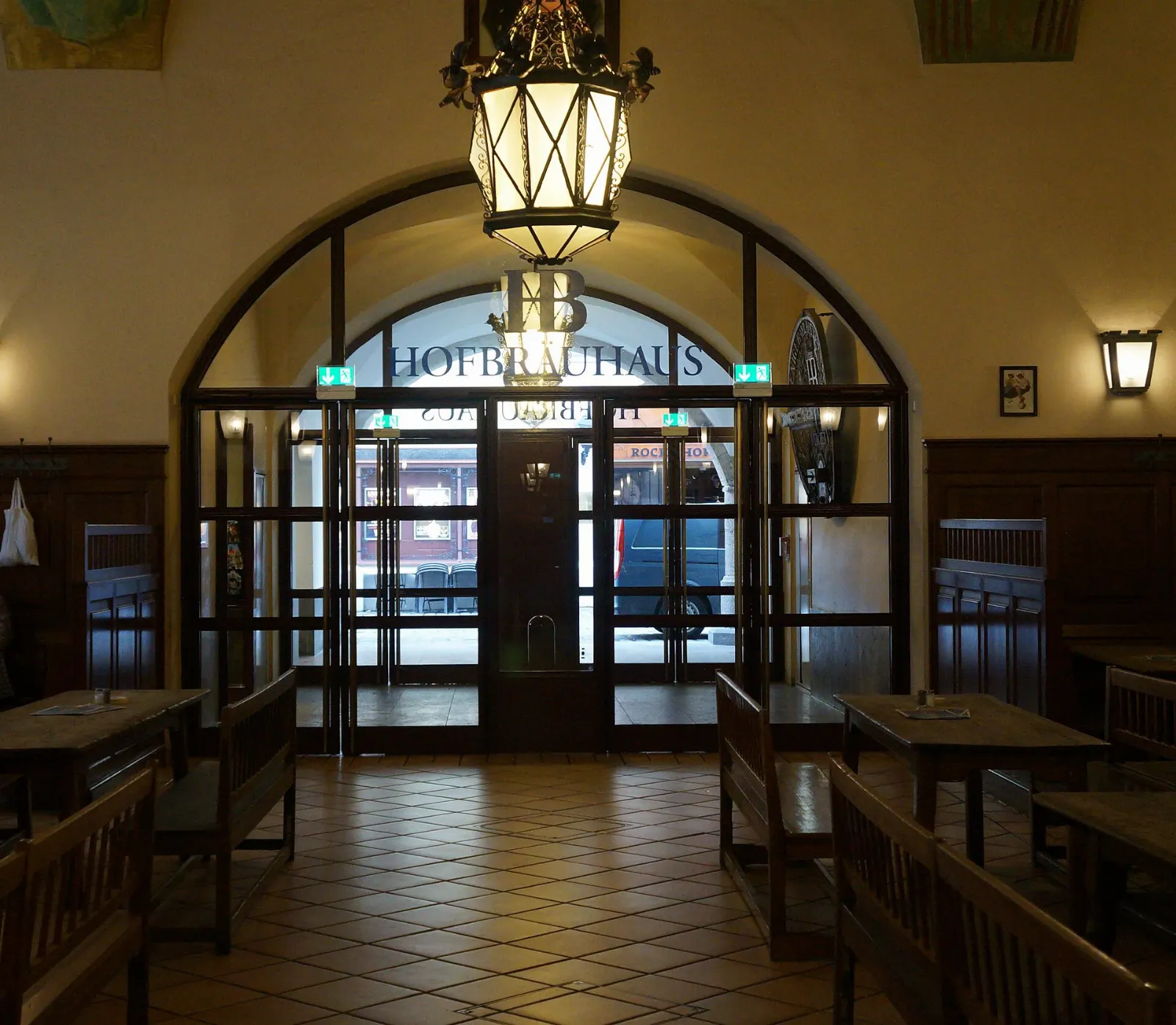
The arched beer hall of the Hofbräuhaus with long wooden tables, Munich, Germany
The Hofbräuhaus am Platzl is Munich's most famous beer hall.Photo: Pierre André Leclercq, Wikimedia Commons, CC BY-SA 4.0

Popular dishes to try in Munich

Pretzel in Munich, Germany
Pretzel Try Weisswurst, delicate white veal sausages traditionally eaten before noon with sweet mustard and a soft pretzel, and Schweinshaxe, a roasted pork knuckle with crackling.Photo: Jorge Royan, Wikimedia Commons, CC BY-SA 3.0
Schweinshaxe in Munich, Germany
Schweinshaxe Try Weisswurst, delicate white veal sausages traditionally eaten before noon with sweet mustard and a soft pretzel, and Schweinshaxe, a roasted pork knuckle with crackling.Photo: Bbb-Commons, Wikimedia Commons, CC BY-SA 3.0
Beer garden in Munich, Germany
Beer garden Beer gardens are a Munich institution.Photo: Eric Jones, Wikimedia Commons, CC BY-SA 2.0

Where to stay

The Altstadt around Marienplatz puts you within walking distance of the main sights and suits first-time visitors on short trips, though rooms here are the most expensive.

The Glockenbachviertel and Isarvorstadt, south of the center, are stylish neighborhoods with restaurants, bars and easy access to the river, a good fit for couples and night owls. Haidhausen, across the Isar, offers quieter streets and traditional inns close to the Ostbahnhof.

Where to stay in Munich

Marienplatz, Munich, Germany
Marienplatz Where to stayThe Altstadt around Marienplatz puts you within walking distance of the main sights and suits first-time visitors on short trips, though rooms here are the most…Photo: Srihari Thalla, Wikimedia Commons, CC BY-SA 4.0
Hauptbahnhof, Munich, Germany
Hauptbahnhof Ludwigsvorstadt, around the Hauptbahnhof, has the widest range of hotels and quick airport connections, but it is busy and the station area is under long-term construction.Photo: Wilfredor, Wikimedia Commons, CC0
Isarvorstadt, Munich, Germany
Isarvorstadt The Glockenbachviertel and Isarvorstadt, south of the center, are stylish neighborhoods with restaurants, bars and easy access to the river, a good fit for couples and night owls.Photo: Steve Knight, Wikimedia Commons, CC BY 2.0
Ostbahnhof, Munich, Germany
Ostbahnhof Haidhausen, across the Isar, offers quieter streets and traditional inns close to the Ostbahnhof.Photo: Rio65trio, Wikimedia Commons, CC BY-SA 4.0

Best time to visit

Late spring and summer, from May through August, bring long evenings, open beer gardens and warm weather, although sudden thunderstorms are common and heatwaves have become more frequent.

Autumn after Oktoberfest is calm and colorful. From late November, Christmas markets fill Marienplatz and other squares with stalls selling ornaments, mulled wine and roasted almonds.

Getting there and getting around

Munich Airport lies about thirty kilometers northeast of the city. The S1 and S8 suburban trains run to the center in roughly forty to fifty minutes; you need a ticket covering all zones from the airport.

Inside the city, the integrated MVV network of S-Bahn, U-Bahn, trams and buses uses one ticket system. Most sights are inside the central fare zone, and a day ticket or group day ticket is often good value.

A suggested itinerary

First day

Begin at Marienplatz in time for the late-morning Glockenspiel, climb the tower of St. Peter's Church and wander through Viktualienmarkt for lunch.

Second day

Visit the Alte Pinakothek or the Pinakothek der Moderne in the morning, then walk east into the English Garden.

Third day

Take the tram to Nymphenburg Palace in the morning, then head to the Olympiapark and BMW Welt in the afternoon.

Fourth day

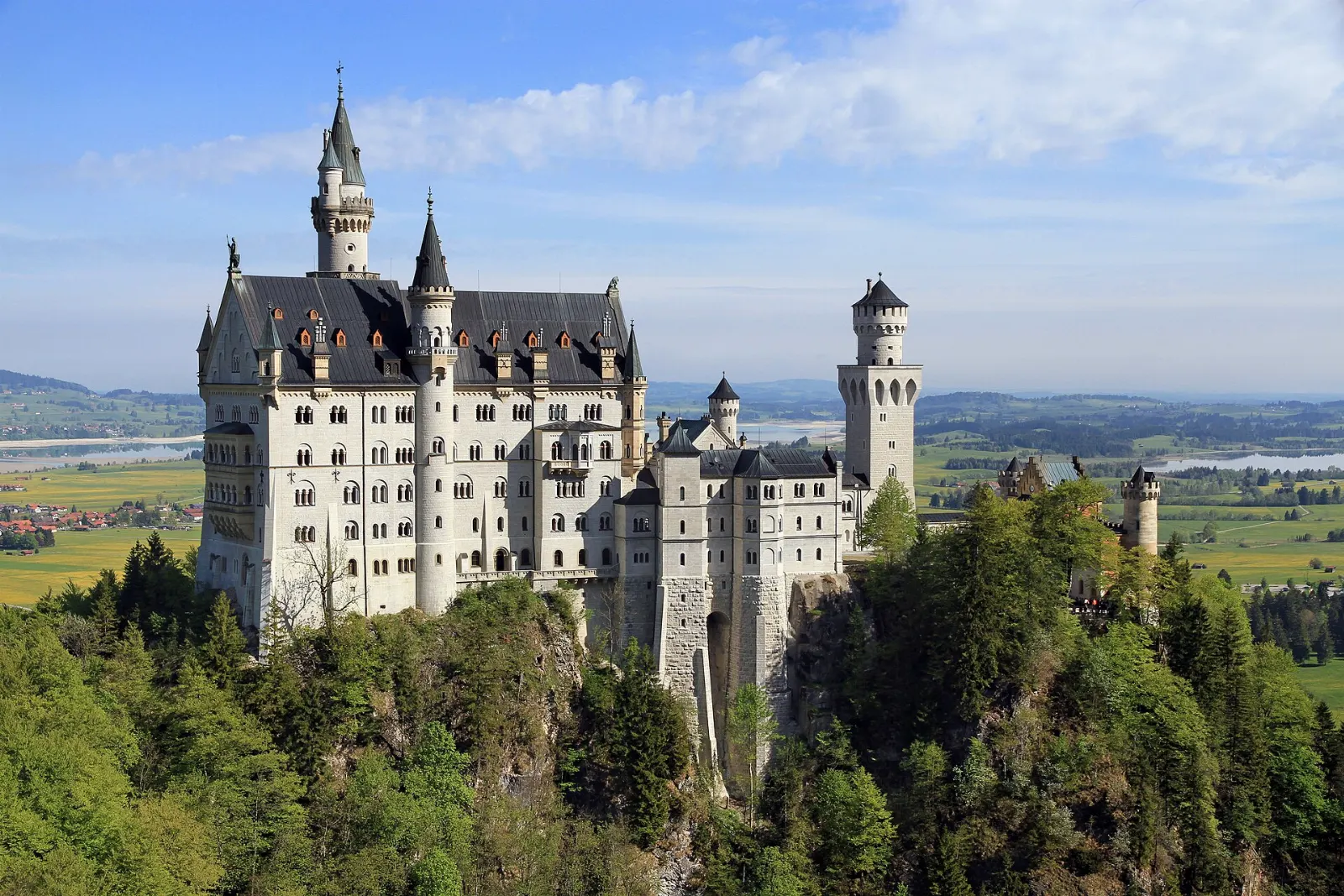
Choose a day trip: the Dachau memorial for history, a lake such as Starnberger See or Tegernsee for swimming and walks, or an early train toward the Alps and the castles of southern Bavaria, which require advance timed tickets.

Practical tips

  • Most shops close on Sundays and public holidays, so plan grocery runs and shopping for Saturday.
  • Carry some cash; many smaller bakeries, beer gardens and market stalls still prefer it, although card use is growing.
  • Book Oktoberfest accommodation as early as possible, and reserve beer tent tables ahead if you are traveling in a group.
  • Check the official websites for current hours and fees, especially for the Deutsches Museum and the art museums, which have had partial closures.
  • Always validate public transport tickets; inspectors are common and fines apply on the spot.
  • Pack a light rain jacket even in summer, as afternoon storms can arrive quickly from the Alps.
MunichWISERMAP PLACEMunich: photos, reviews & things to doSee traveler photos and reviews, or share your own →

More places to visit

All travel guides →