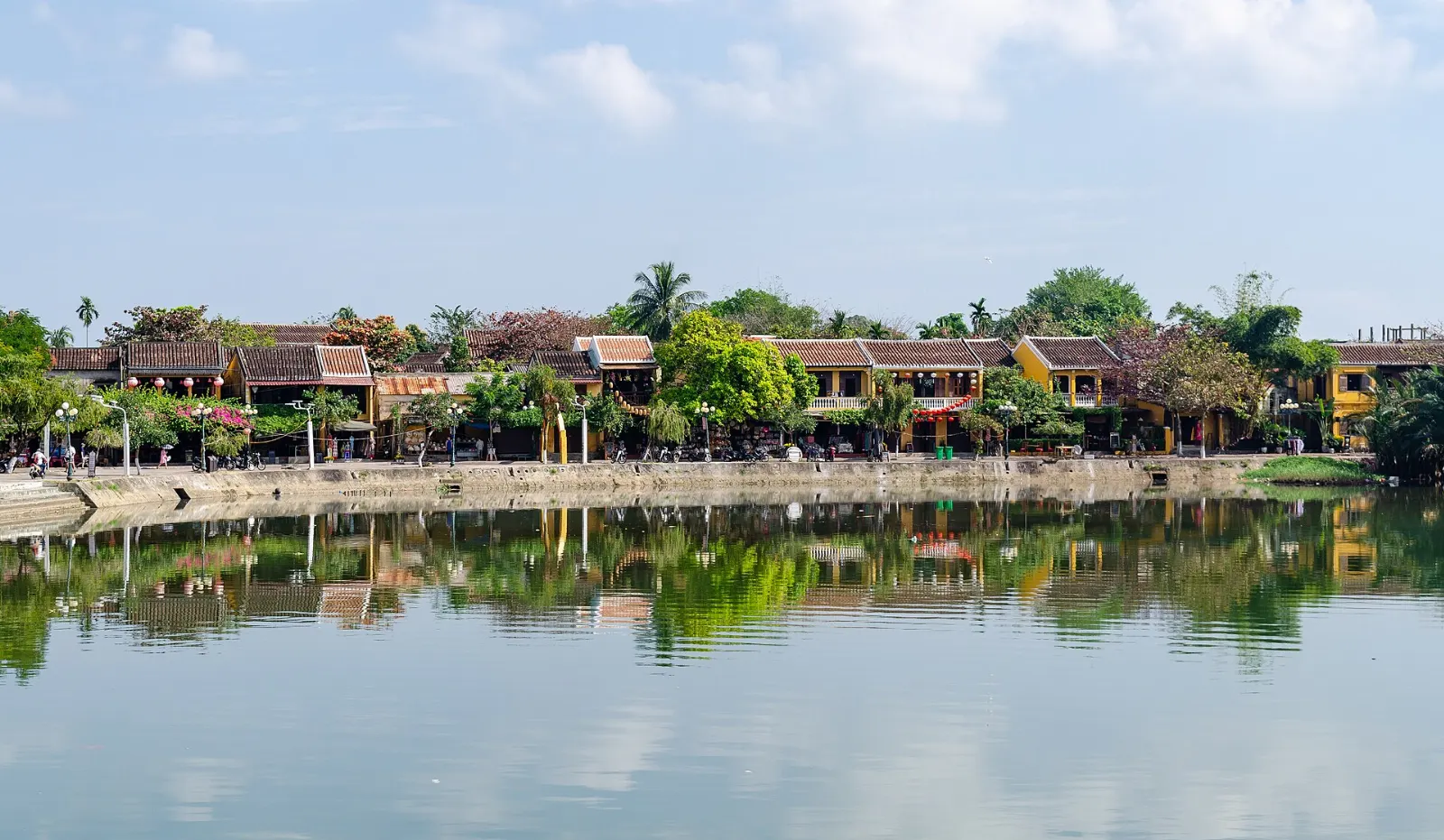
Hoi An is a small riverside town in central Vietnam whose old quarter looks much as it did when it was one of Southeast Asia's great trading ports.
AT A GLANCE
Best time
February to April for warm, dry days; avoid the flood-prone months of October and November if you can.
How long
Three nights gives you the old town, the countryside and a beach or My Son day.
Getting there
Fly to Da Nang International Airport, then drive about forty five minutes south.
Why visit Hoi An
From roughly the fifteenth to the nineteenth centuries, Hoi An was a busy port where Japanese, Chinese, Portuguese, Dutch and other traders came for silk, porcelain, spices and timber.
Hoi An is also a rewarding place simply to slow down. It is easy to explore on foot or by bicycle, the food is among the best in Vietnam, and the countryside, river and beaches are all close by.
The Ancient Town: bridges, houses and assembly halls
The heritage zone covers a grid of streets including Tran Phu, Nguyen Thai Hoc and Bach Dang, which runs along the river. An Old Town ticket is sold at booths around the zone and gives entry to a set number of heritage sites, with tear-off coupons checked at the door of each one.
Japanese Covered Bridge
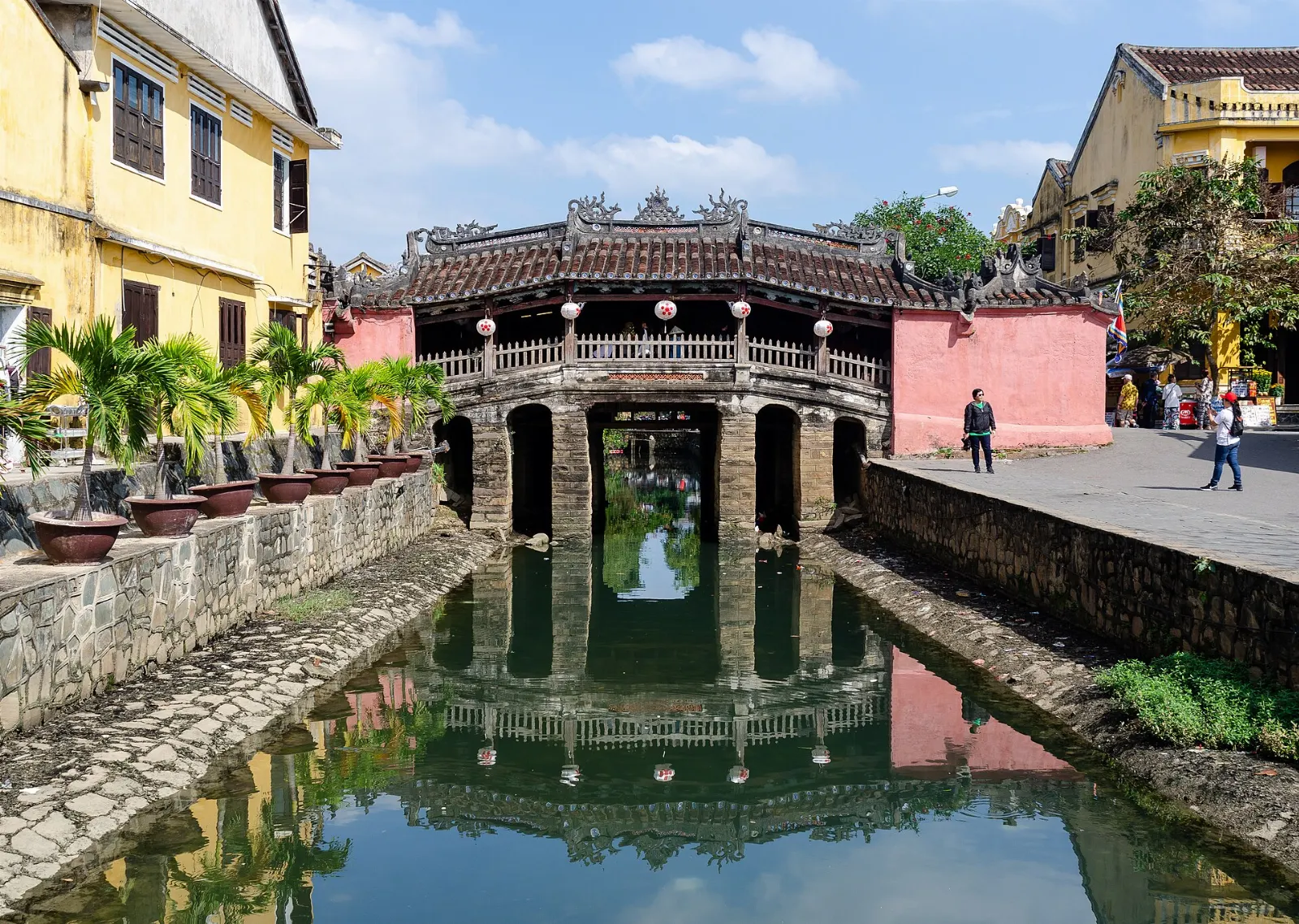
The Japanese Covered Bridge, known locally as Chua Cau, is the symbol of Hoi An and appears on a Vietnamese banknote. Built by the Japanese trading community around the turn of the seventeenth century, it has a small temple attached to its north side and statues of a dog and a monkey guarding either end.
Tan Ky Old House and Phung Hung House
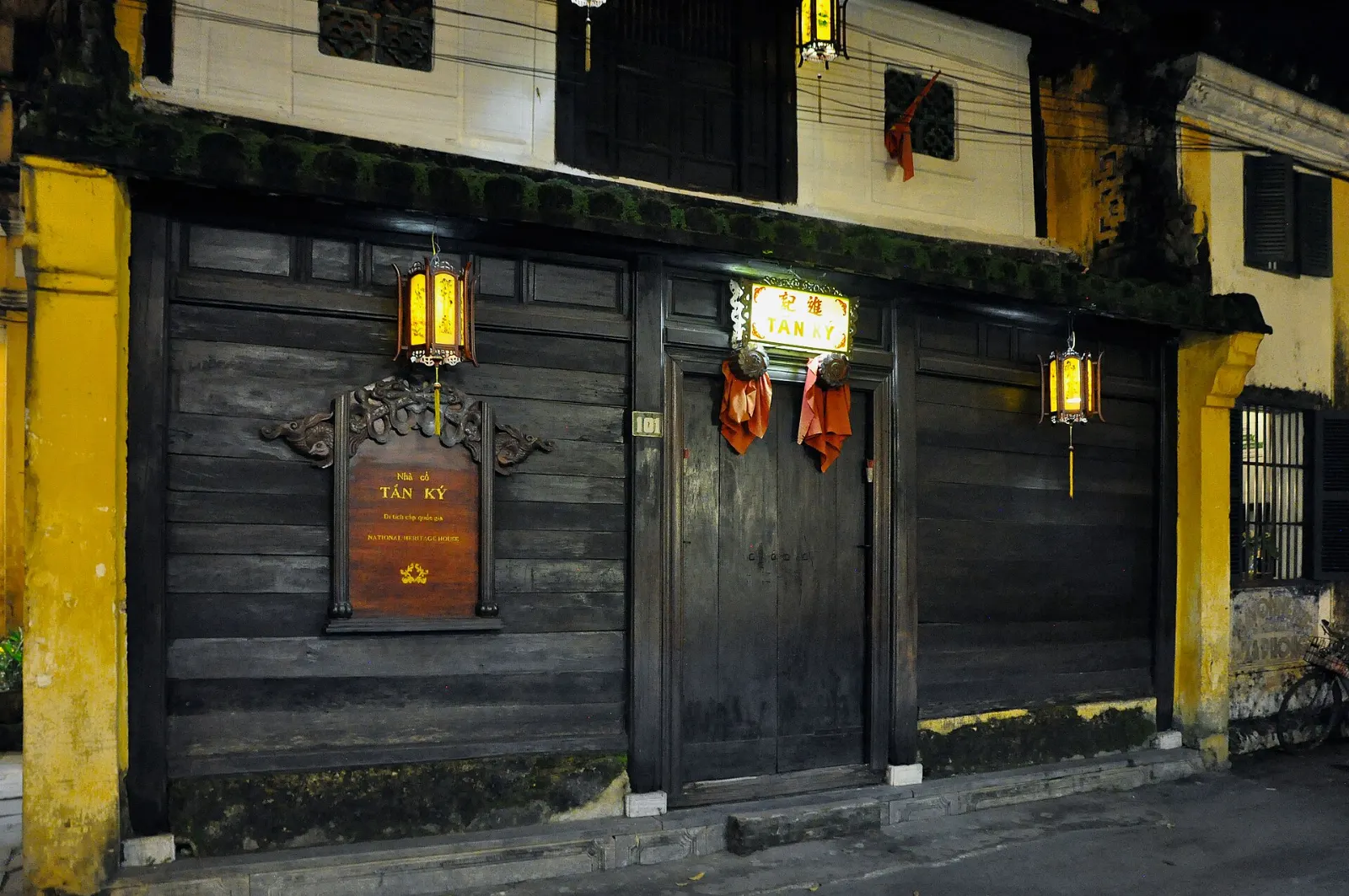
Tan Ky Old House on Nguyen Thai Hoc Street is a merchant home that has been lived in by the same family for generations. Its dark timber interior shows Vietnamese, Chinese and Japanese carpentry styles, with carved beams, mother-of-pearl inlay and a courtyard open to the sky.
Fujian Assembly Hall and Quan Cong Temple
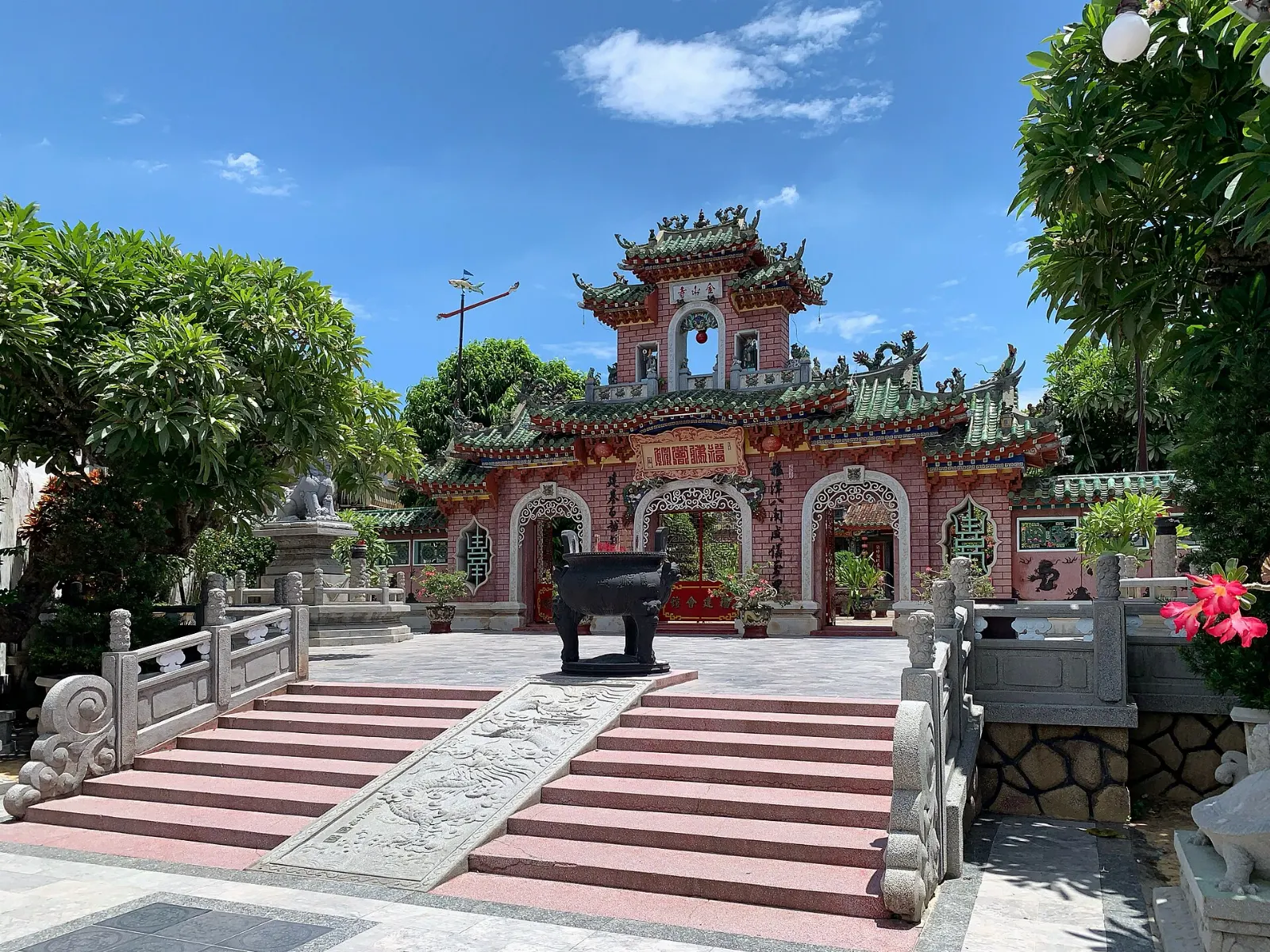
Chinese merchants formed community associations organized by their home province, and their assembly halls are some of the most ornate buildings in town.
The river, lanterns and markets
Thu Bon River and the lantern evenings
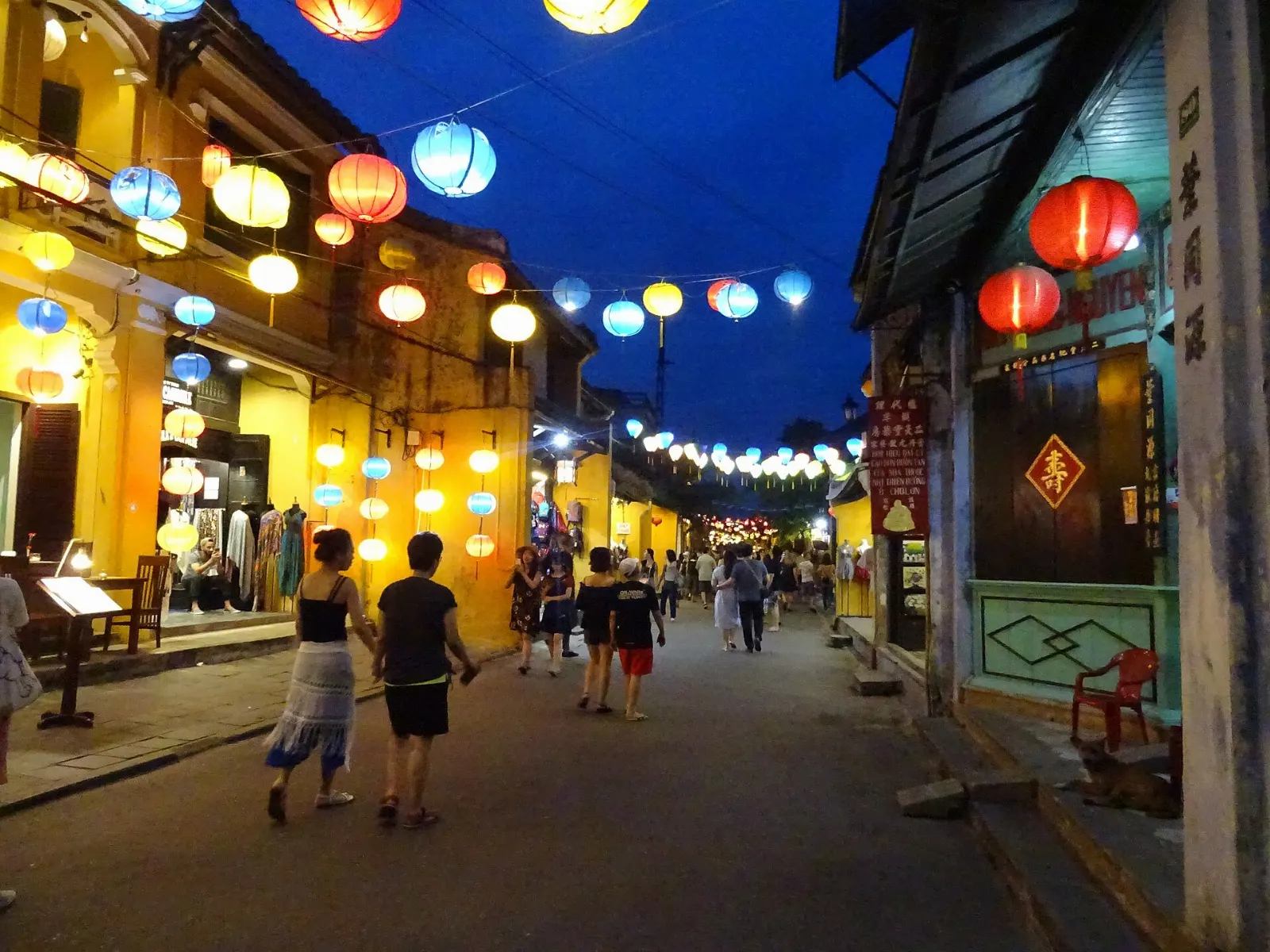
As the sun sets, the riverbank along Bach Dang Street and the An Hoi islet across the water fill with lantern sellers, small boats and people releasing paper lantern candles onto the river. Riding a rowed boat for a short loop on the water is the classic Hoi An experience, and it takes about twenty minutes.
Hoi An Central Market
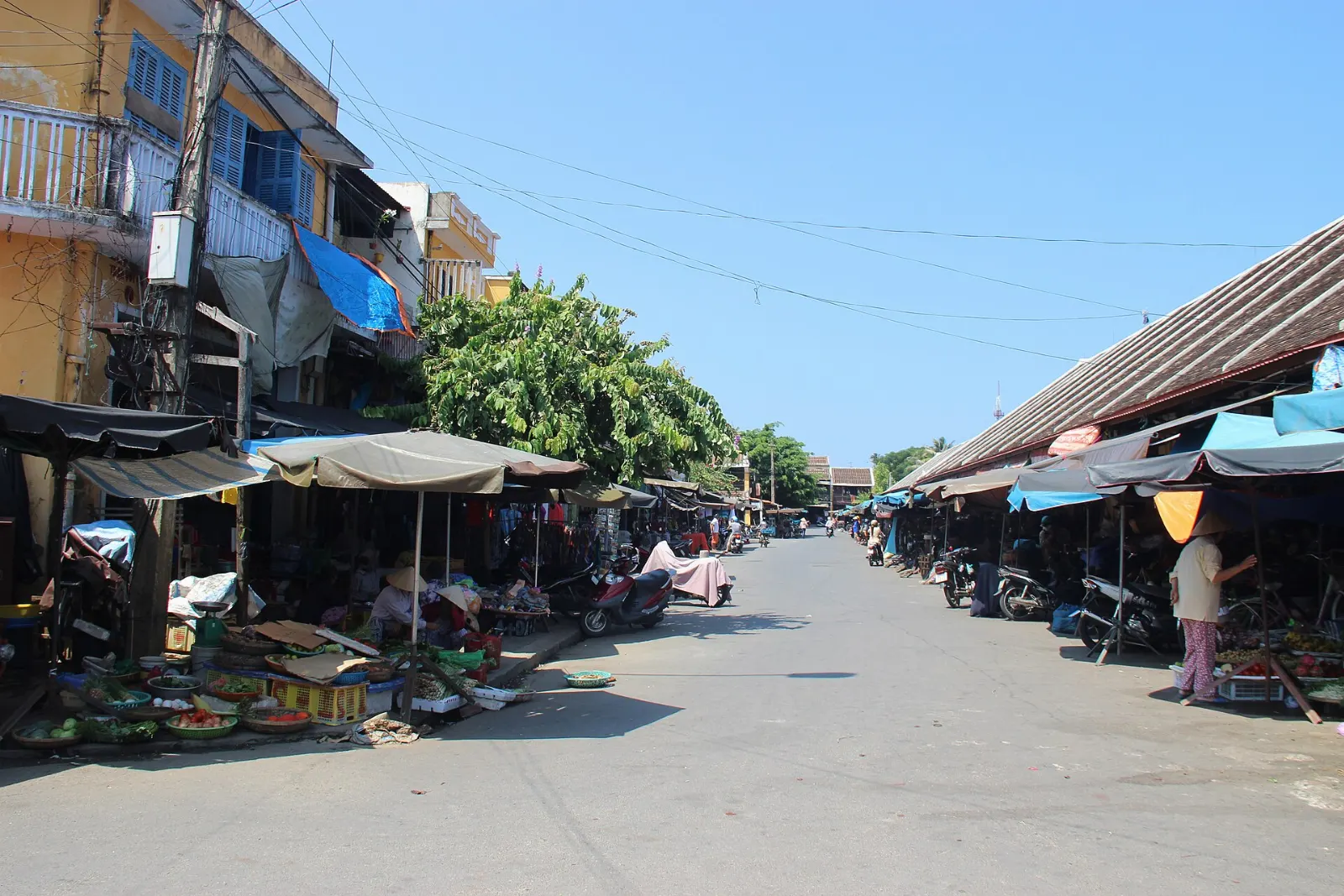
At the eastern end of the old town, the Central Market is where locals shop for fish, vegetables, fruit and spices. Inside there is a food hall where cooks serve noodle dishes and other specialties, and an upstairs area with fabric for tailoring. Mornings are the liveliest time; plan on an hour.
Countryside, beaches and day trips
Tra Que vegetable village
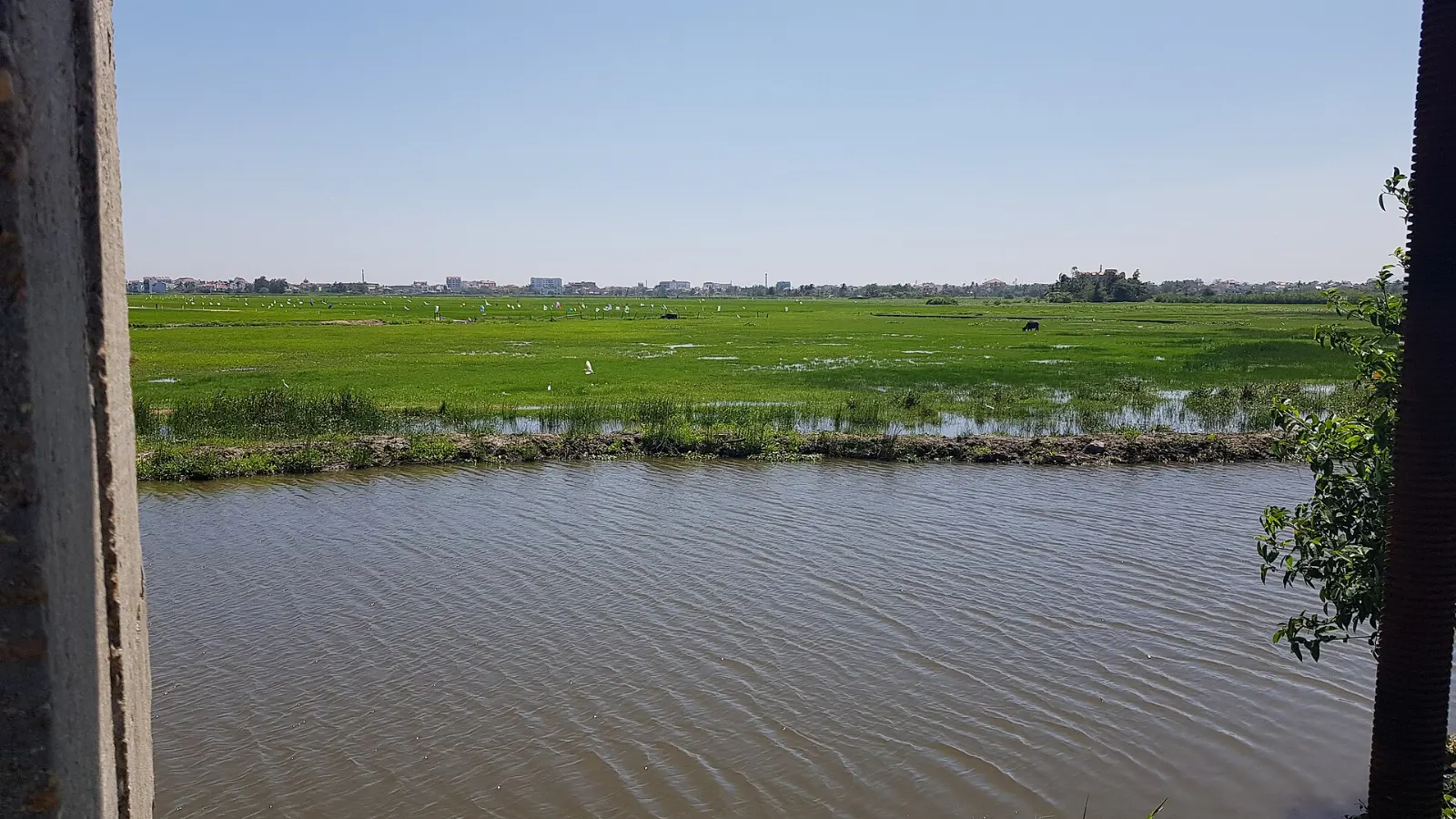
A few kilometers north of town, Tra Que is a farming village where families grow herbs and greens in neat beds fertilized with seaweed from the nearby lagoon.
Cam Thanh coconut village
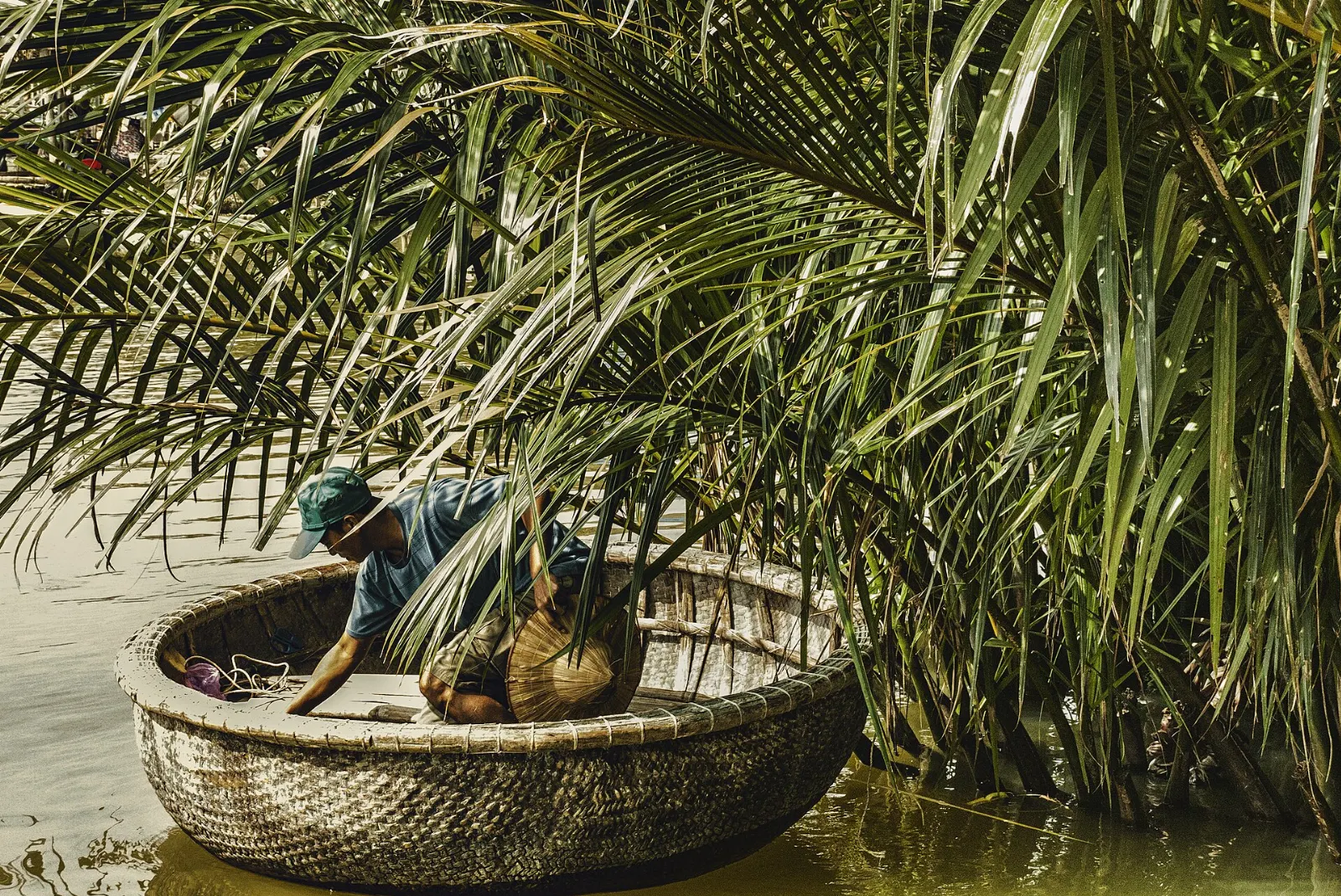
East of town, in the Cam Thanh area, a maze of waterways runs through groves of nipa palm. Here you can ride a round bamboo basket boat, traditionally used by fishermen, and some boatmen like to spin the boats to entertain passengers.
An Bang Beach
An Bang is a long stretch of sand about five kilometers north of the old town, an easy bicycle ride. It has beach bars and seafood restaurants along the shore and is a good place to swim between spring and summer, when the sea is calmer.
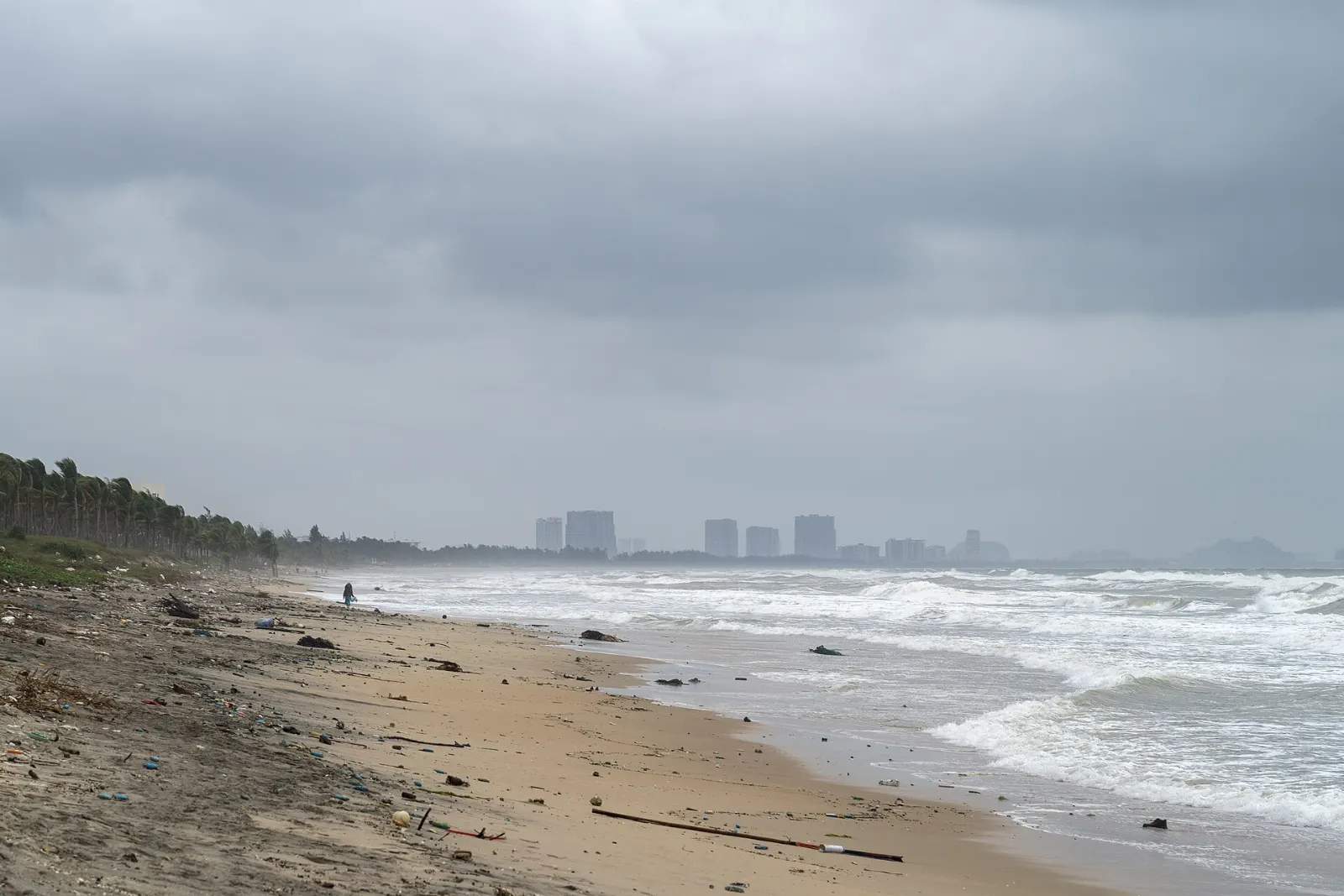
Thanh Ha pottery village and the Cham Islands
Just west of town, Thanh Ha has made pottery for centuries, and you can watch potters at work and try the wheel yourself in about an hour. Out at sea, the Cham Islands, or Cu Lao Cham, are a protected marine area reached by speedboat from Cua Dai.
My Son Sanctuary
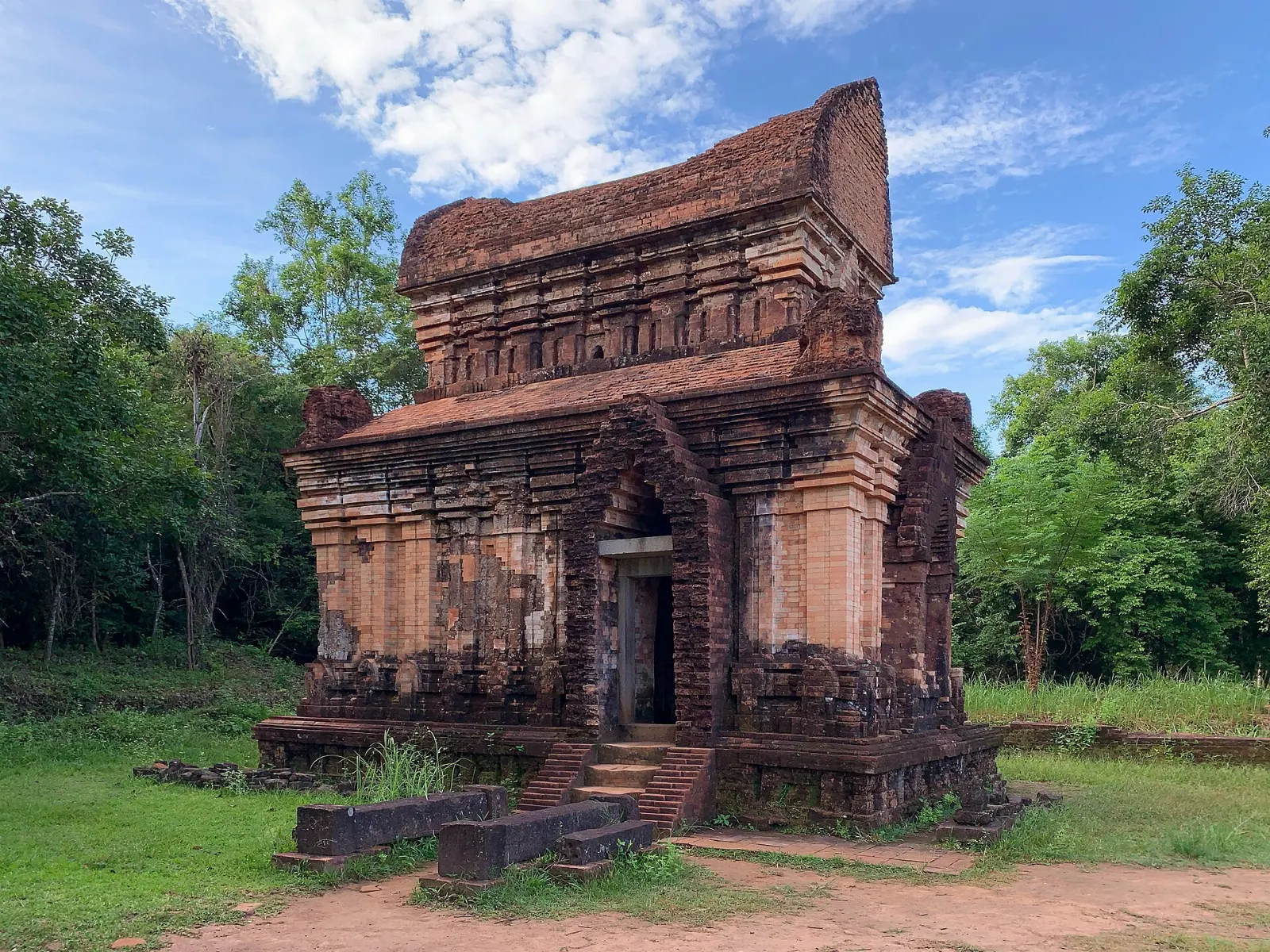
About forty kilometers west of Hoi An, My Son Sanctuary is a valley of brick temple towers built by the Champa kingdom, mostly between the fourth and thirteenth centuries, for the worship of the Hindu god Shiva.
Food and local flavors
Hoi An has several dishes you will not find done the same way anywhere else. Cao lau is the most famous: thick, chewy noodles served with slices of pork, crisp croutons and fresh herbs in a small amount of rich sauce.
Banh mi is a serious subject here. Banh Mi Phuong on Phan Chau Trinh Street has been famous for years and still draws long lines, but many street stalls make excellent versions too.
Popular dishes to try in Hoi An


Where to stay
Ancient Town and its edges. Staying within walking distance of the old town lets you enjoy it early and late, when it is calmest.
Among the rice paddies. Homestays and villas set in the fields between town and the beach offer peace, birdsong and free bicycles.
An Bang and the coast. Beachfront stays are ideal if you want sea views and swimming, with the old town about fifteen minutes away by bicycle or taxi.
Where to stay in Hoi An


Best time to visit
The most pleasant period is roughly February to April, when days are warm and mostly dry and the countryside is green.
From around September to December central Vietnam has its rainy season. October and November in particular can bring heavy rain, storms and floods, and the old town streets along the river are sometimes under water.
Getting there and getting around
The nearest airport is Da Nang International Airport, with domestic and international flights, about forty five minutes by car from Hoi An. Taxis, ride-hailing apps and hotel transfers are all easy to arrange.
In town, walk or cycle. Motorized traffic is restricted in the core of the Ancient Town during much of the day and evening, and most hotels lend or rent bicycles.
A suggested itinerary
First day
Start early at the Japanese Covered Bridge and use your Old Town ticket for Tan Ky House, the Fujian Assembly Hall and Quan Cong Temple.
Second day
Cycle through the rice fields to Tra Que for a morning in the gardens or a cooking class, then continue to An Bang Beach for lunch and a swim.
Third day
Leave at dawn for My Son Sanctuary and return by midday.
Practical tips
- Buy the Old Town ticket from an official booth and keep it with you; coupons are checked at each heritage site.
- Explore early in the morning and after dark to avoid the midday crowds and heat.
- Dress modestly when entering temples and assembly halls, with shoulders and knees covered.
- If you plan to have clothes tailored, order early in your stay to allow time for fittings and adjustments.
- Carry Vietnamese dong in cash for small shops, boat rides and street food.
- Agree on prices for boat rides and basket boats before you start.