Hanoi Vietnam Old Quarter Hoan Kiem Lake Pho and Bun Cha
Hanoi is a city of contrasts that somehow fit together. Motorbikes stream through narrow streets lined with century-old tube houses, while just around the corner a quiet lake reflects a temple on its island.
By WiserMap TravelUpdated October 20269 places10 min read
Vietnam's capital rewards slow exploring. This guide covers the places that give you the best sense of the city, from Hoan Kiem Lake and the Old Quarter to the Temple of Literature, the Ho Chi Minh Mausoleum complex and West Lake.
At a glance Hanoi
Best timeOctober to December and March to April bring mild weather and lower humidity.
How longThree days covers the city well; add days for Ha Long Bay, Ninh Binh or Sapa.
Getting thereNoi Bai International Airport lies north of the city, roughly an hour by road from the Old Quarter.
Ad
Why visit Hanoi
Hanoi has been the political heart of Vietnam for most of the last thousand years.
Yet Hanoi feels lived in rather than preserved. Locals exercise around the lakes at dawn, families gather at sidewalk cafes in the evening, and markets spill onto the streets.
Hanoi is also the natural gateway to northern Vietnam. From the city you can reach the limestone seascapes of Ha Long Bay, the rice fields and karst scenery of Ninh Binh, and the mountain terraces around Sapa.
Hoan Kiem Lake and the Old Quarter
The area around Hoan Kiem Lake is the city's center of gravity and the best place to begin. Most sights here are within a ten-minute walk of each other.
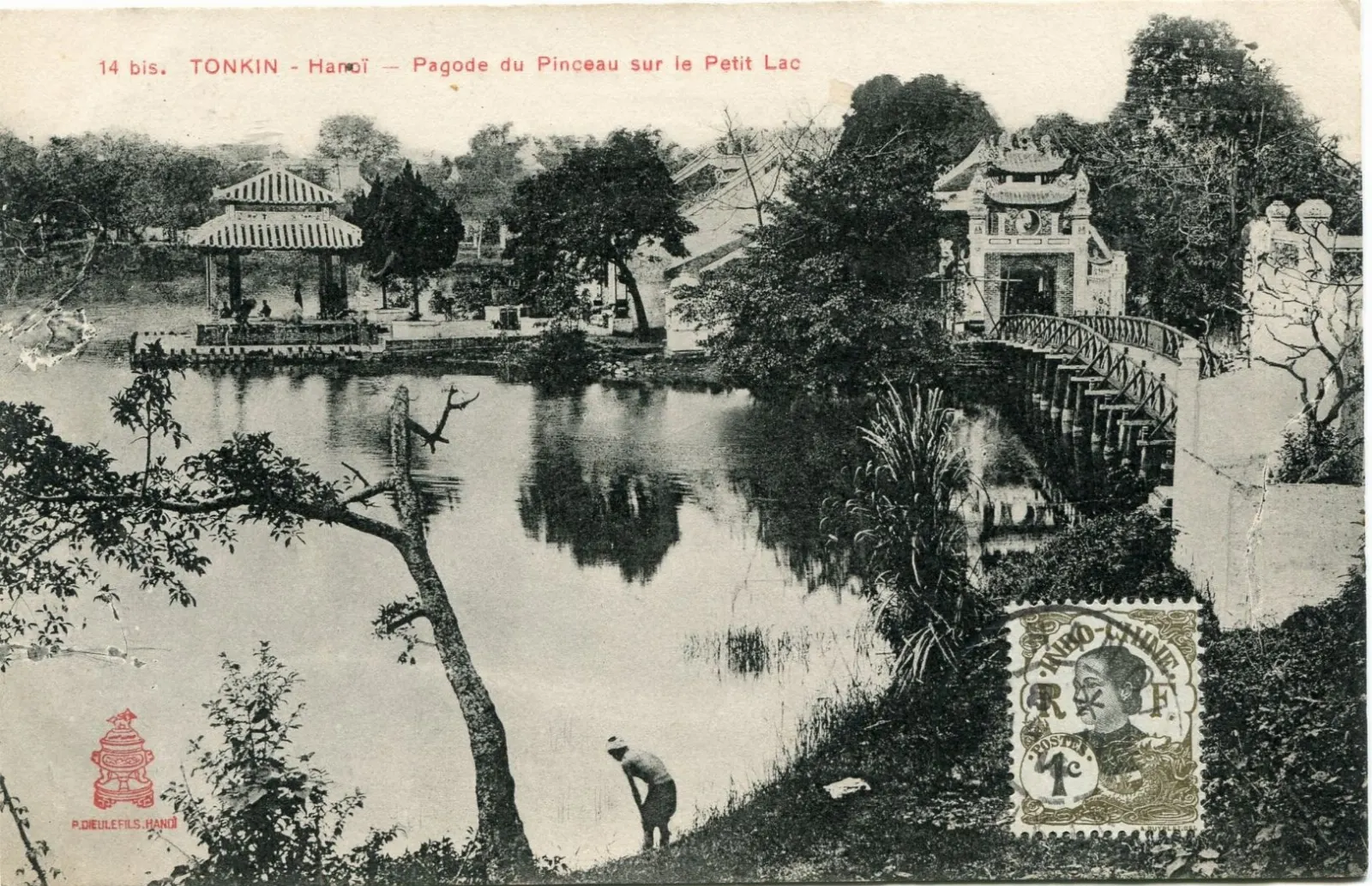
Hoan Kiem Lake and Ngoc Son Temple
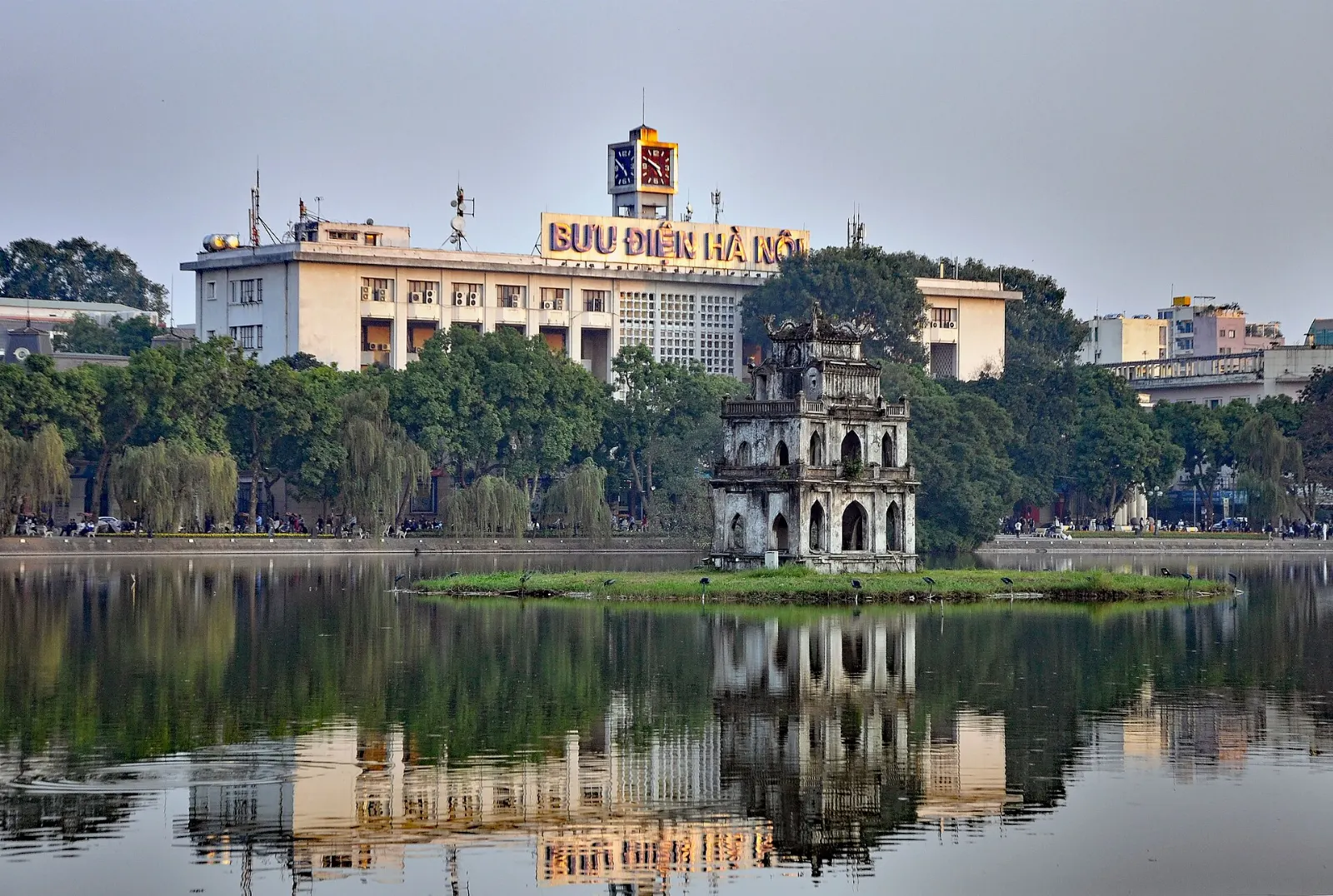
Hoan Kiem means Lake of the Returned Sword, after a legend in which Emperor Le Loi returned a magical sword to a golden turtle in the lake after defeating Ming invaders in the fifteenth century. The small Turtle Tower stands on an islet in the middle.
The red The Huc Bridge leads across Hoan Kiem Lake to Ngoc Son Temple on Jade Island. Photo: Unknown, Wikimedia Commons, Public domain
The Old Quarter
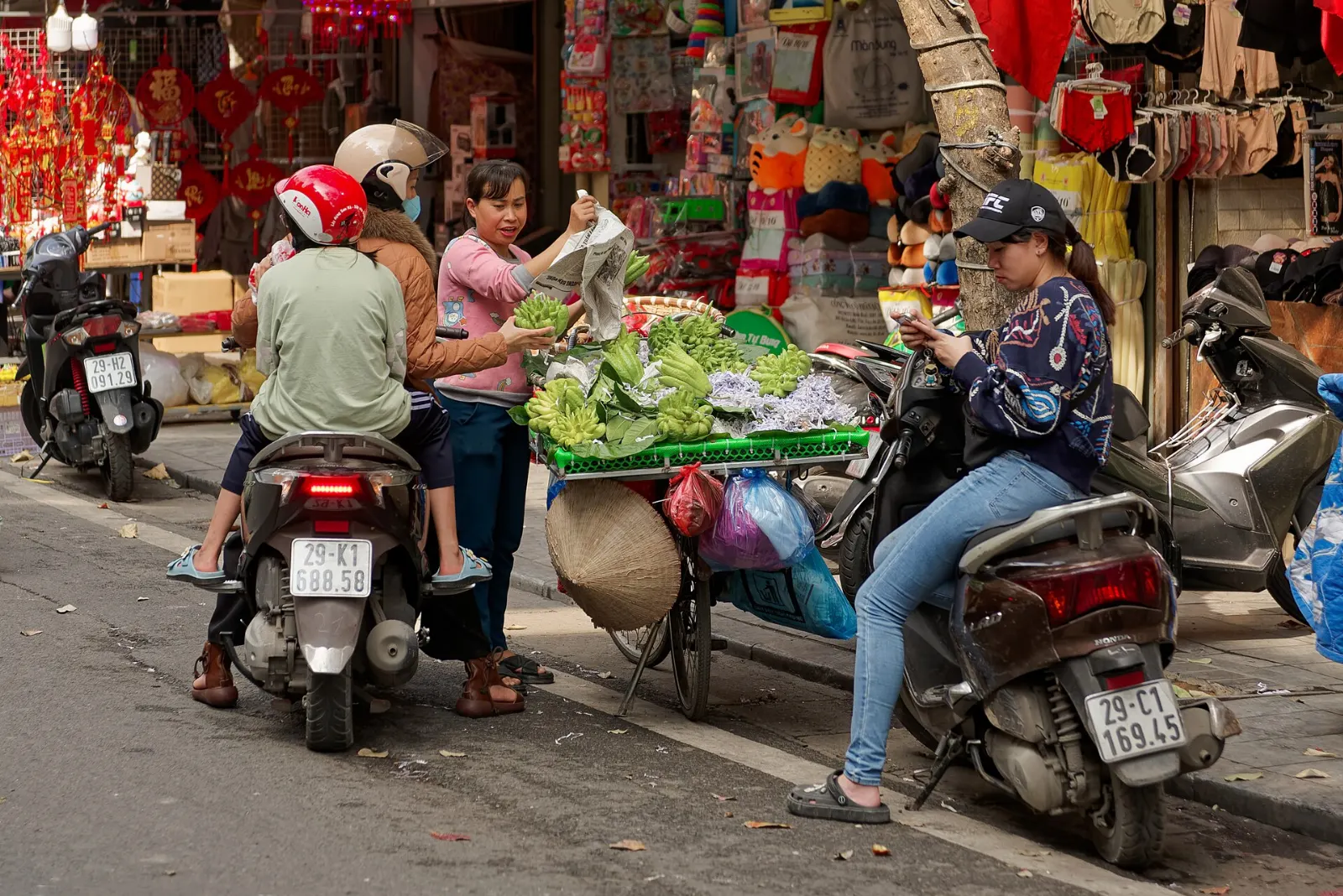
North of the lake, the Old Quarter is a dense tangle of streets that has been a trading district for centuries. Many street names begin with Hang, meaning goods, followed by what was once sold there, so you will find Hang Bac for silver, Hang Ma for paper votive goods and Hang Gai for silk.
Many streets in the Old Quarter are still named after the goods once traded there. Photo: Jakub Hałun, Wikimedia Commons, CC BY 4.0
St. Joseph's Cathedral and the French Quarter
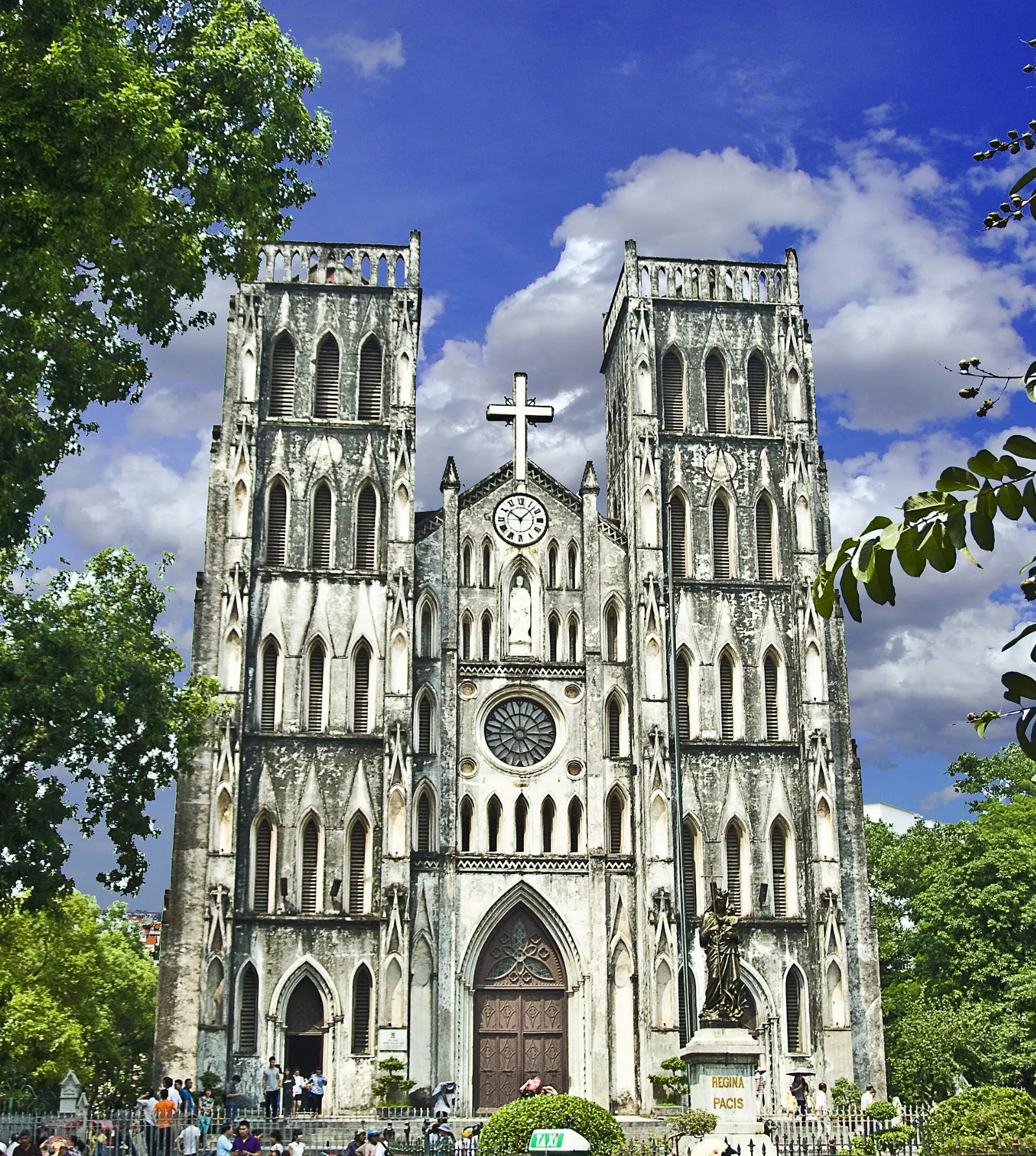
West of the lake, St. Joseph's Cathedral was completed in 1886 and its weathered neo-Gothic towers loom over a square full of cafes. South and east of the lake, the French Quarter has wide, tree-lined avenues, colonial villas and the Hanoi Opera House, completed in 1911. Allow one to two hours to wander.
St. Joseph's Cathedral was completed in 1886 in a neo-Gothic style. Photo: Bonjin/凡人[ラナ], Wikimedia Commons, CC BY-SA 2.0
Ad
Ba Dinh and the historic heart
West of the Old Quarter, the leafy Ba Dinh district holds the most important political and historical sites in the country.
Ho Chi Minh Mausoleum complex
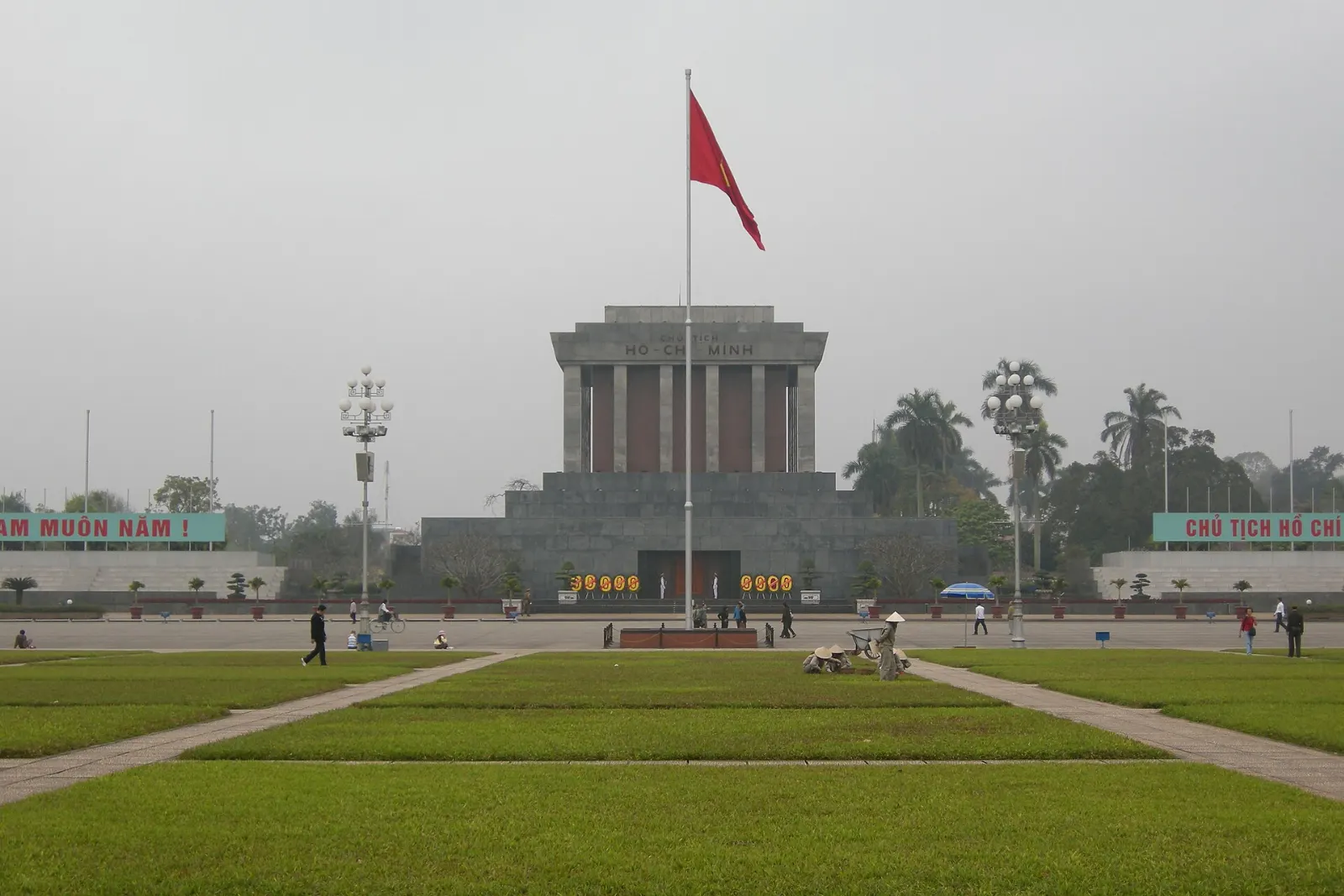
On Ba Dinh Square, where Ho Chi Minh read Vietnam's declaration of independence on 2 September 1945, stands the granite mausoleum that holds his embalmed body. The mausoleum is usually open on weekday and weekend mornings but closed on Mondays and Fridays, and it shuts for maintenance for several weeks each year; in 2026 the closure runs from early September to early November.
The Ho Chi Minh Mausoleum faces Ba Dinh Square, where Vietnam's independence was declared in 1945. Photo: Vyacheslav Argenberg, Wikimedia Commons, CC BY 4.0
One Pillar Pagoda
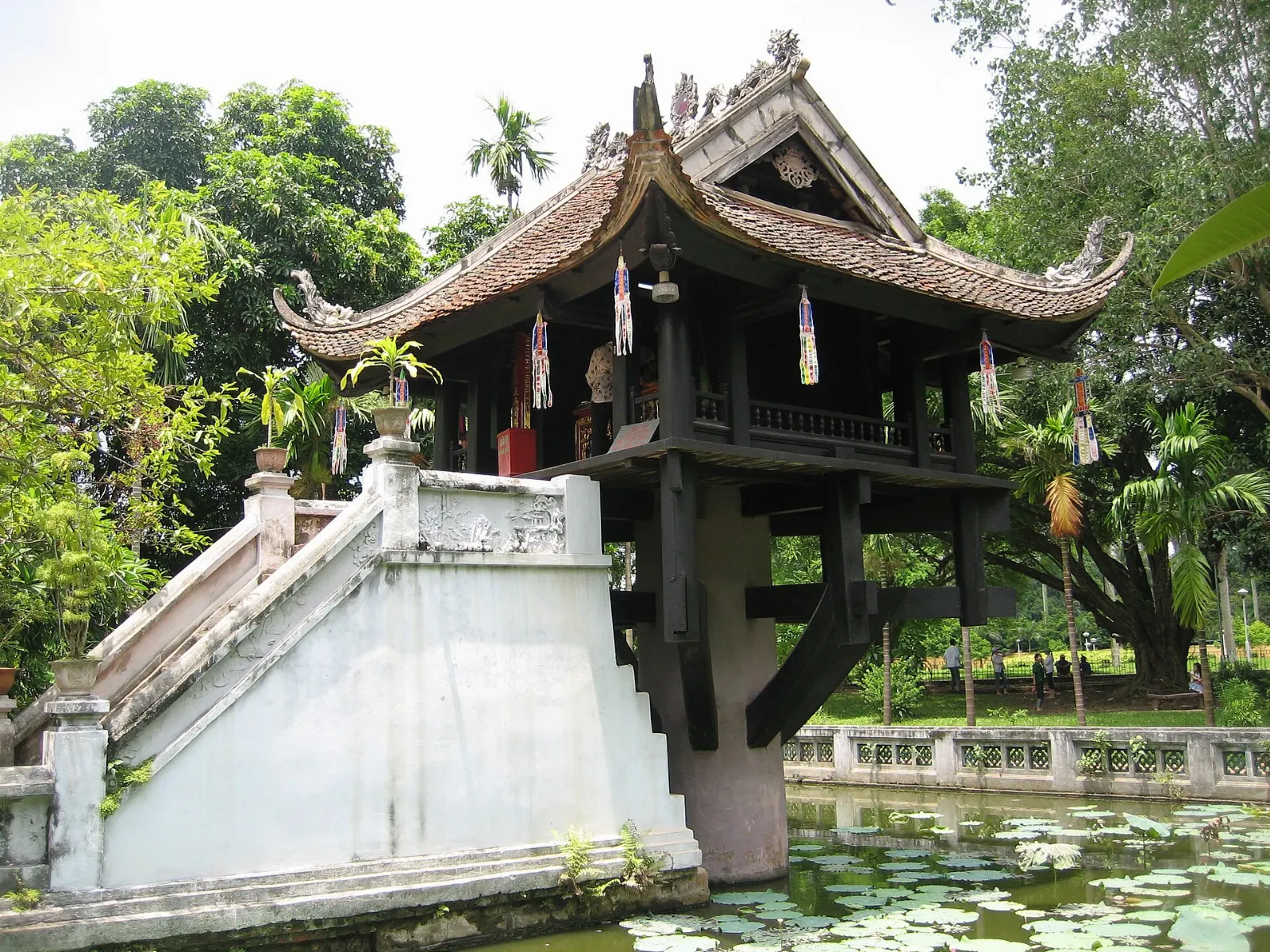
Within the mausoleum grounds, the One Pillar Pagoda is one of Vietnam's most recognizable temples. First built in 1049 under Emperor Ly Thai Tong and rebuilt after being destroyed in 1954, the small wooden shrine sits on a single stone column in a lotus pond, meant to resemble a lotus flower.
The One Pillar Pagoda is designed to resemble a lotus flower rising from the water. Photo: thalling55, Wikimedia Commons, CC BY 2.0
Temple of Literature
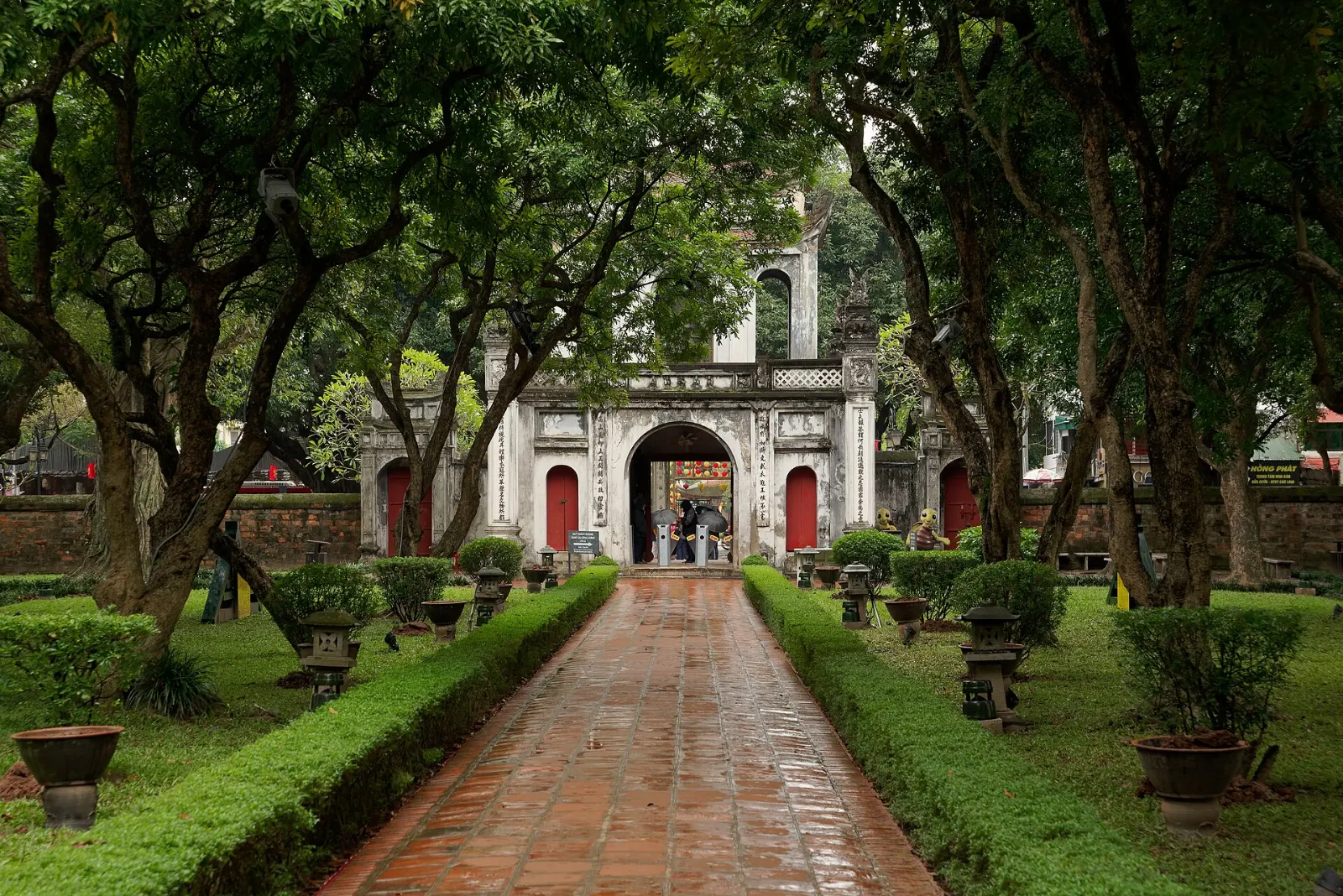
Founded in 1070 and dedicated to Confucius, the Temple of Literature became home to the Imperial Academy, Vietnam's first national university, a few years later.
The Temple of Literature was founded in 1070 and housed Vietnam's first national university. Photo: Jakub Hałun, Wikimedia Commons, CC BY 4.0
Hoa Lo Prison
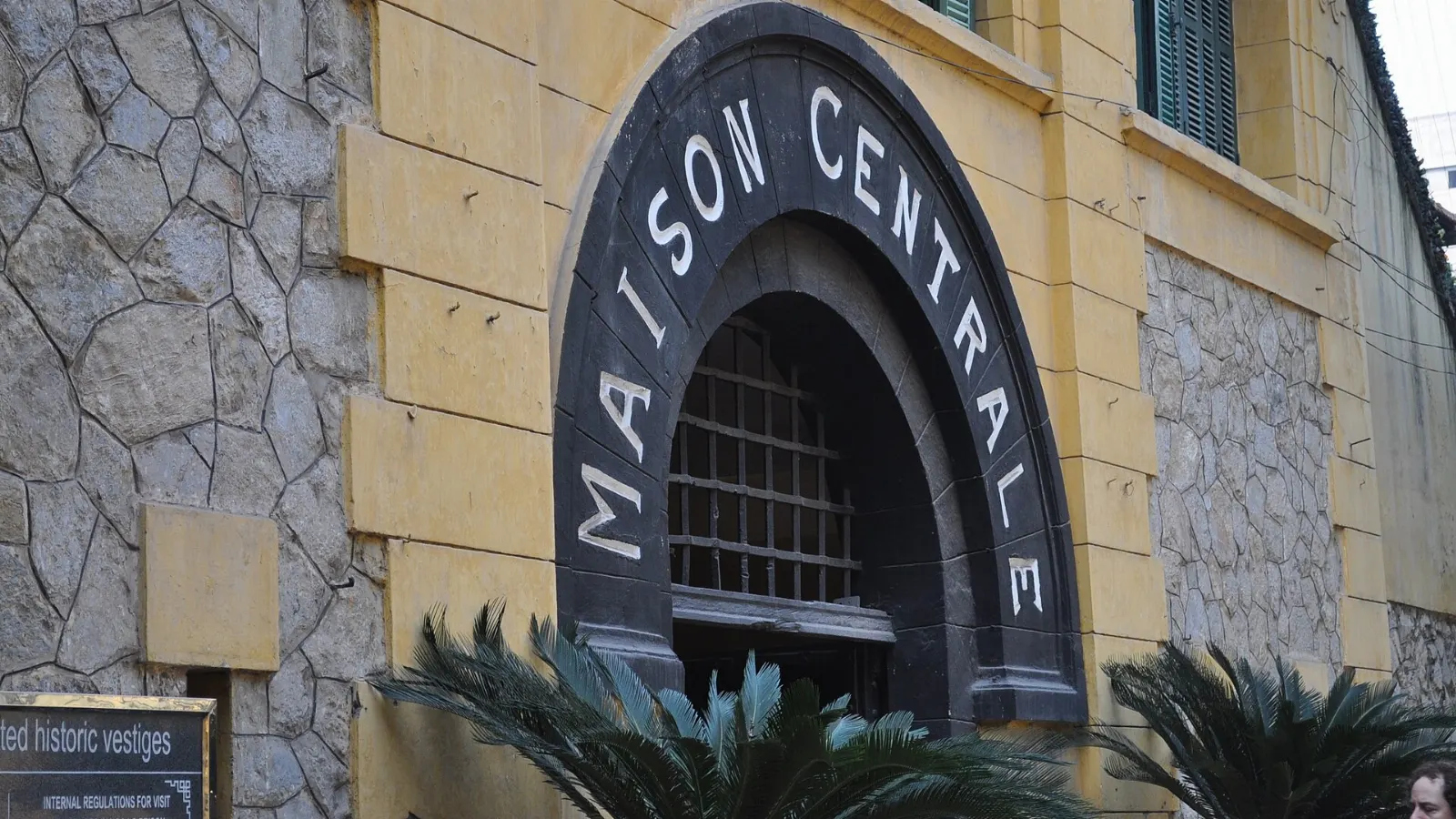
Hoa Lo Prison was built by the French colonial authorities in the late nineteenth century to hold Vietnamese political prisoners, and during the Vietnam War it held American prisoners of war, who nicknamed it the Hanoi Hilton. Only part of the original complex survives as a museum, with cells, a guillotine and exhibits presented from the Vietnamese perspective.
Beyond the historic core, Hanoi opens up around its largest lake and along the Red River, where the pace is gentler.
Tran Quoc Pagoda and West Lake
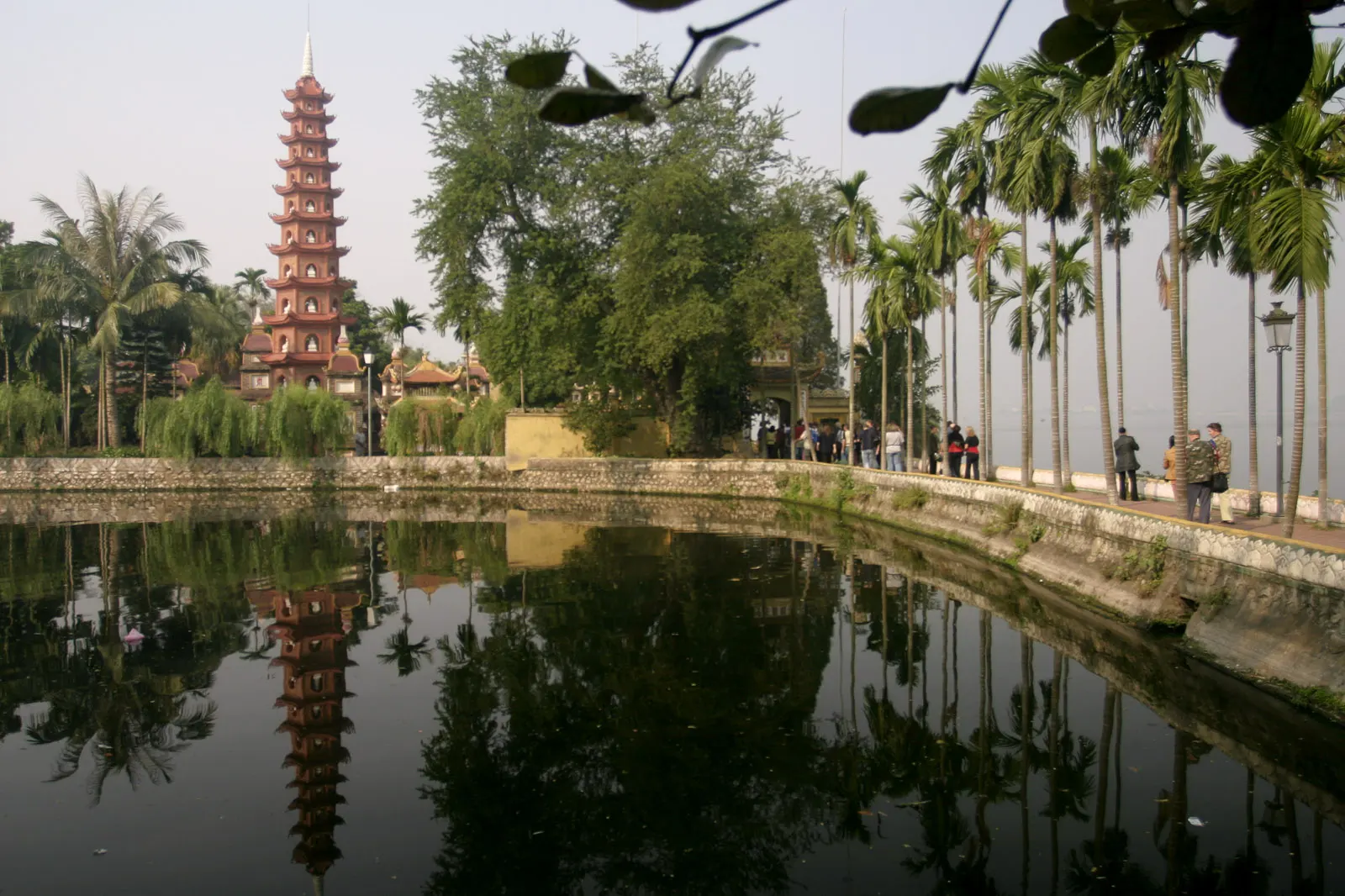
West Lake, or Ho Tay, is Hanoi's largest lake, ringed by a walking and cycling path, cafes and the expat-favored Tay Ho neighborhood. On a small peninsula off its eastern shore, Tran Quoc Pagoda is considered the oldest Buddhist pagoda in the city, with origins in the sixth century.
In the Cau Giay district west of the center, the Vietnam Museum of Ethnology is one of the best museums in the country.
Long Bien Bridge
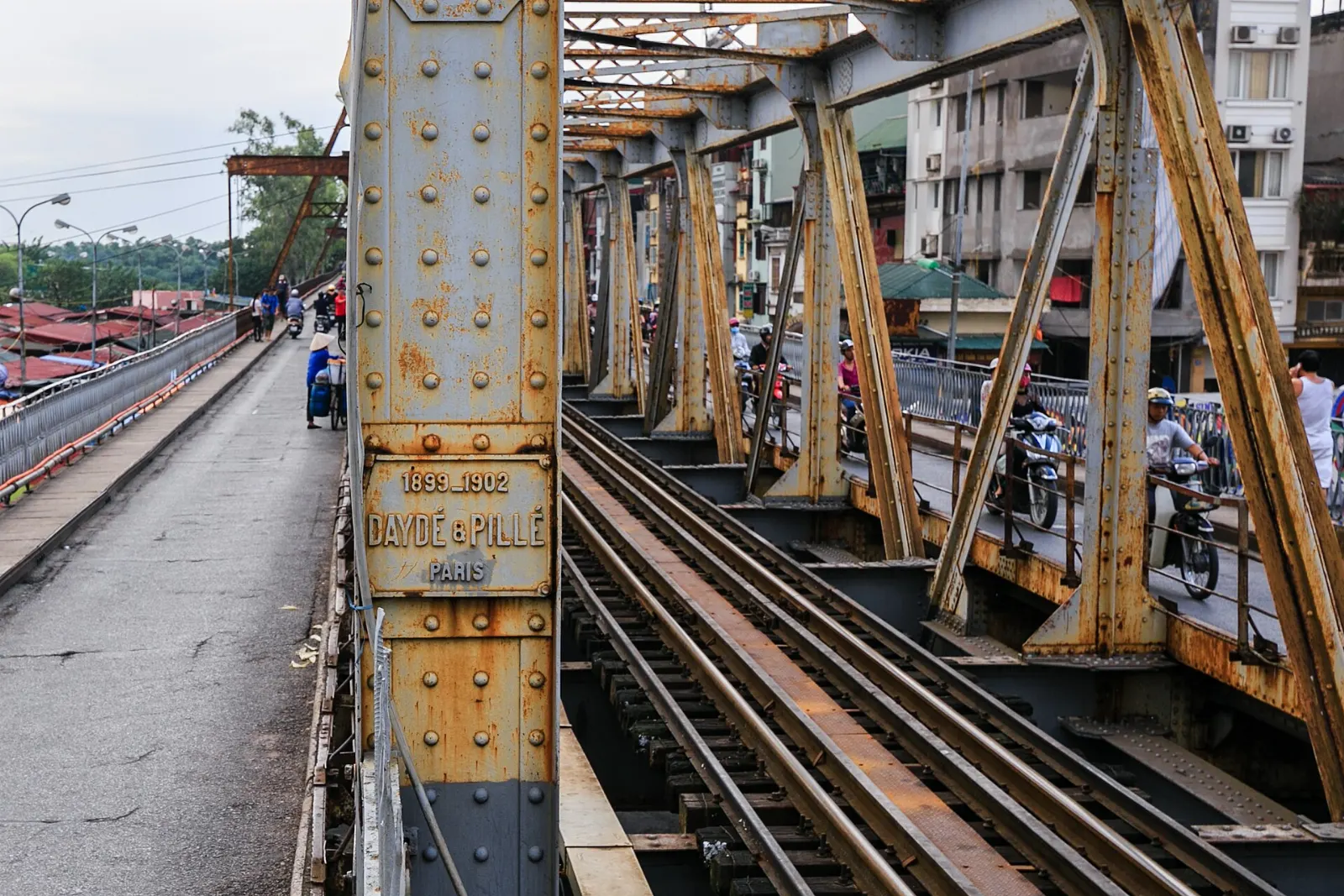
Completed in 1903 and repeatedly damaged by bombing during the Vietnam War, Long Bien Bridge stretches across the Red River just east of the Old Quarter. Trains, motorbikes and pedestrians still use it, and walking out along the side path gives you views of banana plantations on the river islands and the city skyline.
Long Bien Bridge across the Red River was completed in 1903 during French colonial rule. Photo: Quangpraha, Wikimedia Commons, CC0
Ad
Food and local flavors
Hanoi is one of the world's great street food cities, and eating here is part of the sightseeing.
Look also for cha ca, turmeric-marinated fish fried at the table with dill and spring onions, the specialty of Cha Ca Street in the Old Quarter, along with bun rieu, a crab and tomato noodle soup, banh cuon, delicate steamed rice rolls filled with pork and mushrooms, and nem ran, crisp fried spring rolls.
Coffee culture is serious.
Popular dishes to try in Hanoi
Phở Pho is the essential dish: Hanoi-style pho bo comes as a clear, delicately spiced beef broth with flat rice noodles, often served with fried dough sticks for dipping, and pho…Photo: Andy Li, Wikimedia Commons, CC0Bún chả Bun cha, grilled pork patties and slices in a sweet and sour dipping broth with rice vermicelli and fresh herbs, is the classic lunch.Photo: Kiraface, Wikimedia Commons, CC BY-SA 4.0Egg coffee Try ca phe trung, egg coffee, a rich drink of coffee topped with whipped egg yolk and sugar that was created in Hanoi in the 1940s, as well as iced coffee with condensed milk.Photo: mmmmngai@rogers.com, Wikimedia Commons, CC BY-SA 2.0
Where to stay
The Old Quarter is the most popular base for first-time visitors. You are steps from Hoan Kiem Lake, street food and the night market, and many tours pick up here, though rooms can be small and the streets noisy until late.
The French Quarter, south of the lake, has wider streets, larger hotels and a calmer, more polished atmosphere, which suits couples and business travelers.
Where to stay in Hanoi
Hoan Kiem Lake You are steps from Hoan Kiem Lake, street food and the night market, and many tours pick up here, though rooms can be small and the streets noisy until late.Photo: Vyacheslav Argenberg, Wikimedia Commons, CC BY 4.0Old Quarter Where to stayThe Old Quarter is the most popular base for first-time visitors.Photo: Jakub Hałun, Wikimedia Commons, CC BY 4.0West Lake Tay Ho, around West Lake, appeals to longer-stay visitors and those who want a relaxed neighborhood with international cafes, lake views and serviced apartments.Photo: Rungbachduong, Wikimedia Commons, CC BY-SA 3.0Hanoi old town One of the best areas to base yourself in Hanoi.Photo: Jakub Hałun, Wikimedia Commons, CC BY 4.0
Ad
Best time to visit
Hanoi has four distinct seasons. Autumn, from roughly late September to early December, is the favorite of most locals and travelers, with clear skies, comfortable temperatures and lower humidity.
Winter, from December to February, is cool and often gray with light drizzle, and it can feel surprisingly cold because many buildings lack heating, so bring a warm layer.
Getting there and getting around
Noi Bai International Airport is north of the city and handles direct international flights as well as frequent domestic connections to Da Nang, Ho Chi Minh City and other cities.
Within the center, walking is the best way to explore the Old Quarter and the lake. For longer trips, ride-hailing apps such as Grab and electric taxis are inexpensive and avoid fare disputes.
Ad
A suggested itinerary
First day
Start at dawn by Hoan Kiem Lake, then visit Ngoc Son Temple.
Second day
Head early to the Ho Chi Minh Mausoleum complex and One Pillar Pagoda, checking first that it is open.
Third day
Spend the morning at the Vietnam Museum of Ethnology, then move to West Lake for lunch, Tran Quoc Pagoda and a cycle along the shore.
Fourth day
With more time, take a full-day trip to Ninh Binh or an overnight cruise in Ha Long Bay.
Practical tips
Cover shoulders and knees at temples, pagodas and the mausoleum, and remove shoes where asked.
Use Grab or another ride-hailing app to avoid taxi overcharging, and confirm the vehicle number before getting in.
Carry small banknotes in Vietnamese dong for street food, markets and small shops.
Cross streets slowly and predictably; never run or stop suddenly in front of motorbikes.
Check mausoleum opening days in advance, as it closes on Mondays, Fridays and during its annual maintenance period.
Keep your phone and bag on the side away from traffic to avoid snatch theft by passing motorbikes.