Quebec City feels like nowhere else in North America. Perched on a cliff above the Saint Lawrence River, its old town is ringed by stone walls, crowned by the turreted Chateau Frontenac and threaded with narrow streets of seventeenth- and eighteenth-century houses.
AT A GLANCE
Best time
June to early October for warm days; late January to February for the Winter Carnival.
How long
Three days for Old Quebec and a day trip to Montmorency Falls and Ile d'Orleans.
Getting there
Fly into Jean Lesage International Airport, or take the train or drive from Montreal.
Why visit Quebec City
Quebec City is one of only two cities in North America that still has fortifications surrounding its historic core, the other being Campeche in Mexico. Inside the walls, the Upper Town holds churches, convents, squares and grand public buildings, while the Lower Town at the foot of the cliff preserves the old port neighborhood where the city began.
The city also has a strong cultural identity. French is the everyday language, and the food, music and festivals reflect centuries of Quebecois tradition.
The Upper Town and Chateau Frontenac
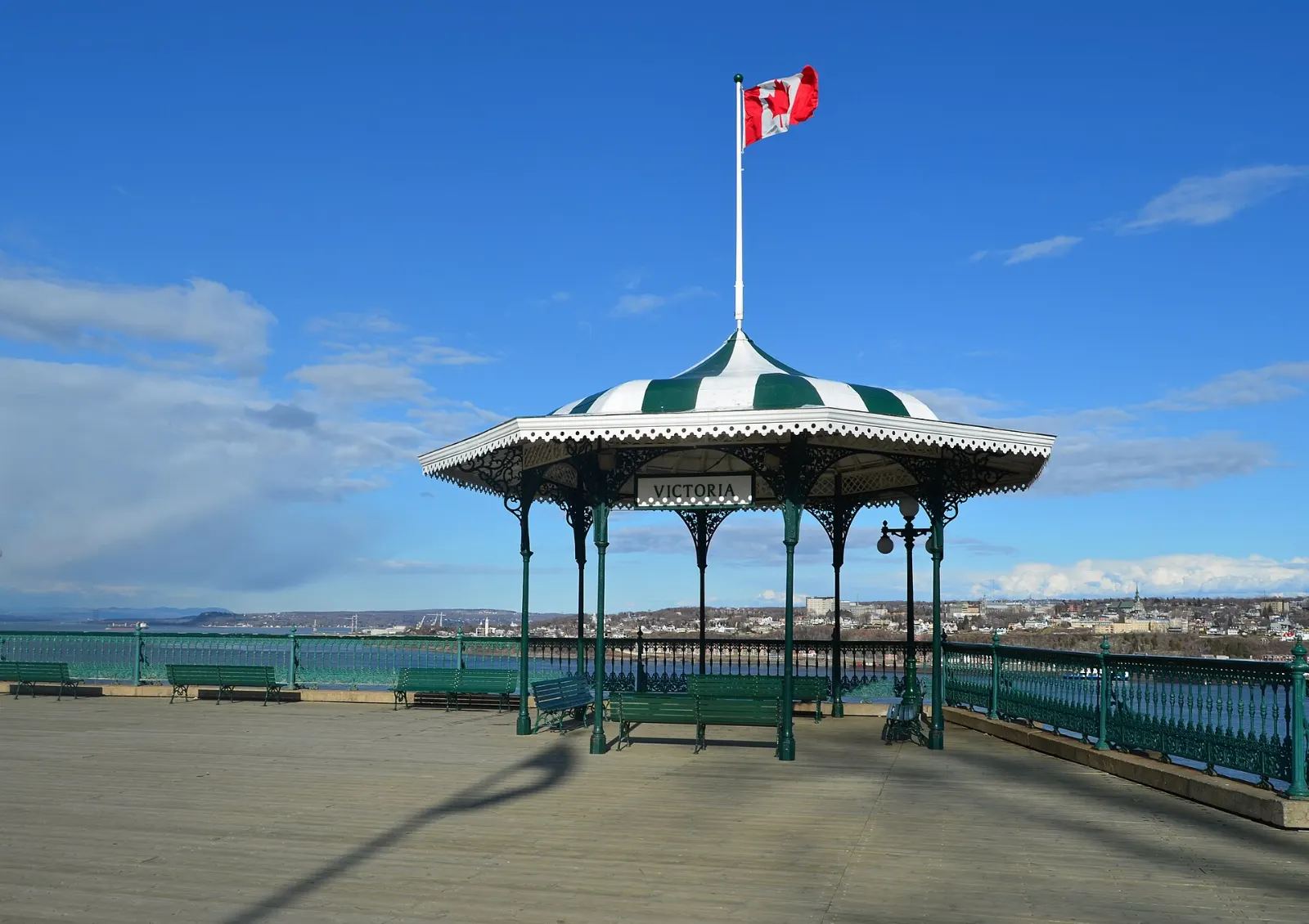
Chateau Frontenac and Dufferin Terrace
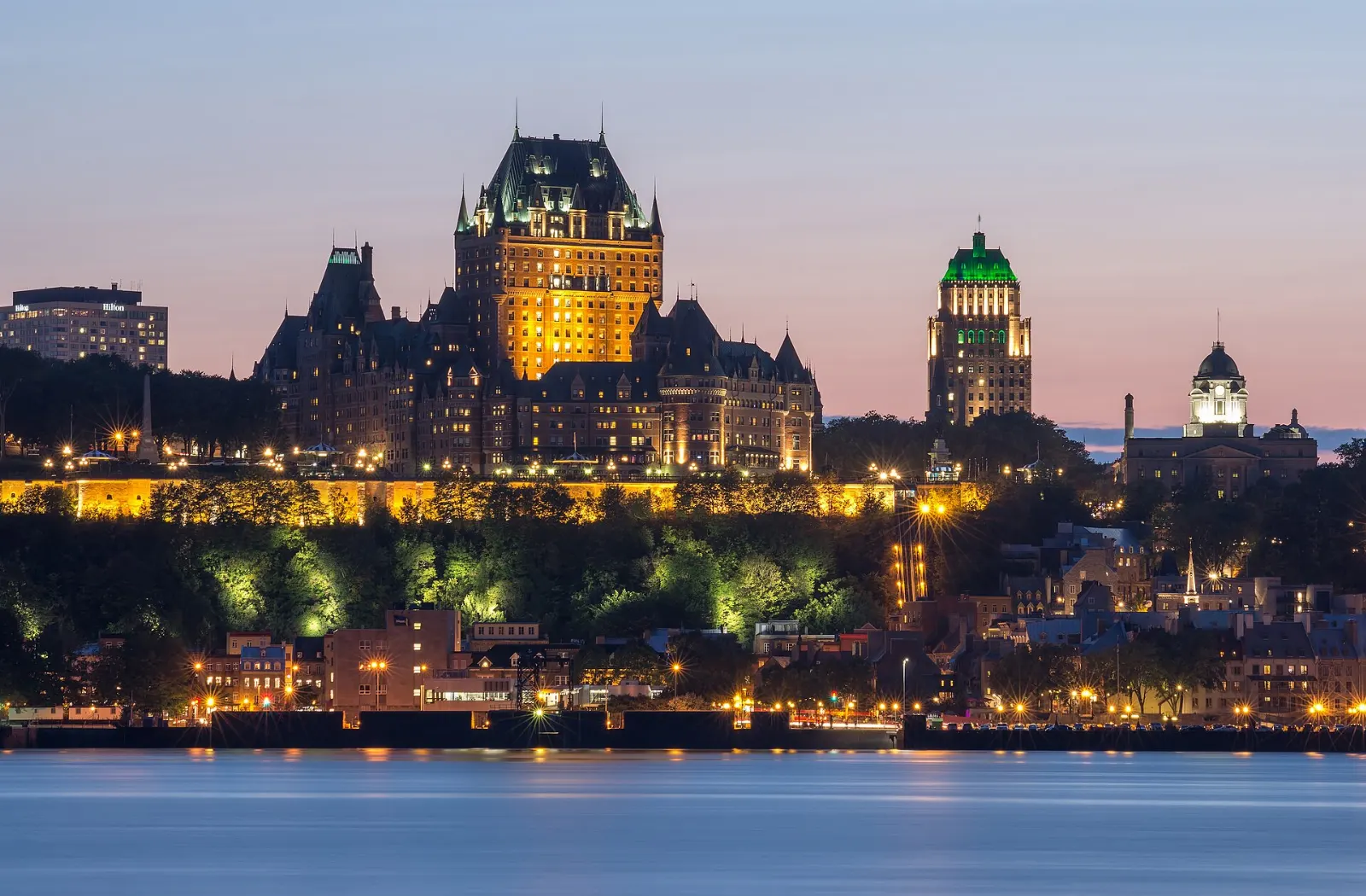
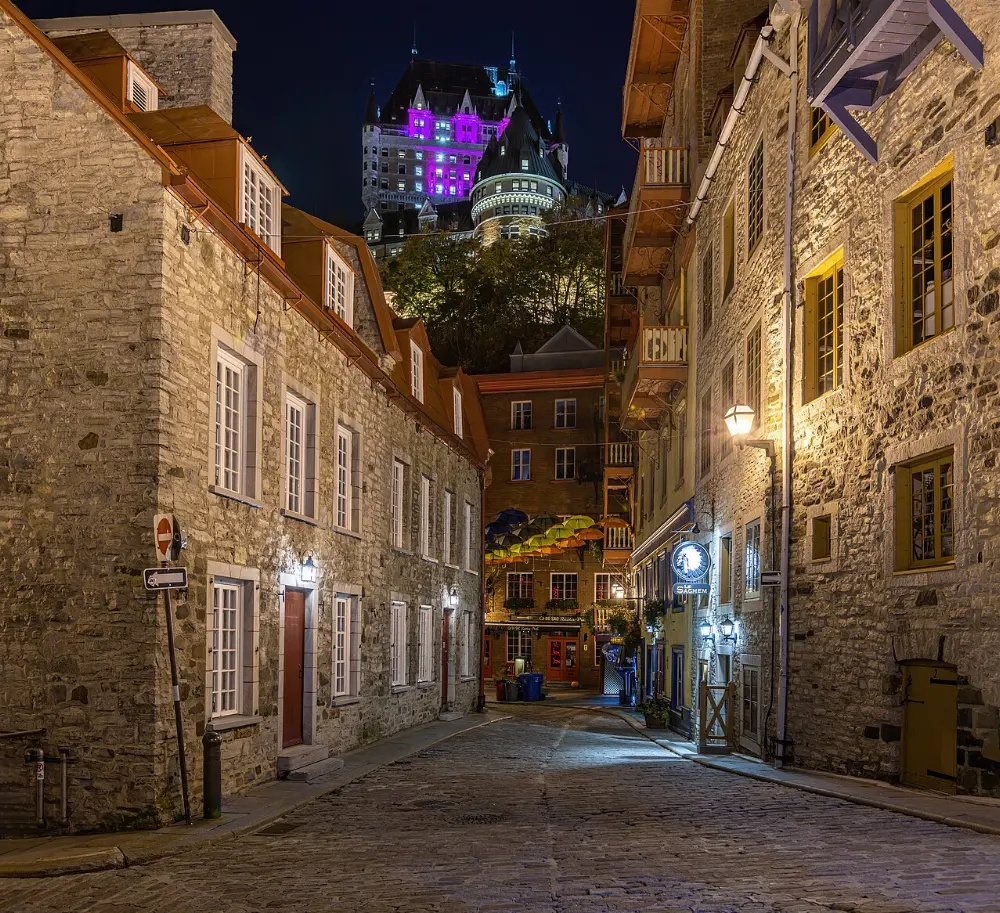
The Chateau Frontenac, a grand railway hotel with green copper roofs and towers, dominates the skyline and is said to be one of the most photographed hotels in the world.
Basilica-Cathedral of Notre-Dame de Quebec
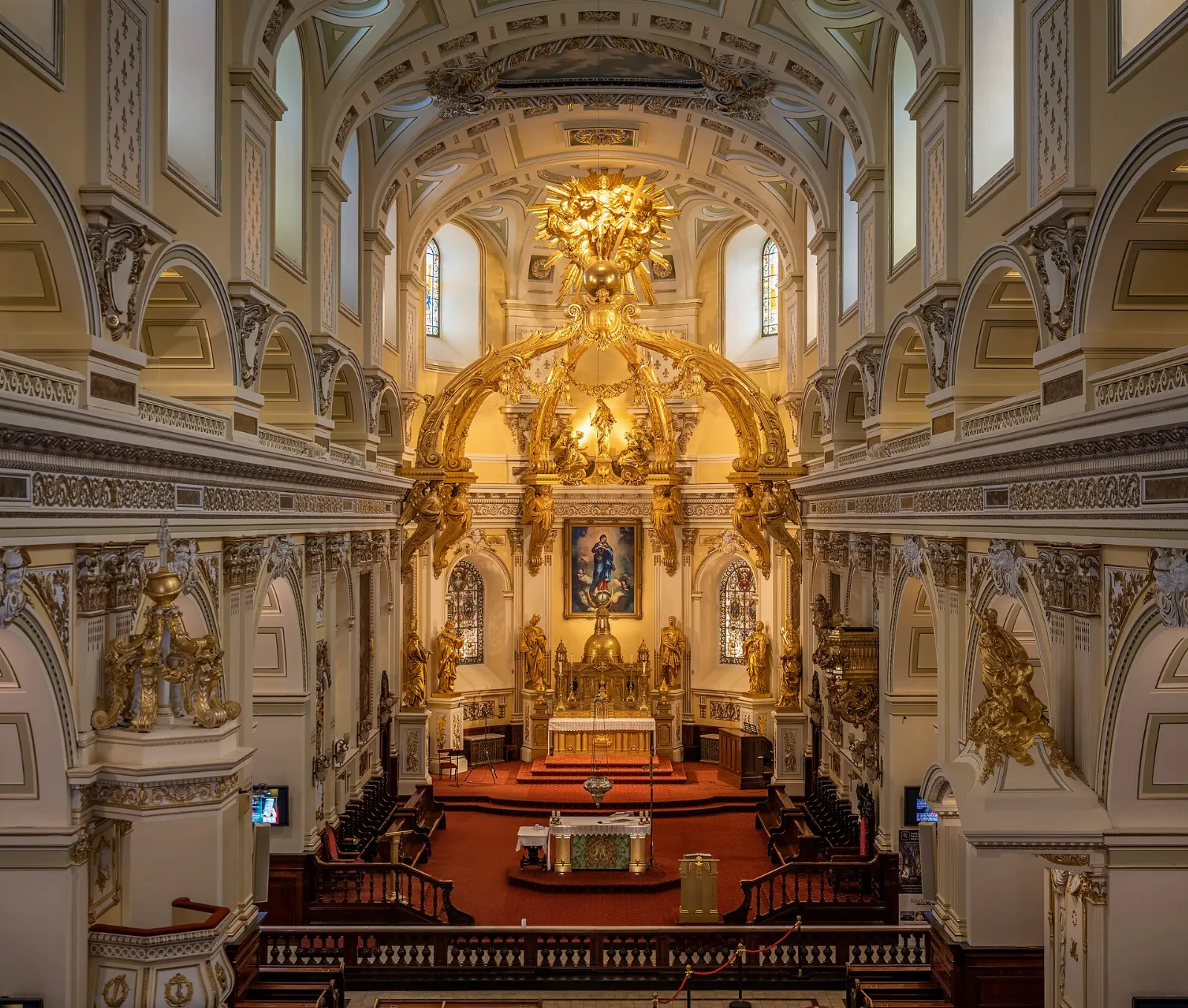
The cathedral, a short walk from the Chateau, is the seat of the oldest Catholic diocese in the Americas north of Mexico. It has been rebuilt several times after fires and sieges and has a richly gilded interior.
Rue Saint-Jean and the city walls
Rue Saint-Jean runs west from the heart of the Upper Town through Porte Saint-Jean, one of the city gates, and is lined with cafes, shops and pubs. The fortifications that encircle Old Quebec stretch for several kilometers, and you can walk sections of the ramparts for views over the rooftops.
The Lower Town and the old port
Petit Champlain
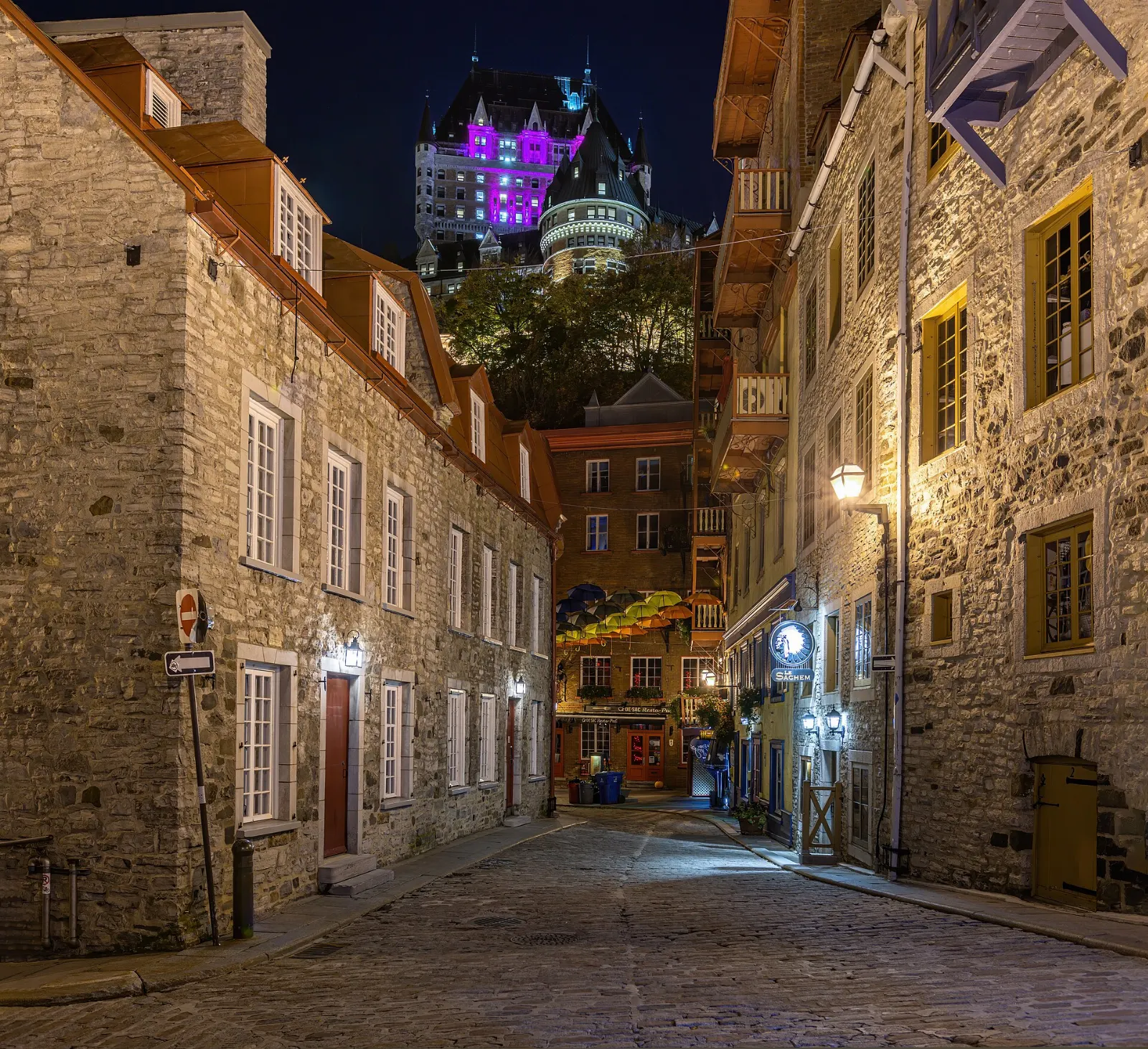
At the foot of Cap Diamant, the Petit Champlain district is a tangle of narrow, pedestrian streets lined with stone buildings, boutiques, galleries and restaurants. It is often described as the oldest commercial district in North America.
Place Royale and Notre-Dame-des-Victoires
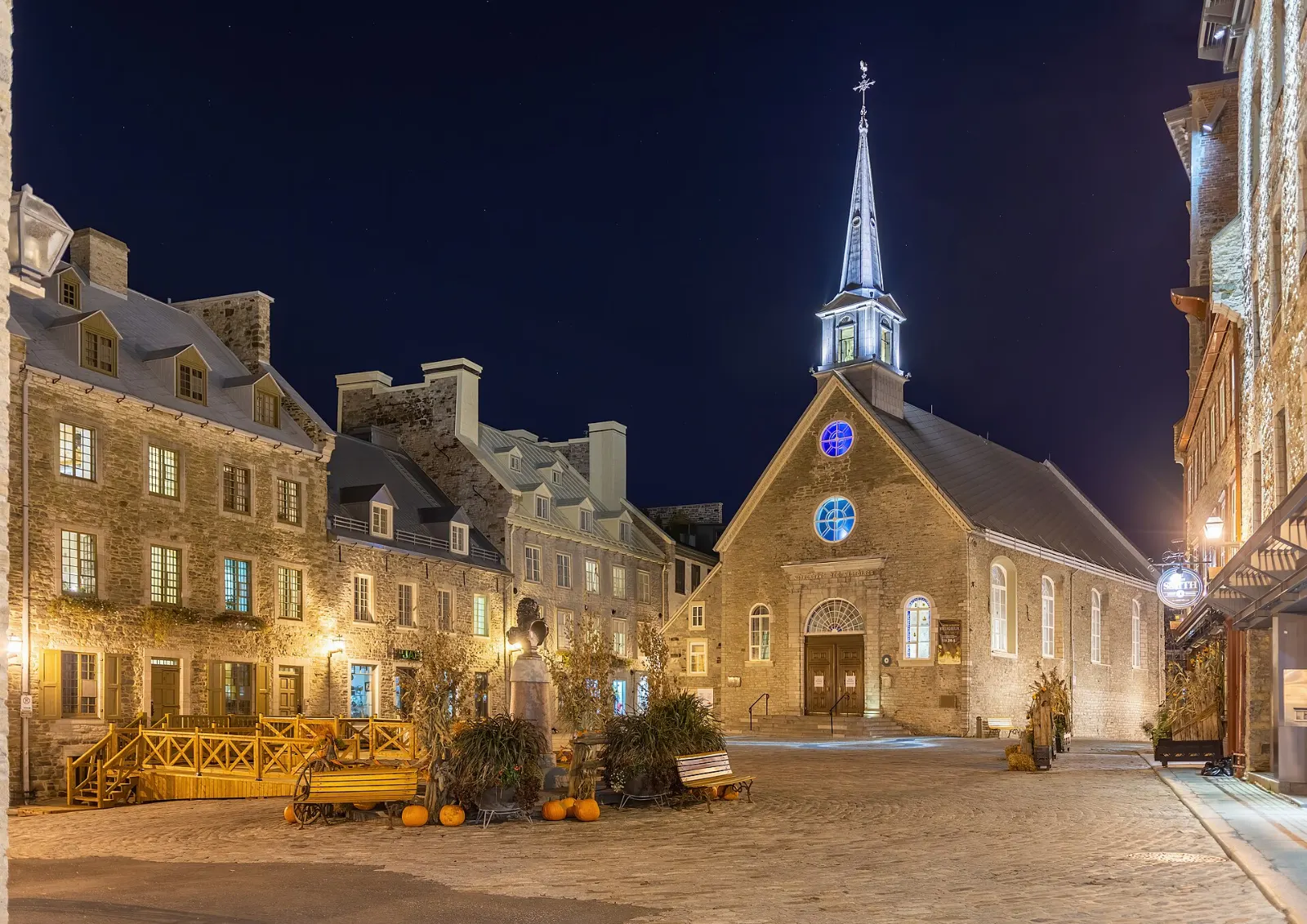
Place Royale is a small cobbled square near the spot where Champlain built his first settlement. Its centerpiece is the stone church of Notre-Dame-des-Victoires, among the oldest stone churches in North America.
Musee de la civilisation
Close to the old port, this museum explores Quebec's history and culture through engaging, often hands-on exhibits, including the stories of First Nations and Inuit peoples. Allow two to three hours.
The old port and the Levis ferry
The old port area has a marina, a farmers market area and riverside paths. For the classic view of the city skyline, take the short ferry across the river to Levis and back.
The Citadelle, the Plains and beyond the walls
Citadelle of Quebec
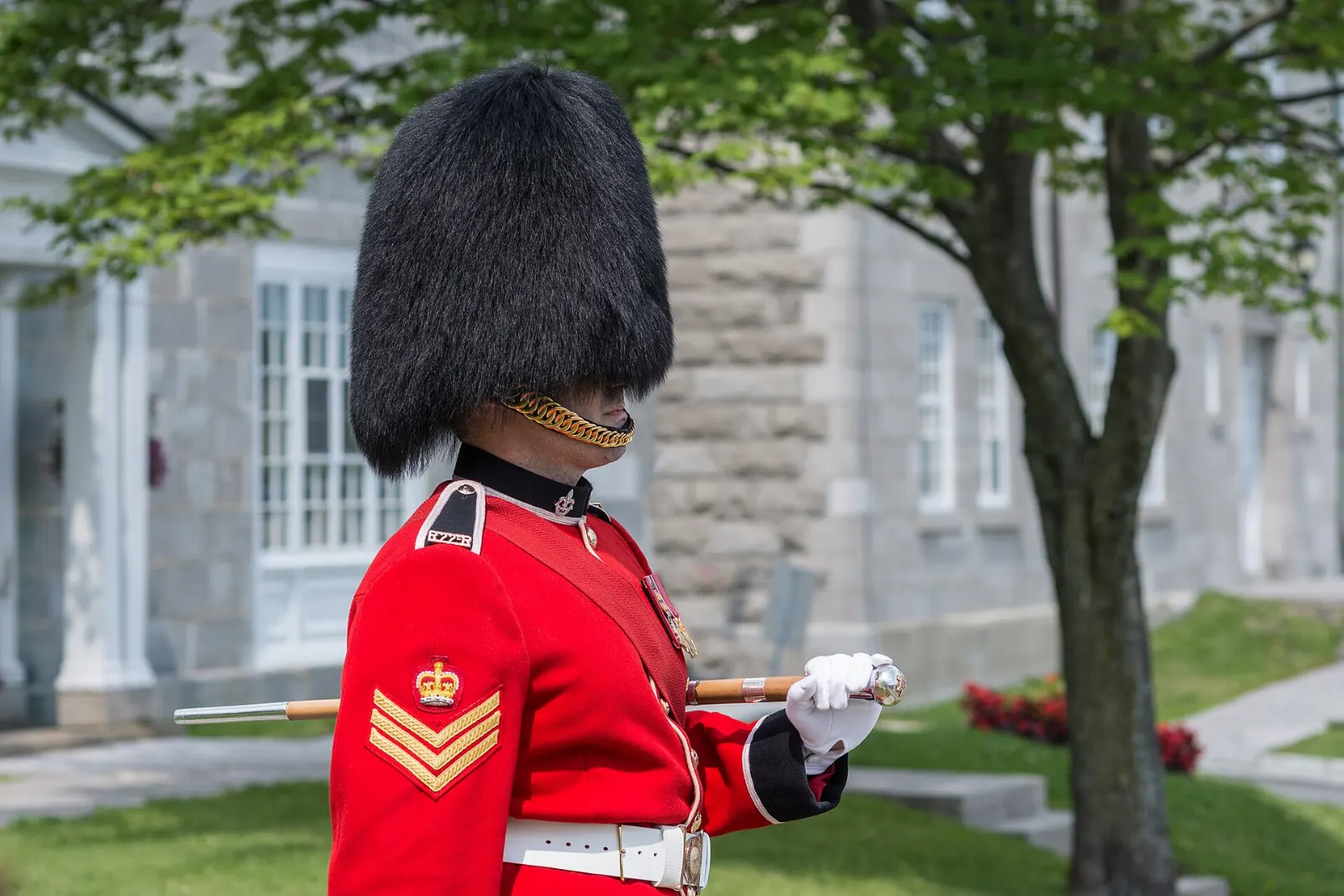
The star-shaped Citadelle on Cap Diamant is an active military installation, home of the Royal 22nd Regiment and a residence of the Governor General of Canada.
Plains of Abraham
Next to the Citadelle, the Plains of Abraham are a large park on the clifftop, site of the 1759 battle between British and French forces that shaped Canada's future. Today it is a place for walking, cycling, picnics and outdoor concerts, and in winter for cross-country skiing and snowshoeing.
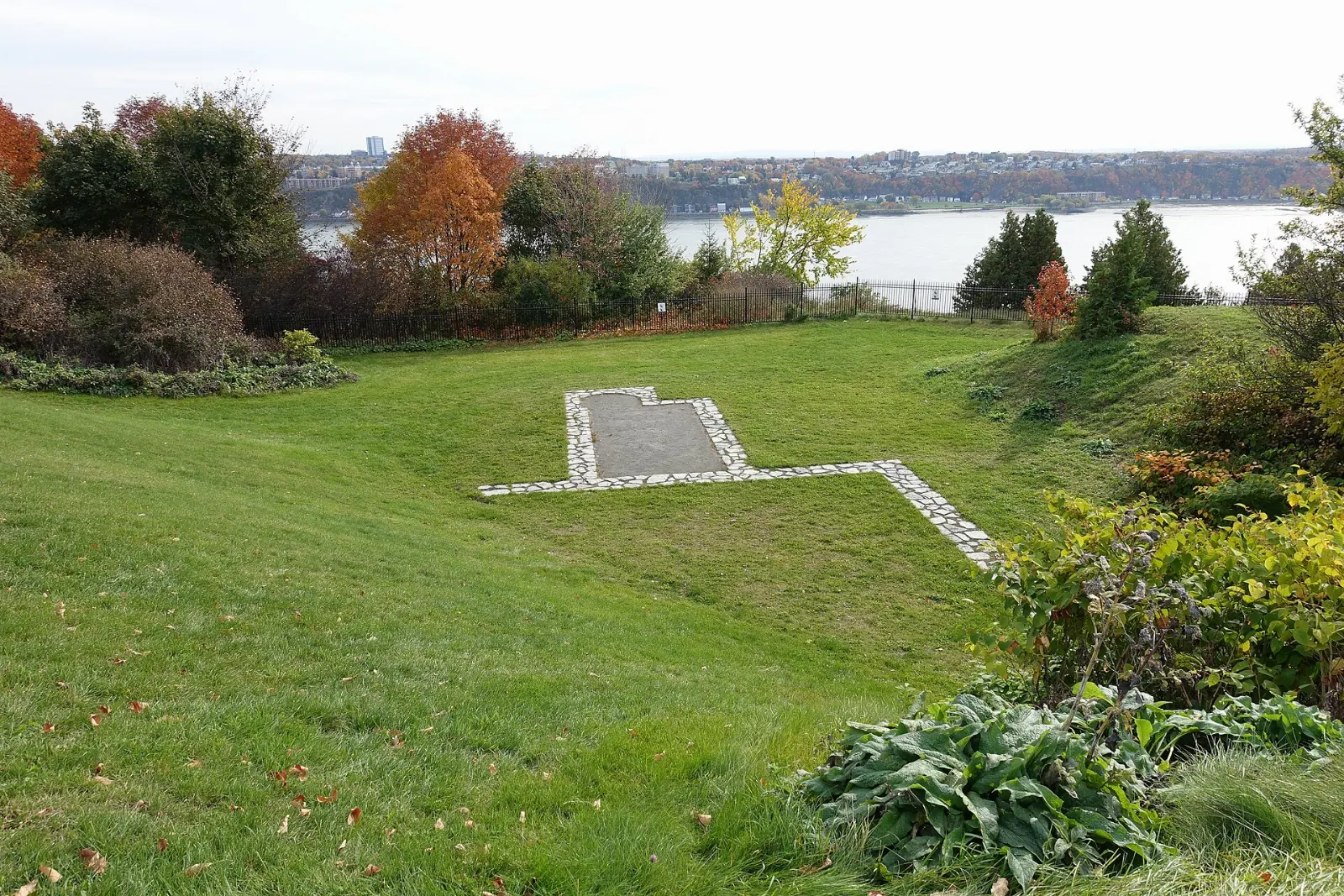
Parliament Building and Grande Allee
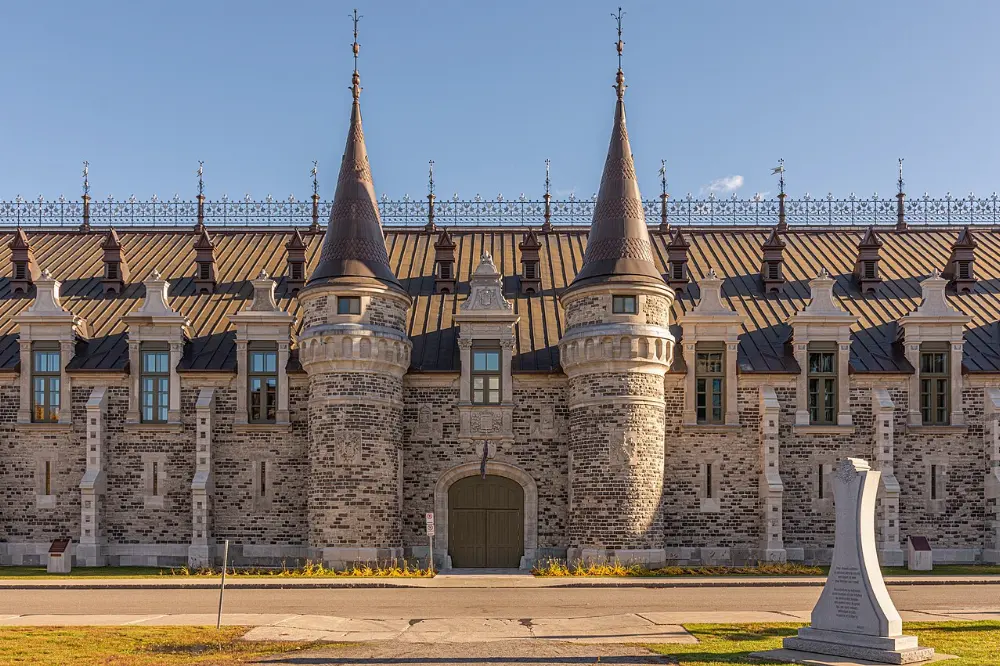
Just outside the walls, the Parliament Building is home to Quebec's National Assembly, with an ornate Second Empire facade decorated with bronze statues of historical figures. Free guided tours are often available.
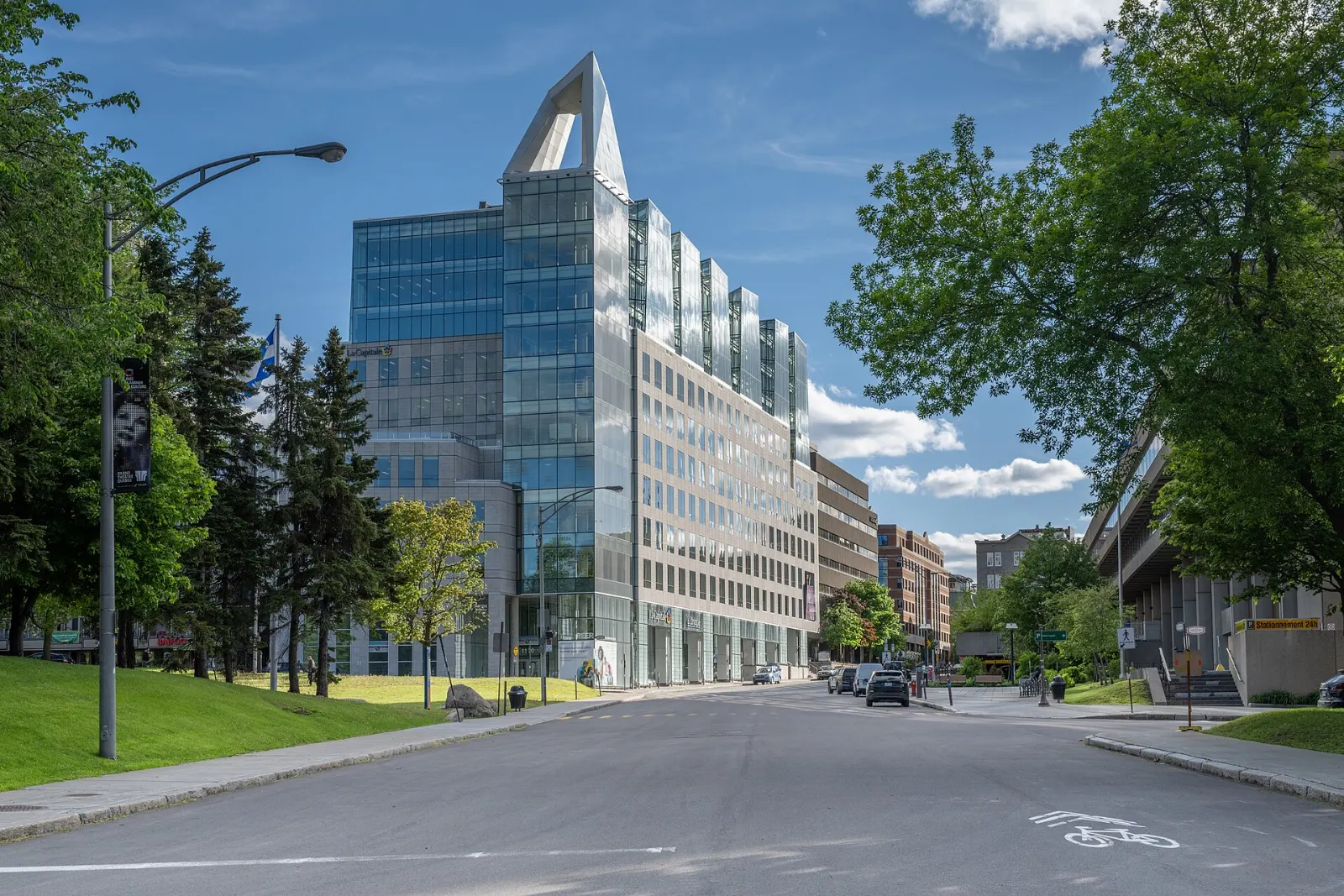
Montmorency Falls
About twelve kilometers from Old Quebec, Montmorency Falls drop 83 meters into the Saint Lawrence, roughly 30 meters higher than Niagara Falls. A suspension bridge crosses the crest, stairs descend the cliff and a cable car runs from the base to the top.
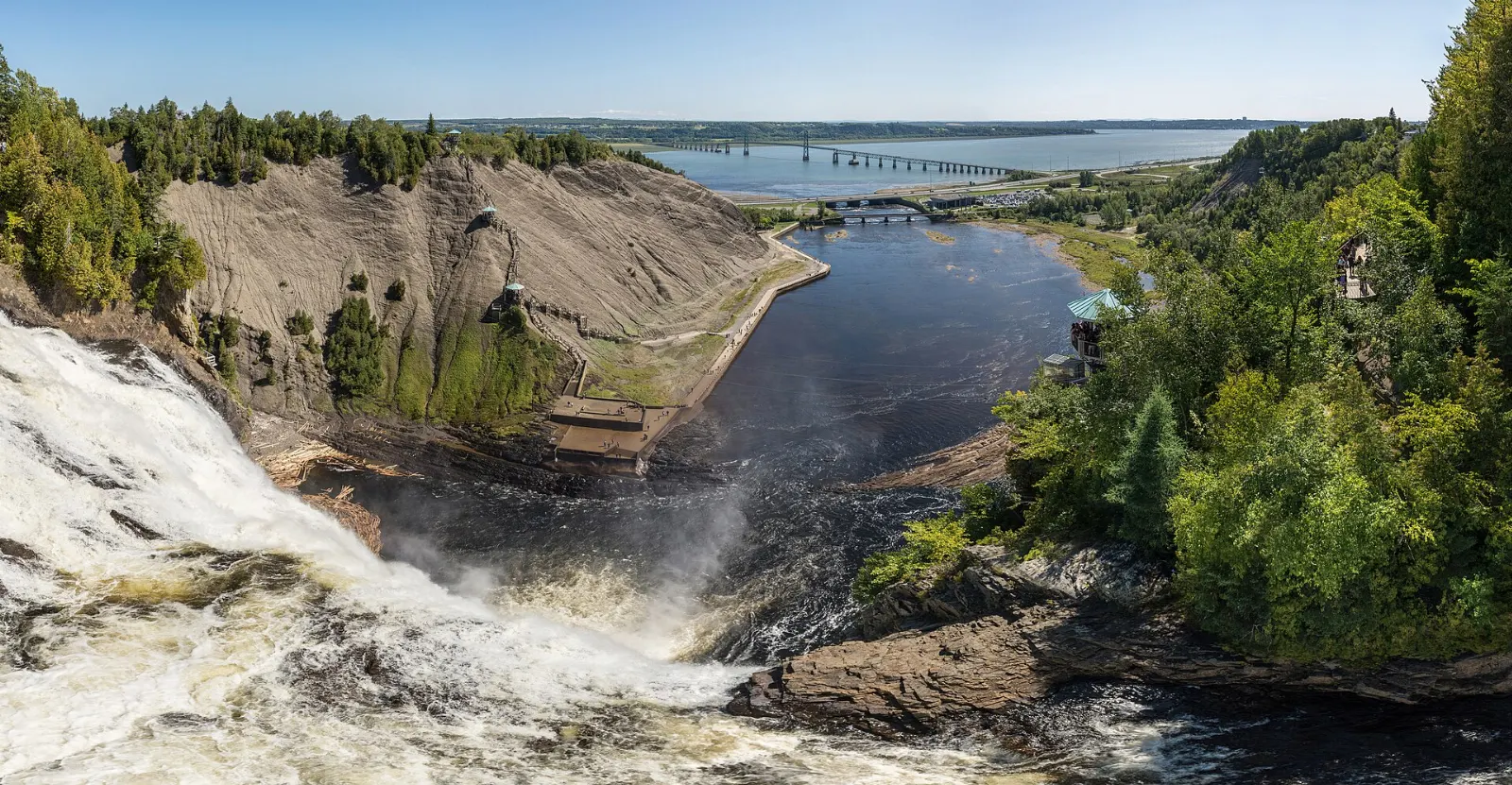
Ile d'Orleans
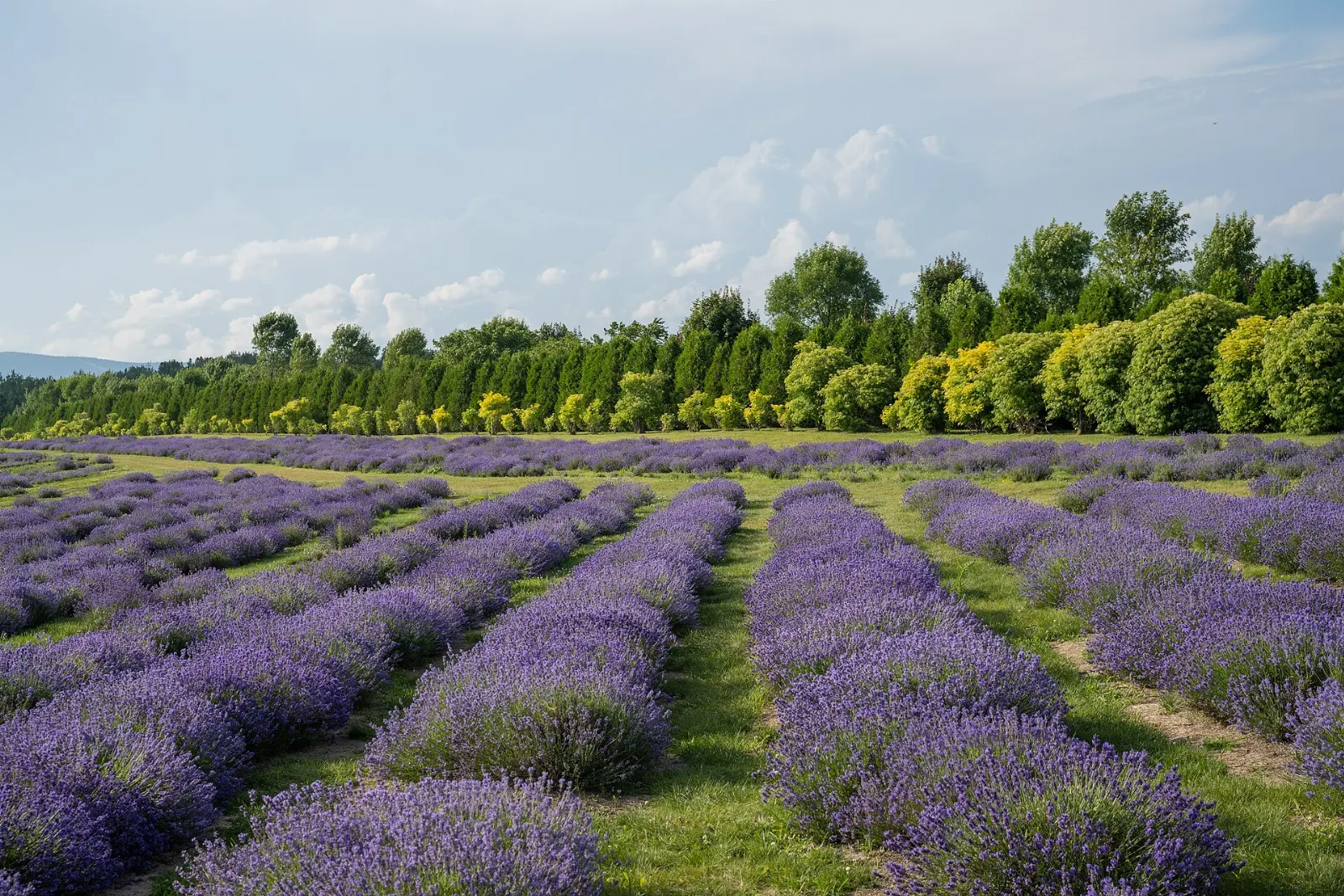
Just across a bridge from the mainland, the Ile d'Orleans is a rural island of farms, orchards, vineyards and six historic villages. A scenic road circles the island, passing roadside stands selling strawberries, apples, cider, preserves and maple products.
 Planning a trip to Quebec City?Compare hotels, flights and vacation rentals for Quebec City on Expedia.Book now
Food and local flavors
Quebec cooking is hearty and comforting. Poutine, fries topped with cheese curds and gravy, is available everywhere. Tourtiere is a spiced meat pie, often served with fruit ketchup, and yellow pea soup is a traditional favorite.
For a market experience, the Grand Marche de Quebec gathers local farmers, cheesemakers and producers under one roof. In Old Quebec, Rue Saint-Jean, Rue Saint-Louis and Petit Champlain have many restaurants in historic buildings.
Popular dishes to try in Quebec City


Where to stay
Staying inside the walls of Old Quebec puts you steps from the main sights and makes evening strolls easy, though rooms can be small and parking is limited.
Saint-Roch and Saint-Jean-Baptiste are good for travelers who want local restaurants, bars and better value, and both are a short uphill walk or bus ride from the old town. Families with a car may prefer the suburbs of Sainte-Foy, close to shopping centers and main highways.
Where to stay in Quebec City
Best time to visit
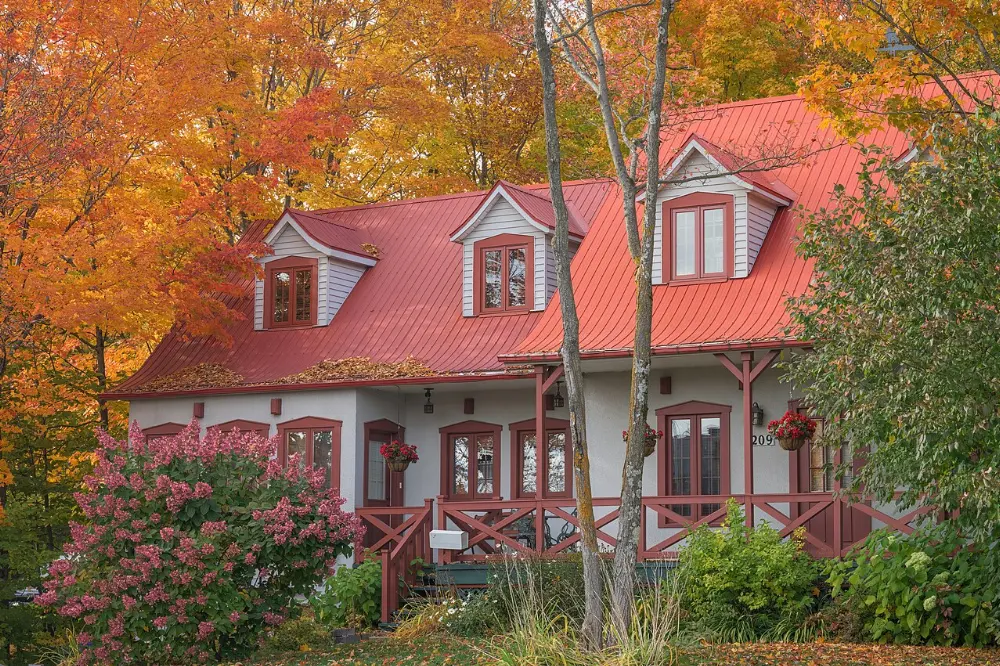
Summer, from June through August, brings warm weather, outdoor terraces and lively streets.
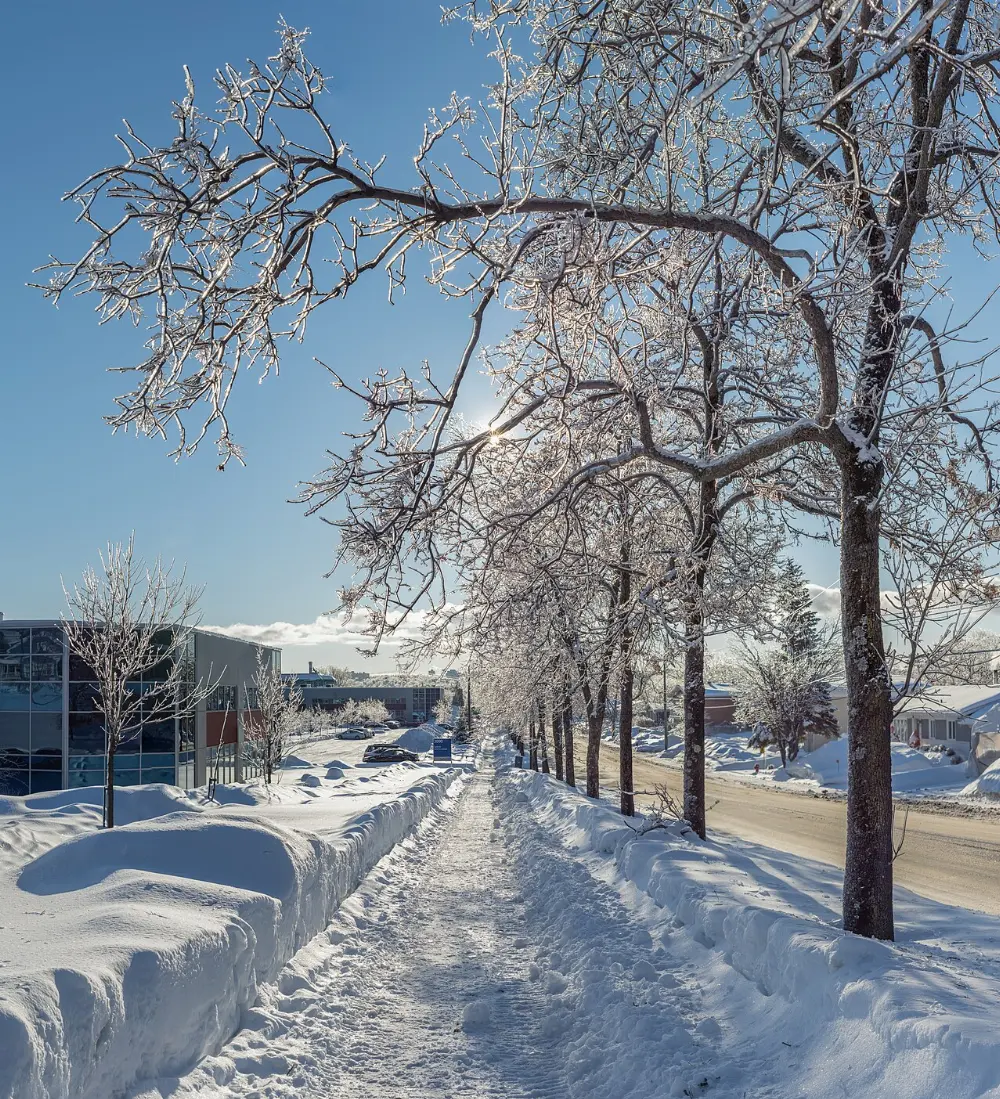
Winter is cold and snowy, but it is magical. The Quebec Winter Carnival runs from late January to mid-February, with ice sculptures, night parades, outdoor activities and the snowman mascot Bonhomme.
Getting there and getting around
Jean Lesage International Airport lies west of the city, with domestic flights and seasonal service to the United States and Europe; taxis and buses connect it to downtown.
Old Quebec is best explored on foot, though it is hilly and has many stairs. The funicular links Dufferin Terrace with Petit Champlain.
A suggested itinerary
First day
Start at the Chateau Frontenac and Dufferin Terrace, then visit the Basilica-Cathedral of Notre-Dame.
Second day
Tour the Citadelle in the morning, then walk across the Plains of Abraham. Visit the Parliament Building and have lunch on Grande Allee.
Third day
Drive or take a tour to Montmorency Falls in the morning, then cross the bridge to the Ile d'Orleans for an afternoon of farm stands, orchards and village churches.
Practical tips
- French is the main language; a friendly bonjour goes a long way, and many people in tourist areas also speak English.
- Wear comfortable shoes with good grip, as the streets are steep and some stairways are icy in winter.
- Book lodging well ahead for July, the Winter Carnival and fall foliage weekends.
- Check the official website for current hours and fees at museums and guided tours.
- Tipping in restaurants is customary, similar to the rest of Canada.
- Pack warm layers, a hat and gloves for winter visits, when temperatures drop well below freezing.