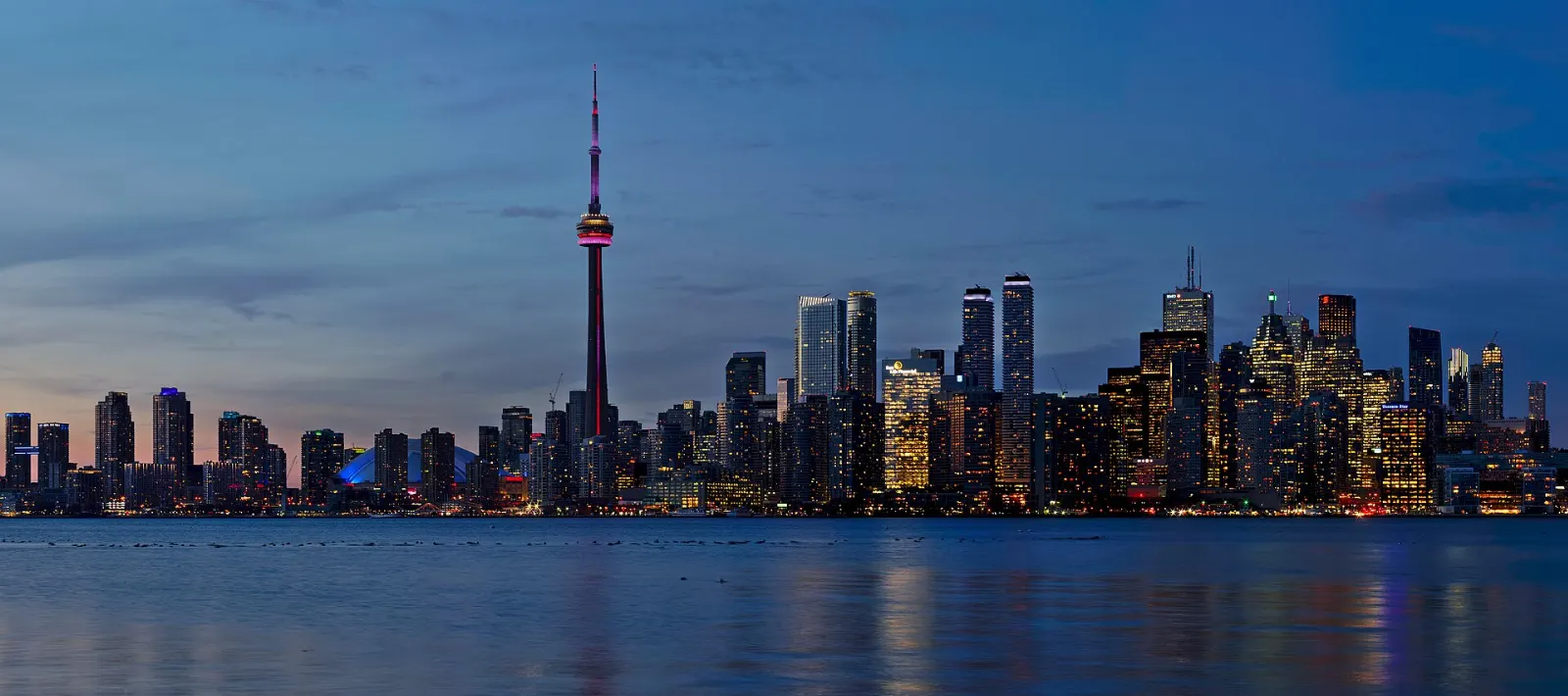
Toronto is Canada's largest city, a sprawling, confident place on the north shore of Lake Ontario where more than half the residents were born outside the country.
AT A GLANCE
Best time
Late May to June and September to early October for mild weather and full festival calendars.
How long
Three to four days for the main sights; add a day for Niagara Falls.
Getting there
Fly into Toronto Pearson and ride the UP Express to Union Station, or use Billy Bishop airport downtown.
Why visit Toronto
Toronto rewards curiosity more than a checklist.
The city also has an unusual amount of nature for a metropolis. Ravines thread through residential districts, ferries take you to car free islands with beaches minutes from the financial district, and the cliffs of the Scarborough Bluffs rise above the lake in the east.
Downtown and the waterfront
CN Tower
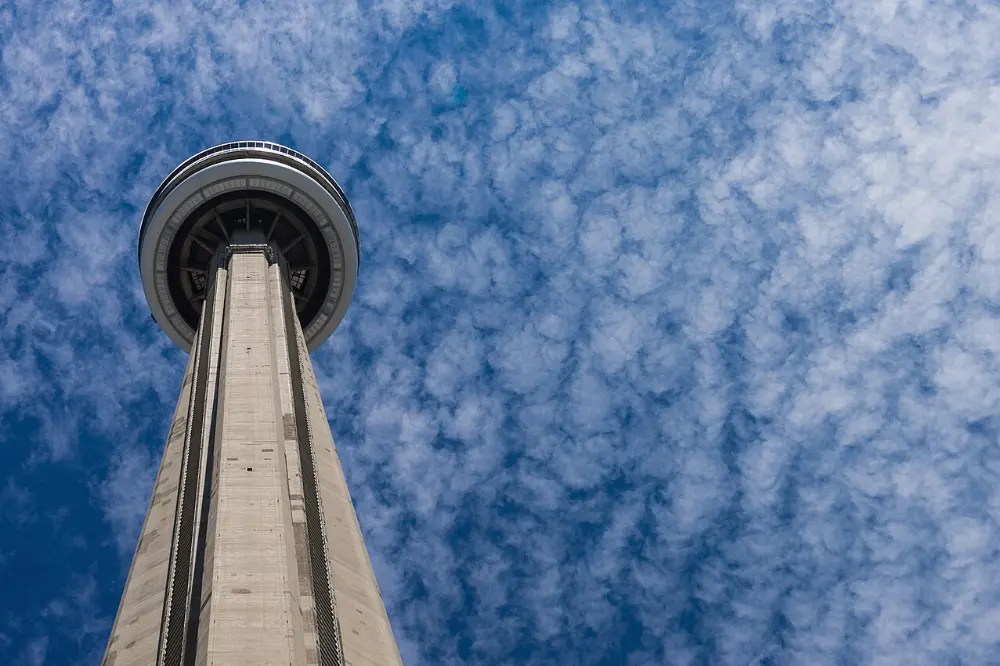
At 553.3 metres, the CN Tower was the world's tallest free standing structure for more than three decades after its completion in 1976, and it remains the defining feature of the skyline. Elevators climb to the main observation level, where a glass floor lets you look straight down, and a higher deck adds even wider views.
St. Lawrence Market
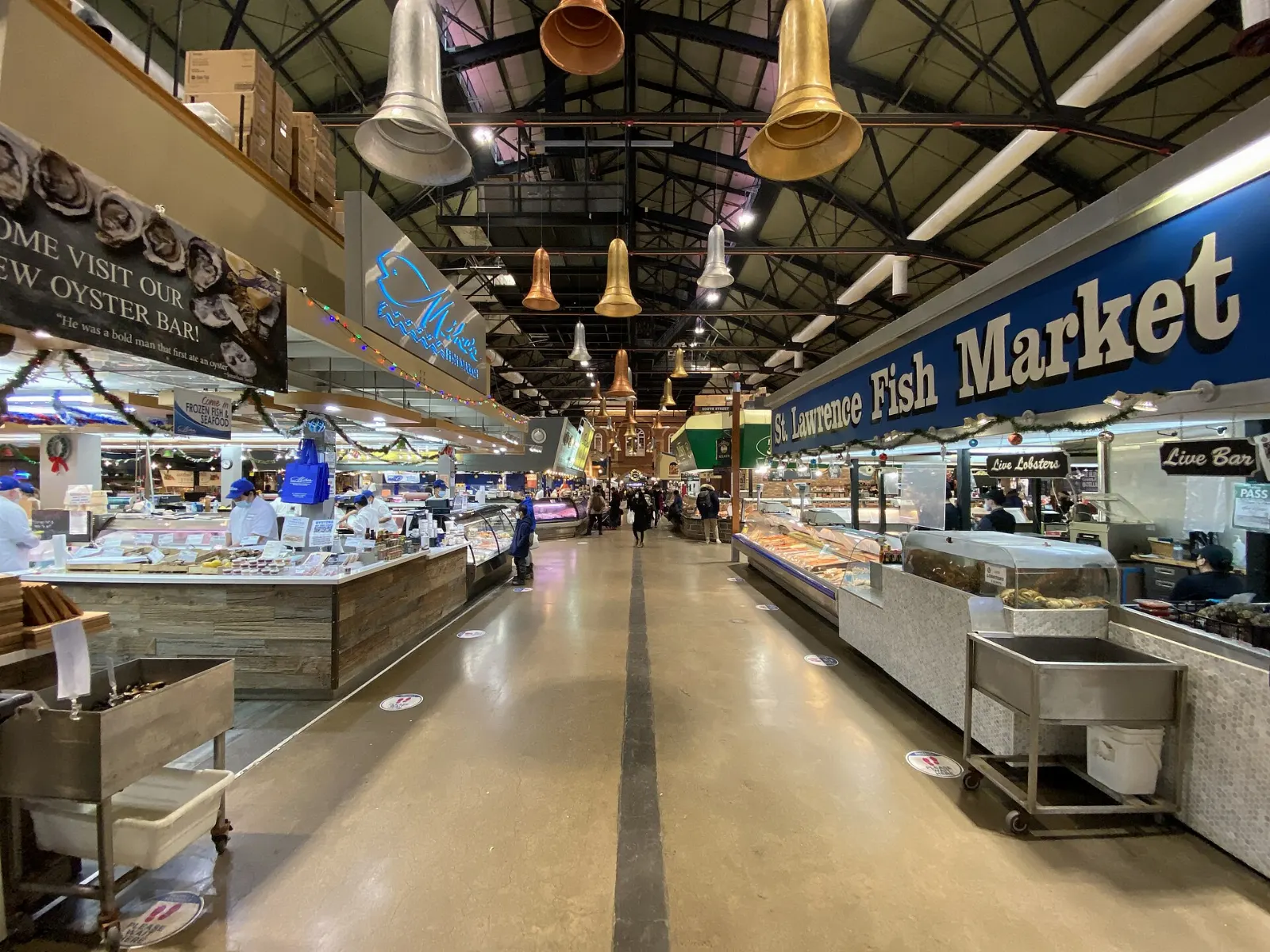
A public market has operated here since the early 1800s. St. Lawrence Market South, in a building that once housed city hall, is packed with butchers, fishmongers, bakers, cheese counters and deli stalls, while the North Market across Front Street is home to a long running Saturday farmers' market. Allow one to two hours.
Distillery District
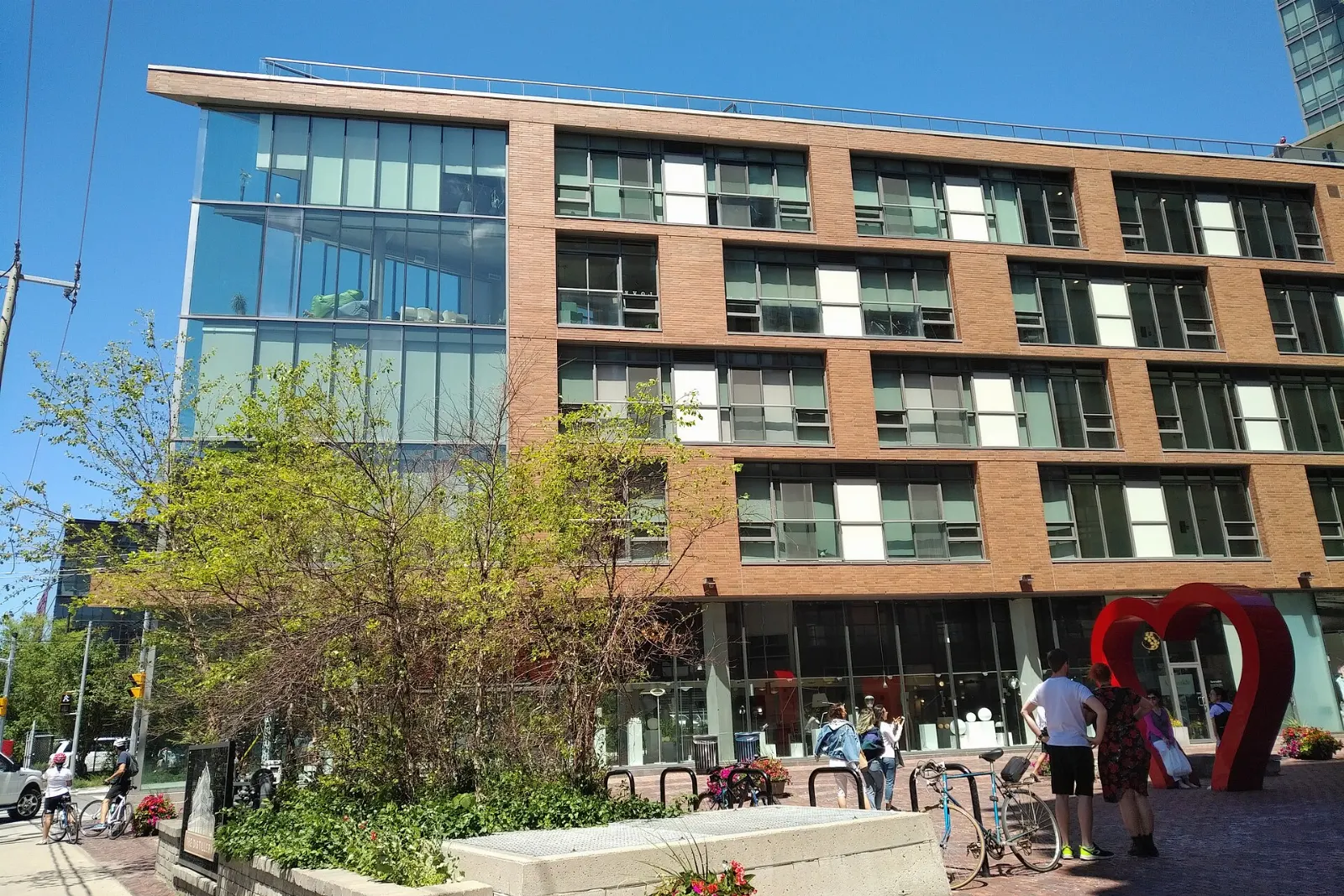
A short walk east, more than forty Victorian industrial buildings of the former Gooderham and Worts Distillery form a pedestrian only district of brick lanes, galleries, boutiques, cafes and restaurants. It is the largest collection of Victorian industrial architecture in North America and a National Historic Site. Allow two to three hours.
Toronto Islands
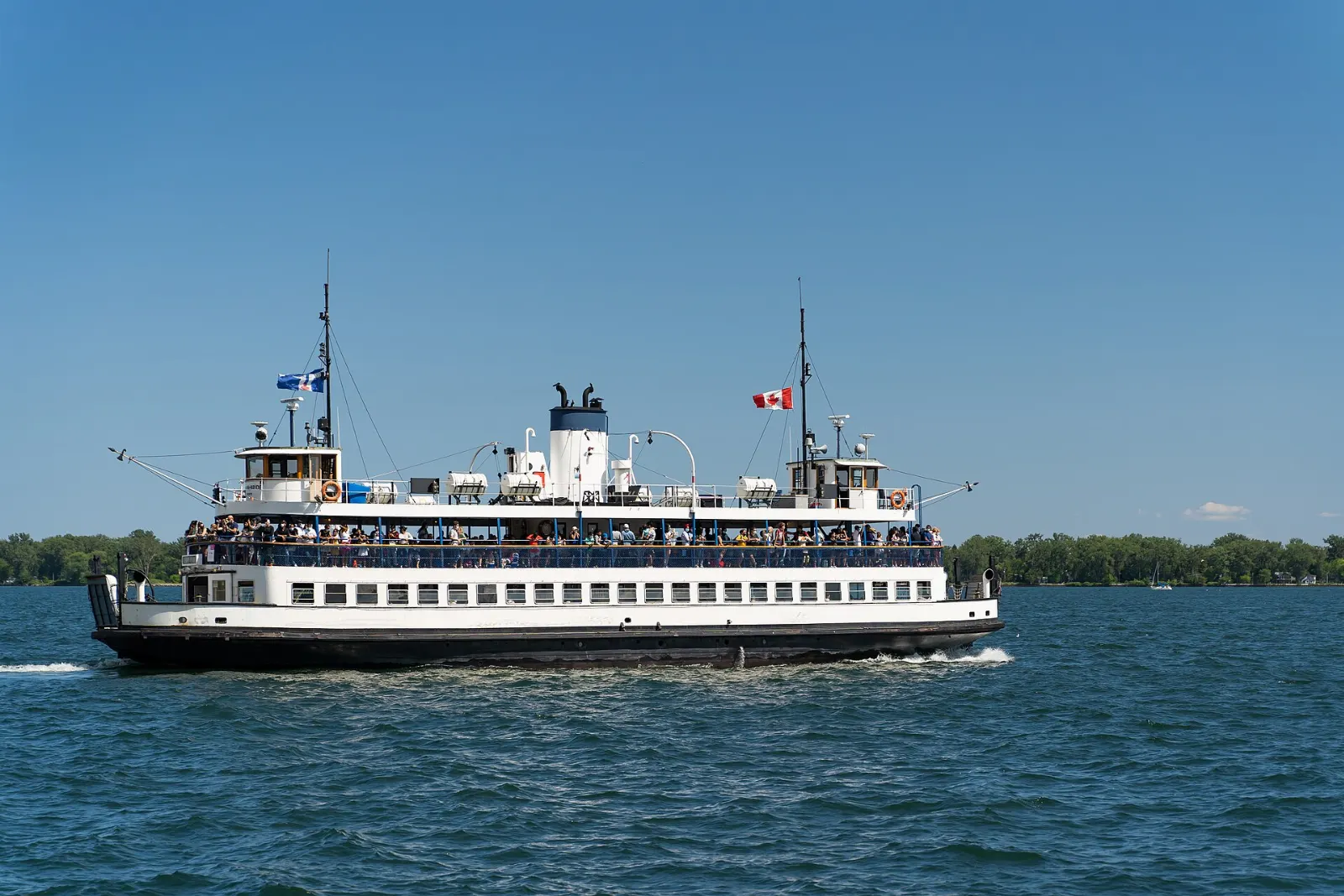
This chain of small islands just offshore shelters the harbour and holds a large park, beaches, gardens, the Centreville children's amusement park and a small car free residential community. Public ferries run year round from the Jack Layton Ferry Terminal at the foot of Bay Street to Centre Island, Ward's Island and Hanlan's Point.
Museums, galleries and a castle
Royal Ontario Museum
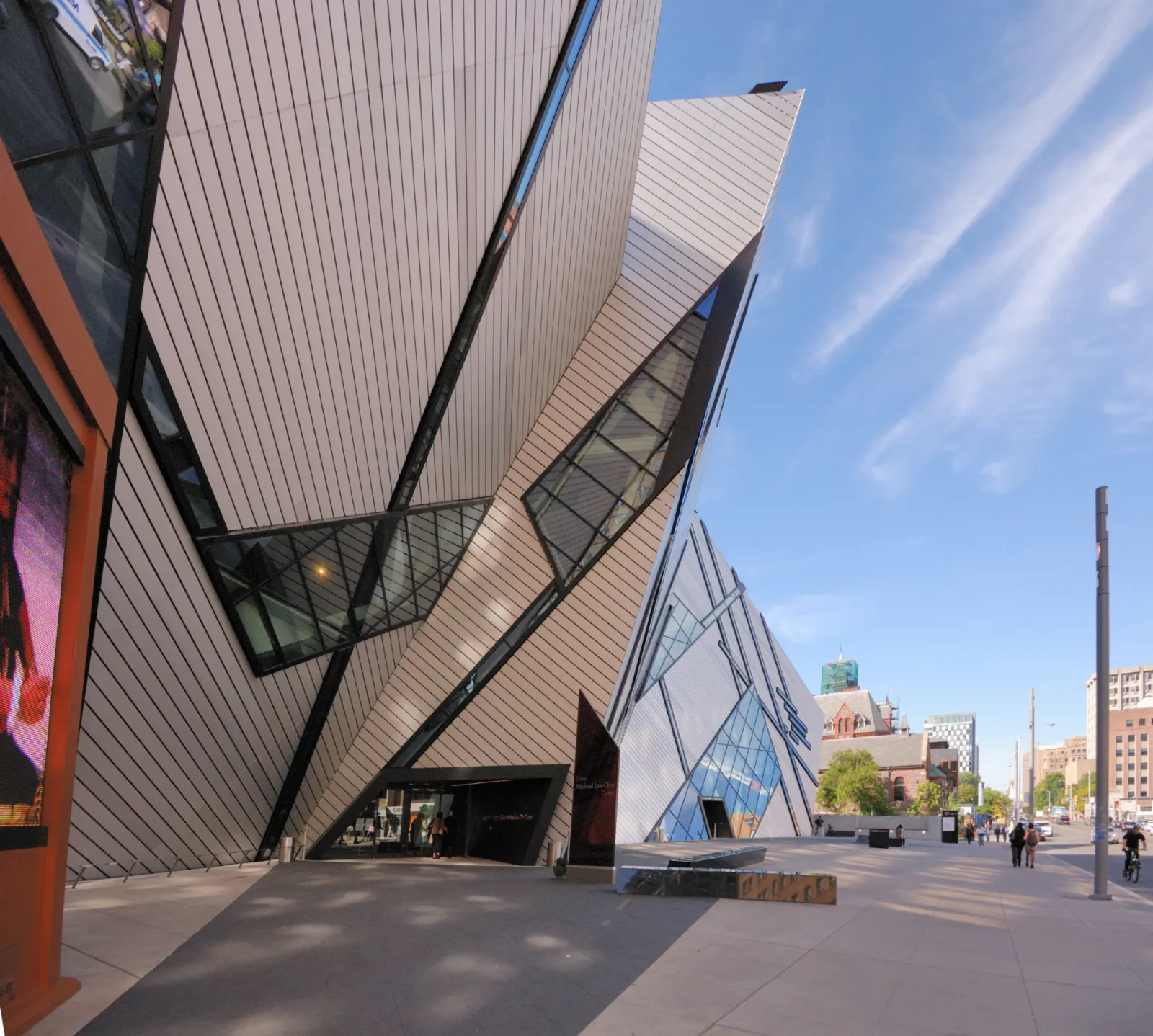
Canada's largest museum of world cultures and natural history occupies a grand older building on Bloor Street, fronted by the angular Michael Lee-Chin Crystal. Highlights include dinosaur galleries, a large collection of Chinese art and architecture, First Peoples art and culture, and a hall of minerals and gems.
Art Gallery of Ontario
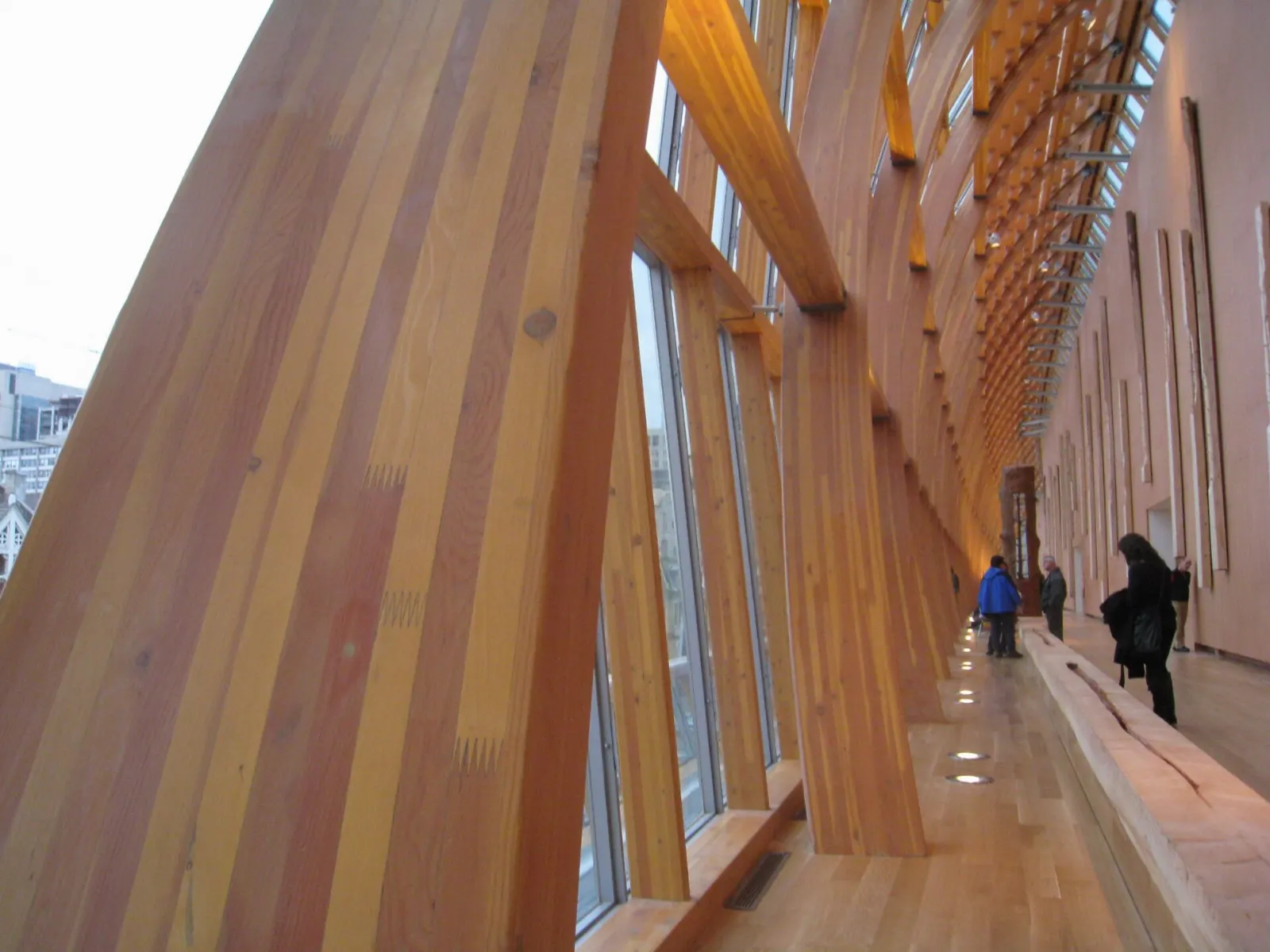
On Dundas Street West, the AGO was redesigned by Toronto born architect Frank Gehry, whose additions include the long wooden Galleria Italia and a twisting staircase climbing to the contemporary galleries.
Casa Loma
On a hill north of downtown, this Gothic Revival mansion was built between 1911 and 1914 for financier Sir Henry Pellatt and designed by E. J. Lennox. Self guided visits take you through the grand rooms, secret passages, towers with views back to the CN Tower, a long tunnel to the stables and formal gardens.
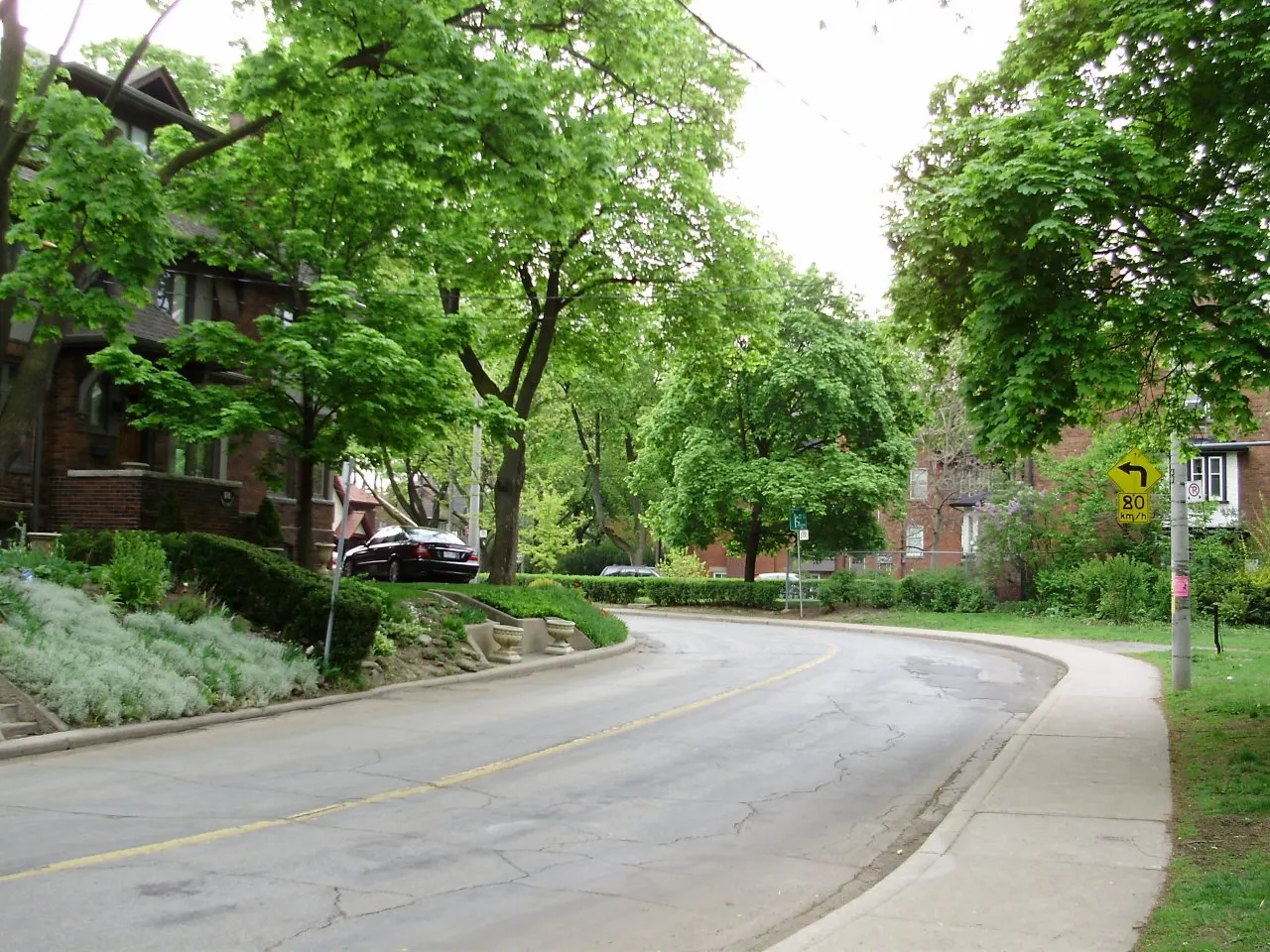
Neighbourhoods, parks and the lakeshore
Kensington Market and Chinatown
Just west of Spadina Avenue, Kensington Market is a tangle of Victorian houses turned into vintage clothing shops, bakeries, cheese and spice shops, cafes and cheap eats from around the world.
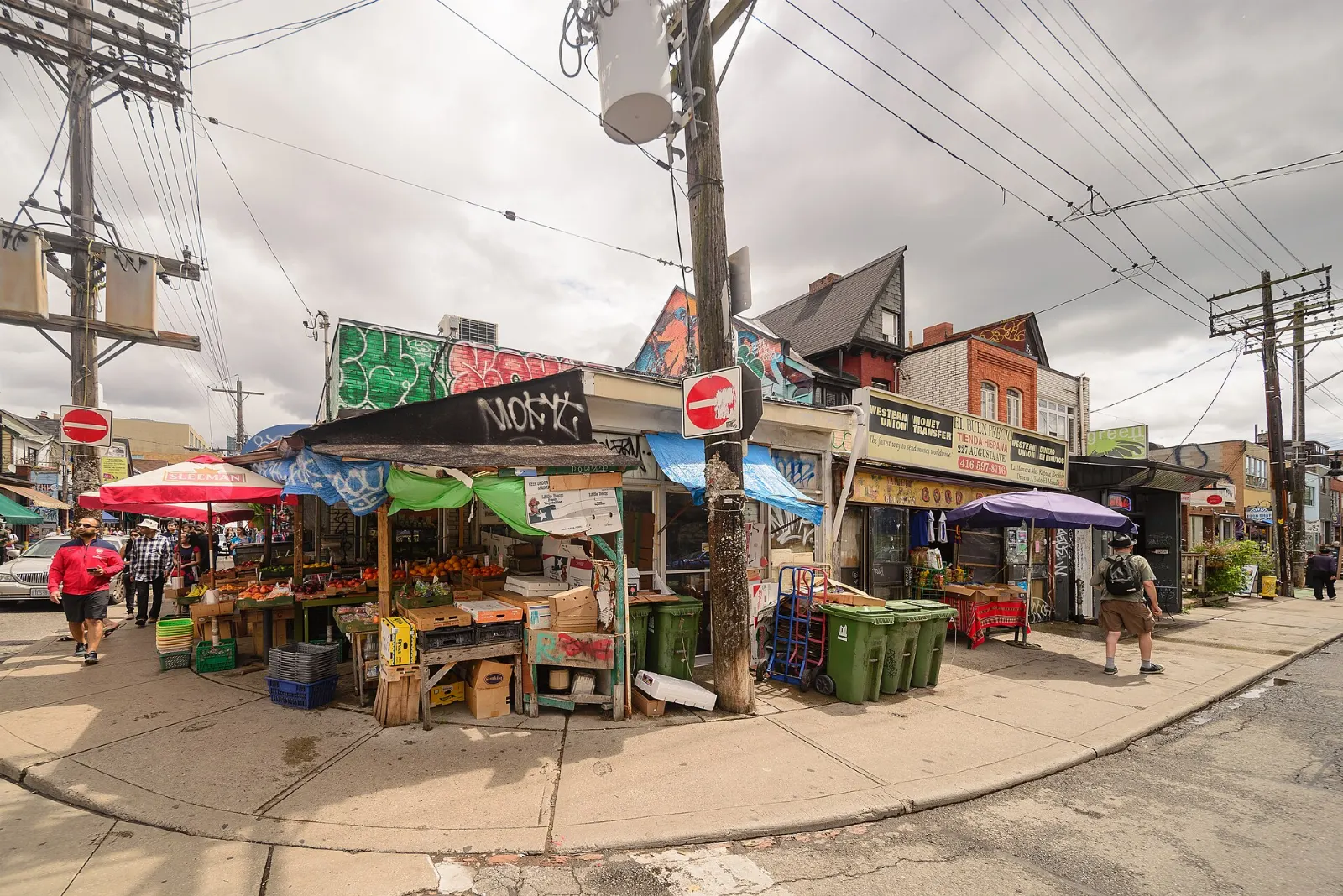
High Park
One of Toronto's largest parks, High Park covers rolling woodland, trails, gardens, a small zoo and Grenadier Pond. It is best known for its cherry trees, which usually bloom for a week or so in late April or early May and draw big crowds.
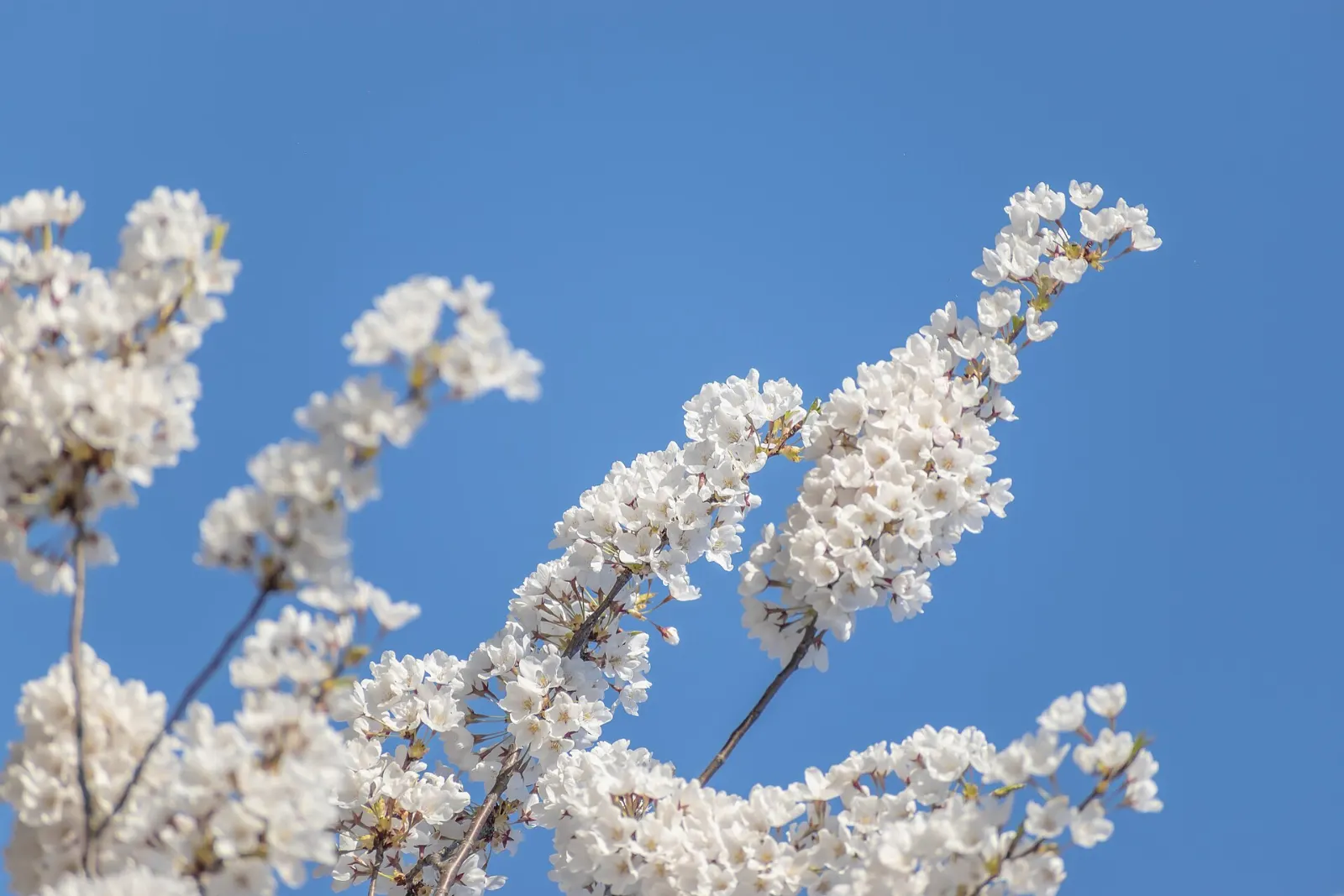
Evergreen Brick Works
In the Don Valley, an old brick factory has been turned into an environmental centre with walking trails, restored wetlands, a garden market and a popular Saturday farmers' market. Trails climb to lookouts over the valley and the skyline.
Scarborough Bluffs
In the city's east end, pale cliffs rise high above Lake Ontario for several kilometres. The best access is Bluffer's Park, with a beach, marina and picnic areas at the foot of the cliffs.
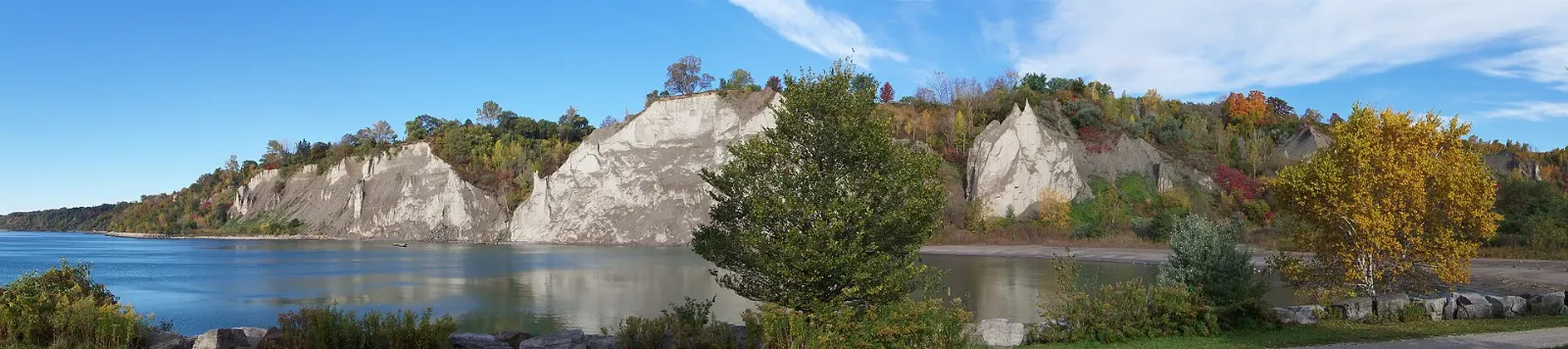
Food and local flavors
Toronto's own classics are simple: the peameal bacon sandwich, made with cornmeal crusted back bacon on a bun; butter tarts with a gooey, sweet filling; and poutine, borrowed from Quebec but found everywhere.
Markets are a great way to graze: St. Lawrence Market for sandwiches and pastries, Kensington Market for empanadas, tacos and fresh juice, and the Evergreen Brick Works market for Ontario produce.
Popular dishes to try in Toronto


Where to stay
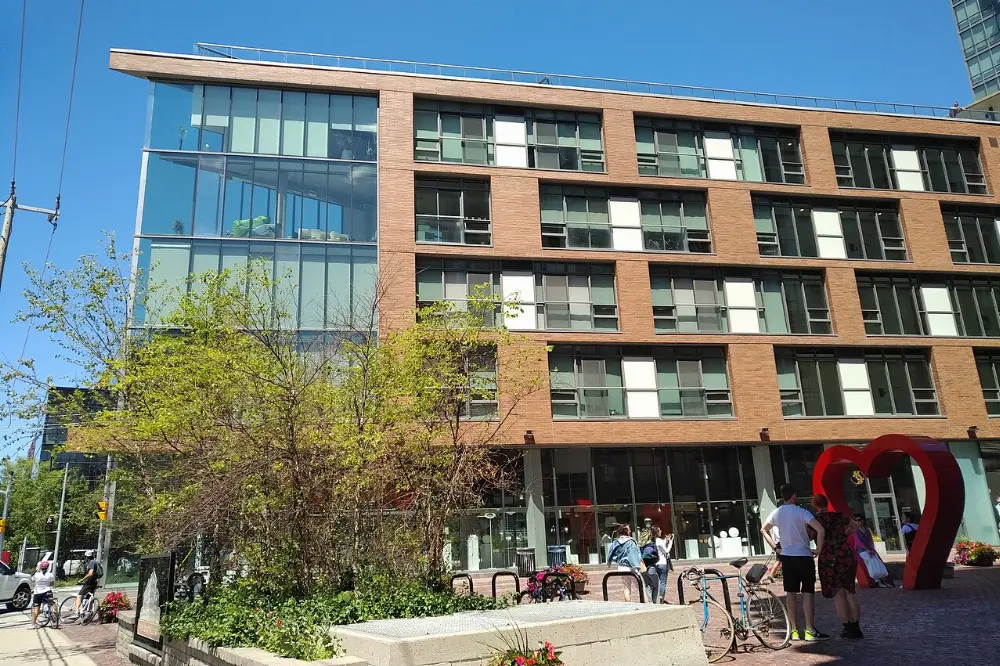
The Financial and Entertainment Districts, around Union Station and King Street West, put you within walking distance of the CN Tower, theatres, stadiums and the waterfront, and suit first time visitors and business travellers.
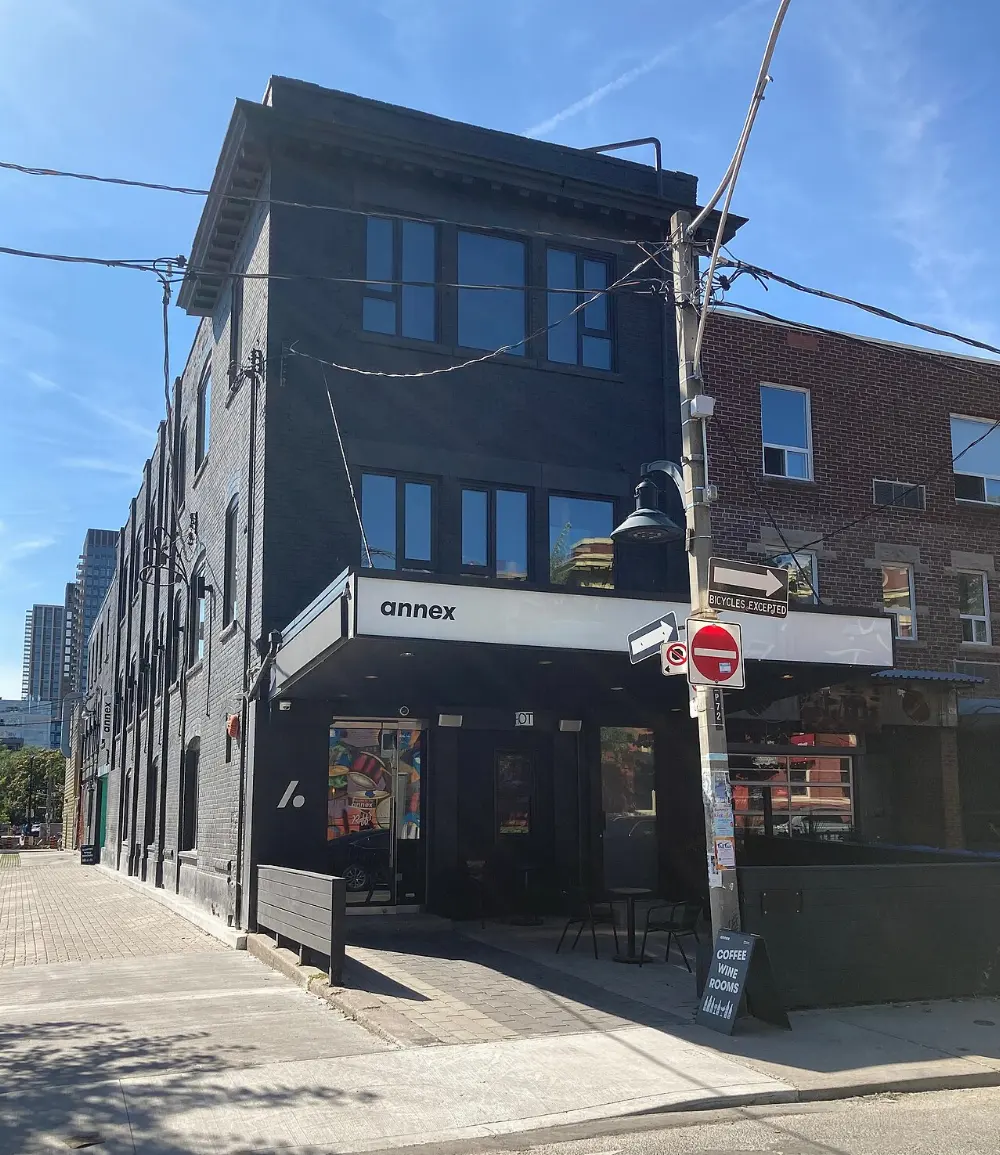
Old Town and the St. Lawrence area, near the market and the Distillery District, are quieter in the evenings and full of character. Yorkville and the Annex, near the museums and the University of Toronto, suit culture lovers and those who like leafy streets and boutiques.
Where to stay in Toronto

Best time to visit
Late spring and early autumn are ideal, with mild temperatures, blooming or turning trees and active patios.
September brings the Toronto International Film Festival, which fills hotels, so book early.
Getting there and getting around
Toronto Pearson International Airport, in Mississauga, is Canada's busiest airport. The UP Express train links it with Union Station downtown in about twenty five minutes.
Within the city, the TTC runs subways, streetcars and buses. Pay with a PRESTO card or by tapping a contactless credit or debit card.
A suggested itinerary
First day
Go up the CN Tower in the morning, then walk the waterfront along Queens Quay.
Second day
Spend the morning at the Royal Ontario Museum and wander Yorkville.
Third day
Visit the Art Gallery of Ontario in the morning, then take the ferry to the Toronto Islands for a bike ride, a beach stop and a sunset crossing back.
Fourth day
Head east to the Scarborough Bluffs, or take a day trip to Niagara Falls, about ninety minutes away by car.
Practical tips
- Book timed tickets for the CN Tower, Casa Loma and major exhibitions online, and check official websites for current hours and fees.
- Tap a contactless card or PRESTO card on the TTC; there is no need for exact cash.
- Tipping is customary in restaurants and bars, and sales tax is added at the register, not included in shelf prices.
- Use the underground PATH network to cross downtown in winter or bad weather.
- Dress in layers; lake breezes make the waterfront cooler than inland streets.
- Reserve hotels well ahead for TIFF in September and major summer festivals.