This guide covers the best places to visit in Lahore, from the monuments of the Walled City to gardens, museums and the border ceremony at Wagah. It also explains what to eat, where to stay, when the weather is kindest and how to travel with up-to-date awareness of security and local customs.
At a glance Lahore
Best timeFebruary to March and October to November, avoiding the summer heat and the worst winter smog.
How longThree to four days for the main monuments, bazaars and food streets.
Getting thereAllama Iqbal International Airport has direct flights from the Gulf and beyond; motorways and trains link Islamabad.
Ad
Why visit Lahore
For centuries Lahore was one of the great cities of the subcontinent. The Mughal emperors Akbar, Jahangir, Shah Jahan and Aurangzeb all left their mark, and the city later became the capital of Maharaja Ranjit Singh's Sikh empire before the British added railway stations, colleges and the grand buildings along The Mall.
Lahore is also the heart of Punjabi culture. Poetry, music and devotion meet at Sufi shrines, where qawwali is still performed, and food is close to a religion of its own.
Lahore Fort, Badshahi Mosque and the Walled City
Badshahi Mosque
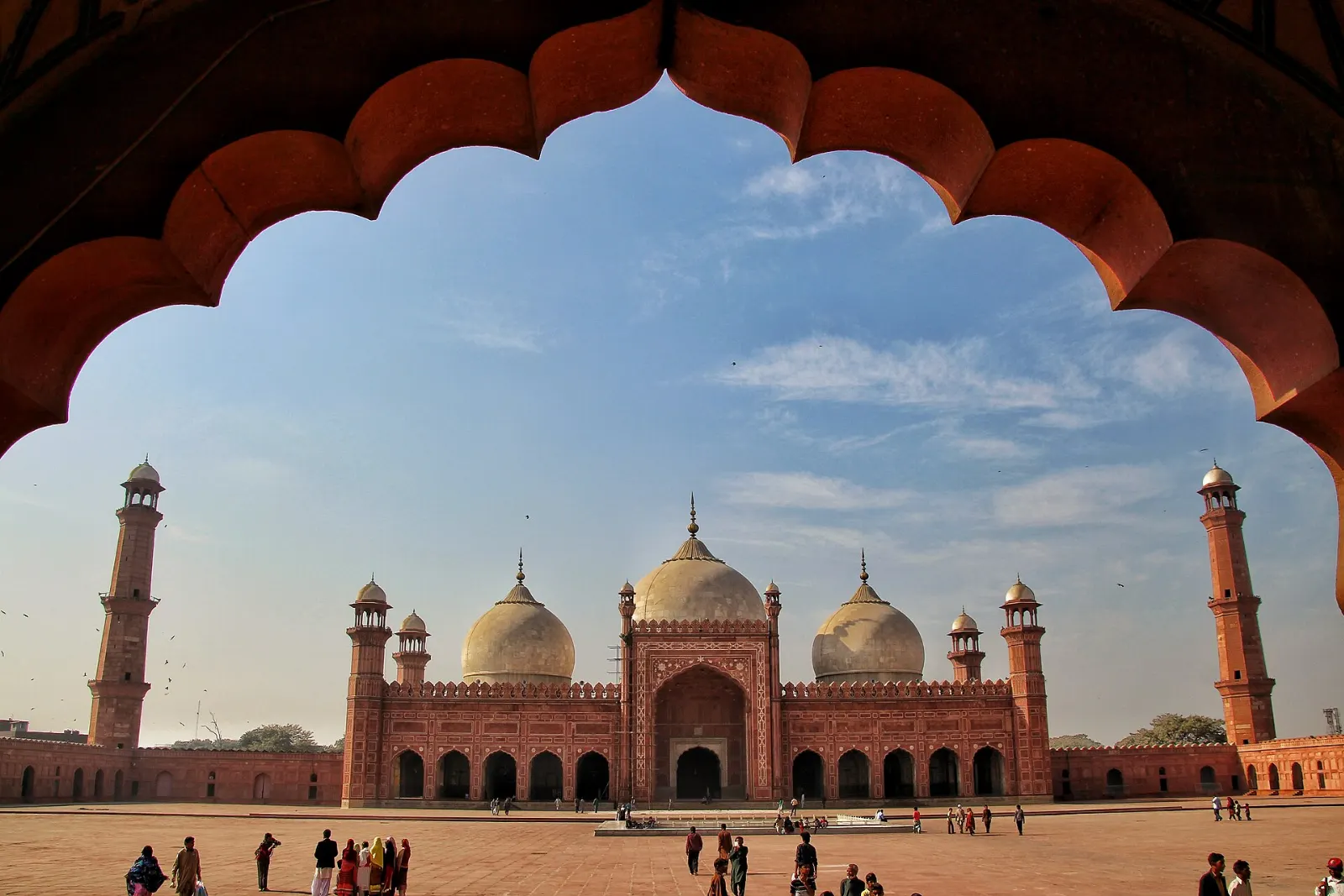
Completed in 1673 under Aurangzeb, the Badshahi Mosque is one of the largest Mughal mosques and the most iconic building in Lahore. Its vast courtyard, red sandstone walls, white marble domes and four tall minarets are best seen in the soft light of late afternoon.
Lahore Fort
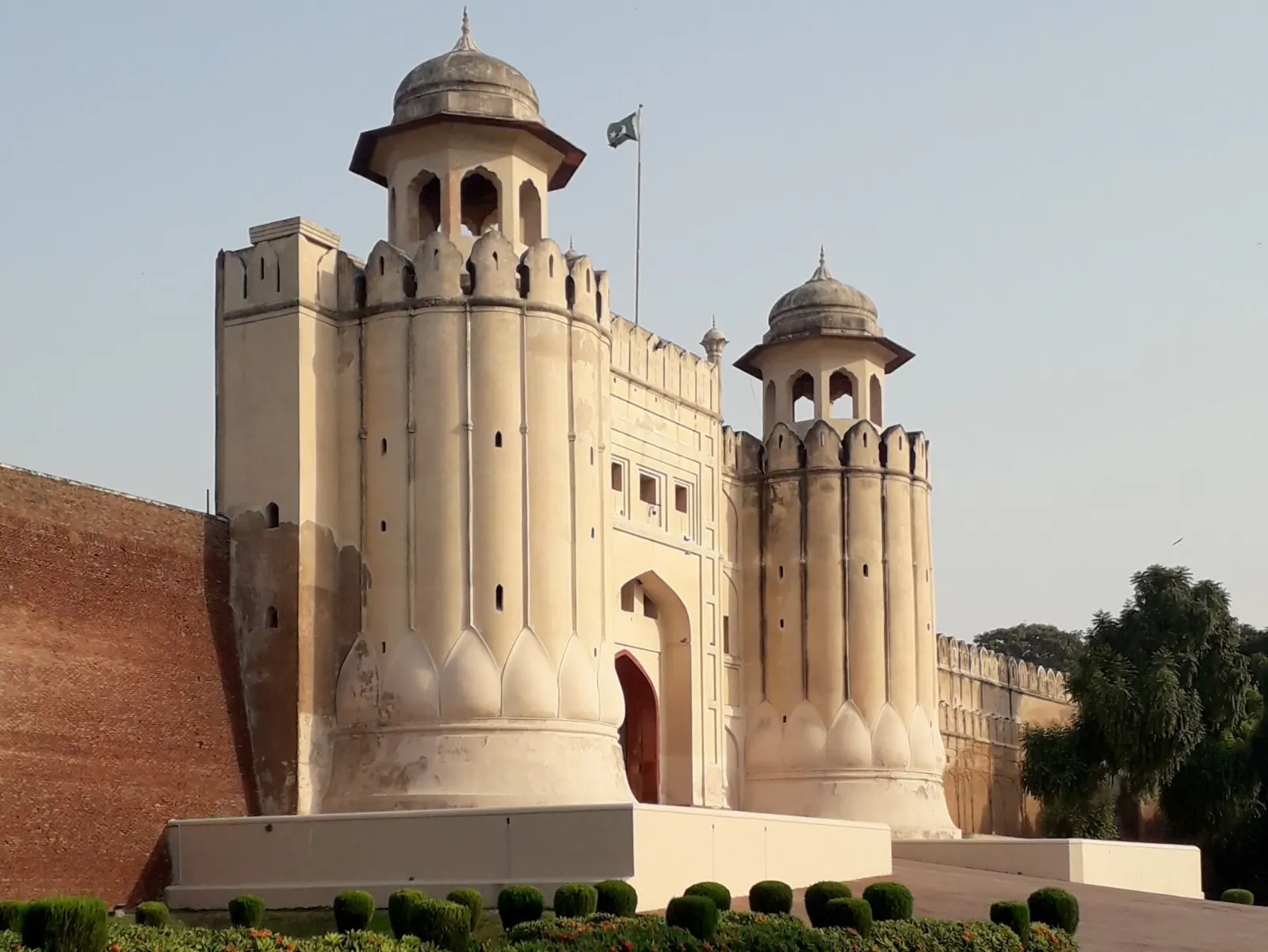
Lahore Fort, also called the Shahi Qila, was rebuilt and expanded by successive Mughal emperors. Enter through the massive Alamgiri Gate and explore the Diwan-e-Aam hall of public audience, the marble pavilions of Shah Jahan's quadrangle and the Picture Wall, a long exterior wall covered in tile mosaics of elephants, horsemen and court life.
The Alamgiri Gate is the monumental western entrance to Lahore Fort. Photo: King Eliot, Wikimedia Commons, CC BY-SA 4.0
Sheesh Mahal
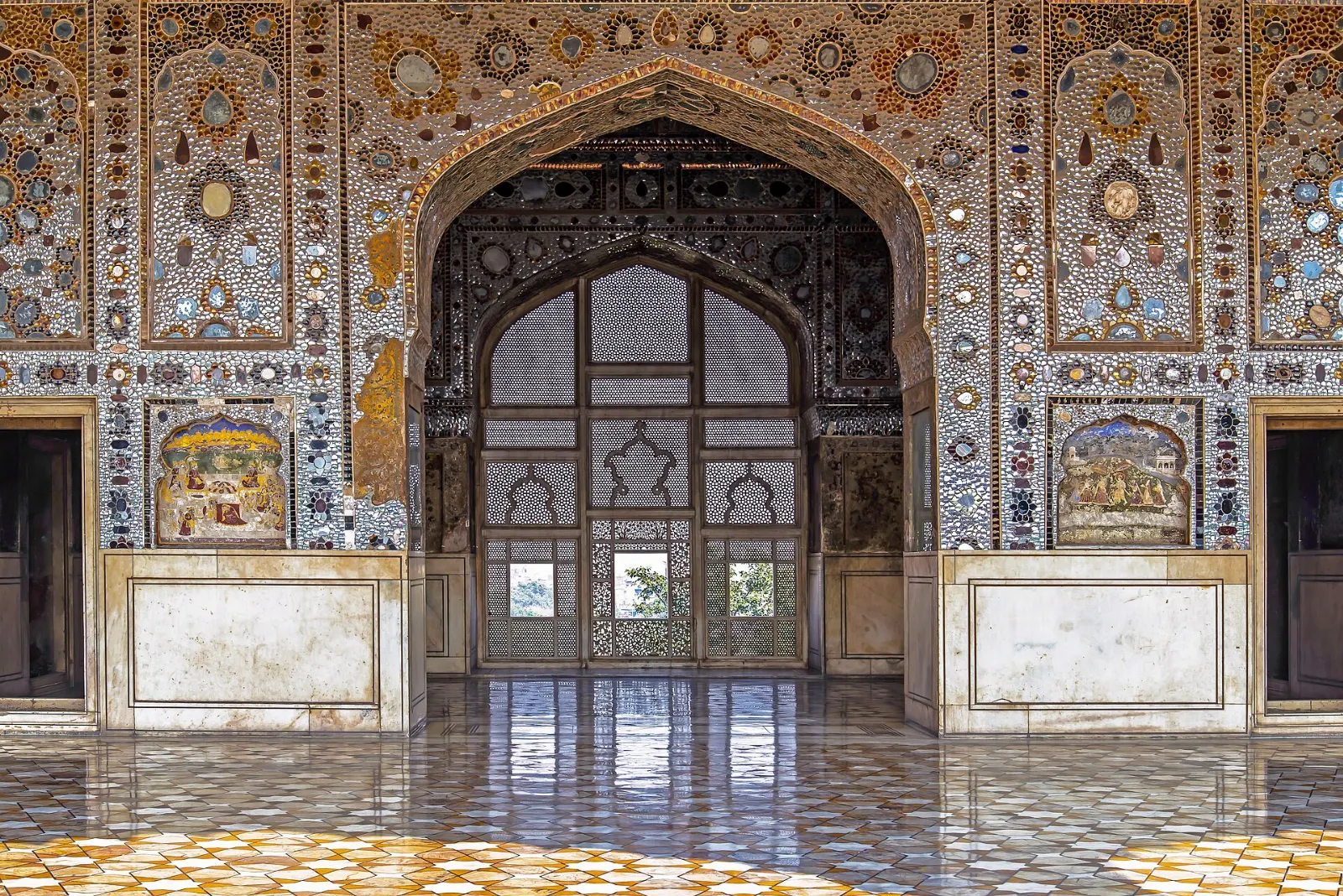
Within the fort, the Sheesh Mahal, or Palace of Mirrors, was built for Shah Jahan and is covered in thousands of tiny convex mirror pieces set into stucco. When light enters, the ceiling sparkles like a night sky.
The Sheesh Mahal in Lahore Fort was built under Shah Jahan and is decorated with mirror work. Photo: Faisalrazamalik, Wikimedia Commons, CC BY-SA 4.0
Samadhi of Ranjit Singh and Iqbal's Tomb
Beside the Badshahi Mosque, the white and gold Samadhi of Maharaja Ranjit Singh holds the ashes of the Sikh ruler and remains a place of pilgrimage for Sikhs; nearby Gurdwara Dera Sahib marks the site associated with Guru Arjan Dev.
Wazir Khan Mosque
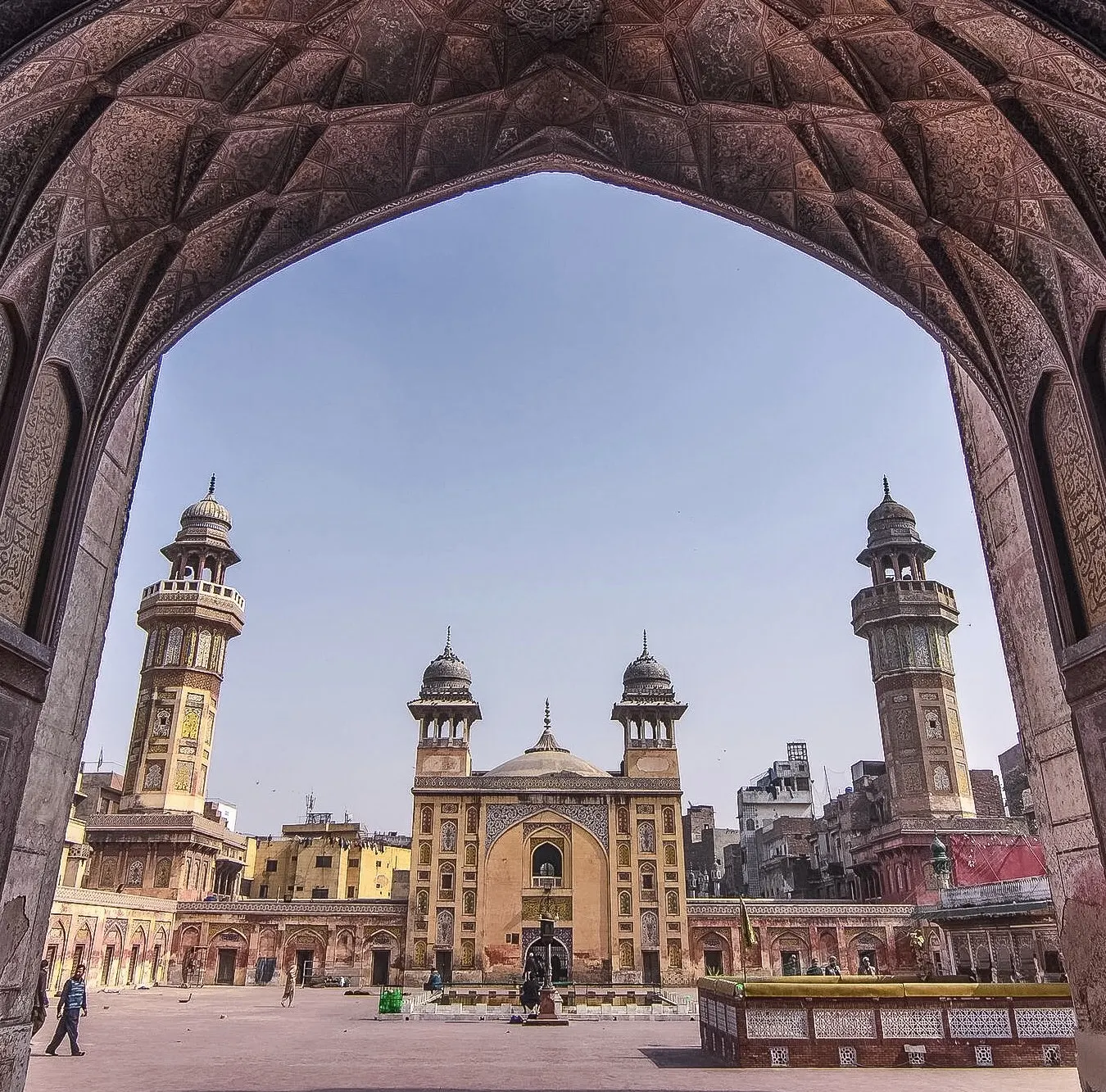
Deep inside the Walled City, the Wazir Khan Mosque was built in the 1630s and 1640s under Shah Jahan by the governor of Lahore, and is famous for its kashi kari tile work, frescoes and calligraphy covering almost every surface.
Wazir Khan Mosque is renowned for its intricate tile work from the seventeenth century. Photo: Shahbaz Aslam, Wikimedia Commons, CC BY-SA 4.0
Shahi Hammam, Delhi Gate and the Royal Trail
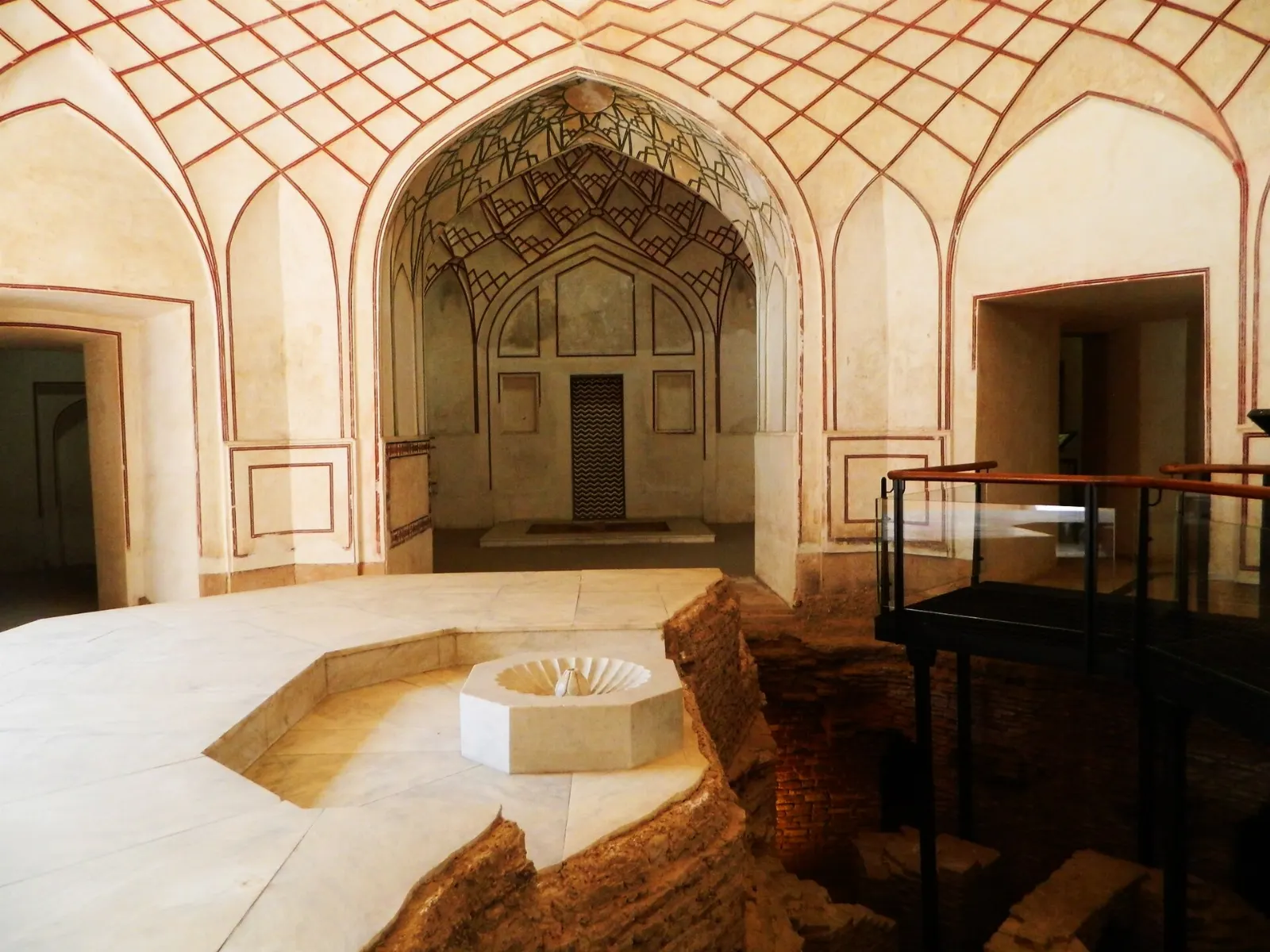
Near Delhi Gate, the Shahi Hammam is a seventeenth-century Mughal bathhouse restored with support from the Aga Khan Trust for Culture, revealing frescoes and domed chambers.
The Shahi Hammam is a restored Mughal bathhouse near Delhi Gate in the Walled City. Photo: Ibnazhar, Wikimedia Commons, CC BY-SA 4.0
Ad
Mughal gardens and tombs
Shalimar Gardens
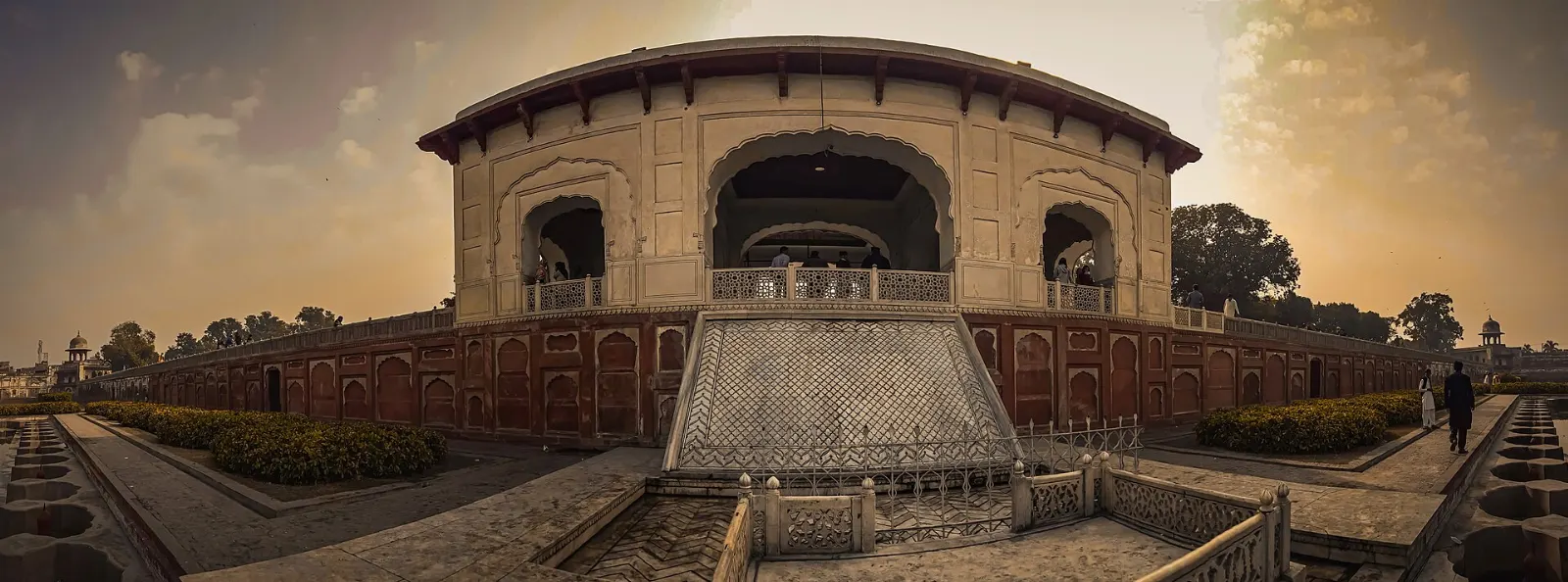
East of the center, Shalimar Gardens was laid out under Shah Jahan in the 1640s as a series of three descending terraces with long water channels, marble pavilions and hundreds of fountains. It is a fine example of the Persian-inspired charbagh garden.
Shalimar Gardens was laid out under Shah Jahan and is a UNESCO World Heritage Site with Lahore Fort. Photo: Shahzaib Damn Cruze, Wikimedia Commons, CC BY-SA 4.0
Tomb of Jahangir at Shahdara
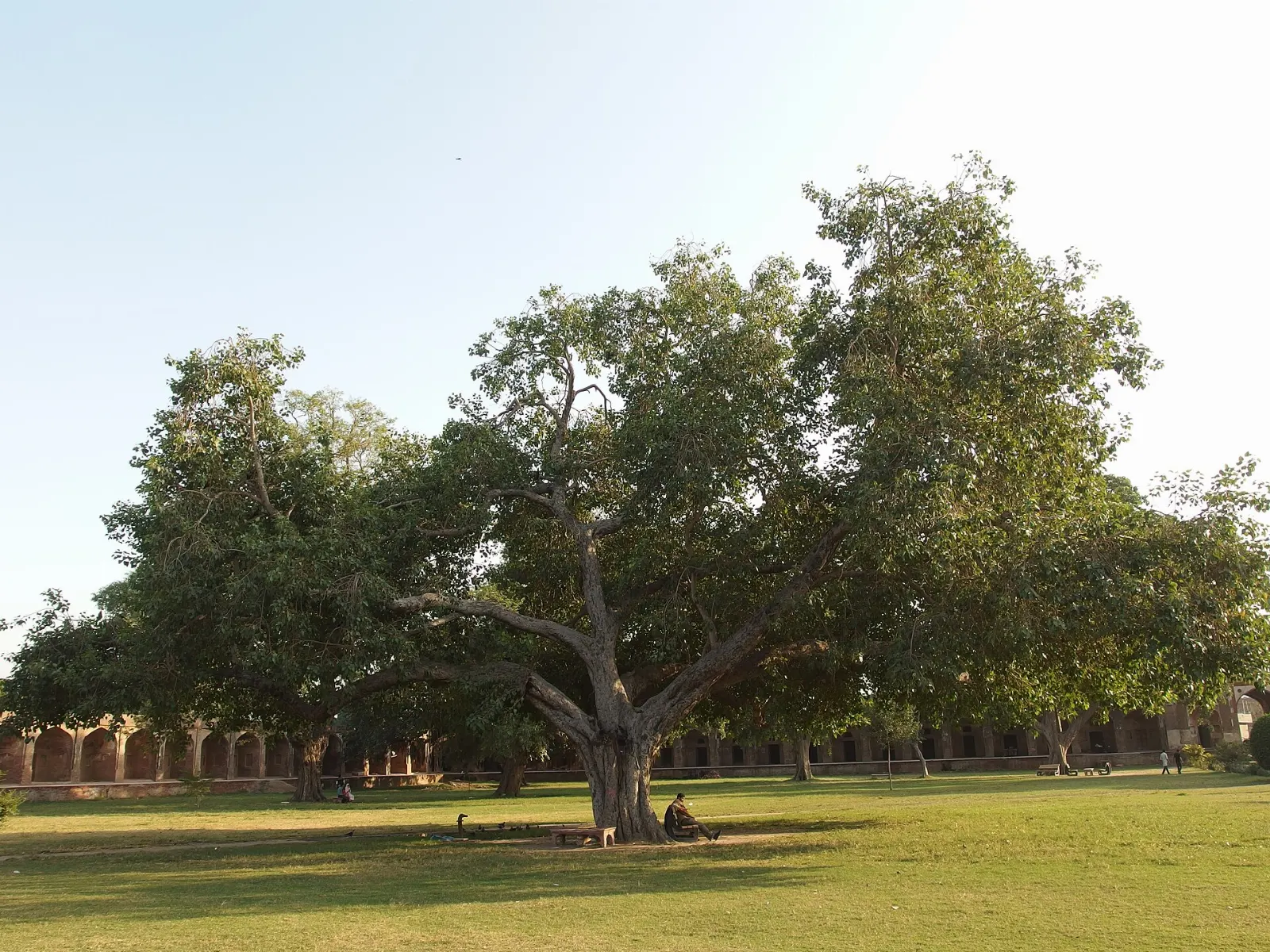
Across the Ravi River in Shahdara, the Tomb of Emperor Jahangir stands in a large walled garden. Its long, single-story facade of red sandstone inlaid with white marble and its four corner minarets are striking, and the interior holds a beautifully carved marble cenotaph.
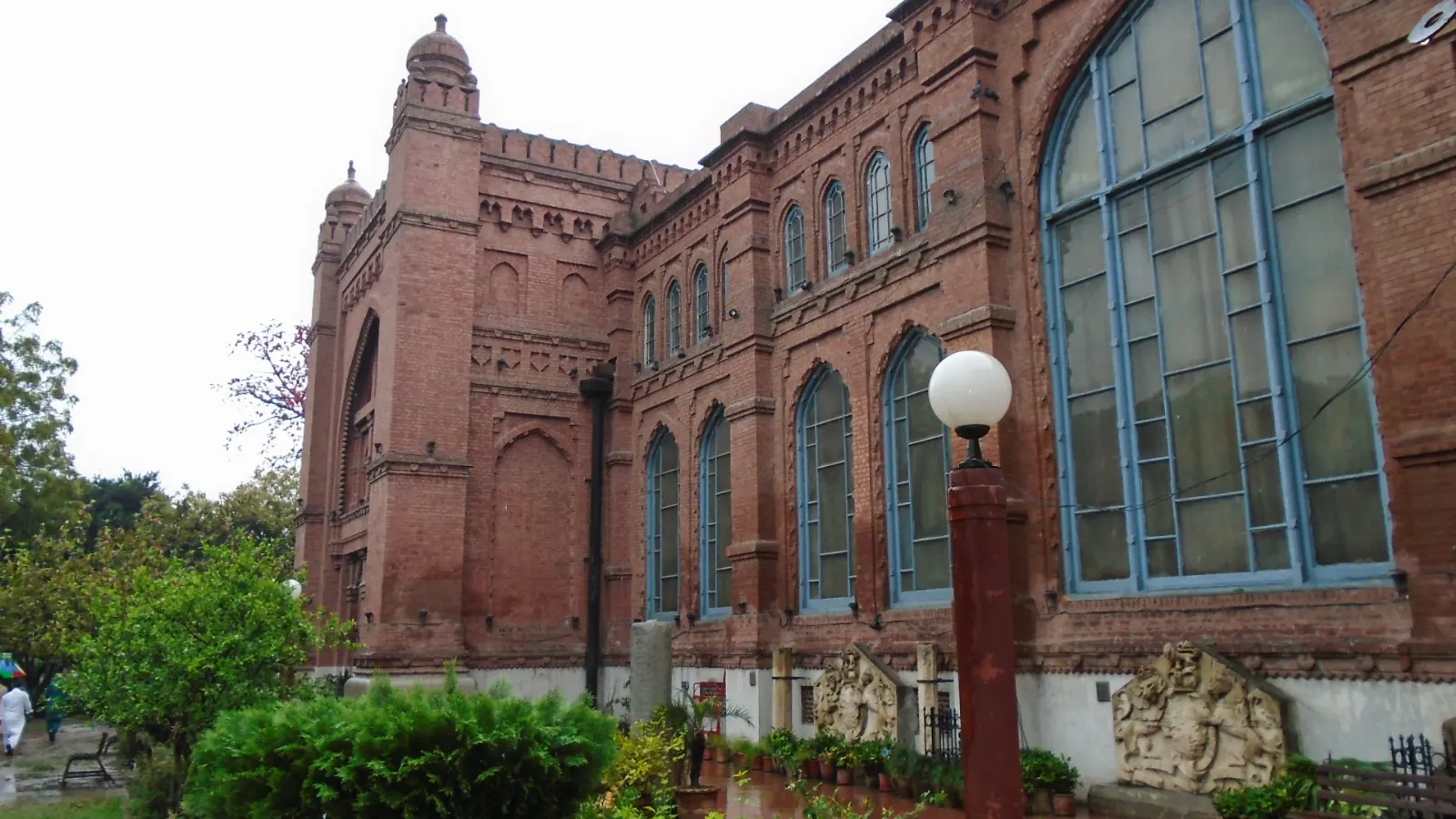
On The Mall, the red brick Lahore Museum is one of the finest museums in South Asia. Its Gandhara collection includes the celebrated Fasting Buddha sculpture, and other galleries display Mughal miniatures, coins, textiles and Islamic manuscripts.
The Lahore Museum on The Mall holds major collections of Gandharan, Mughal and Islamic art. Photo: NainaR, Wikimedia Commons, CC BY-SA 4.0
Anarkali Bazaar and The Mall
Near the museum, Anarkali Bazaar is one of the oldest markets in the city, packed with clothing, embroidered shoes, bangles and street food.
Minar-e-Pakistan and Greater Iqbal Park
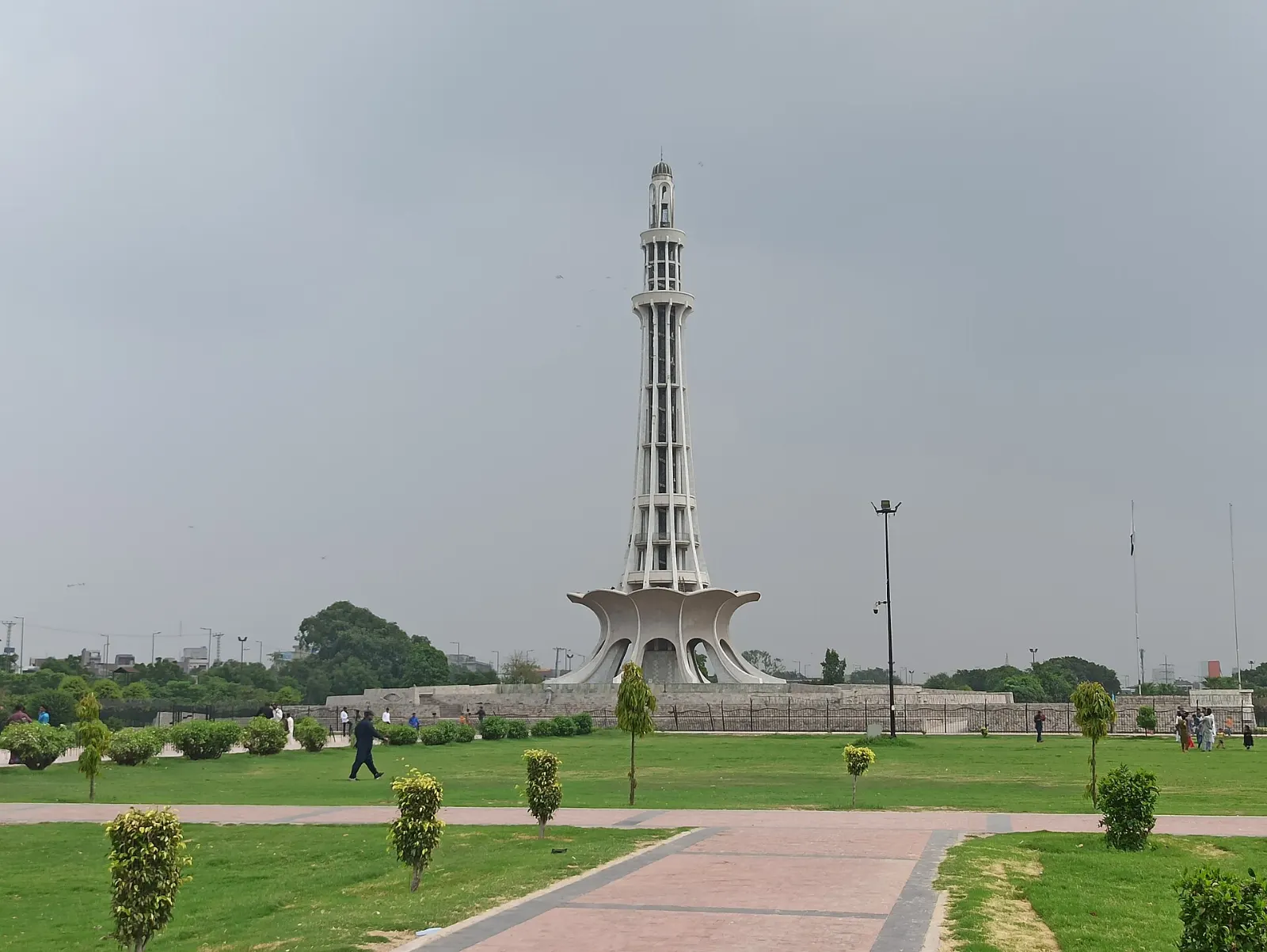
Minar-e-Pakistan rises from Greater Iqbal Park near the Walled City and marks the spot where the Lahore Resolution, calling for a separate homeland for Muslims of the subcontinent, was passed in 1940. The park is popular with families in the evenings.
Minar-e-Pakistan marks the site where the Lahore Resolution was passed in 1940. Photo: Khan.gesta, Wikimedia Commons, CC BY-SA 4.0
Wagah border ceremony
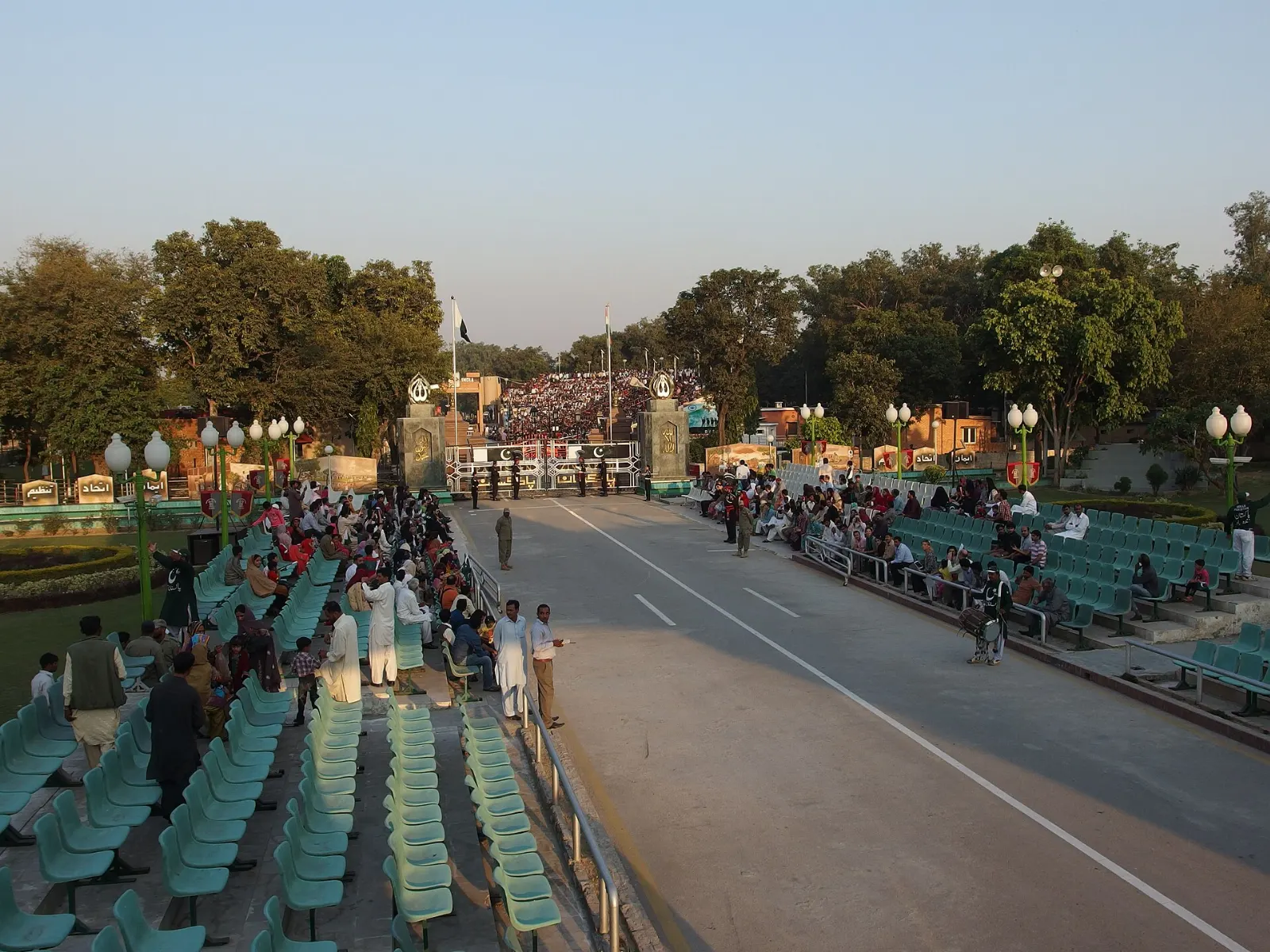
About 30 kilometers east of the center, the Wagah border crossing with India hosts a flag-lowering ceremony before sunset, with Pakistani Rangers performing high kicks and fierce salutes in front of cheering crowds.
Lahore's breakfast is a feast: halwa puri with chickpea curry and semolina pudding, siri paye made from slow-cooked trotters, and nihari, a rich beef stew eaten with naan. Lassi, sweet or salted, comes in tall steel glasses.
Food districts are the best way to explore. Fort Road Food Street, beside the Badshahi Mosque, offers rooftop dining with views of the illuminated mosque.
Popular dishes to try in Lahore
Nihari Food and local flavorsLahore's breakfast is a feast: halwa puri with chickpea curry and semolina pudding, siri paye made from slow-cooked trotters, and nihari, a rich beef stew…Photo: রিজওয়ান আহমেদ, Wikimedia Commons, CC0Halwa puri Food and local flavorsLahore's breakfast is a feast: halwa puri with chickpea curry and semolina pudding, siri paye made from slow-cooked trotters, and nihari, a rich beef stew…Photo: Tahsin Shah, Wikimedia Commons, CC BY-SA 4.0Lassi Lassi, sweet or salted, comes in tall steel glasses.Photo: Rajeeb, Wikimedia Commons, CC BY-SA 4.0
Where to stay
Gulberg is the most popular base for visitors, with international-standard hotels, restaurants, shopping and good security, and it suits first-time and business travelers. The Mall and the area around it put you close to the museum, Anarkali and the colonial heart of the city, with a shorter ride to the Walled City.
DHA, the Defence Housing Authority area, is upscale, spacious and calm, ideal for longer stays and families, though further from the old city.
Where to stay in Lahore
Walled City of Lahore One of the best areas to base yourself in Lahore.Photo: D.ahmex, Wikimedia Commons, CC BY-SA 4.0Gulberg Lahore One of the best areas to base yourself in Lahore.Photo: Sunni Person, Wikimedia Commons, CC BY-SA 3.0Mall Road Lahore One of the best areas to base yourself in Lahore.Photo: Guilhem Vellut from Annecy, France, Wikimedia Commons, CC BY 2.0Fort Road Food Street One of the best areas to base yourself in Lahore.Photo: Tahsin Shah, Wikimedia Commons, CC BY-SA 4.0
The most comfortable months are February to March and October to November. Summer, from May to September, is extremely hot, with temperatures often above 40 degrees Celsius before the monsoon brings humid rain in July and August.
Festivals shape the calendar. Ramadan changes daily rhythms, with quiet days and busy evenings, and Eid al-Fitr and Eid al-Adha bring family celebrations and closures.
Getting there, getting around and staying safe
Check your government's travel advisory before you book.
Most visitors need a visa arranged in advance through Pakistan's official online visa system. Allama Iqbal International Airport has flights from Gulf hubs, Istanbul and several other cities, and domestic links to Karachi, Islamabad and other cities.
Within the city, the Orange Line Metro Train and the Metrobus offer clean, efficient rides on major corridors. For everything else, use ride-hailing apps rather than flagging taxis on the street, since apps record your route and fix the fare.
Ad
A suggested itinerary
First day
Spend the morning at Lahore Fort, including the Picture Wall and Sheesh Mahal.
Second day
Enter the Walled City at Delhi Gate, visit the Shahi Hammam and walk the royal trail to Wazir Khan Mosque with a guide.
Third day
Explore the Lahore Museum and Anarkali Bazaar in the morning, then stroll The Mall and Bagh-e-Jinnah.
Fourth day
Visit the Tomb of Jahangir and Nur Jahan's tomb in Shahdara early, then, if current advice allows, travel to Wagah for the evening border ceremony.
Practical tips
Read your government's latest travel advisory before booking and again before travel, and follow any instructions on areas to avoid.
Carry your passport and visa or a clear copy at all times, as you may be asked for identification at checkpoints and hotels.
Dress conservatively; long sleeves and loose trousers work for everyone, and women should carry a scarf for mosques and shrines.
Use ride-hailing apps or hotel-arranged drivers, especially at night, and share your trip details with someone you trust.
Hire licensed guides through your hotel or the Walled City of Lahore Authority for the old city and the monuments.
Ask before photographing people, particularly women, and avoid photographing military, police or security installations.
Carry some cash for bazaars and small eateries, as cards are not accepted everywhere outside upscale areas.