Bruges is one of the best-preserved historic cities in Europe, a compact maze of cobbled lanes, step-gabled brick houses and quiet canals crossed by little stone bridges.
AT A GLANCE
Best time
April to June and September to October for mild weather; December for the Christmas market.
How long
Two full days, ideally with an overnight stay to enjoy the quiet evenings.
Getting there
Frequent trains from Brussels in about an hour, with easy connections from Brussels Airport.
Why visit Bruges
Bruges became the capital of the County of Flanders and, after a storm in the twelfth century opened a tidal channel called the Zwin to the sea, a great international port. Wool, cloth, spices and luxury goods passed through its markets, and Italian, Hanseatic and Spanish traders set up houses here.
By the late fifteenth century the Zwin had silted up and trade moved to Antwerp. Bruges sank into centuries of relative poverty, which meant few buildings were torn down or replaced.
The Markt, the Burg and the historic heart
Markt and the Belfry
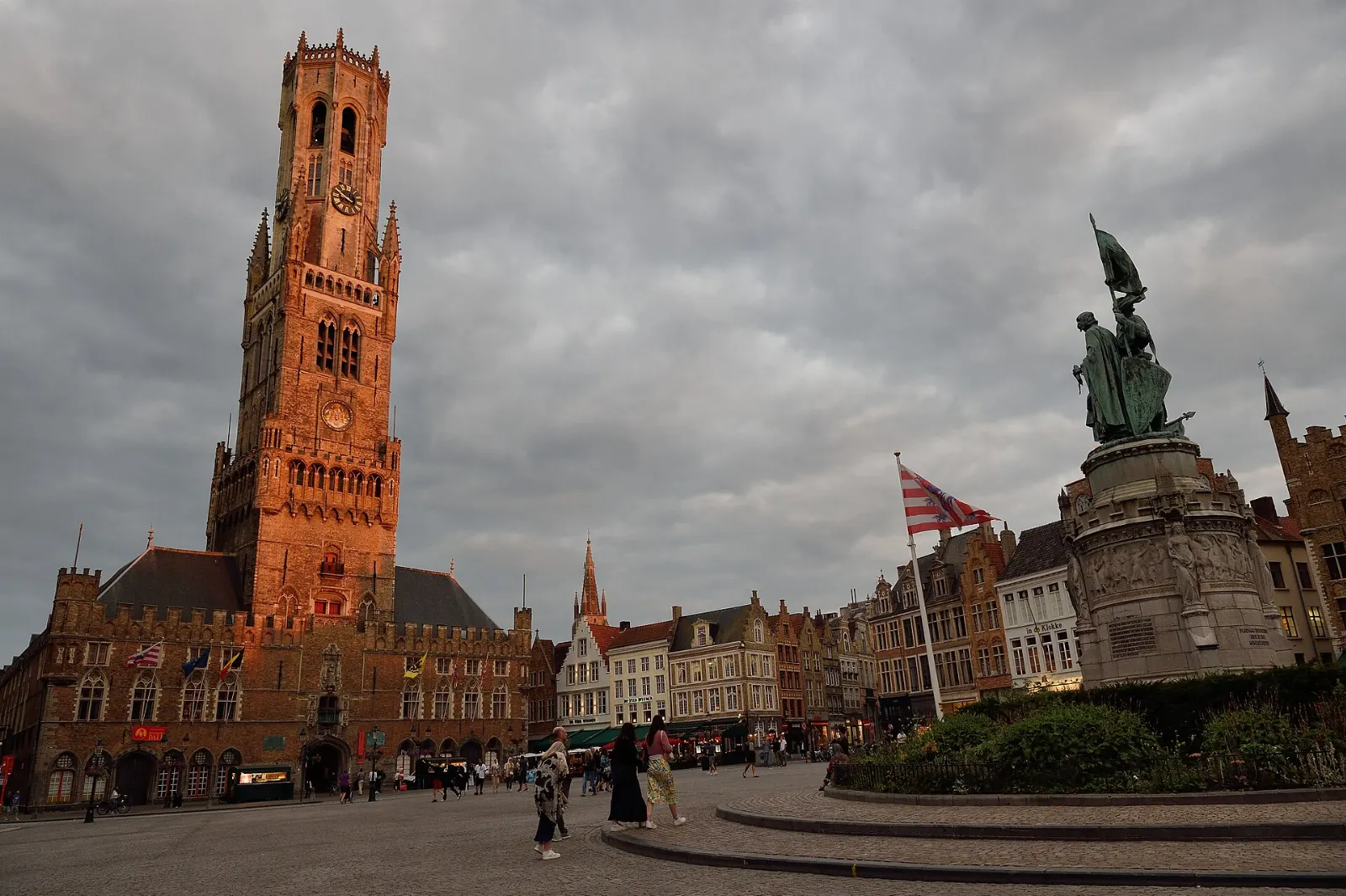
The Markt is the city's great central square, lined with colorful gabled guild houses and dominated by the Belfry, a medieval tower that once held the city's charters and treasury and served as a watchtower.
Burg, the Basilica of the Holy Blood and City Hall
A short walk from the Markt, the Burg is a smaller, more intimate square surrounded by centuries of architecture. In one corner stands the Basilica of the Holy Blood, a two-level chapel with a sober Romanesque lower church and an ornately decorated Gothic upper chapel, where a relic said to contain drops of Christ's blood is venerated.
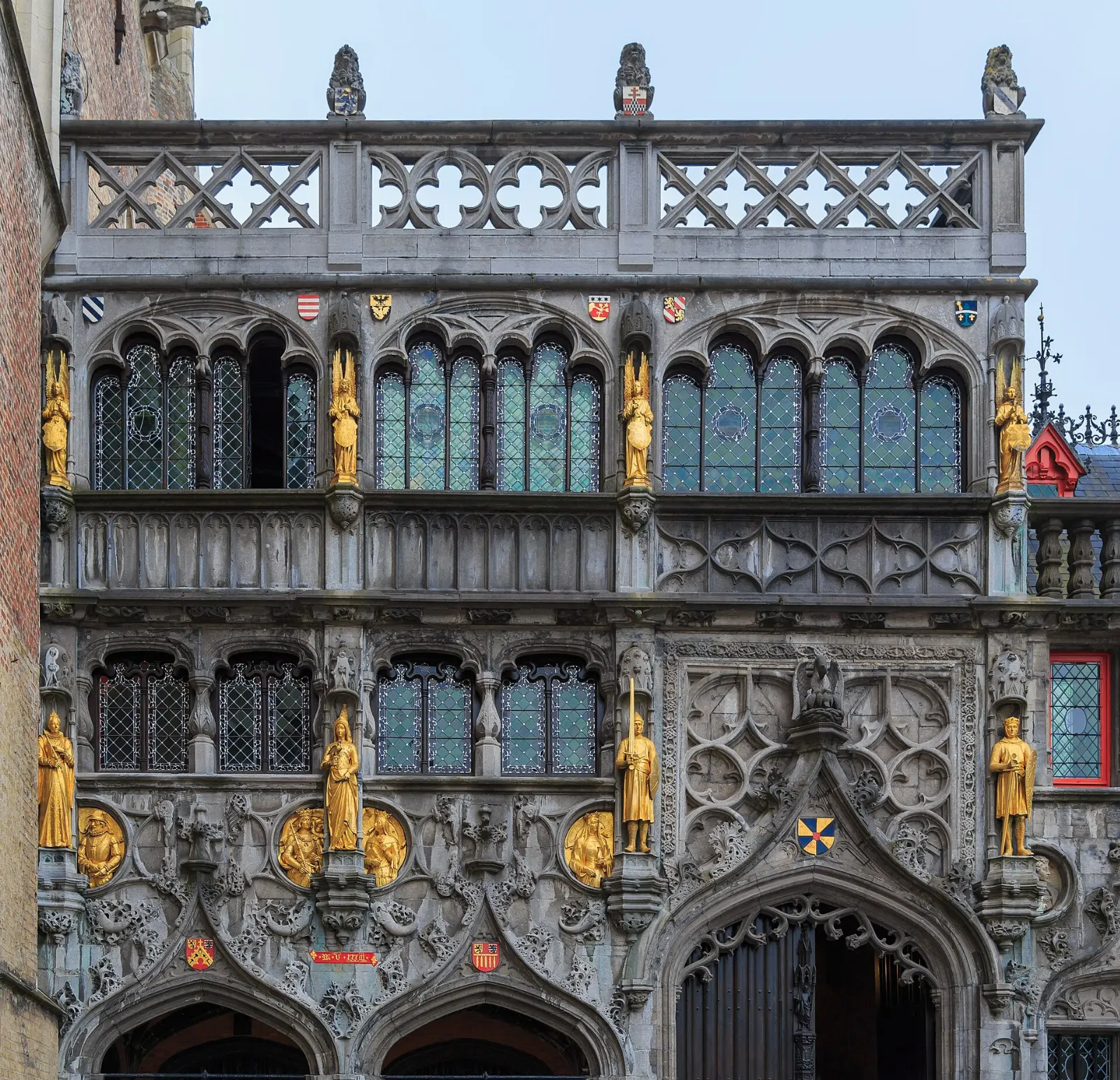
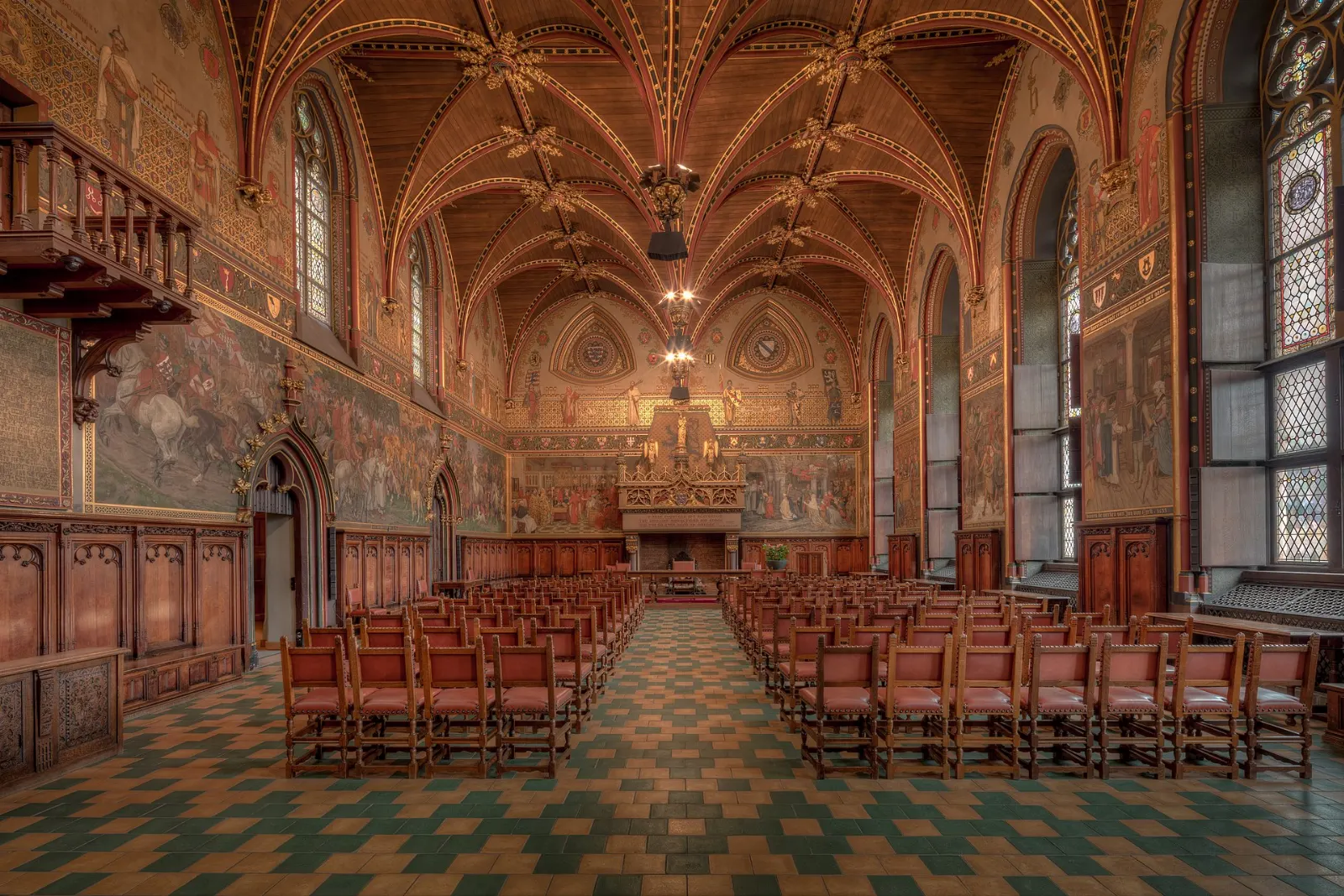
Next door, Bruges City Hall was begun in 1376 and is one of the oldest town halls in the Low Countries. Its Gothic facade is lined with statues of the counts and countesses of Flanders, and inside, the Gothic Hall has a magnificent painted and carved wooden vaulted ceiling and murals of the city's history.
Rozenhoedkaai and canal boat tours
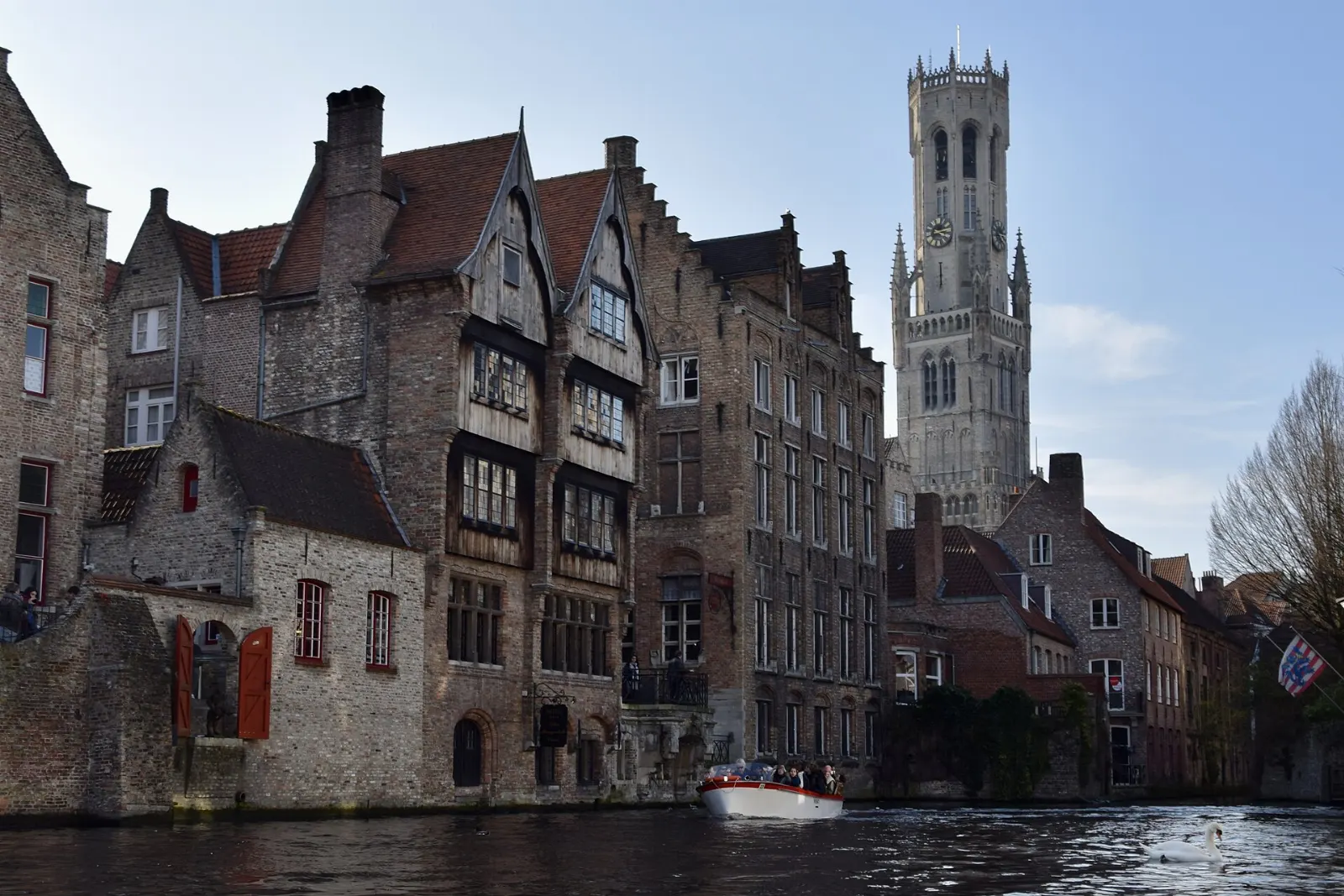
Just south of the Burg, the Rozenhoedkaai is the classic Bruges viewpoint, where the canal bends in front of medieval houses with the Belfry rising behind. Nearby jetties are the departure points for canal boat tours of about half an hour that glide under low bridges and past hidden gardens, giving you a view of the city that you cannot get on foot.
Flemish masters, churches and museums
Groeningemuseum
Set beside the Dijver canal, the Groeningemuseum is the city's fine arts museum and holds a celebrated collection of the Flemish Primitives. Highlights include Jan van Eyck's Madonna with Canon Joris van der Paele, works by Hans Memling and Gerard David, and a Last Judgment triptych by Hieronymus Bosch, along with later Belgian painting.
Church of Our Lady
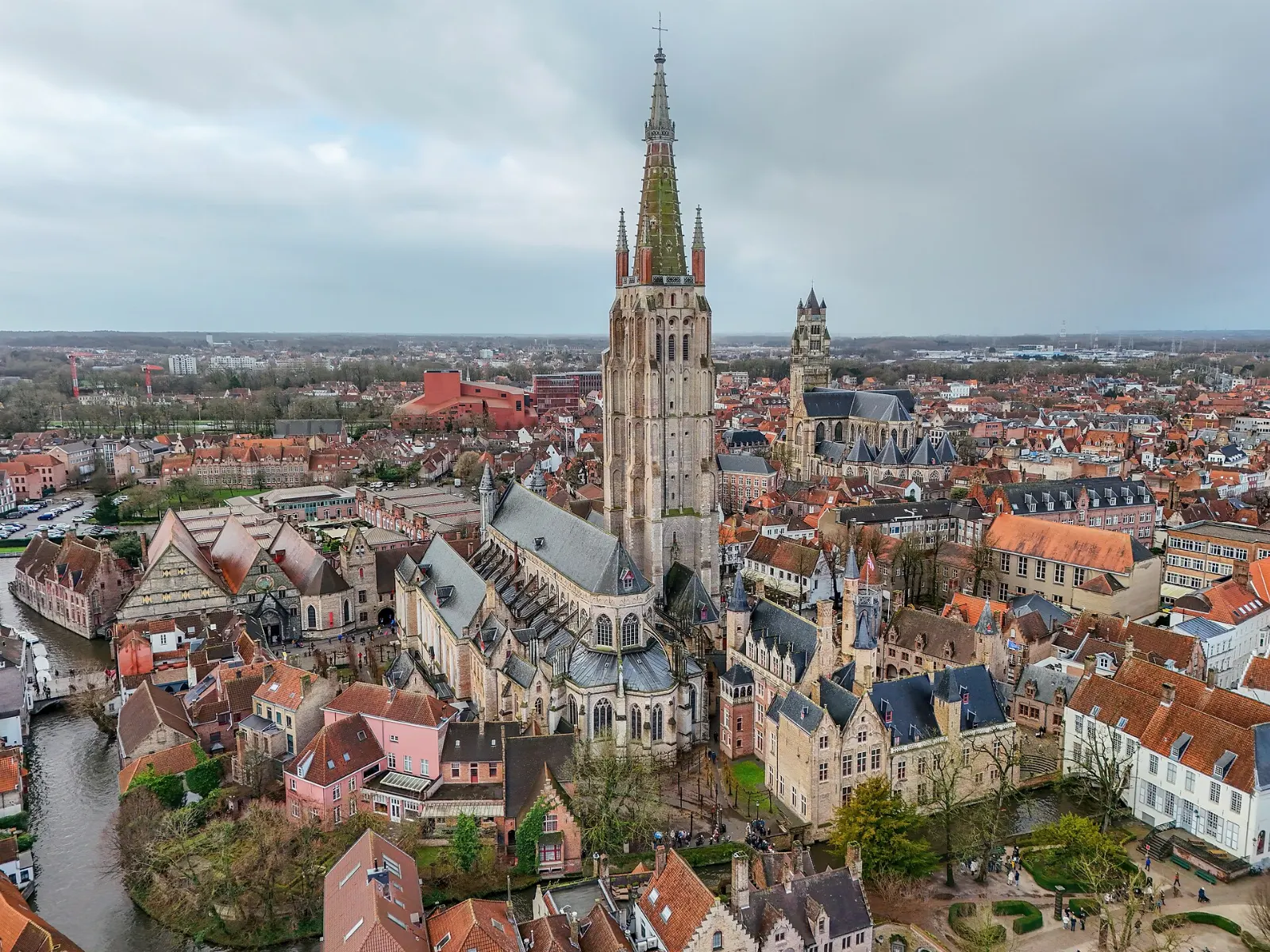
The Church of Our Lady has a brick tower that soars to about 115 metres, one of the tallest brick towers in the world.
Old St. John's Hospital
Across the street, Old St. John's Hospital is one of the oldest surviving hospital buildings in Europe, where nuns and friars cared for pilgrims and the sick for centuries.
St. Salvator's Cathedral and the Jerusalem Church
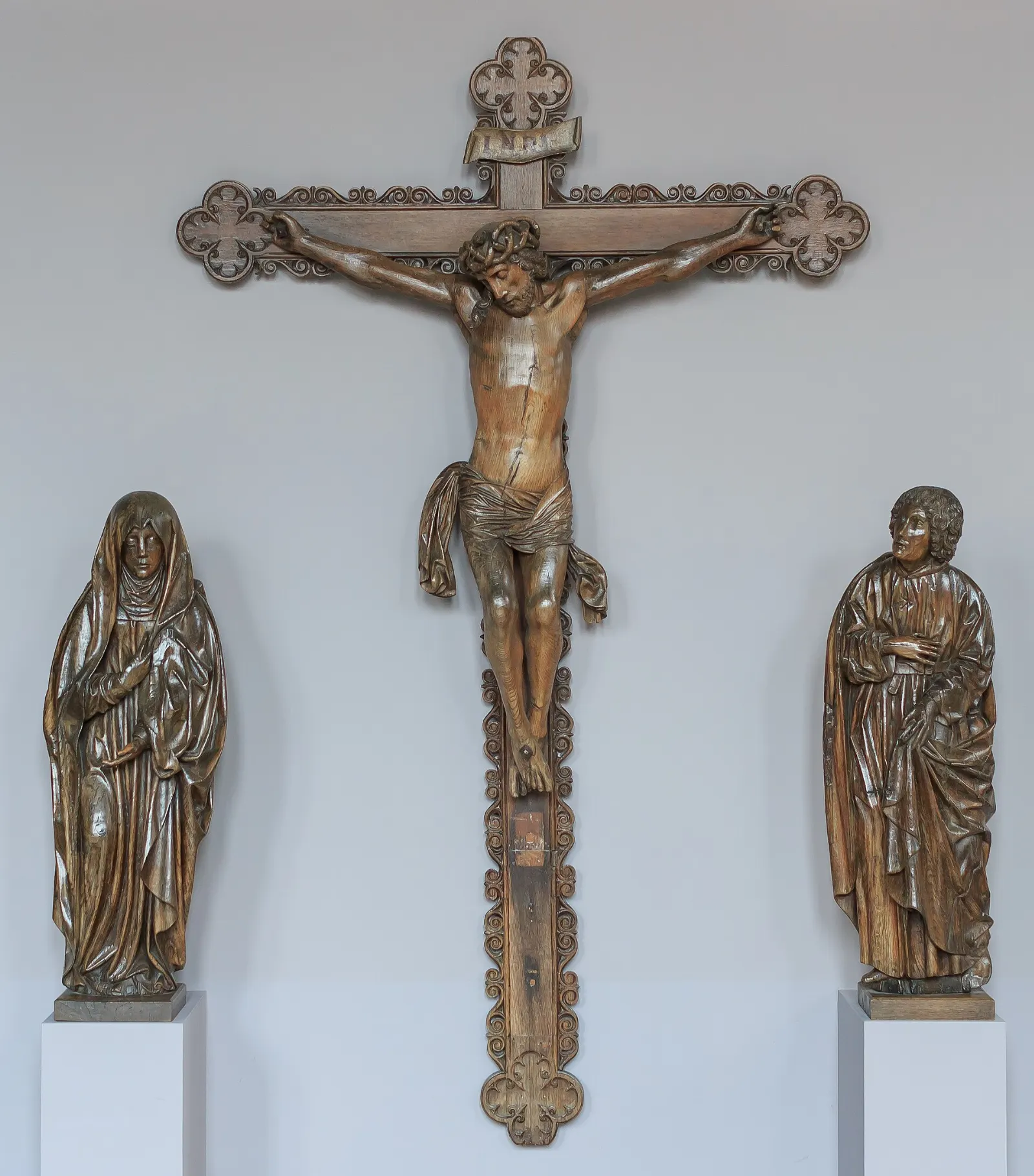
St. Salvator's Cathedral, the oldest parish church in Bruges, has a sturdy brick tower and a treasury of paintings and tapestries. In the quieter northeast of the city, the Jerusalem Church was built by a wealthy merchant family after a pilgrimage to the Holy Land and contains an unusual replica of the Holy Sepulchre.
Quiet corners, windmills and the canal to Damme
Begijnhof and Minnewater
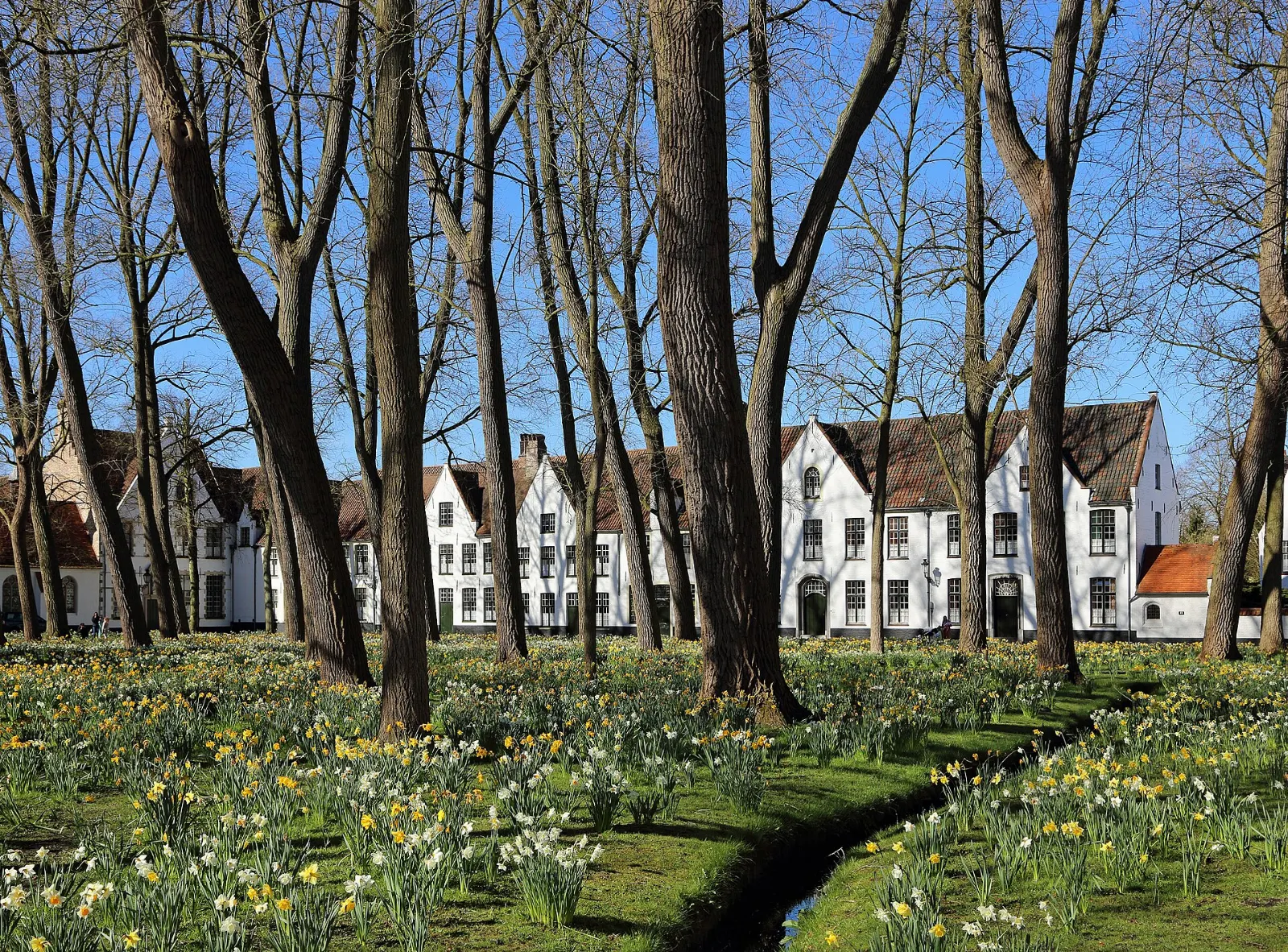
The Begijnhof, founded in the thirteenth century, is a walled enclave of whitewashed houses around a lawn shaded by tall trees. It was home to the Beguines, communities of religious laywomen, and today Benedictine nuns and other residents live here, keeping its atmosphere hushed and contemplative.
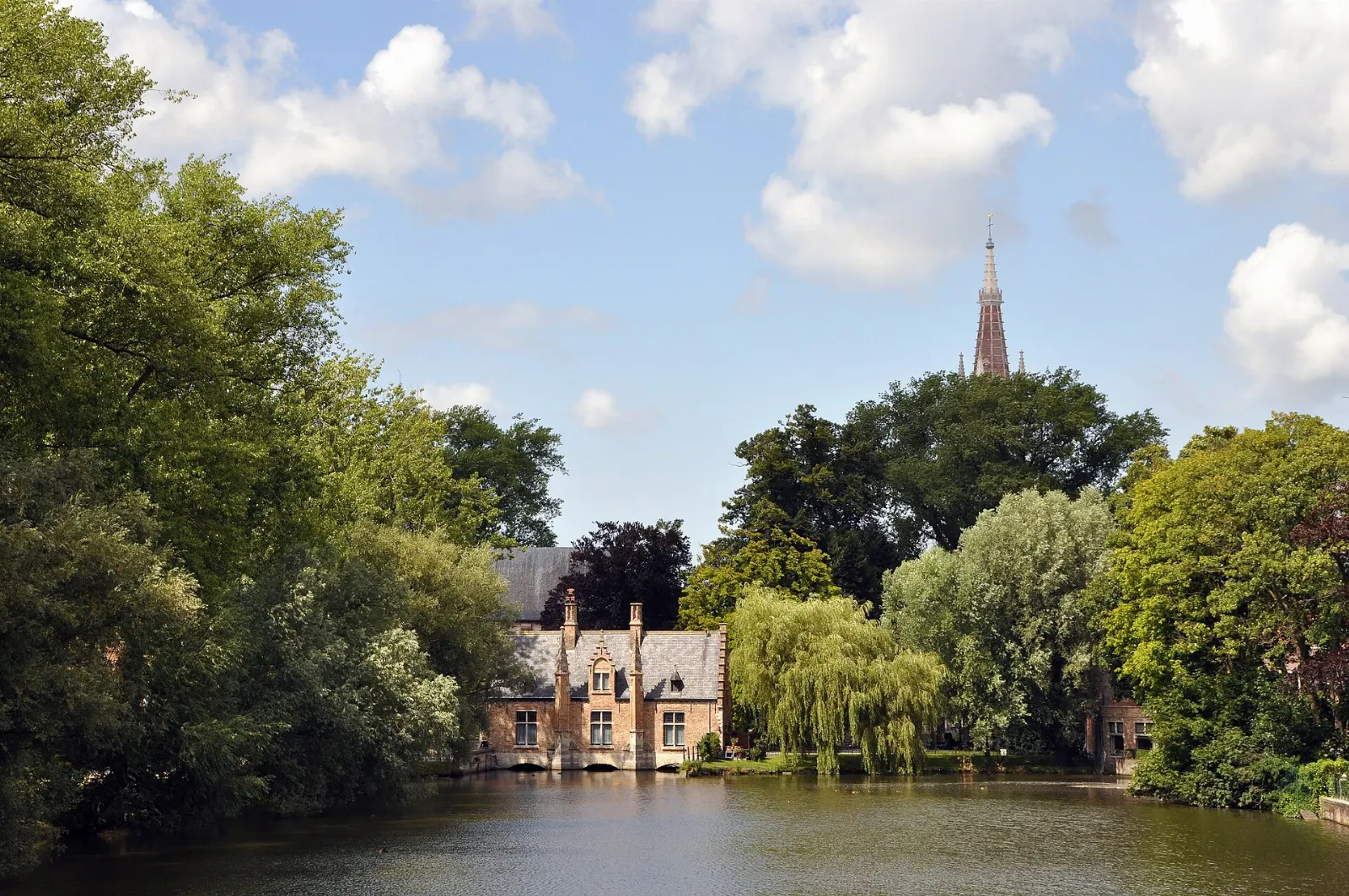
Just beyond the Begijnhof lies the Minnewater, a tranquil lake often called the Lake of Love, with swans gliding past the old lock house and a park perfect for a picnic. Allow thirty minutes, longer if you linger on a bench.
De Halve Maan Brewery
On the Walplein, De Halve Maan is a family brewery that has been brewing in the center of Bruges for generations. Guided tours explain the brewing process, climb to a rooftop view and finish with a tasting of its Brugse Zot or Straffe Hendrik beers.
The Kruisvest windmills and Sint-Anna
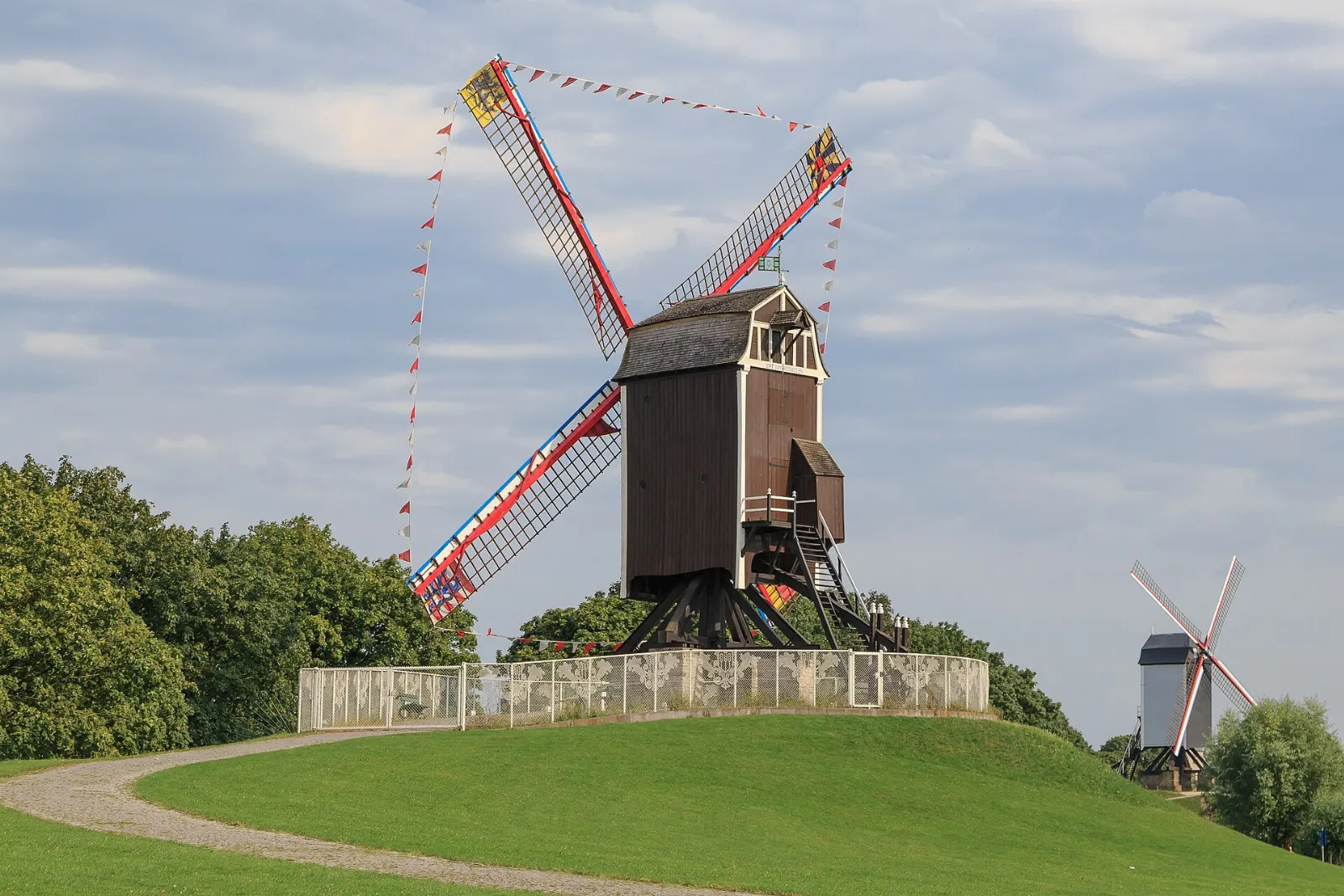
Along the eastern ramparts, a grassy path follows the old city moat past a row of windmills on the earthen walls. The Sint-Janshuismolen is still in working order and opens to visitors in season.
Damme
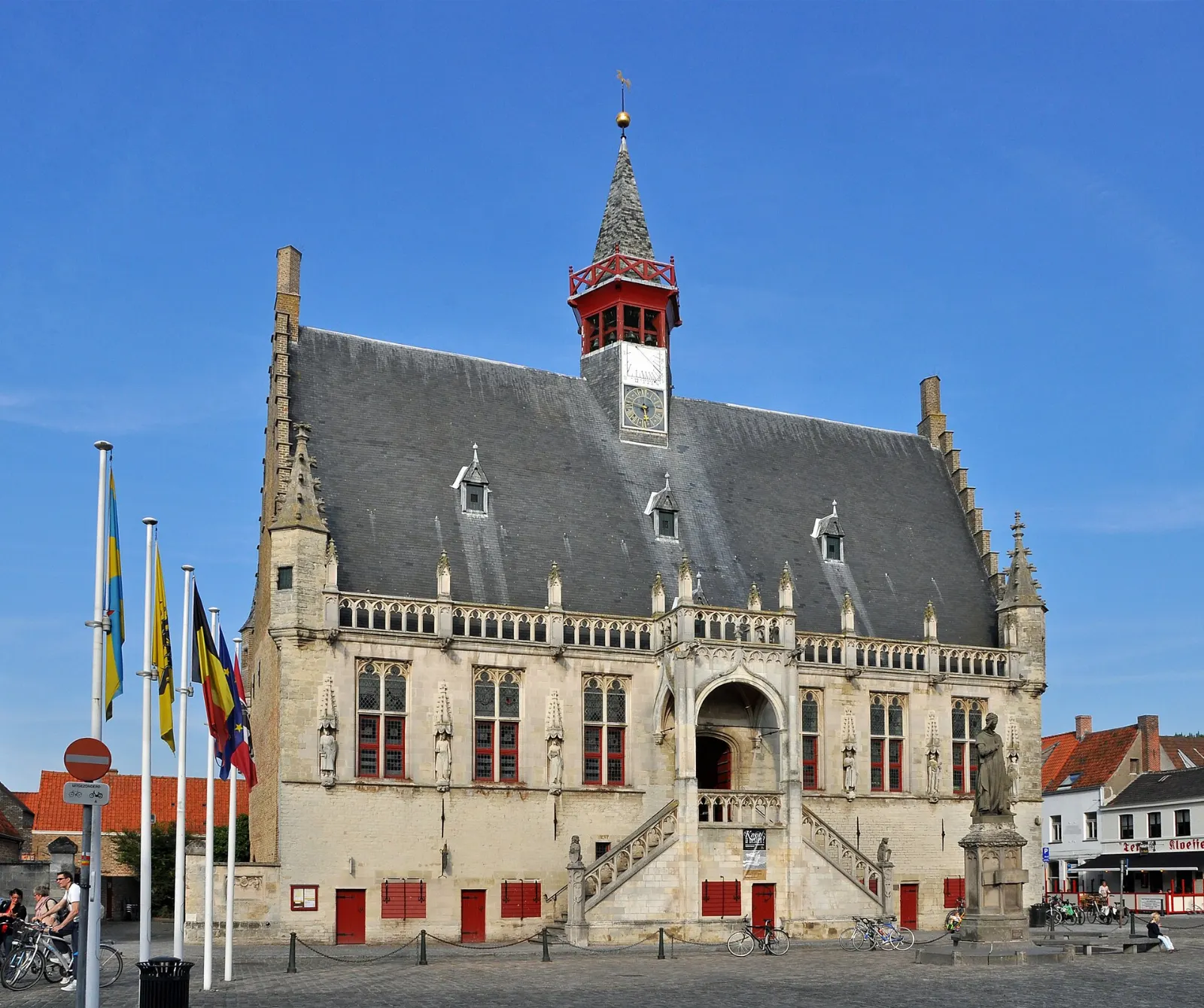
About seven kilometres northeast of Bruges, the small town of Damme was once the city's outer port on the Zwin.
 Planning a trip to Bruges?Compare hotels, flights and vacation rentals for Bruges on Expedia.Book now
Food and local flavors
Flemish cooking is generous and comforting. Order stoverij, a rich beef stew slowly braised in dark beer and often served with fries, or a steaming pot of mussels cooked in white wine or beer, also with fries.
For something sweet, try a Belgian waffle, either the light rectangular kind or the dense, caramelized Liège style, and browse the city's many chocolate shops for handmade pralines.
Popular dishes to try in Bruges


Where to stay
The historic center around the Markt and Burg is ideal for first-time visitors who want to step straight out into the sights, though it is busier and noisier during the day.
Sint-Gillis and Sint-Anna, north and east of the center, are quiet, residential and atmospheric, with canals and local cafés, suiting couples and repeat visitors.
Near the station and outside the ring canal, accommodation is often more affordable and easier for drivers, with a short walk or bus ride into the center.
Where to stay in Bruges


Best time to visit
Spring and early autumn are the most pleasant times to explore, with mild temperatures, flowers in the Begijnhof in spring, and fewer crowds than in summer.
Summer is the busiest season, with long evenings, boats running steadily and outdoor terraces in full swing, but also crowds of day visitors and cruise passengers.
Getting there and getting around
By train: Bruges is well connected by Belgian rail.
By air: Brussels Airport is the main gateway. Smaller airports such as Ostend-Bruges have limited seasonal flights, and Brussels South Charleroi is served by budget airlines.
By car: Driving in the historic center is difficult, with narrow one-way streets and limited parking.
Getting around: Bruges is compact and best explored on foot; most sights are within a twenty-minute walk of each other.
A suggested itinerary
First day
Start early at the Markt and climb the Belfry before the crowds. Visit the Burg, the Basilica of the Holy Blood and City Hall, then take a canal boat from near the Rozenhoedkaai.
Second day
Visit Old St. John's Hospital in the morning, then walk to the Begijnhof and the Minnewater. Tour De Halve Maan Brewery before heading north to the Sint-Anna district and the windmills on the Kruisvest.
Practical tips
- Book a timed ticket for the Belfry and check museum closing days, as several city museums close one day a week.
- Stay overnight if you can; the city is calmest early in the morning and in the evening.
- Wear comfortable, sturdy shoes for cobblestones, and consider a taxi from the station if you have heavy luggage.
- Carry a light rain jacket or umbrella in every season.
- Watch for cyclists in the narrow lanes, and stay out of the way of carriages and delivery vans.
- Dress modestly and keep quiet in churches and the Begijnhof, which remain places of worship and residence.