Taipei is a city that rewards curiosity.
AT A GLANCE
Best time
October to December and March to April for mild, drier weather.
How long
Three to four days for the city, plus a day trip to Jiufen or the Pingxi Line.
Getting there
Fly into Taoyuan International Airport and take the Airport MRT into Taipei Main Station.
Why visit Taipei
Taipei mixes Chinese, Japanese and Indigenous Taiwanese influences into something entirely its own. Qing-era temples sit beside Japanese colonial buildings and ambitious modern architecture, and daily life still revolves around neighborhood markets, small family eateries and temple festivals.
The setting is a big part of the appeal. The city sits in a basin ringed by mountains, so trailheads, tea plantations and volcanic hot springs are a short metro or bus ride from downtown.
Xinyi and central Taipei
Taipei 101
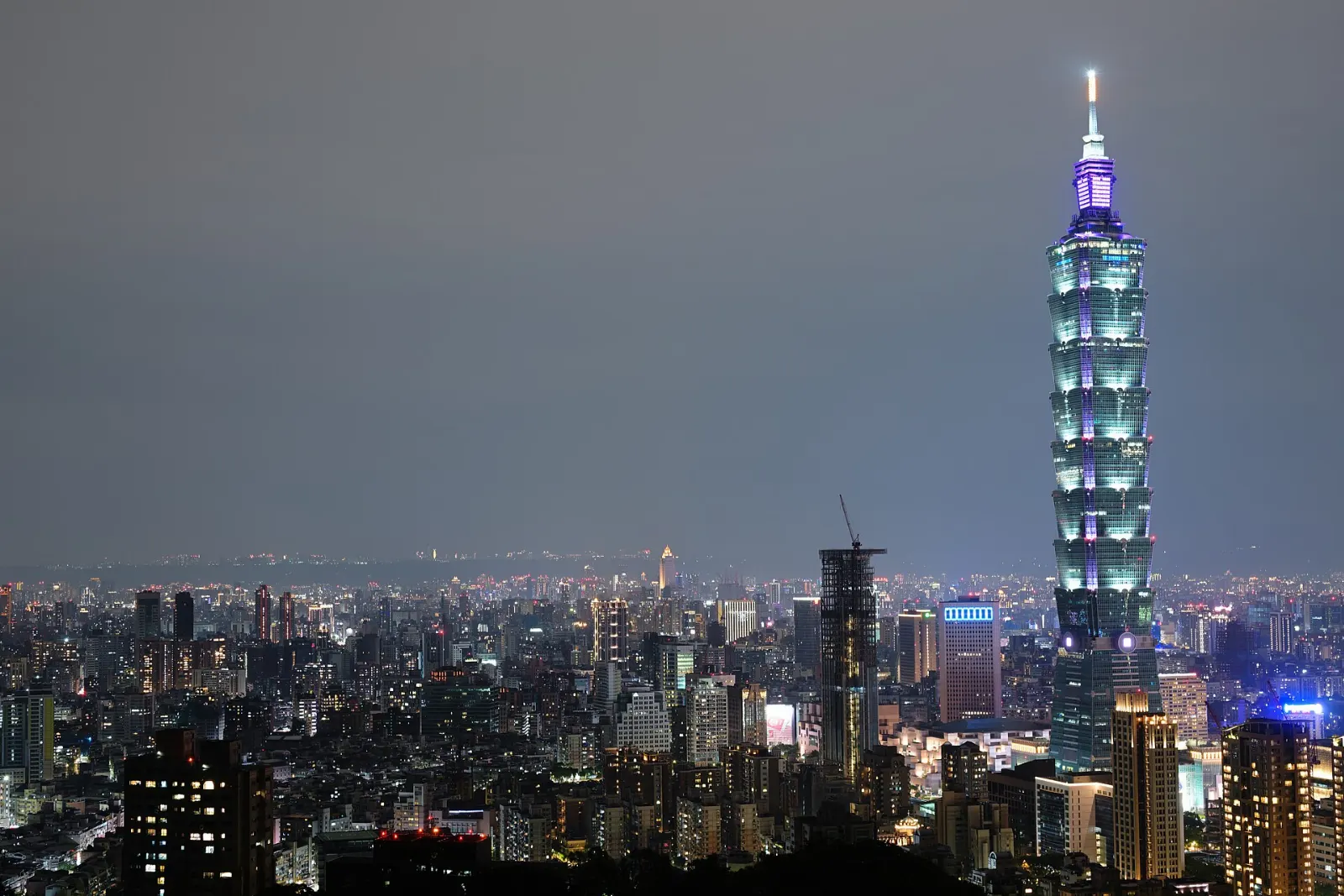
The bamboo-inspired tower of Taipei 101 was the tallest building in the world when it opened in 2004, and it still defines the skyline.
Elephant Mountain
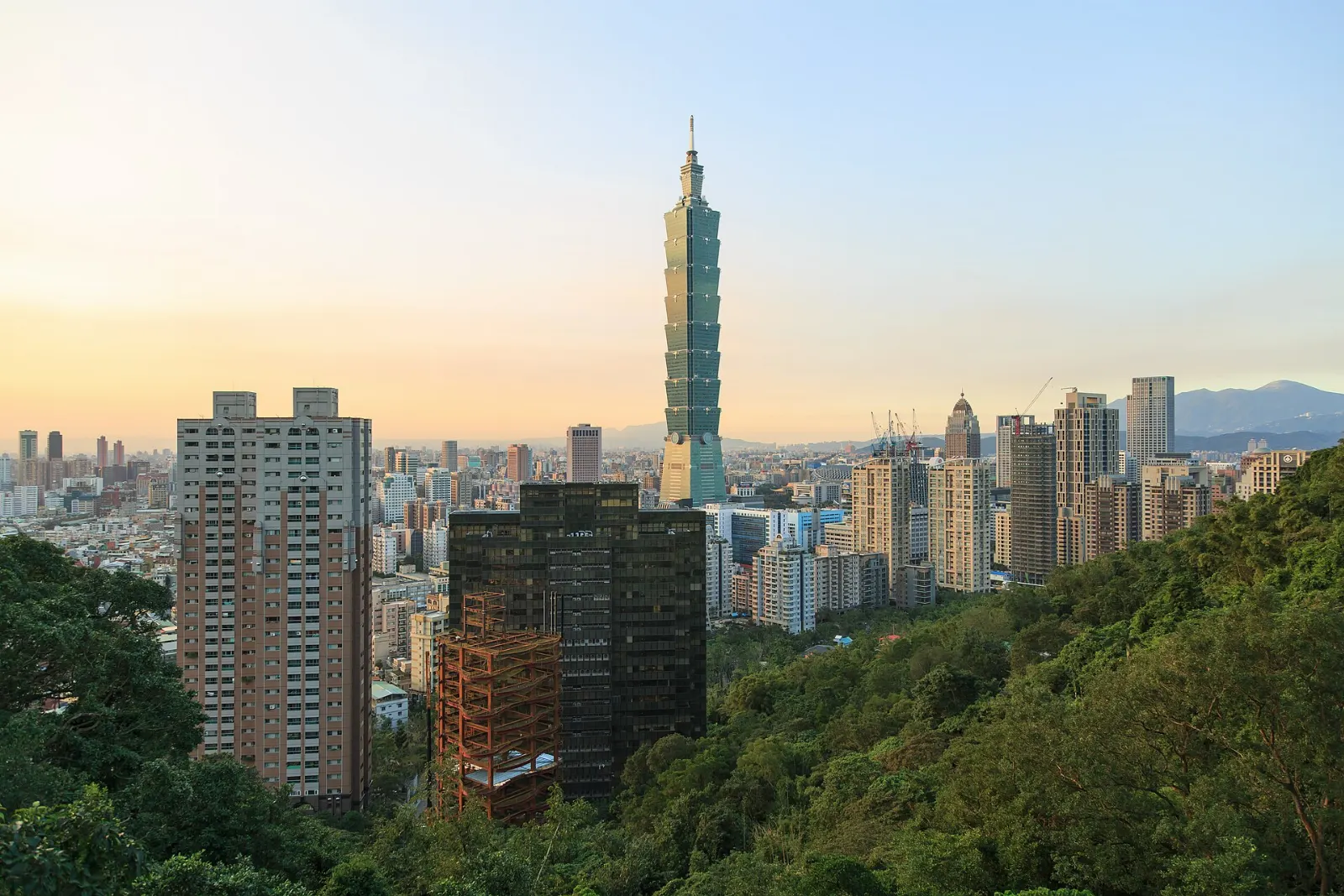
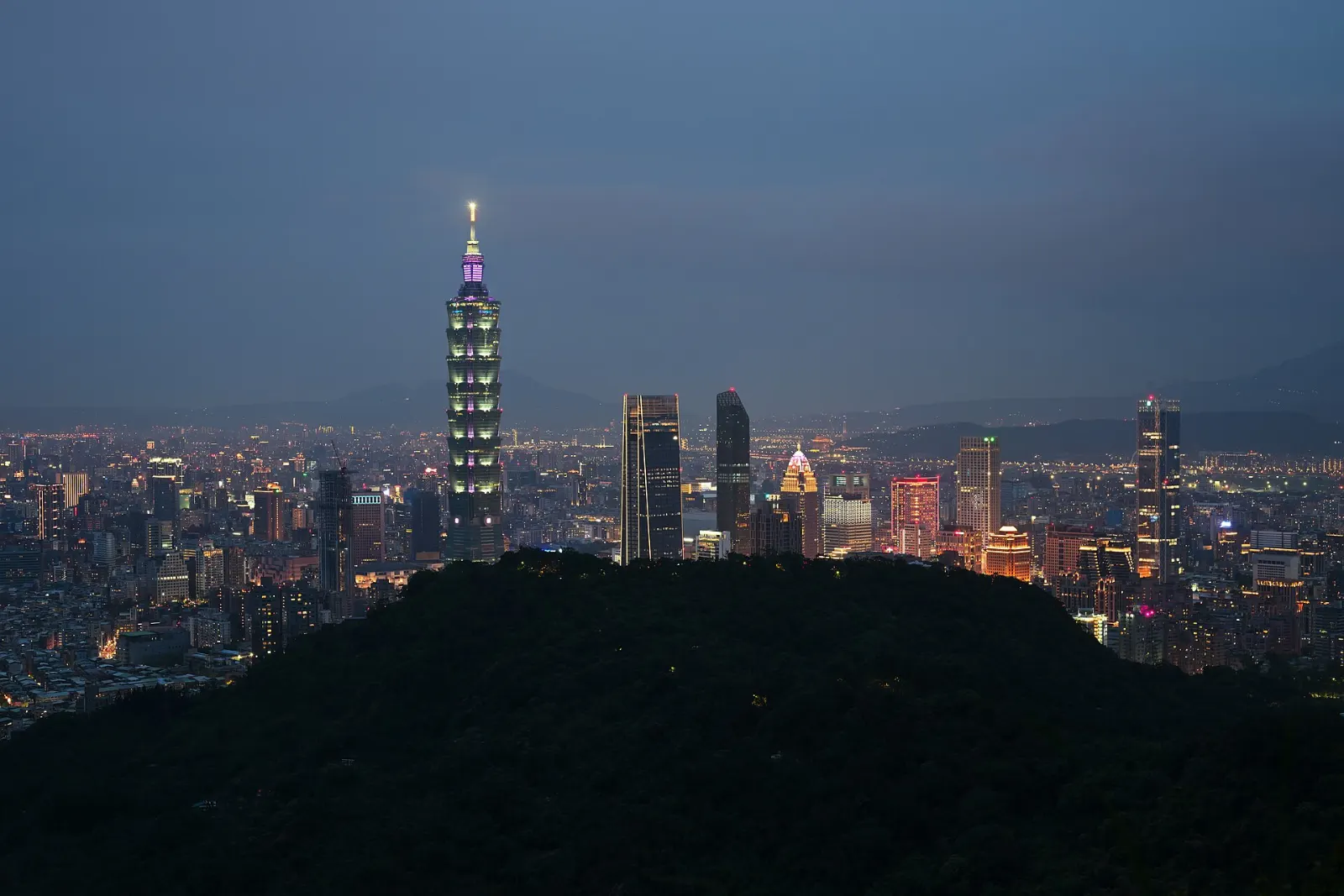
For the classic view of Taipei 101, climb Elephant Mountain, known locally as Xiangshan. The trail starts a short walk from Xiangshan MRT station and is mostly steep stone steps through lush forest, taking twenty to thirty minutes to the main viewing rocks.
Chiang Kai-shek Memorial Hall and Liberty Square
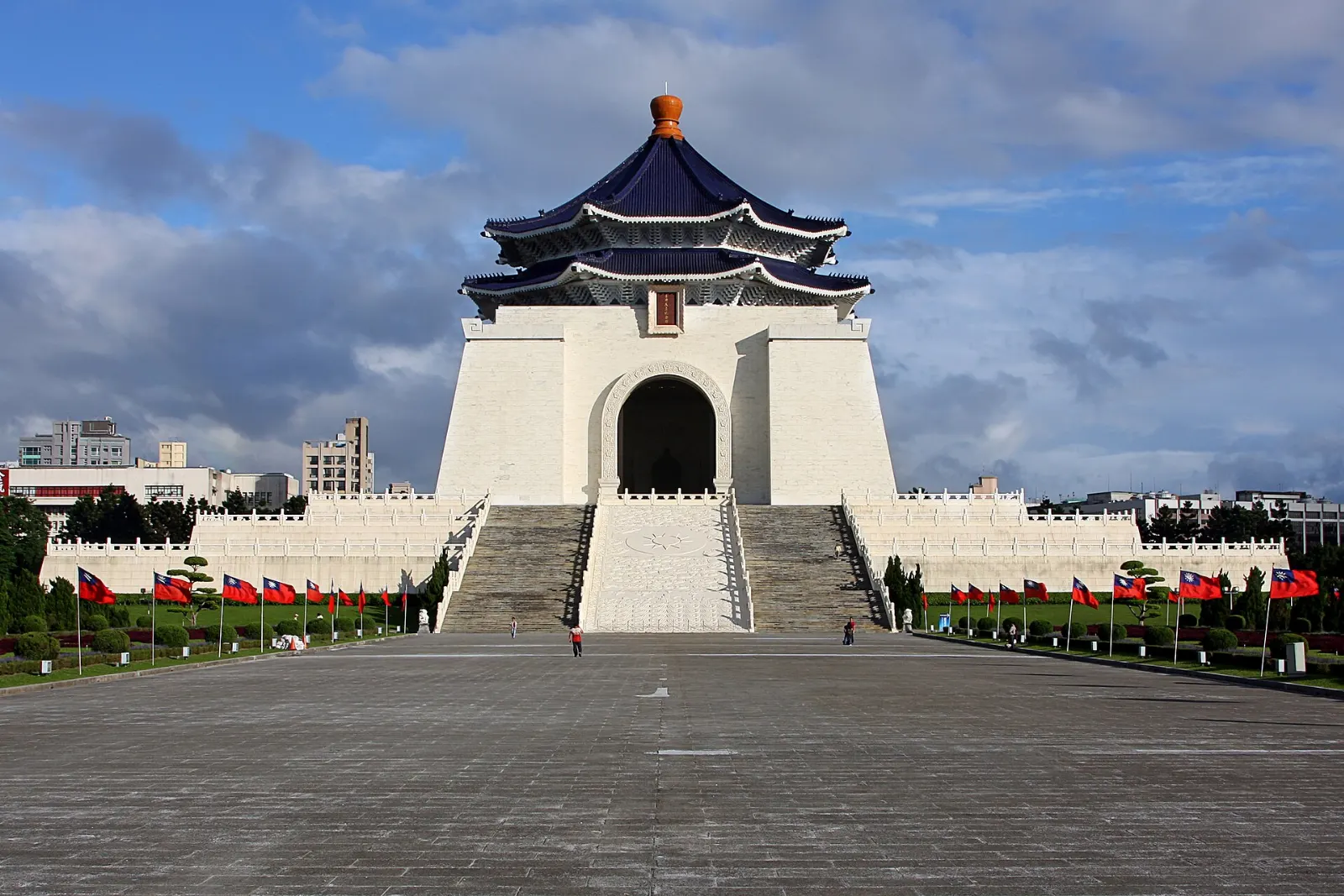
The white memorial hall with its blue octagonal roof faces a vast plaza framed by the National Theater and National Concert Hall, both built in classical Chinese palace style. Inside, a large seated statue is watched by honor guards, and the changing of the guard takes place on the hour.
Huashan 1914 Creative Park
This former winery near Zhongxiao Xinsheng station has been turned into a lively complex of design shops, exhibitions, cafes and pop-up markets, with the old brick warehouses kept intact.
Old Taipei: Wanhua and Dadaocheng
Longshan Temple
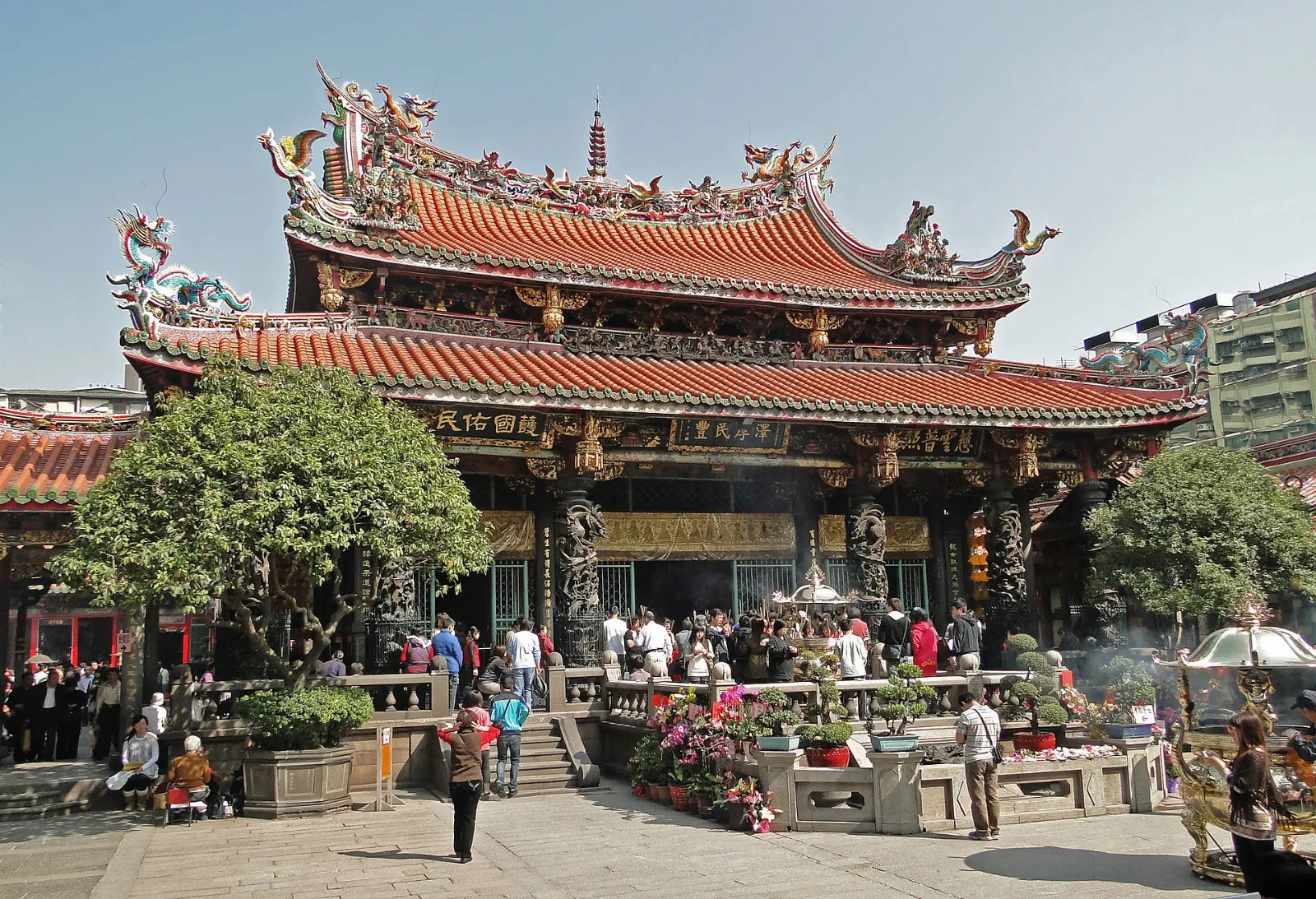
Founded in 1738 by settlers from Fujian, Longshan Temple in Wanhua is one of the city's most important places of worship, dedicated to Guanyin along with dozens of other deities.
Dihua Street and Dadaocheng
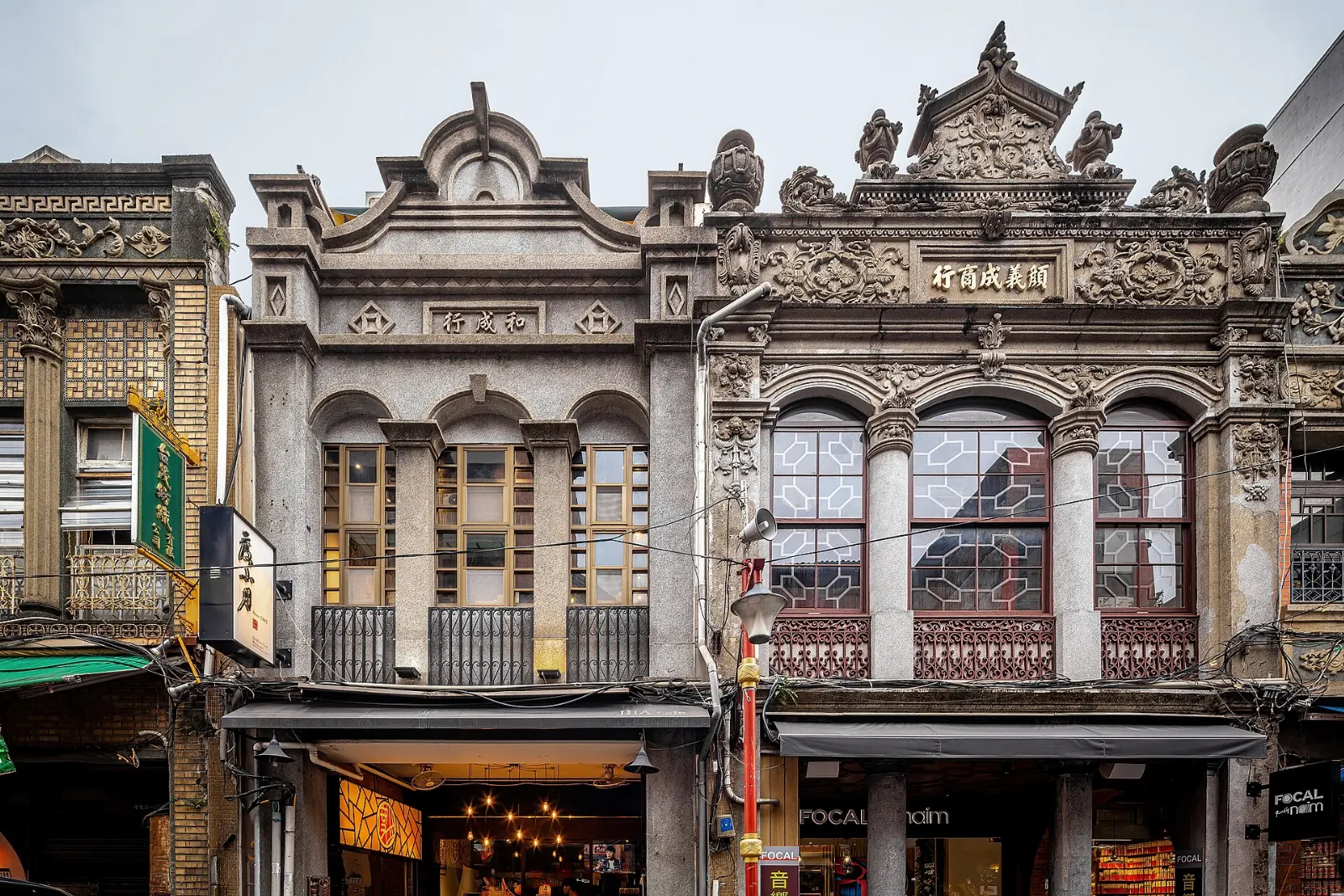
Dihua Street is the spine of Dadaocheng, a nineteenth century trading district beside the Tamsui River. Restored shophouses sell dried mushrooms, Chinese herbs, tea and fabric, while newer cafes and design studios fill the upper floors.
Ximending
A short walk from Longshan Temple, the pedestrian streets of Ximending are Taipei's youth culture hub, packed with street food, sneaker shops and buskers. The octagonal brick Red House, built in 1908 as a market, anchors the area.
Museums, hot springs and the hills
National Palace Museum
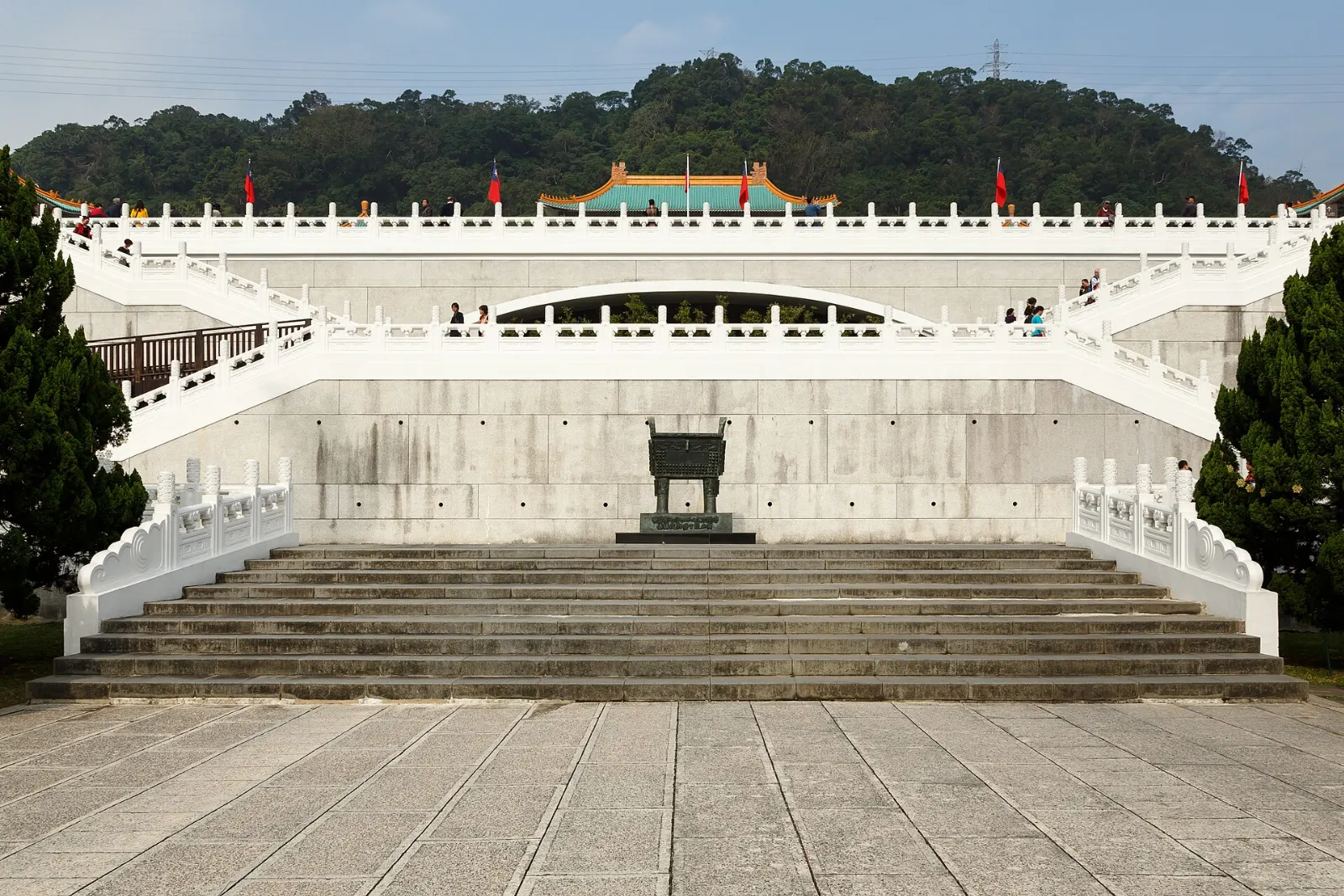
In the Shilin District, the National Palace Museum holds one of the world's finest collections of Chinese imperial art, much of it brought from Beijing's Forbidden City. Highlights include the Jadeite Cabbage, delicate Song dynasty ceramics and calligraphy, though some famous pieces rotate between galleries.
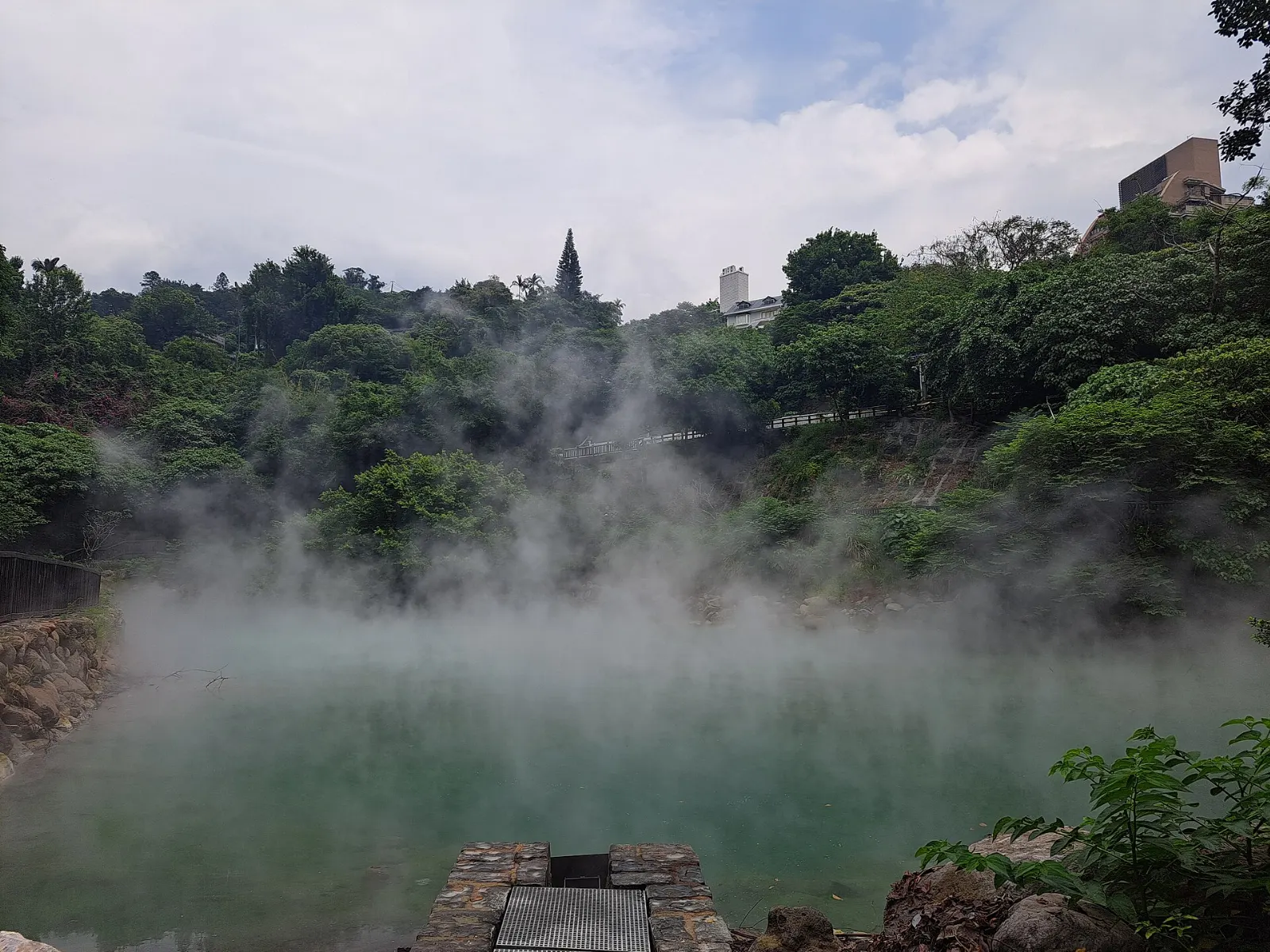
Beitou Hot Springs
At the northern end of the red metro line, Xinbeitou is a hot spring district developed during the Japanese era.
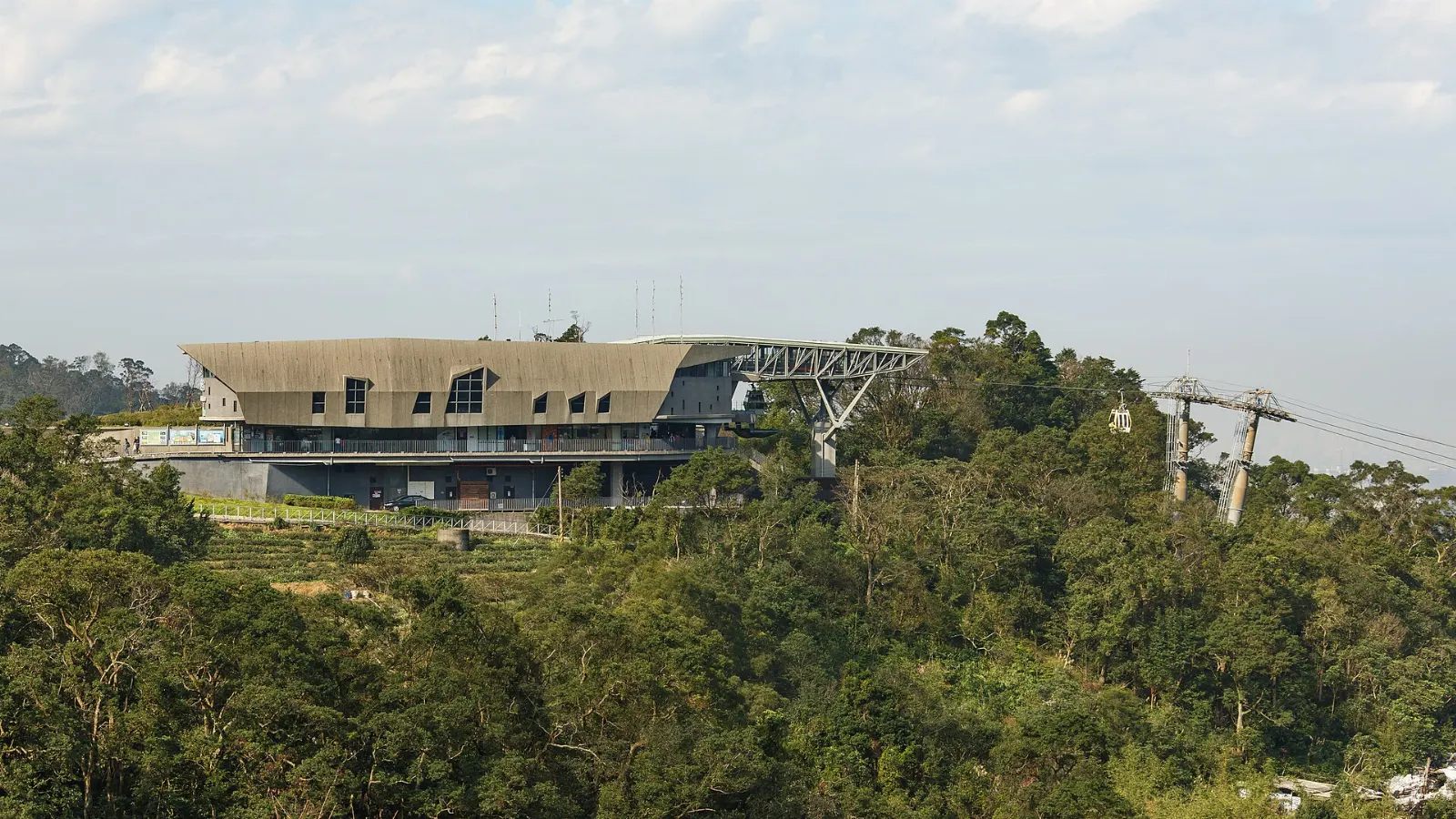
Maokong Gondola
The gondola rises from near Taipei Zoo over forested hills to Maokong, an area of tea farms and teahouses with views back over the city. Choose a glass-bottomed cabin if you like, then sip locally grown Tieguanyin or Baozhong tea while the sun sets.
Yangmingshan National Park
Just north of the city, Yangmingshan is a volcanic park of grassy peaks, fumaroles and wildflowers. Xiaoyoukeng has steaming vents with a sulfur smell, and Qixing Mountain, the highest peak in the Taipei area, makes a rewarding hike on a clear day.
 Planning a trip to Taipei?Compare hotels, flights and vacation rentals for Taipei on Expedia.Book now
Food and local flavors
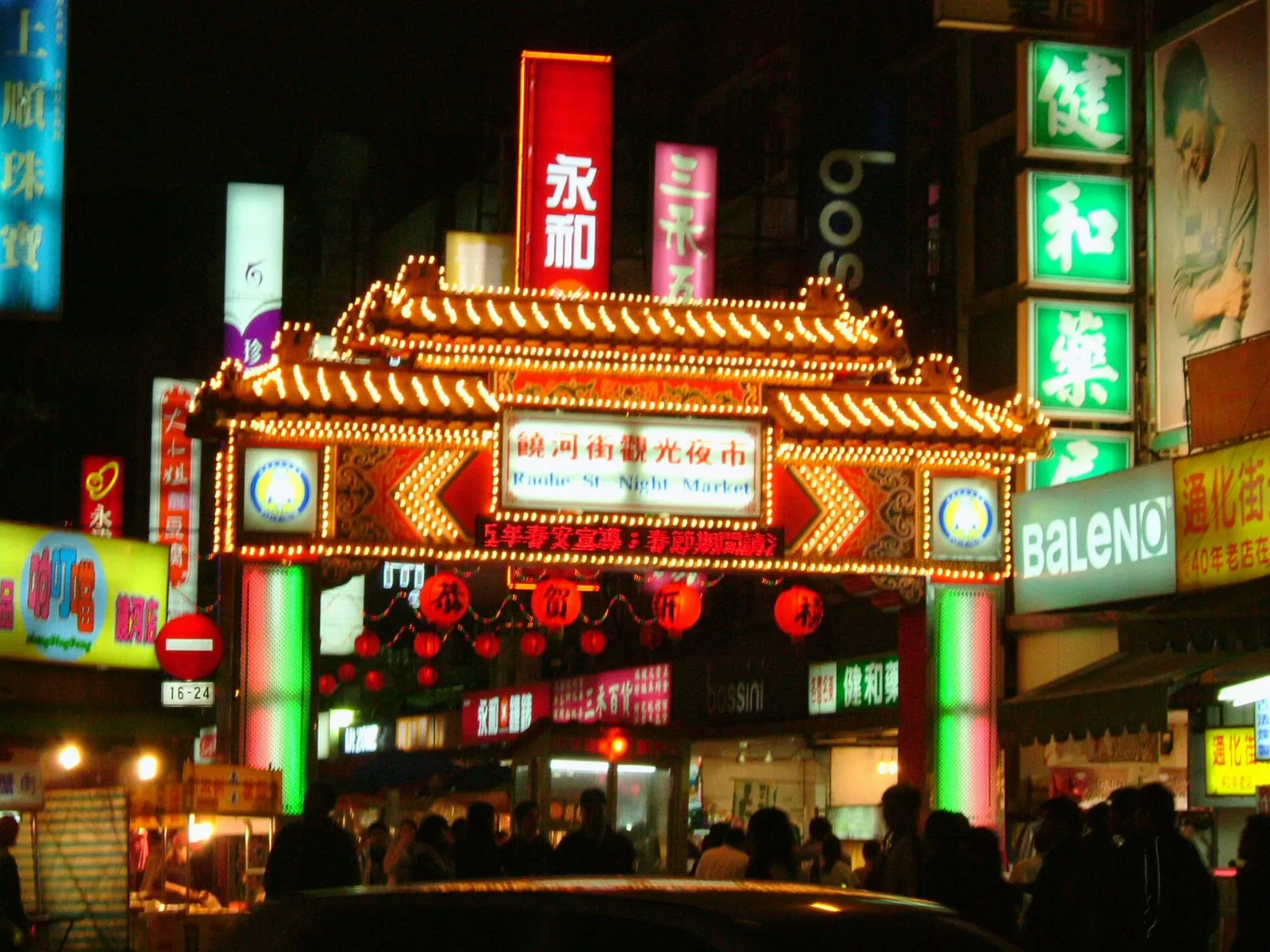
Night markets are the essential Taipei experience. Raohe Street Night Market, beside the ornate Ciyou Temple, is compact and famous for Fuzhou-style black pepper buns baked against the walls of a clay oven.
Beyond the markets, look for beef noodle soup, the city's comfort food, and lu rou fan, braised pork over rice.
Popular dishes to try in Taipei


Where to stay
Taipei Main Station and Zhongzheng. The most convenient base, with the Airport MRT, high-speed rail and two metro lines at your door.
Ximending and Wanhua. Lively, walkable and close to Longshan Temple, with plenty of mid-range options.
Zhongshan. Leafy streets, cafes and boutiques with easy metro access and a slightly calmer feel.
Xinyi and Da'an. Modern, upscale and close to Taipei 101, shopping and Elephant Mountain.
Where to stay in Taipei


Best time to visit
Autumn, from October to December, is the most comfortable season, with warm days, lower humidity and fewer typhoons. Spring, from March to April, is pleasant too, with flowers on Yangmingshan, though showers are common.
Festivals add color. Lunar New Year brings the Dihua Street holiday market, though many small shops close for several days.
Getting there and getting around
Most international flights arrive at Taiwan Taoyuan International Airport, linked to Taipei Main Station by the Airport MRT in under an hour on the express service.
Within the city, the Taipei Metro is fast, clean and cheap, with signs and announcements in English. Get an EasyCard, a rechargeable stored-value card that also works on buses, YouBike shared bicycles, many convenience stores and trains to nearby towns.
A suggested itinerary
First day
Start at Chiang Kai-shek Memorial Hall for the changing of the guard, then head to Longshan Temple and wander Ximending for lunch.
Second day
Spend the morning at the National Palace Museum. After lunch, ride the metro to Xinbeitou for the Hot Spring Museum, Thermal Valley and a soak.
Third day
Explore Dihua Street and Dadaocheng in the morning, with a stop for tea. In the afternoon, take the Maokong Gondola to the tea hills and stay for sunset over a pot of tea.
Practical tips
- Buy an EasyCard on arrival; it covers the metro, buses, YouBike and convenience store purchases.
- Carry cash for night markets and small eateries, as many do not take cards.
- Do not eat or drink inside metro stations or trains; fines are enforced.
- Carry a compact umbrella year round for both sudden rain and strong sun.
- In temples, do not point at deity statues, keep voices low and avoid stepping on the raised thresholds.
- Check typhoon warnings in summer and early autumn; transport and attractions may close.