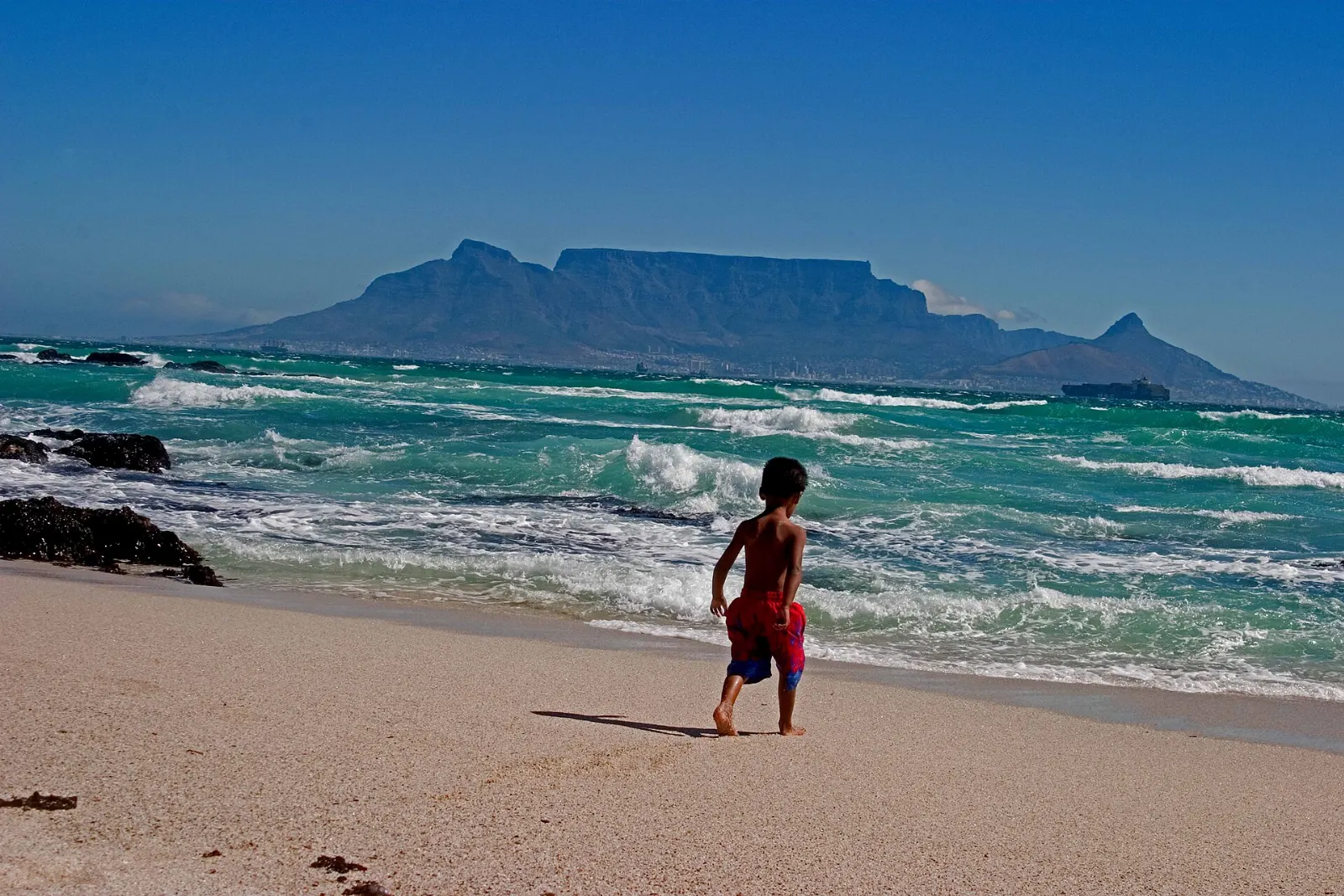
Cape Town sits at the foot of Table Mountain, between two oceans and a string of beaches, vineyards and rugged peaks.
AT A GLANCE
Best time
October to April for warm, dry weather; March, April and the spring months are calmer and less crowded.
How long
Five to seven days for the city, the peninsula and a day in the winelands.
Getting there
Fly into Cape Town International Airport, about twenty to thirty minutes from the city center.
Why visit Cape Town
Cape Town's setting is its first draw. Table Mountain, flat-topped and often draped in its famous tablecloth of cloud, dominates the city and is part of Table Mountain National Park, which stretches down the Cape Peninsula to Cape Point.
The city's history is just as compelling. Founded as a supply station by the Dutch East India Company in 1652, Cape Town grew into a meeting point of African, European and Asian cultures.
Table Mountain and the city bowl
Table Mountain
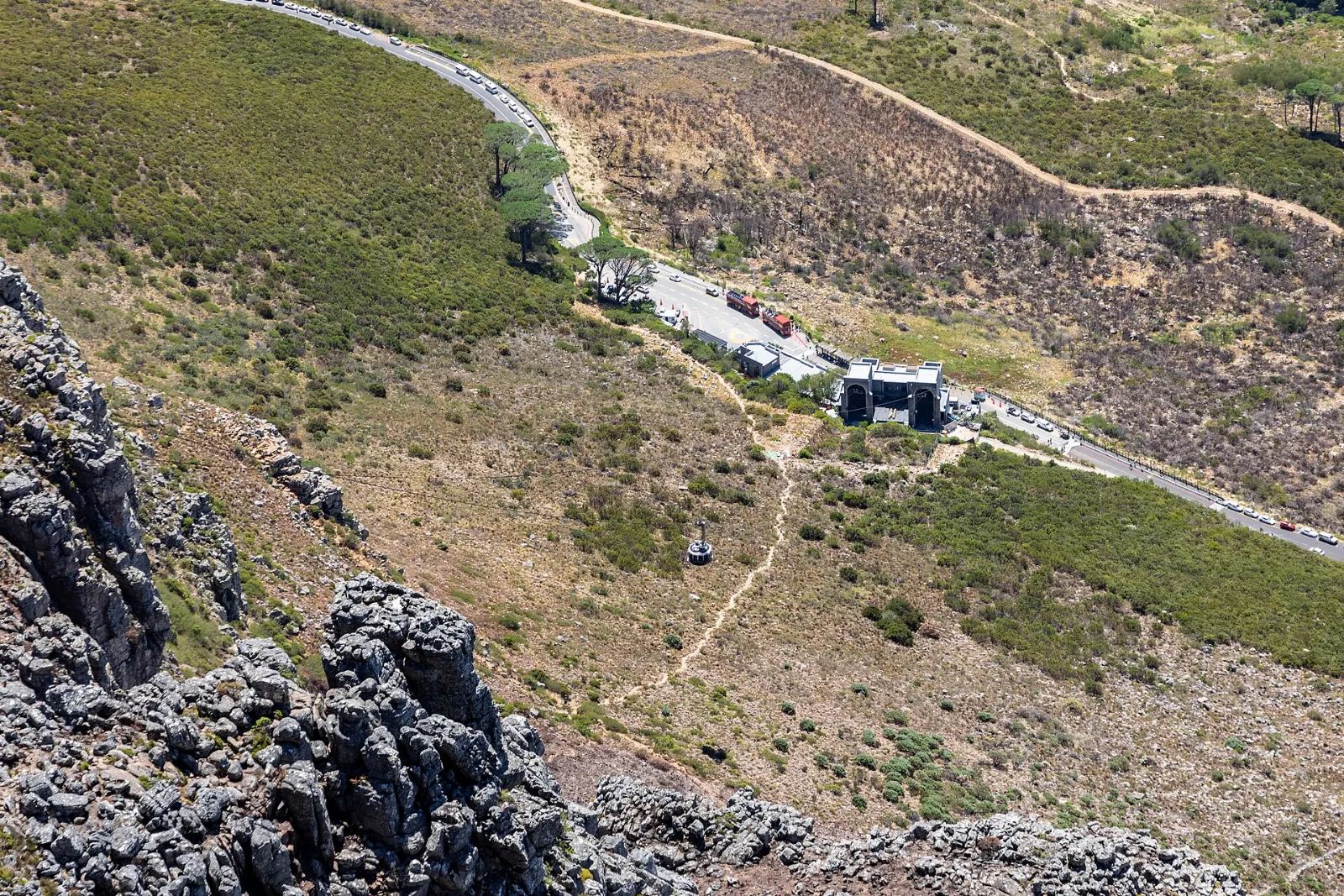
No visit is complete without reaching the top of Table Mountain. The Table Mountain Aerial Cableway carries you up in round cars whose floors rotate during the ride, giving everyone a view.
Lion's Head and Signal Hill
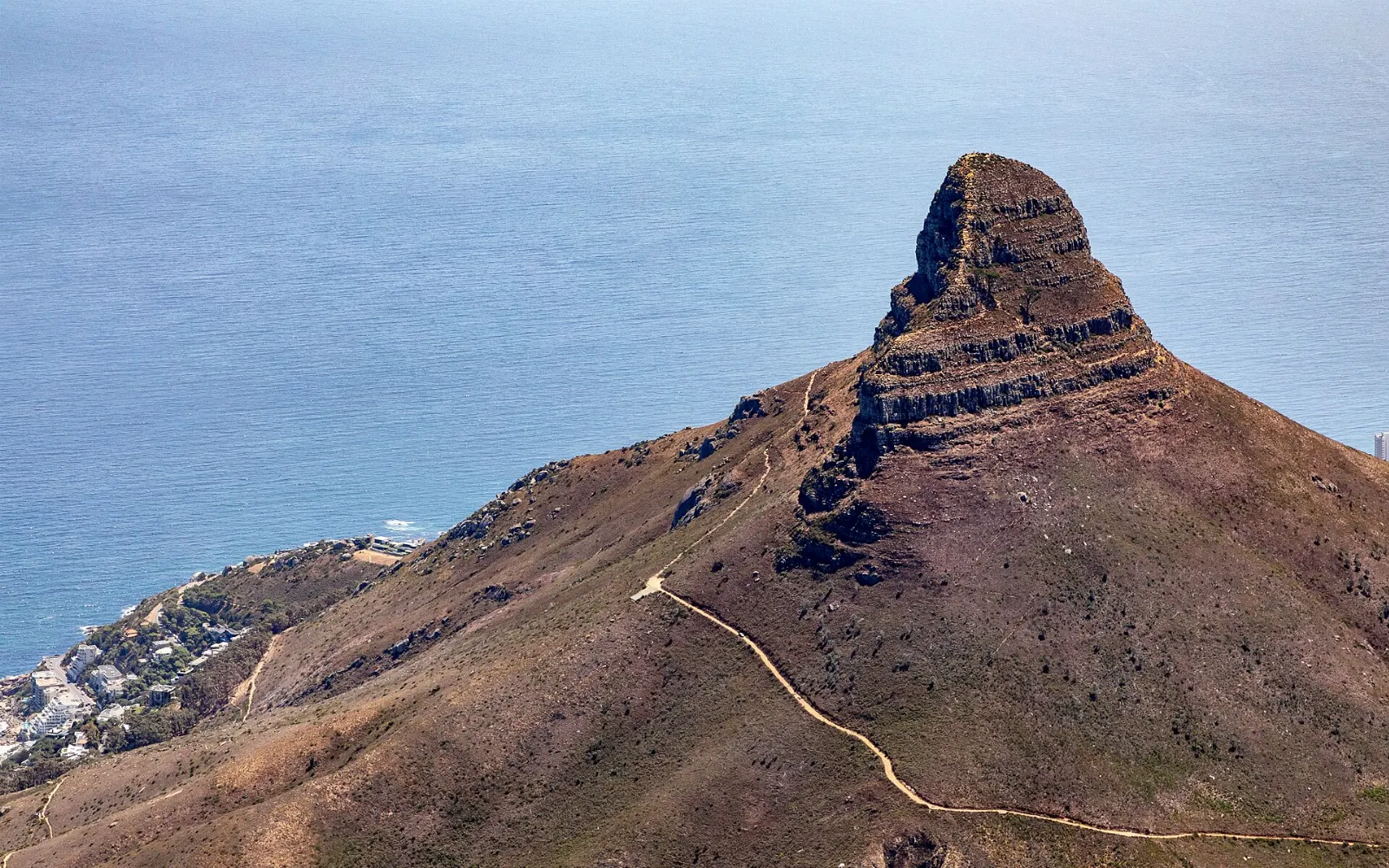
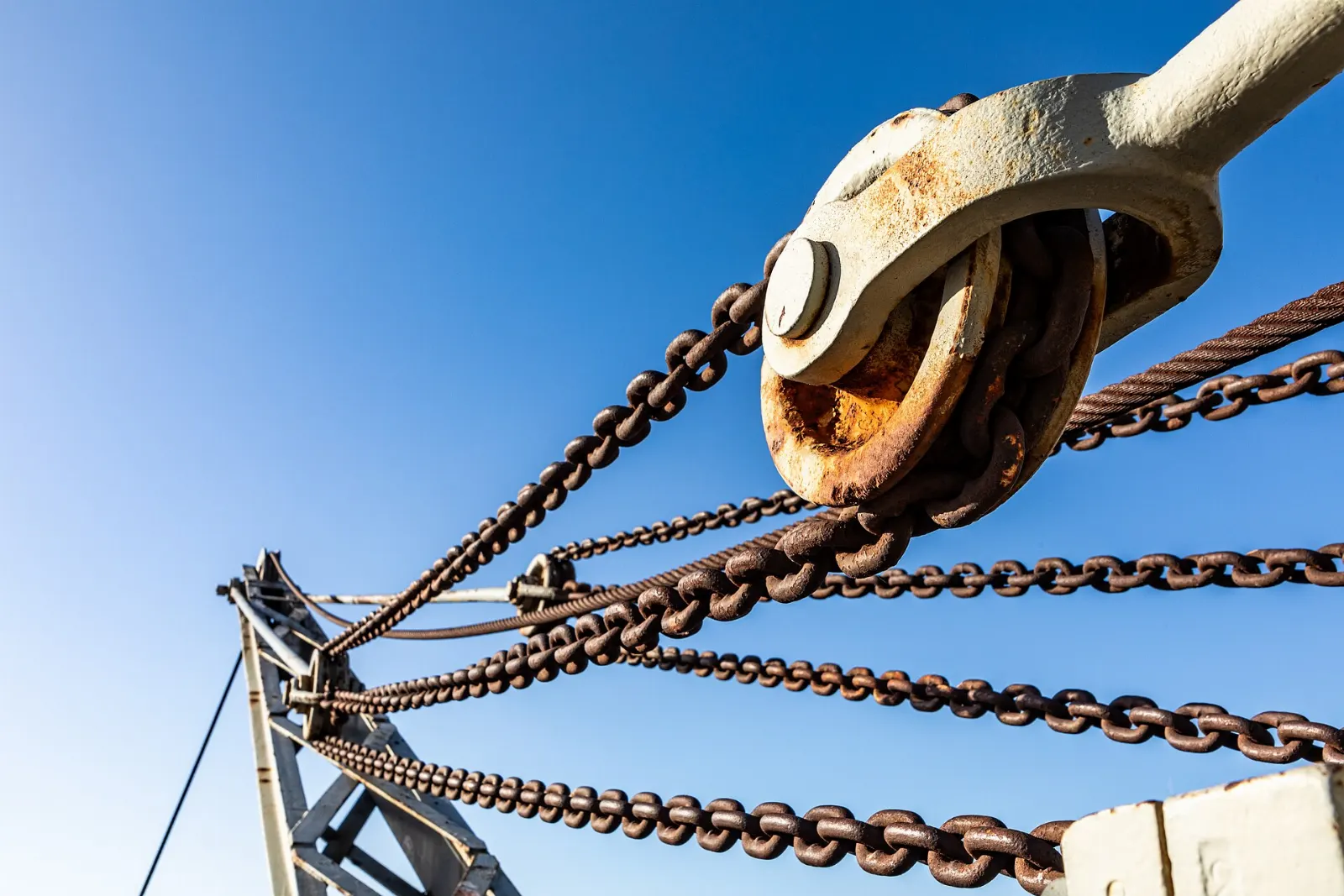
Lion's Head is the pointed peak beside Table Mountain, and its spiral trail is one of the most popular hikes in the city. The route winds around the mountain with sea views on every side, and the final section uses chains and ladders over rock, though a gentler alternative bypasses them.
Bo-Kaap
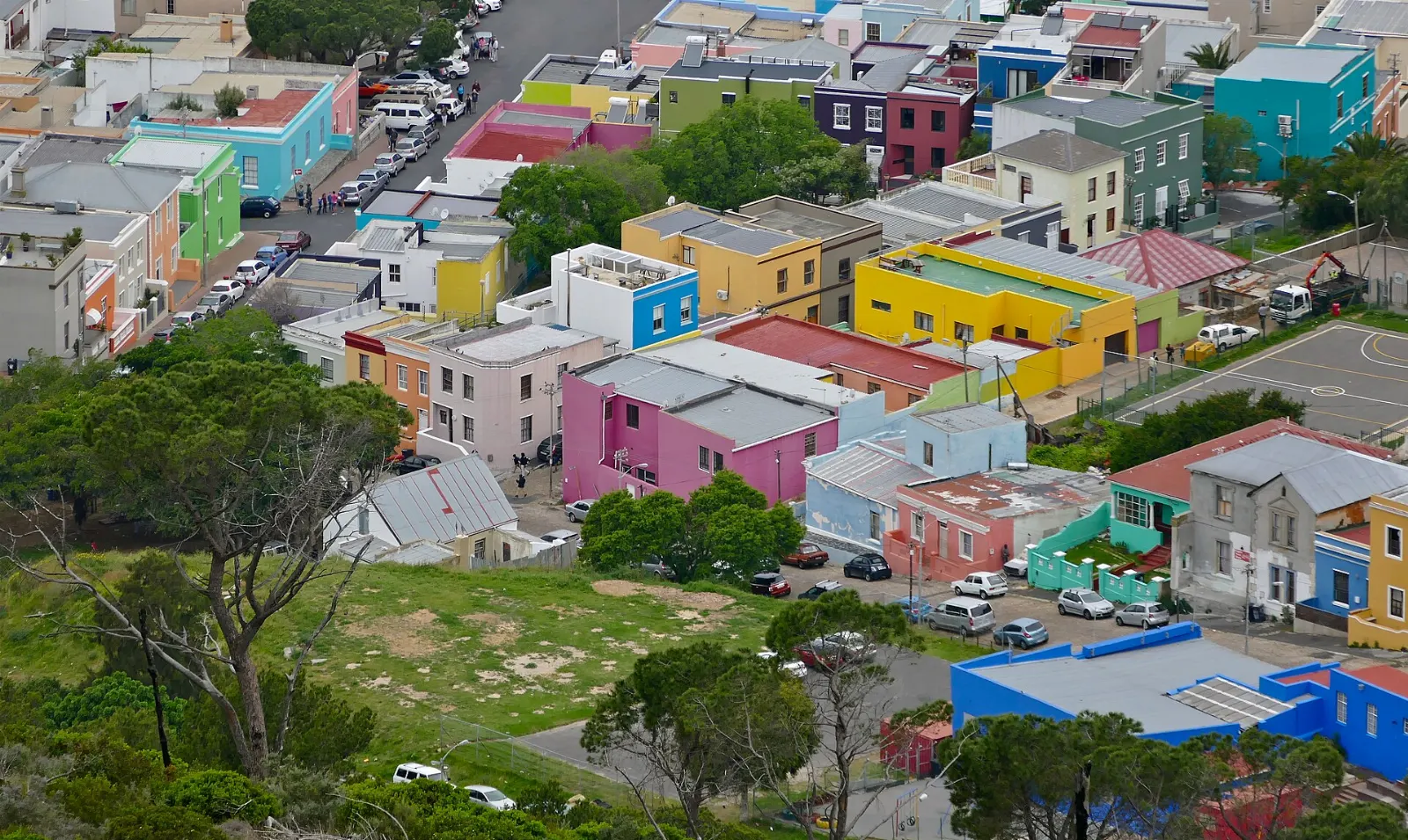
On the slopes of Signal Hill above the city center, the Bo-Kaap is a historic neighborhood of brightly painted houses, cobbled streets and mosques. It is the traditional home of Cape Town's Cape Malay community, many descended from people brought from Southeast Asia and elsewhere as slaves and political exiles.
Company's Garden, District Six Museum and the Castle of Good Hope
In the city center, the Company's Garden began as the Dutch East India Company's vegetable garden and is now a shady public park surrounded by museums, the Houses of Parliament and St George's Cathedral. A short walk away, the District Six Museum documents the forced removal of more than sixty thousand residents from a mixed-race neighborhood under apartheid; it is one of the most moving museums in the country.
The Waterfront and Robben Island
V&A Waterfront and Zeitz MOCAA
The Victoria and Alfred Waterfront is a busy harbor district of shops, restaurants, markets and hotels, with seals lounging on the pontoons and Table Mountain behind. It is safe, easy to walk and a good base for boat trips.
Robben Island
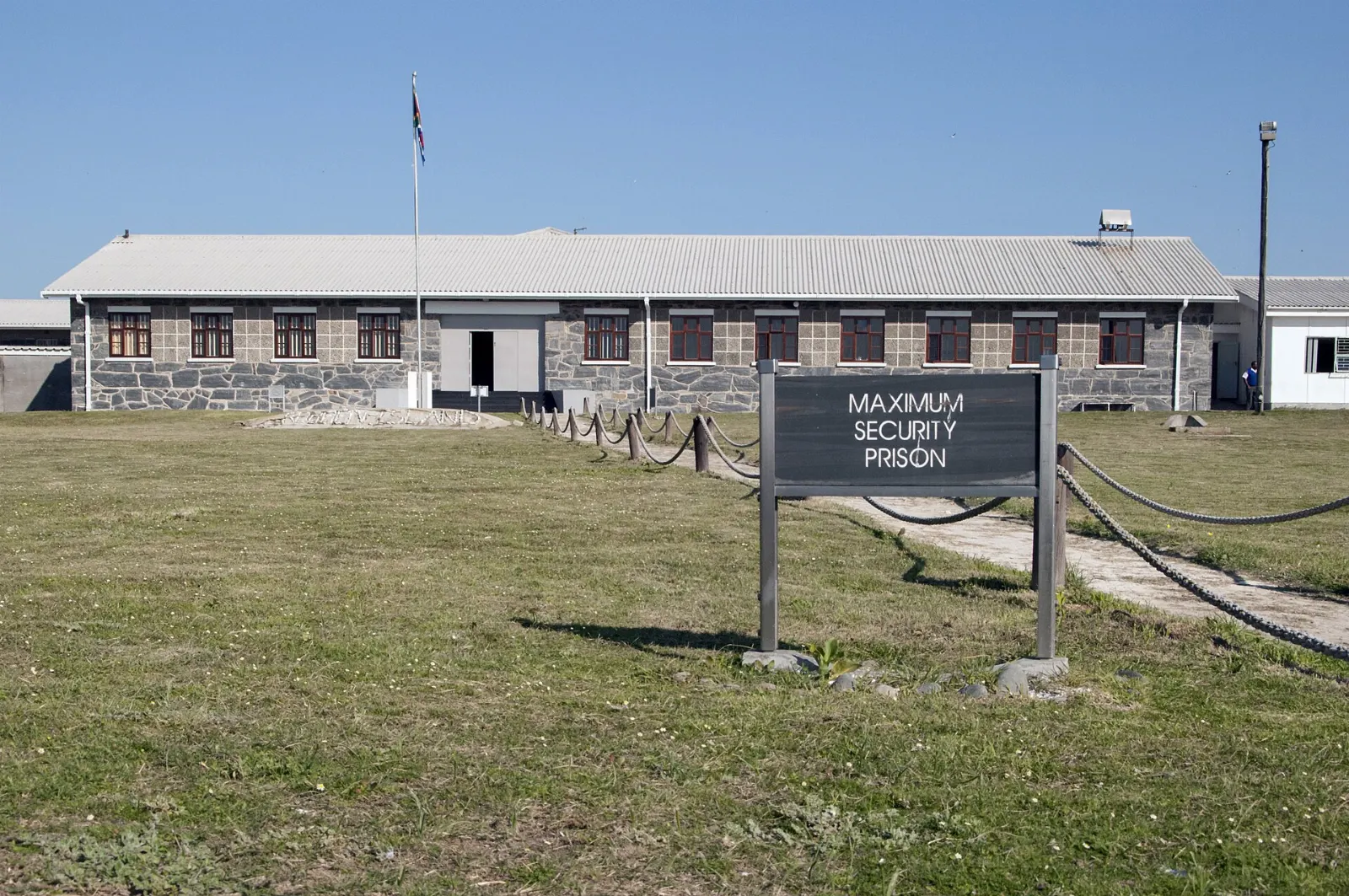
Ferries leave from the Nelson Mandela Gateway at the Waterfront for Robben Island, the former prison island where Nelson Mandela was held for eighteen of his twenty-seven years in prison. Tours usually include a bus ride around the island and a visit to the maximum security prison, often guided by former political prisoners.
Gardens, penguins and the Cape Peninsula
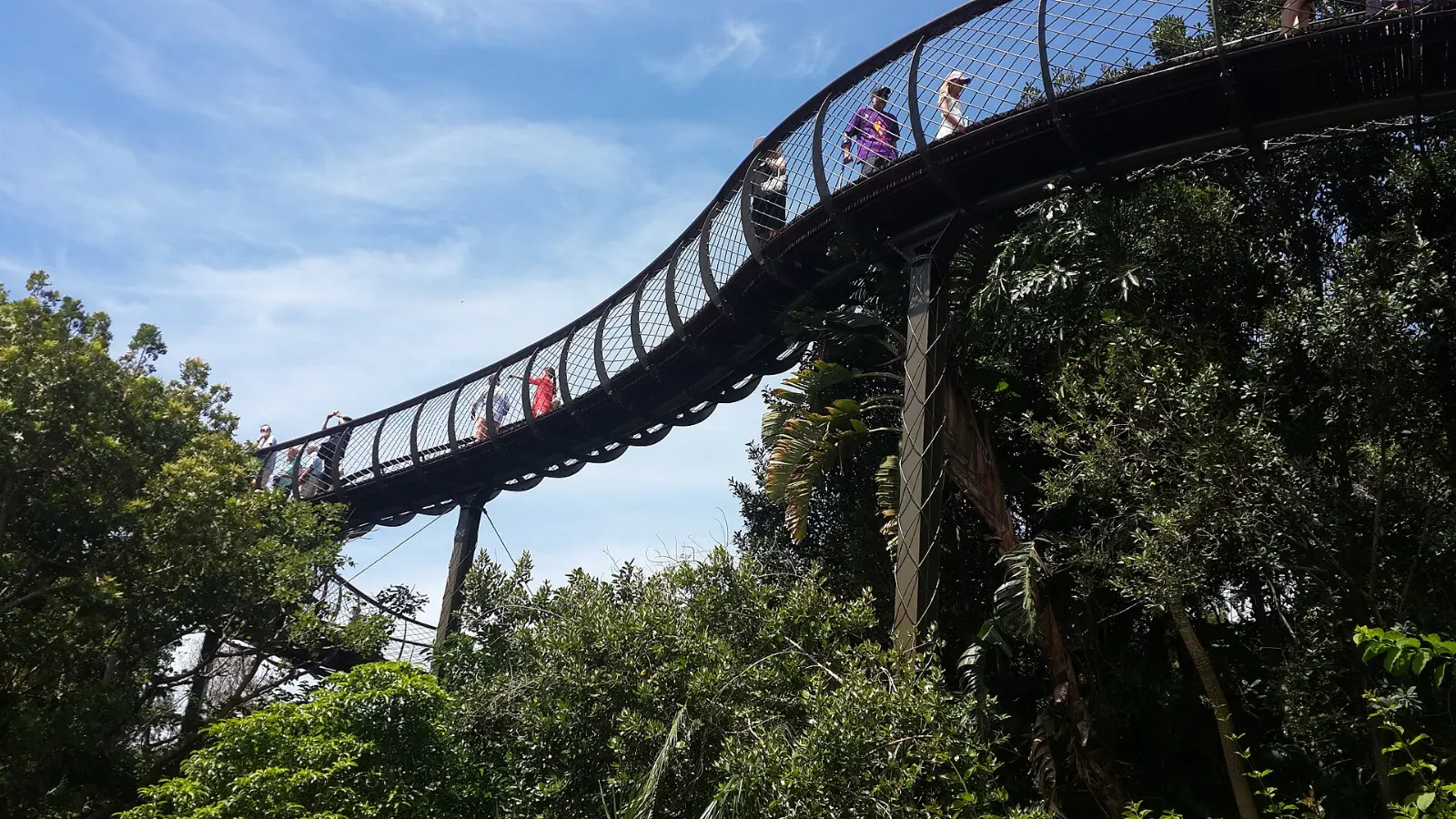
Kirstenbosch National Botanical Garden
On the eastern slopes of Table Mountain, Kirstenbosch is one of the great botanical gardens of the world, devoted to South Africa's indigenous plants.
Kalk Bay and Muizenberg
On the False Bay coast, Muizenberg is known for its colorful beach huts and gentle surf, making it a classic spot for surf lessons.
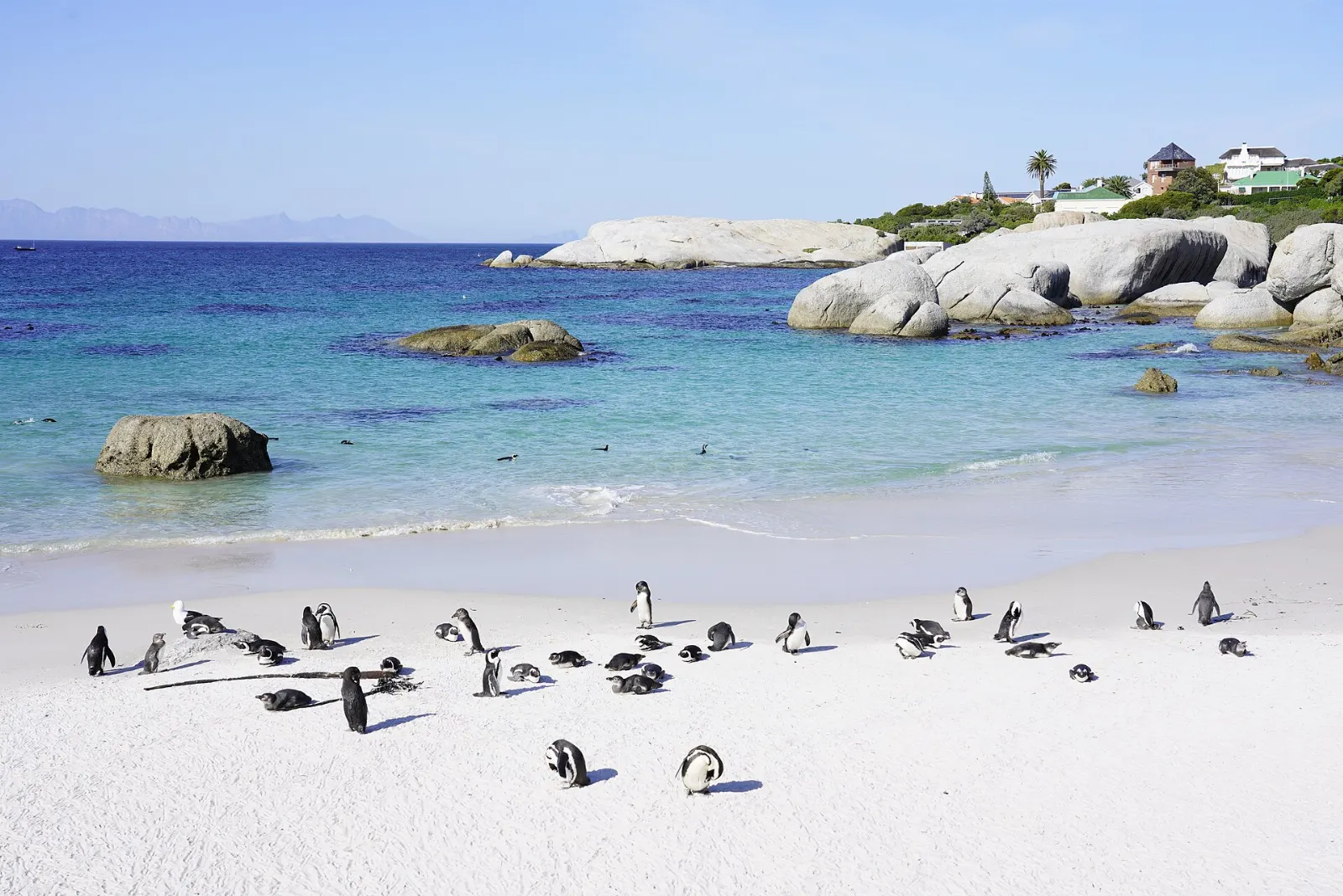
Boulders Beach
Near Simon's Town, Boulders Beach is home to a colony of African penguins, an endangered species. Boardwalks lead to viewing areas where you can watch them nesting and swimming between huge granite boulders, and a separate section lets you swim in sheltered coves nearby.
Cape Point and the Cape of Good Hope
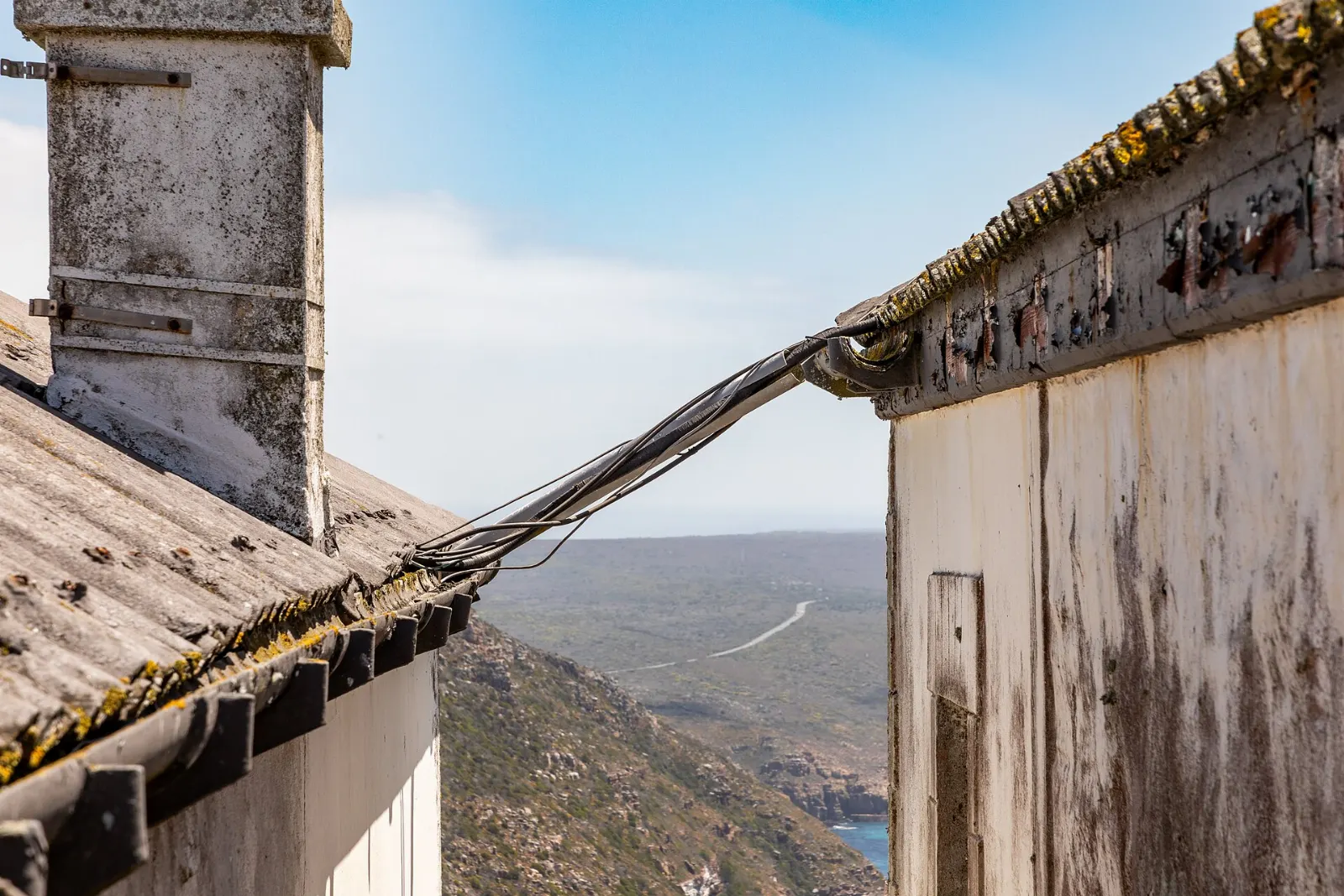
At the southern end of the peninsula, the Cape of Good Hope section of Table Mountain National Park protects wild fynbos, baboons, ostriches and antelope. At Cape Point, the Flying Dutchman funicular or a steep walk takes you up to the old lighthouse for sweeping ocean views.
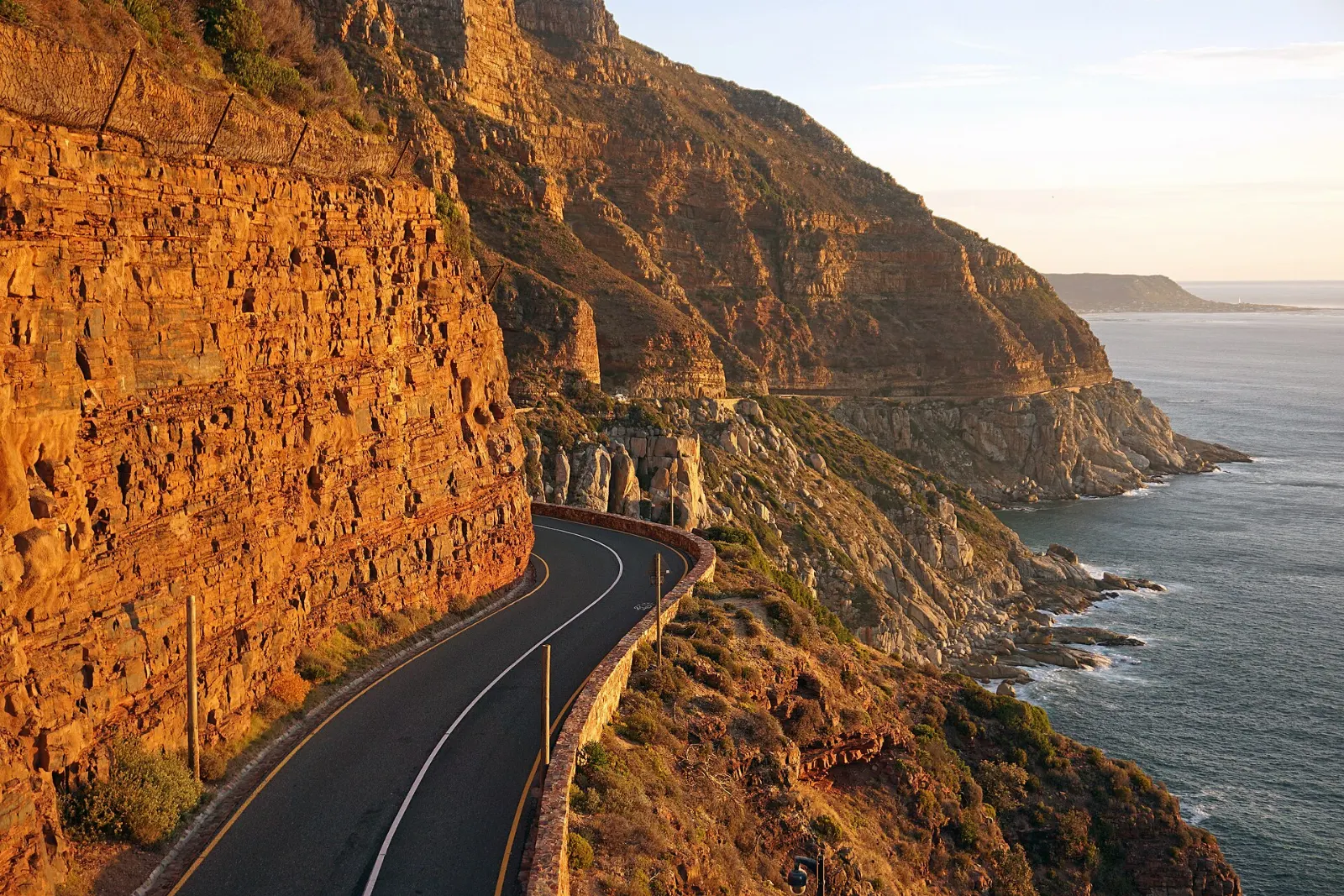
Chapman's Peak Drive
Chapman's Peak Drive is a toll road carved into the cliffs between Hout Bay and Noordhoek, with scores of curves and viewpoints high above the Atlantic. It makes a spectacular part of a loop around the peninsula.
 Planning a trip to Cape Town?Compare hotels, flights and vacation rentals for Cape Town on Expedia.Book now
Food and local flavors
Cape Malay cooking is the city's signature cuisine, blending Southeast Asian spices with local ingredients.
The braai, or barbecue, is a national institution, and you will find boerewors sausage, lamb chops and grilled snoek, a local fish often basted with apricot jam.
Saturday markets are a highlight. The Neighbourgoods Market at the Old Biscuit Mill in Woodstock is a long-established gathering of food stalls, coffee and design shops.
Popular dishes to try in Cape Town


Where to stay
V&A Waterfront is the most convenient and secure-feeling base for first-time visitors and families, with easy walking and plenty of restaurants.
City Bowl, Gardens and Tamboerskloof suit travelers who want to be close to museums, restaurants and Table Mountain trailheads, with plenty of guesthouses.
Sea Point and Green Point offer an Atlantic promenade for walking and running, good transport links and a lively local feel.
Camps Bay and Clifton are glamorous beach suburbs with mountain and ocean views, ideal for couples and beach lovers.
Where to stay in Cape Town


Best time to visit
Cape Town has a Mediterranean climate, with warm, dry summers and cool, wet winters. Summer, from December to February, brings long sunny days and the busiest beaches.
March and April are often considered ideal, with warm weather, calmer winds and fewer crowds.
Winter, from June to August, is rainy and cool, with dramatic storms, lower prices and fewer visitors.
Getting there and getting around
Cape Town International Airport has direct flights from Europe, the Middle East and other African cities, plus frequent domestic flights from Johannesburg and Durban.
The MyCiTi bus network connects the airport, the city center, the Waterfront and the Atlantic Seaboard as far as Hout Bay, and uses a stored-value card.
Cableway tickets can be bought online, and Robben Island tours should be booked well in advance.
A suggested itinerary
First day
Ride the cableway or hike up Table Mountain on the first clear morning.
Second day
Take an early ferry to Robben Island, then spend the afternoon at the V&A Waterfront and Zeitz MOCAA.
Third day
Drive the Cape Peninsula loop: Muizenberg and Kalk Bay, penguins at Boulders Beach, Cape Point and the Cape of Good Hope, returning along Chapman's Peak Drive to Hout Bay.
Fourth day
Spend the morning at Kirstenbosch, then taste wine on a Constantia estate.
Fifth day
Hike Lion's Head early, browse the Saturday markets in Woodstock if your timing works, or take a day trip to Stellenbosch and Franschhoek.
Practical tips
- Book Robben Island tours and, in summer, cableway tickets well ahead.
- Hike in groups, stick to popular trails, start early and tell someone your plans.
- Use ride-hailing apps at night rather than walking in quiet areas.
- Keep valuables out of sight in cars and on the beach.
- Pack sunscreen and a windproof jacket; the sun is strong and the wind can be fierce.
- The Atlantic beaches are very cold; False Bay waters are noticeably warmer.
- Cards are widely accepted, but carry some South African rand for markets and tips.