Madrid wins people over slowly and then completely. It has no beach and no single postcard monument, but it has three of Europe's great art museums within a short walk of each other, a royal palace, an enormous city park and a street life that runs from late breakfast to well past midnight.
AT A GLANCE
Best time
April to June and September to October, with pleasant temperatures and long evenings outdoors.
How long
Three to four days for the city, plus a day trip to Toledo or Segovia.
Getting there
Fly into Adolfo Suárez Madrid-Barajas airport or take high-speed trains into Atocha or Chamartín stations.
Why visit Madrid
Madrid became Spain's capital in the sixteenth century under Philip II, and the royal collections gathered by the Habsburg and Bourbon kings are the foundation of its extraordinary museums.
Madrid is also one of the best-connected cities in Spain. High-speed trains reach Seville, Barcelona, Valencia and Málaga in a few hours, while Toledo and Segovia, both UNESCO World Heritage cities, are easy day trips.
The Paseo del Arte and Retiro Park
The boulevard of the Paseo del Prado and the adjoining Retiro Park were inscribed together on the UNESCO World Heritage List in 2021 as a landscape of arts and sciences. This is where you will spend a good part of your visit.
Museo del Prado
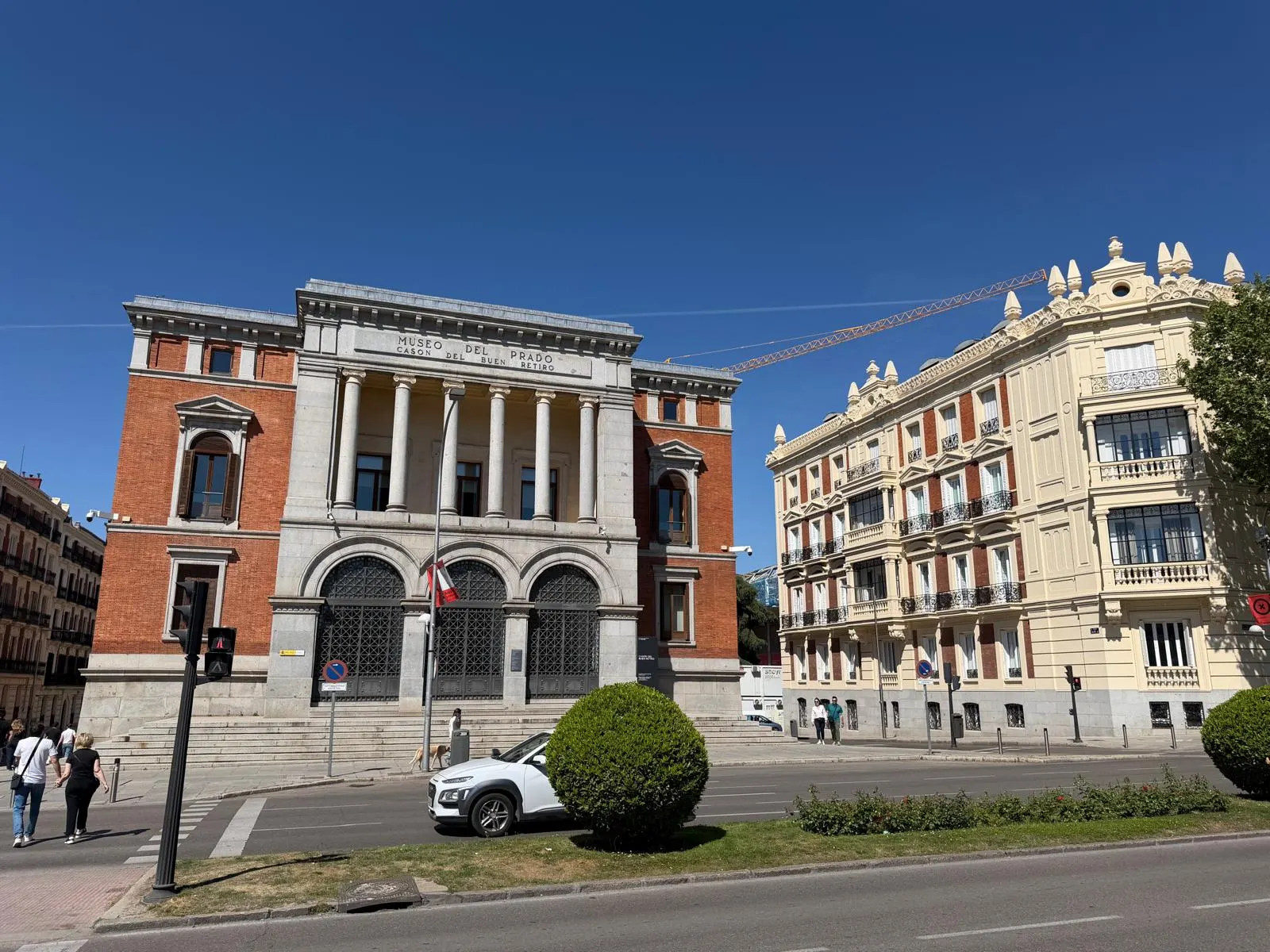
The Prado holds one of the finest collections of European painting in the world, with particular strength in Spanish, Flemish and Italian masters. Do not miss Velázquez's Las Meninas, Goya's dark Black Paintings and his two portraits of the Maja, Hieronymus Bosch's Garden of Earthly Delights and the works of El Greco.
Museo Reina Sofía and Thyssen-Bornemisza
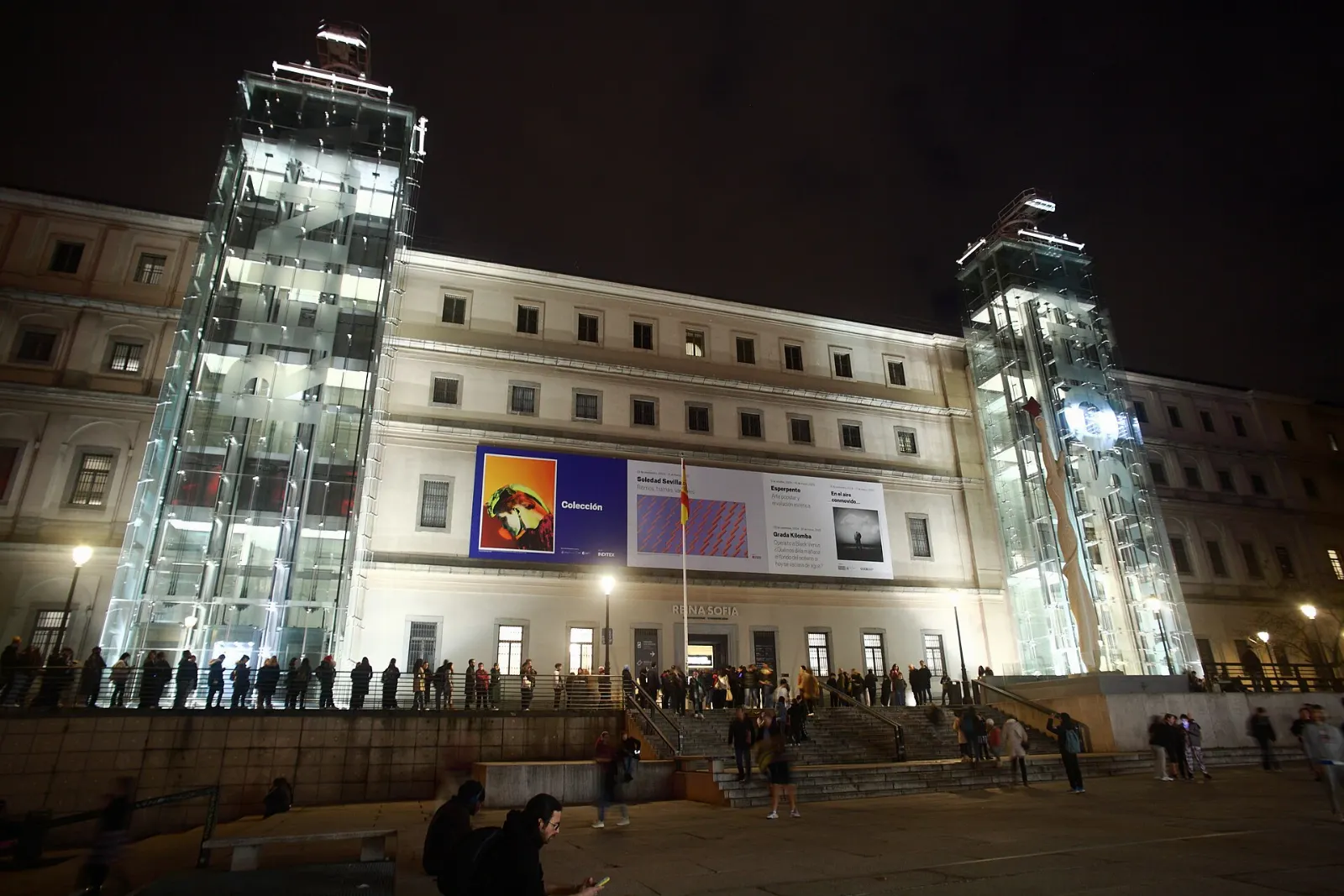
The Reina Sofía, near Atocha station, is Spain's national museum of modern and contemporary art. Its unmissable centerpiece is Picasso's Guernica, painted in 1937 in response to the bombing of the Basque town, displayed with the preparatory sketches.
Retiro Park
Once the gardens of a royal palace, the Buen Retiro Park opened to the public in the nineteenth century and is now Madrid's favorite place to stroll, jog and picnic.
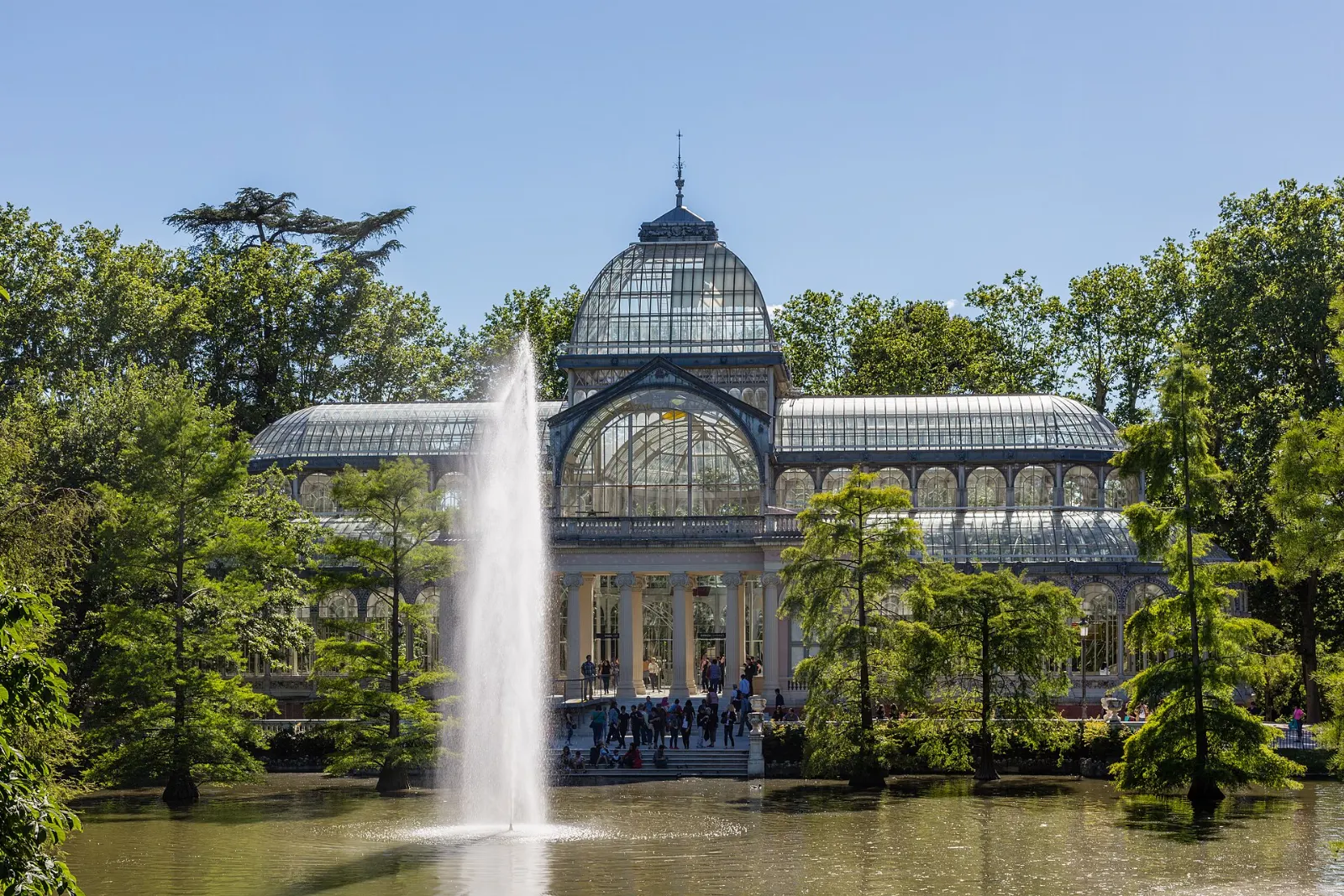
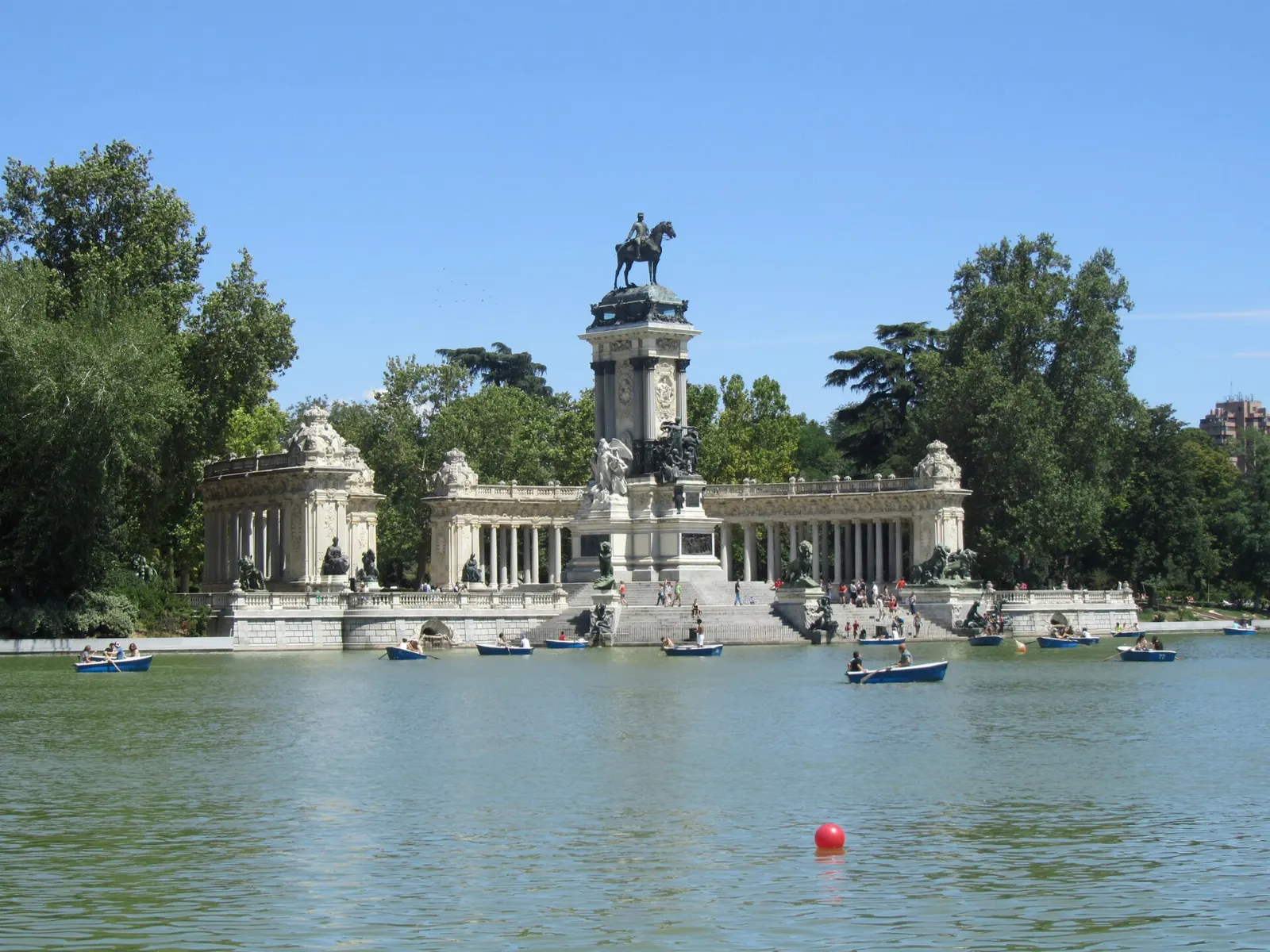
Weekend mornings are lively around the pond, and the boats are popular, so arrive early if rowing is on your list. In very windy weather some areas of the park may close as a precaution.
Royal Madrid and the historic center
Royal Palace and Almudena Cathedral
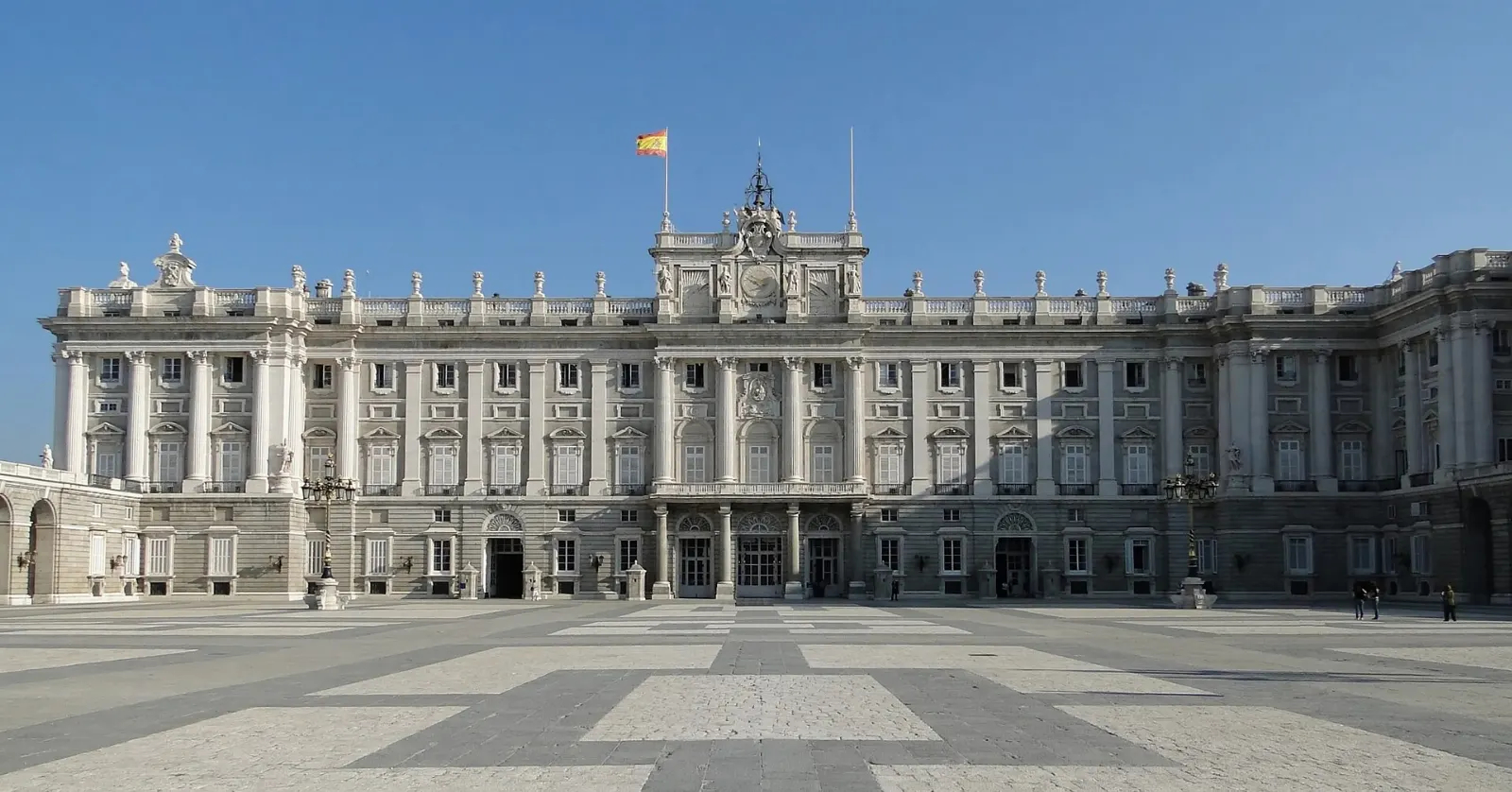
The Palacio Real, built in the eighteenth century on the site of a former Moorish fortress, is the official residence of the Spanish royal family, although it is used for state ceremonies rather than as a home.
Plaza Mayor
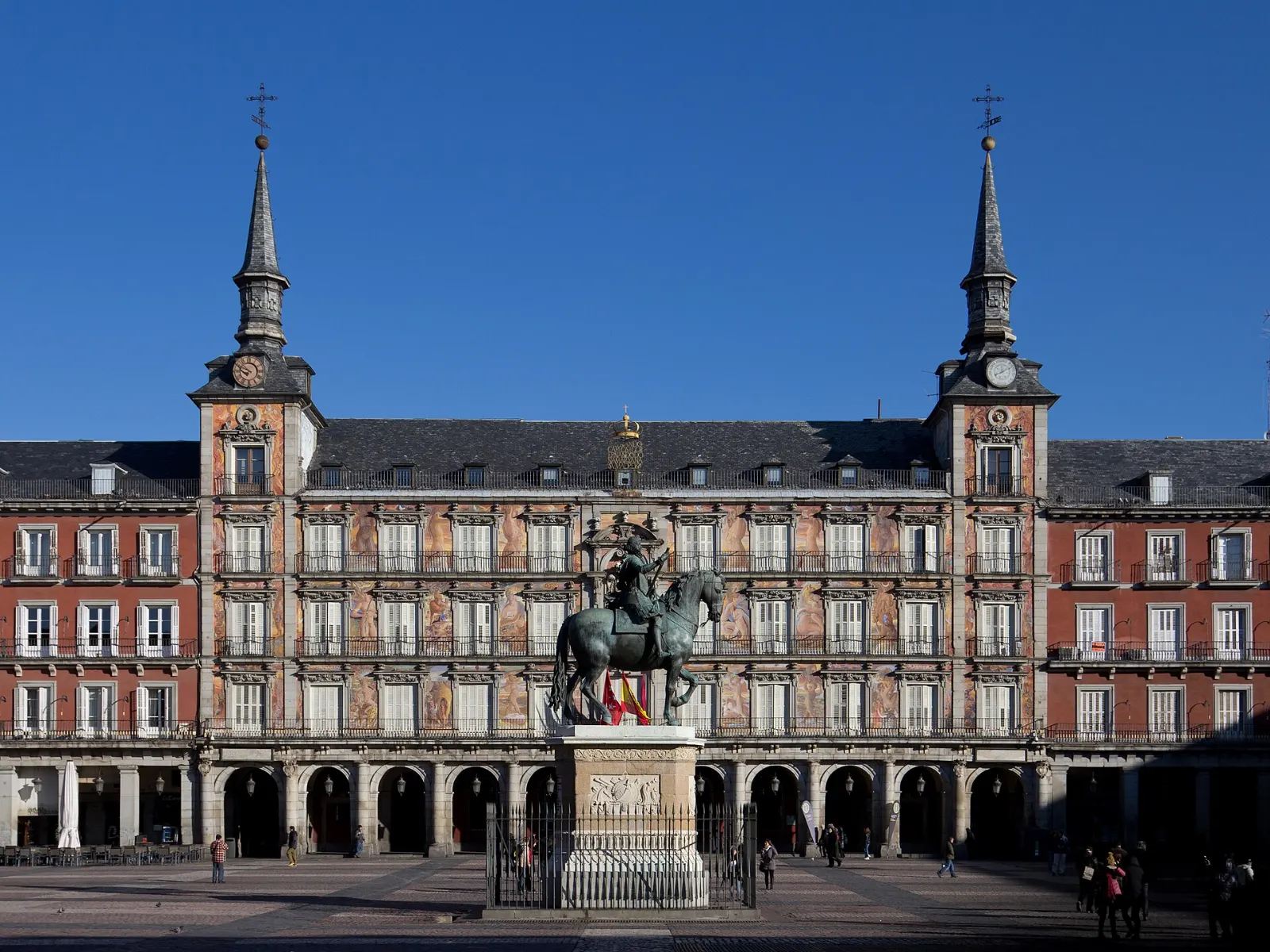
Madrid's grand arcaded square dates from the early seventeenth century and has hosted markets, bullfights, coronations and executions. The Casa de la Panadería, with its painted facade, stands on the north side, and an equestrian statue of Philip III rides in the center.
Puerta del Sol
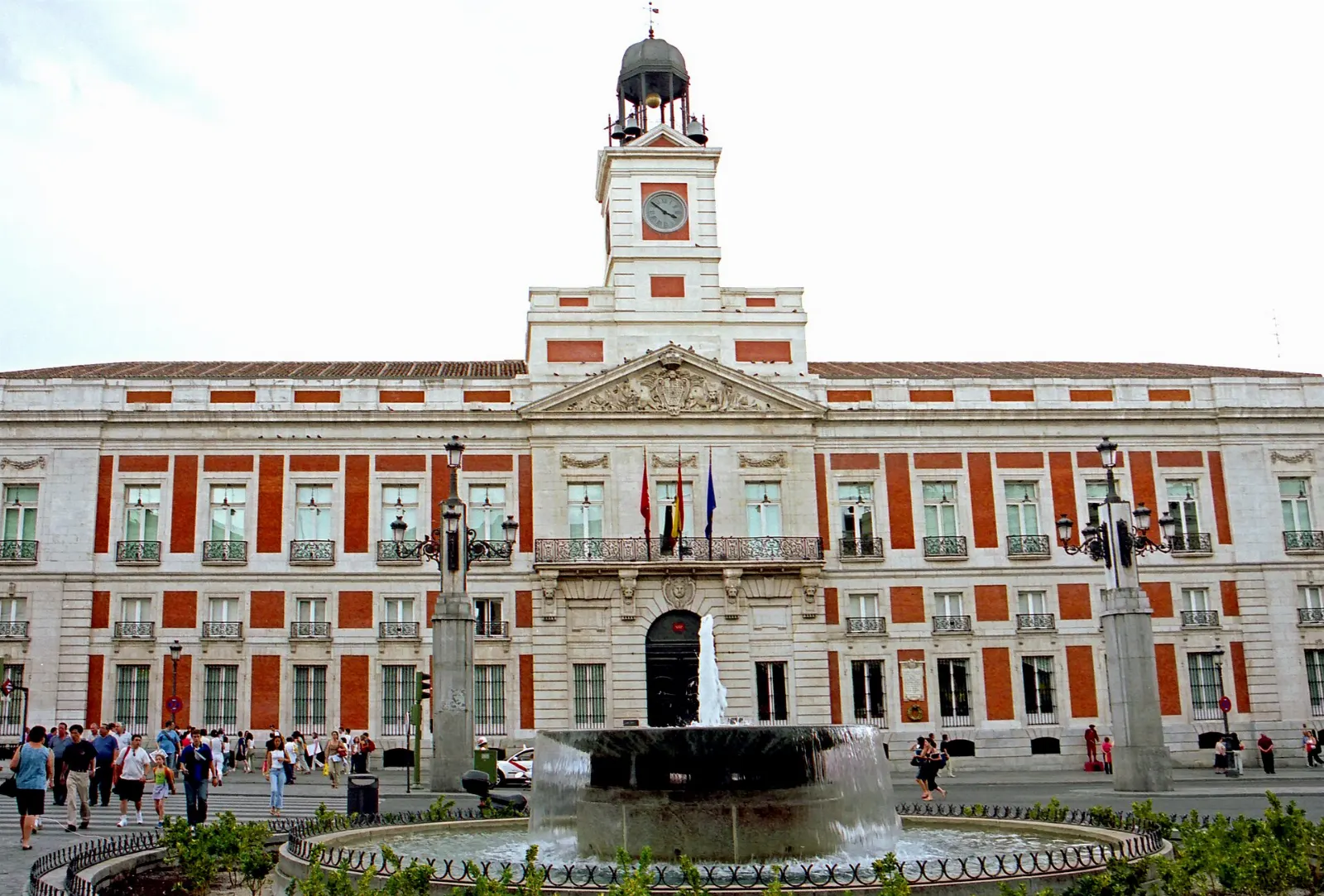
A few minutes away, the Puerta del Sol is the busy heart of the city and of Spain's road network: a plaque on the pavement in front of the Real Casa de Correos marks Kilometre Zero, from which national roads are measured.
Mercado de San Miguel
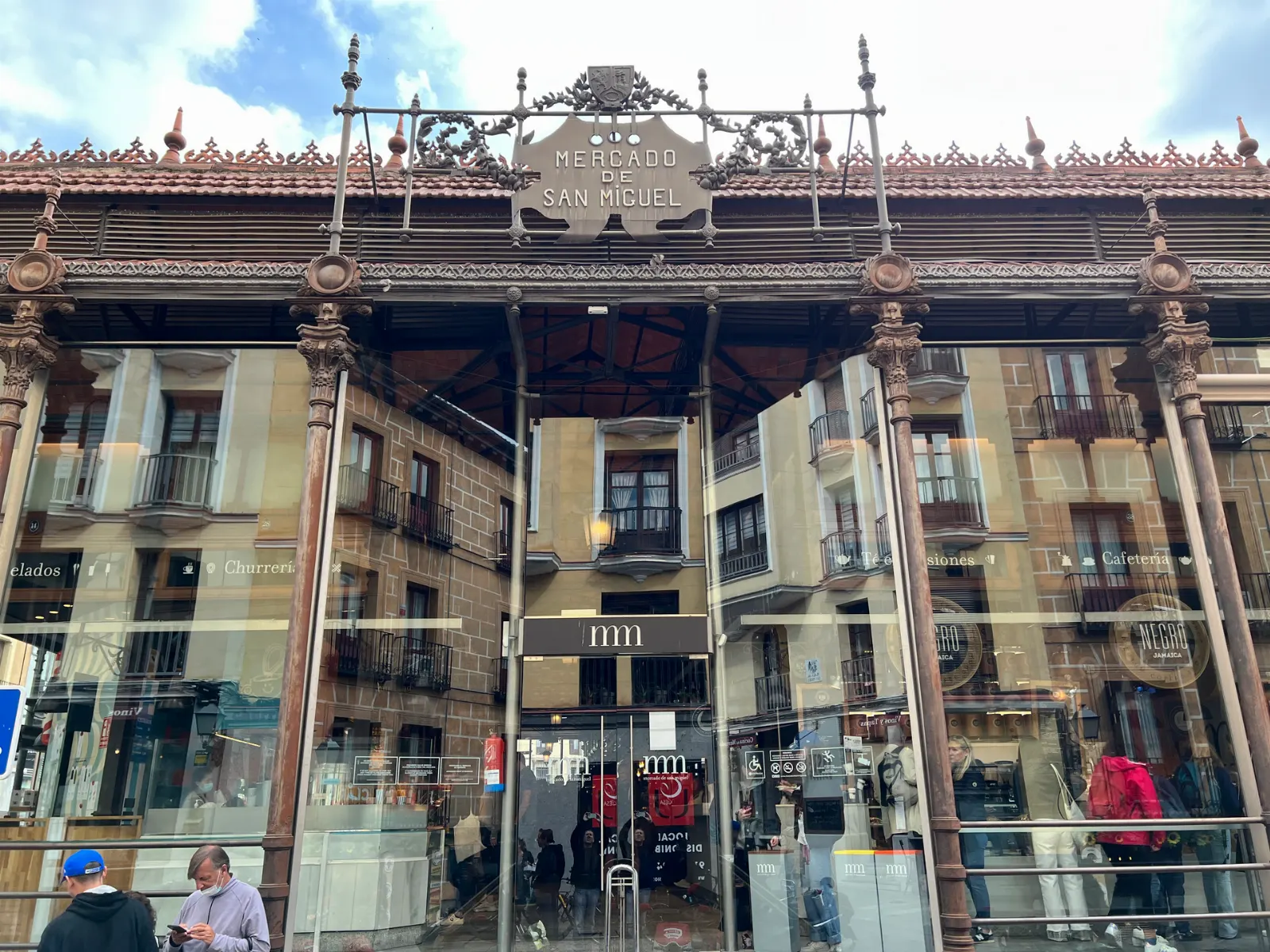
Just west of Plaza Mayor, this restored iron-and-glass market from 1916 is now a gourmet food hall with counters selling oysters, croquetas, cured ham and vermouth. It is busy and more expensive than a neighborhood market, but it is a pleasant place for a snack.
Gran Vía
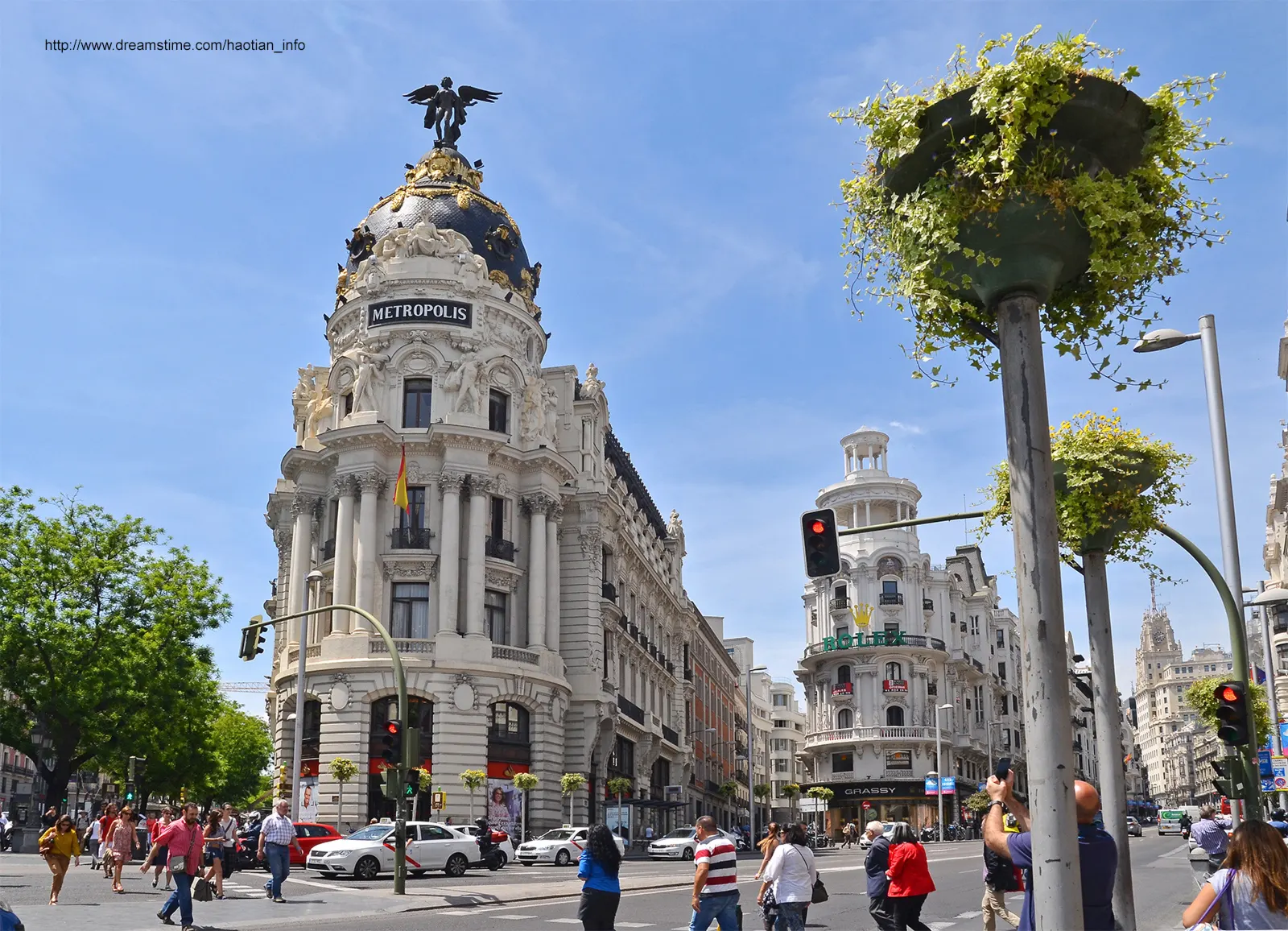
Built in the early twentieth century, the Gran Vía is Madrid's grand avenue of theaters, shops and early skyscrapers. Start at the domed Metrópolis building at its eastern end and walk toward Plaza de España, looking up at the facades.
 Planning a trip to Madrid?Compare hotels, flights and vacation rentals for Madrid on Expedia.Book now
Barrios, sunsets and markets
Templo de Debod
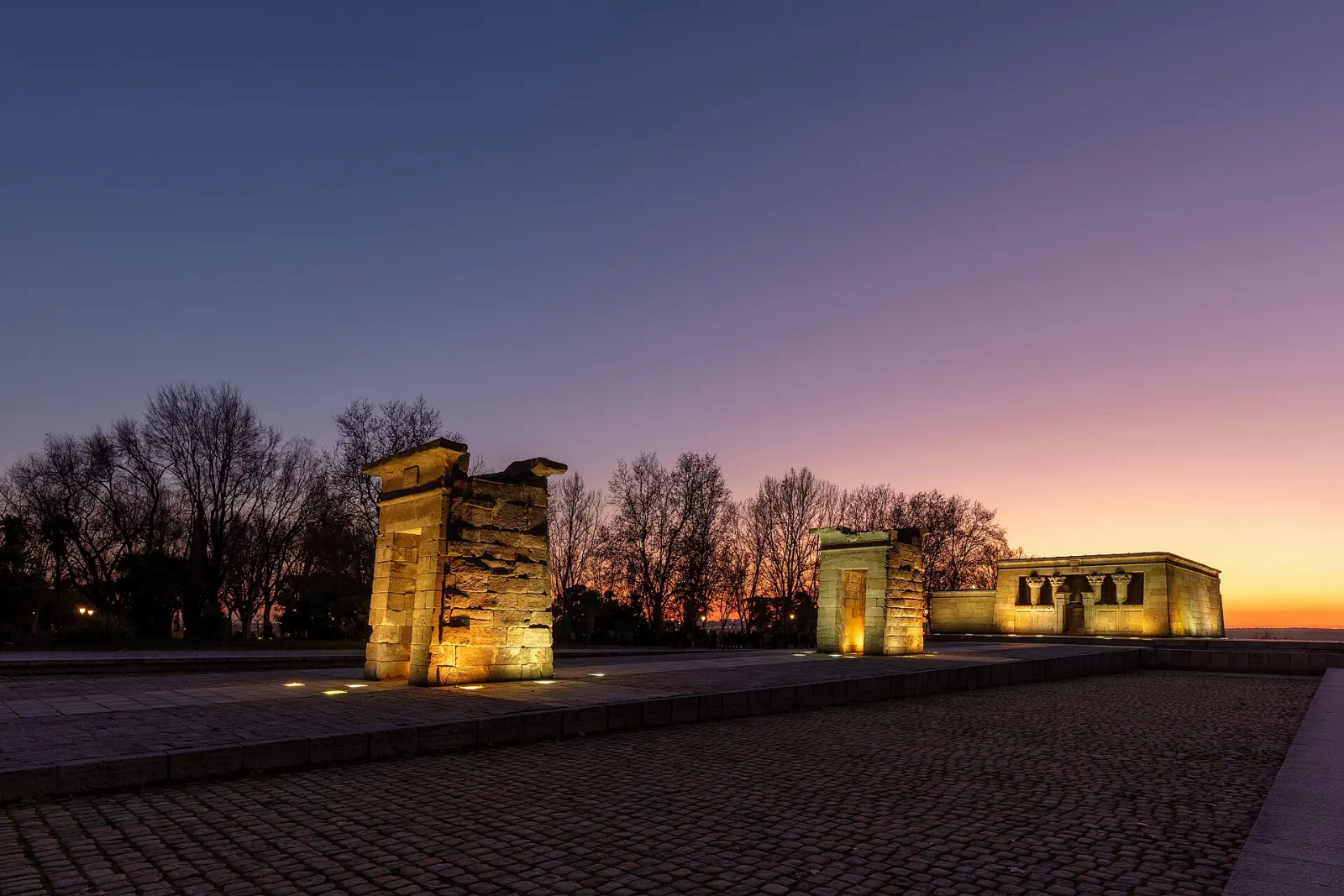
This genuine ancient Egyptian temple, dating back more than two thousand years, was given to Spain by Egypt in thanks for help saving monuments threatened by the Aswan High Dam, and it was rebuilt in the Parque del Oeste in the early 1970s.
La Latina and El Rastro
The medieval lanes of La Latina are the place to go for tapas, especially along Calle de la Cava Baja.
Malasaña, Chueca and the Barrio de las Letras
Malasaña, the center of the 1980s cultural movement known as La Movida, is full of vintage shops, cafés and bars. Next door, Chueca is Madrid's LGBTQ+ neighborhood, lively day and night, with the Mercado de San Antón for food.
Food and local flavors
Madrid's signature dish is cocido madrileño, a hearty chickpea stew with meats and vegetables served in courses, beginning with the broth; it is a winter lunch favorite. Look also for callos a la madrileña (tripe stew), huevos rotos (fried eggs broken over potatoes), tortilla española, croquetas and the bocadillo de calamares.
For tapas, the classic routes are Cava Baja in La Latina, the streets around Plaza de Santa Ana and Calle de Ponzano in Chamberí. Order a drink and many bars will add a small free tapa.
Popular dishes to try in Madrid


Where to stay
Sol and the Centro put you within walking distance of nearly everything, ideal for a short first visit, though streets are busy and can be noisy. Barrio de las Letras and Huertas sit between Sol and the museums, combining a central location with lively bars.
Malasaña and Chueca are good for younger travelers and nightlife. Salamanca, with its elegant streets and designer shopping, is quieter and more upscale, close to Retiro Park.
Where to stay in Madrid


Best time to visit
Madrid sits on a high plateau, so it has hot, dry summers and cold, sunny winters.
The city's patron saint festival, San Isidro, around 15 May, brings traditional dress, open-air concerts and street parties, especially in the Pradera de San Isidro park.
Getting there and getting around
Adolfo Suárez Madrid-Barajas airport is northeast of the center.
The Metro is clean, extensive and easy to use, and rechargeable public transport cards cover the Metro and buses. Much of the center is best explored on foot, as most sights are within a half-hour walk of each other.
A suggested itinerary
First day
Start at Puerta del Sol and Plaza Mayor, snack at the Mercado de San Miguel and tour the Royal Palace.
Second day
Spend the morning at the Prado, then picnic or row a boat in Retiro Park and visit the Palacio de Cristal.
Third day
See Guernica at the Reina Sofía or visit the Thyssen-Bornemisza.
Fourth day
Take a morning train to Toledo or Segovia and return for churros with chocolate before bed.
Practical tips
- Book the Prado, Royal Palace and Reina Sofía online in advance, and check the official websites for current hours, fees and free-entry periods.
- Many museums close on one weekday, often Monday or Tuesday; plan around it.
- Pickpockets work the Metro, Puerta del Sol, Gran Vía and El Rastro; keep bags zipped and in front.
- Adjust to Spanish meal times and book popular restaurants for dinner.
- In summer, sightsee in the morning and evening and rest in the afternoon heat.