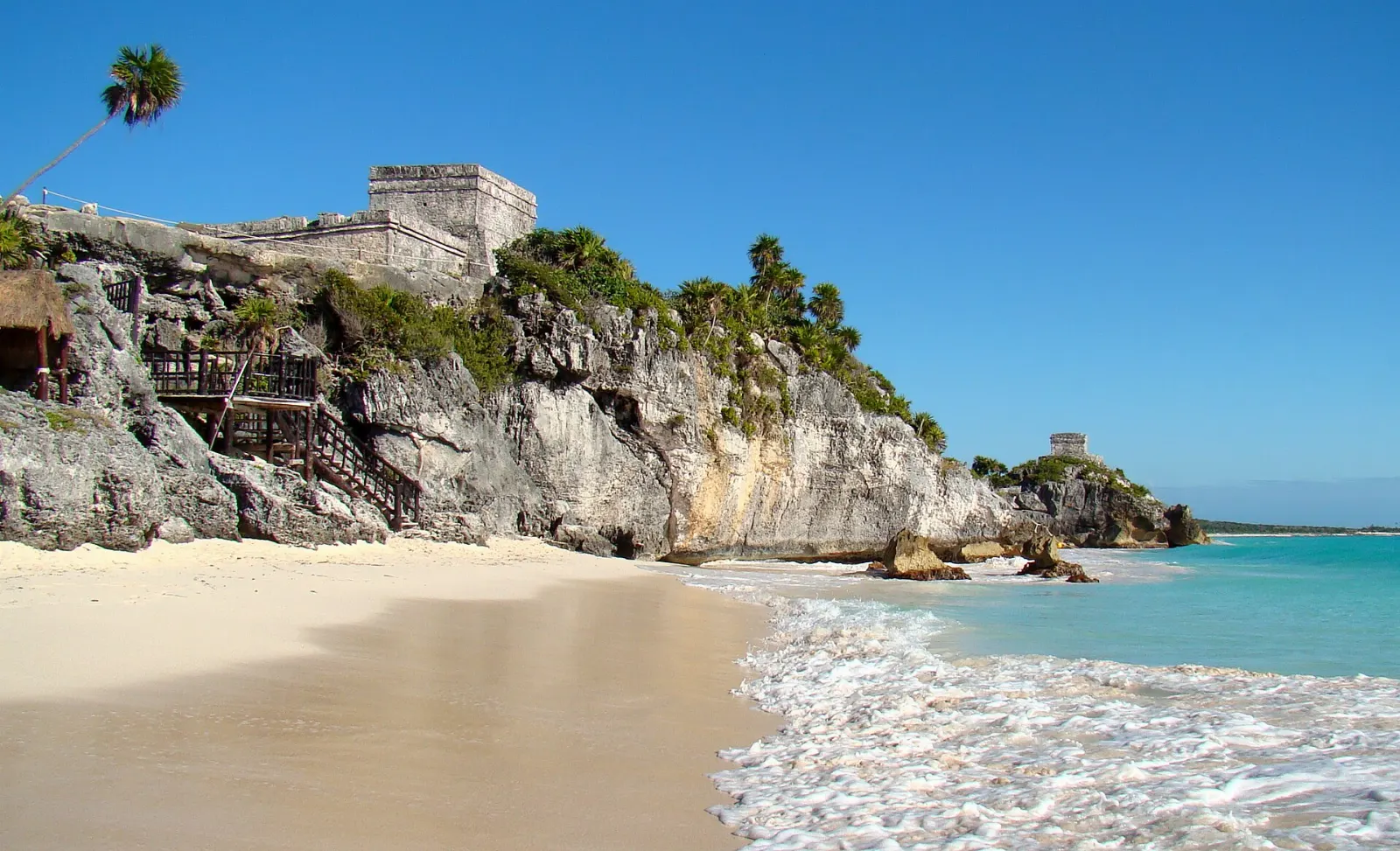
Tulum sits on the Caribbean coast of Mexico's Yucatán Peninsula, in the state of Quintana Roo, where a walled Maya city still stands on a limestone cliff above turquoise water.
AT A GLANCE
Best time
December to April for dry, sunny weather; November and early December for fewer crowds.
How long
Four to six days for the ruins, beaches, cenotes and a couple of day trips.
Getting there
Fly into Tulum International Airport or Cancún, then drive, ride the bus or take the Tren Maya.
Why visit Tulum
Few places combine ancient history and the sea as strikingly as Tulum.
Beyond the ruins, the land itself is the attraction. The peninsula is a flat shelf of porous limestone with no surface rivers, and rainwater flows through one of the world's longest underwater cave networks.
Add the coral reef offshore, the turtles of Akumal, the lagoons of Sian Ka'an and a lively food scene that ranges from roadside taquerías to inventive kitchens on the beach road, and it is easy to see why Tulum draws so many travelers.
The ruins and the coast
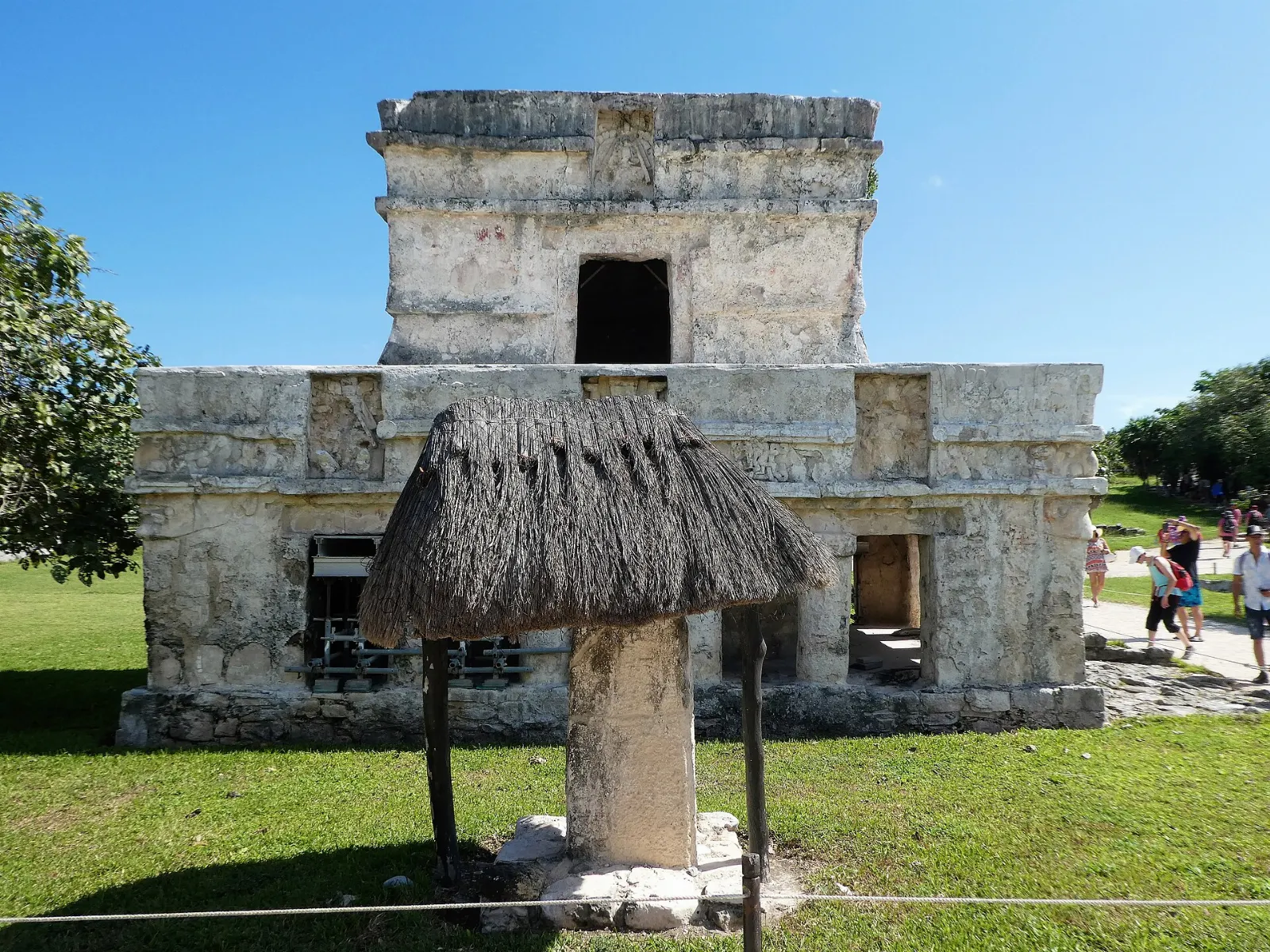
Tulum Archaeological Site
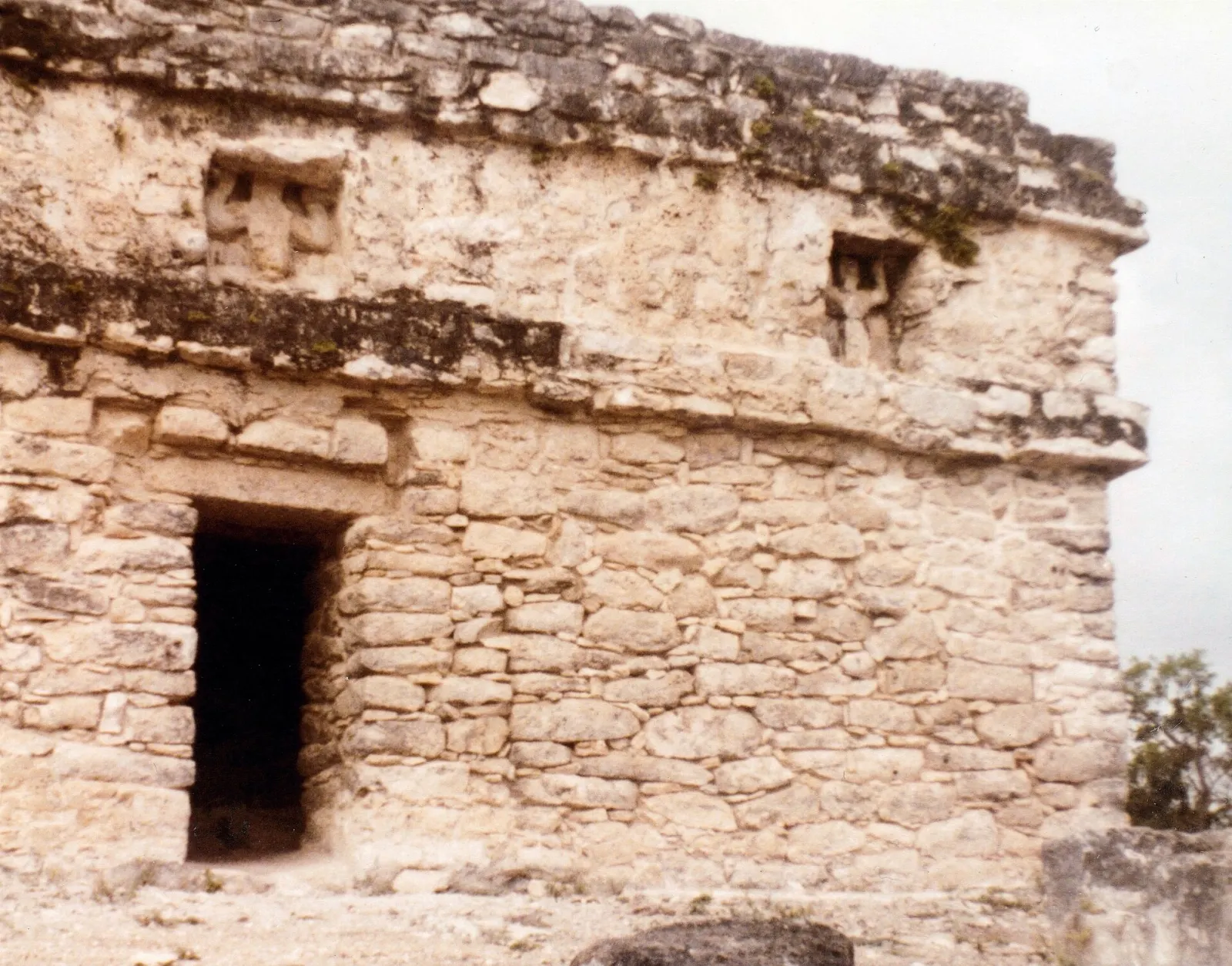
The ruins stand on cliffs about twelve meters above the sea, enclosed on three sides by a stone wall that gave the city its modern name, which means wall or fence in Yucatec Maya.
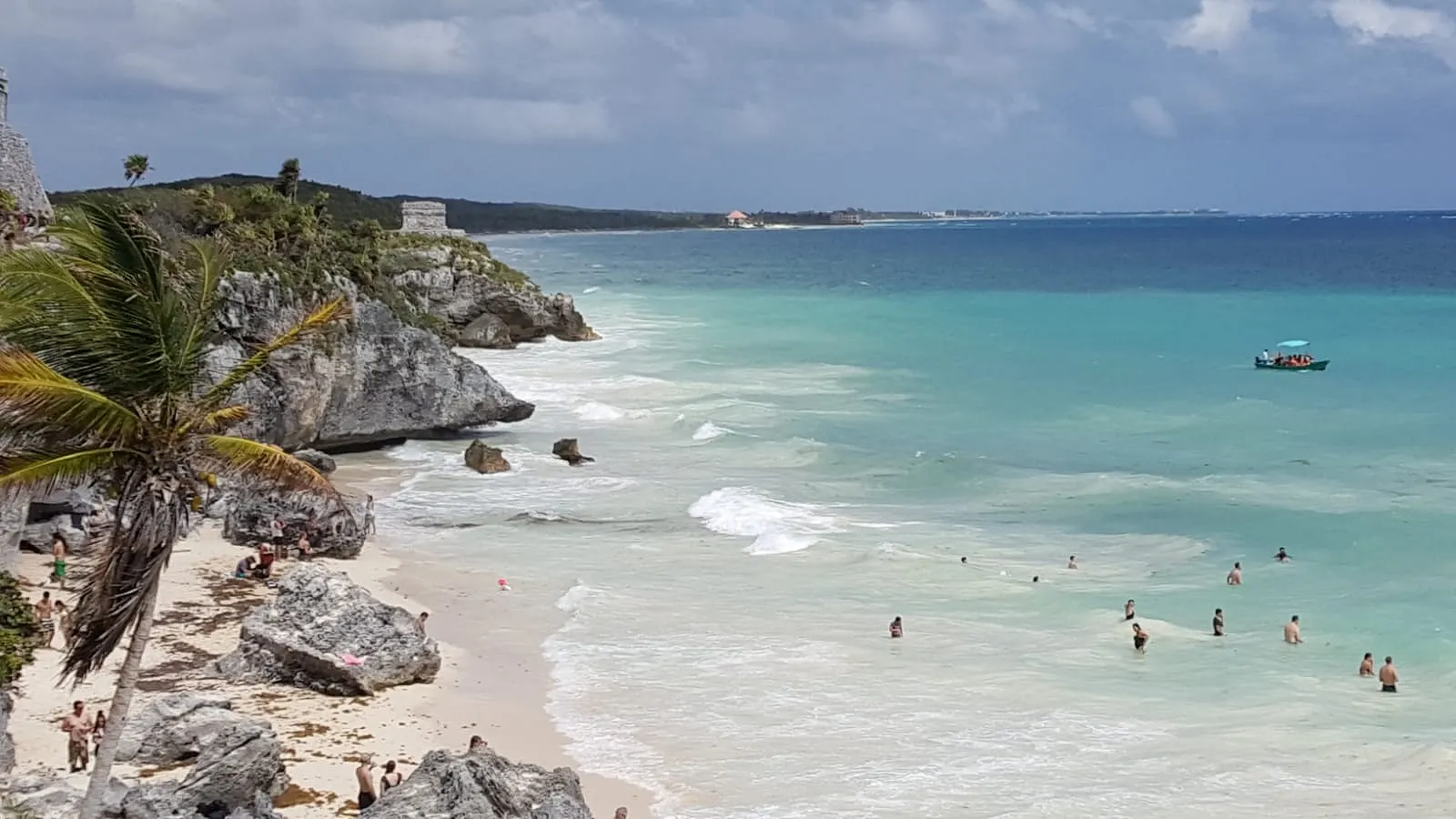
The beach below the ruins
A wooden staircase leads from the archaeological site down to a small, sheltered cove, one of the most photographed beaches in Mexico. When it is open, it is a lovely place for a short swim with El Castillo above you.
Tulum's beach road
South of the ruins, a narrow road runs for kilometers along the coast, lined with small hotels, beach clubs and restaurants set among palms and dunes. The northern stretch near the ruins has public beaches that are calmer and more open, while the southern end is busier and known for its dining and nightlife.
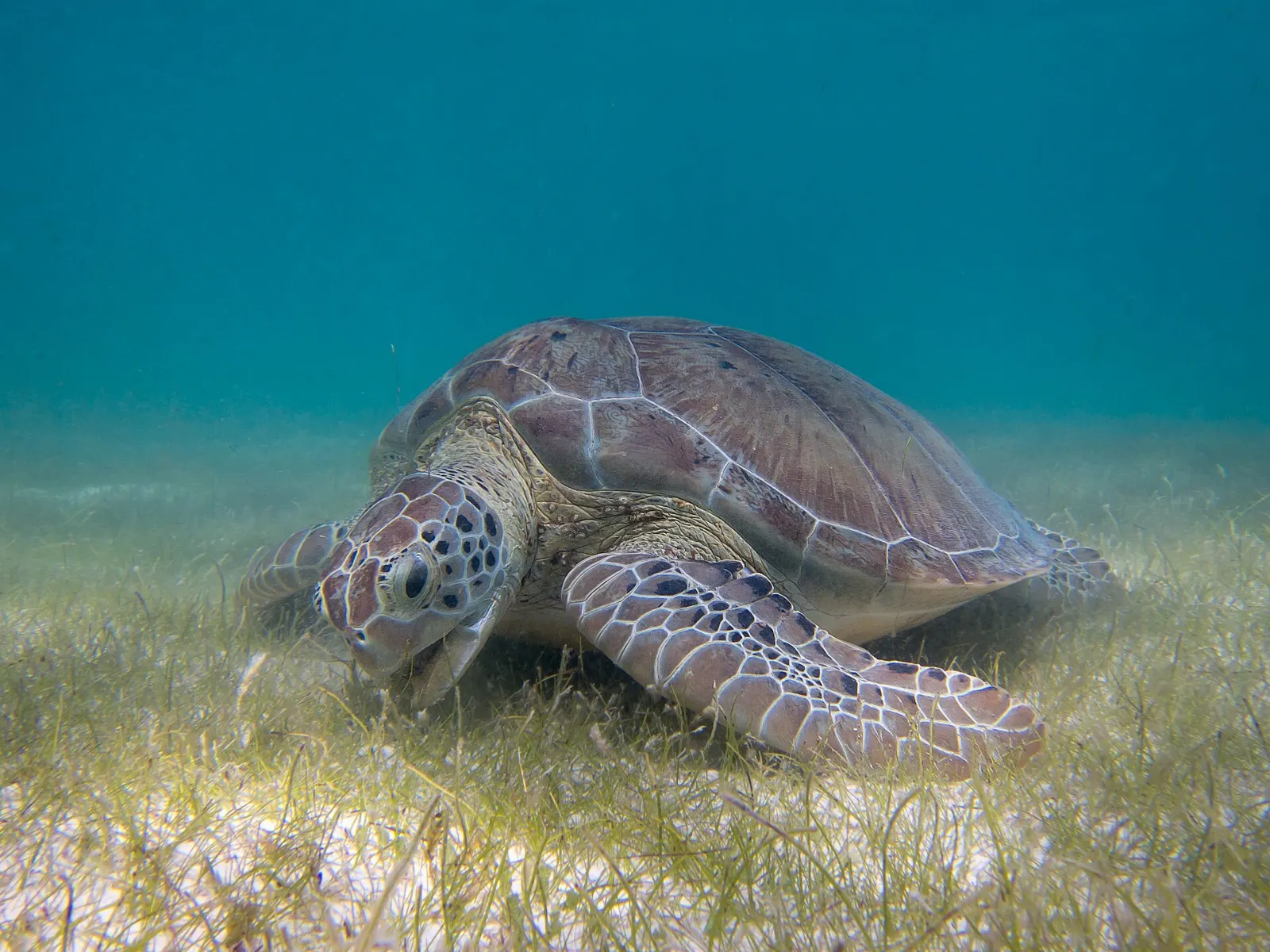
Akumal
About twenty-five kilometers north of Tulum, Akumal is a small coastal community known for green sea turtles that feed on seagrass in its shallow bay. Snorkeling here is now regulated to protect the turtles, so guides, life vests and marked swimming areas are usually required.
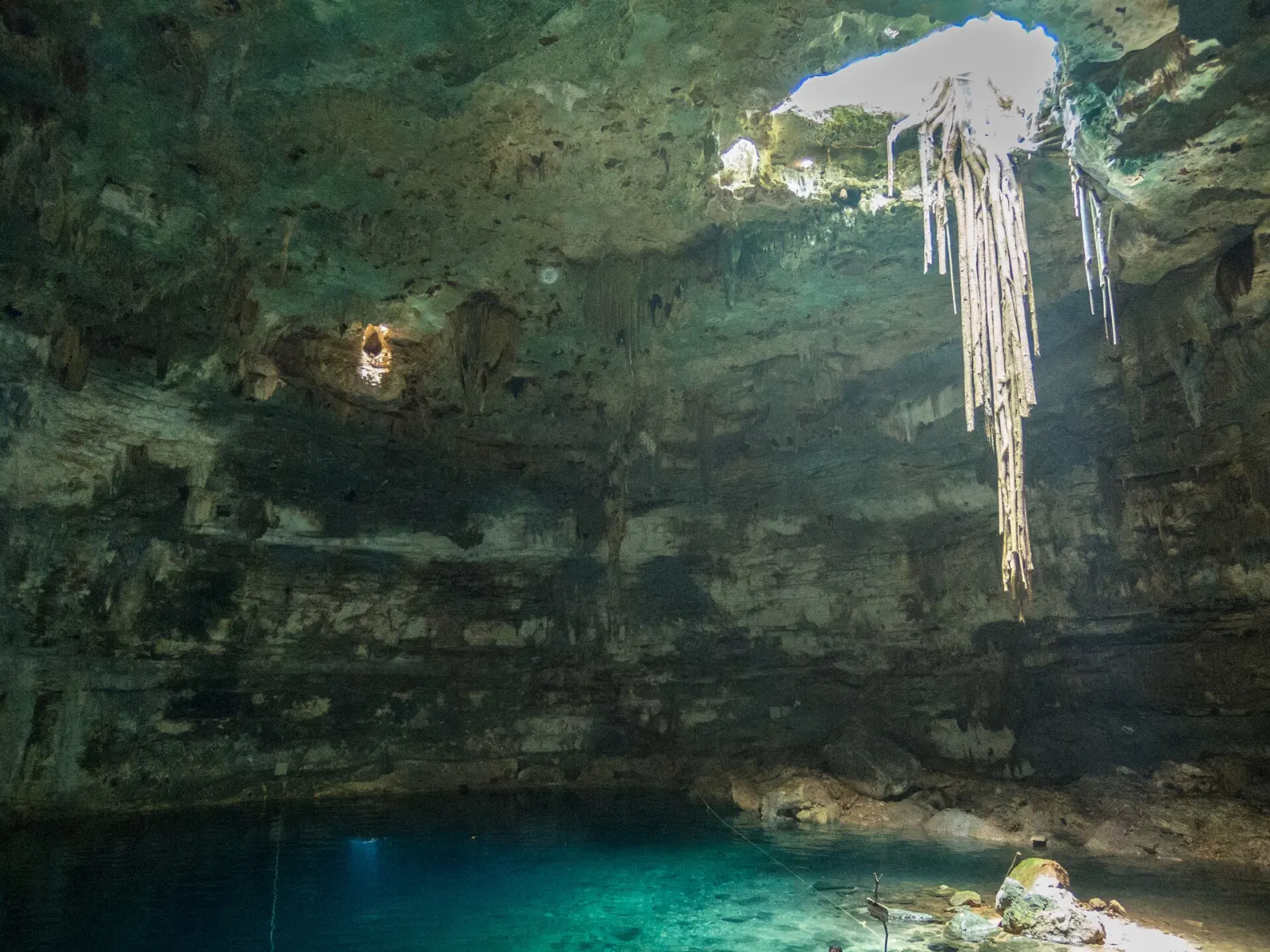
Cenotes near Tulum
Gran Cenote
A few kilometers west of town on the road to Cobá, Gran Cenote is one of the most popular cenotes in the region, with clear water, wooden platforms and partly open caverns where you can snorkel past stalactites and spot small turtles and fish.
Cenote Calavera
Also on the Cobá road, this small cenote takes its name, meaning skull, from three openings in its rocky roof that resemble eyes and a mouth.
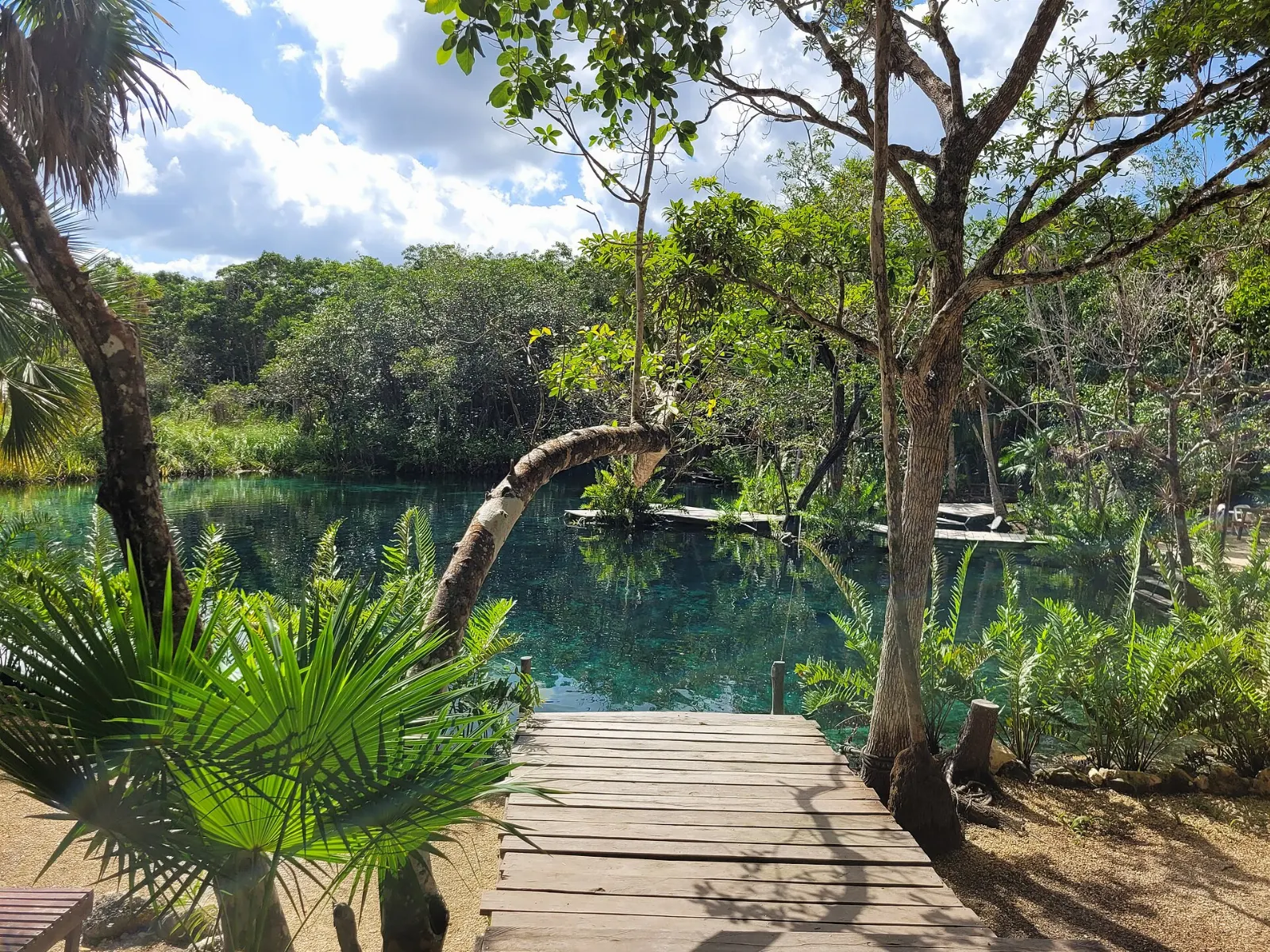
Dos Ojos
North of Tulum, Dos Ojos, meaning two eyes, is named for two neighboring cenotes that open into a shared cavern. It is part of the enormous Sac Actun system, among the longest known underwater cave networks in the world.
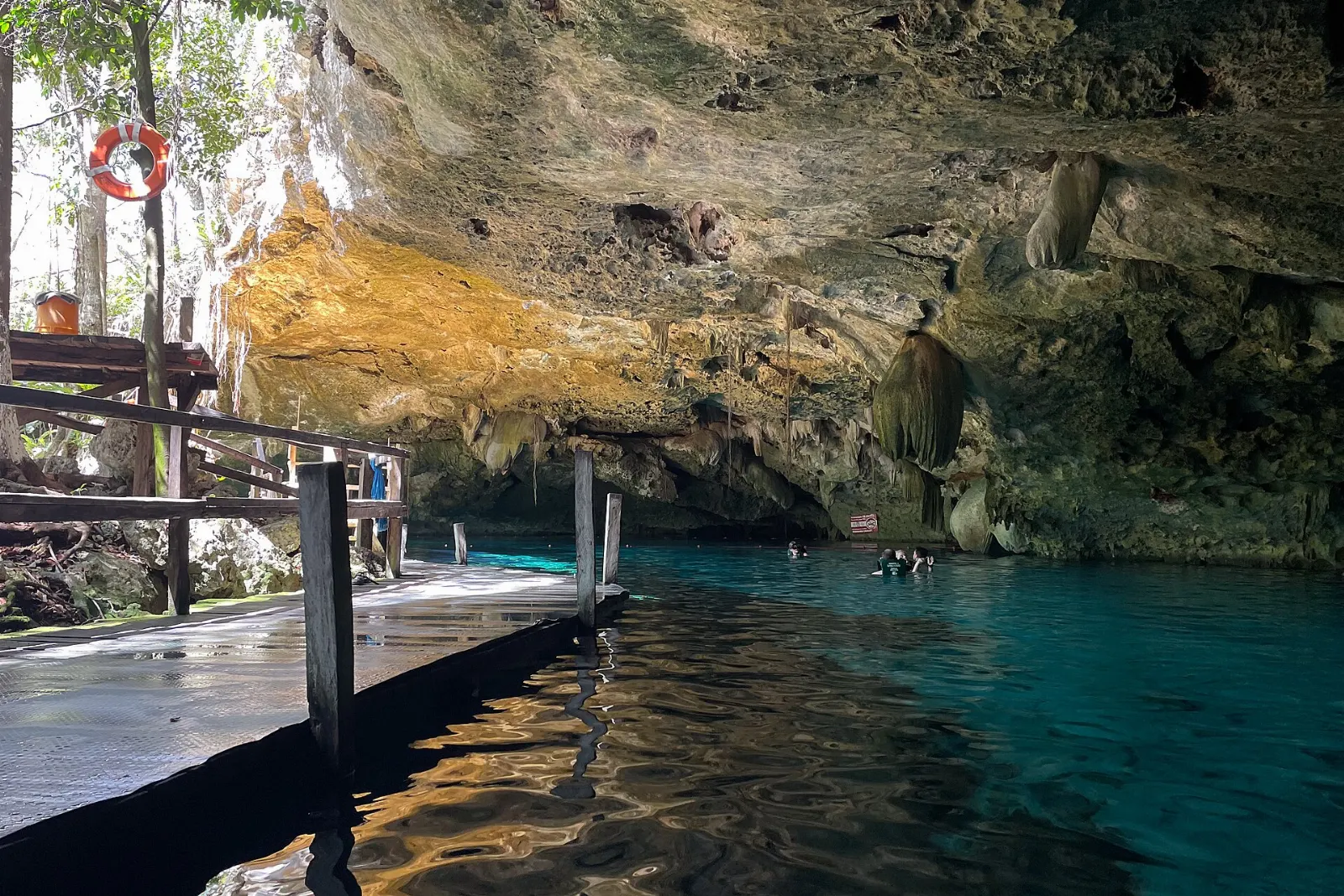
Day trips: reserves and inland ruins
Sian Ka'an Biosphere Reserve
Starting just south of Tulum, Sian Ka'an protects more than 5,000 square kilometers of lagoons, mangroves, tropical forest, beaches and coral reef. It was declared a UNESCO World Heritage Site in 1987, and its name is often translated as the place where the sky begins.
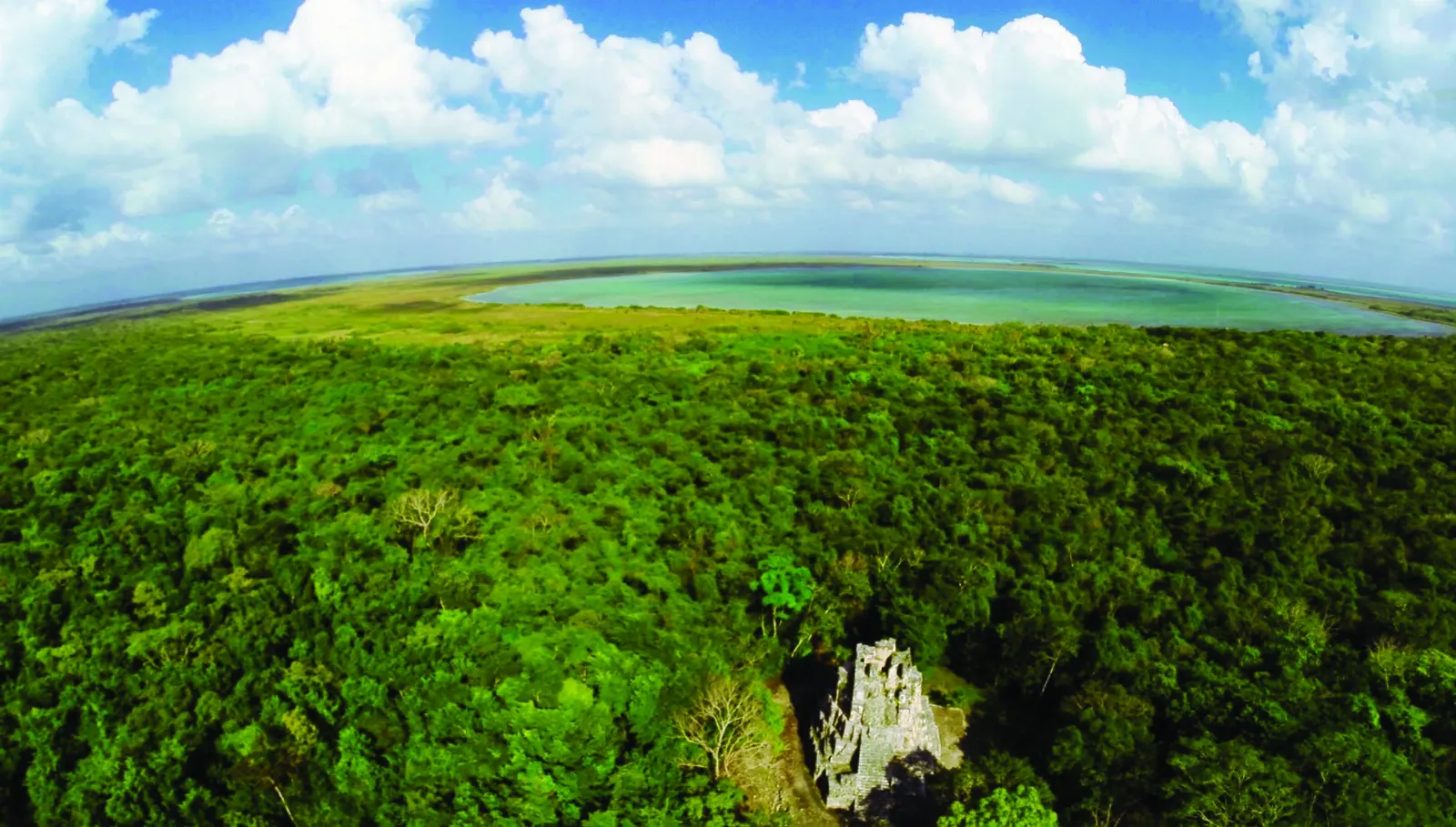
Muyil
A short drive south of Tulum on Highway 307, Muyil, also known as Chunyaxché, is one of the earliest and longest-inhabited Maya sites on the coast. Its steep, Petén-style temple rises out of the forest, and trails lead toward the lagoons of Sian Ka'an, where canals once connected the city to sea trade routes.
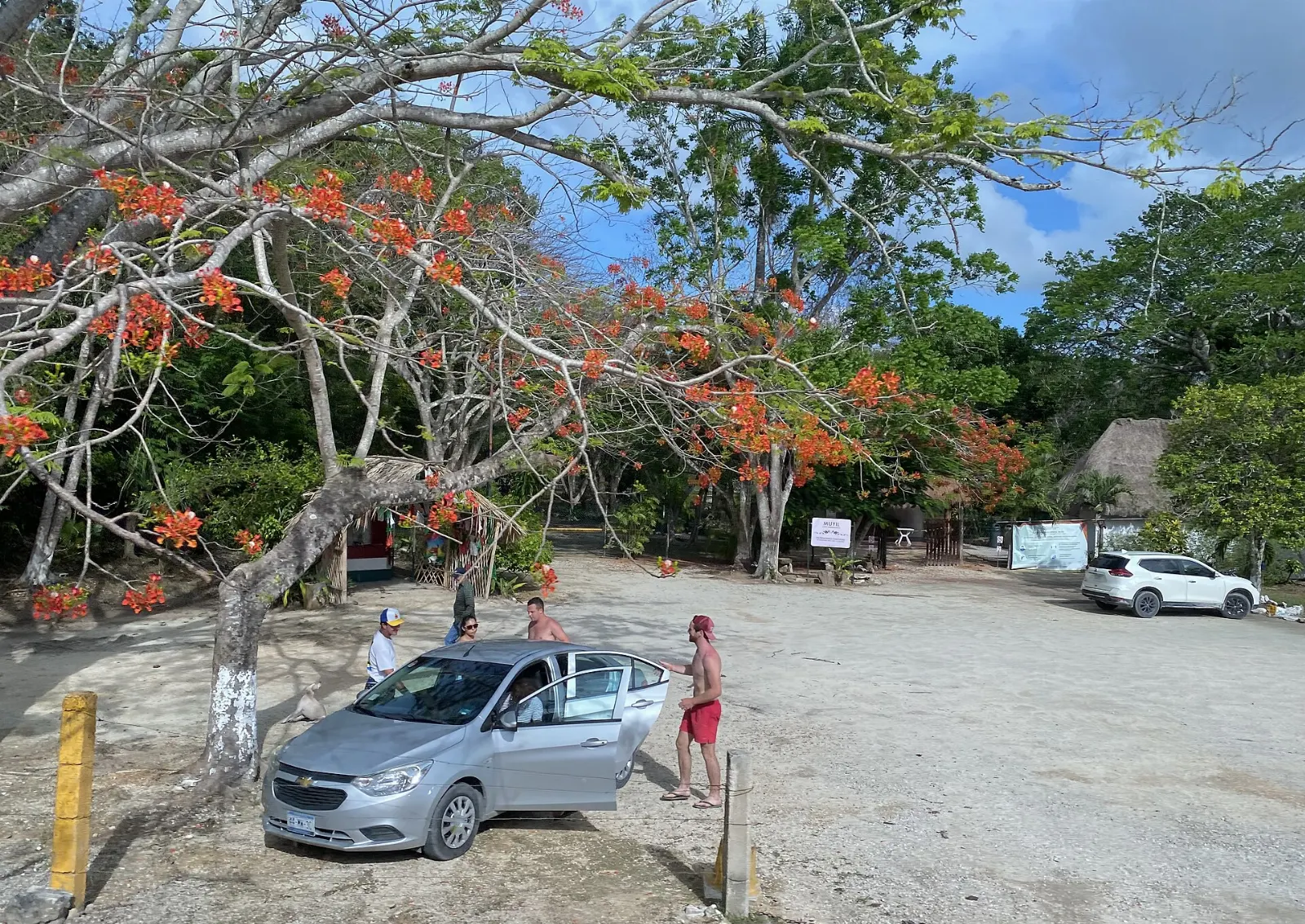
Cobá
About forty-seven kilometers northwest of Tulum, Cobá was a large Maya city built around two lagoons and linked by a network of raised stone roads called sacbeob. The Nohoch Mul group holds Ixmoja, one of the tallest pyramids on the peninsula.
 Planning a trip to Tulum?Compare hotels, flights and vacation rentals for Tulum on Expedia.Book now
Food and local flavors
Yucatecan cooking is the base of the local table. Try cochinita pibil, pork marinated in sour orange and achiote and slow-cooked until tender, often served in tacos or tortas with pickled red onions and fiery habanero salsa.
In town, the streets just off Avenida Tulum are full of casual taquerías and small family restaurants that serve locals and visitors alike, often at a fraction of beach-road prices.
Popular dishes to try in Tulum


Where to stay
Tulum town. The pueblo has the widest choice of guesthouses, apartments and hostels, plus supermarkets, banks and the bus station.
Aldea Zamá and La Veleta. These newer residential areas between town and the beach offer apartments and small hotels with pools.
The beach road. Small boutique hotels and cabañas sit right on the sand.
Near the ruins and Akumal. Staying north of town puts you close to the archaeological site and the turtle bay, ideal for early risers and snorkelers.
Where to stay in Tulum


Best time to visit
The dry season, from about December to April, brings sunny days, lower humidity and the most comfortable weather for exploring ruins.
The rainy season, roughly June to October, brings heavy but often brief showers, and it overlaps with the Atlantic hurricane season, which runs from June to November.
Getting there and getting around
Tulum International Airport opened in late 2023 south of town and has domestic and international flights, though it sits roughly forty-five minutes away by car.
Around Tulum, colectivo vans run frequently along Highway 307 between Playa del Carmen and points south, stopping on request; they are a cheap way to reach Akumal and the cenotes on the highway.
A suggested itinerary
First day
Reach the Tulum ruins at opening time and explore before the crowds arrive, then swim at the beach below if it is open.
Second day
Start early at Gran Cenote, continue to Cenote Calavera, and drive on to Cobá for the afternoon, exploring the shaded site by bicycle.
Third day
Join a boat tour into the Sian Ka'an Biosphere Reserve, stopping at Muyil on the way to see its temple and float the mangrove channels.
Fourth day
Head north to Akumal to snorkel with turtles in the morning, then spend the afternoon at Dos Ojos before a final evening on the beach.
Practical tips
- Carry pesos in cash for colectivos, cenotes, parking and small eateries, since many places do not accept cards.
- Use reef-safe sunscreen, and shower before entering cenotes to protect the water.
- Arrive early at the ruins and popular cenotes to beat the heat and the tour groups.
- Drink bottled or filtered water and stay hydrated in the heat and humidity.
- Agree on taxi fares before getting in, and confirm whether the price is per person or per ride.
- Respect wildlife: keep distance from turtles, crocodiles and nesting areas on the beach.