
WiserMap — Choose wisely. Connect locally.Choose wisely. Connect locally.Add your business
Tuxtla Gutiérrez, Chiapas · Travel guide

Tuxtla Gutierrez Mexico Sumidero Canyon and Marimba

Tuxtla Gutiérrez is the capital and largest city of Chiapas, a busy working city rather than a postcard town, and that is much of its charm. Here you find everyday Chiapas life, marimba music in the evenings, one of the best zoos in Latin America and the gateway to the Sumidero Canyon.

By WiserMap TravelUpdated October 2026 8 places9 min read
FacebookXLinkedIn
At a glance Tuxtla Gutiérrez
  1. Best timeThe dry season from October to April, for comfortable sightseeing.
  2. How longTwo days covers the city and canyon, and a third adds the zoo and parks.
  3. Getting thereFly into its airport, or take a bus from San Cristóbal in about an hour.

Why visit Tuxtla Gutiérrez

Tuxtla Gutiérrez replaced San Cristóbal de las Casas as the capital of Chiapas in 1892 and has grown quickly since the 1970s. It is a lived-in city of wide avenues, markets and parks, and it is not built around tourism, which means prices and manners feel local.

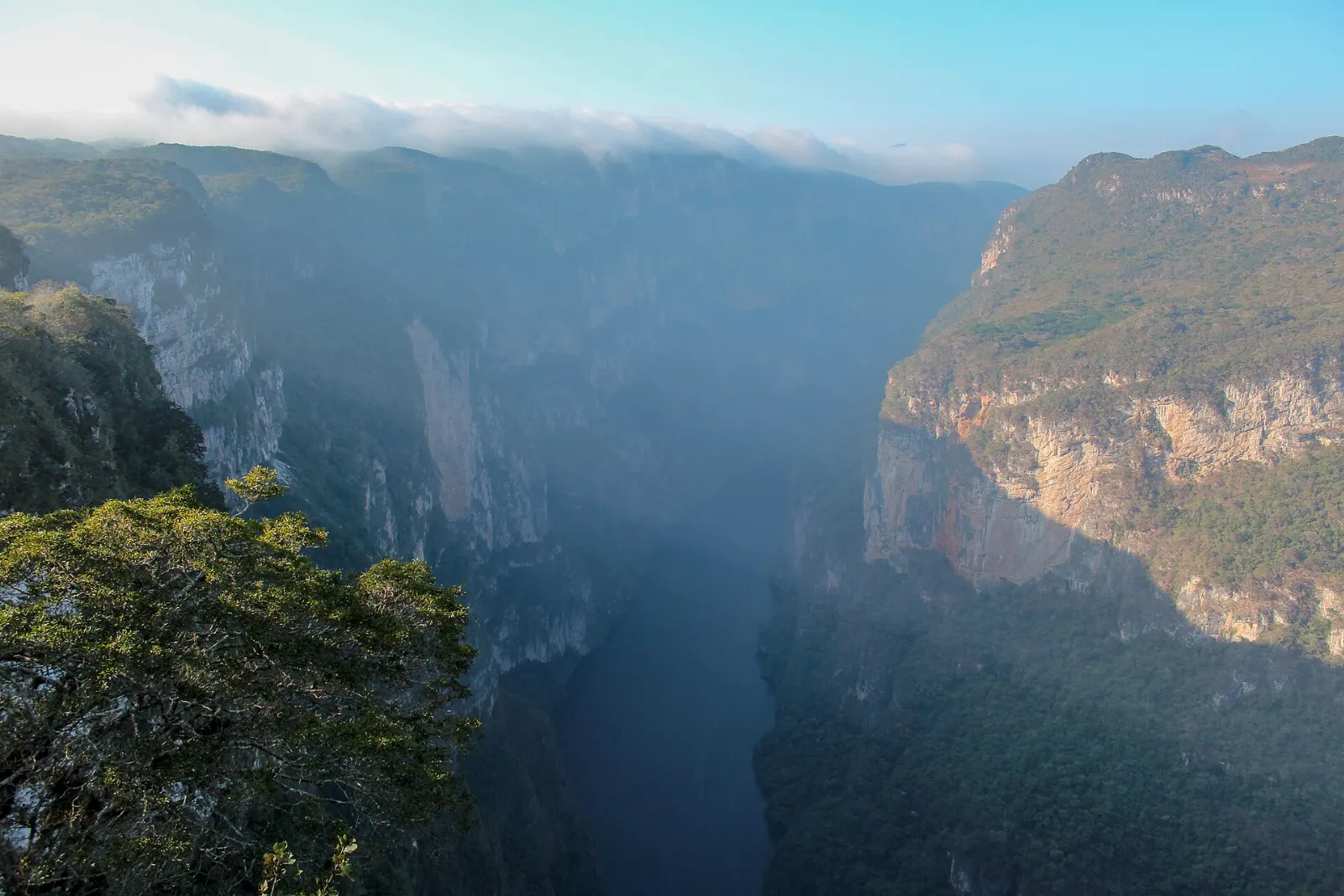
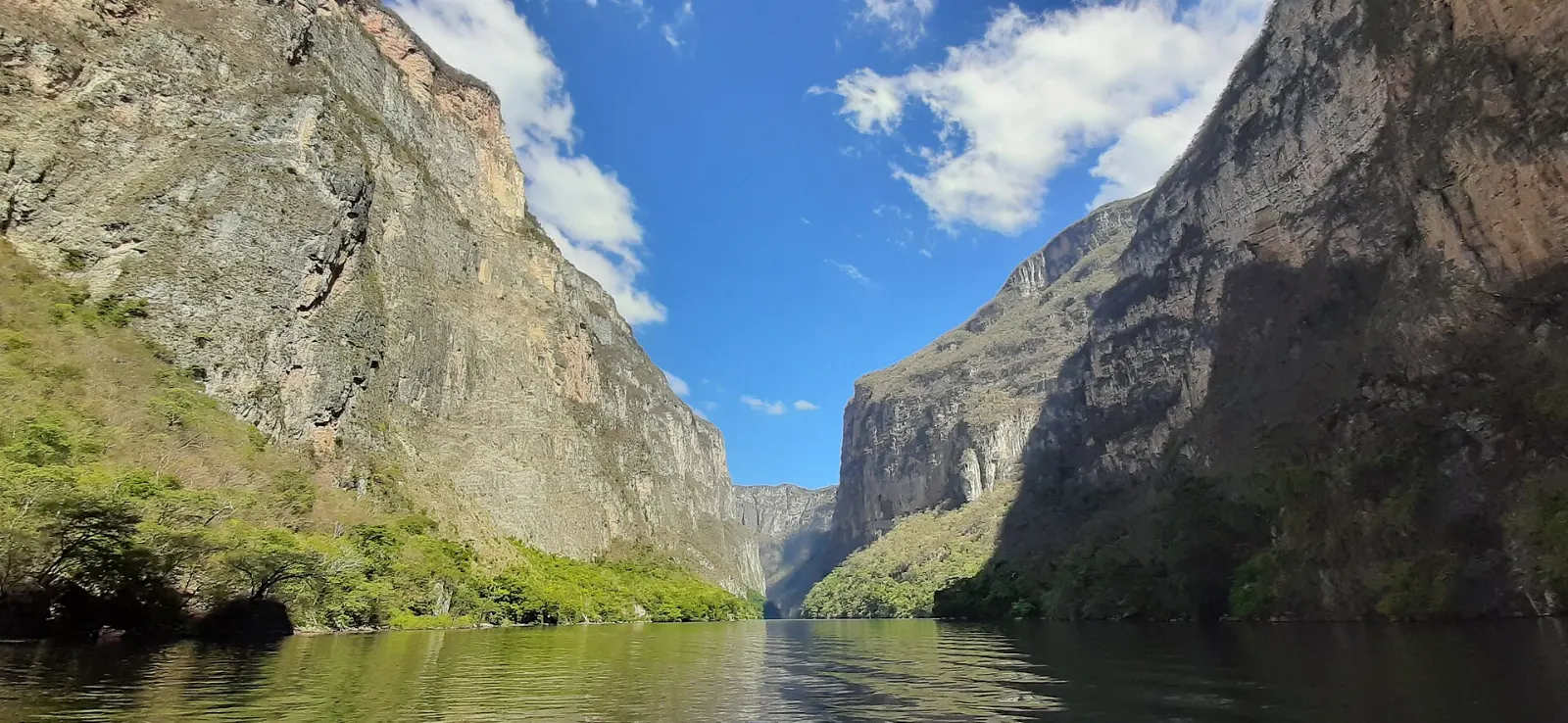
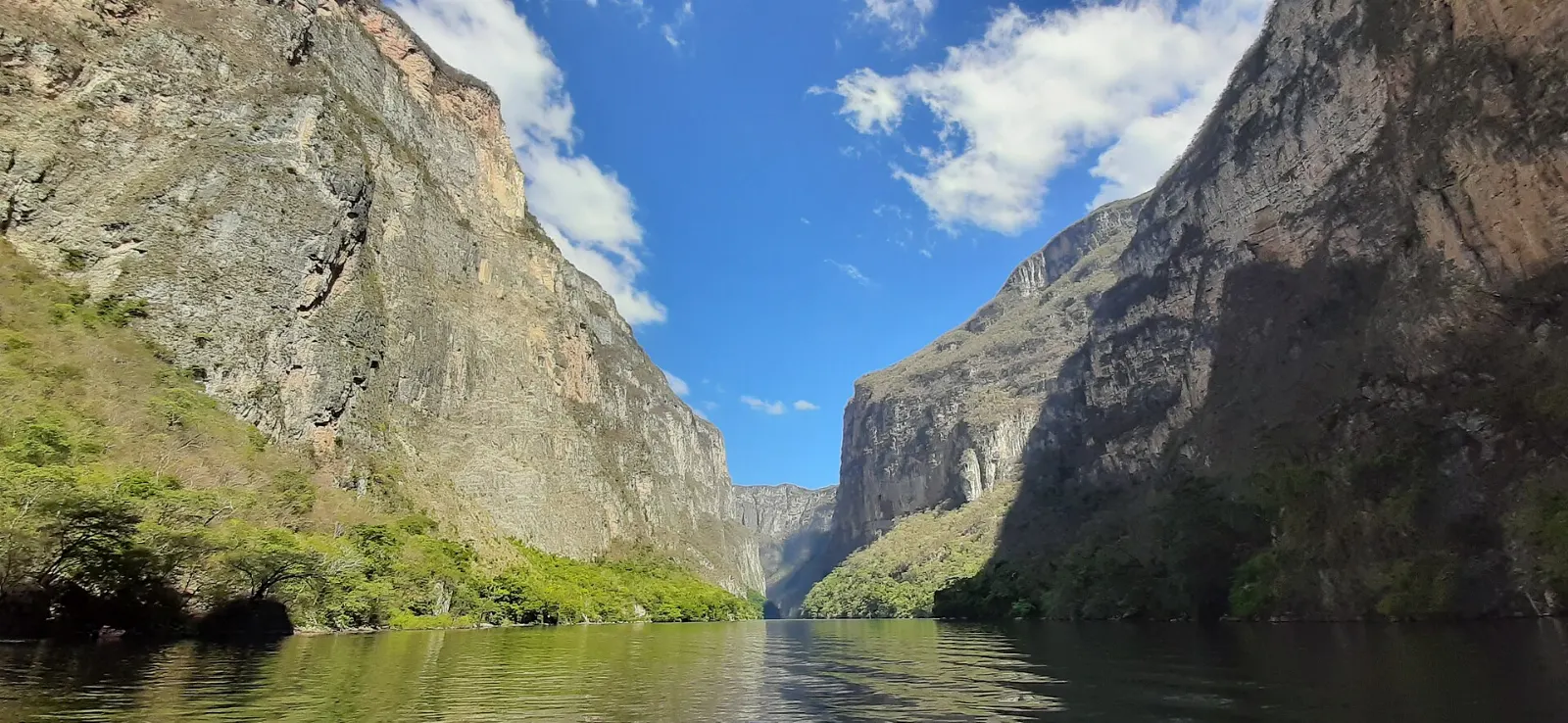
It is also the best base for the Sumidero Canyon, where cliffs rise up to about a kilometre above the river, and it has a zoo devoted entirely to the wildlife of Chiapas.

Downtown Tuxtla

The Catedral de San Marcos beside the Plaza Cívica in Tuxtla Gutiérrez, Chiapas

Plaza Cívica and the Catedral de San Marcos

The Plaza Cívica is the center of the city, surrounded by government buildings and the Catedral de San Marcos, the city's most important landmark.

The Catedral de San Marcos stands on the Plaza Cívica and is known for its bell tower. Photo: Pxndx94, Wikimedia Commons, CC BY-SA 3.0
The kiosk and trees of the Parque de la Marimba in Tuxtla Gutiérrez, Chiapas

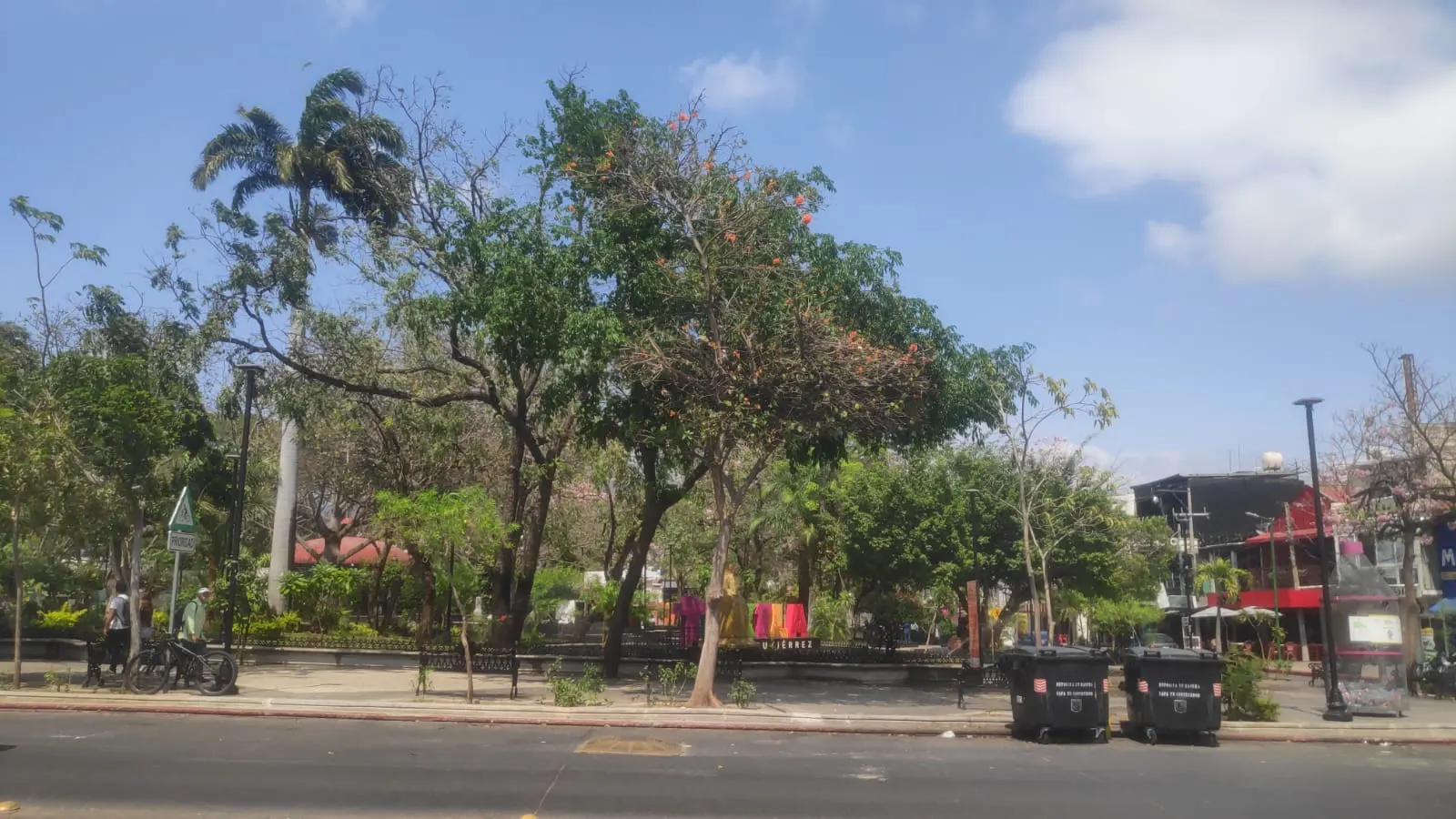
Parque de la Marimba

The marimba is the characteristic instrument of Chiapas, and this park, established in 1993, is where it comes alive. Bands play in the evening, and older couples often come to dance.

The Parque de la Marimba hosts marimba concerts in the evening. Photo: Fer9324, Wikimedia Commons, CC BY 4.0

The Regional Museum of Anthropology and History in Tuxtla Gutiérrez, Chiapas

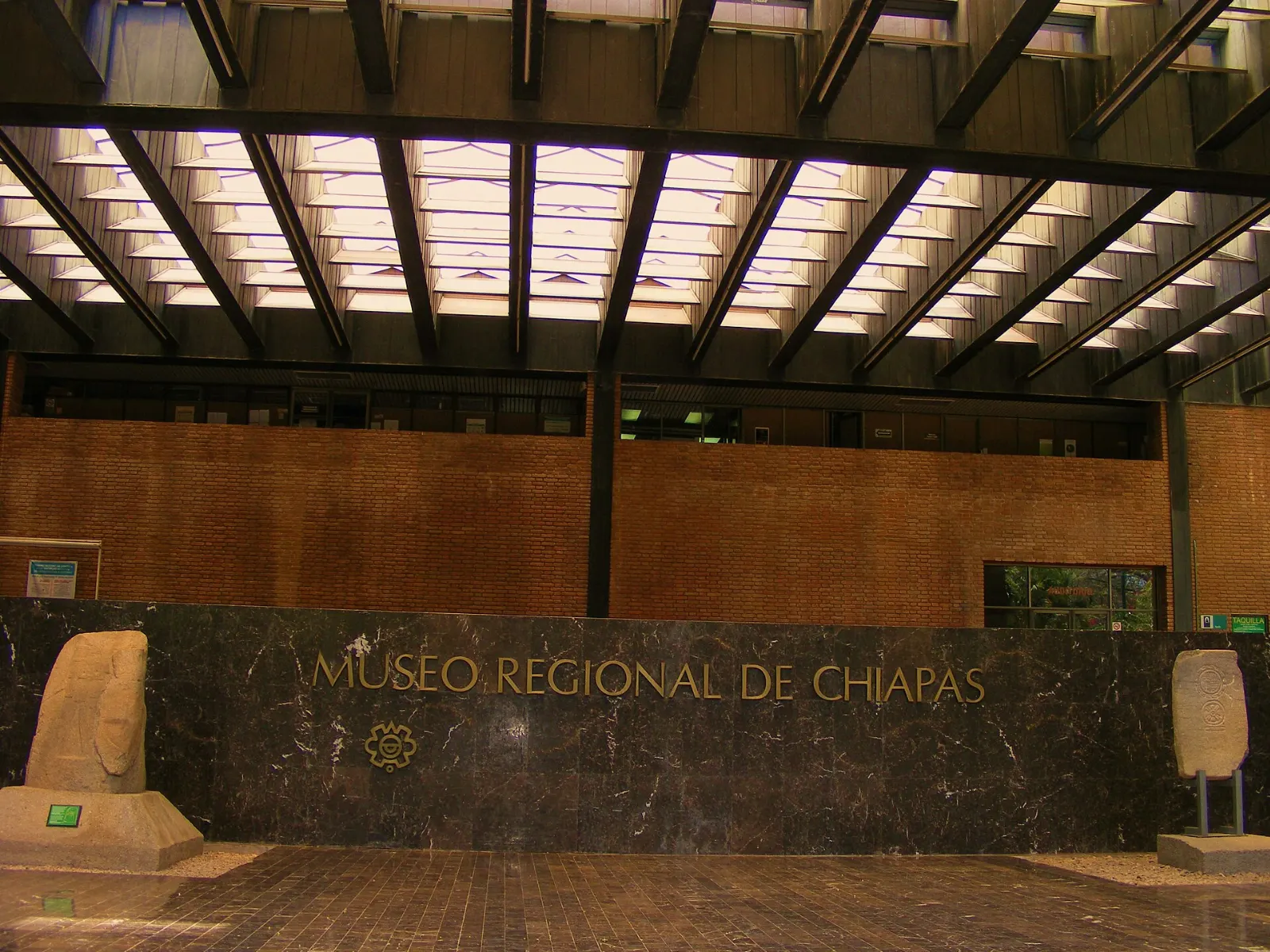
Museo Regional de Antropología e Historia

This is the largest museum in the city, with one hall for archaeology and another for history from the Spanish conquest onward. Next door, the Museo de Paleontología shows fossils found in Chiapas, including a reconstructed giant ground sloth.

The museum covers the archaeology and history of Chiapas. Photo: Nacasma, Wikimedia Commons, CC BY 3.0

Casa de Artesanías

Housed in a large purple building on the main boulevard, this government-run shop promotes the handicrafts of Chiapas, including textiles, ceramics, wood sculptures and amber jewelry. It also has an ethnographic museum and sells regional coffee and candies.

Wildlife, gardens and viewpoints

A jaguar at ZooMAT in Tuxtla Gutiérrez, Chiapas

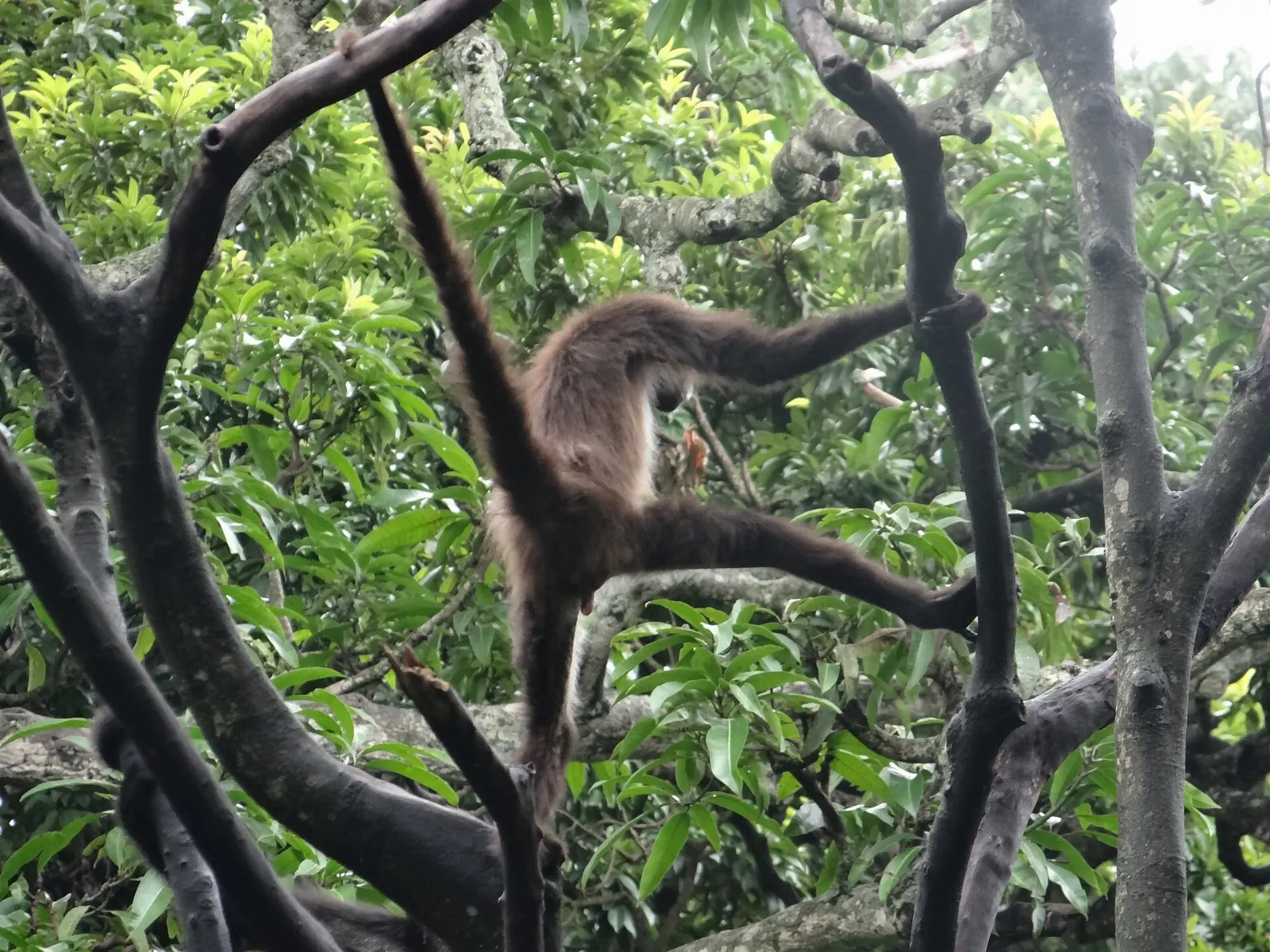
ZooMAT

The Zoológico Miguel Álvarez del Toro, known as ZooMAT, covers about one hundred hectares and shows only animals native to Chiapas, including jaguars, tapirs, macaws and howler monkeys.

ZooMAT shows only wildlife native to Chiapas. Photo: sofz14, Wikimedia Commons, CC BY-SA 4.0

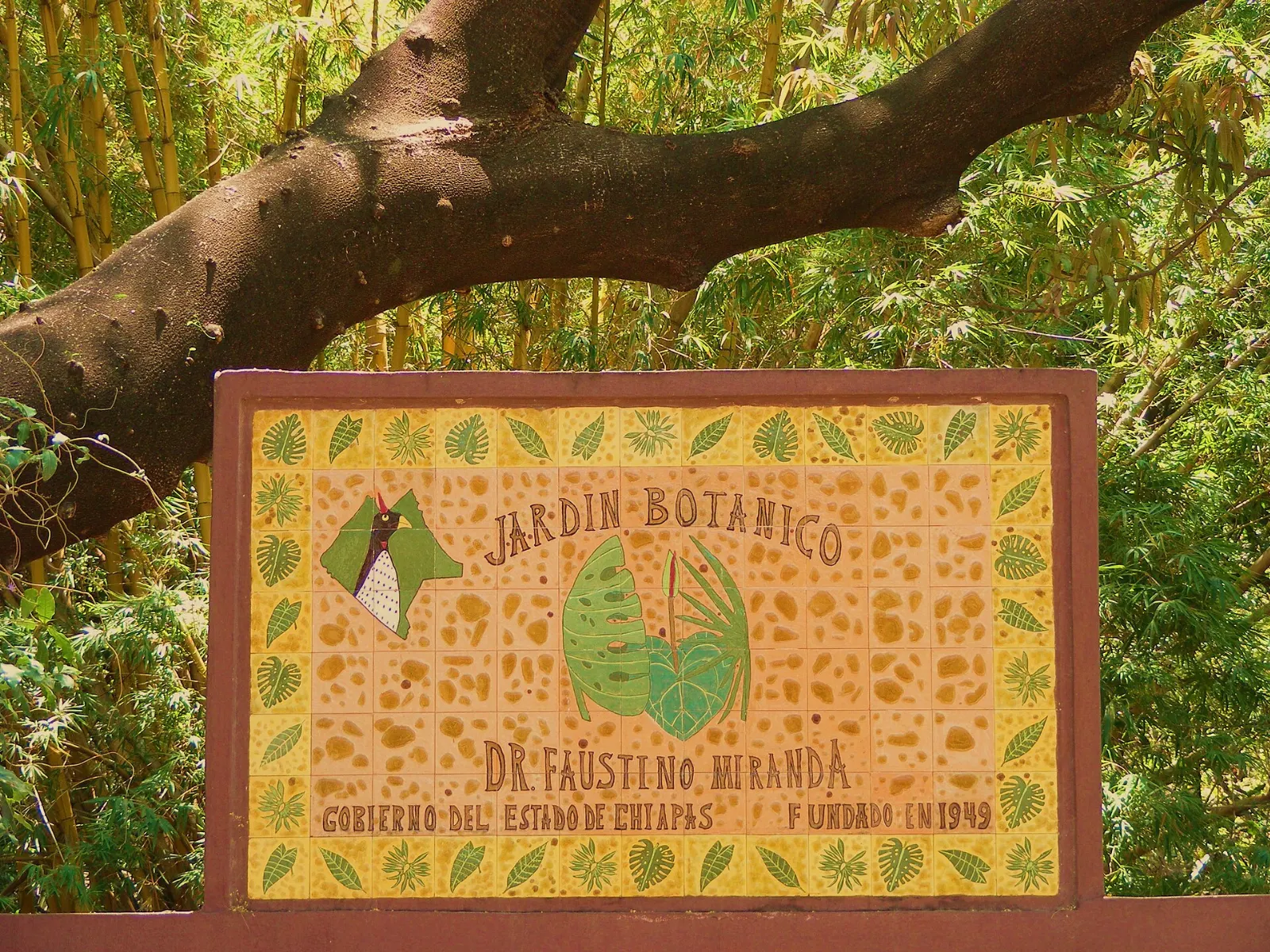
Tropical trees in the Faustino Miranda Botanical Garden in Tuxtla Gutiérrez, Chiapas

Madero Park and the Botanical Garden

Madero Park is a green corridor with several museums, and the Faustino Miranda Botanical Garden occupies four hectares along the Sabinal River. It feels like forest in the middle of the city, so go for the trees rather than manicured flower beds.

The botanical garden lies beside the Sabinal River in Madero Park. Photo: Nacasma, Wikimedia Commons, CC BY 3.0

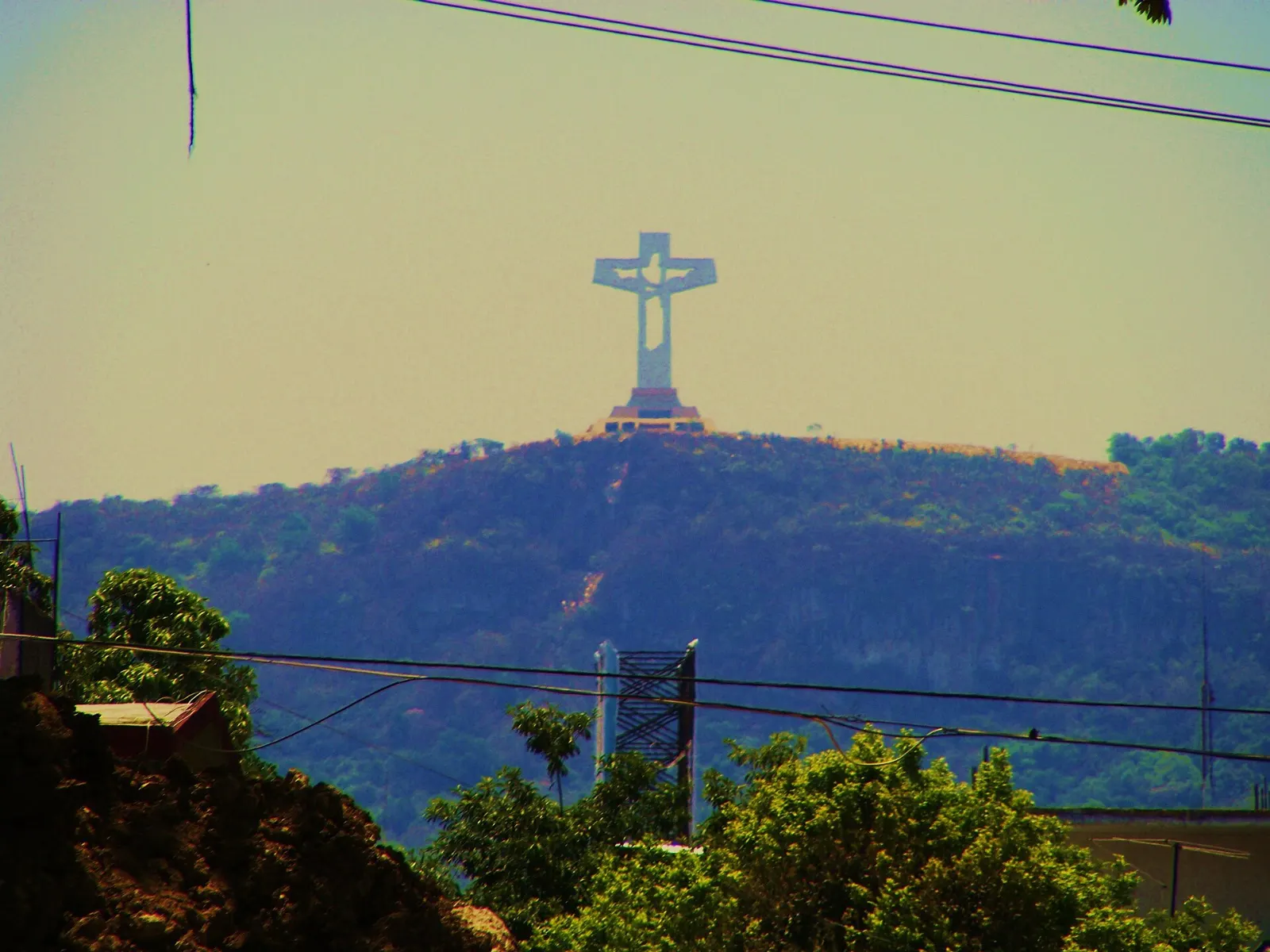
The large Christ statue on a hill at Copoya above Tuxtla Gutiérrez, Chiapas

Cristo de Chiapas

The Glorioso Cristo de Chiapas, in the hills near Copoya about eleven kilometres from the center, is a large cross and statue with fine views over Tuxtla. A colectivo runs to Copoya, and the viewpoint also has stations of the cross.

The Cristo de Chiapas viewpoint offers wide views of Tuxtla Gutiérrez. Photo: Nacasma, Wikimedia Commons, CC BY 3.0

The Sumidero Canyon and Chiapa de Corzo

View from a mirador over the Sumidero Canyon, Tuxtla Gutiérrez, Chiapas

Miradores of the Sumidero Canyon

Six overlooks give views into the canyon from the north of Tuxtla, reached by car, taxi or a tour. La Ceiba is the nearest, and the Mirador Cañón del Sumidero, deeper in the national park, is the most popular.

Six overlooks give views into the Sumidero Canyon from the north of Tuxtla Gutiérrez. Photo: AnbyG, Wikimedia Commons, CC BY-SA 4.0

A tour boat on the river inside the Sumidero Canyon, Tuxtla Gutiérrez, Chiapas

The boat trip

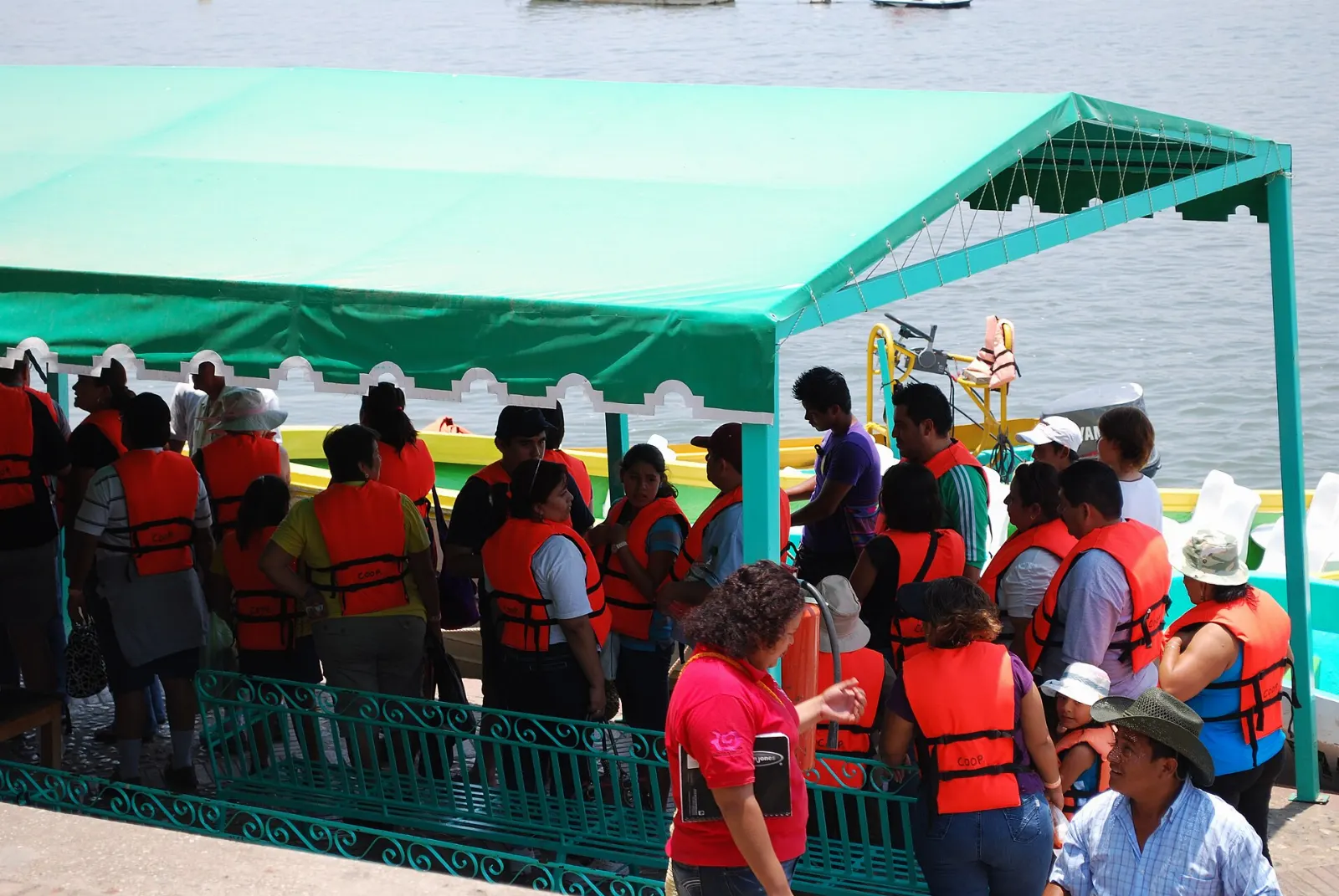
The boat trip is the best way to see the canyon, as it takes you along the river at the base of the cliffs for about two hours.

Boat tours leave from the embarcadero at Chiapa de Corzo. Photo: AlejandroLinaresGarcia, Wikimedia Commons, CC BY-SA 3.0

Chiapa de Corzo

This riverside town has a colonial downtown, strong regional traditions and a history of about three thousand years that reaches back to the Olmecs. It is a pleasant place for lunch before or after the boat trip.

Food and local flavors

Tuxtla's cooking shows off the Zoque and Chiapas highland traditions. Ningüijute is a seed-based pork mole, and pictes are sweet corn tamales. In nearby Chiapa de Corzo, cochito horneado, a suckling pig roasted with adobo seasoning, is served at special occasions. To drink, ask for pozol, a corn and cacao drink typical of Chiapas, not to be confused with the stew pozole.

A plate of traditional Chiapas dishes, Tuxtla Gutiérrez, Chiapas
Chiapas cooking blends indigenous and Spanish ingredients, with corn at its center.Photo: Courtesy of Public Market of Chiapa de Corzo, Wikimedia Commons, Public domain

Popular dishes to try in Tuxtla Gutiérrez

Pictes in Tuxtla Gutiérrez, Chiapas
Pictes Ningüijute is a seed-based pork mole, and pictes are sweet corn tamales.Photo: Jean-Pierre Bazard Jpbazard, Wikimedia Commons, CC BY 4.0
Pozol in Tuxtla Gutiérrez, Chiapas
Pozol To drink, ask for pozol, a corn and cacao drink typical of Chiapas, not to be confused with the stew pozole.Photo: Alejandra Mendoza Santillan, Wikimedia Commons, CC BY-SA 4.0

Where to stay in Tuxtla

Centro suits most travelers. It is close to the Parque Central, the Plaza Cívica and the cathedral, and it has the widest range of hostels and hotels, plus small restaurants that stay open late.

Parque de la Marimba suits travelers who like lively evenings. You can walk to the marimba concerts, and the area has bright, modern guesthouses.

Chiapa de Corzo, on the river, suits visitors who want a quieter colonial town and an early start for the Sumidero boat trip.

Book ahead for weekends and holidays, and ask whether your room has air conditioning, since the city is hot.

Where to stay in Tuxtla Gutiérrez

Centro, Tuxtla Gutiérrez, Chiapas
Centro Where to stay in Tuxtla Centro suits most travelers.Photo: Aurelio de Sandoval, Wikimedia Commons, CC BY-SA 3.0
Parque de la Marimba, Tuxtla Gutiérrez, Chiapas
Parque de la Marimba Parque de la Marimba suits travelers who like lively evenings.Photo: Fer9324, Wikimedia Commons, CC BY 4.0
Chiapa de Corzo, Tuxtla Gutiérrez, Chiapas
Chiapa de Corzo Chiapa de Corzo, on the river, suits visitors who want a quieter colonial town and an early start for the Sumidero boat trip.Photo: Catedrales e Iglesias/Cathedrals and Churches, Wikimedia Commons, CC BY 2.0

Best time to visit Tuxtla

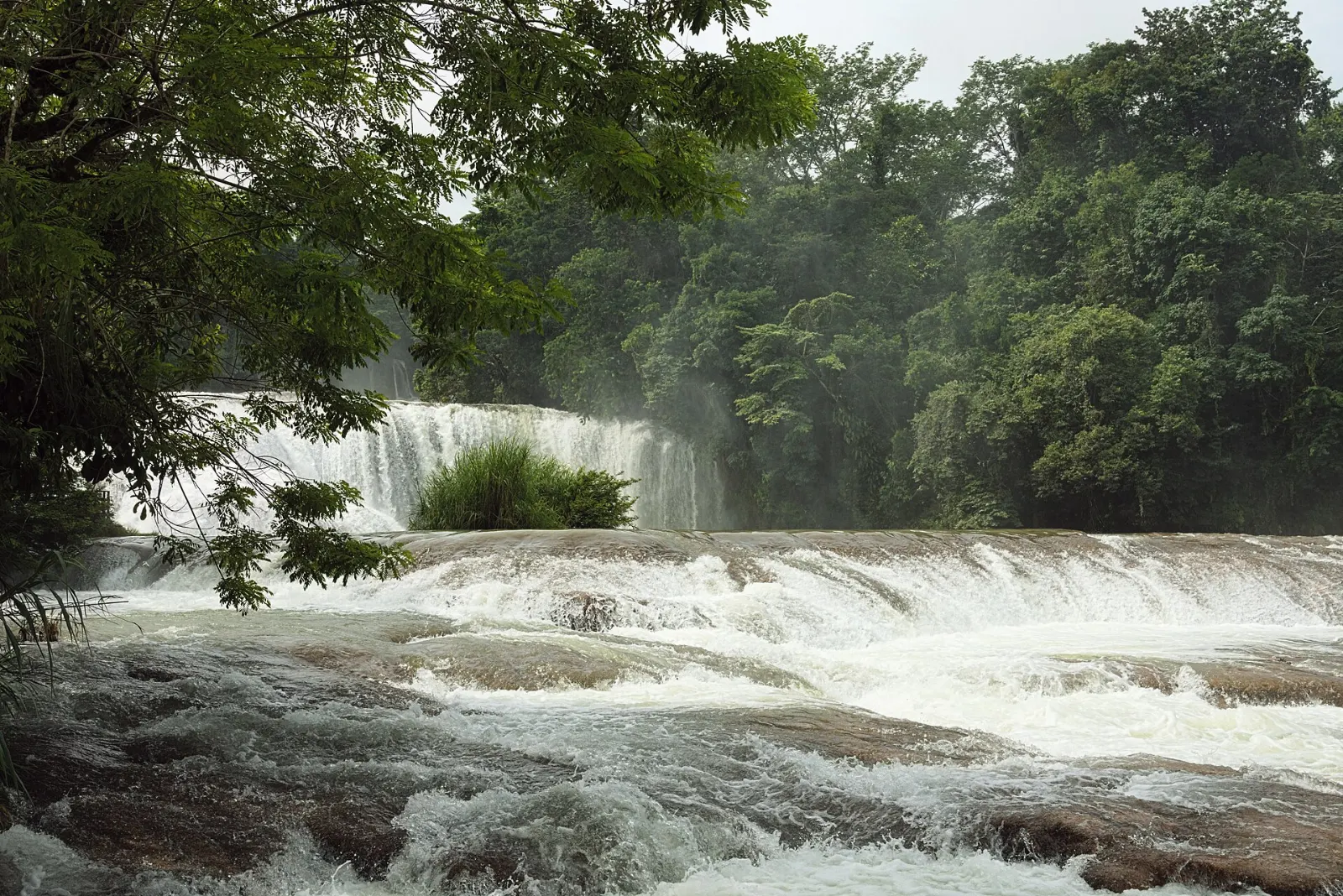
Tuxtla is hot and humid all year, with a dry season from October to April and a rainy season from May to September. The dry months are the most comfortable for sightseeing and for the canyon, though the rainy season brings waterfalls to the cliffs. Hurricanes and tropical storms can affect the area. Many businesses close in the hot early afternoon, so plan outdoor visits for the morning and use the middle of the day for museums or lunch.

Getting there and getting around

Tuxtla Gutiérrez International Airport, also known as Ángel Albino Corzo Airport, is about thirty kilometres outside the city. Most direct flights go to Mexico City.

Buses arrive at the ADO OCC terminal for long-distance routes and at the Terminal de Transferencia, where frequent buses from San Cristóbal arrive in about an hour.

In the city, taxis are plentiful, and white colectivo vans run fixed numbered routes with stops every few blocks. Say La parada, por favor to the driver to stop at the next designated stop.

A suggested itinerary

First day

Start at the Plaza Cívica and the Catedral de San Marcos, ideally at the top of the hour.

Second day

Drive or take a tour to the Sumidero miradores in the morning, then head to Chiapa de Corzo for the boat trip and lunch.

Third day

Spend the morning at ZooMAT, then the Botanical Garden in Madero Park. Finish at the Cristo de Chiapas viewpoint for sunset over the city.

Practical tips

  • Start sightseeing early, because many businesses close for the hot afternoon.
  • Check closing days before you go, as ZooMAT and the Botanical Garden close on Mondays and the Sumidero miradores close on Tuesdays.
  • Bring water, a hat and sunscreen for the boat trip, which lasts about two hours.
  • Wear the life jacket provided on the canyon boats, since it is compulsory.
  • Allow plenty of time to reach the airport, which is about thirty kilometres from the city.
  • Carry small bills and coins for colectivos and market stalls.
Tuxtla GutiérrezWISERMAP PLACETuxtla Gutiérrez: photos, reviews & things to doSee traveler photos and reviews, or share your own →

More places to visit

All travel guides →