Mérida is the capital of Yucatán and the cultural heart of the peninsula. Colonial streets, grand mansions, lively plazas and Maya ruins within an easy drive make it one of the most rewarding bases in southern Mexico.
AT A GLANCE
Best time
November to March brings the mildest weather and the busiest cultural calendar.
How long
Allow three days for the city and one or two more for day trips.
Getting there
Fly into Mérida airport, ride the Tren Maya, or take a long-distance bus.
Why visit Mérida
Mérida was founded by the Spanish in the 1540s on top of a Maya city called T'ho, and you can still spot reused Maya stonework in old walls.
Today the city balances all of that with museums, free concerts, evening breezes and food that is a destination in its own right.
The historic center
Plaza Grande
The main square was the heart of the Maya city and is still where Mérida meets. Sit on one of the benches under the trees, watch street performers and let the city come to you.
Mérida Cathedral
Construction of the Catedral de San Ildefonso began in 1561 and finished in 1599, making it the oldest cathedral on the mainland Americas. The interior is austere, but look at the exterior walls for carved stones taken from a Maya temple.
Casa de Montejo
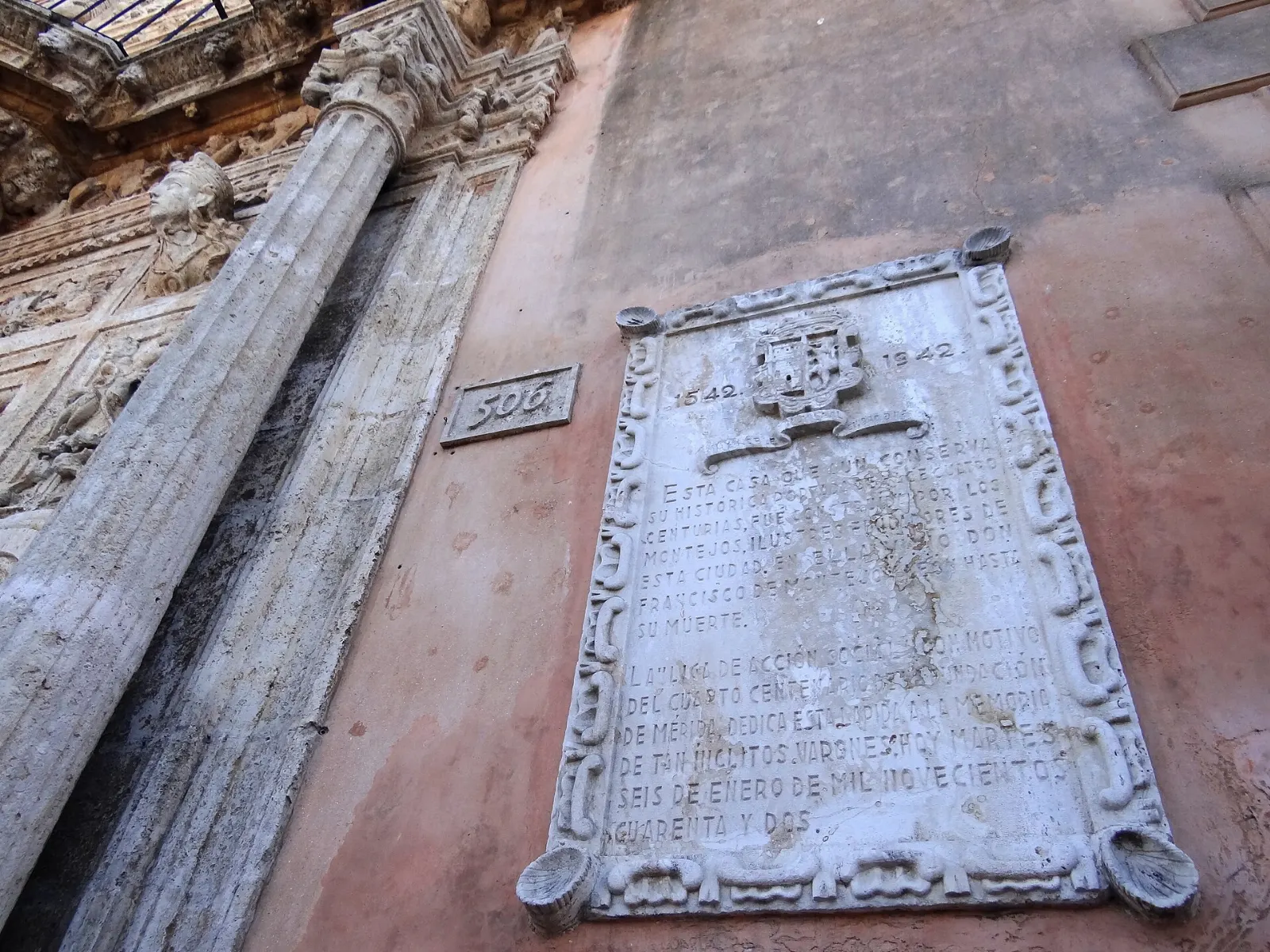
The 1549 palace of the conquistador Montejo faces the south side of the square. The carved facade, with the family coat of arms and conquistadors standing on defeated Maya figures, tells you plenty about the colonial order.
Palacio de Gobierno and Palacio Municipal
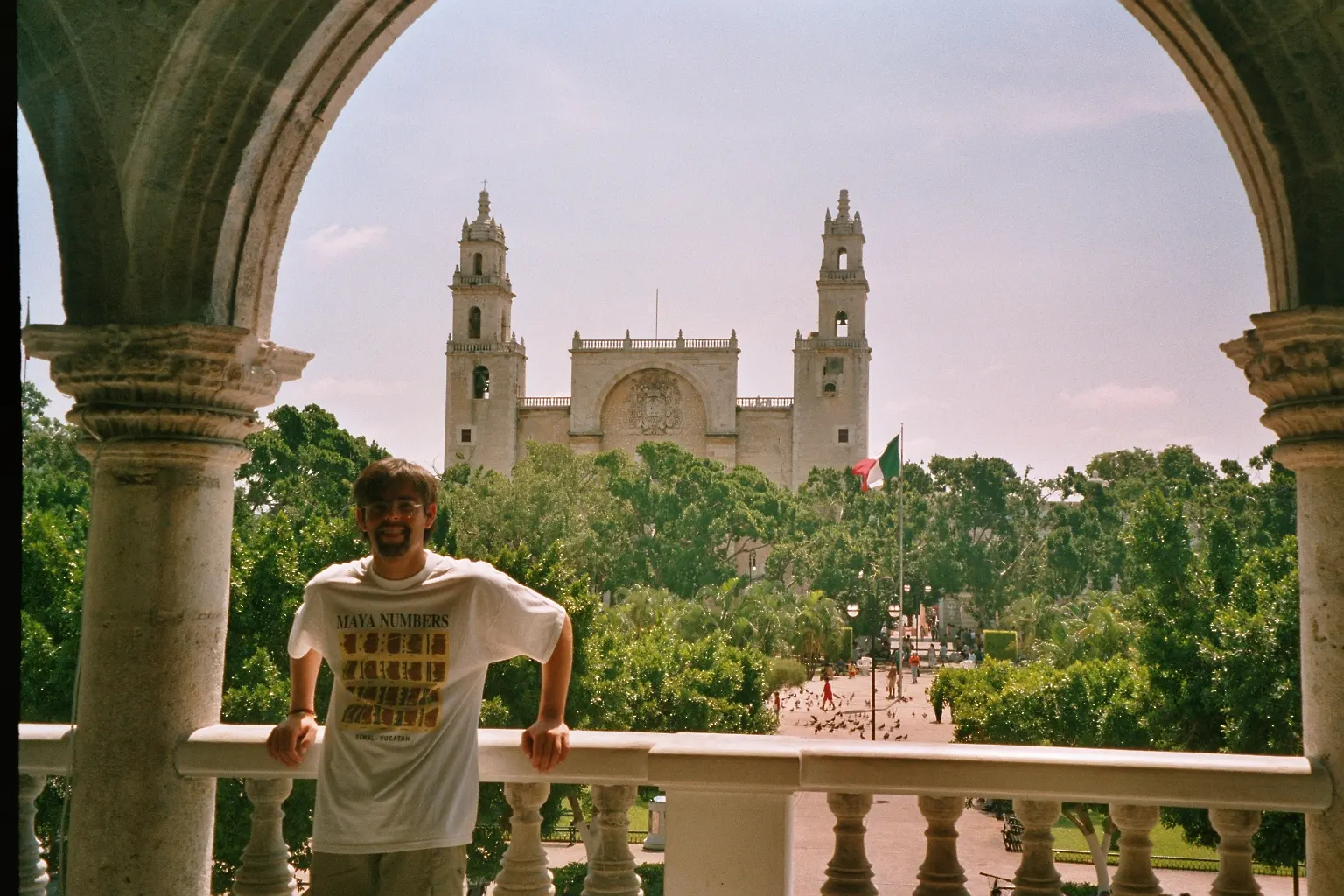
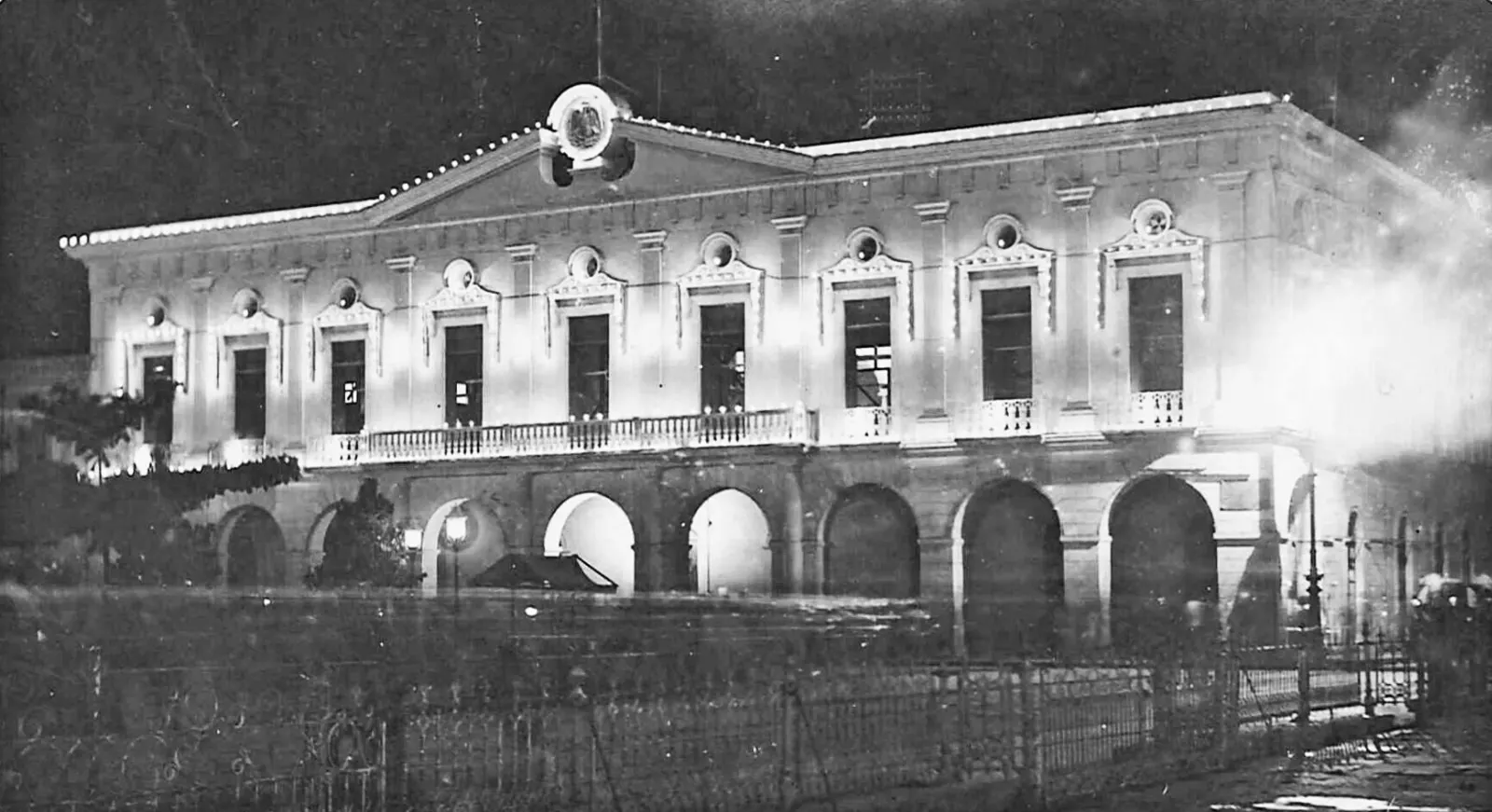
The Governor's Palace on the north side was built in 1892 in a neoclassical style, and upstairs you can see large paintings by Fernando Castro Pacheco on the history of Yucatán. The balcony gives a view of the square and cathedral.
MACAY and the arches
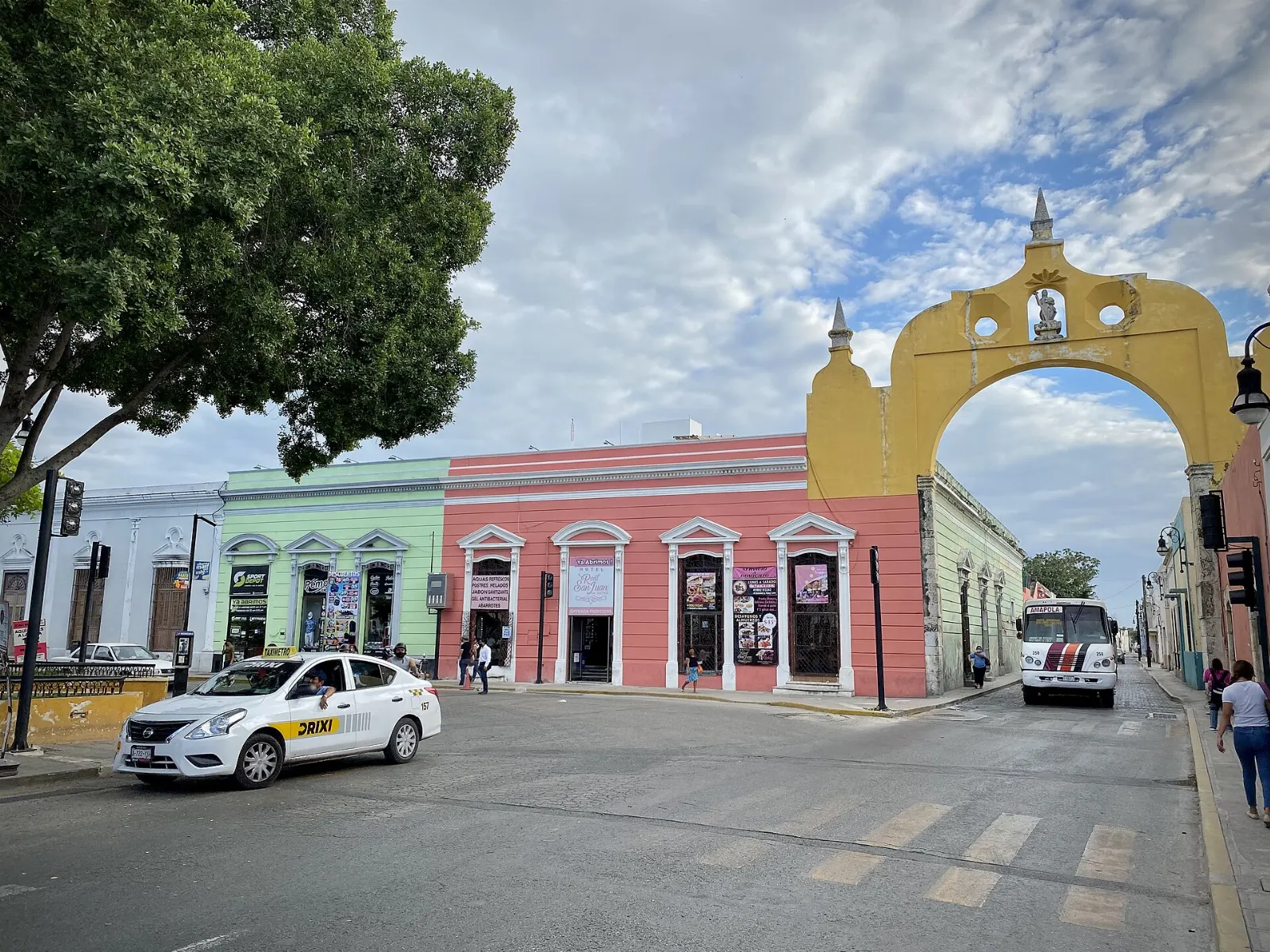
Next to the cathedral, the Museo de Arte Contemporáneo Ateneo de Yucatán (MACAY) shows work by Yucatecan artists in the former bishop's palace.
Paseo de Montejo and museums
Paseo de Montejo
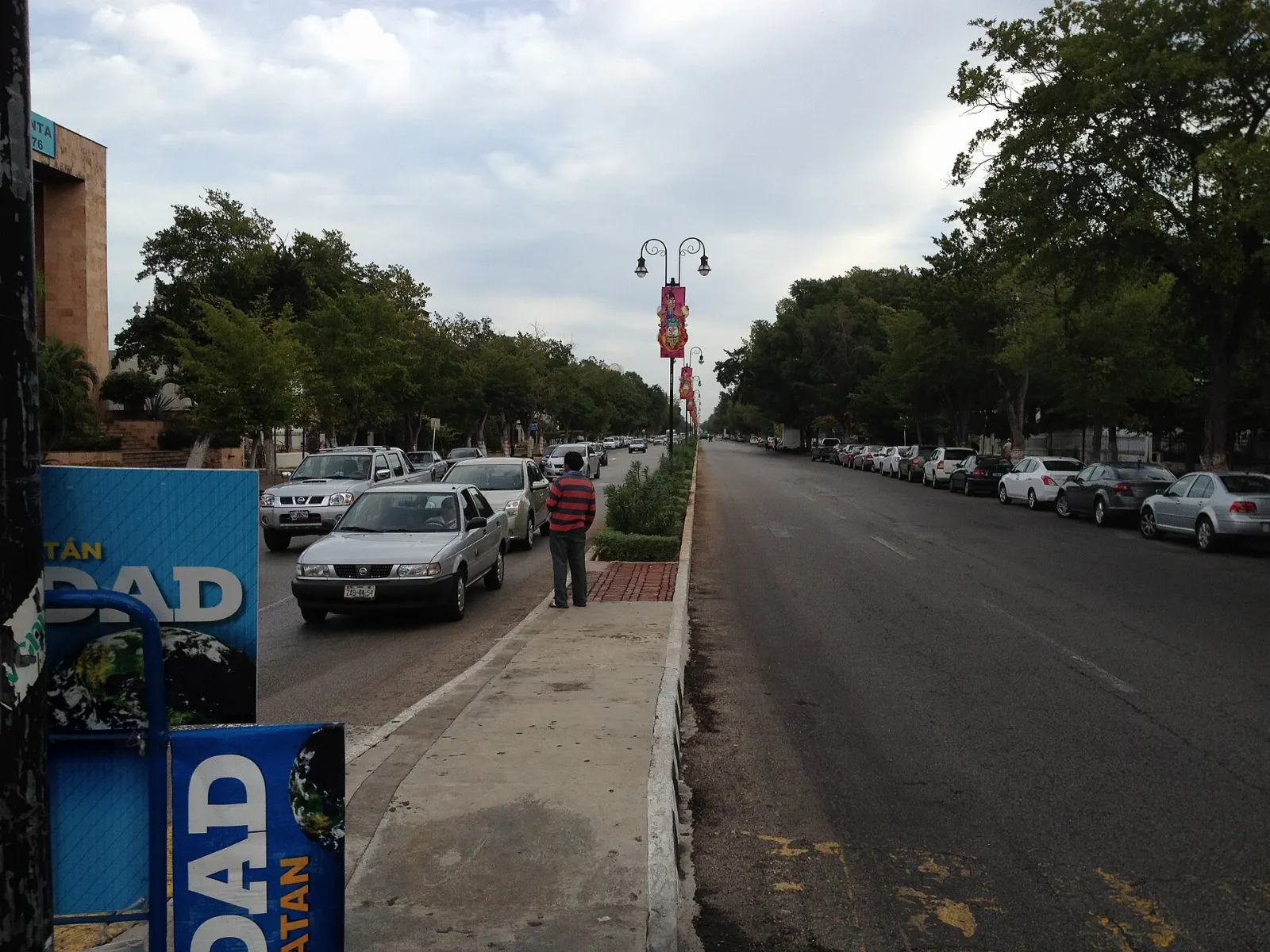
This long, tree-lined avenue was laid out in the henequen era and is lined with the mansions of the wealthy families of the time.
Palacio Cantón
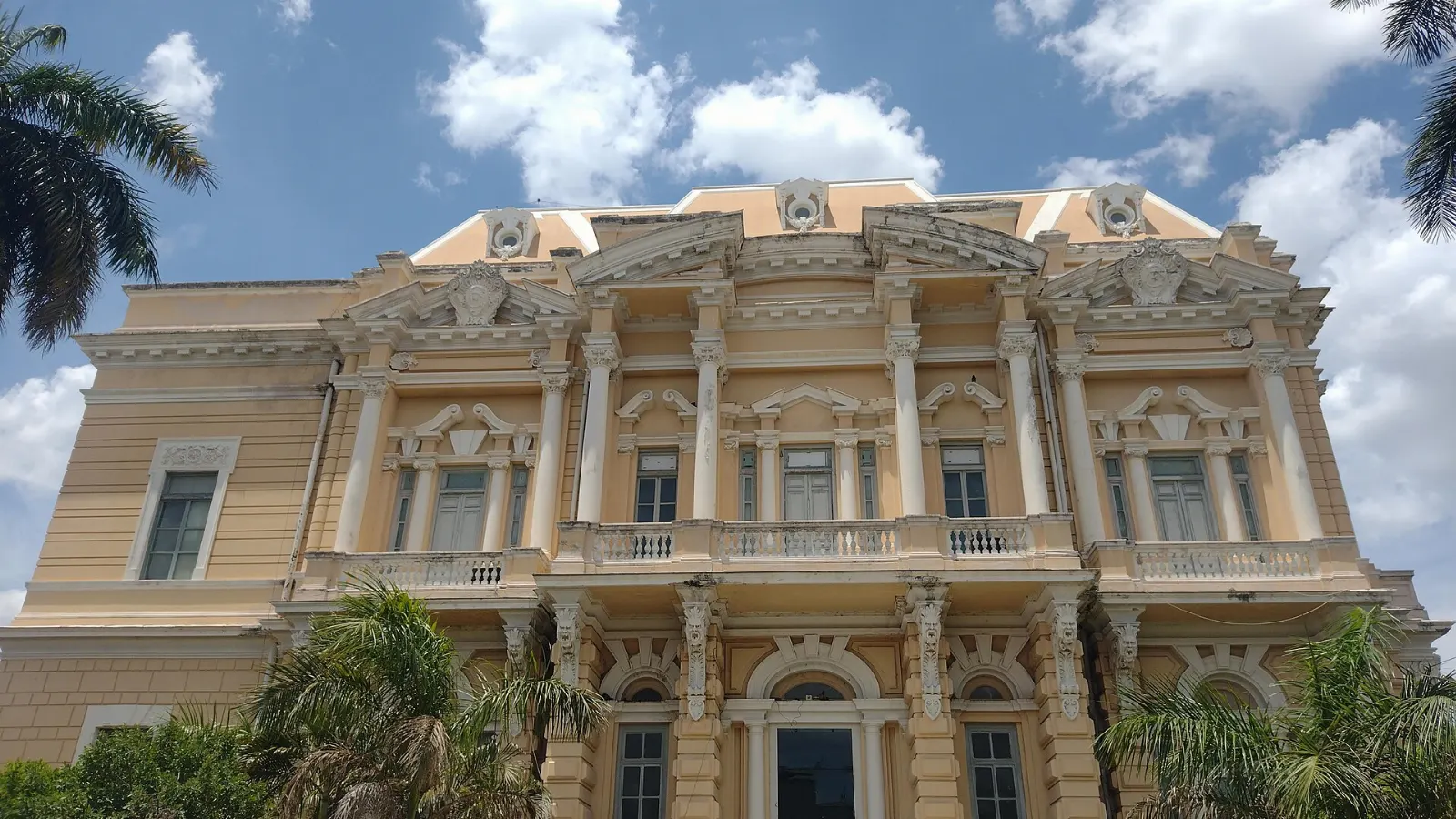
The Museo Regional de Antropología occupies one of the grandest mansions on the avenue, completed in 1914. Inside you will find Maya art and artifacts, and the building itself is worth the visit.
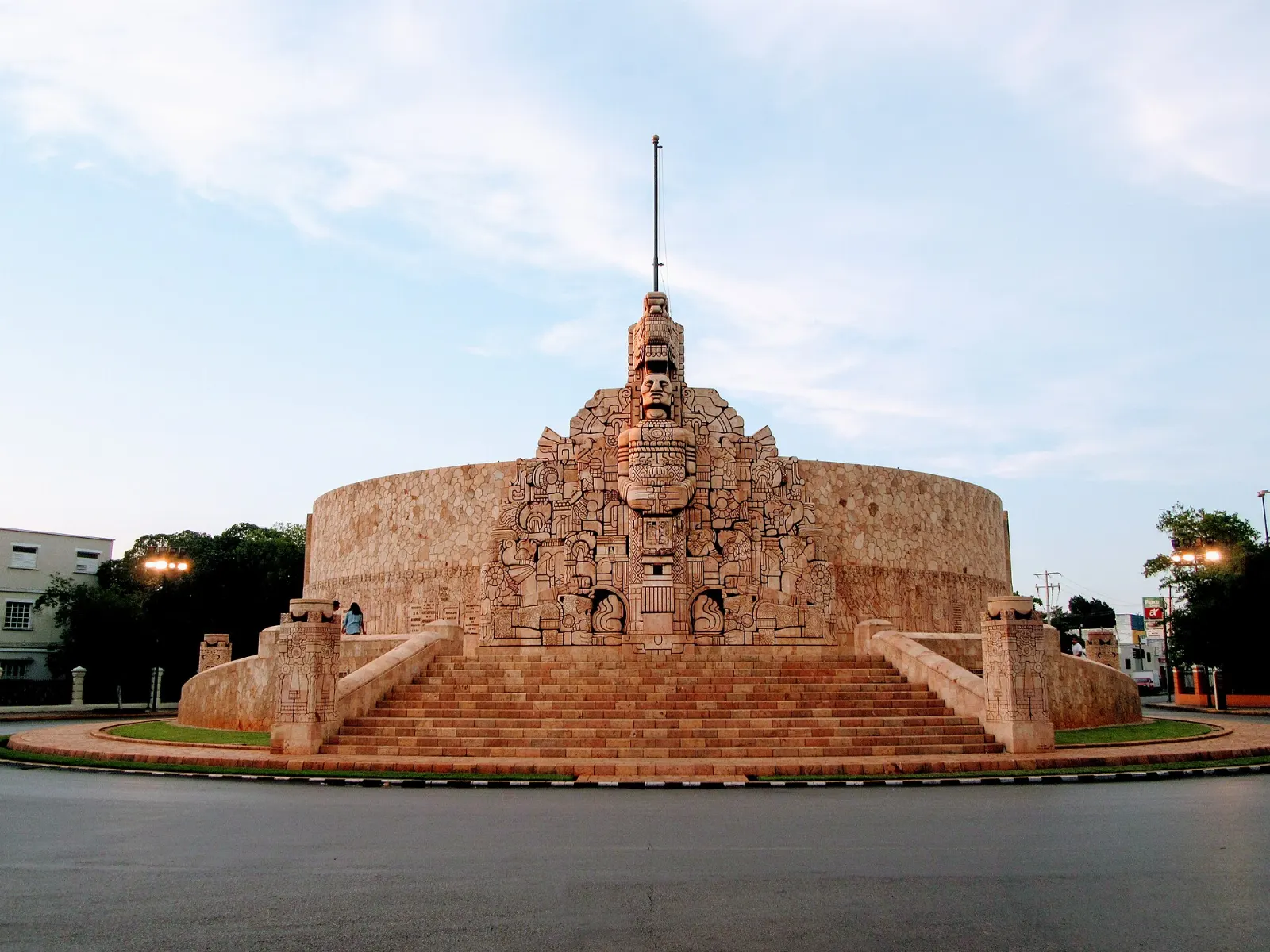
Monumento a la Patria
Inaugurated in 1956, this monument was designed by the Colombian artist Rómulo Rozo and is dominated by a tall carved figure of an indigenous man holding a flame.
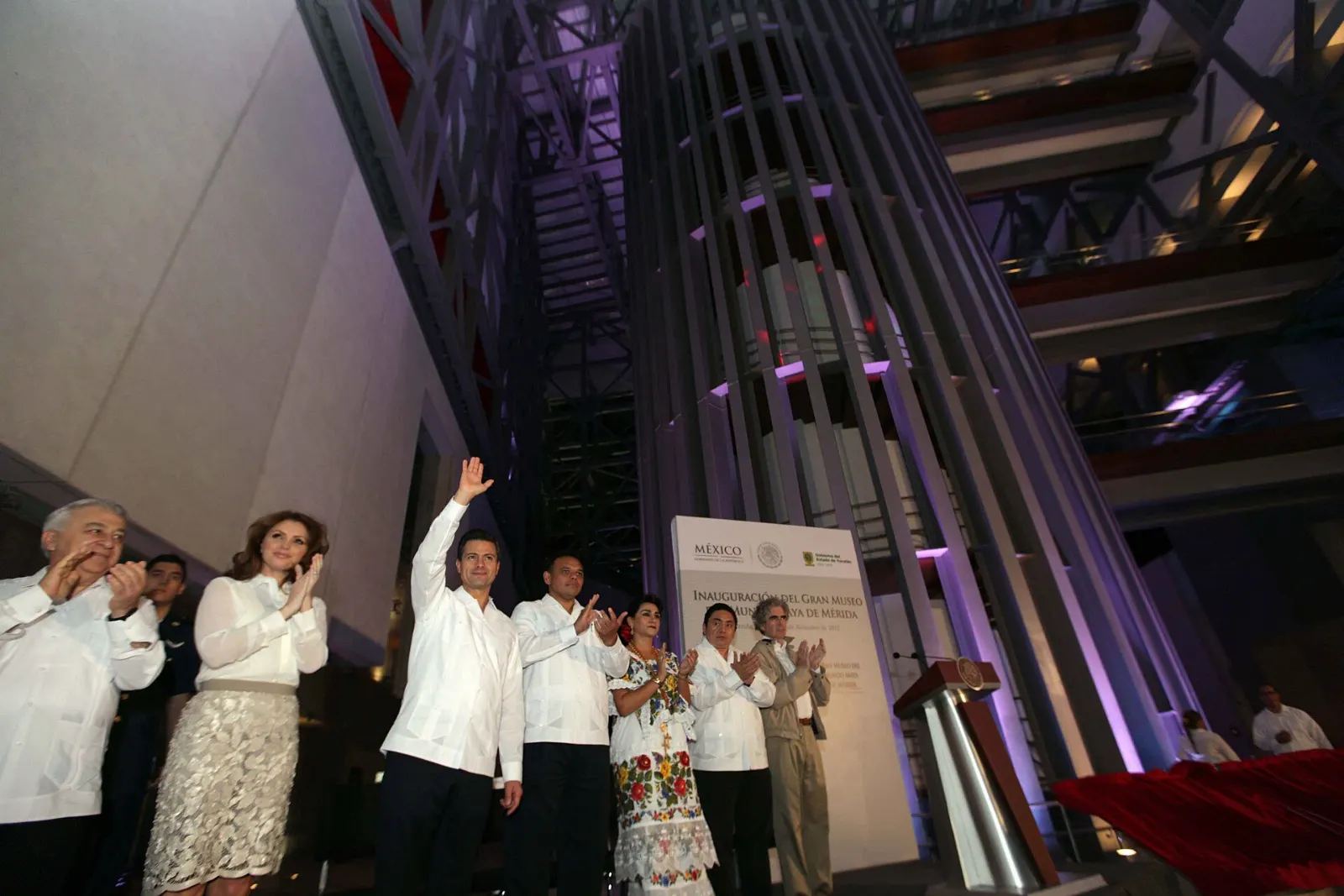
Gran Museo del Mundo Maya
Opened in 2012 on the northern edge of the city, this museum holds a large permanent collection of Maya artifacts and interactive exhibits. It is the best introduction before you head out to the ruins.
Mercado Lucas de Gálvez
The central market sits across from the Museo de la Ciudad de Mérida, a free museum on the city's long history.
Maya ruins near Mérida
Dzibilchaltún
About fifteen kilometers north of the city, this site has been occupied for thousands of years. Its best-known building is the Temple of the Seven Dolls, and the sun rises through its windows on the spring equinox.
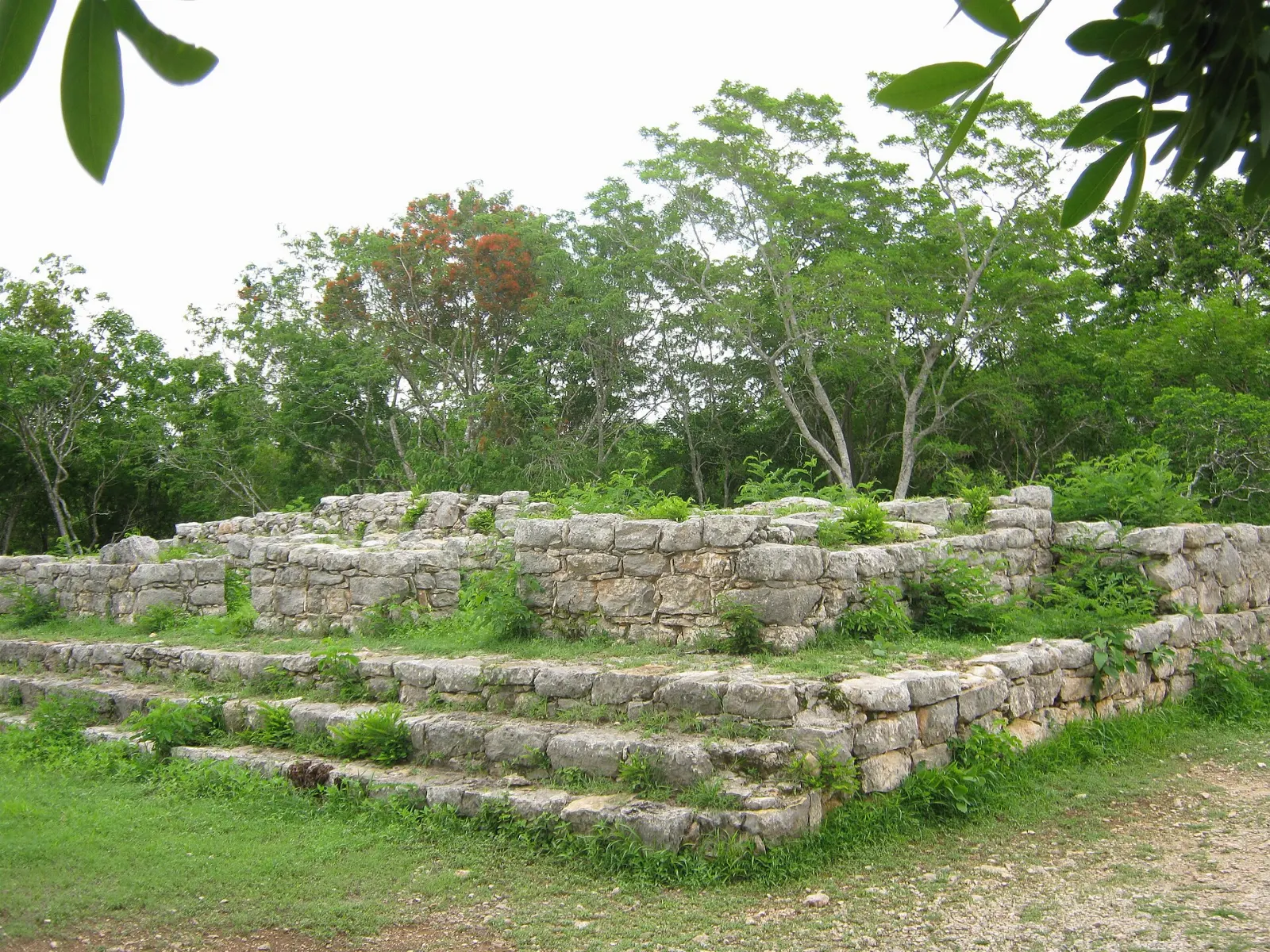
Mayapán
This compact site southeast of the city was the political capital of the Maya in the Yucatán Peninsula from about the 1220s to the 1440s. Climbing is allowed on some structures.
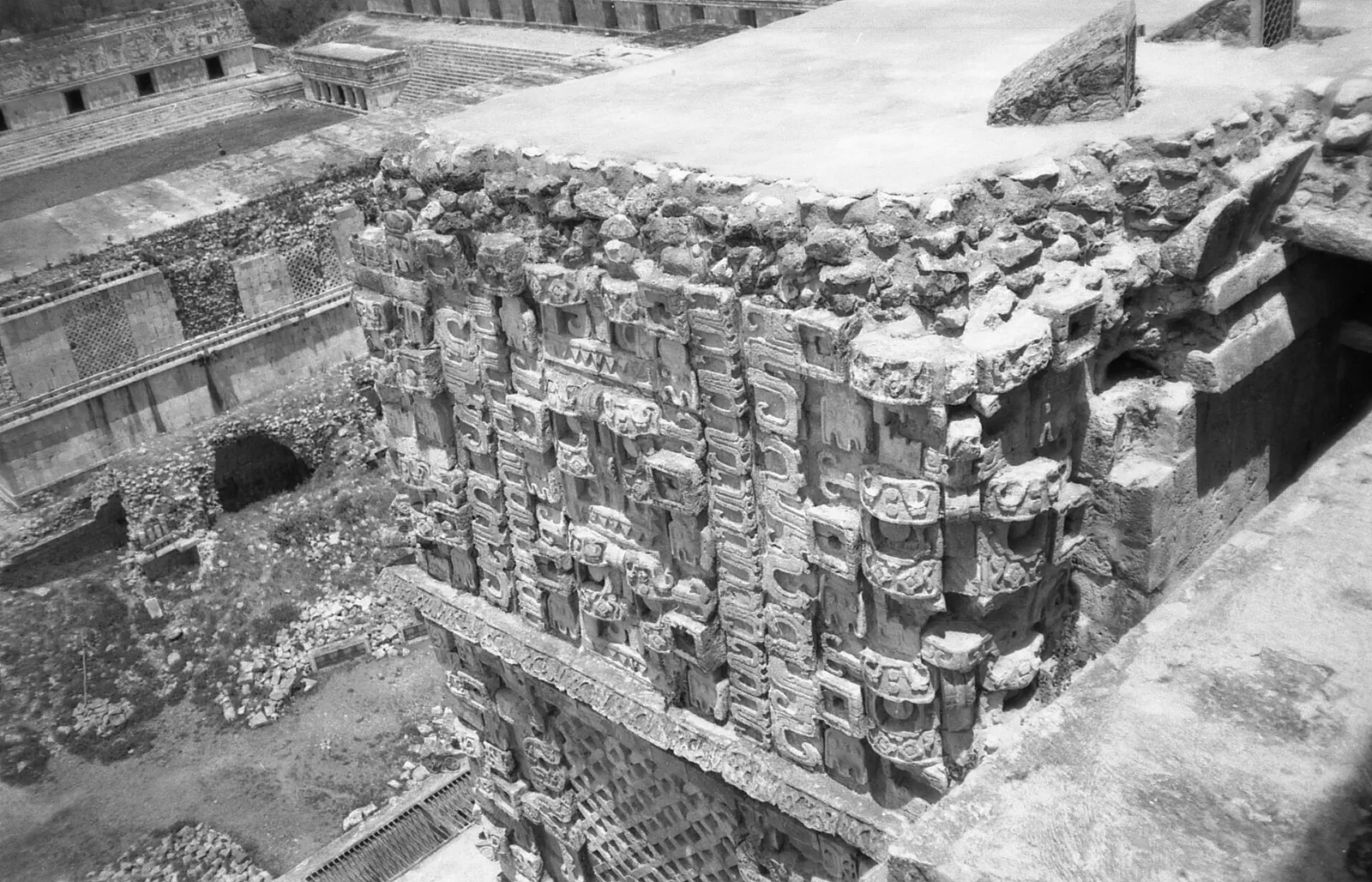
Uxmal
Uxmal lies about sixty kilometers south of Mérida and is one of the most important Maya sites, known for its decorated Puuc-style buildings.
 Planning a trip to Mérida?Compare hotels, flights and vacation rentals for Mérida on Expedia.Book now
Food and local flavors
Yucatecan cooking is a highlight here. Start with cochinita pibil, pork marinated in citrus and annatto, wrapped in banana leaf and slow-roasted.
Panuchos are fried tortillas stuffed with black beans and topped with turkey or chicken, pickled onion and avocado, and they are mostly an evening snack.
For ingredients and quick meals, head to the Mercado Lucas de Gálvez. Many evening events in the plazas also come with street food stalls.
Popular dishes to try in Mérida


Where to stay
Centro Histórico is the easiest choice for a first visit. Plaza Grande, the cathedral, museums and many restaurants are within walking distance, so you can see most of the city on foot.
Paseo de Montejo suits travelers who want a quieter, leafier setting with elegant buildings and broad sidewalks.
La Mejorada is an older neighborhood near a park, with folk art and music museums. It suits visitors who want a local feel.
Santa Lucía, with its church and park on Calle 60, is a good middle ground north of the main square, close to the theater.
Where to stay in Mérida


Best time to visit
Mérida is tropical and hot. January temperatures are around 24 degrees Celsius, while June can reach about 35. Most people stay busiest in the mornings and again in the evening, when breezes from the Gulf of Mexico cool the streets.
The cooler months, roughly November to March, are the most comfortable for walking and day trips, and the cultural calendar is full. Mérida Fest runs through January in memory of the city's founding.
Getting there and getting around
Manuel Crescencio Rejón International Airport is about eight kilometers southwest of the central plaza and has flights from across Mexico and some international cities.
Cancún airport is the main alternative. ADO buses run to Mérida in about four hours, and the Tren Maya also serves Mérida at its Teya station on the outskirts, with an electric bus line into town.
The main bus terminal is TAME on Calle 69, and second-class buses from other terminals reach nearby towns such as Izamal. Inside the city, the center is walkable, taxis are common and Uber, Cabify and DiDi operate.
A suggested itinerary
First day
Take a morning walking tour from the city tourist office, then explore the cathedral, Casa de Montejo and Palacio de Gobierno.
Second day
Browse the Mercado Lucas de Gálvez and the Museo de la Ciudad, then walk Paseo de Montejo and visit Palacio Cantón.
Third day
Spend the morning at Dzibilchaltún, return for lunch, and visit the Gran Museo del Mundo Maya.
Practical tips
- Check your government's current travel advisory before you go.
- Do the walking in the morning and the evening, and rest in the middle of the day.
- Bring water and sun protection to every Maya site.
- Agree on the taxi fare before getting in if the car has no meter.
- Confirm museum and theater hours on official websites, since schedules change.