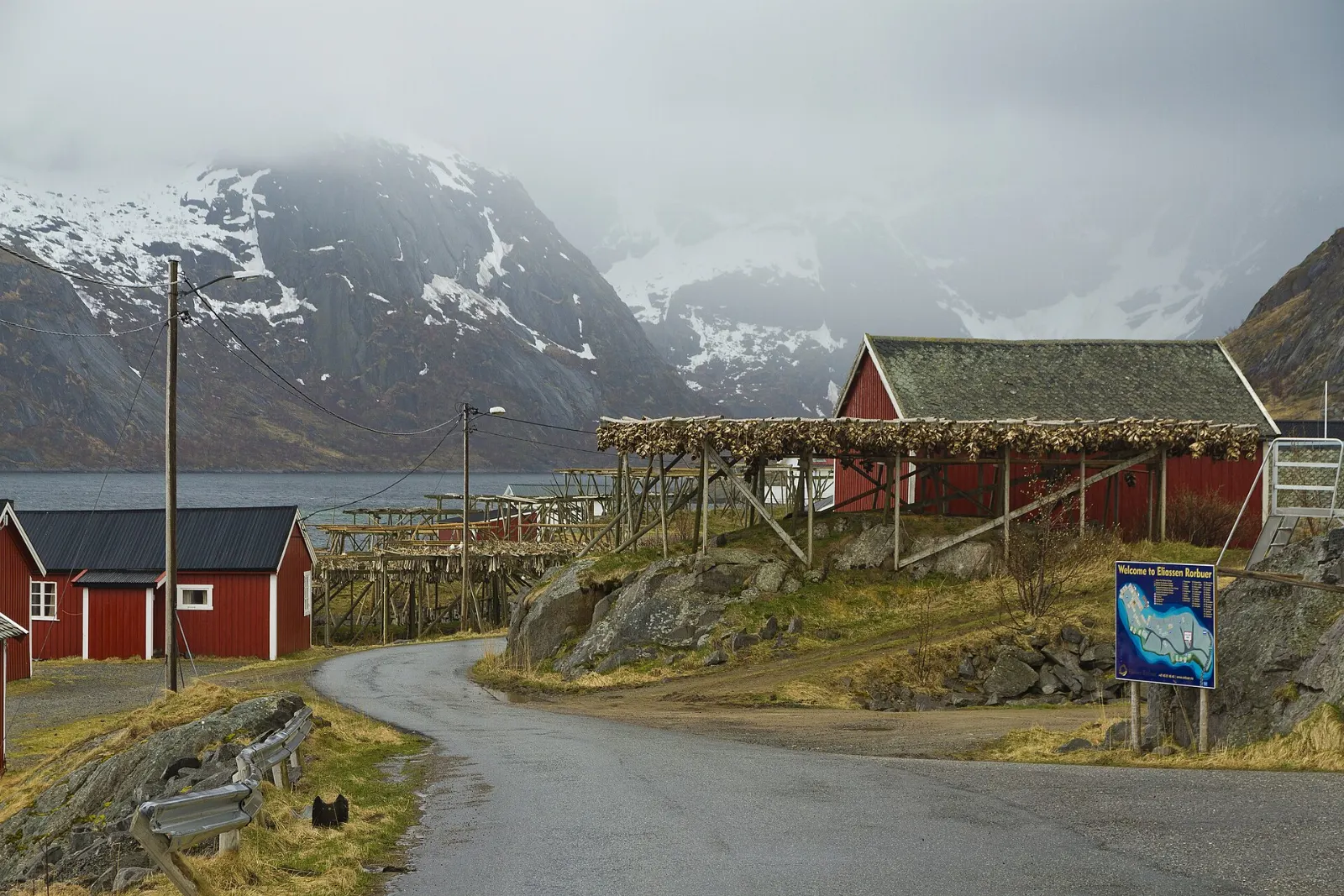
The Lofoten Islands rise out of the Norwegian Sea like a broken wall of granite, a chain of jagged peaks, white sand bays and red fishing cabins strung along a single winding road well north of the Arctic Circle. For centuries this was the heart of Norway's cod fishery, and the drying racks hung with stockfish are still part of the view in late winter and spring.
AT A GLANCE
Best time
June to August for midnight sun and hiking; late September to March for northern lights.
How long
Five to seven days to drive the whole chain without rushing.
Getting there
Fly to Leknes or Svolvær via Bodø, take the ferry from Bodø to Moskenes, or drive the E10.
Why visit the Lofoten Islands
Few places pack so much drama into such a small space. The main islands, Austvågøya, Gimsøya, Vestvågøya, Flakstadøya and Moskenesøya, are linked by bridges and tunnels along the E10, and the whole drive from the northeast to the road's end at Å is roughly 180 kilometres.
Lofoten also has deep history. Kabelvåg, near Svolvær, grew from Vågar, the first town in northern Norway, and the chieftain's seat at Borg on Vestvågøya was one of the largest Viking Age buildings ever found in the country.
Then there is the light. Despite sitting at about 68 degrees north, the islands have a surprisingly mild climate thanks to the Gulf Stream.
Svolvær, Kabelvåg and the eastern islands
Most trips start or end on Austvågøya, the largest island in the chain. It has the most services, the busiest harbour and easy access to boat trips.
Svolvær and the Goat
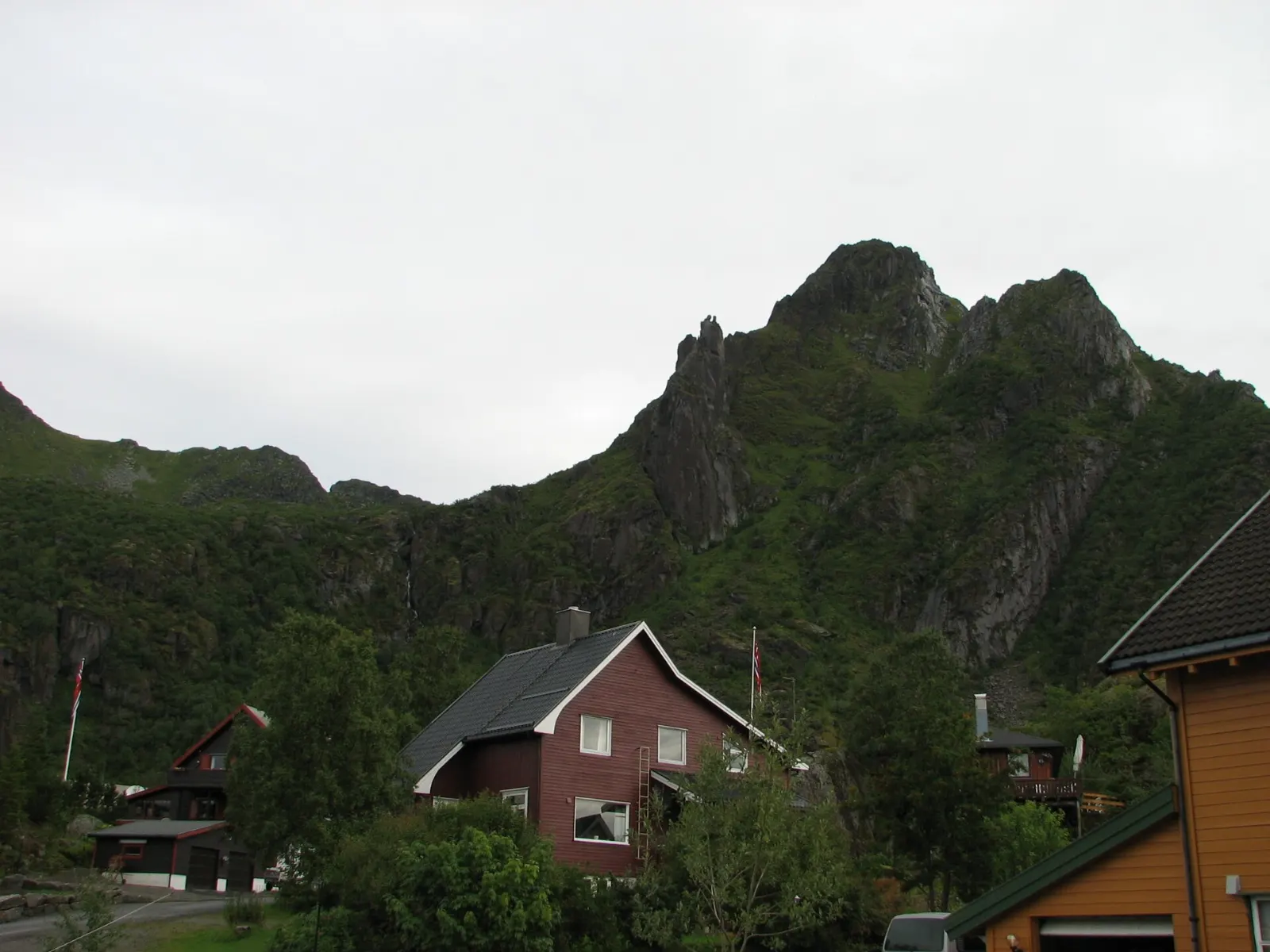
Svolvær is the largest settlement in Lofoten and a practical base, with supermarkets, galleries, a small sculpture park and the Lofoten War Memorial Museum near the coastal-ship dock. Look up from the harbour to spot Svolværgeita, the Goat, a 150-metre rock pinnacle on the mountain Fløyfjellet.
Kabelvåg and Vågan Church
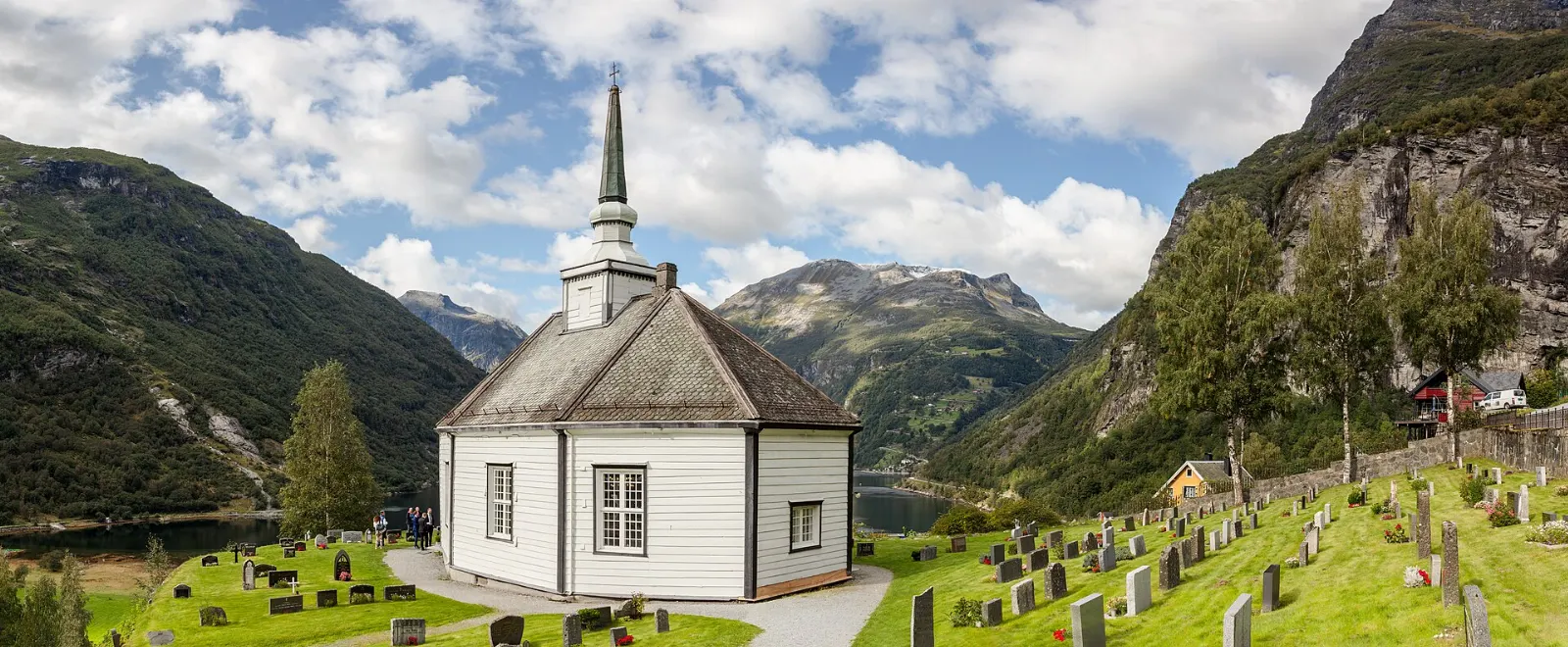
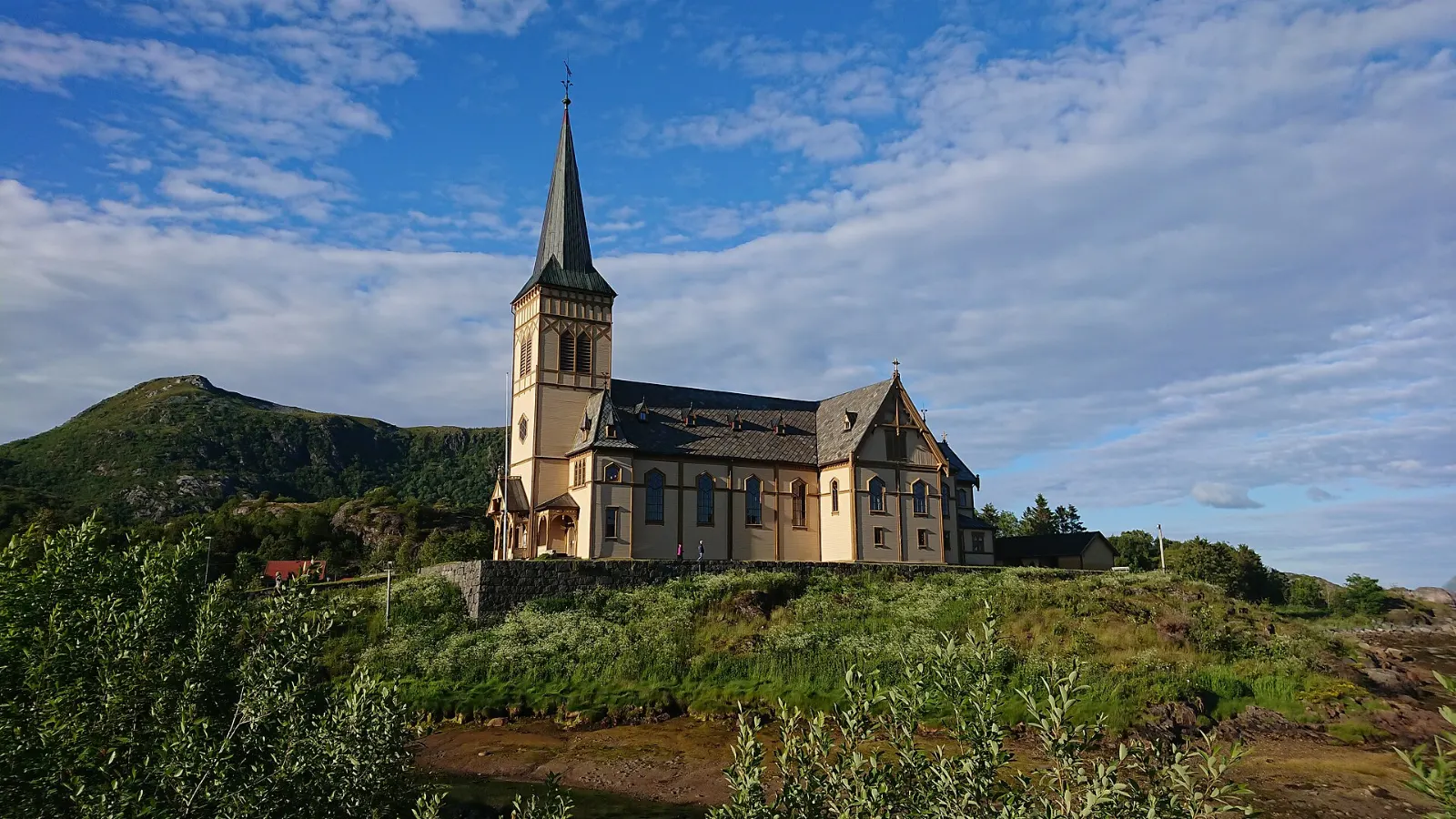
A few kilometres southwest of Svolvær, Kabelvåg is Lofoten's oldest fishing village and a quieter place to stay. The big yellow Vågan Church, built in 1898 and seating about 1,200 people, is the largest wooden building in northern Norway, which is why locals call it the Lofoten Cathedral.
Henningsvær
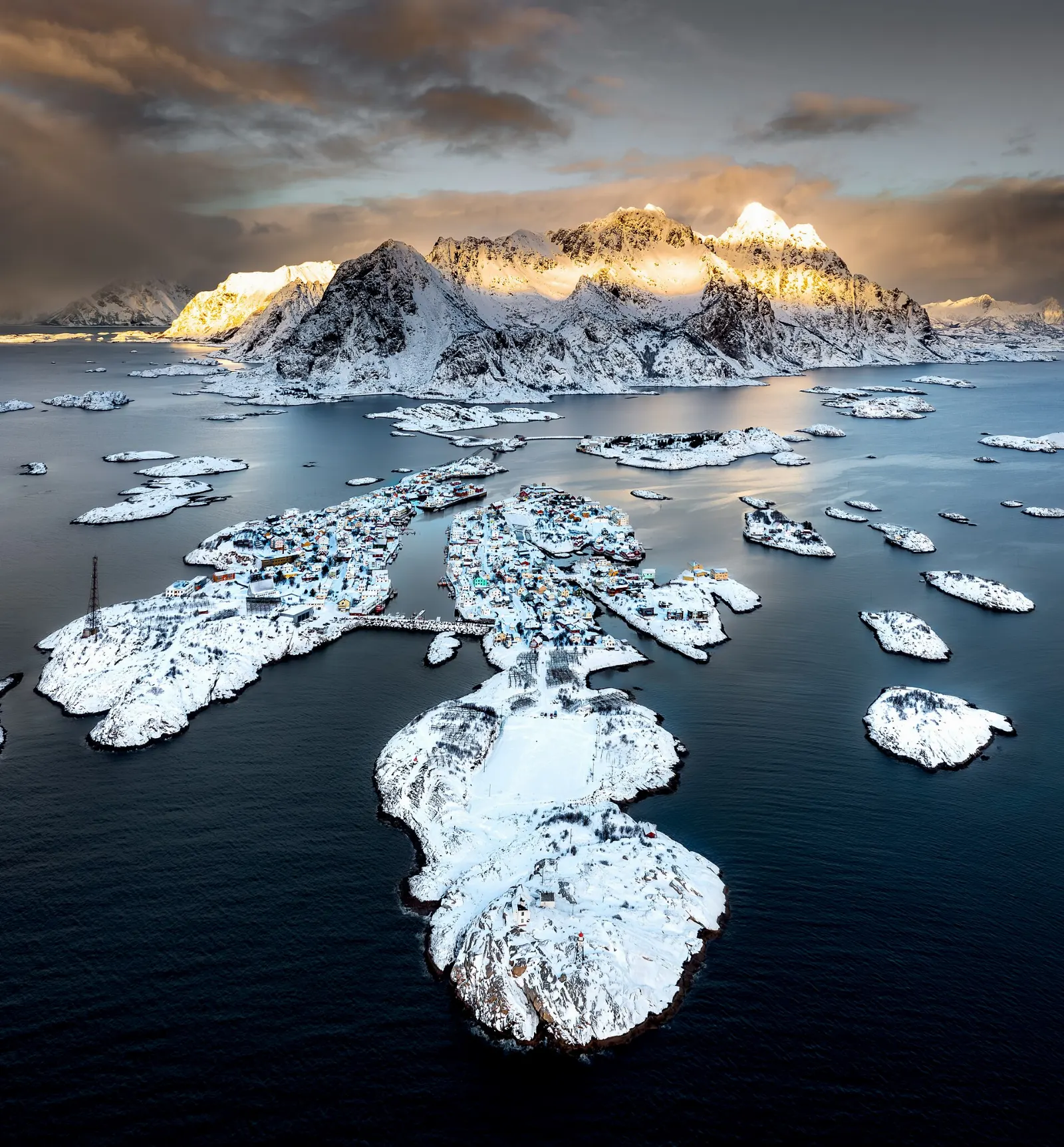
Spread across several small islands off the south coast of Austvågøya and reached by the Henningsvær Bridges, this village of around 500 people is one of the most attractive in Lofoten.
The Trollfjord
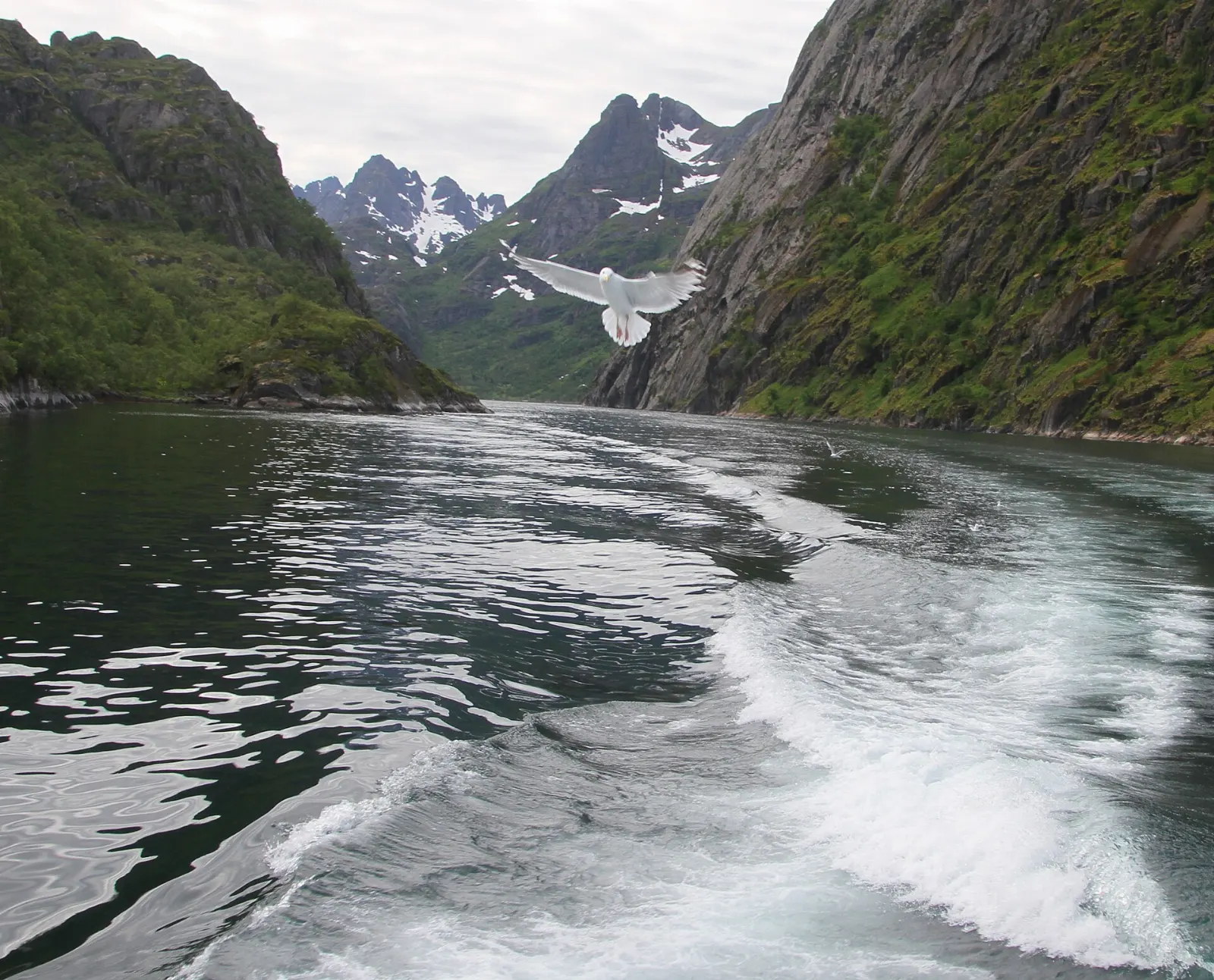
Between Austvågøya and Hinnøya lies the Trollfjord, a narrow arm of the sea with sheer walls that larger ships have to navigate with care.
Vestvågøya, Flakstadøya and the central islands
The middle of the chain is greener and more open, with farmland, wide beaches and some of the best spots to watch the midnight sun over the sea.
Lofotr Viking Museum at Borg
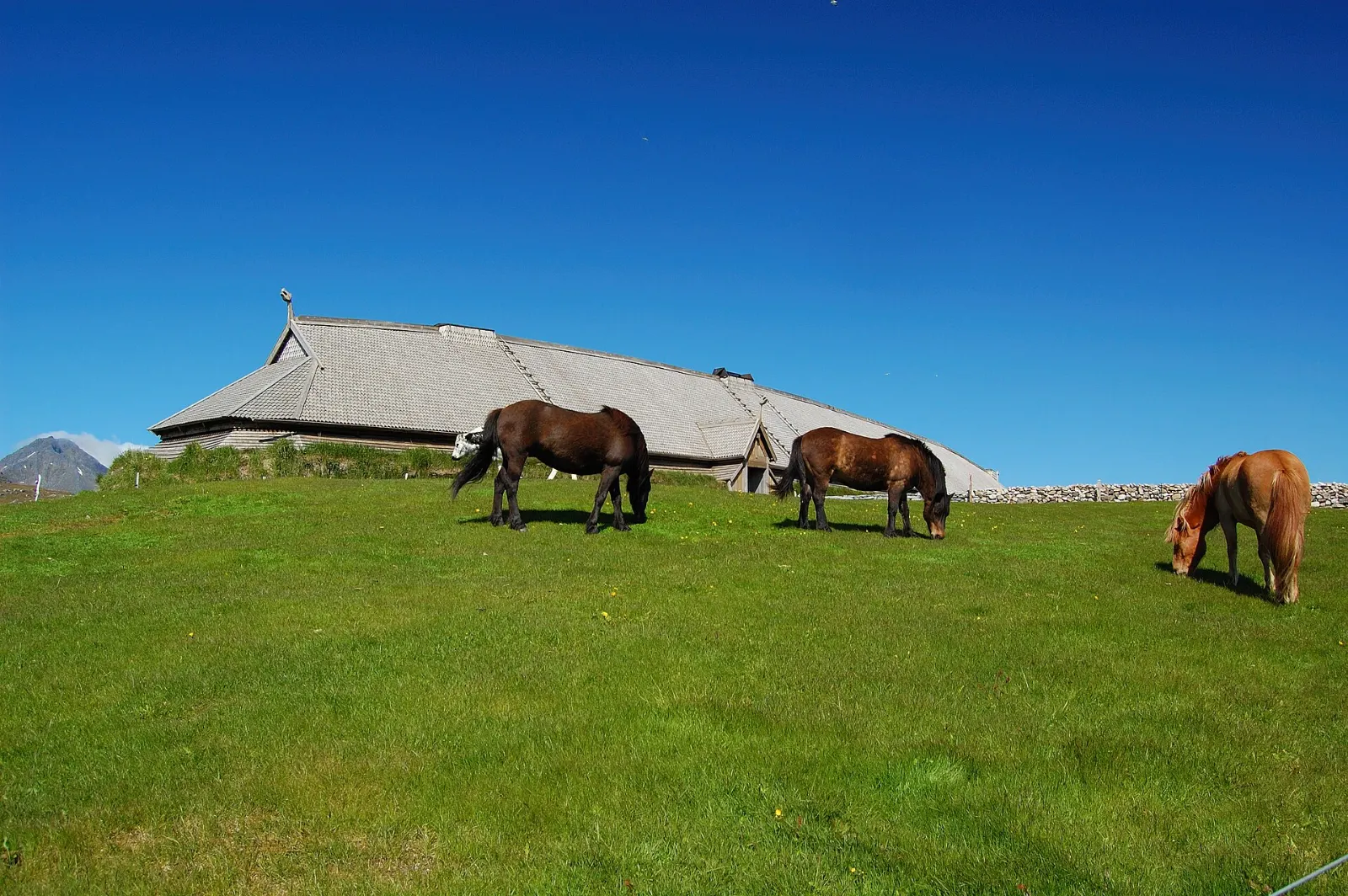
In 1983 archaeologists at Borg on Vestvågøya uncovered the remains of a Viking chieftain's house measuring 83 metres long. The Lofotr Viking Museum has rebuilt it at full scale near the original site, along with a blacksmith's forge and replica Viking ships.
Haukland, Uttakleiv and Eggum beaches
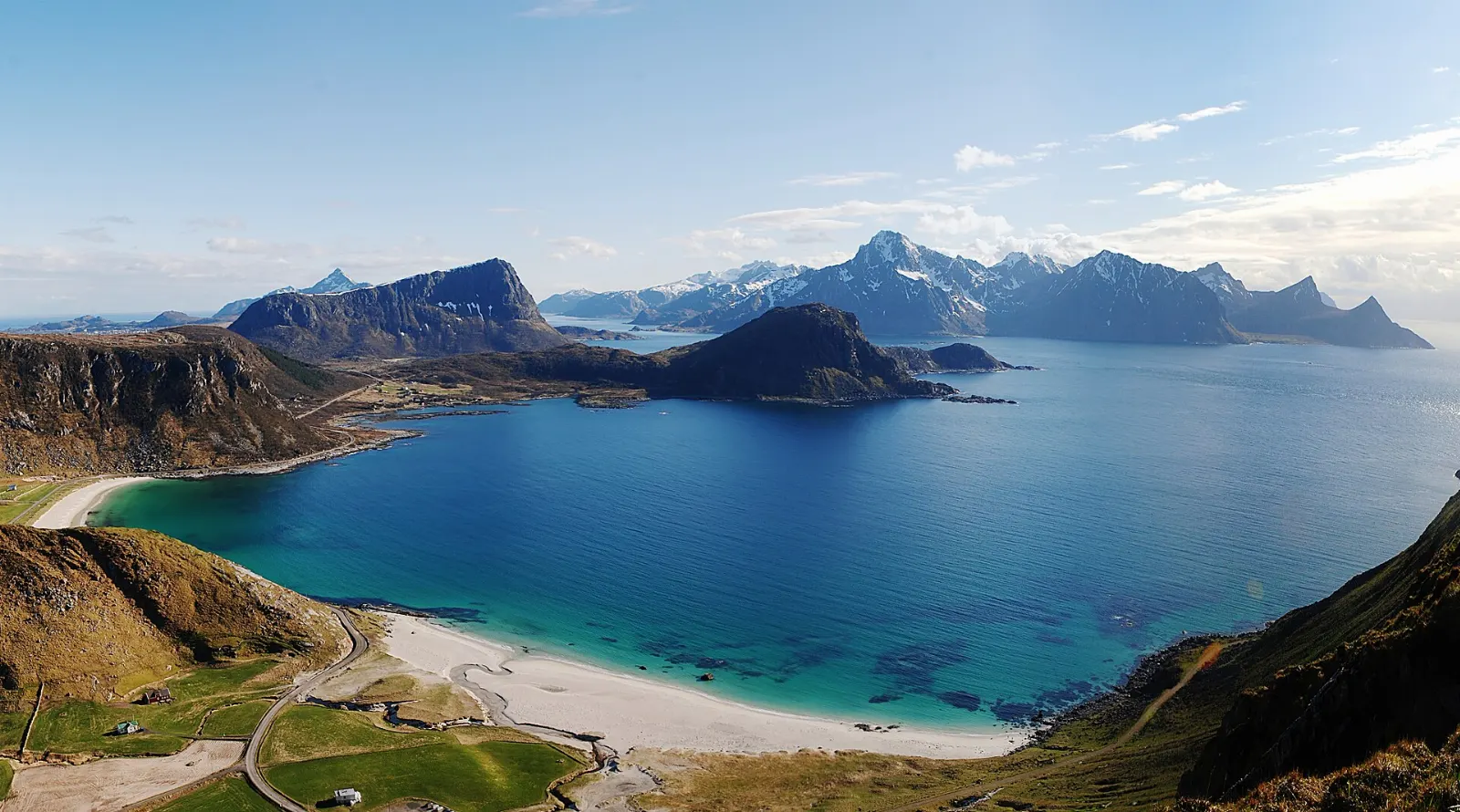
The north coast of Vestvågøya is known for its beaches. Haukland has pale sand and shallow turquoise water in a bay framed by mountains, and a short road tunnel links it to Uttakleiv, a beach famous for its rounded rocks and its view of the midnight sun.
Nusfjord
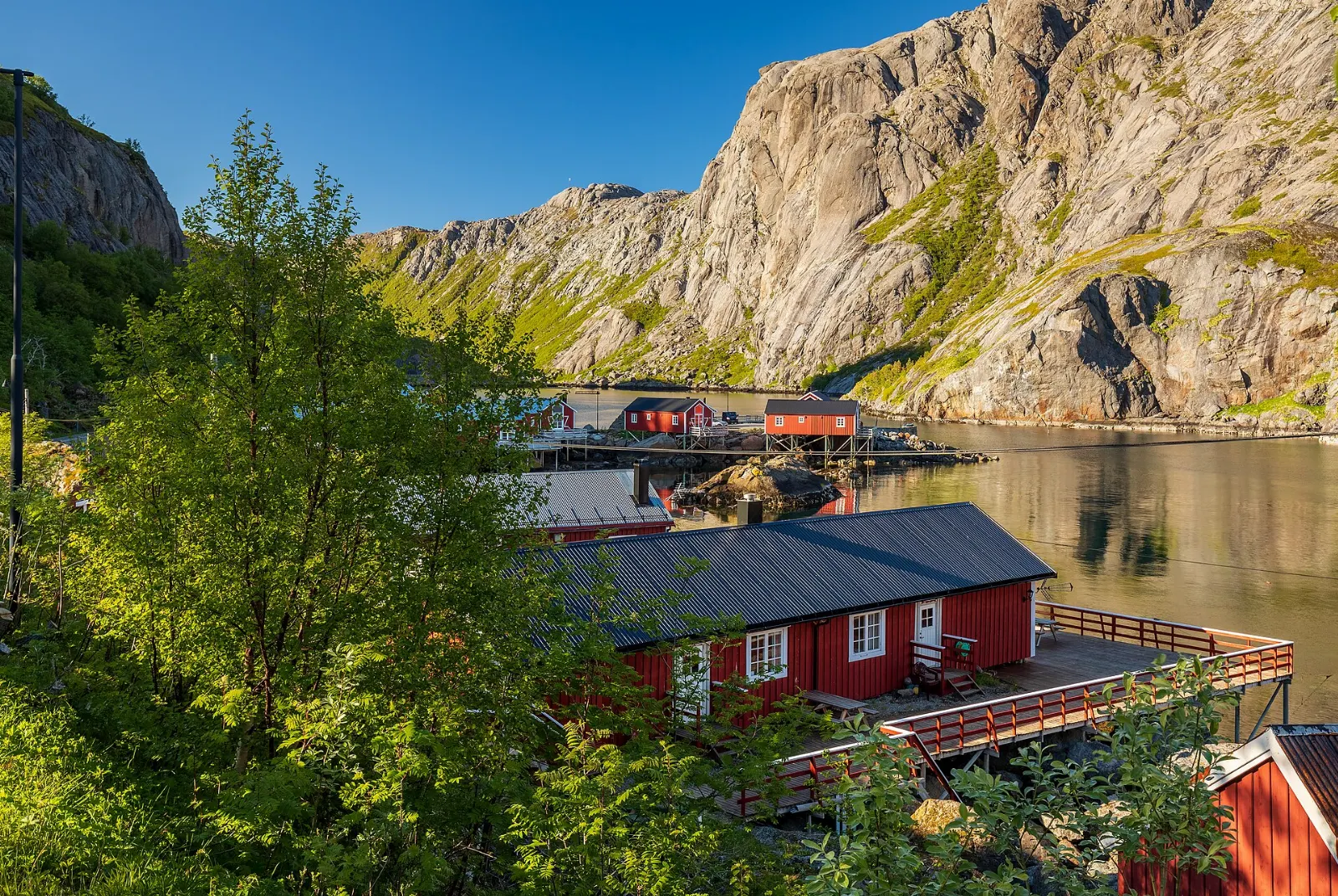
On the southern shore of Flakstadøya, Nusfjord sits at the end of a short side road in a narrow, sheltered inlet. Its red and ochre wooden buildings, fish oil factory, old general store and boathouses make it one of the most complete traditional fishing villages in the islands.
Reine, Hamnøy and the western end
Moskenesøya is the island most people picture when they think of Lofoten. The E10 squeezes between mountains and sea here, the road narrows, and every bend seems to frame a new view.
Hamnøy
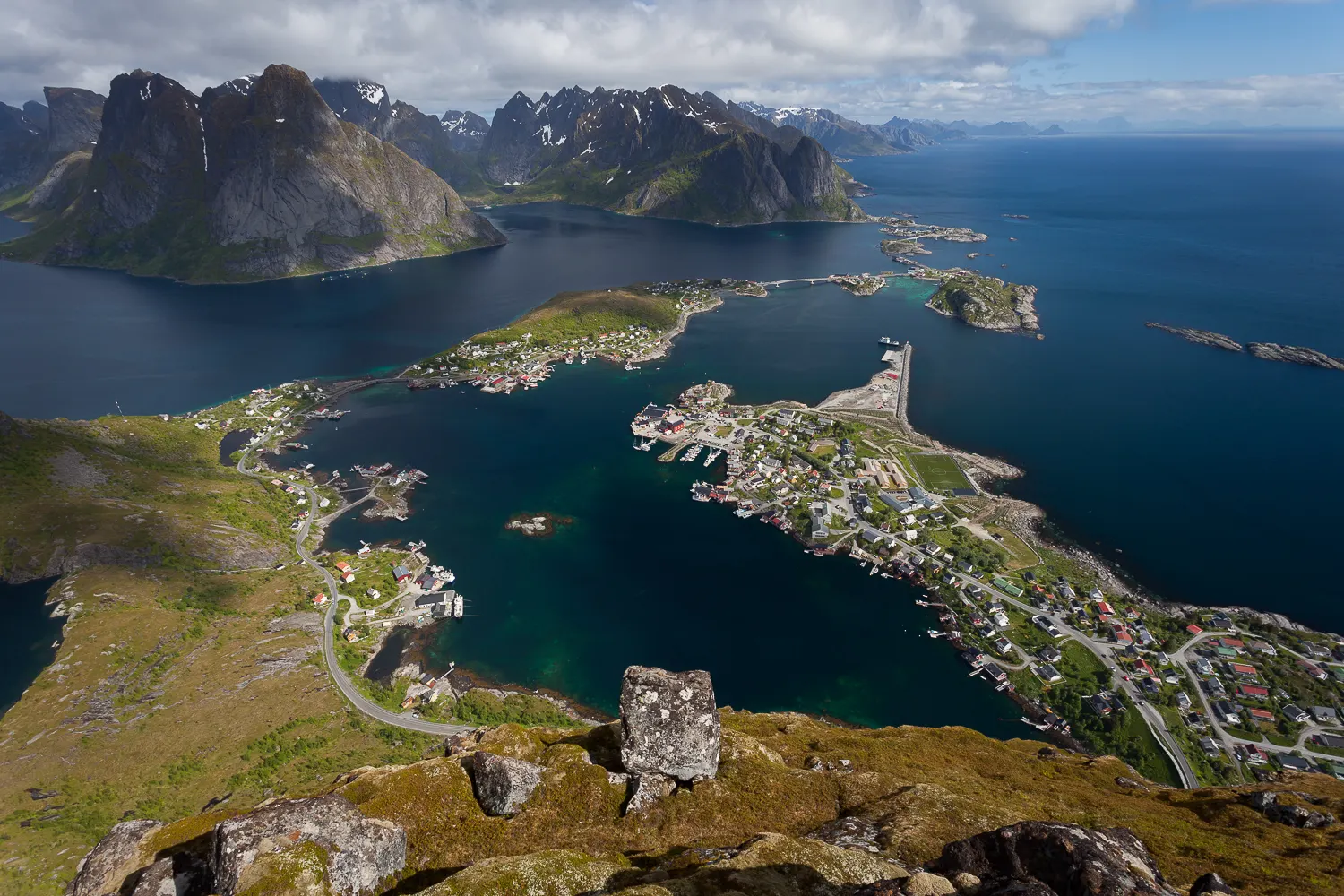
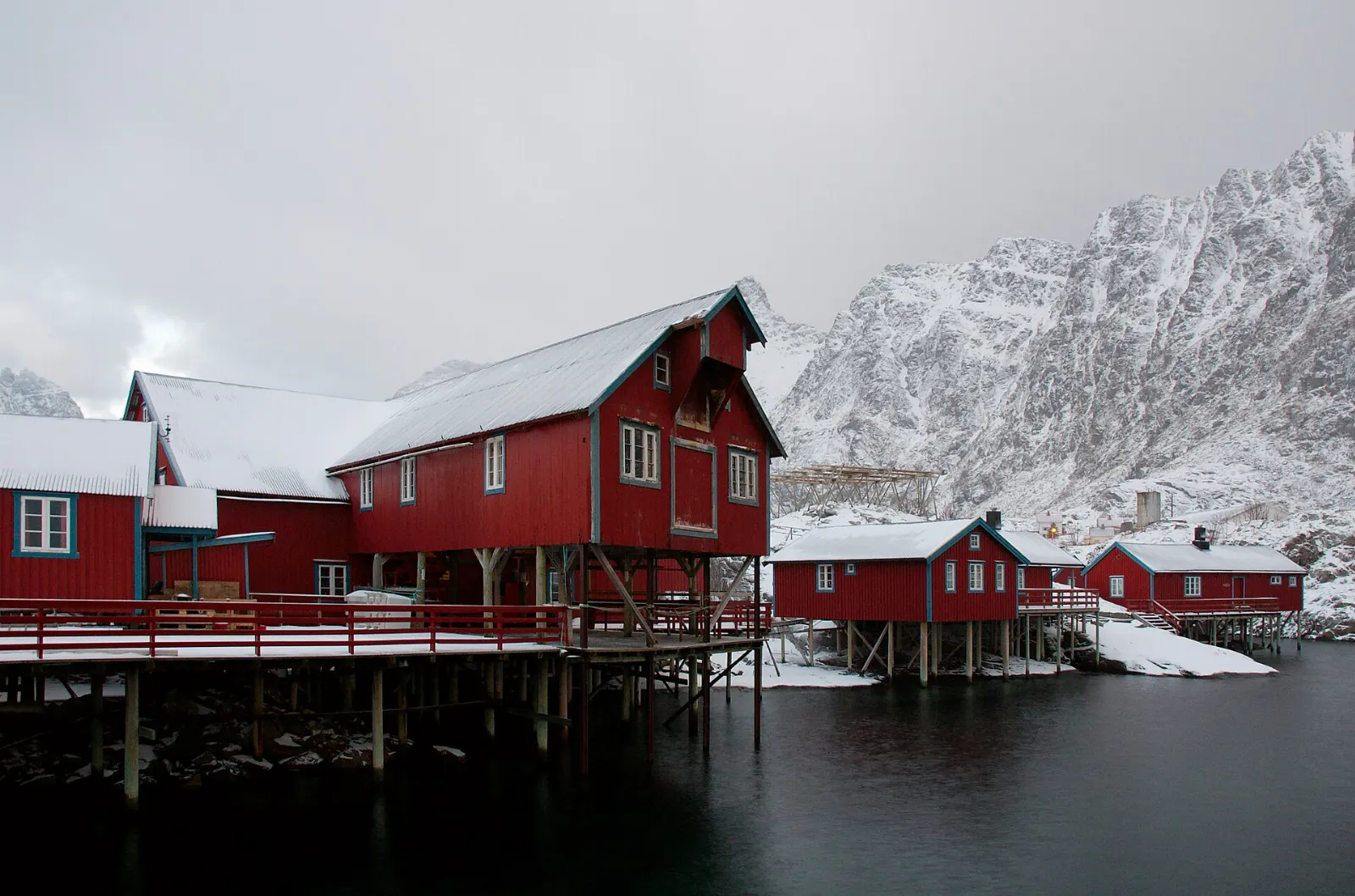
Just northeast of Reine, the small fishing village of Hamnøy sits on a peninsula crossed by the E10. Its red rorbuer, the traditional fishermen's cabins, line the water with steep peaks behind them, one of the most photographed scenes in Norway.
Reine and Reinebringen
Reine has been a trading post since 1743 and was once voted the most beautiful village in Norway by a national magazine. The view everyone wants is from Reinebringen, the mountain above the village at about 448 metres.
Kvalvika beach
On the wild northwestern side of Moskenesøya, Kvalvika is a sandy cove backed by cliffs and reachable only on foot.
Å
The E10 ends at Å, whose name simply means stream. Until the 1990s it was a working stockfish village, and today it is home to the Lofoten Stockfish Museum and the Norwegian Fishing Village Museum, which together explain how the cod season shaped life here.
 Planning a trip to Lofoten Islands?Compare hotels, flights and vacation rentals for Lofoten Islands on Expedia.Book now
Food and local flavors
Lofoten food comes from the sea. Stockfish, cod air-dried on wooden racks without salt, is the islands' signature product, and you will see it served soaked and cooked in stews or as bacalao, a tomato-based dish that reflects the long trade link with southern Europe.
Look also for fish soup, fish cakes, smoked salmon, local lamb from Vestvågøya, and stockfish snacks sold in bags at shops and museums.
Popular dishes to try in Lofoten Islands


Where to stay
The classic Lofoten stay is a rorbu, a fisherman's cabin built at the water's edge or on stilts over it. Many have been modernised with kitchens and private bathrooms, and they are found in almost every village.
Svolvær and Kabelvåg suit first-time visitors, families and anyone arriving by air or on the Hurtigruten, with the most restaurants, shops and boat trips. Henningsvær is a good choice for couples and climbers who want a lively village atmosphere with fewer cars. Leknes and Vestvågøya are central and practical if you want to split your time evenly between east and west, and they put you close to the northern beaches.
Where to stay in Lofoten Islands


Best time to visit
Summer, June to August, brings the midnight sun, which in Leknes lasts from late May to mid-July.
Autumn, September and October, brings darker nights, fewer crowds and the first good chances for northern lights, along with changing colours on the hillsides.
Winter, November to March, is quieter but atmospheric.
Spring, April and May, offers lengthening days, snow on the peaks and light traffic, though high trails may still be icy.
Getting there and getting around
By air: Short flights from Bodø serve Leknes Airport and Svolvær Airport, and Røst also has an airstrip.
By ferry: Ferries run from Bodø to Moskenes, a crossing of a little over three hours, with onward boats to the outer islands of Værøy and Røst, known for their puffin colonies.
By road: Since 2007 the E10 has linked Lofoten to the mainland without ferries, so you can drive in from Narvik.
By bus and bike: Local buses connect most villages, with Leknes the main transfer point between the eastern and western ends.
A suggested itinerary
First day
Settle into Svolvær, walk the harbour and look for the Goat above town.
Second day
Drive to Kabelvåg to see Vågan Church and the Lofoten Museum, then continue to Henningsvær for lunch, gallery browsing and a walk out to the football pitch.
Third day
Head west on the E10 to the Lofotr Viking Museum at Borg.
Fourth day
Visit Nusfjord in the morning, then continue to Moskenesøya.
Fifth day
Climb Reinebringen early, then drive to Å for the stockfish and fishing village museums and a walk toward the Moskstraumen.
Practical tips
- Book rorbuer and rental cars early for summer and the winter fishing season, especially in Reine and Hamnøy.
- Pack for four seasons in one day: a windproof shell, warm mid-layer, hat and gloves are useful even in July.
- Use designated parking areas and never stop on bridges or narrow stretches of the E10 to take photos.
- Respect private property around rorbuer and fish racks, and keep drones away from homes and wildlife.
- Camping and wild camping are popular, but follow local signage, use toilets where provided and leave no trace.
- Check weather and trail conditions before hiking; steep trails such as Reinebringen are dangerous when wet or icy.