WiserMap — Choose wisely. Connect locally.Choose wisely. Connect locally.Add your business
Lucerne, Switzerland · Travel guide

Lucerne Switzerland Chapel Bridge Pilatus and Rigi Days

Lucerne sits where the Reuss River leaves Lake Lucerne, ringed by green hills and backed by the rocky profile of Mount Pilatus.

By WiserMap TravelUpdated October 2026 9 places10 min read
FacebookXLinkedIn

This guide covers the best places to visit in Lucerne, from the Chapel Bridge to mountain trips on Pilatus and Rigi, with practical tips on how long to allow, how to get around and the best time of year to come.

At a glance Lucerne
  1. Best timeMay to September for lake trips and mountains; late winter for Fasnacht.
  2. How longTwo days for the city, three or four with Pilatus, Rigi and a lake cruise.
  3. Getting thereFrequent direct trains from Zurich, its airport and Bern.

Why visit Lucerne

Lucerne was the first city to join the early Swiss Confederation, in the fourteenth century, and it sits at the center of the legends and landscapes that shaped the country.

Today Lucerne balances history and culture. You can cross a fourteenth-century bridge in the morning, hear a world-class orchestra at a modern concert hall in the evening and spend the day between on a mountain summit reached by cogwheel train.

The Old Town and the bridges

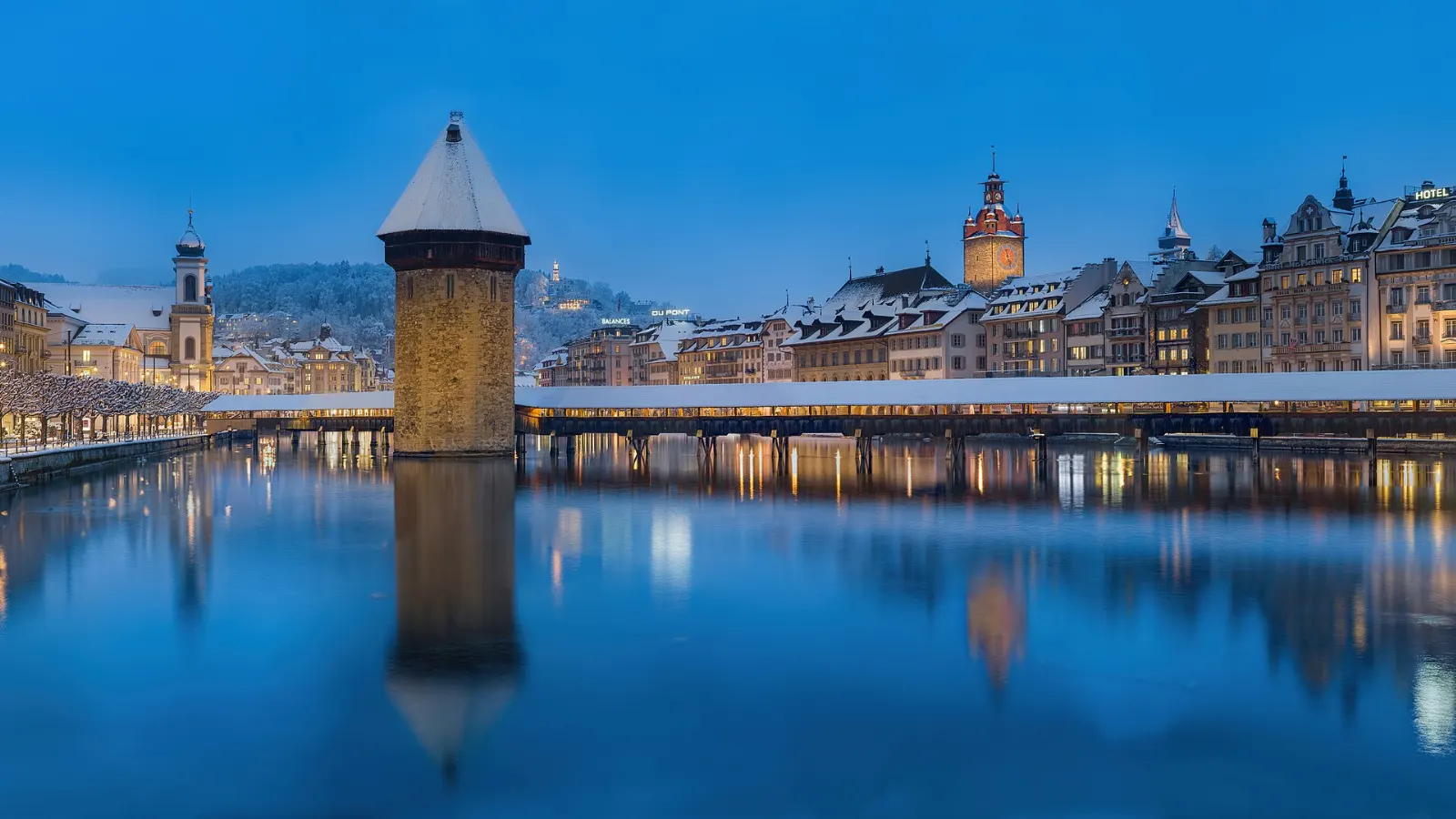
Chapel Bridge and the Water Tower

The Chapel Bridge, or Kapellbrücke, is a covered wooden footbridge built in the fourteenth century as part of the city's defenses. It runs diagonally across the Reuss beside the octagonal stone Water Tower, which has served over the centuries as an archive, treasury and prison.

Covered wooden Spreuer Bridge angled across the Reuss with a small chapel at its center, Lucerne, Switzerland

Spreuer Bridge

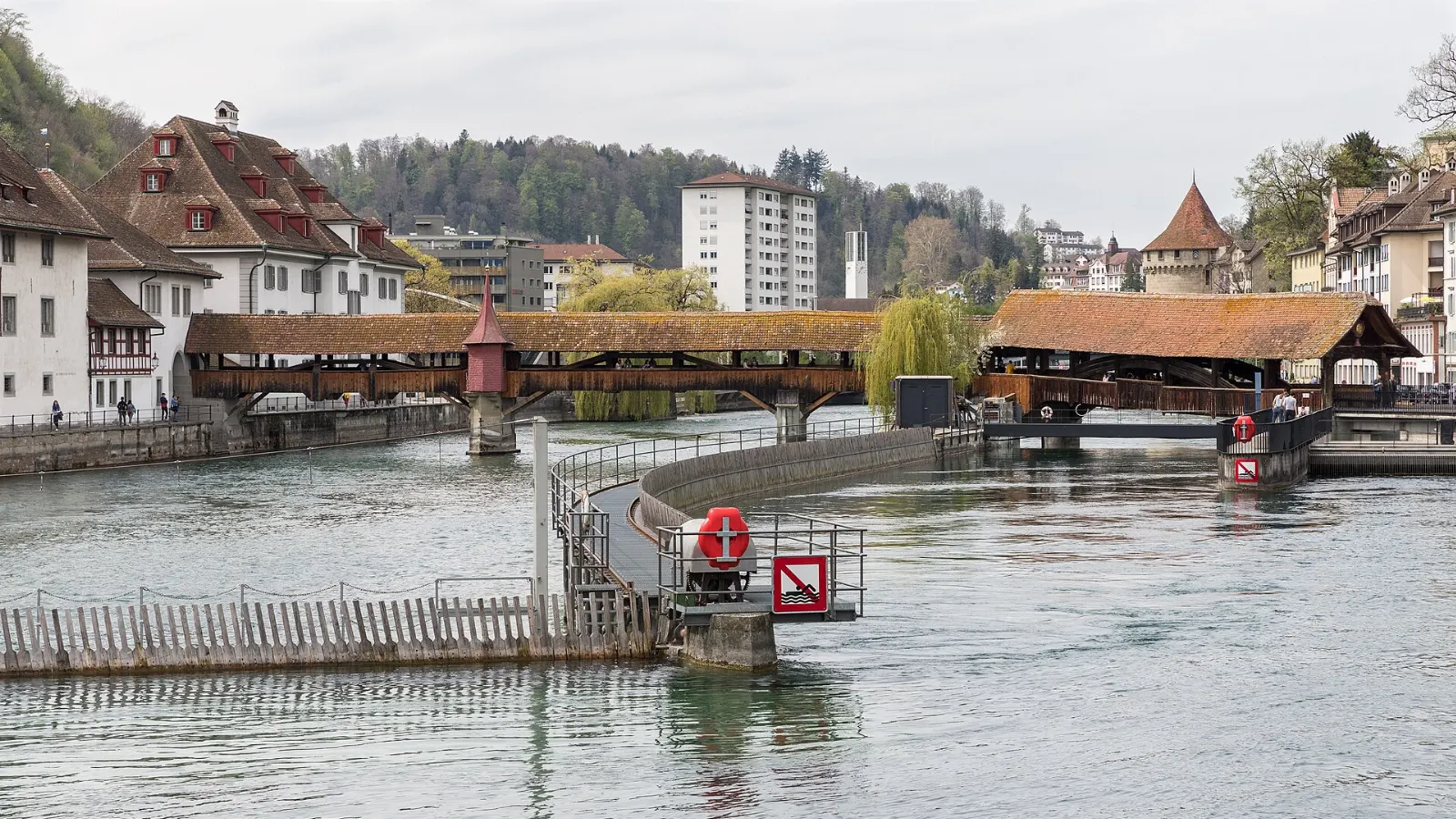
Downstream, the Spreuer Bridge is Lucerne's other surviving covered wooden bridge, dating from the sixteenth century. Its roof panels form a Dance of Death series painted by the workshop of Kaspar Meglinger, showing Death visiting people from every walk of life.

The Spreuer Bridge, built in the sixteenth century, is decorated with Dance of Death paintings. Photo: JoachimKohler-HB, Wikimedia Commons, CC BY-SA 4.0
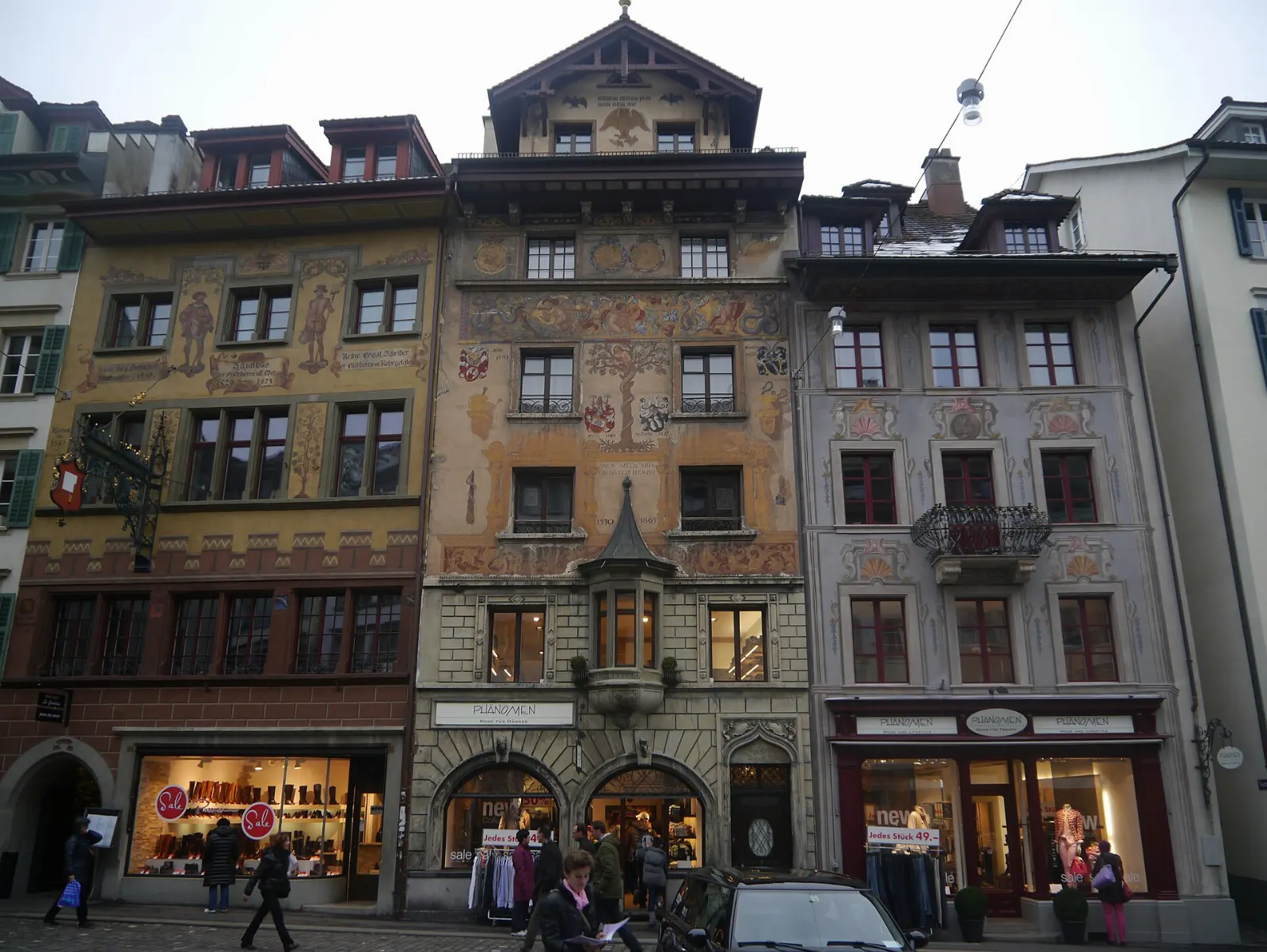
Painted house facades and a fountain on the Weinmarkt square in Lucerne's Old Town, Switzerland

Old Town squares

Between the river and the Musegg Wall, the Old Town is a tangle of lanes and squares, including the Weinmarkt, Kornmarkt and Hirschenplatz. Many buildings carry colorful painted facades with historical scenes, coats of arms and decorative patterns.

The Weinmarkt is one of the Old Town squares lined with painted guild and merchant houses. Photo: Zairon, Wikimedia Commons, CC BY-SA 3.0

White Baroque Jesuit Church with onion-topped towers on the bank of the Reuss, Lucerne, Switzerland

Jesuit Church

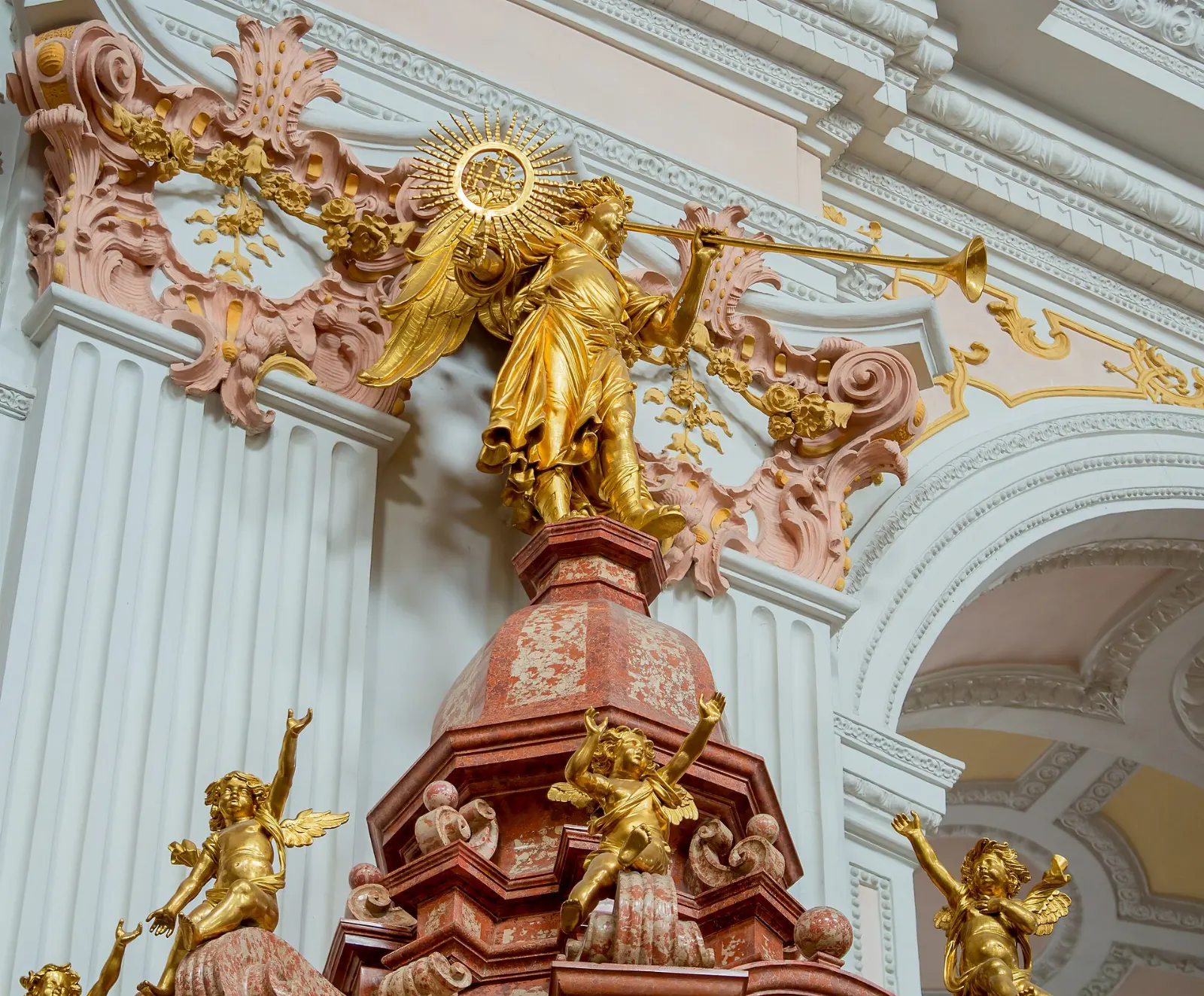
On the left bank of the Reuss, the white Jesuit Church was the first large Baroque church built in Switzerland north of the Alps, begun in the 1660s. Its interior is bright and richly decorated with stucco and pink marble-effect columns, and its onion-topped towers were added much later, in the nineteenth century.

Lucerne's Jesuit Church was the first large Baroque church in Switzerland north of the Alps. Photo: Ermell, Wikimedia Commons, CC BY-SA 4.0

Medieval Musegg city wall with several watchtowers on a green hillside above Lucerne, Switzerland

Musegg Wall

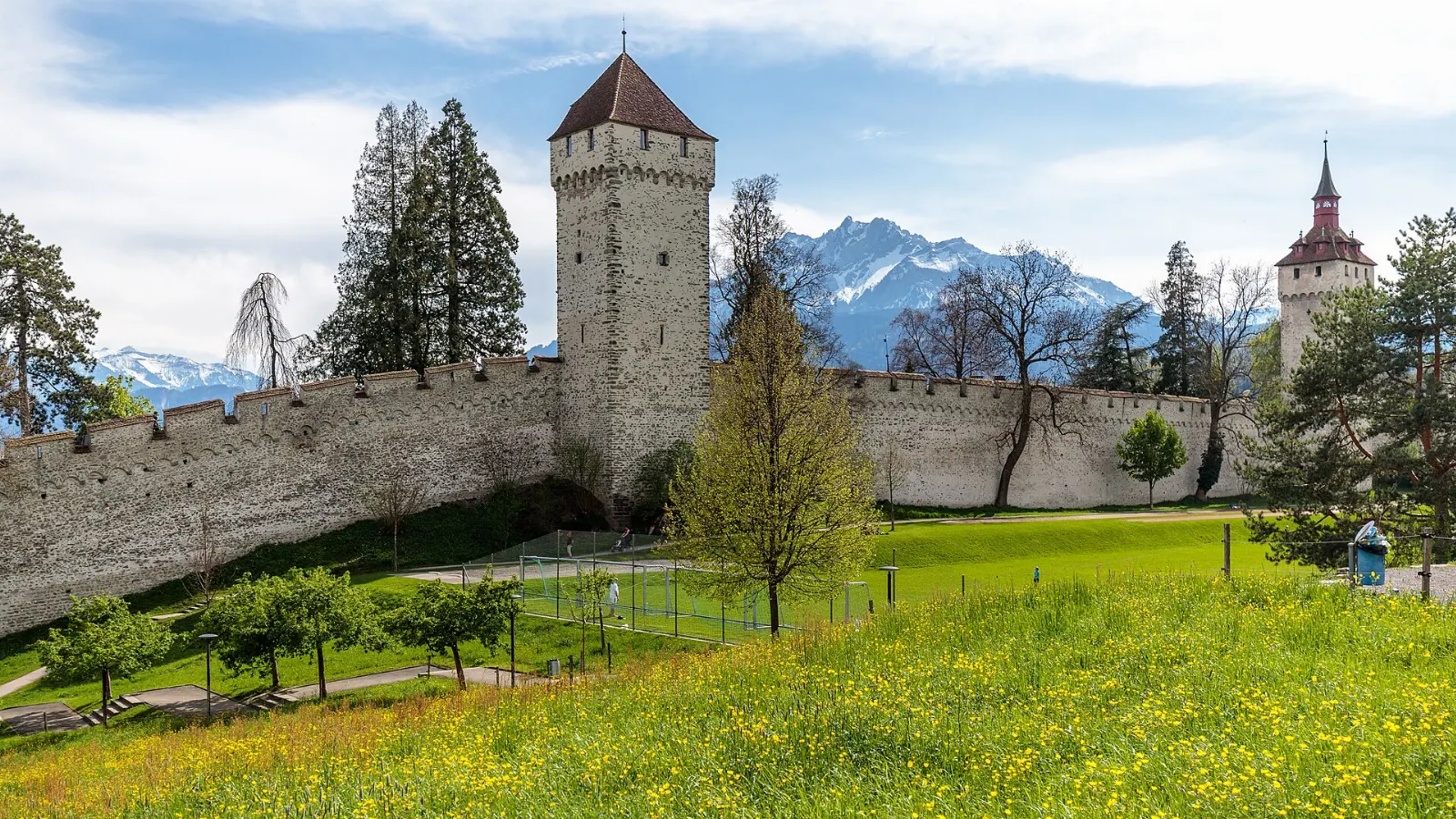
The Musegg Wall, built in the late fourteenth century, runs along the hill on the northern edge of the Old Town with nine towers.

The Musegg Wall and its towers have guarded the north side of the Old Town since the late fourteenth century. Photo: JoachimKohler-HB, Wikimedia Commons, CC BY-SA 4.0
Monuments, museums and the lakefront

Carved dying lion in a rock face above a small pond at the Lion Monument, Lucerne, Switzerland

Lion Monument and the Glacier Garden

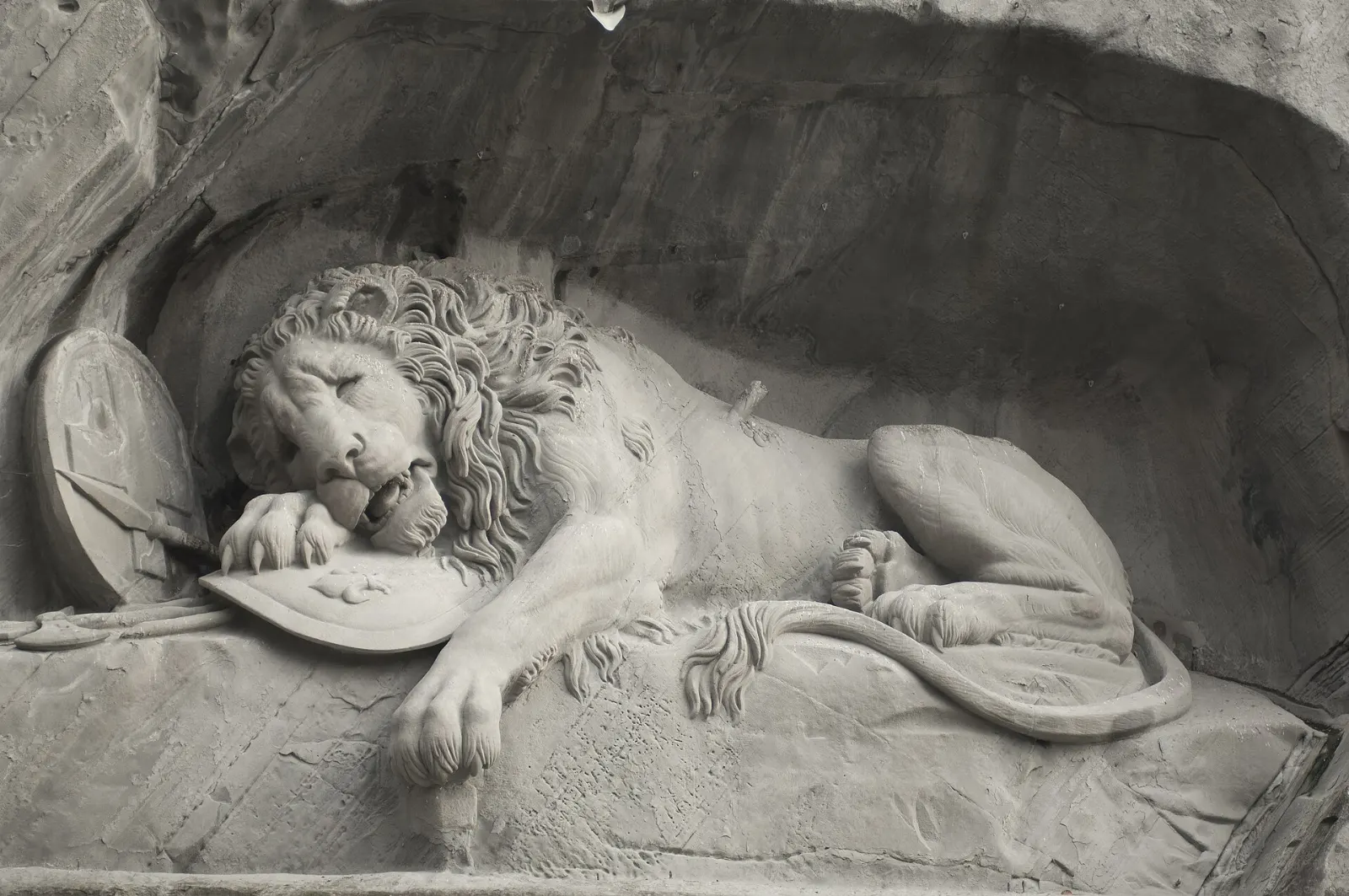
Carved into a sandstone cliff above a small pond, the Lion Monument shows a dying lion lying on a broken spear, honoring the Swiss Guards killed when revolutionaries stormed the Tuileries Palace in Paris in 1792.

The Lion Monument commemorates Swiss Guards killed in Paris in 1792. Photo: Godot13, Wikimedia Commons, CC BY-SA 4.0

Modern KKL concert hall with its broad flat roof extending over Lake Lucerne, Switzerland

KKL and the lakefront promenade

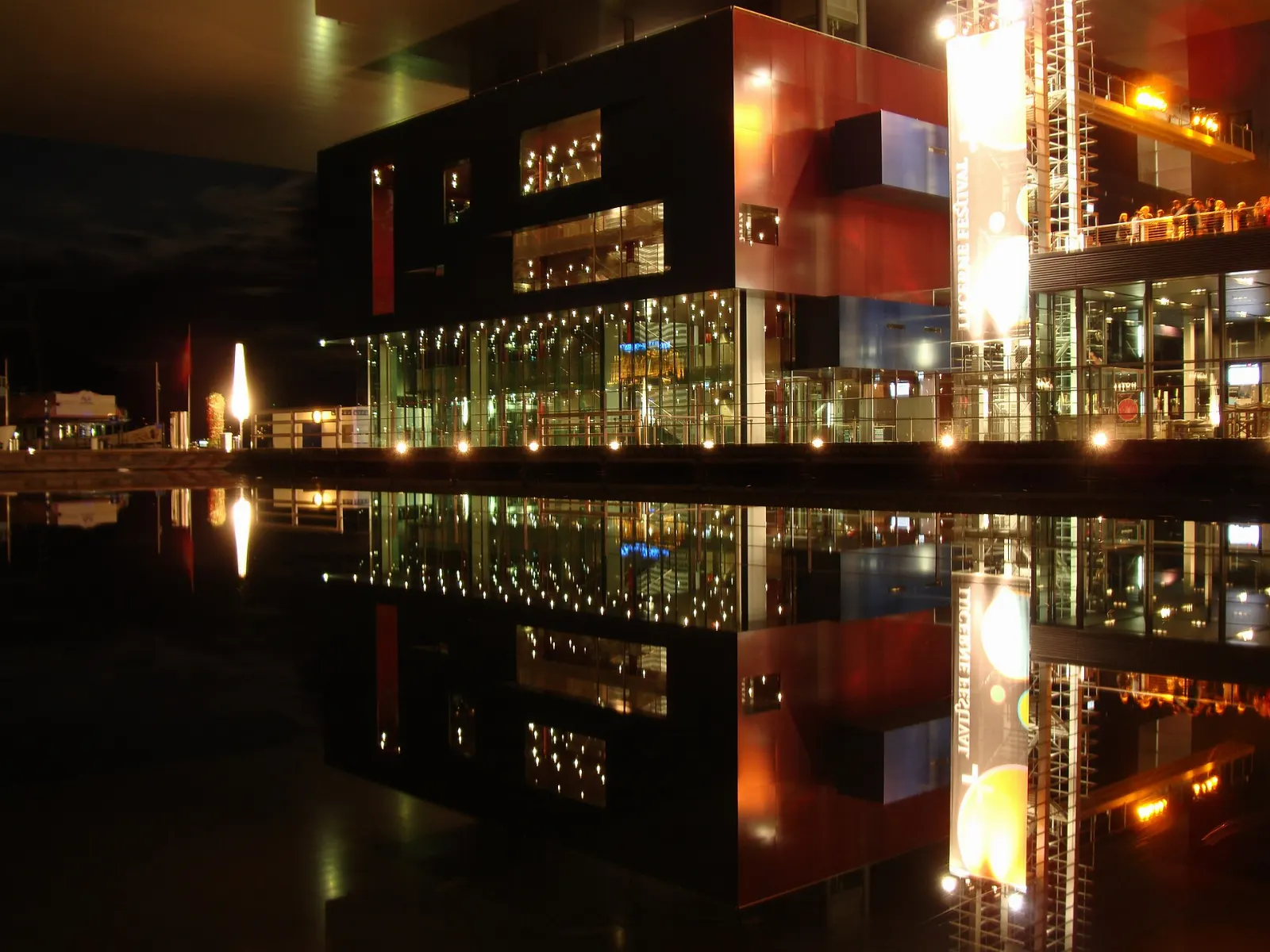
Beside the railway station, the KKL culture and congress center, designed by Jean Nouvel, stretches toward the lake under a huge flat roof. Its main concert hall is famous for its acoustics and hosts the Lucerne Festival, and the building also houses the Kunstmuseum Luzern, the city's art museum.

The KKL culture and congress center, designed by Jean Nouvel, sits on the lakefront beside the railway station. Photo: Antonio Morales García, Wikimedia Commons, CC BY-SA 2.0

Locomotives and transport exhibits at the Swiss Museum of Transport in Lucerne, Switzerland

Swiss Museum of Transport

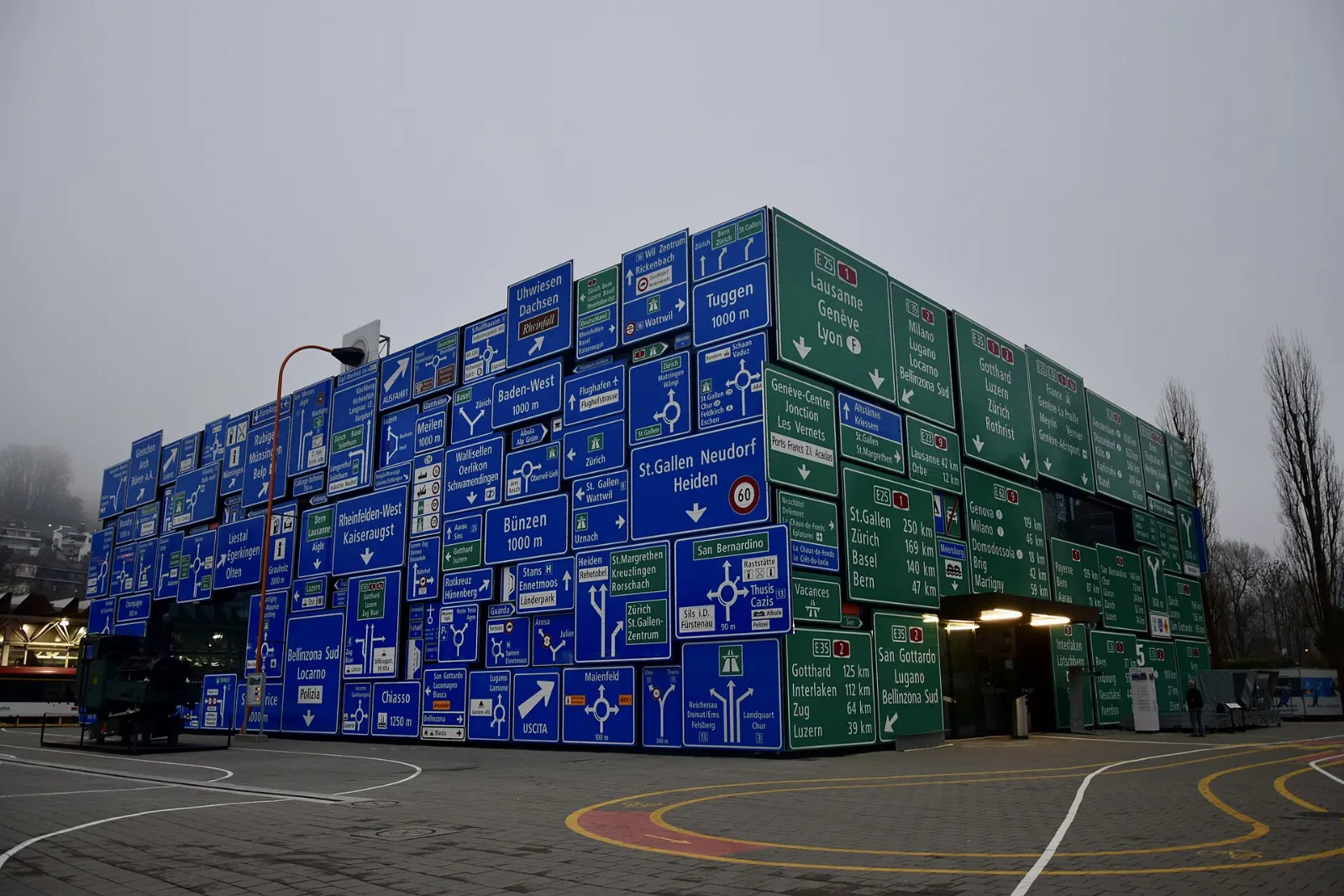
The Swiss Museum of Transport, east of the center near the Lido beach, is one of the most visited museums in Switzerland. Halls are filled with locomotives, aircraft, cars, boats and cable cars, with plenty of hands-on exhibits, a planetarium and a large-format cinema.

The Swiss Museum of Transport displays trains, aircraft, boats and cars on the lakeshore east of the center. Photo: Ank Kumar, Wikimedia Commons, CC BY-SA 4.0

Rosengart Collection

A short walk from the station, the Rosengart Collection holds a major private collection of early modern art, with a large group of works by Paul Klee and many paintings and drawings by Pablo Picasso, along with pieces by Cézanne, Chagall, Miró and others. It is calm and manageable in size.

Lake cruises and mountain day trips

Red cogwheel car of the Pilatus Railway climbing a steep rocky slope, Lucerne, Switzerland

Mount Pilatus

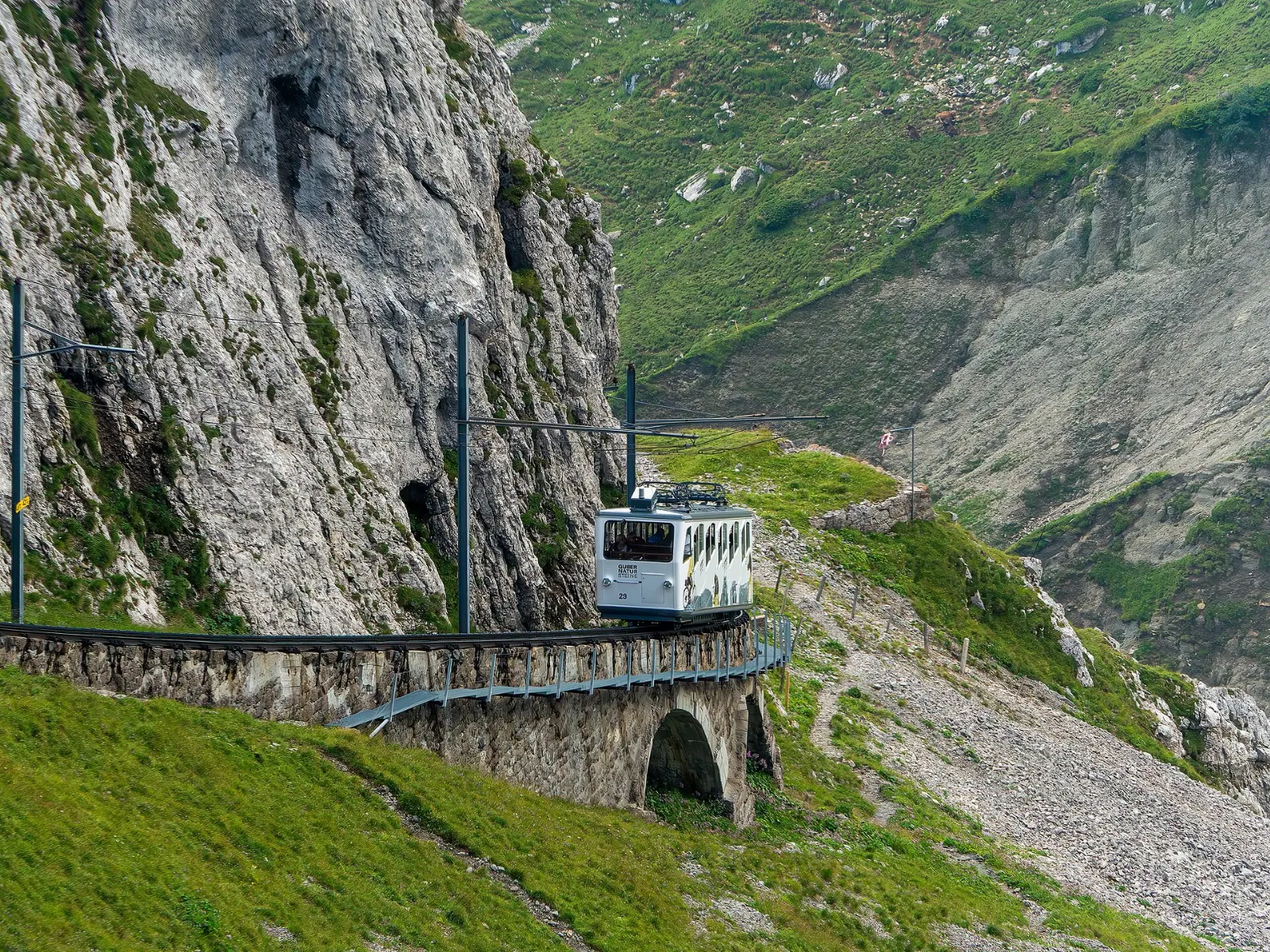
Pilatus rises to the southwest of the city with a jagged limestone summit. From Alpnachstad, the Pilatus Railway climbs to the top on the steepest cogwheel line in the world, with gradients up to 48 percent; it runs in the warmer months only.

The Pilatus Railway is the steepest cogwheel railway in the world, with a maximum gradient of 48 percent. Photo: Reinhold Möller Ermell, Wikimedia Commons, CC BY-SA 4.0

Summit of Rigi Kulm with views over Lake Lucerne and surrounding hills, Switzerland

Rigi

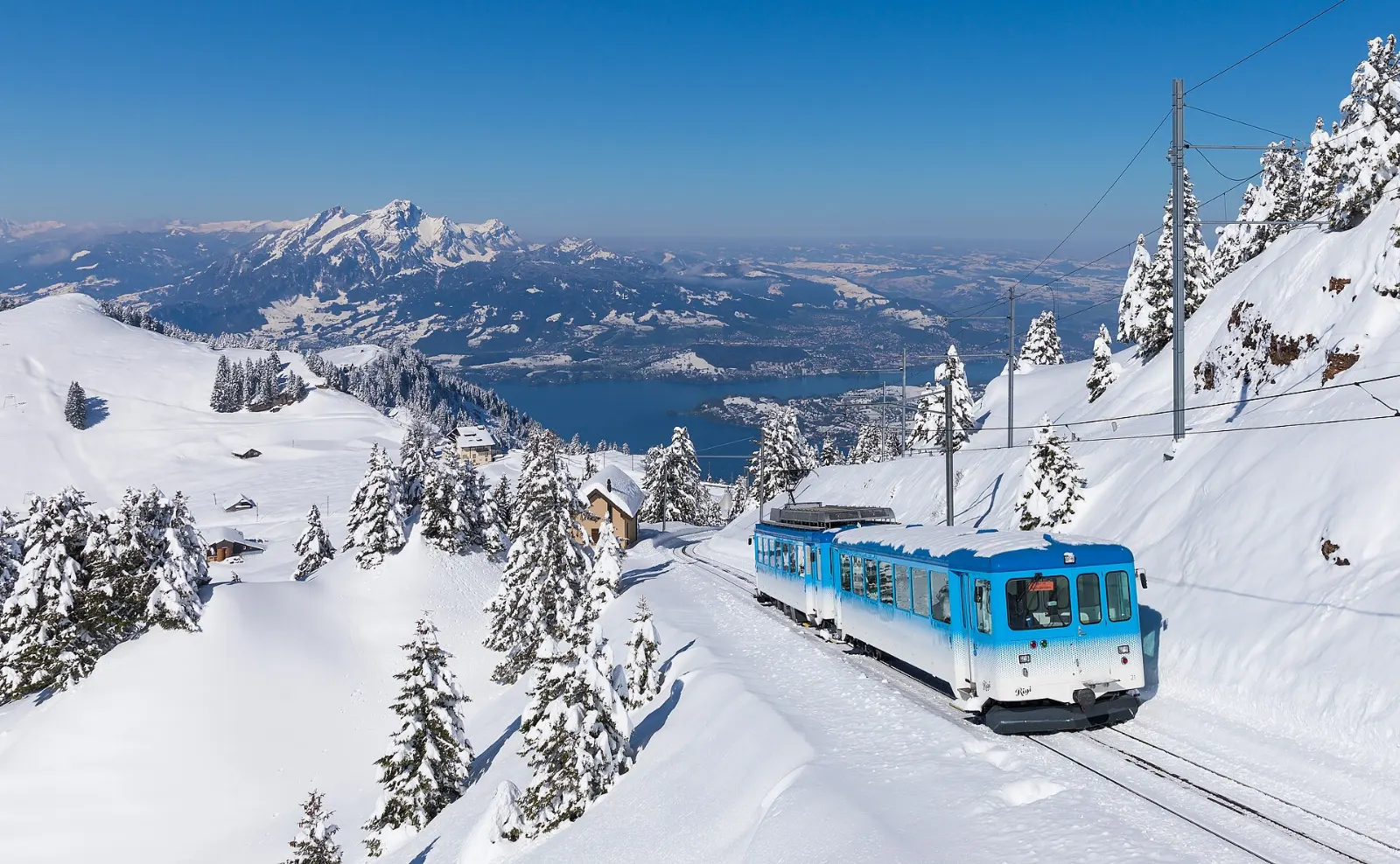
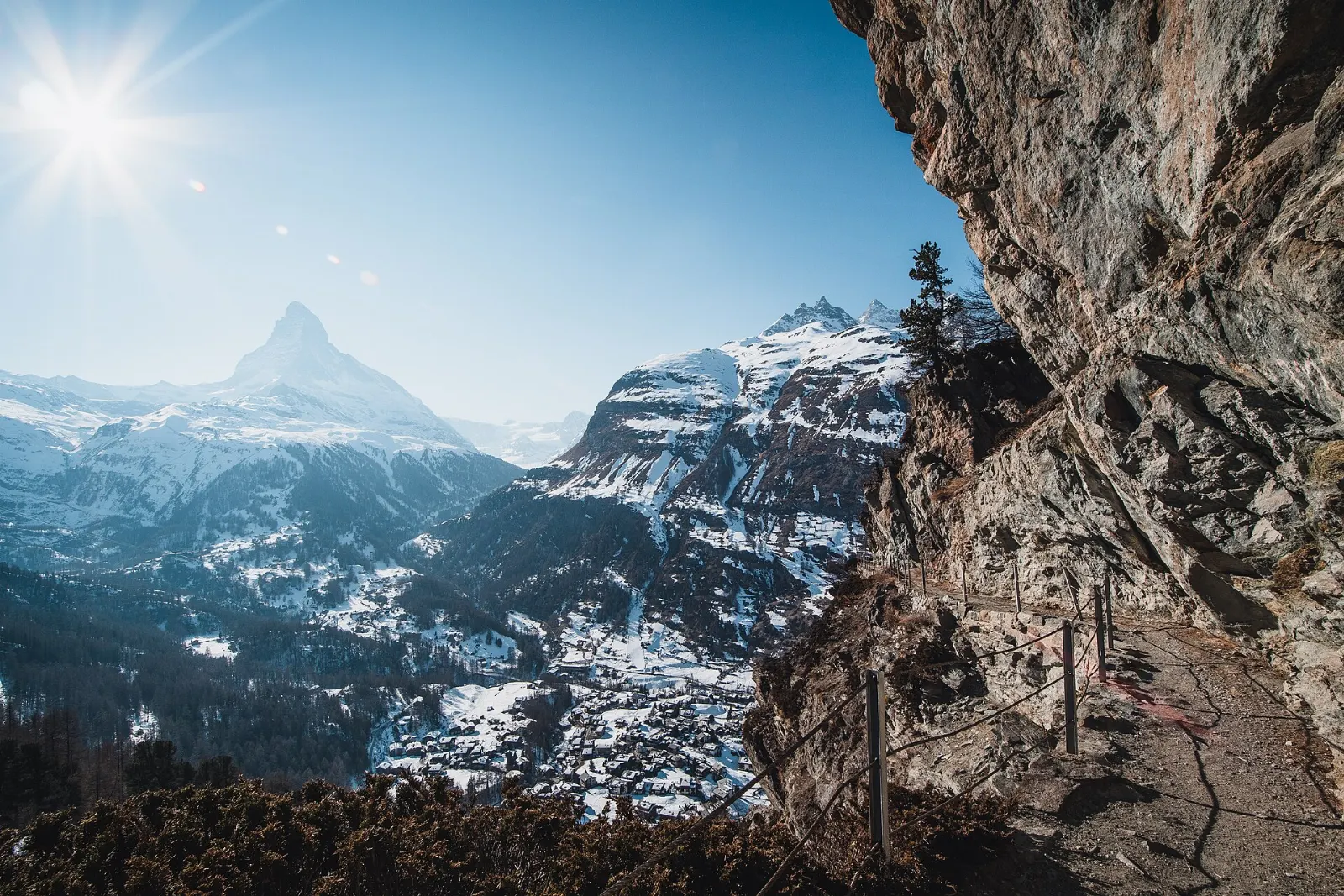
Called the Queen of the Mountains, Rigi is almost surrounded by water, with Lake Lucerne, Lake Zug and Lake Lauerz around its base. The Rigi Railways, which include Europe's oldest mountain railway, opened in 1871, climb from Vitznau and from Arth-Goldau to Rigi Kulm, the summit at nearly 1,800 metres.

Rigi Kulm, the highest point of the Rigi massif, overlooks Lake Lucerne, Lake Zug and Lake Lauerz. Photo: Kabelleger / David Gubler, Wikimedia Commons, CC BY-SA 4.0

A Lake Lucerne cruise

Boats leave from piers right in front of the railway station and serve towns all around the winding lake, including Weggis, Vitznau, Brunnen and Flüelen. Several historic paddle steamers still operate in the summer season. A full run to Flüelen at the far end takes around three hours, as the lake narrows between steep mountains.

Food and local flavors

Lucerne's signature dish is the Luzerner Chügelipastete, a large puff pastry shell filled with veal, small meatballs and mushrooms in a creamy sauce.

To warm up, locals drink Kafi Luz, coffee mixed with fruit schnapps, and during Fasnacht you will see bowls of Mehlsuppe, a brown flour soup traditionally served in the early hours of the carnival.

Popular dishes to try in Lucerne

Luzerner Chügelipastete in Lucerne, Switzerland
Luzerner Chügelipastete Food and local flavorsLucerne's signature dish is the Luzerner Chügelipastete, a large puff pastry shell filled with veal, small meatballs and mushrooms in a creamy sauce.Photo: Sandstein, Wikimedia Commons, CC BY-SA 3.0
Cheese fondue in Lucerne, Switzerland
Cheese fondue You will also find plenty of Swiss staples: rösti, Älplermagronen with applesauce, and cheese fondue in cooler months.Photo: Peachyeung316, Wikimedia Commons, CC BY-SA 4.0
Rösti in Lucerne, Switzerland
Rösti You will also find plenty of Swiss staples: rösti, Älplermagronen with applesauce, and cheese fondue in cooler months.Photo: cyclonebill, Wikimedia Commons, CC BY-SA 2.0

Where to stay

The Old Town, on the right bank of the Reuss, puts you among the bridges, squares and restaurants and suits first-time visitors who want atmosphere on their doorstep.

The lakefront along the Schweizerhofquai and the Haldenstrasse is home to Lucerne's historic grand hotels and suits travelers who want lake views. For quieter stays, consider the Tribschen area south of the station, or lakeside towns such as Weggis and Vitznau, which are well placed for Rigi and connected to the city by boat.

Where to stay in Lucerne

Schweizerhofquai, Lucerne, Switzerland
Schweizerhofquai The lakefront along the Schweizerhofquai and the Haldenstrasse is home to Lucerne's historic grand hotels and suits travelers who want lake views.Photo: Bildcode: Com_F64-03304 Fotograf: Comet Photo AG (Zürich) Titel: Lu…, Wikimedia Commons, CC BY-SA 4.0
Haldenstrasse, Lucerne, Switzerland
Haldenstrasse The lakefront along the Schweizerhofquai and the Haldenstrasse is home to Lucerne's historic grand hotels and suits travelers who want lake views.Photo: Rvkluzern, Wikimedia Commons, CC BY-SA 4.0
Lucerne, Lucerne, Switzerland
Lucerne The lakefront along the Schweizerhofquai and the Haldenstrasse is home to Lucerne's historic grand hotels and suits travelers who want lake views.Photo: Daniel Kraft, Wikimedia Commons, CC BY-SA 3.0
Vitznau, Lucerne, Switzerland
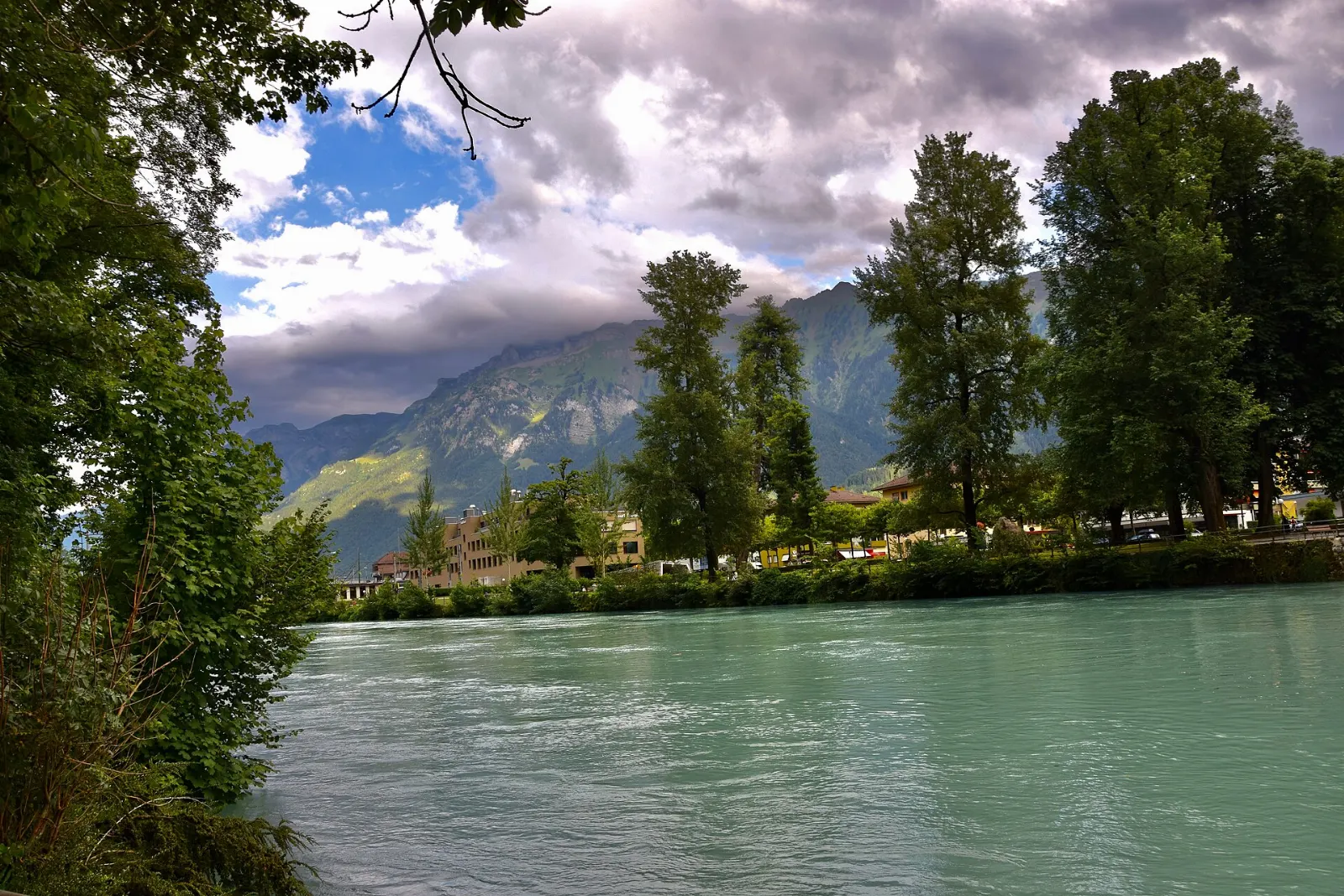
Vitznau For quieter stays, consider the Tribschen area south of the station, or lakeside towns such as Weggis and Vitznau, which are well placed for Rigi and connected to the city by boat.Photo: W. Bulach, Wikimedia Commons, CC BY-SA 4.0
Best time to visit

Late spring through early autumn is the best time for lake cruises and mountain trips, when all boats run their full timetables and the Pilatus cogwheel railway is open.

Winter is cool and often grey in the city, but clear days on the mountains can be spectacular, and both Rigi and Pilatus by cable car stay open.

Getting there and getting around

Zurich Airport is the nearest major international airport, with direct trains to Lucerne in about an hour.

The center is easy to explore on foot, and city buses cover the outskirts, including Kriens for Pilatus and the Swiss Museum of Transport. Boats on Lake Lucerne double as transport to lakeside towns and mountain railways.

A suggested itinerary

First day

Start at the Chapel Bridge early, then walk the Old Town squares and the Spreuer Bridge.

Second day

Take the Golden Round Trip to Pilatus: boat to Alpnachstad, cogwheel train to the summit and cable cars down to Kriens.

Third day

Cruise to Vitznau and ride the railway up Rigi, walk across to Rigi Kaltbad and take the cable car down to Weggis for the boat back.

Fourth day

Spend the morning at the Swiss Museum of Transport or the Rosengart Collection, then take a longer lake cruise toward Brunnen.

Practical tips

  • Ask your hotel for the guest card, which usually covers city buses in the central zone.
  • Check mountain webcams before heading up Pilatus or Rigi, and save summits for clear days.
  • The Pilatus cogwheel railway runs only in the warmer months; in winter use the cable cars from Kriens.
  • Visit the Chapel Bridge and the Lion Monument early to avoid large tour groups.
  • Bring a light jacket for boat decks and summits, which are much cooler than the city.
  • Book accommodation well ahead for Fasnacht and for festival weeks in summer.
LucerneWISERMAP PLACELucerne: photos, reviews & things to doSee traveler photos and reviews, or share your own →

More places to visit

All travel guides →